Hello, I am Dr. Peter C. Kang.
Today, I would like to introduce the case of a patient who underwent revision rhinoplasty to achieve a more defined nasal line after cleft lip and palate correction.
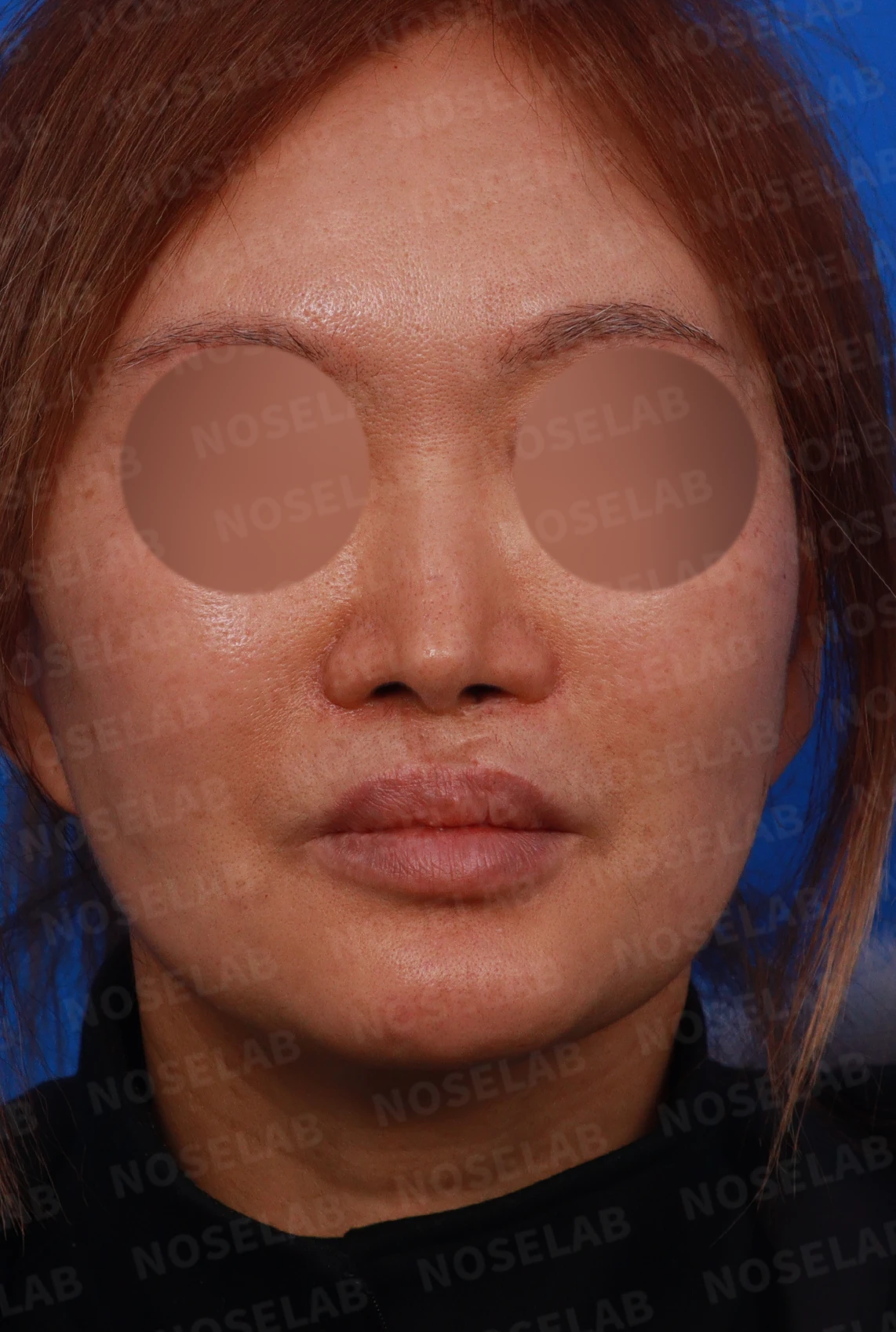
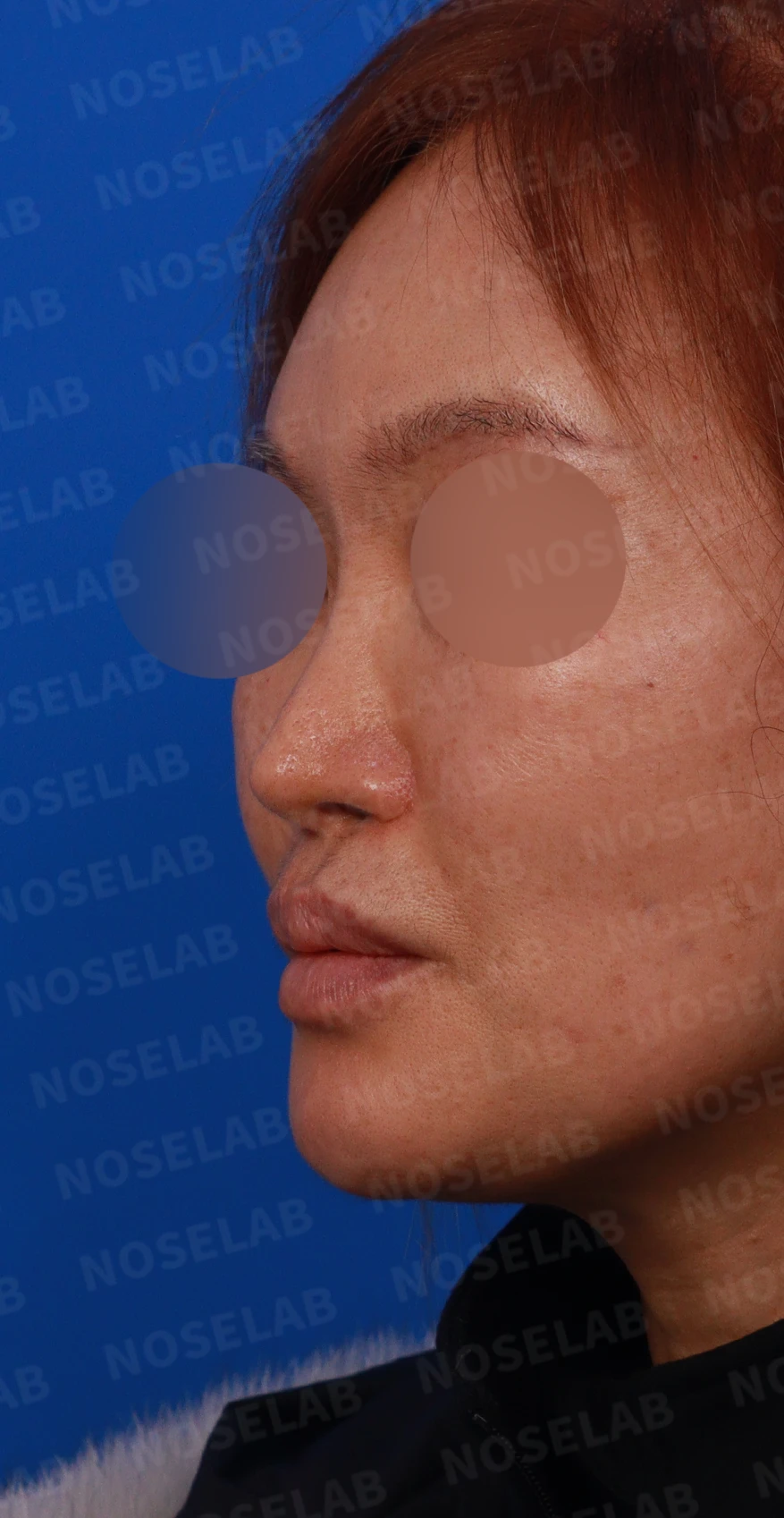
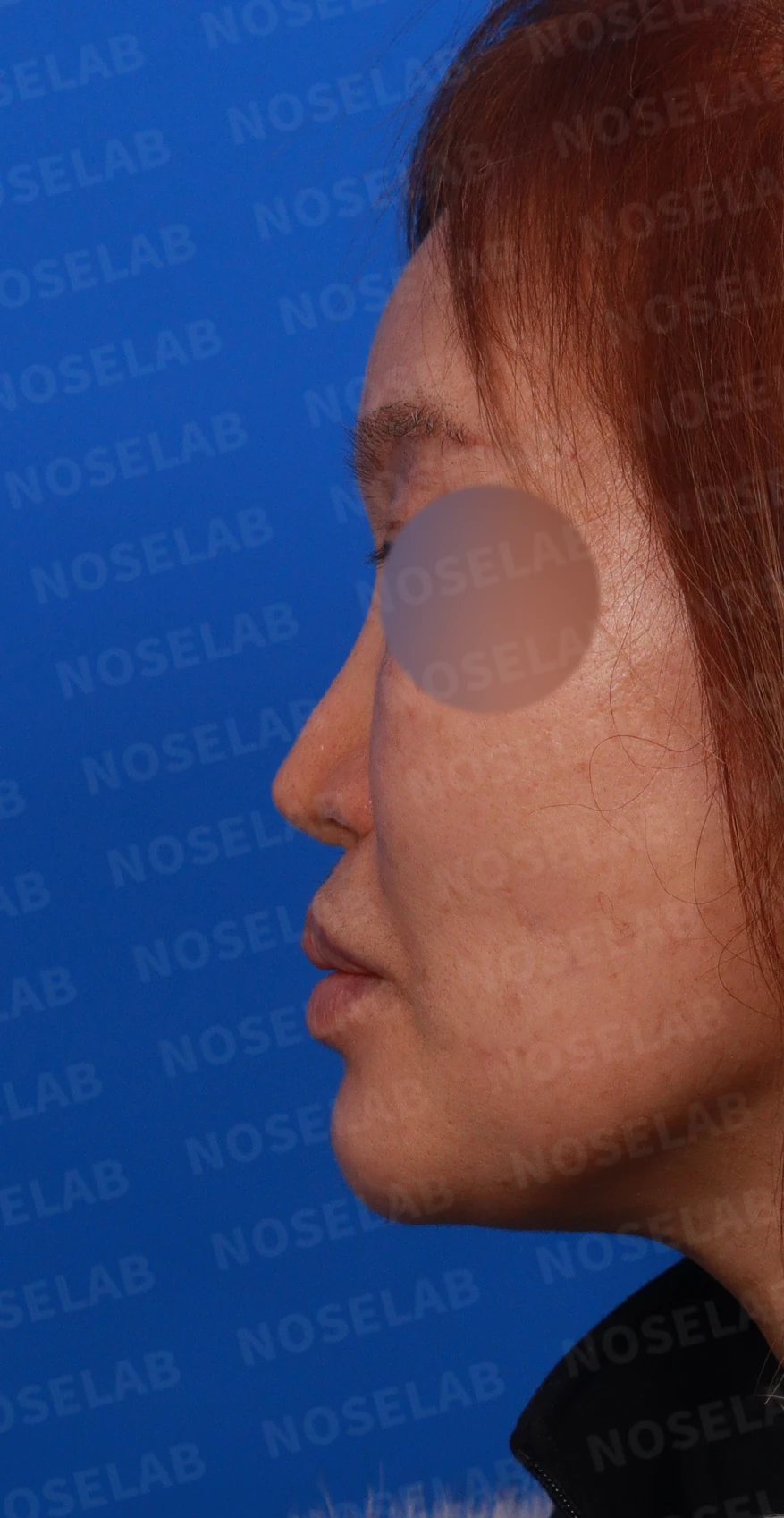
Front, left profile, and oblique views during design consultation
📍 Surgical history
Childhood: Cleft lip and palate surgery (during middle school)
10 years ago: Alar reduction + silicone implant surgery
4 years ago: Donor rib cartilage + silicone implant surgery at NOSELAB
🔎 Initial consultation findings
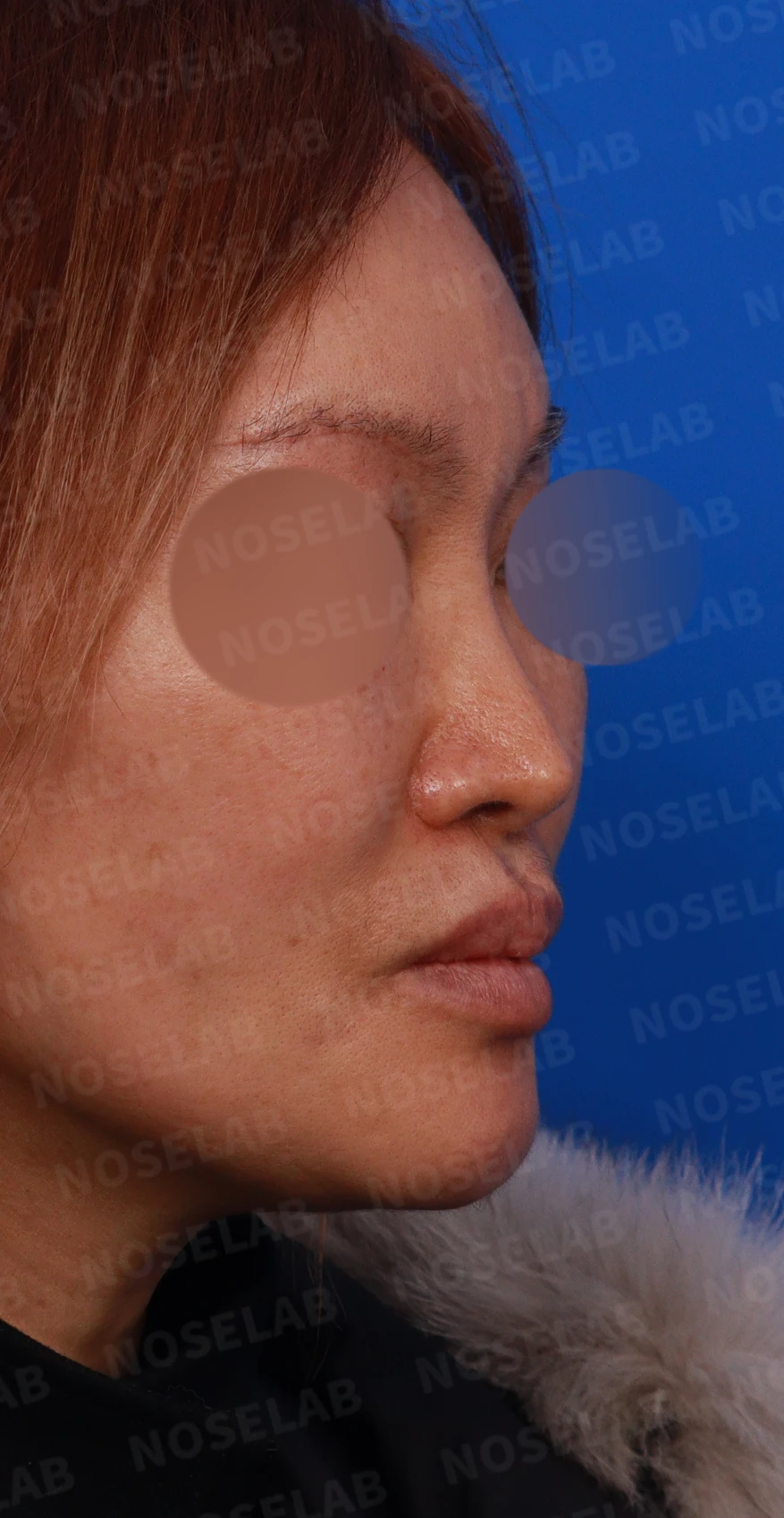
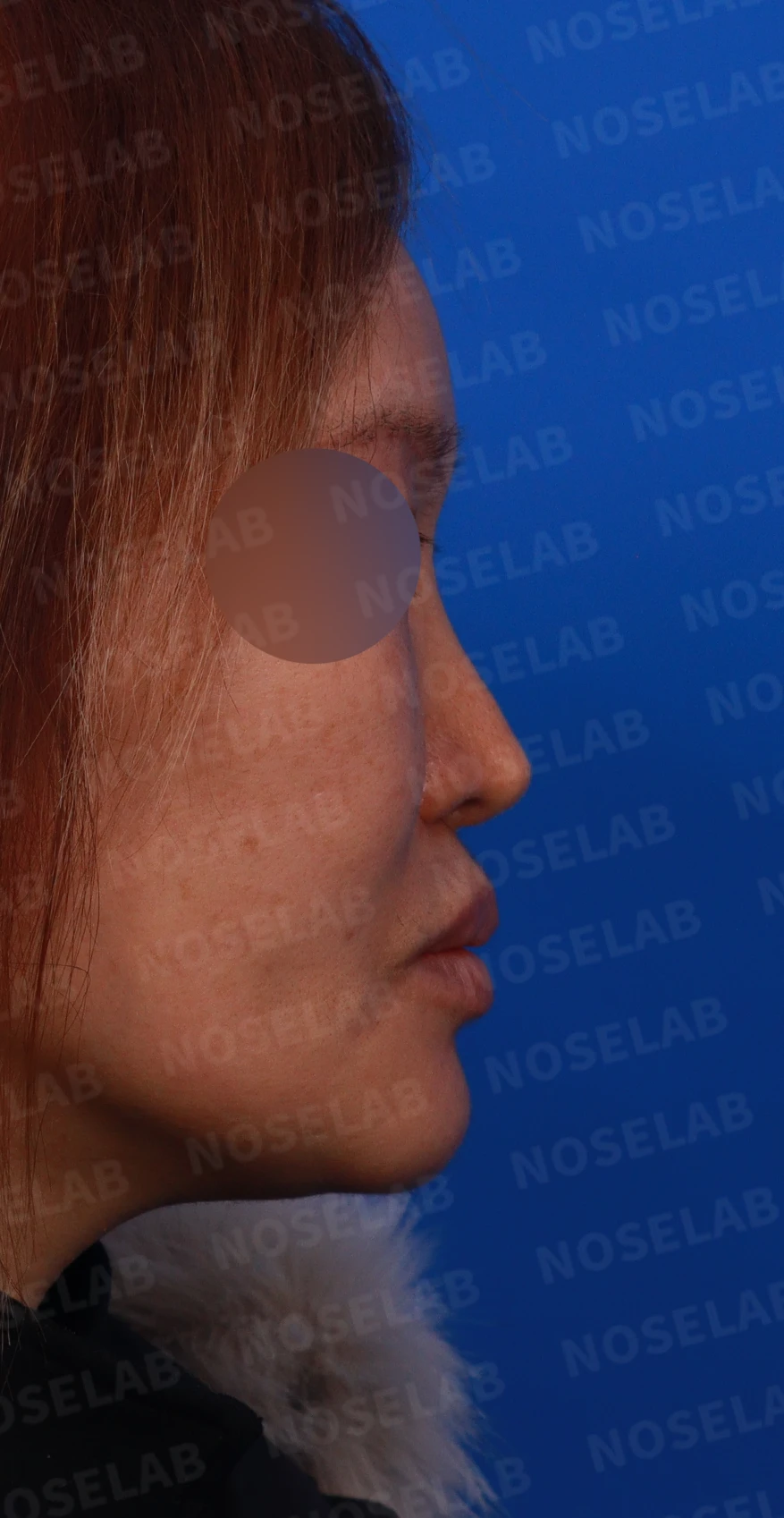
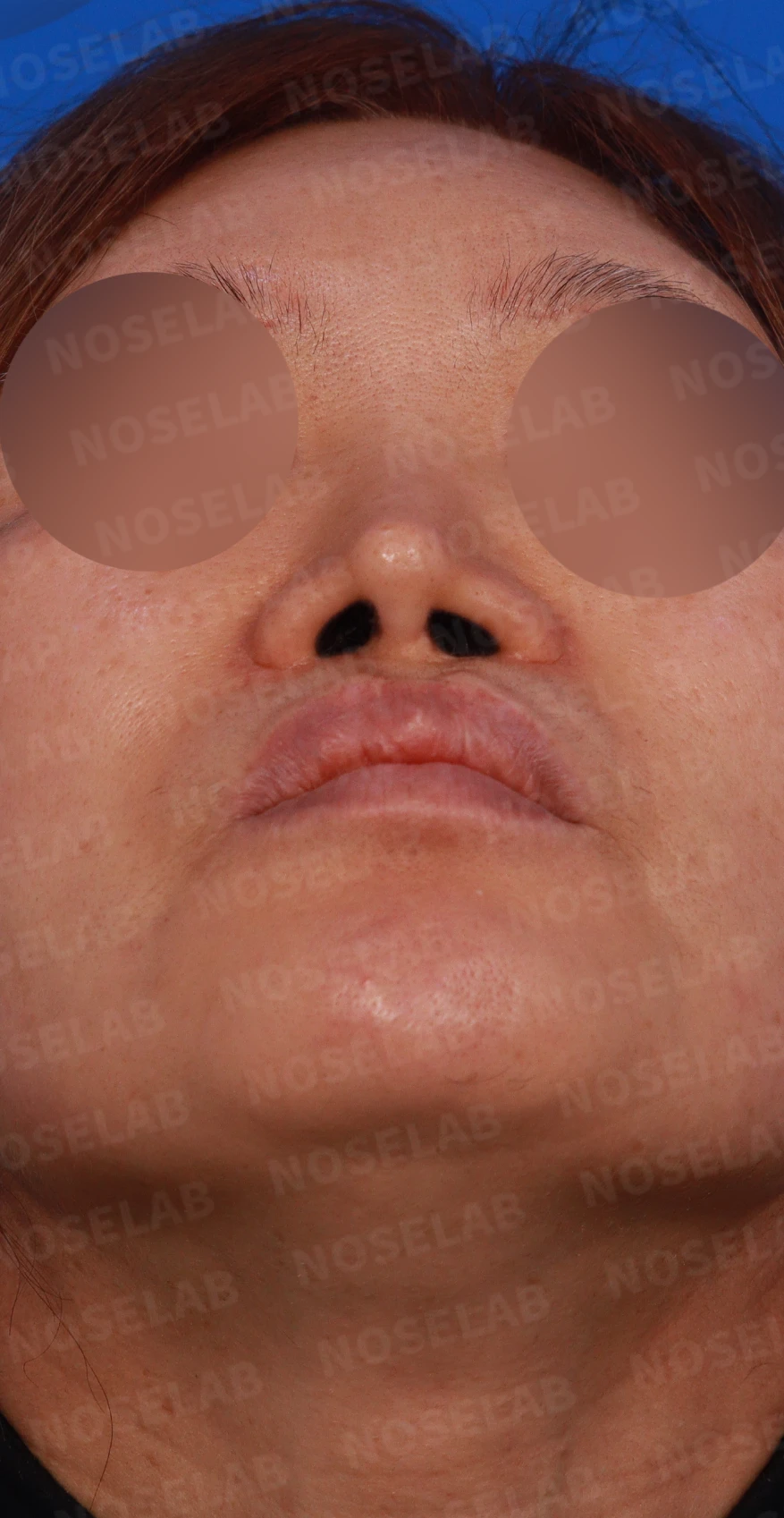
Design consultation: right oblique, profile, and basal (nostril) views
Special notes
Underlying nasal structural deformity caused by cleft lip and palate
Satisfied with the previous natural result, but now desired a more dramatic, defined change
Rhinitis symptoms present
2. Desired areas of improvement
Flared nasal shape
Position of the nasal tip
Overall three-dimensional definition
✨ Patient's requests
Nasal tip elevation
Improvement of a wide nose
A more defined and prominent nasal line than before
Initially desired a natural look, but now wanted a more pronounced change
💉 Surgical procedure details
Structural reinforcement
Septal reconstruction using autologous rib cartilage
Replacement of existing graft with autologous rib cartilage
Creation of a stable structural support
2. Shape improvement
Elevation of the nasal tip
Correction of wide nose
Creation of a more defined nasal profile
3. Detailed adjustments
Nasal sill reduction
Functional surgery to improve rhinitis
Securing overall balance
✅ Surgical results
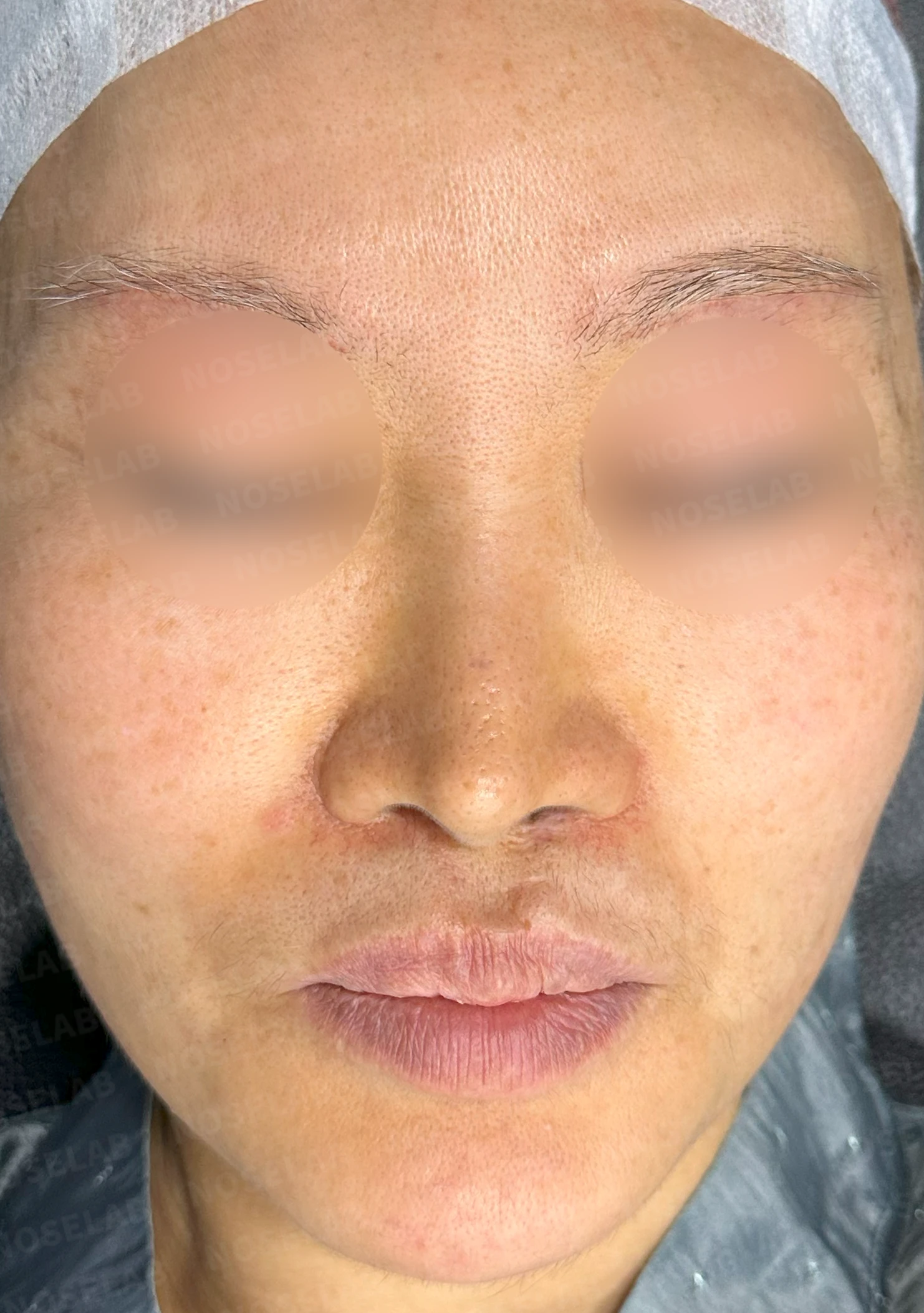
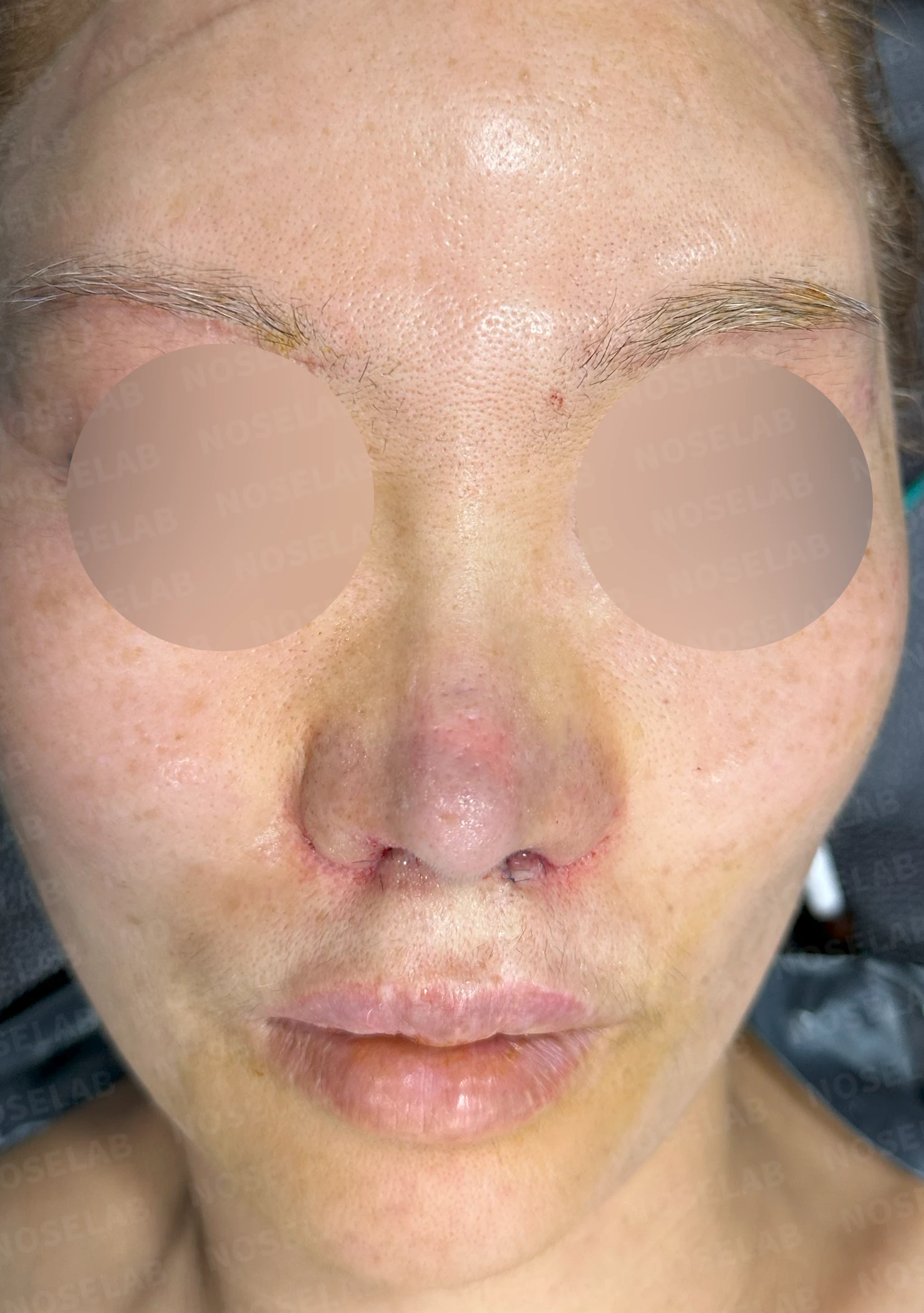
Before surgery / Day 0 immediately after surgery Photos taken immediately after surgery show swelling and may differ from the final result.
Front view
Slimmer nasal line
Three-dimensional nasal tip
Improved nasal tip symmetry
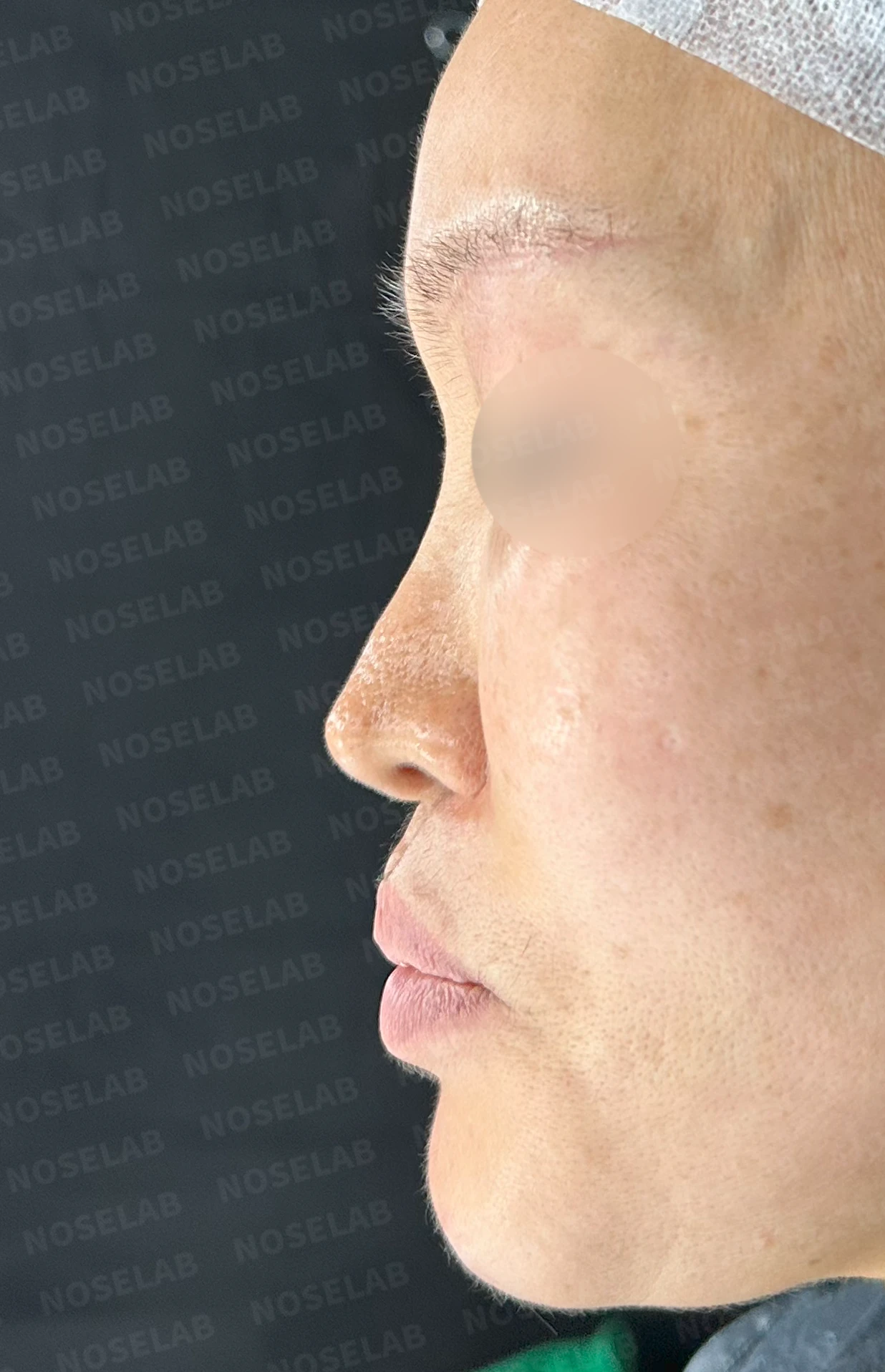
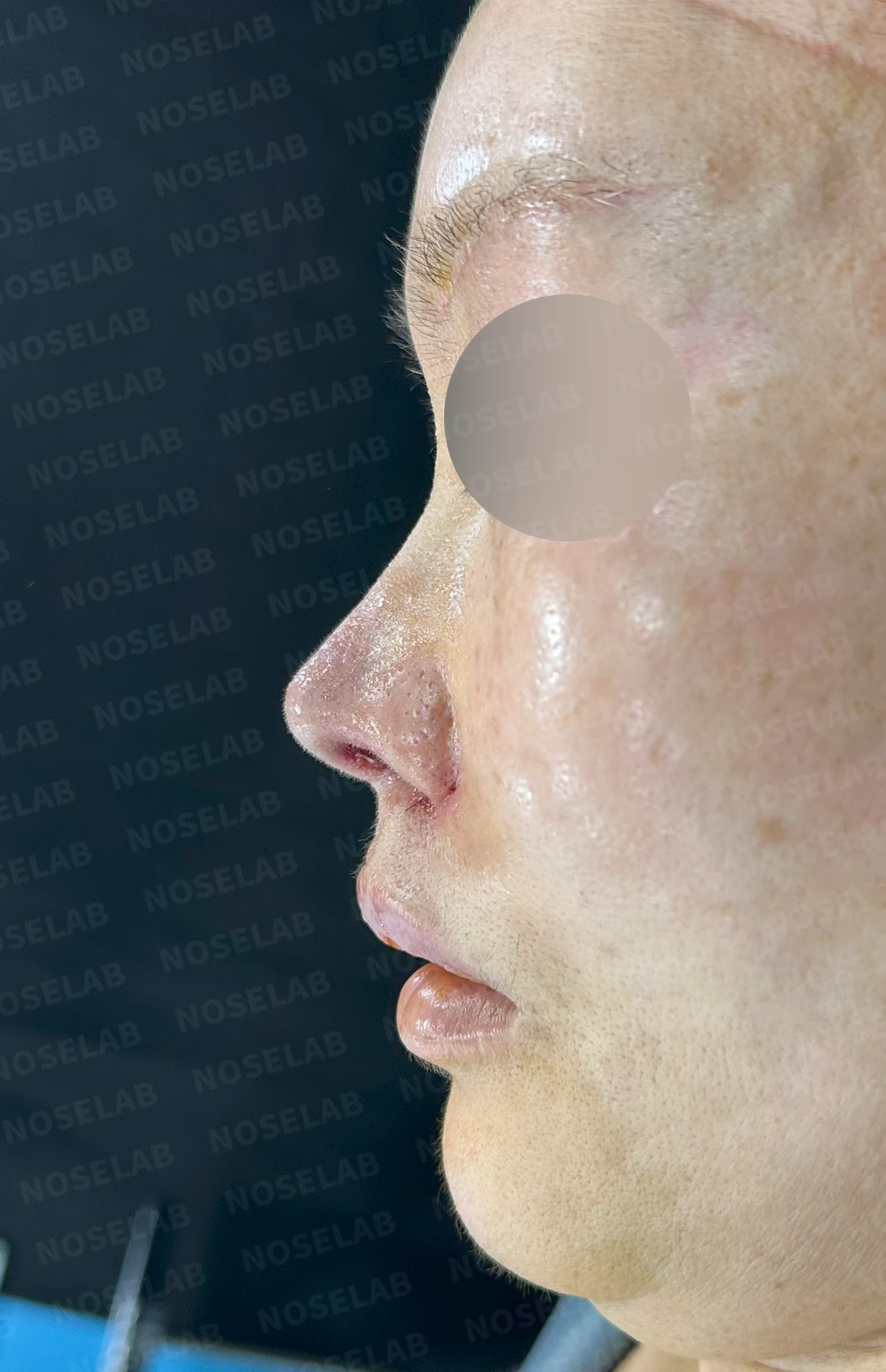
Before surgery / Day 0 immediately after surgery Photos taken immediately after surgery show swelling and may differ from the final result.
2. Profile view
More defined nasal line
Elevated nasal tip
Harmonious overall proportions
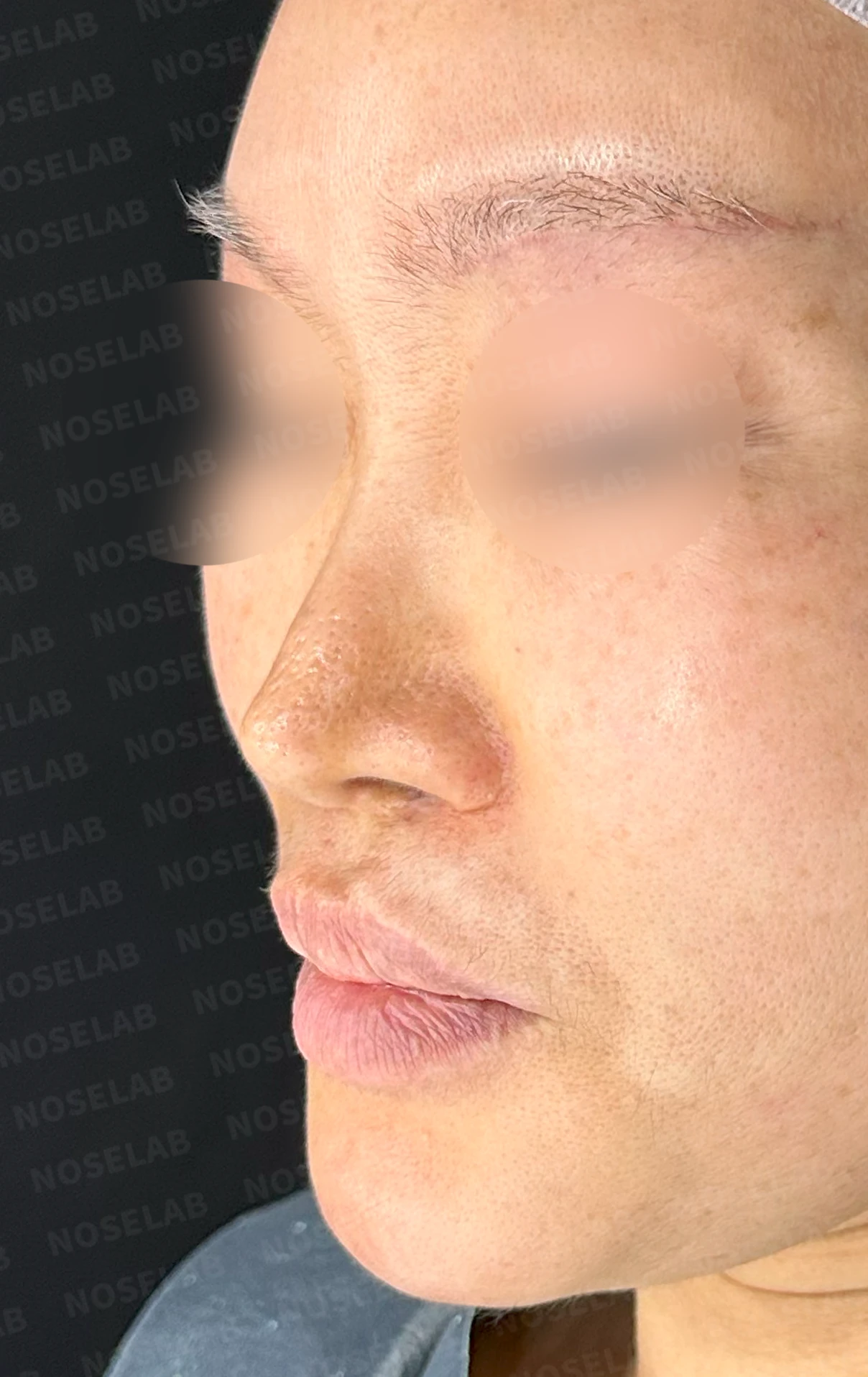
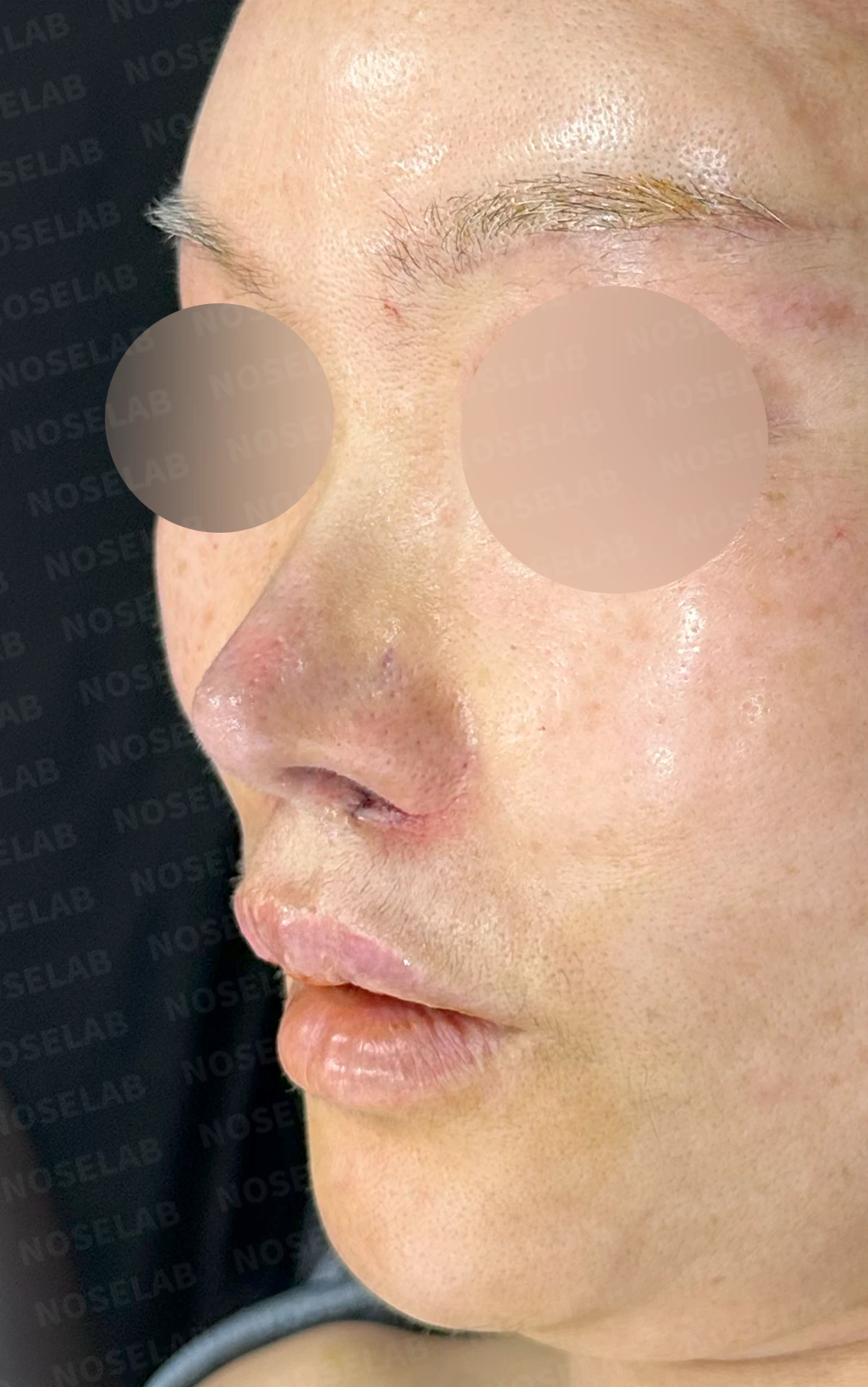
Before surgery / Day 0 immediately after surgery Photos taken immediately after surgery show swelling and may differ from the final result.
3. Nostrils
Reduced nasal sill
Anticipated improvement in rhinitis symptoms
Balanced overall structure
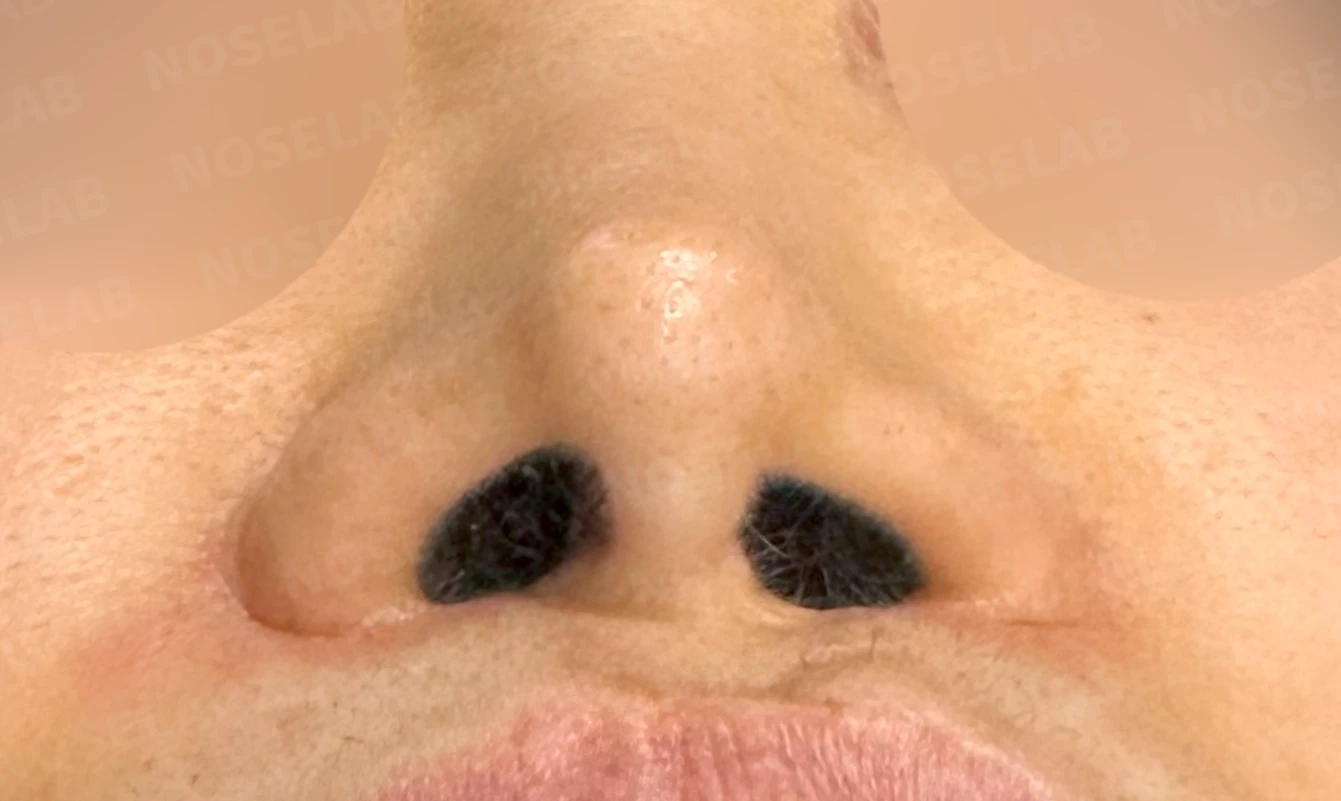
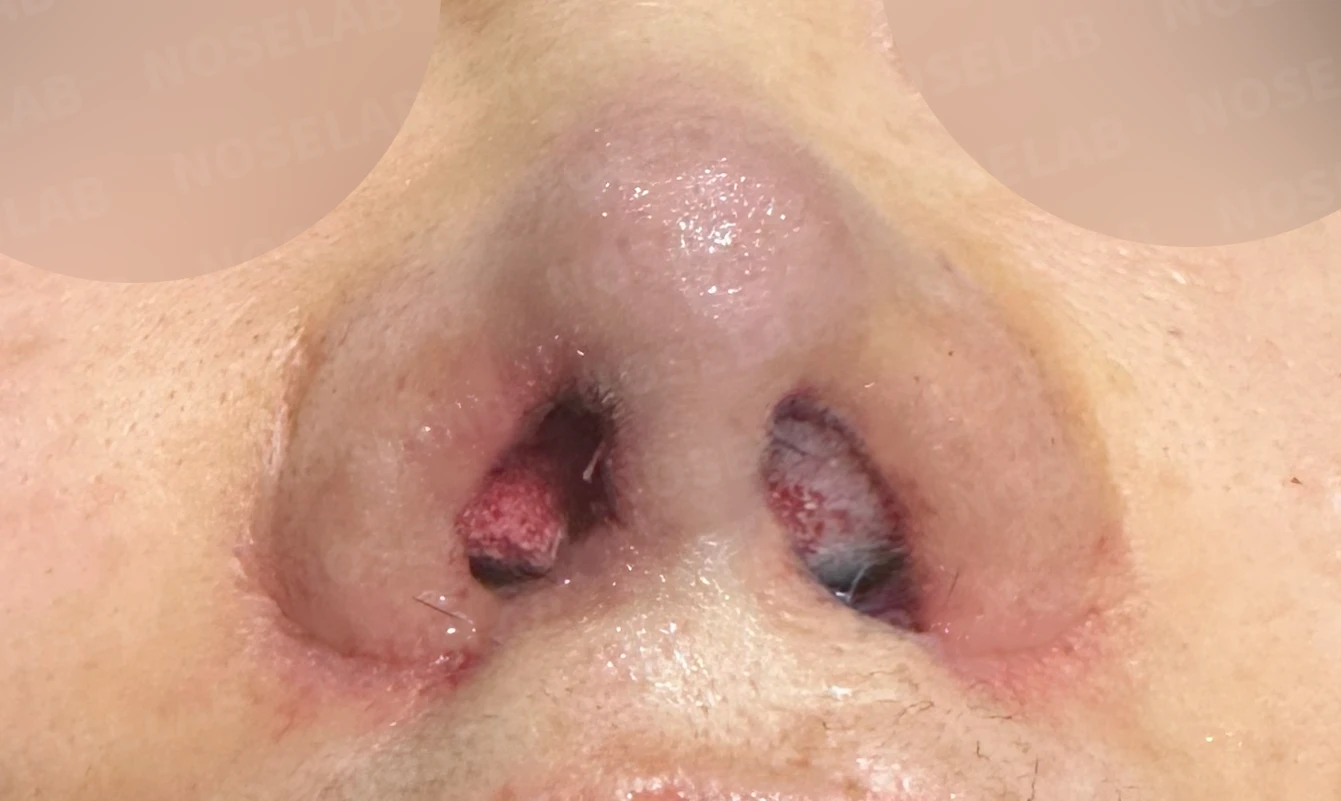
Before surgery / Day 0 immediately after surgery Photos taken immediately after surgery show swelling and may differ from the final result.
👨⚕️ Specialist's assessment
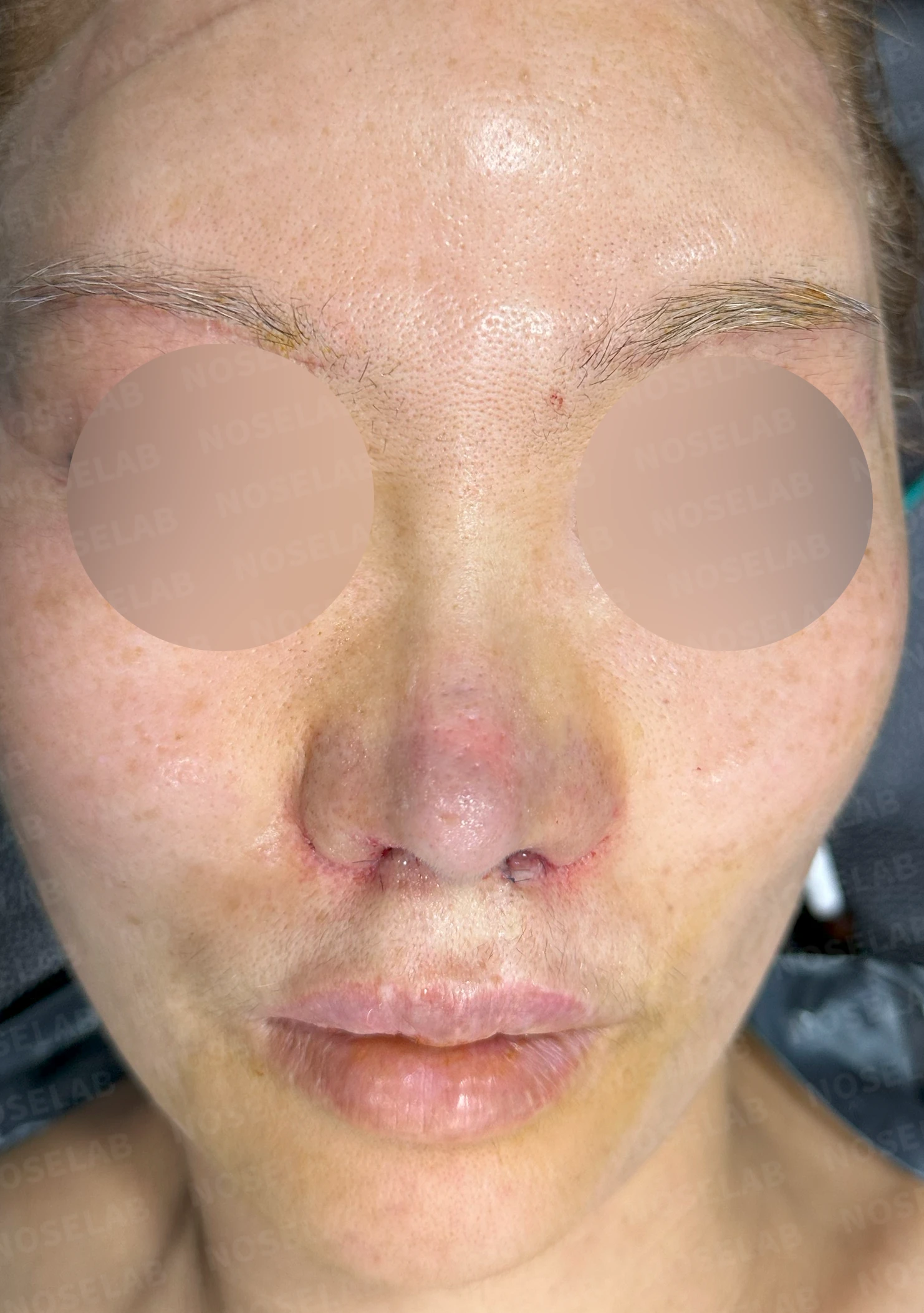
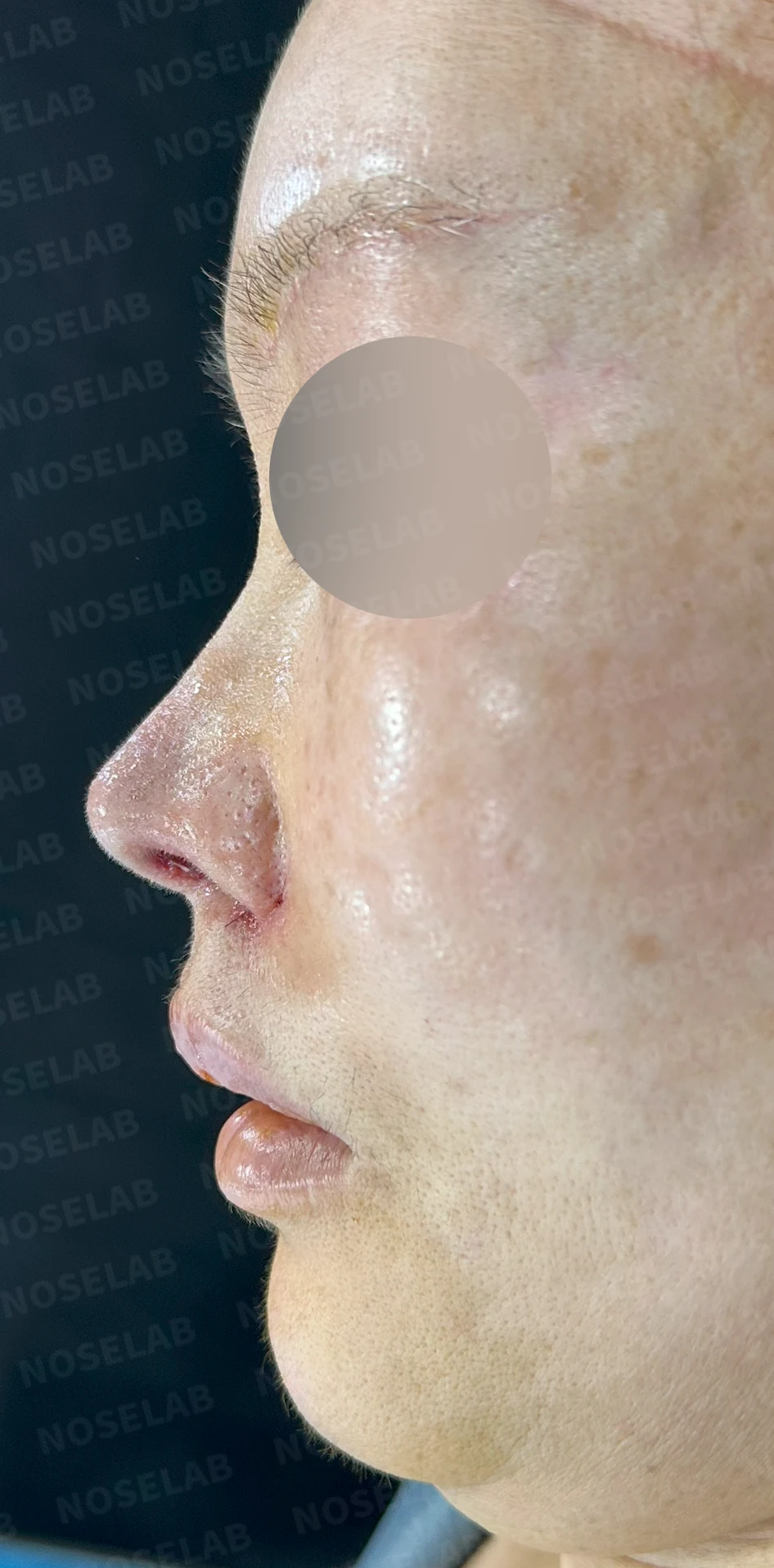
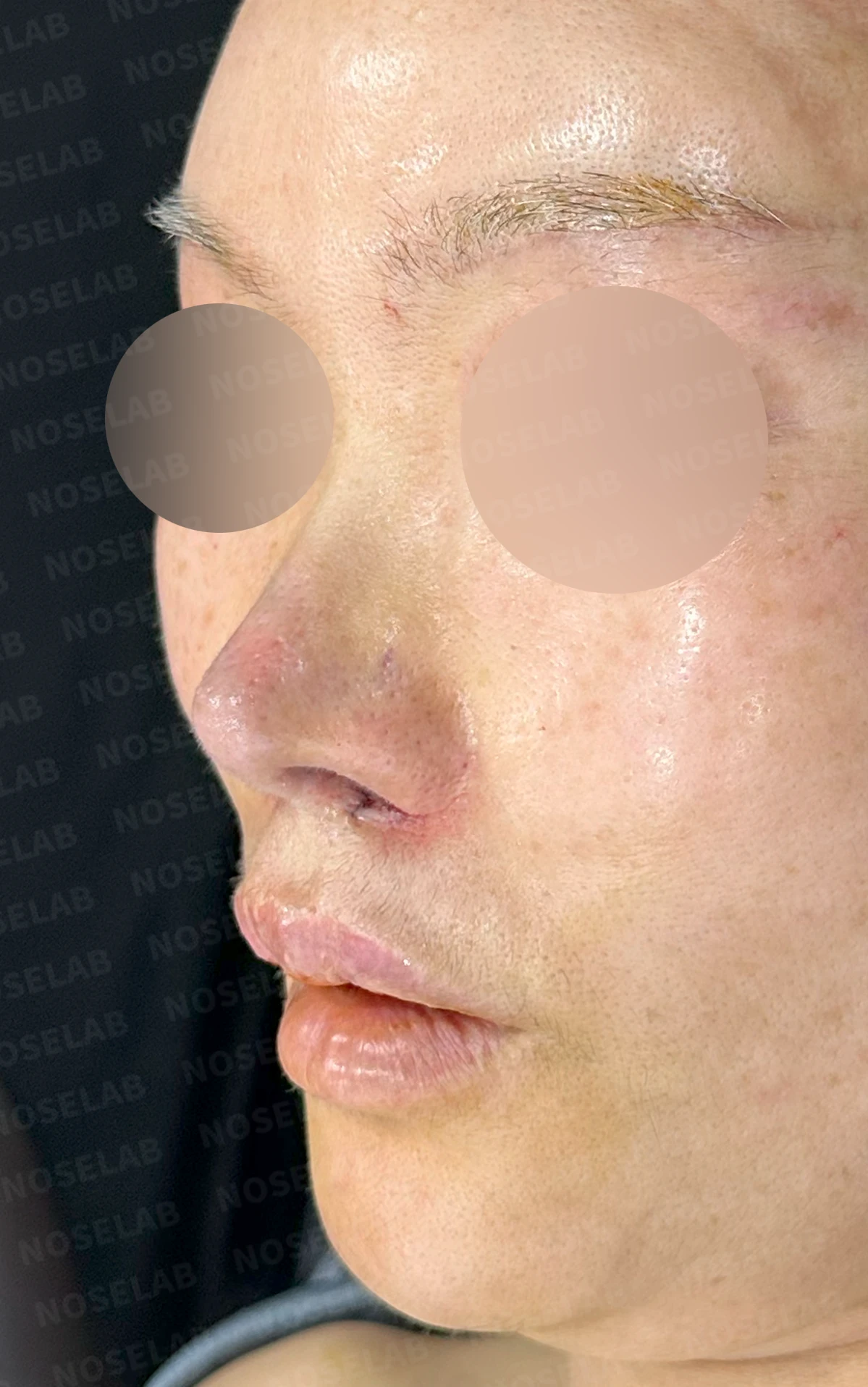
Front, profile, and oblique views immediately after surgery on day 0 Photos taken immediately after surgery show swelling and may differ from the final result.
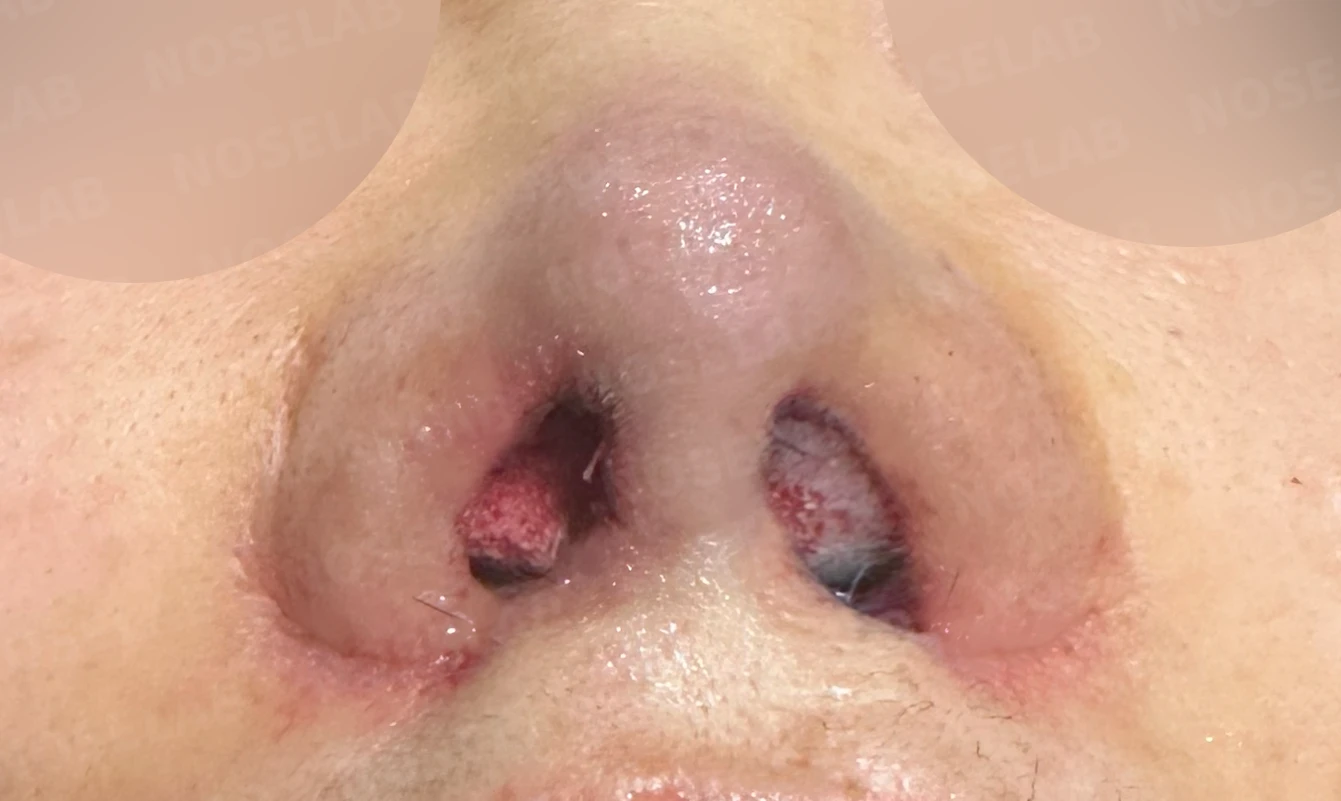
Nostril view on day 0 immediately after surgery Photos taken immediately after surgery show swelling and may differ from the final result.
This case is unique in that the patient, who had undergone cleft nasal reconstruction at our clinic 4 years ago and was satisfied with a natural outcome, returned seeking a more defined and prominent change. Because structural stability is far more critical in revision rhinoplasty for cleft lip and palate patients than in conventional revision cases, we established a firm foundation through septal reconstruction using autologous rib cartilage.
In particular, we focused on elevating the nasal tip and correcting the wide nasal structure, while concurrently performing nasal sill reduction to achieve the refined, defined nasal line the patient desired. This allowed us to advance a step further from the previous natural result.
This was Dr. Peter C. Kang. Thank you.
Thank you.
#closedrhinoplasty #revisionrhinoplasty #cleftlipandpalate #autologousribcartilage #customrhinoplasty

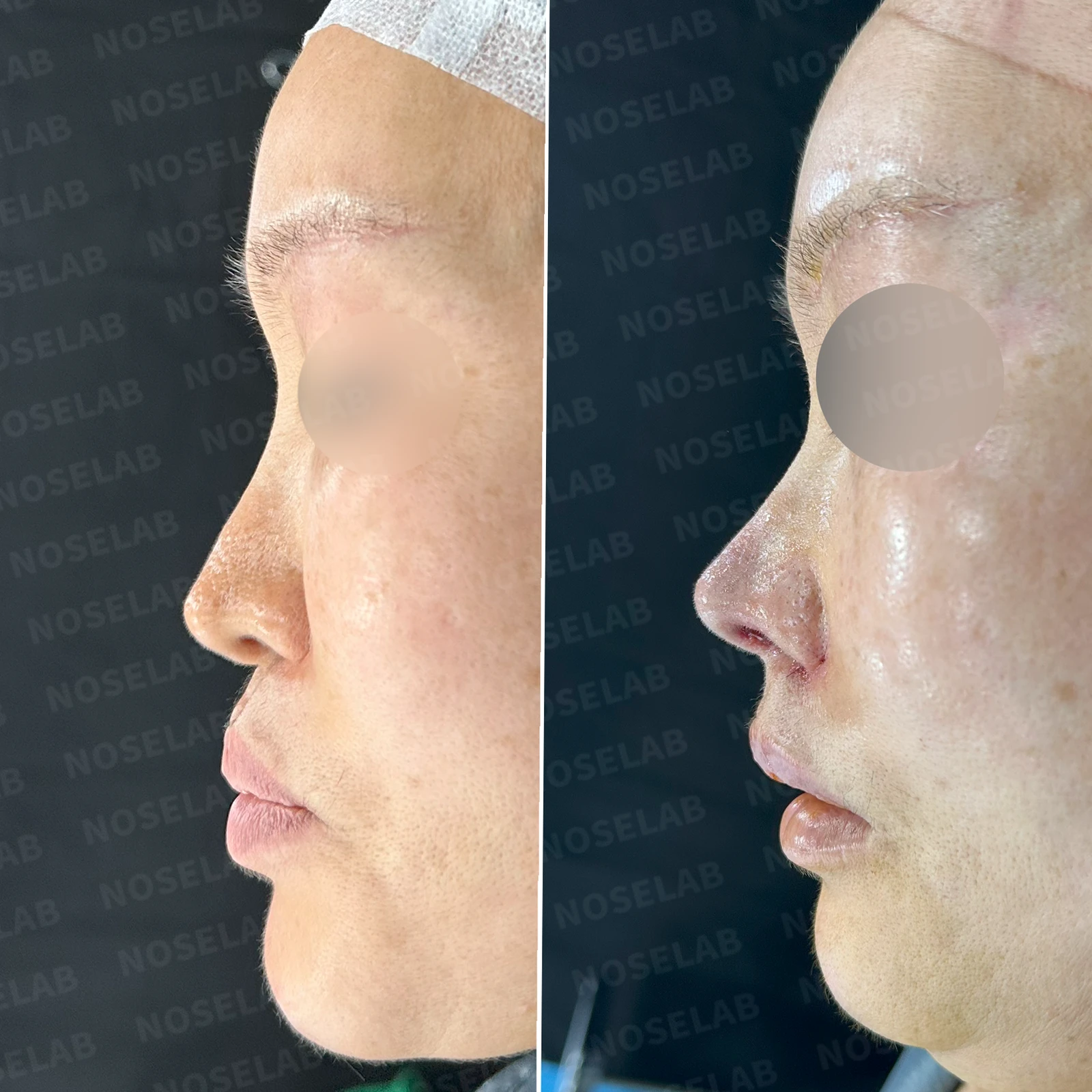
Limitations and risks
When autologous rib cartilage is used, scarring and pain may remain at the donor site on the chest, and pneumothorax (pleural injury) can occur rarely. Over time, the grafted cartilage may warp or undergo partial resorption.
When using donor rib cartilage, long-term follow-up is necessary because the grafted cartilage may resorb or warp.
When the septum is corrected at the same time, nasal obstruction may persist or recur, and in rare cases, septal perforation or changes in smell may occur.
Common potential risks include infection, bleeding, asymmetry, scarring, skin necrosis, and insufficient improvement; results vary depending on individual skin condition and previous surgical history.