Hello, I am Dr. Peter C. Kang.
Today, I would like to introduce the case of a patient who underwent revision rhinoplasty due to septal damage and recurrent rhinitis that occurred after double jaw surgery.
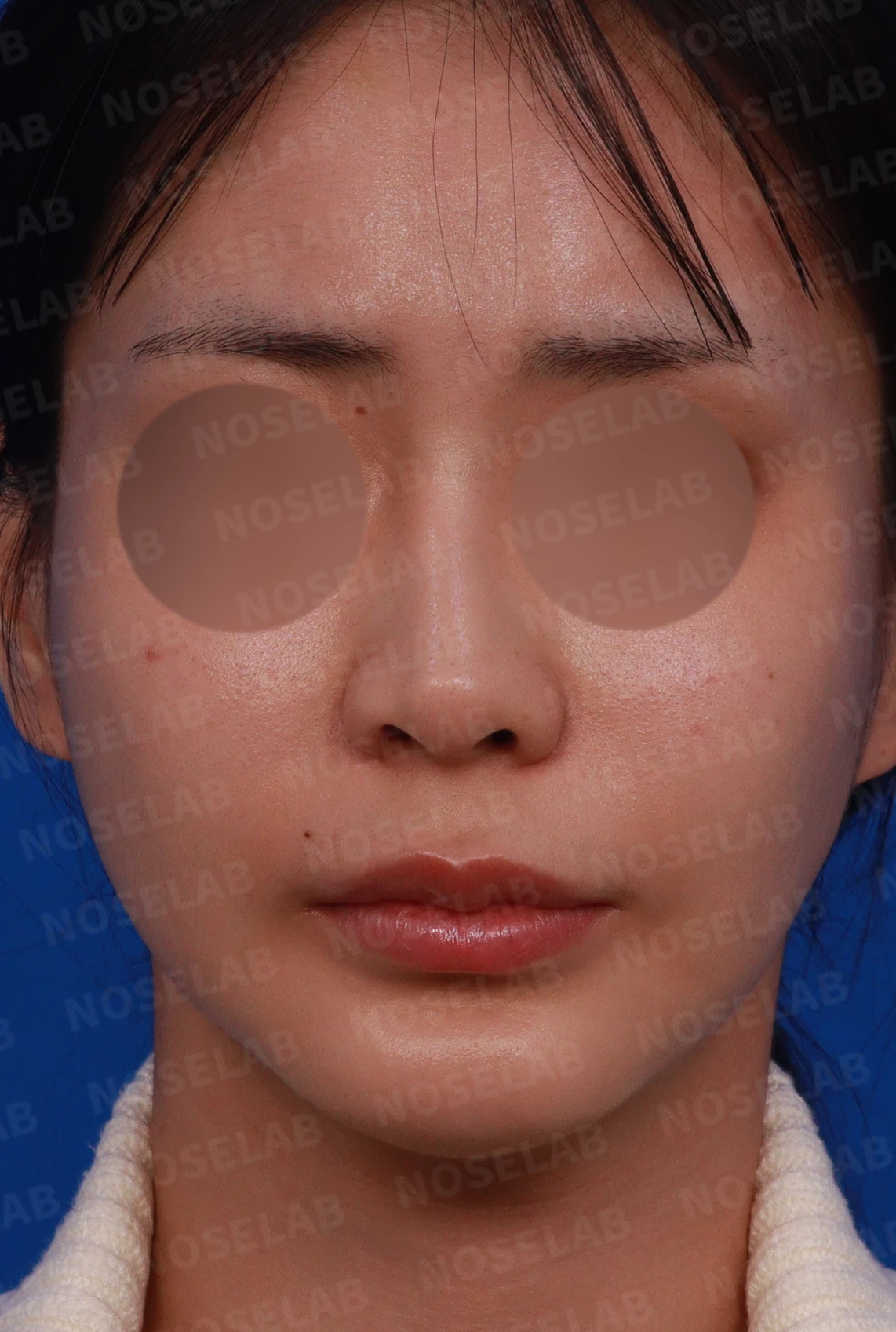
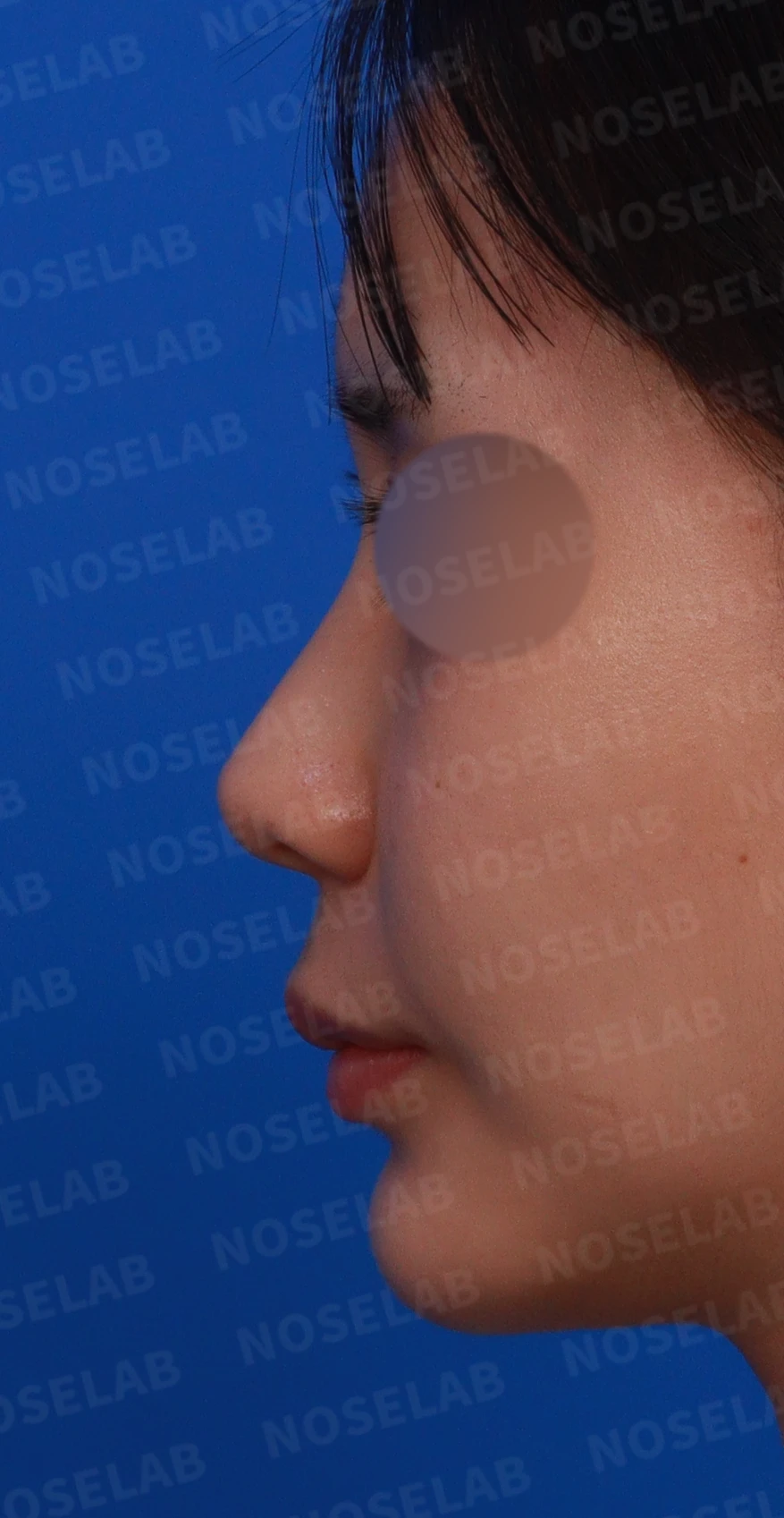
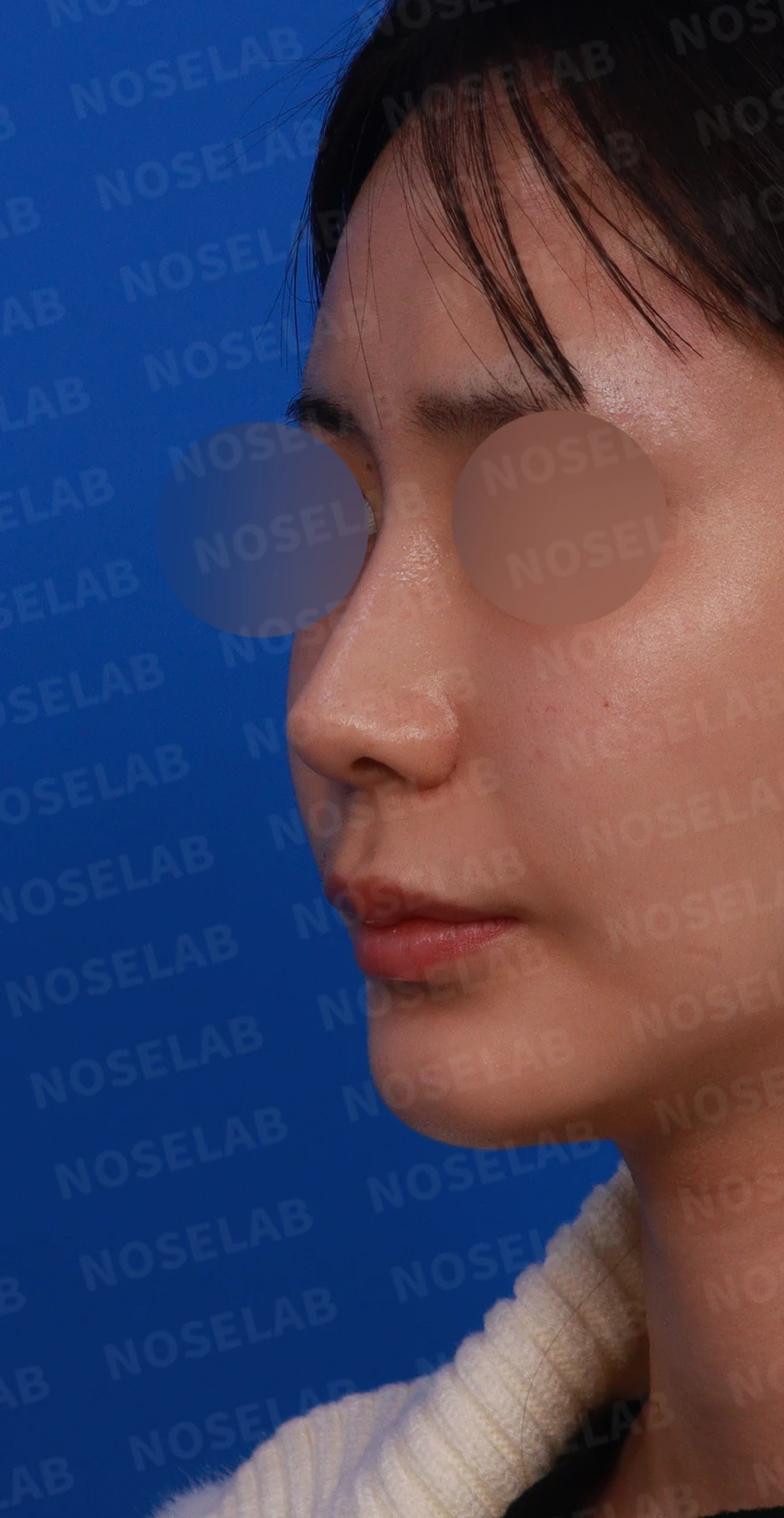
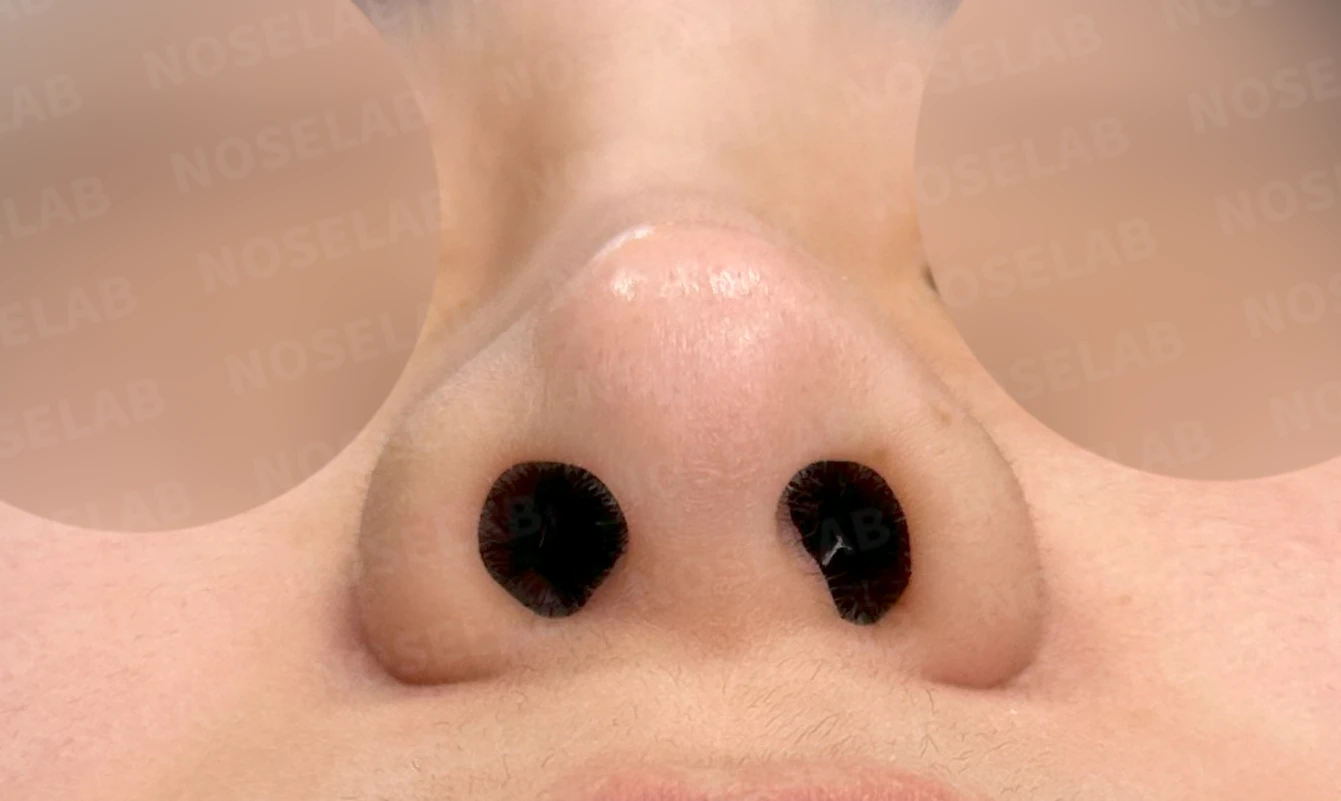
Front, left profile, and oblique views during design consultation
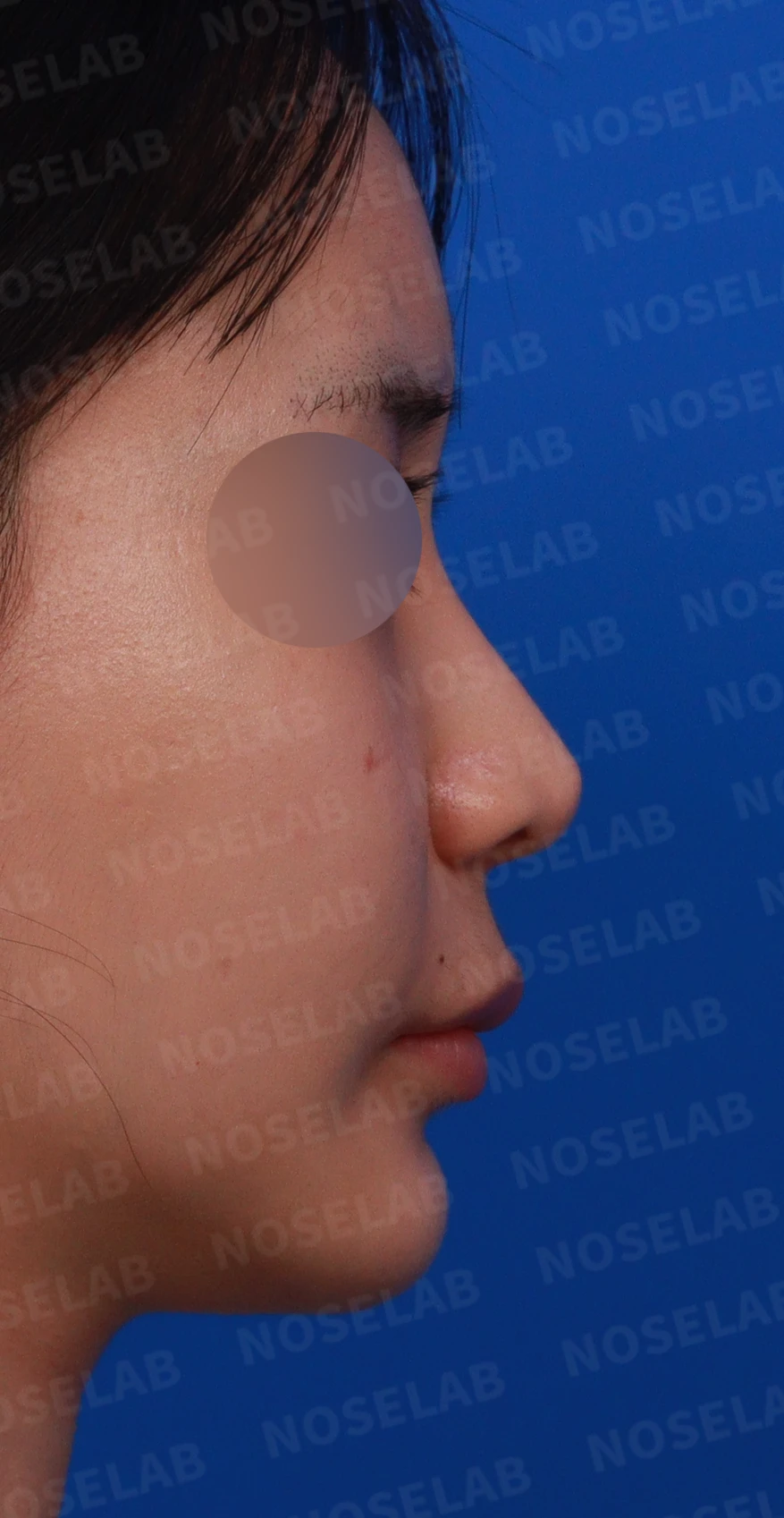
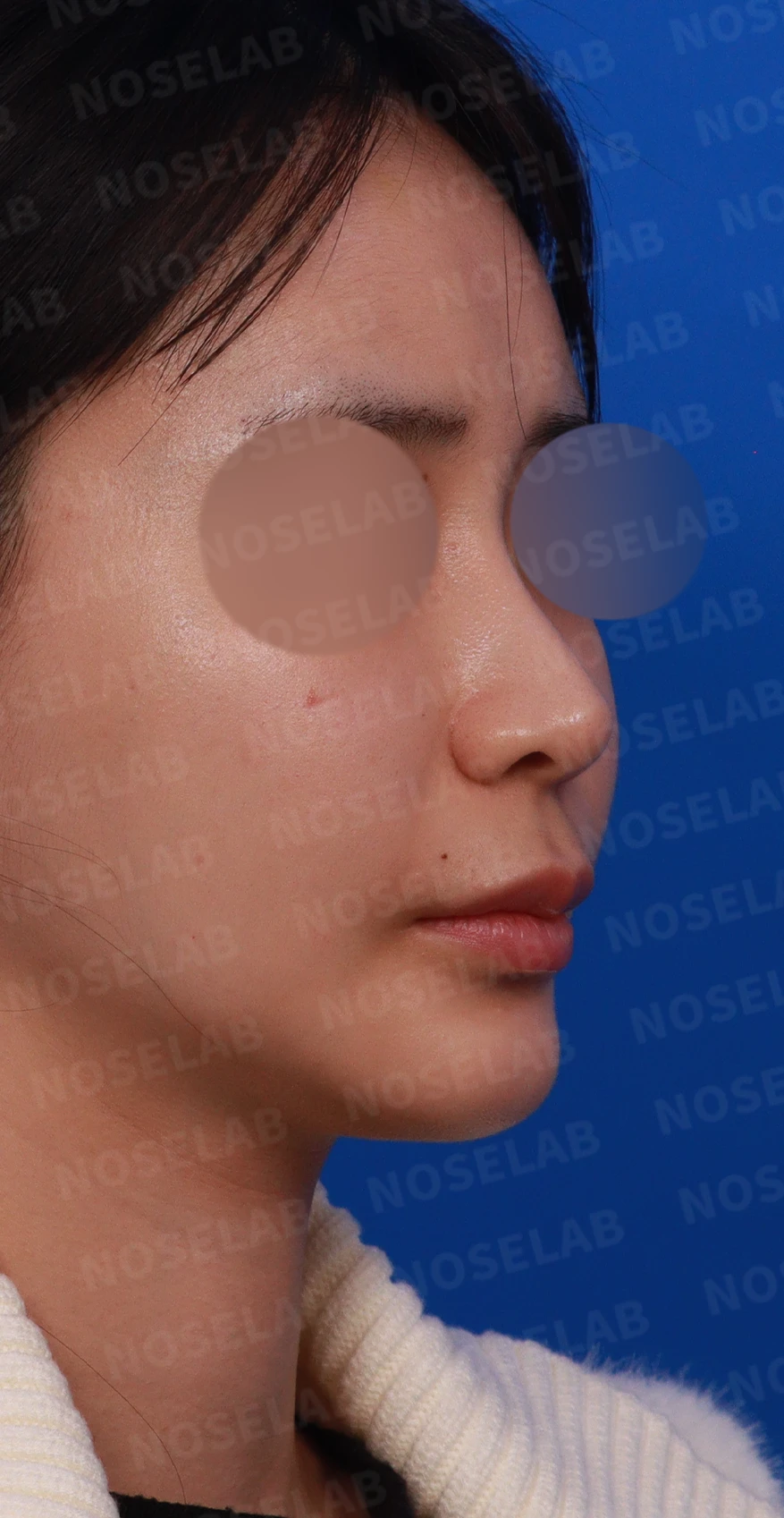
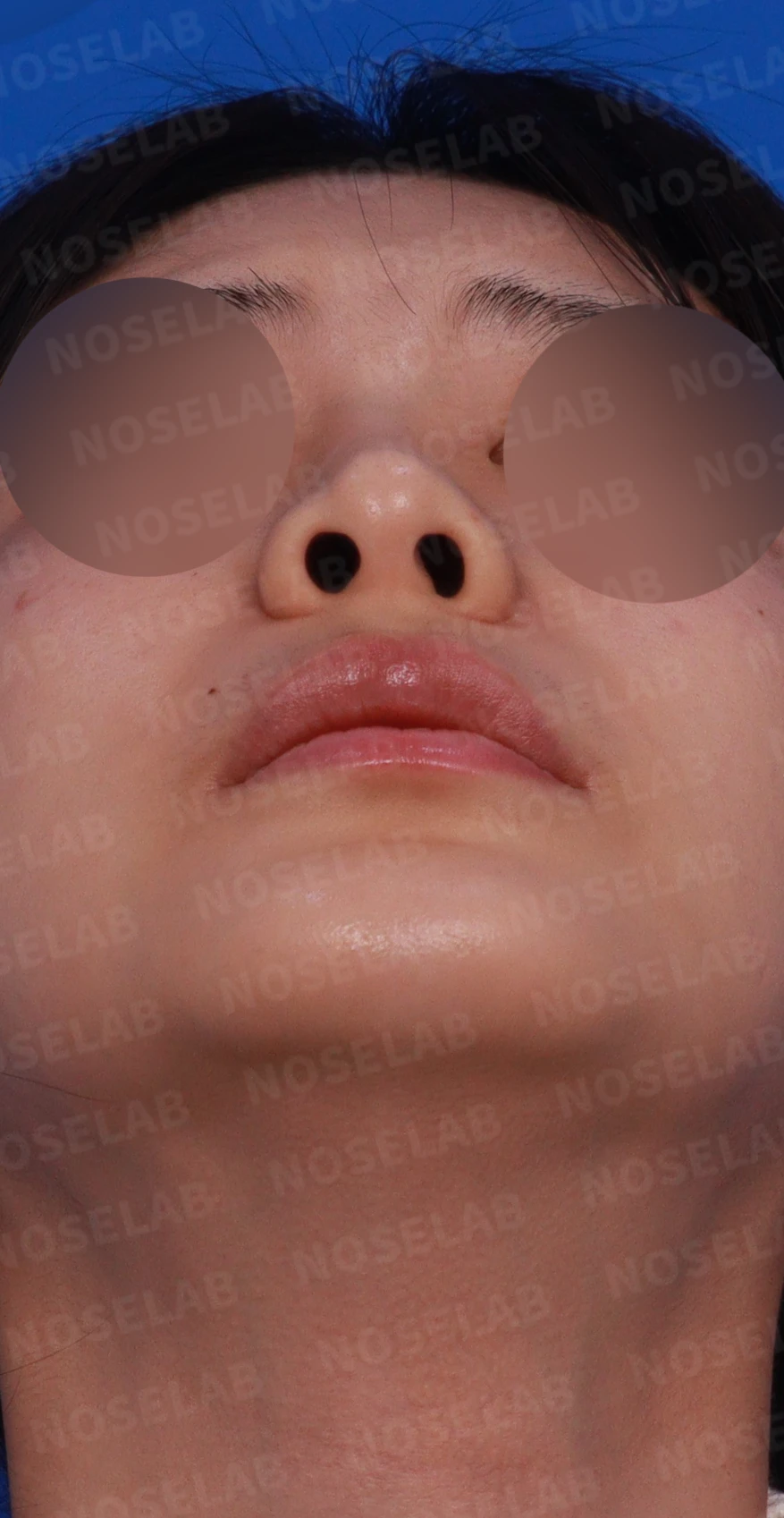
Design consultation photos: front, right profile, and oblique views
📍 Surgical history
2019: Septal cartilage + ear cartilage + silicone implant + rhinitis surgery
2023: Double jaw surgery
2024: Hardware removal
🔎 Initial consultation findings
Septal cartilage damage caused by double jaw surgery
Recurrent rhinitis
Deviated septum
Nostril asymmetry
Wide alae
✨ Patient's requests
A refined Karina-style nasal line
Alar reduction
Resolution of recurrent rhinitis
Preference for donor rib cartilage
💉 Surgical procedure details
Septal reconstruction
Reconstruction of septal cartilage damaged by double jaw surgery using autologous rib cartilage
Septal extension using autologous rib cartilage
Lateral osteotomy performed
2. Functional improvement
Correction of deviated septum
Radiofrequency submucosal resection of the inferior turbinates
Improvement of hypertrophic rhinitis
Restoration of normal breathing function
3. Shape improvement
Correction of congenital nostril asymmetry with right alar reduction
Natural narrowing of the nasal sill
Creation of a refined straight bridge line
✅ Surgical results
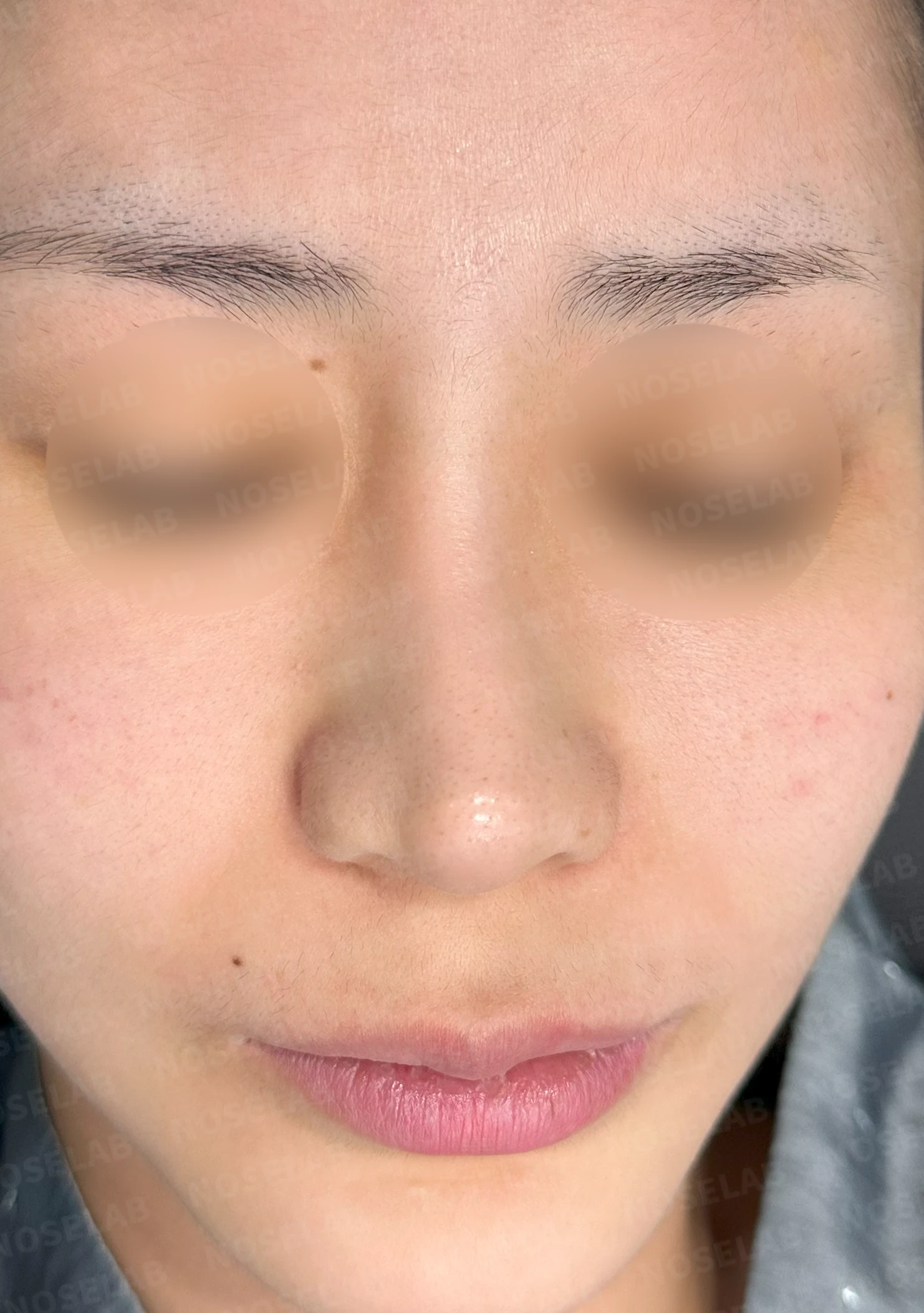
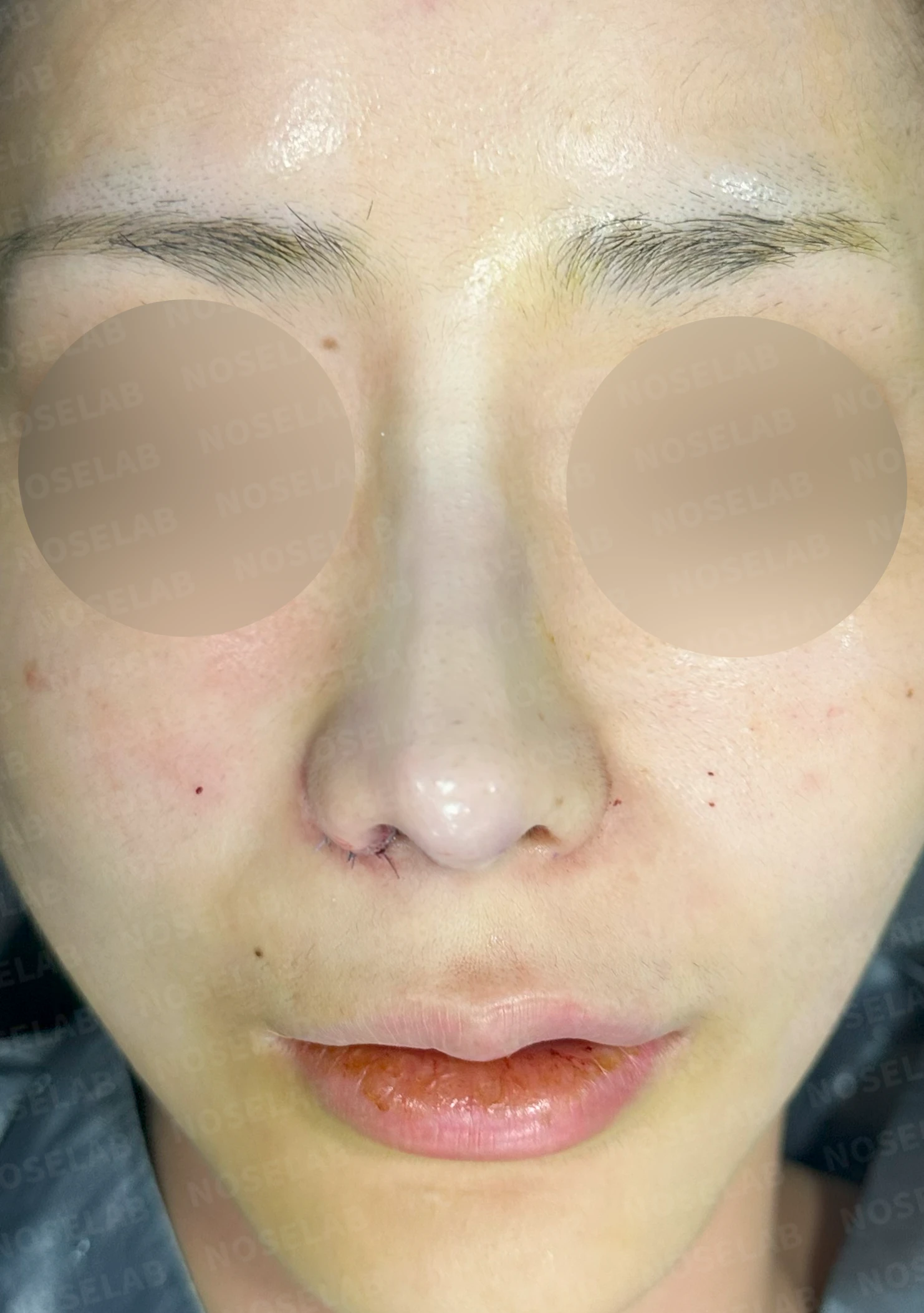
Before surgery / Day 0 immediately after surgery Photos taken immediately after surgery show swelling and may differ from the final result.
Front view
Improved alar symmetry
Slimmer nasal width
Natural three-dimensional definition
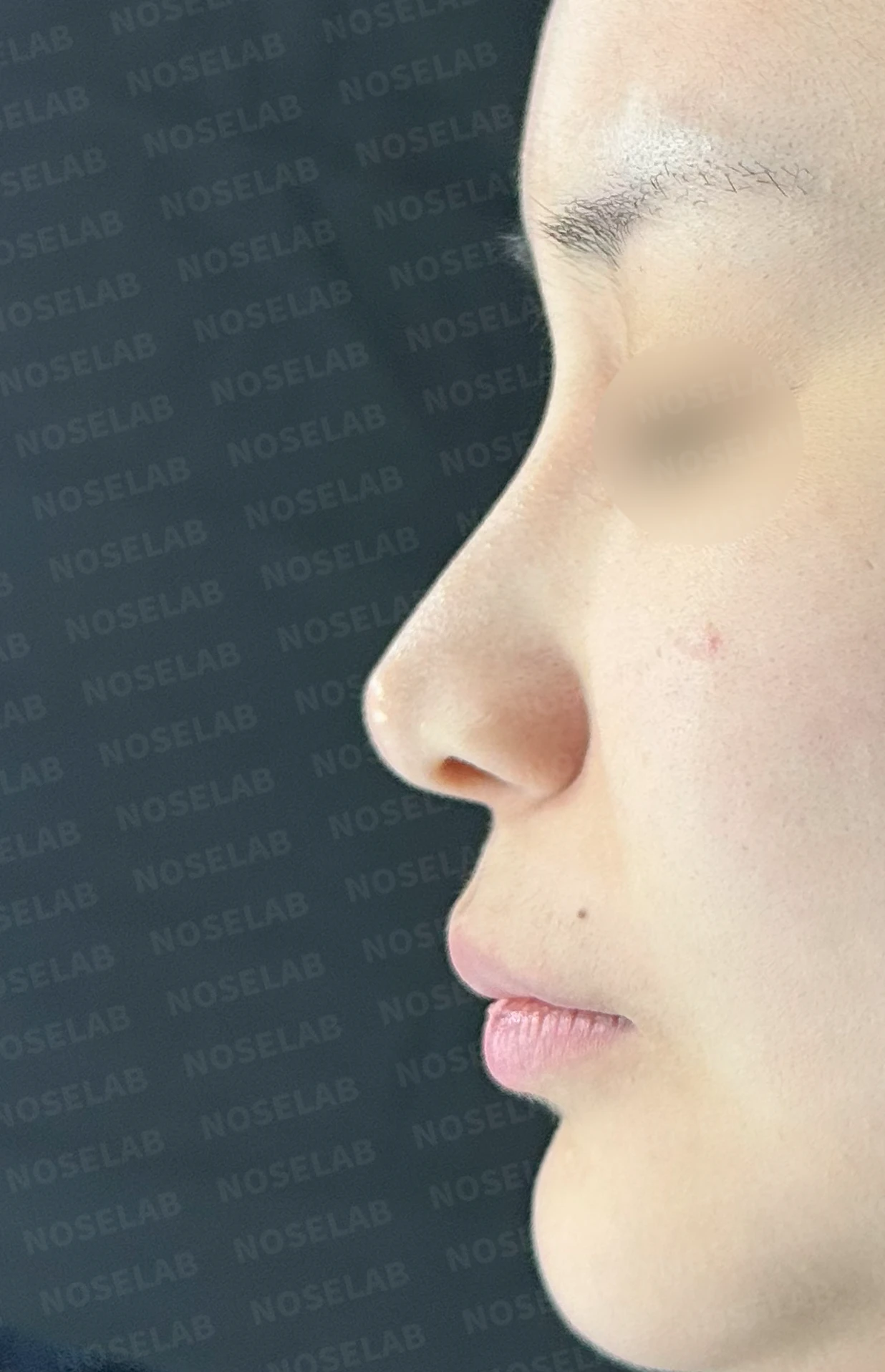
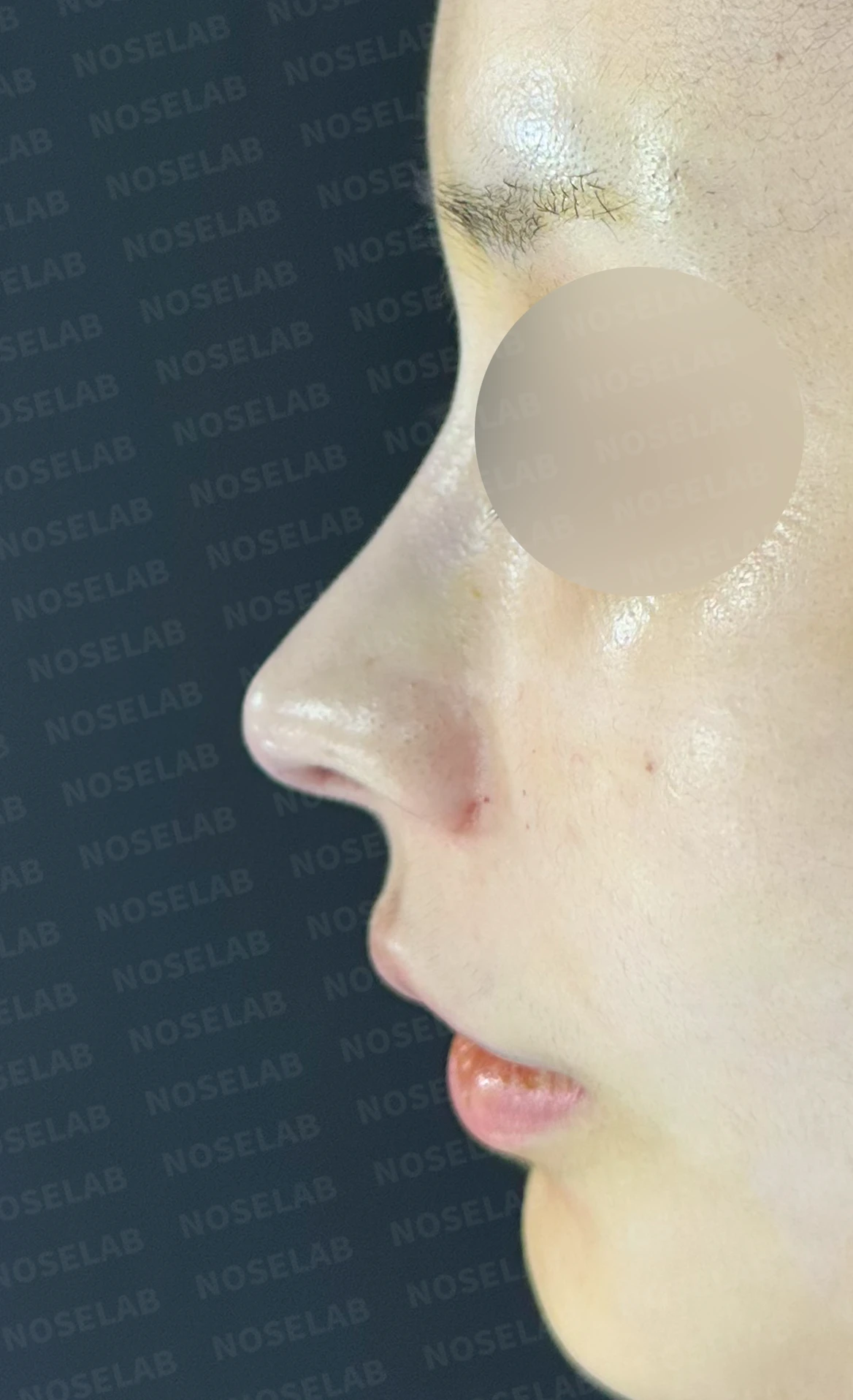
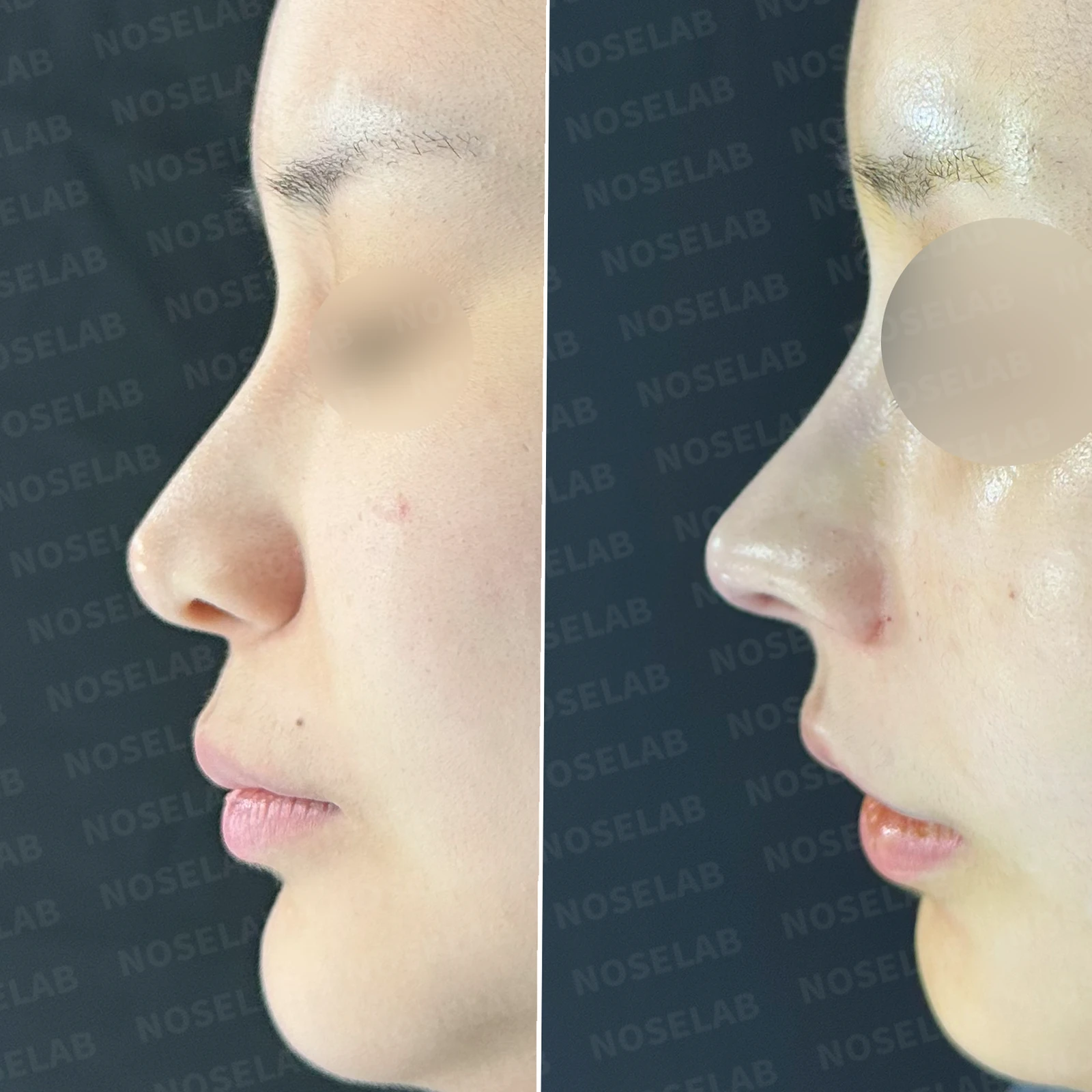
Before surgery / Day 0 immediately after surgery Photos taken immediately after surgery show swelling and may differ from the final result.
2. Profile view
A refined Karina-style line
A well-defined straight bridge line
Harmonious nasal tip
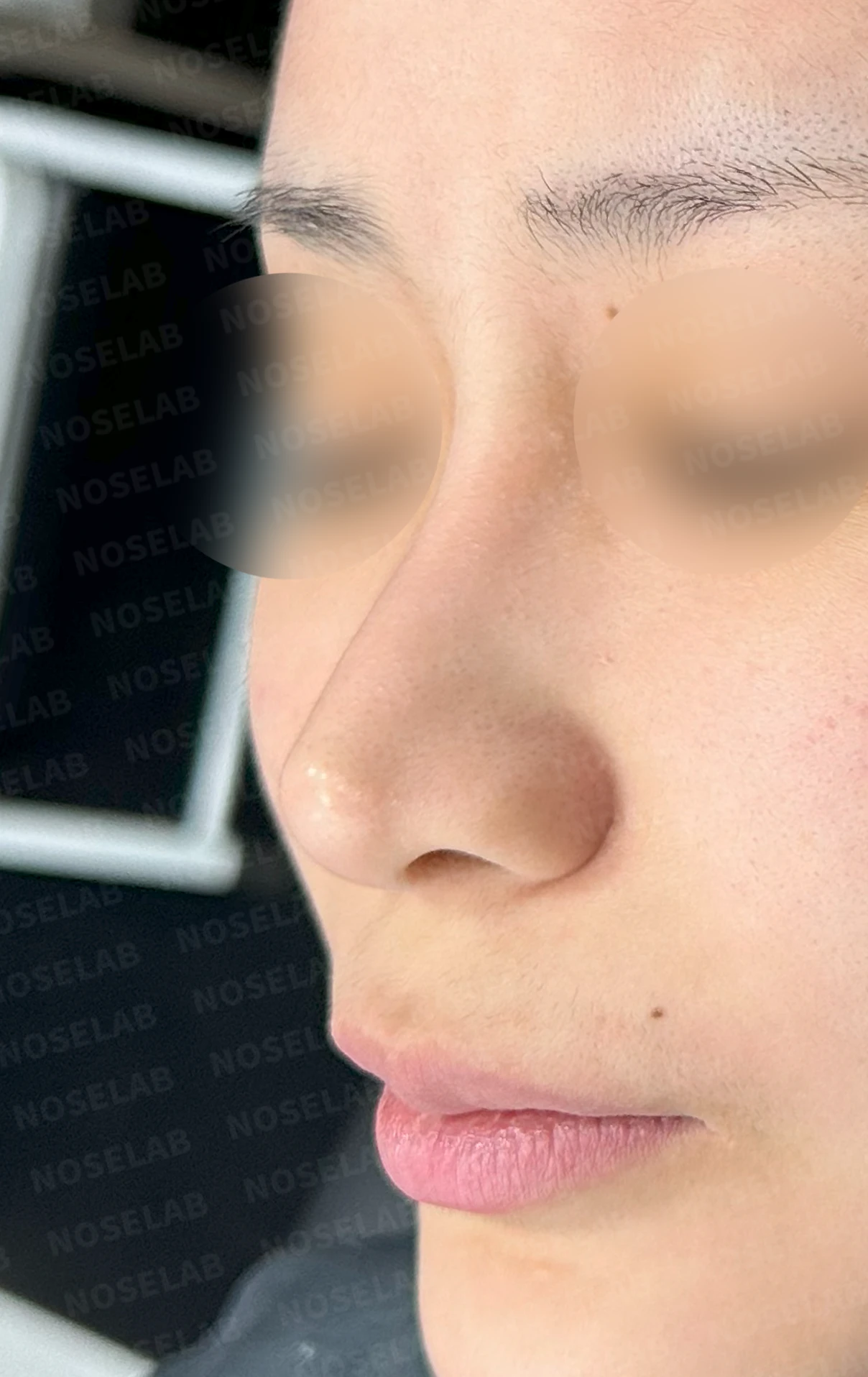
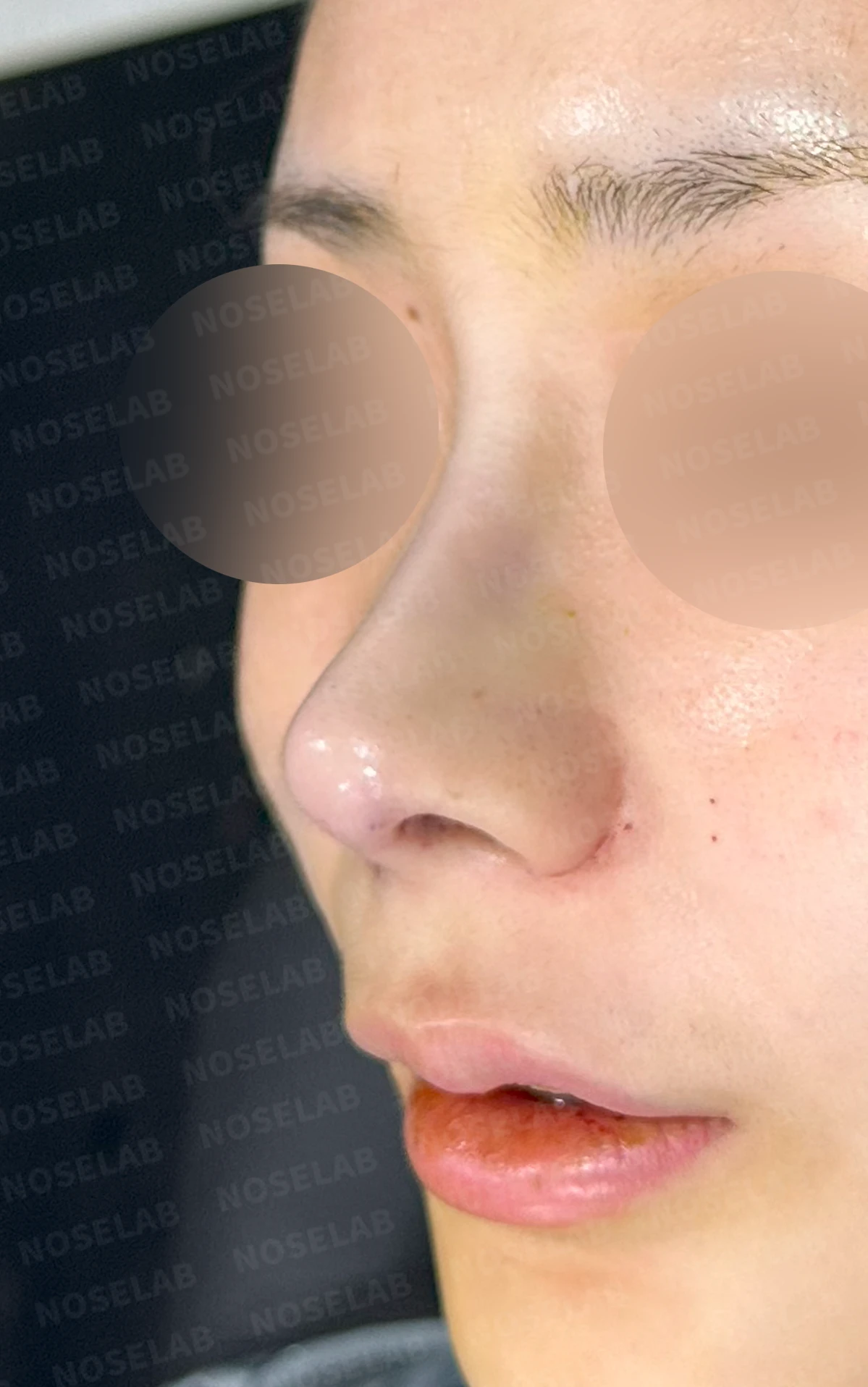
Before surgery / Day 0 immediately after surgery Photos taken immediately after surgery show swelling and may differ from the final result.
3. Oblique view
Smooth profile curve
Stable structure
Improved overall balance
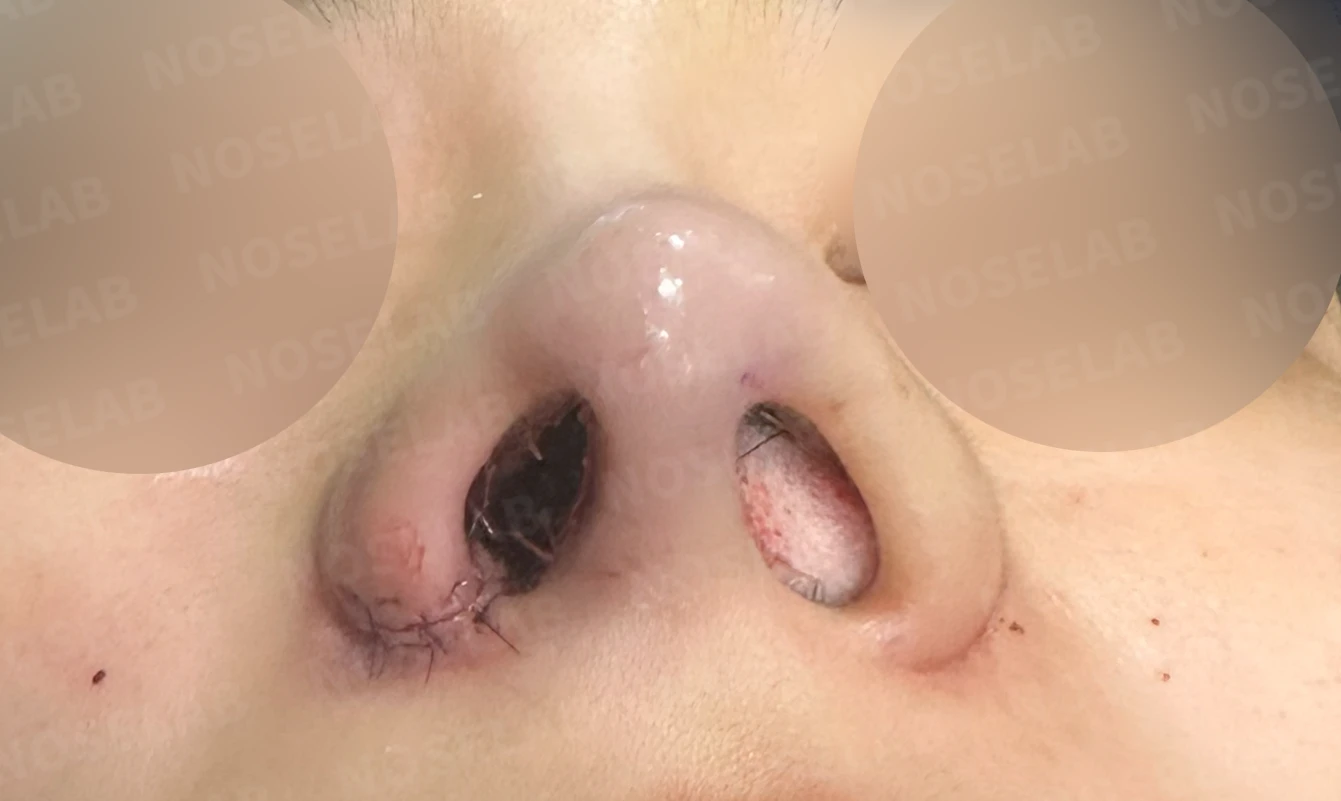
Before surgery / Day 0 immediately after surgery Photos taken immediately after surgery show swelling and may differ from the final result.
4. Function
Improvement of rhinitis symptoms
Smooth breathing
Correction of deviated septum
👨⚕️ Specialist's assessment
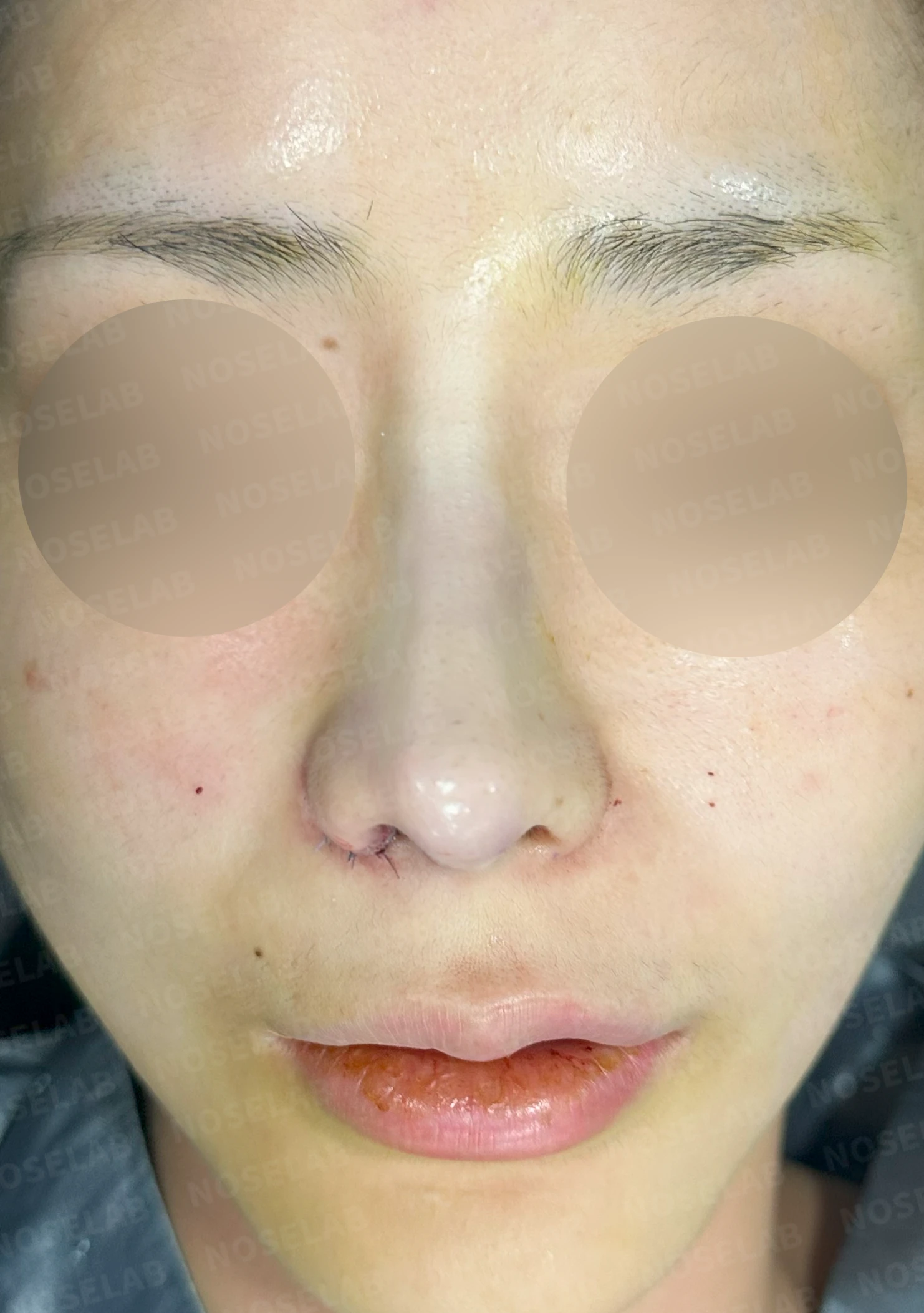
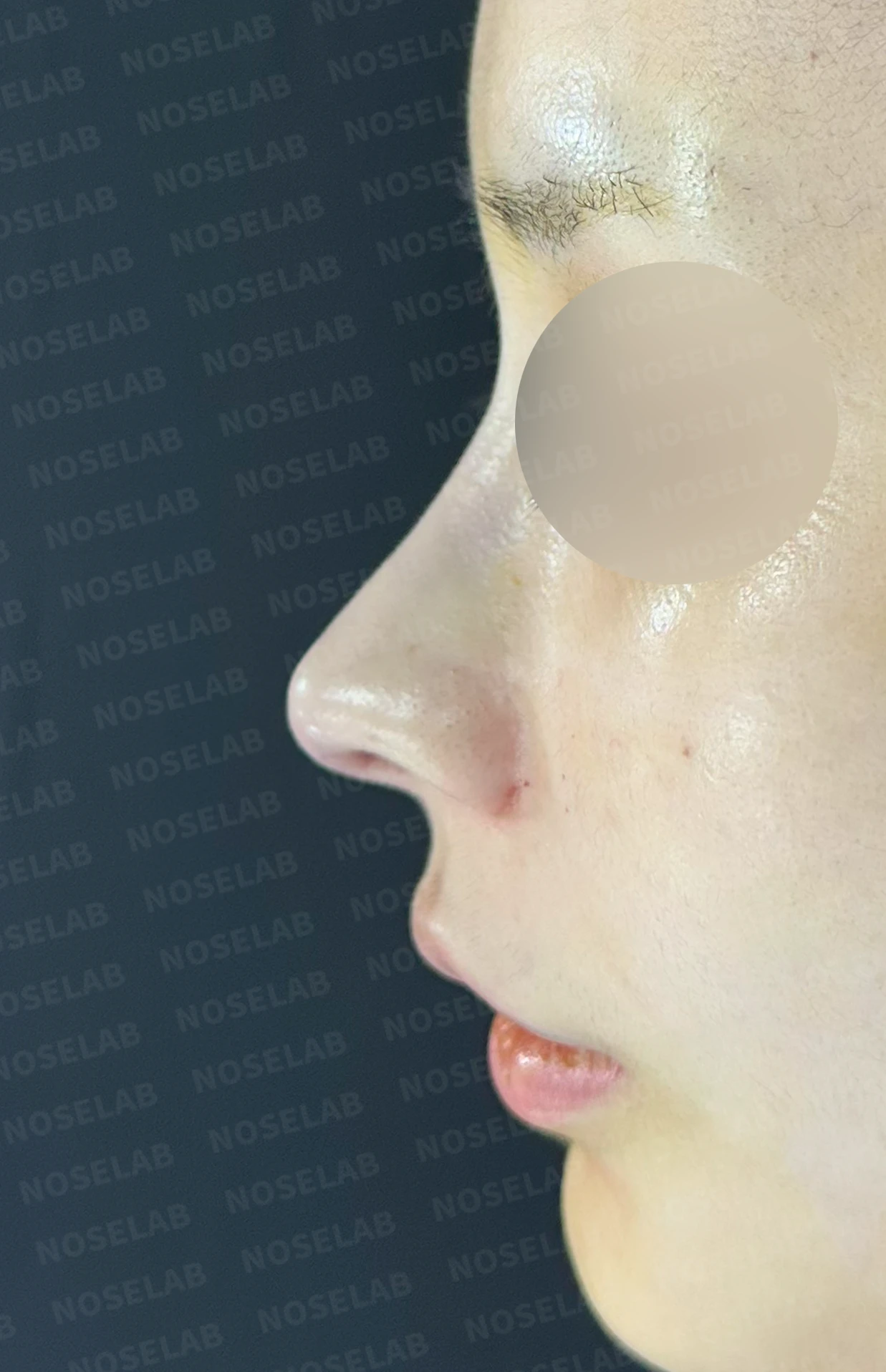
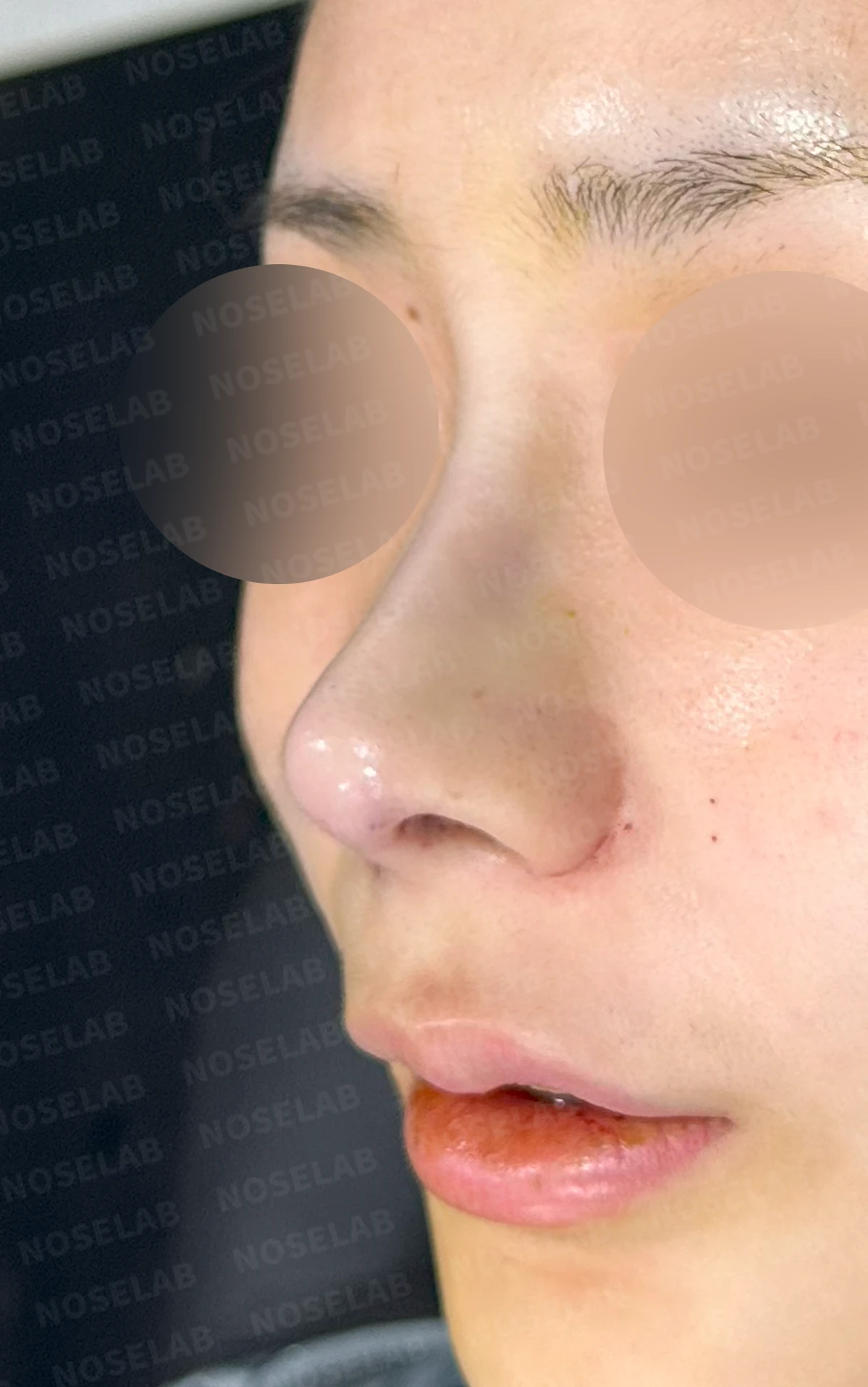
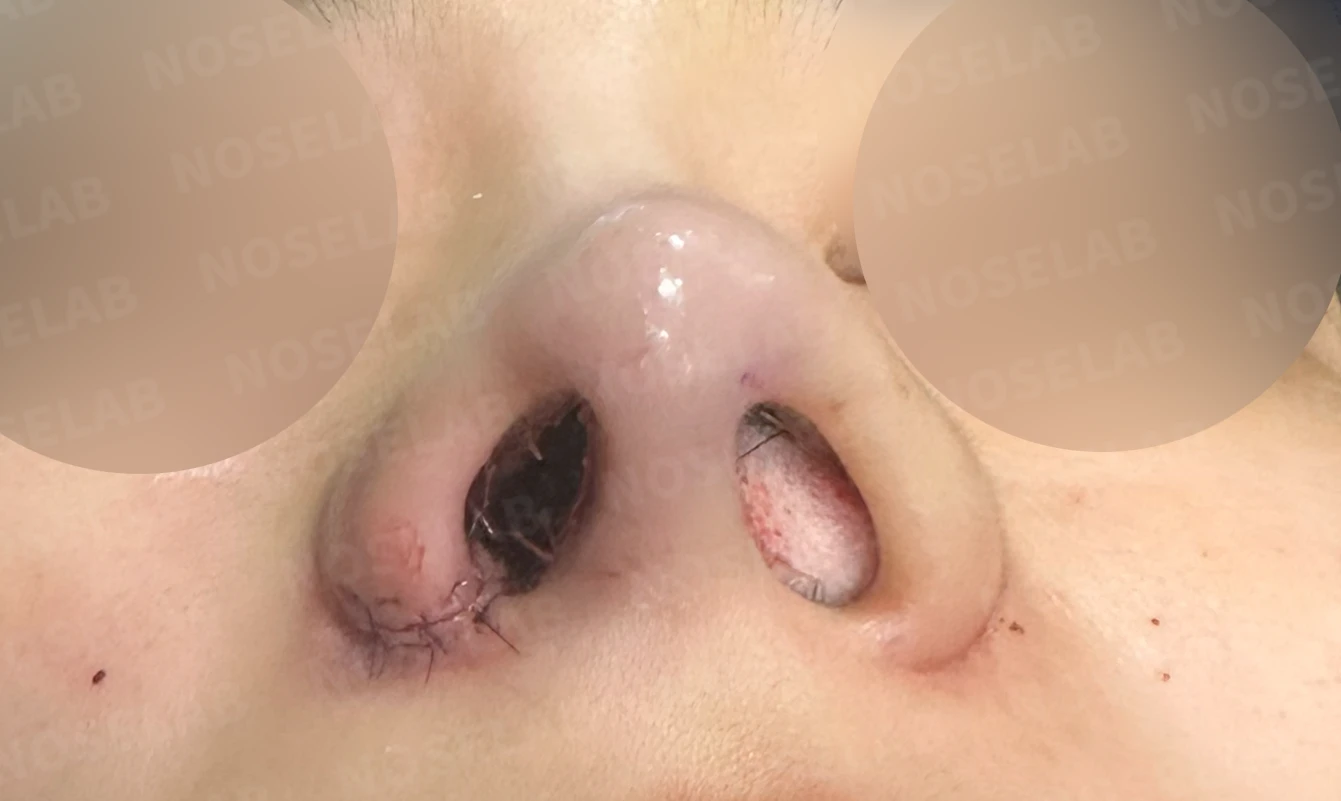
In this type of case, septal damage caused by double jaw surgery was the primary issue. After securing structural stability through septal reconstruction using autologous rib cartilage, we were able to create the Karina-inspired style desired by the patient while addressing the functional issues caused by recurrent rhinitis. The congenital nostril asymmetry was also improved through alar reduction, achieving a satisfactory outcome in both function and aesthetics.
This was Dr. Peter C. Kang. Thank you.
Thank you.
#closedrhinoplasty #revisionrhinoplasty #doublejawsurgery #rhinitissurgery #customrhinoplasty

Limitations and risks
When autologous rib cartilage is used, scarring and pain may remain at the donor site on the chest, and pneumothorax (pleural injury) can occur rarely. Over time, the grafted cartilage may warp or undergo partial resorption.
When using donor rib cartilage, long-term follow-up is necessary because the grafted cartilage may resorb or warp.
When the septum is corrected at the same time, nasal obstruction may persist or recur, and in rare cases, septal perforation or changes in smell may occur.
Common potential risks include infection, bleeding, asymmetry, scarring, skin necrosis, and insufficient improvement; results vary depending on individual skin condition and previous surgical history.