Hello, I am Dr. Peter C. Kang.
Today, I would like to introduce the case of a patient who underwent revision rhinoplasty to improve redness of the nasal bridge and achieve a refined nasal line.
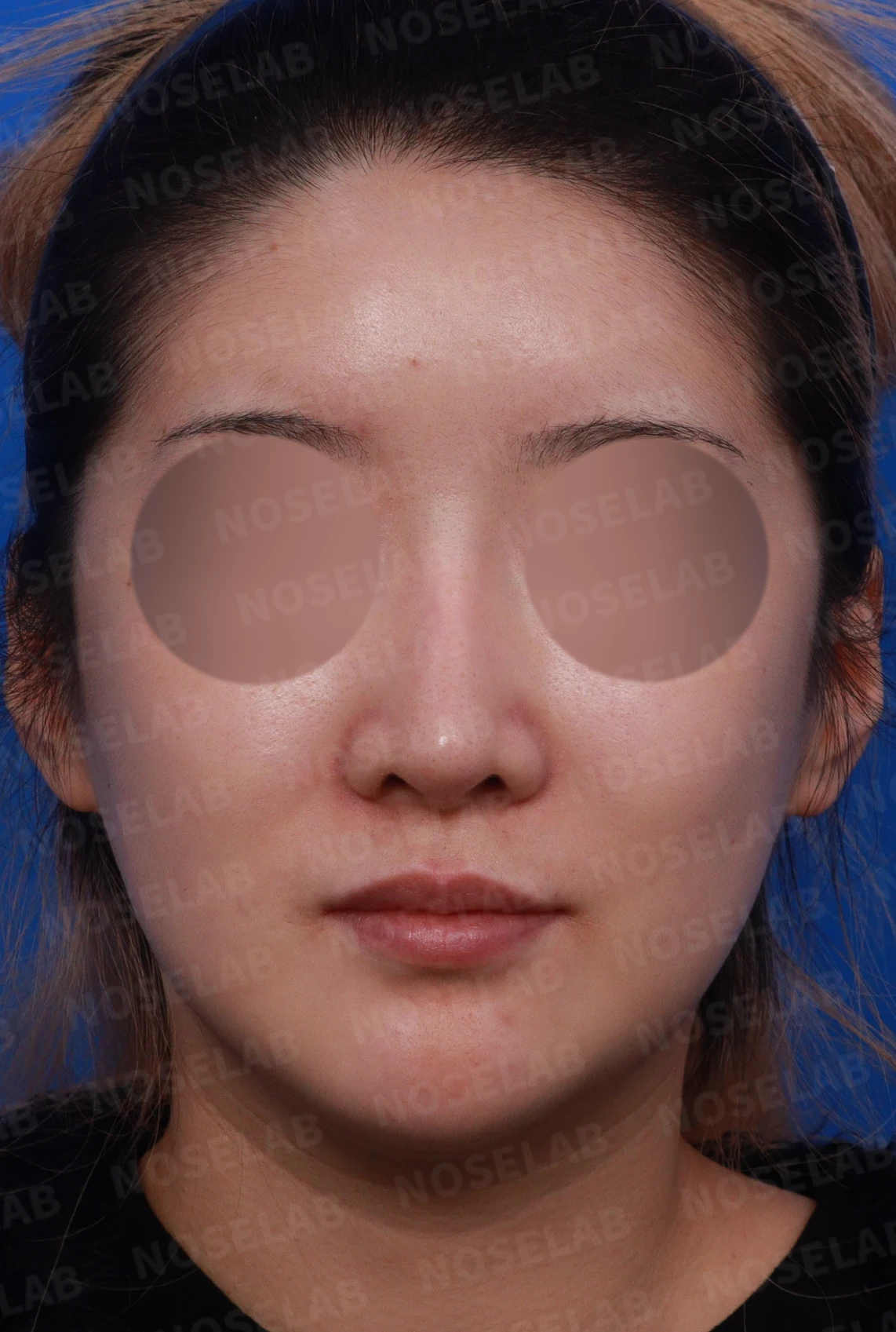
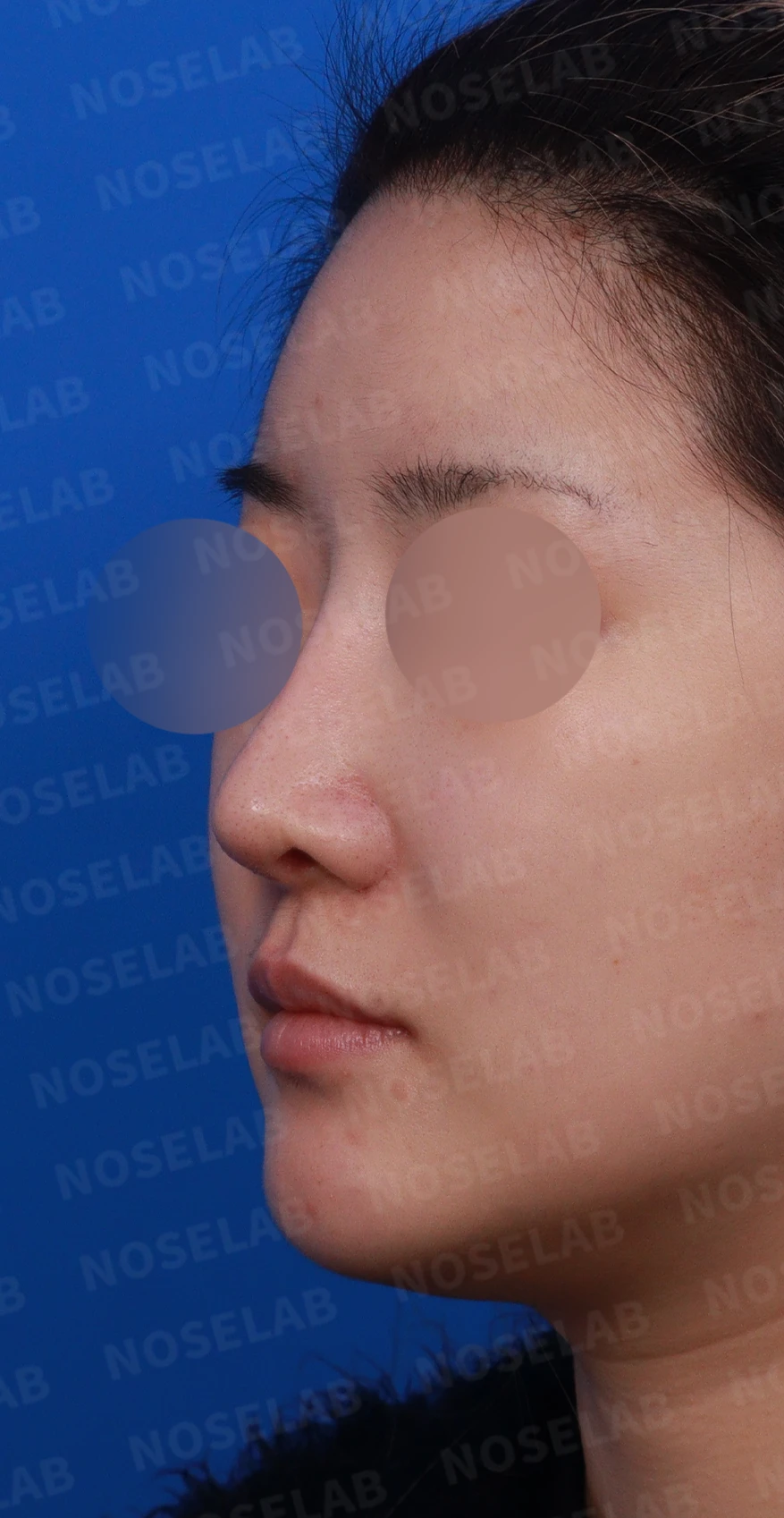
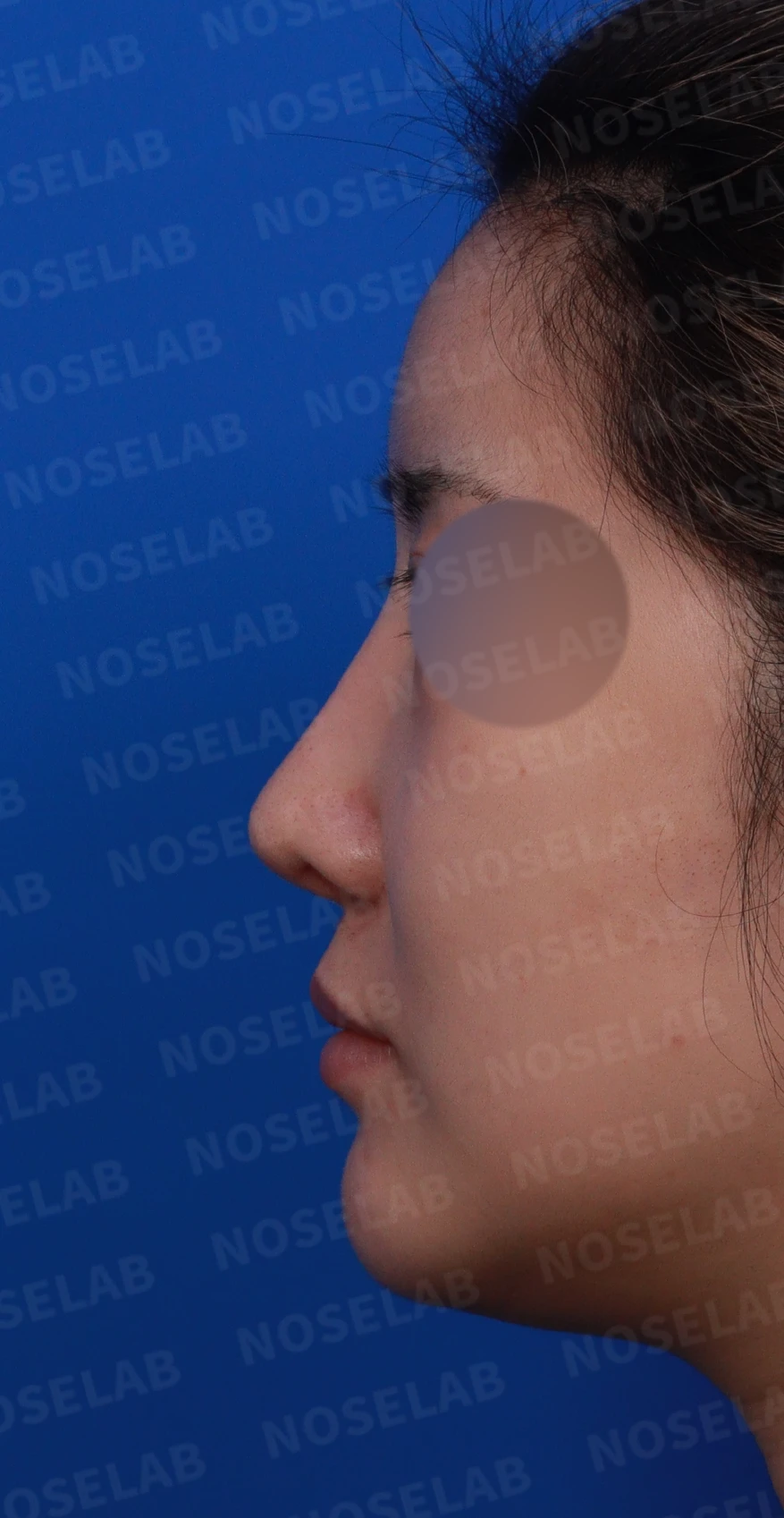
Front, left profile, and oblique views during design consultation
📍 Surgical history
First surgery: autologous rib cartilage + silicone implant
Second surgery: donor rib cartilage + silicone implant
🤒 Main symptoms
Concern regarding inflammation due to redness on the nasal bridge
High radix (starting point of the nasal bridge)
Nasal tip appears wide
Need for nasolabial angle adjustment
Overall impression of a long nose
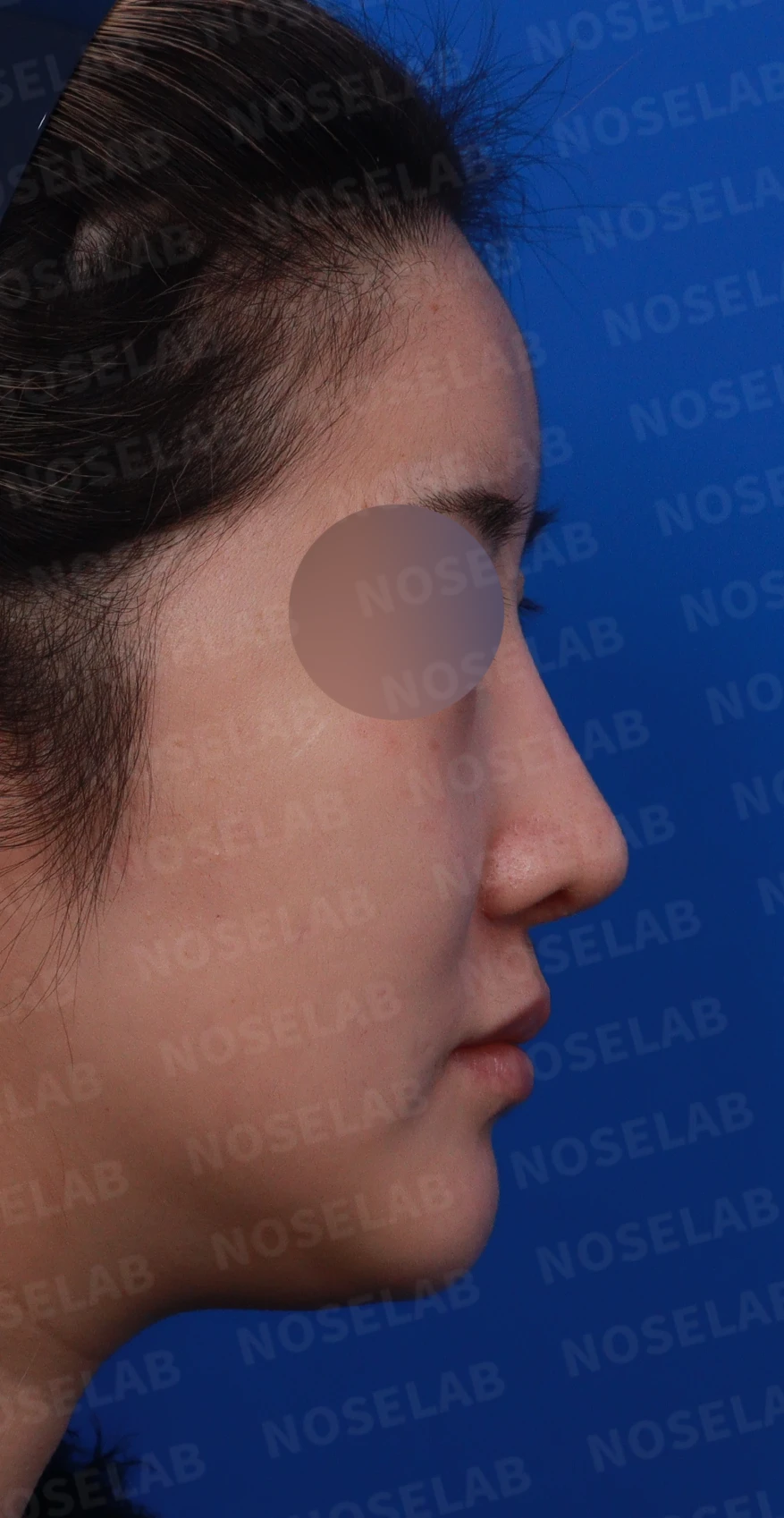
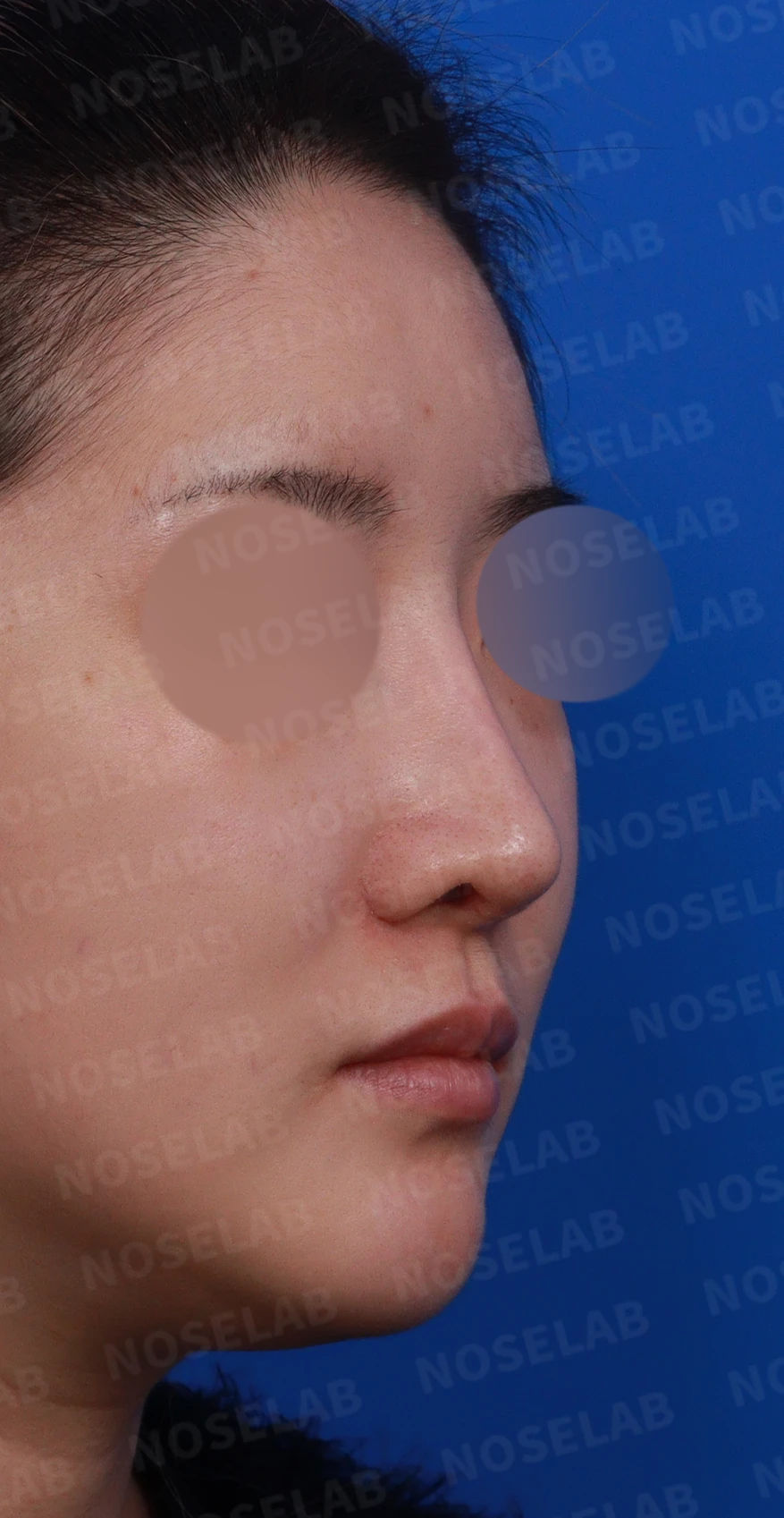
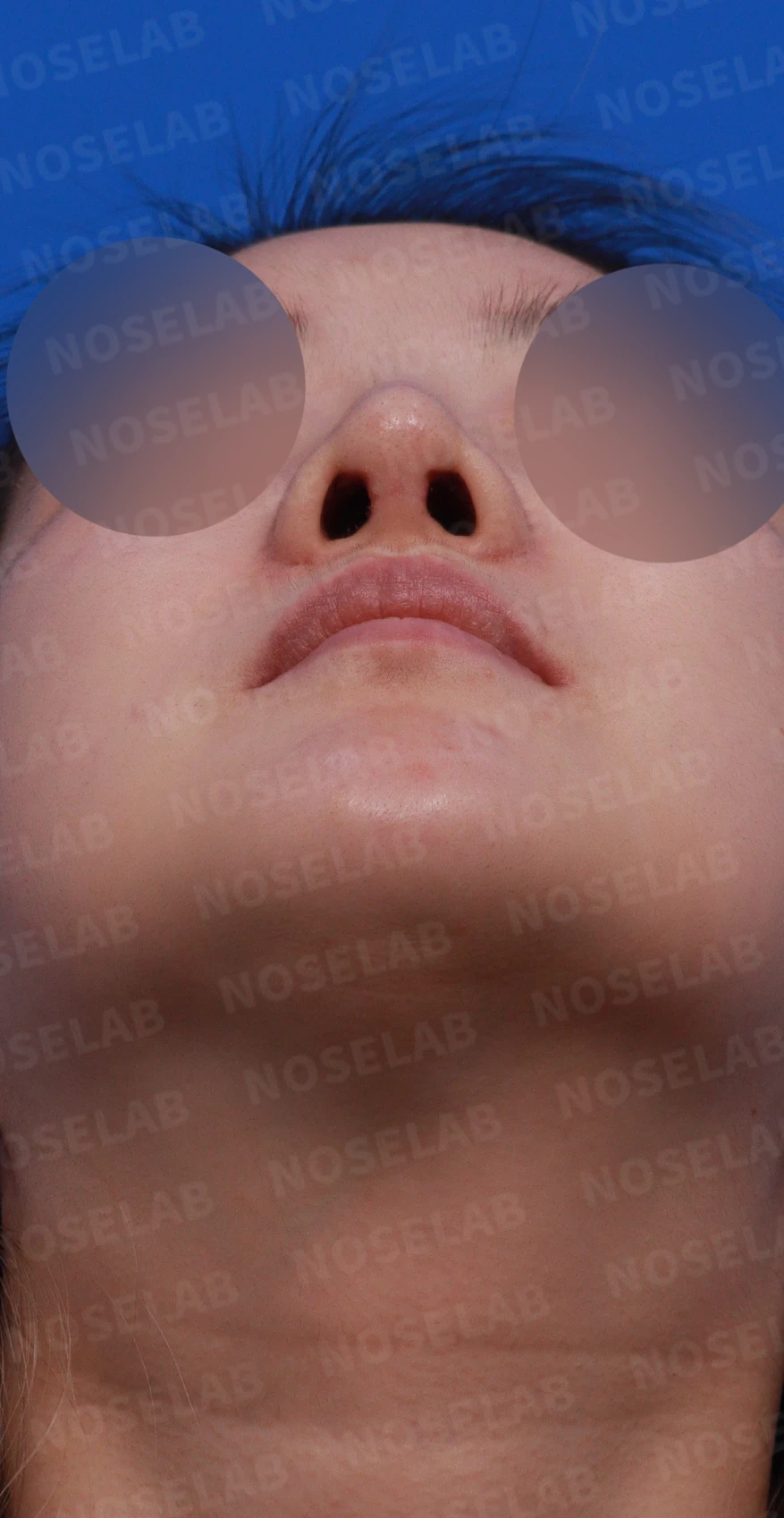
Right profile, oblique, and nostril views during design consultation
✨ Patient's requests
Improvement of nasal bridge redness
Adjustment of radix position
Reduction of nasal tip width
Refined columellar line
Improvement of the nasolabial angle
Correction of the long nose appearance
Desire for a more Western-style profile
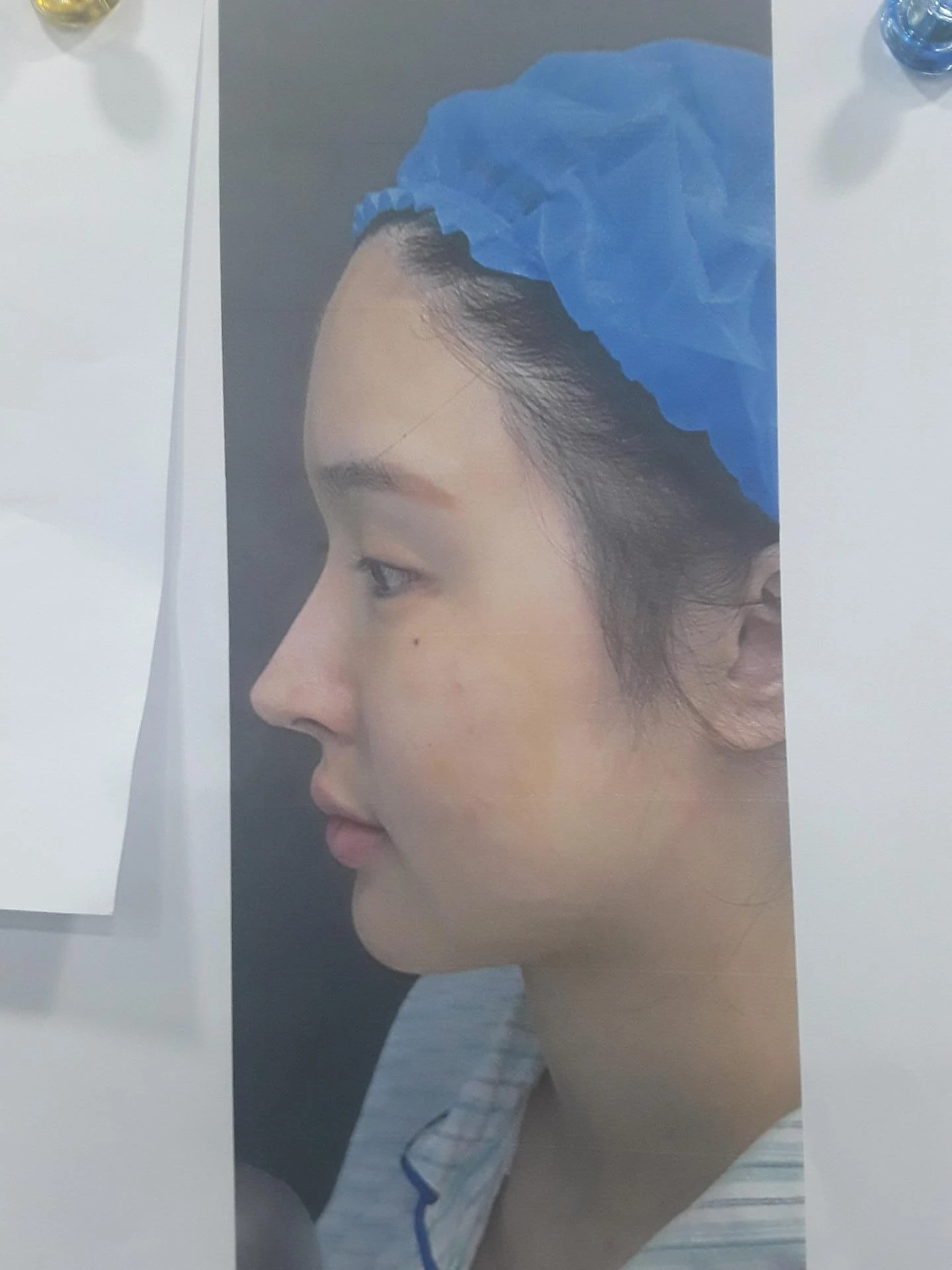
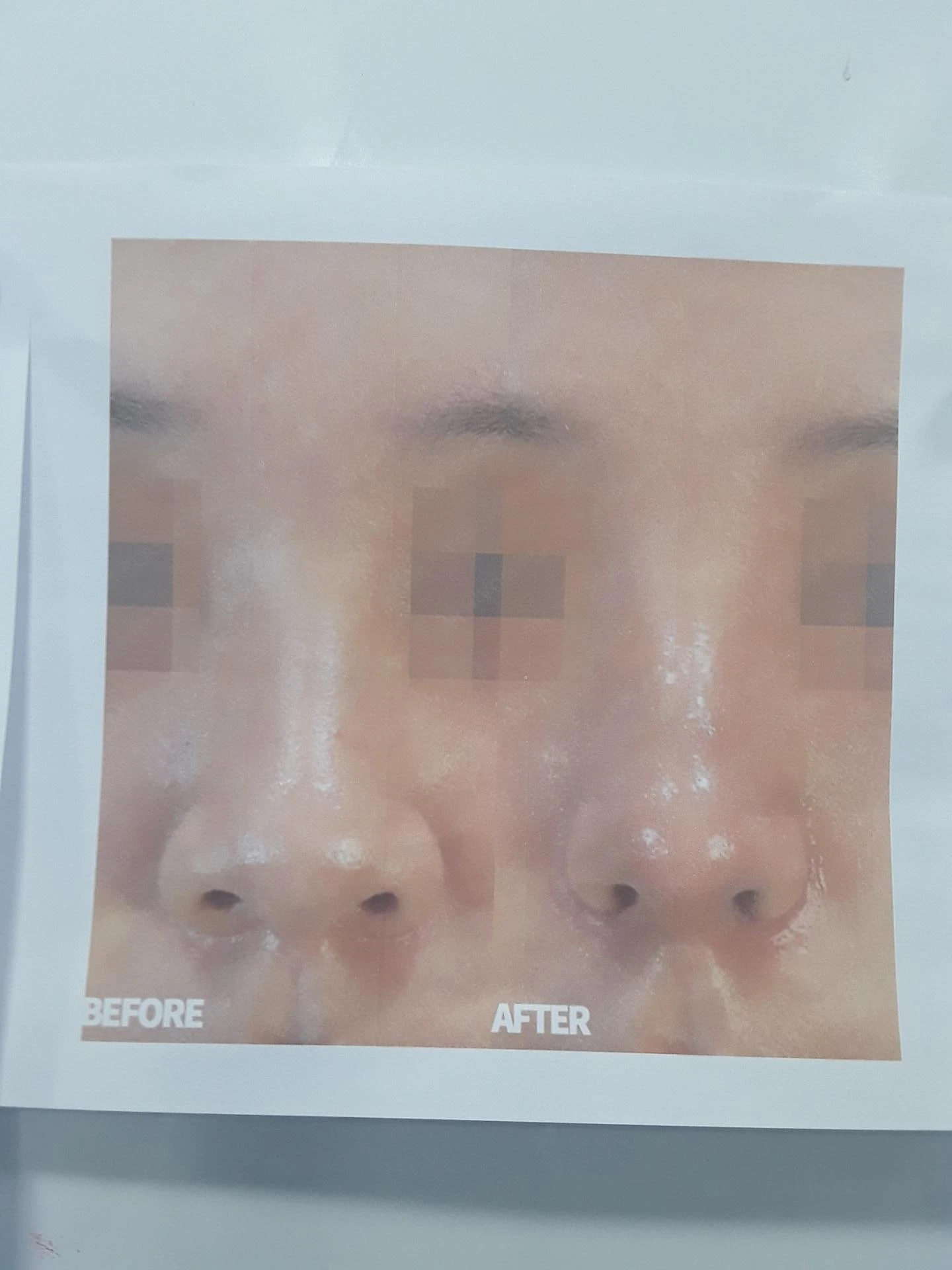

These are reference photos showing the patient's desired look.
💉 Surgical procedure details
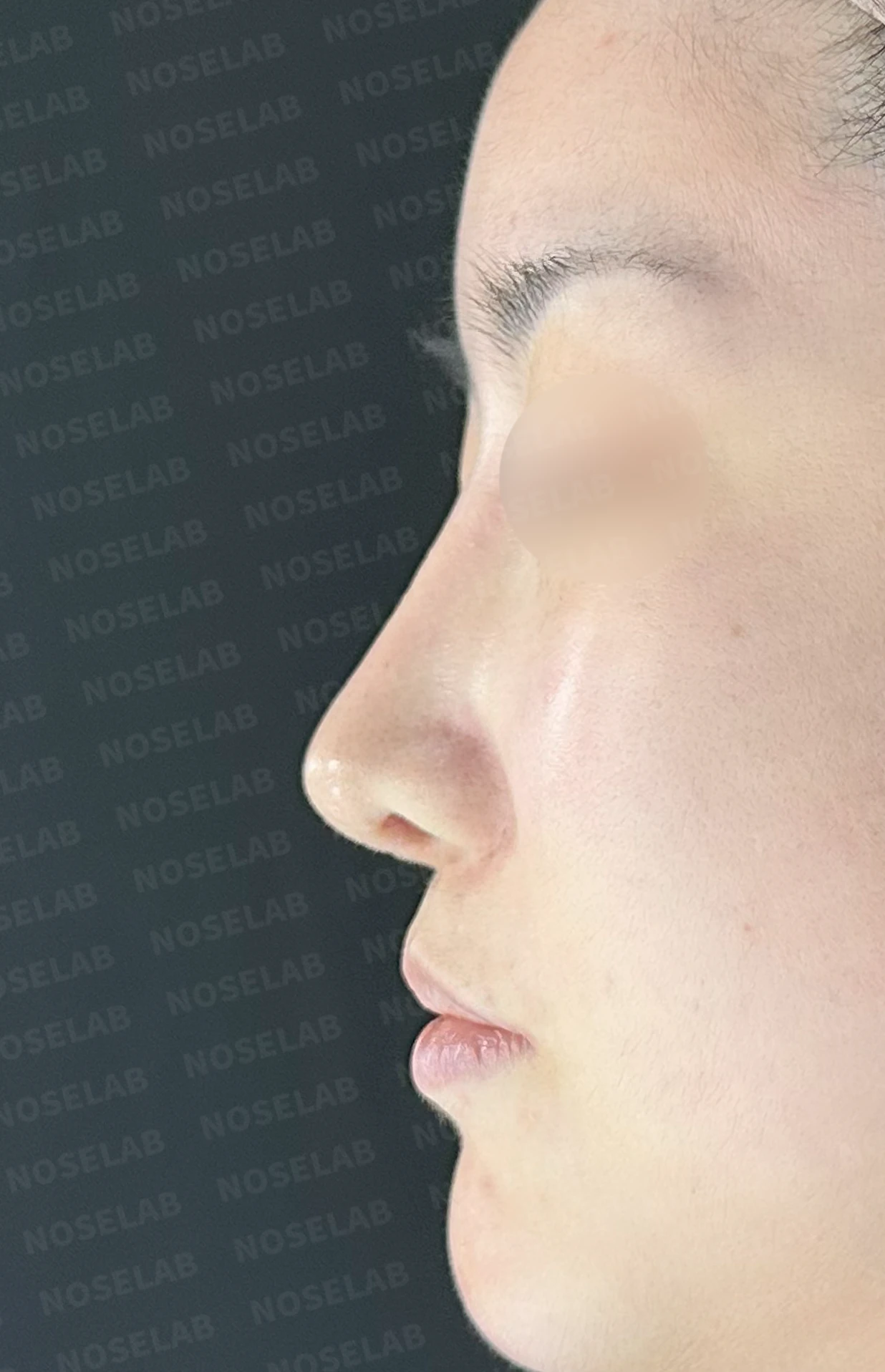
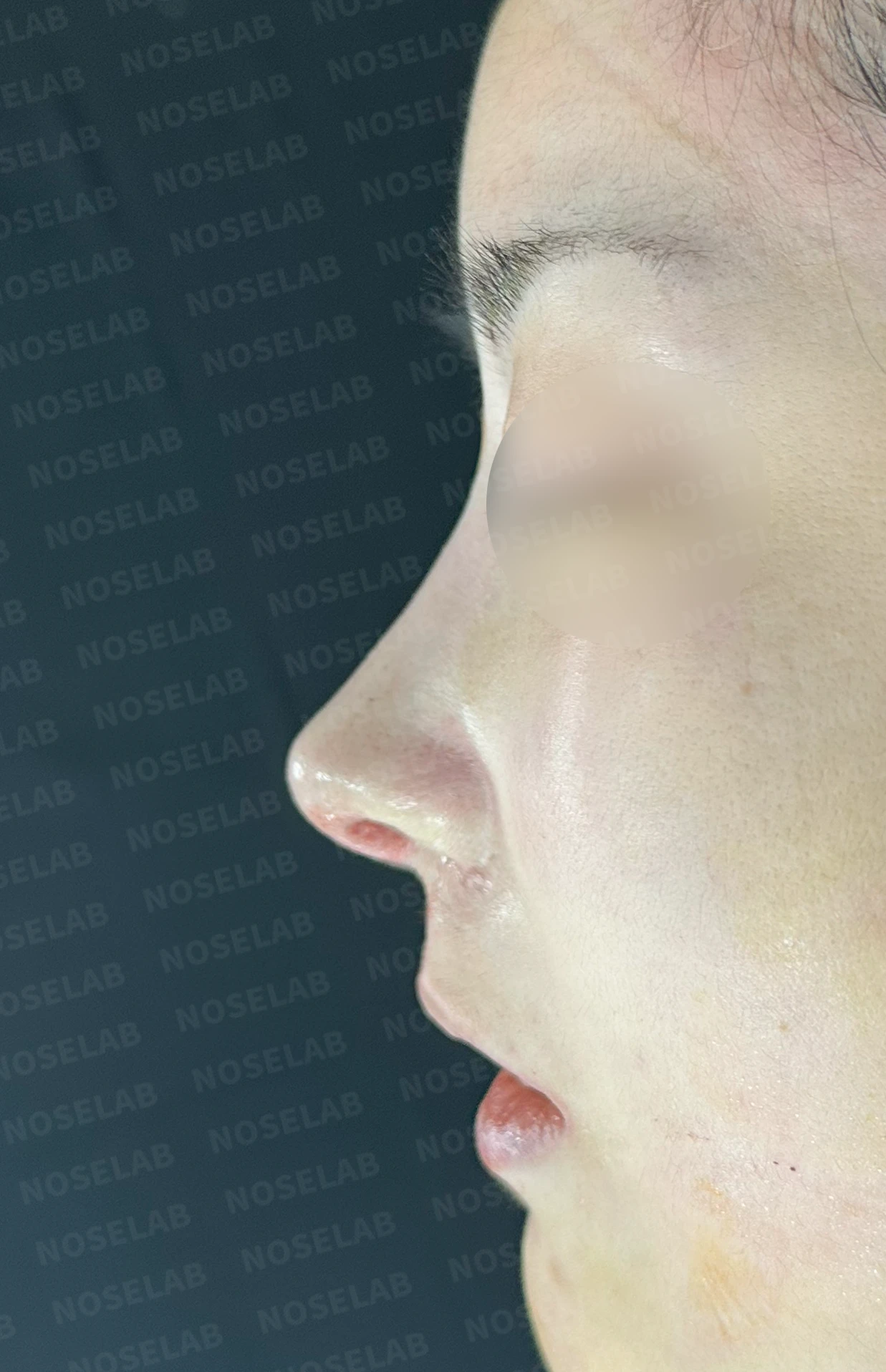
Before surgery / Day 0 immediately after surgery Photos taken immediately after surgery show swelling and may differ from the final result.
Structural reconstruction
Septal reconstruction using autologous rib cartilage
Nasal base correction to reduce the nasal tip
Carving and placing a newly designed implant
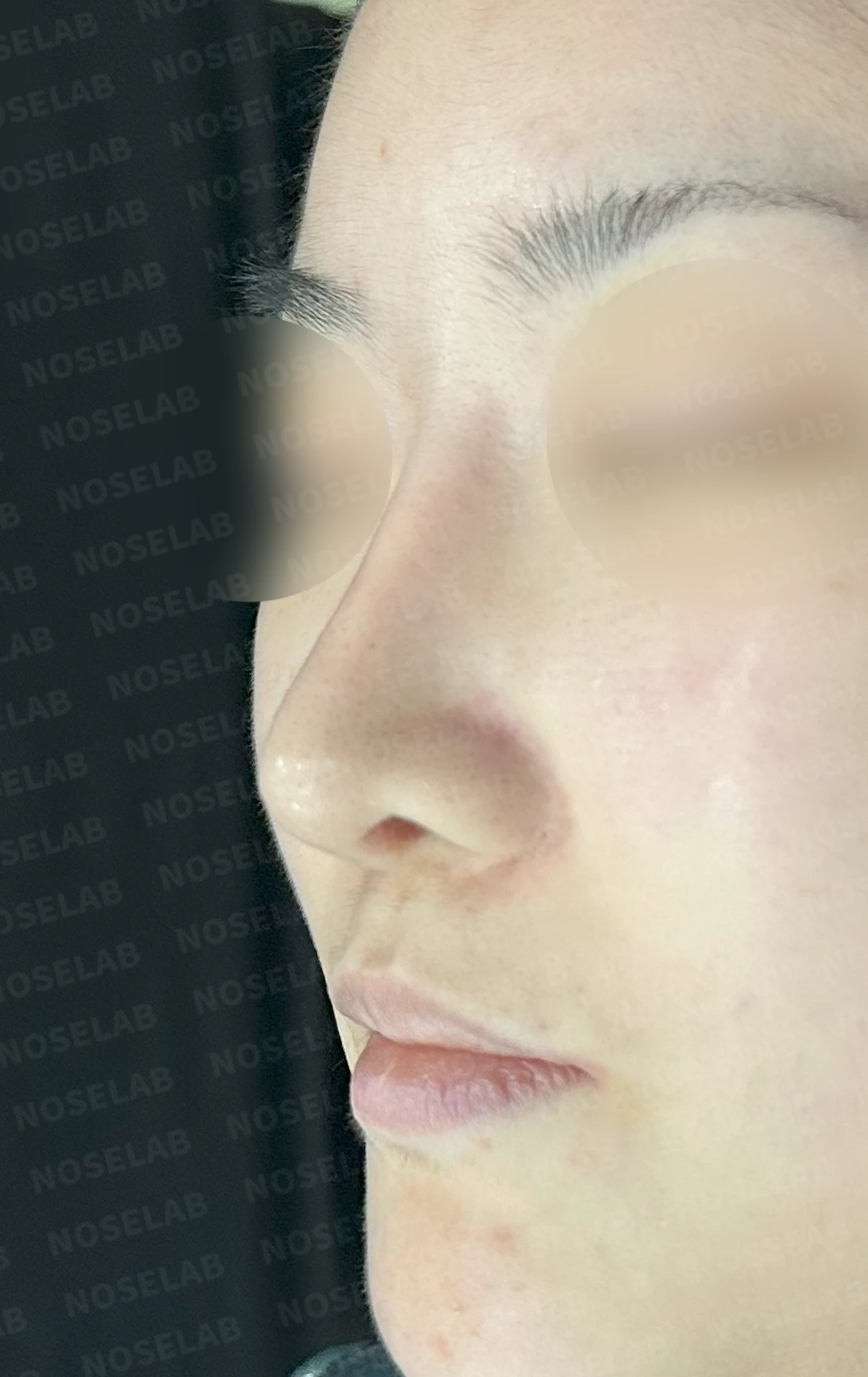
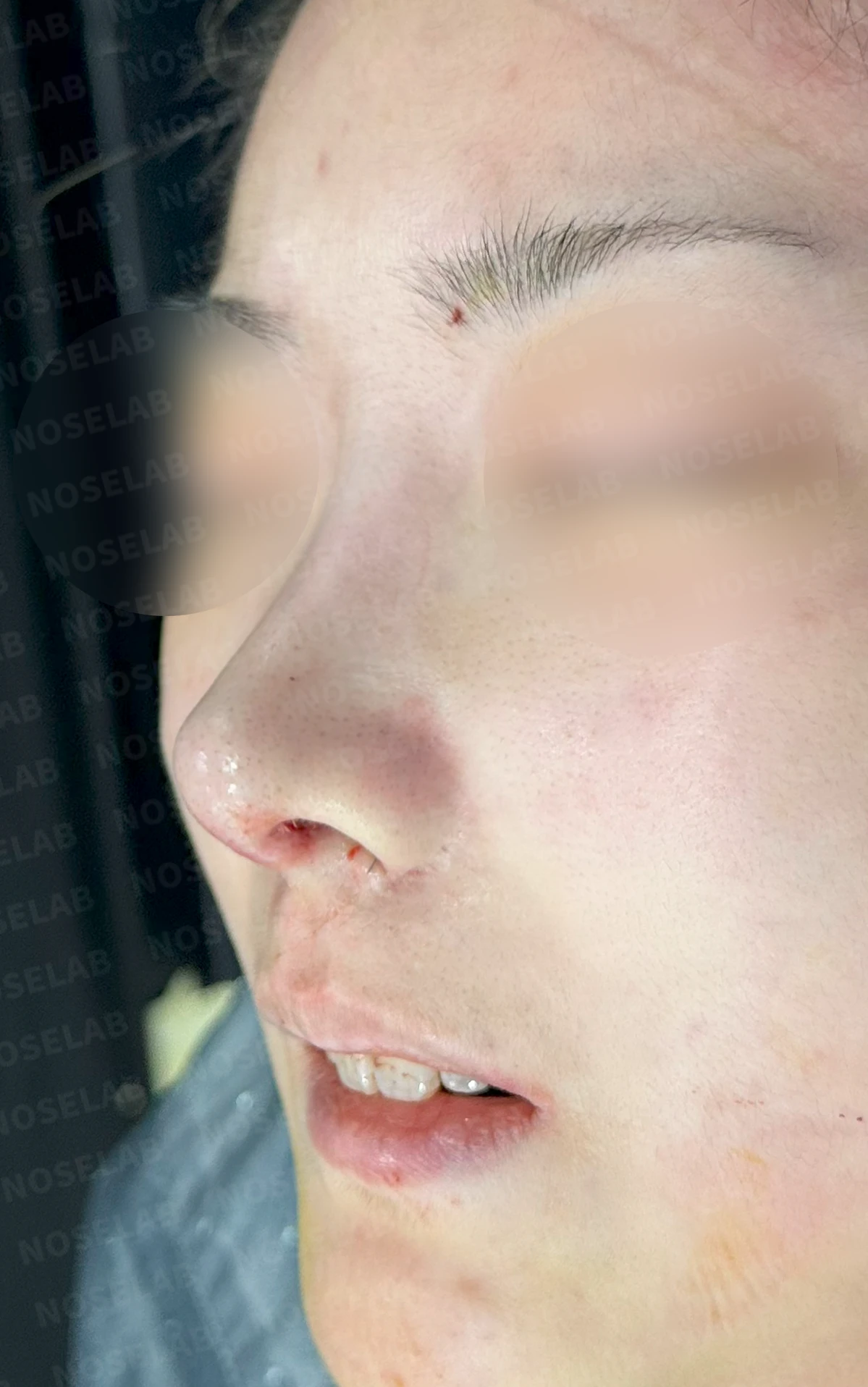
Before surgery / Day 0 immediately after surgery Photos taken immediately after surgery show swelling and may differ from the final result.
2. Shape improvement
Correction of the nasolabial angle
Adjustment of radix position
Adjustment of overall length
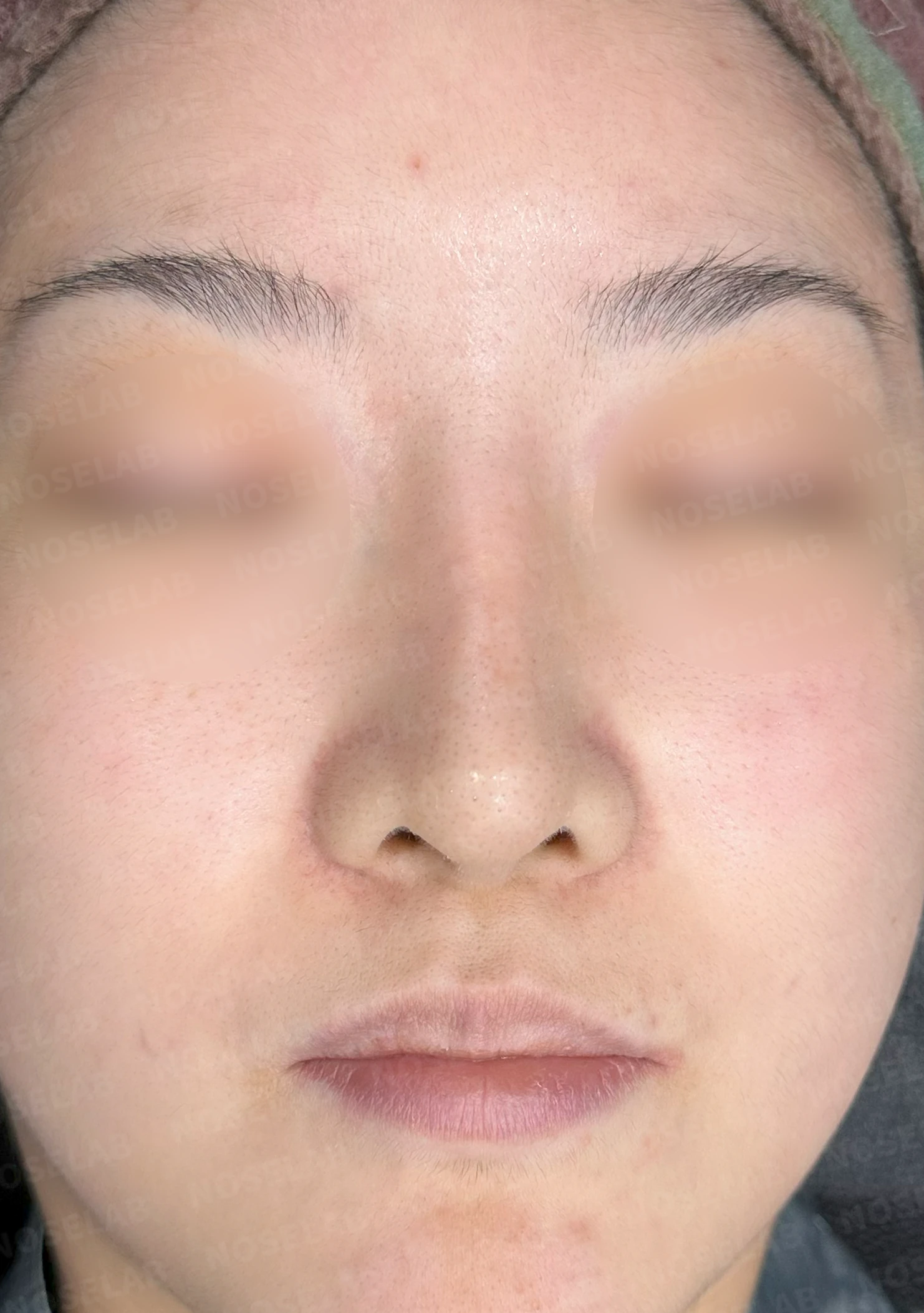
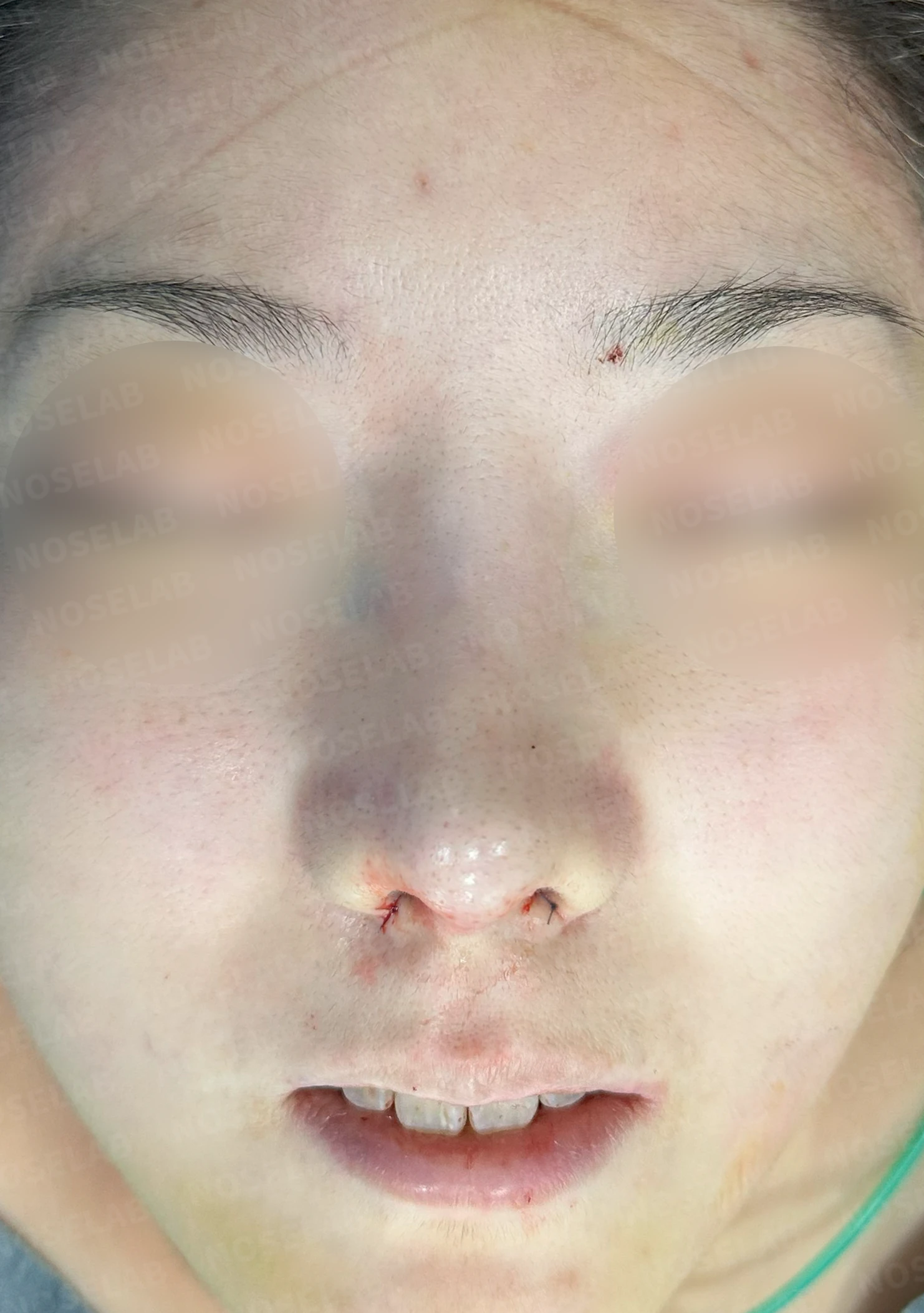
Before surgery / Day 0 immediately after surgery Photos taken immediately after surgery show swelling and may differ from the final result.
3. Aesthetic improvement
Formation of a refined columellar line
Natural adjustment of the nasal bridge line
Improvement of overall balance
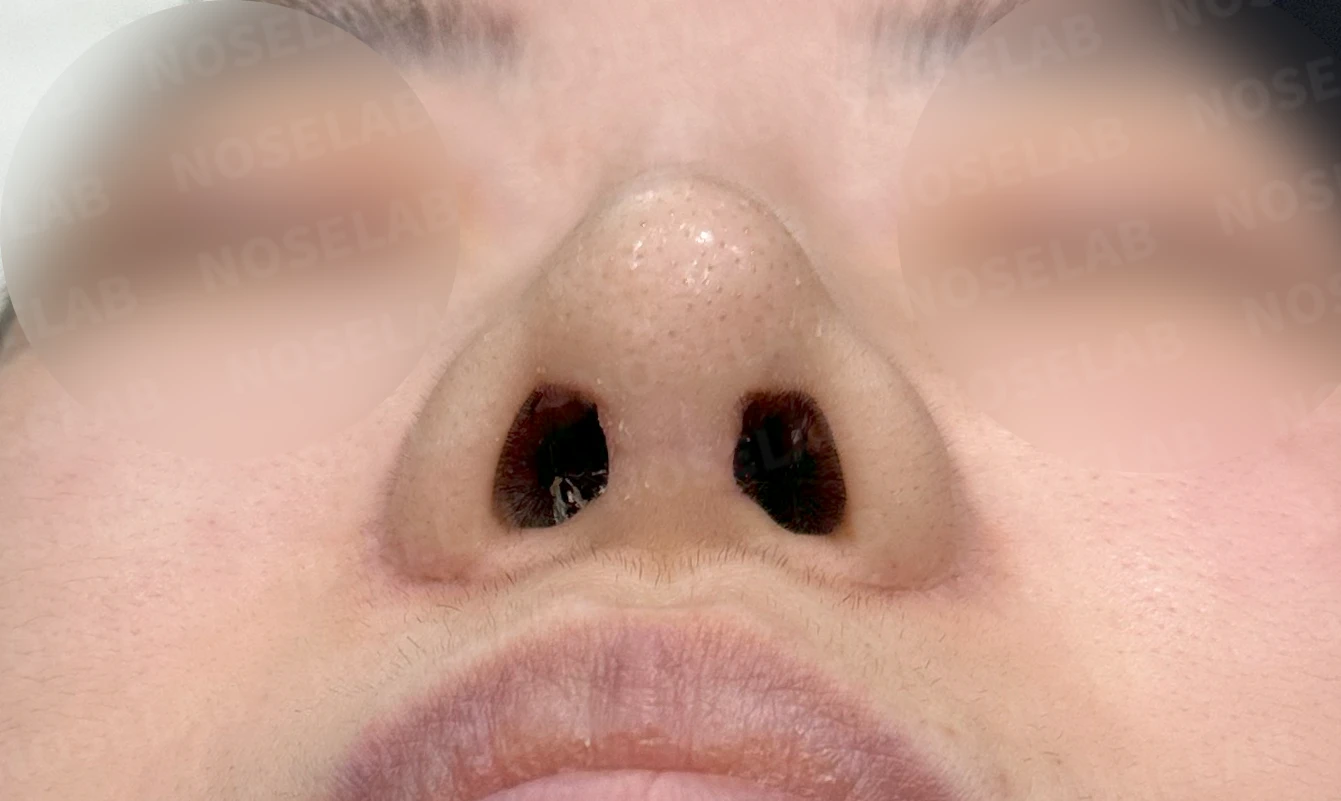
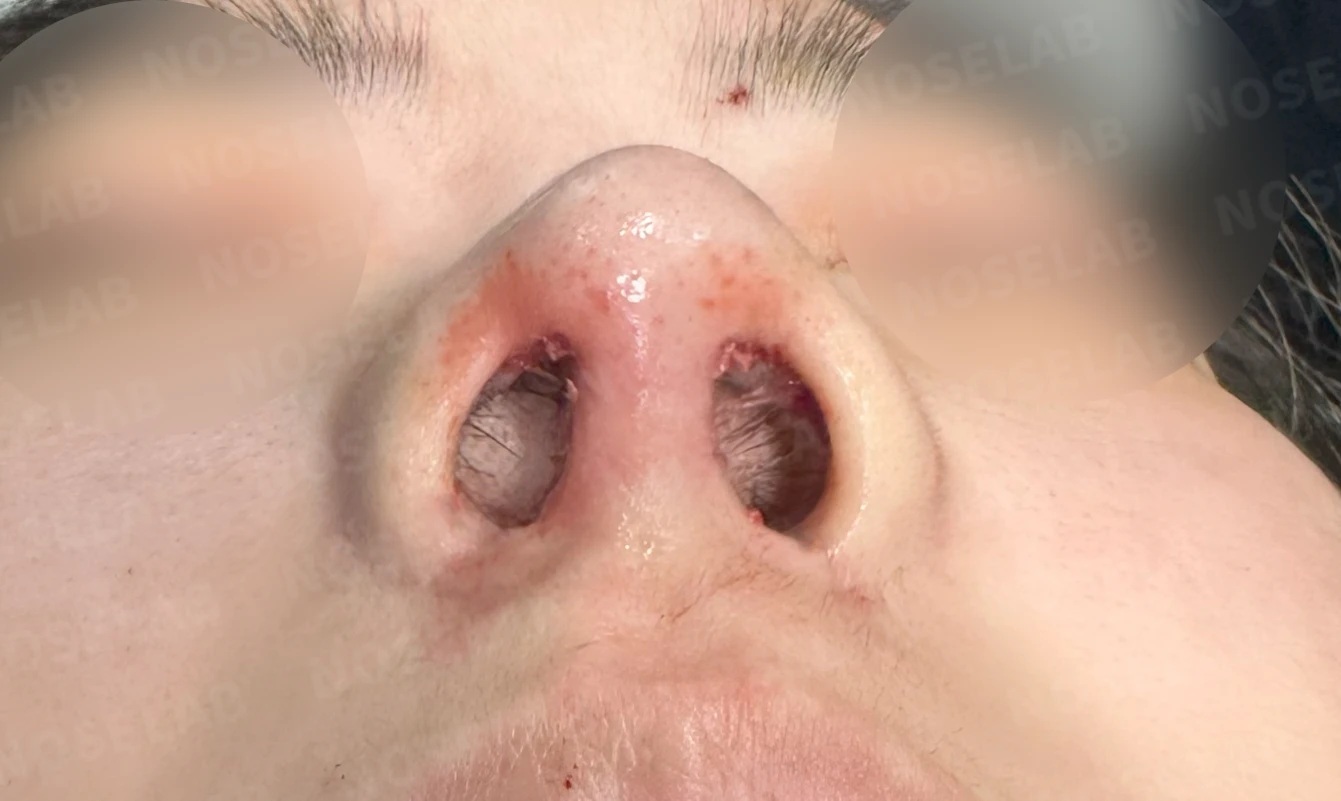
Before surgery / Day 0 immediately after surgery Photos taken immediately after surgery show swelling and may differ from the final result.
✅ Surgical results
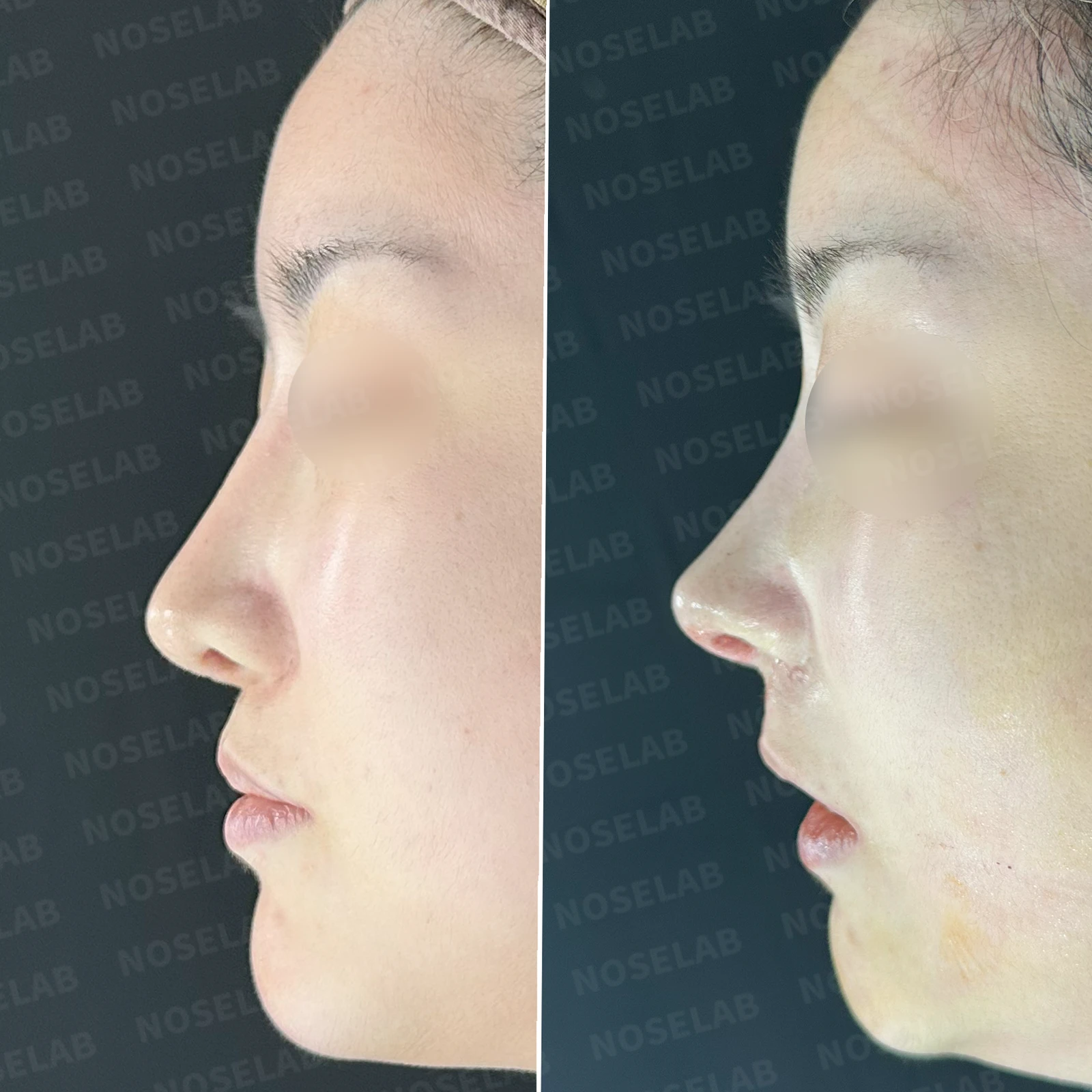
Front view
Sleeker appearance by reducing tip width
Improvement of redness
Overall refined line
2. Profile view
Natural radix position
Improved nasolabial angle
Adjusted to an appropriate length
3. Oblique view
Three-dimensional nasal bridge line
Refined columellar curve
Improved overall harmony
4. Nostril view
Improvement through nasal base reduction
Stable tip shape
Preserving functional breathing
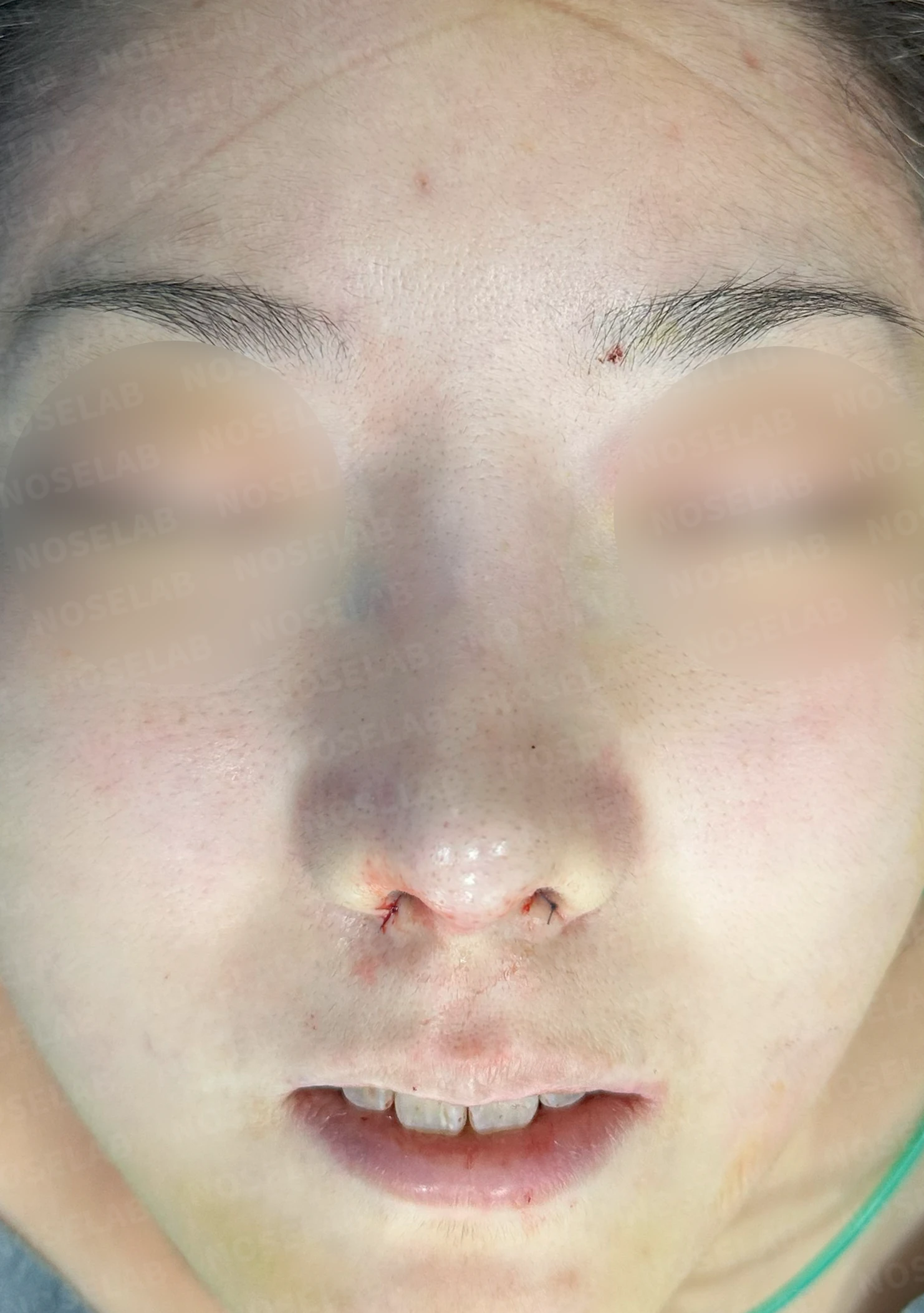
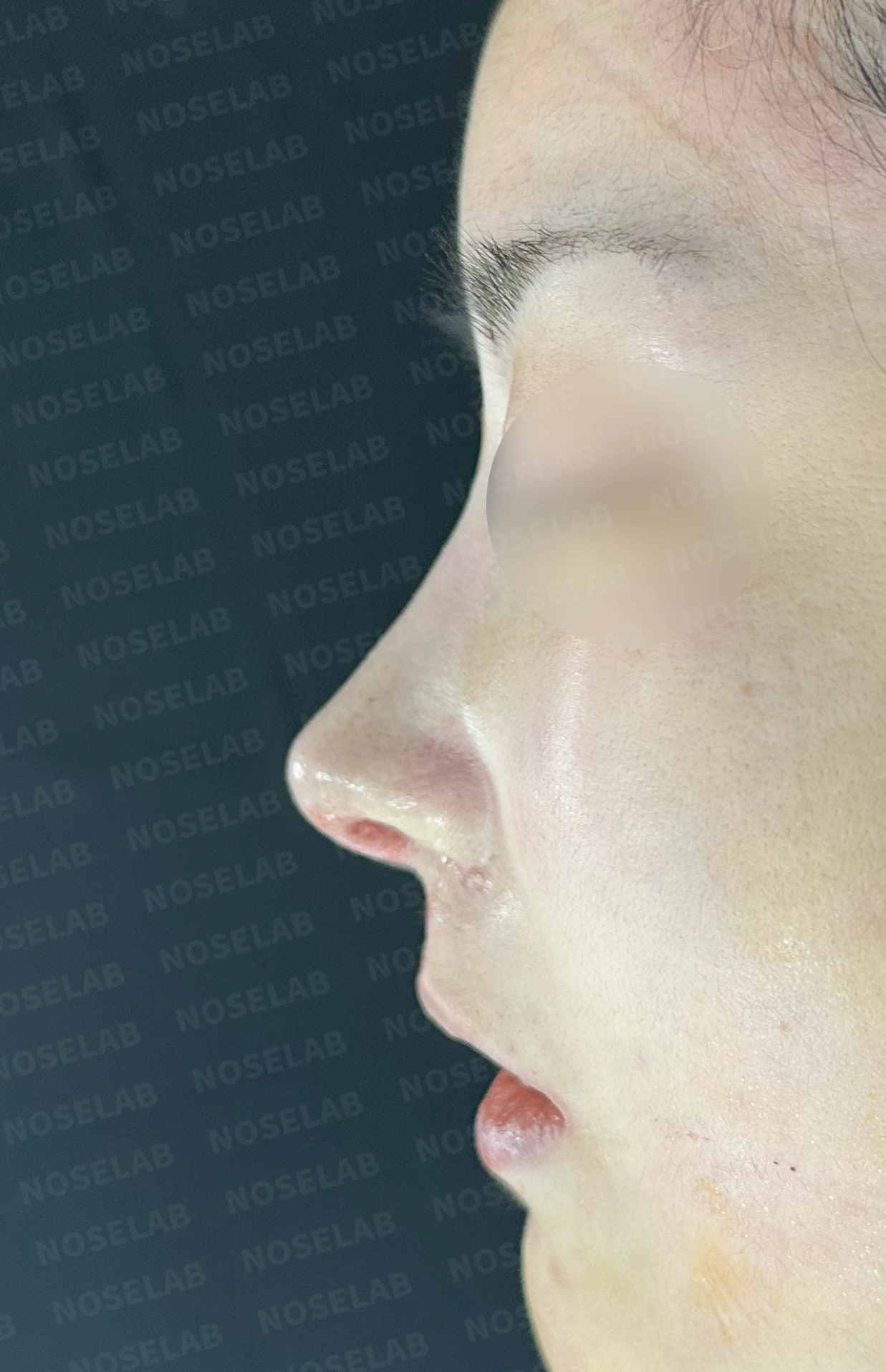
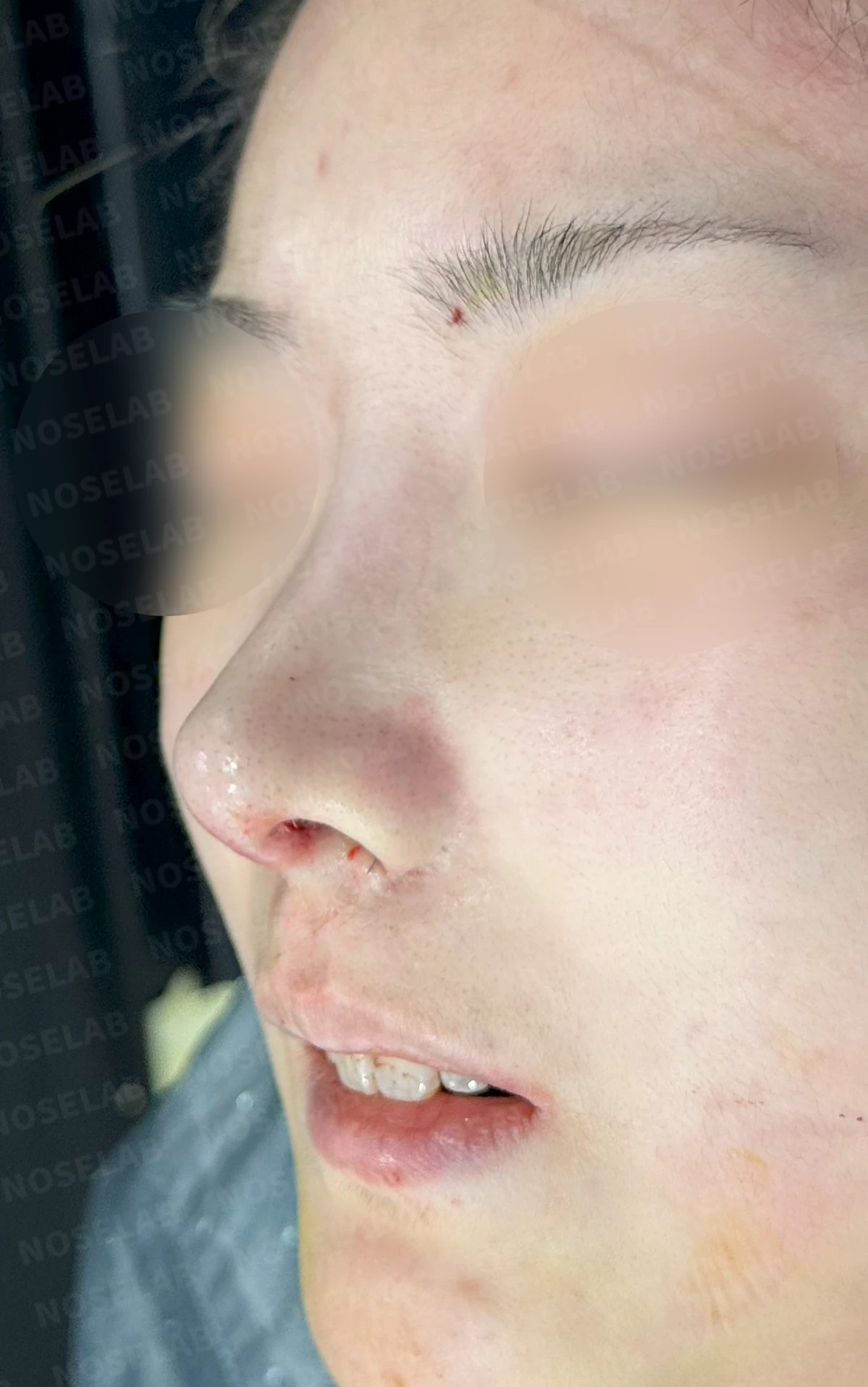
Front, profile, and oblique views taken immediately after surgery (day 0).Immediate postoperative photos show swelling and may differ from the final result.
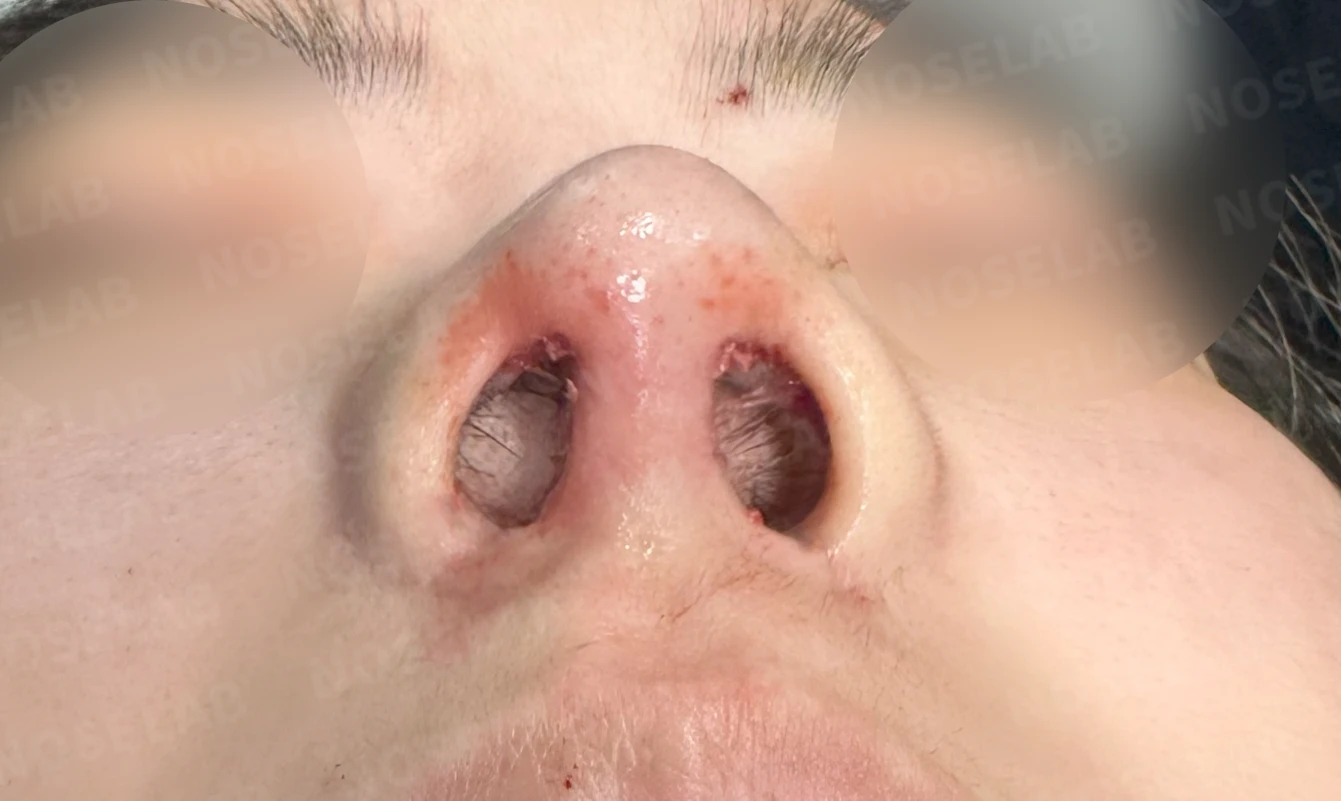
Nostril view on day 0 immediately after surgery. Photos taken immediately after surgery show swelling and may differ from the final result.
👨⚕️ Specialist's assessment
This was a case where structural reconstruction and aesthetic improvement had to be considered simultaneously. Because a significant amount of septal cartilage had already been removed, reconstruction using autologous rib cartilage was essential. While reflecting the Western-style profile desired by the patient, the focus was placed on creating natural lines. With the improvement of the redness and enhancement of the overall balance, we achieved a satisfying result.
This was Dr. Peter C. Kang. Thank you.
Thank you.
#closedrhinoplasty #revisionrhinoplasty #tipreduction #naturalnose #customrhinoplasty

Limitations and risks
When autologous rib cartilage is used, scarring and pain may remain at the donor site on the chest, and pneumothorax (pleural injury) can occur rarely. Over time, the grafted cartilage may warp or undergo partial resorption.
When using donor rib cartilage, long-term follow-up is necessary because the grafted cartilage may resorb or warp.
When revising after implant removal, contracture may progress again after removal, the nasal height and length may decrease, and staged surgery may be necessary depending on the skin condition.
When the septum is corrected at the same time, nasal obstruction may persist or recur, and in rare cases, septal perforation or changes in smell may occur.
Common potential risks include infection, bleeding, asymmetry, scarring, skin necrosis, and insufficient improvement; results vary depending on individual skin condition and previous surgical history.