Hello.
I am Dr. Peter C. Kang, medical director.
Today, I would like to discuss surgical correction that transforms a bulbous, wide nose into a defined, prominent profile.
Preoperative design consultation
The patient's nasal tip appeared depressed and flattened, and an uneven nasal bridge gave the nose an overall masculine look. The nostrils also showed round asymmetry, and the alae were large and flared. In addition, there was excessive nostril show from the frontal view, and the nose appeared diagonally deviated.
Surgical plan
First, elevating the nasal tip and reducing the wide nasal sill appeared essential. After assessing the size and condition of the septal cartilage available for projection, I planned to project the nasal tip upright using a portion of the septal cartilage along with sturdy donor rib cartilage. The nasal sill was also planned to be naturally narrowed in balance with the elevated nasal tip.
To correct the deviated appearance of the nasal bridge, an osteotomy was planned to address the nasal bone asymmetry, alongside elevating the bridge using a silicone implant.
Additionally, because the patient experienced nasal obstruction, preoperative CT scans and nasal endoscopy revealed a deviated septum and hypertrophic rhinitis. Therefore, septoplasty and submucosal resection of the inferior turbinates using radiofrequency laser were planned.
Surgical findings
During surgery, the septal cartilage was thinner and more severely deviated than anticipated preoperatively, which required more time to firmly straighten. However, this reinforcement was crucial for maintaining long-term structural support for the nasal tip.
Before surgery vs. immediately after surgery
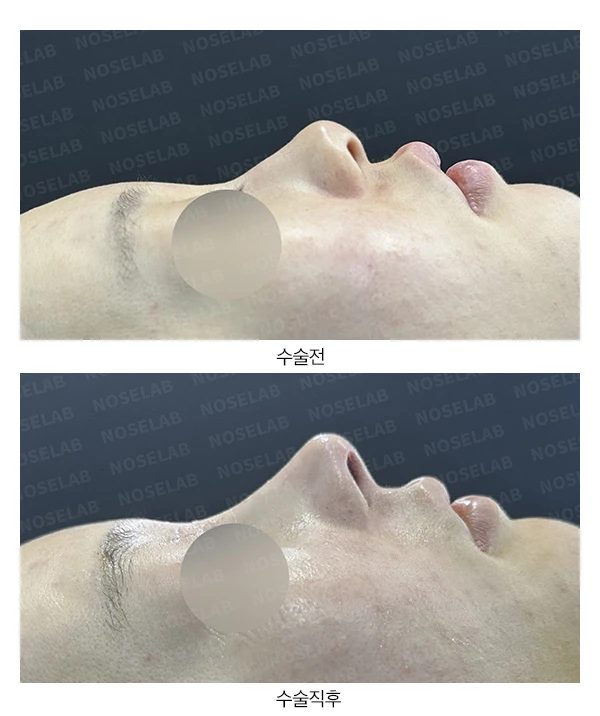
In the 90-degree profile view, you can see that the previously depressed nasal tip is now well-projected, giving the overall nose a much more refined look and a clear, defined line.
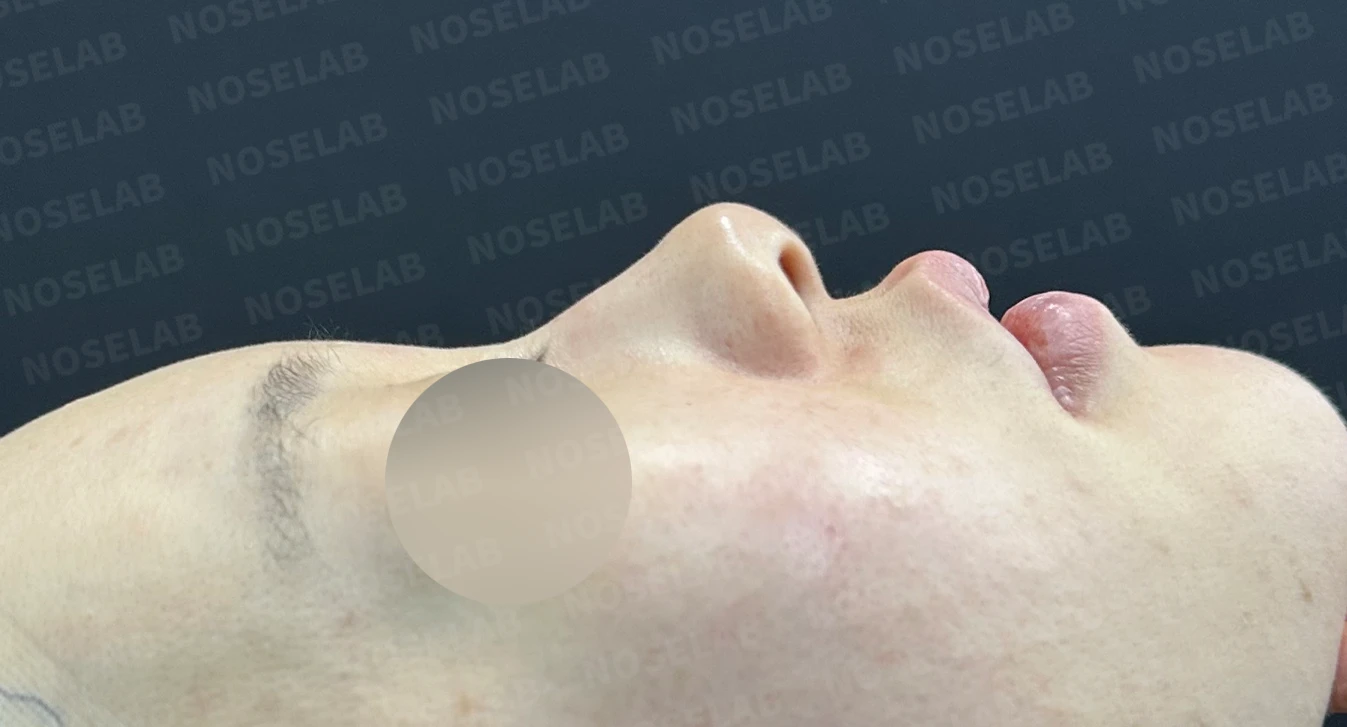
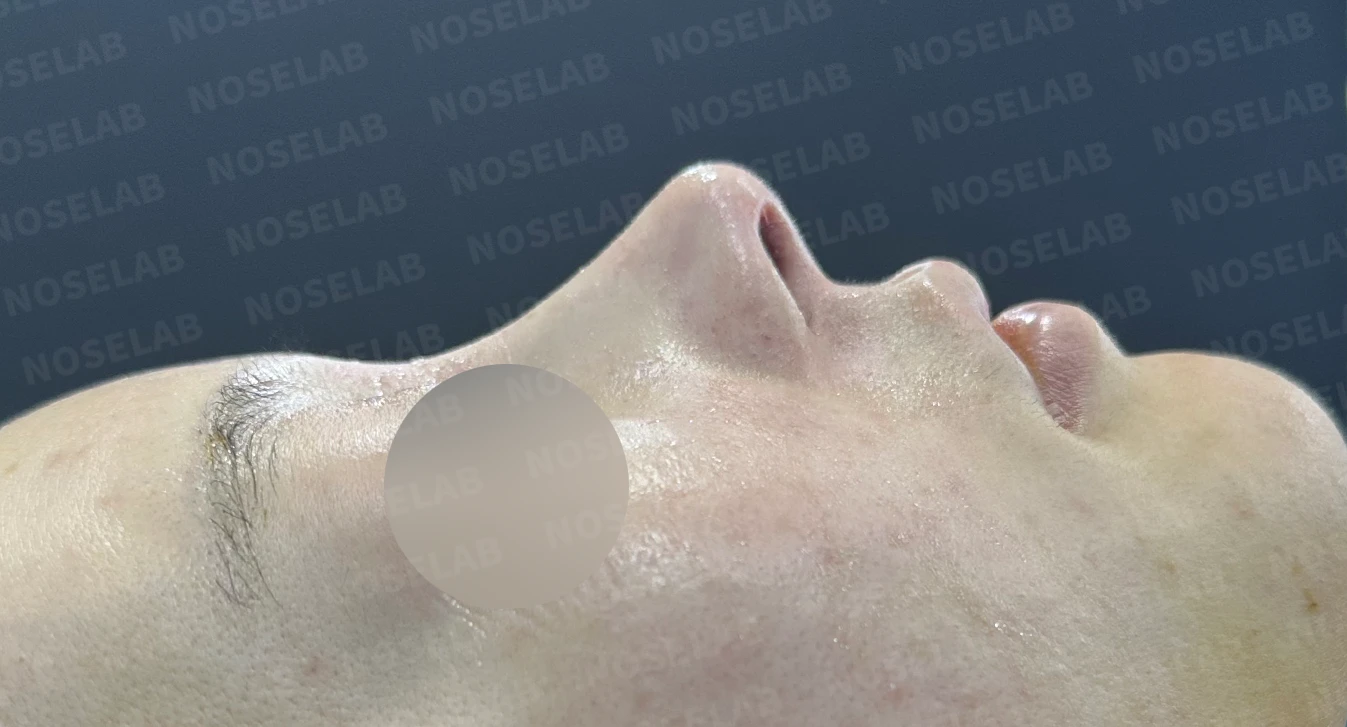
Before surgery / Day 0 immediately after surgery Photos taken immediately after surgery show swelling and may differ from the final result.
In the 45-degree oblique view, the transition line from the nasal bridge to the nasal tip appears much more natural.
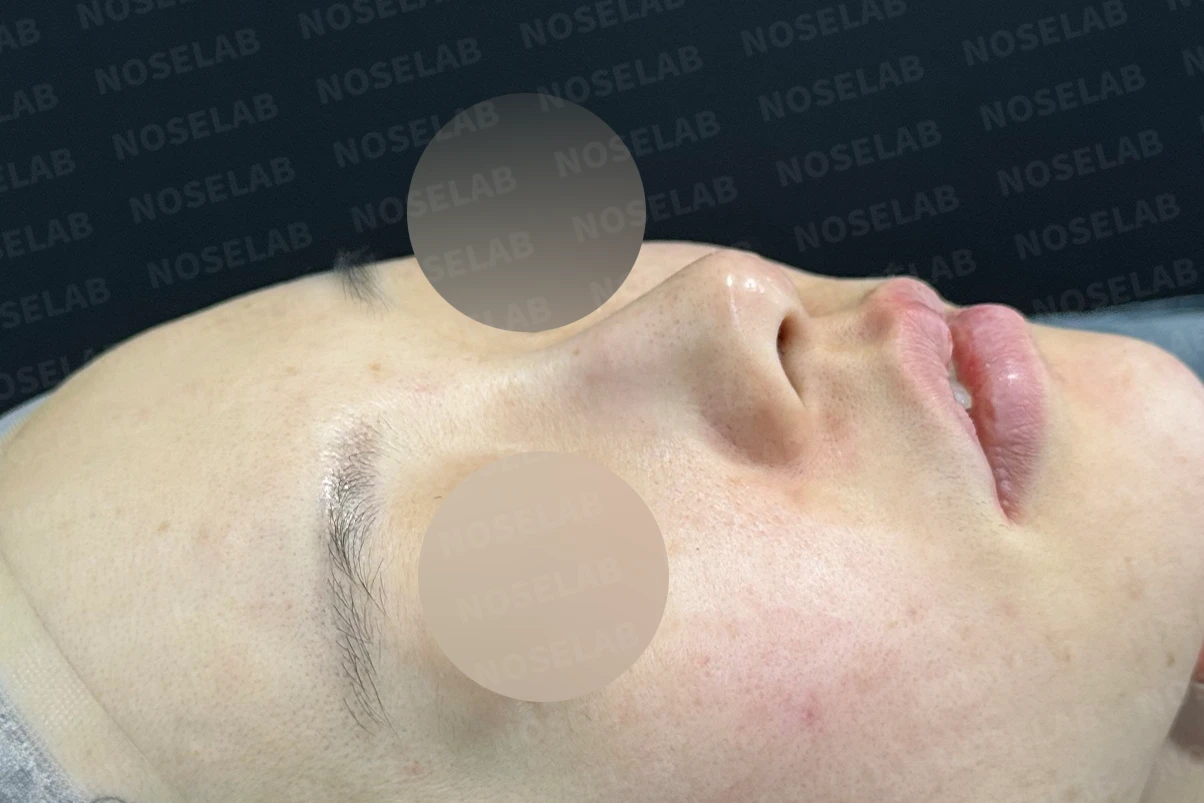
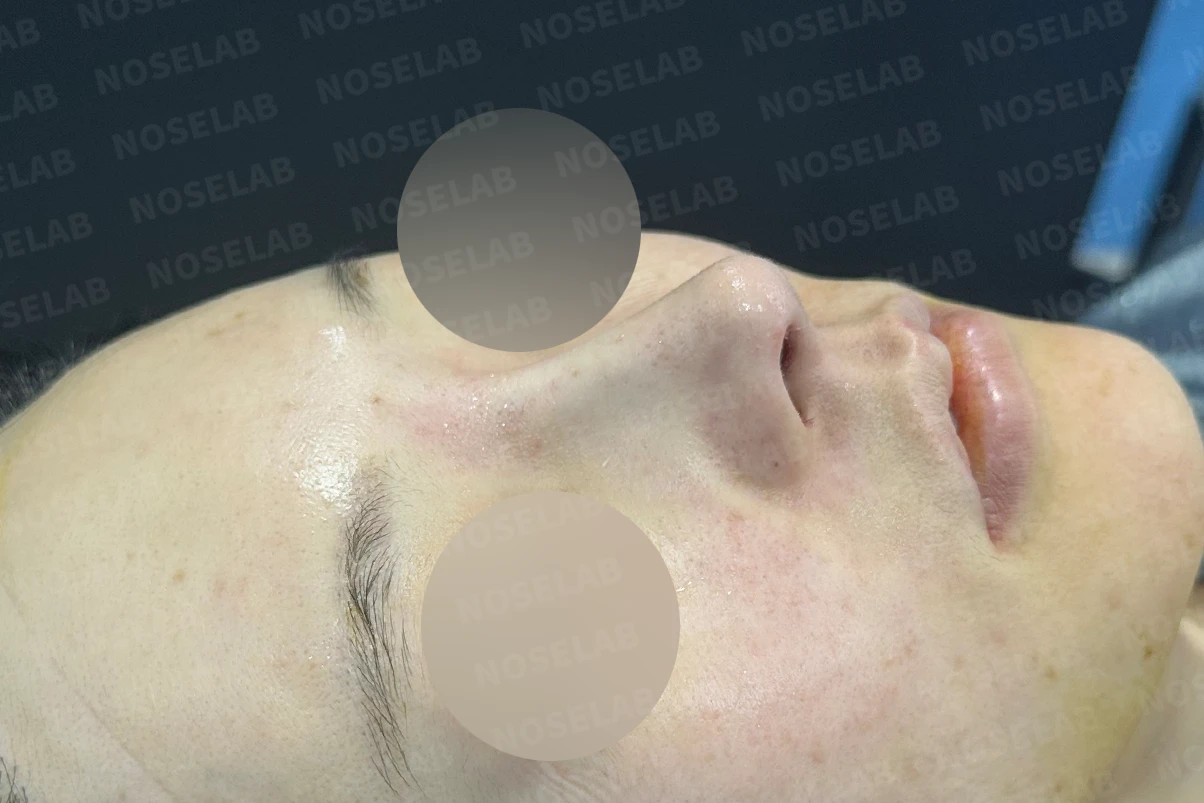
Before surgery / Day 0 immediately after surgery Photos taken immediately after surgery show swelling and may differ from the final result.
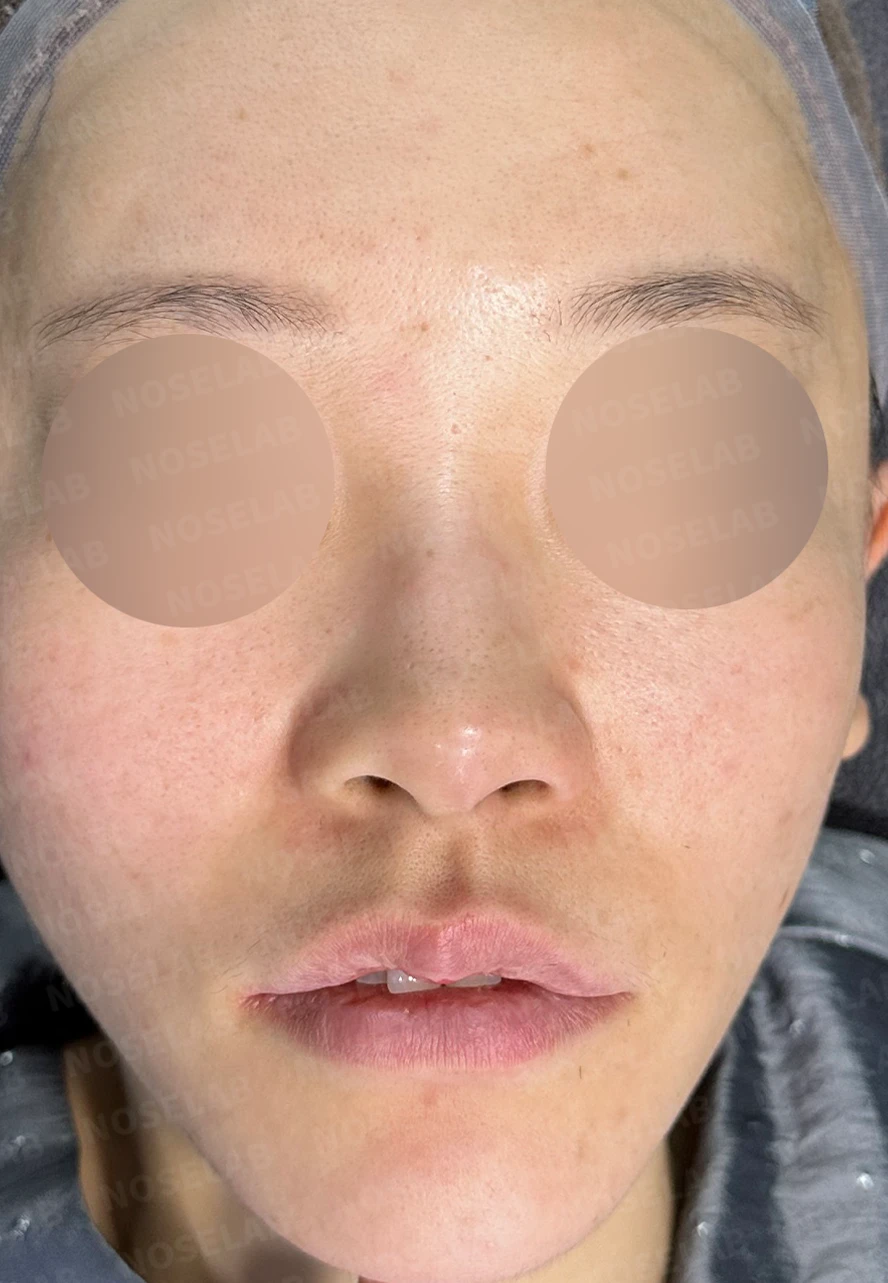
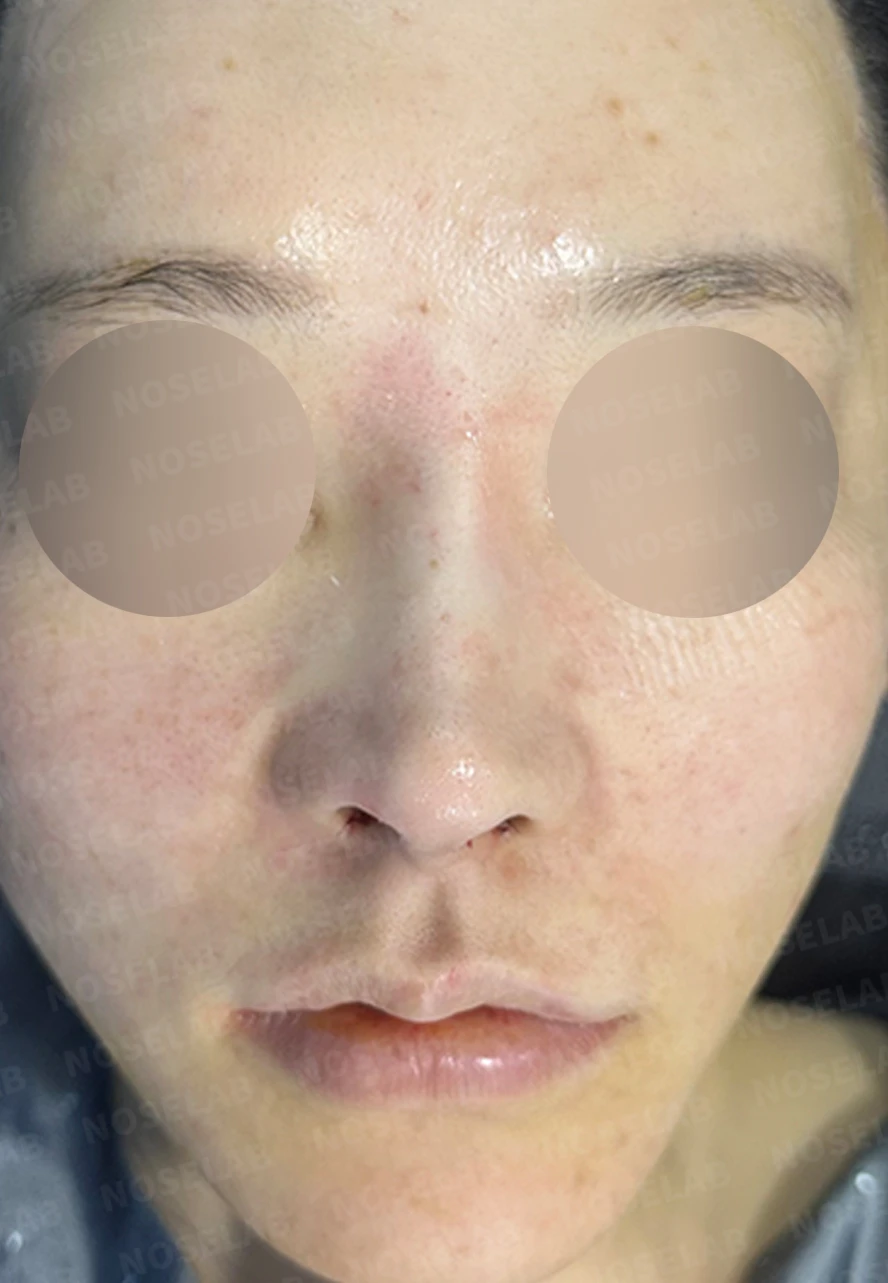
Before surgery / Day 0 immediately after surgery Photos taken immediately after surgery show swelling and may differ from the final result.
From the front, the wide tip flare and the previously unnatural connection between the bridge and the tip have settled into a much more harmonious alignment.
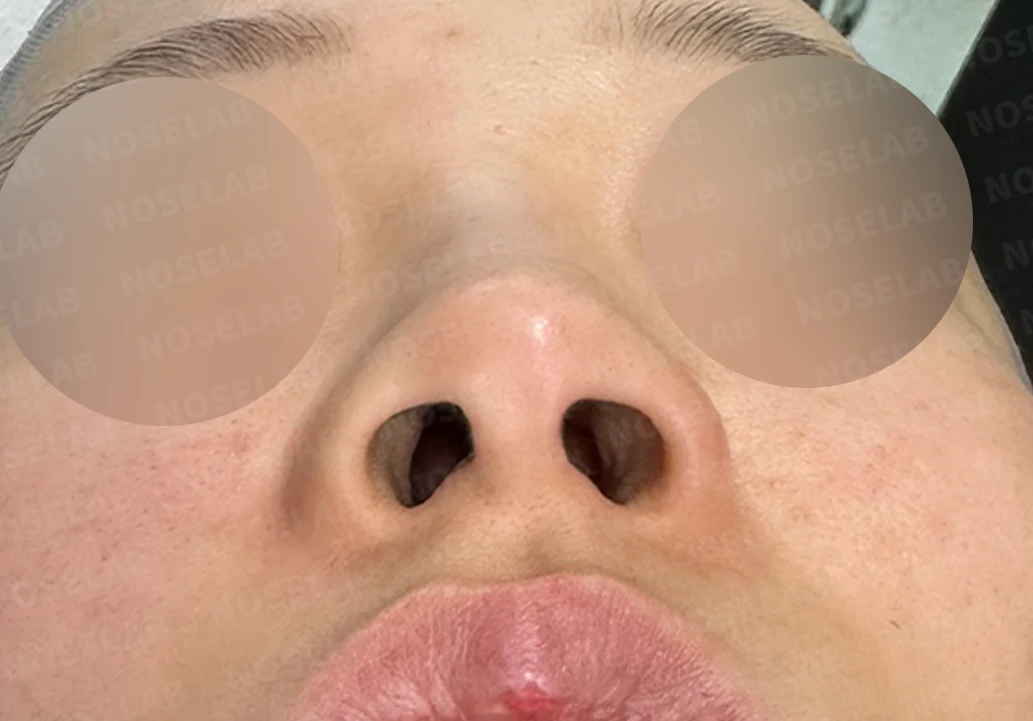
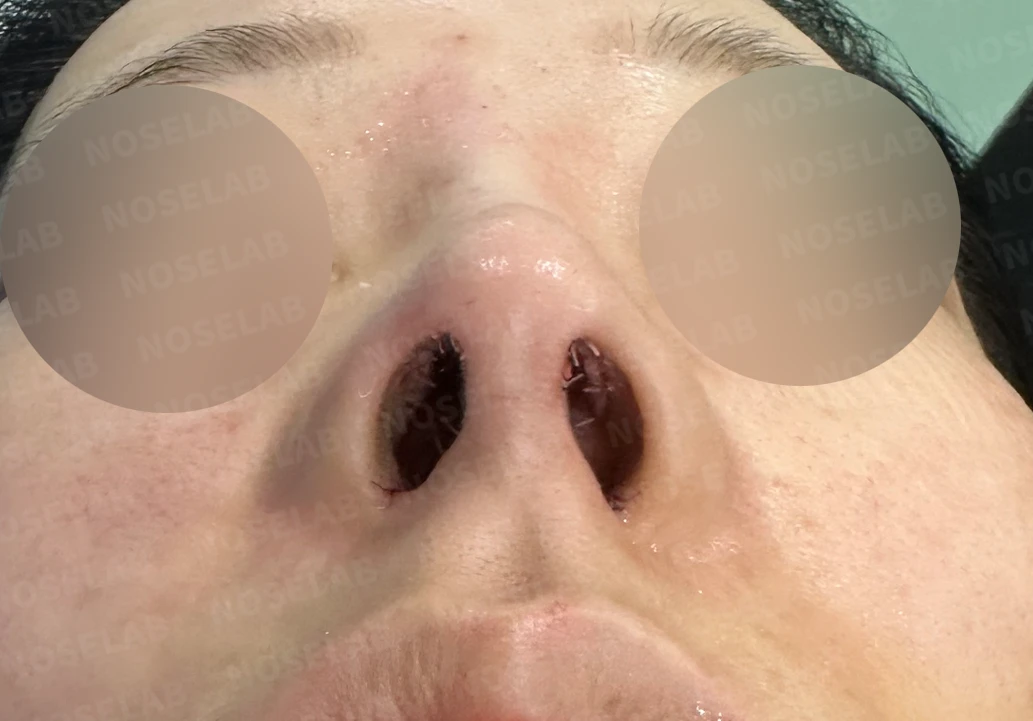
Before surgery / Day 0 immediately after surgery Photos taken immediately after surgery show swelling and may differ from the final result.
The wide appearance of the nasal sill has improved, and the excessively flared, rounded nostrils have also been corrected. For about 2 to 3 months after surgery, the nostrils may look slightly stiff or unnatural due to the nasal sill reduction, but they will gradually settle into a natural shape.
Collection of photos taken immediately after surgery
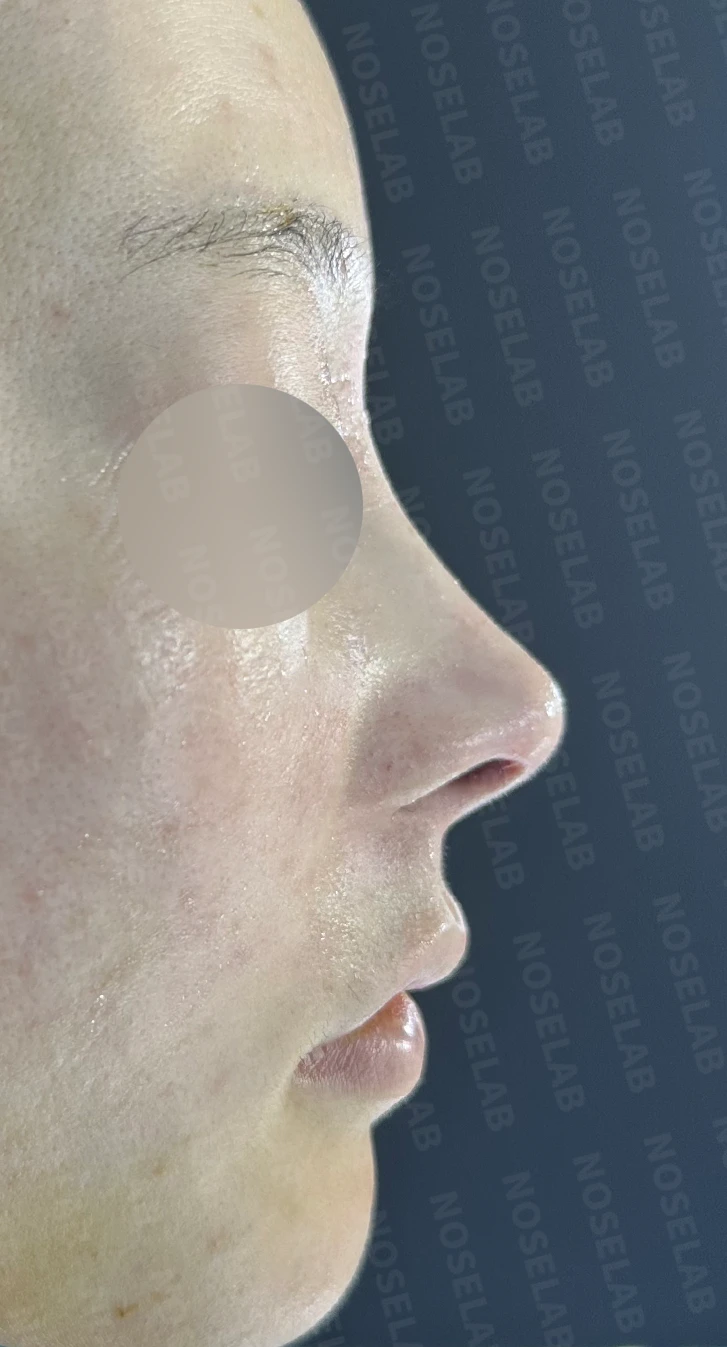
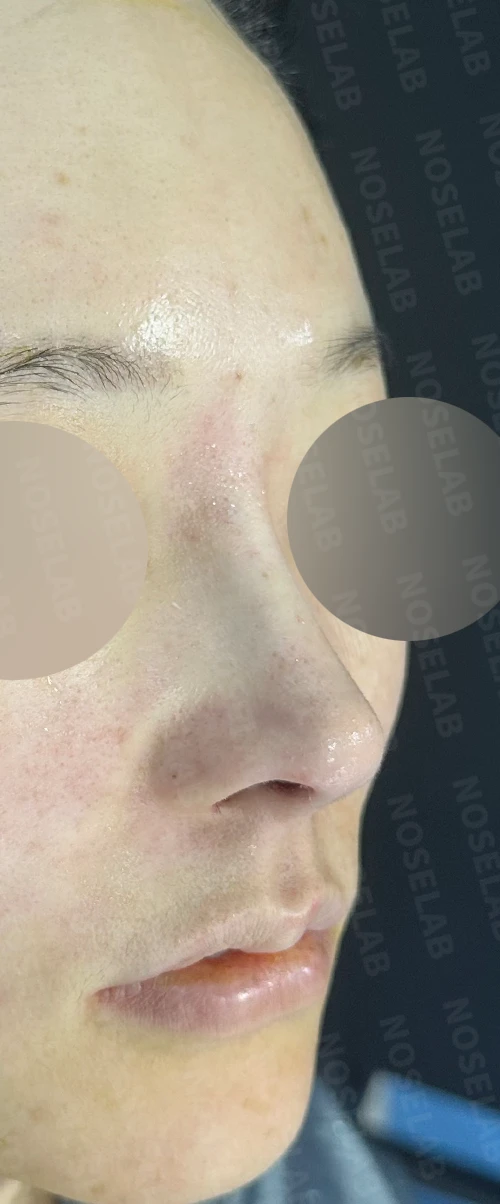
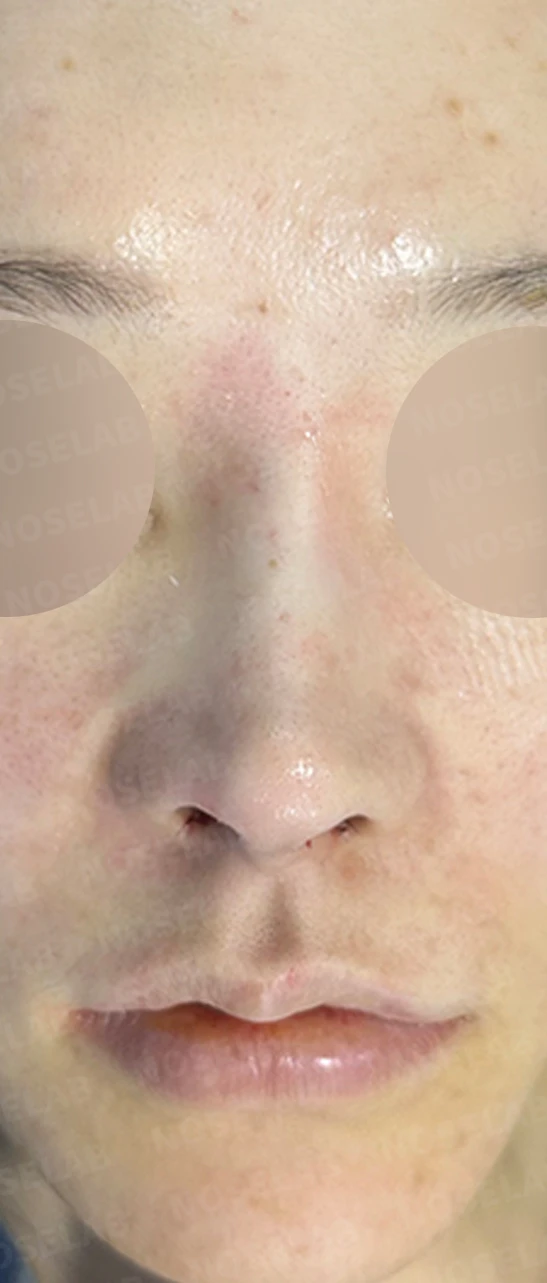
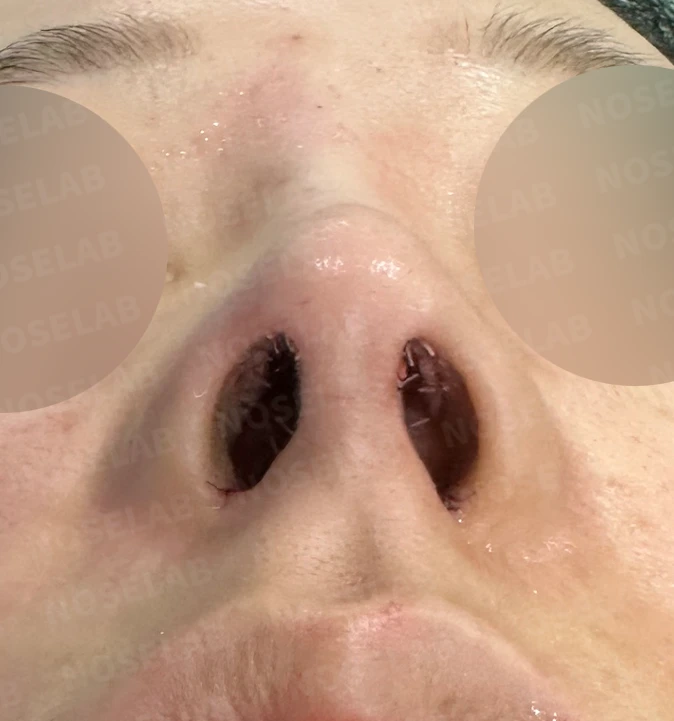
Transforming a bulbous and wide nose into a defined straight bridge line
Many patients with a bulbous, flattened nose hope to achieve a prominent straight bridge line. The primary step is elevating the nasal tip to add three-dimensional definition, followed by creating a natural transition between the elevated tip and the nasal bridge. A crucial consideration here is the starting point and height of the radix between the eyebrows. Setting the radix too high can create an unnatural, overdone appearance, making the selection of the radix starting point essential when crafting a prominent profile.
Today, we explored the surgical approach to correcting a bulbous and wide nose into a defined contour. I hope this provides helpful insight for those seeking similar changes.
This was Dr. Peter C. Kang. Thank you.

Limitations and risks
When the septum is corrected at the same time, nasal obstruction may persist or recur, and in rare cases, septal perforation or changes in smell may occur.
Common potential risks include infection, bleeding, asymmetry, scarring, skin necrosis, and insufficient improvement; results vary depending on individual skin condition and previous surgical history.