English日本語简体中文
Skip to main content
Dr. Peter C. Kang's Rhinoplasty Stories
PrologueBlogMy thoughtsNasal obstructionSurgical journalSurgical photos
About the surgeon

Overprojected tip: records of sharpness versus smooth contours

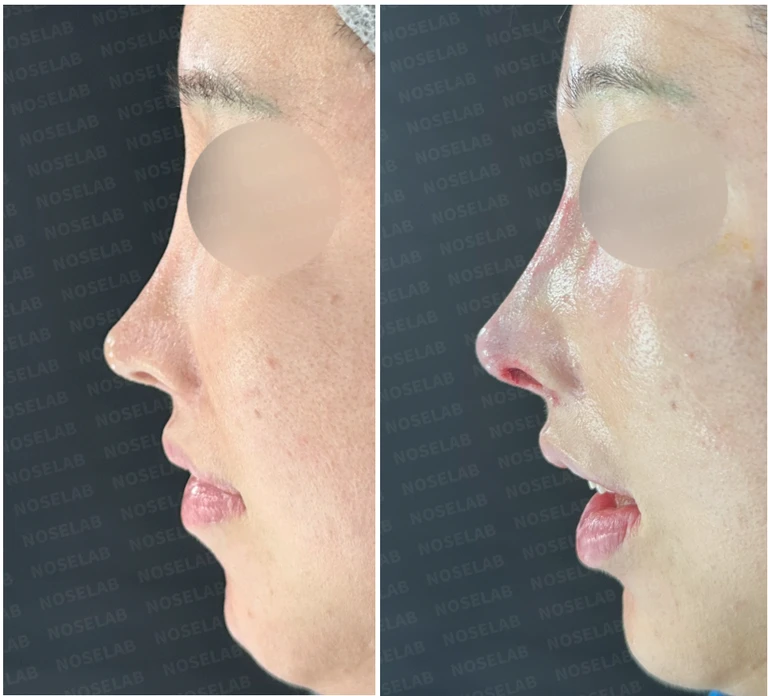
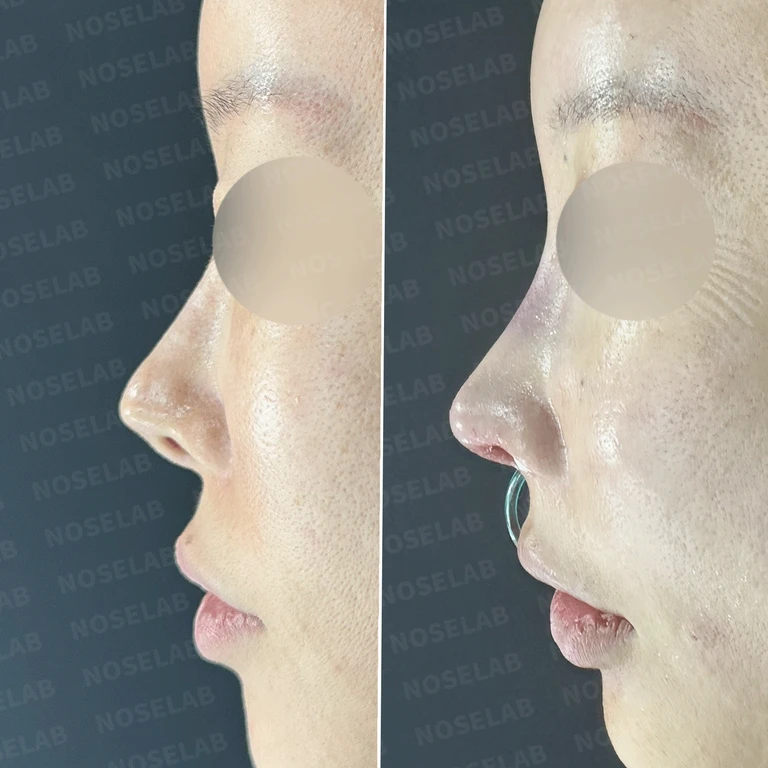
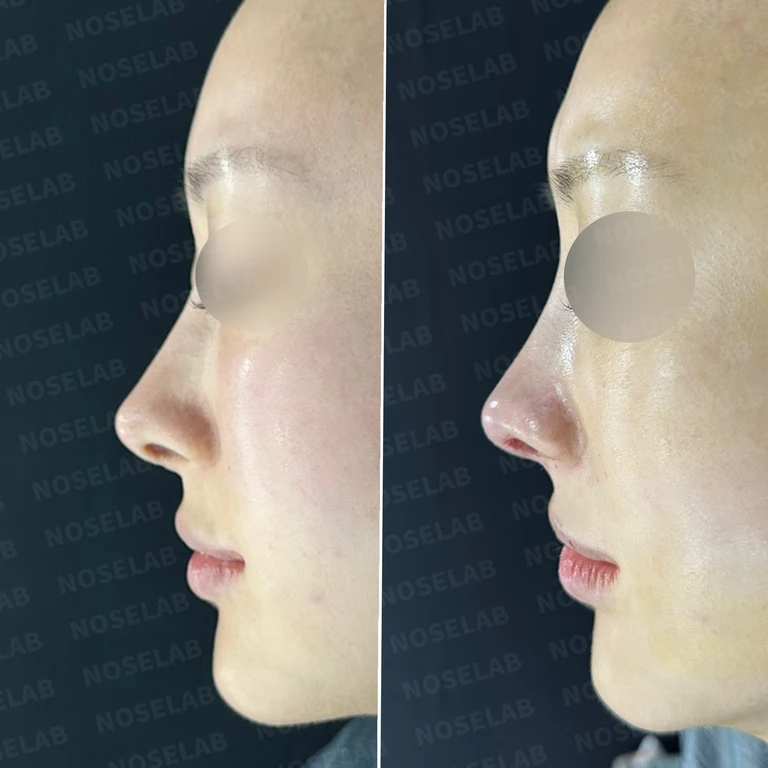
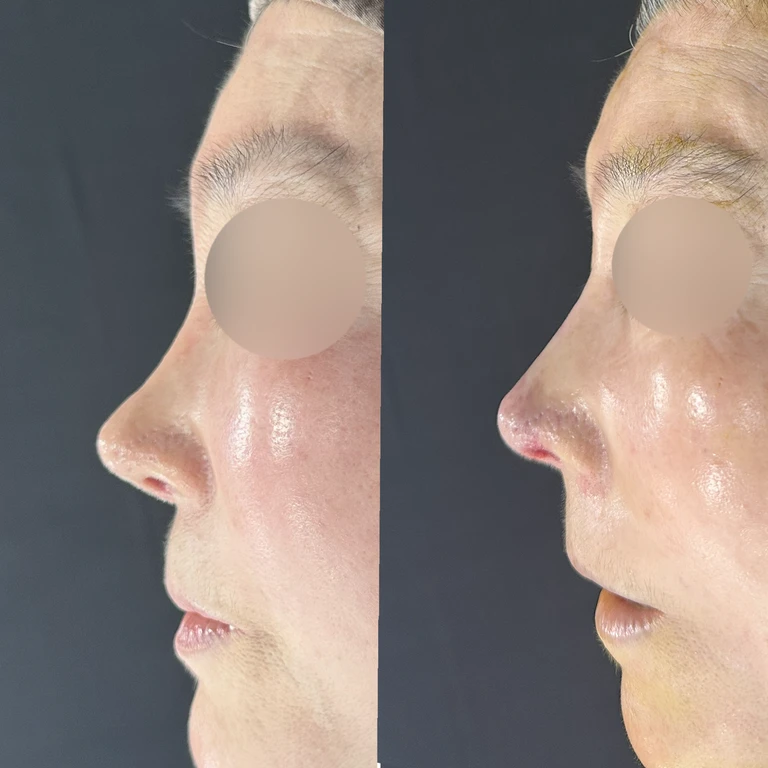
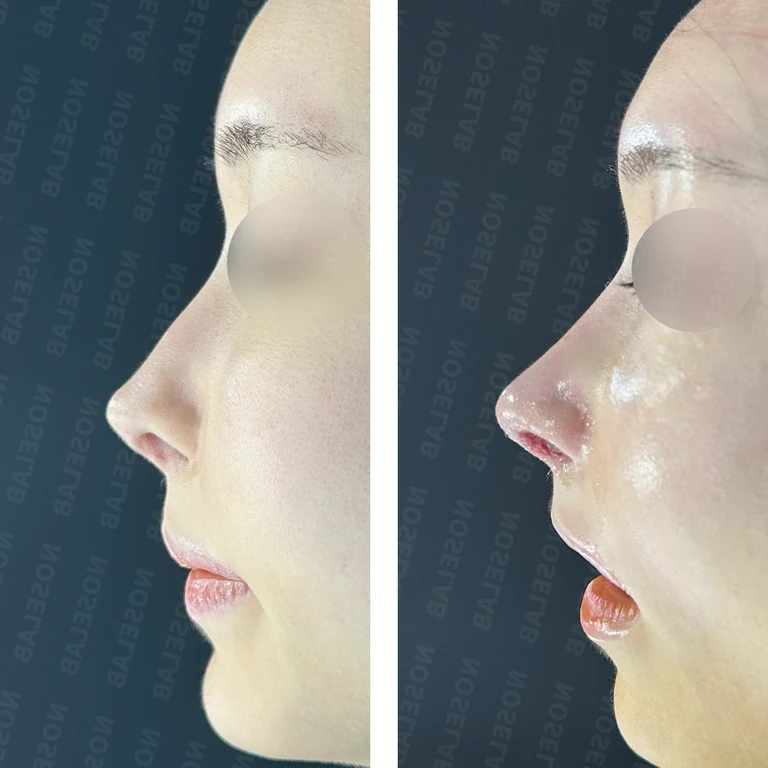
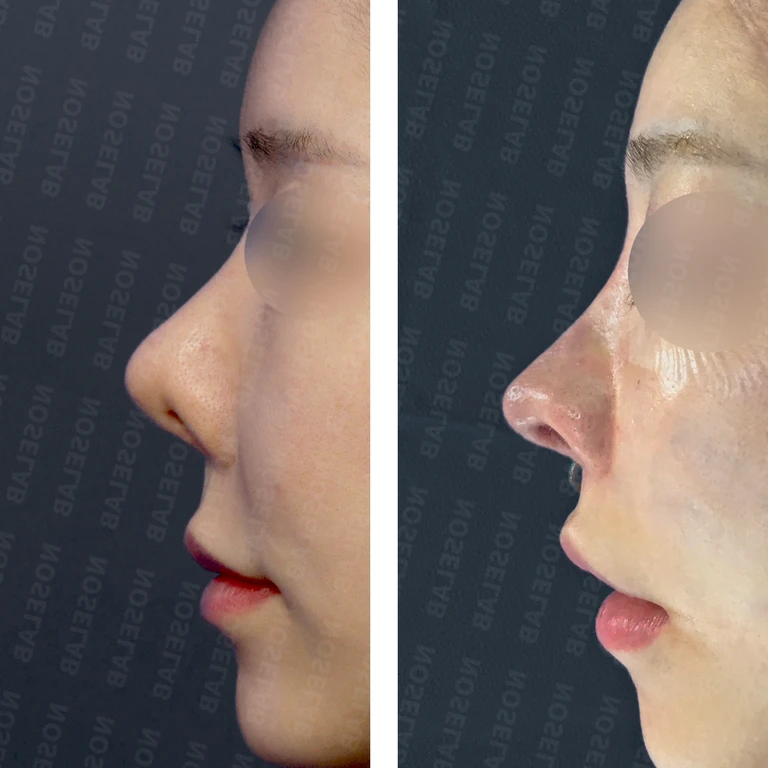
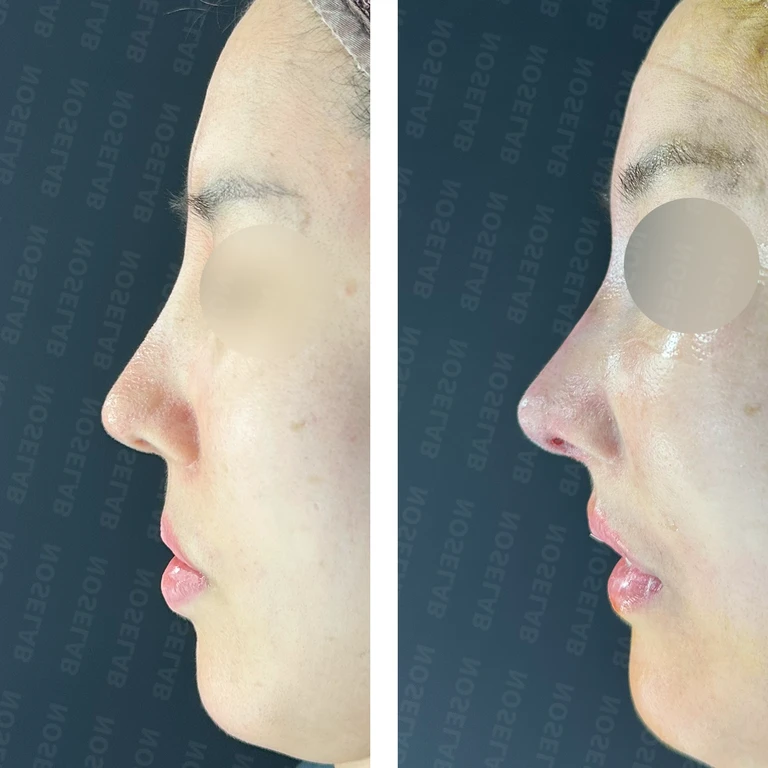
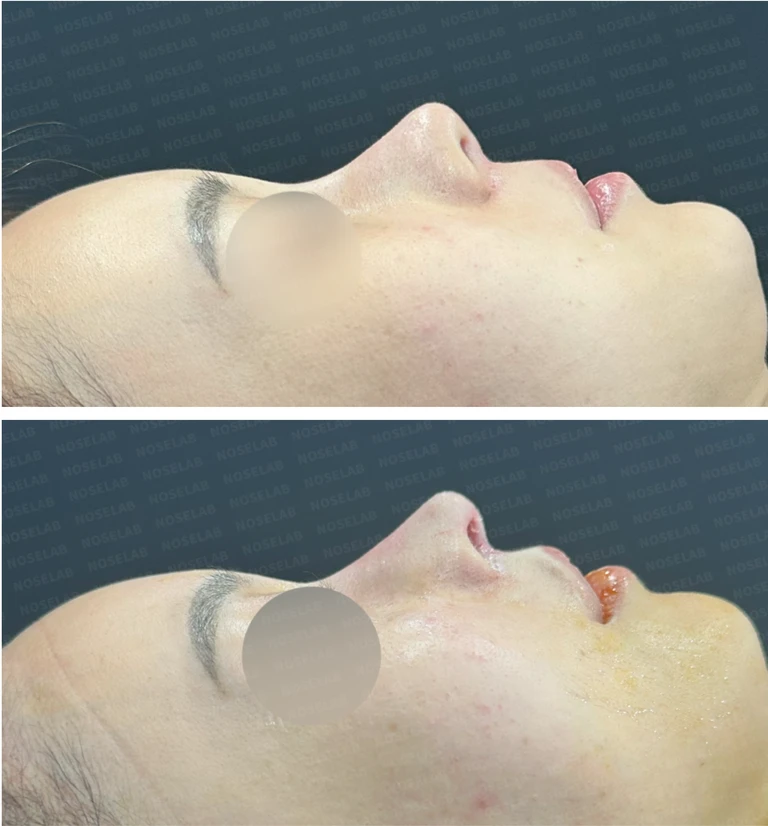
Records addressing a pointed nasal tip focus less on the definition of the tip itself and more on the gap between its appearance and the impression the patient desired. One revision rhinoplasty case addressed both bridge deviation and a pointed nasal tip, while another article describes adjusting a sharp tip to a rounder contour for a softer look.

A primary rhinoplasty patient also presented with a pointed, upturned nasal tip alongside a drooping columella. In this collection, you can separately examine the tip contour, the direction the tip points, and its transition into the columella and nasal bridge. Review both the preoperative condition and the patient's goals so that cases desiring tip definition are not confused with cases seeking to soften a pointed tip.

View before-and-after cases ↓Comprehensive rhinoplasty guide

Searching for surgical cases matching your criteria.
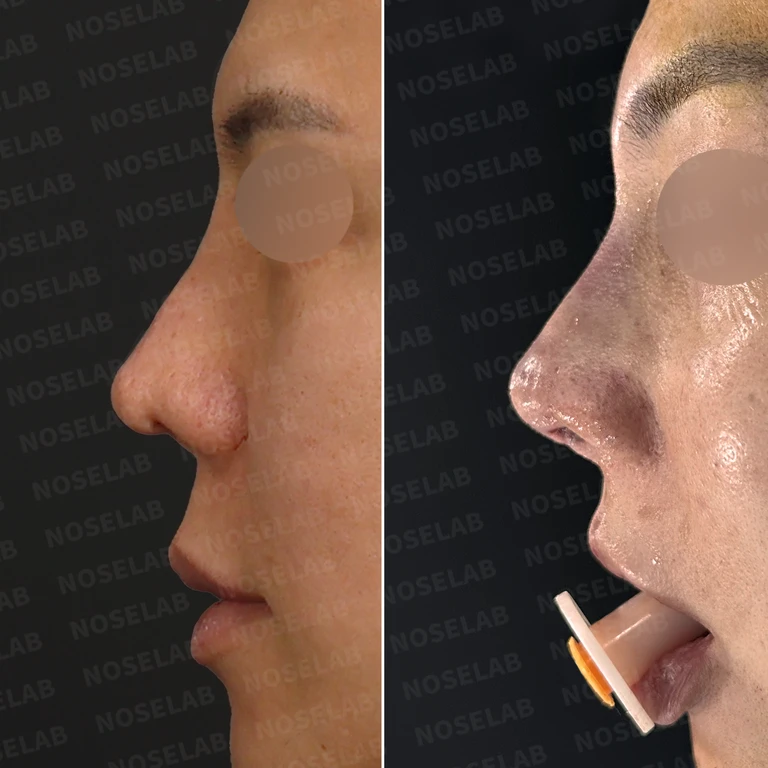
Why an implant is palpable and visible through the nasal tip: rib cartilage reconstruction and dermis reinforcement — Before-and-after comparison
Before-and-after comparison

Why an implant is palpable and visible through the nasal tip: rib cartilage reconstruction and dermis reinforcement

A case where a silicone implant became palpable, the nasal tip skin thinned, and asymmetry developed after a previous rhinoplasty. The implant was removed, the nasal tip and septum were reconstructed using sliced autologous rib cartilage, and artificial dermis was used for reinforcement.

Preoperative condition
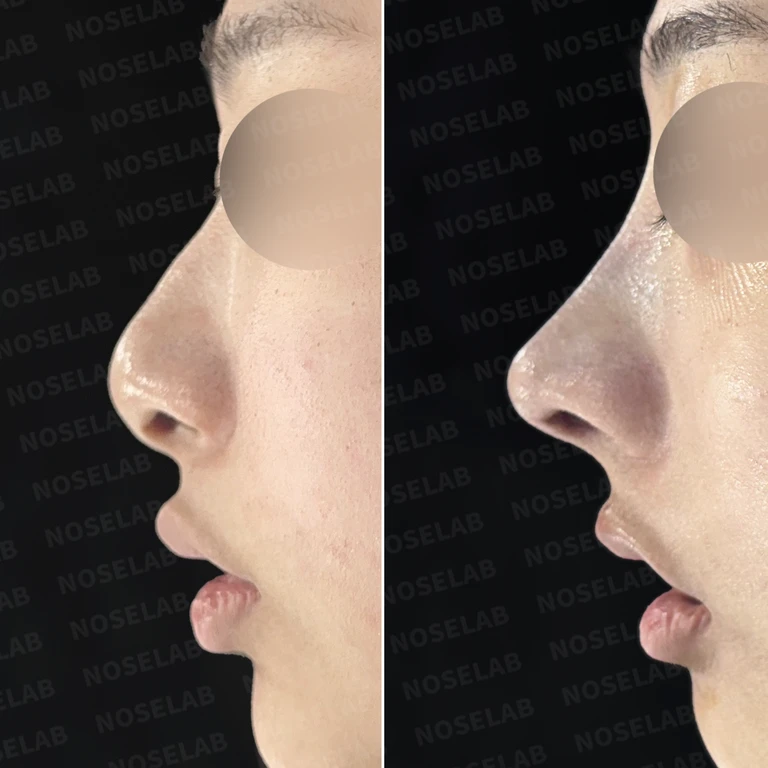
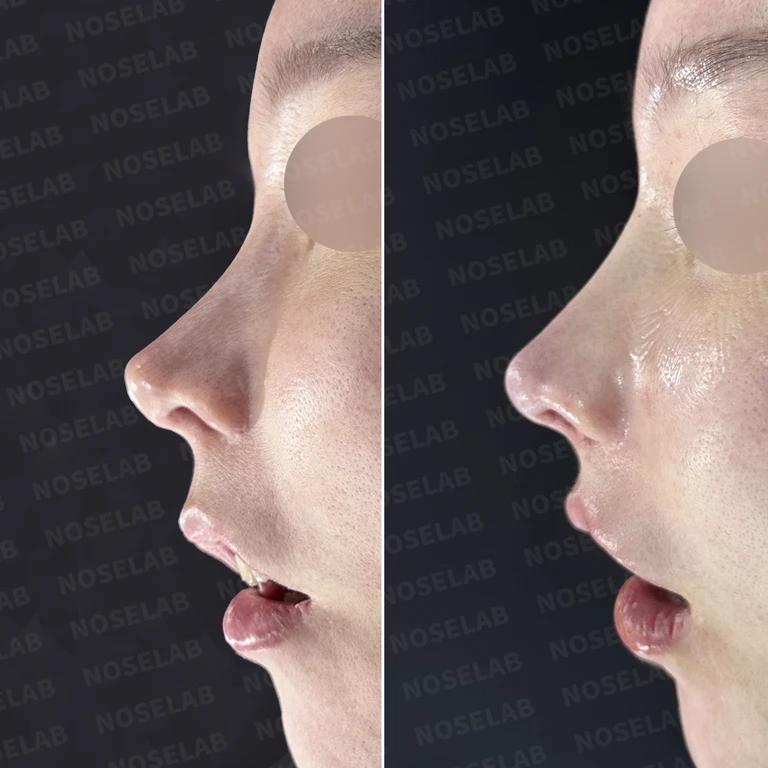
Why the nasal tip turns up and the columella droops, and how septal extension is performed — Before-and-after comparison
Before-and-after comparison

Why the nasal tip turns up and the columella droops, and how septal extension is performed

A case where a short, upturned nasal tip and a drooping columella in an unoperated nose were corrected through septal extension. A strut was built using donor rib cartilage and septal cartilage, accompanied by columellar elevation and silicone implant placement.

Preoperative condition
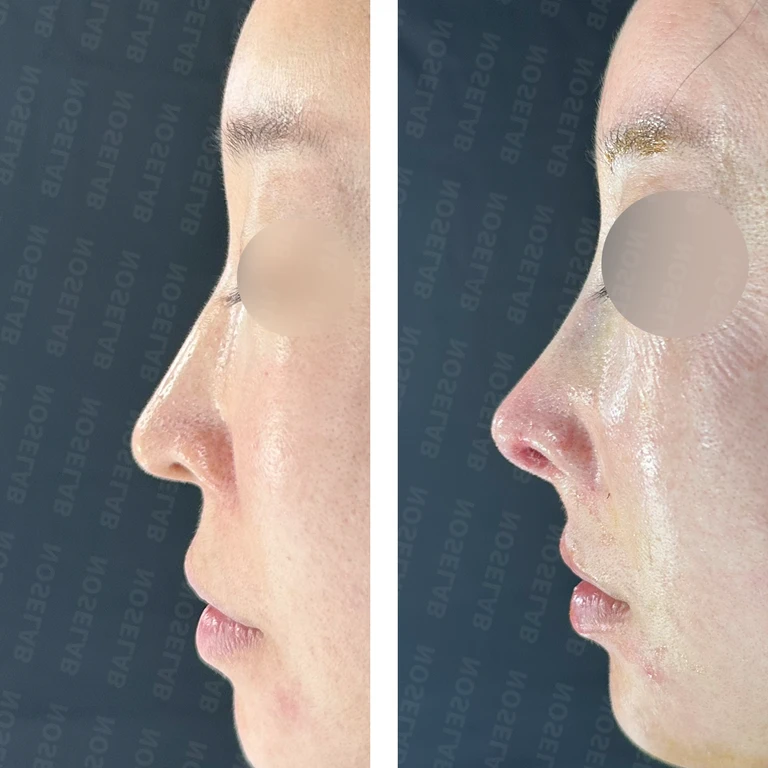
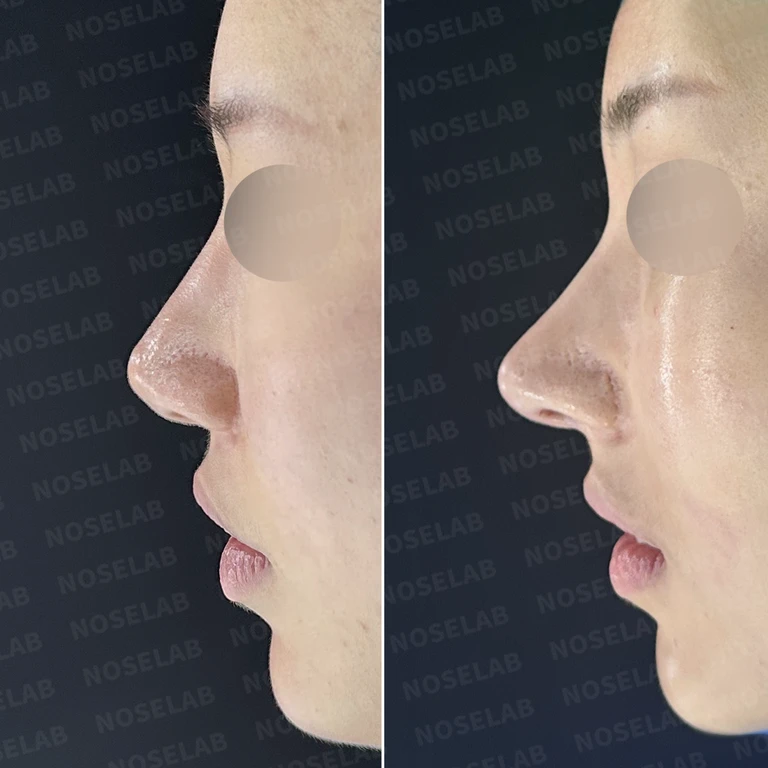
Why contracture remains in multiply operated noses: Reconstructing the columella and support framework — Before-and-after comparison
Before-and-after comparison

Why contracture remains in multiply operated noses: Reconstructing the columella and support framework

Contracture and septal defect resulting from repeated surgeries were reconstructed using autologous rib cartilage. For the retracted columella, retroauricular free skin flap grafting and perichondrium grafting were performed to restore its shape.

Previous surgeries and procedures

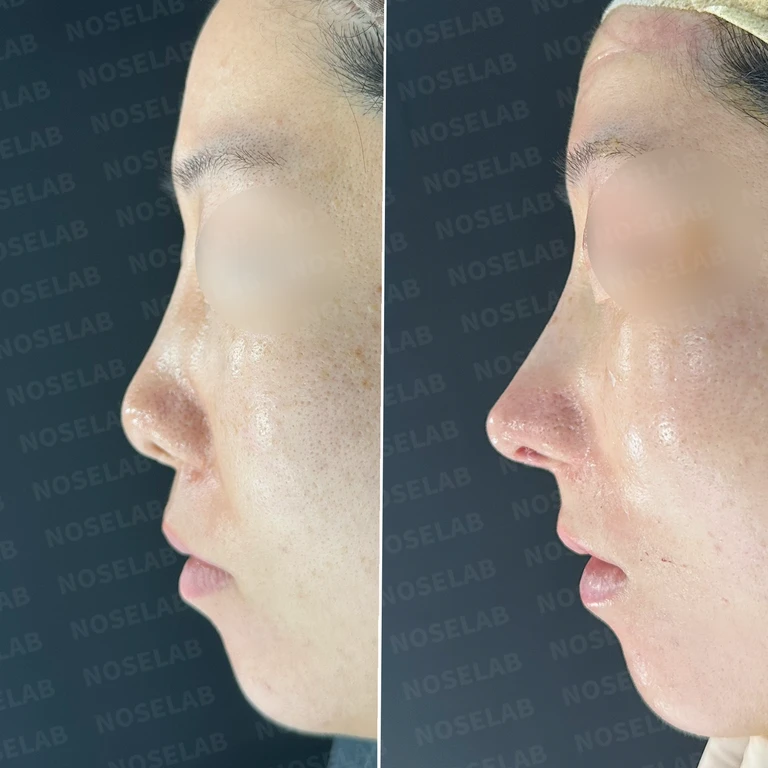
Why a nose operated on multiple times continues to appear upturned, and how septal reconstruction is performed — Before-and-after comparison
Before-and-after comparison

Why a nose operated on multiple times continues to appear upturned, and how septal reconstruction is performed

Following previous surgeries and double-jaw surgery, an upturned nasal tip and nostril asymmetry were precisely corrected using donor rib cartilage septal reconstruction, lower lateral cartilage restoration, and a composite dermis-fat graft to the soft triangle.

Preoperative condition · Postoperative record
Why nasal tip cartilage shows through the skin and how dermis grafting reinforces it — Before-and-after comparison
Before-and-after comparison

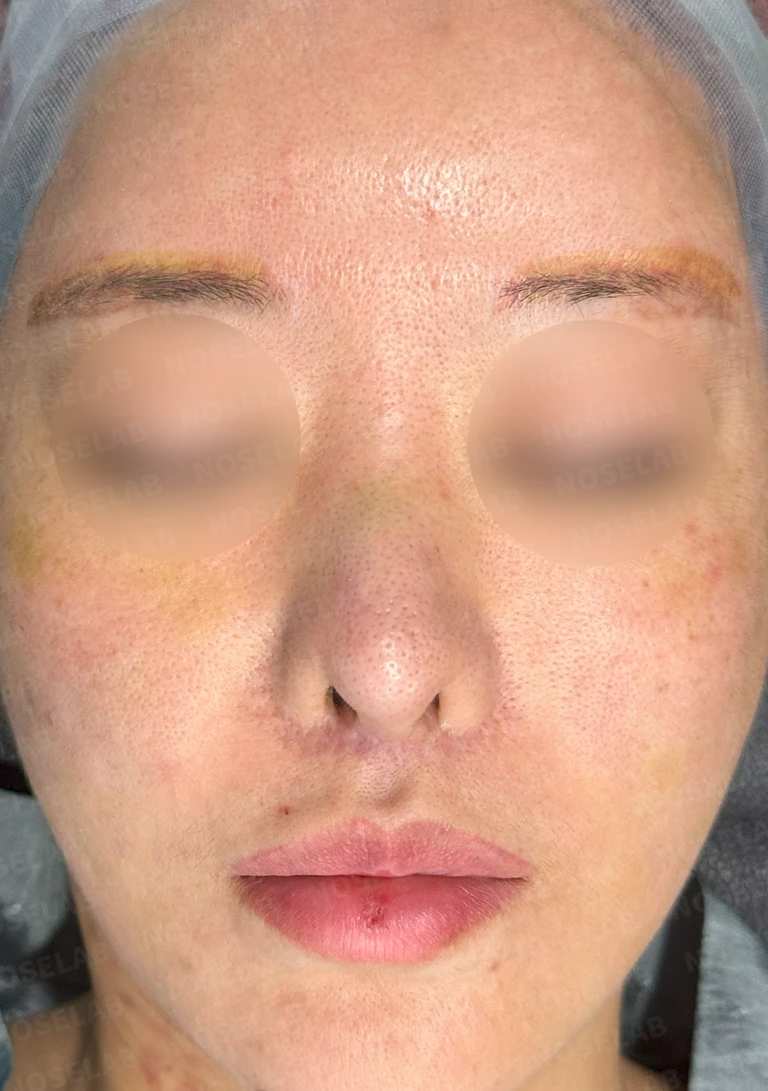
Why nasal tip cartilage shows through the skin and how dermis grafting reinforces it

For a nose showing cartilage show-through through thinned skin, a widened nasal bridge, and nasal obstruction 7 years after surgery, autologous dermis reinforcement, autologous rib cartilage tip plasty, lateral osteotomy, and septoplasty were performed.

Postoperative record

Why the radix starts too high and the nose looks crooked, and how to correct it with autologous rib cartilage — Before-and-after comparison
Before-and-after comparison

Why the radix starts too high and the nose looks crooked, and how to correct it with autologous rib cartilage

Following a previous implant surgery, issues with a high radix, crooked dorsum, and upturned tip were corrected using autologous rib cartilage septal extension, lateral osteotomy, and nasolabial angle correction.

Preoperative condition
Why donor dermis absorbs after multiple revision surgeries and how to reconstruct the septum — Before-and-after comparison
Before-and-after comparison

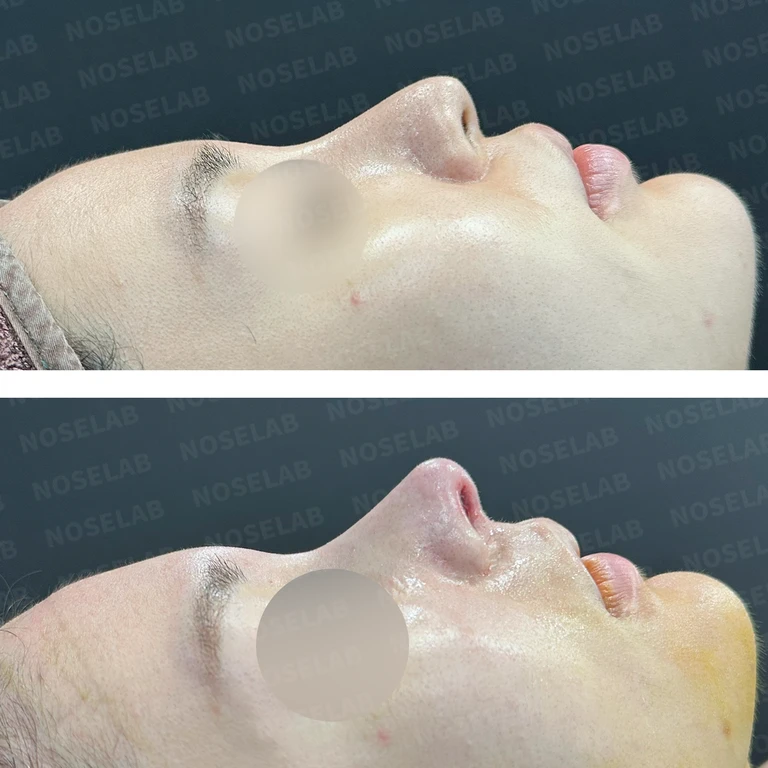
Why donor dermis absorbs after multiple revision surgeries and how to reconstruct the septum

For a patient who experienced partial absorption of donor dermis on the nasal bridge and septal damage after multiple revision surgeries, the donor dermis was removed, the septum was reconstructed with autologous rib cartilage, and the skin was reinforced with retroauricular dermis.

Preoperative condition

Why nasal tip cartilage shows through the skin and turns upward: reinforcement and reconstruction methods — Before-and-after comparison
Before-and-after comparison

Why nasal tip cartilage shows through the skin and turns upward: reinforcement and reconstruction methods

For a patient presenting with visible nasal tip cartilage and an upturned nose following previous surgery with a silicone implant and ear cartilage, we performed silicone implant removal, septal extension using autologous rib cartilage, fat grafting, and skin reinforcement with donor dermis.

Preoperative condition · Postoperative record

Why repeat rhinoplasty thins the nasal tip skin causing cartilage show-through, and how autologous dermis reinforcement helps — Before-and-after comparison
Before-and-after comparison

Why repeat rhinoplasty thins the nasal tip skin causing cartilage show-through, and how autologous dermis reinforcement helps

To resolve thinned nasal tip skin and cartilage show-through caused by repeated surgeries, retroauricular autologous dermis grafting, lateral osteotomy, and columellar elevation were performed.

Preoperative condition

Aged nasal implants and nasal pain: key points to evaluate in revision rhinoplasty — Before-and-after comparison
Before-and-after comparison

Aged nasal implants and nasal pain: key points to evaluate in revision rhinoplasty

A case in an older patient with a 50-year history of repeated surgeries, nasal pain, and a crooked nose deformity, where the previous cartilage causing the pain was removed and the nose was reconstructed using donor rib cartilage.

Preoperative condition

Revision rhinoplasty for a long nose and a wide, flat nasal bridge — Before-and-after comparison
Before-and-after comparison

Revision rhinoplasty for a long nose and a wide, flat nasal bridge

A long nose, wide nasal bridge, mucus pooling, and nasal obstruction resulting from multiple prior surgeries were corrected using lateral osteotomy, autologous rib cartilage grafting, and septoplasty.

Preoperative condition

How to correct a sharp nasal tip and cartilage show-through — Before-and-after comparison
Before-and-after comparison

How to correct a sharp nasal tip and cartilage show-through

To address a sharp nasal tip and cartilage show-through following previous surgeries, the existing ear cartilage was removed, and donor rib cartilage alongside acellular dermal graft was used to reinforce the cartilage framework and overlying skin.

Preoperative condition

Supportive structures in a contracted nose and revision rhinoplasty using autologous rib cartilage — Before-and-after comparison
Before-and-after comparison

Supportive structures in a contracted nose and revision rhinoplasty using autologous rib cartilage

For a contracted nose and a sharply upturned nasal tip that developed after multiple surgeries, septal reconstruction with autologous rib cartilage, removal of inflammatory tissue from the nasal tip, and nostril lowering were performed.

Preoperative condition · Postoperative record

Revision rhinoplasty methods for correcting both a long nose and asymmetry — Before-and-after comparison
Before-and-after comparison

Revision rhinoplasty methods for correcting both a long nose and asymmetry

A nasal tip that had become long and sharp from multiple surgeries, along with nostril asymmetry, was corrected using glabella bone rasping, autologous rib cartilage extension, and composite skin graft nostril lowering.

Preoperative condition

Nostril correction methods considering crooked nose, upturned nose, and nasal obstruction — Before-and-after comparison
Before-and-after comparison

Nostril correction methods considering crooked nose, upturned nose, and nasal obstruction

For nasal tip deviation, an upturned tip, and nasal obstruction caused by intranasal mucosal adhesion following previous surgery, we performed septal extension using donor rib cartilage, nostril lowering, and mucosal adhesion release.

Preoperative condition

How to correct the nasal tip and bridge in a sharp upturned nose — Before-and-after comparison
Before-and-after comparison

How to correct the nasal tip and bridge in a sharp upturned nose

This is a case of previous surgery resulting in a deviated nasal bridge, an upturned nasal tip, nasolabial angle issues, and nasal obstruction. Using a closed approach with autologous rib cartilage, septal deviation correction, septal extension, and lateral osteotomy were performed.

Preoperative condition · Postoperative record

Revision rhinoplasty methods considering remaining tissue after alar reduction — Before-and-after comparison
Before-and-after comparison

Revision rhinoplasty methods considering remaining tissue after alar reduction

Pinched alae, nostril stenosis, and contracture deformity caused by excessive alar reduction were corrected using autologous rib cartilage septal reconstruction and composite skin-dermis grafting.

Preoperative condition

Planning rhinoplasty to address multiple nasal shape concerns together — Before-and-after comparison
Before-and-after comparison

Planning rhinoplasty to address multiple nasal shape concerns together

To resolve a long nose, drooping tip, and nostril asymmetry that developed after prior surgery using a silicone implant, ear cartilage, and Medpor, the Medpor was removed and autologous rib cartilage septal extension along with nasal tip reconstruction were performed.

Preoperative condition

No search results found

Please try searching with different keywords.

Scroll to keep reading

1 / 2Next case

Common questions before reading the cases

Does the term pointed nasal tip indicate that the tip projection is high?

This list does not treat projection and contour as the same detail. One primary rhinoplasty record documents a pointed, upturned nasal tip along with a drooping columella. Another post describes softening a pointed nasal tip. Please examine the descriptions of the tip's sharp appearance separately from those of its direction and projection.

Are there revision rhinoplasty cases where the patient wanted a softer nasal tip?

Yes, there are. One revision rhinoplasty record describes softening a pointed nasal tip while addressing an absorbed bridge graft, a high radix, and deviation. Another article notes the patient's goal of rounding out a sharp nasal tip. You can distinguish changes in overall height from changes in tip contour as you read.

Related topics to explore

#upturnednose#highradix#naturalnose#feminineline

Surgical records referenced in this guide

  • Why donor dermis absorbs after multiple revision surgeries and how to reconstruct the septum
  • Why the nasal tip turns up and the columella droops, and how septal extension is performed
  • Why the radix starts too high and the nose looks crooked, and how to correct it with autologous rib cartilage
Original article

Read more records

Planning a visit to Seoul?Prepare your consultation with the NOSELAB team.

International patient guideWhatsApp ↗
Dr. Peter C. Kang's Rhinoplasty Stories
Rhinoplasty guideCases by topicDr. Peter C. KangNaver Blog ↗
View original photo
Enlarged photo
WhatsAppChat with NOSELAB↗