Hello, I am Dr. Peter C. Kang.
Today, through a customized rhinoplasty case of a patient who visited with very specific requests, I would like to show how we fully address a patient's needs.
🔍 Surgical history
2020: Ear cartilage + nasal tip surgery + philtrum reduction
2022: Ear cartilage + nasal tip surgery + silicone implant + alar reduction + philtrum reduction
2023: Implant removal + donor rib cartilage + septal cartilage + septal extension
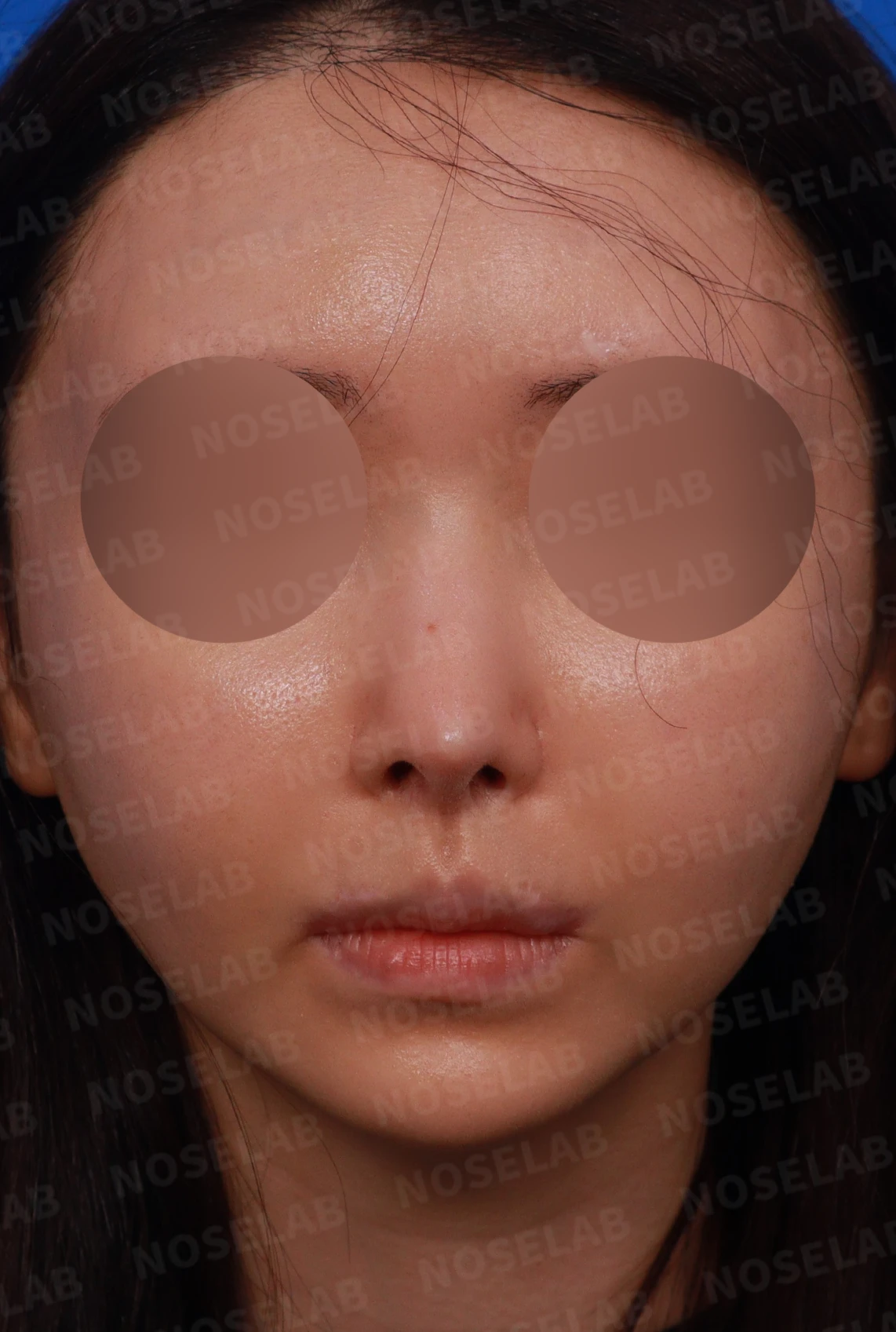
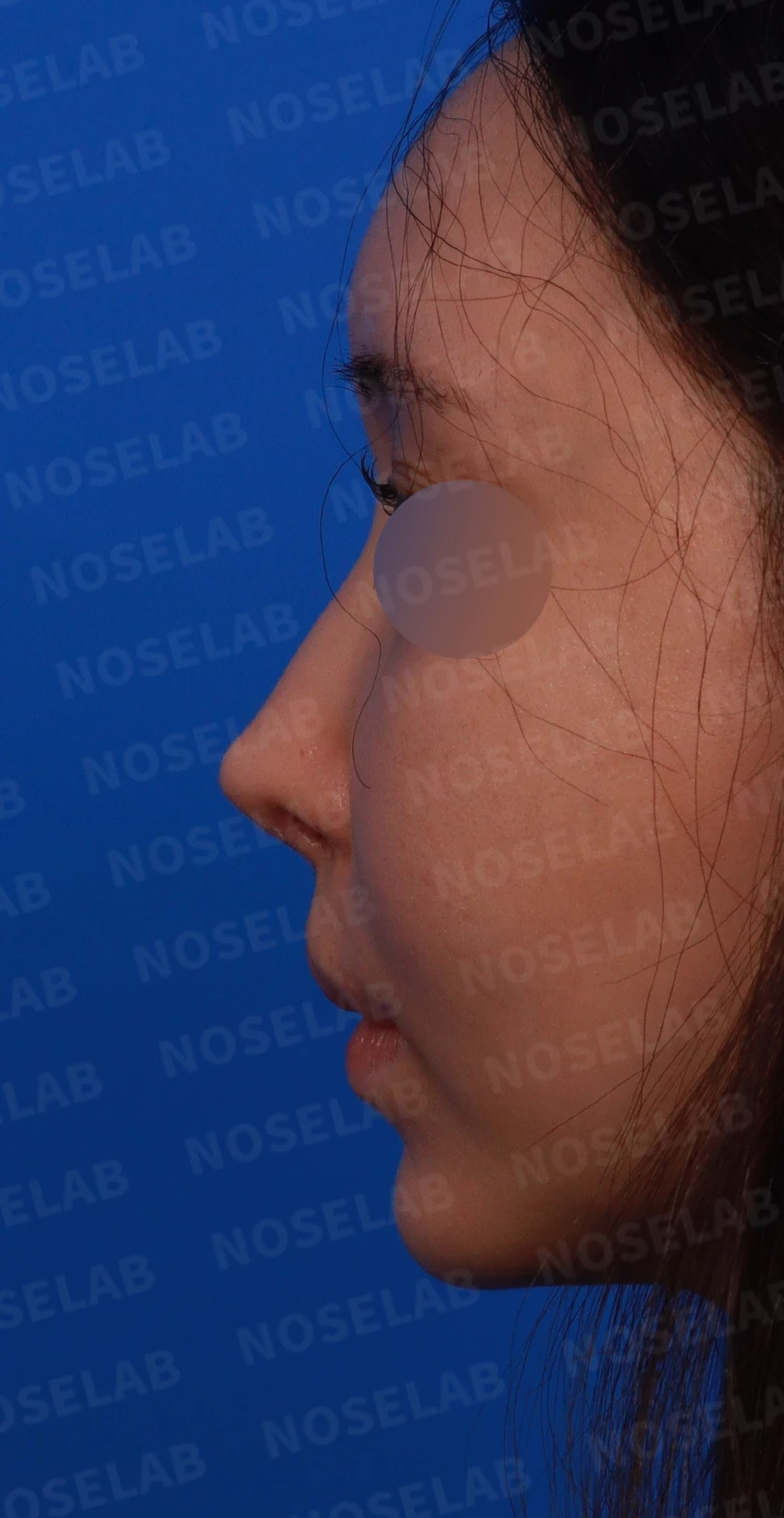
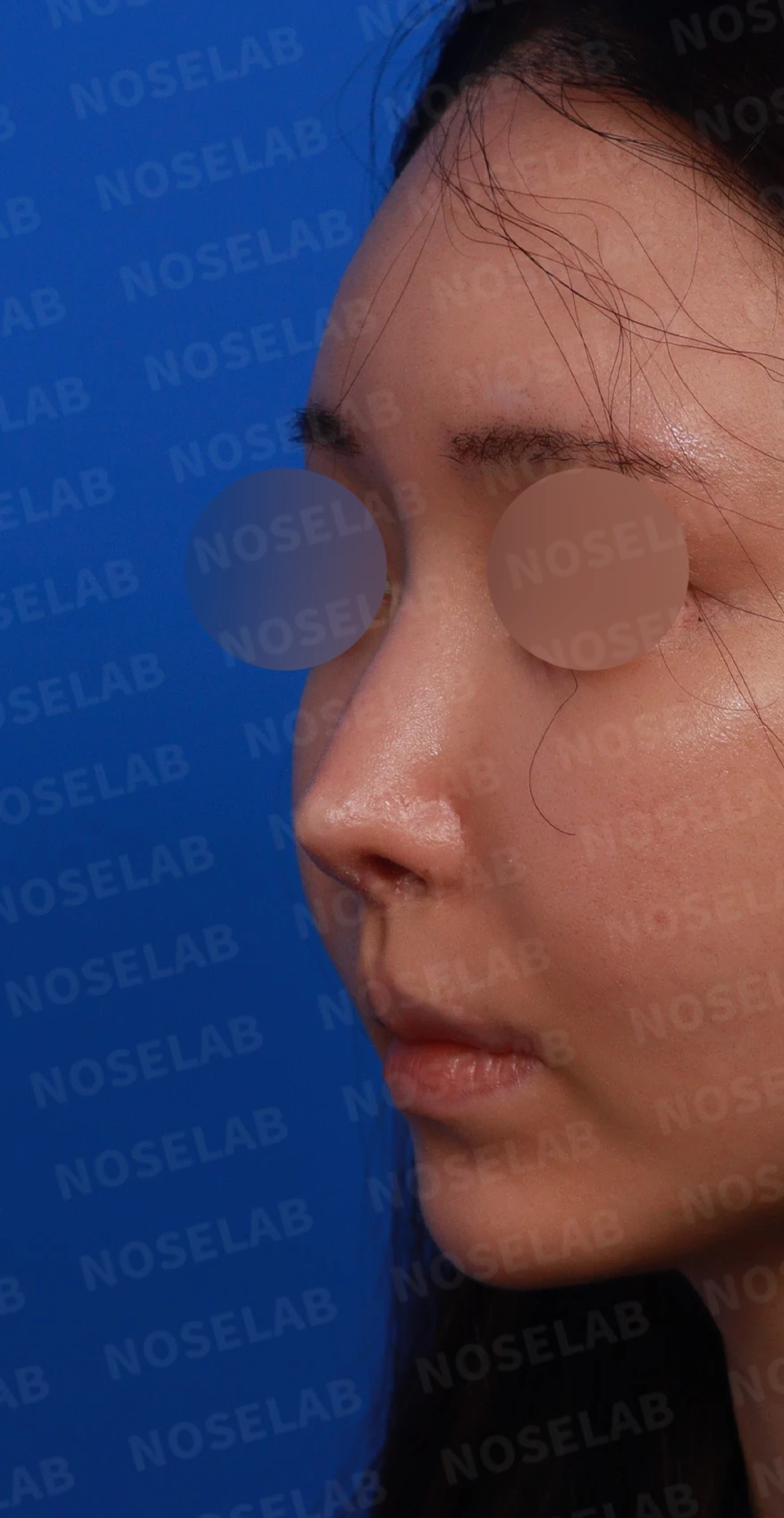
Front, left profile, and oblique views during design consultation.
📊 The patient's specific requests
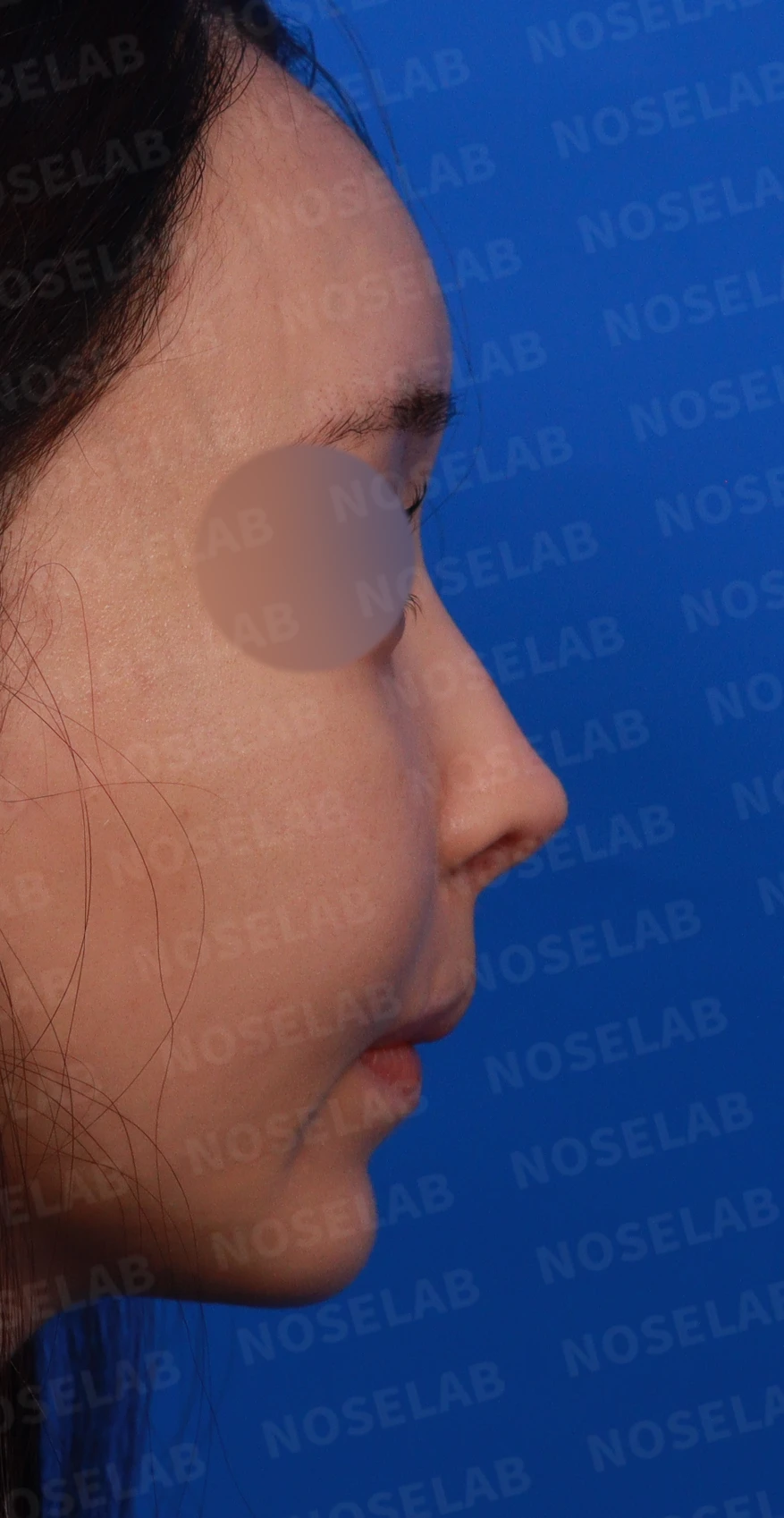
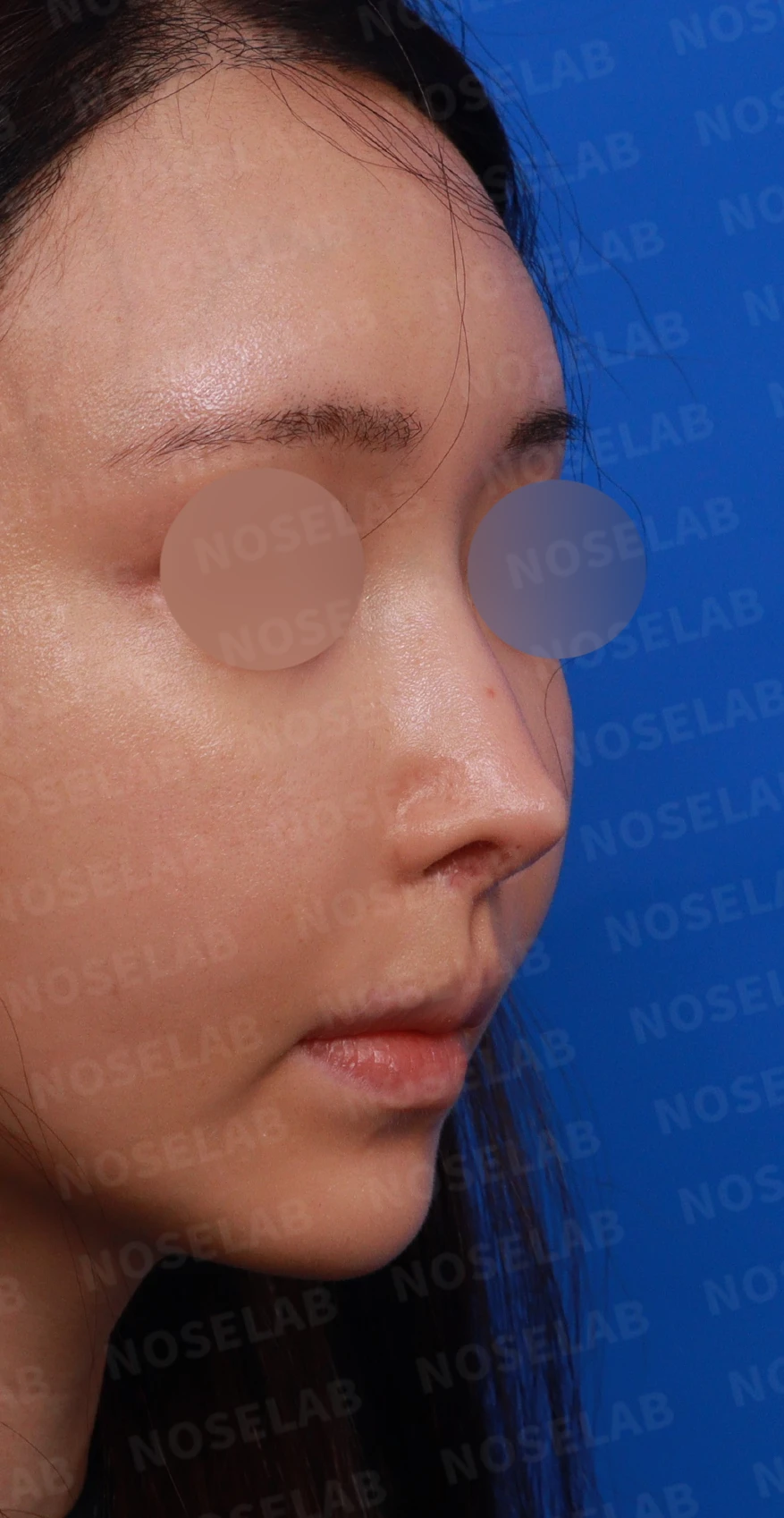
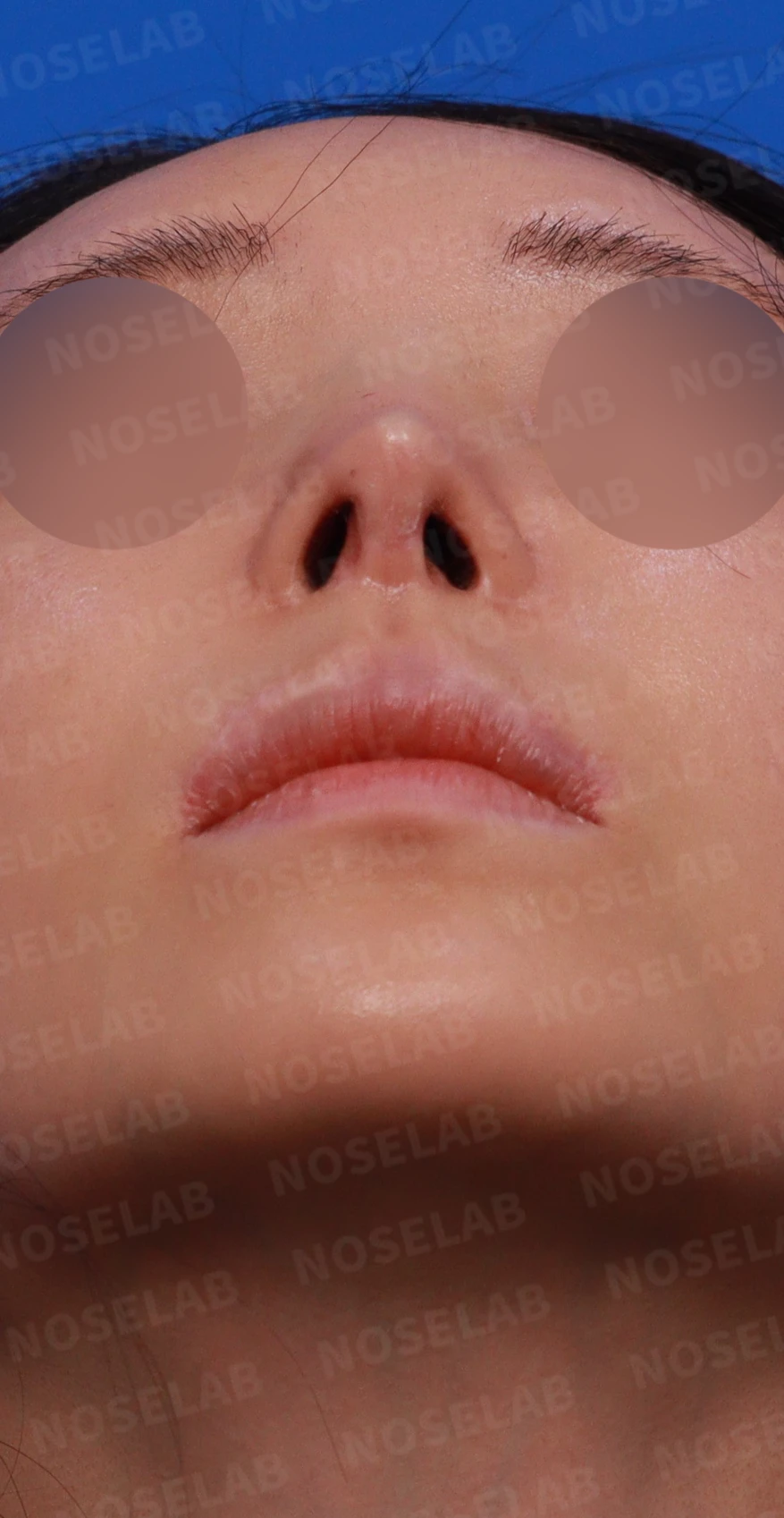
Right profile, oblique, and nostril views during design consultation.
Improving the pointed nasal tip
Resolution of cartilage show-through
Maintain or increase nasal tip height (with a rounded shape)
Maintain nasal bridge height and shape
Maintain the slightly upturned nostril shape
💉 Surgical plan
Nasal tip cartilage reinforcement using donor rib cartilage
Nasal tip skin reinforcement using acellular dermal graft
Correction of the nasolabial angle
🔧 Surgical procedure details
Nasal tip reconstruction
Removal of existing ear cartilage
Broad tip coverage using donor rib cartilage
Skin reinforcement via acellular dermal graft
Cartilage reconstruction
Reconstruction of missing lower lateral alar cartilages
Augmentation of the depressed nasal bridge area using donor rib cartilage

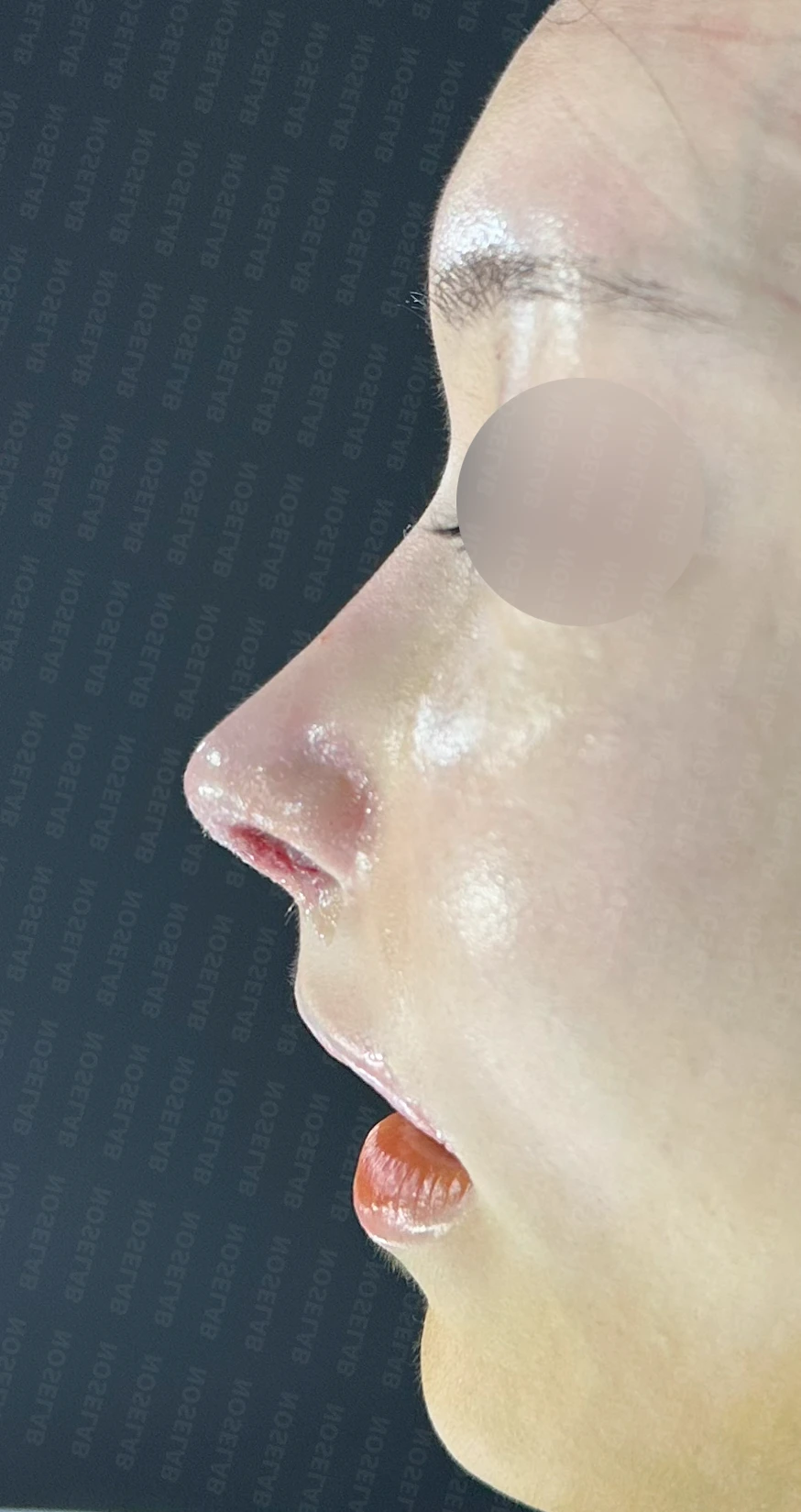
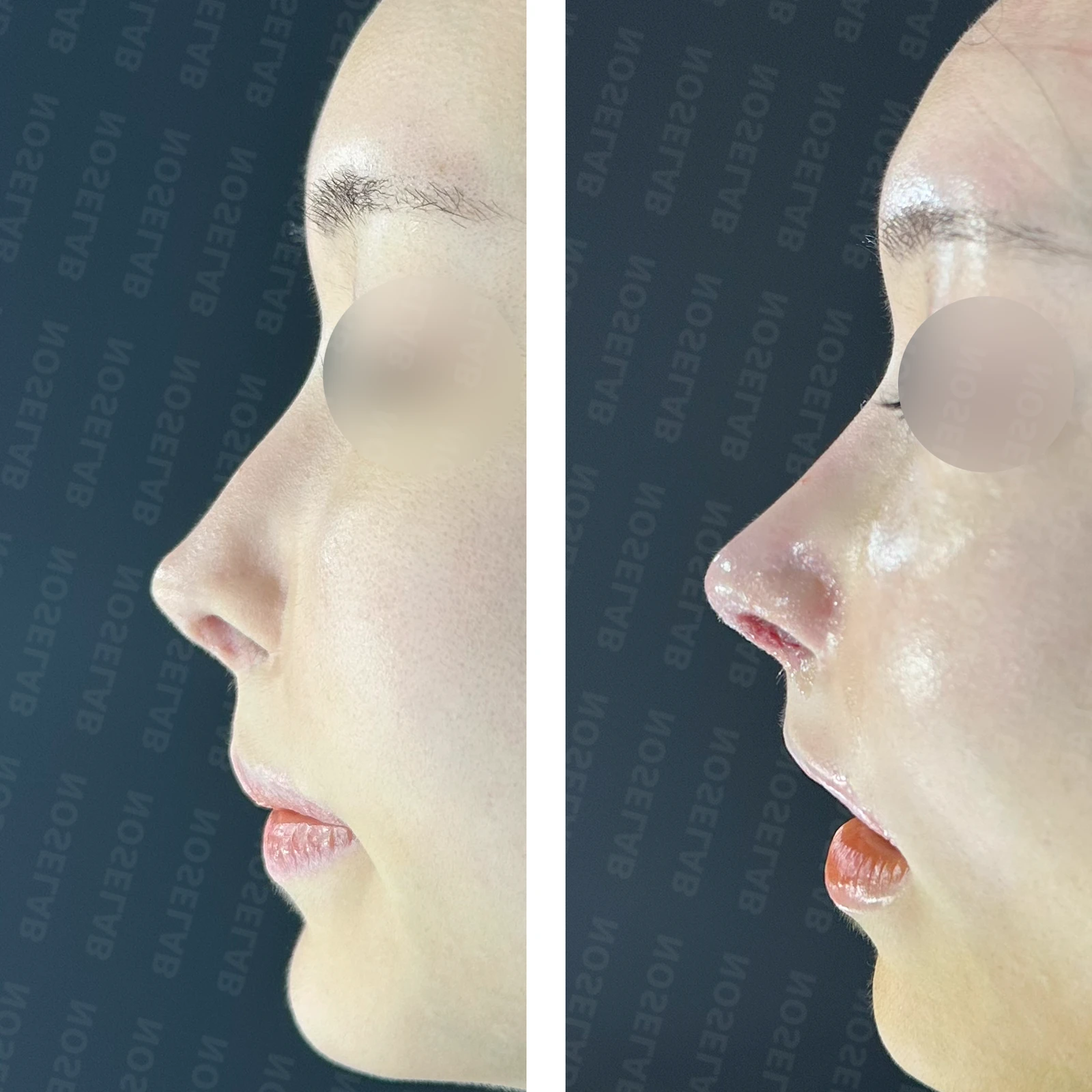
Before surgery / Day 0 immediately after surgery Photos taken immediately after surgery show swelling and may differ from the final result.
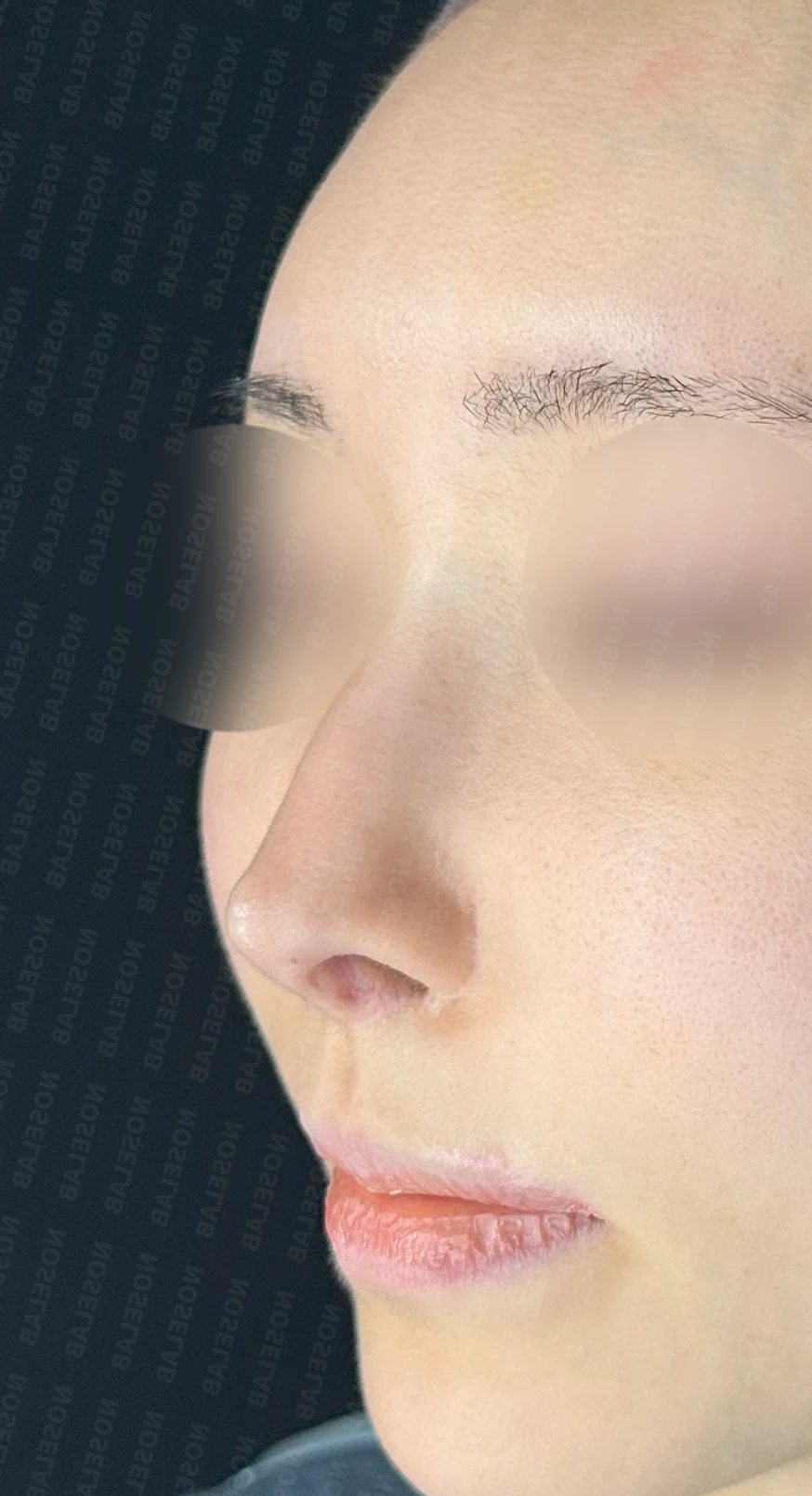
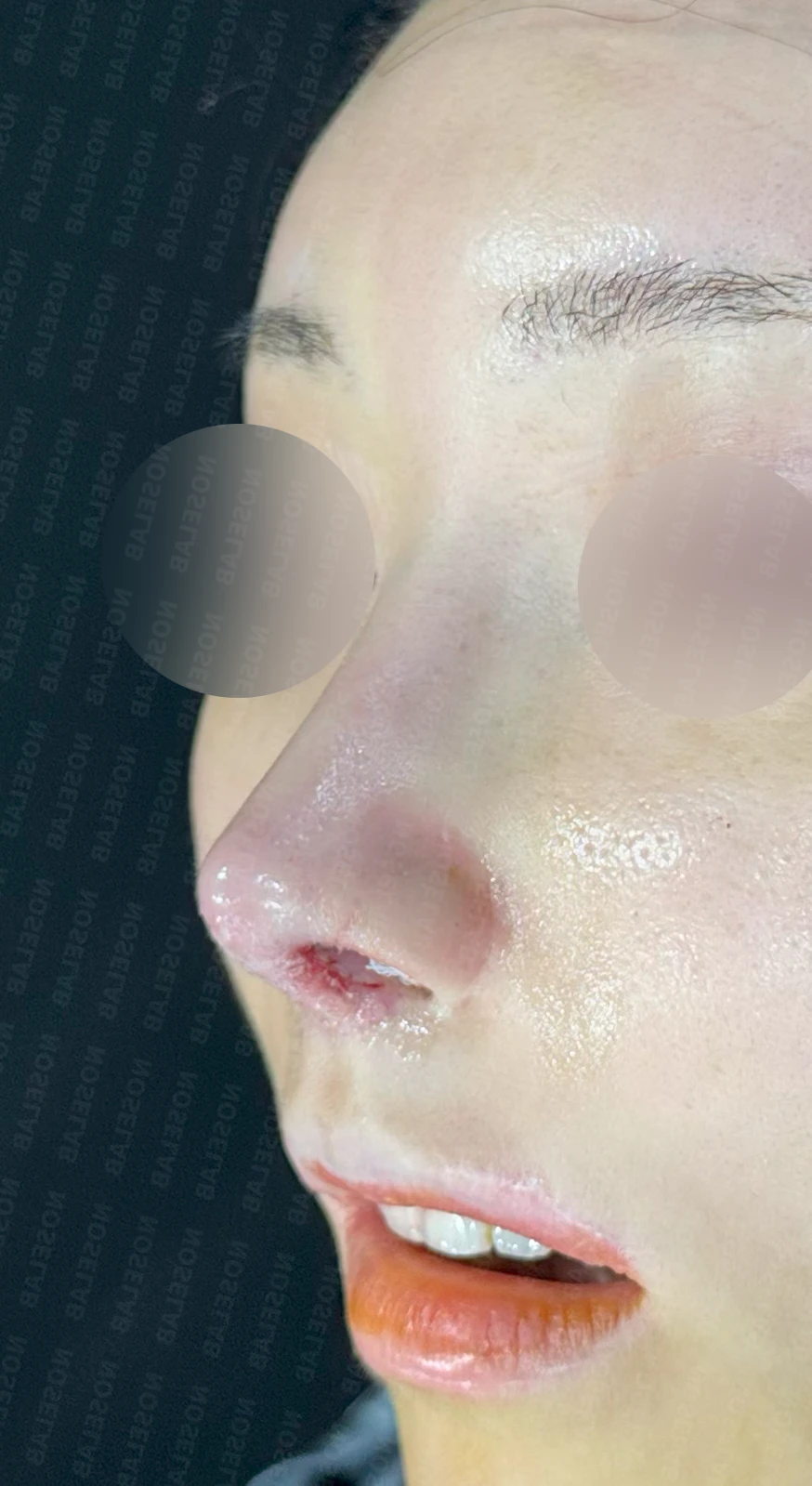
Before surgery / Day 0 immediately after surgery Photos taken immediately after surgery show swelling and may differ from the final result.
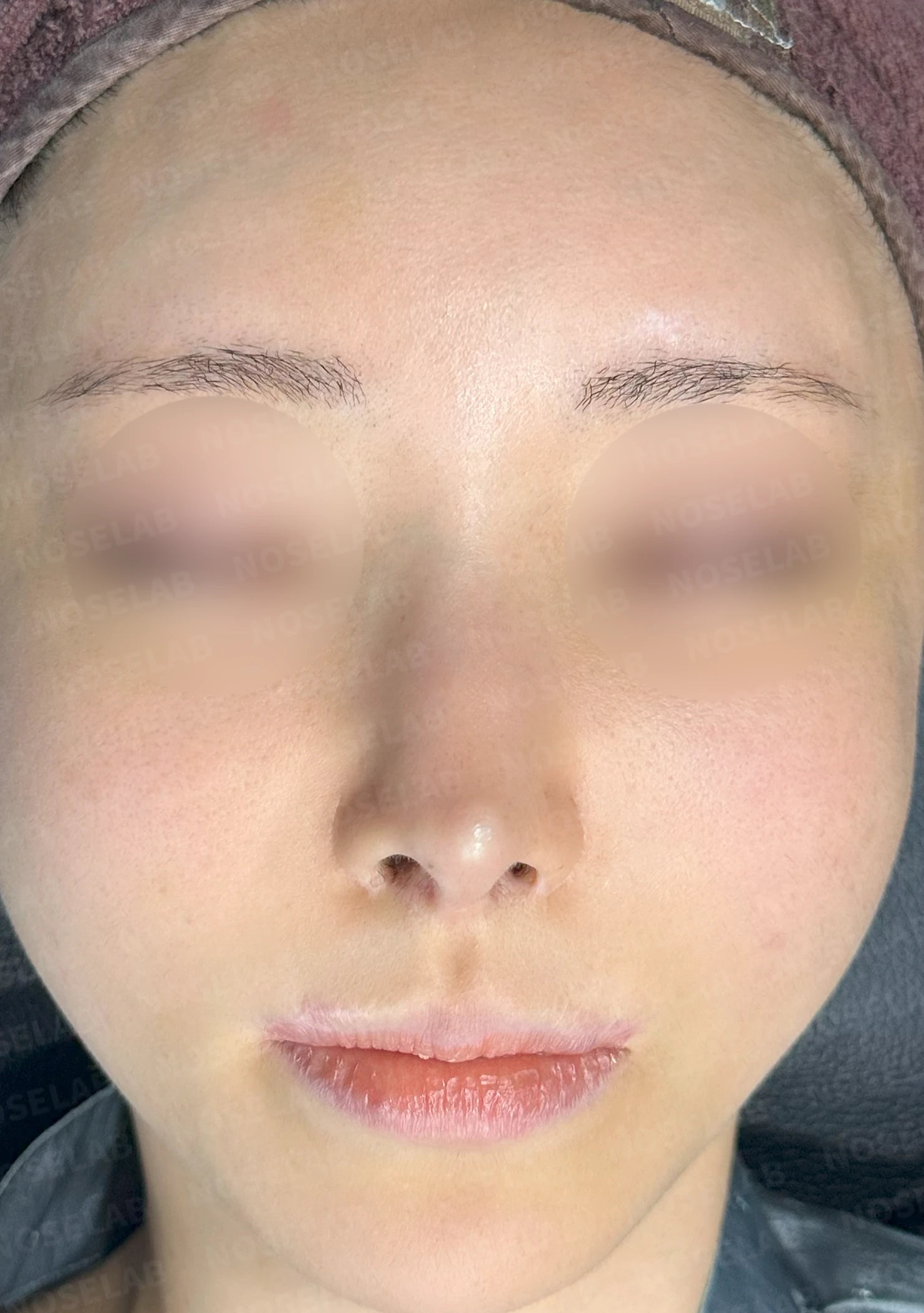
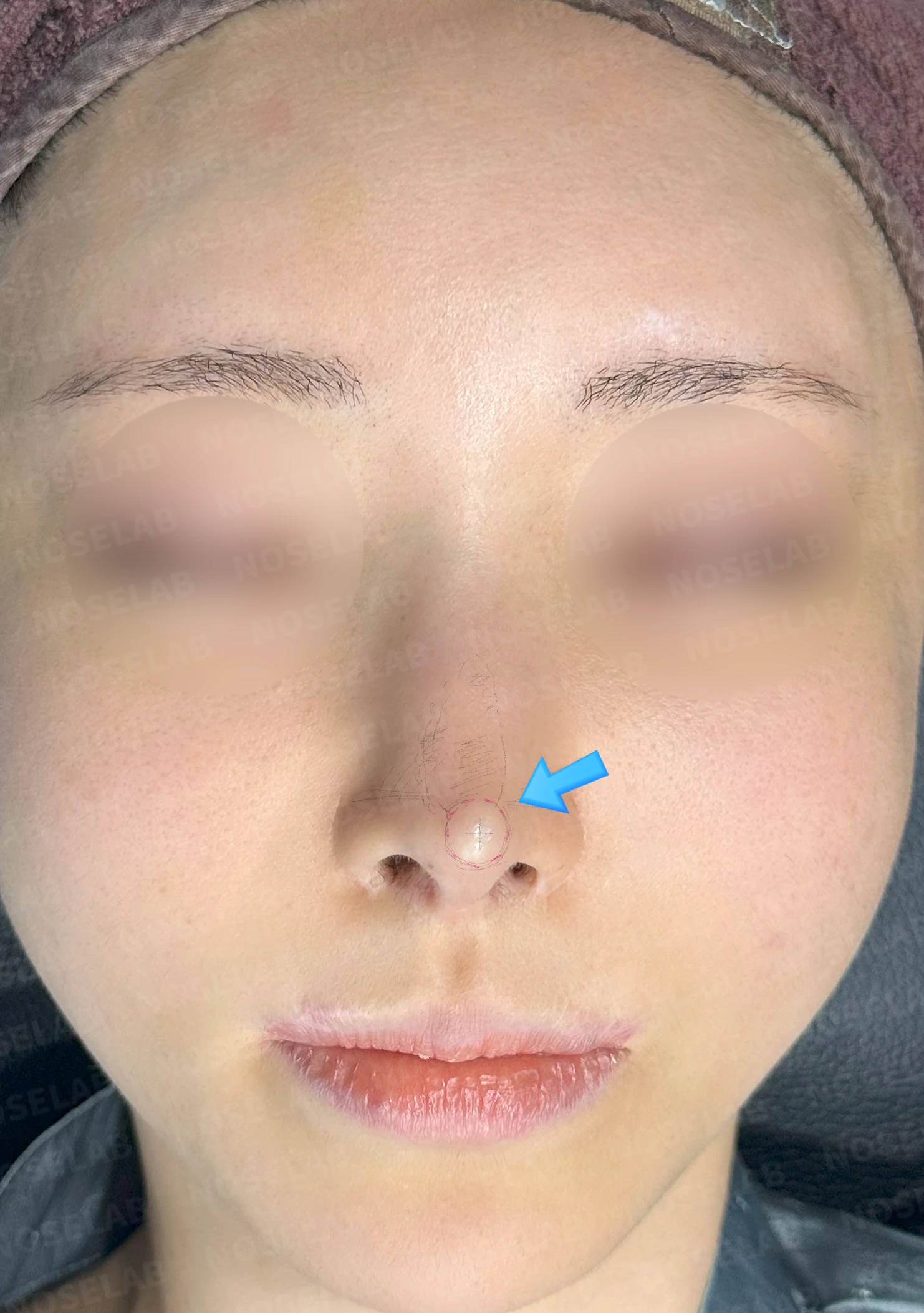
Before (left) front view; Before (right) nasal tip cartilage show-through (arrow)
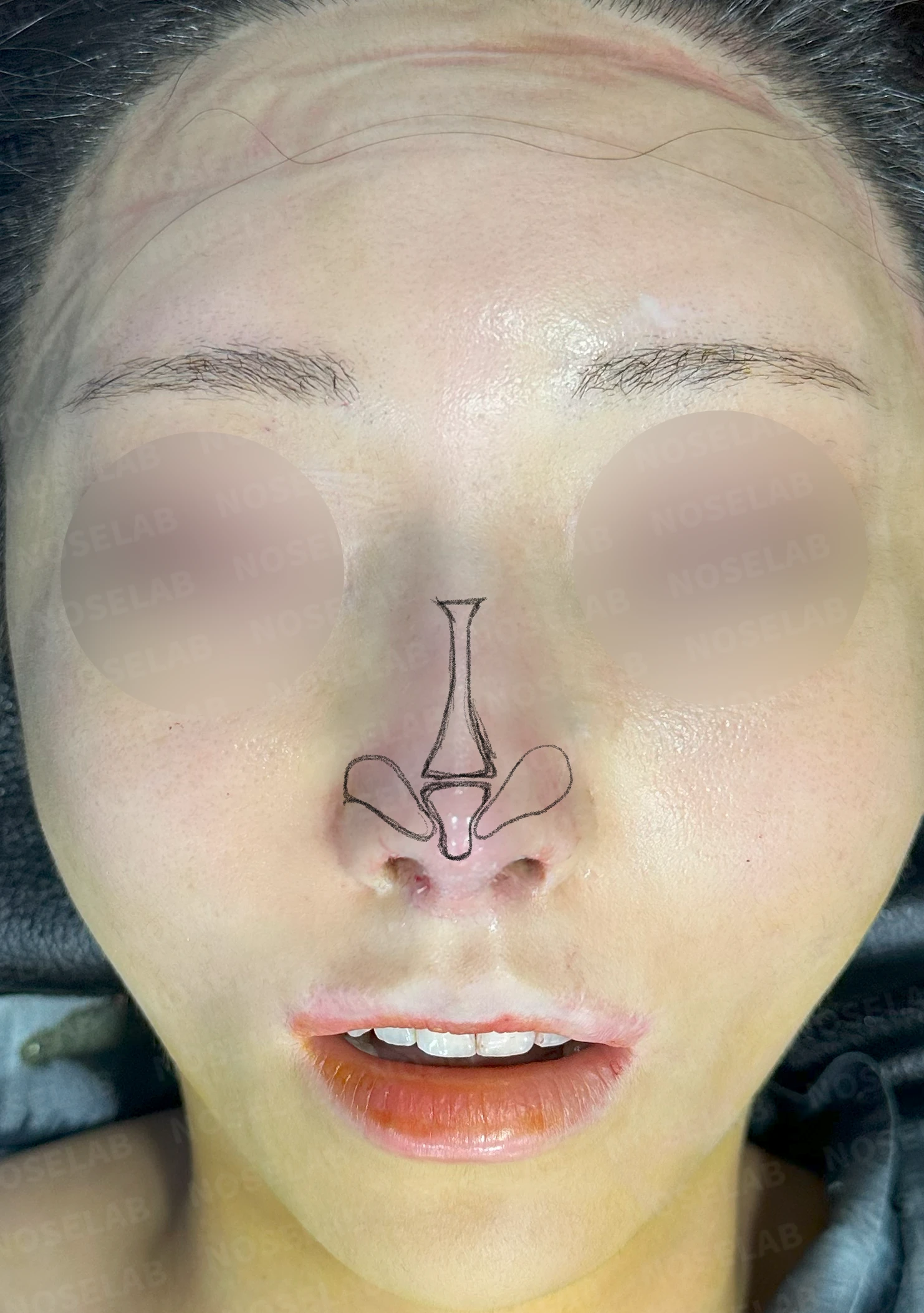
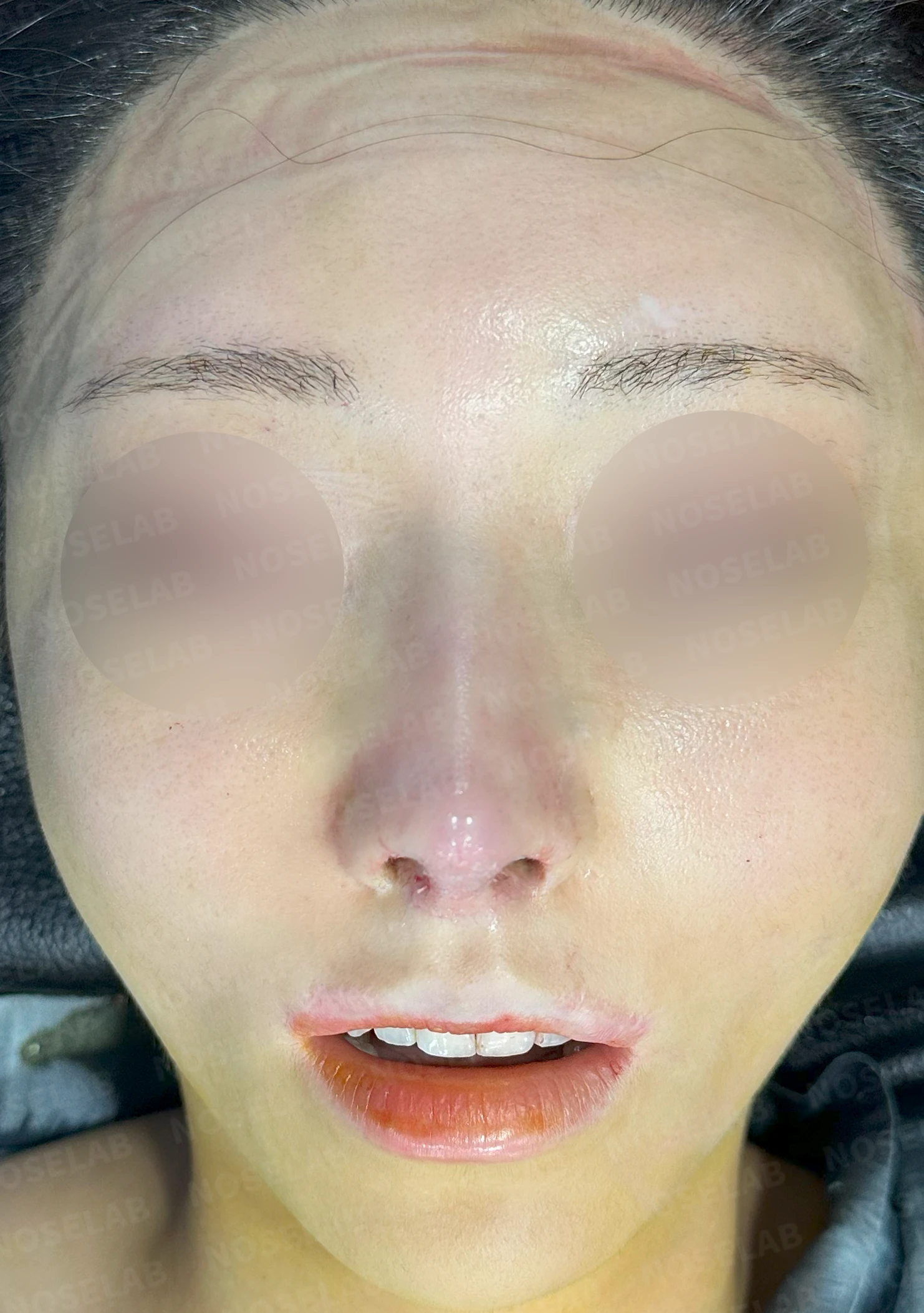
Immediately after surgery on day 0 (left) schematic diagram of donor rib cartilage graft; Immediately after surgery on day 0 (right) Immediate postoperative photos show swelling and may differ from the final result.
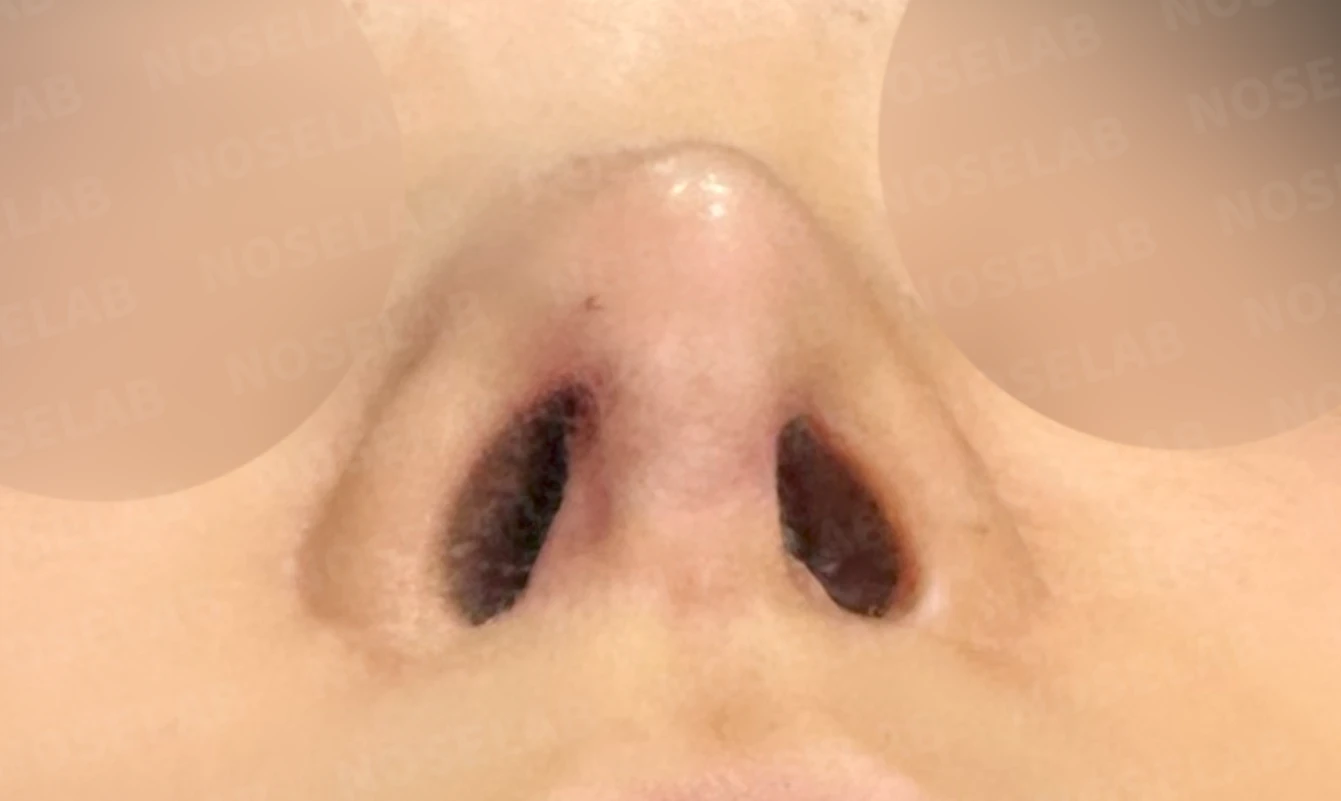
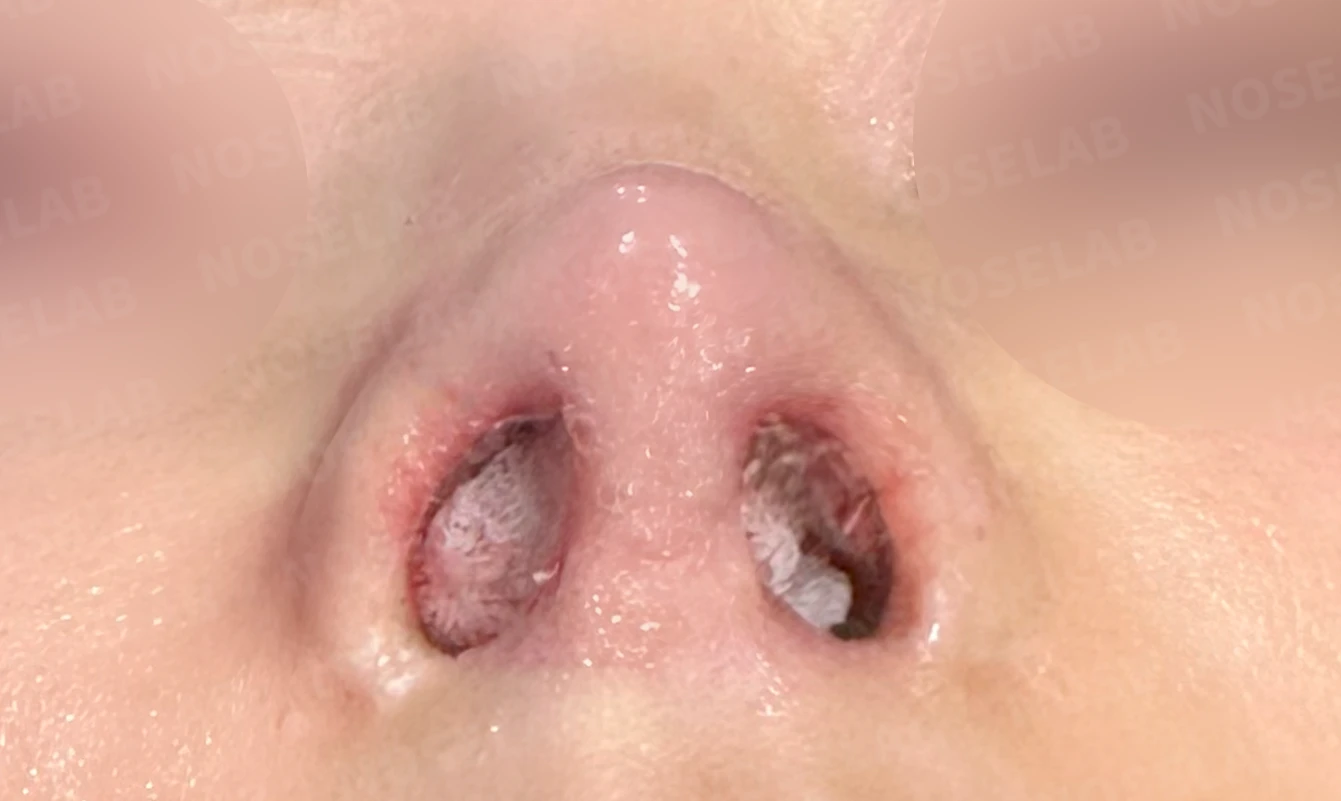
Before surgery / Day 0 immediately after surgery Photos taken immediately after surgery show swelling and may differ from the final result.
💡 Key points of the customized plan
Nasal bridge shape above the hump area → Maintained per the patient's request
Slightly upturned tip appearance → Maintained reflecting the patient's preference
Use of donor rib cartilage instead of autologous tissue → Respecting the patient's choice
Nasal tip height → Reflecting the patient's desired projection
💡 Closing remarks
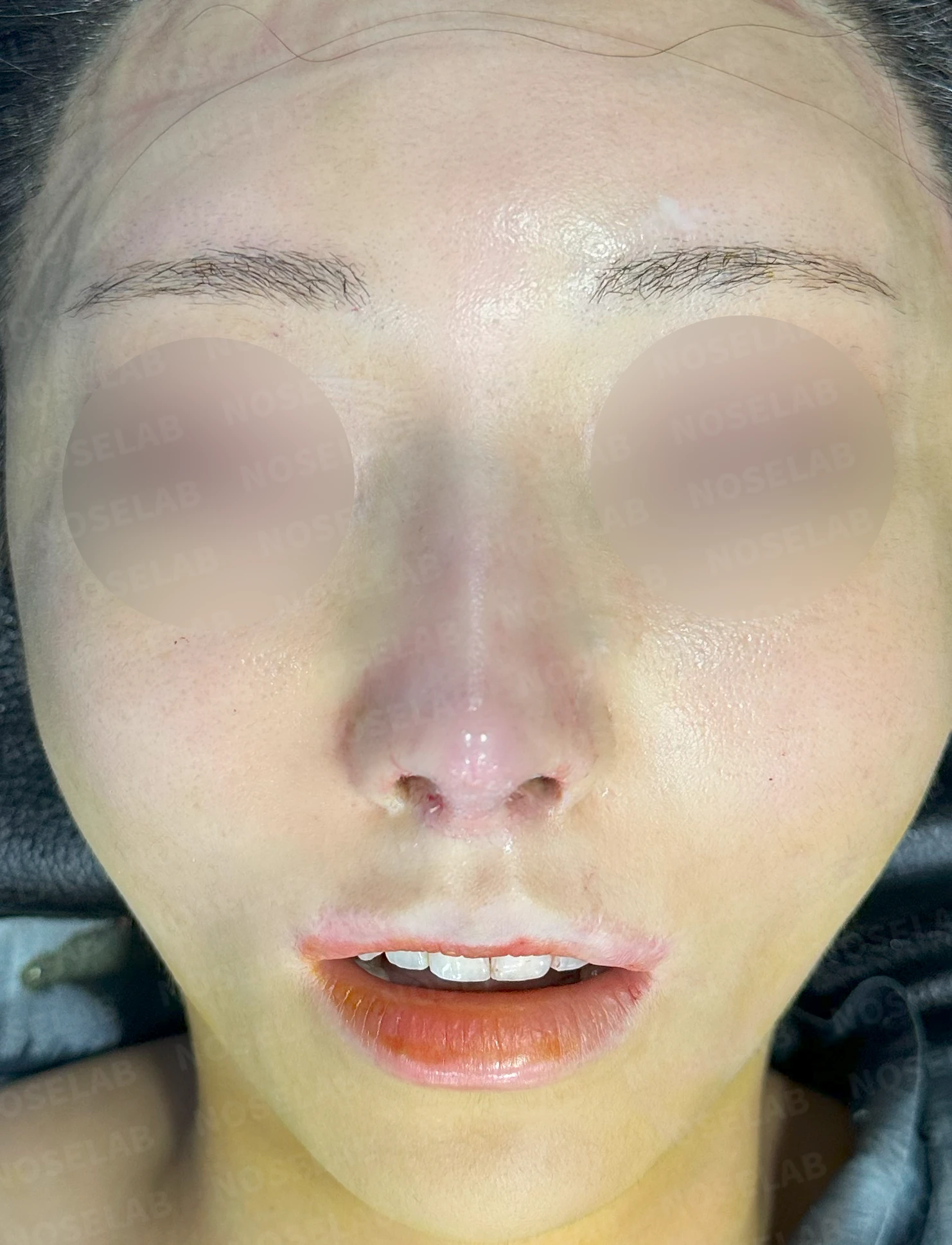
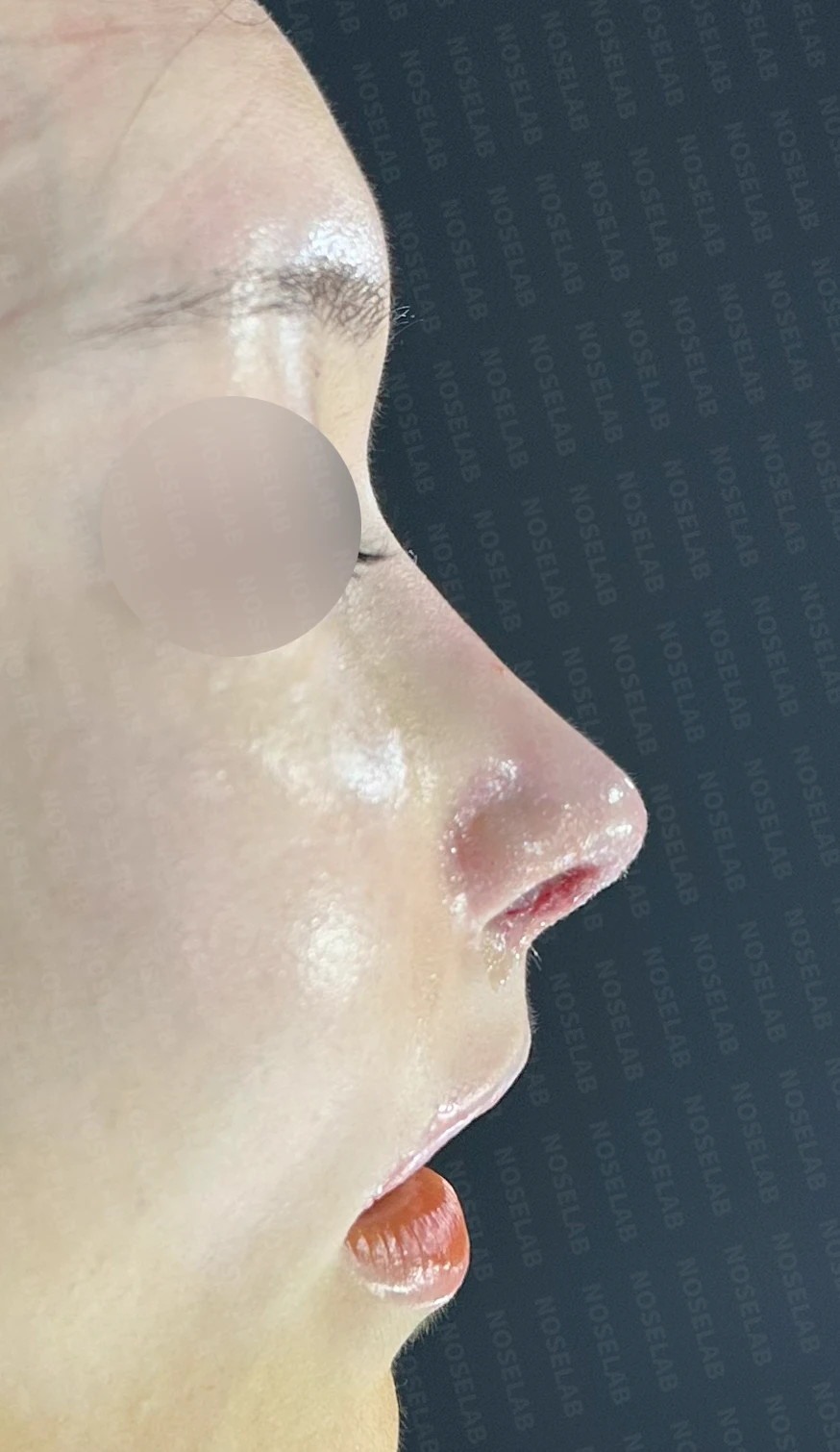
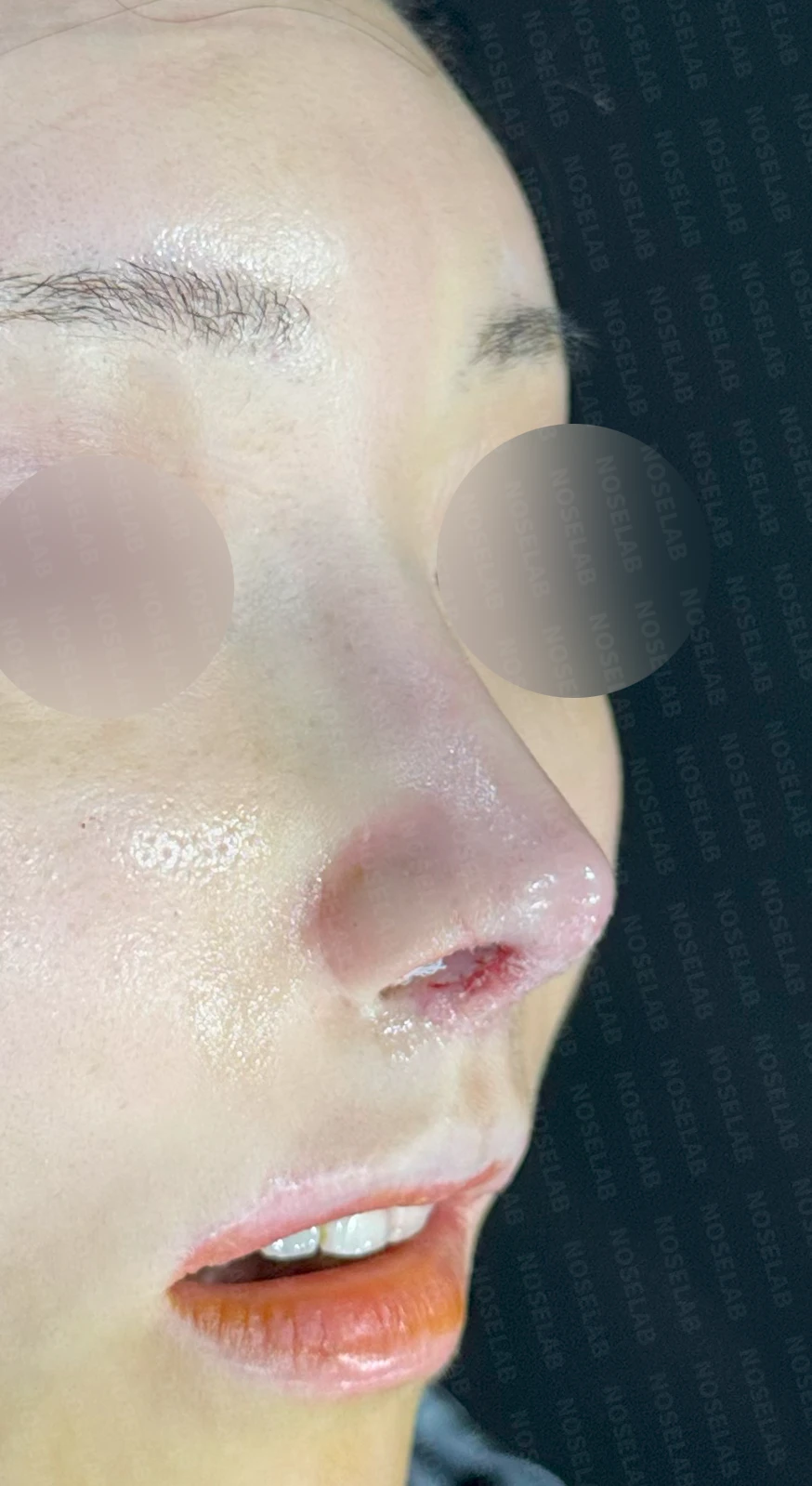
Front, profile, and oblique views taken immediately after surgery (day 0).Immediate postoperative photos show swelling and may differ from the final result.
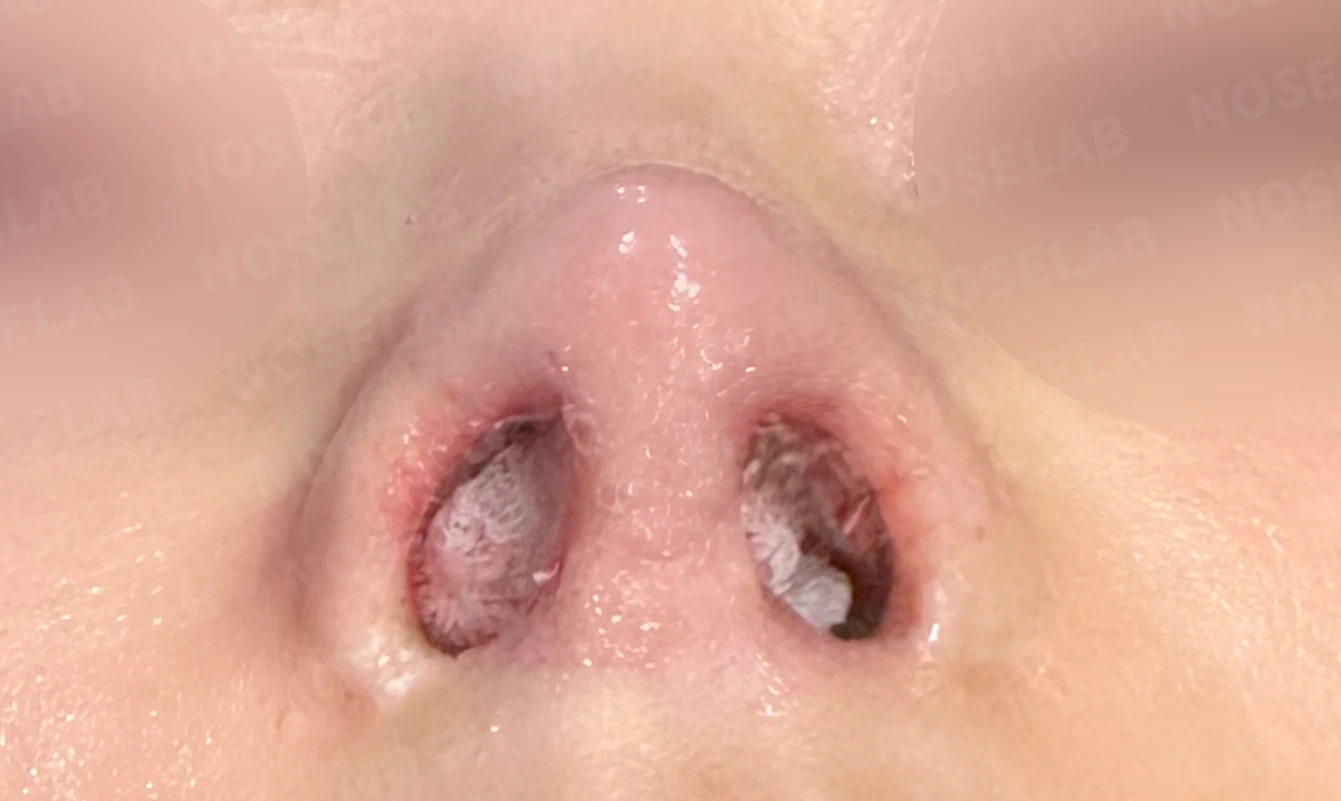
Nostril view on day 0 immediately after surgery. Photos taken immediately after surgery show swelling and may differ from the final result.
We aim for customized rhinoplasty that reflects the patient's needs as closely as possible. Grounded in medical safety, we strive to realize the patient's specific requests to the fullest extent possible.
As seen in cases like this, the surgical team's initial suggestion and the patient's preferences may sometimes differ. In these situations, we find the most appropriate direction through thorough explanation and consultation, always respecting the patient's choice.
Accurately understanding each patient's individual needs and bringing them to life is the true essence of the customized rhinoplasty we pursue. I hope this case serves as a helpful reference for those experiencing similar concerns.
This was Dr. Peter C. Kang. Thank you.
Thank you.
#customrhinoplasty #revisionrhinoplasty #tiprhinoplasty #cartilageshowthrough #donorribcartilage #dermalgraft #closedrhinoplasty #patienttailoredrhinoplasty #tipreconstruction #secondaryrhinoplasty

Limitations and risks
When using donor rib cartilage, long-term follow-up is necessary because the grafted cartilage may resorb or warp.
When revising after implant removal, contracture may progress again after removal, the nasal height and length may decrease, and staged surgery may be necessary depending on the skin condition.
When the septum is corrected at the same time, nasal obstruction may persist or recur, and in rare cases, septal perforation or changes in smell may occur.
Common potential risks include infection, bleeding, asymmetry, scarring, skin necrosis, and insufficient improvement; results vary depending on individual skin condition and previous surgical history.