English日本語简体中文
Skip to main content
Dr. Peter C. Kang's Rhinoplasty Stories
PrologueBlogMy thoughtsNasal obstructionSurgical journalSurgical photos
About the surgeon

Rhinoplasty cases after nasal filler removal

When reading nasal filler removal cases, first check the type of previous procedure and the anatomical areas addressed during surgery. While some articles specify the removal of calcium hydroxyapatite or hyaluronic acid filler from the nasal bridge and nasal tip, others simply state that previous nasal filler was removed. The scope of documented information varies from case to case.

This includes cases where filler removal was combined with correction of a crooked nose and a bulbous or drooping tip, as well as cases where the bridge line was refined with a silicone implant after removal. These before-and-after photos show not only the change from filler removal, but also the subsequent rhinoplasty performed at the same time. Rather than assuming filler-dissolving injections and surgical removal during surgery are the same method, review the actual process described in each article.

View before-and-after cases ↓Comprehensive rhinoplasty guide

Searching for surgical cases matching your criteria.
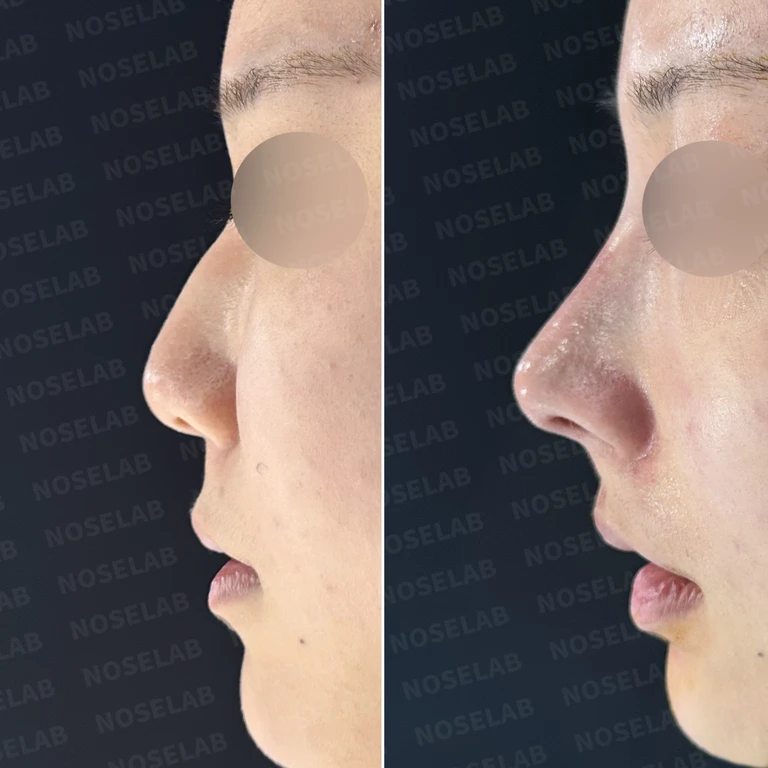
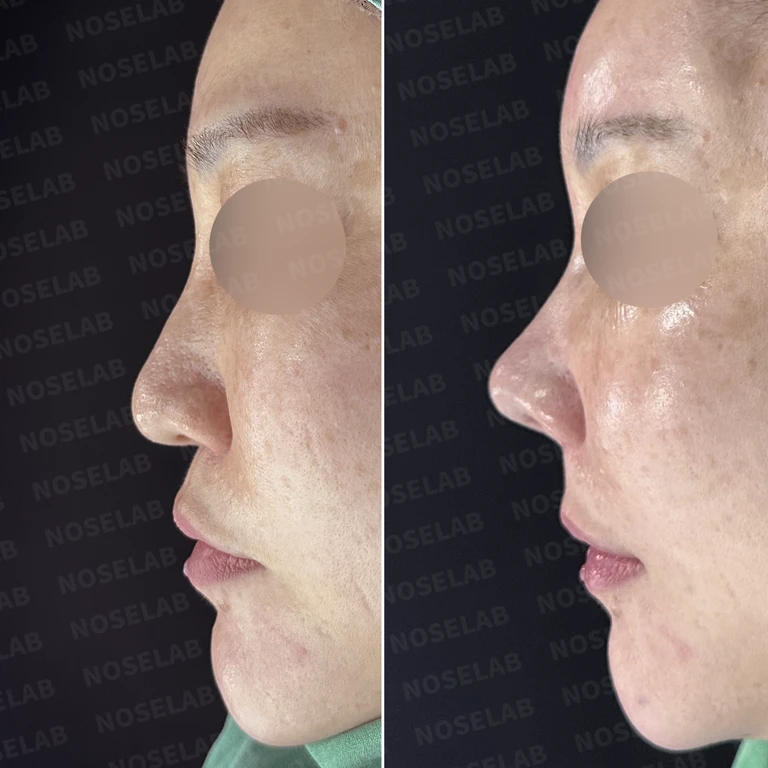
Why a dorsal hump looks prominent and how to correct it along with the nasal tip — Before-and-after comparison
Before-and-after comparison

Why a dorsal hump looks prominent and how to correct it along with the nasal tip

Previously injected nasal filler was removed, the protruding dorsal hump was rasped, and lateral osteotomies were performed. The blunt nasal tip was elevated using autologous rib cartilage, and both the nasolabial angle and septum were corrected.

Performed or used in this surgery
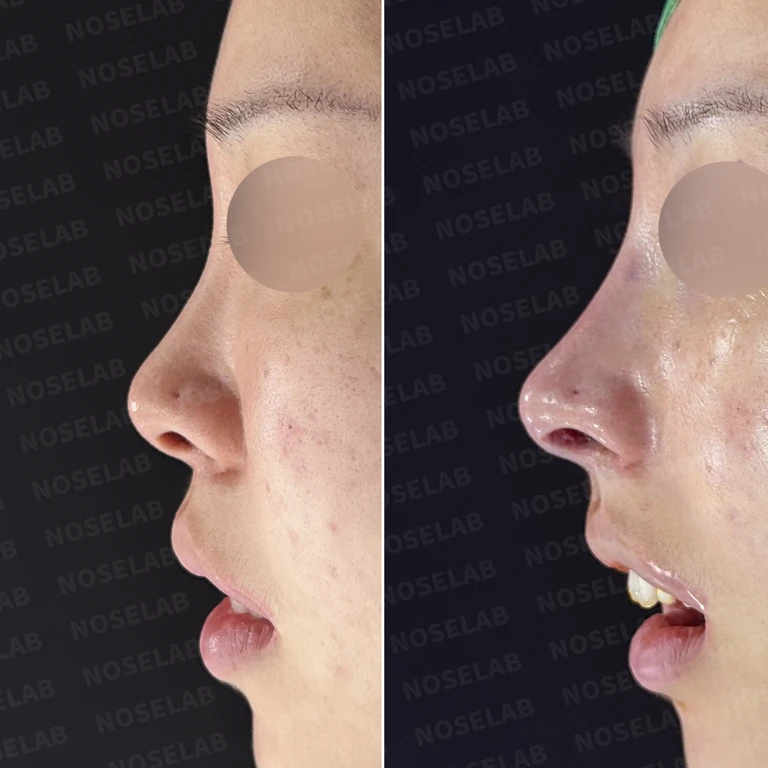
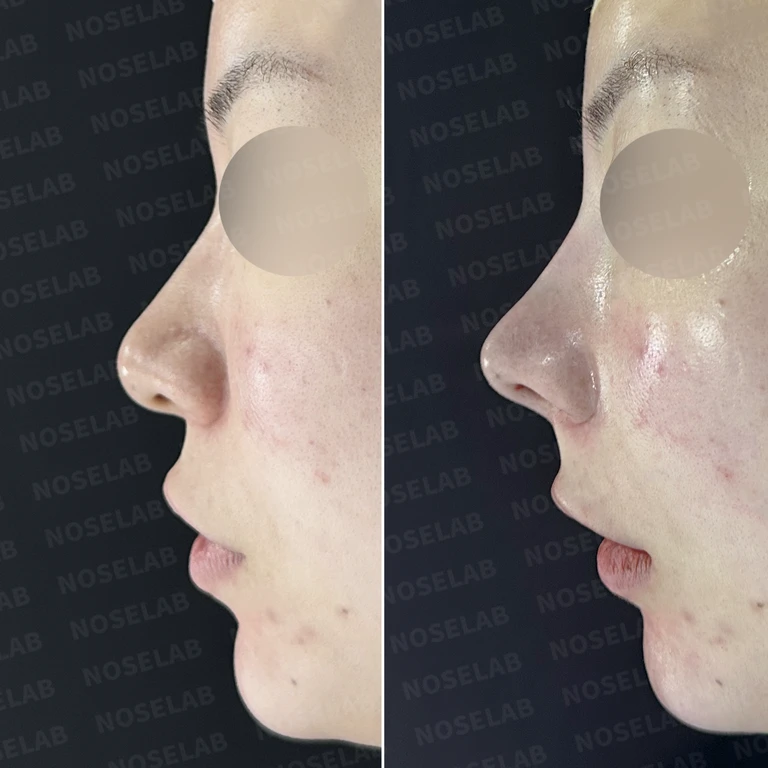
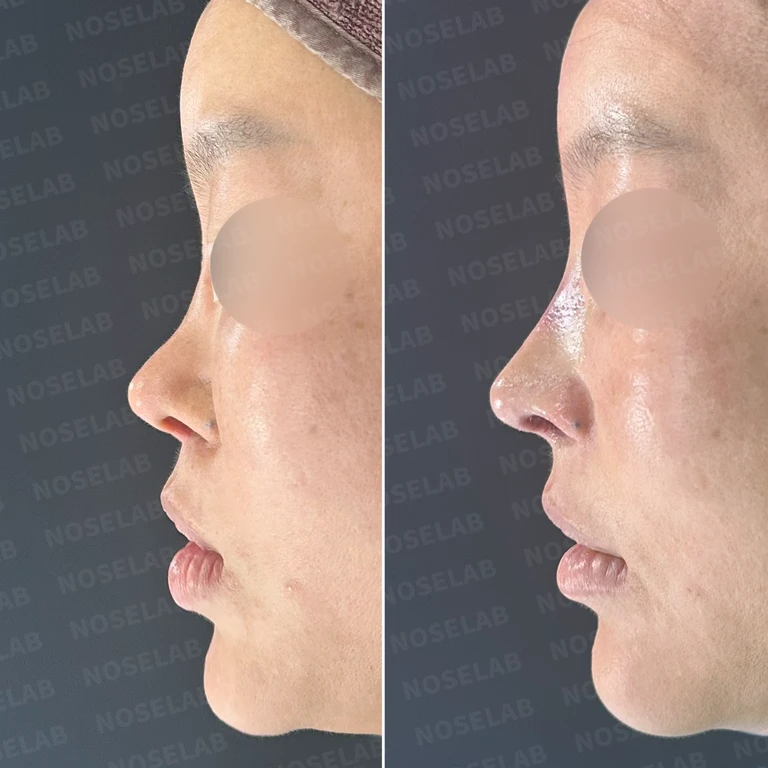
Why an upturned tip makes the mouth look more protruding and how to correct it — Before-and-after comparison
Before-and-after comparison

Why an upturned tip makes the mouth look more protruding and how to correct it

A bulbous, upturned nasal tip, the appearance of a protruding mouth, and nasal obstruction were addressed by removing columellar filler, reinforcing the nasal tip with autologous rib cartilage, placing a customized silicone implant, adjusting the nasolabial angle, and correcting a deviated septum.

Performed or used in this surgery

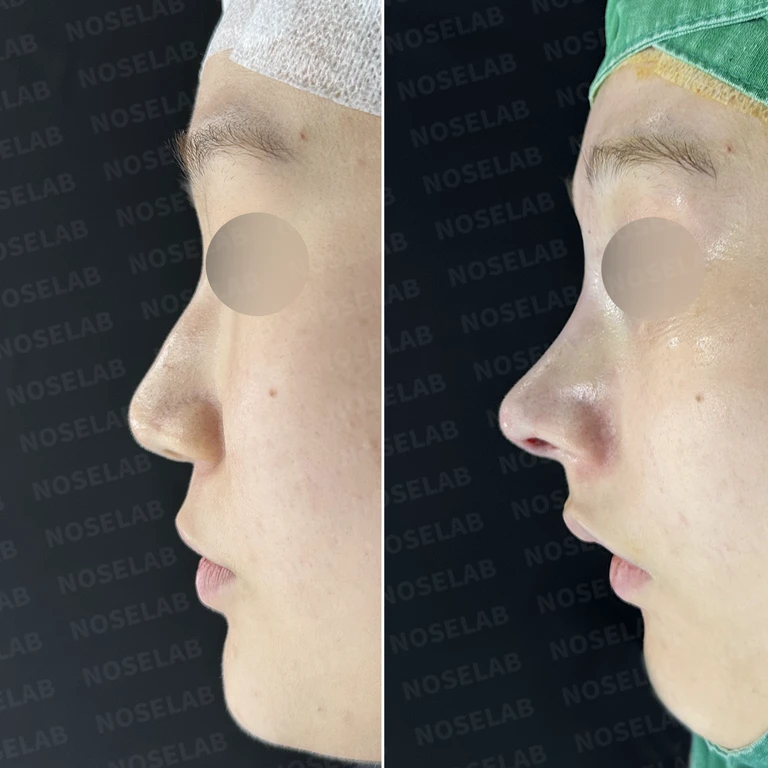
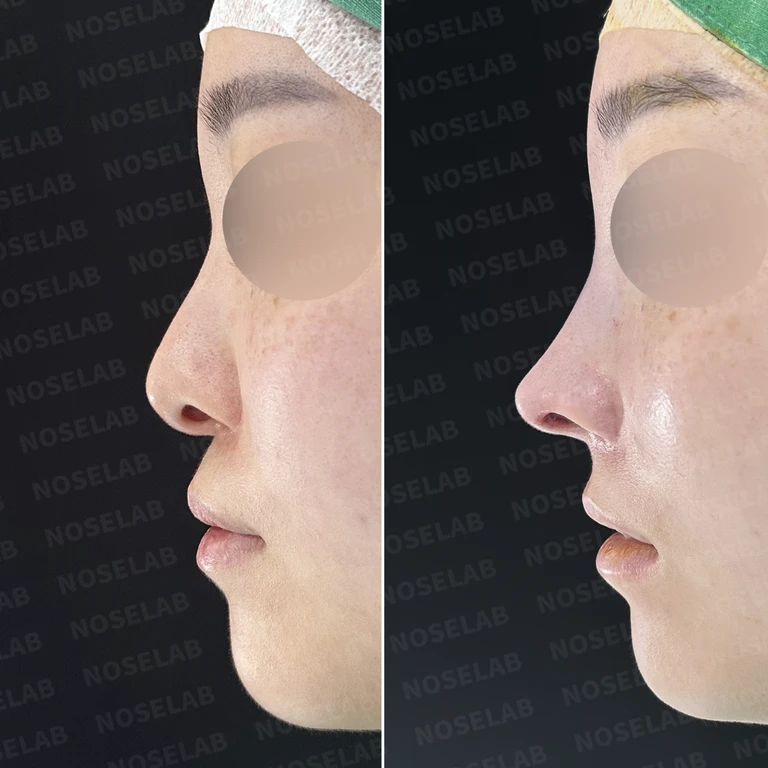
Why the nasal bridge becomes uneven after rhinoplasty, and how septal reconstruction using rib cartilage is performed — Before-and-after comparison
Before-and-after comparison

Why the nasal bridge becomes uneven after rhinoplasty, and how septal reconstruction using rib cartilage is performed

An uneven nasal bridge, damaged septal cartilage, and nasal obstruction were corrected by removing the existing silicone implant and filler, followed by autologous rib cartilage reconstruction, re-insertion of a customized silicone implant, and septoplasty with inferior turbinoplasty.

Performed or used in this surgery

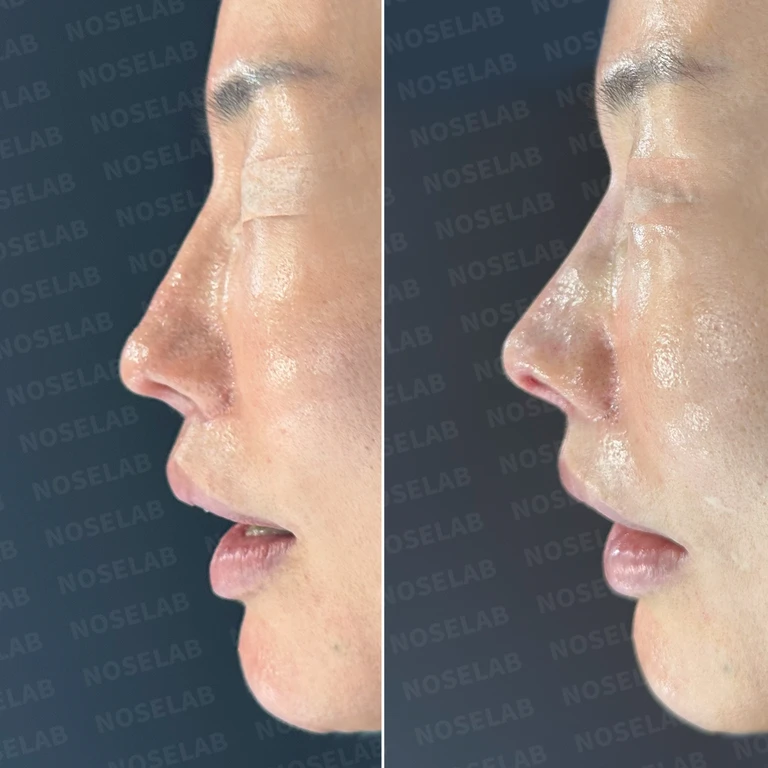
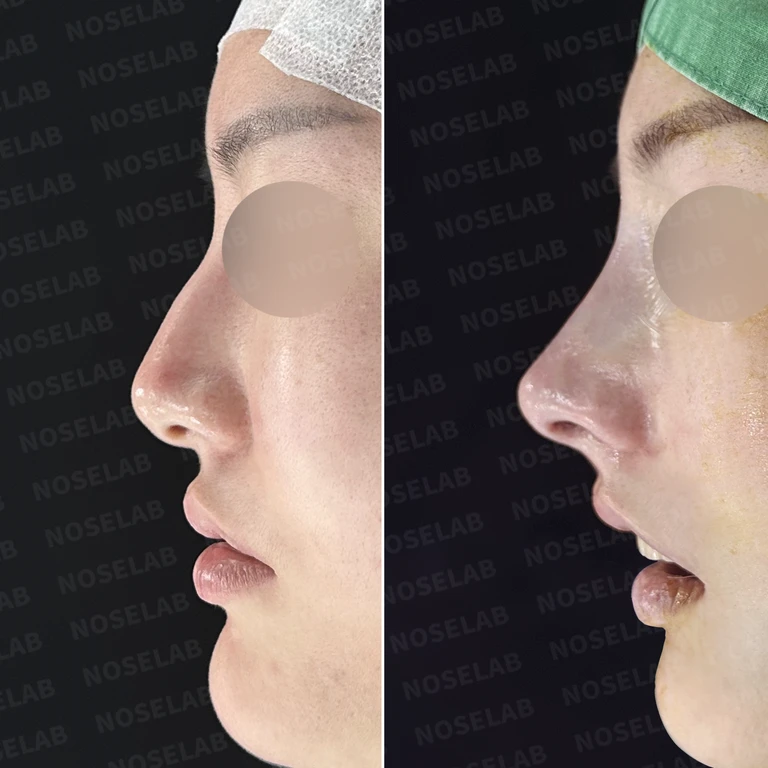
Why nasal bone deviation and dorsal humps remain after rhinoplasty: lateral osteotomy and autologous rib cartilage correction methods — Before-and-after comparison
Before-and-after comparison

Why nasal bone deviation and dorsal humps remain after rhinoplasty: lateral osteotomy and autologous rib cartilage correction methods

To correct the residual deviated nasal bone, dorsal hump, and nasal obstruction remaining after a previous silicone rhinoplasty, the existing implant was removed and lateral osteotomy, autologous rib cartilage tip plasty, and septoplasty were performed.

Performed or used in this surgery

Why nasal filler cannot correct a drooping tip and dorsal hump, and the reconstruction method after removal — Before-and-after comparison
Before-and-after comparison

Why nasal filler cannot correct a drooping tip and dorsal hump, and the reconstruction method after removal

To resolve a persistent drooping tip and dorsal hump deformity after filler and PDO thread lifting, foreign material was removed, followed by nasal tip reconstruction using autologous rib cartilage, a silicone implant on the nasal bridge, and septoplasty.

Performed or used in this surgery

Why the nose looks long due to a drooping tip after rhinoplasty, and nasal tip reconstruction with autologous rib cartilage — Before-and-after comparison
Before-and-after comparison

Why the nose looks long due to a drooping tip after rhinoplasty, and nasal tip reconstruction with autologous rib cartilage

A case addressing a drooping, elongated nasal tip after silicone rhinoplasty and nasal filler procedures. The existing implant and residual filler were removed, the support structure was reinforced using autologous rib cartilage, and the nasolabial angle was corrected.

Performed or used in this surgery
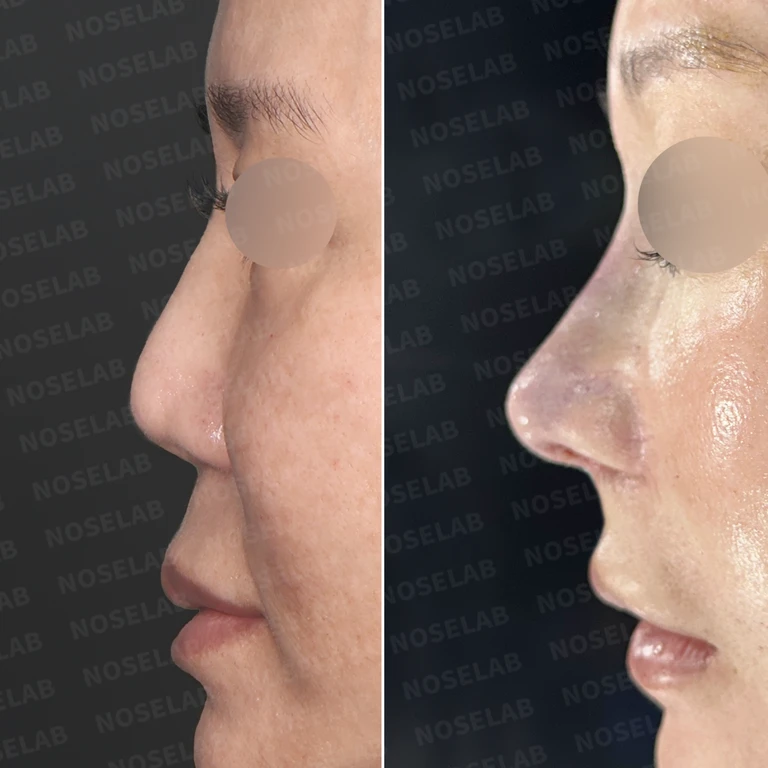
Why a nose appears low and how to build height using autologous rib cartilage — Before-and-after comparison
Before-and-after comparison

Why a nose appears low and how to build height using autologous rib cartilage

For a male patient who had received repeated filler injections for a low nasal bridge, foreign material was removed, followed by nasal tip rhinoplasty using autologous rib cartilage and the insertion of a customized silicone implant.

Performed or used in this surgery

Why we look at the facial axis first when correcting a nose with facial asymmetry — Before-and-after comparison
Before-and-after comparison

Why we look at the facial axis first when correcting a nose with facial asymmetry

A crooked nose, influenced by facial asymmetry, a history of orbital fracture, and facial contouring surgery, was corrected to align with the central facial axis, along with clearing existing filler and refining a drooping tip and the nasolabial angle.

Performed or used in this surgery

How permanent filler alters the shape of the nose and reconstruction methods after removal — Before-and-after comparison
Before-and-after comparison

How permanent filler alters the shape of the nose and reconstruction methods after removal

After permanent filler injections left the nose crooked and bulbous, the filler was removed, and a refined line was created using autologous rib cartilage for nasal tip support, lateral osteotomy, and a customized silicone implant.

Performed or used in this surgery

Why a bulbous nose looks blunt and wide, and how to create tip definition — Before-and-after comparison
Before-and-after comparison

Why a bulbous nose looks blunt and wide, and how to create tip definition

For a blunt, wide bulbous nose and drooping tip following nasal filler injections, we performed filler removal, created a tip support structure using autologous rib cartilage, reinforced the septum, and thinned the skin.

Performed or used in this surgery

Why the columella looks long and how to reposition the nasal tip cartilage — Before-and-after comparison
Before-and-after comparison

Why the columella looks long and how to reposition the nasal tip cartilage

Following prior surgery with a silicone implant and ear cartilage, the patient presented with a long, drooping columella and a crooked nose. The ear cartilage was replaced with autologous rib cartilage, the nasolabial angle was adjusted, and septal correction was performed.

Performed or used in this surgery
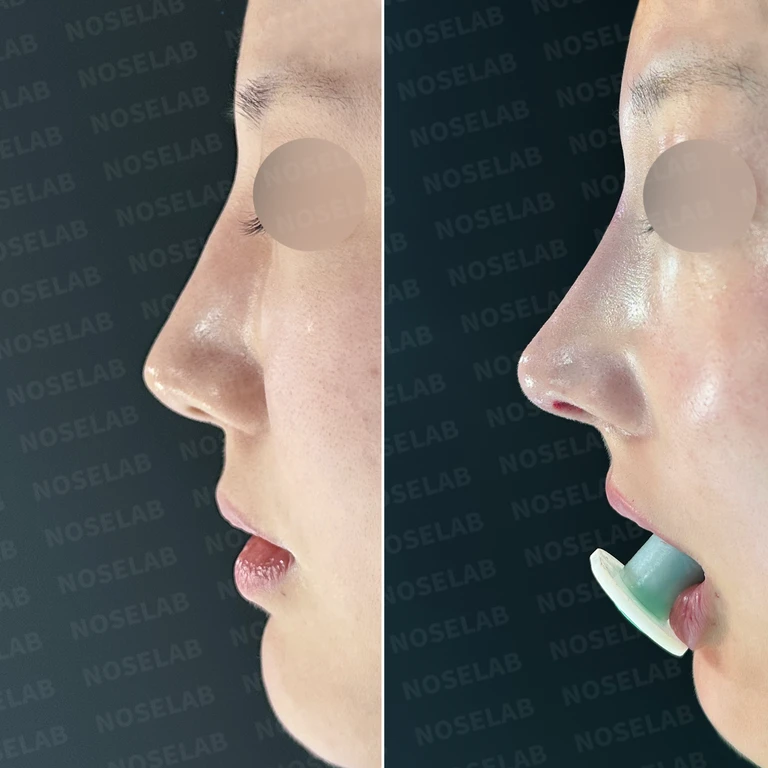
Changes caused by semi-permanent bridge filler and septal reconstruction after removal — Before-and-after comparison
Before-and-after comparison

Changes caused by semi-permanent bridge filler and septal reconstruction after removal

For Artecoll semi-permanent filler on the nasal bridge, a damaged septum, an upturned nasal tip, and nostril asymmetry, foreign material was completely removed, followed by septal reconstruction using autologous rib cartilage and alar rim lowering.

Performed or used in this surgery
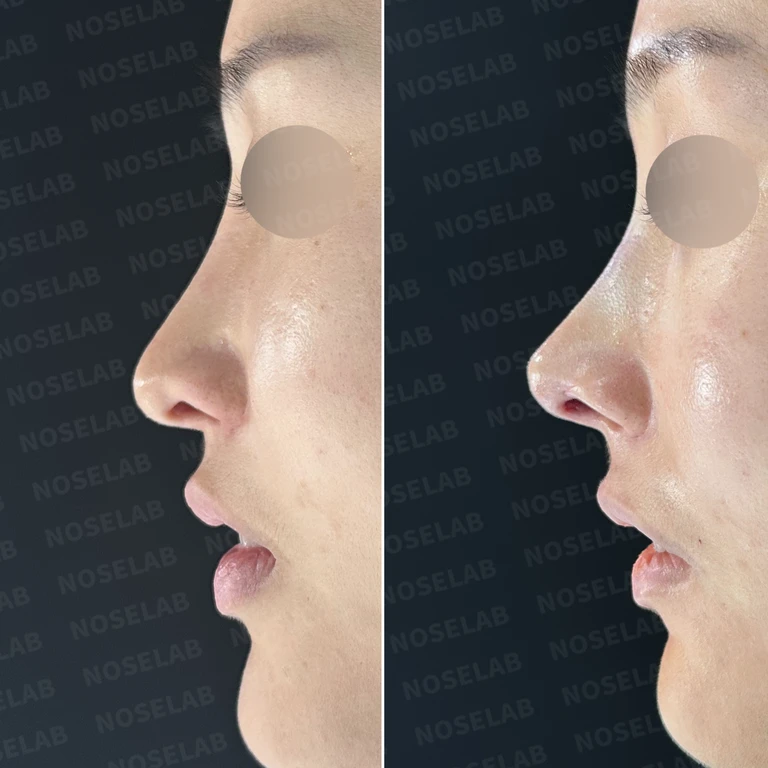
Why the nasal tip looks spread out and how to address the nasal sill and nasolabial angle together — Before-and-after comparison
Before-and-after comparison

Why the nasal tip looks spread out and how to address the nasal sill and nasolabial angle together

For a wide nasal tip and nasal sill, residual filler, and a deviated septum, we removed the filler and performed donor rib cartilage tip correction, nasal sill reduction, nasolabial angle correction, septoplasty, and rhinitis surgery.

Performed or used in this surgery
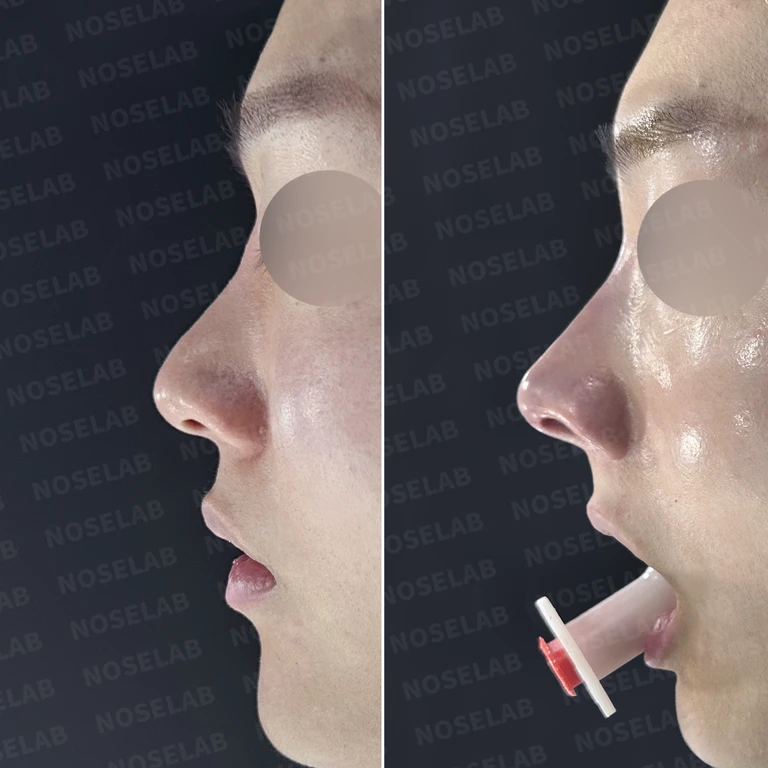
Why a wide tip often comes with nasal obstruction, and how foreign material removal and reconstruction are performed — Before-and-after comparison
Before-and-after comparison

Why a wide tip often comes with nasal obstruction, and how foreign material removal and reconstruction are performed

For nasal obstruction caused by nasal bridge filler, a bulbous nose, a deviated septum, and inferior turbinate hypertrophy, foreign material was removed, followed by nasal tip correction using autologous rib cartilage, septoplasty, and turbinoplasty.

Performed or used in this surgery
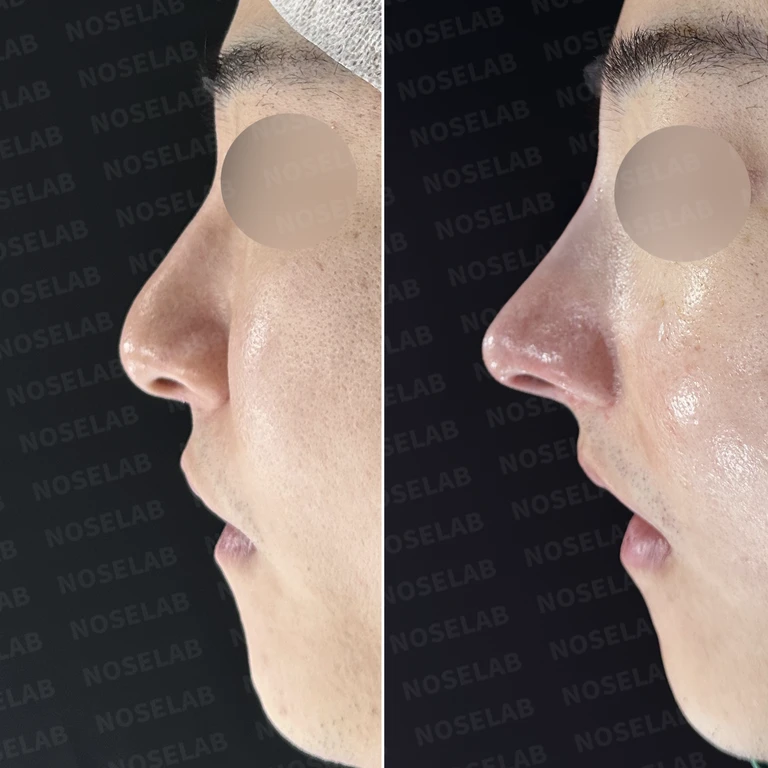
How rib cartilage reconstruction is done when the septum is damaged after multiple surgeries — Before-and-after comparison
Before-and-after comparison

How rib cartilage reconstruction is done when the septum is damaged after multiple surgeries

A case where a septal defect and filler-induced deformity were identified after five prior surgeries. Following filler removal, the septum was reconstructed with autologous rib cartilage, and the nasal tip was reinforced using existing deep temporal fascia.

Performed or used in this surgery
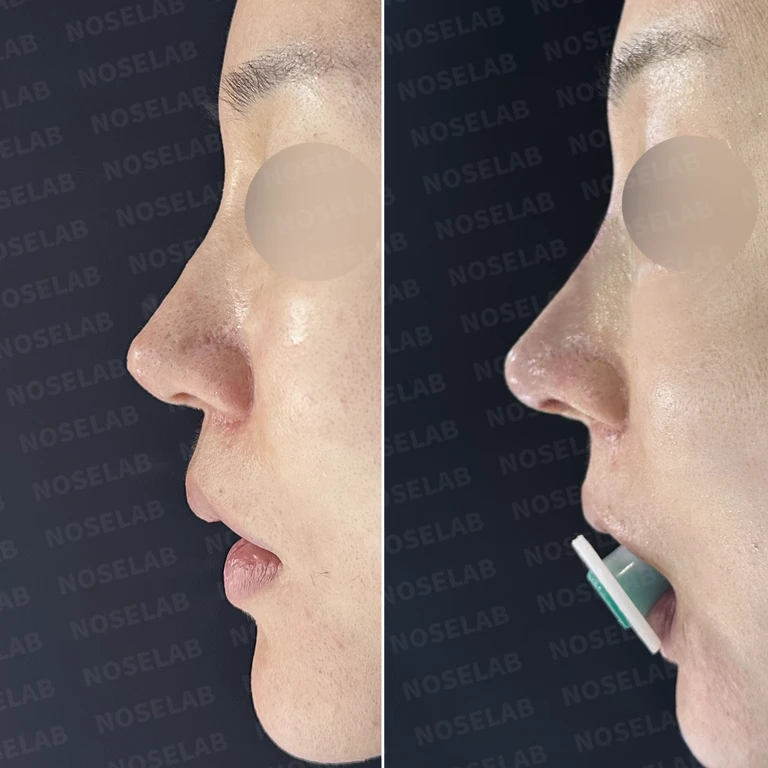
Why a bulbous, drooping nose makes the midface look long, and reconstruction methods using calcified rib cartilage — Before-and-after comparison
Before-and-after comparison

Why a bulbous, drooping nose makes the midface look long, and reconstruction methods using calcified rib cartilage

A case involving an implant from 17 years ago, residual filler, and a long, drooping nasal tip. Calcified autologous rib cartilage was harvested to correct the nasolabial angle and lower the radix starting point.

Performed or used in this surgery
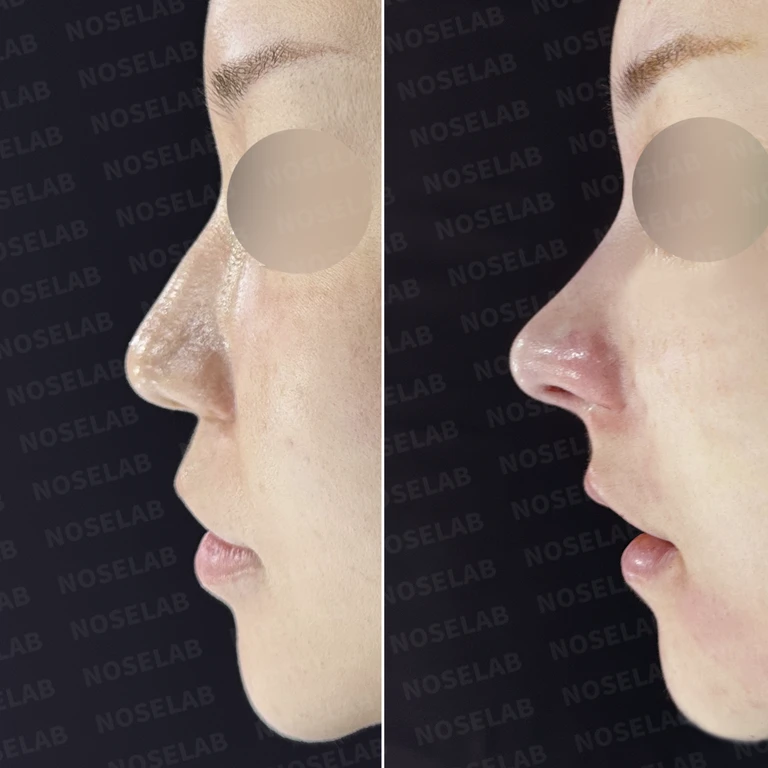
Why an autologous dermal graft absorbs, leading to a widened bridge and upturned nose, and how to correct it — Before-and-after comparison
Before-and-after comparison

Why an autologous dermal graft absorbs, leading to a widened bridge and upturned nose, and how to correct it

A case of an upturned nose and widened bridge caused by dermal graft absorption. After removing nasal filler placed 2 years ago, a straight bridge line was established through septal extension, alar rim lowering, and correction of the depressed dorsum.

Performed or used in this surgery
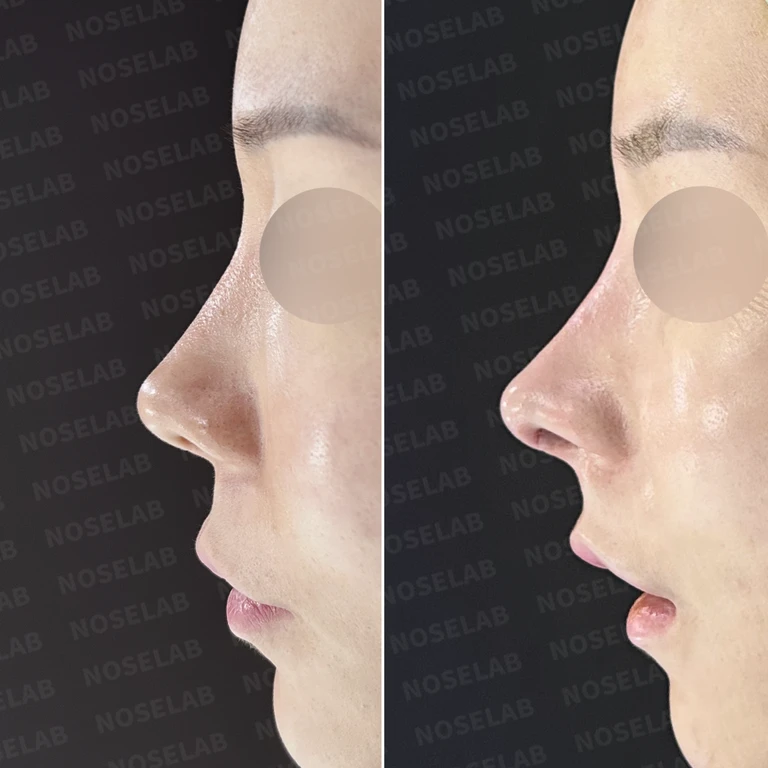
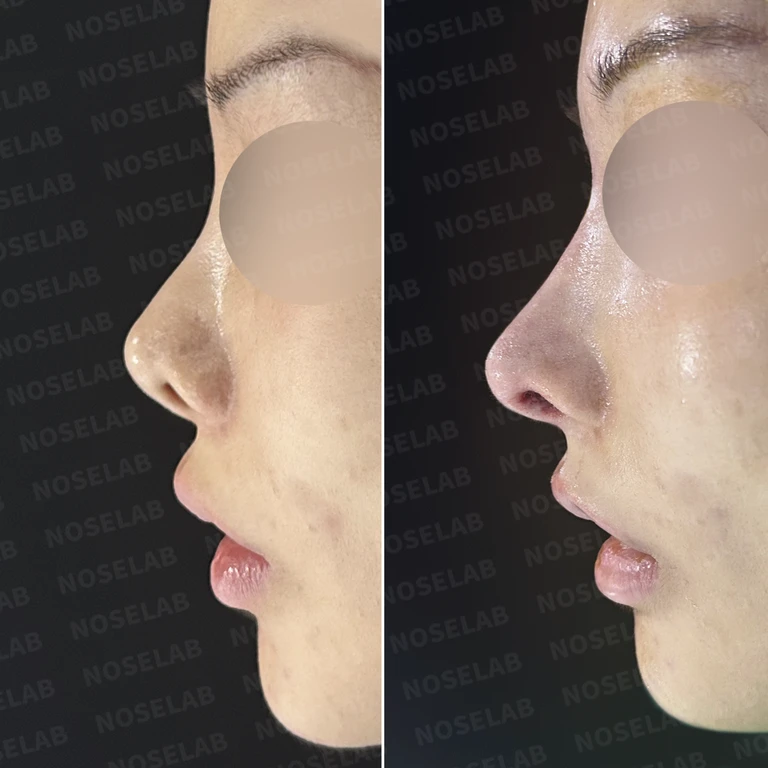
Why the columella droops and nostrils become visible: correcting a crooked nose and nostril asymmetry — Before-and-after comparison
Before-and-after comparison

Why the columella droops and nostrils become visible: correcting a crooked nose and nostril asymmetry

A case of a drooping columella, crooked nose, and nostril show following prior filler, Misko, and silicone rhinoplasty. Autologous rib cartilage reconstruction and alar rim grafts were performed after implant removal.

Performed or used in this surgery
No search results found

Please try searching with different keywords.

Scroll to keep reading

1 / 4Next case

Common questions before reading the cases

Are there records where another rhinoplasty procedure was performed immediately after nasal filler removal?

There are cases where a crooked nose and bulbous tip were corrected while removing previous filler, and records where the bridge line was refined with a silicone implant following removal. These records allow you to verify the actual procedures performed for each patient. Identifying what was performed concurrently helps avoid confusing the changes in the photos with the results of filler removal alone.

How should I interpret this page if different types of fillers were used?

First check whether the source article specifies the material, such as calcium hydroxyapatite or hyaluronic acid filler. When the specific type is not stated, it should not be presumed to represent the removal of a particular substance beyond what is written. Furthermore, because these records include surgical removal during surgery, they should not be viewed as showing all fillers being managed with the same injection or the same removal approach.

Related topics to explore

FillerForeign body, mesh, and thread removalCrooked noseImplant exchange

Surgical records referenced in this guide

  • Rhinoplasty methods following foreign material removal
  • Why a previously operated nose can look crooked and develop a drooping tip
  • Correcting a crooked nose and nostril asymmetry while considering breathing
Original article

Read more records

Planning a visit to Seoul?Prepare your consultation with the NOSELAB team.

International patient guideWhatsApp ↗
Dr. Peter C. Kang's Rhinoplasty Stories
Rhinoplasty guideCases by topicDr. Peter C. KangNaver Blog ↗
View original photo
Enlarged photo
WhatsAppChat with NOSELAB↗