Hello, I am Dr. Peter C. Kang.
Today, I would like to introduce the case of a patient who visited our clinic with concerns about a nose that had become bulbous and crooked due to permanent filler. The patient wished to remove the filler while simultaneously improving the overall crooked and broadened appearance of the nose.
🔍 Surgical history
Past permanent filler procedure
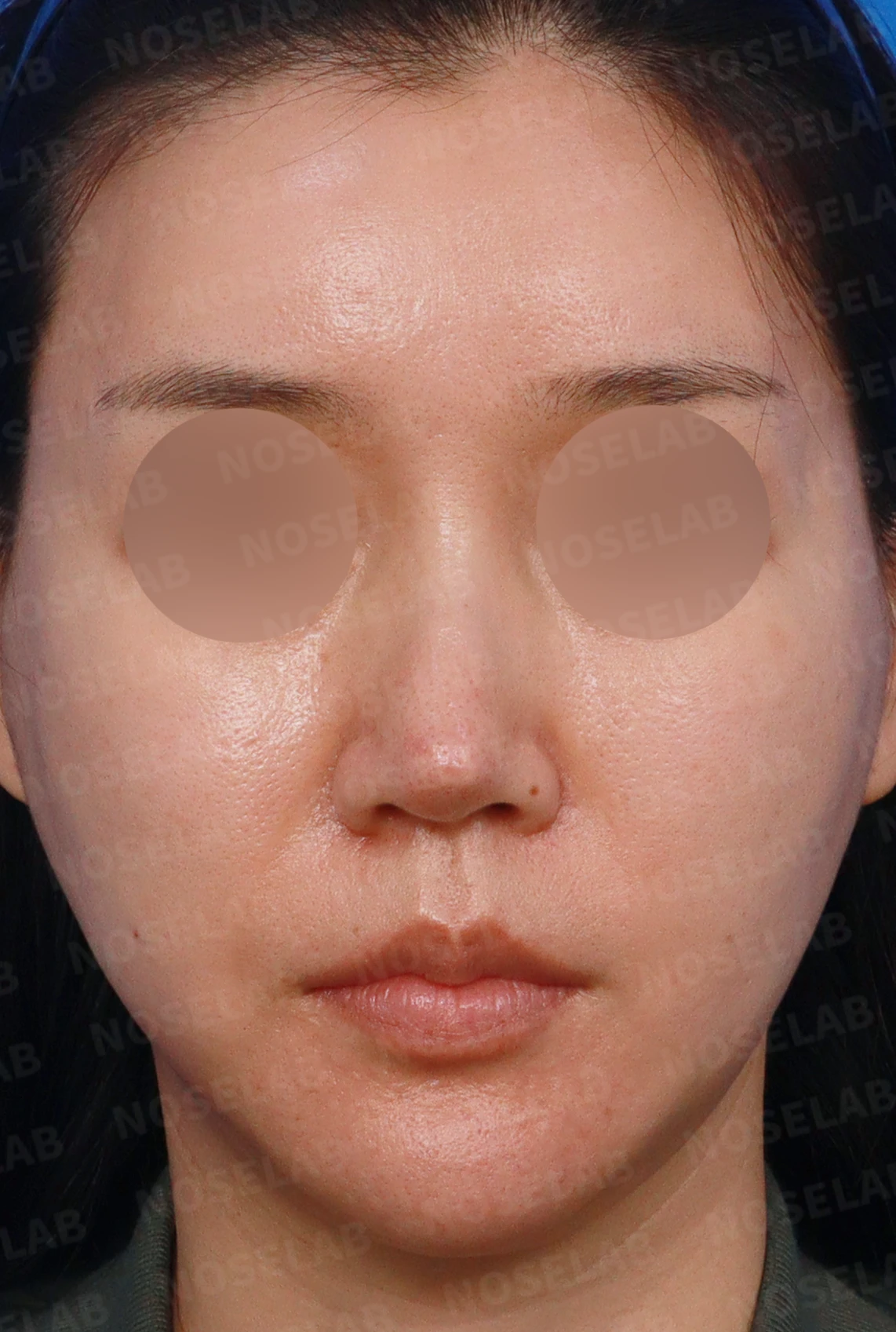
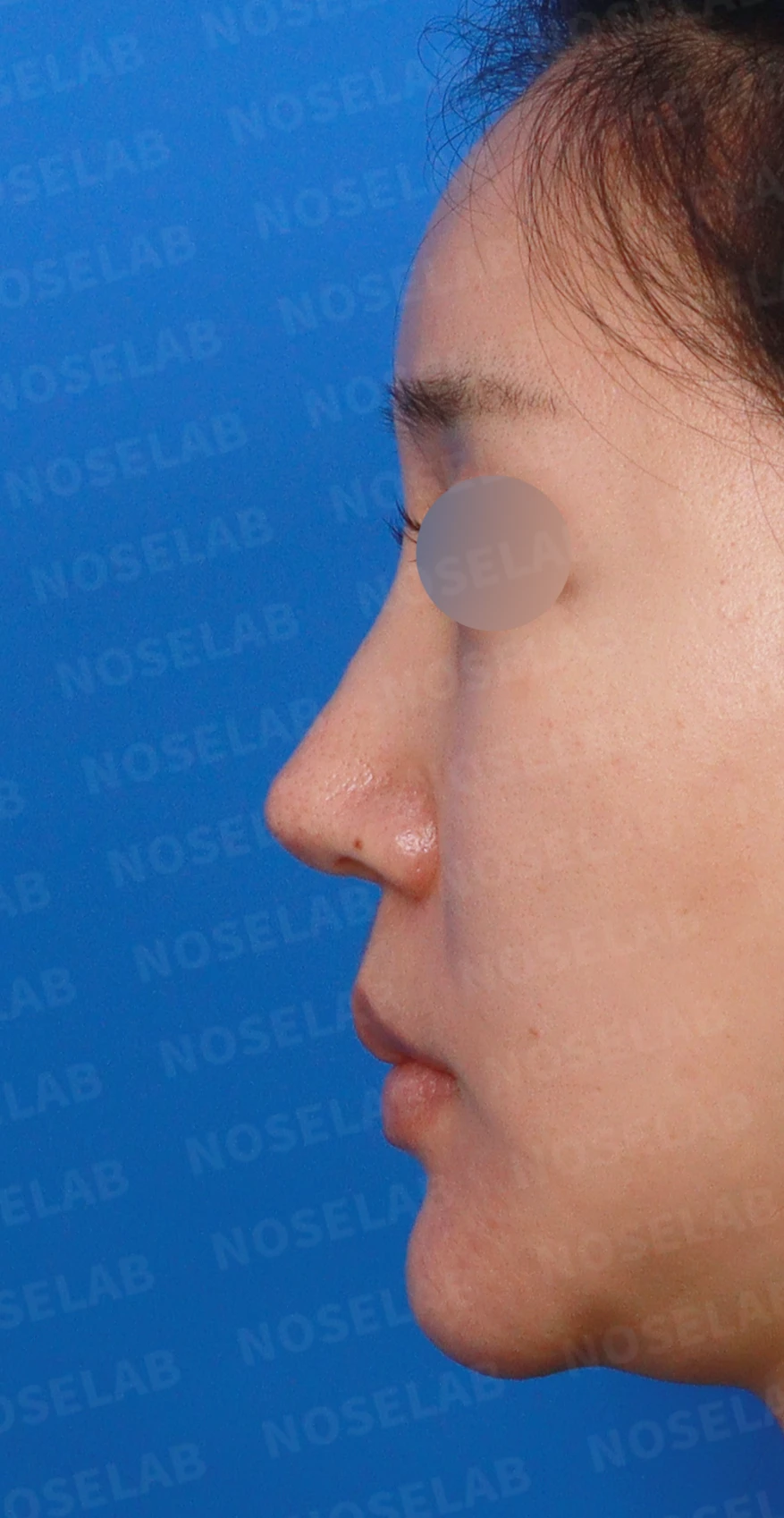
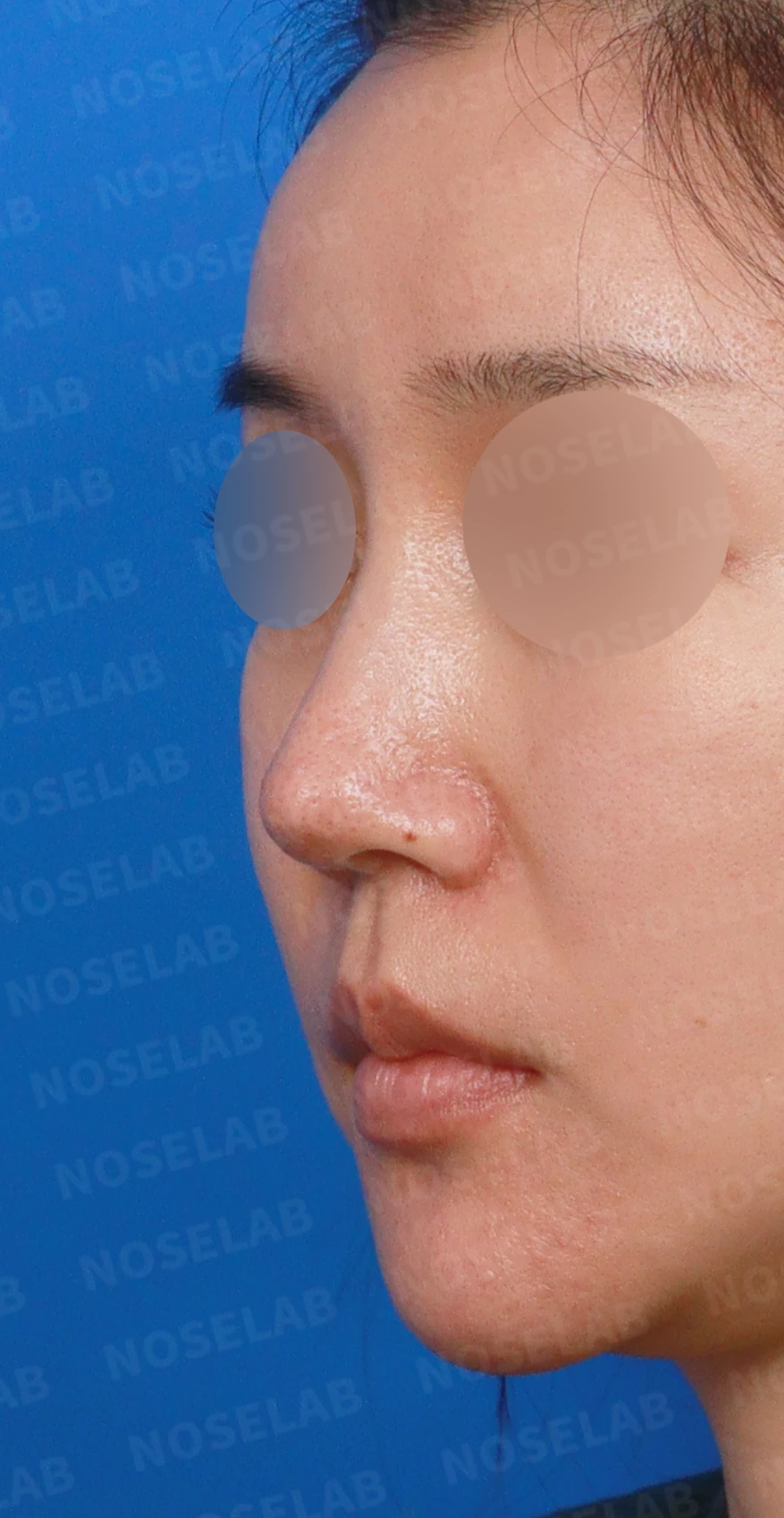
Front, left profile, and oblique views during design consultation.
💉 Patient requests
Permanent filler removal
Improvement of bulbous nasal tip
Correction of crooked nose
Improvement of the broadened appearance
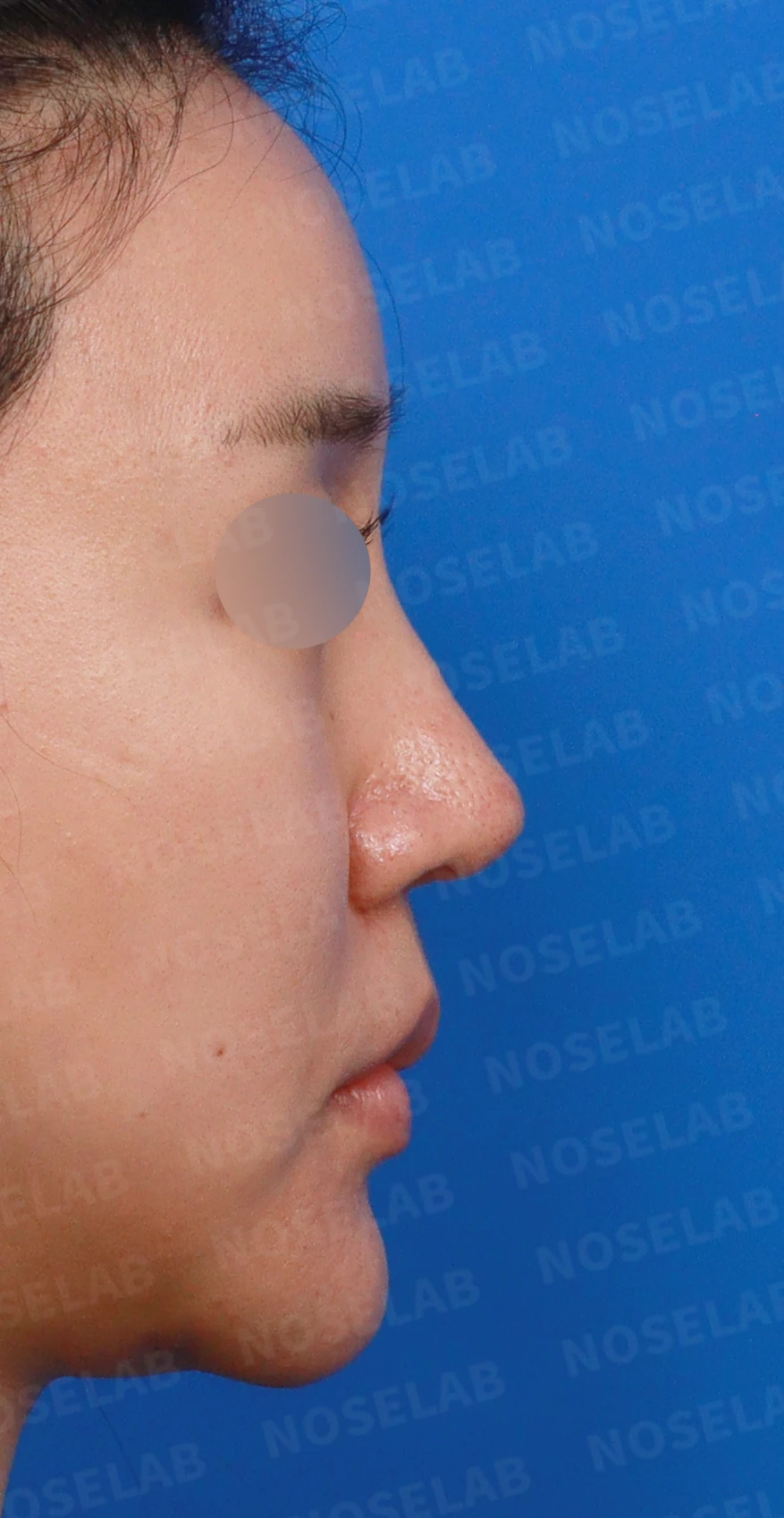
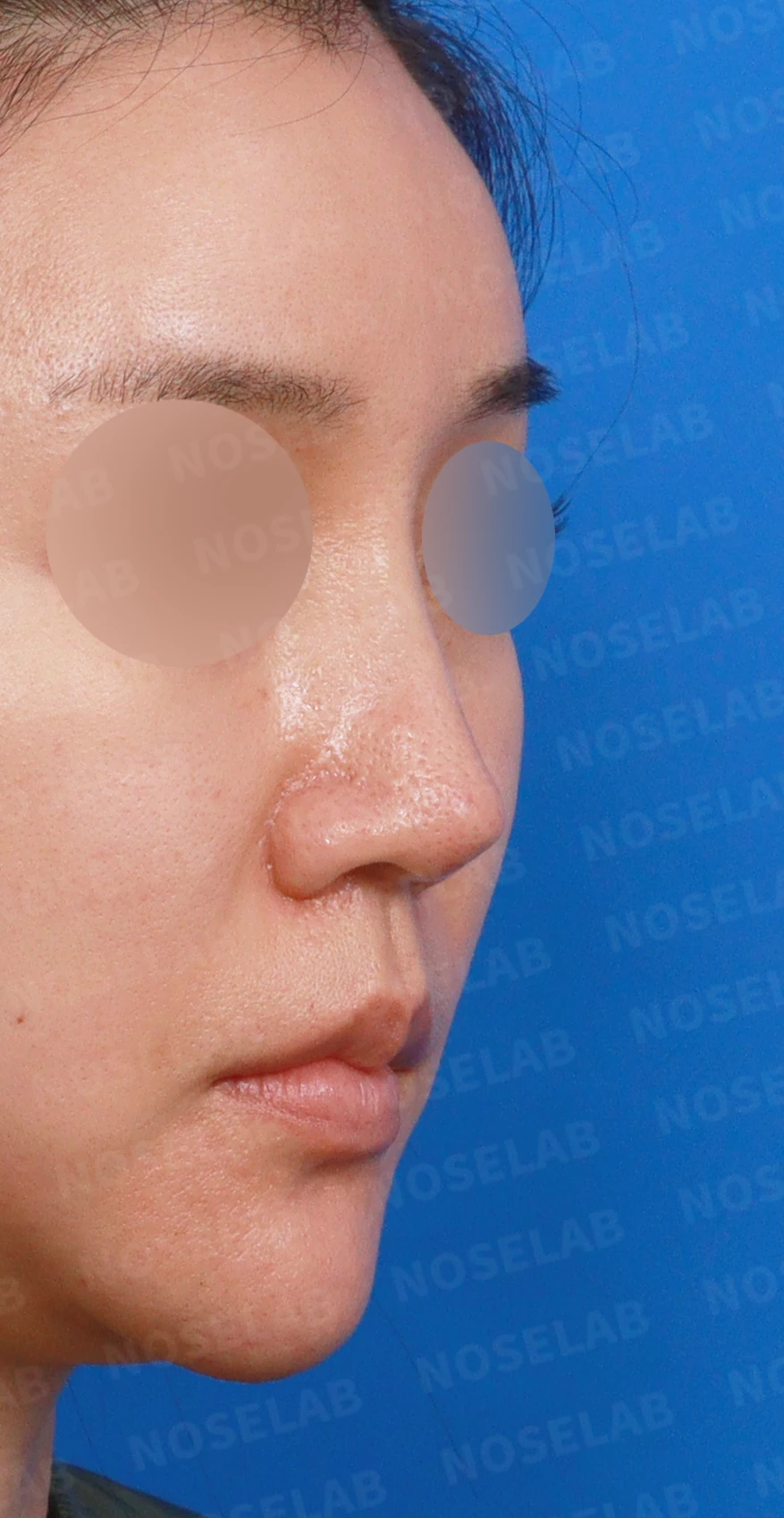
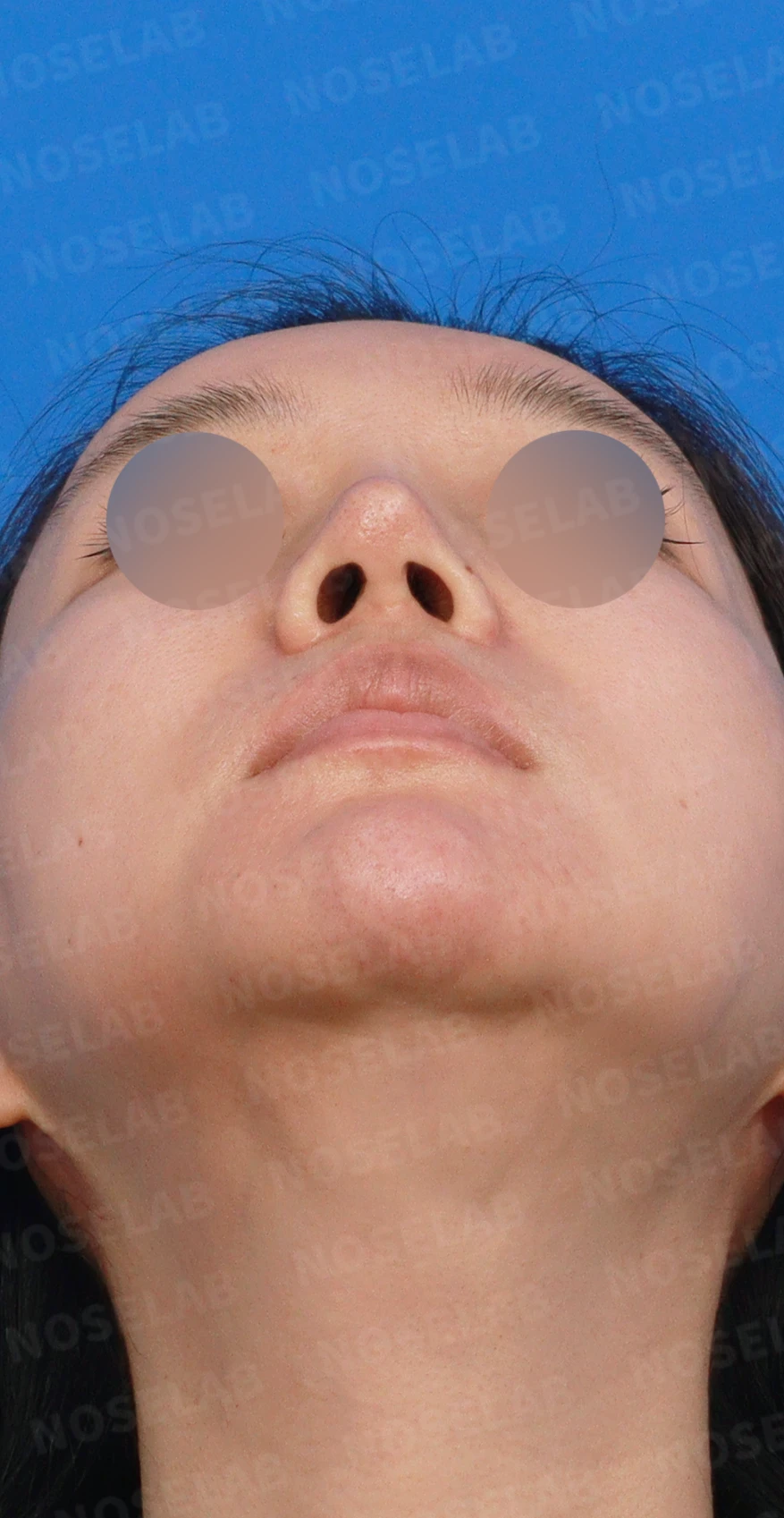
Right profile, oblique, and nostril views during design consultation.
🔧 Surgical plan and procedure
1. Permanent filler removal
Complete removal of permanent filler from inside the nose
Preparing to build a new structure on a clean foundation
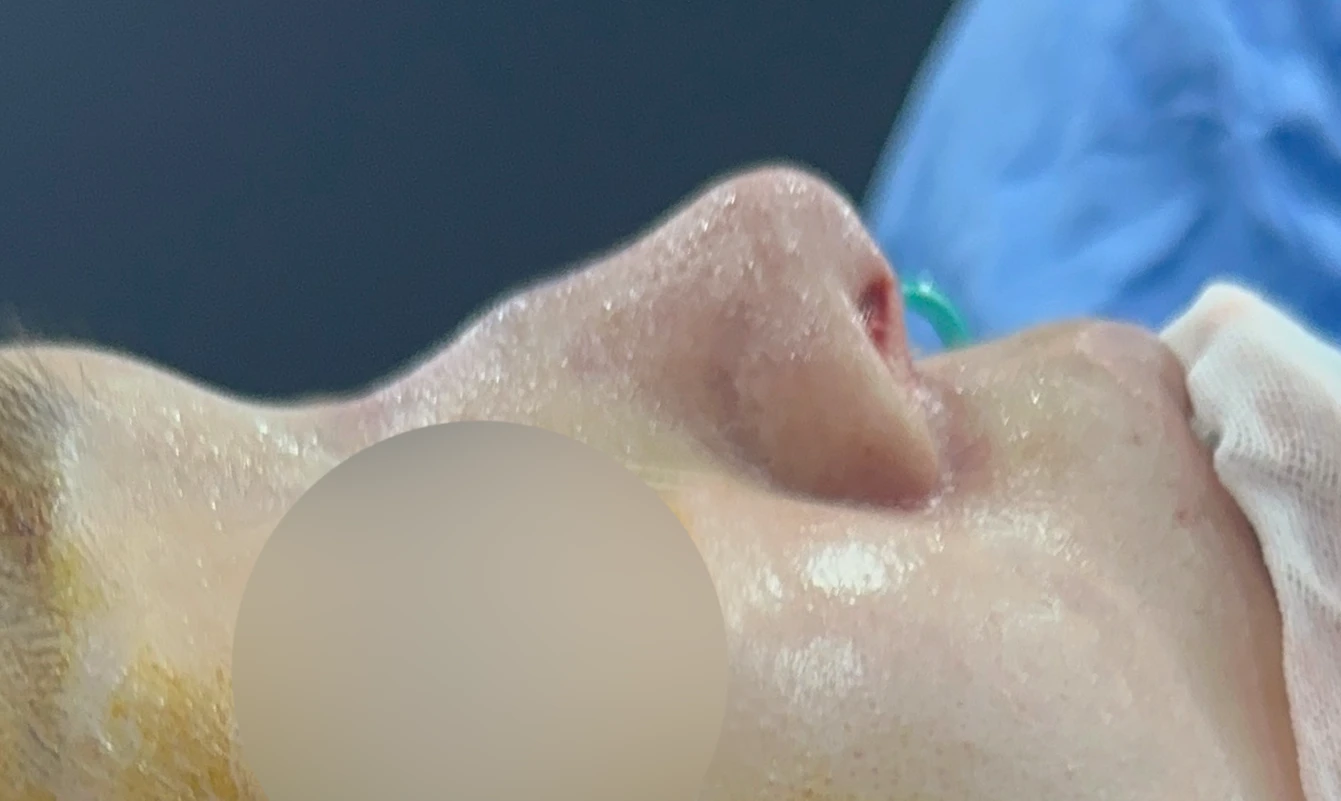
After permanent filler removal
2. Nasal tip correction using autologous rib cartilage
Naturally refining the bulbous nasal tip
A structure built for long-term stability with sturdy support
Improvement of the broadened appearance
3. Lateral osteotomy
Correction of deviated nasal bones
Securing overall nasal symmetry
Creating a straight, clean nasal bridge line
4. Custom carving of the silicone implant
Carving the implant to match the shape of the patient's nasal bone
Creating a natural nasal bridge height
Achieving a line in harmony with the face
🌟 Surgical results
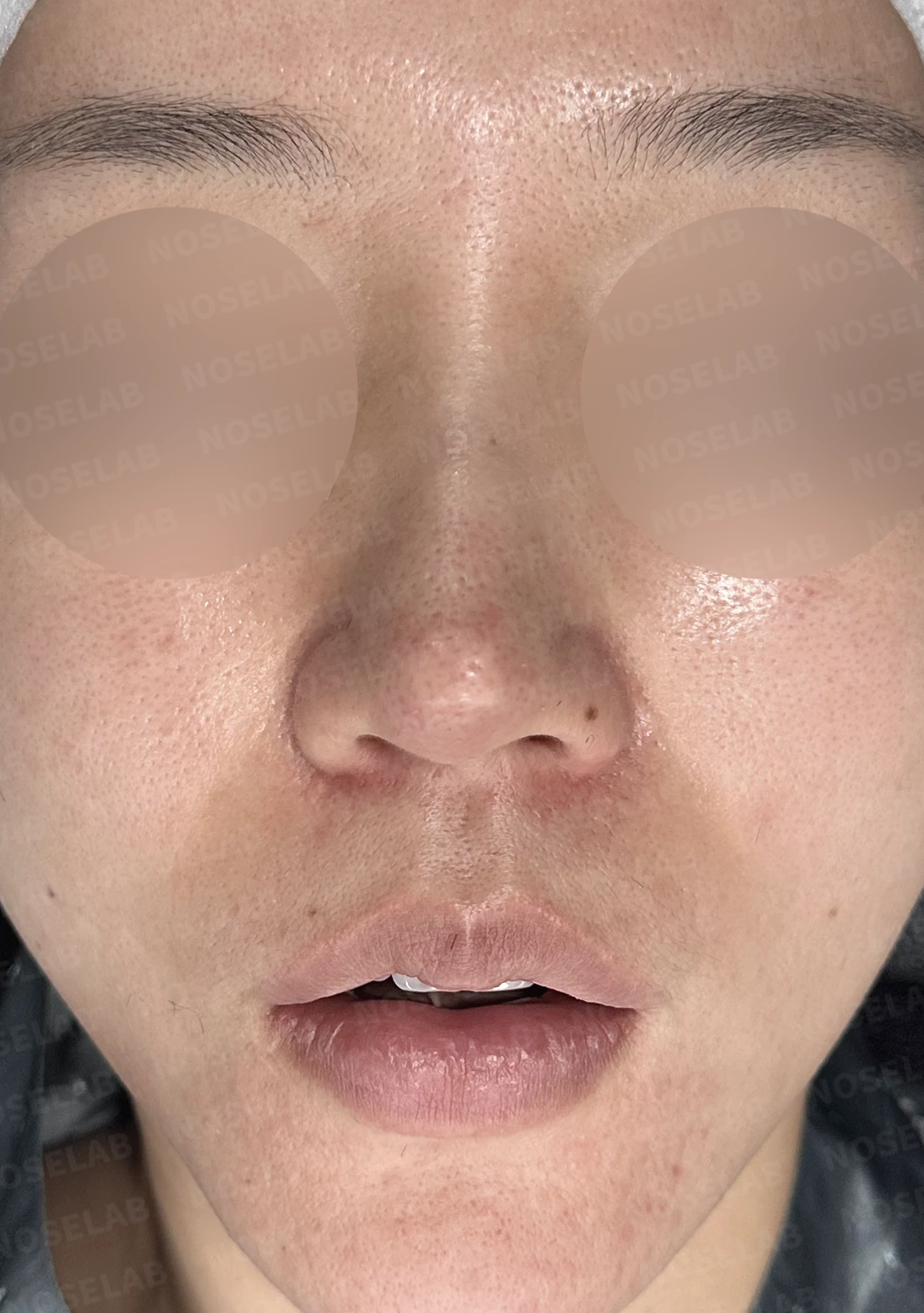
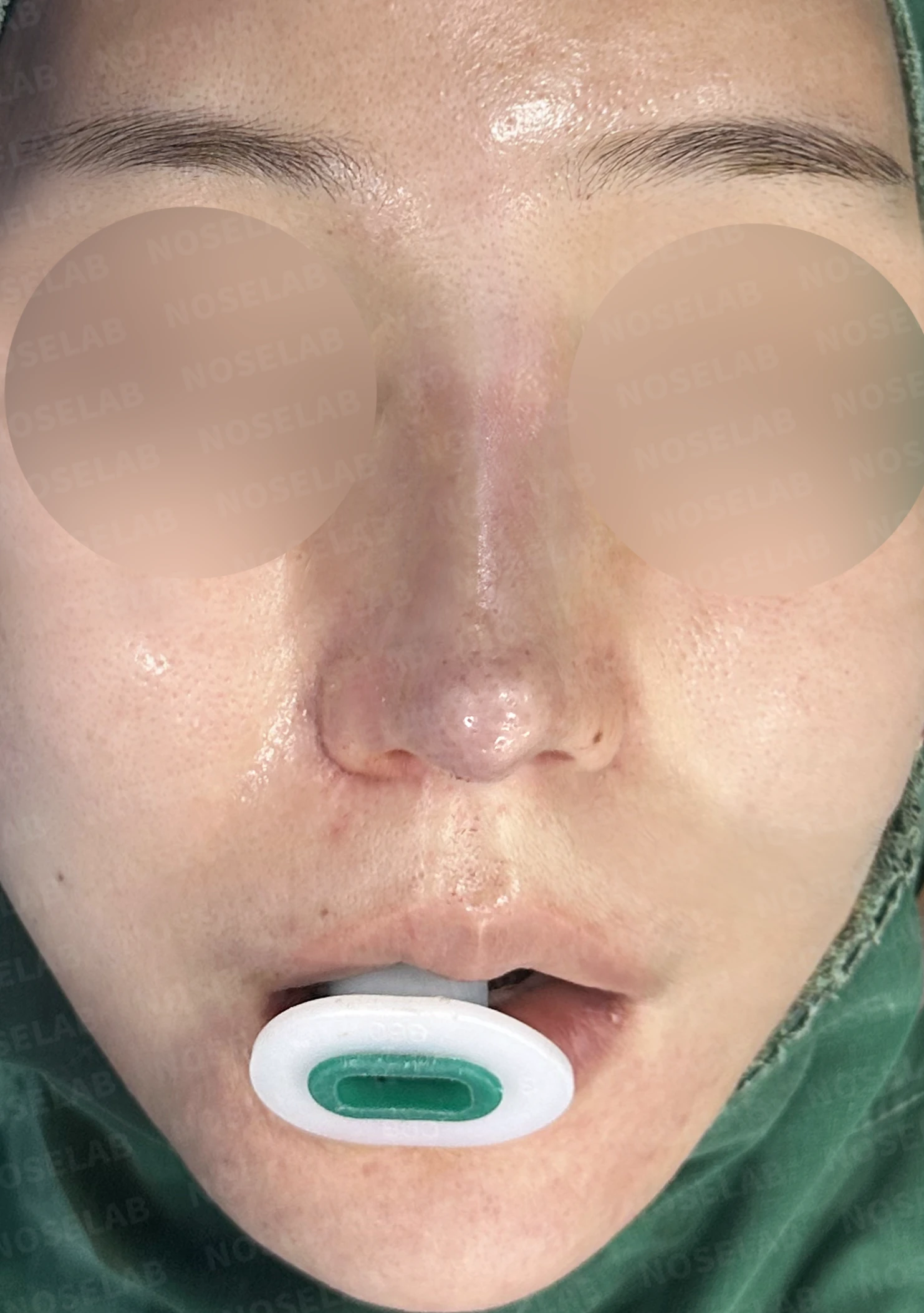
Before surgery / Day 0 immediately after surgery Photos taken immediately after surgery show swelling and may differ from the final result.
1. Frontal changes
The crooked nose was aligned along the midline
Refining the nasal tip that previously appeared bulbous and broadened
An overall refined and balanced impression
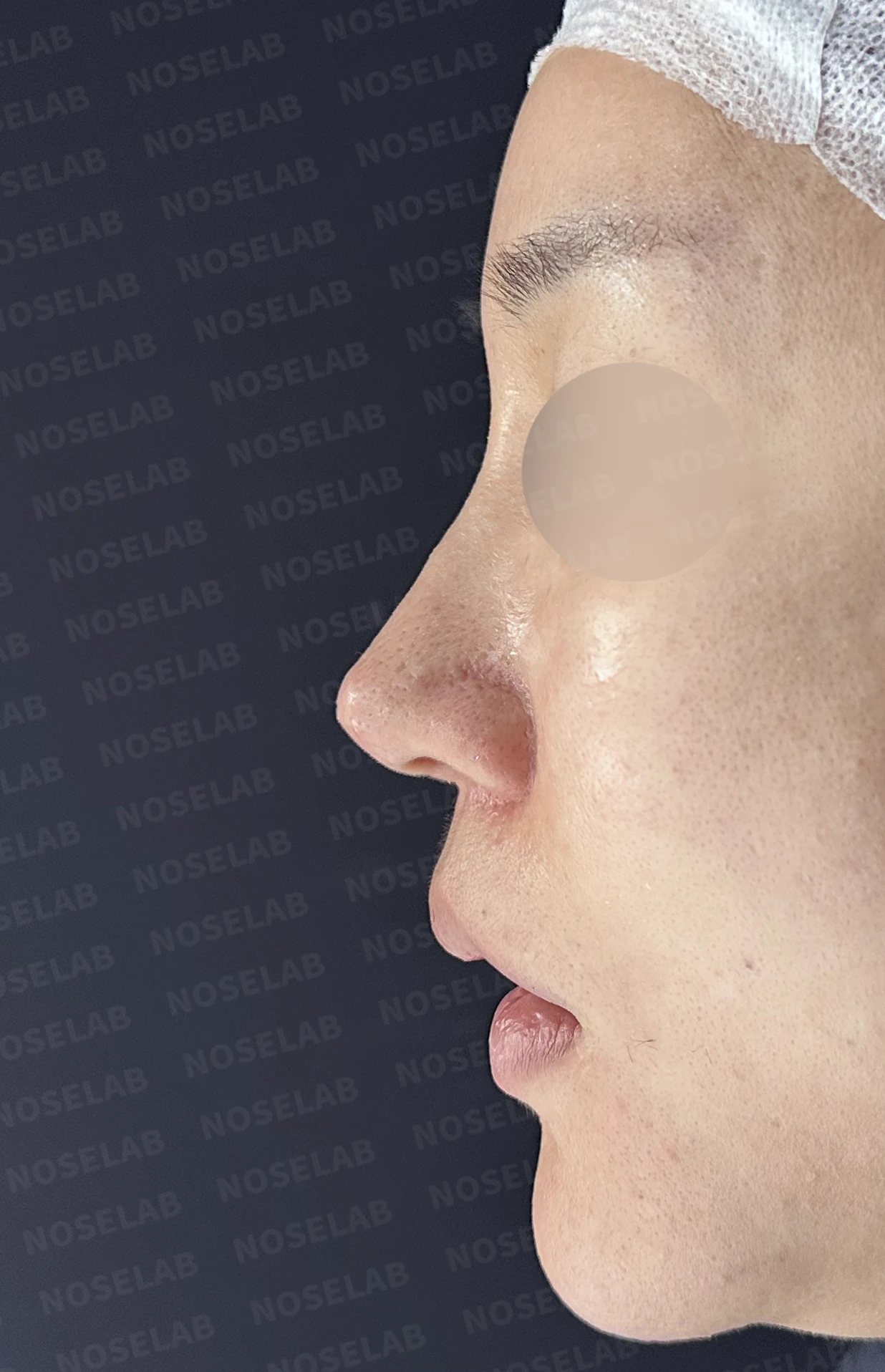
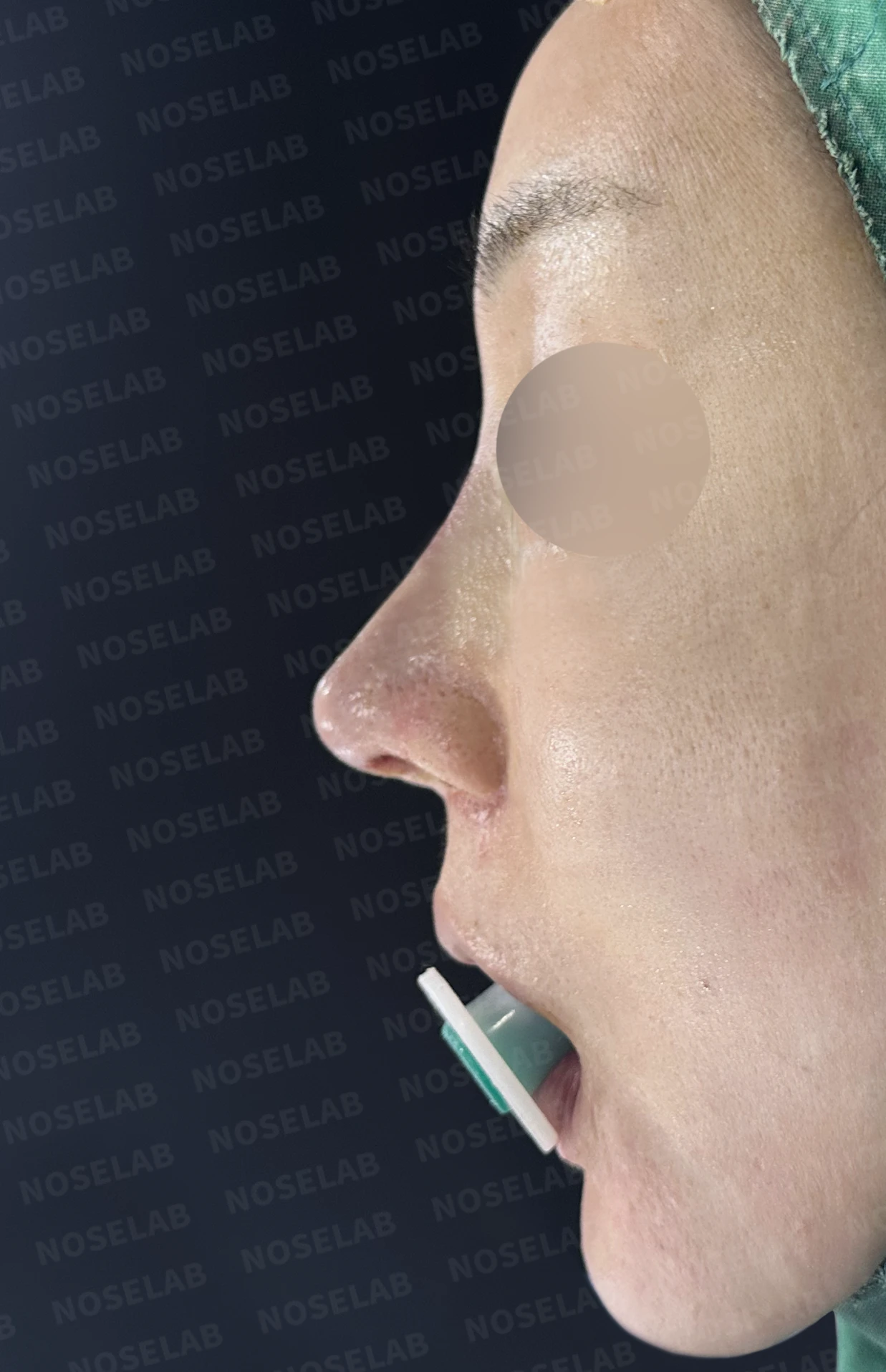
Before surgery / Day 0 immediately after surgery Photos taken immediately after surgery show swelling and may differ from the final result.
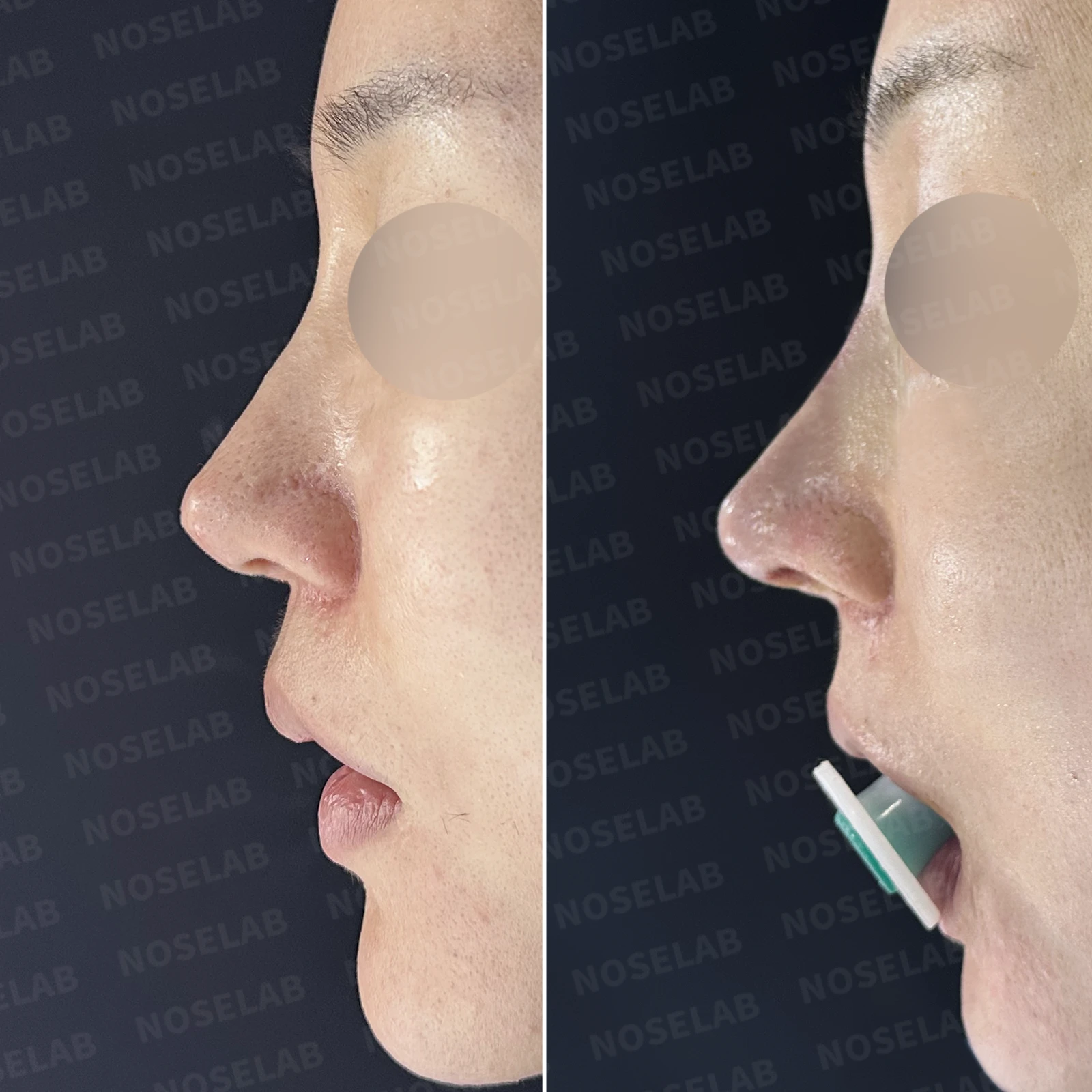
2. Profile changes
Achieving a natural nasal bridge line after filler removal
A height tailored to the face using a custom-carved implant
A smooth curve extending toward the nasal tip
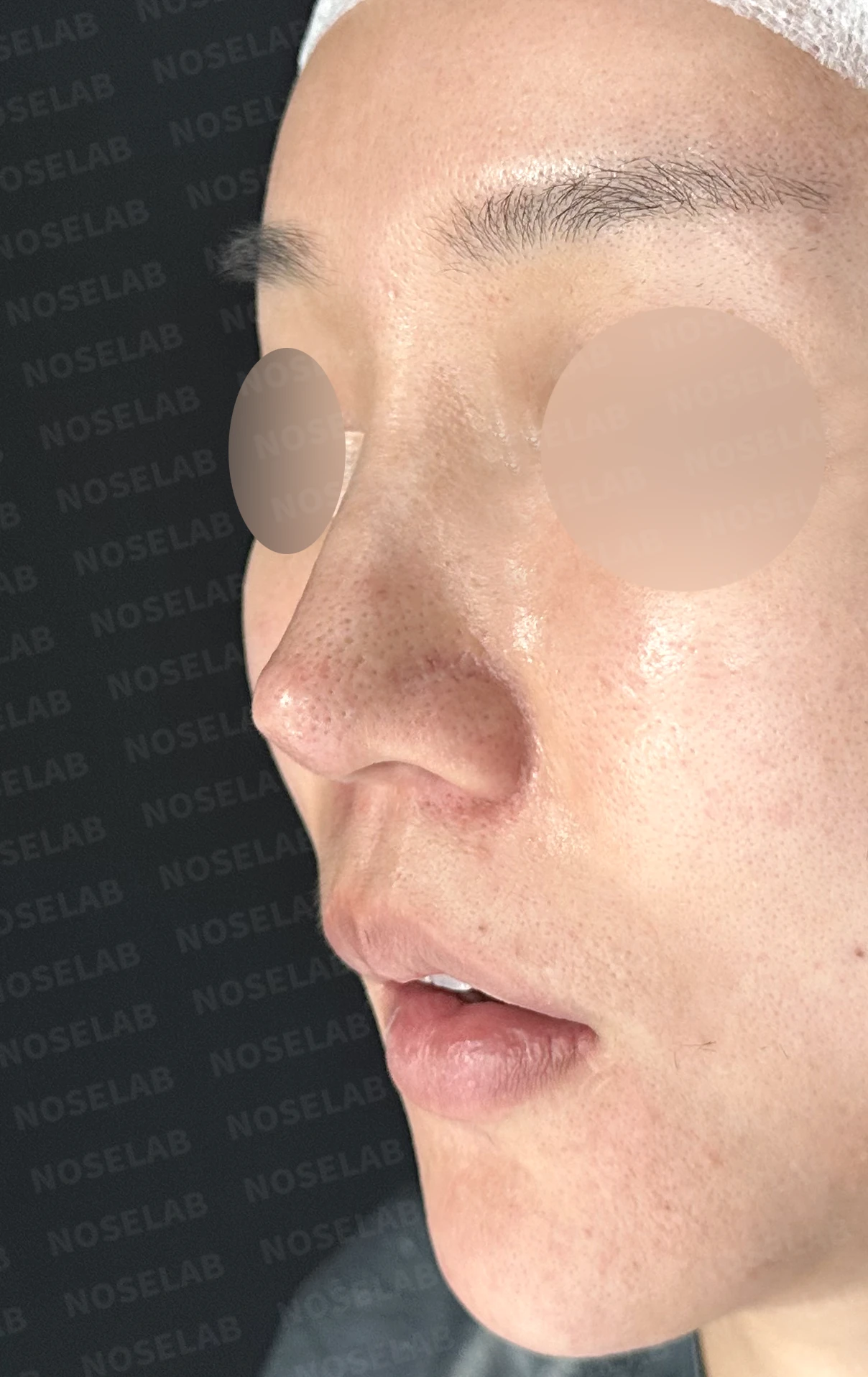
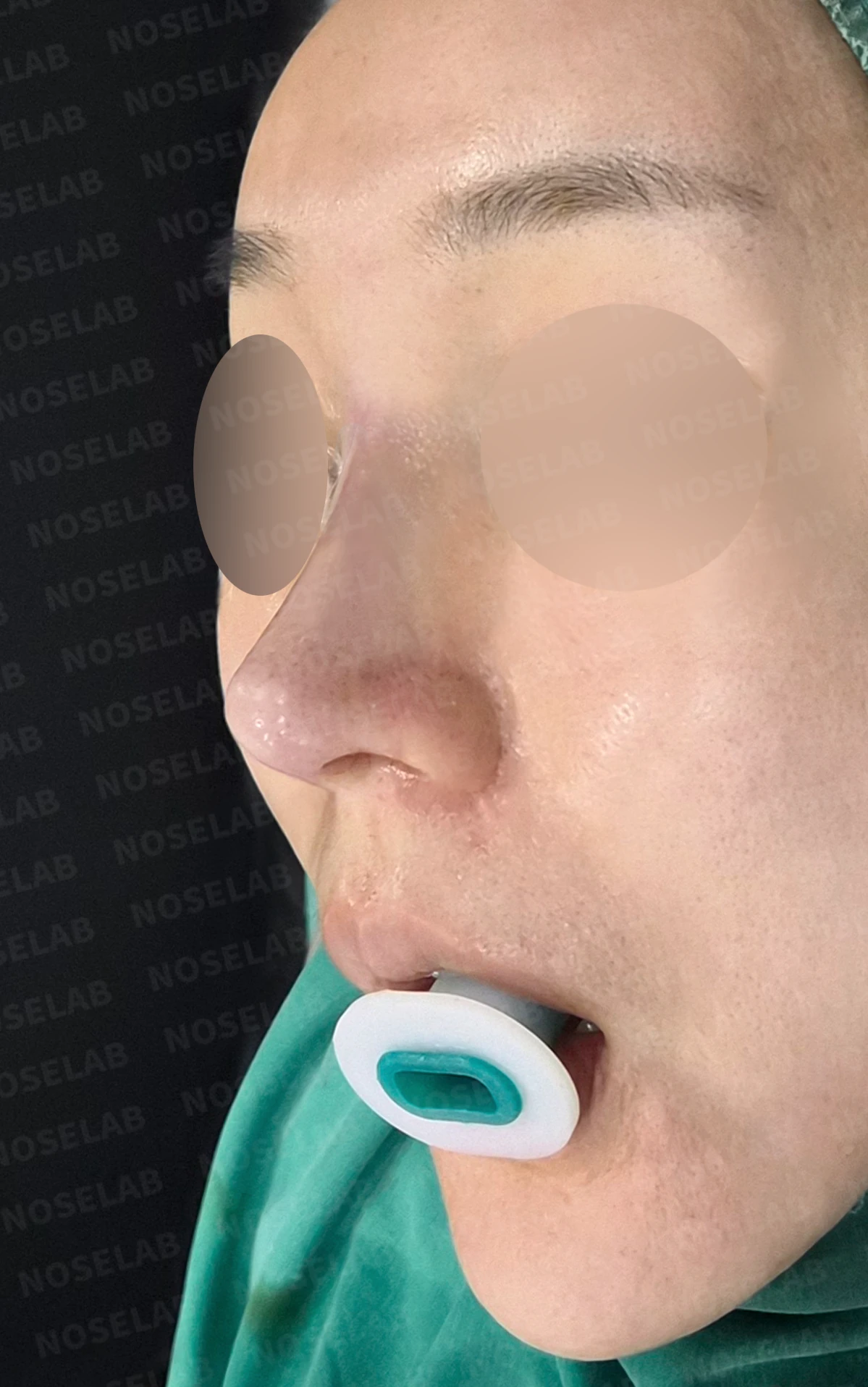
Before surgery / Day 0 immediately after surgery Photos taken immediately after surgery show swelling and may differ from the final result.
3. Nostril changes
Improved nostril shape as the bulbous nasal tip is refined
A balanced nostril shape
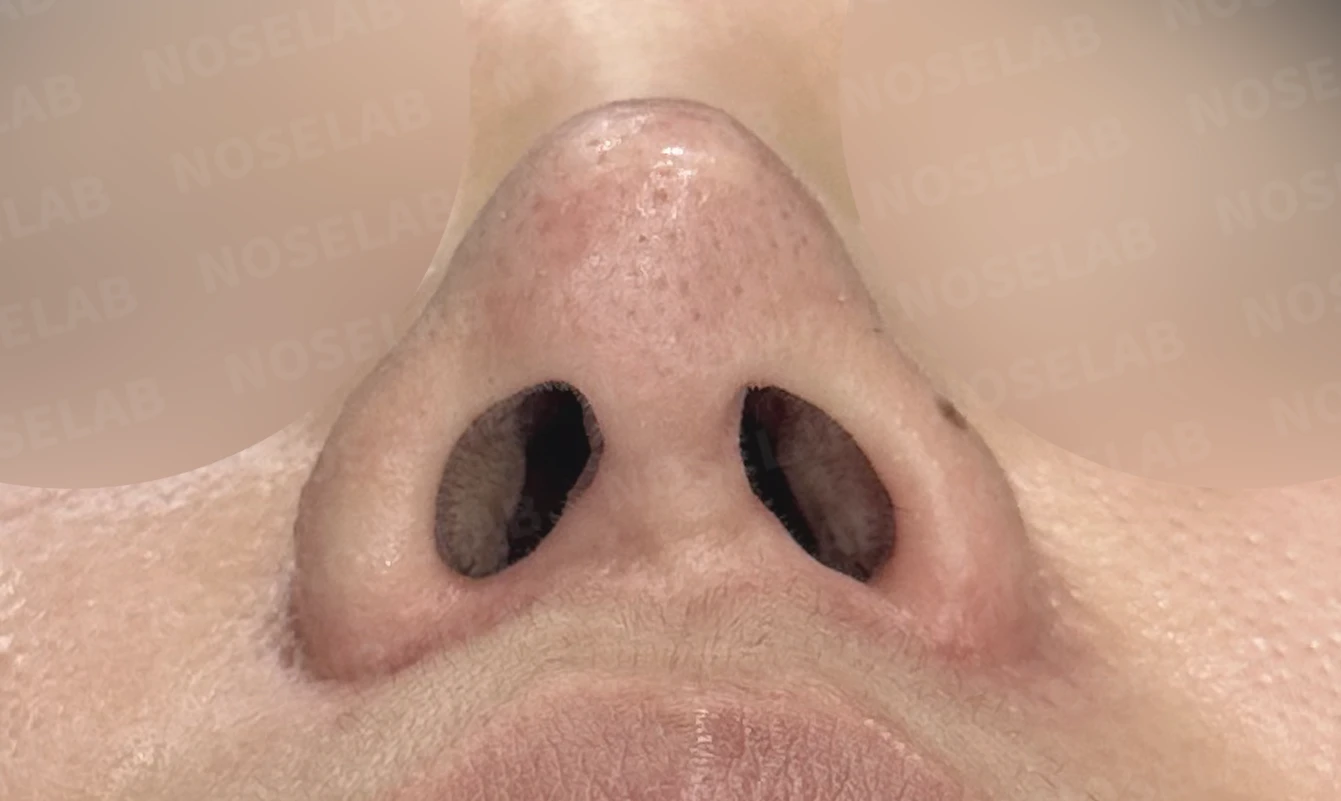
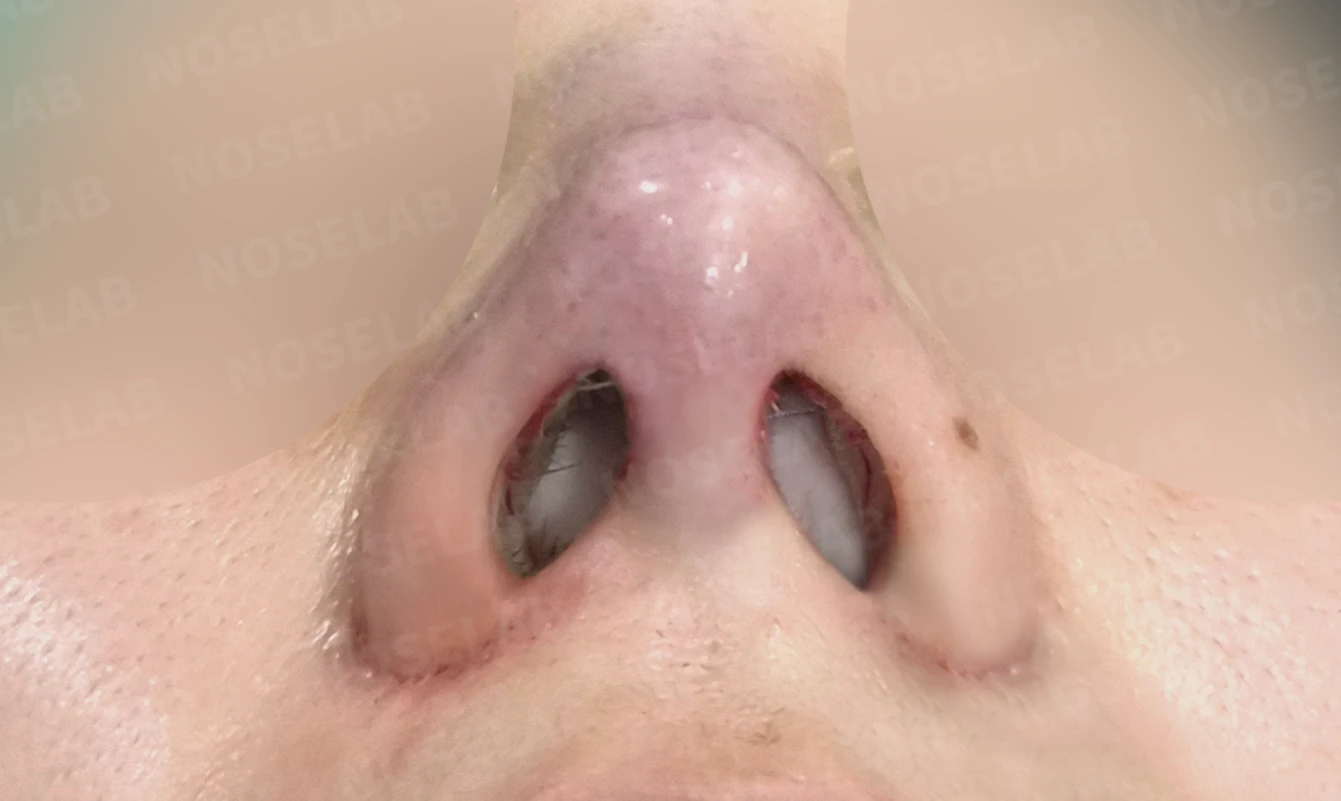
Before surgery / Day 0 immediately after surgery Photos taken immediately after surgery show swelling and may differ from the final result.
💡 Specialist opinion
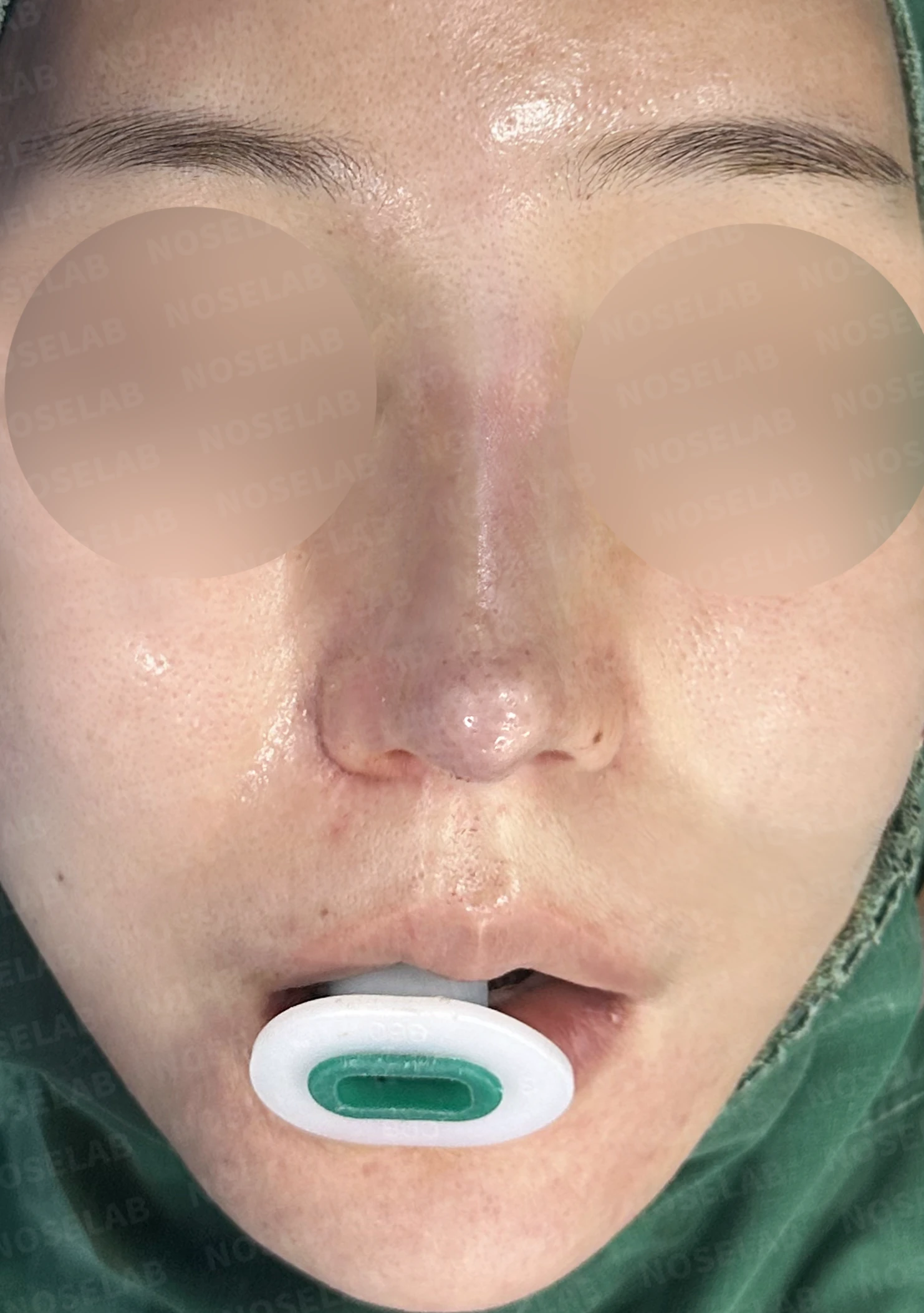
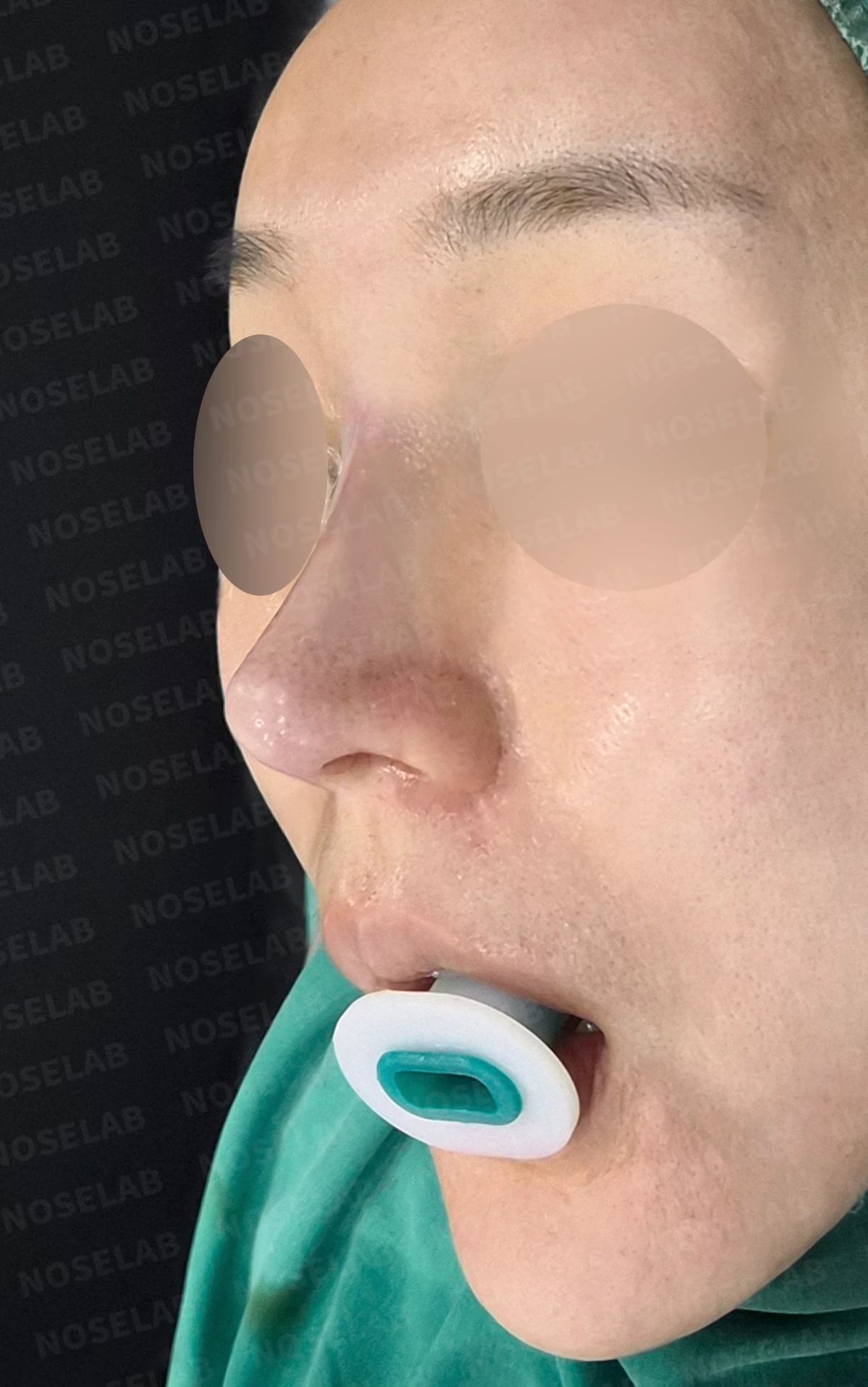
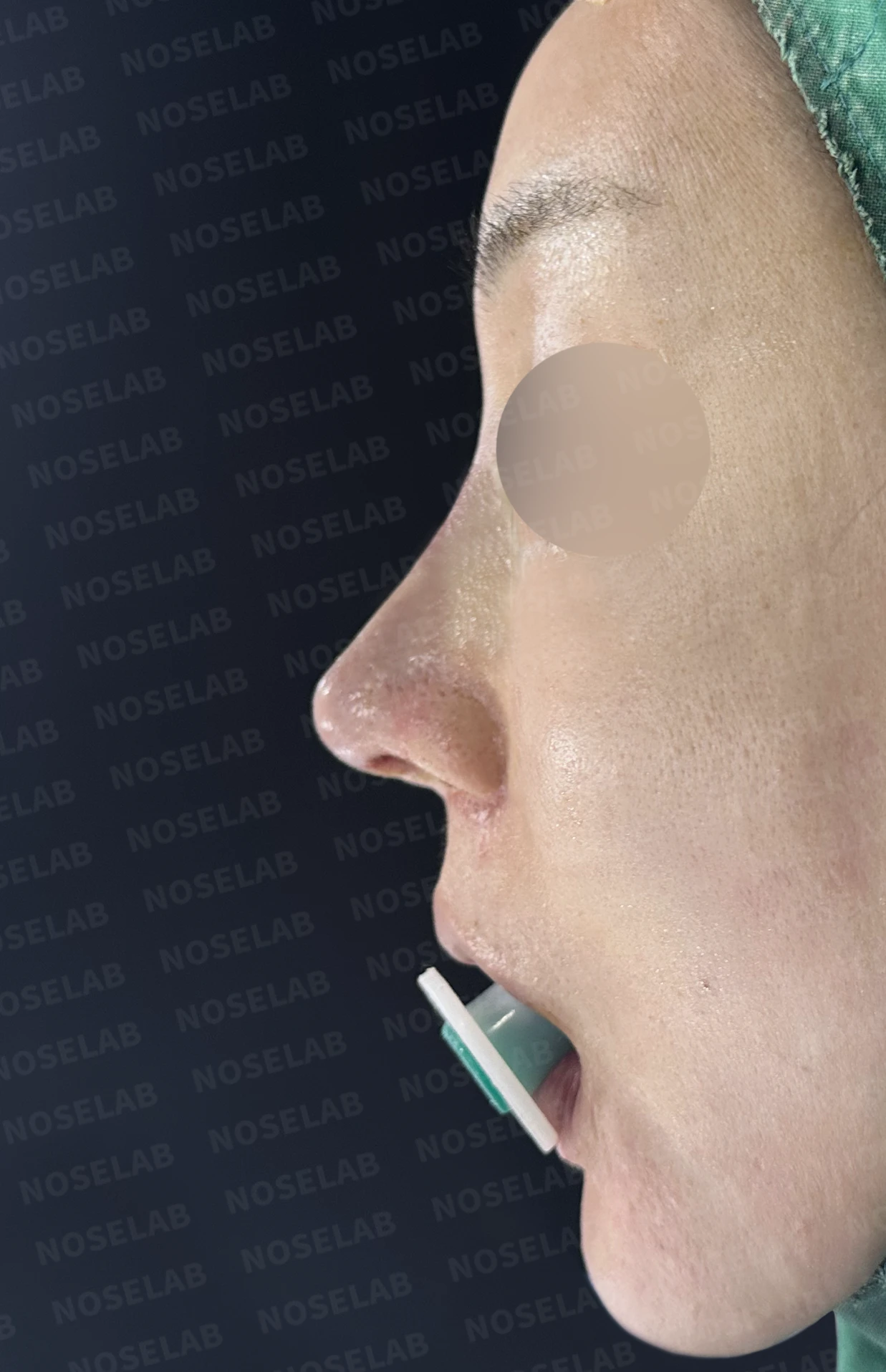
Front, oblique, and profile views on day 0 immediately after surgery. Photos taken immediately after surgery show swelling and may differ from the final result.
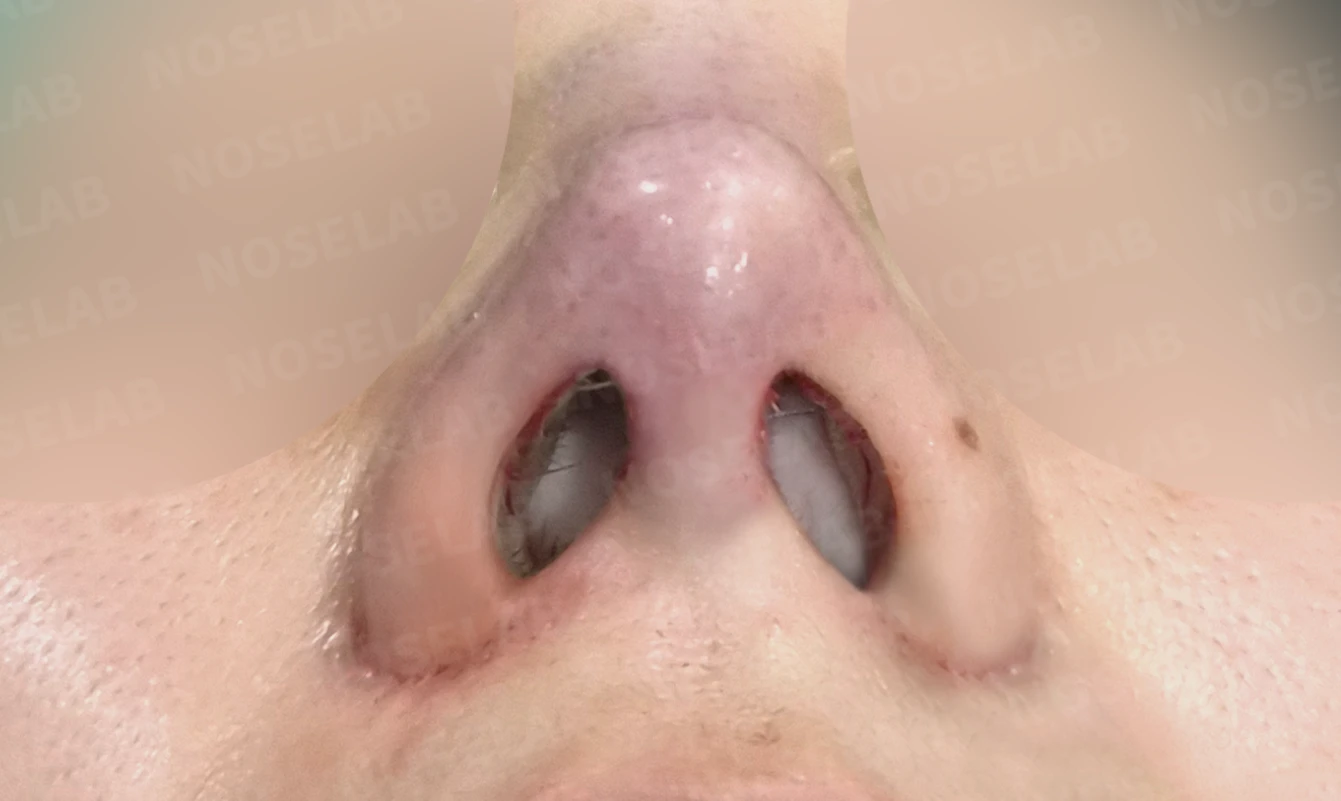
Nostril view on day 0 immediately after surgery. Photos taken immediately after surgery show swelling and may differ from the final result.
Over time, permanent filler can cause a foreign body reaction or shift position, deforming the shape of the nose. In this case as well, the filler had caused the nose to become bulbous and deviated.
In situations like this, simply removing the filler is not enough. After thoroughly removing the filler, the compromised framework must be reconstructed anew to achieve a natural and stable result.
In this surgery, autologous rib cartilage was used to provide strong support for the nasal tip, and lateral osteotomy was performed to straighten the deviated nasal bone. For the nasal bridge, a silicone implant was delicately carved to match the patient's nasal bone structure, creating a natural height.
Removing permanent filler while completely realigning the nose is a challenging procedure, but satisfying results can be achieved with an accurate diagnosis and a systematic plan.
I hope this case is helpful to those concerned about changes in nasal shape caused by permanent filler. This was Medical Director Dr. Peter C. Kang. Thank you.
#closedrhinoplasty #closedrevisionrhinoplasty #permanentfillerremoval #deviatednosecorrection #osteotomy #autologousribcartilage #bulbousnose #fillercomplications #revisionrhinoplasty

Limitations and risks
When autologous rib cartilage is used, scarring and pain may remain at the donor site on the chest, and pneumothorax (pleural injury) can occur rarely. Over time, the grafted cartilage may warp or undergo partial resorption.
When foreign materials such as injected fillers are removed and reconstructed, contracture may recur, nasal height and length may decrease, and staged surgery may be necessary depending on the skin condition.
Common potential risks include infection, bleeding, asymmetry, scarring, skin necrosis, and insufficient improvement; results vary depending on individual skin condition and previous surgical history.