Hello, I am Dr. Peter C. Kang.
Today, I would like to introduce the case of a patient who visited our clinic concerned about a blunt, wide-looking bulbous nose. Rather than making the nose appear larger, the patient wanted a neat, refined, compact look that felt both striking and natural.
🔍 Surgical history
3 years ago: 2 nasal filler treatments
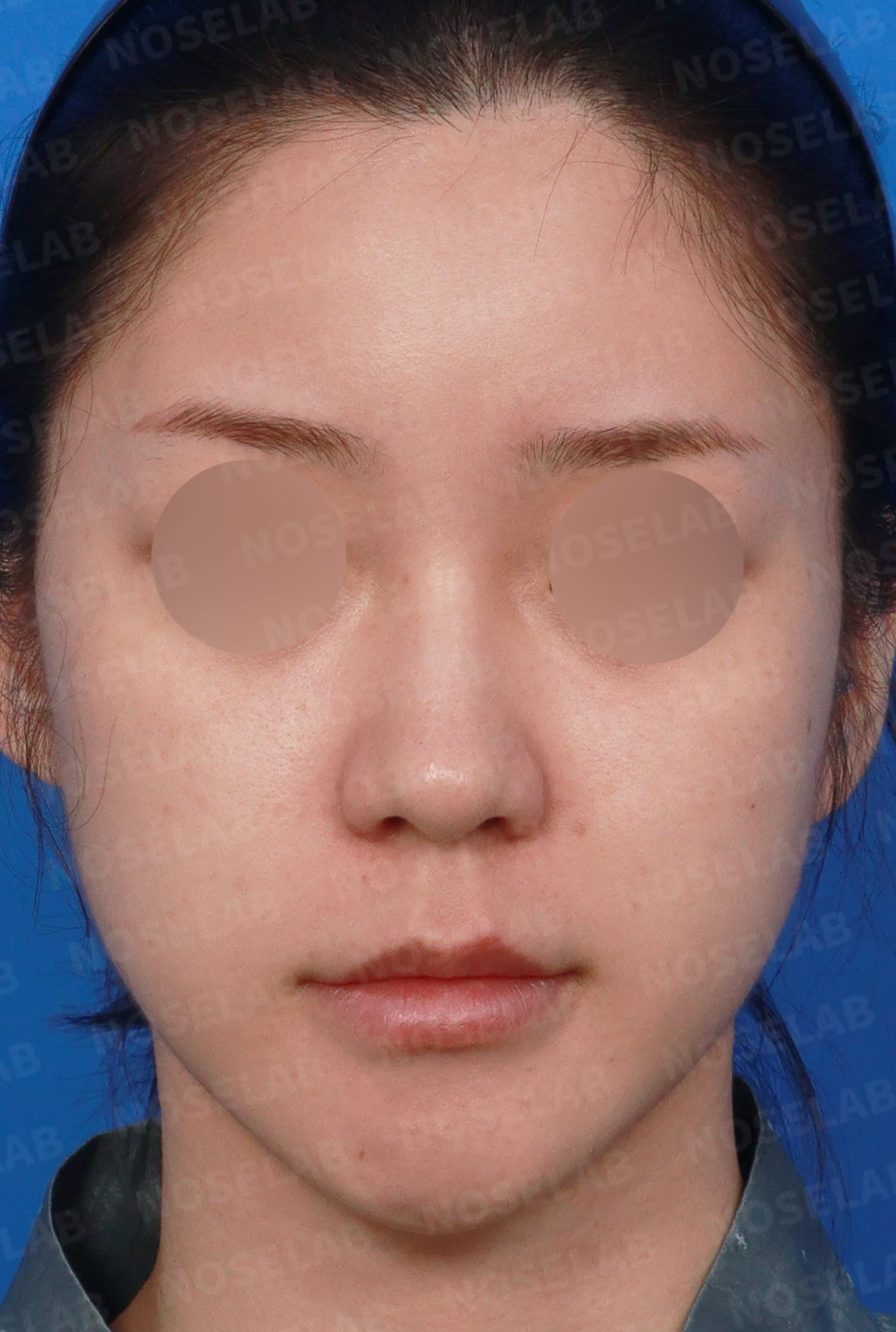
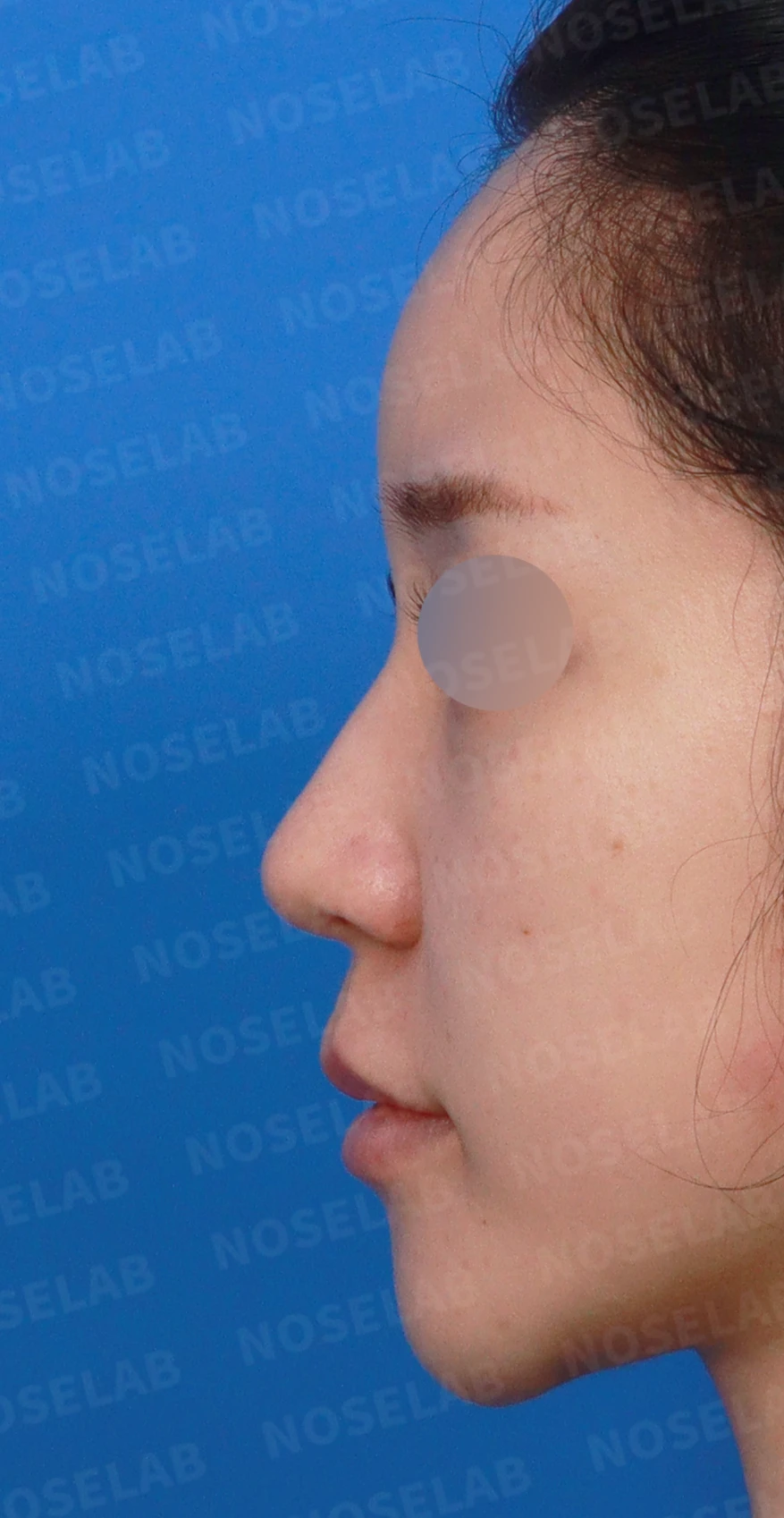
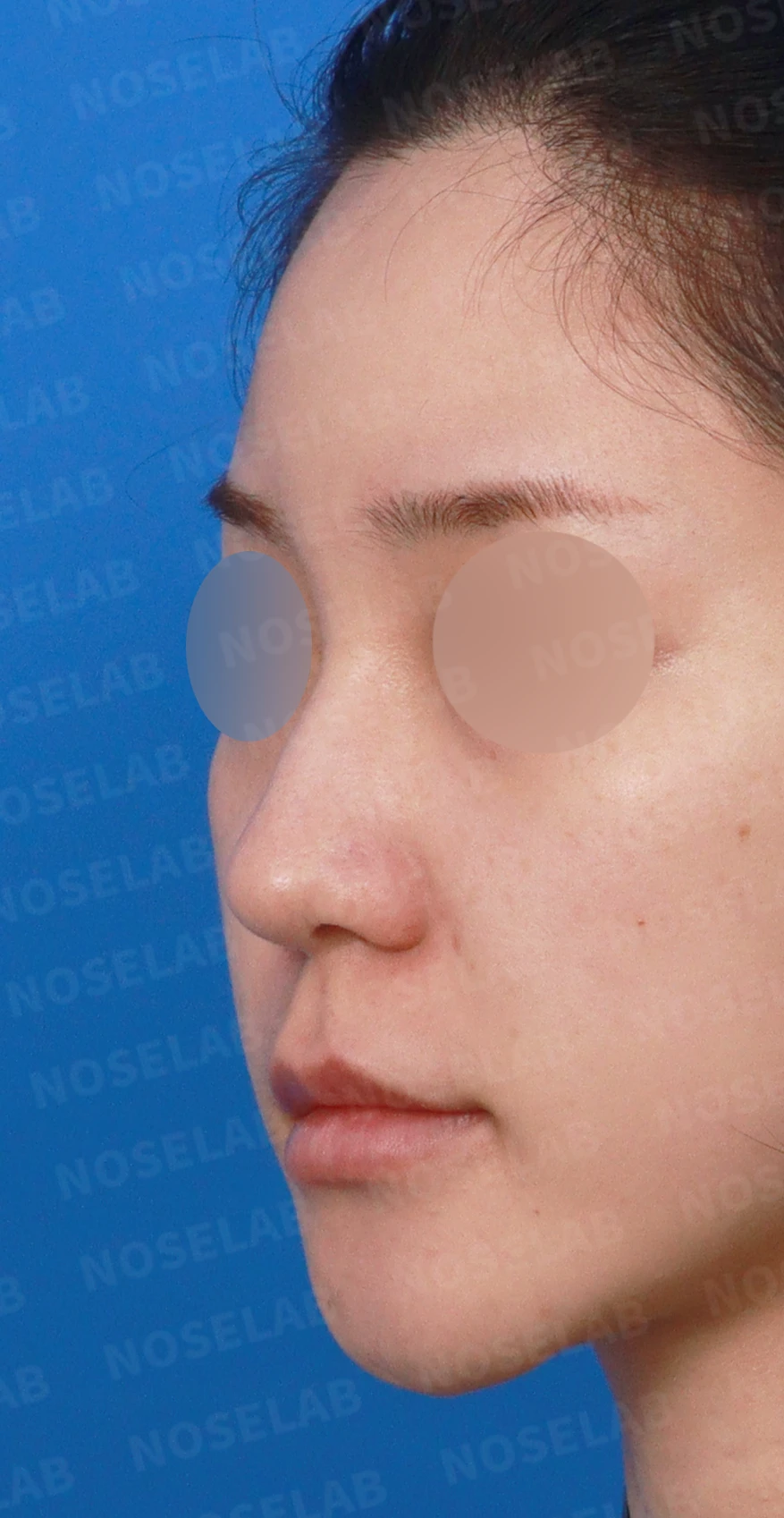
Design consultation photos: front, left profile, and oblique views
💉 Patient requests
A refined yet natural nose
A harmonious nose that complements the face
A compact, neatly defined contour
Improvement of bulbous nose
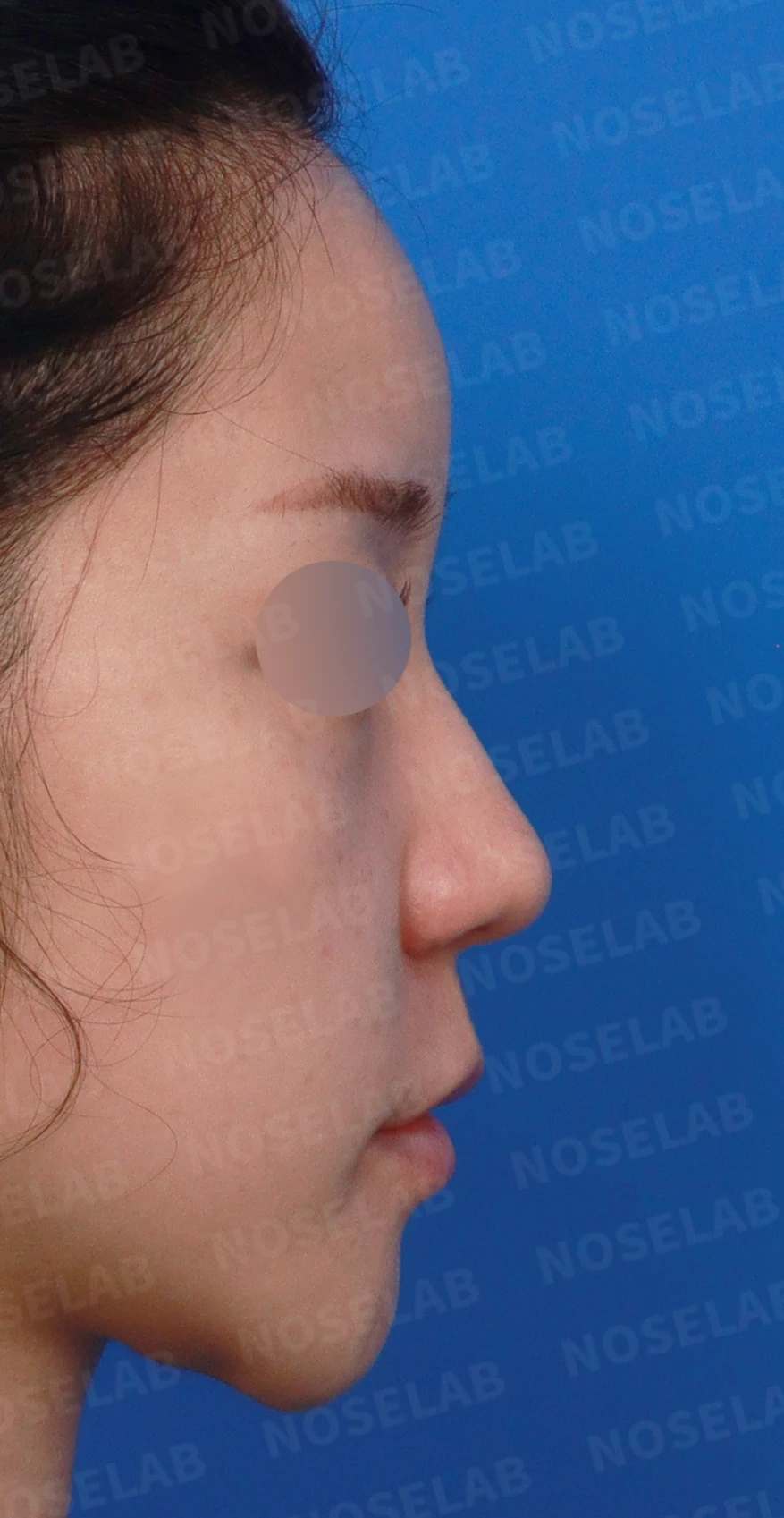
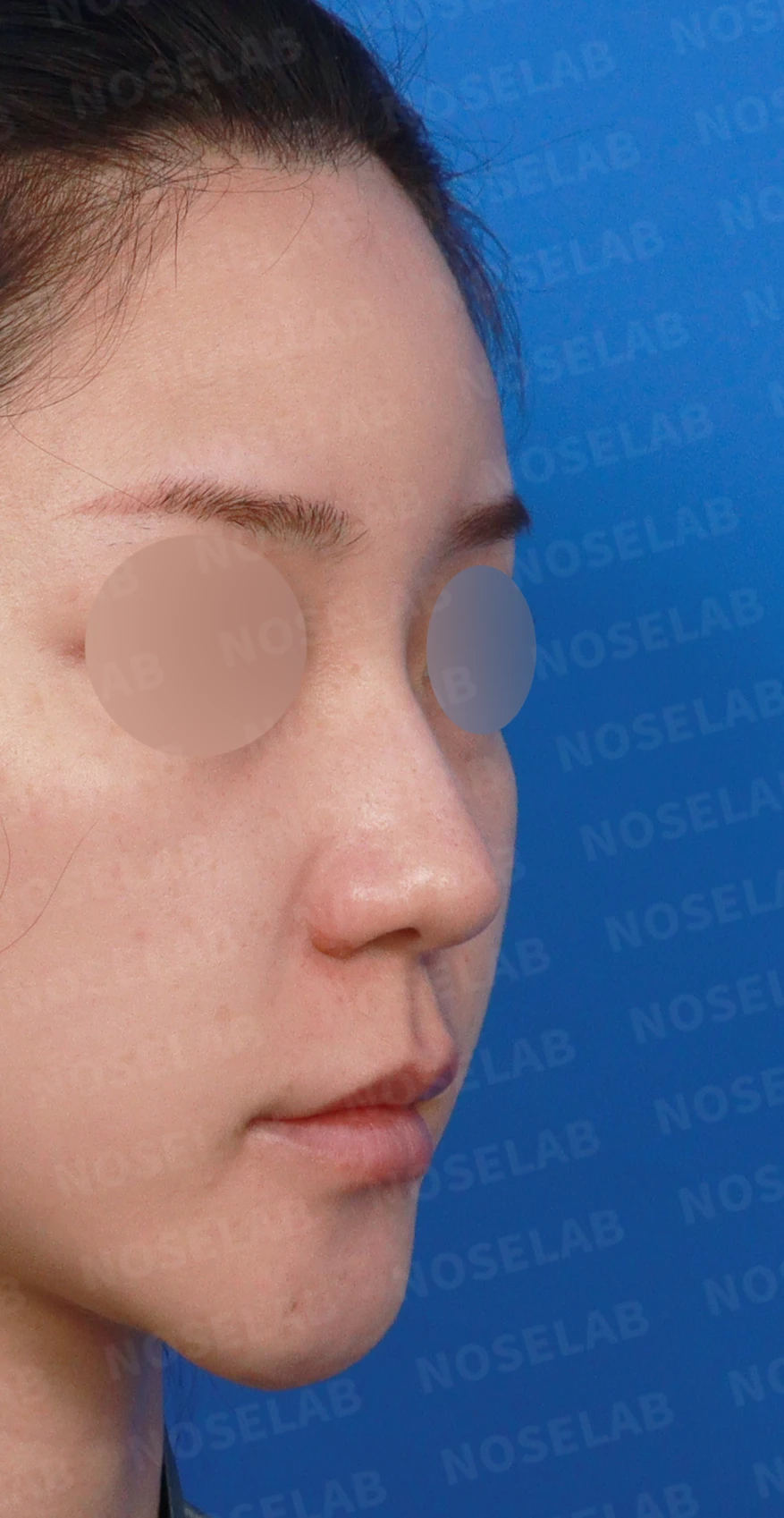
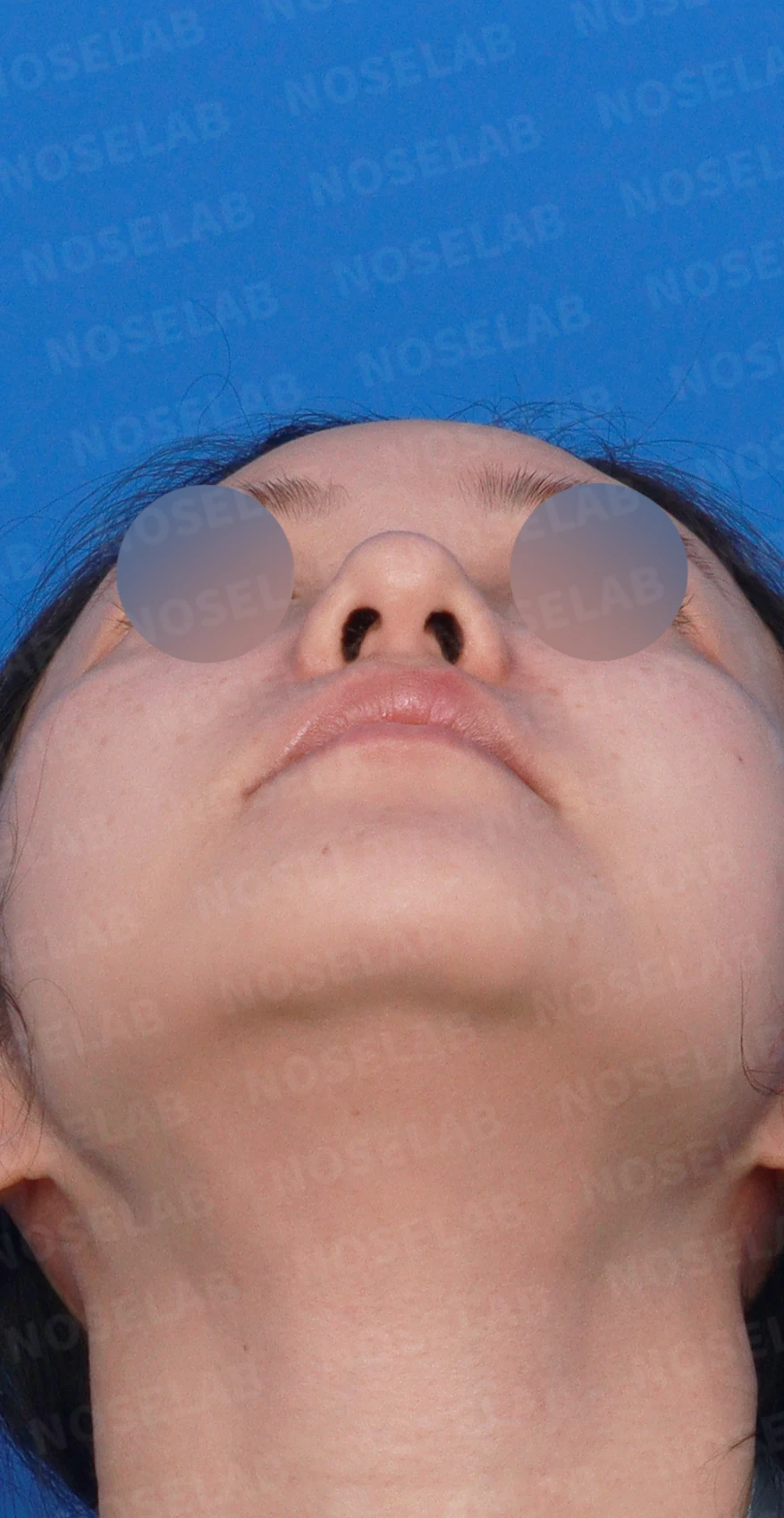
Design consultation photos: right profile, oblique, and nostril views
🔧 Surgical plan and procedure
1. Tip elevation
Reinforcing the tip support structure using autologous rib cartilage
Creating a well-defined, refined nasal tip
Correction of the drooping appearance
2. Structural approach for bulbous nose correction
Reducing some of the thick, blunt skin
Creating three-dimensional tip definition
Refining the wide, spread-out appearance into a gathered contour
3. Filler removal and septal reinforcement
Removal of existing filler
Reinforcing the septum to improve overall nasal structural support
🌟 Surgical results
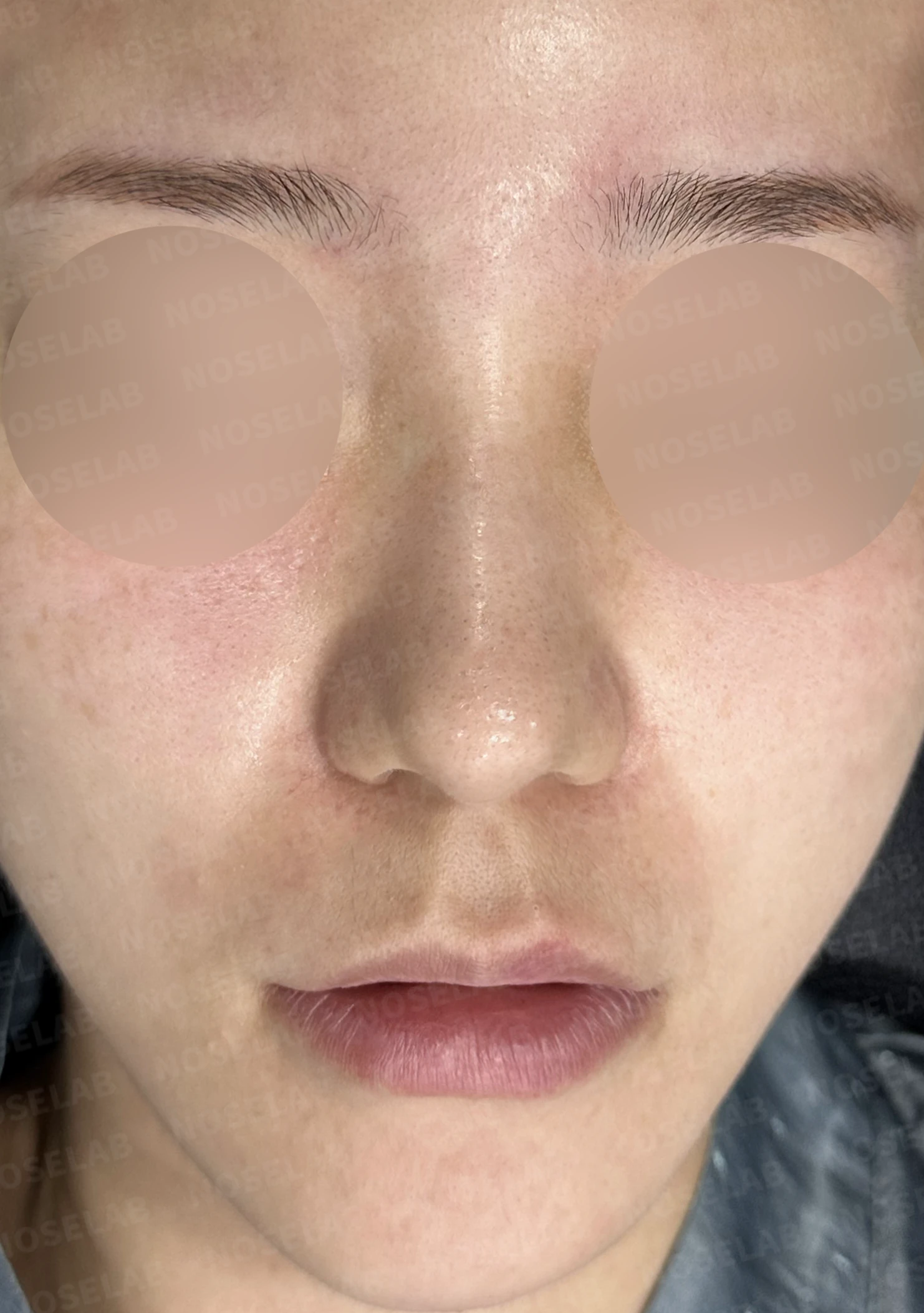
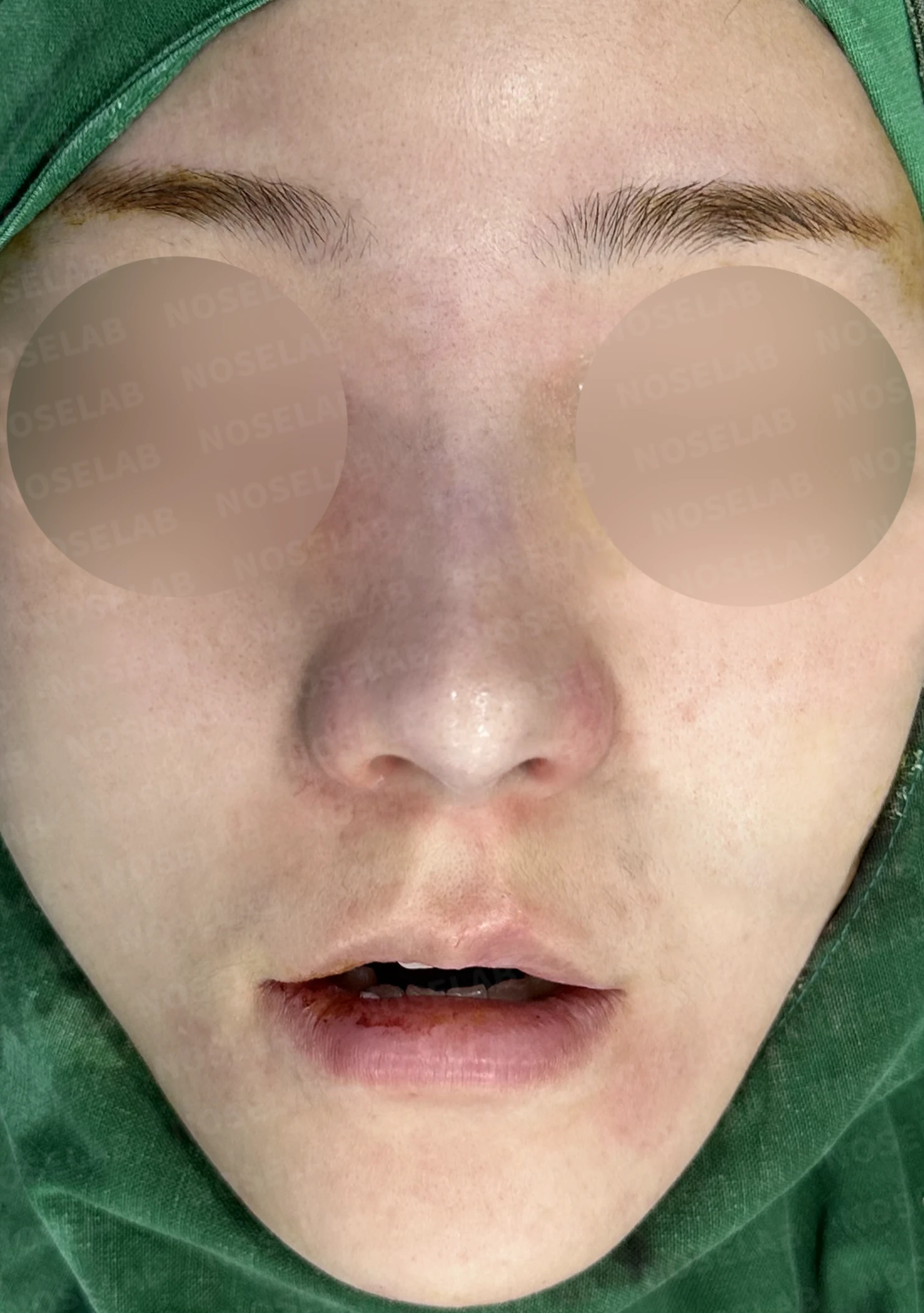
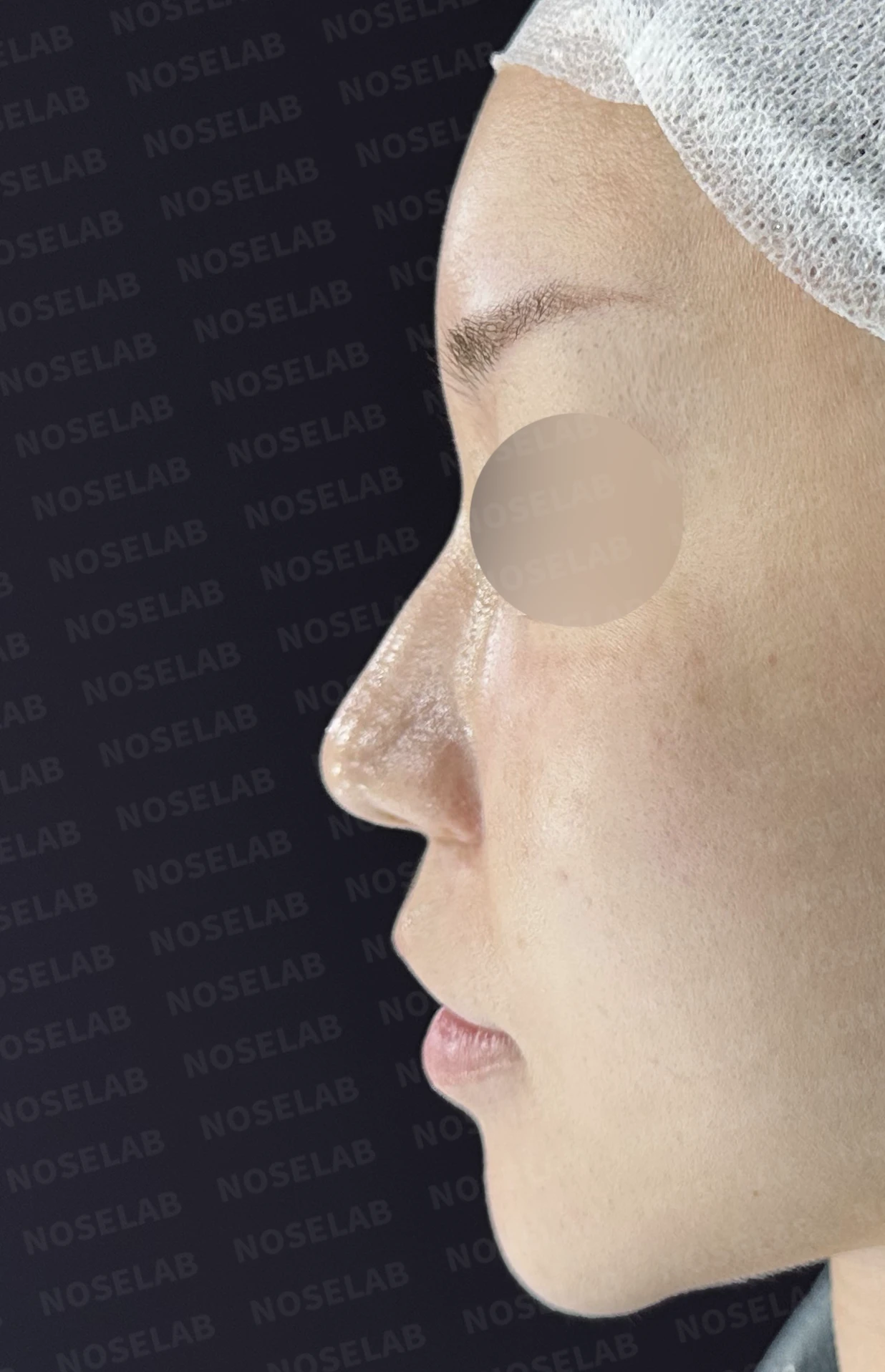
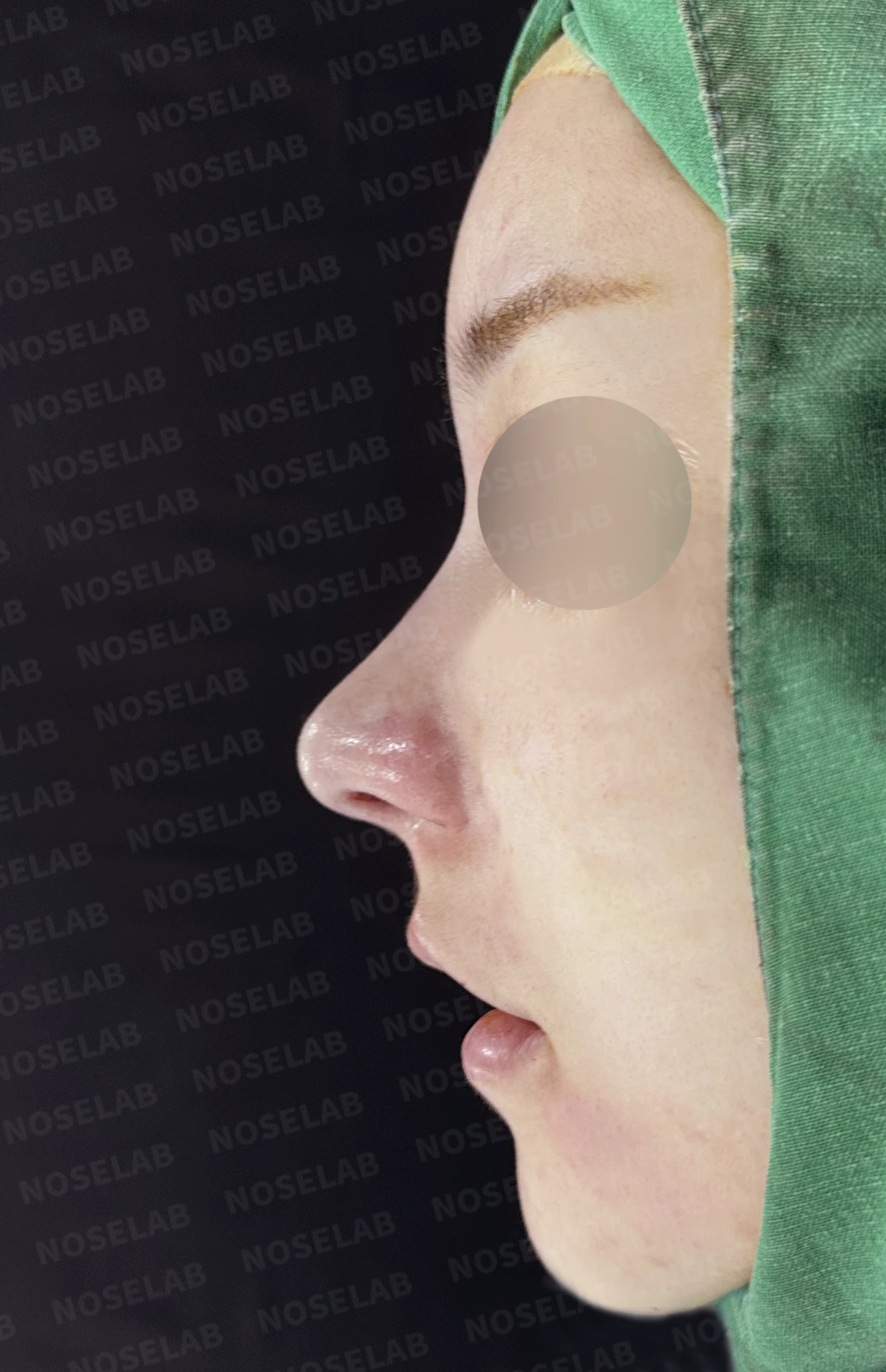
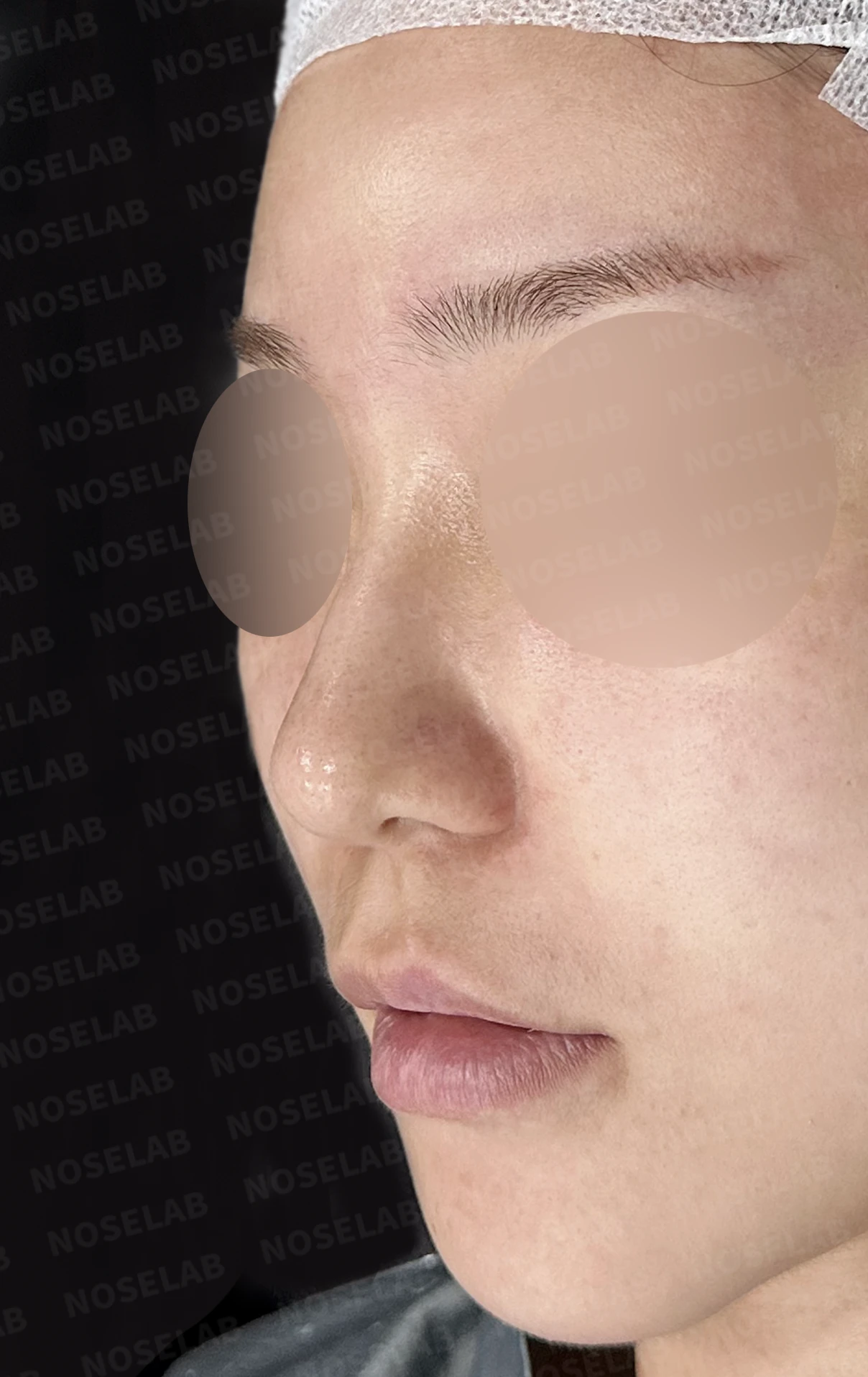
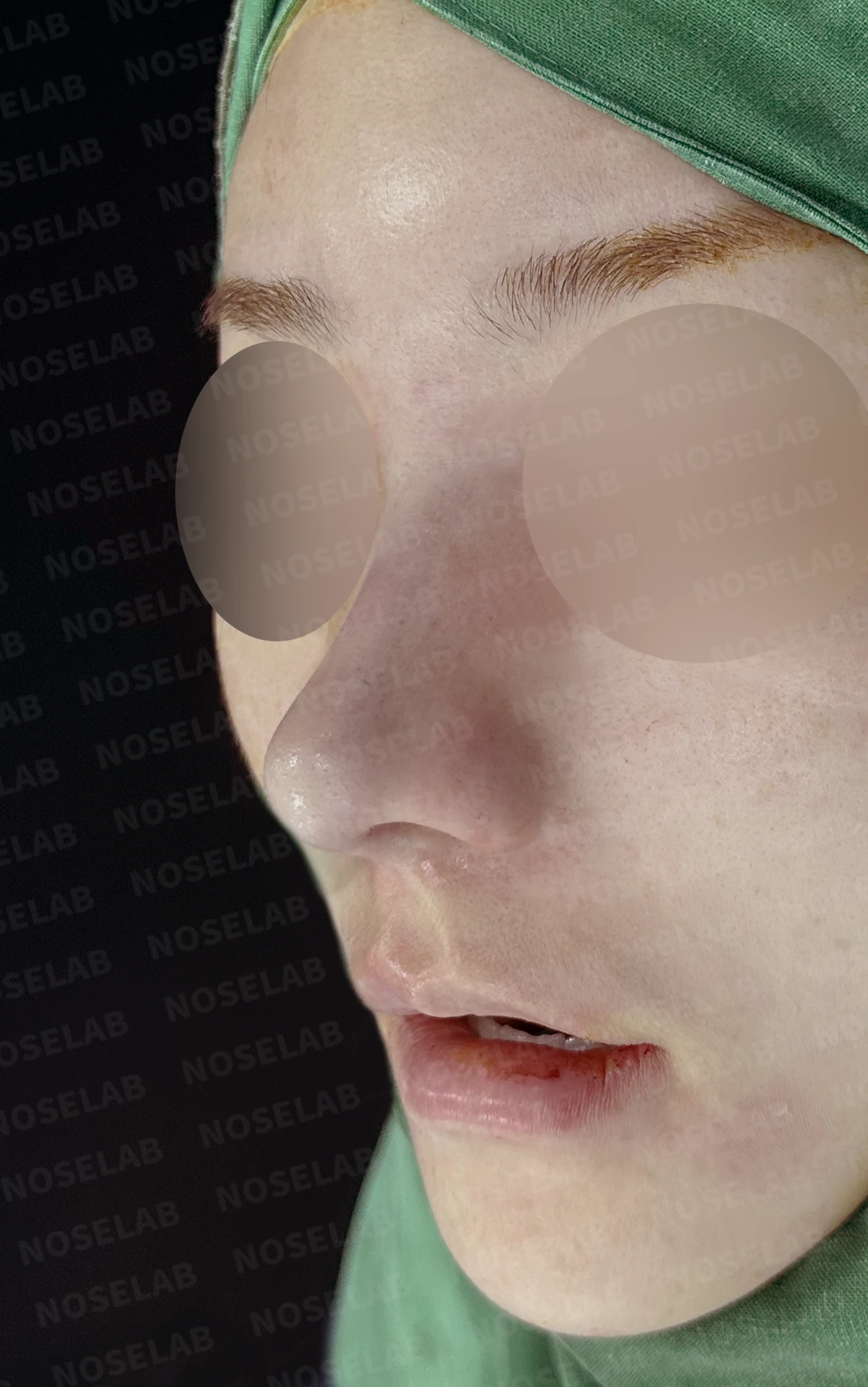
Before surgery / Day 0 immediately after surgery Photos taken immediately after surgery show swelling and may differ from the final result.
1. Frontal changes
The previously blunt nasal tip is gathered into a well-defined point
The wide bulbous nose is improved into a smaller, refined shape
A polished impression as the entire nose is neatened
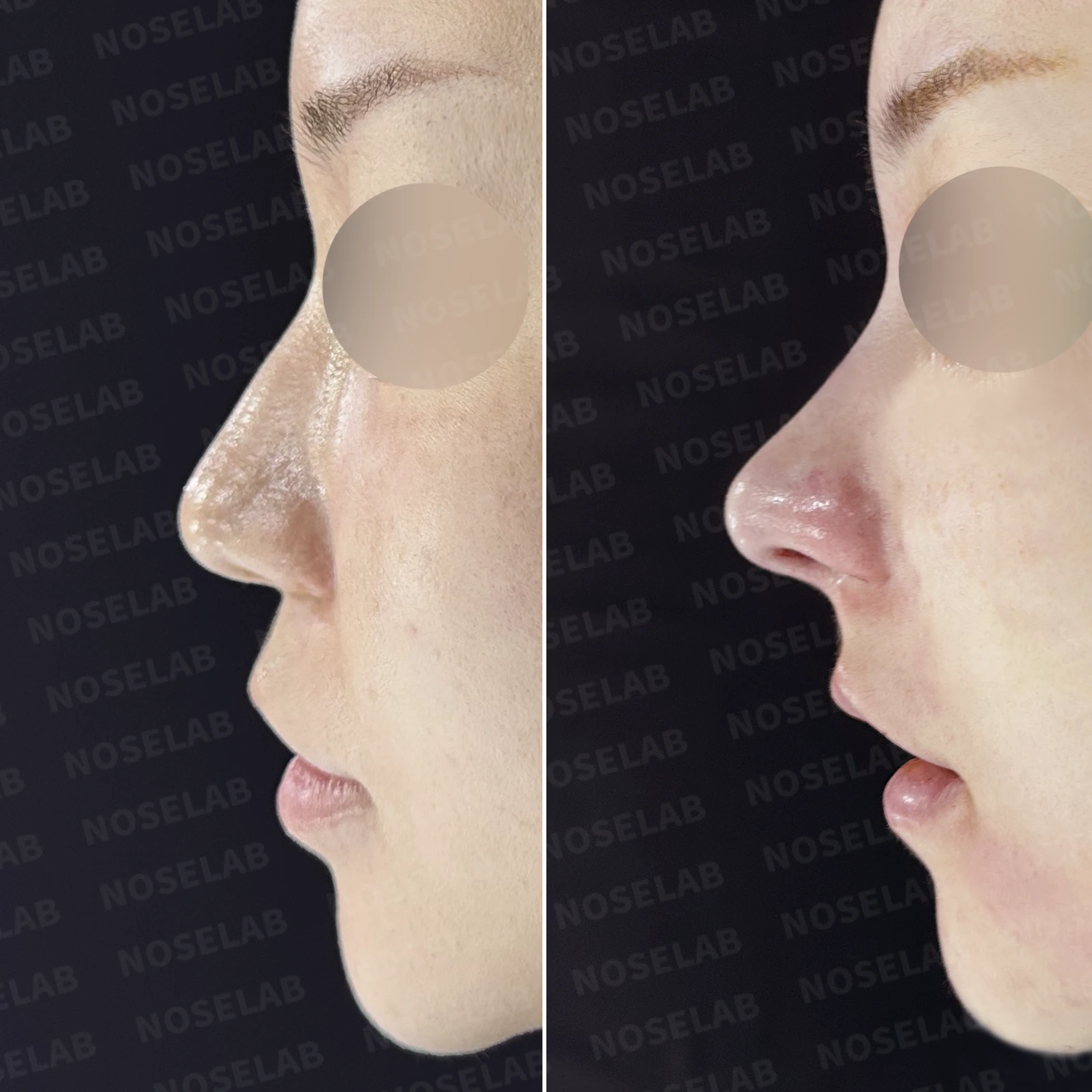
Before surgery / Day 0 immediately after surgery Photos taken immediately after surgery show swelling and may differ from the final result.
2. Profile changes
Enhanced definition as the drooping tip is lifted
Achieving a well-defined yet natural nasal line
A profile silhouette in harmony with the overall face
Before surgery / Day 0 immediately after surgery Photos taken immediately after surgery show swelling and may differ from the final result.
3. Nostril changes
The blunt nasal tip is neatly refined
Balanced nostril shape
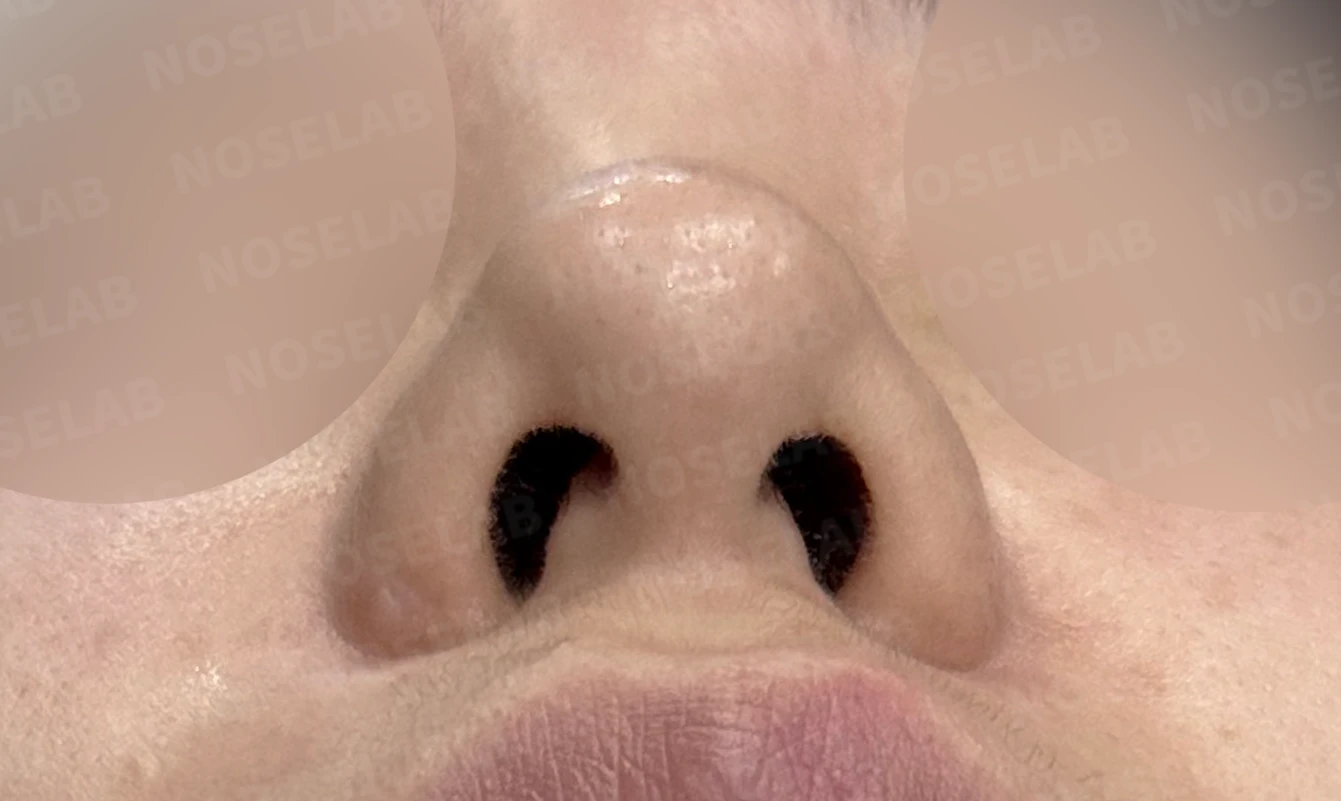
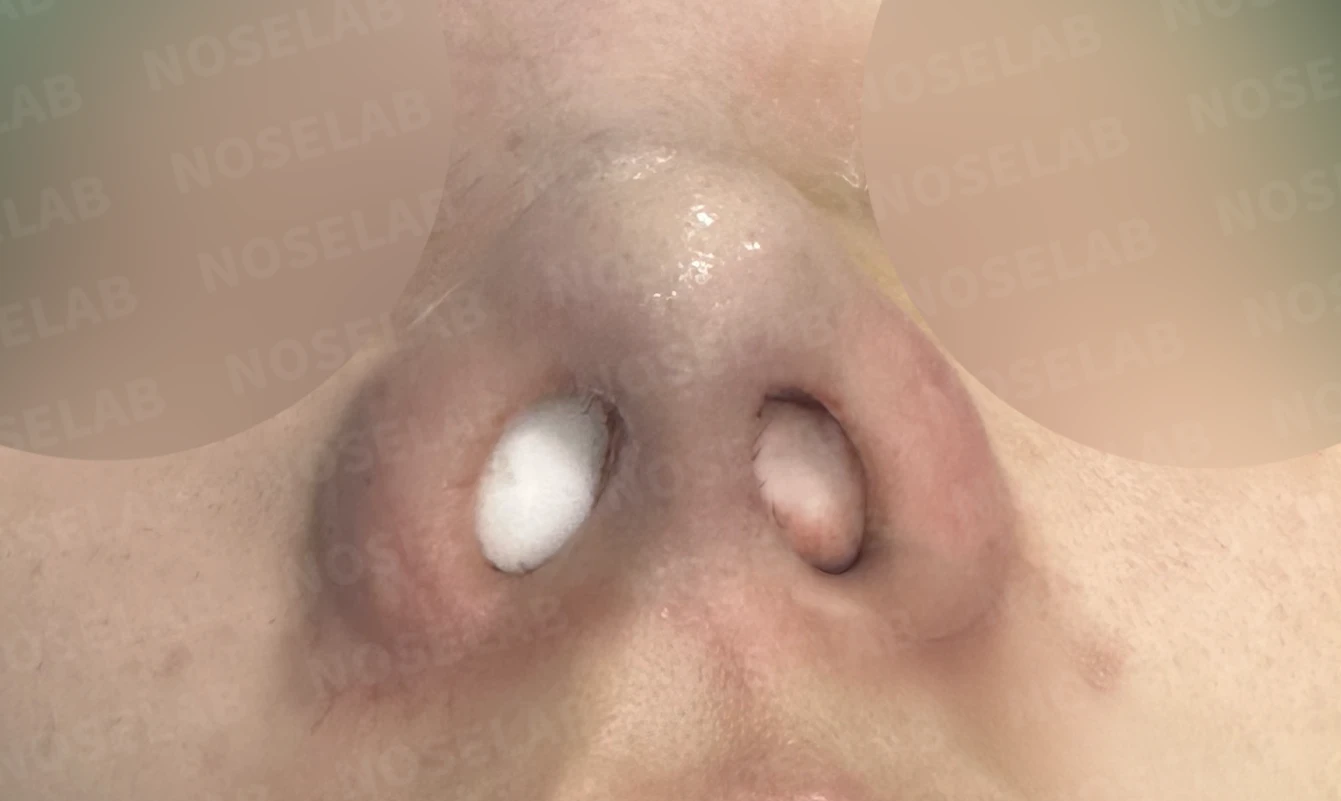
Before surgery / Day 0 immediately after surgery Photos taken immediately after surgery show swelling and may differ from the final result.
💡 Specialist opinion
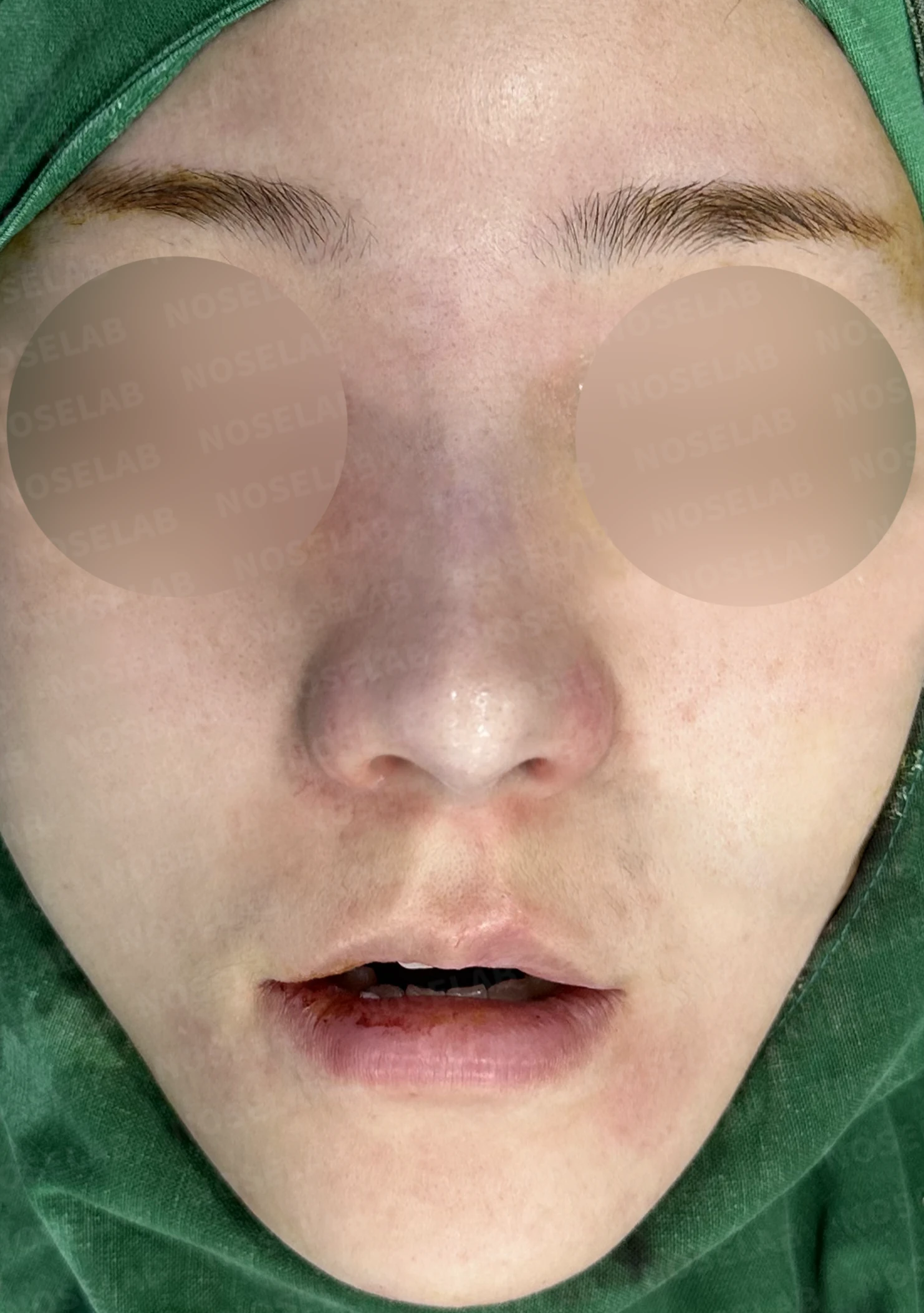
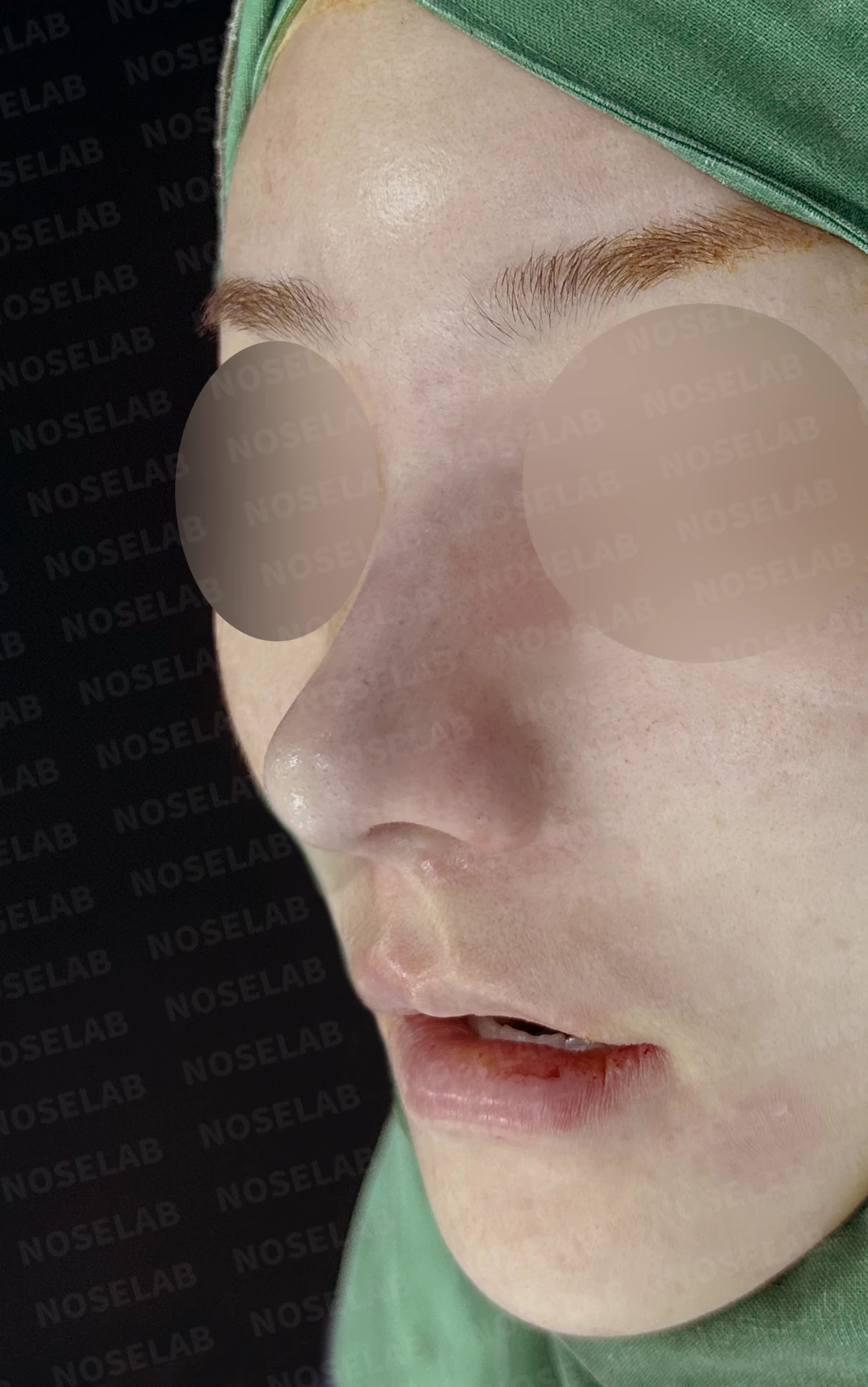
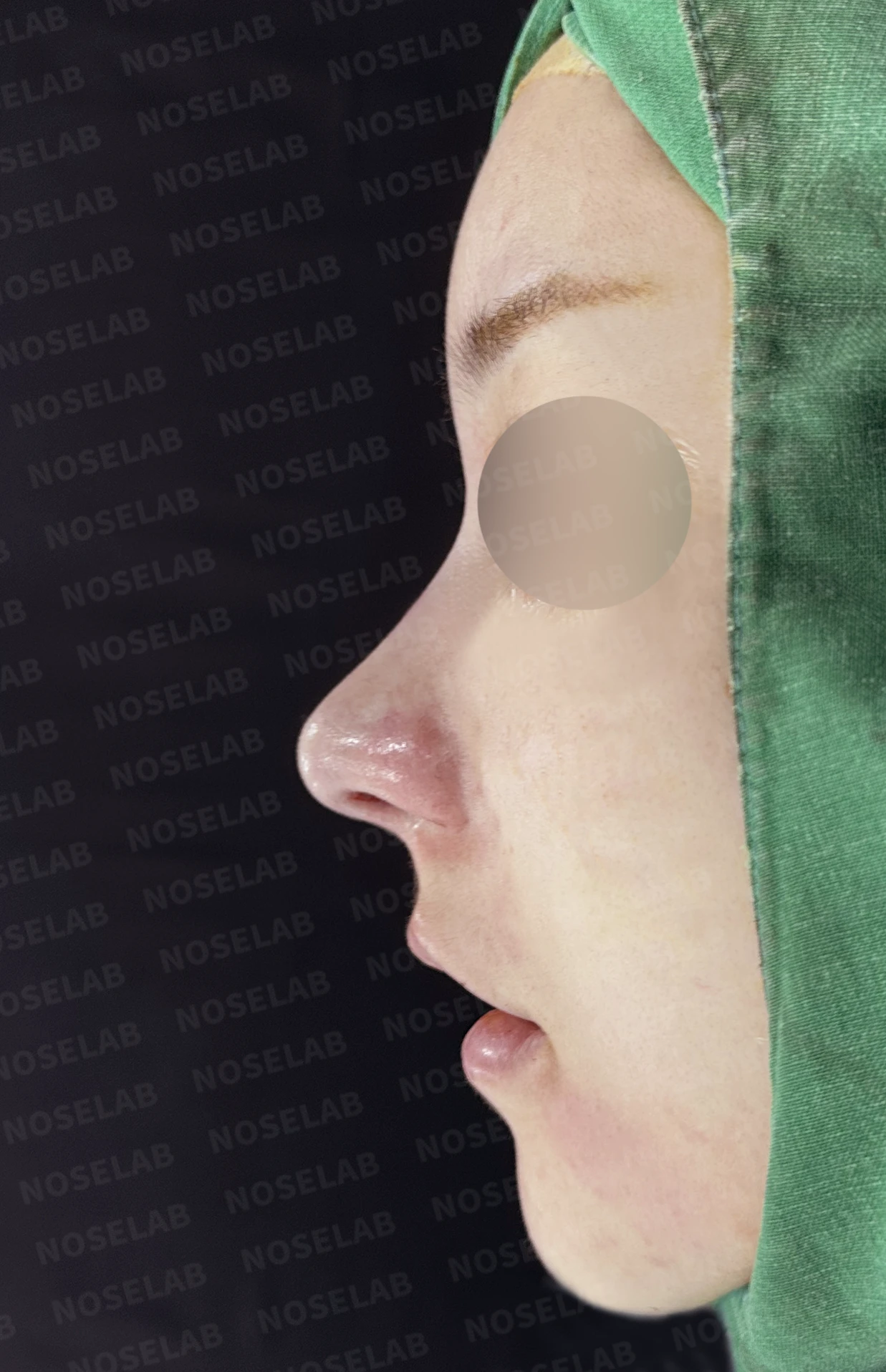
Day 0 immediately after surgery: front, oblique, and profile viewsPhotos taken immediately after surgery show swelling and may differ from the final result.
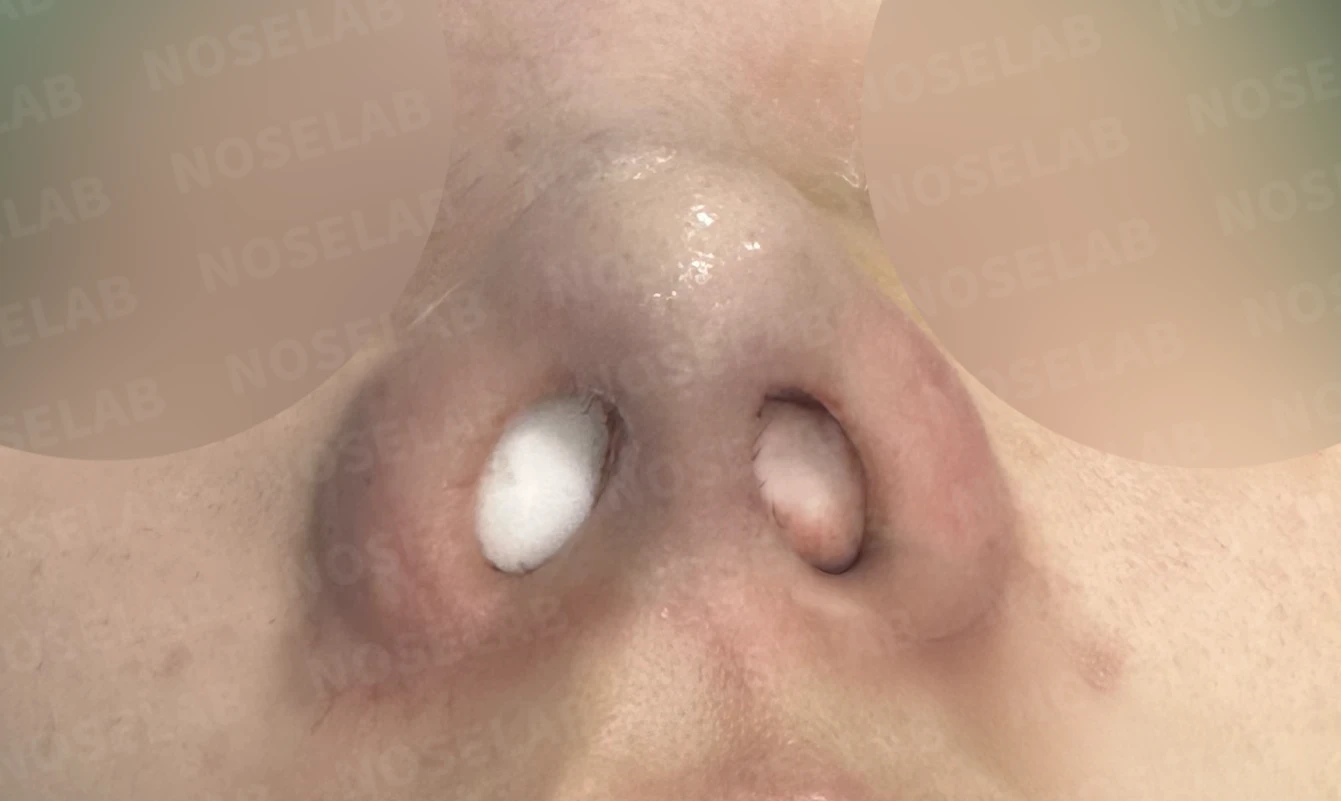
Day 0 immediately after surgery: nostril viewPhotos taken immediately after surgery show swelling and may differ from the final result.
The most important aspect of bulbous nose correction is not simply raising the nasal tip, but properly managing skin thickness and soft tissue to create three-dimensional definition. In this type of case, we reduced some of the thick skin and added definition to the tip, correcting both the drooping look and the bulbous appearance together.
Immediately after surgery, the nose may appear intentionally slightly overcorrected. This is because the height naturally settles as tissues stabilize and swelling resolves over time. Anticipating the final outcome and setting the initial height slightly higher is key to maintaining a pleasing nasal shape over the long term.
We were able to achieve the neat, compact contour the patient desired. The core of bulbous nose correction is not making the nose bigger, but making it look refined and balanced.
I hope this case is helpful to those concerned about a bulbous nose or troubled by a blunt, wide nasal shape. This was Medical Director Dr. Peter C. Kang. Thank you.
#closedrhinoplasty #closedrevisionrhinoplasty #bulbousnosecorrection #bluntnose #tipplasty #autologousribcartilage #femalerhinoplasty #naturalrhinoplasty

Limitations and risks
When autologous rib cartilage is used, scarring and pain may remain at the donor site on the chest, and pneumothorax (pleural injury) can occur rarely. Over time, the grafted cartilage may warp or undergo partial resorption.
When foreign materials such as injected fillers are removed and reconstructed, contracture may recur, nasal height and length may decrease, and staged surgery may be necessary depending on the skin condition.
When the septum is corrected at the same time, nasal obstruction may persist or recur, and in rare cases, septal perforation or changes in smell may occur.
Common potential risks include infection, bleeding, asymmetry, scarring, skin necrosis, and insufficient improvement; results vary depending on individual skin condition and previous surgical history.