Hello, I am Dr. Peter C. Kang.
Today, I would like to introduce a rhinoplasty case of a male patient whose low nose was improved to look natural yet defined, matching his facial proportions.
🔍 Surgical history
In cases like this, the patient had a history of previous nasal procedures and surgeries.
Childhood: Surgery for a nasal bone fracture
Approximately 3 to 4 years ago: Nasal bridge filler injection to raise a low nose
About 1.5 years ago: additional filler procedure
Before the filler procedures, the patient's nose was so low that the glabella area was hardly visible.
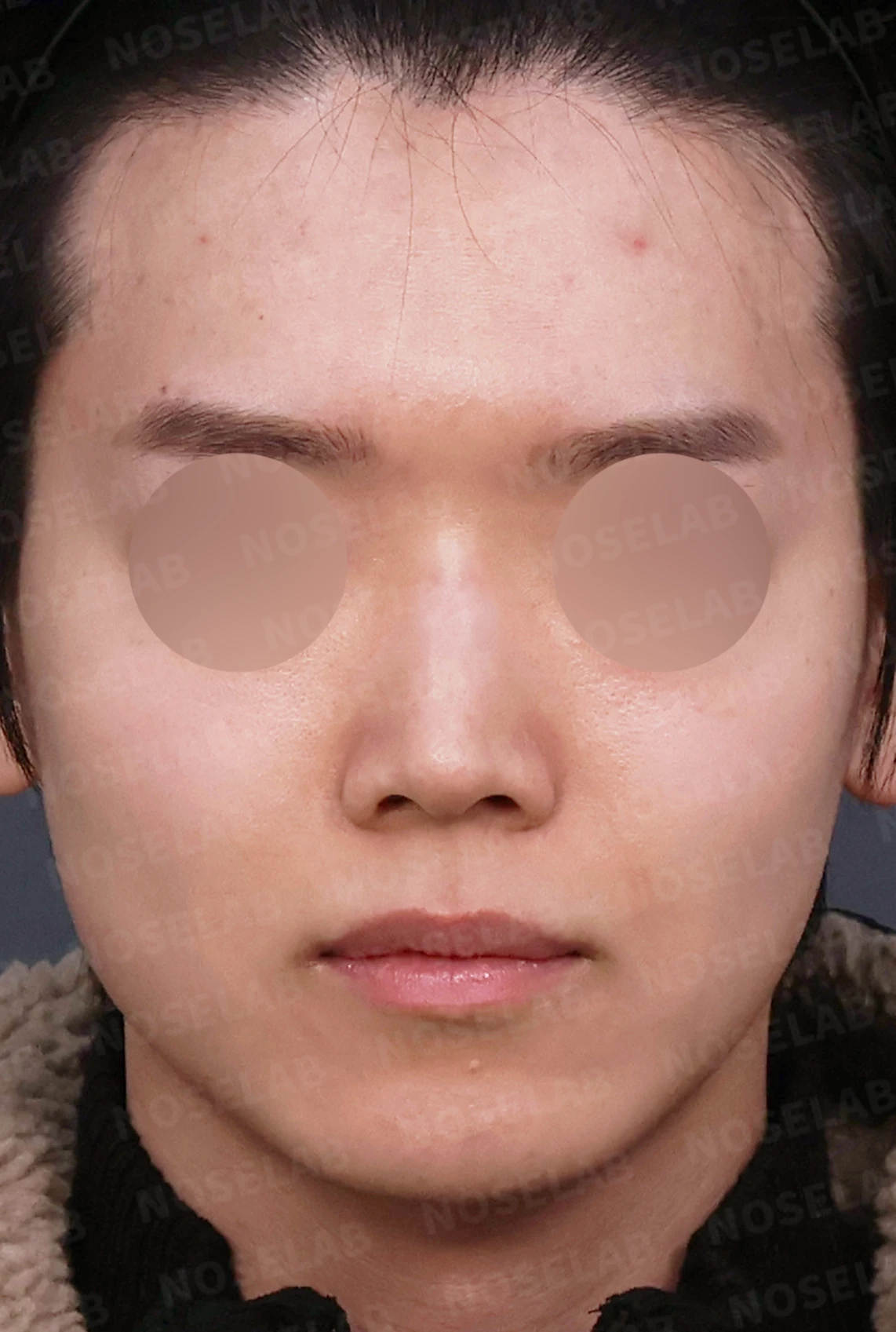
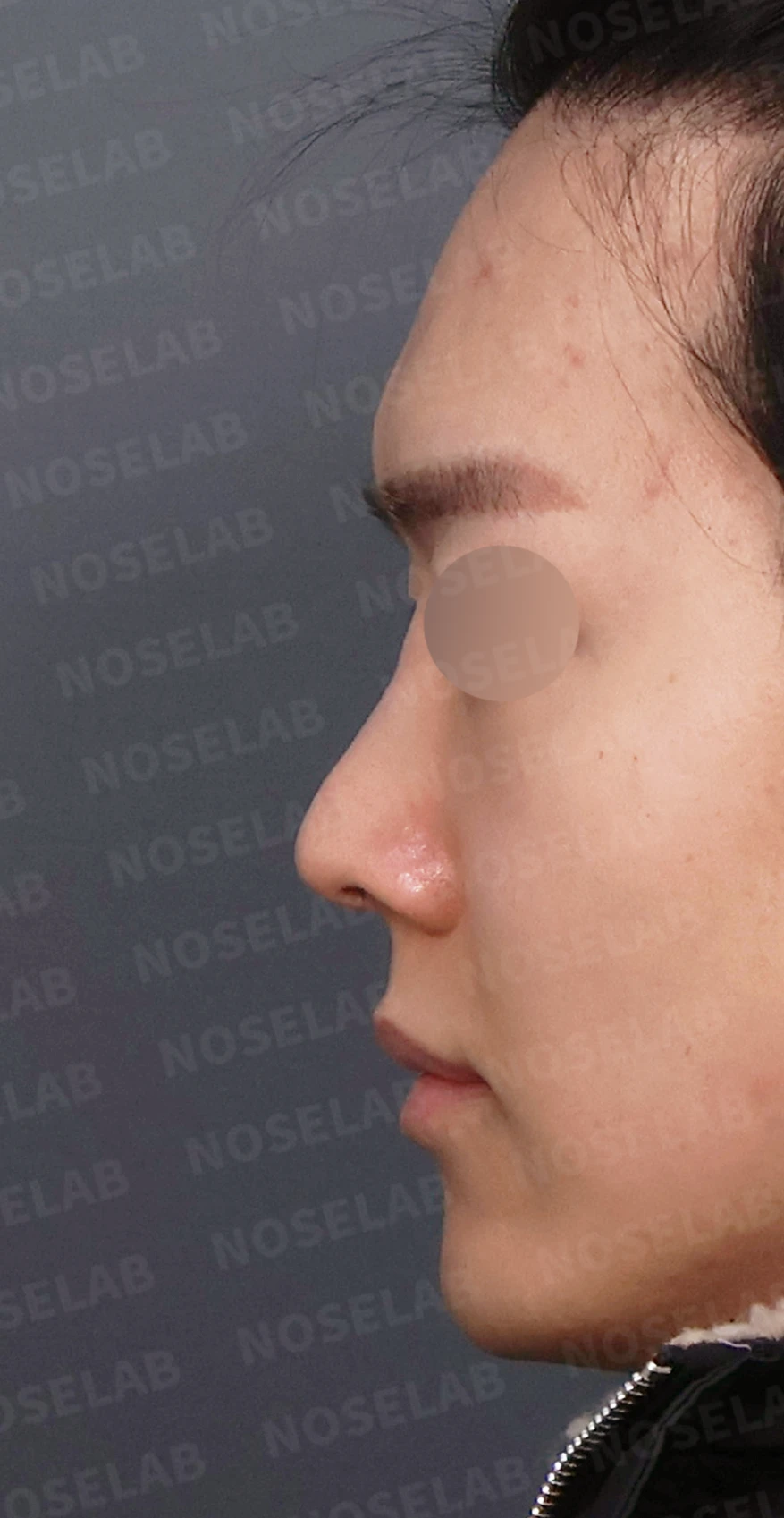
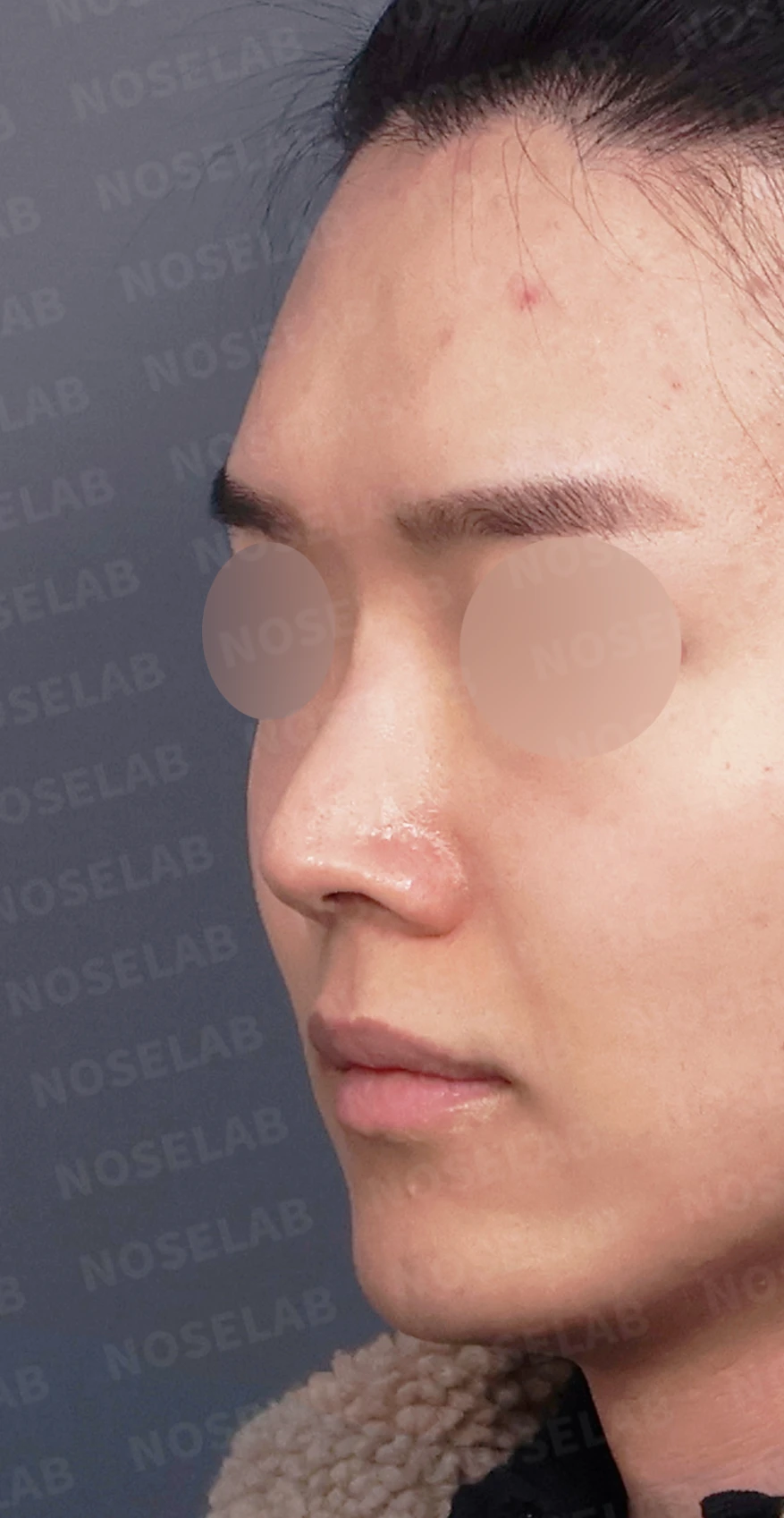
Front, left profile, and oblique views during design consultation.
💉 Patient requests
When the patient visited our clinic for consultation, the requests were as follows:
Desire to raise the low nose
Did not want an overly sharp tip
Preference for a straight bridge line
Preference for autologous rib cartilage
A natural nose in harmony with the face
In particular, the patient wanted a natural yet defined nose suited to his facial proportions without looking excessive.
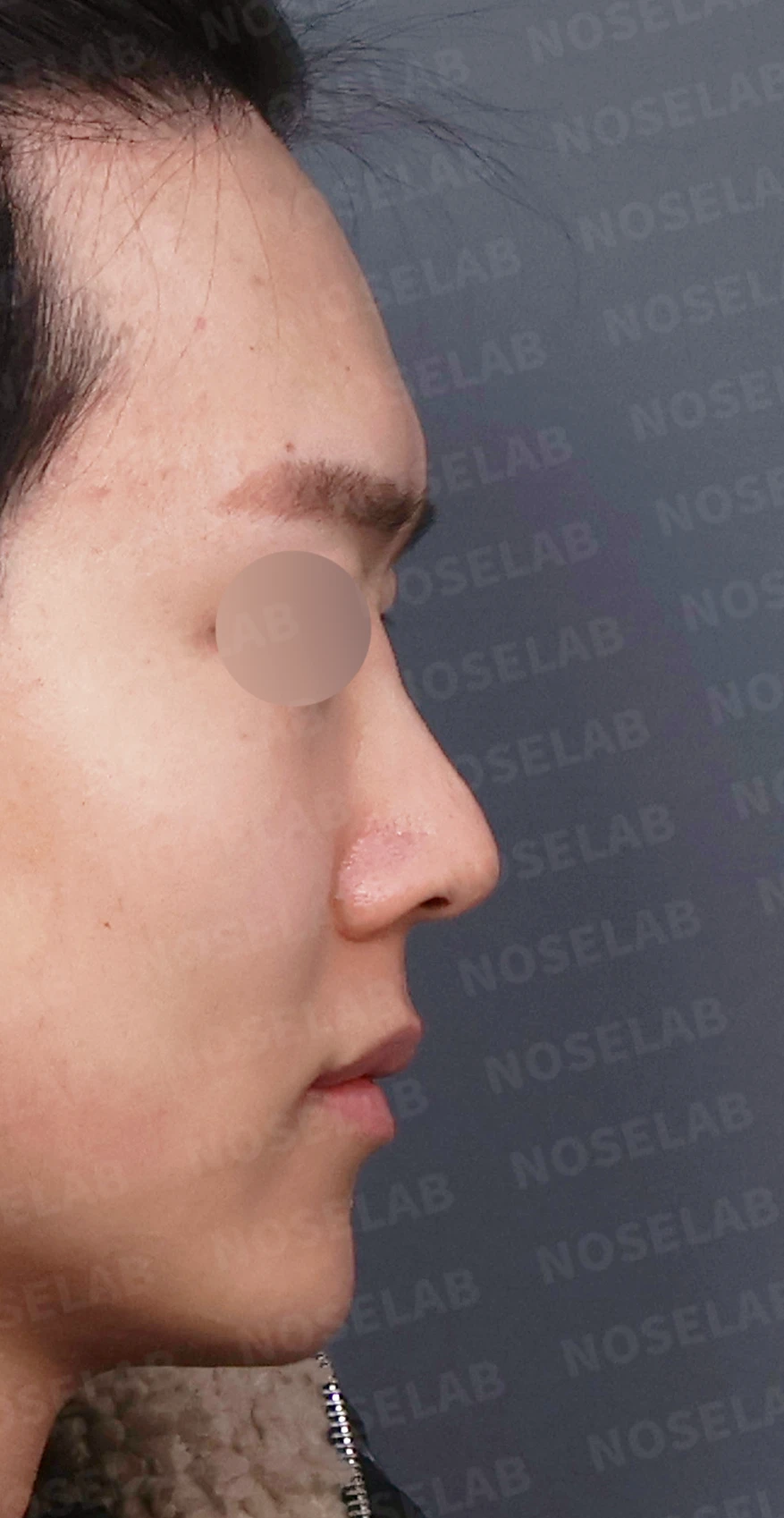
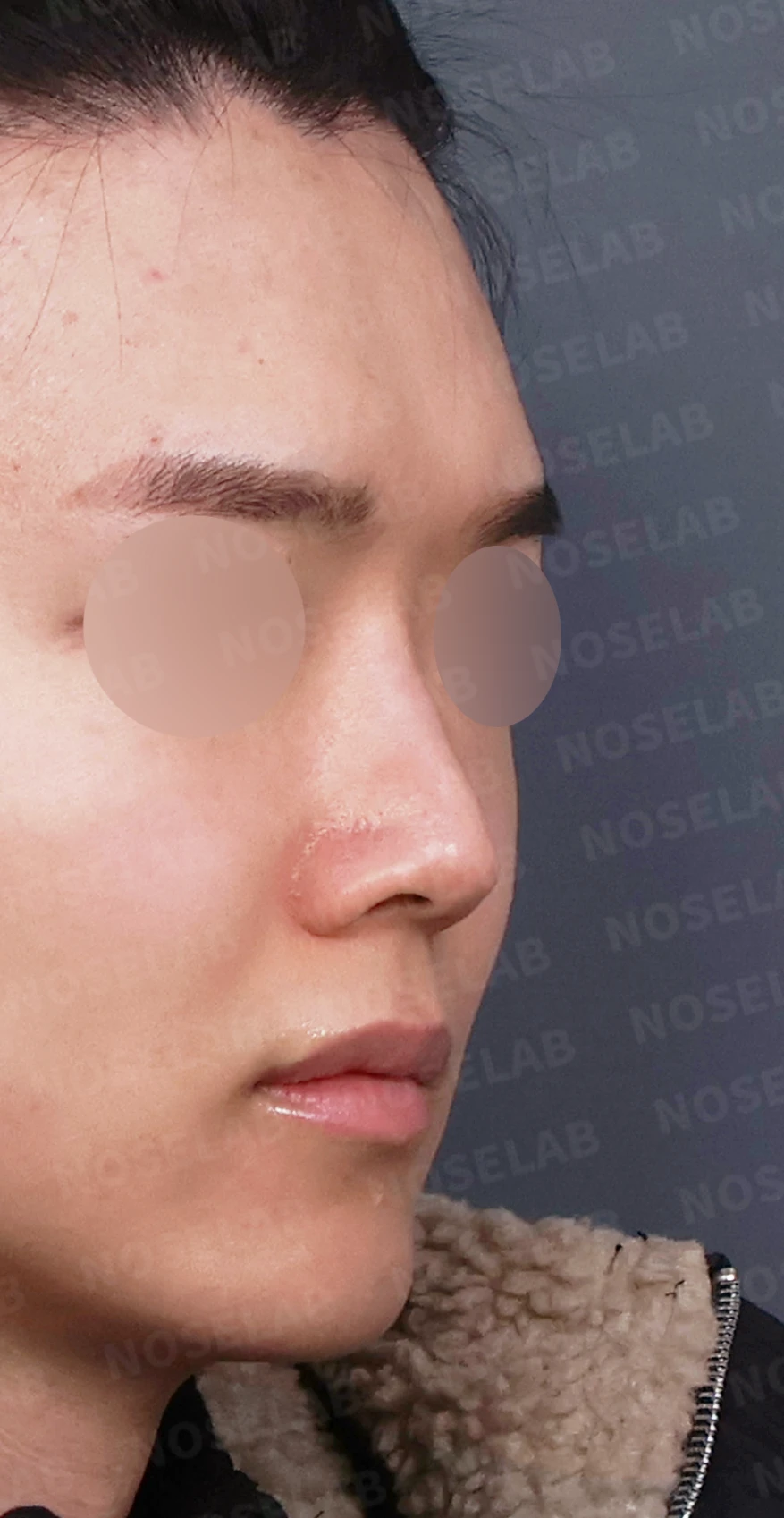
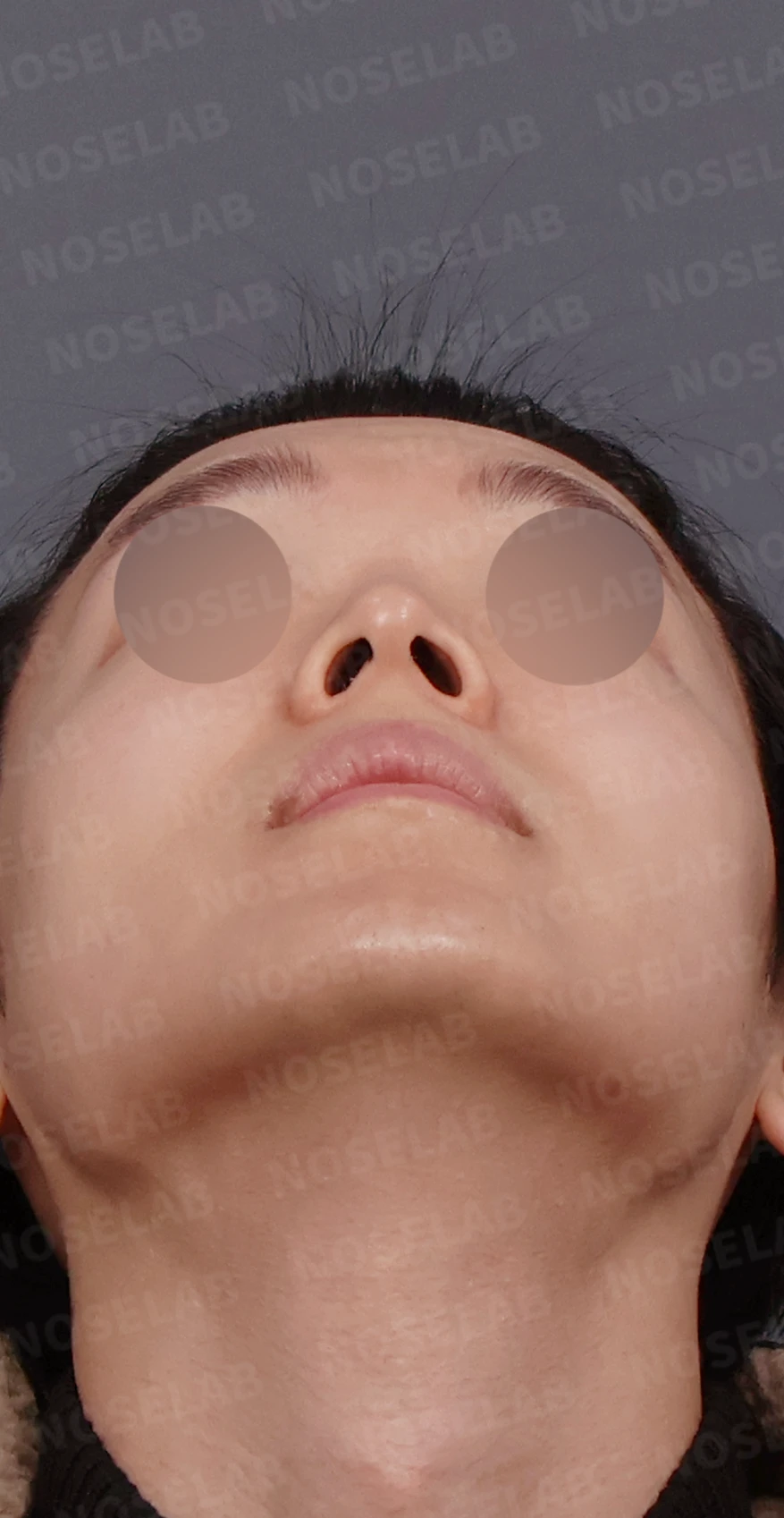
Right profile, oblique, and nostril views during design consultation.
🔧 Surgical plan and procedure
By analyzing the patient's requests and facial proportions, a surgical plan was established to achieve a natural yet defined aesthetic.
1. Removal of foreign material from the nasal bridge
Complete removal of previously injected foreign materials such as filler
Preparing to build a new structure on a clean foundation
2. Nasal tip plasty using autologous rib cartilage
Use of autologous rib cartilage as the primary material, as requested by the patient
Elevating the nasal tip cleanly for a defined, dramatic contour
Natural nasal tip shape without being overly sharp
Long-term shape maintained with stable structural support
3. Custom-carved silicone implant
Silicone implant precisely carved to fit the patient's nasal bone contours
Creation of a smooth, straight nasal bridge line
Securing adequate height suited to facial proportions
4. Correction of nasolabial angle
Adjustment of the angle between the nose and the lips
Refined profile silhouette achieved
Improvement in overall facial balance
5. Surgery to correct nasal obstruction
Resolution of functional discomfort
Securing comfortable breathing
Simultaneous achievement of aesthetic and functional improvement
🌟 Surgical results
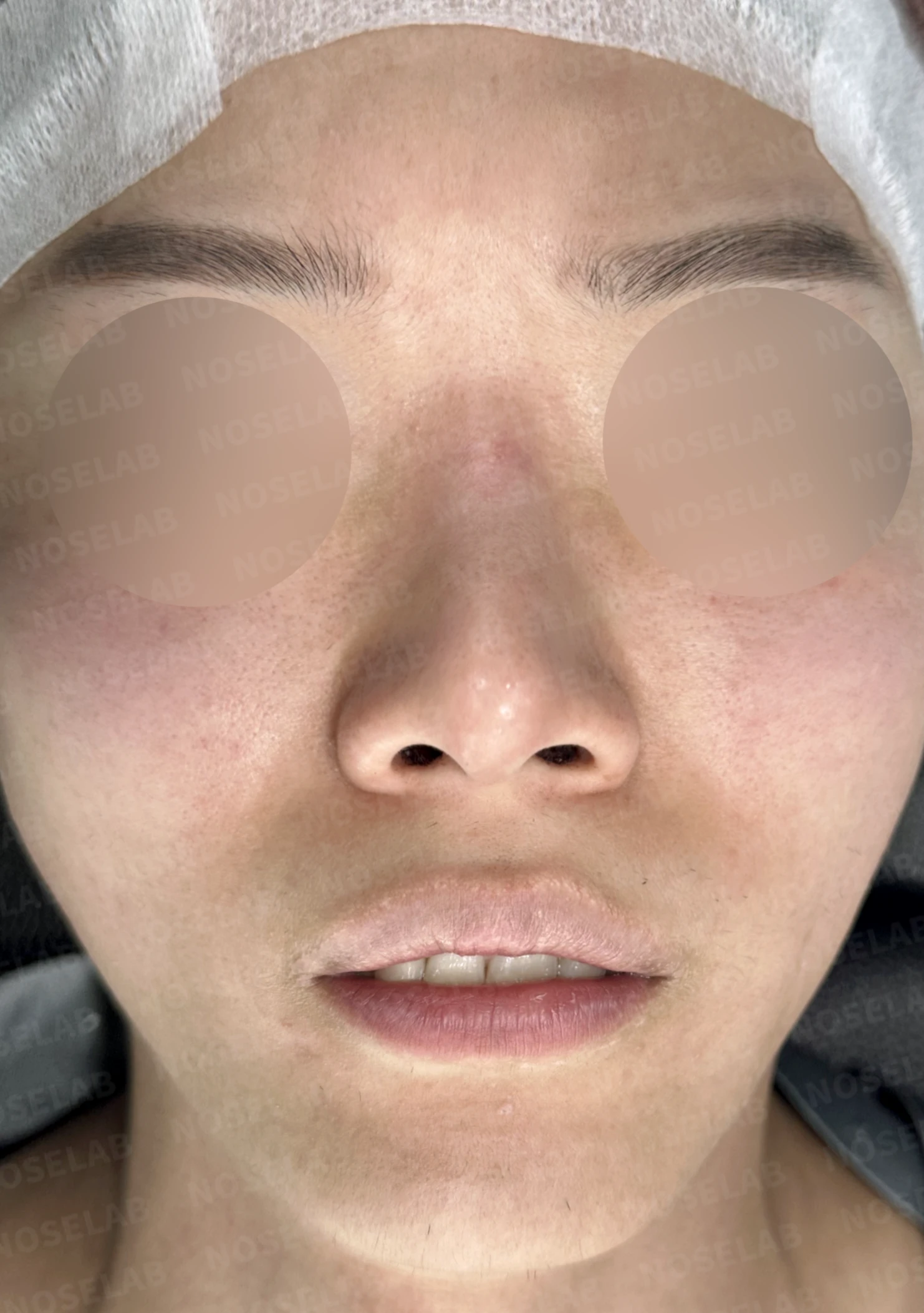
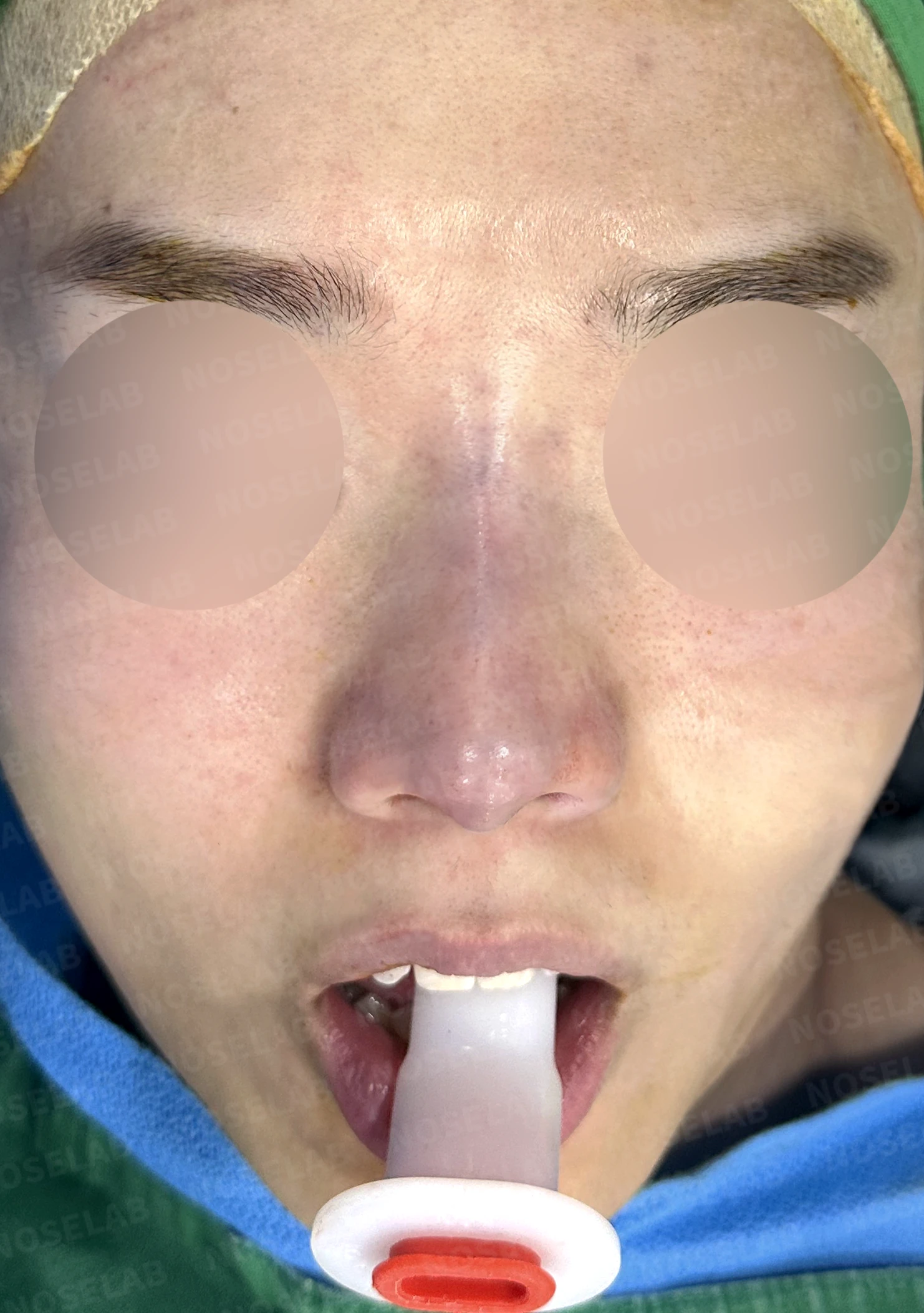
Before surgery / Day 0 immediately after surgery Photos taken immediately after surgery show swelling and may differ from the final result.
Front view changes:
The previously low nose was elevated in proportion to the face
Overall refined and glamorous impression
A natural shape in harmony with the face
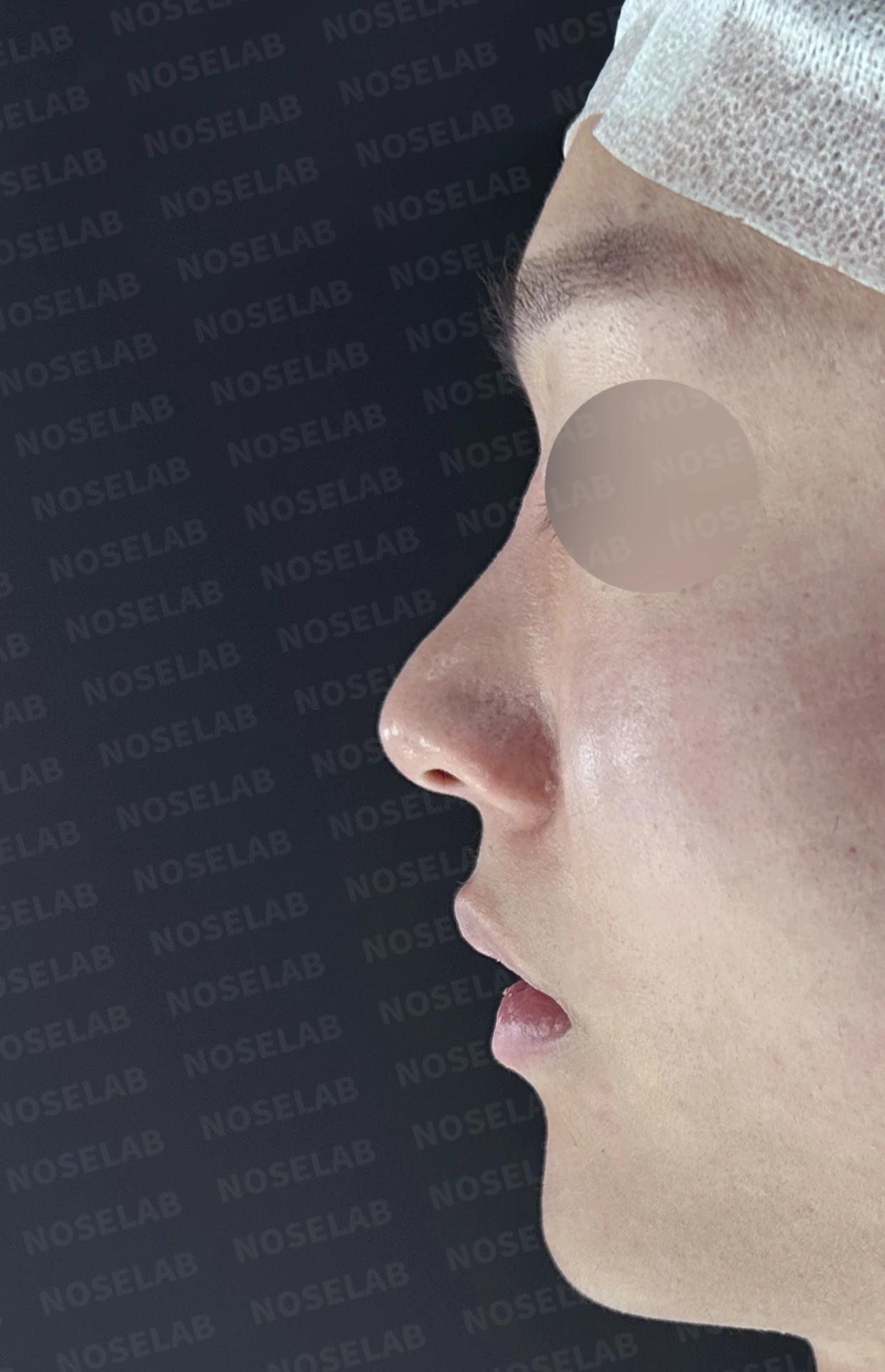
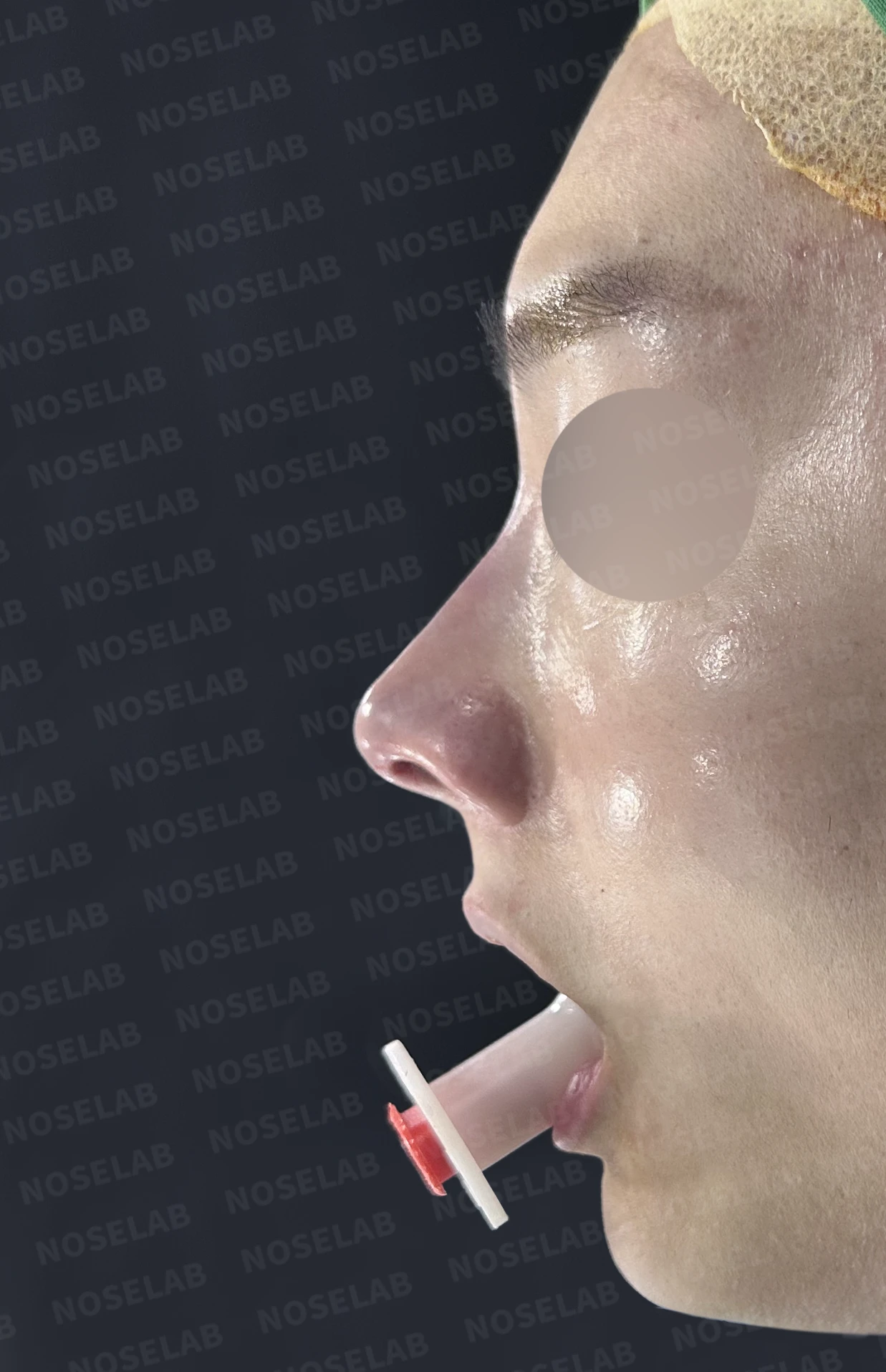
Before surgery / Day 0 immediately after surgery Photos taken immediately after surgery show swelling and may differ from the final result.
Profile view changes:
Creation of a smooth, straight nasal bridge line
A well-projected, natural tip shape that is not overly sharp
A refined profile through nasolabial angle correction
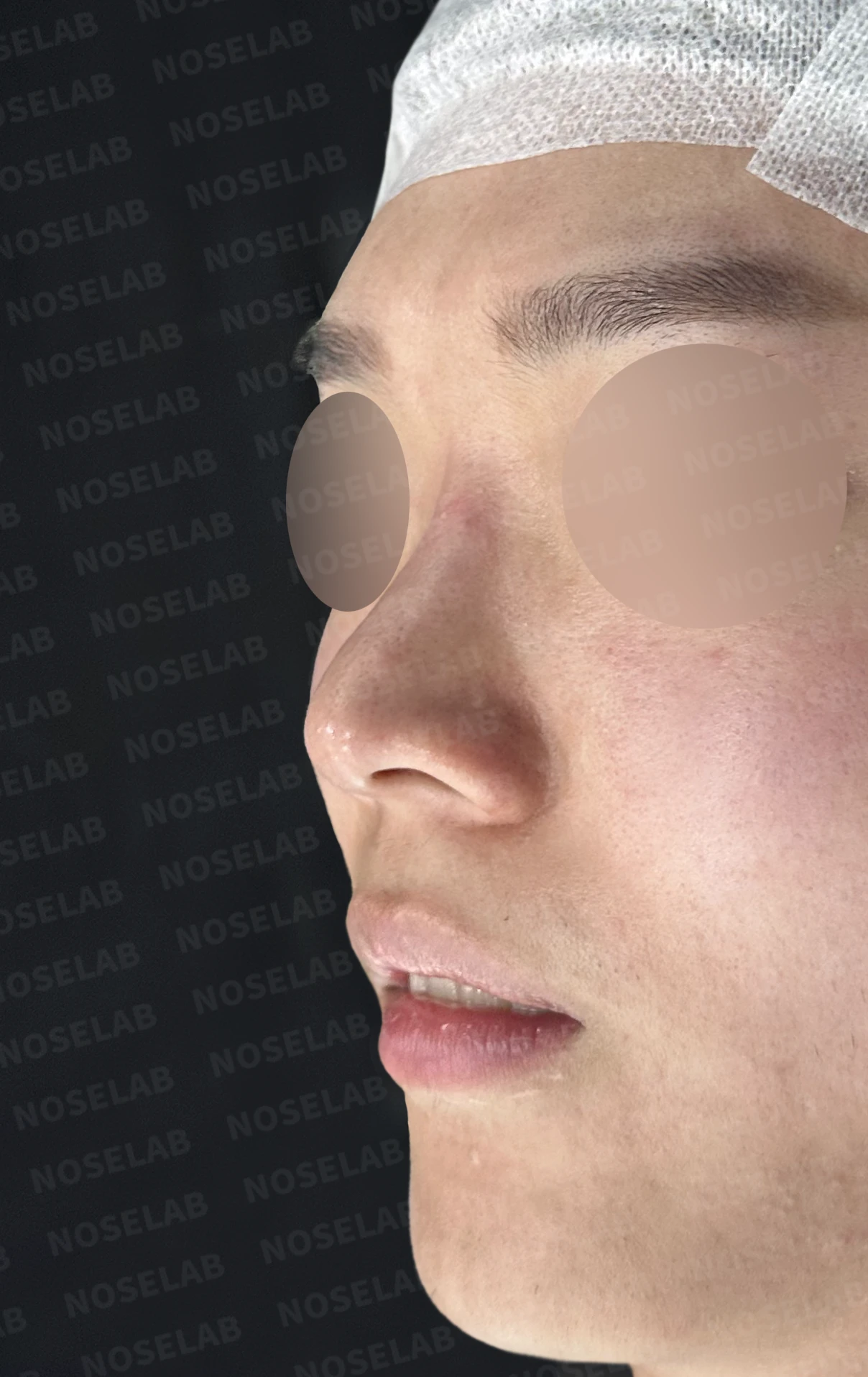
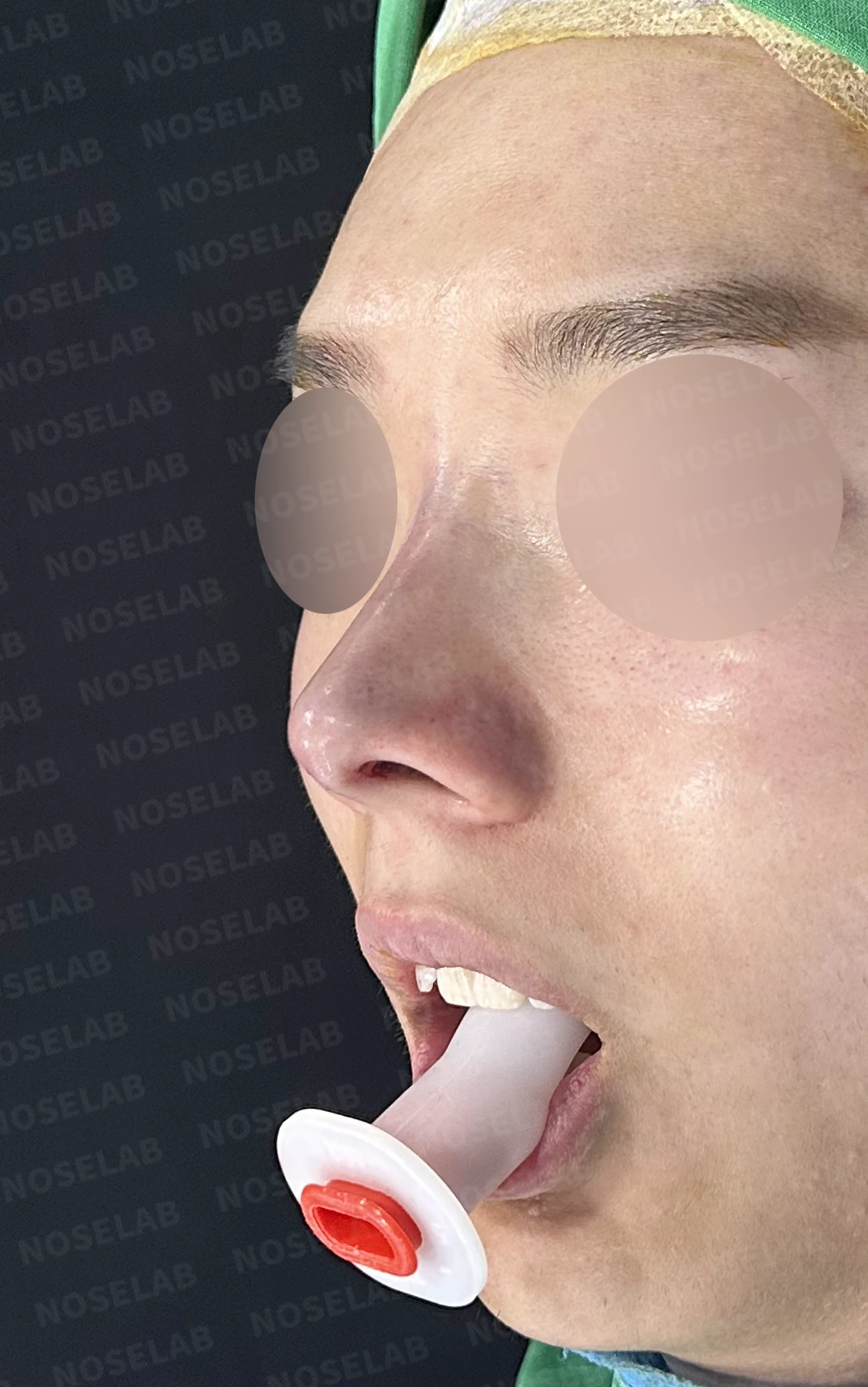
Before surgery / Day 0 immediately after surgery Photos taken immediately after surgery show swelling and may differ from the final result.
Functional changes:
Improvement in nasal obstruction symptoms
Comfortable breathing
Aesthetic satisfaction and functional improvement achieved simultaneously
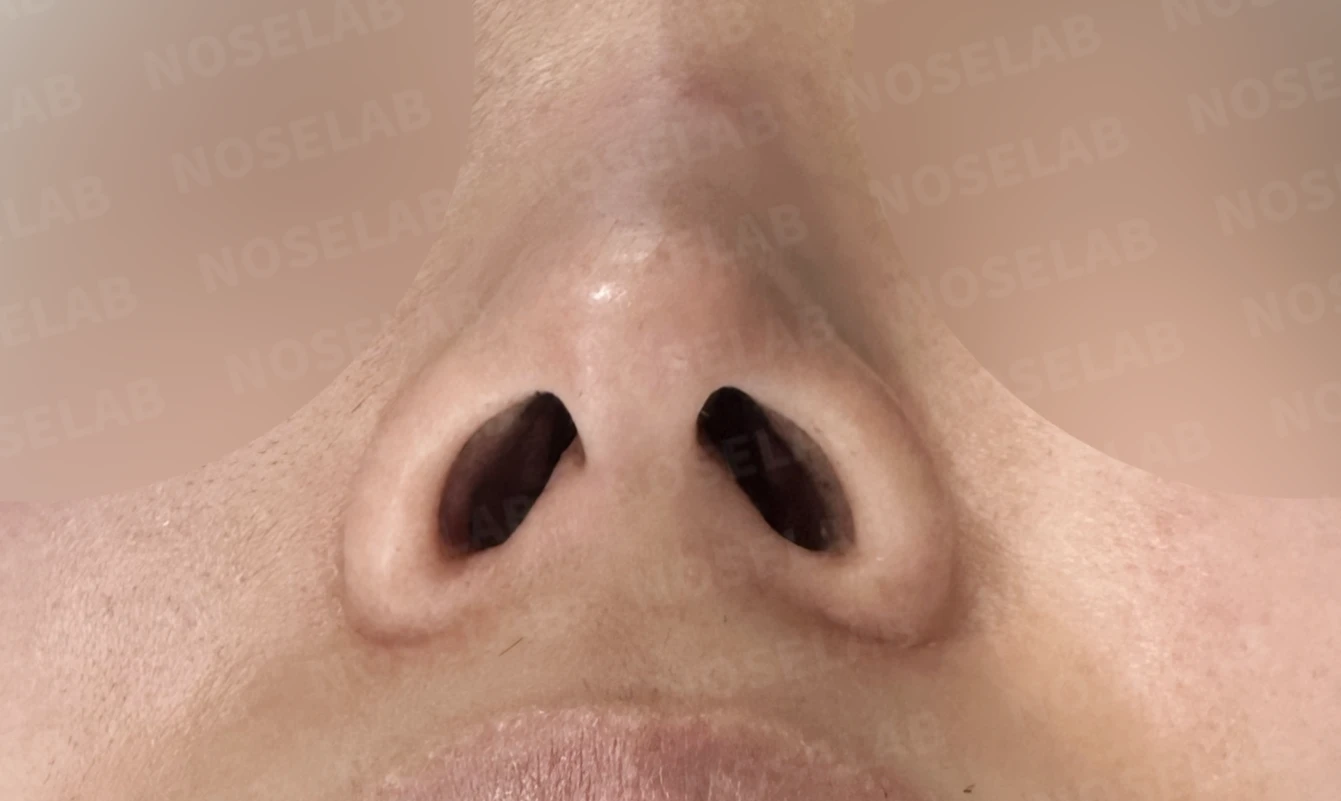
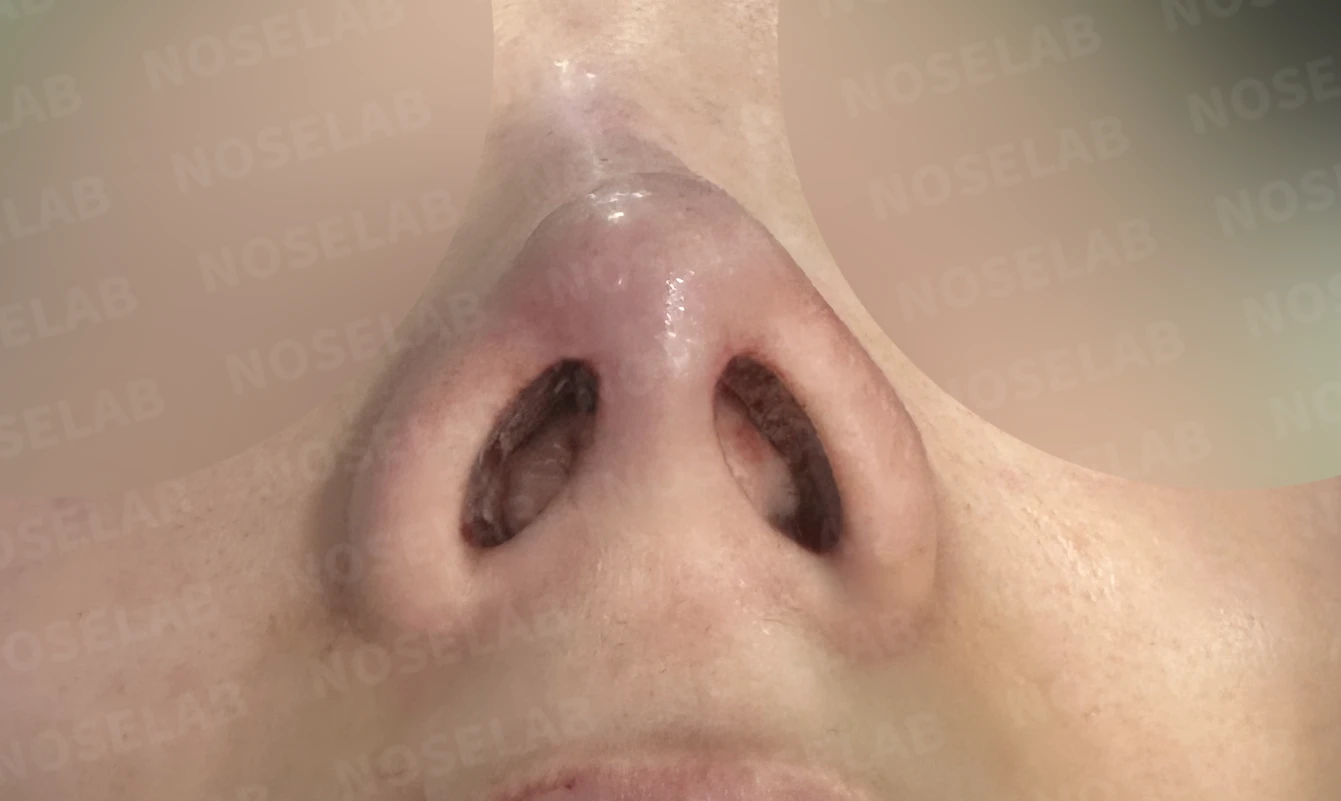
Before surgery / Day 0 immediately after surgery Photos taken immediately after surgery show swelling and may differ from the final result.
💡 Specialist opinion
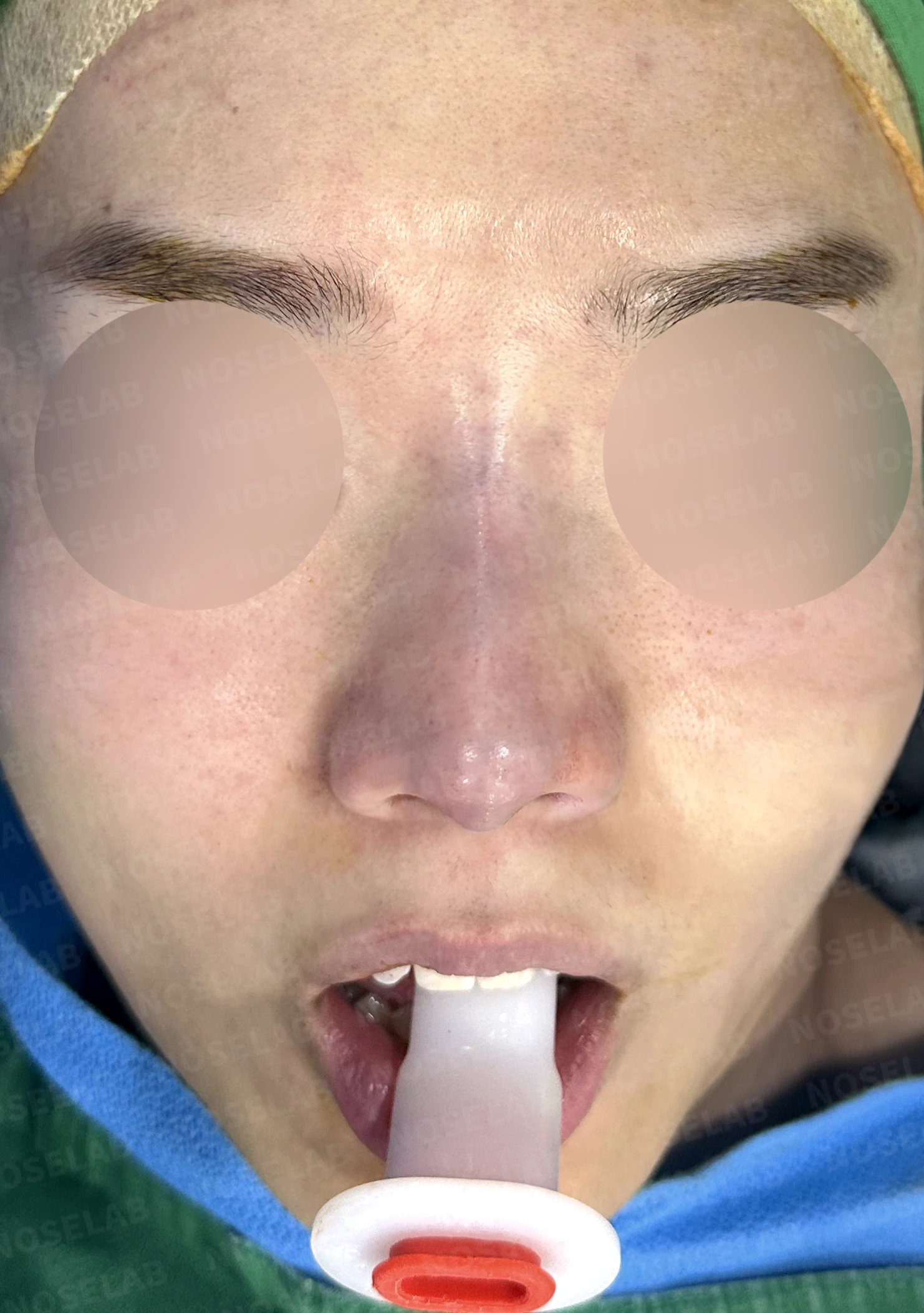
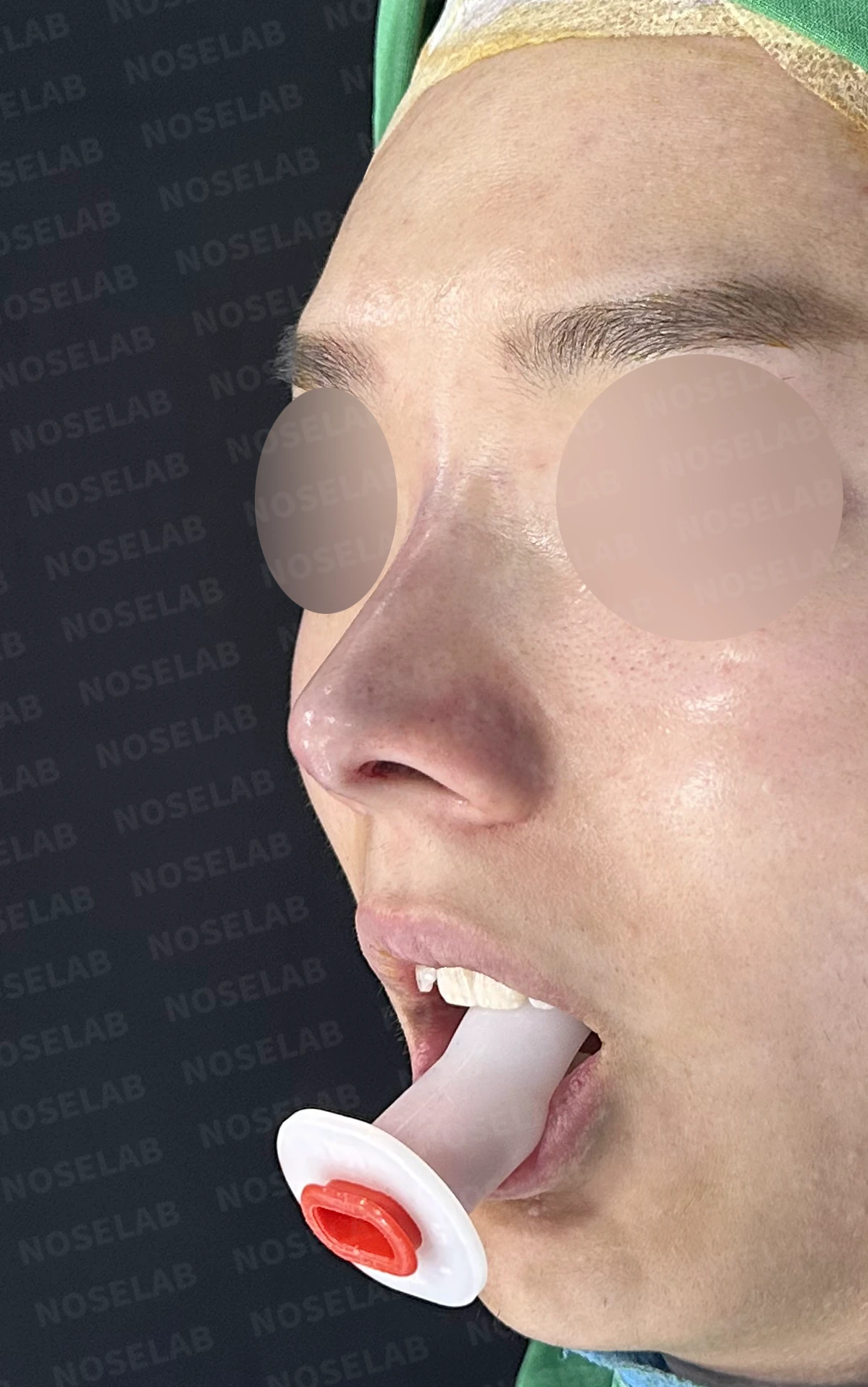
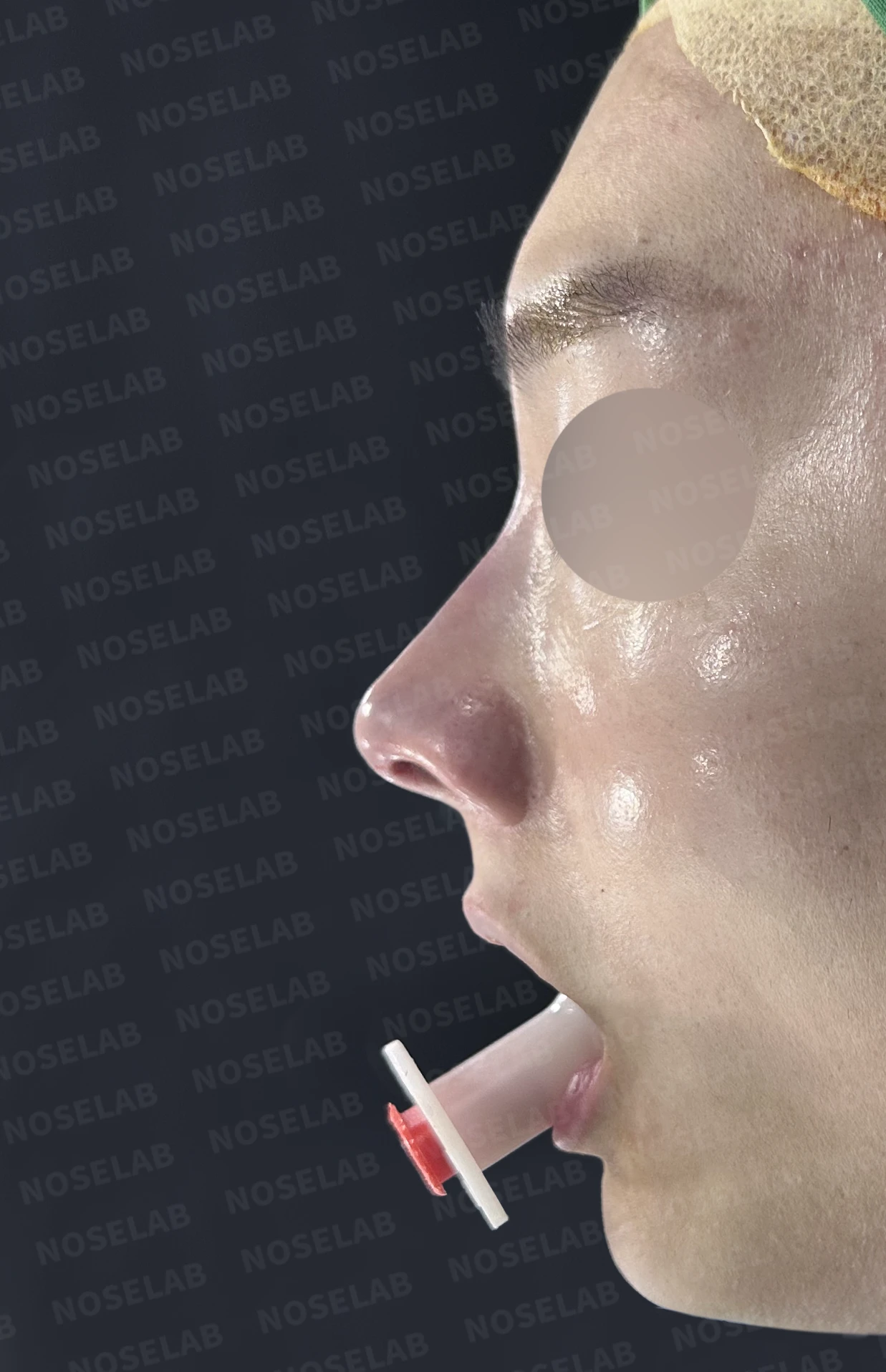
Front, oblique, and profile views on day 0 immediately after surgery. Photos taken immediately after surgery show swelling and may differ from the final result.
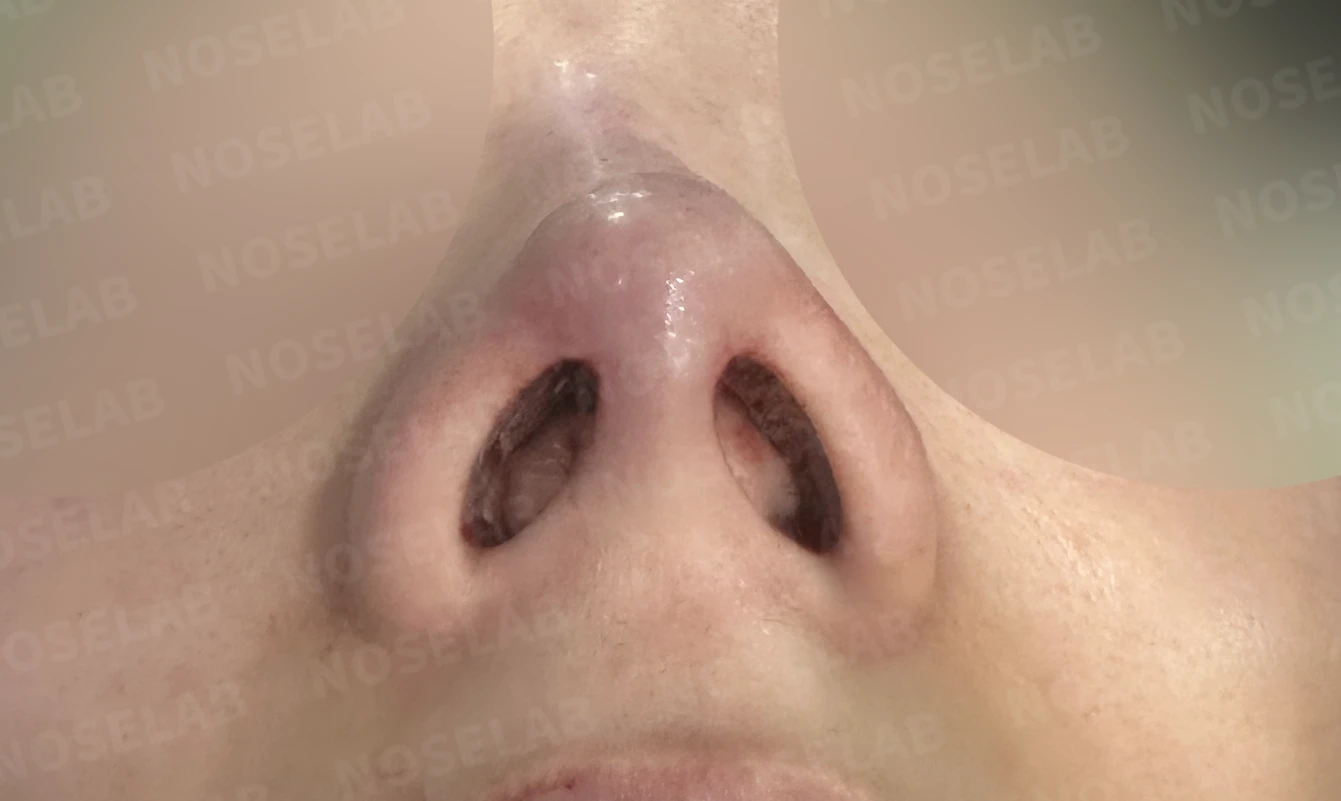
Nostril view on day 0 immediately after surgery. Photos taken immediately after surgery show swelling and may differ from the final result.
The most important factor in surgery to raise a low nose is harmony with facial proportions. Simply increasing the height can make the nose appear unnatural, so an appropriate height and line must be determined by comprehensively considering the patient's facial contour and features.
In this type of case, the patient did not want an overly sharp tip, preferring a natural nose with a straight line. Accordingly, autologous rib cartilage was used as the primary material to stably support the nasal tip, and a silicone implant was meticulously carved to fit the nasal bone, creating a straight bridge line.
Because autologous rib cartilage is the patient's own tissue, it does not cause rejection and helps maintain a stable shape over the long term. In particular, when significant height needs to be achieved for a low nose, the strong structural support of autologous rib cartilage is a major advantage.
In male rhinoplasty, it is important to create a refined look without being overdone. In this case as well, we were able to achieve the natural yet defined nose that the patient desired.
I will continue to provide customized surgical care tailored to each patient. I hope this case helps those with similar concerns. This has been Dr. Peter C. Kang, Medical Director. Thank you.
#closedrhinoplasty #closedrevisionrhinoplasty #autologousribcartilagerhinoplasty #lowdorsumrhinoplasty #straightrhinoplasty #malerhinoplasty #foreignmaterialremoval #nasalobstructionsurgery #definednose

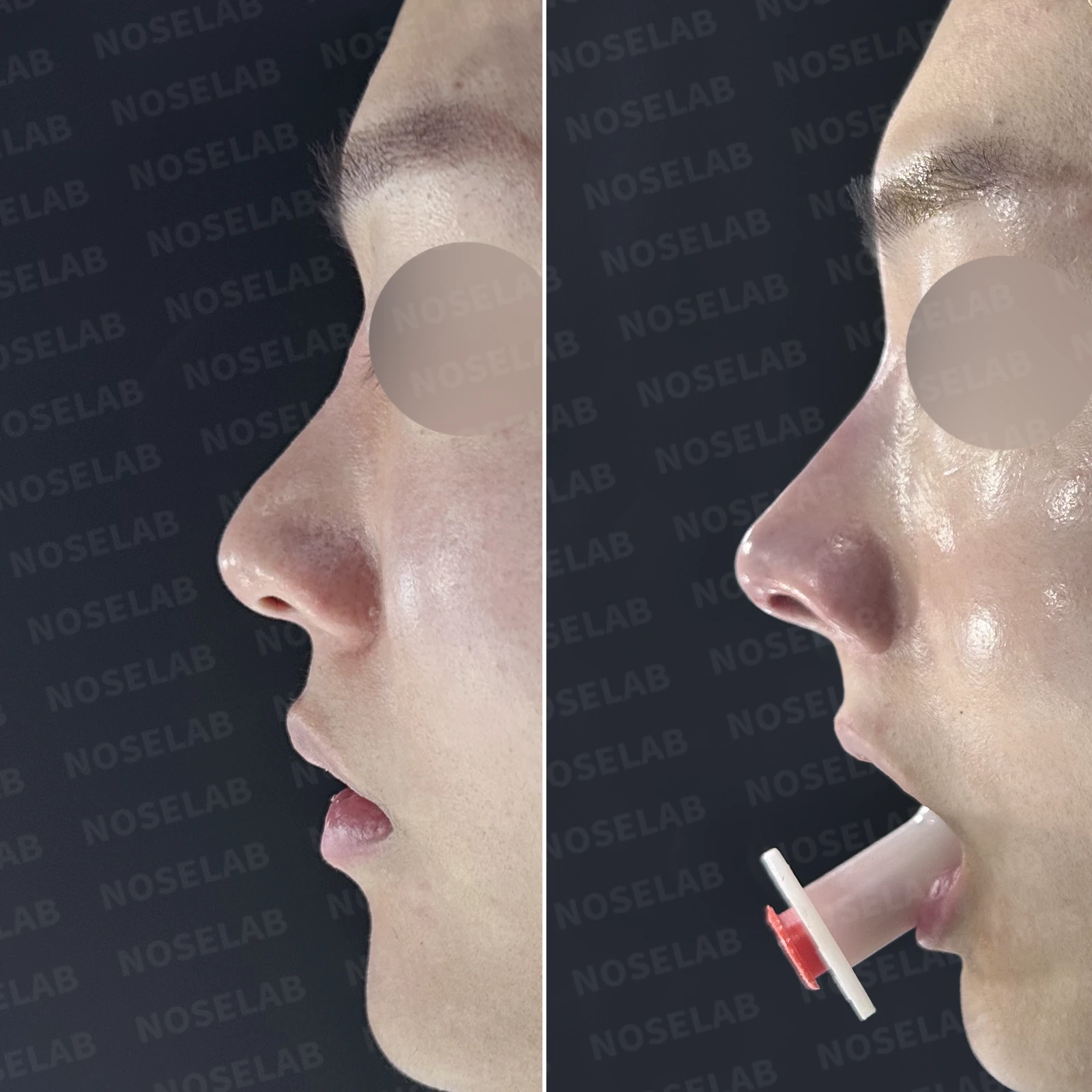
Limitations and risks
When autologous rib cartilage is used, scarring and pain may remain at the donor site on the chest, and pneumothorax (pleural injury) can occur rarely. Over time, the grafted cartilage may warp or undergo partial resorption.
When foreign materials such as injected fillers are removed and reconstructed, contracture may recur, nasal height and length may decrease, and staged surgery may be necessary depending on the skin condition.
When the septum is corrected at the same time, nasal obstruction may persist or recur, and in rare cases, septal perforation or changes in smell may occur.
Common potential risks include infection, bleeding, asymmetry, scarring, skin necrosis, and insufficient improvement; results vary depending on individual skin condition and previous surgical history.