Hello, I am Dr. Peter C. Kang.
Today, I would like to introduce the case of a patient who was concerned about a wide nasal tip, rhinitis, and a deviated septum.
🔍 Surgical history
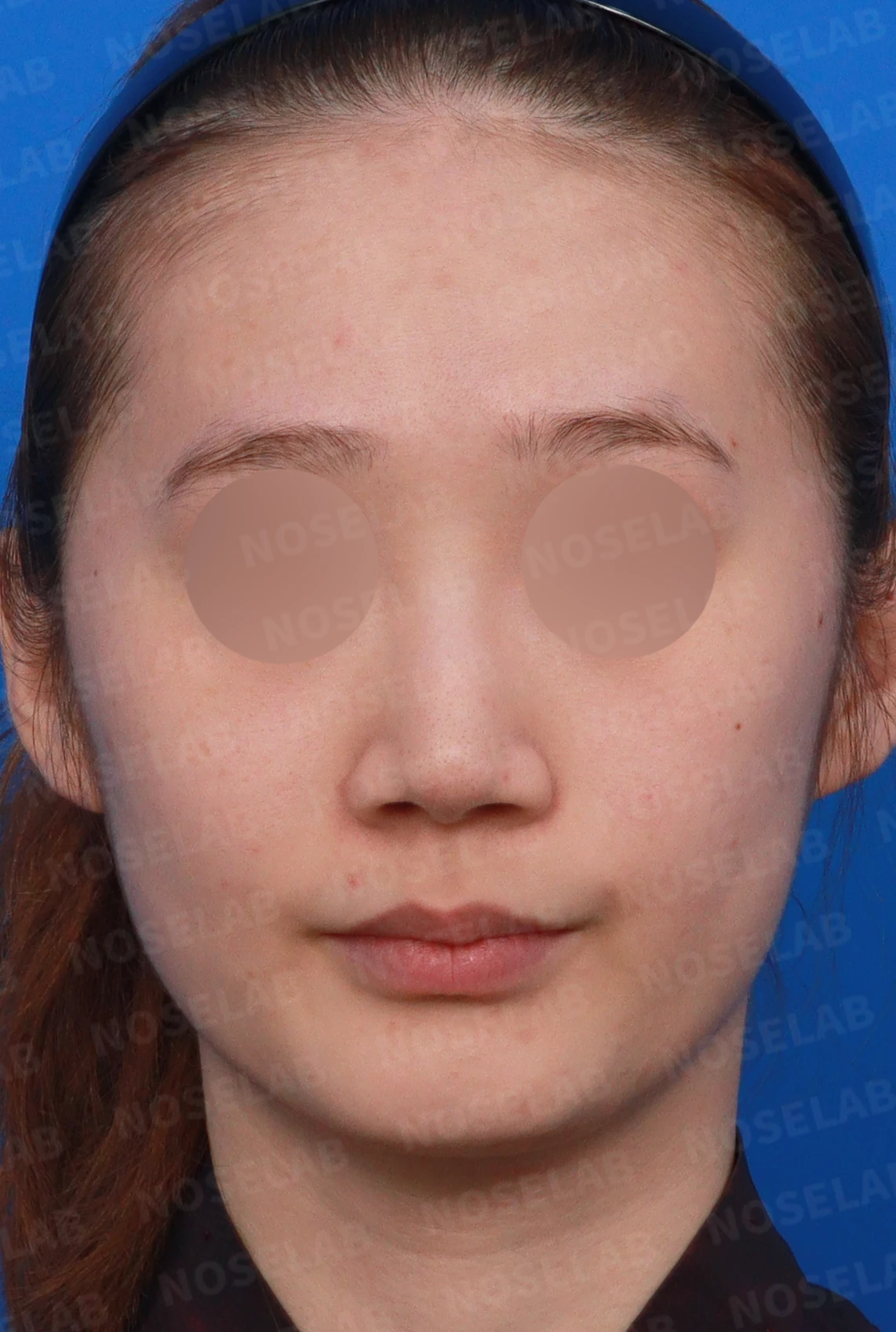
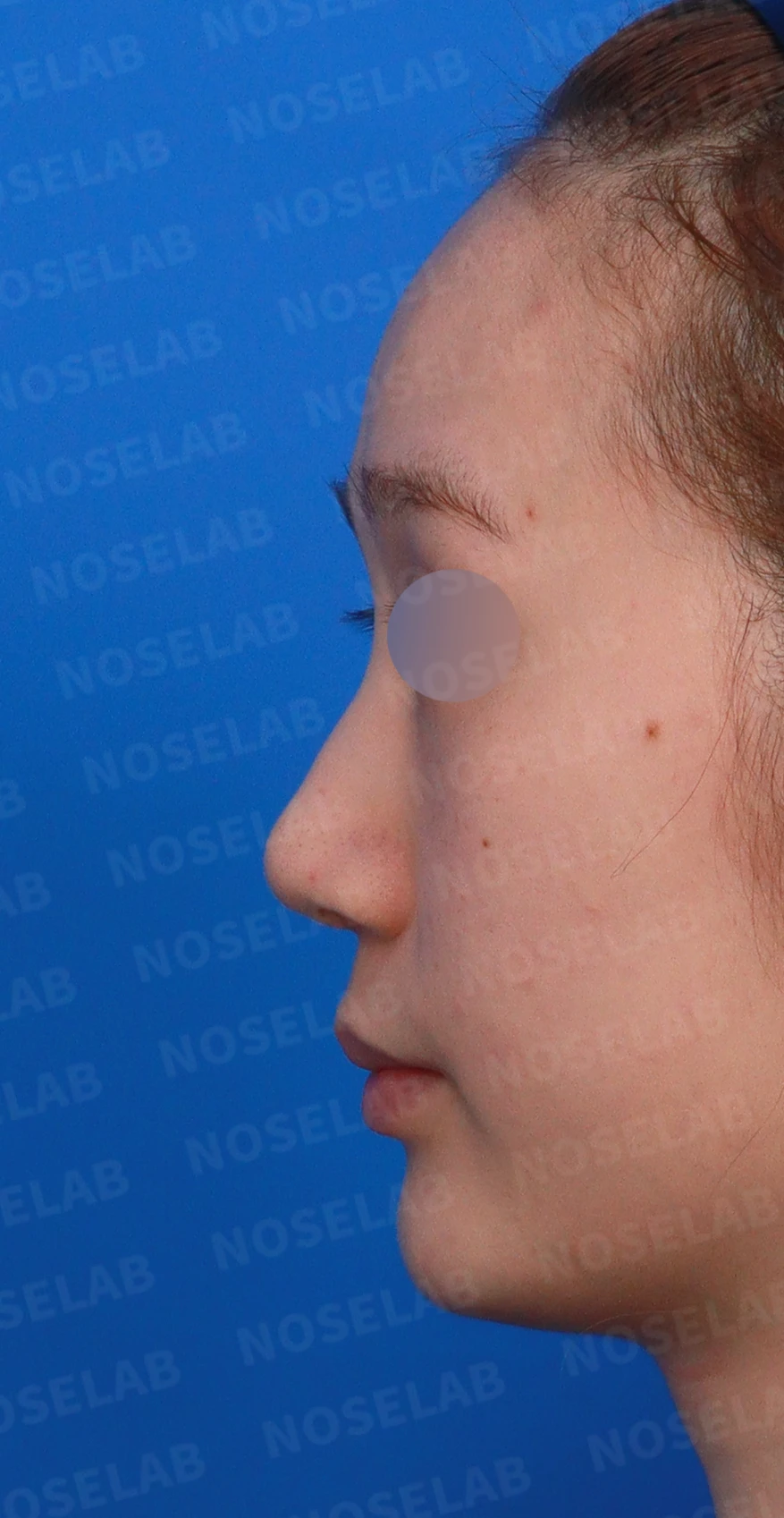
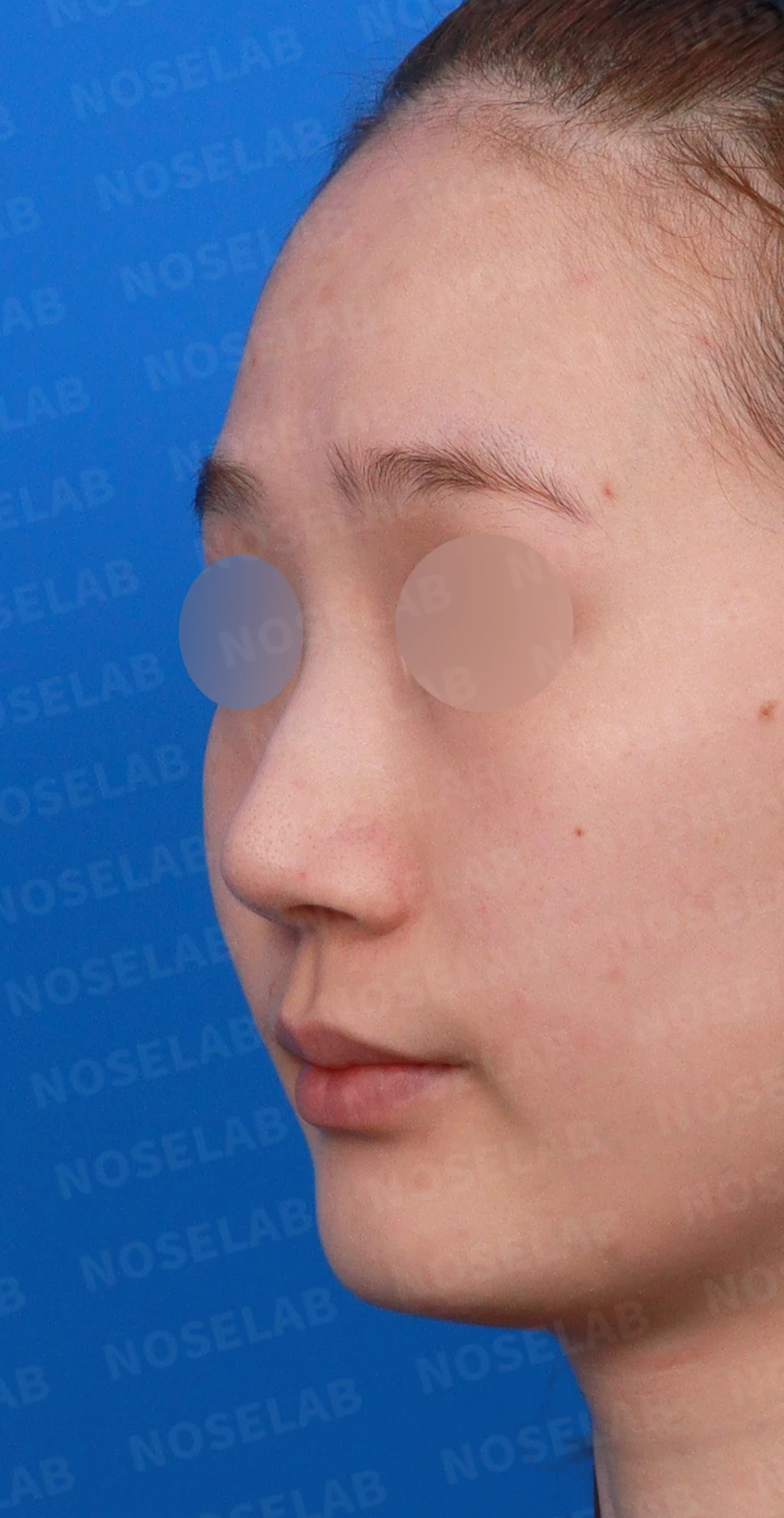
Front, left profile, and oblique views during design consultation.
Past surgical history: Hiko nose thread lift with filler 1 year ago, thread touch-up late last year
Main concerns:
Flared nasal tip
Nasal bridge filler
Deviated septum
Nasal obstruction due to rhinitis
Key notes: A case addressing both functional problems (nasal obstruction) and aesthetic concerns together
💉 Patient requests
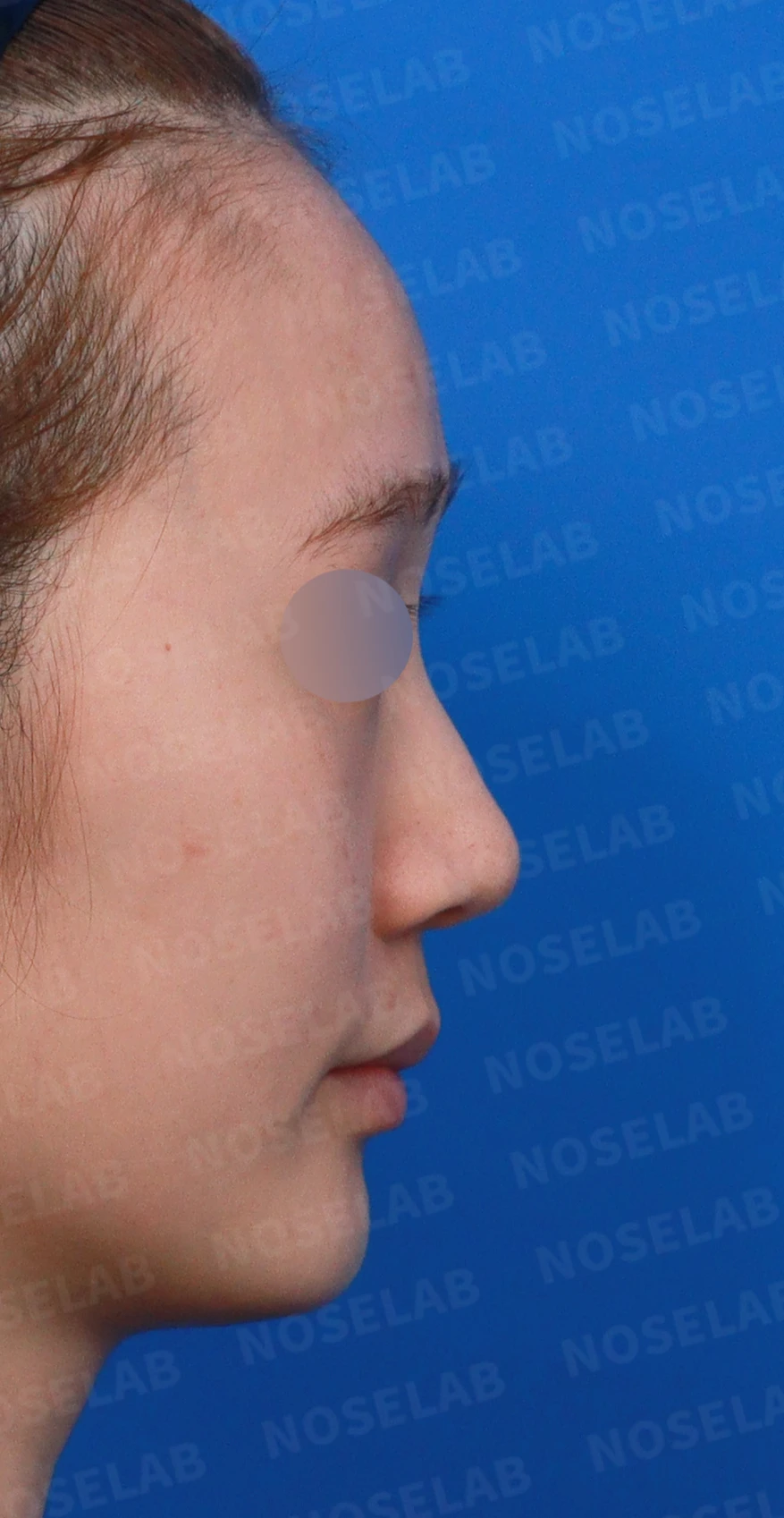
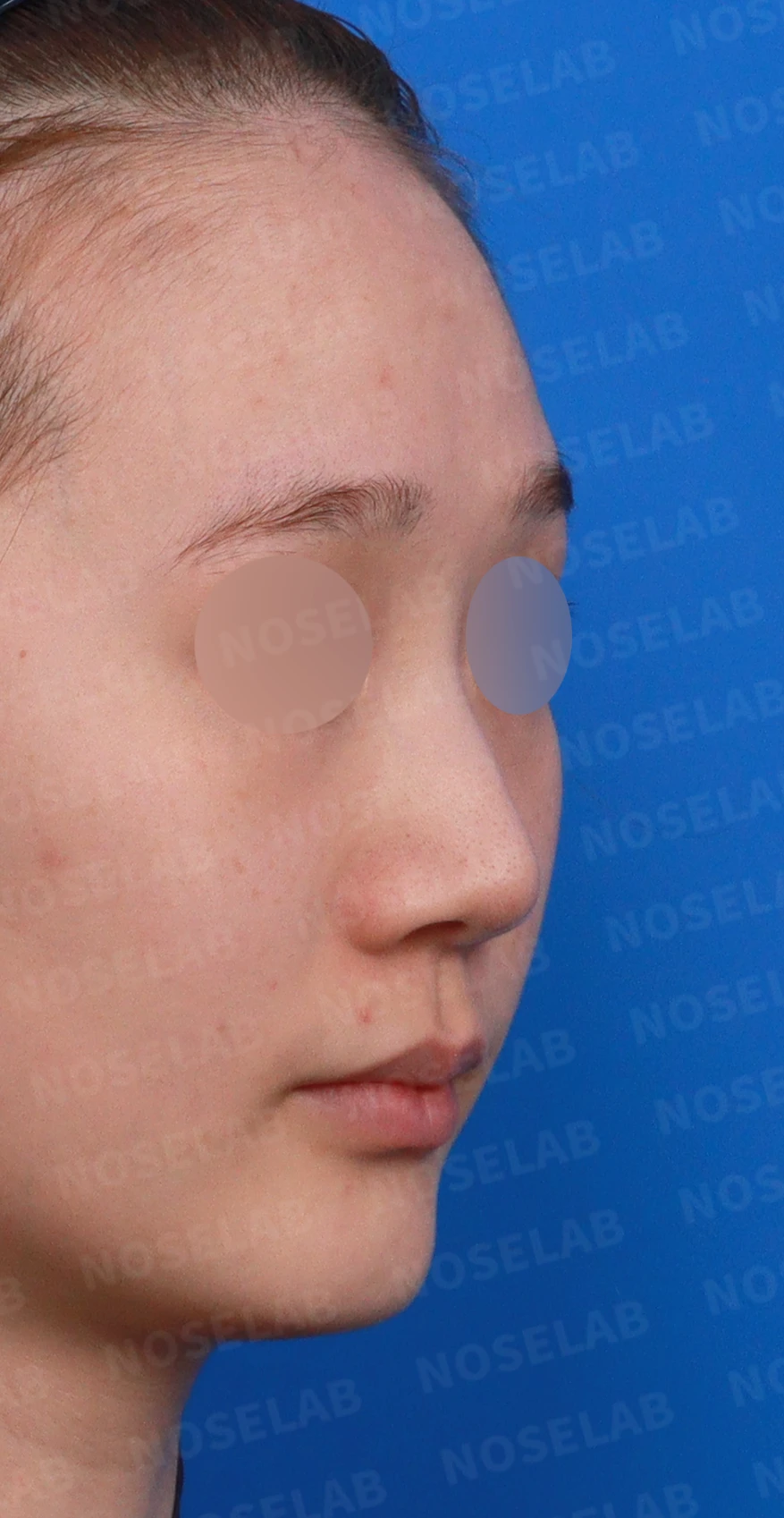
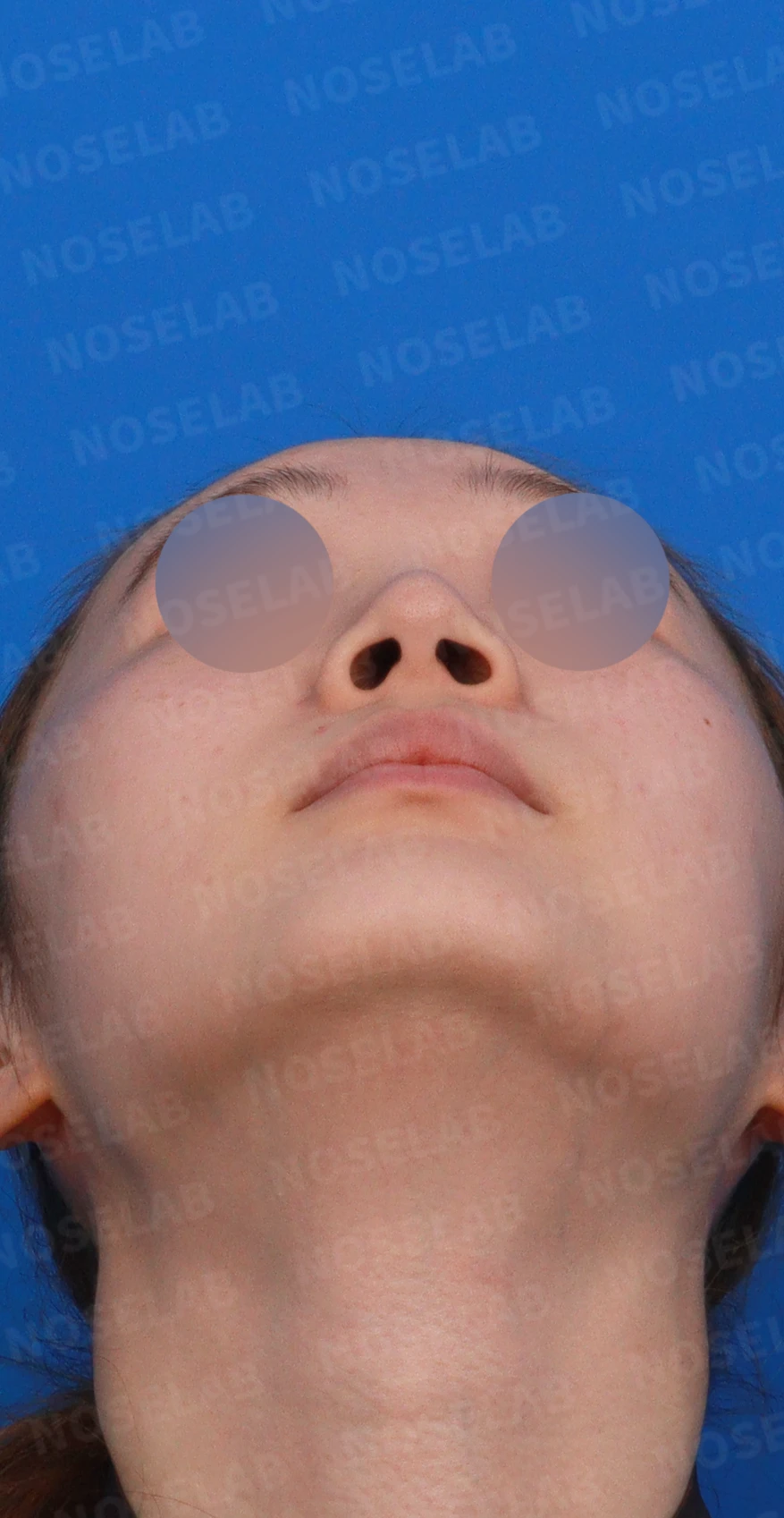
Right profile, oblique, and nostril views during design consultation.
Improvement of a wide nasal tip
Prominent, refined nasal contour
Previous filler carefully removed
Functional improvement: Relief of rhinitis and nasal obstruction
🔧 Surgical plan and procedure
1. Foreign body removal
During surgery, the filler on the nasal bridge was carefully removed. Because foreign materials can cause contracture or deformation over the long term, removing them and reconstructing with autologous tissue provides a reliable foundation.
2. Nasal tip correction using autologous rib cartilage
The wide nasal tip was precisely refined using autologous rib cartilage. Using one's own cartilage supports a long-lasting, stable result without concerns about resorption or deformation.
3. Septoplasty
The deviated septum was corrected to relieve nasal obstruction. When the septum is deviated, the airway narrows, resulting in chronic nasal obstruction.
4. Submucosal resection of the inferior turbinates
The hypertrophic inferior turbinate mucosa was reduced using radiofrequency. Reducing the turbinates that were swollen from rhinitis improved airflow while minimizing bleeding and discomfort.
🌟 Surgical results
Wide nasal tip precisely refined
Filler carefully removed and reconstructed with autologous tissue
Nasal obstruction relieved through septoplasty (functional improvement)
Rhinitis symptoms improved through inferior turbinate reduction
An overall refined and well-balanced nose achieved
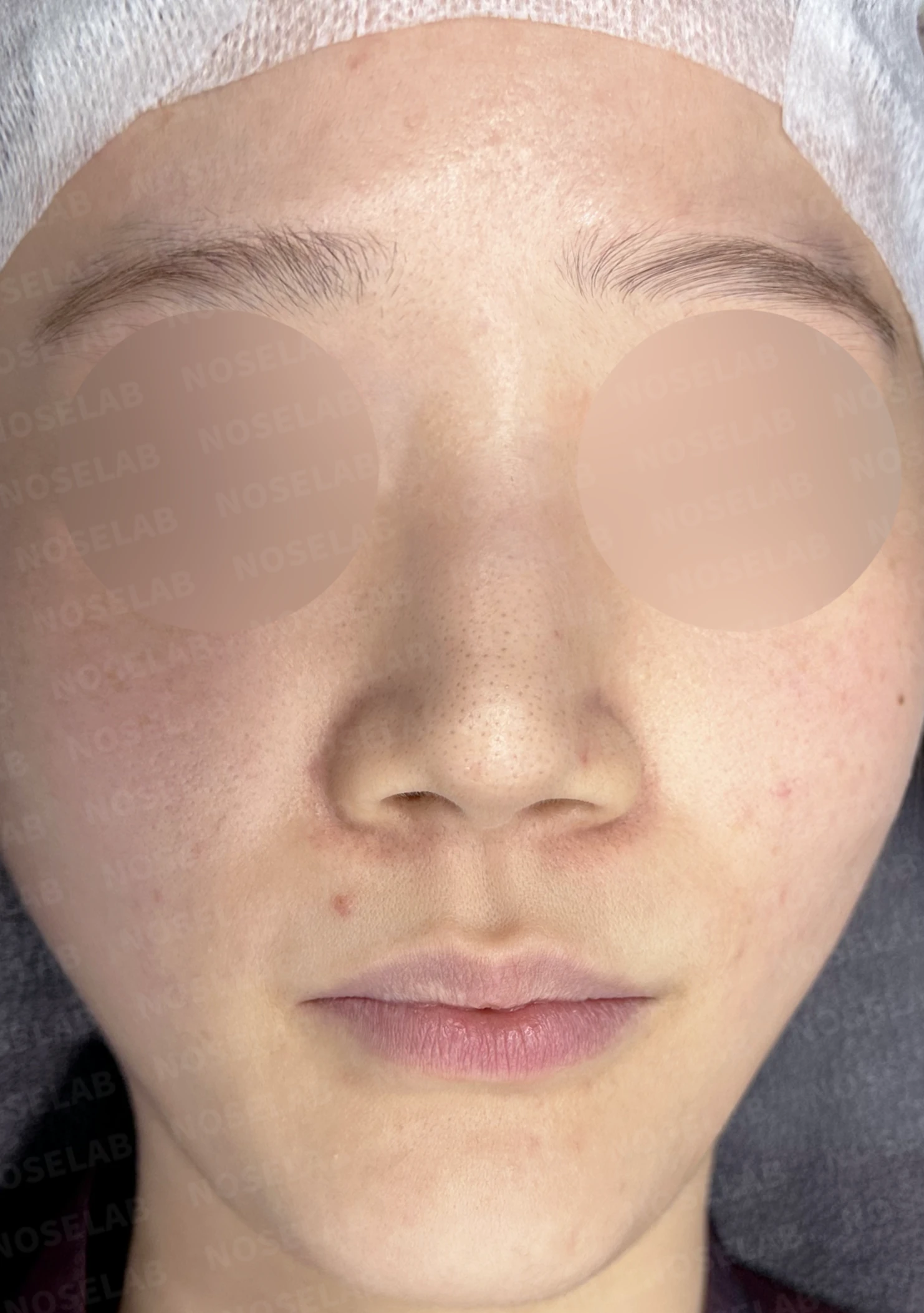
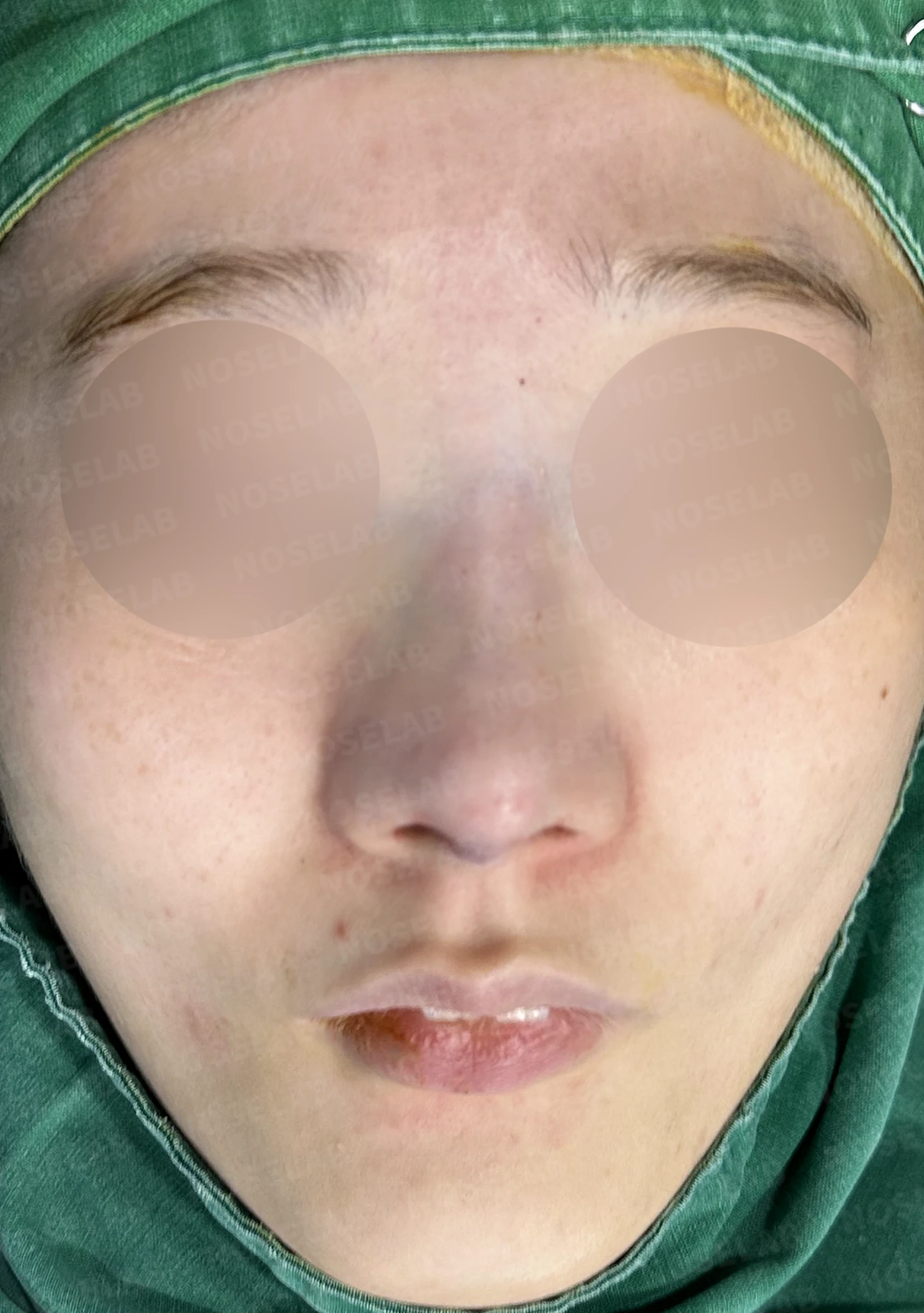
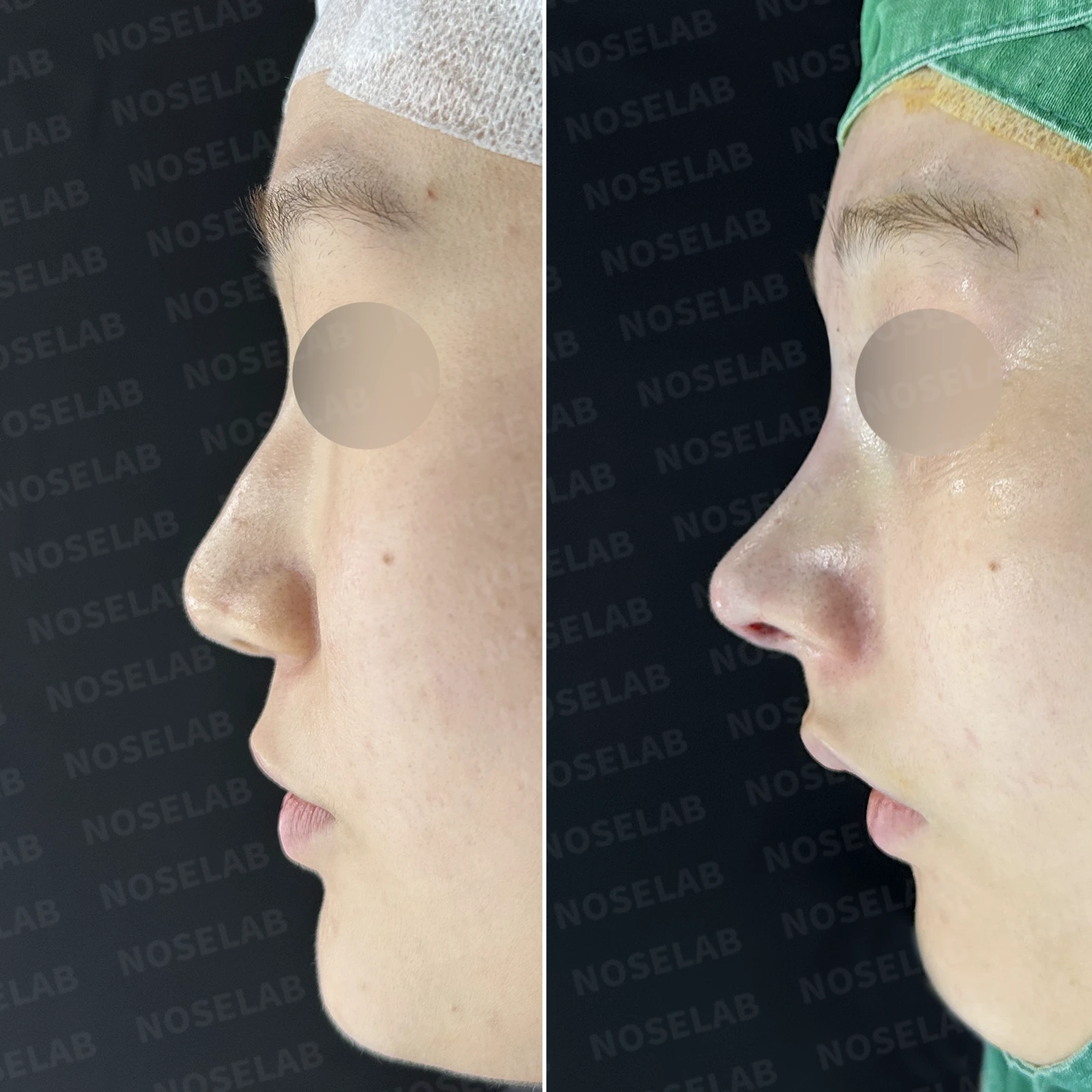
Before surgery / Day 0 immediately after surgery Photos taken immediately after surgery show swelling and may differ from the final result.
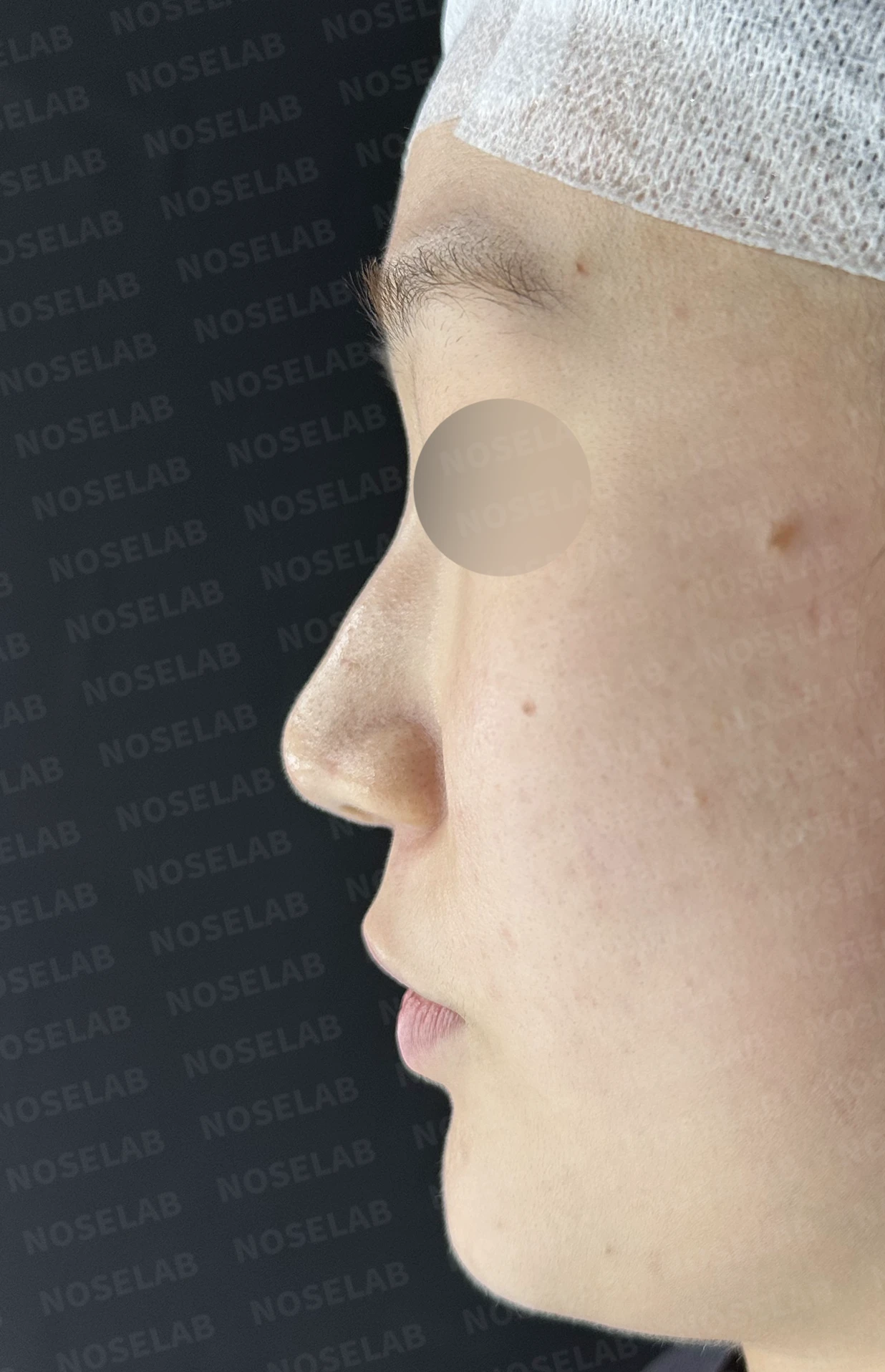
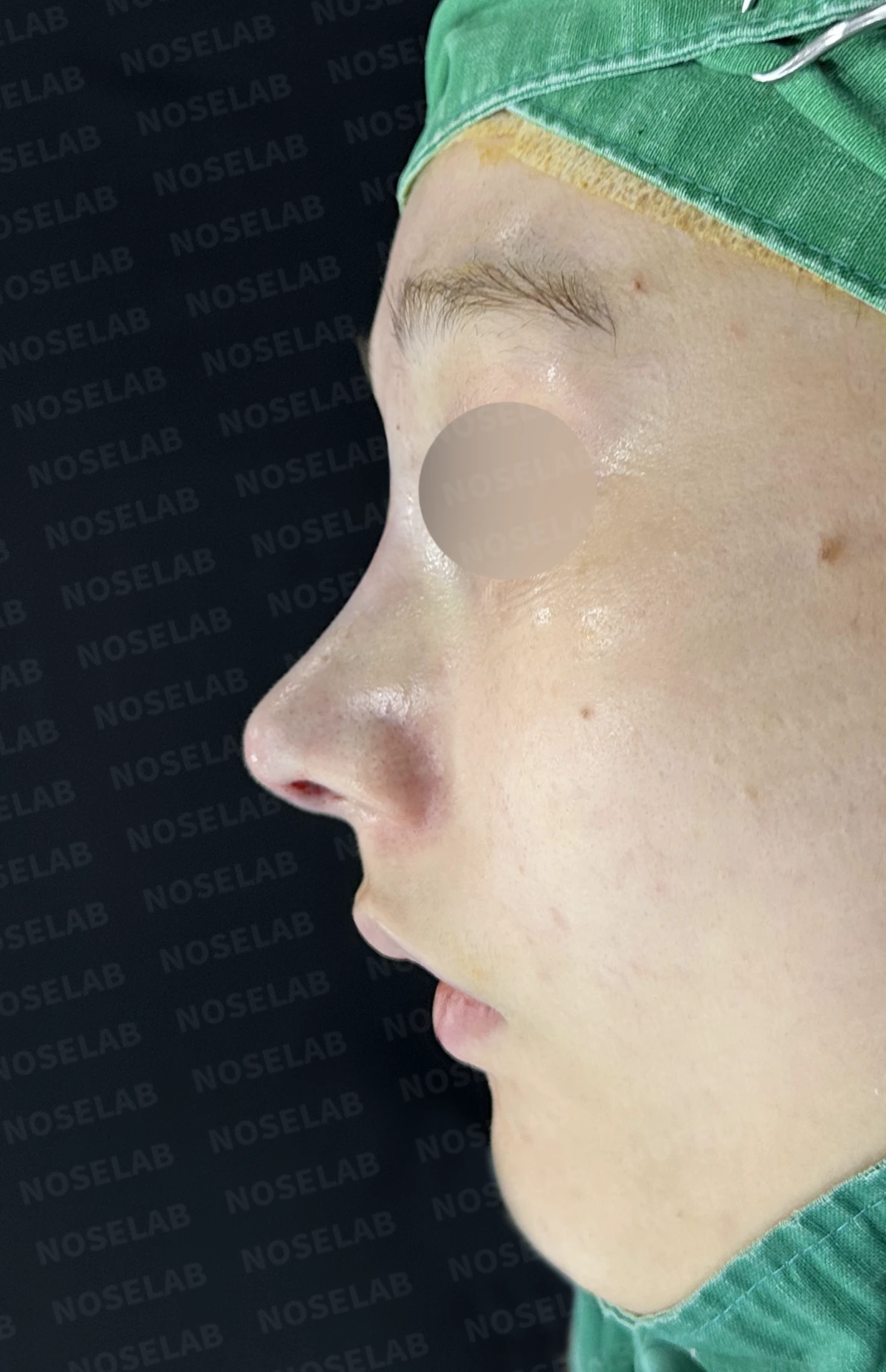
Before surgery / Day 0 immediately after surgery Photos taken immediately after surgery show swelling and may differ from the final result.
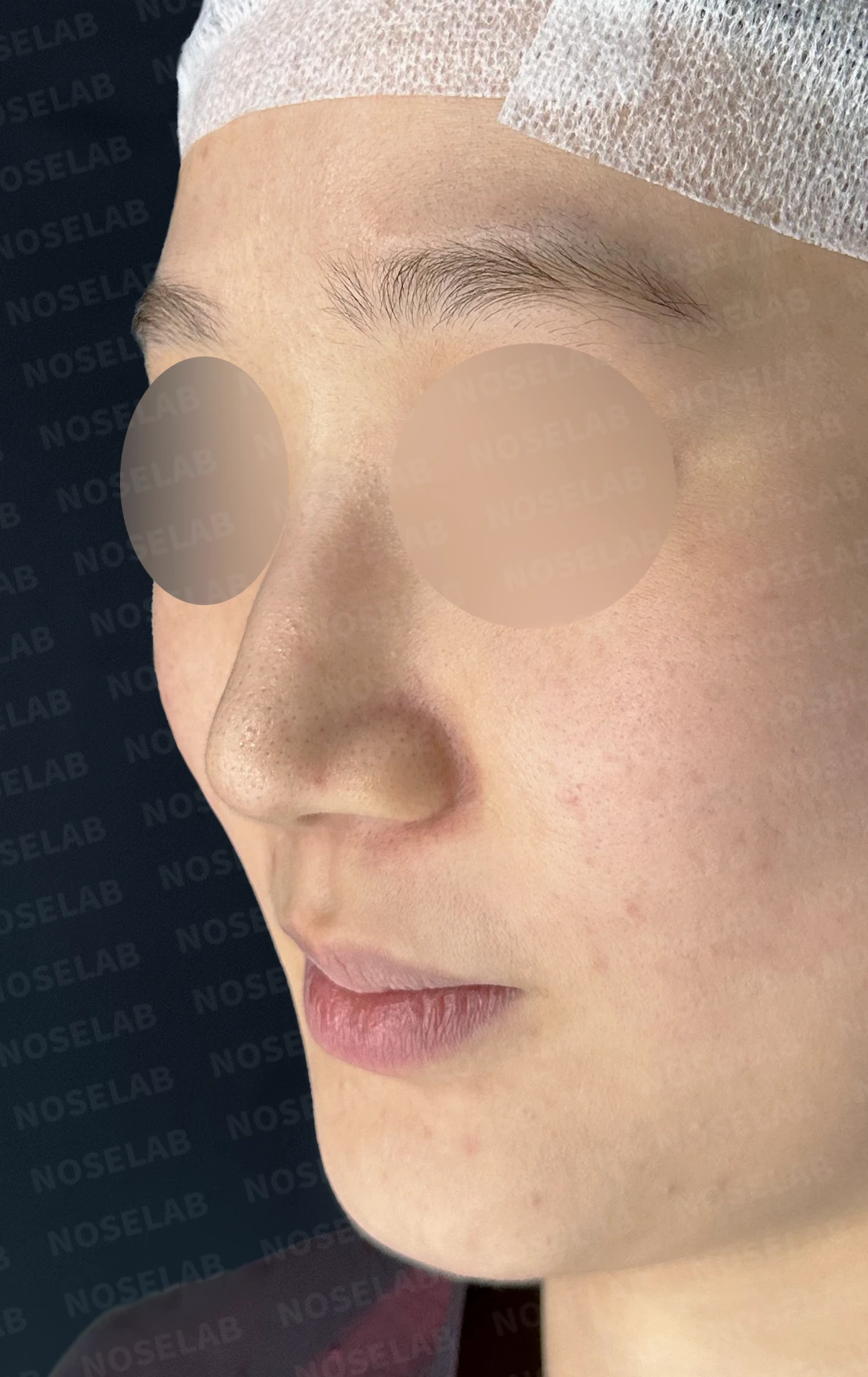
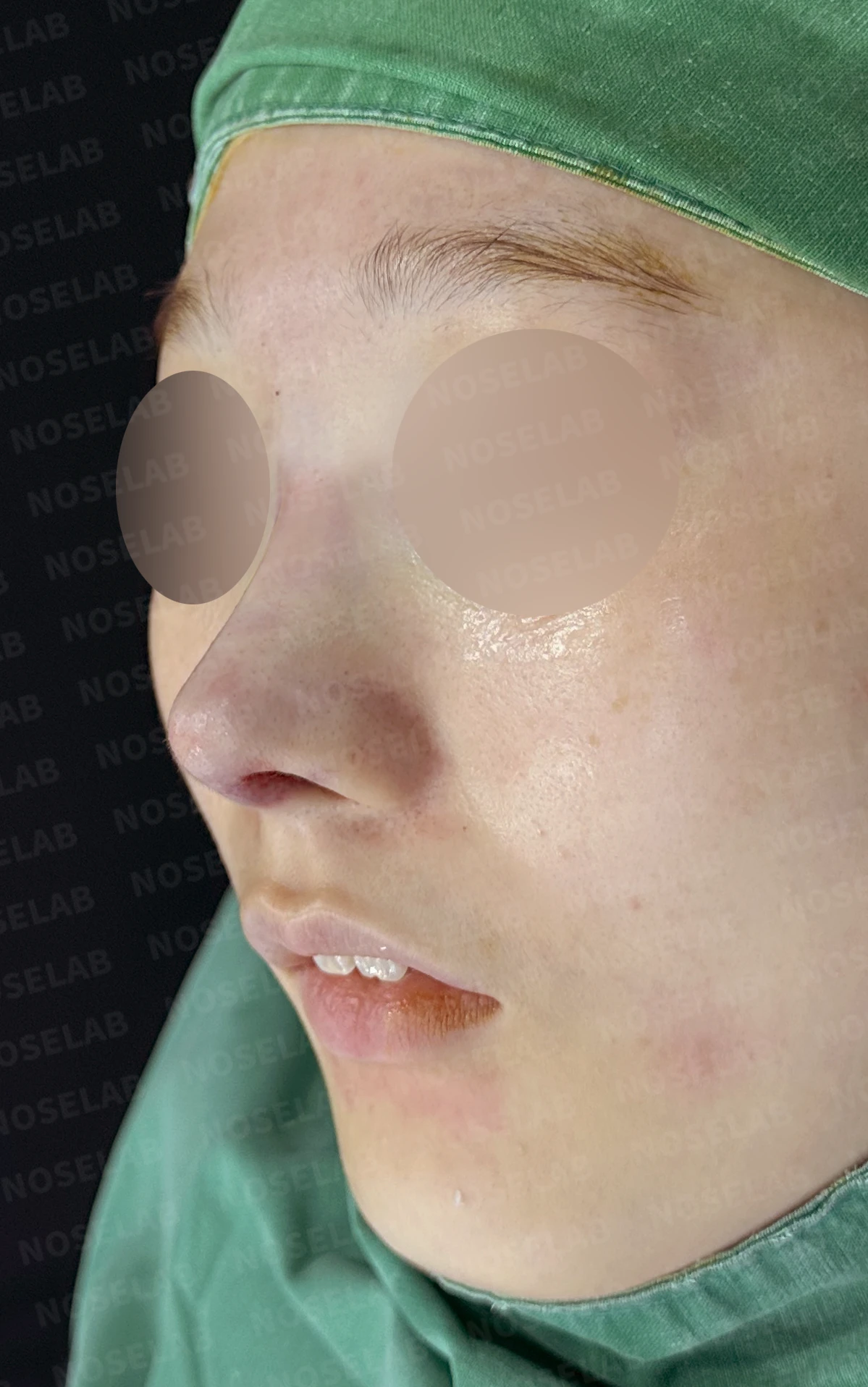
Before surgery / Day 0 immediately after surgery Photos taken immediately after surgery show swelling and may differ from the final result.
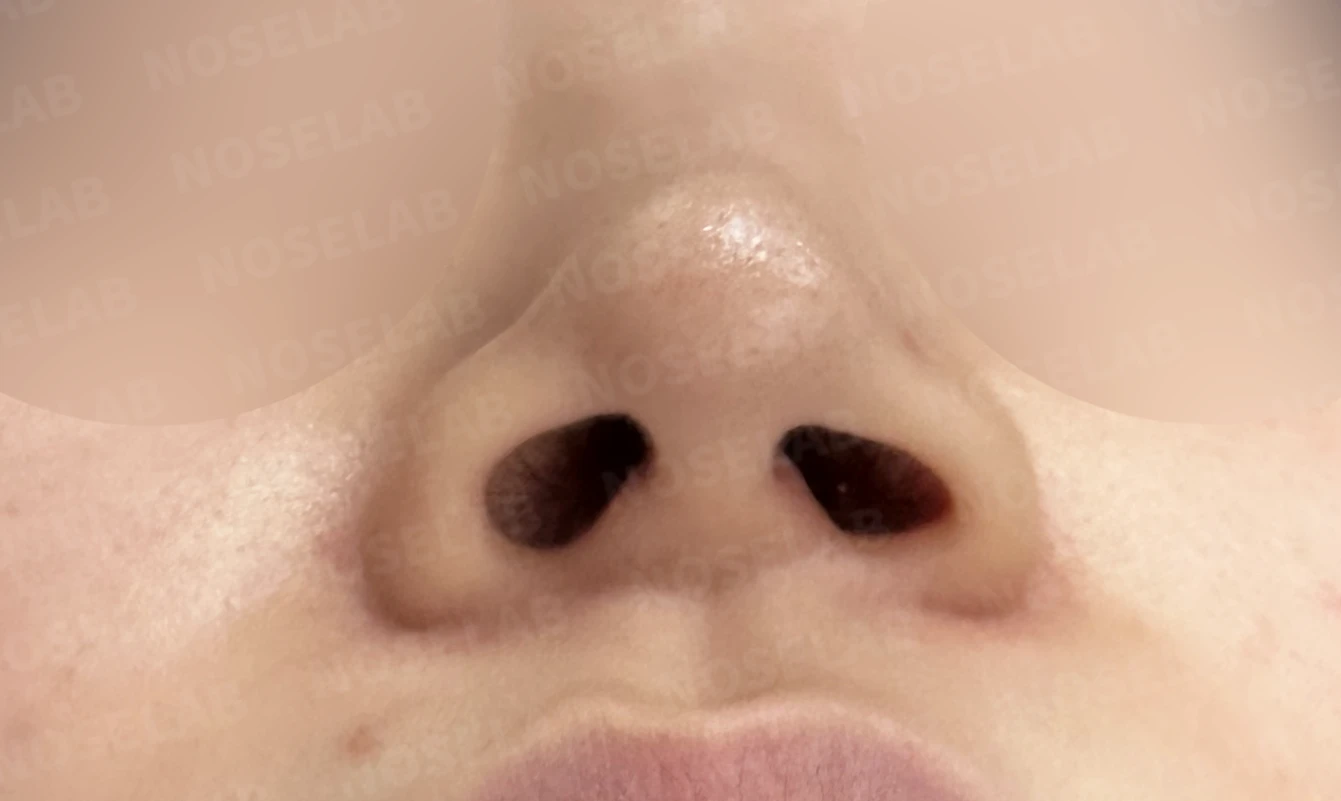
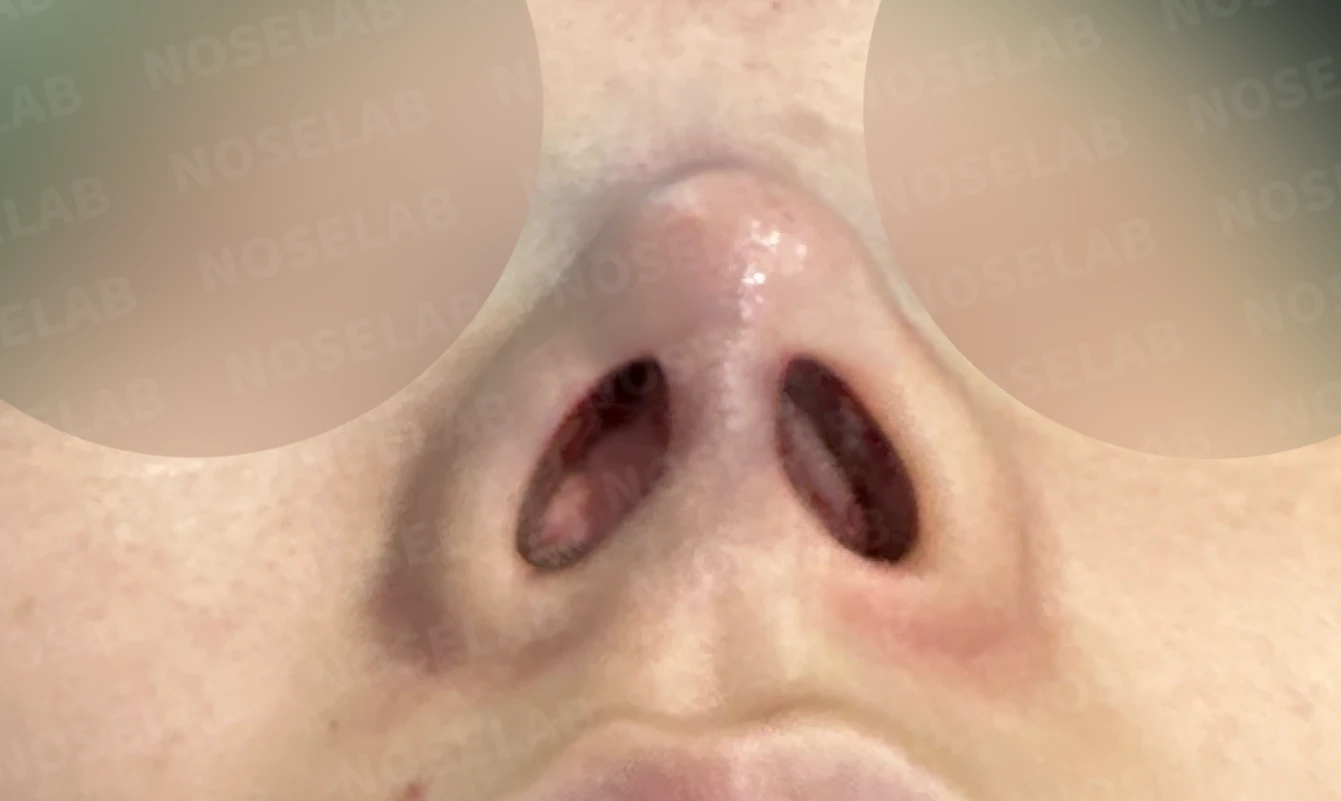
Before surgery / Day 0 immediately after surgery Photos taken immediately after surgery show swelling and may differ from the final result.
💡 Specialist opinion
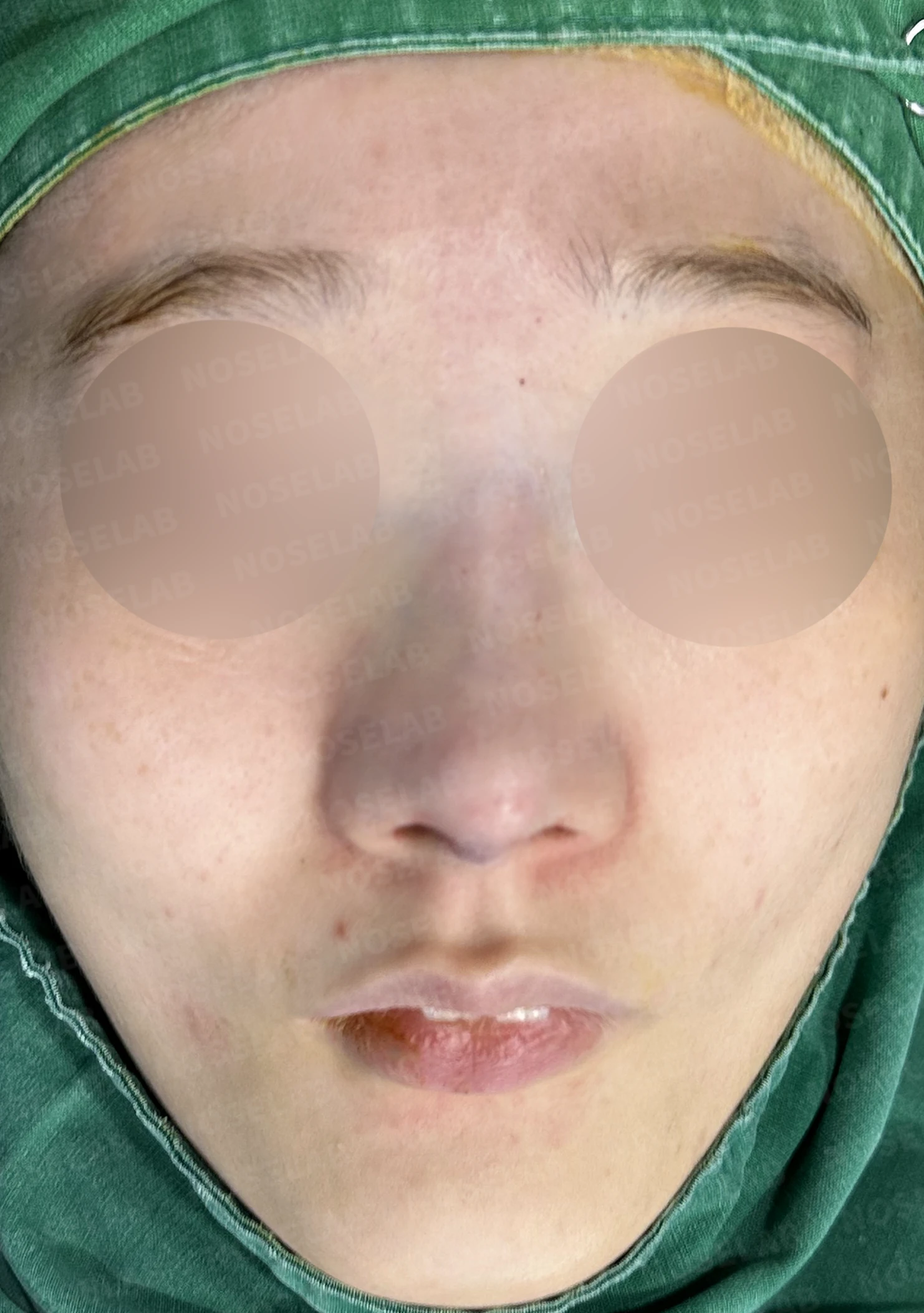
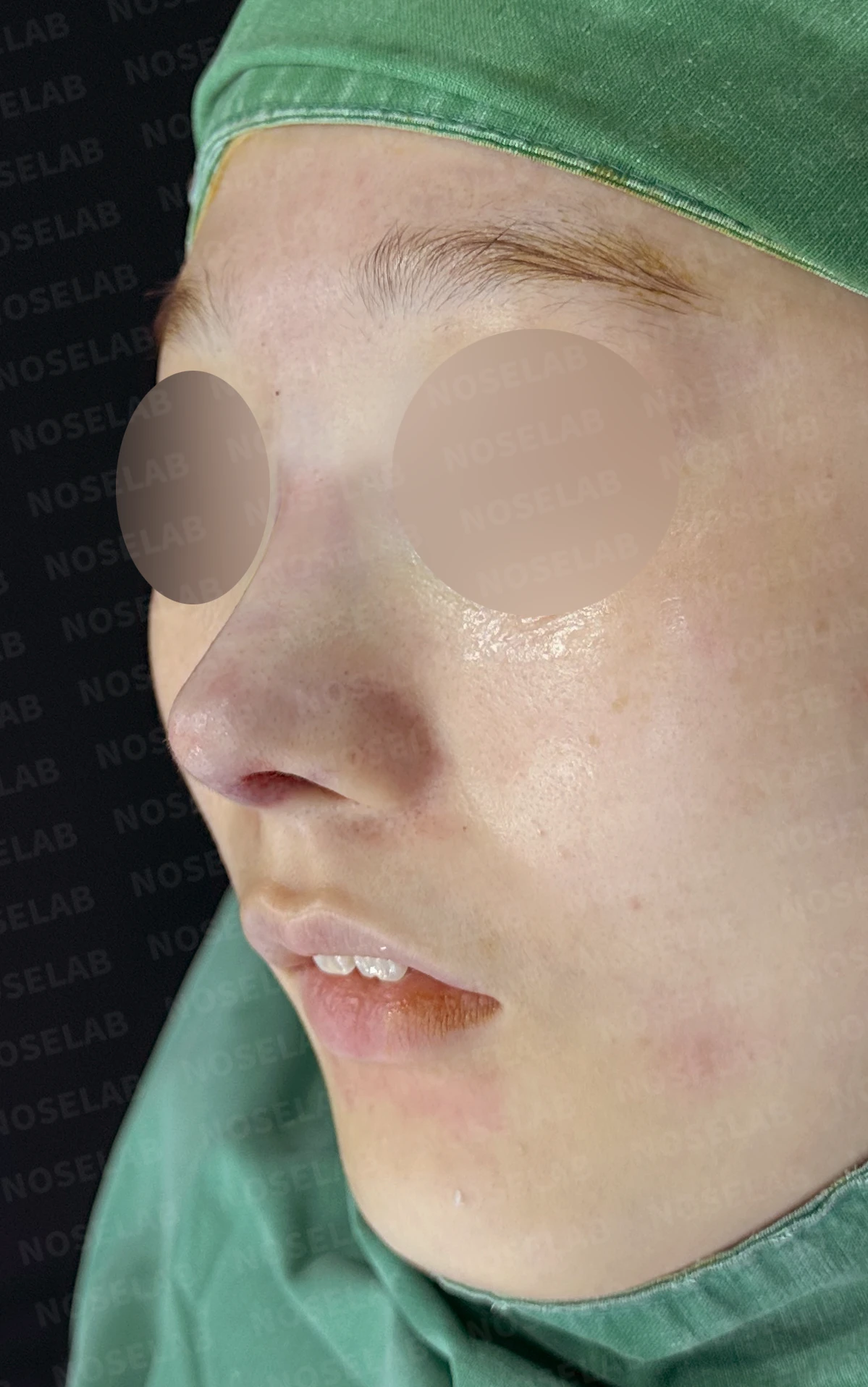
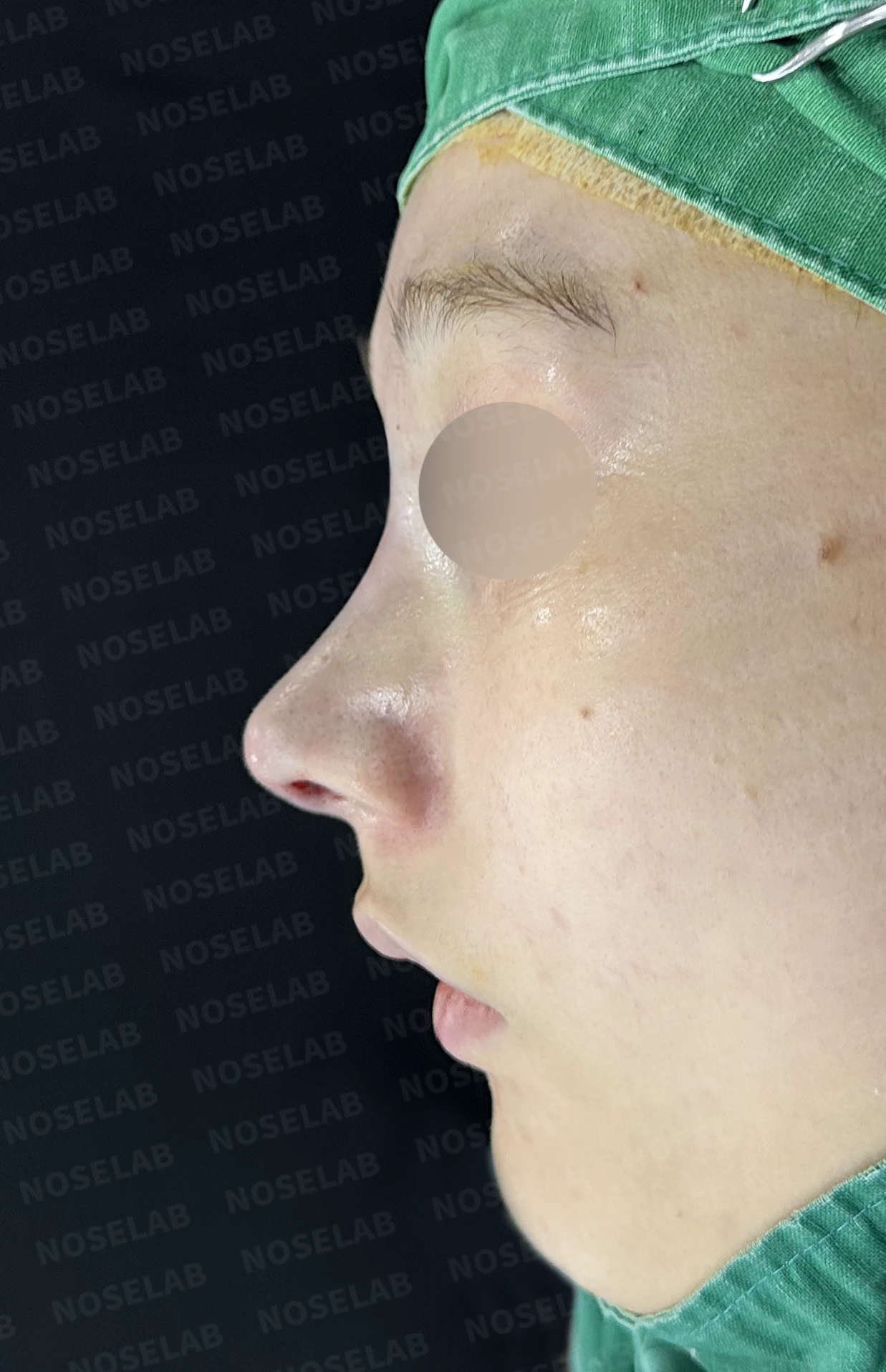
Front, oblique, and profile views on day 0 immediately after surgery. Photos taken immediately after surgery show swelling and may differ from the final result.
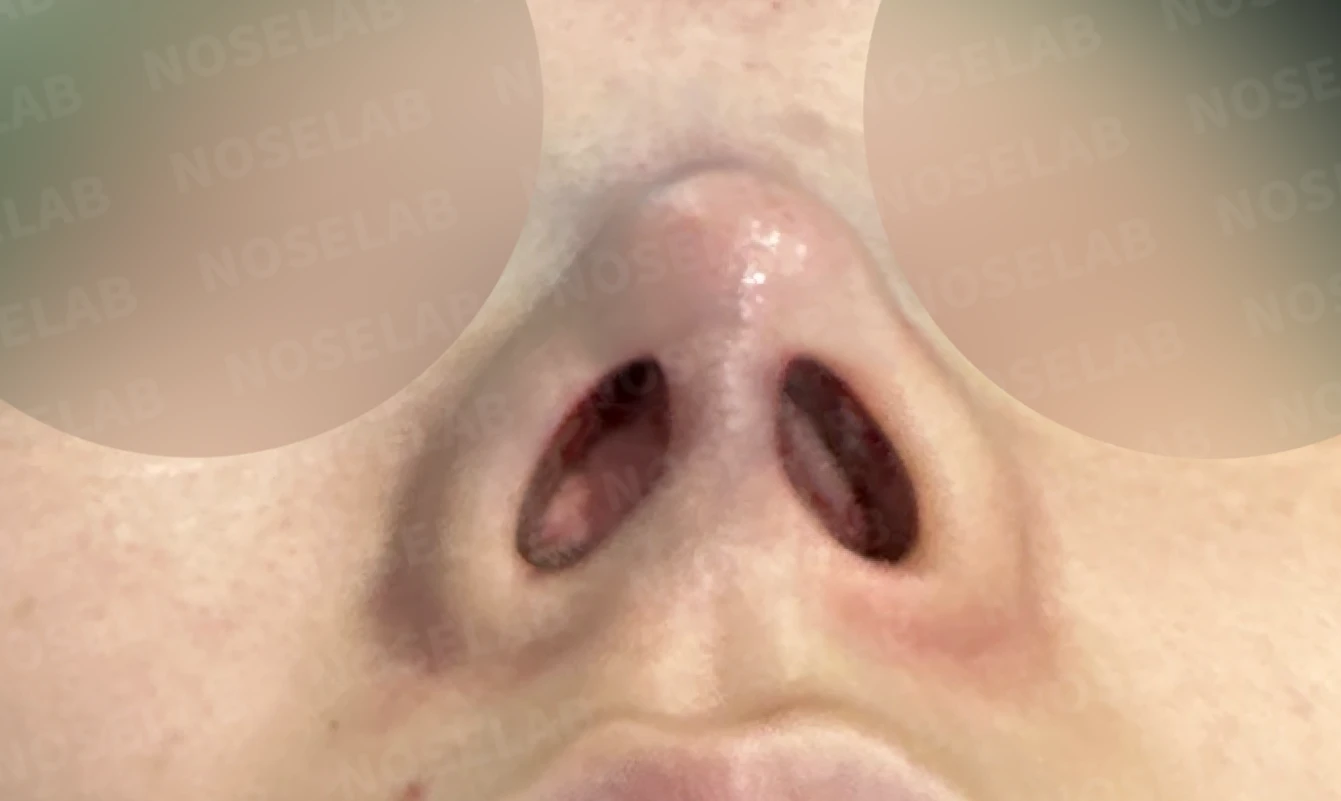
Nostril view on day 0 immediately after surgery. Photos taken immediately after surgery show swelling and may differ from the final result.
This case required resolving functional and cosmetic issues at the same time.
The importance of foreign material removal:
Foreign materials such as fillers or threads may feel satisfactory early on, but over time they can cause problems such as contracture, deformation, and inflammation. Removing them carefully and reconstructing the nose with autologous tissue supports long-term structural stability.
The key to wide tip correction:
A wide nasal tip cannot be fundamentally resolved simply by tying sutures or trimming cartilage. Reconstructing the structural framework of the nasal tip using autologous rib cartilage allows for a refined, well-defined tip shape.
Harmonizing function and aesthetics:
In nasal surgery, functional aspects are just as critical as cosmetic refinement. When nasal obstruction is relieved through septoplasty and inferior turbinate reduction, quality of life improves significantly. Breathing becomes easier while achieving a pleasing nasal contour at the same time.
I will continue to provide customized surgery planned to address both functional and aesthetic aspects for our patients.
This was Dr. Peter C. Kang. Thank you.
#closedrhinoplasty #closedrevisionrhinoplasty #autologousribcartilage #widetipcorrection #fillerremoval #septoplasty #turbinoplasty #rhinitissurgery #nasalobstructionrelief #functionalrhinoplasty

Limitations and risks
When autologous rib cartilage is used, scarring and pain may remain at the donor site on the chest, and pneumothorax (pleural injury) can occur rarely. Over time, the grafted cartilage may warp or undergo partial resorption.
When foreign materials such as injected fillers are removed and reconstructed, contracture may recur, nasal height and length may decrease, and staged surgery may be necessary depending on the skin condition.
When the septum is corrected at the same time, nasal obstruction may persist or recur, and in rare cases, septal perforation or changes in smell may occur.
Common potential risks include infection, bleeding, asymmetry, scarring, skin necrosis, and insufficient improvement; results vary depending on individual skin condition and previous surgical history.