Hello, I am Dr. Peter C. Kang.
Today, I would like to share the case of a patient who underwent rhinoplasty alongside foreign material removal after receiving numerous nasal filler, thread, and embedded polydioxanone thread procedures over a period of 10 years.
Through this case, I will explain the importance of foreign material removal and safe approaches to rhinoplasty.
Preoperative design consultation
Let us analyze the patient's preoperative condition in detail:
Front view:
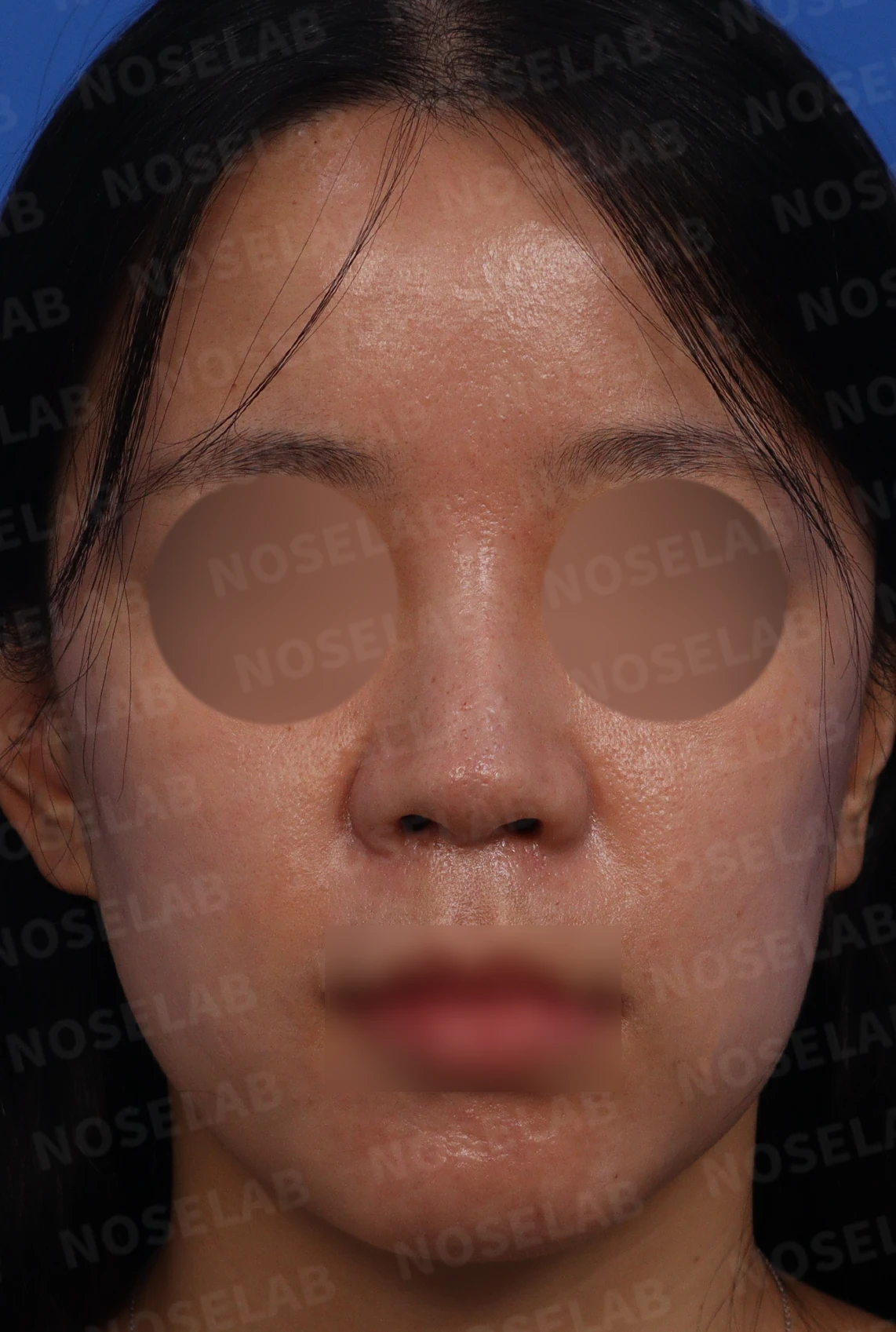
- The glabella appeared widened
- The nasal bridge was broadly spread
- The nasal tip was blunt, giving an overall flat appearance
- Nostril asymmetry observed
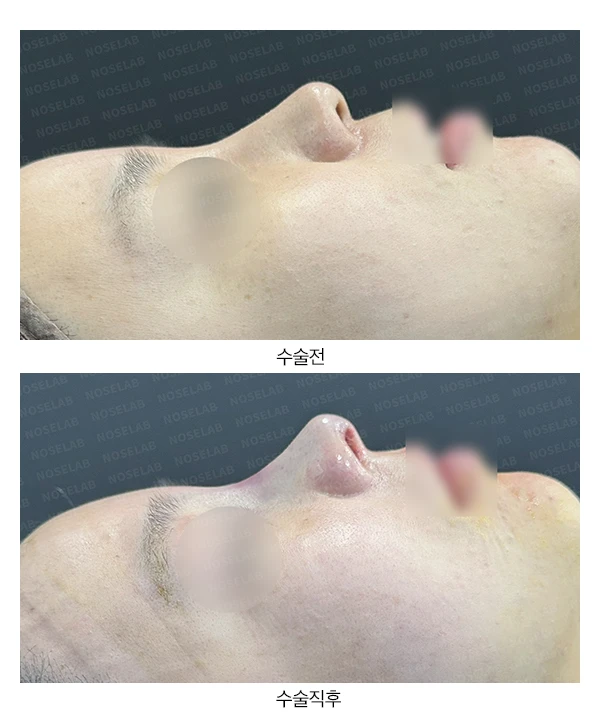
Profile view:
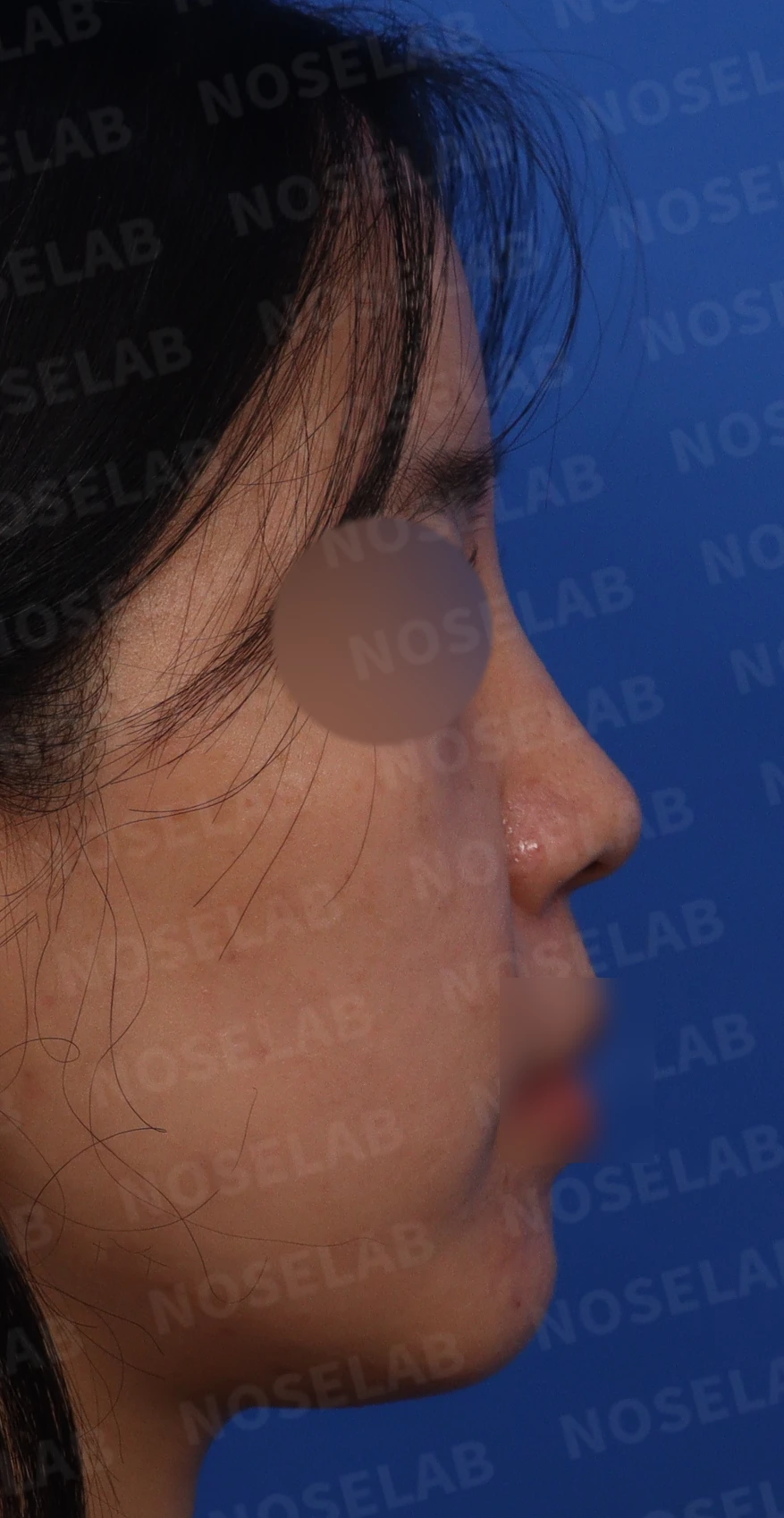
- The radix appears high
- The columella was retracted
- A relatively long philtrum accentuated the appearance of a protruding mouth
- Unnatural nasal tip shape due to a retracted columella
Oblique view:
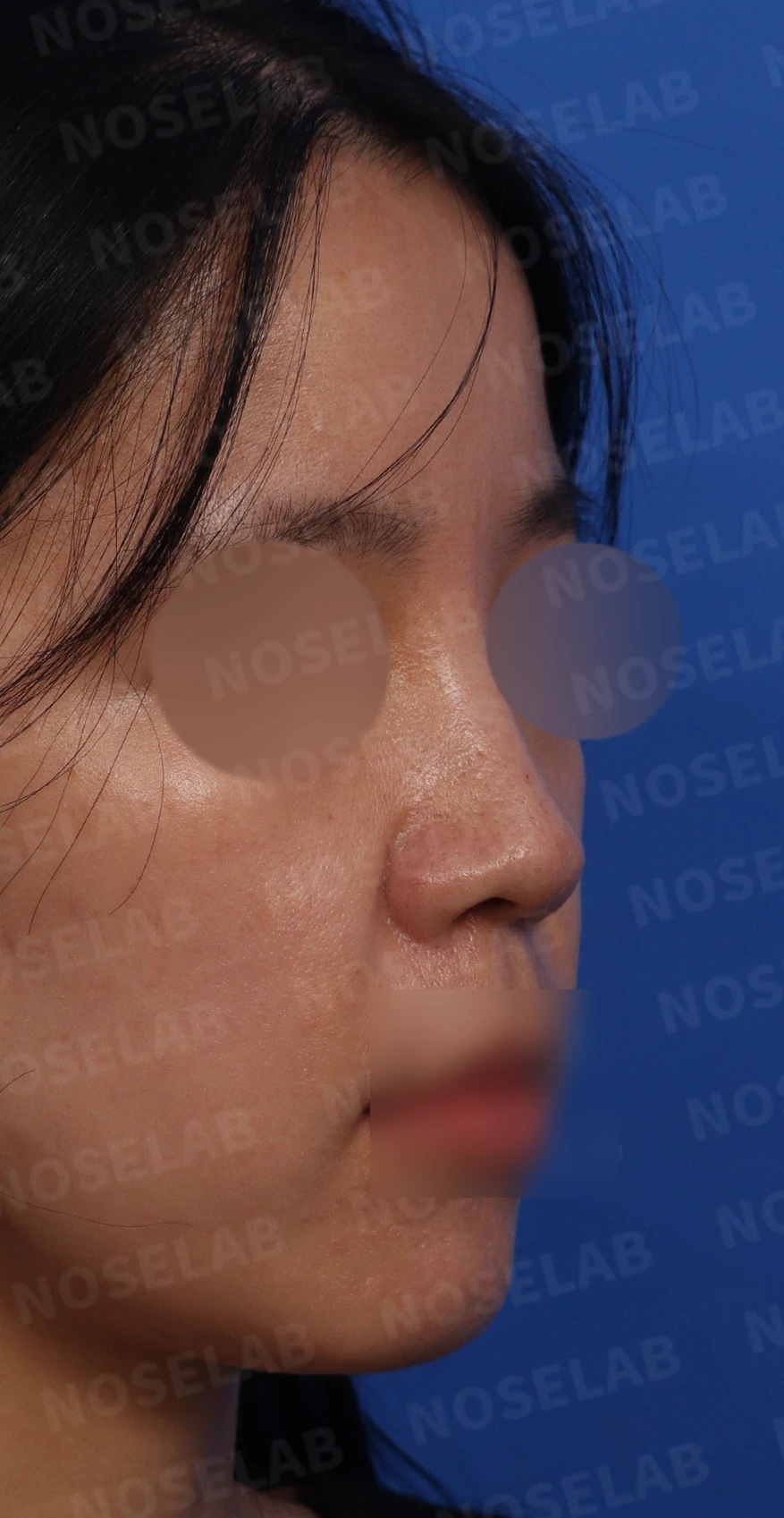
- The widened shape of the nose is more pronounced
- Notable bluntness of the nasal tip
Nostrils:
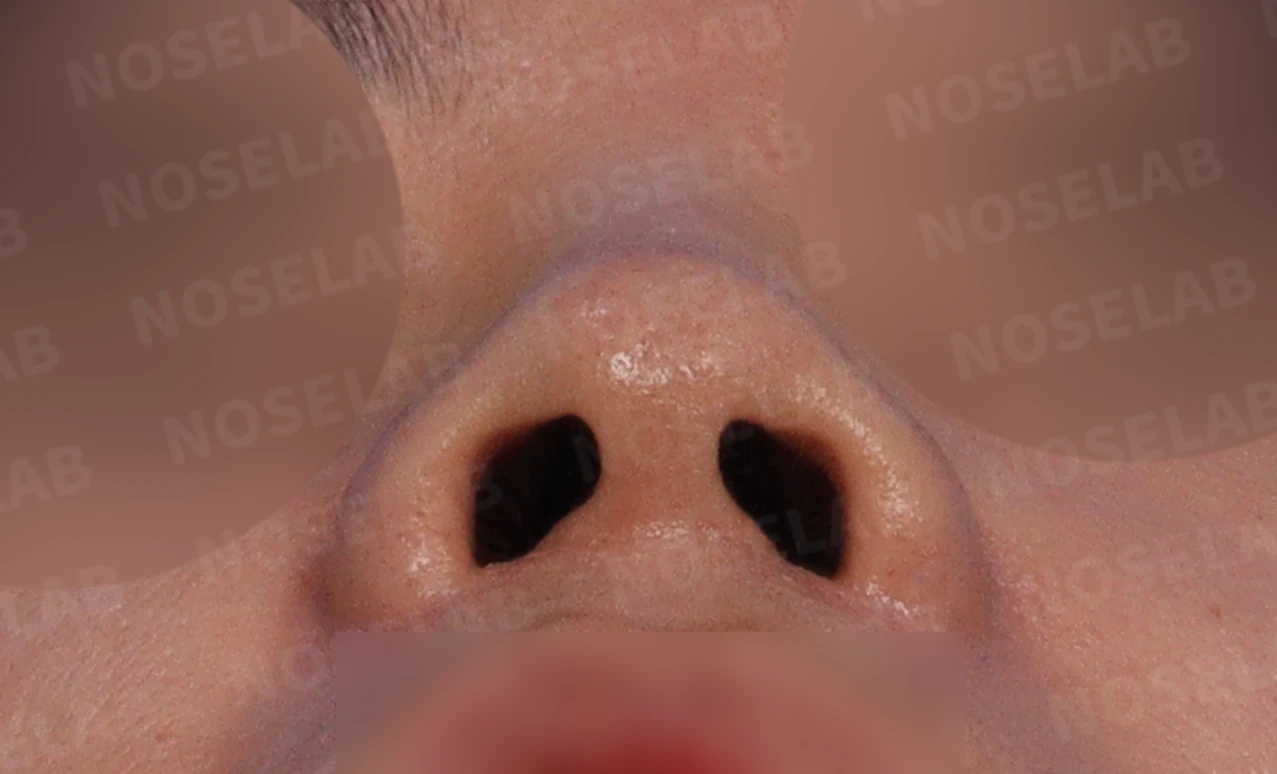
Preoperative basal (nostril) view
- Asymmetric shape observed
Surgical plan
Taking into account the patient's condition and requests, the following surgical plan was established:
a) Complete removal of foreign materials
b) Nasal tip reconstruction using autologous rib cartilage
c) Septal extension
d) Lateral nasal osteotomy
e) Lowering the columella and adjusting the radix
Surgical procedure
The following procedures were performed using a closed approach:
a) Foreign material removal:
- Removal of various types of filler (calcium filler, hyaluronic acid filler, etc.) from the nasal bridge and nasal tip
- Removal of multiple types of threads (barbed threads, non-absorbable threads, embedded threads, etc.)
- The removed foreign materials were organized and photographed by location: bridge versus tip and columella
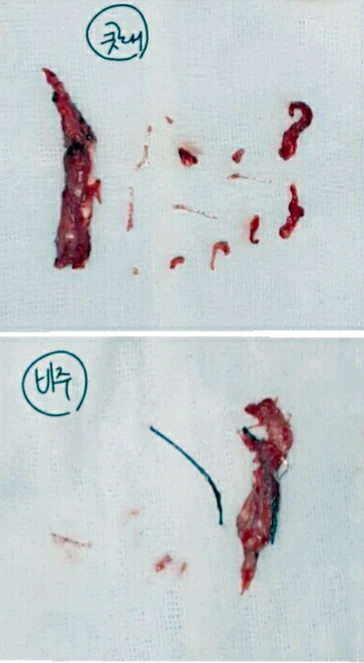
Foreign materials removed from the bridge alongside those removed from the tip and columella
b) Nasal tip reconstruction:
- Clean reconstruction of the nasal tip using autologous rib cartilage
- Projecting the nasal tip while maintaining a soft, rounded contour
c) Septal extension:
- Correction of the retracted columella and reinforcement of tip support
- Improvement of the spread nasal tip
d) Lateral nasal osteotomy:
- Improvement of the widened, flat nasal bridge
e) Radix adjustment:
- Lowering the radix so the nose does not appear elongated
f) Nasolabial angle correction
- Improvement of protruding mouth
Before surgery vs Immediately after surgery
Comparing photos taken immediately after surgery on day 0 shows the following improvements: Photos taken immediately after surgery show swelling and may differ from the final result.
Front view:
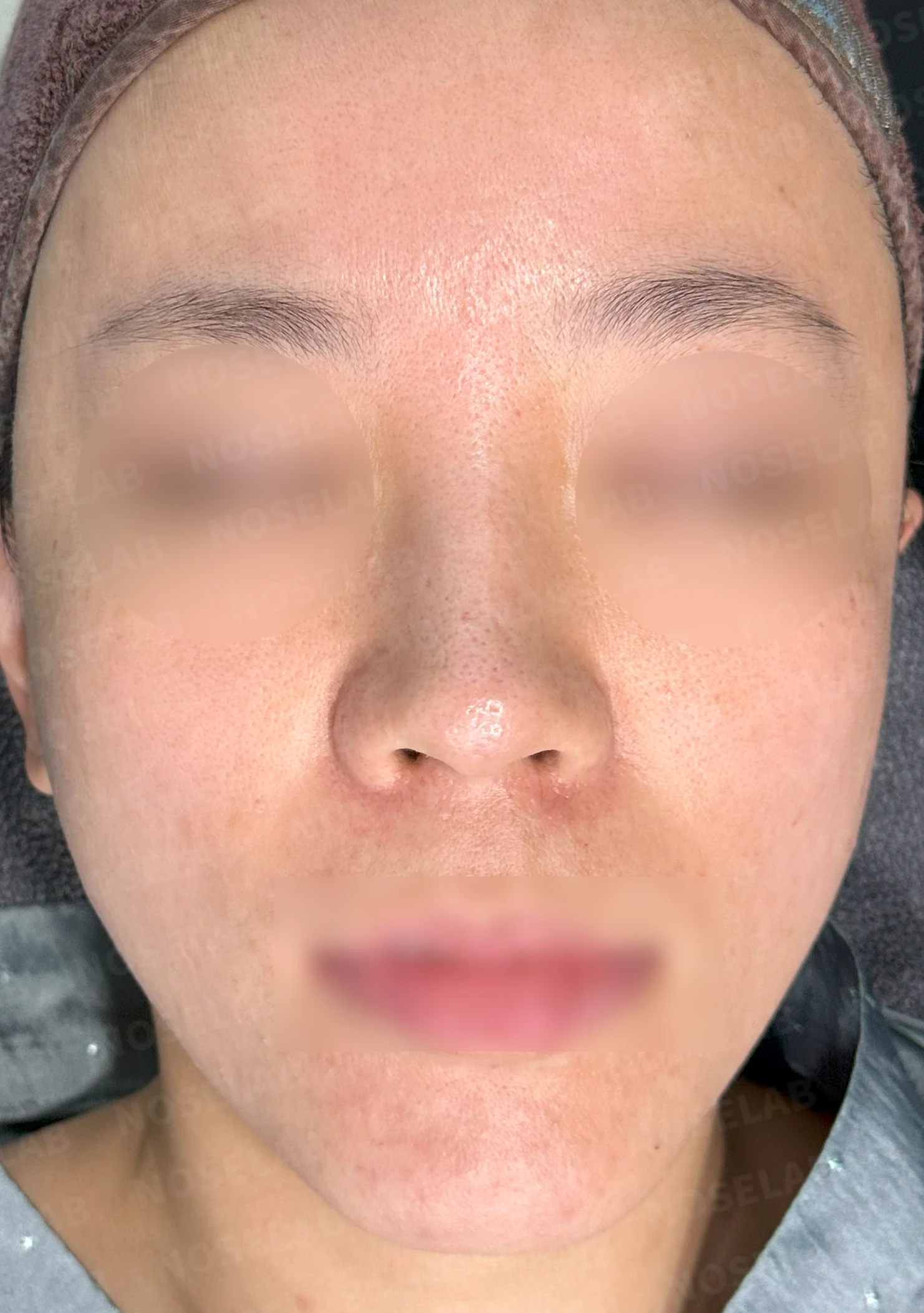
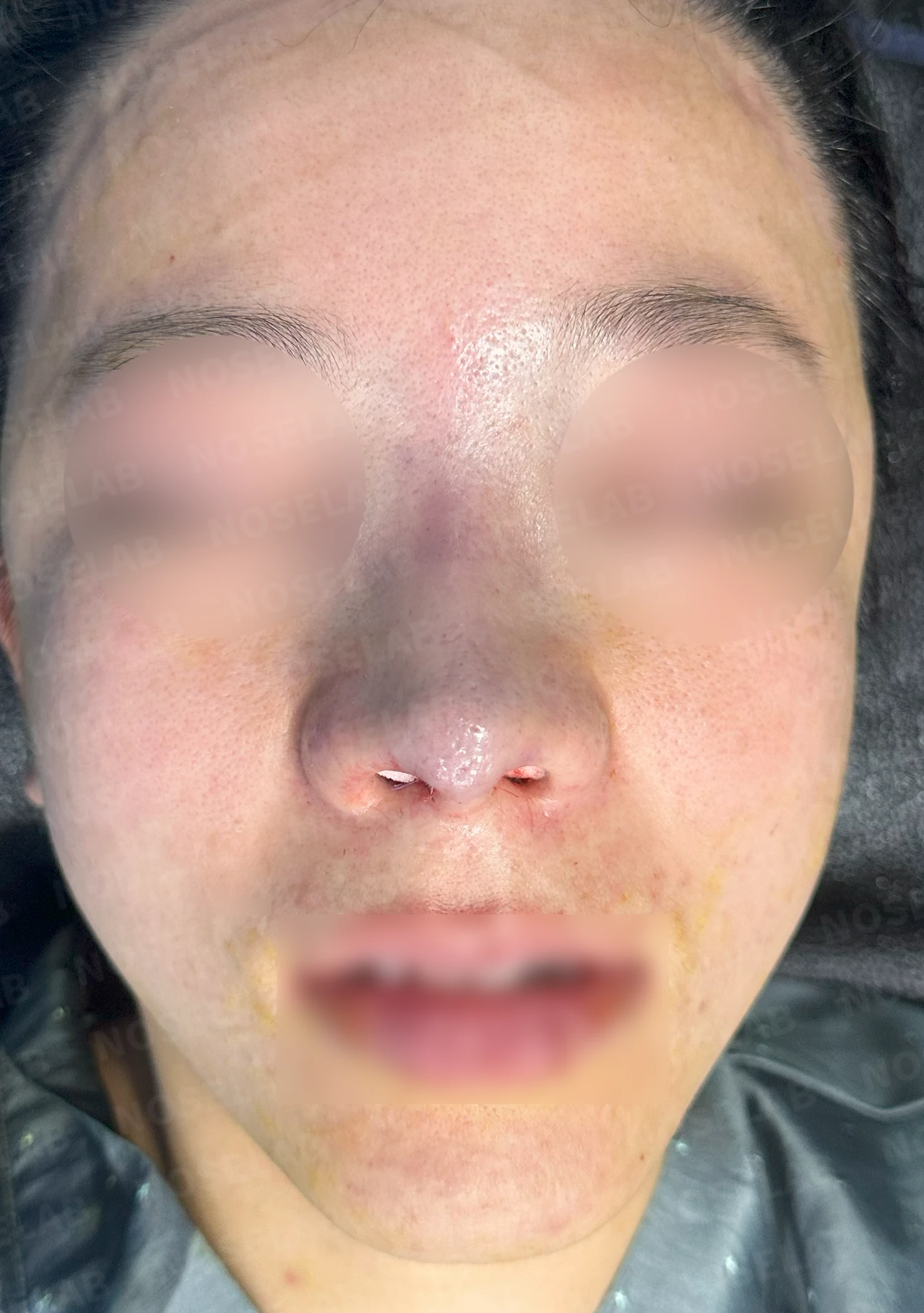
Before surgery / Day 0 immediately after surgery Photos taken immediately after surgery show swelling and may differ from the final result.
- The previously widened glabella has been neatly refined.
- The broad, spread nasal bridge was made slimmer.
- The bulbous nasal tip was refined into a refined, natural contour.
- Nostril asymmetry improved.
Profile view:
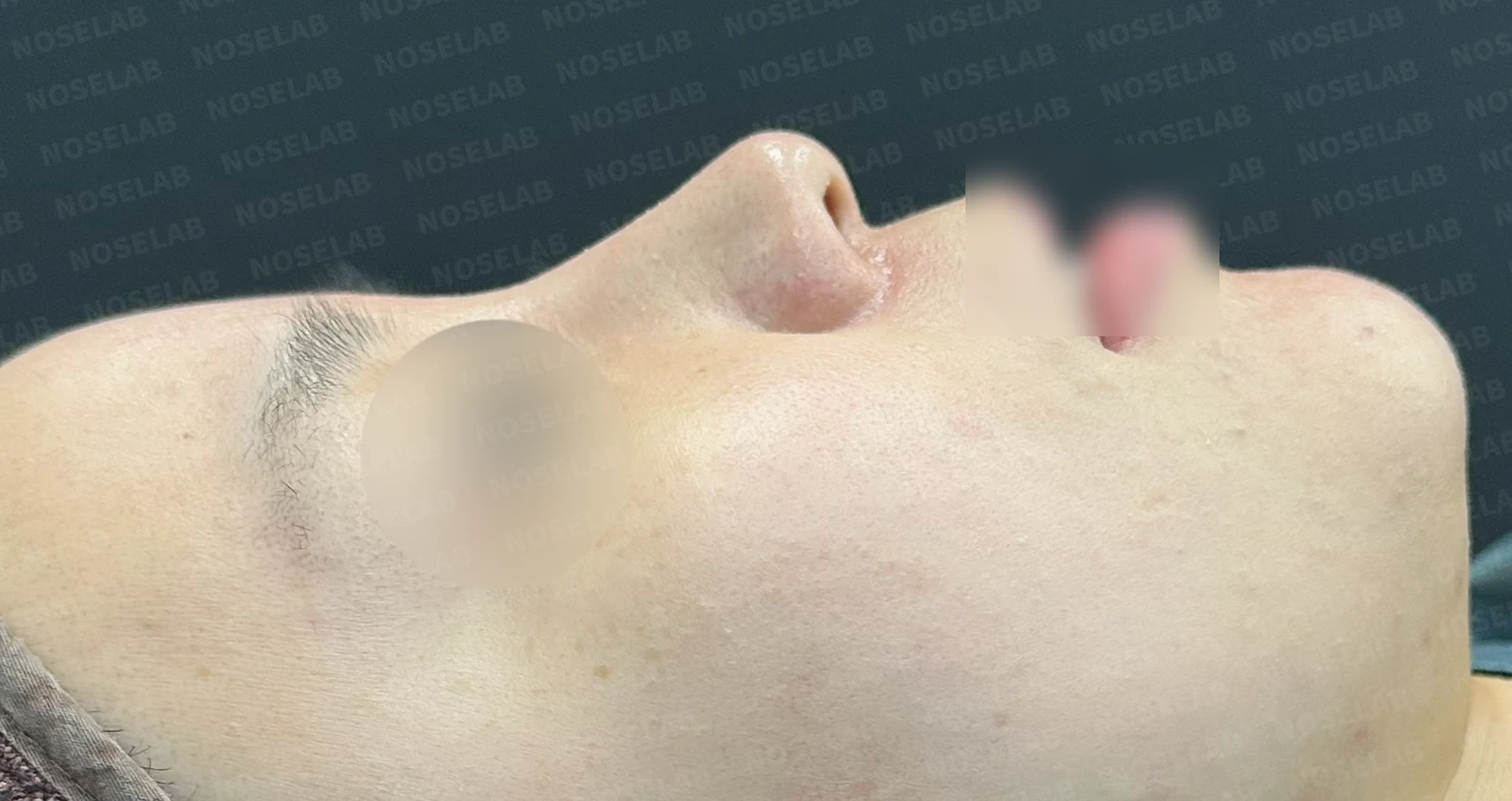
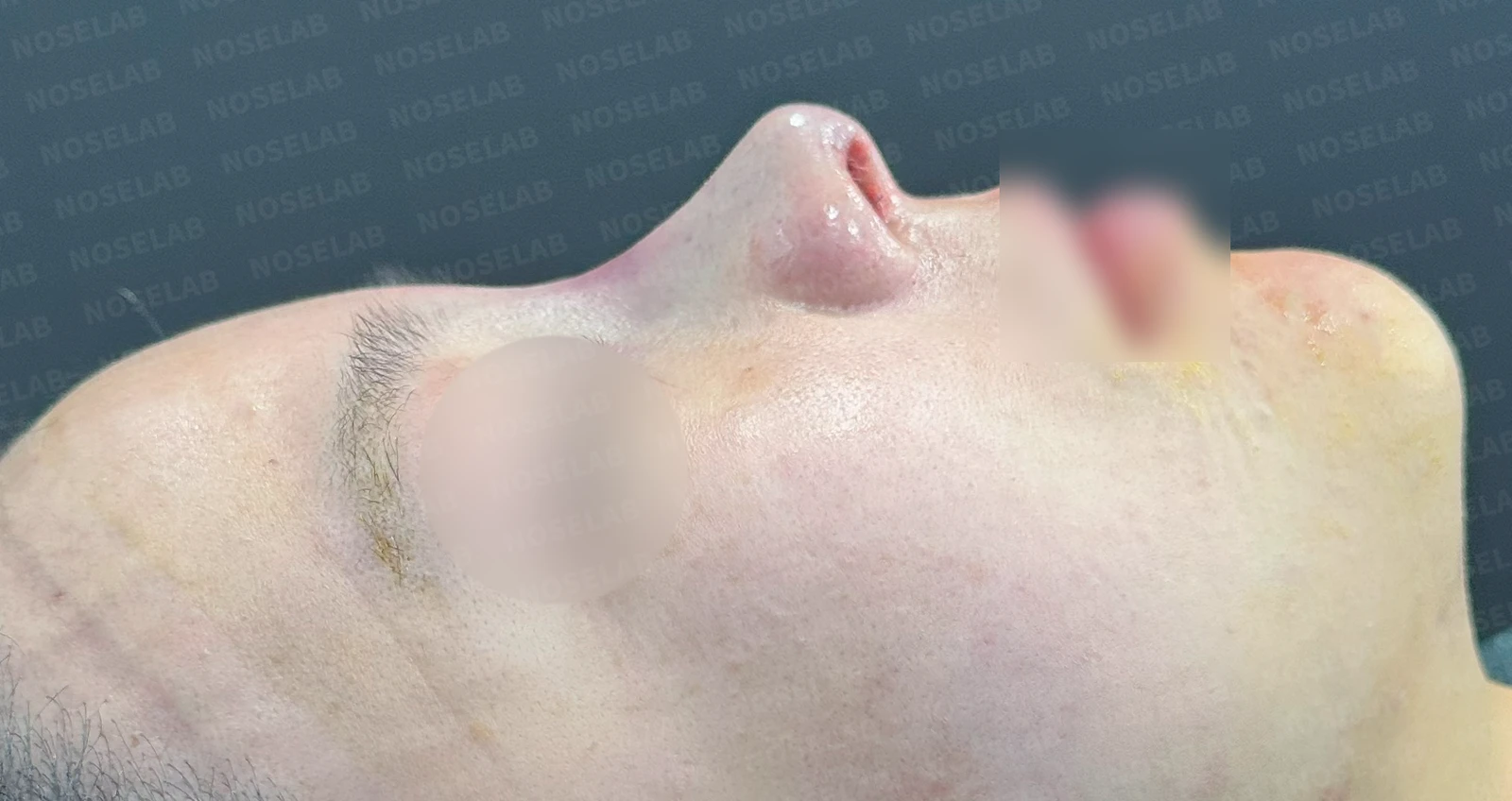
Before surgery / Day 0 immediately after surgery Photos taken immediately after surgery show swelling and may differ from the final result.
- The radix was naturally lowered.
- The retracted columella was properly corrected.
- The appearance of a protruding mouth was softened, improving overall facial balance.
Oblique view:
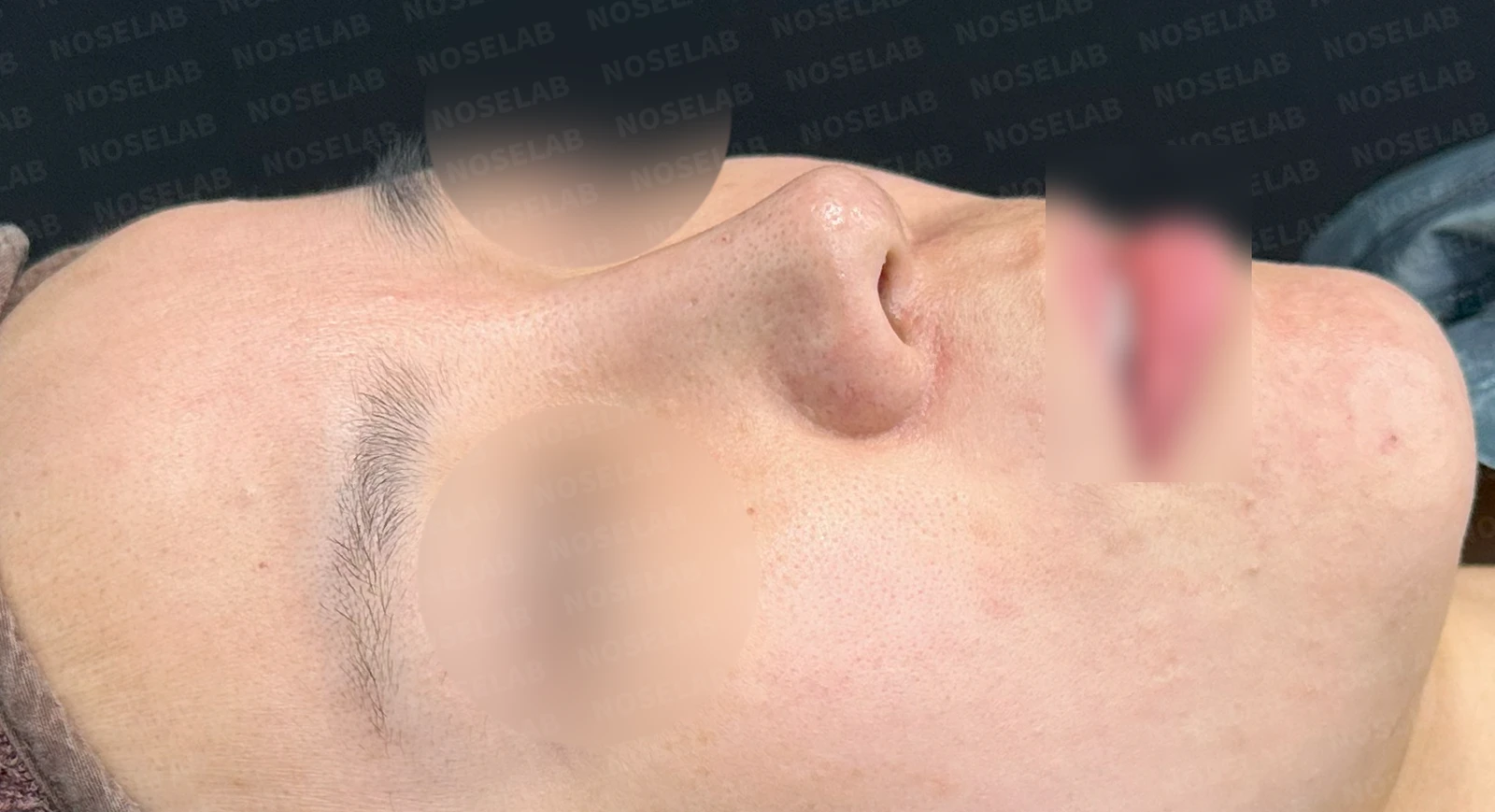
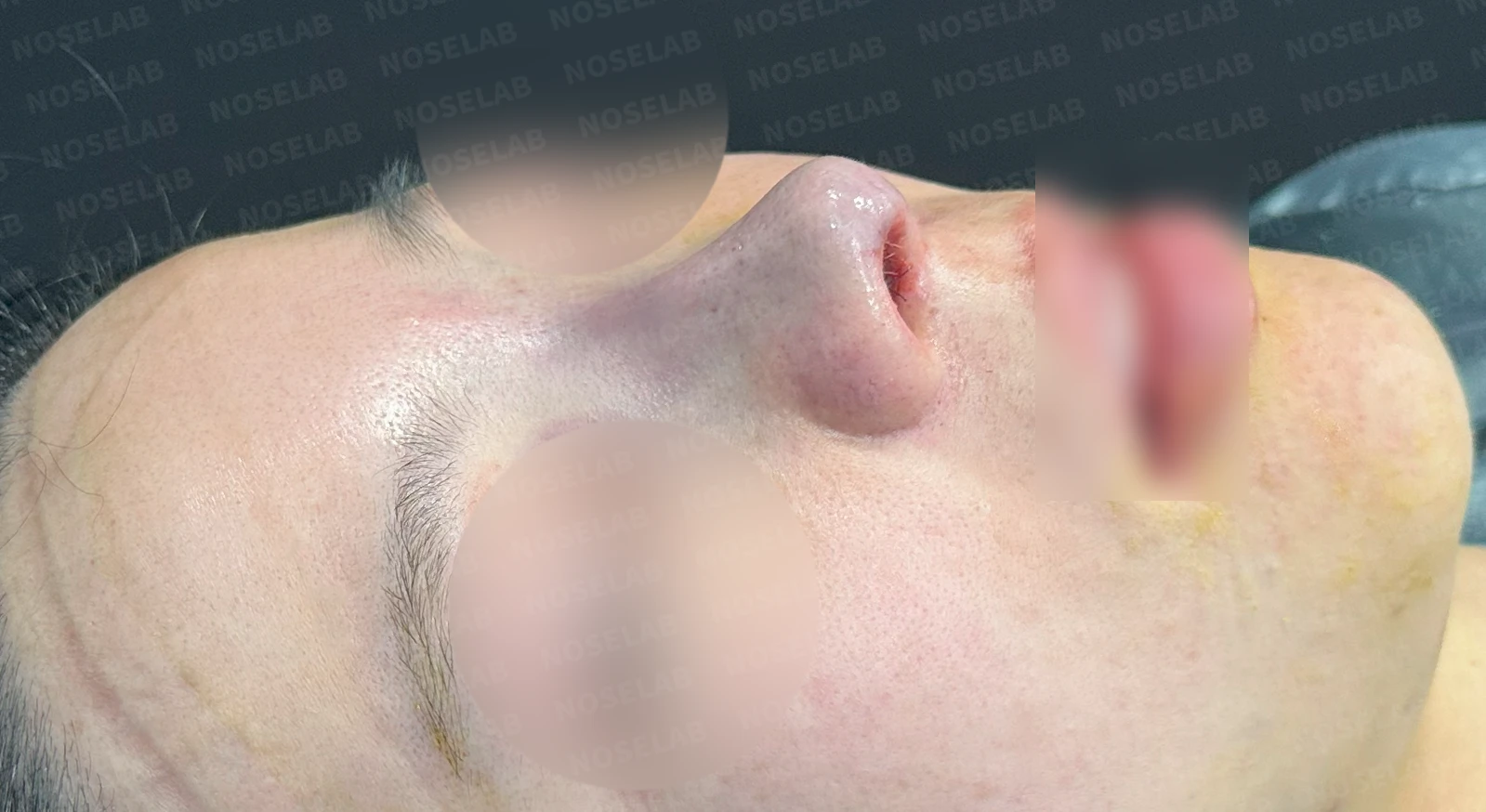
Before surgery / Day 0 immediately after surgery Photos taken immediately after surgery show swelling and may differ from the final result.
- The spread contour of the nose was refined into a slimmer, more defined line.
- Nasal tip projection improved, enhancing overall facial harmony.
Nostrils:
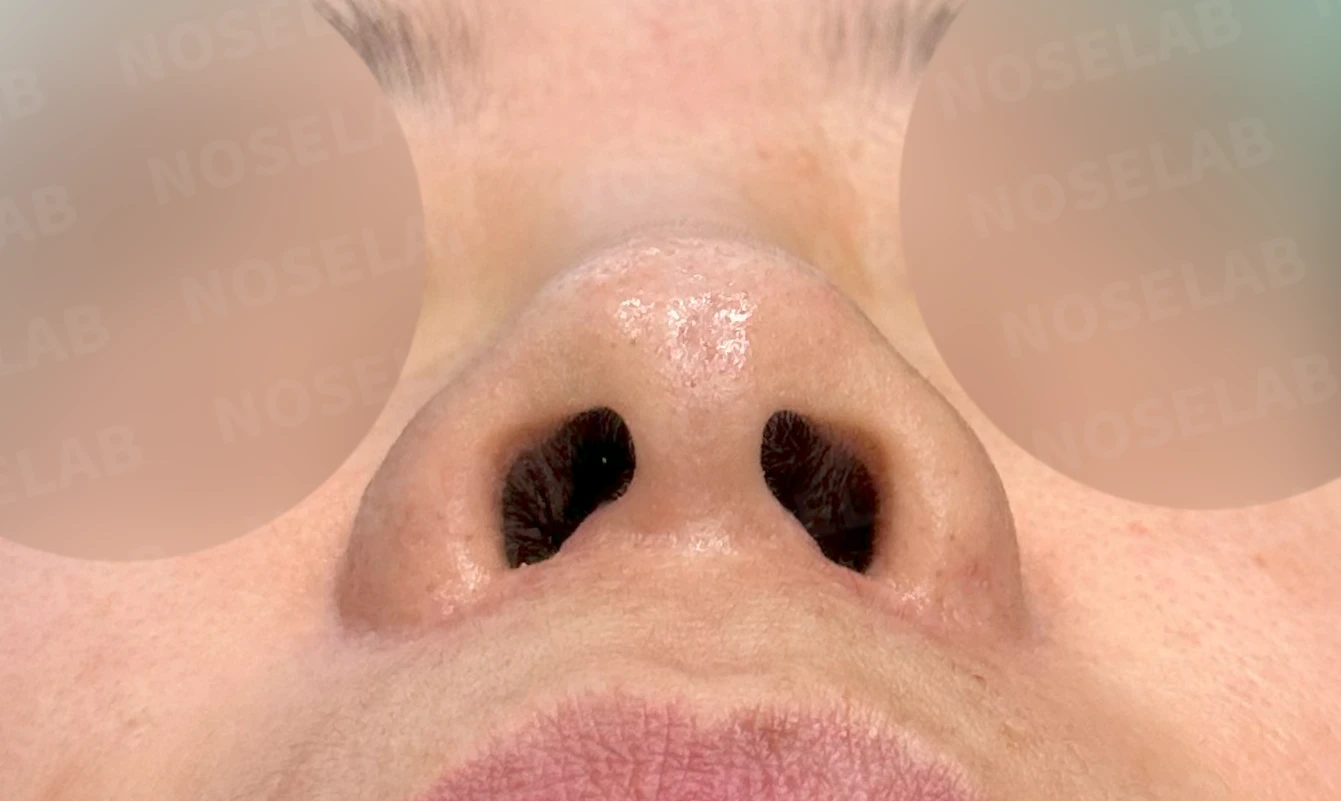
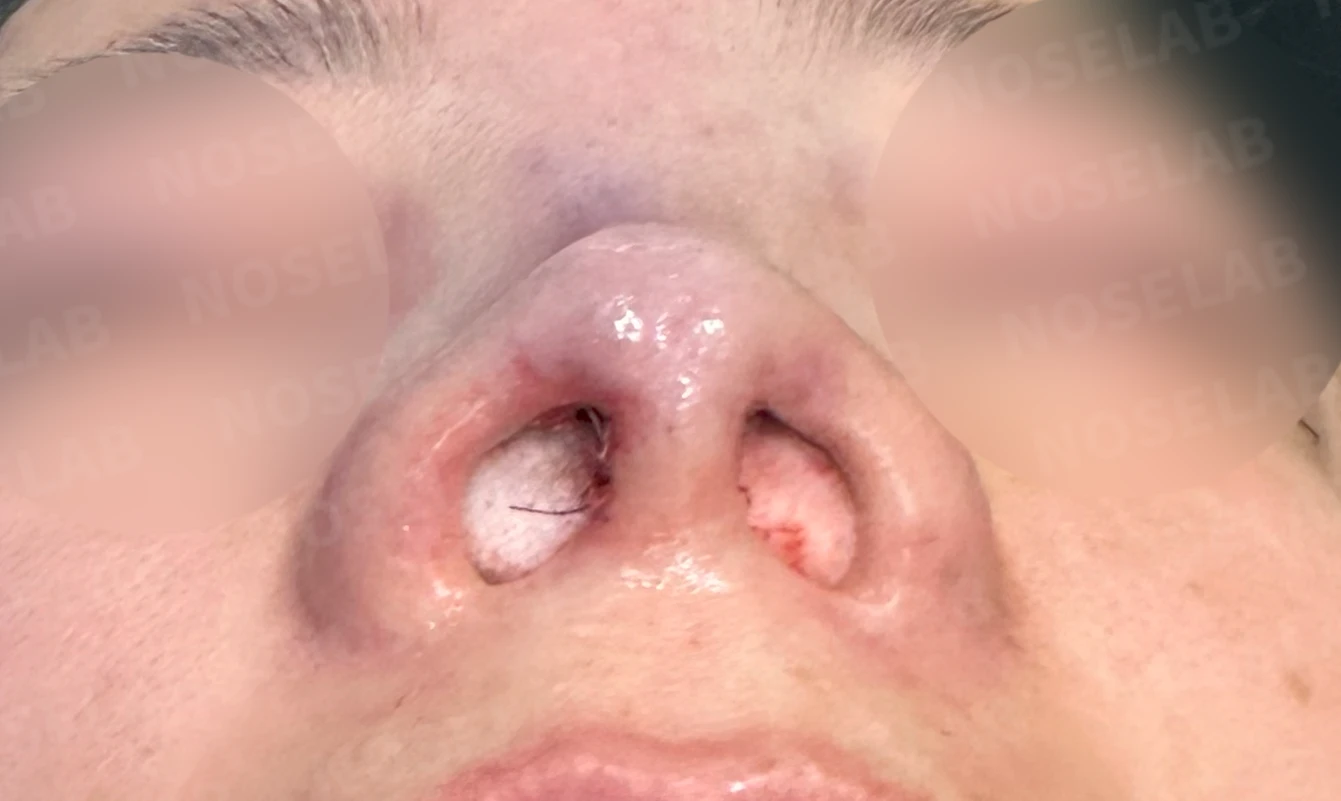
Before surgery / Day 0 immediately after surgery Photos taken immediately after surgery show swelling and may differ from the final result.
- Asymmetry improved significantly, achieving a balanced appearance.
- Correction of the retracted columella improved overall facial harmony.
Photos immediately after surgery
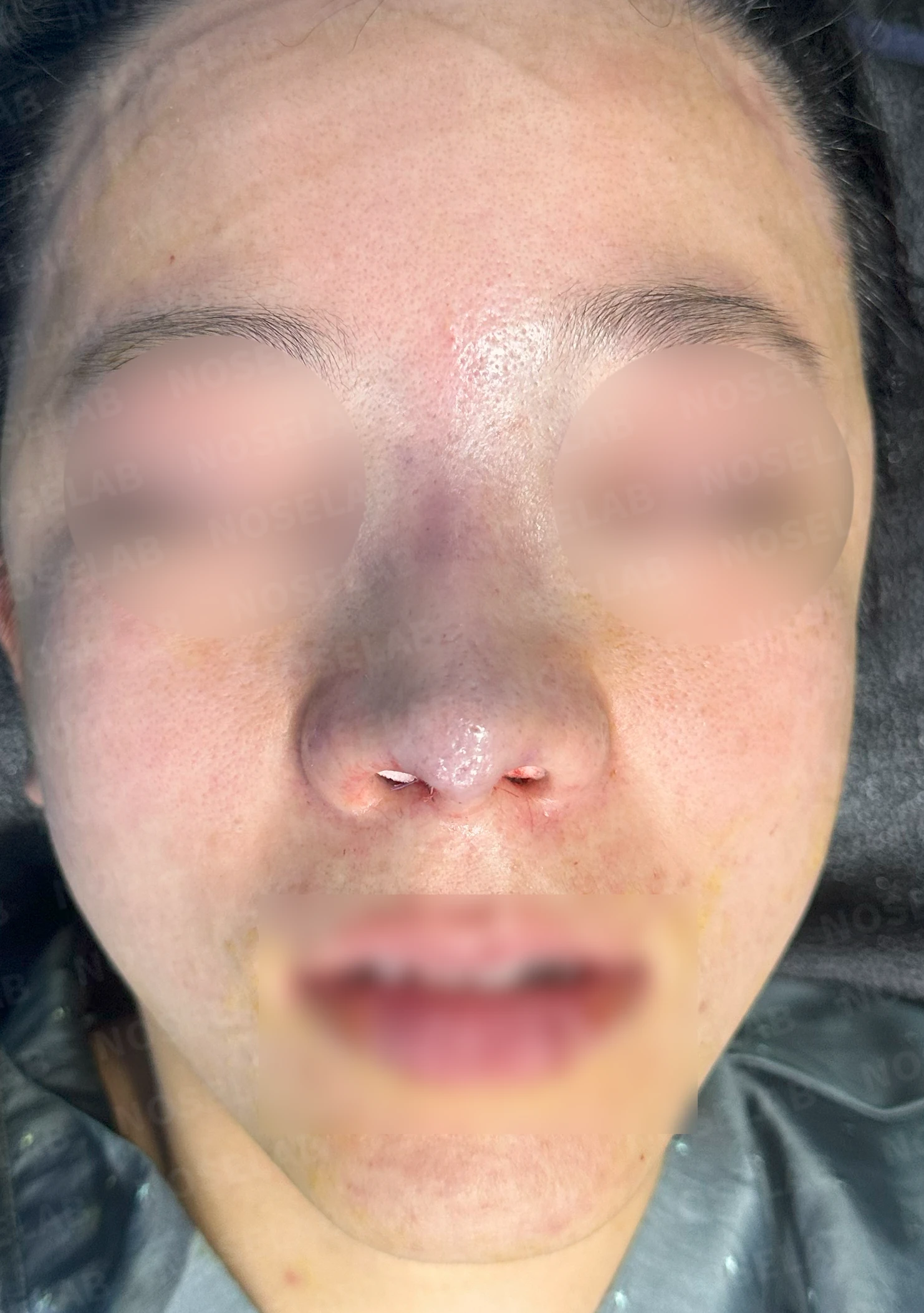
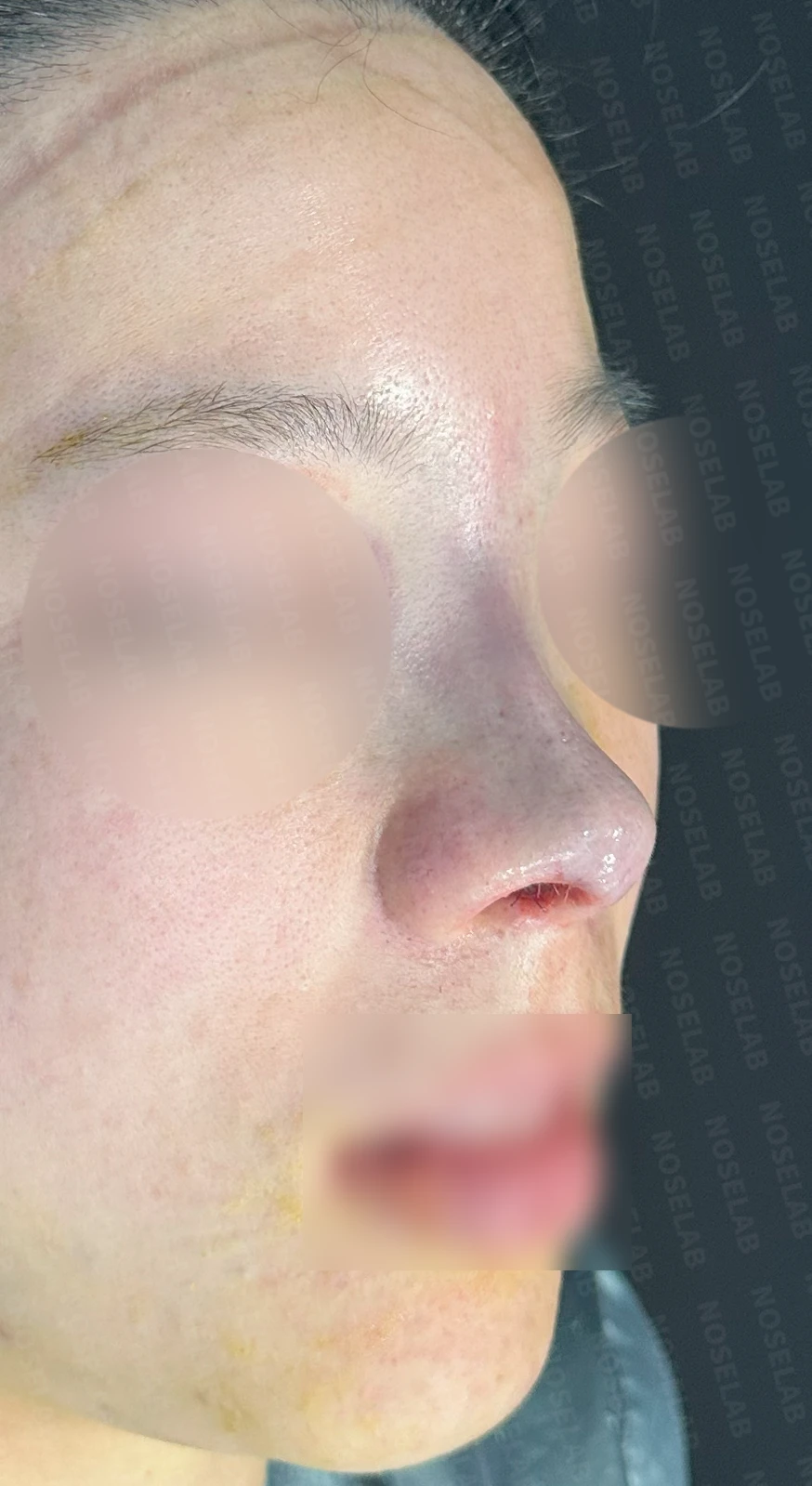
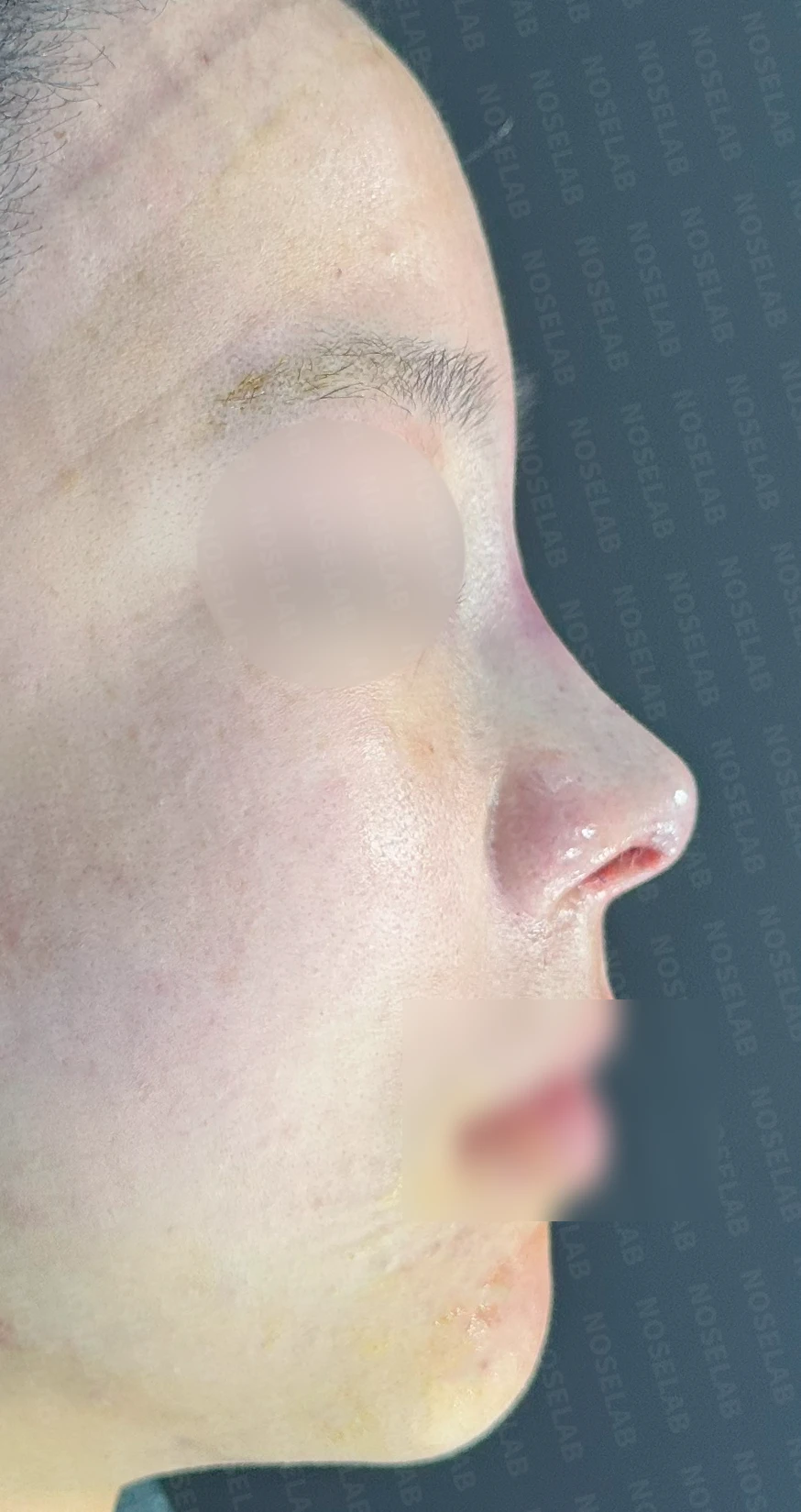
Front, oblique, and profile views immediately after surgery on day 0. Photos taken immediately after surgery show swelling and may differ from the final result.
Basal (nostril) view immediately after surgery (Day 0).Immediate postoperative photos show swelling and may differ from the final result.
Conclusion
This case clearly illustrates the issues that can arise from undergoing repeated filler and thread procedures over a prolonged period, as well as the process of resolving them. Foreign material removal is not a simple procedure and requires the meticulous technique of an experienced specialist.
In this surgery in particular, various types of fillers and threads were safely removed, and reconstruction using autologous rib cartilage was performed at the same time. The goal was not simply to extract the foreign materials, but to ensure structural stability of the nose while achieving an aesthetically pleasing result.
Correcting the widened bridge with lateral osteotomy and improving the retracted columella with septal extension were essential steps for overall nasal balance and facial harmony.
Even with swelling present on day 0 immediately after surgery, a far more natural and refined nasal contour is clearly visible. As swelling subsides over time, an even more balanced and harmonious result can be expected. Photographs taken immediately after surgery show swelling and may differ from the final healed result.
Closing remarks
I hope this case offers helpful insight for those considering rhinoplasty. Having one or two minor filler procedures before surgery to preview the look may not cause major problems. However, repeatedly receiving excessive fillers and thread insertions makes it difficult to achieve an appealing nasal shape and can become a significant obstacle during subsequent rhinoplasty, so great caution is advised.
Removing foreign materials is by no means a simple operation. Because there is a risk of vascular or nerve damage, surgery must be performed by an experienced specialist. NOSELAB provides safe and effective foreign material removal and rhinoplasty based on extensive clinical experience and advanced techniques.
NOSELAB is here to help you achieve a healthy, aesthetically pleasing nose. Thank you.
FAQ
Q1: Can rhinoplasty be performed immediately after foreign material removal?
A1: In most cases, foreign material removal and rhinoplasty can be performed simultaneously. However, in special circumstances, such as when severe inflammation is present, rhinoplasty may be carried out after a recovery period following foreign material removal.
Q2: What are the risks of foreign material removal surgery?
A2: Primary risks include vascular damage, nerve damage, and infection. However, these risks can be minimized when the procedure is performed by an experienced specialist.
Q3: What are the advantages of using autologous rib cartilage?
A3: Because autologous rib cartilage is the patient's own tissue, there is no risk of rejection, and it maintains stable long-term results. In addition, an ample amount of cartilage can be harvested, making it versatile for various corrective nasal procedures.
Q4: When can I return to daily activities after surgery?
A4: Recovery varies by individual, but patients can generally return to daily activities after 1-2 weeks. Achieving complete recovery and the final result takes about 3-6 months.
Q5: Does the nose return to its original shape after foreign material removal?
A5: If only foreign material removal is performed, the nose may return to its original shape to some extent. However, because foreign material removal often involves resecting a portion of normal tissue integrated with the material, the nose may appear lower or uneven compared to before the injections. For this reason, rhinoplasty is usually performed at the same time as foreign material removal, allowing for a more natural and balanced nasal shape.
#closedrhinoplasty #foreignmaterialremoval #advancedclosedrhinoplasty #bulbousnose #spreadnose #fillerremoval #threadremoval #barbedthreadremoval #ENTspecialist #rhinoplasty #autologousribcartilagegraft #tiprhinoplasty #ENTspecialistrhinoplasty #safelyplannedrhinoplasty #bridgecorrection #septalextension

Limitations and risks
When autologous rib cartilage is used, scarring and pain may remain at the donor site on the chest, and pneumothorax (pleural injury) can occur rarely. Over time, the grafted cartilage may warp or undergo partial resorption.
When foreign materials such as injected fillers are removed and reconstructed, contracture may recur, nasal height and length may decrease, and staged surgery may be necessary depending on the skin condition.
When the septum is corrected at the same time, nasal obstruction may persist or recur, and in rare cases, septal perforation or changes in smell may occur.
Common potential risks include infection, bleeding, asymmetry, scarring, skin necrosis, and insufficient improvement; results vary depending on individual skin condition and previous surgical history.