English日本語简体中文
Skip to main content
Dr. Peter C. Kang's Rhinoplasty Stories
PrologueBlogMy thoughtsNasal obstructionSurgical journalSurgical photos
About the surgeon

Nostril asymmetry: comparing size, sill height, and columella

This is page 11 of cases on nostril asymmetry: comparing size, floor height, and columella. Review surgical records and before-and-after photos for cases 181–198 of 302.

View before-and-after cases ↓Comprehensive rhinoplasty guide

Searching for surgical cases matching your criteria.
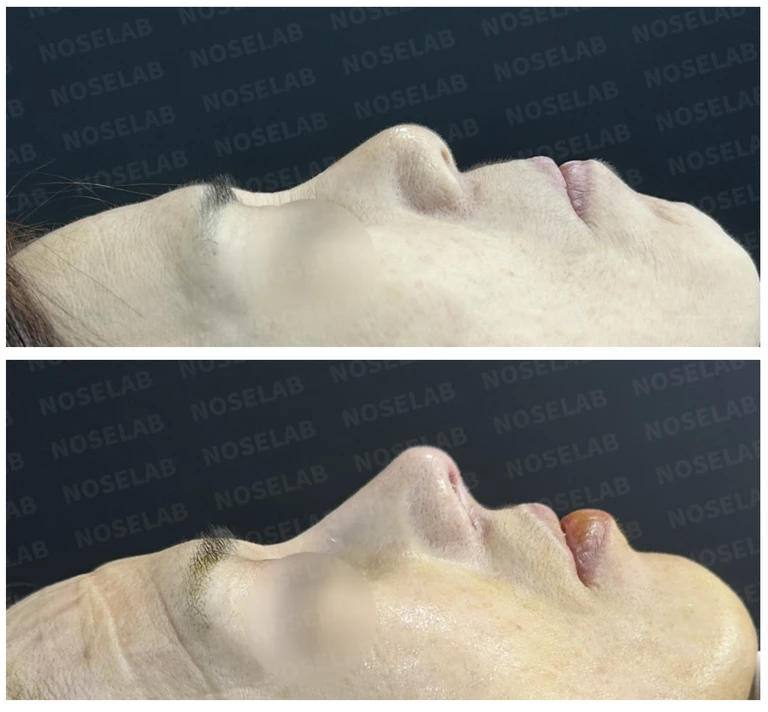
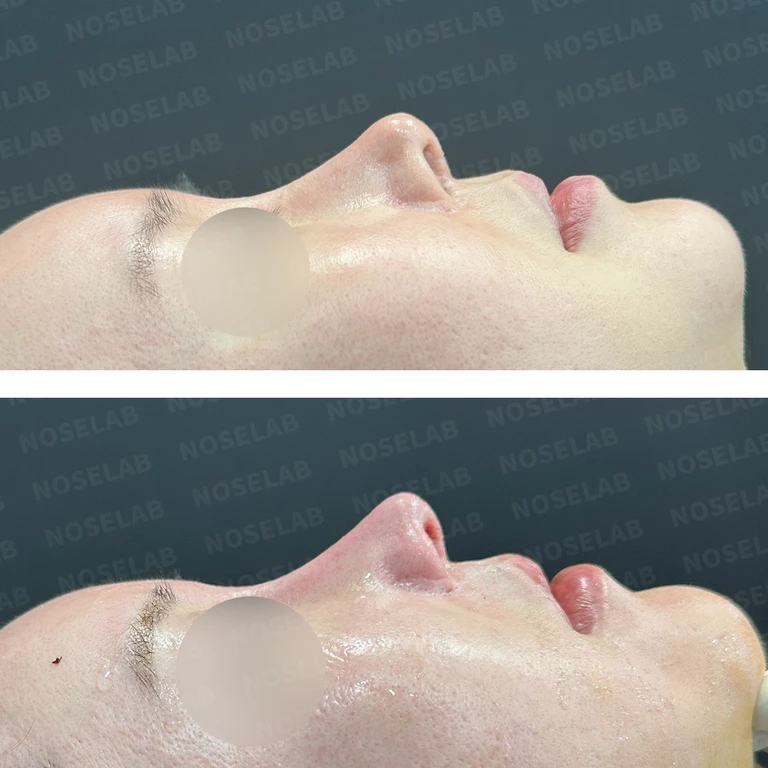
How to correct an upturned nose and overly curved bridge after repeated surgeries — Before-and-after comparison
Before-and-after comparison

How to correct an upturned nose and overly curved bridge after repeated surgeries

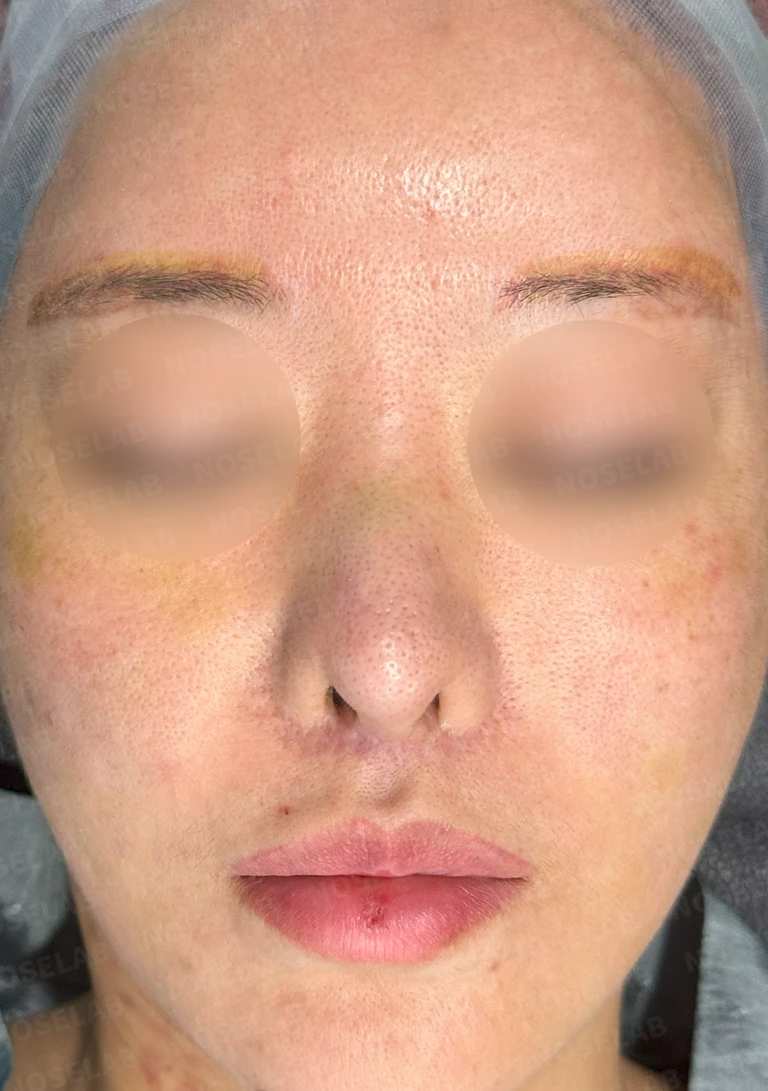
In a nose with septal damage, an upturned nose, and a high radix after 5 surgeries, the filler and silicone implant were removed, followed by septal reconstruction and extension using autologous rib cartilage and placement of a new silicone implant.

Preoperative condition
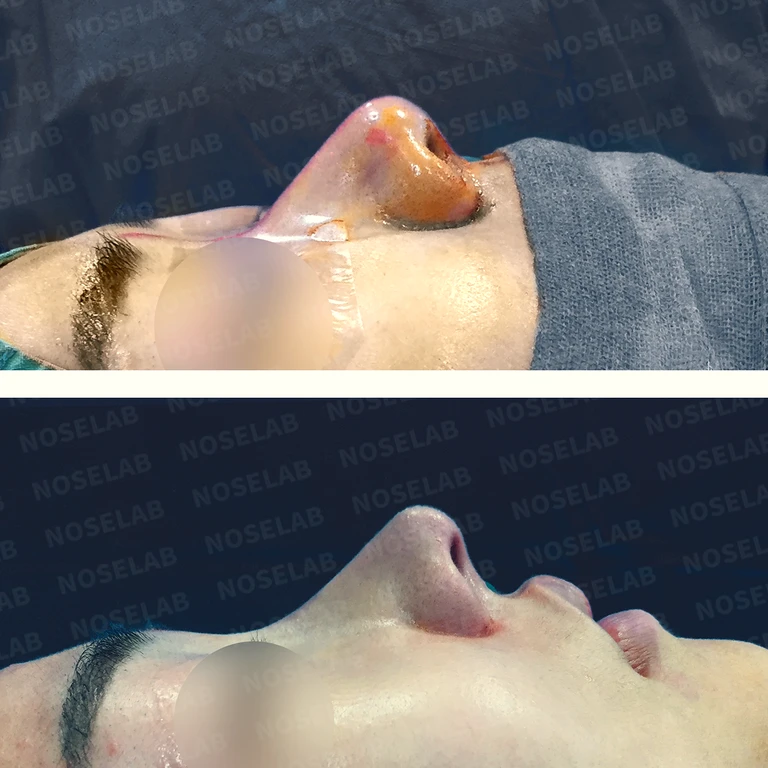
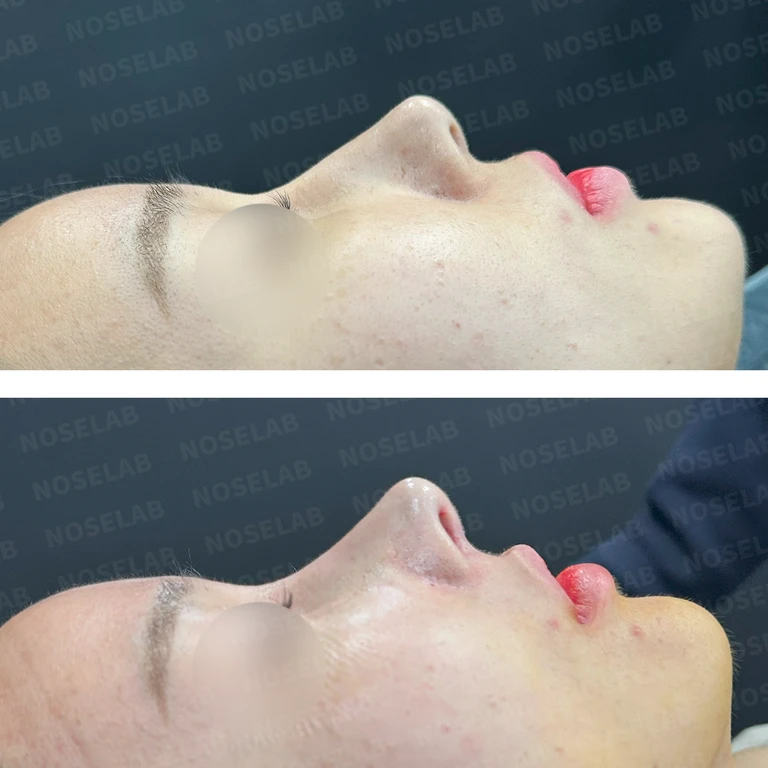
Closed correction method for bulbous nose and dragon nose — Before-and-after comparison
Before-and-after comparison

Closed correction method for bulbous nose and dragon nose

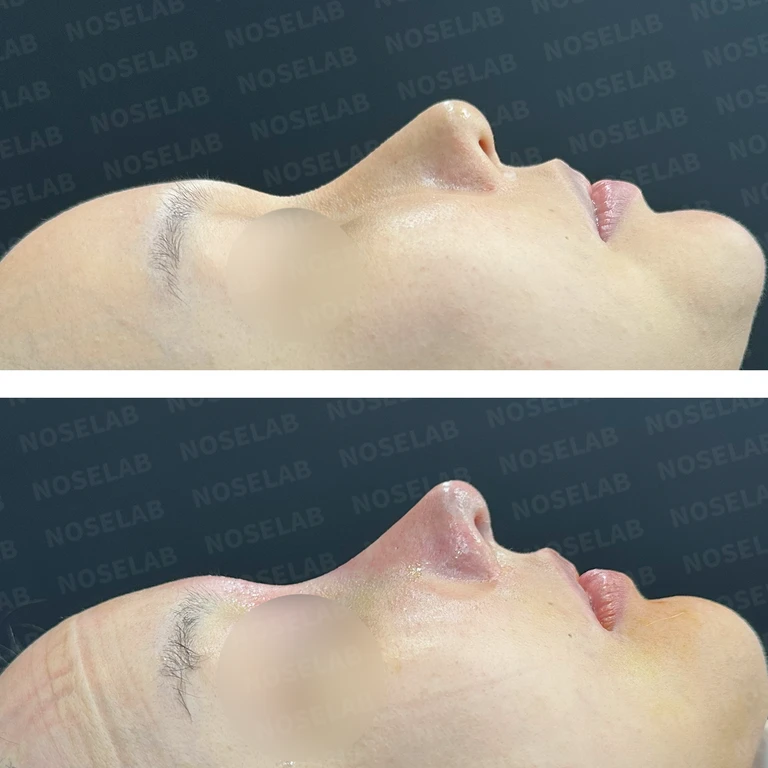
In a patient presenting with a bulbous nose, dragon nose, and retracted columella after previous filler injections, filler removal, septal extension using septal cartilage and donor rib cartilage, nostril lowering, and silicone implant insertion were performed via a closed approach.

Preoperative condition · Postoperative record

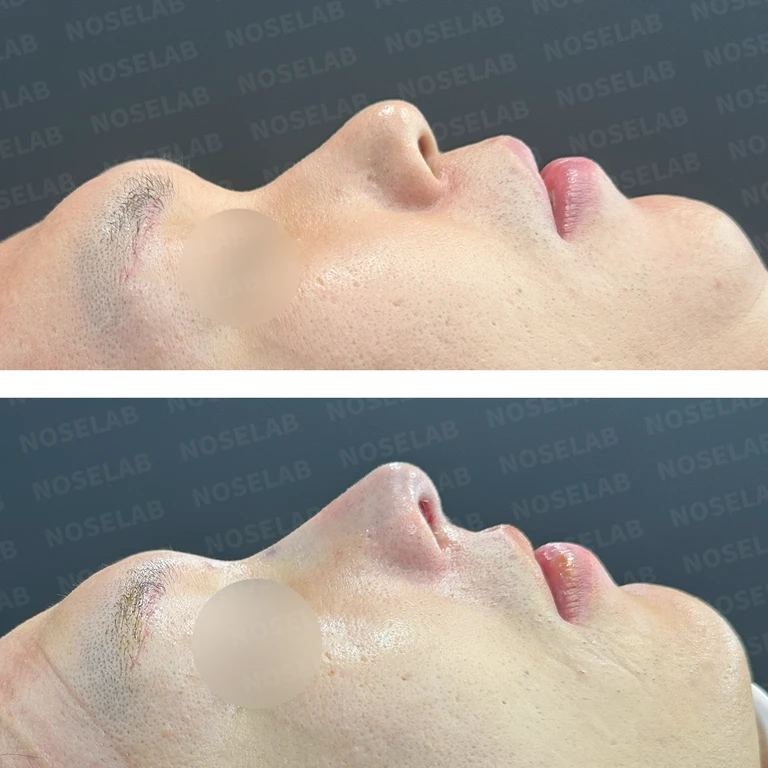
Revision rhinoplasty planning considering nasal tip skin condition and necrosis risk — Before-and-after comparison
Before-and-after comparison

Revision rhinoplasty planning considering nasal tip skin condition and necrosis risk

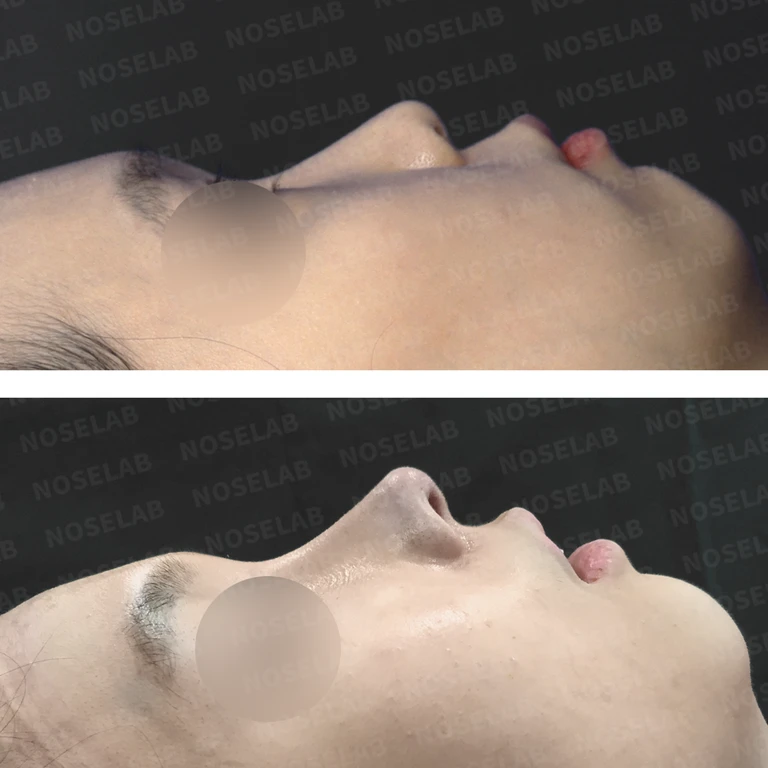
This is a case of septal damage, an upturned nose, and nasal tip skin depression after multiple previous surgeries. Using a closed approach to preserve blood supply, we performed septal reconstruction with autologous rib cartilage along with cartilage and dermal grafts.

Preoperative condition · Postoperative record

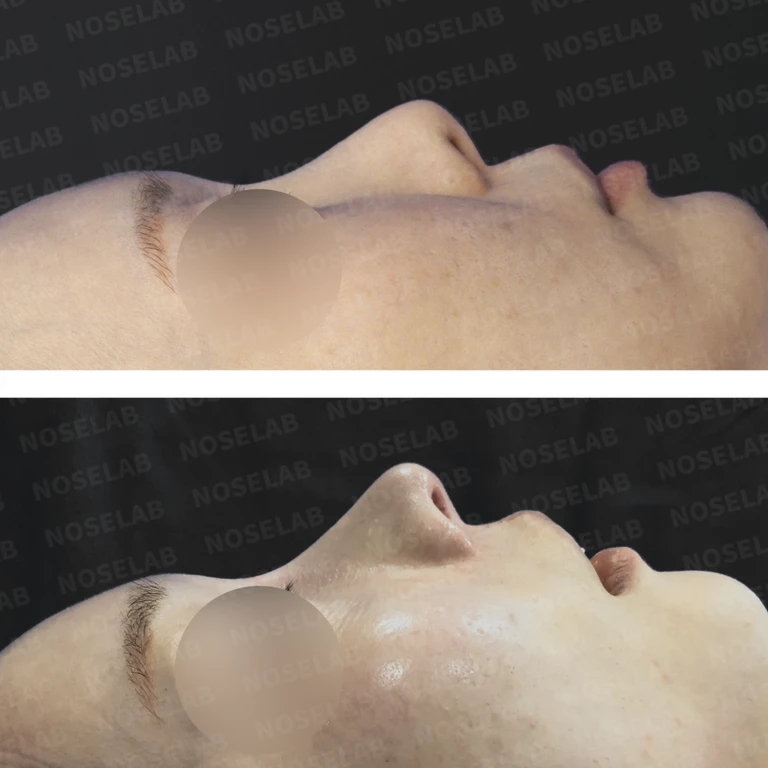
Removal of mesh inside the nose and autologous rib cartilage reconstruction — Before-and-after comparison
Before-and-after comparison

Removal of mesh inside the nose and autologous rib cartilage reconstruction

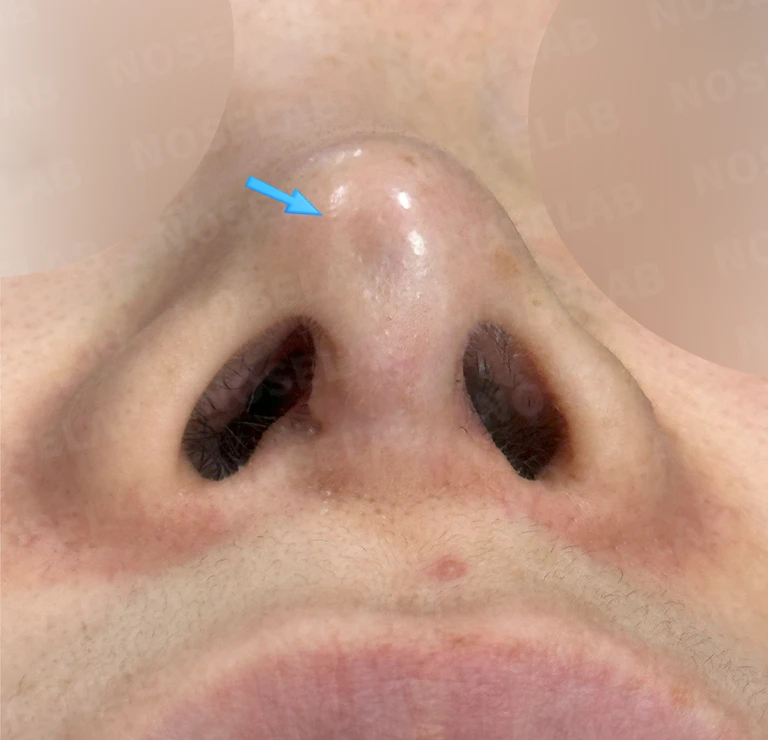
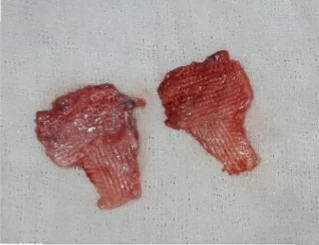
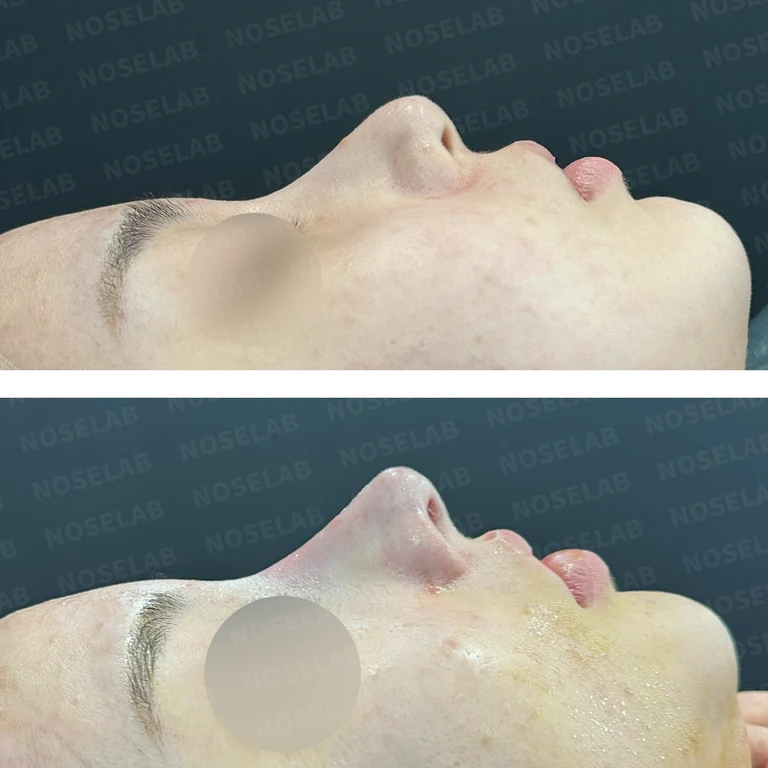
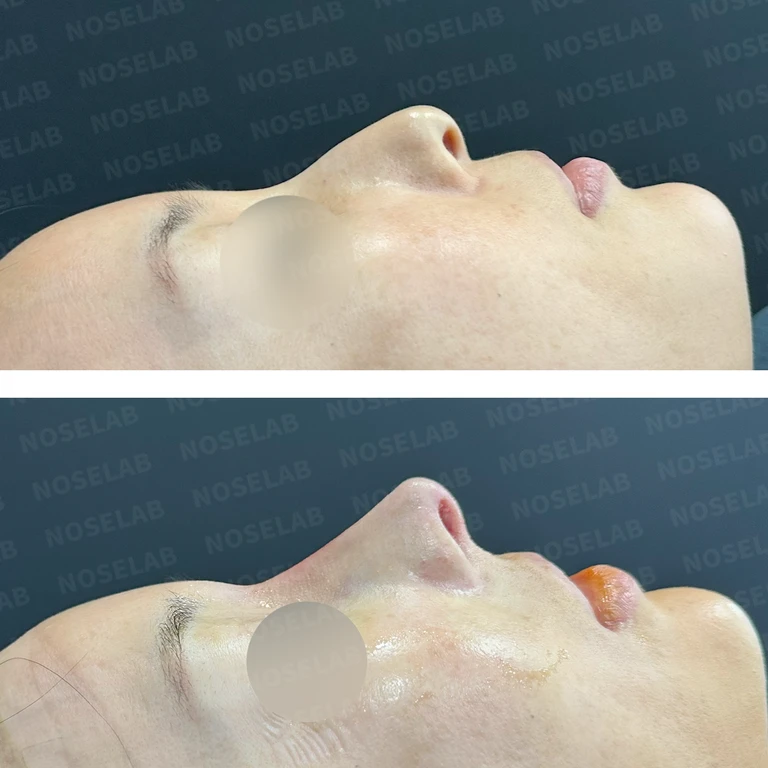
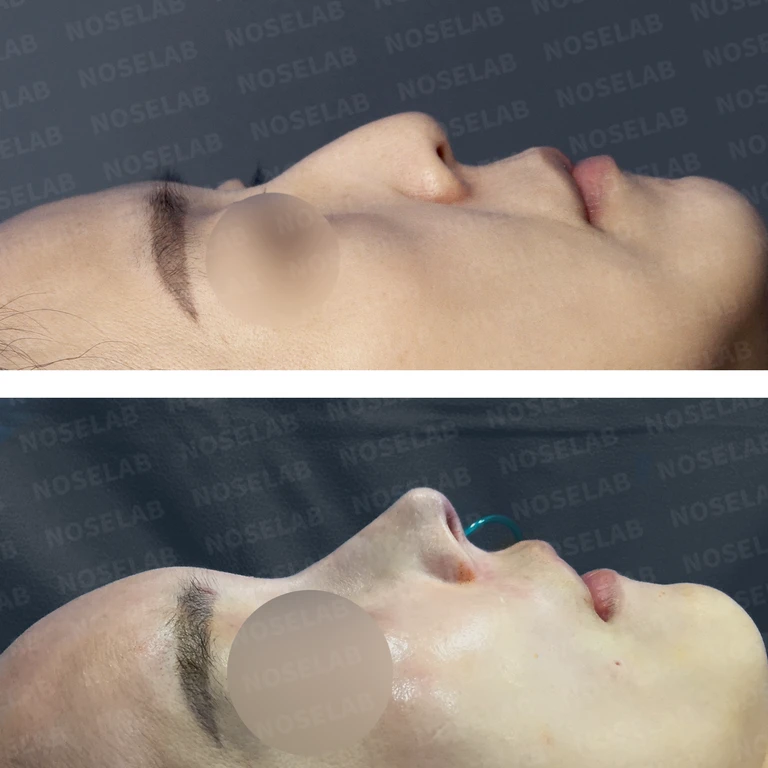
This was a case involving a blunt nasal tip, a high starting point at the glabella, and mesh foreign material following a previous surgery. Four pieces of mesh were removed, and septal reconstruction and extension were performed using autologous rib cartilage.

Preoperative condition

How to remove filler and threads injected into the nose and reconstruct the structure — Before-and-after comparison
Before-and-after comparison

How to remove filler and threads injected into the nose and reconstruct the structure

A case presenting with bluntness, a crooked nose, and asymmetry after thread and filler procedures. Through a closed approach, the foreign materials were removed, and septal extension with autologous rib cartilage was performed alongside silicone implant insertion and a chin implant procedure.

Preoperative condition · Postoperative record

Crooked nose correction considering facial asymmetry — Before-and-after comparison
Before-and-after comparison

Crooked nose correction considering facial asymmetry

A case presenting facial asymmetry alongside a dorsal hump, a crooked nose, and a drooping columella. Using a closed approach, nasal tip correction with autologous rib cartilage, dorsal hump reduction, lateral osteotomy, and silicone implant placement were performed.

Preoperative condition · Postoperative record

Nasal structure and correction methods for a bulbous, widened nose — Before-and-after comparison
Before-and-after comparison

Nasal structure and correction methods for a bulbous, widened nose

A case involving bridge pain, implant mobility, and a bulbous tip from a silicone implant placed 20 years ago. The previous implant and granulation tissue were removed, followed by septal extension using autologous rib cartilage and placement of a new implant.

Preoperative condition · Postoperative record
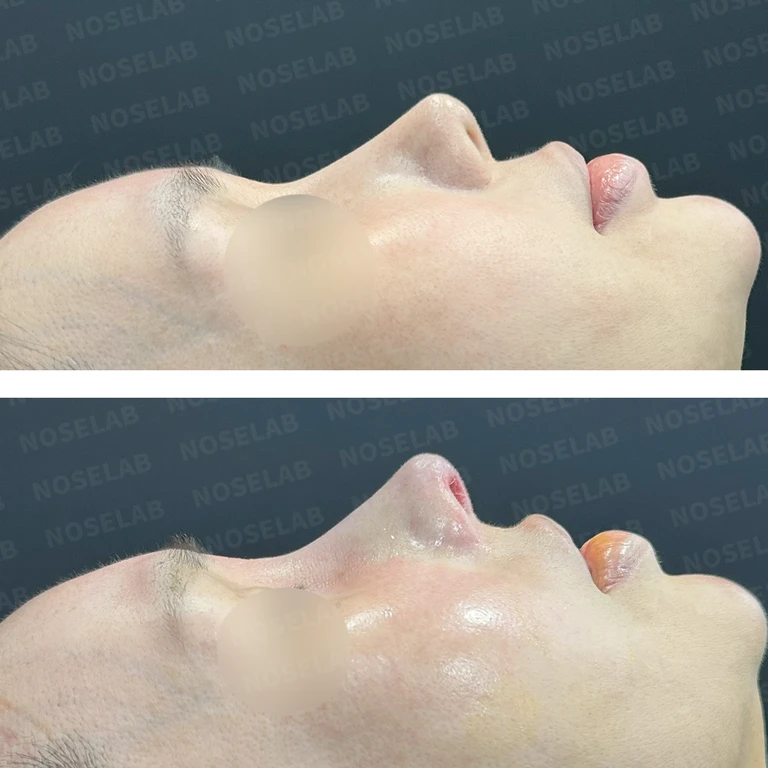
How to correct the nasal tip and bridge in a sharp upturned nose — Before-and-after comparison
Before-and-after comparison

How to correct the nasal tip and bridge in a sharp upturned nose

This is a case of previous surgery resulting in a deviated nasal bridge, an upturned nasal tip, nasolabial angle issues, and nasal obstruction. Using a closed approach with autologous rib cartilage, septal deviation correction, septal extension, and lateral osteotomy were performed.

Preoperative condition · Postoperative record

Revision rhinoplasty method to correct both an upturned nose and a crooked nose — Before-and-after comparison
Before-and-after comparison

Revision rhinoplasty method to correct both an upturned nose and a crooked nose

This patient had an artificial appearance, an upturned nasal tip, and a crooked nose following previous surgeries with an L-shaped silicone implant and ear cartilage. Through a closed approach, autologous rib cartilage septal extension, silicone implant replacement, and rhinitis surgery were performed together.

Preoperative condition · Postoperative record

Rhinoplasty method considering the nasal bridge starting point and facial proportions — Before-and-after comparison
Before-and-after comparison

Rhinoplasty method considering the nasal bridge starting point and facial proportions

Prominent brow bones, a low glabella, and a drooping nasal tip were corrected following filler removal by inserting a glabellar silicone implant, autologous rib cartilage septal extension, and rhinitis surgery.

Preoperative condition · Postoperative record

Revision rhinoplasty methods for a short and upturned nose — Before-and-after comparison
Before-and-after comparison

Revision rhinoplasty methods for a short and upturned nose

A short, upturned nose and nasal obstruction following multiple prior surgeries were corrected using donor rib cartilage septal extension, recycling of existing cartilage, silicone implant replacement, and septal and inferior turbinate surgery.

Preoperative condition · Postoperative record

Revision rhinoplasty methods considering remaining tissue after alar reduction — Before-and-after comparison
Before-and-after comparison

Revision rhinoplasty methods considering remaining tissue after alar reduction

Pinched alae, nostril stenosis, and contracture deformity caused by excessive alar reduction were corrected using autologous rib cartilage septal reconstruction and composite skin-dermis grafting.

Preoperative condition · Postoperative record

Correction approach considering a wide nose and midface proportions — Before-and-after comparison
Before-and-after comparison

Correction approach considering a wide nose and midface proportions

A high radix, visible thin implant show-through, and a drooping tip were corrected using autologous rib cartilage for septal reconstruction and extension, silicone implant replacement, and alar rim grafts.

Preoperative condition · Postoperative record

Closed correction of a short nose and facial proportions — Before-and-after comparison
Before-and-after comparison

Closed correction of a short nose and facial proportions

A low, sunken glabella and a short, blunt nasal tip were improved into a straight bridge line through closed autologous rib cartilage septal extension and silicone glabella implant placement.

Preoperative condition
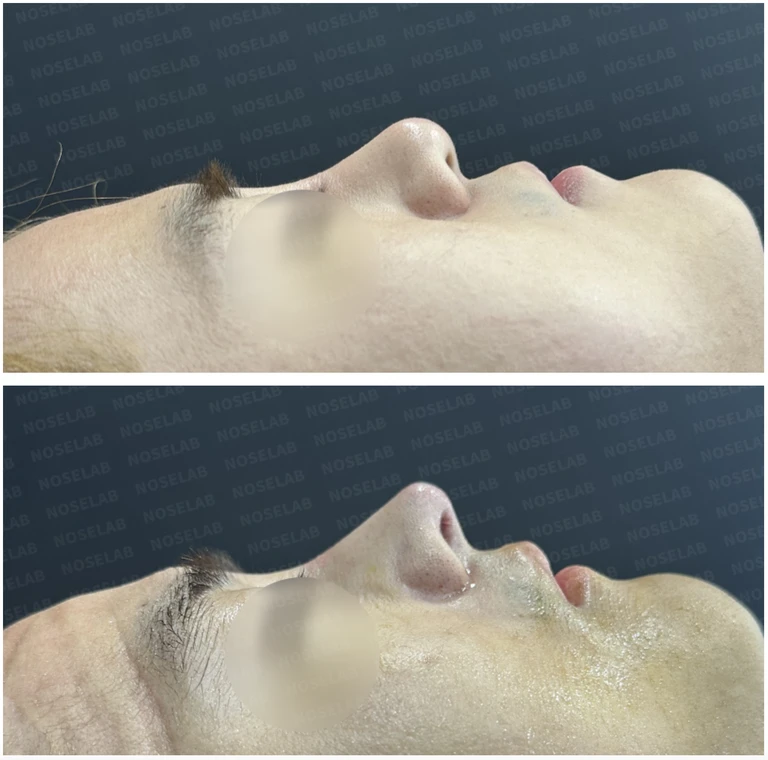
How to reconstruct the nose after silicone implant exposure and inflammation — Before-and-after comparison
Before-and-after comparison

How to reconstruct the nose after silicone implant exposure and inflammation

In a case presenting with silicone implant exposure accompanied by inflammatory granulation tissue, the existing implant and capsule were removed, and autologous rib cartilage was used to perform septal extension and reconstruct the lower lateral cartilage.

Preoperative condition · Postoperative record
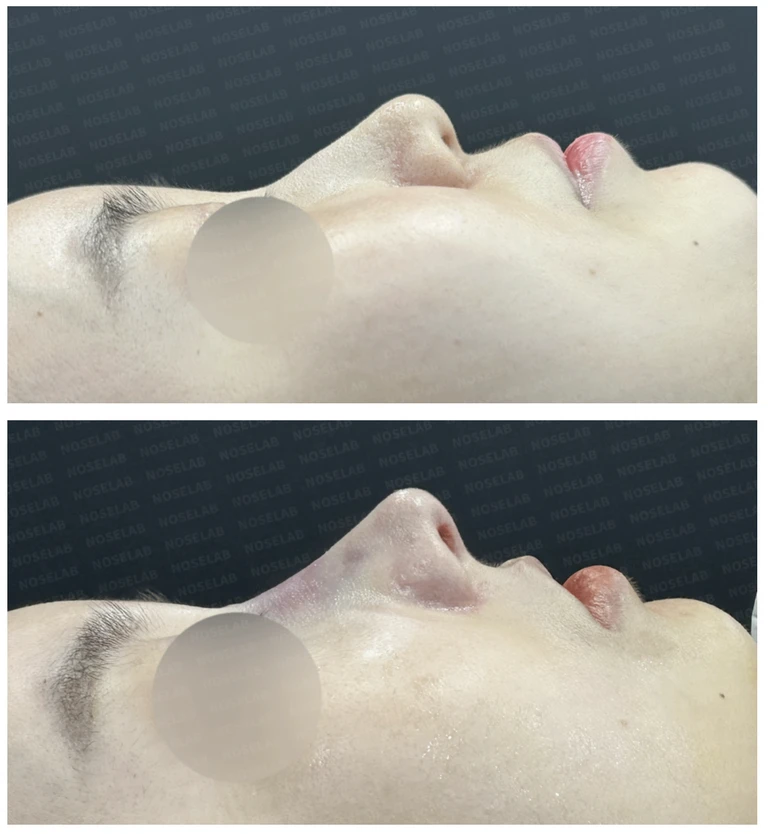
How to simultaneously correct an upturned nose, dorsal hump, and crooked nose — Before-and-after comparison
Before-and-after comparison

How to simultaneously correct an upturned nose, dorsal hump, and crooked nose

For a complex presentation combining an upturned nose, dorsal hump, and crooked nose, closed septal extension grafting using donor rib cartilage and septal cartilage, lateral osteotomy, nasolabial angle correction, and tip modification were performed.

Preoperative condition · Postoperative record
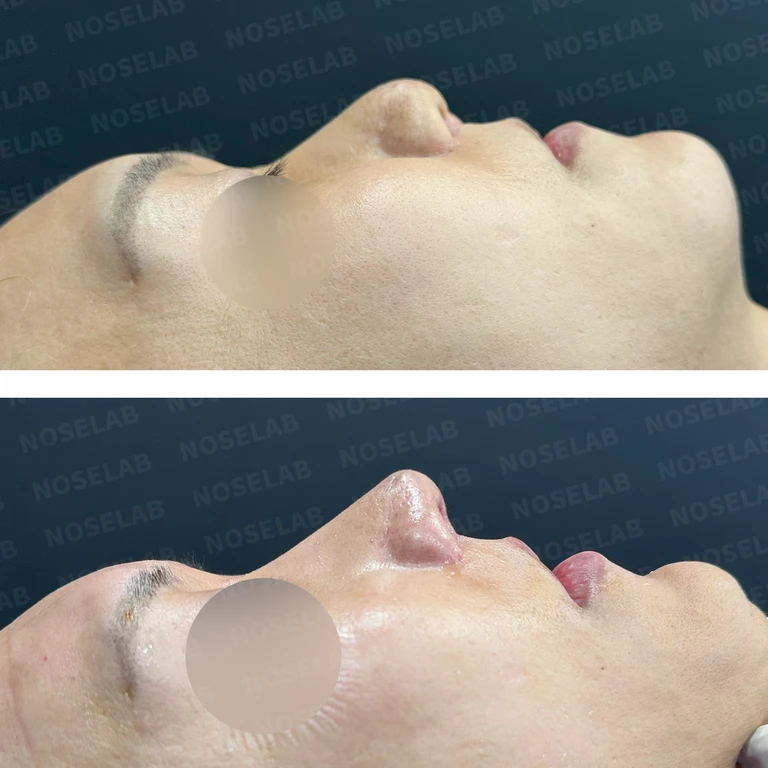
Supportive structures of a low nose and autologous rib cartilage correction methods — Before-and-after comparison
Before-and-after comparison

Supportive structures of a low nose and autologous rib cartilage correction methods

A low, flat, and uneven nose was refined through closed autologous rib cartilage septal extension, tip and bridge augmentation, deviated septum correction, and lateral osteotomy.

Preoperative condition · Postoperative record

Structure and reconstruction methods for a contracted nose after MRSA infection — Before-and-after comparison
Before-and-after comparison

Structure and reconstruction methods for a contracted nose after MRSA infection

A contracted nose with cartilage damage caused by MRSA infection was reconstructed using a closed approach with autologous rib cartilage septal reconstruction and extension, osteotomy, and lower lateral cartilage correction.

Preoperative condition · Postoperative record

No search results found

Please try searching with different keywords.

Scroll to keep reading

Previous case11 / 17Next case
Original article

Read more records

Planning a visit to Seoul?Prepare your consultation with the NOSELAB team.

International patient guideWhatsApp ↗
Dr. Peter C. Kang's Rhinoplasty Stories
Rhinoplasty guideCases by topicDr. Peter C. KangNaver Blog ↗
View original photo
Enlarged photo
WhatsAppChat with NOSELAB↗