Correcting a blunt and crooked nose from filler and thread procedures naturally through closed rhinoplasty
Hello, I am Dr. Peter C. Kang.
Today, I would like to introduce a case of a patient who chose surgical correction for a better outcome after undergoing thread and filler procedures.
Through this case, I will explain in detail the limitations of non-surgical procedures, the advantages of surgical correction, and the effects of closed rhinoplasty.
The patient's concerns: lingering dissatisfaction after thread and filler procedures
A patient with this presentation visited our clinic with the following concerns:
General satisfaction with the overall nasal shape, but lingering areas of disappointment
Correction of a blunt, bulbous nose appearance
Improvement of areas that appeared crooked
A preference for a nasal shape that matches overall facial proportions
Preoperative consultation: thorough analysis and personalized design
During the pre-operative consultation, close observation of the patient's face and nose revealed the following characteristics:
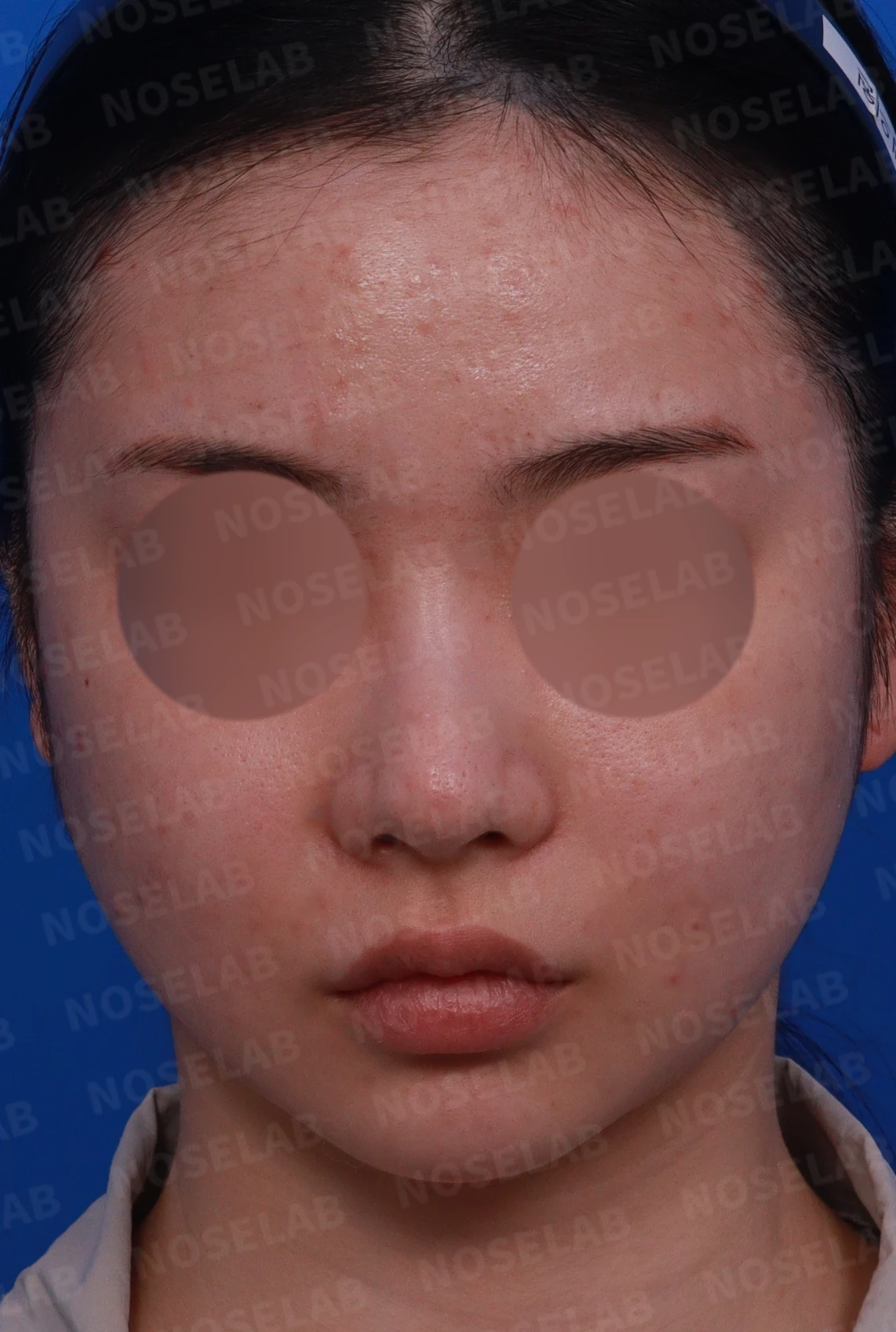
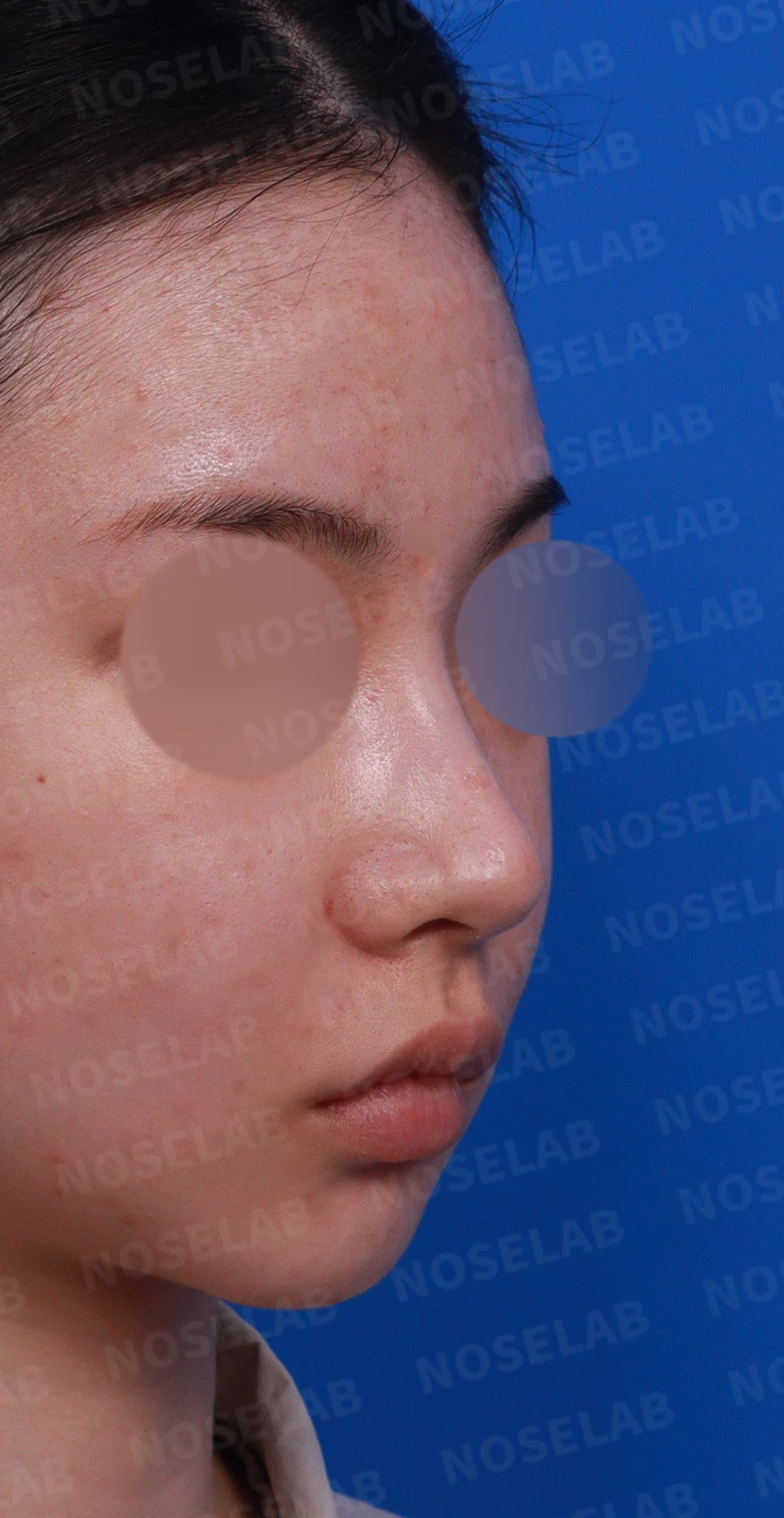
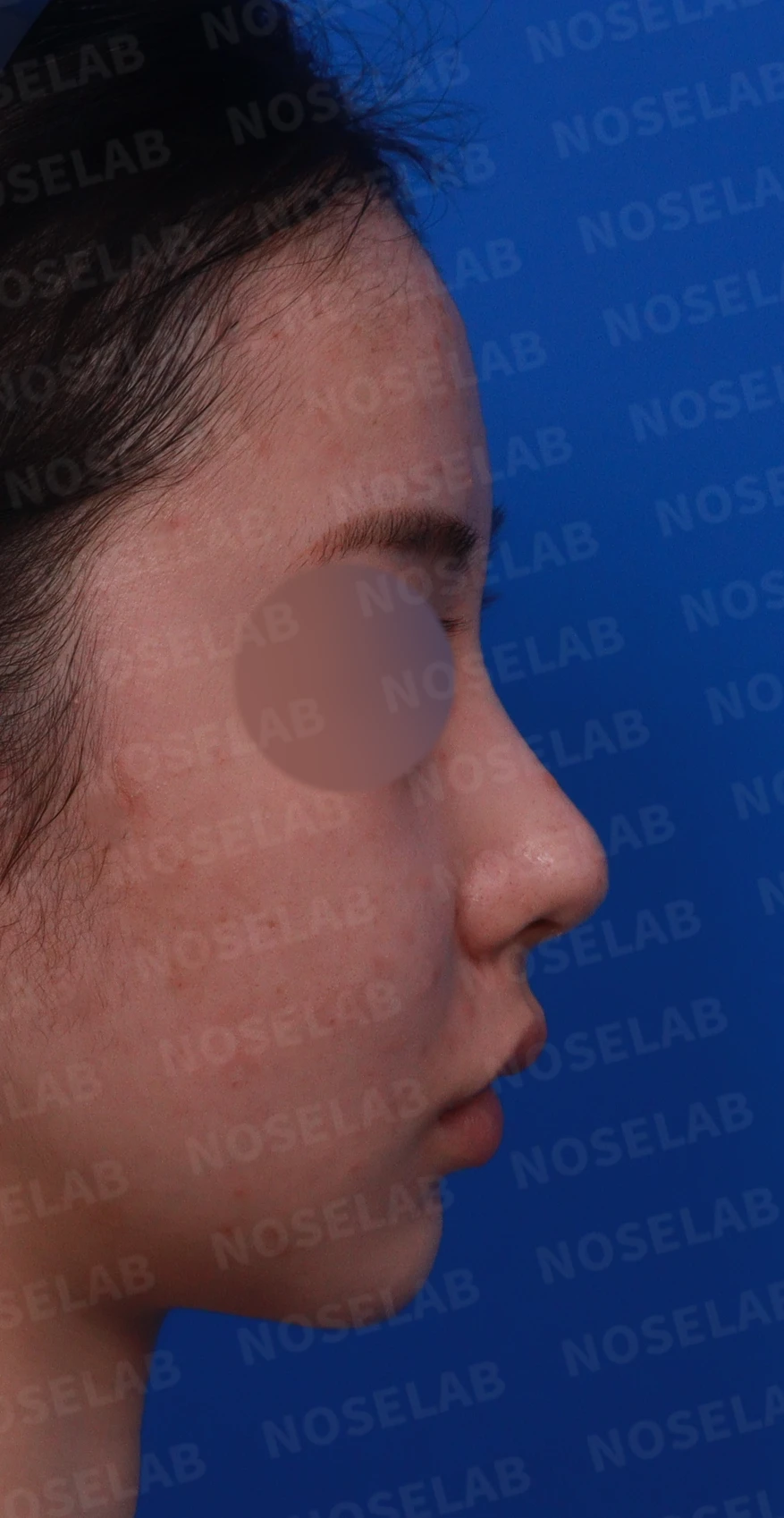
Preoperative design consultation photos.
Although the overall shape was acceptable due to the threads and filler, there was a blunt and crooked appearance
Asymmetry of the nose and an irregular surface along the nasal bridge were observed
The nasal tip appeared slightly drooping
The chin was small, giving the impression of a receding chin
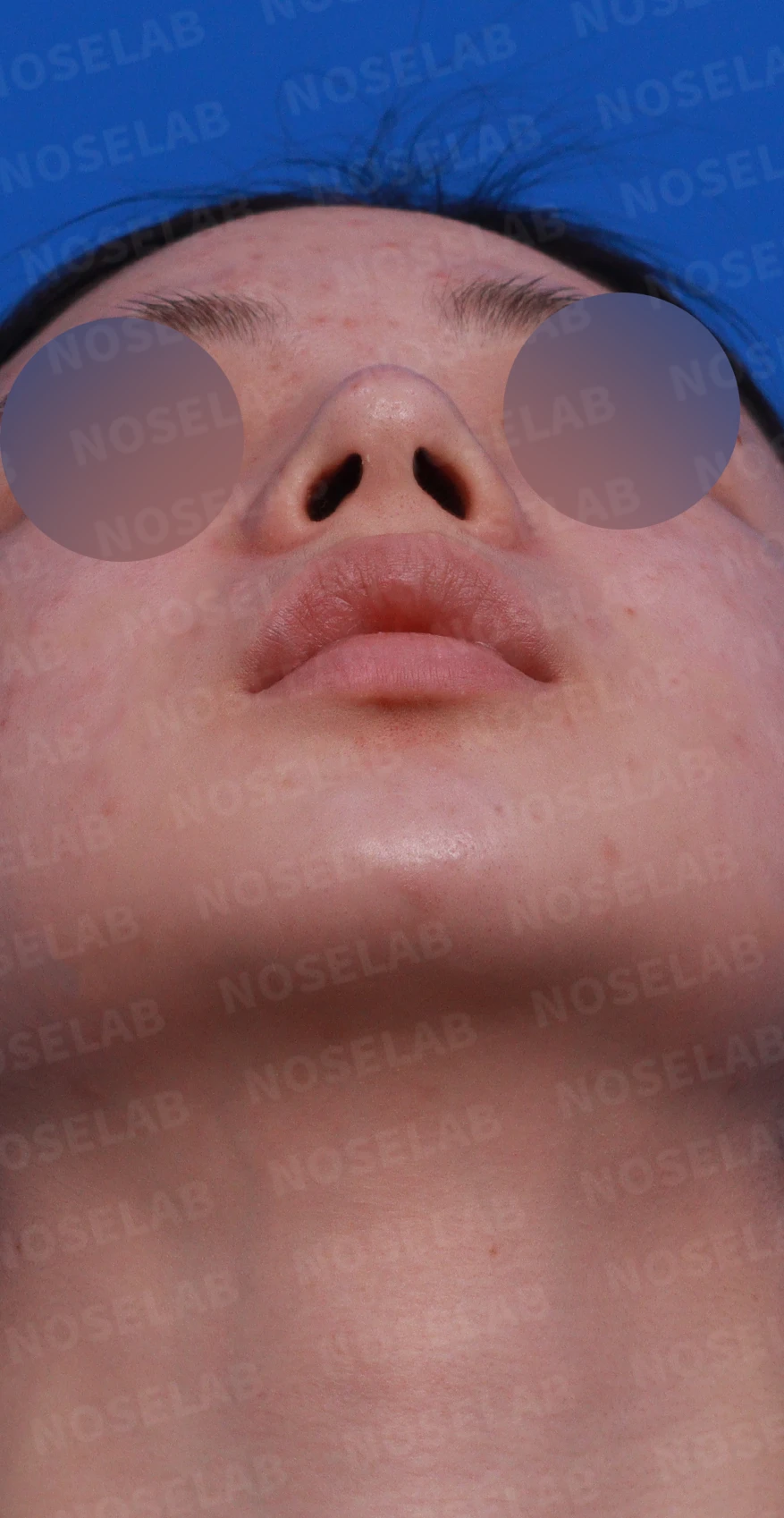
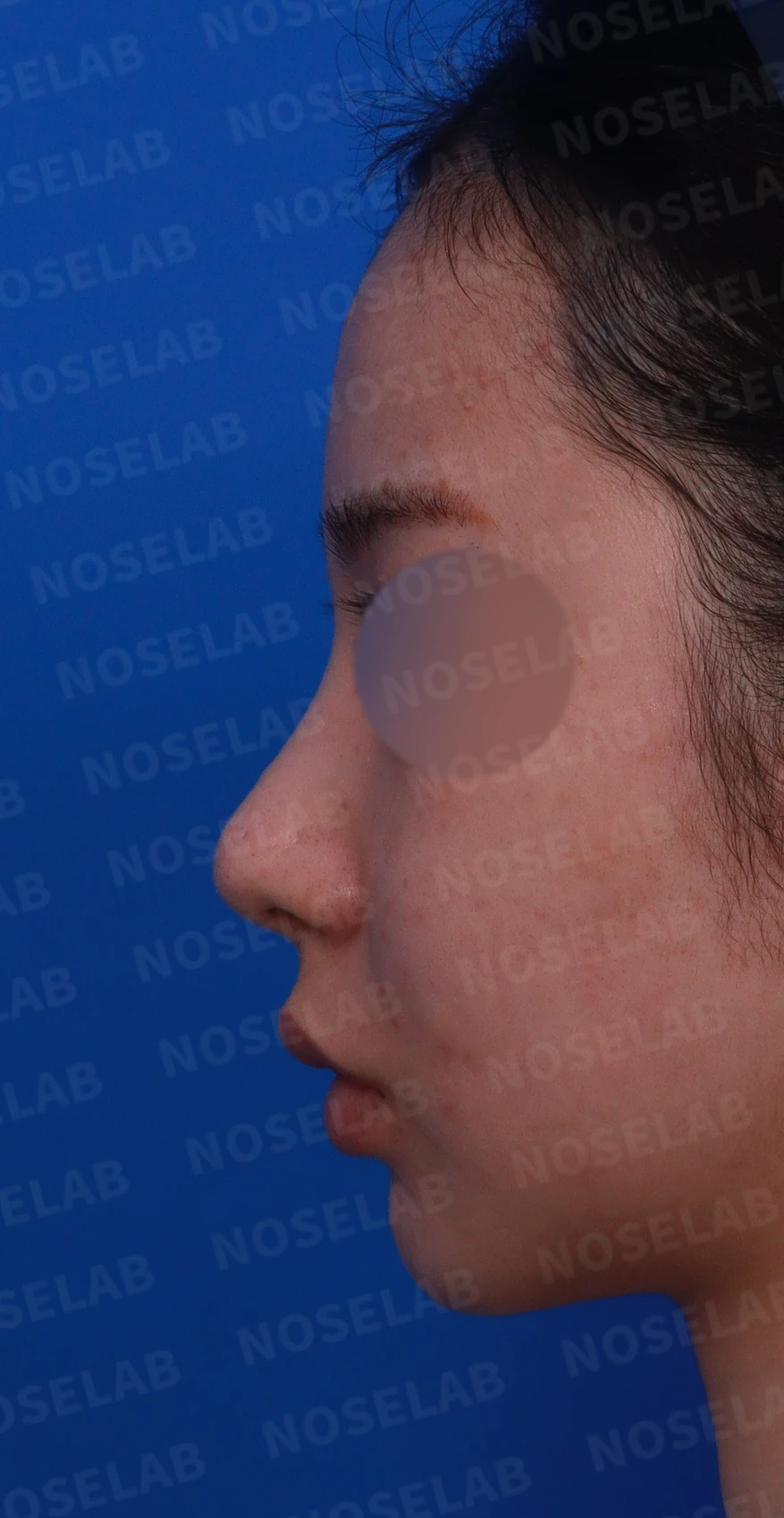
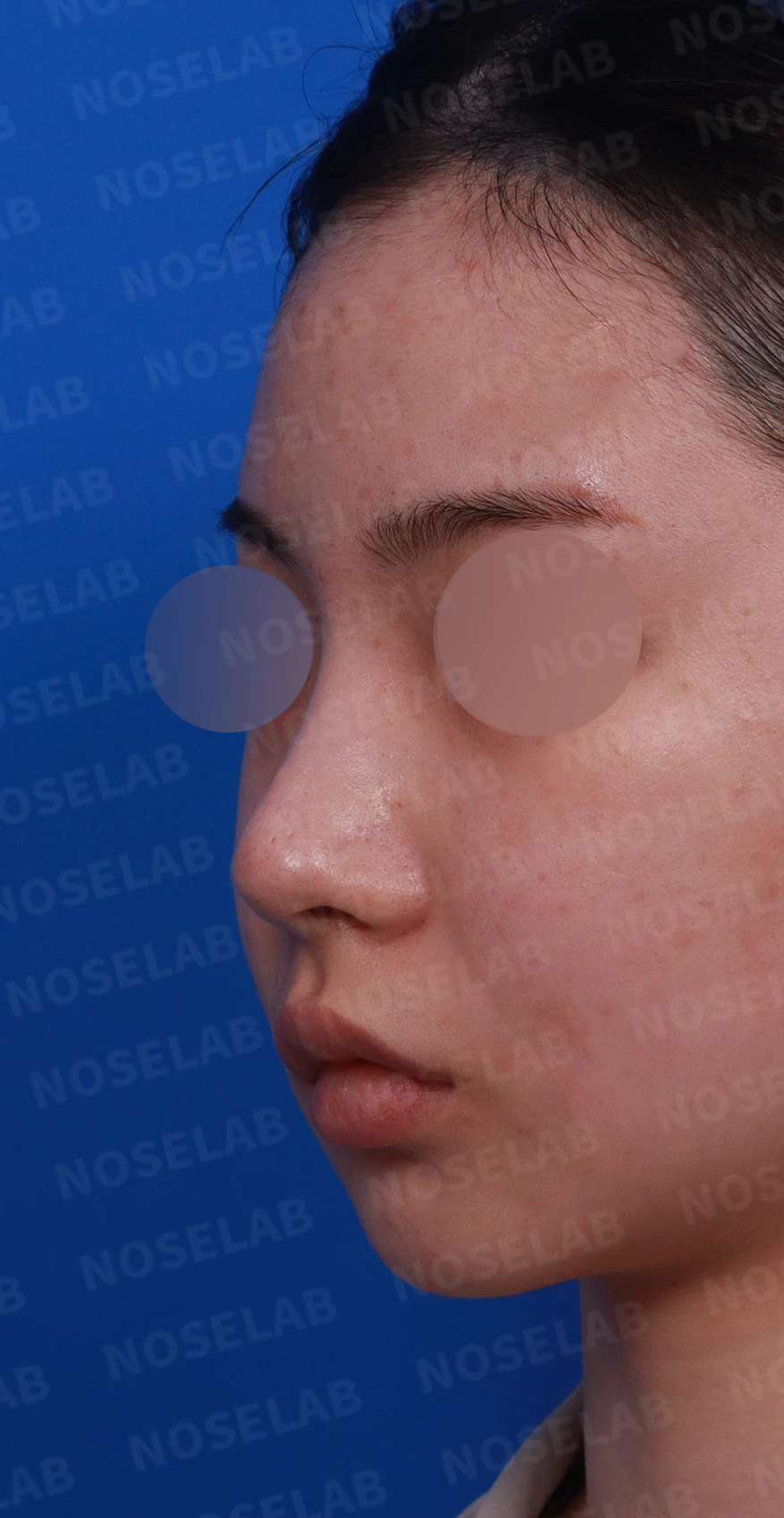
Preoperative design consultation photos.
To address these issues, the following surgical plan was established:
Septal extension using autologous rib cartilage was planned. This procedure improves the blunt appearance of the nasal tip and secures nasal stability
Lower lateral cartilage repositioning and cartilage suturing to naturally correct the bulbous nose appearance and improve nostril asymmetry
Complete removal of the existing filler and threads from the nasal bridge, followed by silicone implant placement to correct the crooked nose
Placement of an approximately 6 mm silicone implant at the chin via an intraoral approach to correct the receding chin
Surgical process: maximizing the benefits of a closed approach
I perform all rhinoplasty procedures, including revision surgeries, using a closed approach. In this case as well, the closed technique offered the following advantages:
Minimized post-operative swelling and recovery period
No external incision scar on the columella
Enables a more meticulous procedure
Surgical results can be evaluated immediately after surgery
The most crucial part of the surgery was removing the existing threads and filler safely and thoroughly. This is a very delicate process, requiring complete removal of foreign materials while minimizing trauma to surrounding tissues. Utilizing the benefits of a closed approach, this was accomplished through minimal incisions.
To support the stability of the nasal tip, septal extension using autologous rib cartilage was performed. This is an essential step that refines the tip shape and provides long-term stability. To correct the deviation of the nasal bridge, a silicone implant was positioned directly along the midline, and nostril asymmetry was improved through cartilage repositioning and cartilage suturing.
Additionally, to balance the chin profile, a 6 mm silicone implant was placed at the tip of the chin.
Analysis of results immediately after surgery (day 0) Immediate post-operative photos show swelling and may differ from the final result.
Comparing the photos taken immediately after surgery on day 0 with the pre-operative photos shows the following changes: Immediate post-operative photos show swelling and may differ from the final result.
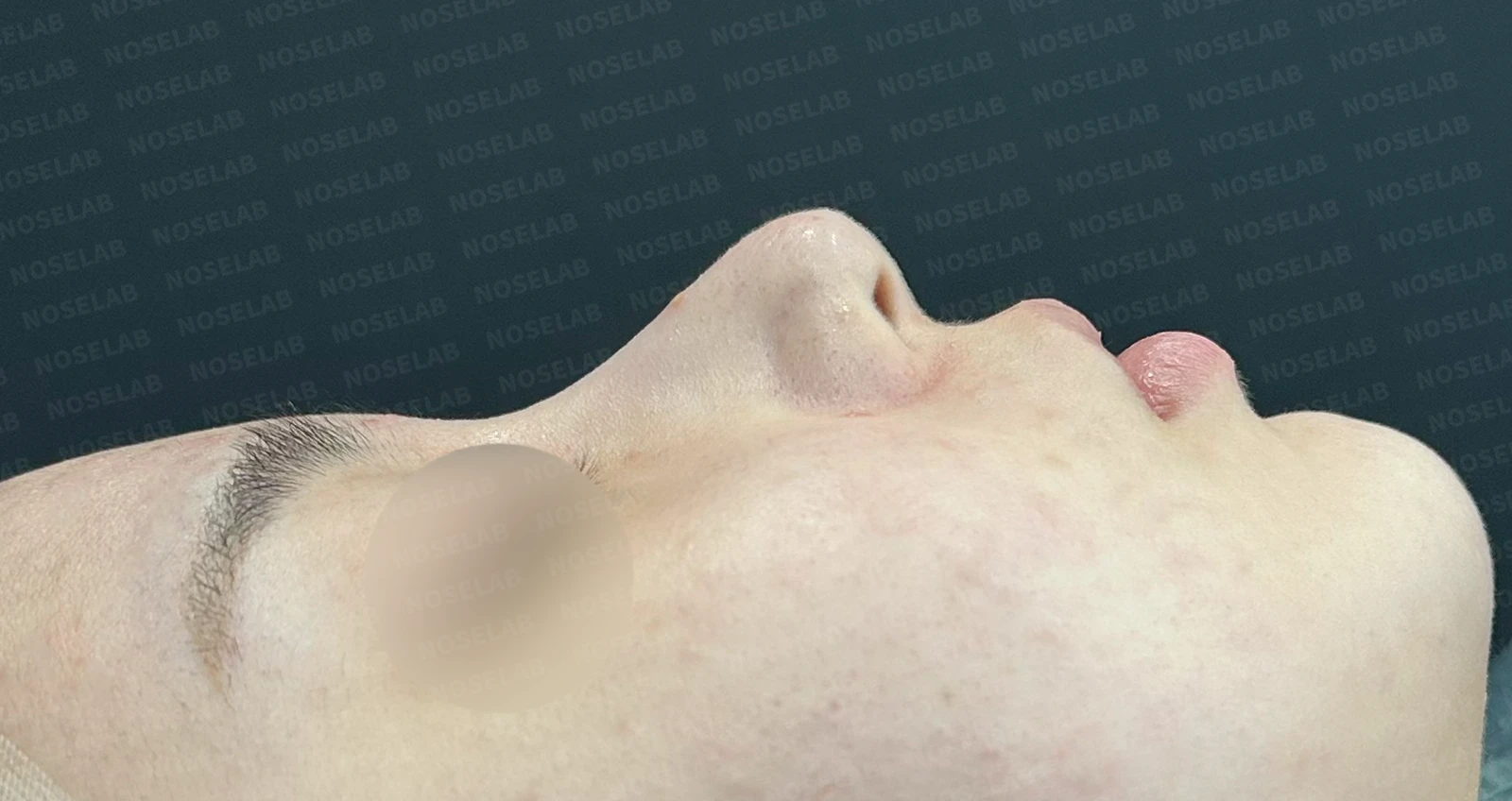
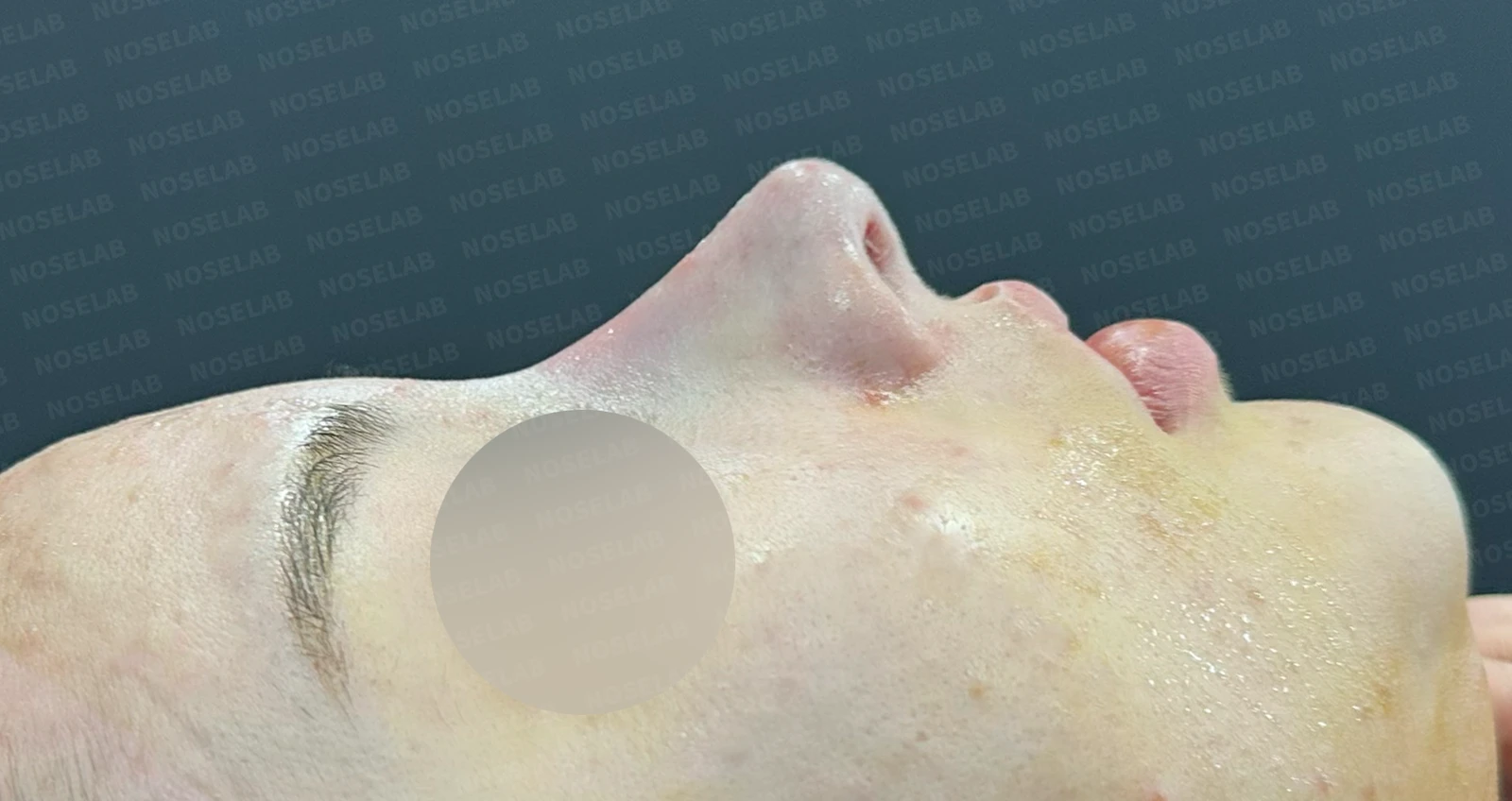
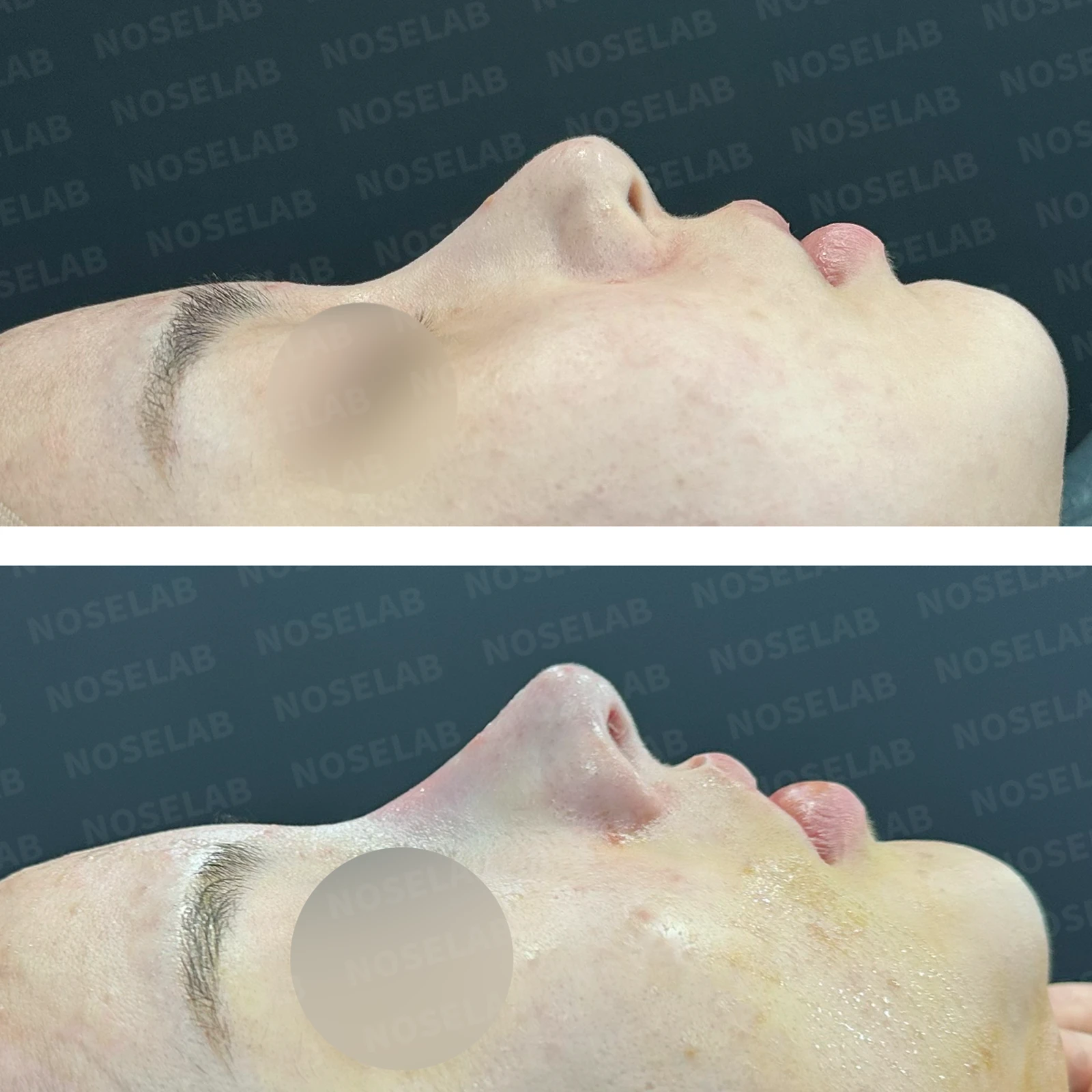
Before surgery / Day 0 immediately after surgery Photos taken immediately after surgery show swelling and may differ from the final result.
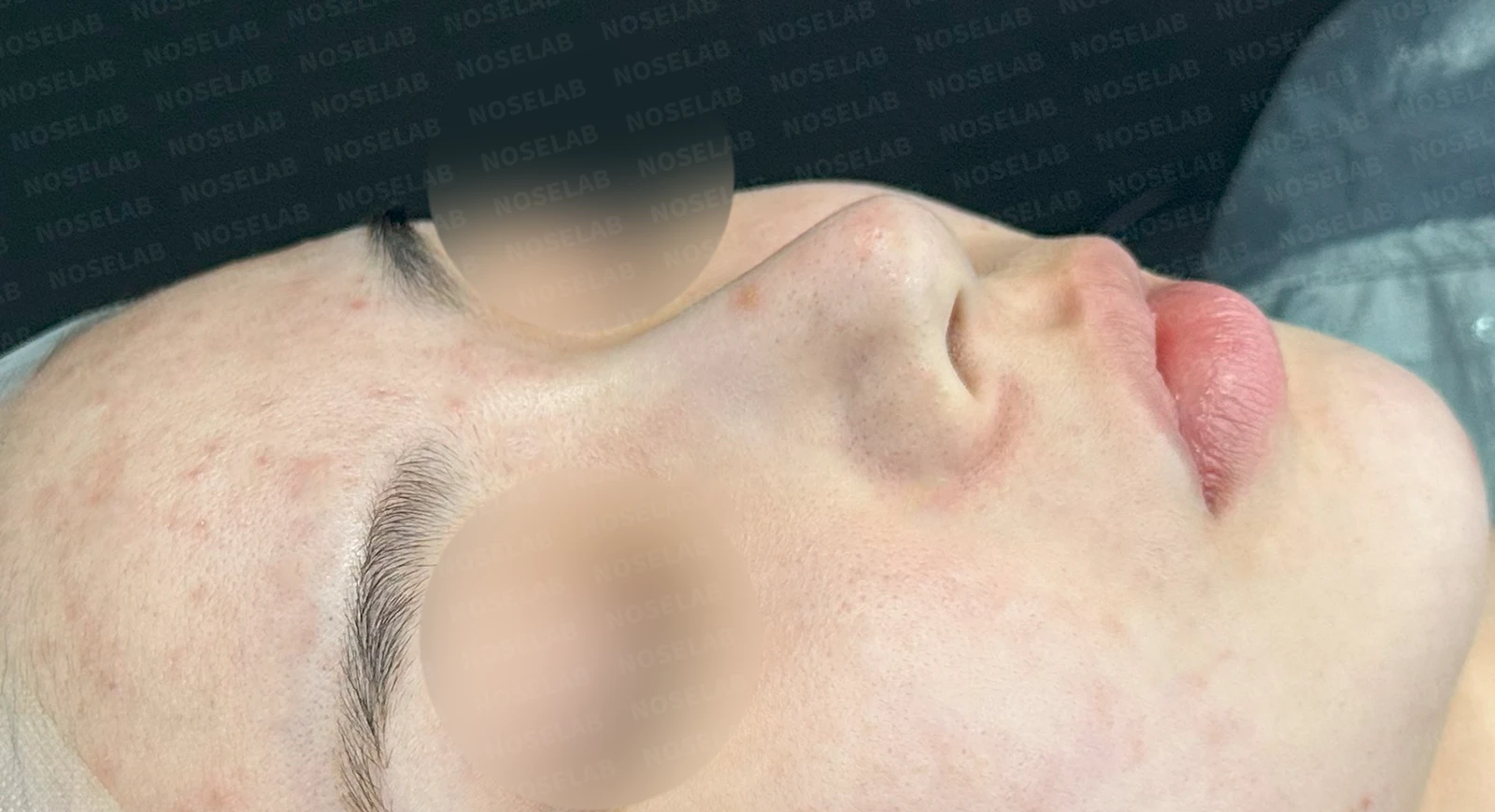
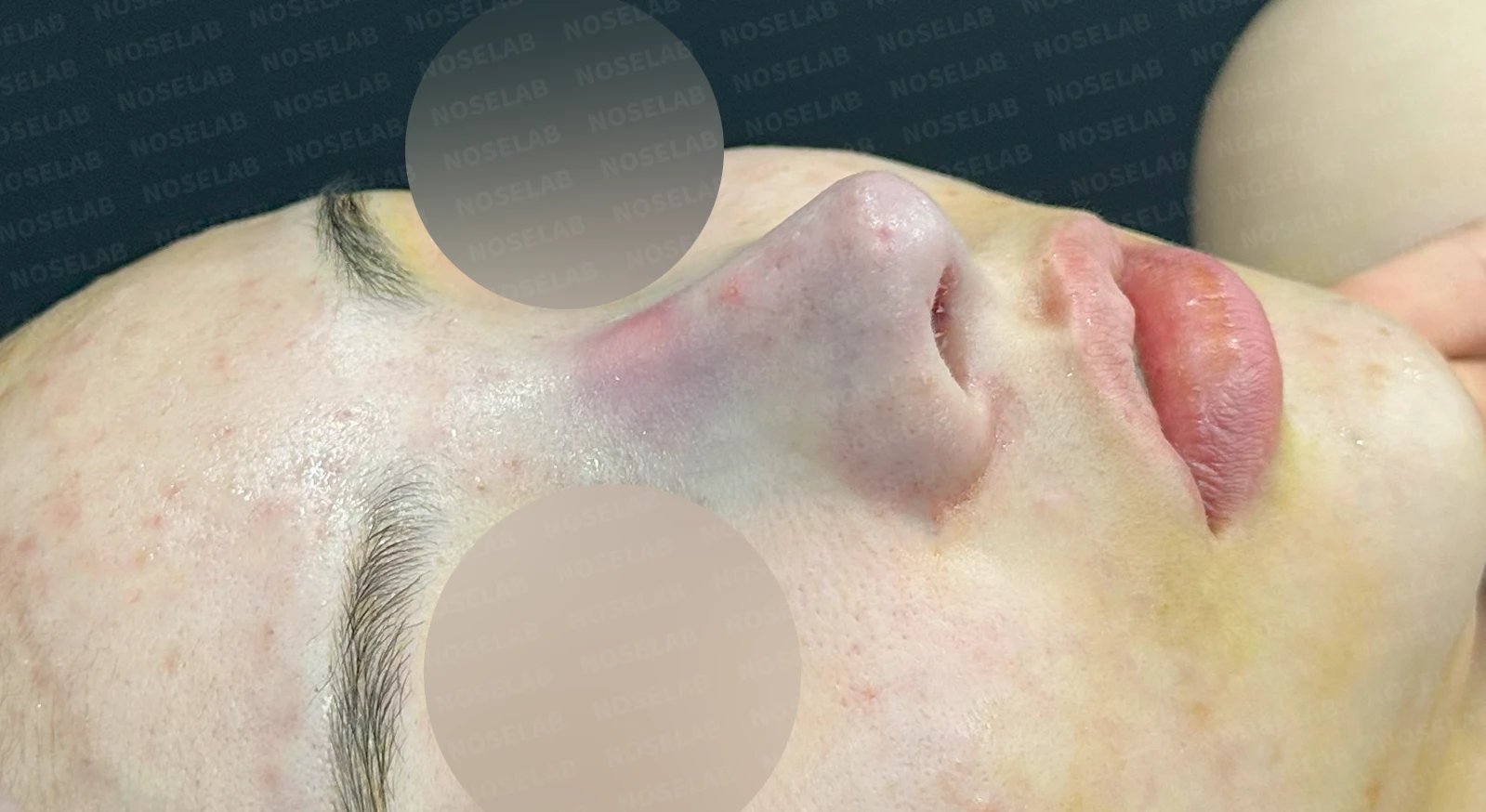
Before surgery / Day 0 immediately after surgery Photos taken immediately after surgery show swelling and may differ from the final result.
The overall profile of the nose became smooth with a straight bridge line, resulting in a very natural look
The previously blunt nasal tip was refined, creating a more sophisticated impression
The crooked-looking nasal bridge was straightened
Nostril asymmetry was improved, yielding a better balanced appearance
Overall facial balance improved due to the chin implant
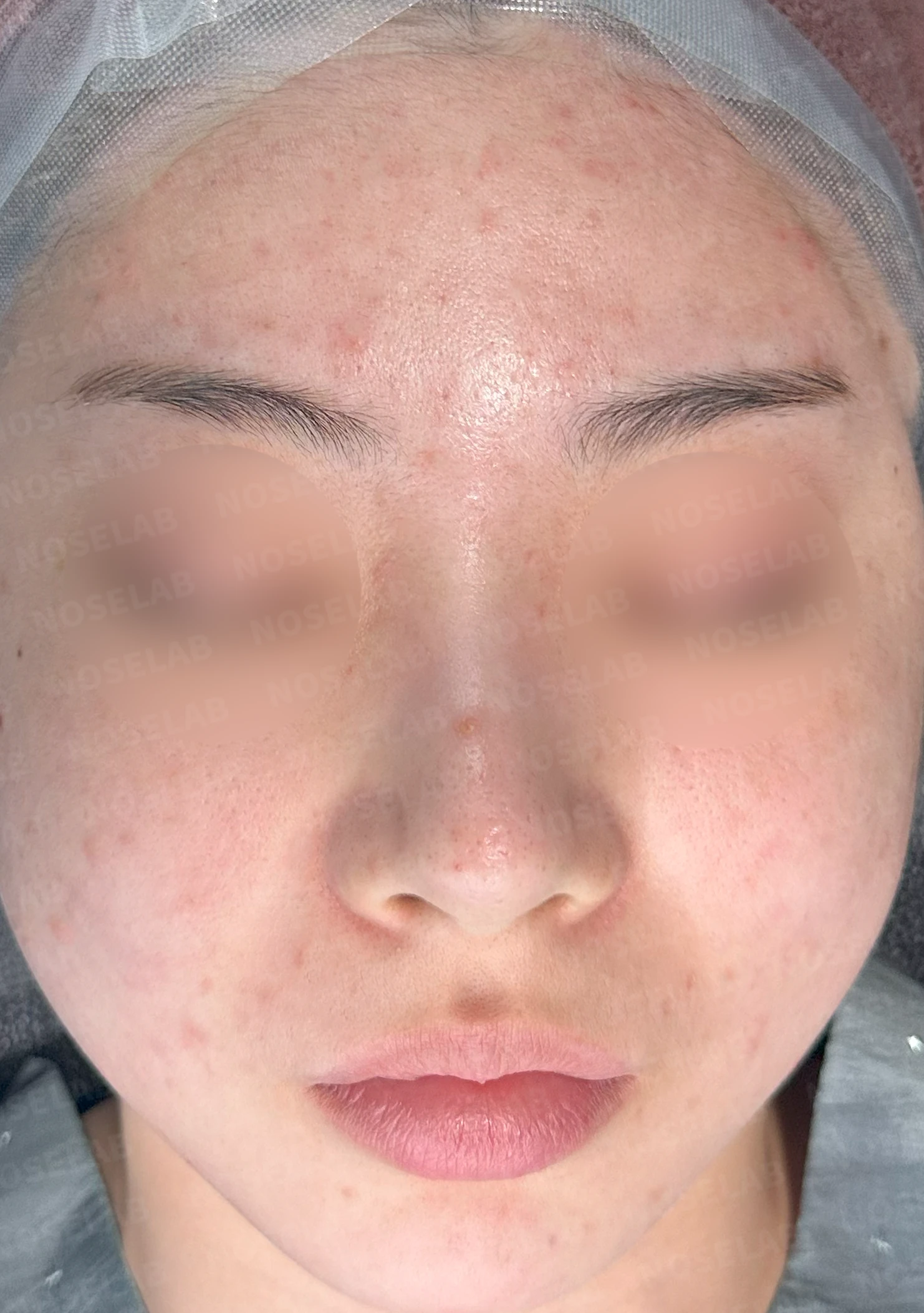
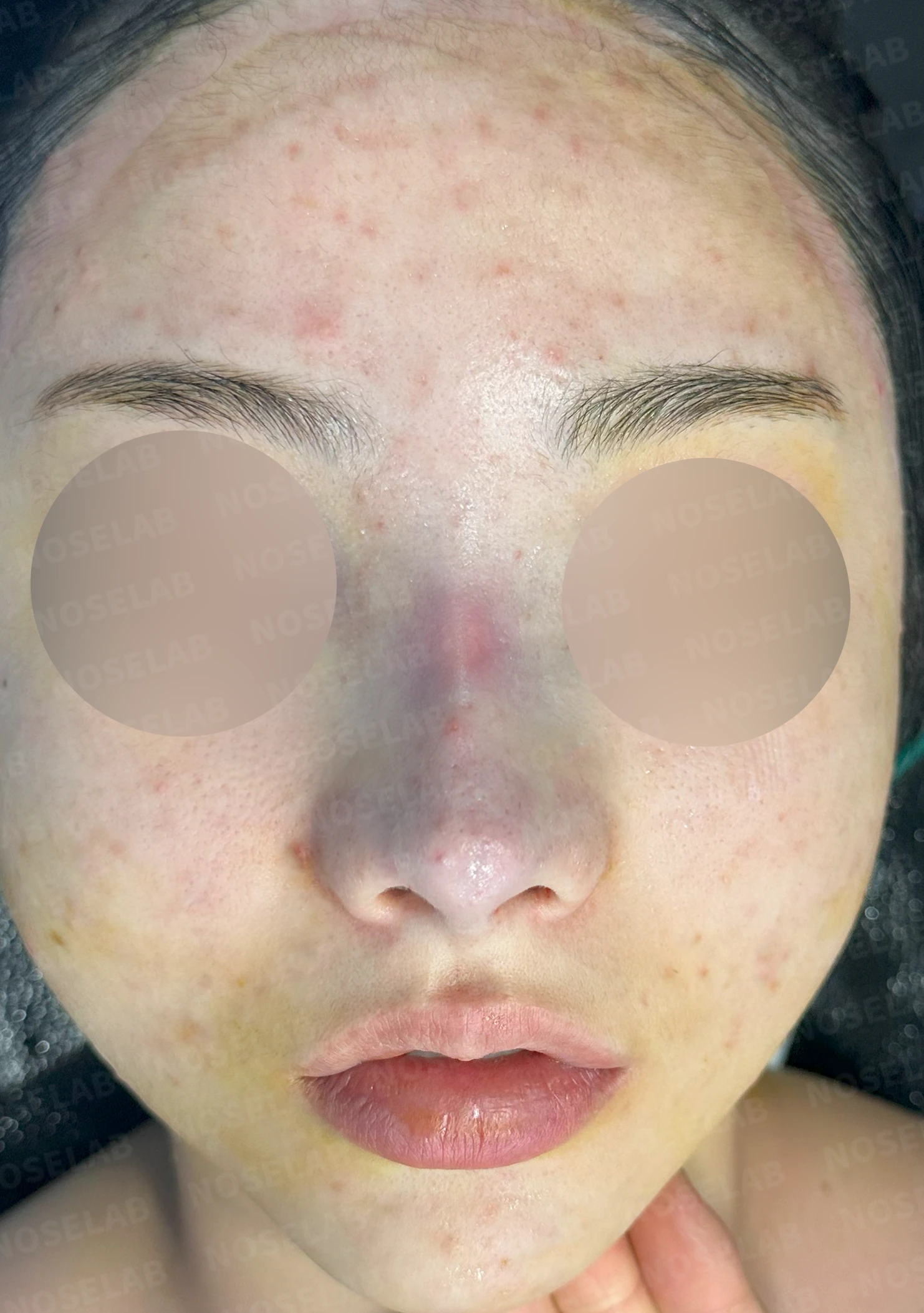
Before surgery / Day 0 immediately after surgery Photos taken immediately after surgery show swelling and may differ from the final result.
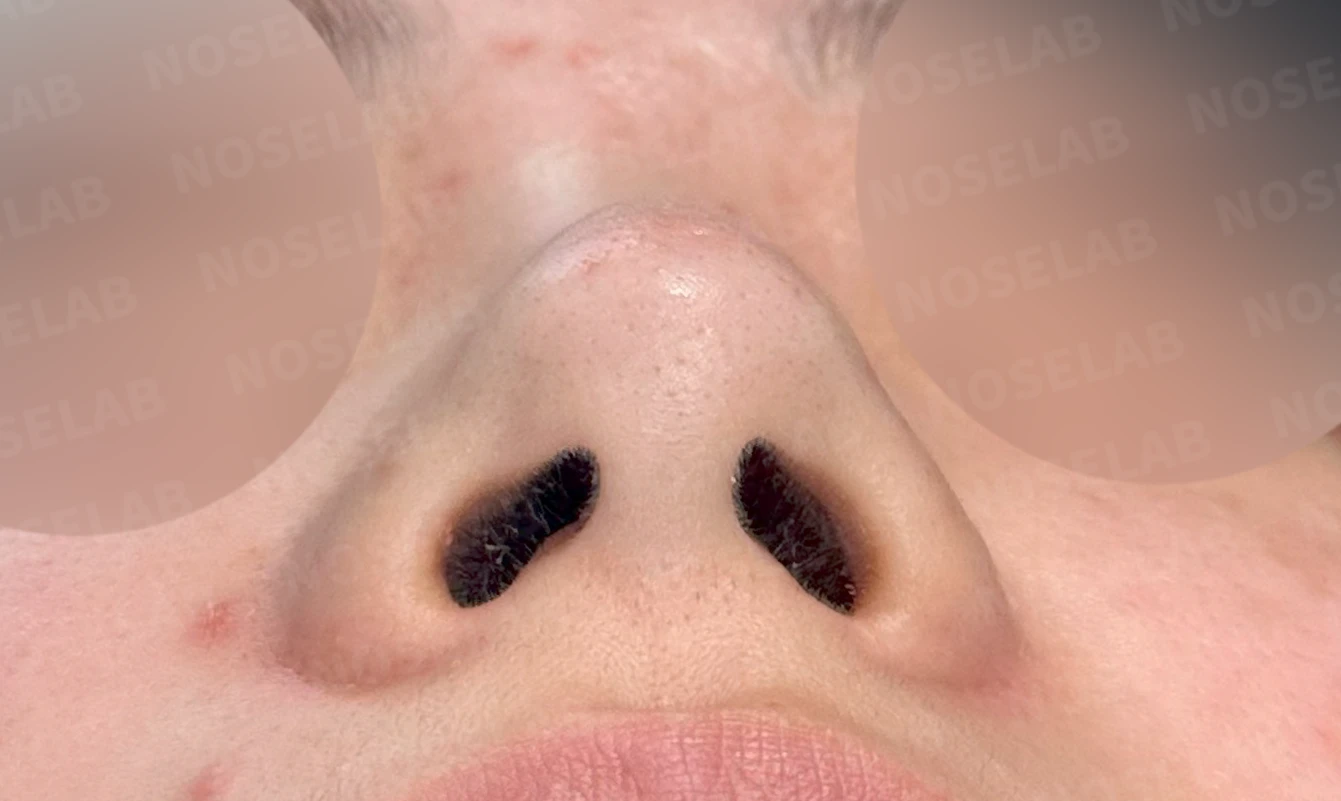
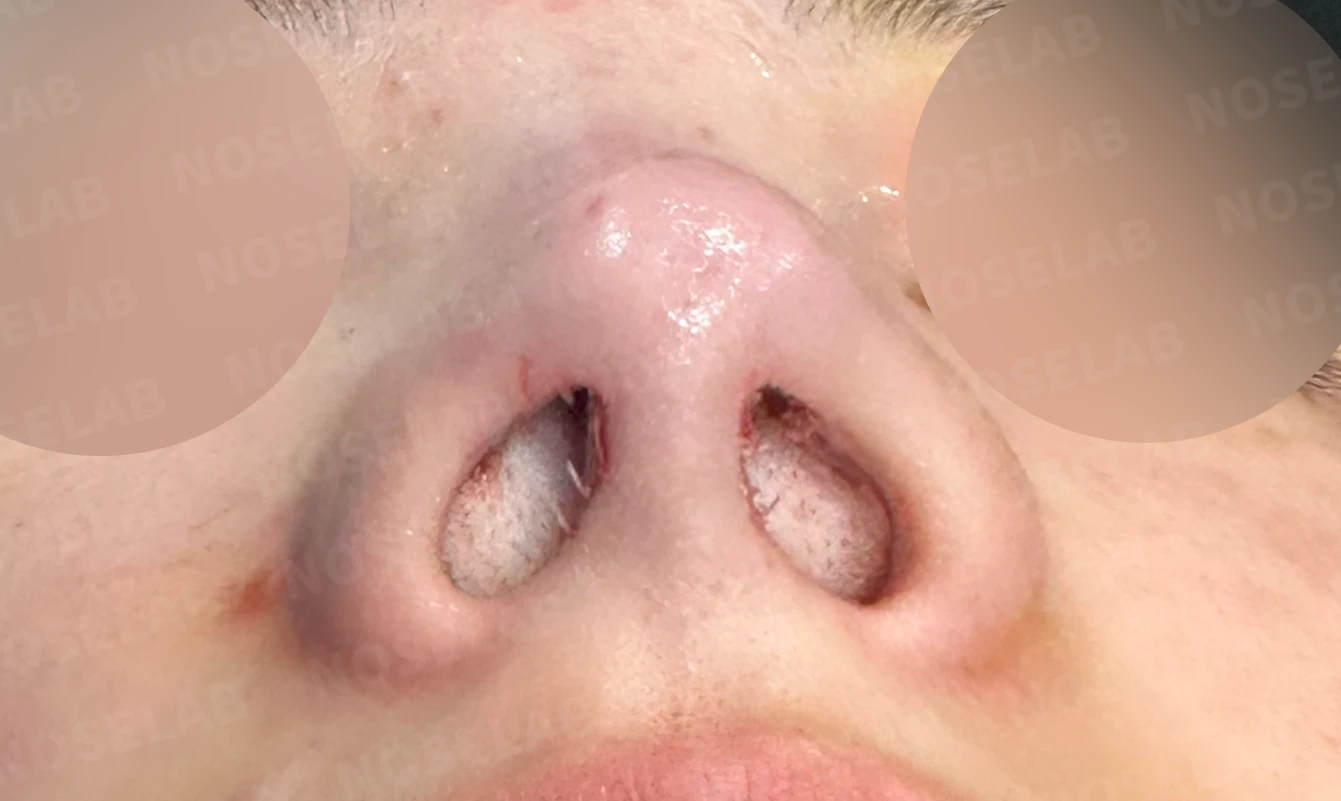
Before surgery / Day 0 immediately after surgery Photos taken immediately after surgery show swelling and may differ from the final result.
Of particular note, the surface irregularities, bluntness, and asymmetry caused by the threads and filler were thoroughly corrected, achieving a much more natural and harmonious shape.
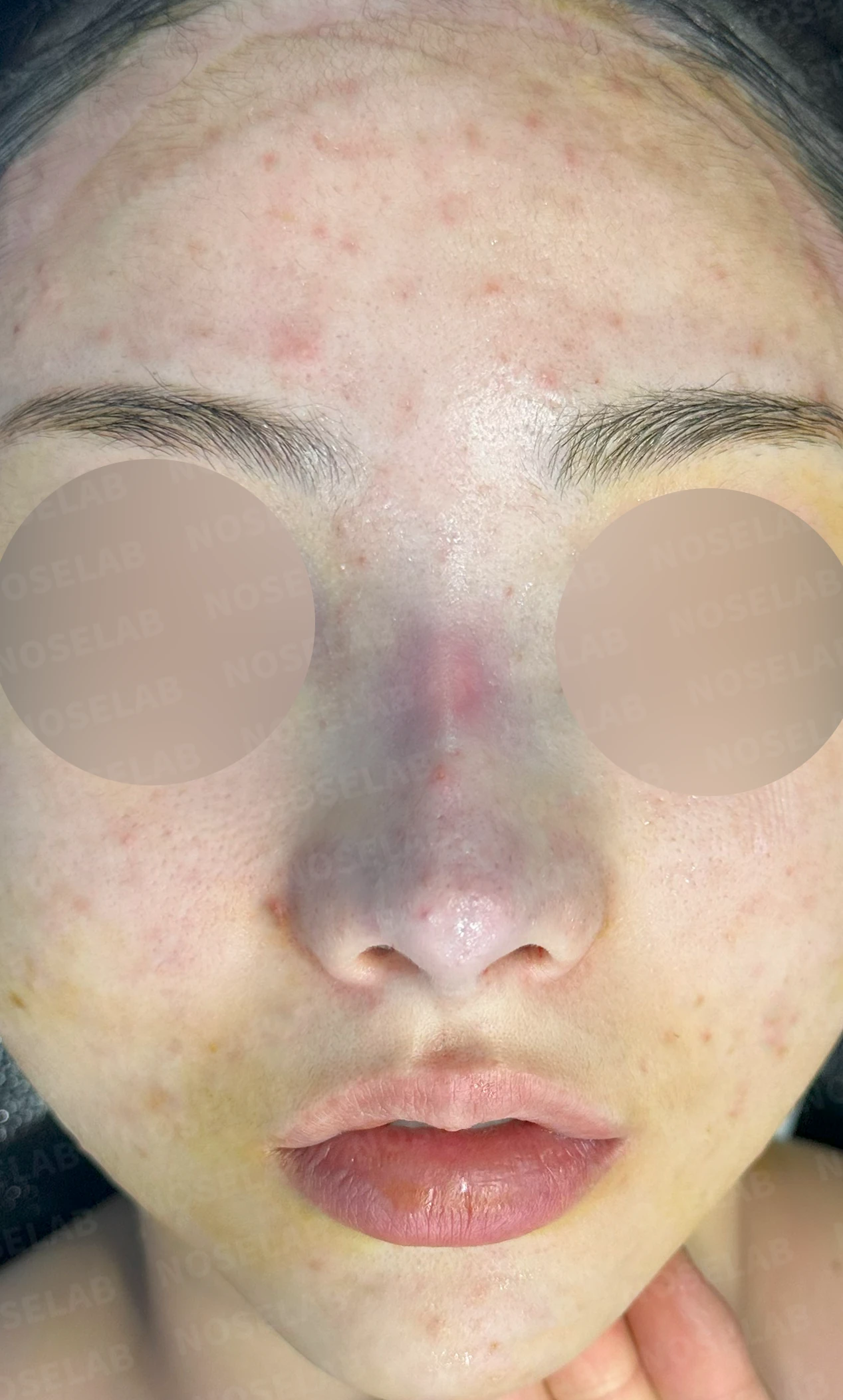
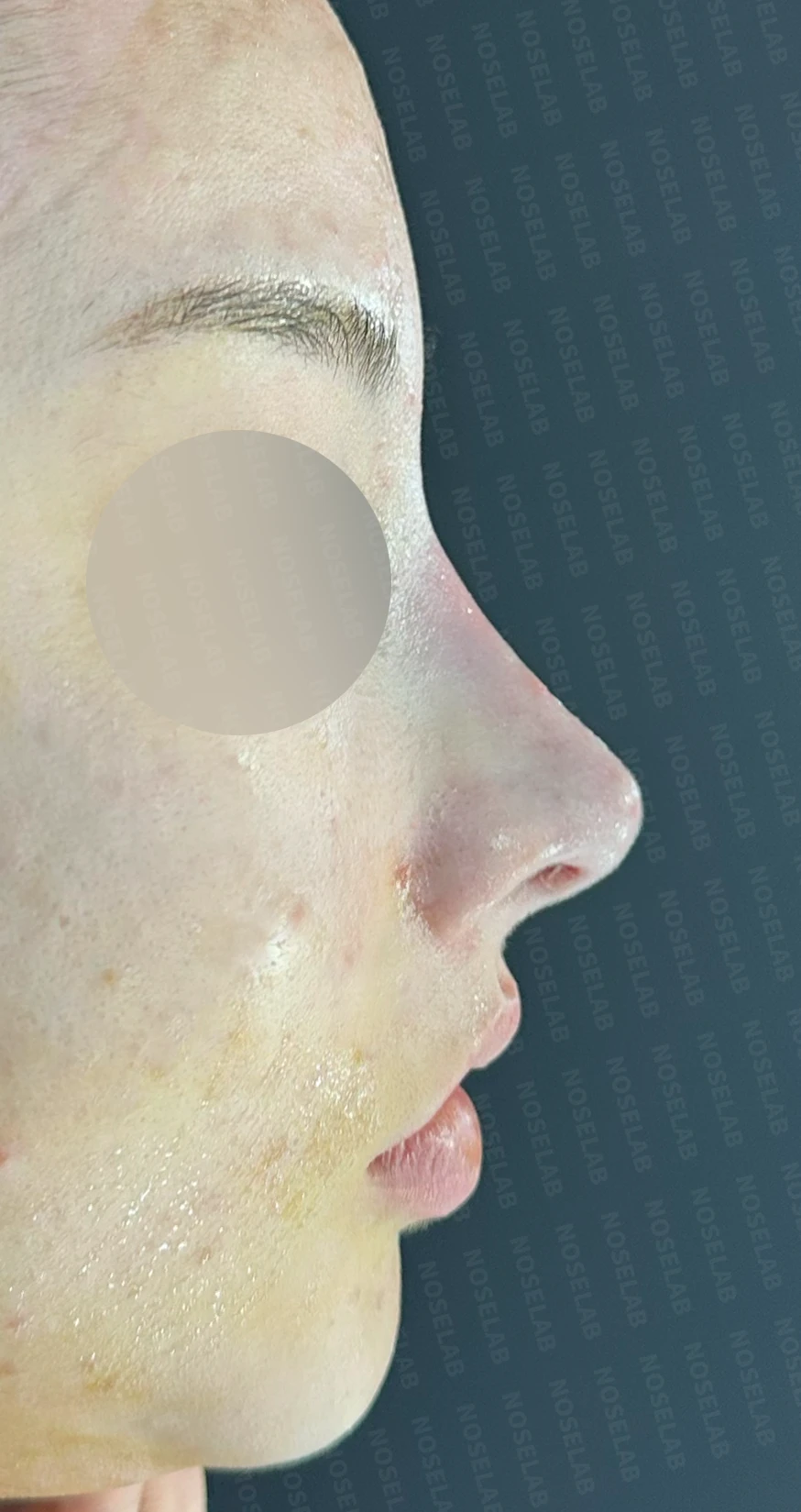
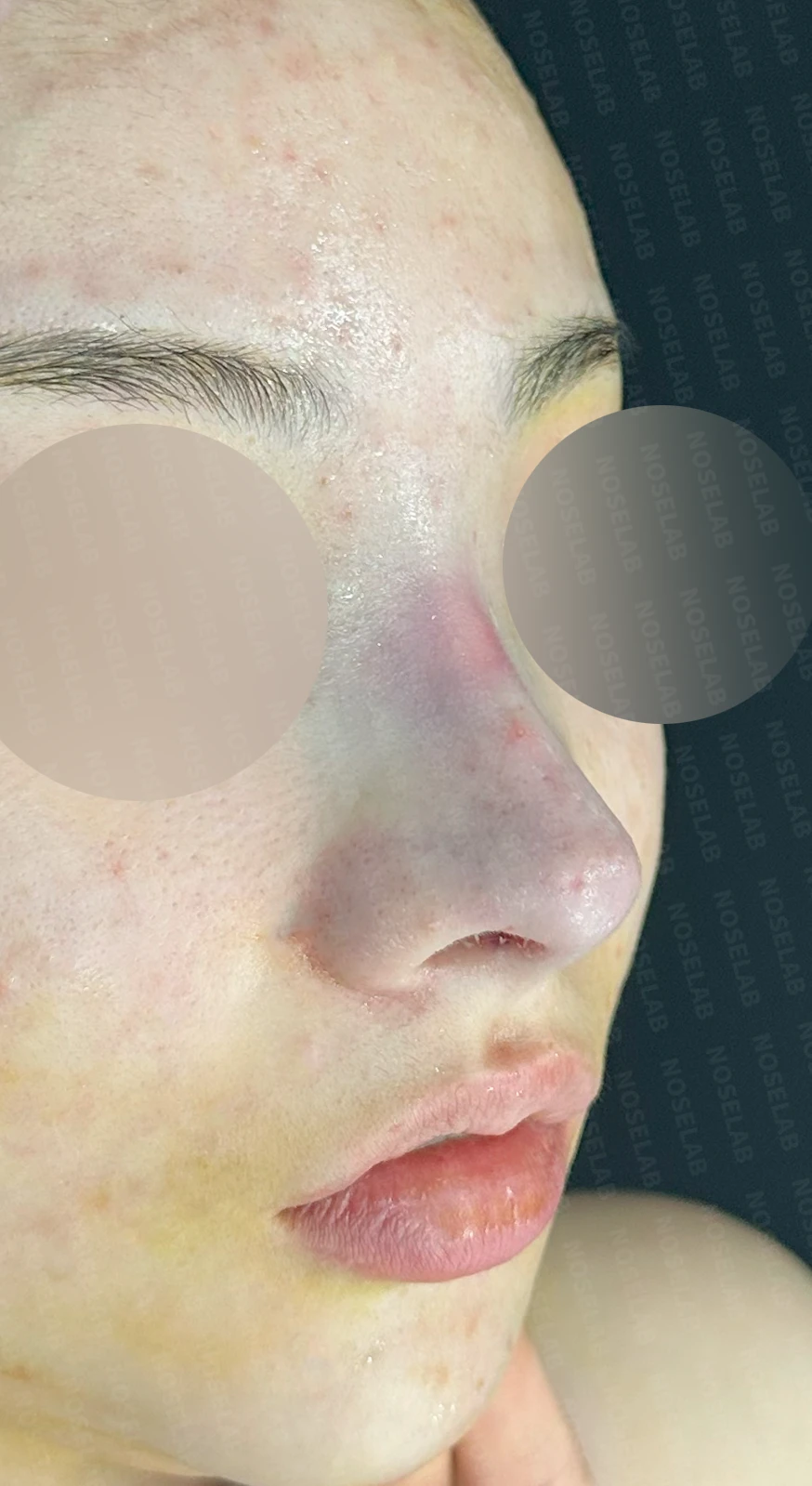
A collection of photos taken immediately after surgery on day 0: front, profile, and oblique views. Immediate post-operative photos show swelling and may differ from the final result.
This is the basal (nostril) view.
Surgical summary: successful correction overcoming the limitations of non-surgical procedures
This case illustrates the limitations of non-surgical treatments such as threads and filler, while highlighting the advantages of surgical correction. By utilizing a closed rhinoplasty approach, minimal scarring and a swift recovery were supported, while allowing refined correction tailored to the patient's overall facial proportions and harmony. Although thread and filler procedures can provide temporary cosmetic improvement, maintaining a stable result over the long term is difficult. In particular, subtle modifications of the nasal tip or correction of a crooked nose often require a surgical approach. In cases of this type, surgical intervention can overcome these limitations and achieve a more favorable outcome.
Closing remarks: advice for those considering their options
I hope this case is helpful to those who have undergone thread or filler procedures but remain dissatisfied, as well as to those considering rhinoplasty. While simple procedures such as fillers or threads may create a temporarily pleasing nasal shape, maintaining that appearance semi-permanently is not possible, and changes in shape over time are unavoidable. In particular, altering the shape of the nasal tip is practically impossible with threads or filler, and there are risks of severe and irreversible complications such as skin necrosis or blindness. Therefore, I advise regarding threads and filler merely as a way to get a sense of bridge height changes, and keeping in mind that substantial nasal reshaping must be accomplished through nasal surgery.
If you are considering rhinoplasty, I recommend consulting with a rhinoplasty specialist to determine the method most suitable for you. I am always here to help you achieve a well-planned and satisfactory result.
This was Dr. Peter C. Kang. Thank you.
Thank you.
#closedrhinoplasty #threadandfillerrhinoplasty #nosefiller #fillerrhinoplasty #nosethreads #nosefillercomplications #nosefillerremoval #nosethreadremoval #crookednosecorrection #widenosecorrection #bulbousnosecorrection #chinaugmentation #autologousribcartilagegraft #boardcertifiedENTspecialist

Limitations and risks
When autologous rib cartilage is used, scarring and pain may remain at the donor site on the chest, and pneumothorax (pleural injury) can occur rarely. Over time, the grafted cartilage may warp or undergo partial resorption.
When foreign materials such as injected fillers are removed and reconstructed, contracture may recur, nasal height and length may decrease, and staged surgery may be necessary depending on the skin condition.
When the septum is corrected at the same time, nasal obstruction may persist or recur, and in rare cases, septal perforation or changes in smell may occur.
Common potential risks include infection, bleeding, asymmetry, scarring, skin necrosis, and insufficient improvement; results vary depending on individual skin condition and previous surgical history.