Hello, I am Dr. Peter C. Kang.
Today, I would like to introduce a rhinoplasty case of a patient who was concerned about a flat nose and desired a prominent, well-defined nose.
This patient experienced a significant transformation through customized rhinoplasty using autologous rib cartilage.
1. Preoperative design consultation
First, let us examine the patient's preoperative condition in detail:
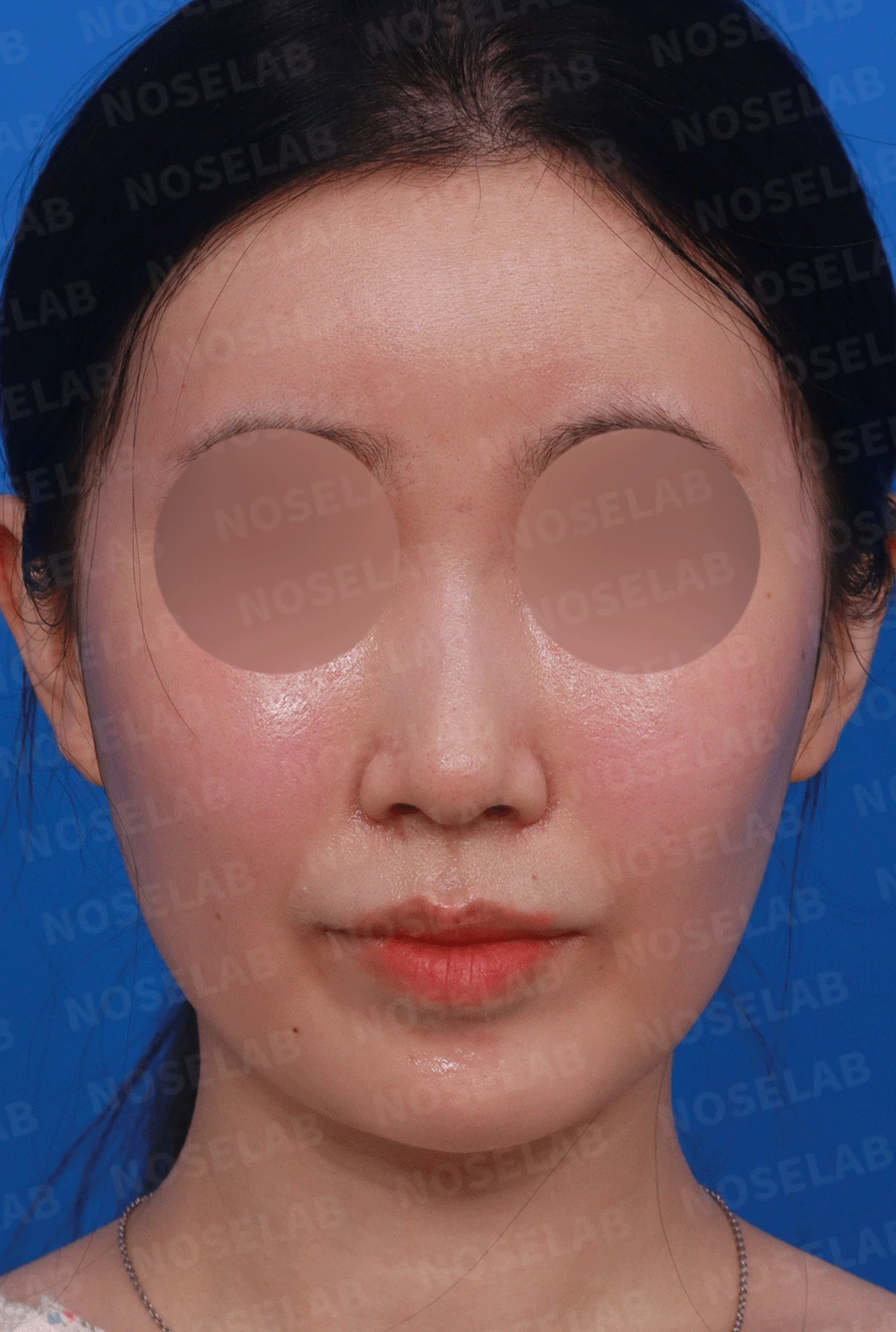
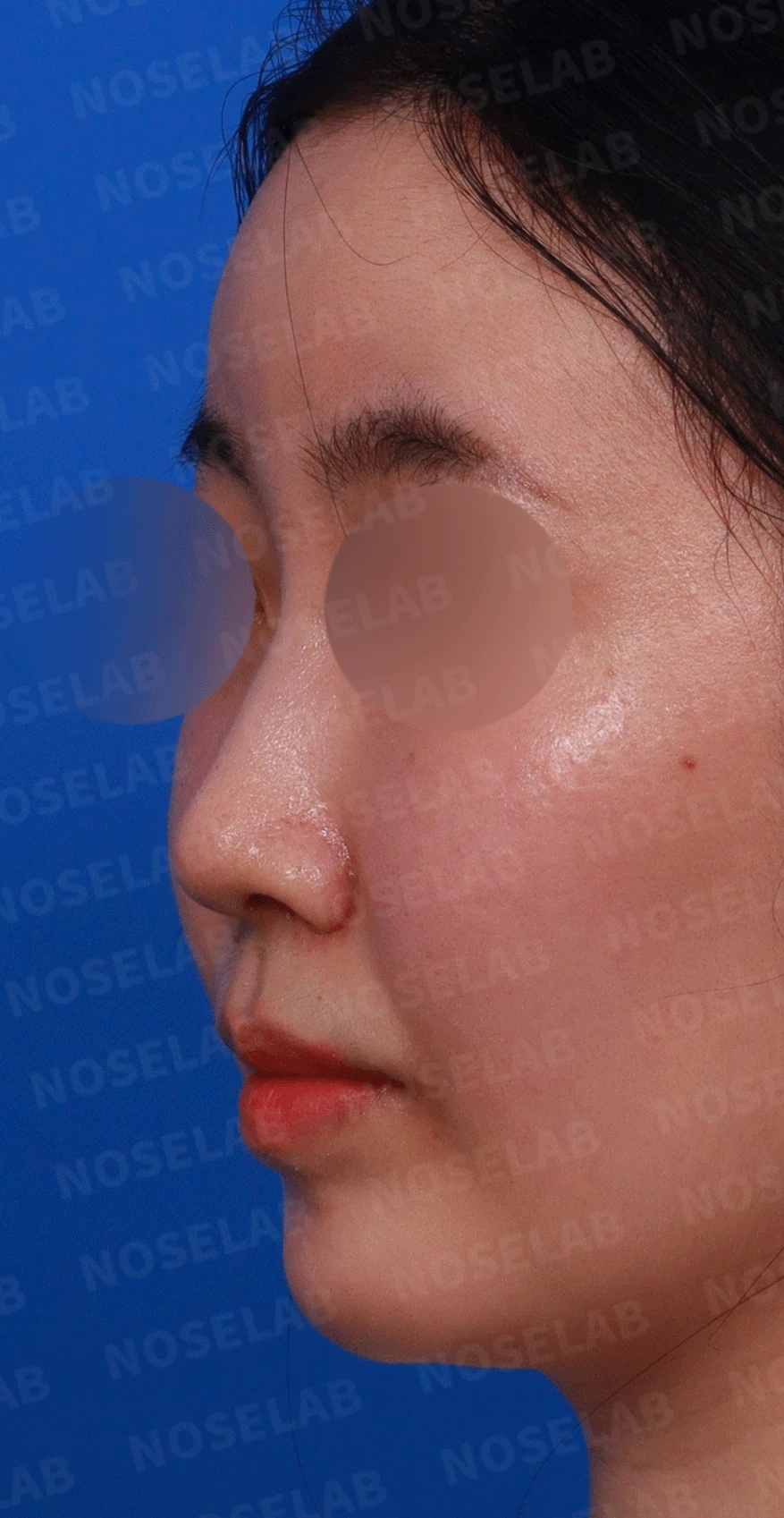
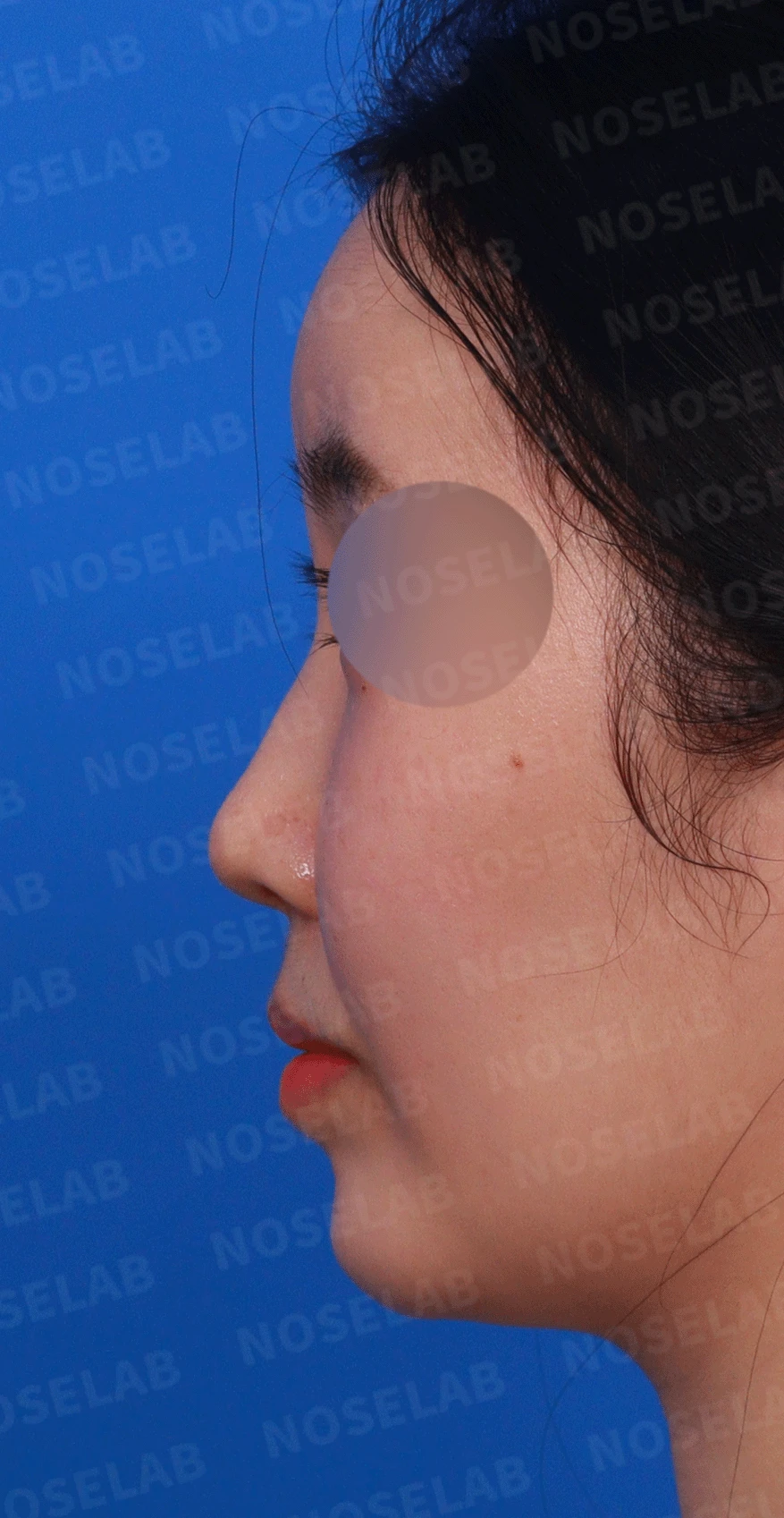
Preoperative design consultation: front, left oblique, and profile views
Front view:
- The nose looks overall flat
- The nasal tip appears wide and spread out
- The nose looks slightly long
Oblique view:
- The nasal dorsum is uneven
- The nose appears overall flat and elongated
Profile view:
- Unevenness along the dorsum is more prominent
- Signs of a protruding mouth are observed
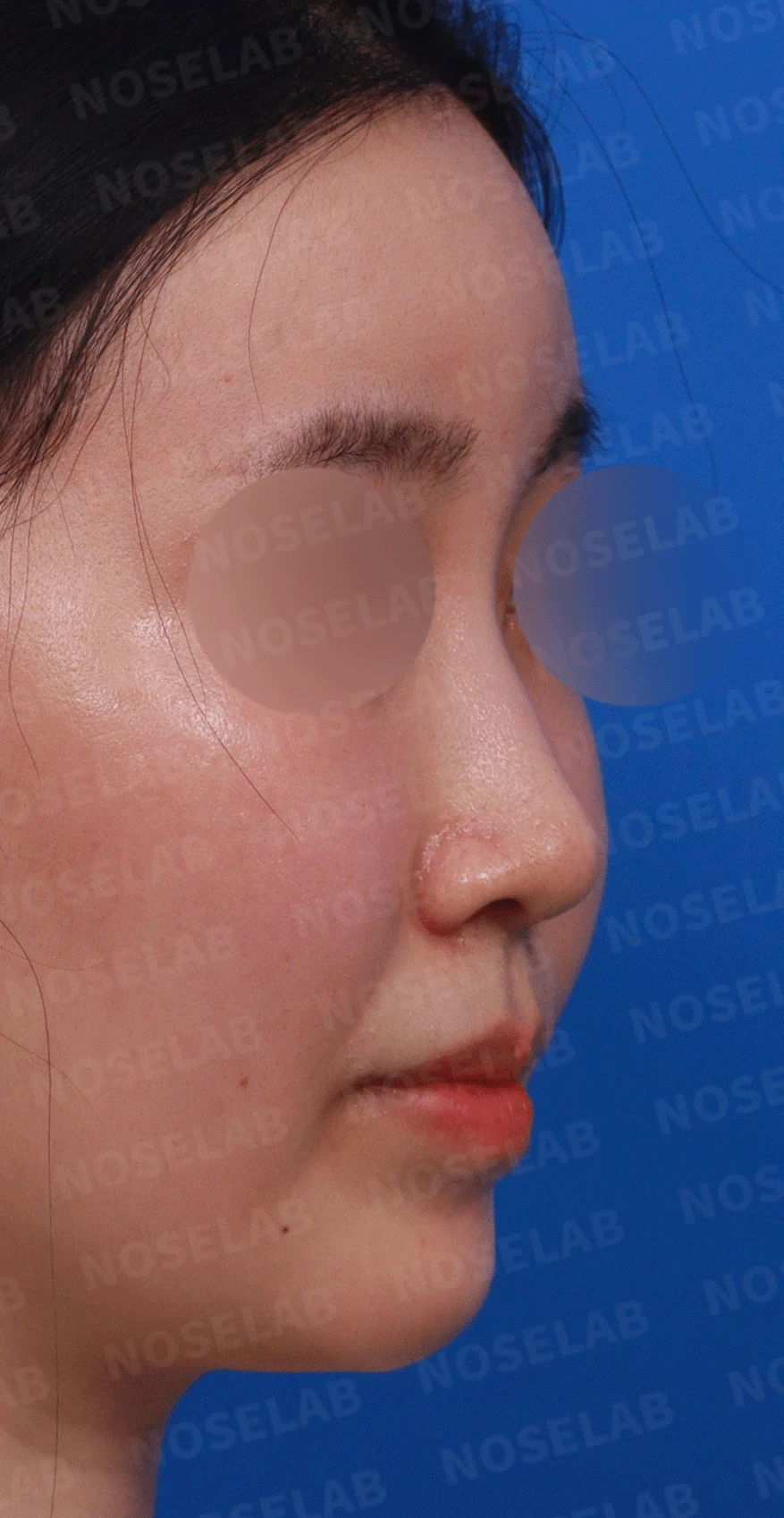
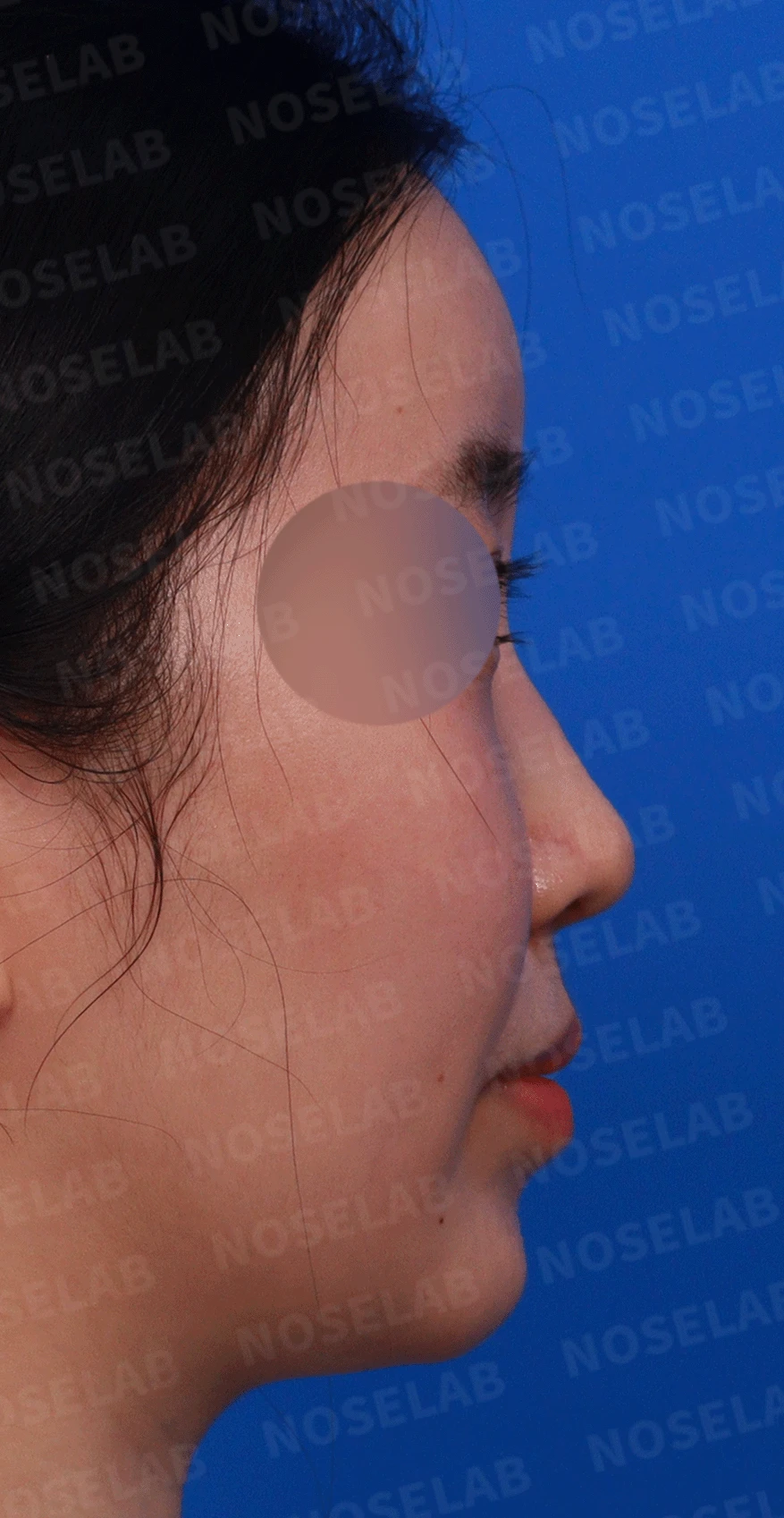
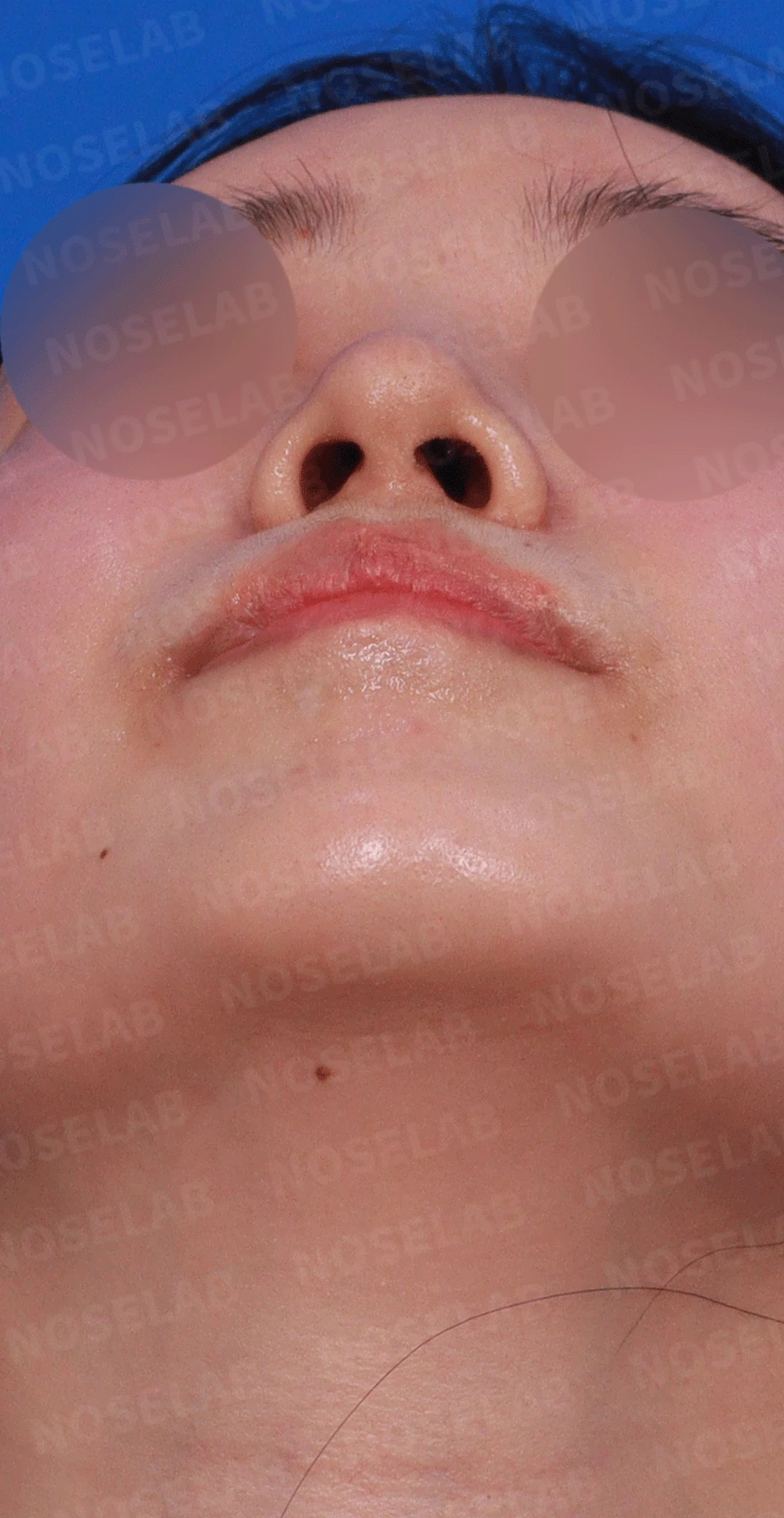
Preoperative design consultation: right oblique, profile, and nostril views
Nostrils:
- Nostril asymmetry is present
- The nose appears spread out and blunt
Patient's main requests:
1. Desired a higher nose
2. Desired an overall striking, well-defined image
2. Surgical plan
Taking into account the patient's condition and requests, the following surgical plan was established:
a) Septal extension using autologous rib cartilage
b) Tip elevation and reshaping
c) Nasal bridge augmentation
d) Correction of the wide nasal bridge via lateral osteotomy
3. Surgical procedure
All procedures were performed using a closed approach:
a) Autologous rib cartilage harvest:
- Autologous rib cartilage was harvested from the patient, securing an adequate amount of cartilage required for the rhinoplasty.
b) Deviated septum correction and septal extension:
- The septum, which was deviated to the left, was straightened.
- Autologous rib cartilage was used to extend and reinforce the septum.
- This enhanced structural support for the nasal tip and helped prevent postoperative deviation.
c) Tip elevation and reshaping:
- Using autologous rib cartilage, the nasal tip was raised as much as possible within a safe range.
- The spread tip was gathered together to create a more refined, three-dimensional shape.
d) Nasal bridge augmentation:
- Autologous rib cartilage was used to naturally elevate the flat nasal bridge.
- The uneven dorsum was smoothed to improve the overall nasal profile.
e) Lateral osteotomy:
- The wide nasal bridge was narrowed to refine the overall contour of the nose.
Intraoperative precautions:
- Because the nasal tip skin envelope was limited, excessive elevation was avoided. Over-projecting can lead to complications such as tip deviation, redness, and cartilage show-through.
- Tip elevation was restricted to within 90% of the skin envelope's safe stretch limit.
4. Comparison of before-and-after photos
Comparing photos taken immediately after surgery on day 0 shows the following improvements: Photos taken immediately after surgery show swelling and may differ from the final result.
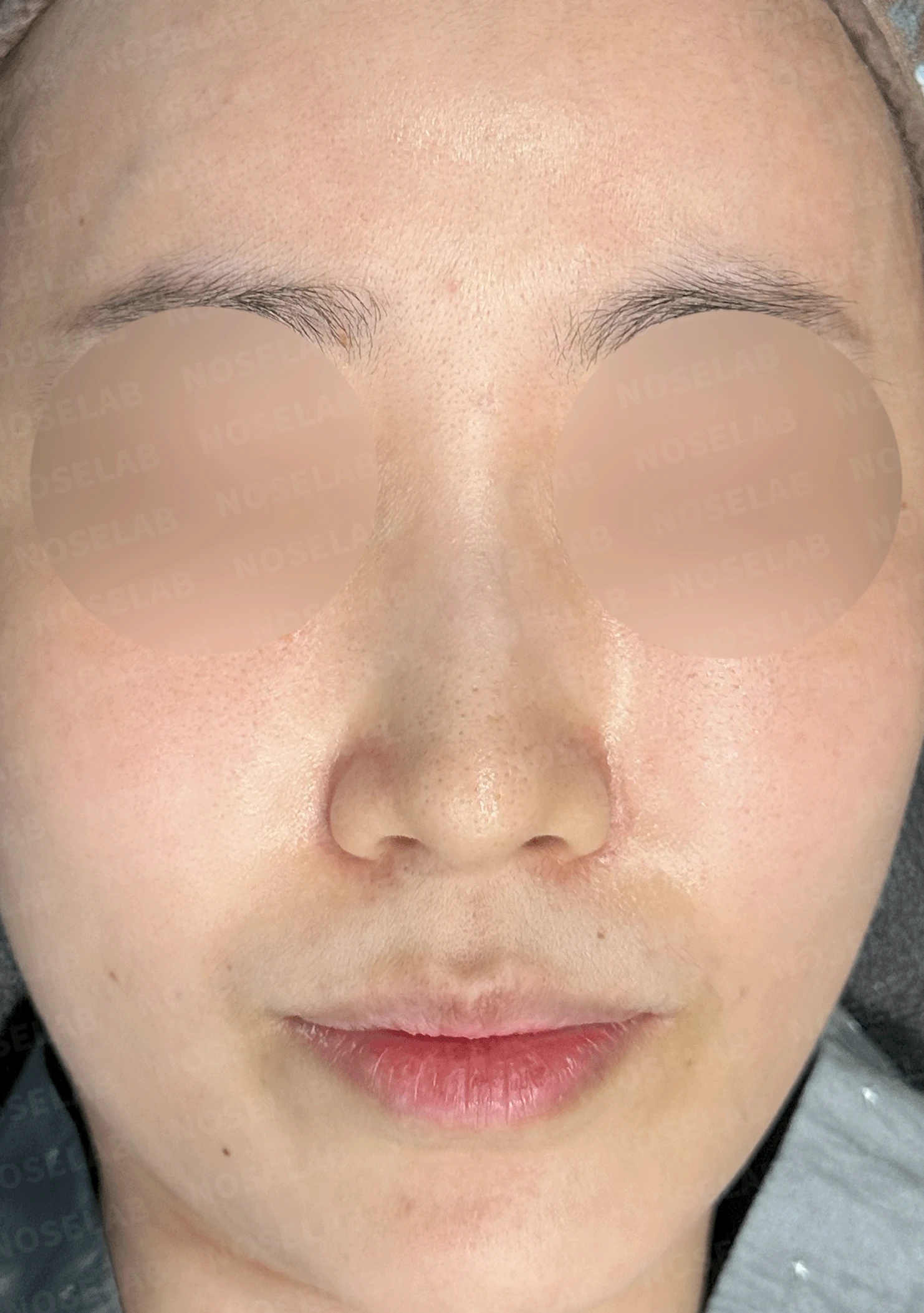
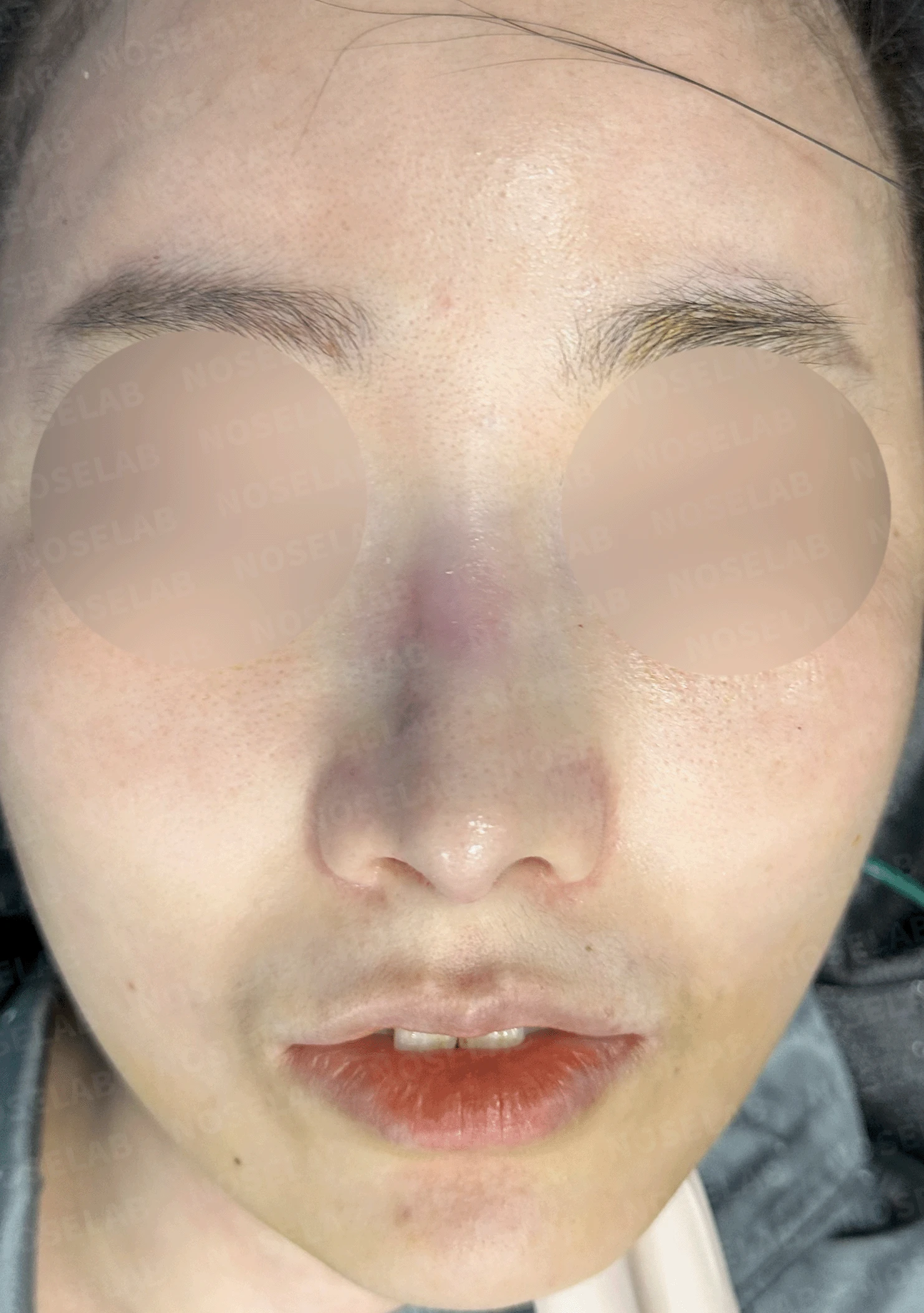
Before surgery / Day 0 immediately after surgery Photos taken immediately after surgery show swelling and may differ from the final result.
Front view:
- The previously flat nose gained overall three-dimensional definition.
- The widened nasal tip was gathered, creating a more refined and projected shape.
- The overall length of the nose was adjusted appropriately, achieving a balanced appearance.
Oblique view:
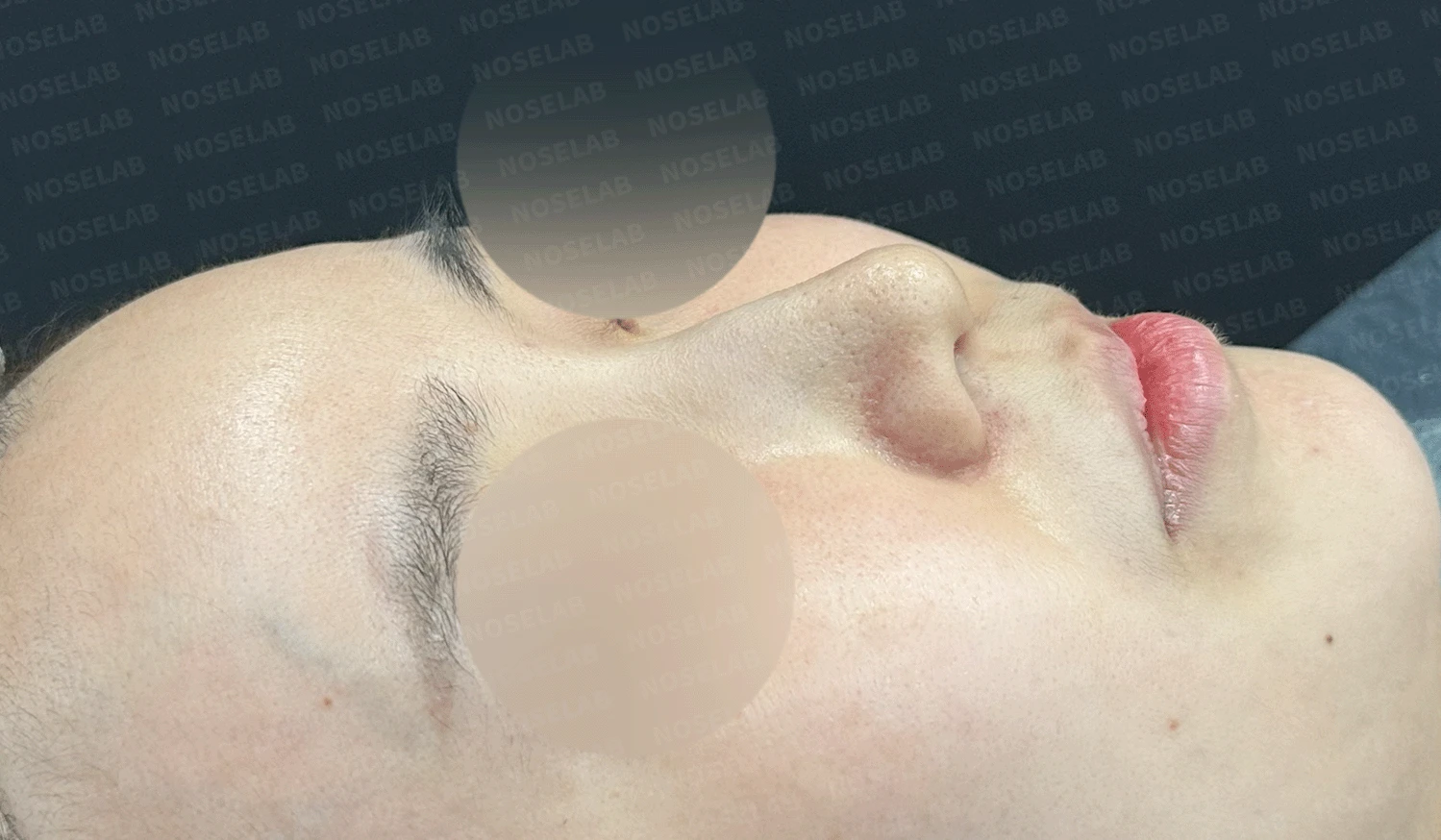
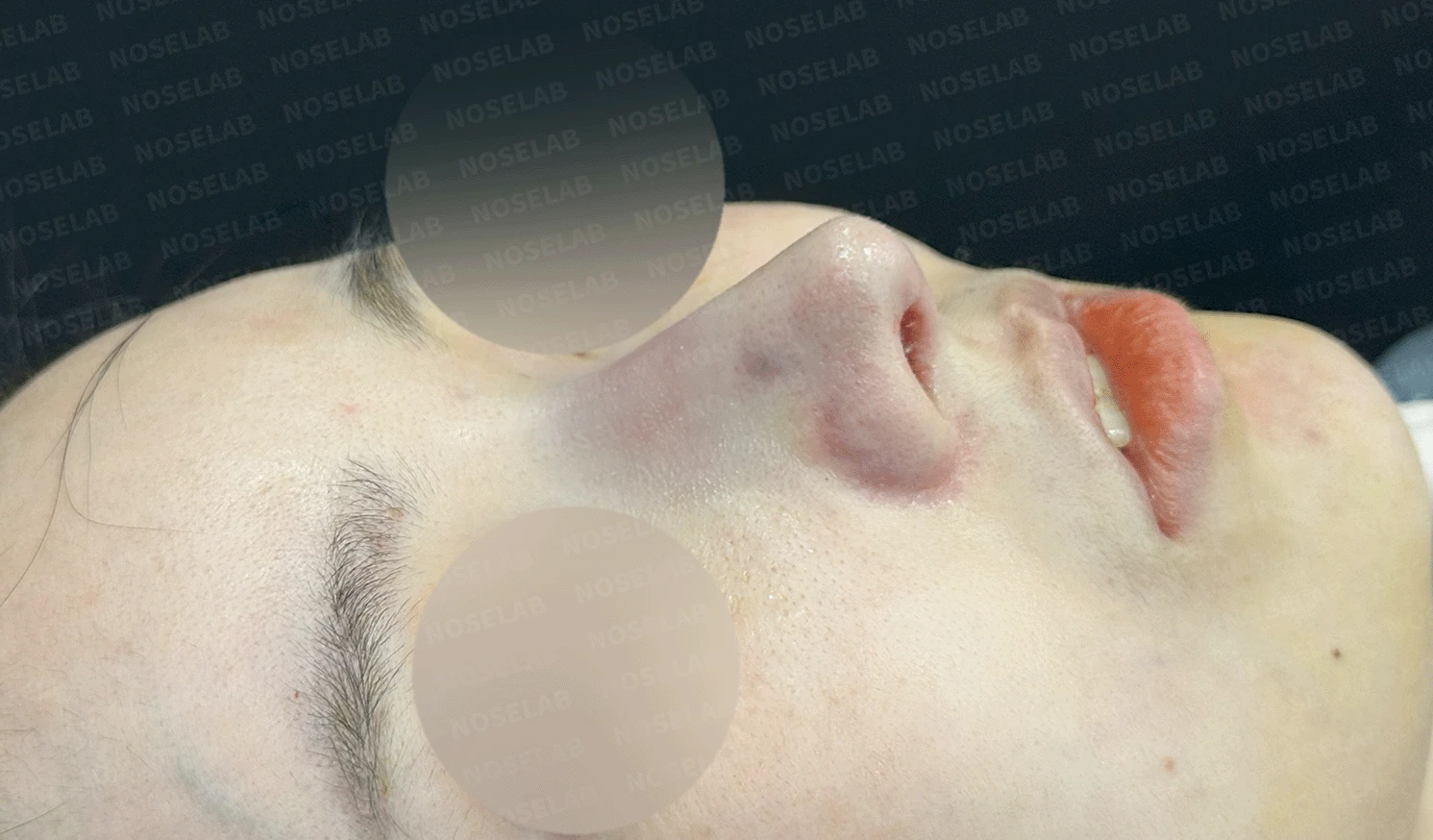
Before surgery / Day 0 immediately after surgery Photos taken immediately after surgery show swelling and may differ from the final result.
- The uneven dorsum was smoothed into a soft, refined line.
- The overall nasal height was increased, creating a well-defined and dimensional impression.
- The nose, which previously appeared flat and long, was harmonized with appropriate height and length.
Profile view:
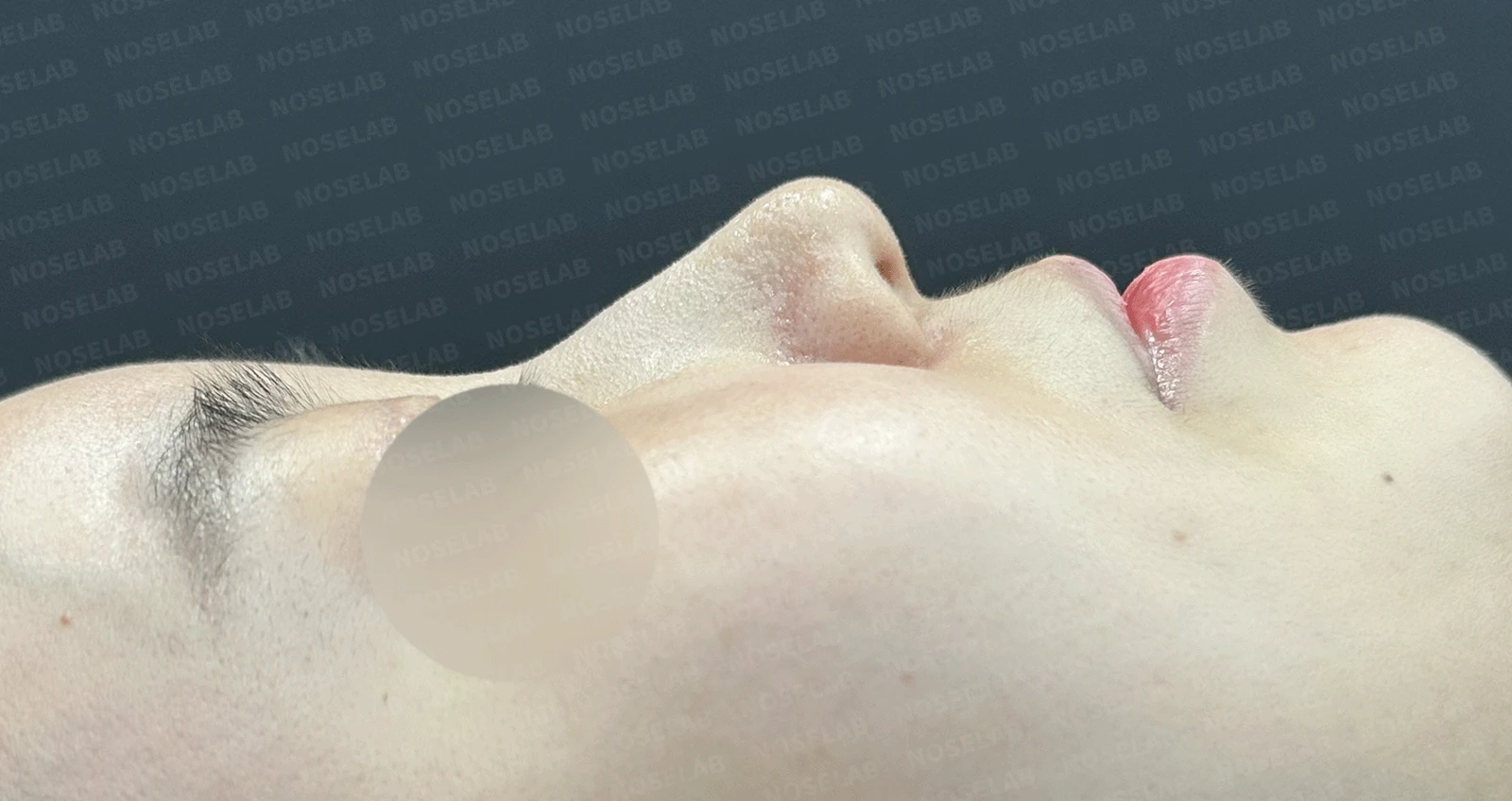
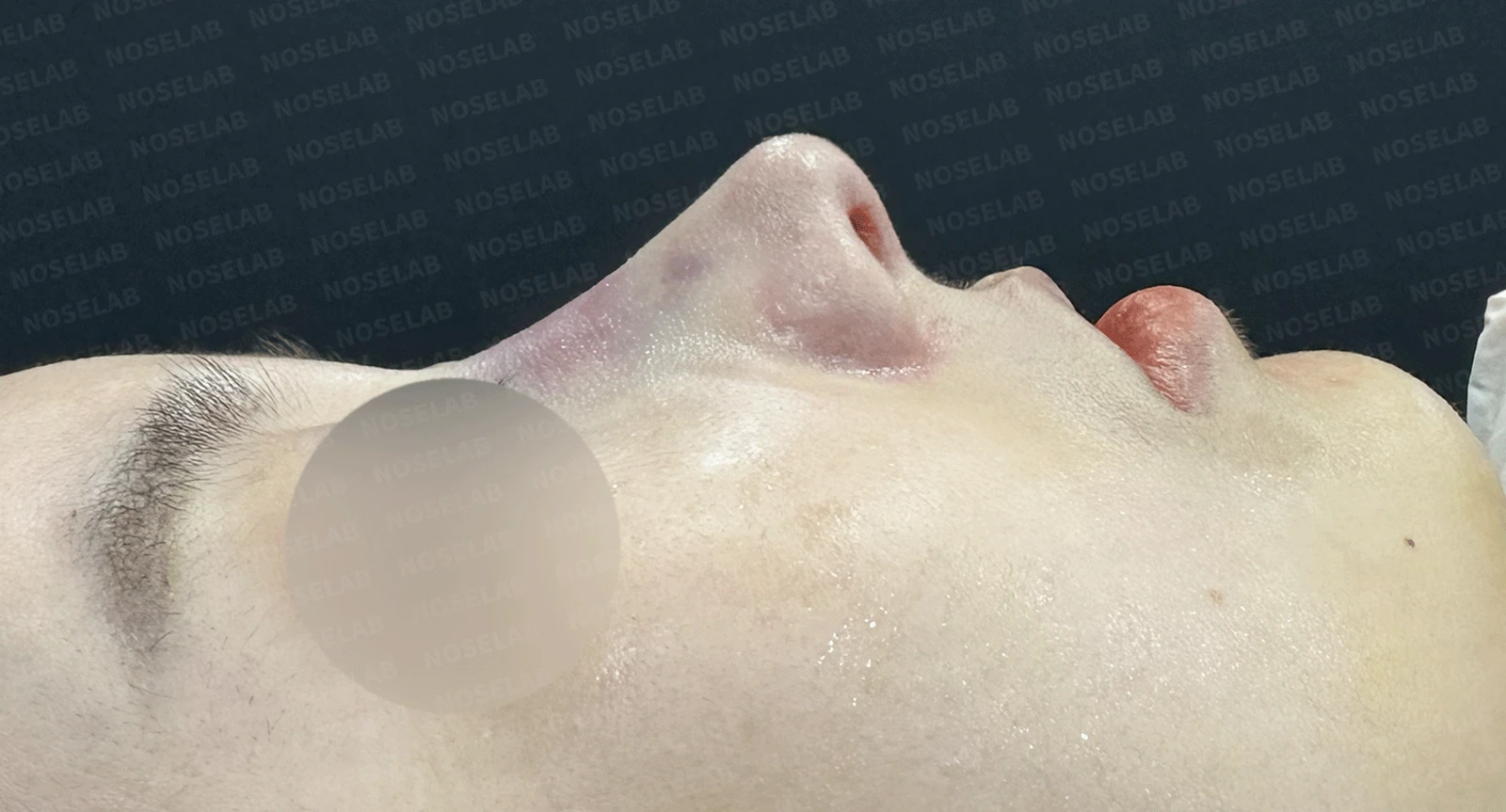
Before surgery / Day 0 immediately after surgery Photos taken immediately after surgery show swelling and may differ from the final result.
- Irregularities on the dorsum were resolved, creating a smooth line.
- With the increased nasal height, the appearance of a protruding mouth naturally improved.
- A balanced line was established from the nasal bridge to the tip, creating a refined lateral profile.
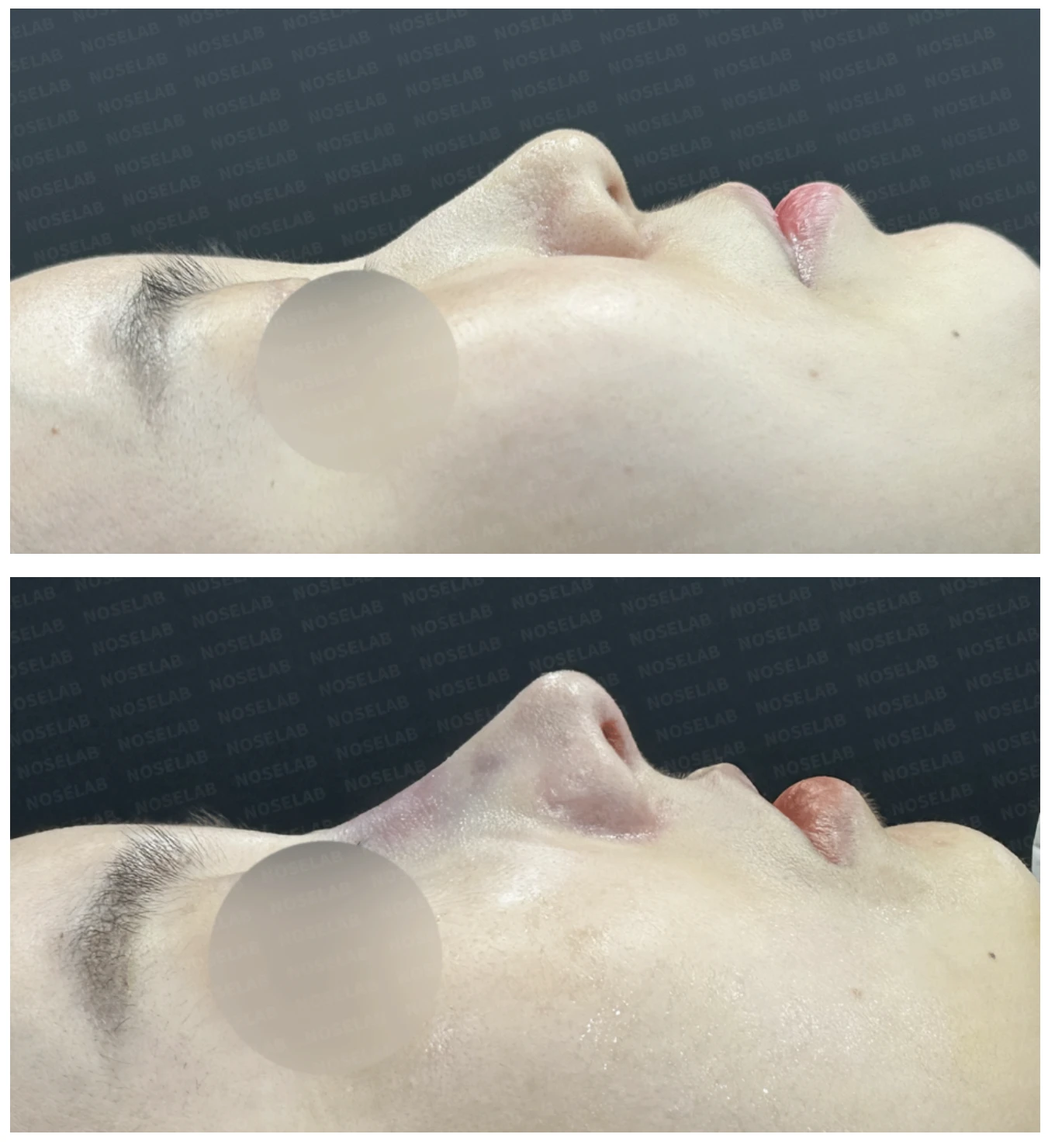
Nostrils:
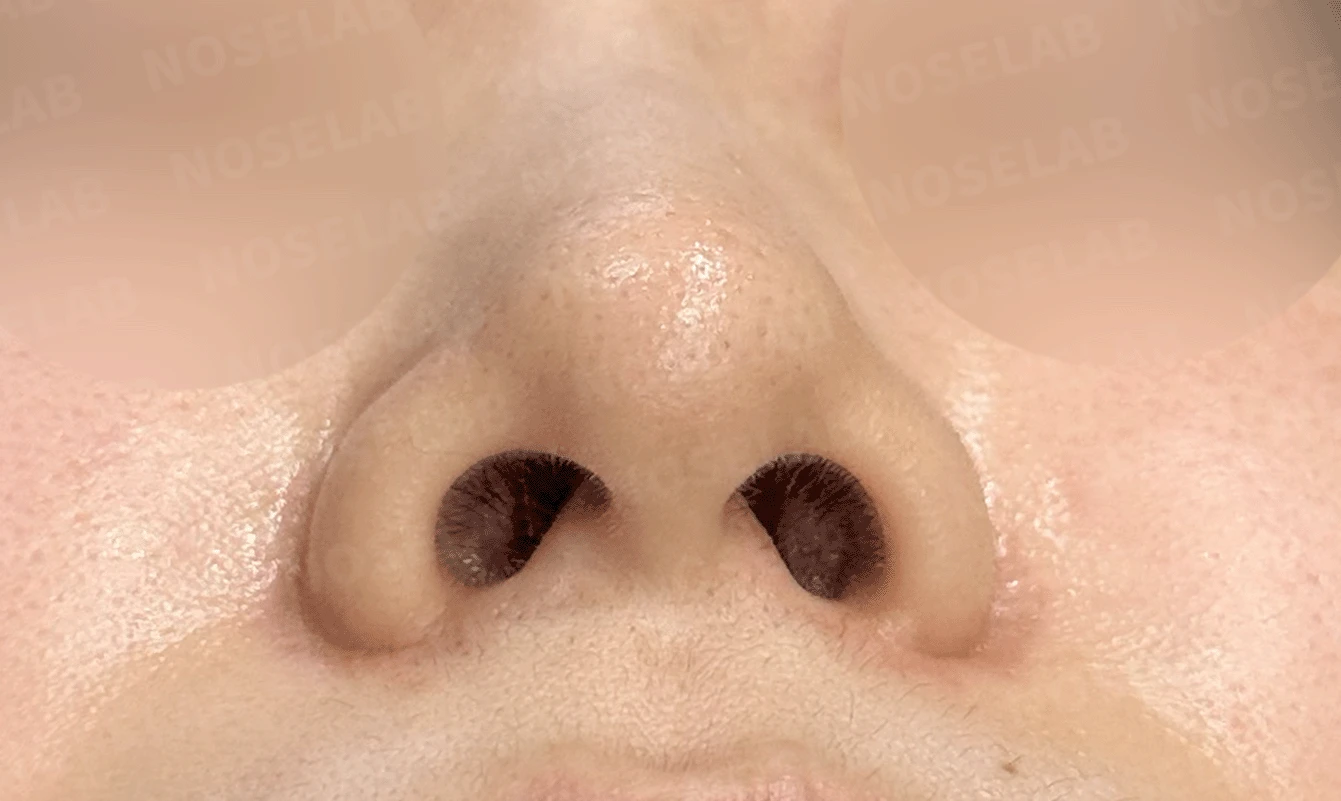
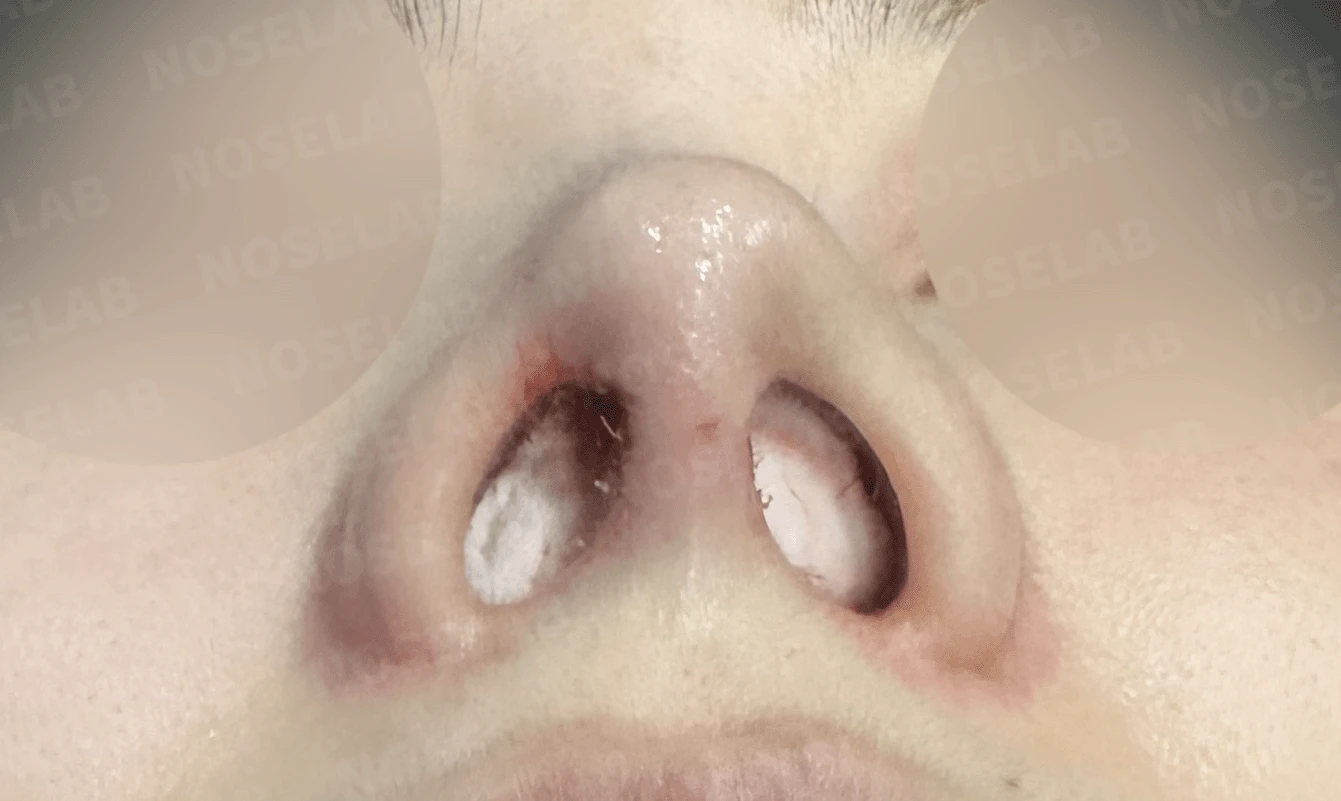
Before surgery / Day 0 immediately after surgery Photos taken immediately after surgery show swelling and may differ from the final result.
- Nostril asymmetry was improved, showing a more balanced appearance.
- The previously widened and blunt nasal tip became refined and three-dimensional.
- Nostril size and contour were naturally regulated, harmonizing with the overall nose.
5. Photos immediately after surgery on day 0 Photos taken immediately after surgery show swelling and may differ from the final result.
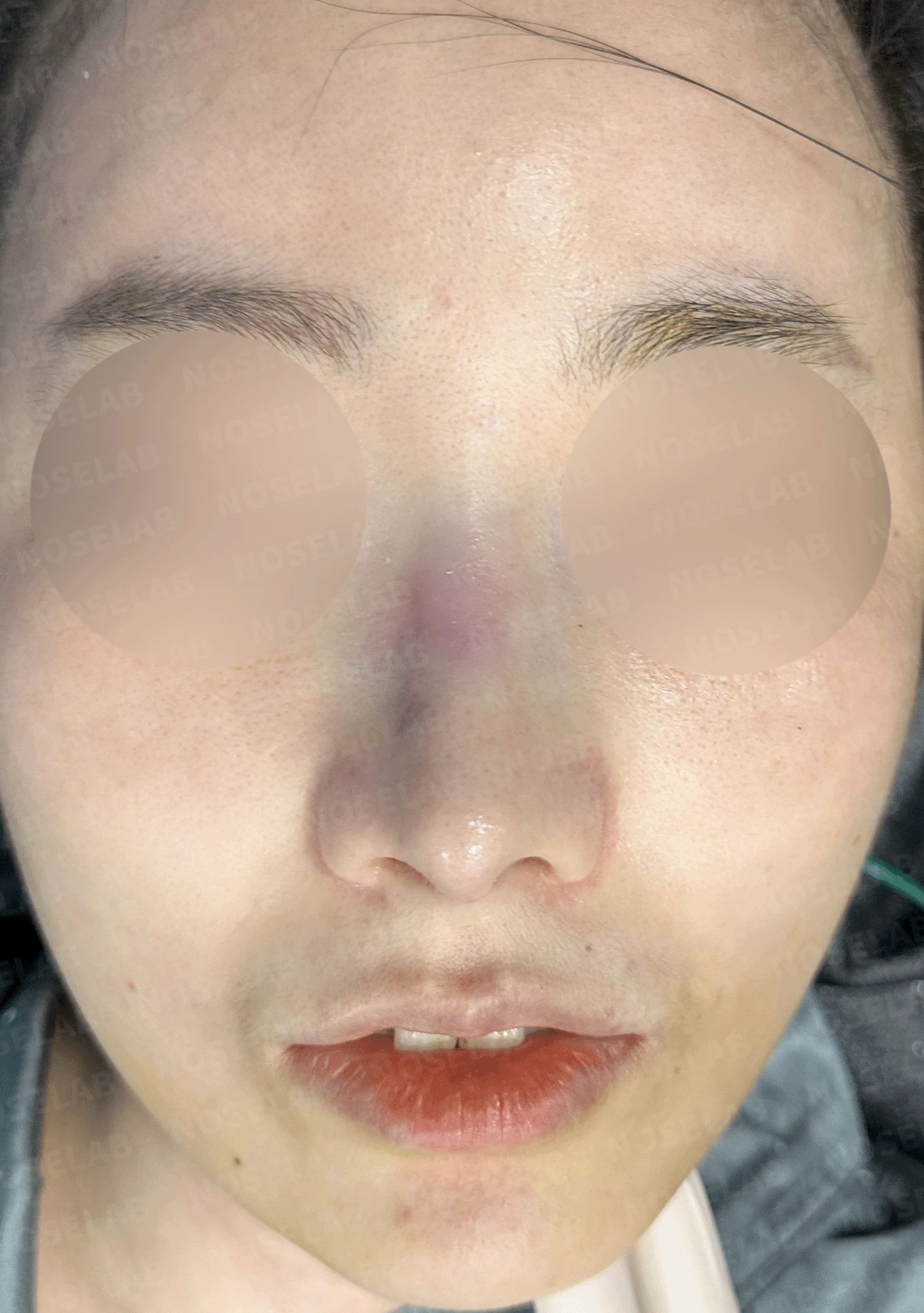
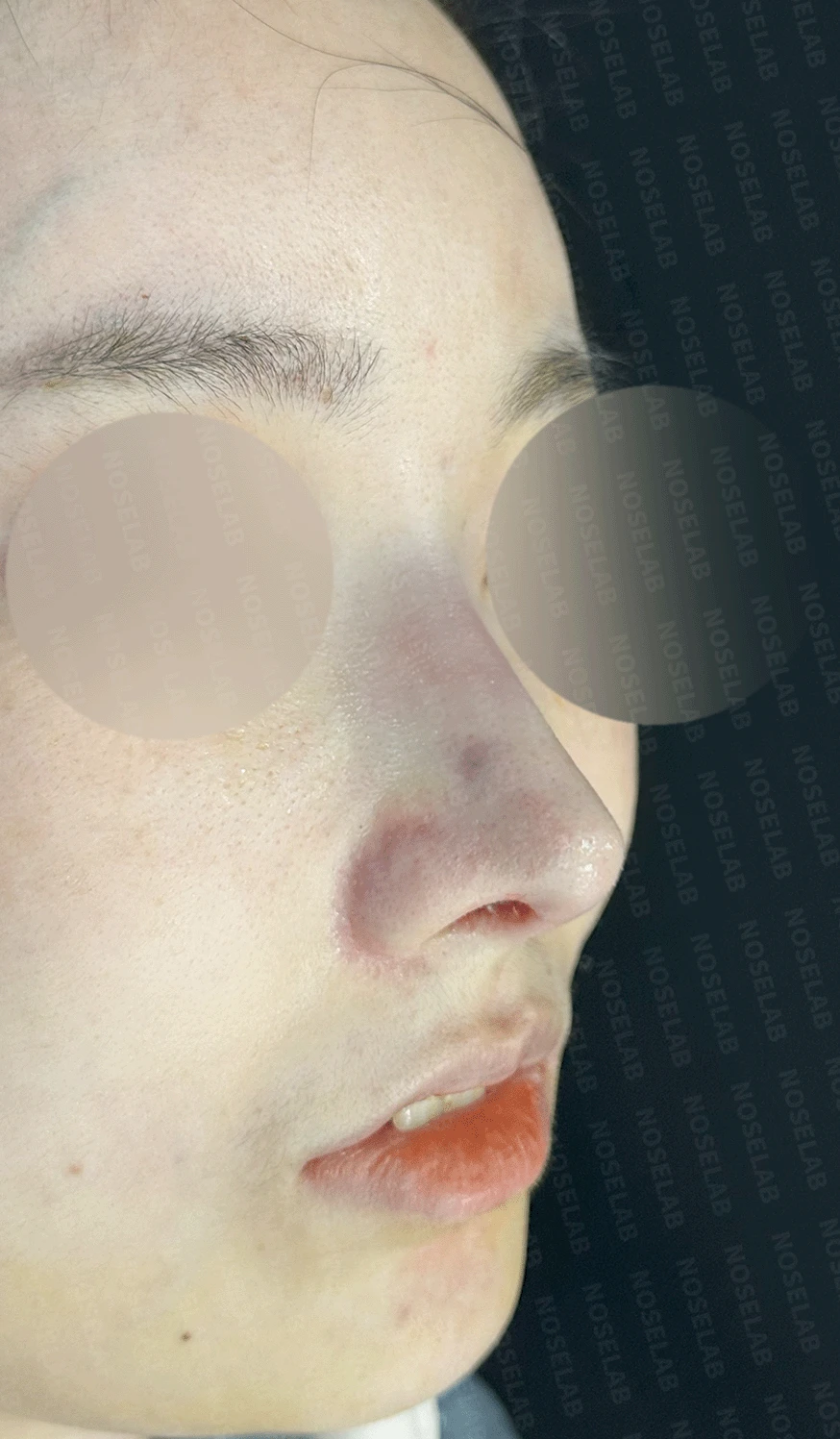
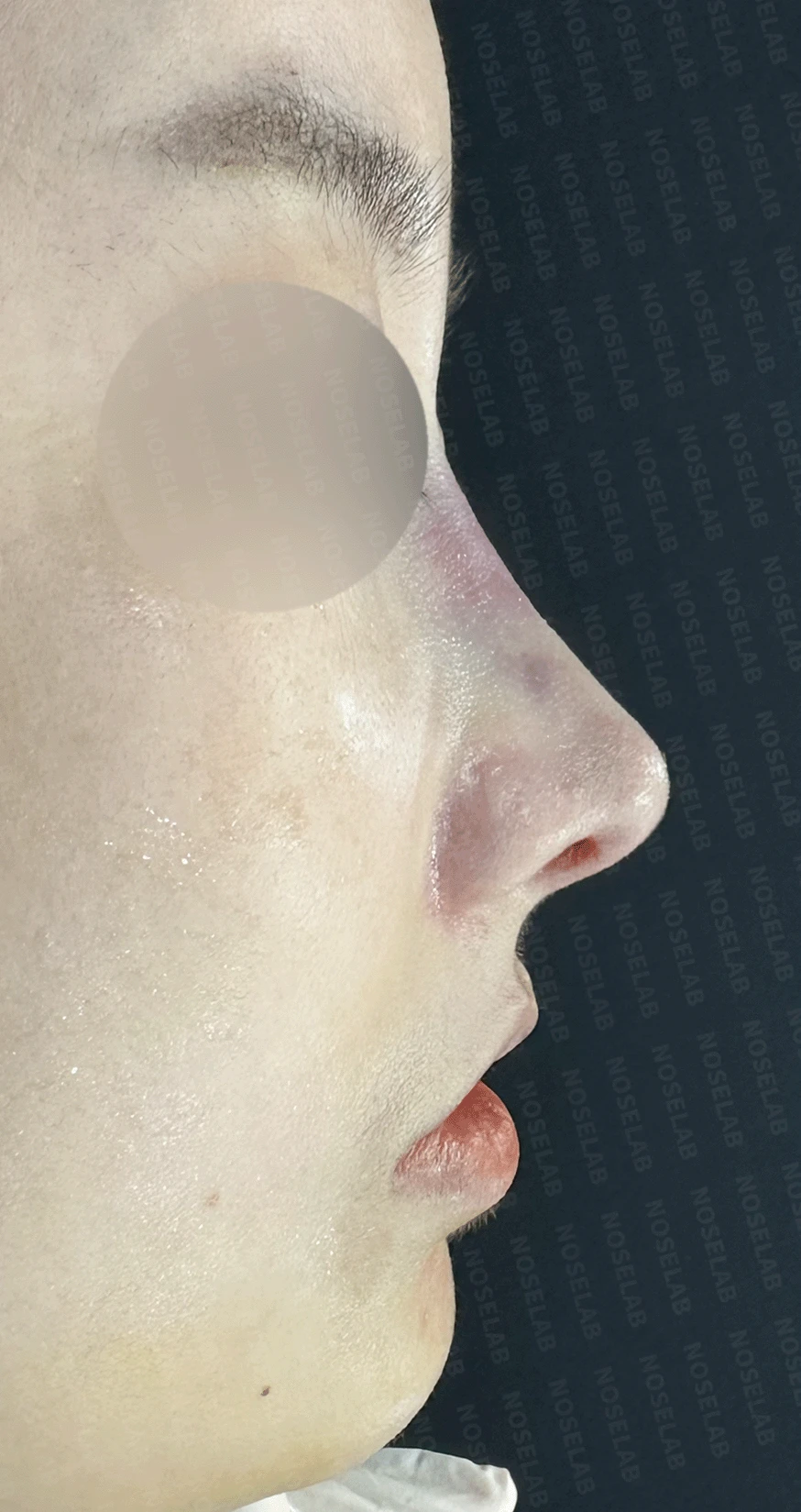
Front, oblique, and profile views on day 0 immediately after surgery. Photos taken immediately after surgery show swelling and may differ from the final result.
This is the basal (nostril) view.
6. Overall evaluation
This case illustrates transforming a flat, low nose into a prominent, three-dimensional profile using autologous rib cartilage. While fulfilling the patient's goal of achieving a high, well-defined nose, careful attention was paid to maintaining natural balance.
Particular focus was placed on the following aspects during this surgery:
1. Deviated septum correction: To prevent shifting when elevating the tip, the deviated septum was corrected first. This was a critical step in securing structural stability for the nose.
2. Safe elevation: Considering the capacity of the nasal tip skin, maximum elevation was achieved within a safe limit. By restricting elevation to within 90% of the skin envelope's stretch capability, complications from over-projection were prevented.
3. Creating a harmonious line: A natural, balanced contour was built from the nasal bridge to the tip to preserve overall facial harmony. This allowed us to achieve a defined result that does not look unnatural.
4. Correcting dorsal irregularity: Using autologous rib cartilage, the uneven dorsum was smoothed to improve the entire nasal profile.
5. Correcting nostril asymmetry: Nostril size and shape were adjusted to improve asymmetry and achieve overall balance.
The use of autologous rib cartilage was another key feature of this procedure. Autologous rib cartilage can be harvested in sufficient volume for complex nasal reshaping, and because it is the patient's own tissue, the risk of rejection is low and long-term structural stability can be maintained.
The closed approach is also noteworthy. Because this technique avoids external incisions, there are no visible external scars, allowing for a faster recovery and natural results.
7. Conclusion
I hope this case offers helpful insight to those concerned about a flat or low nose. Rhinoplasty is not merely about making the nose higher; it is essential to consider the balance and harmony of the entire face to create a nose that best complements each individual.
I always establish a tailored surgical plan by carefully evaluating each patient's facial characteristics and aesthetic goals. Based on extensive experience and surgical expertise, I do my best to deliver safe and satisfying results.
If you are considering rhinoplasty, I recommend consulting with an ENT specialist to determine the most suitable approach for you. NOSELAB will always strive to support your pursuit of a balanced and healthy nose.
Thank you.
#rhinoplasty #autologousribcartilage #flatnosecorrection #lownosecorrection #widenosecorrection #dorsalirregularitycorrection #closedrhinoplasty #tipplasty #entrhinoplasty #deviatedseptumcorrection #bridgeaugmentation #prominentnose #customrhinoplasty

Limitations and risks
When autologous rib cartilage is used, scarring and pain may remain at the donor site on the chest, and pneumothorax (pleural injury) can occur rarely. Over time, the grafted cartilage may warp or undergo partial resorption.
When the septum is corrected at the same time, nasal obstruction may persist or recur, and in rare cases, septal perforation or changes in smell may occur.
Common potential risks include infection, bleeding, asymmetry, scarring, skin necrosis, and insufficient improvement; results vary depending on individual skin condition and previous surgical history.