English日本語简体中文
Skip to main content
Dr. Peter C. Kang's Rhinoplasty Stories
PrologueBlogMy thoughtsNasal obstructionSurgical journalSurgical photos
About the surgeon

Drooping tip and hooked nose: looking beyond height to underlying structural support

This is page 9 of cases on drooping tip and arrow nose: looking beyond height to structural support. Review surgical records and before-and-after photos for cases 145–162 of 166.

View before-and-after cases ↓Comprehensive rhinoplasty guide

Searching for surgical cases matching your criteria.
Correction methods examining the structure of a bulbous and drooping nose — Before-and-after comparison
Before-and-after comparison

Correction methods examining the structure of a bulbous and drooping nose

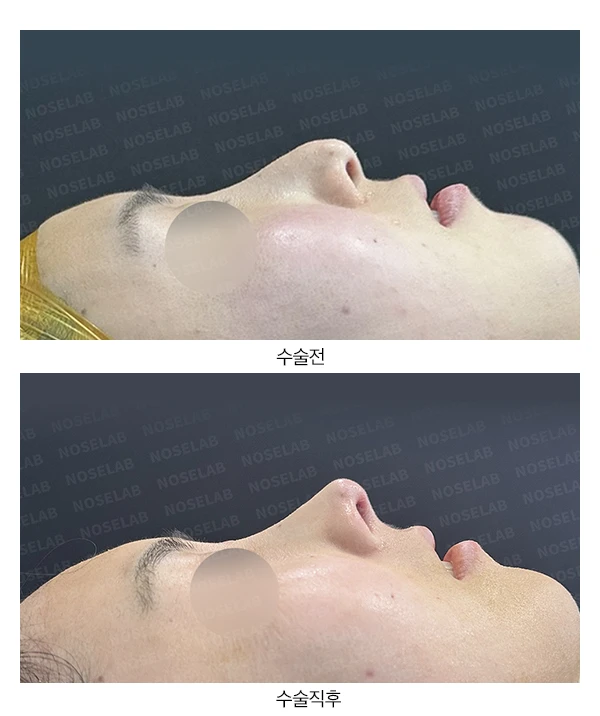
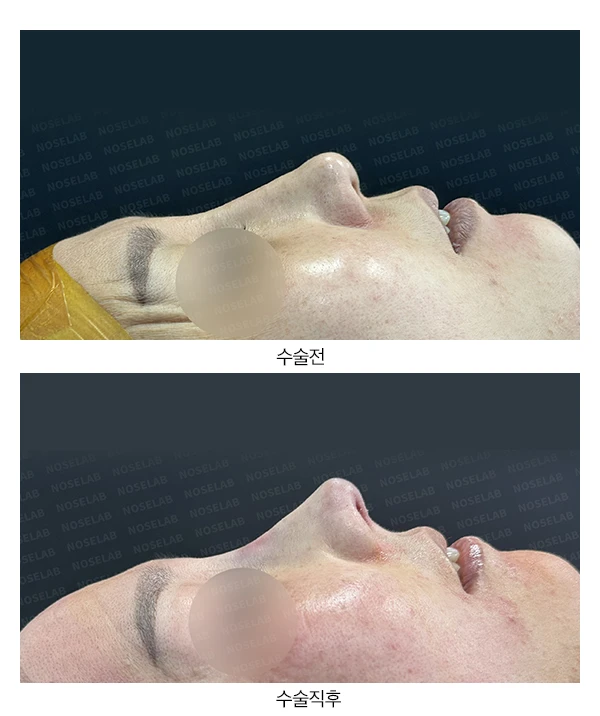
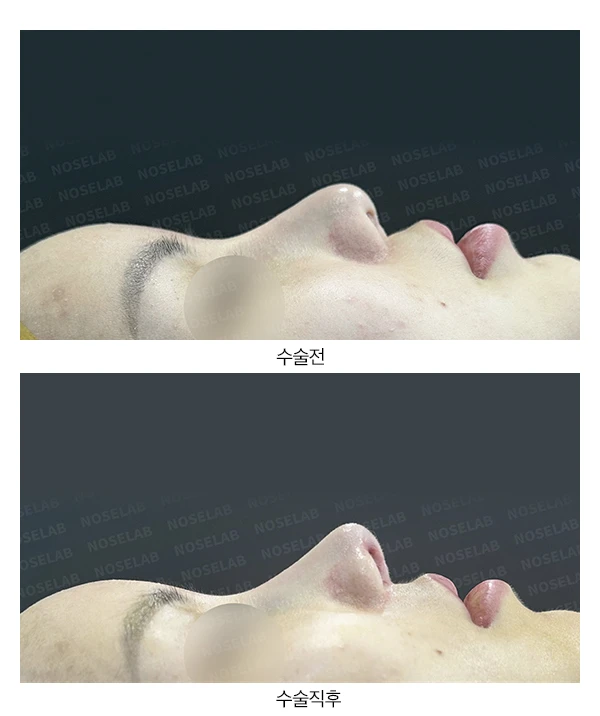
For a bulbously drooping nasal tip, a C-shaped deviated nasal bridge, and nostril asymmetry, the drooping was naturally corrected without excessively raising the tip, and the deviated bridge line was gently straightened.

Preoperative condition · Postoperative record
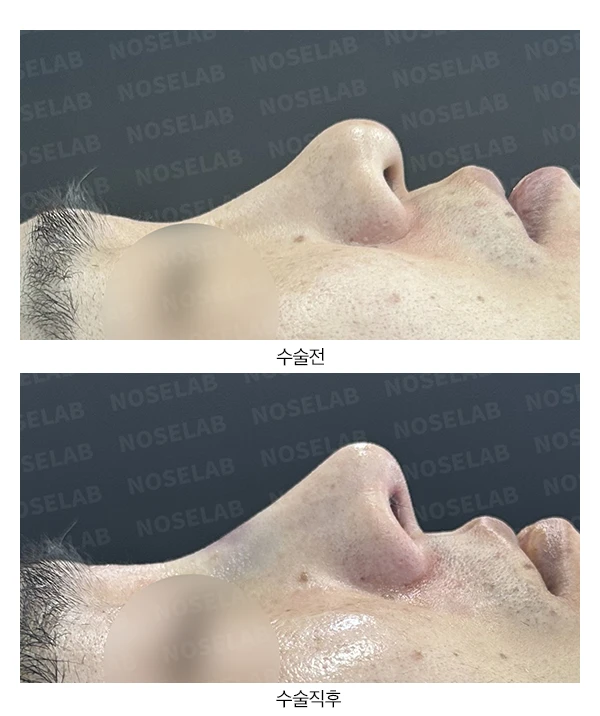
Methods for correcting an arrow-shaped nose and crooked nose — Before-and-after comparison
Before-and-after comparison

Methods for correcting an arrow-shaped nose and crooked nose

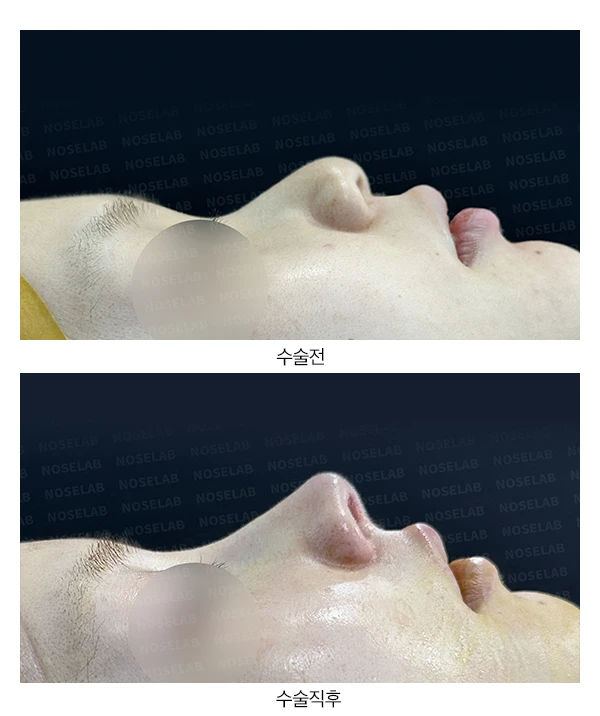
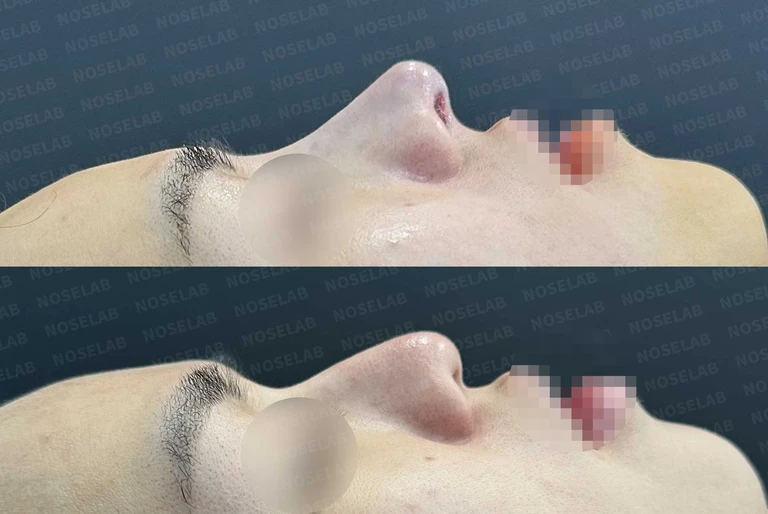
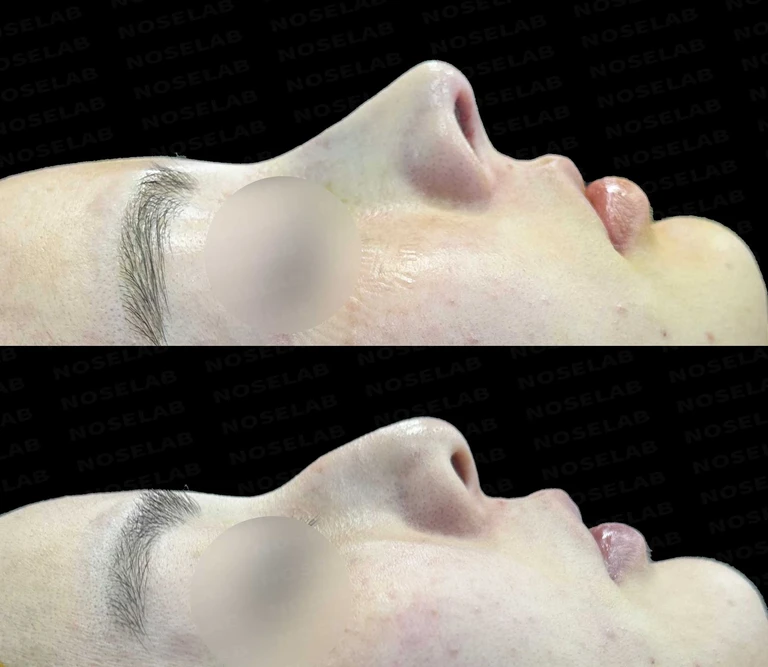
This case addresses nasal obstruction along with a long, drooping arrow-shaped nose and a crooked nasal bridge. Surgery on the septum and inferior turbinate, along with osteotomy and cartilage reinforcement, was planned, and changes in bridge curvature and tip drooping were documented after surgery.

Preoperative condition · Postoperative record
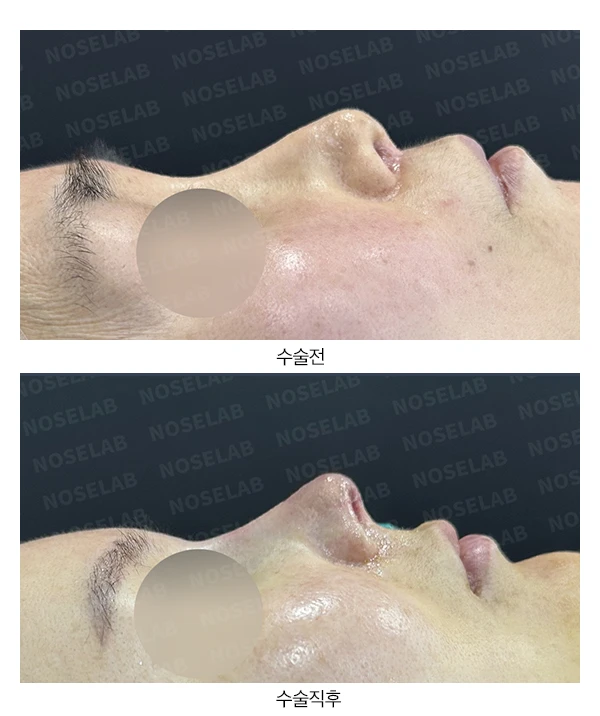
Is it possible to correct a philtrum reduction and remove autologous dermis? — Before-and-after comparison
Before-and-after comparison

Is it possible to correct a philtrum reduction and remove autologous dermis?

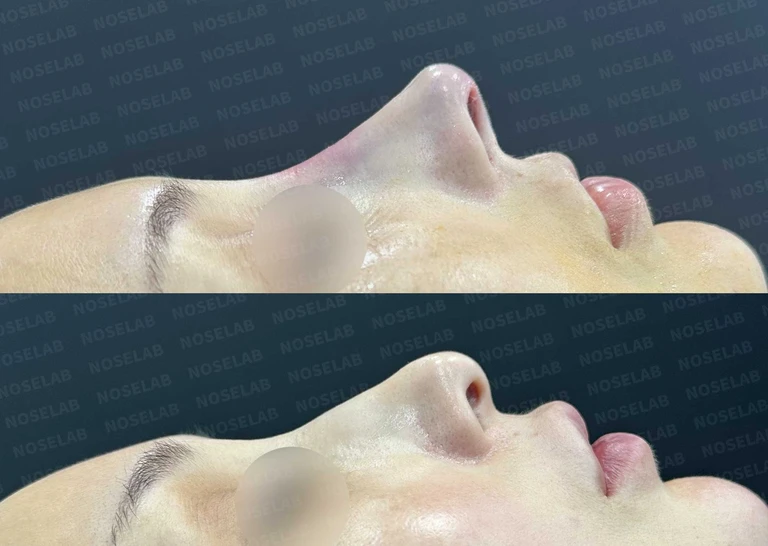
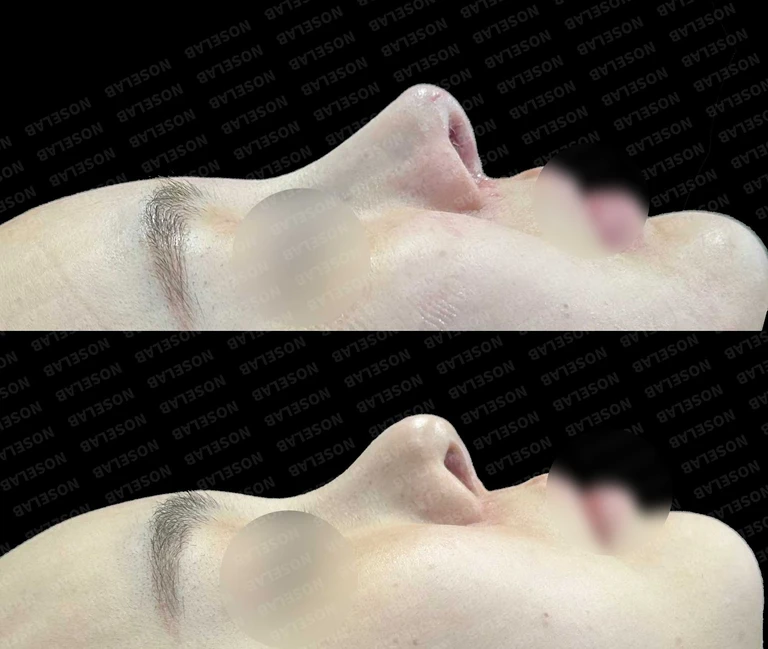
Nostril asymmetry, a crooked nose, and nasal bone defects that developed after a previous philtrum reduction and rhinoplasty were reconstructed using lateral osteotomy restoration, autologous rib cartilage, and a rotation flap.

Preoperative condition

How to correct shape in a second surgery for a contracted nose — Before-and-after comparison
Before-and-after comparison

How to correct shape in a second surgery for a contracted nose

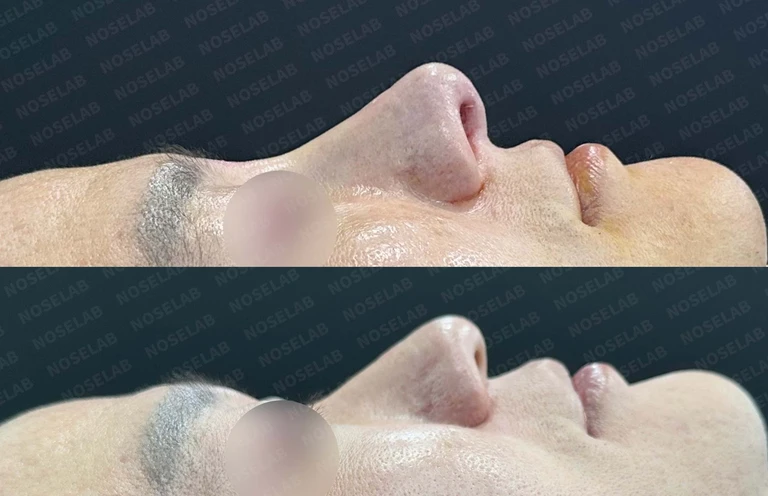
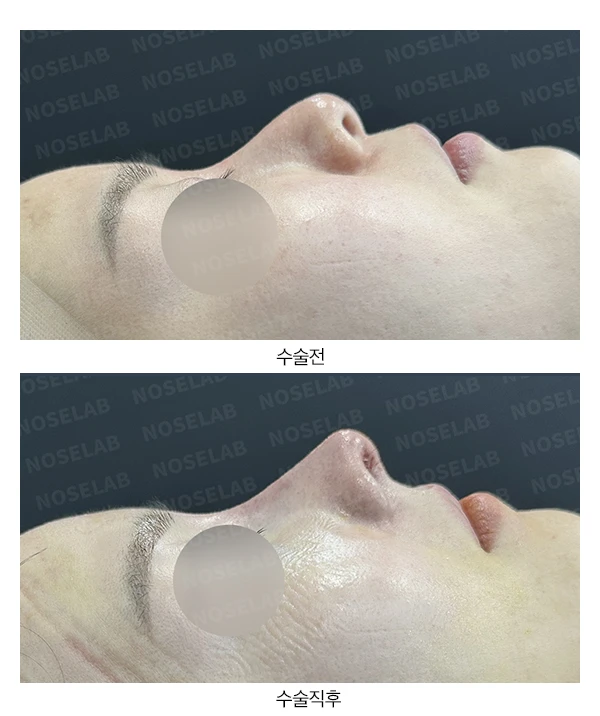
This is a case of a second surgery addressing a drooping tip and columellar scarring after reconstructing a contracted nose with autologous rib cartilage. We planned nasal tip reinforcement and a skin graft, and recorded changes in the position of the columella and the skin graft site after surgery.

Preoperative condition · Postoperative record
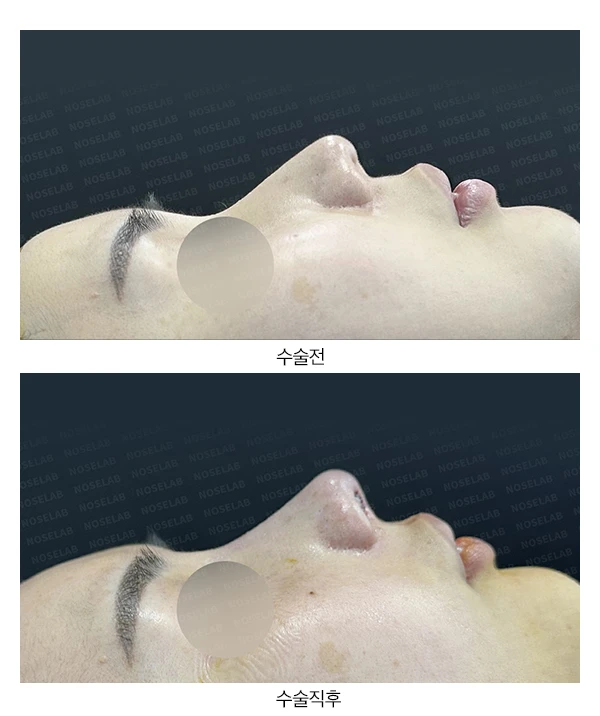
How is a long nose corrected? — Before-and-after comparison
Before-and-after comparison

How is a long nose corrected?

This is a case of a patient who visited our clinic with a long, drooping tip after a history of nasal filler, rhinoplasty, and two-jaw surgery. Foreign material removal was documented, and septal reconstruction using autologous rib cartilage along with thinning of the nasal tip skin was planned.

Preoperative condition

How to correct an upturned contracted nose with autologous rib cartilage — Before-and-after comparison
Before-and-after comparison

How to correct an upturned contracted nose with autologous rib cartilage

In a patient presenting with contracture, an upturned nose, and loss of lower lateral cartilages due to inflammation after previous surgery, we performed septal and alar cartilage reconstruction using autologous rib cartilage combined with stem cell therapy and alar rim lowering.

Preoperative condition

How is bulbous nose rhinoplasty performed? — Before-and-after comparison
Before-and-after comparison

How is bulbous nose rhinoplasty performed?

To correct a low, flat glabella, a wide and bulbous nasal tip, a drooping tip, and nasal asymmetry, we planned and performed partial subcutaneous tissue removal, lower lateral cartilage suturing, robust tip projection, and dorsal bridge augmentation.

Preoperative condition

Functional rhinoplasty and correcting a tilted columella — Before-and-after comparison
Before-and-after comparison

Functional rhinoplasty and correcting a tilted columella

A case where deviation recurred following previous septal surgery, leaving nasal obstruction and a tilted columella. We planned septal reconstruction using autologous rib cartilage and documented changes in the nasal tip, columella, and nostril asymmetry after surgery.

Preoperative condition · Postoperative record
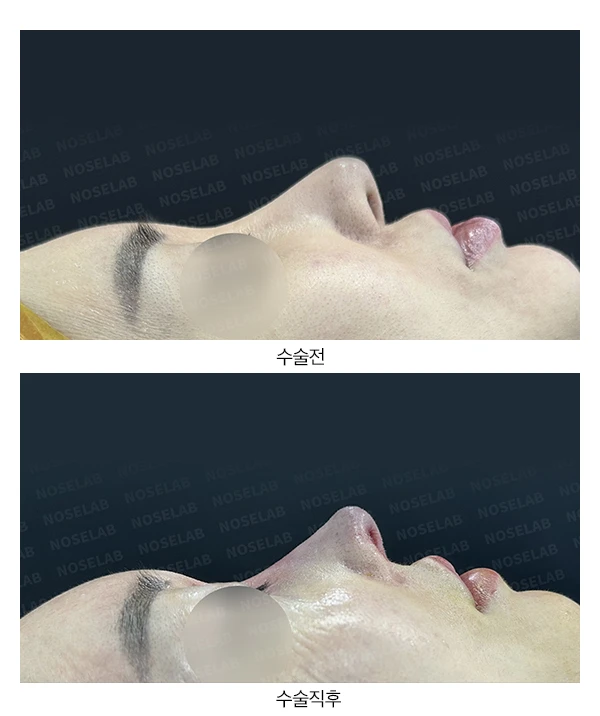
How to improve a bulbous nose and a protruding mouth — Before-and-after comparison
Before-and-after comparison

How to improve a bulbous nose and a protruding mouth

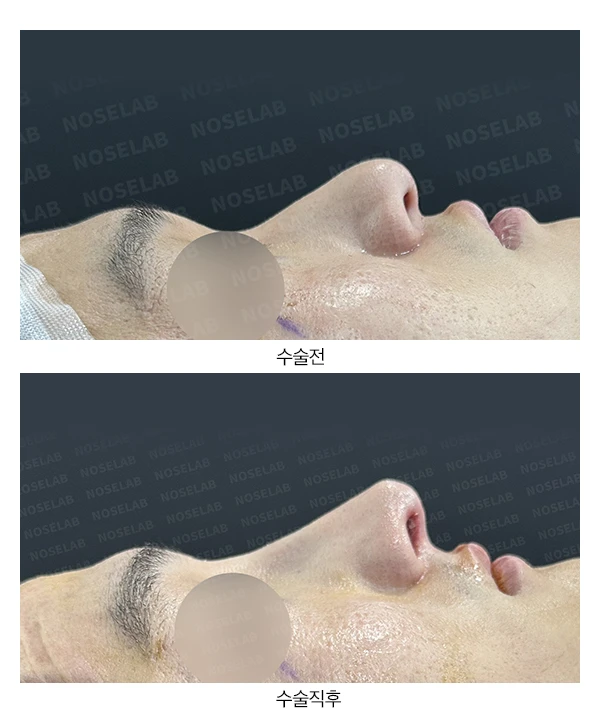
This is a case of a patient with a history of two-jaw surgery, a bulbous nasal tip, a wide nasal sill (nostril floor), and asymmetry. Considering the possibility of detachment of the septal base, reconstruction was planned, and changes in the nasal tip, nasolabial angle, and nasal sill were documented.

Preoperative condition · Postoperative record
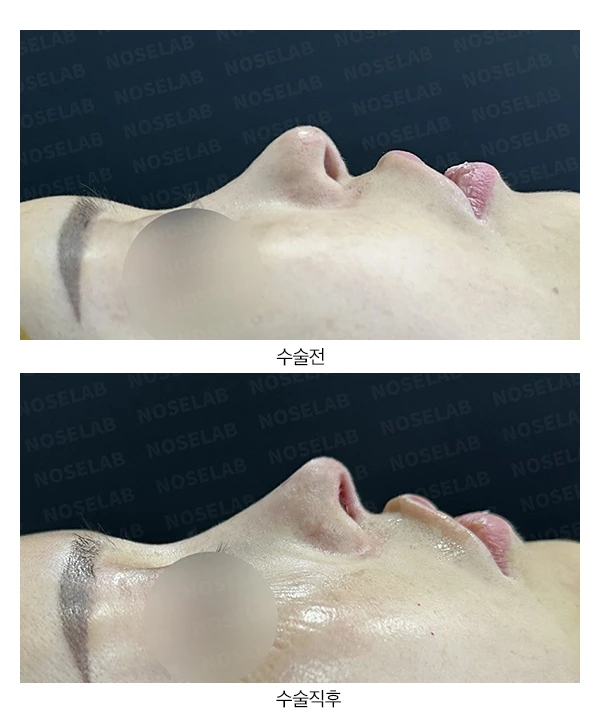
Methods for correcting an arrow-shaped nose and long nose — Before-and-after comparison
Before-and-after comparison

Methods for correcting an arrow-shaped nose and long nose

A long, drooping arrow-shaped nose and dorsal hump were refined through osteotomy and implant replacement, while septal extension using autologous rib cartilage and nasal sill reduction improved the nasolabial angle and nostril asymmetry.

Preoperative condition

Will correcting a crooked nose improve facial asymmetry? — Before-and-after comparison
Before-and-after comparison

Will correcting a crooked nose improve facial asymmetry?

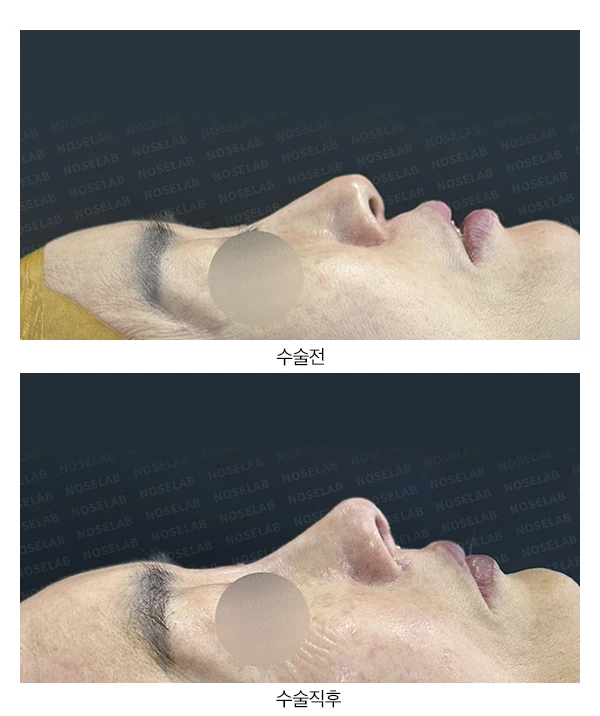
This case presented facial asymmetry accompanied by a nose deviated to the right, a bulbous nasal tip, and a dorsal hump. Osteotomy and septal repositioning were planned, and notes taken immediately after surgery record changes in the deviation and the drooping tip.

Preoperative condition · Postoperative record
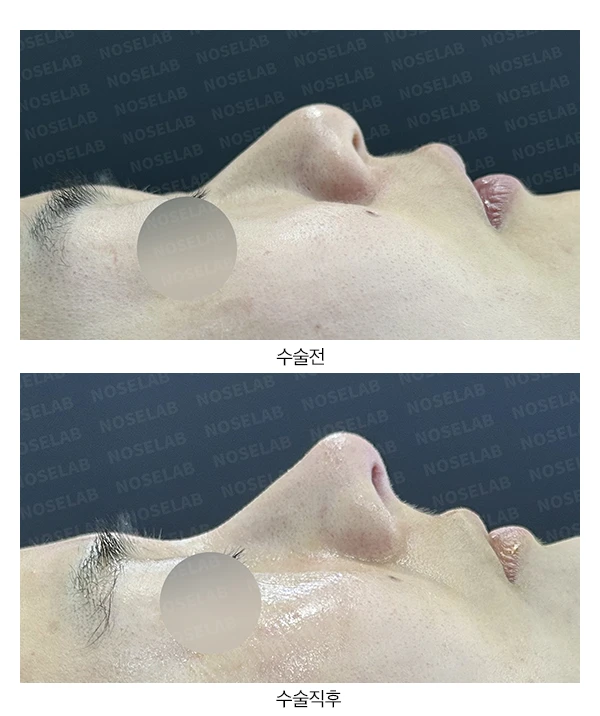
How to correct a long nose by lowering the radix — Before-and-after comparison
Before-and-after comparison

How to correct a long nose by lowering the radix

The excessively high Gore-Tex implant was removed from the glabella, the radix was lowered to the pupil line, and the septum and retracted columella were corrected using autologous rib cartilage.

Preoperative condition

How to correct a drooping tip, dorsal hump, and crooked nose with autologous rib cartilage — Before-and-after comparison
Before-and-after comparison

How to correct a drooping tip, dorsal hump, and crooked nose with autologous rib cartilage

This is a case of a patient concerned about a dorsal hump, a drooping tip, and a crooked nasal bridge. Considering the patient's existing bridge height and thick skin, the plan was adjusted during surgery to shape the nasal bridge by filling in the deficient areas with autologous rib cartilage.

Preoperative condition

Revision rhinoplasty with autologous rib cartilage and columella correction for a long nose and dorsal hump — Before-and-after comparison
Before-and-after comparison

Revision rhinoplasty with autologous rib cartilage and columella correction for a long nose and dorsal hump

This is a case of a patient concerned about a nose that still looked long due to a residual dorsal hump and a drooping tip even after a previous surgery. The nasal bone and upper lateral cartilage were refined, the nasal tip and columella were corrected, and a thin silicone implant was placed to cover irregularities.

Preoperative condition

Correction of a bulbous nose, wide nasal spread, and drooping tip using autologous rib cartilage — Before-and-after comparison
Before-and-after comparison

Correction of a bulbous nose, wide nasal spread, and drooping tip using autologous rib cartilage

This is a case of a bulbous nose with thick skin, a widely spread nasal tip, and a drooping appearance. Subcutaneous soft tissue reduction, cartilage repositioning, and a nasal bridge implant were planned, and during the actual surgery, correction of the nasolabial angle improved the bulbous impression.

Preoperative condition

Revision rhinoplasty with autologous rib cartilage for a bulbous and drooping nose, along with columellar and nostril correction — Before-and-after comparison
Before-and-after comparison

Revision rhinoplasty with autologous rib cartilage for a bulbous and drooping nose, along with columellar and nostril correction

A case of a patient who visited our clinic with a bulbous, drooping tip and nostril asymmetry. During surgery, severe damage to the septum and lower lateral cartilages was identified, leading to reconstruction with autologous rib cartilage, while alar rim lowering and lateral osteotomy were included in the surgical plan.

Preoperative condition

No-implant correction method for a large, wide dorsal hump and drooping tip — Before-and-after comparison
Before-and-after comparison

No-implant correction method for a large, wide dorsal hump and drooping tip

A congenitally large, high dorsal hump and drooping tip were corrected and smoothly connected without implants through precise nasal bone rasping and cartilage grafting.

Preoperative condition

Methods for correcting a contracted nose, crooked nose, and drooping tip using autologous rib cartilage — Before-and-after comparison
Before-and-after comparison

Methods for correcting a contracted nose, crooked nose, and drooping tip using autologous rib cartilage

This is a revision rhinoplasty case of a patient who presented with an upturned nose and a drooping tip. The damaged lower lateral cartilages and septum were partially reconstructed using autologous rib cartilage, septal extension was performed to lower the nasal tip, and nostril lowering was included in the plan.

Preoperative condition

No search results found

Please try searching with different keywords.

Scroll to keep reading

Previous case9 / 10Next case
Original article

Read more records

Planning a visit to Seoul?Prepare your consultation with the NOSELAB team.

International patient guideWhatsApp ↗
Dr. Peter C. Kang's Rhinoplasty Stories
Rhinoplasty guideCases by topicDr. Peter C. KangNaver Blog ↗
View original photo
Enlarged photo
WhatsAppChat with NOSELAB↗