Hello.
I am Dr. Peter C. Kang, medical director.
Today, I turned on the air conditioner in my office. Opening the windows was not enough to lower the room temperature, so I had to turn it on. Spring feels remarkably short now. I might need to take out short-sleeved shirts as early as next week.
Today, I would like to discuss a surgical case of a patient who developed contracture secondary to inflammation after previous surgery.
Preoperative consultation
In this pattern, the nose appeared deviated to the left from the front, and the nasal bridge and nasal tip were broadly spread overall. Asymmetry of the nostrils was prominent, and the nasal tip leaned toward the left.
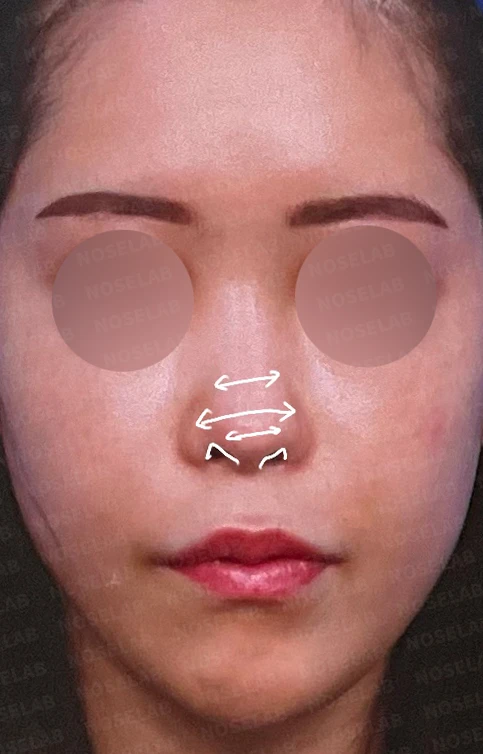
Front view taken during the preoperative design consultation.
On the profile view, the nose appeared upturned, with a drooping tip and a short appearance overall. Signs of a protruding mouth were also present.
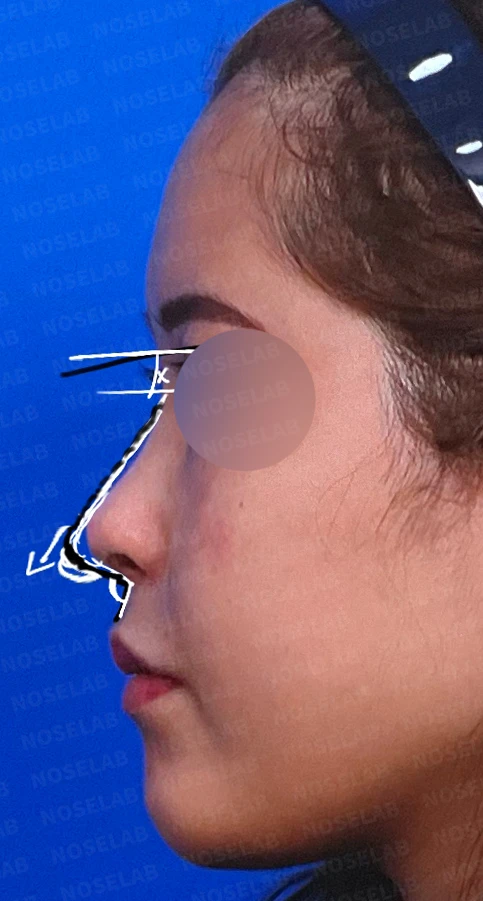
Left profile view taken during the preoperative design consultation.
Looking at the basal view, the nose shifted completely toward the left, and there was a difference in the length of the alae. Nostril asymmetry was noticeable, and the right columella was quite thickened. In addition, the skin above the left ala was substantially thickened, which pointed toward likely damage to the left lower lateral cartilage.
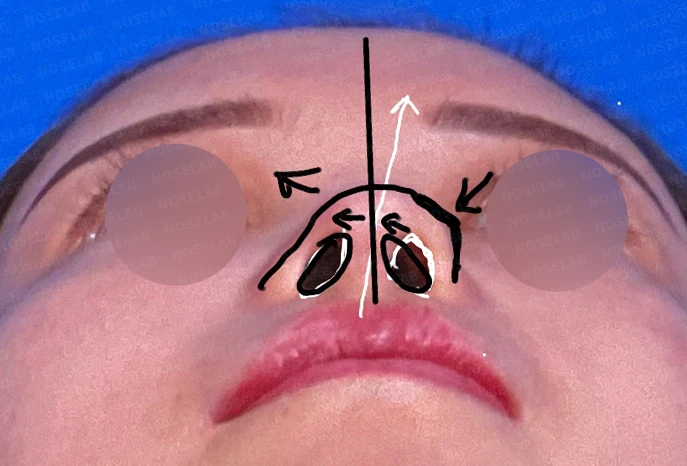
Basal view taken during the preoperative design consultation.
Surgical plan
For this patient's surgical plan, preoperative stem cell therapy was performed considering the history of contracture deformity caused by prior inflammation and the fact that the nasal skin was thin, tight, and difficult to stretch. In addition, combining physical examination findings with the CT scan taken at our clinic suggested severe damage to both the lower lateral cartilages and septal cartilage; thus, we planned septal cartilage reconstruction and lower lateral cartilage reconstruction using autologous rib cartilage. Considering the history of previous inflammation, we also planned to use autologous rib cartilage instead of a silicone implant on the nasal bridge. To improve the crooked and broadened appearance from the front, removal of foreign material from the bridge and nasal bone osteotomy were also planned. Furthermore, alar rim lowering was planned to address excessive nostril show from the front. Because of the past episode of inflammation, we planned to augment the nasal bridge with autologous rib cartilage rather than a silicone implant.
Surgical findings
Because there were prior findings suggestive of partial skin necrosis and a history of repeated swelling along the nasal bridge, we approached the surgery with great caution. The nasal skin had become extremely thin. Ear cartilage had been transplanted excessively wide into the nasal tip during previous surgery; in particular, a thick, severely curved portion of ear cartilage had been grafted onto the left ala, causing the left alar cartilage area to bulge out further. Both lower lateral cartilages had been completely removed with no traces left behind, so they were reconstructed with autologous rib cartilage. Because the nasal tip skin was limited in surface area and had almost no elasticity, tip height could not be raised extensively, which was an anatomical limitation; however, the issues that troubled the patient—nostril asymmetry, the upturned appearance, and the deviation—were substantially improved. Before suturing, stem cell injections were administered to help prevent inflammation, support wound healing, and aid tissue regeneration.
Because a firm support structure was established through septal reconstruction, raising the nasal tip slightly further after 6 months using stem cell therapy and additional cartilage grafting remains an option, making it well worth observing over time.
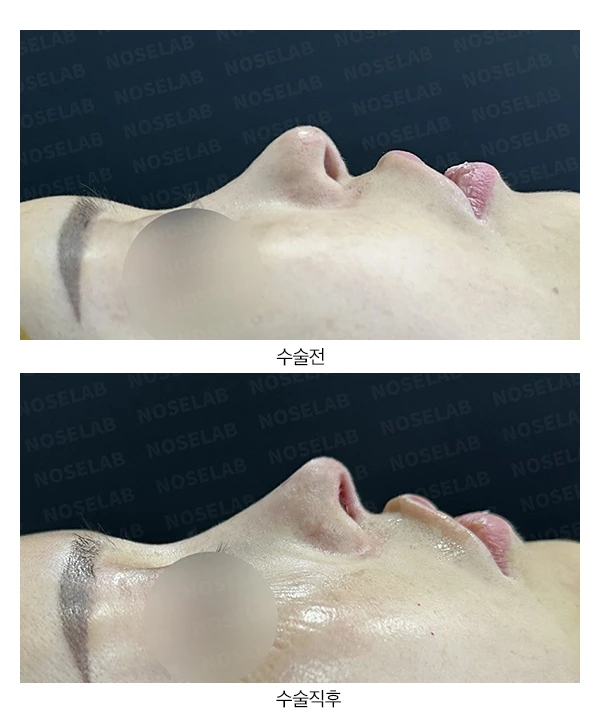
Before surgery vs. immediately after surgery
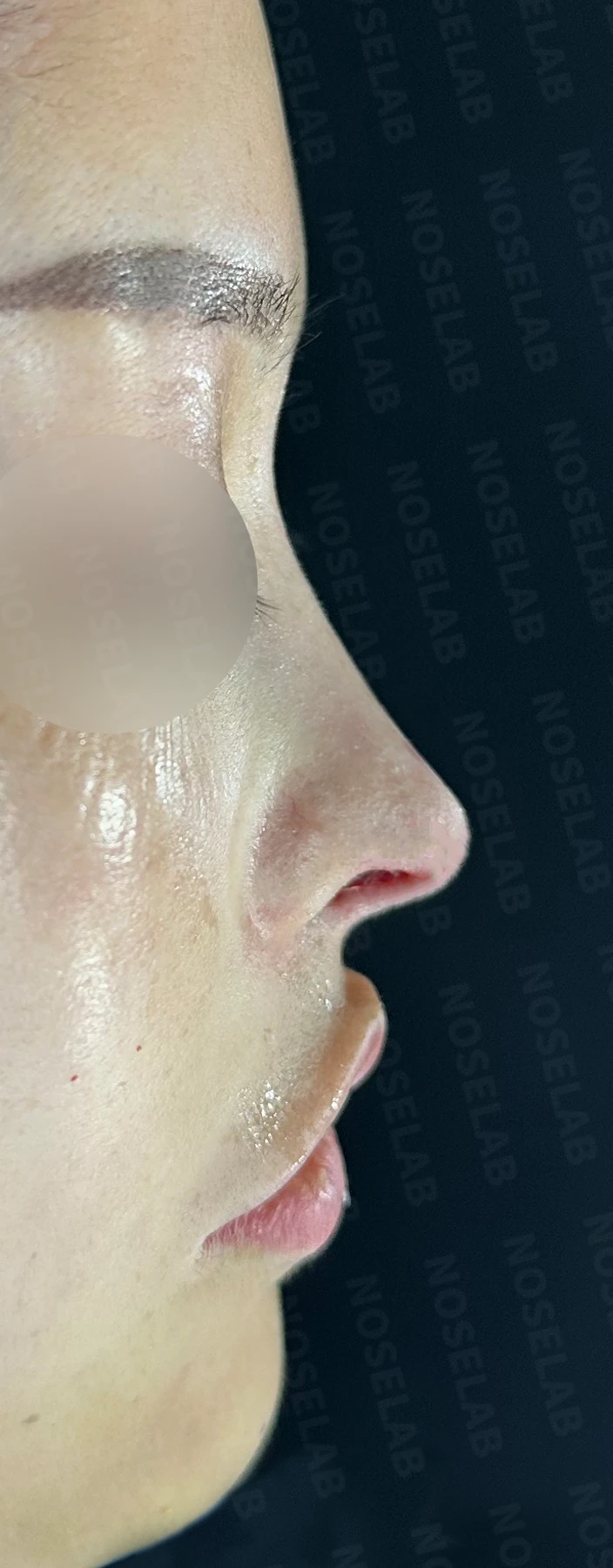
Looking at the profile photo, the upturned tip was lowered effectively, the amount of nostril show between the alar rim and columella decreased, and the bridge line was smoothly connected.
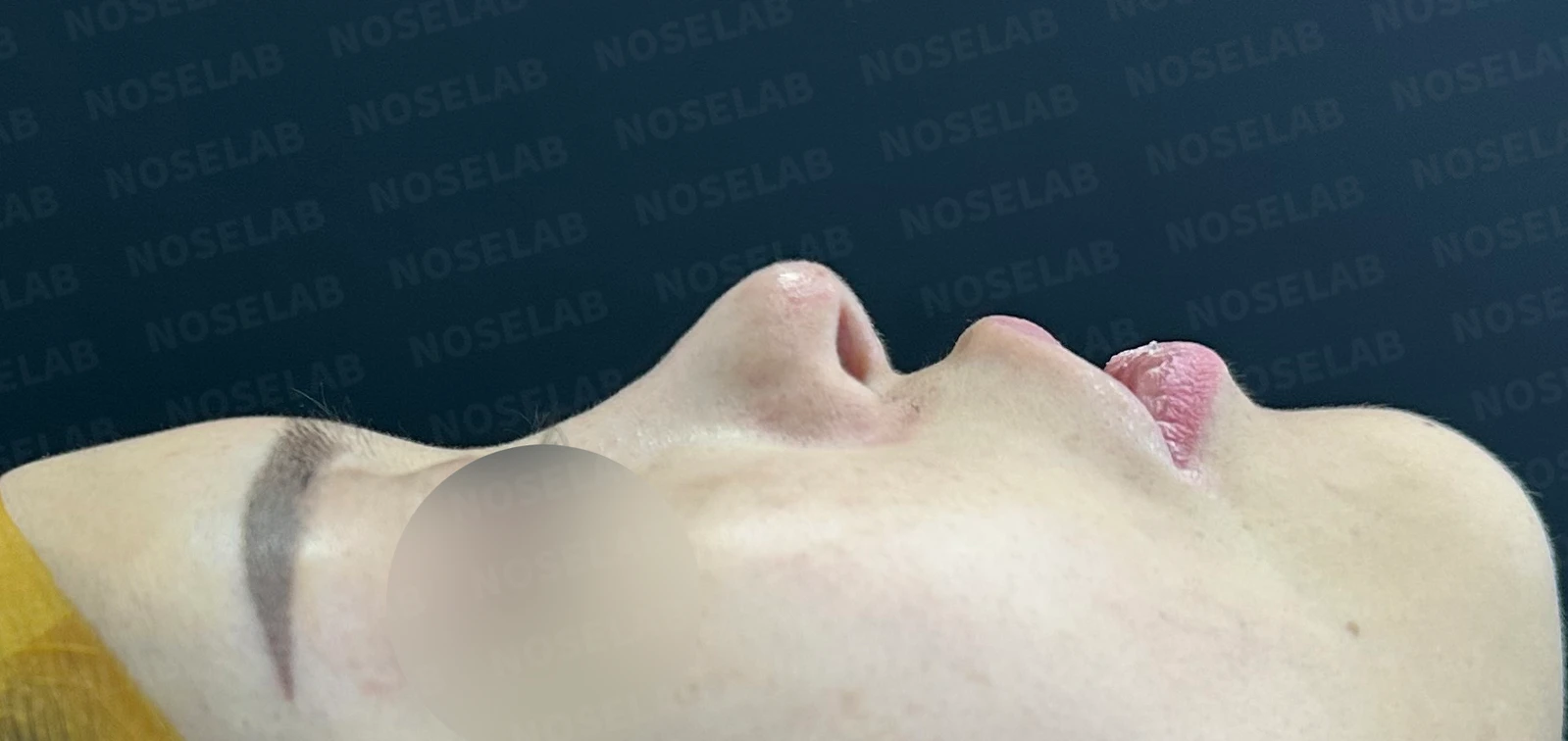
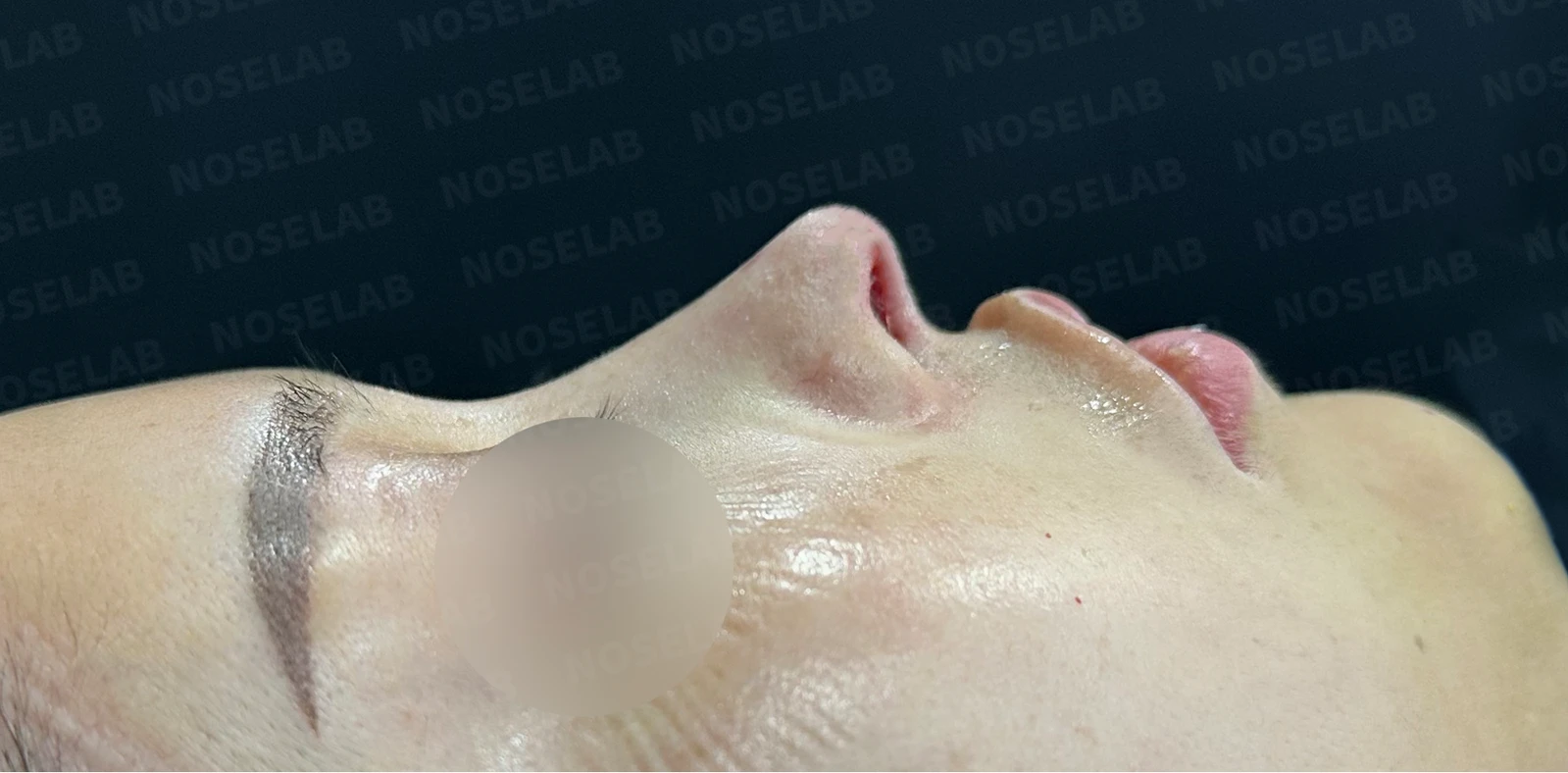
Before surgery / Day 0 immediately after surgery Photos taken immediately after surgery show swelling and may differ from the final result.
Looking at the 45-degree oblique view, you can see that the blunt nasal bridge and nasal tip have become significantly slimmer.
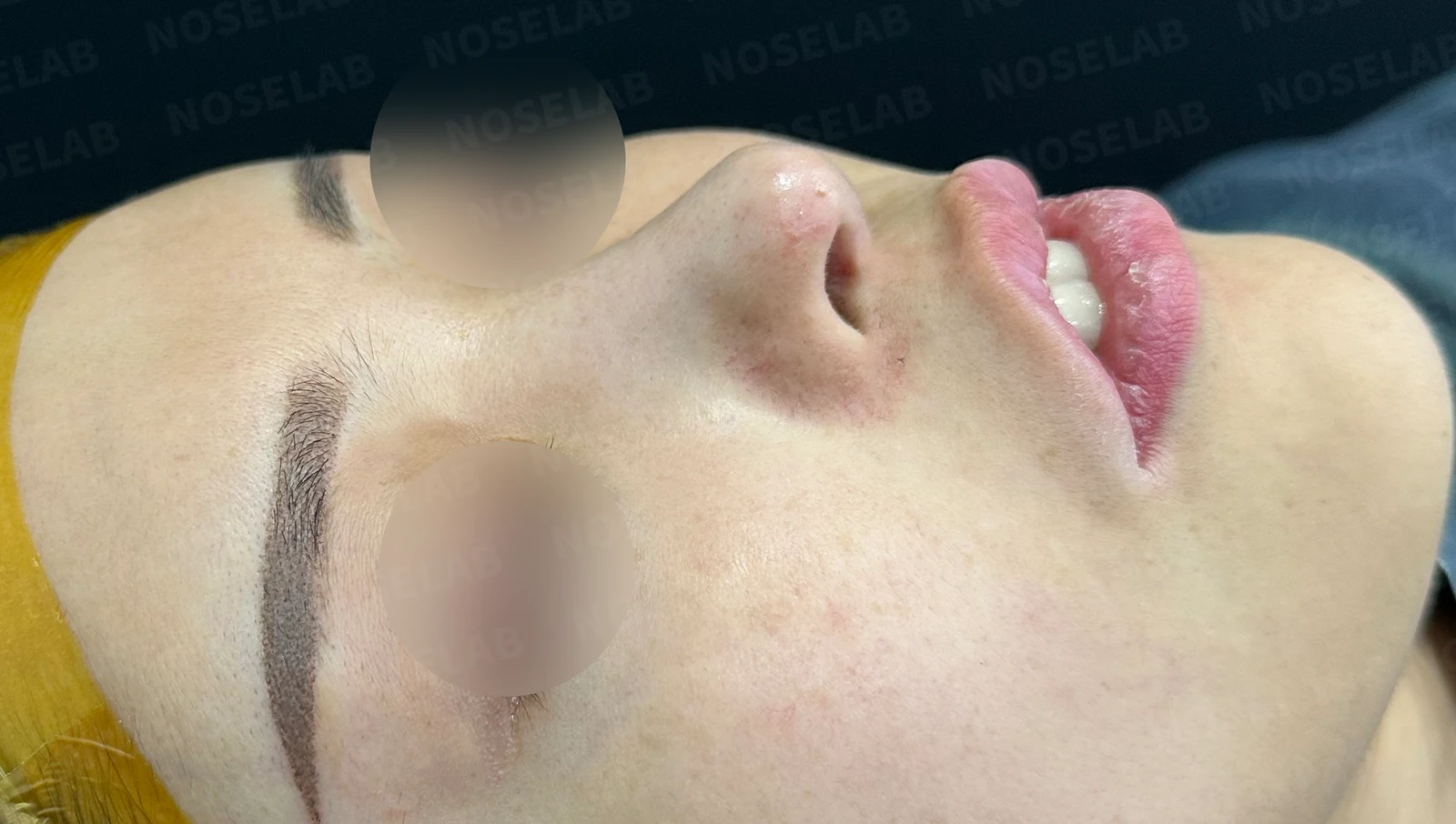
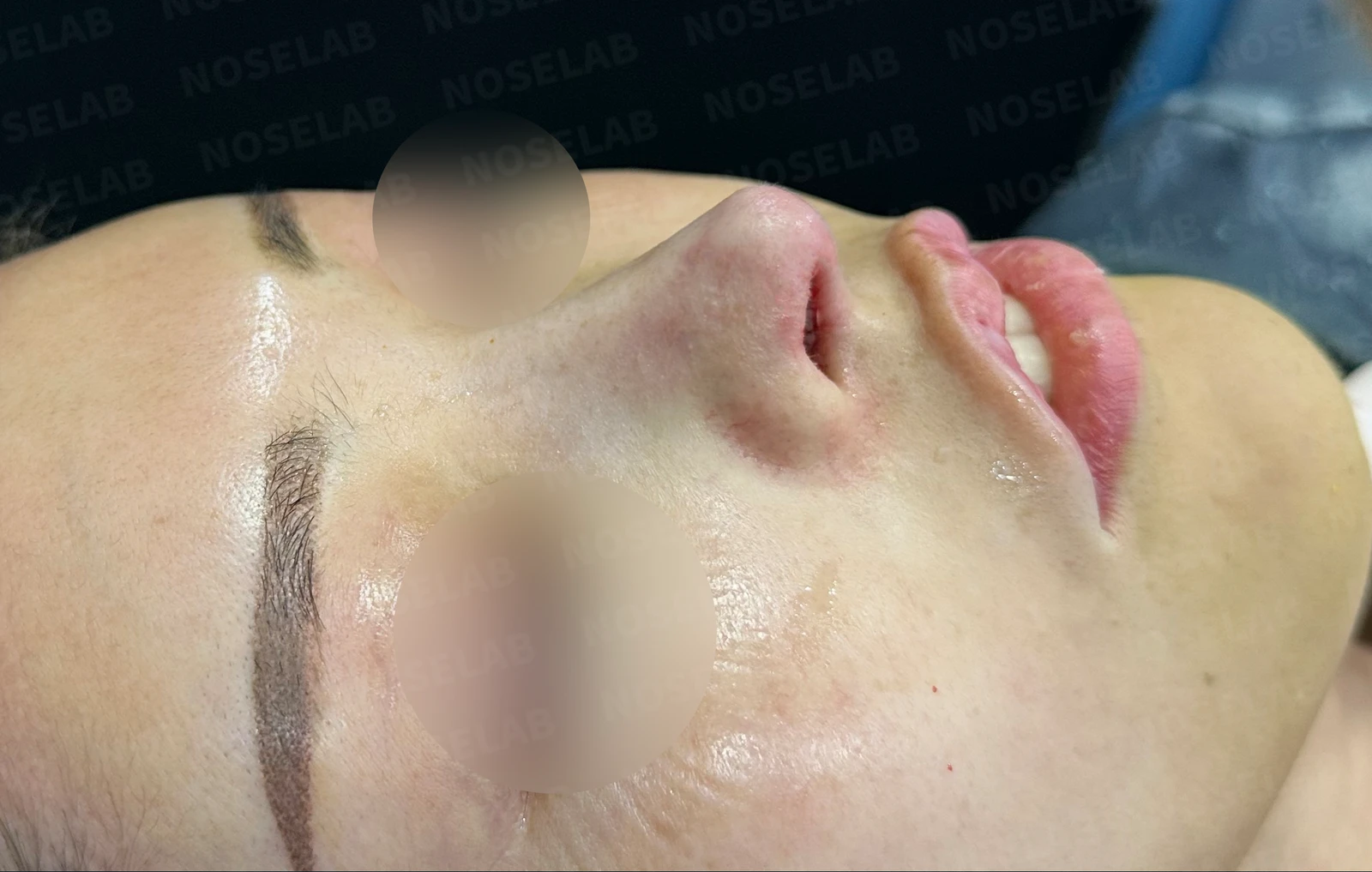
Before surgery / Day 0 immediately after surgery Photos taken immediately after surgery show swelling and may differ from the final result.
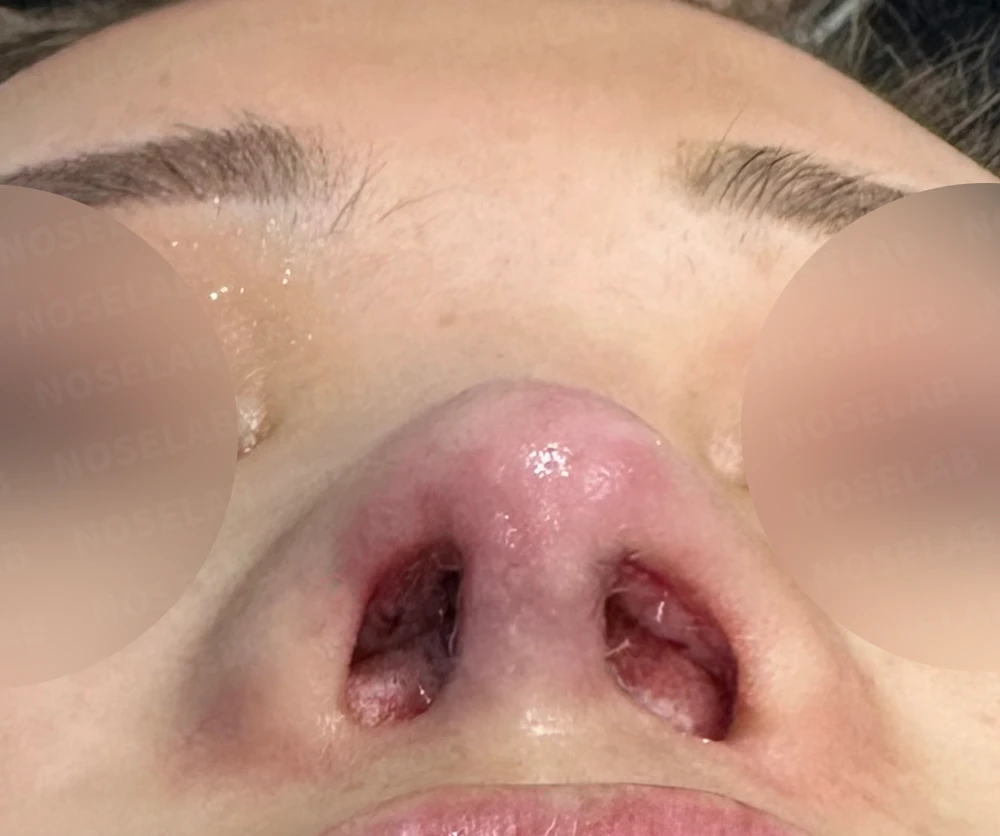
From the front, the broadly spread nasal shape now appears gathered naturally, nostril show has notably improved, the nose no longer appears crooked, and nostril asymmetry has been improved.
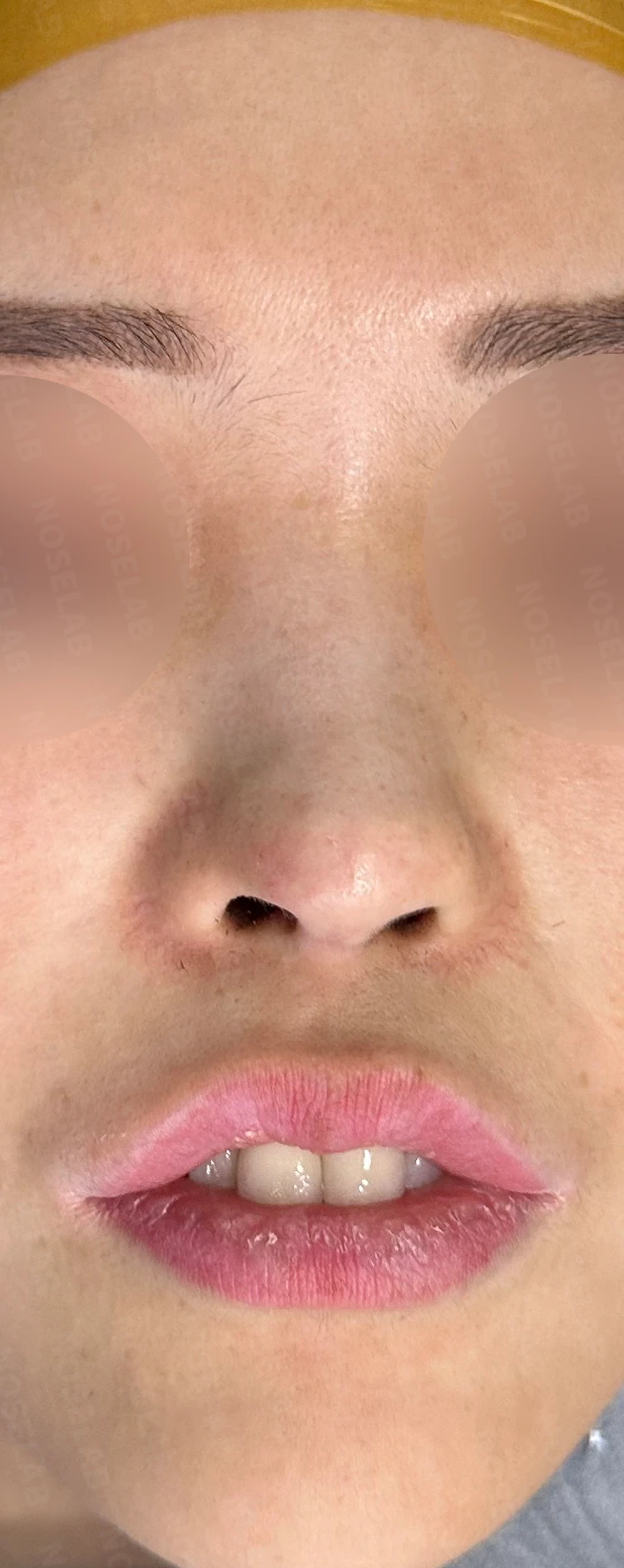
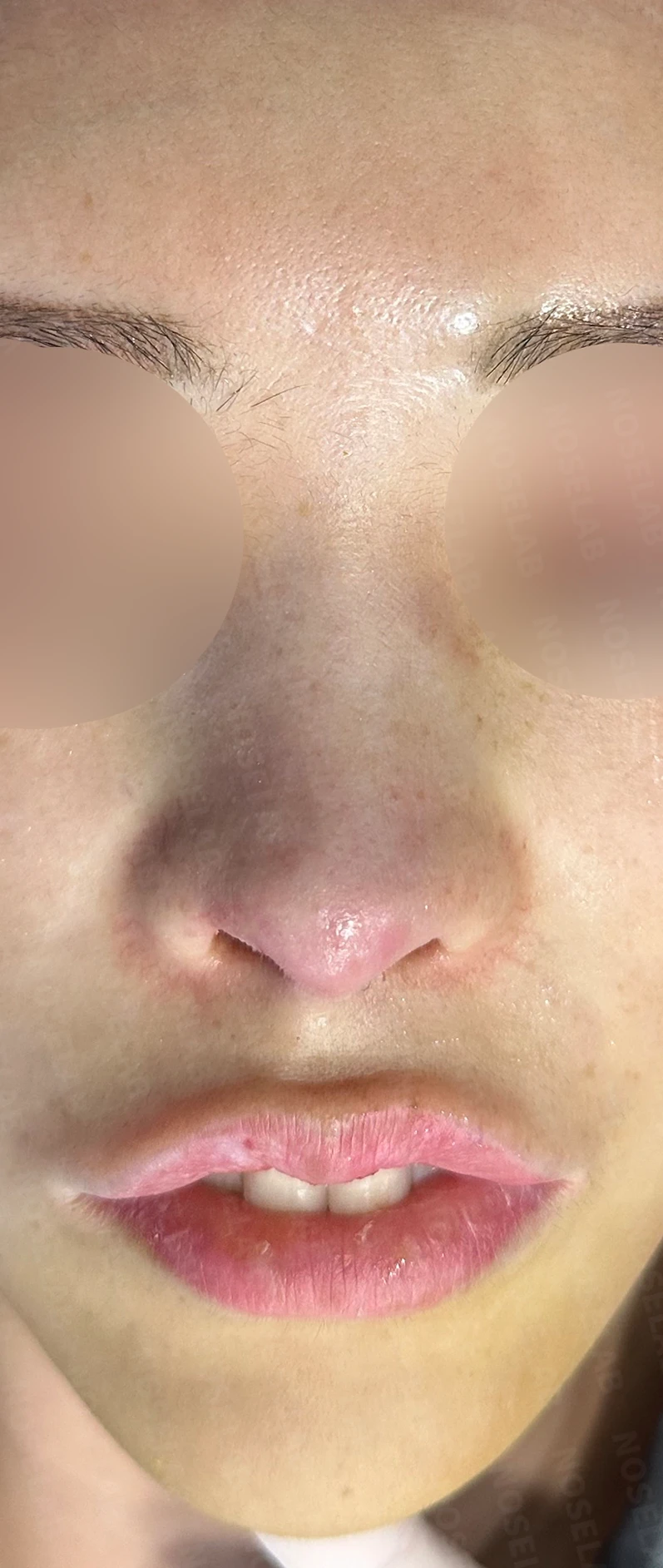
Before surgery / Day 0 immediately after surgery Photos taken immediately after surgery show swelling and may differ from the final result.
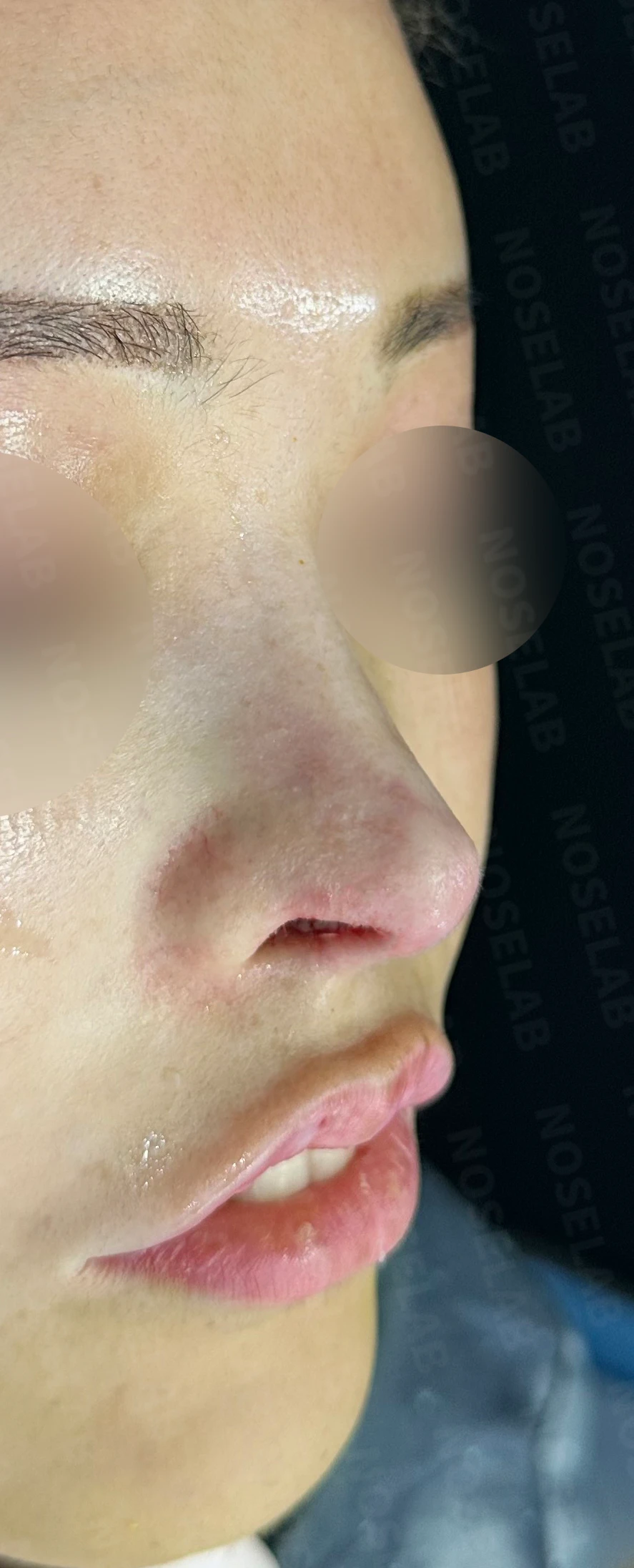
Nostril asymmetry has improved significantly, and the leftward deviation of the nasal tip has also resolved. In particular, the bulging area on the left ala has noticeably softened.
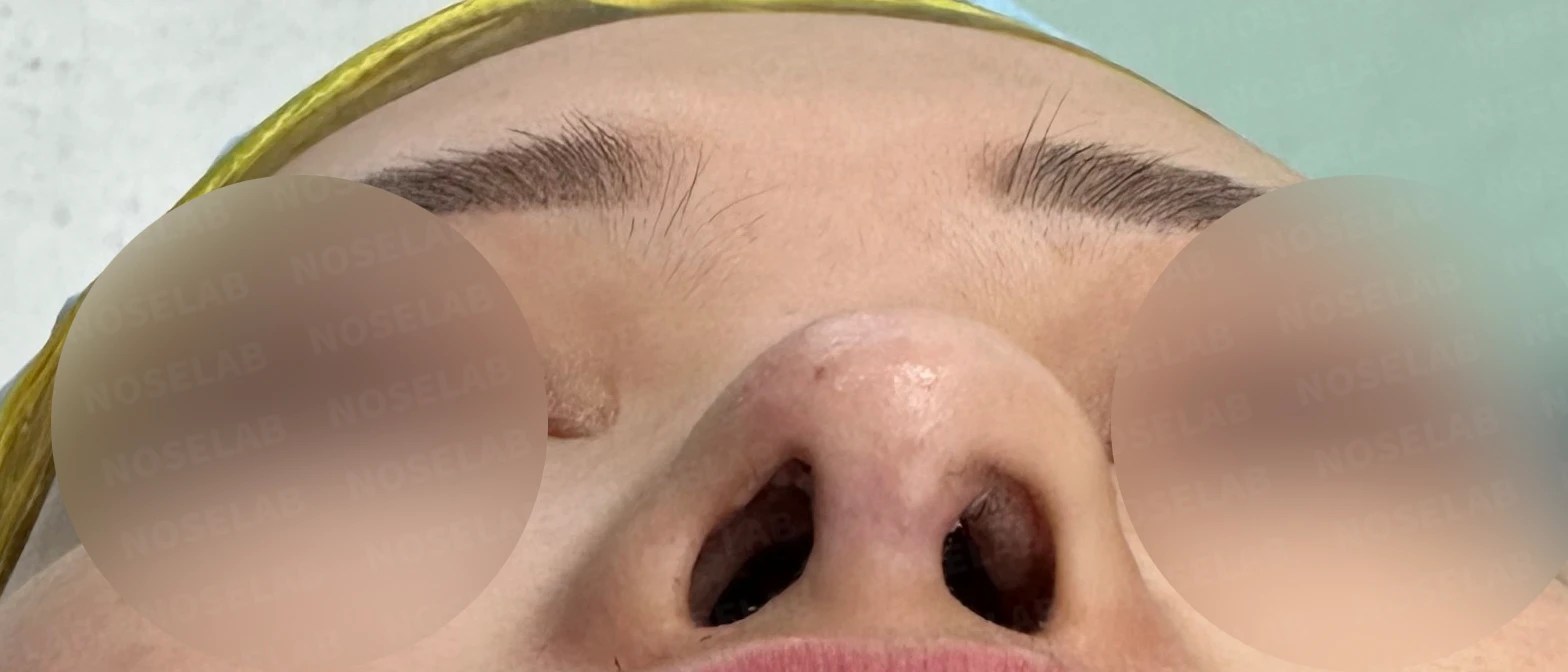
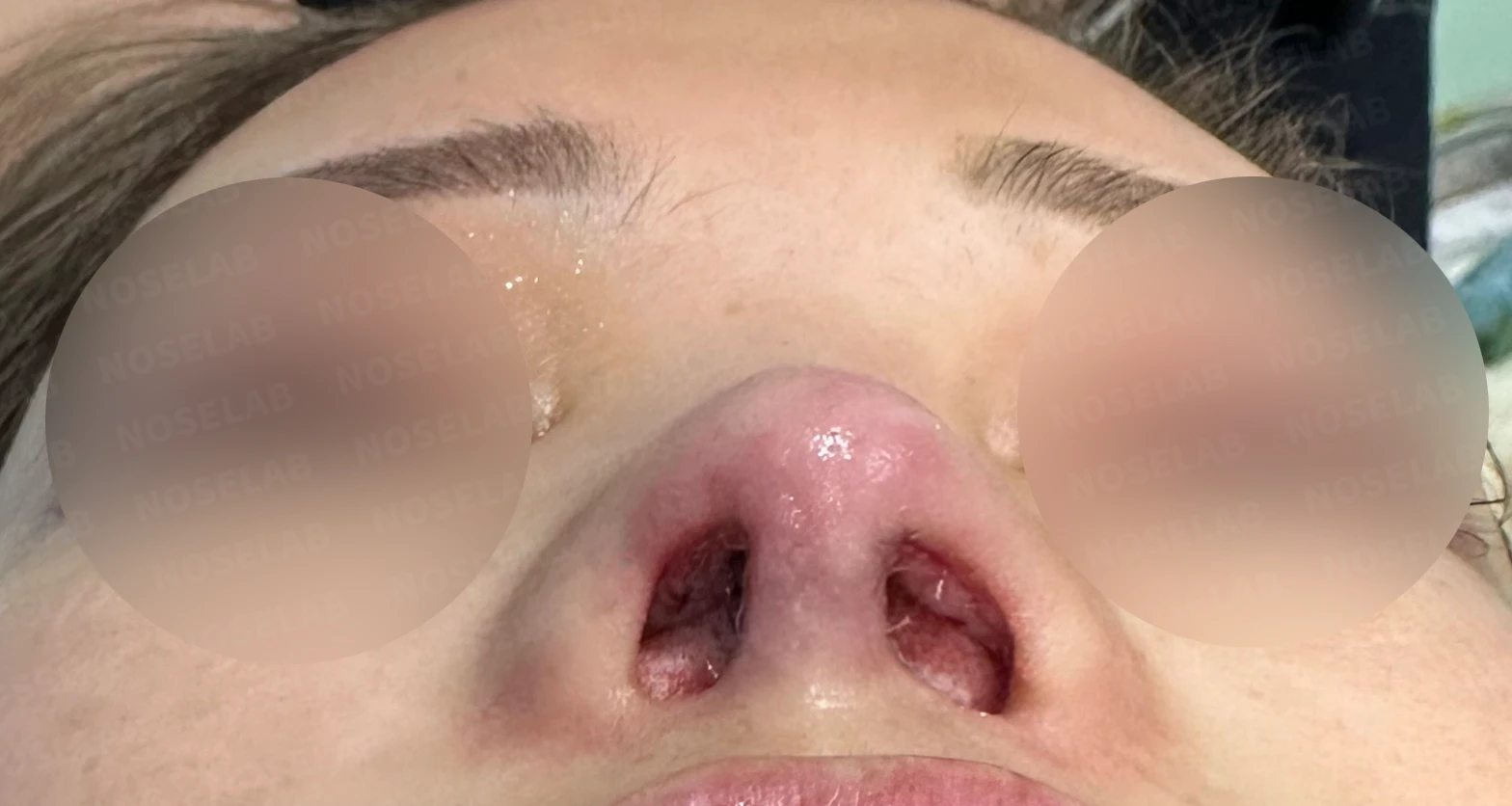
Before surgery / Day 0 immediately after surgery Photos taken immediately after surgery show swelling and may differ from the final result.
Photos immediately after surgery
My perspective on contracted nose surgery
Having performed many surgeries for contracted noses, let me share my perspective. In contracted nose surgery, the core challenge ultimately lies in resolving inflammation and preventing subsequent deformity as much as possible after the inflammation subsides. To resolve inflammation, appropriate antibiotics must be administered, and all artificial implants previously placed in the surgical field must be completely removed for the inflammatory process to clear thoroughly.
Furthermore, when contracture develops in patients with inherently small noses, the prognosis tends to be less favorable, and the prognosis is also worse when nasal skin has been reduced by procedures such as alar reduction or philtrum reduction. Therefore, I have concluded that minimizing skin damage and allowing the skin to stretch more pliantly are critical elements in contracture surgery. For this reason, I recommend stem cell therapy before and after surgery for patients with contracture.
In contracted nose surgery, it is often common to focus on reinforcing the entire support structure, such as reconstructing the septum and the lower lateral (alar) cartilages, during the first surgery, followed by an additional second revision surgery after 6 months. In many cases, it is not possible to achieve both goals at once.
Reconstruction of intranasal cartilage may not demonstrate its full impact in the earliest stages following surgery; however, the difference becomes increasingly evident as time passes—at 6 months, 1 year, 2 years, 3 years, and beyond. Therefore, despite the demanding nature of the work, I dedicate substantial operative time to reconstructing damaged cartilage.
Today, I shared a brief overview of contracted noses. I hope this serves as helpful information for those troubled by a contracted nose and contemplating revision rhinoplasty.
This was Dr. Peter C. Kang. Thank you.

Limitations and risks
When autologous rib cartilage is used, scarring and pain may remain at the donor site on the chest, and pneumothorax (pleural injury) can occur rarely. Over time, the grafted cartilage may warp or undergo partial resorption.
When foreign materials such as injected fillers are removed and reconstructed, contracture may recur, nasal height and length may decrease, and staged surgery may be necessary depending on the skin condition.
When the septum is corrected at the same time, nasal obstruction may persist or recur, and in rare cases, septal perforation or changes in smell may occur.
Common potential risks include infection, bleeding, asymmetry, scarring, skin necrosis, and insufficient improvement; results vary depending on individual skin condition and previous surgical history.