English日本語简体中文
Skip to main content
Dr. Peter C. Kang's Rhinoplasty Stories
PrologueBlogMy thoughtsNasal obstructionSurgical journalSurgical photos
About the surgeon

Nasolabial angle correction and the nose-lip profile

This is page 2 of case archives for nasolabial angle correction and the nose-lip profile. Browse surgical records and before-and-after photos for cases 19–36 of 241.

View before-and-after cases ↓Comprehensive rhinoplasty guide

Searching for surgical cases matching your criteria.
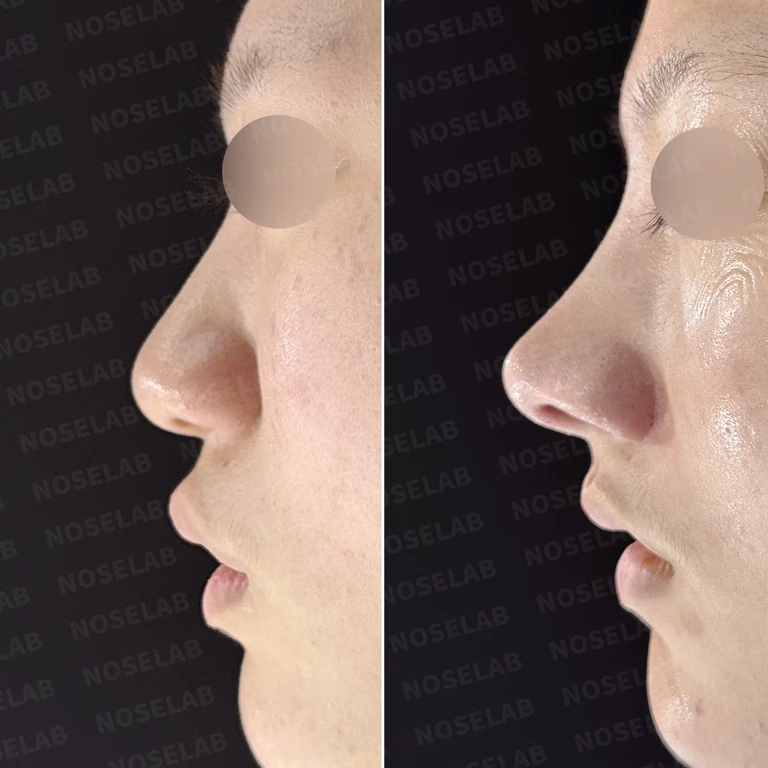
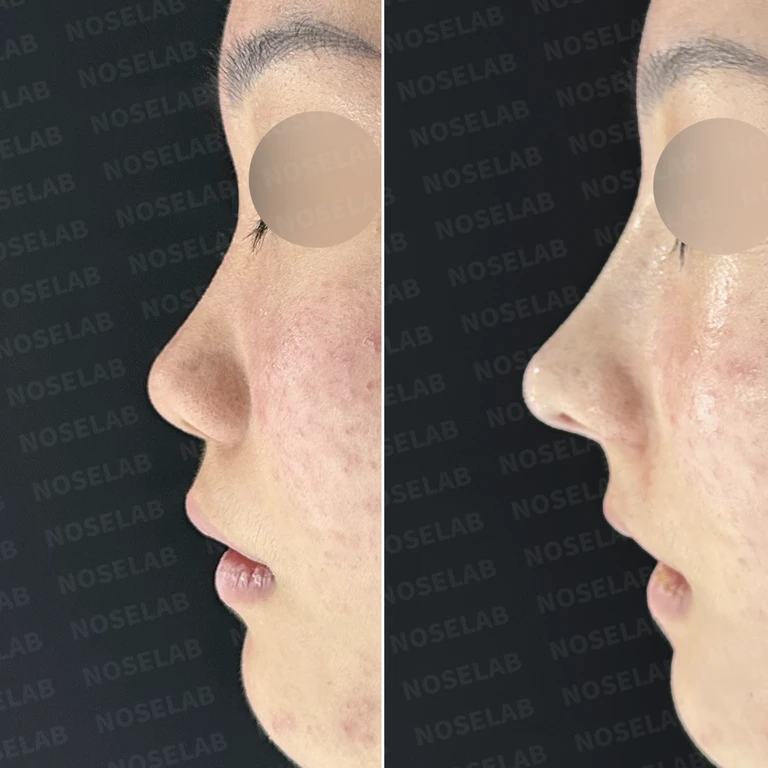
Why a multiply operated nose deviates and develops a widened tip, and how cartilage is reconstructed — Before-and-after comparison
Before-and-after comparison

Why a multiply operated nose deviates and develops a widened tip, and how cartilage is reconstructed

Following three prior procedures, a deviated nose caused by septal damage and a missing right lower lateral cartilage was restored through autologous rib cartilage structural reconstruction, silicone implant replacement, nasolabial angle correction, and rhinitis surgery.

Performed or used in this surgery
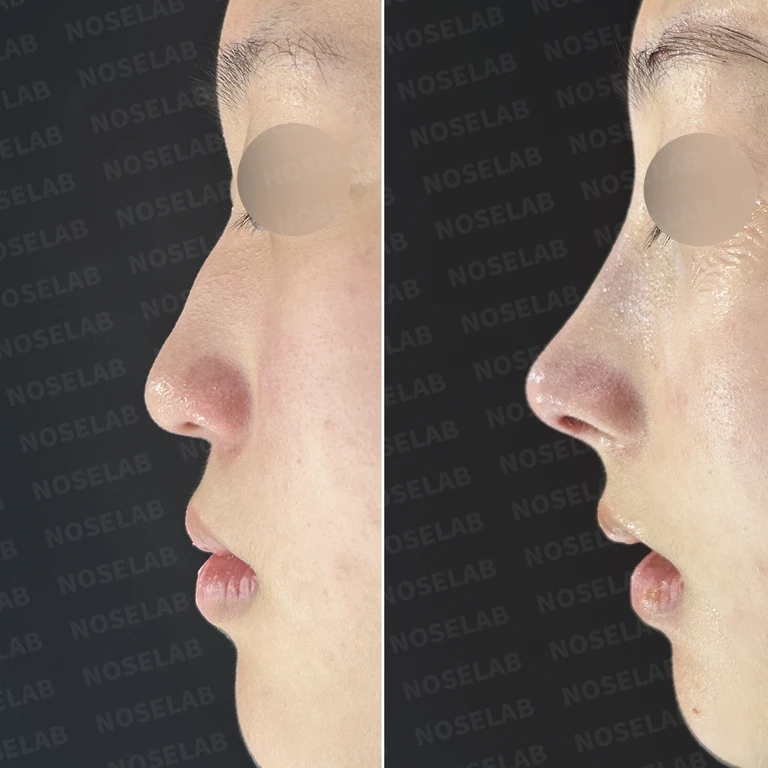
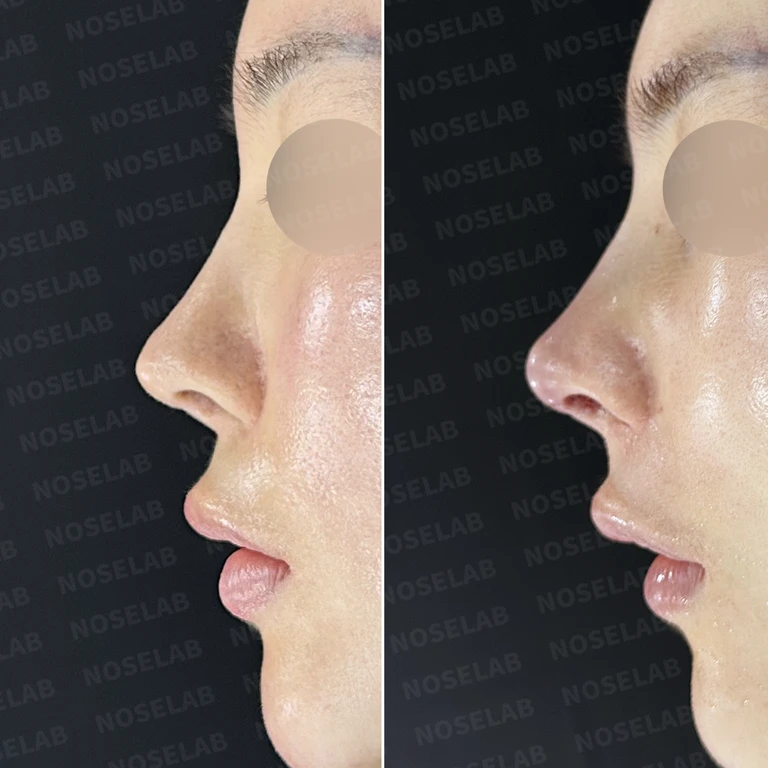
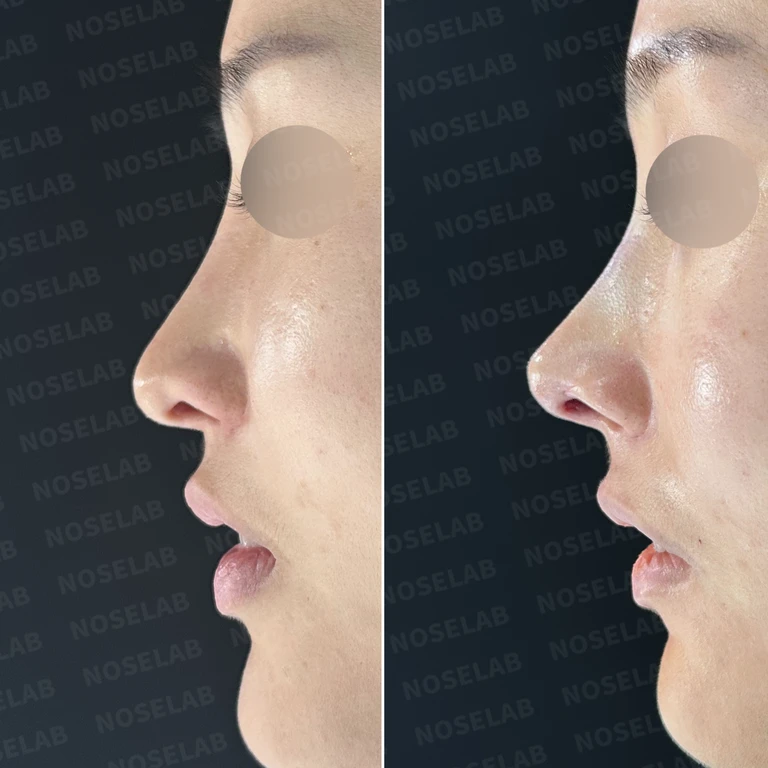
Why the nasal tip can remain upturned after revision rhinoplasty, and when donor rib cartilage is used — Before-and-after comparison
Before-and-after comparison

Why the nasal tip can remain upturned after revision rhinoplasty, and when donor rib cartilage is used

An upturned and deviated nose, accompanied by hesitation toward autologous rib cartilage due to past pneumothorax, was improved without implants using donor rib cartilage, recycled previous rib cartilage, nasal bone rasping, and nasolabial angle correction.

Performed or used in this surgery

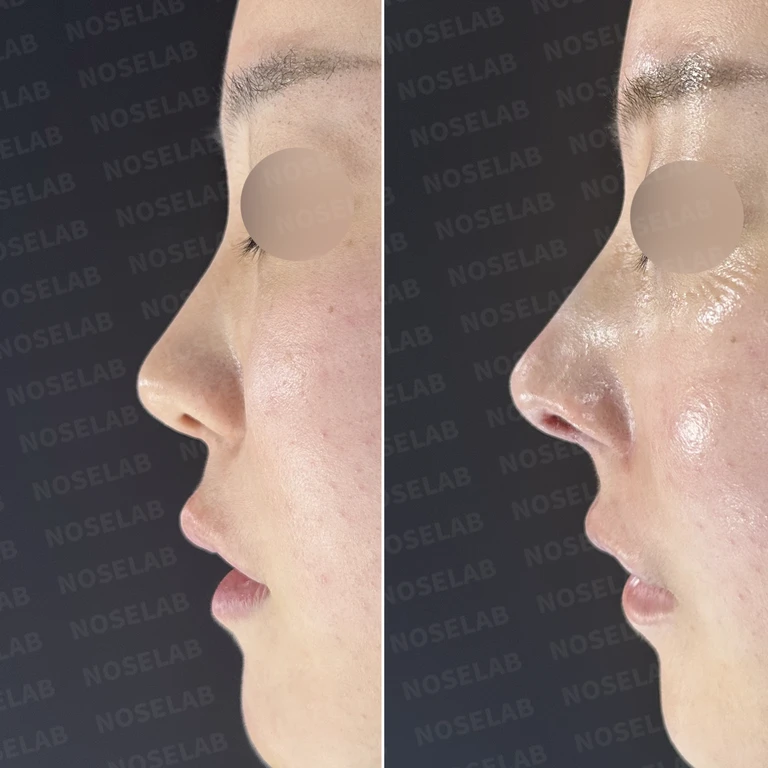
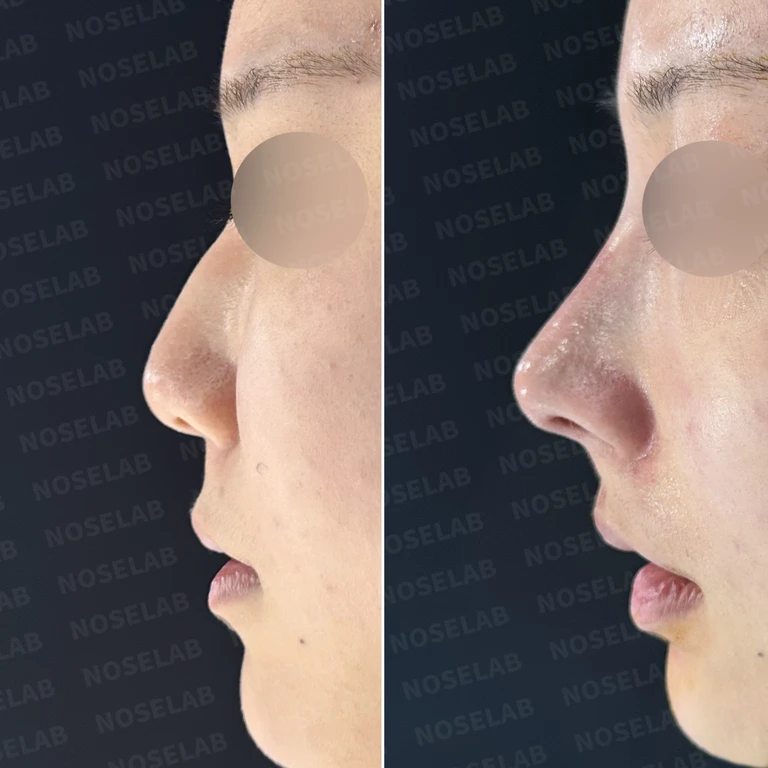
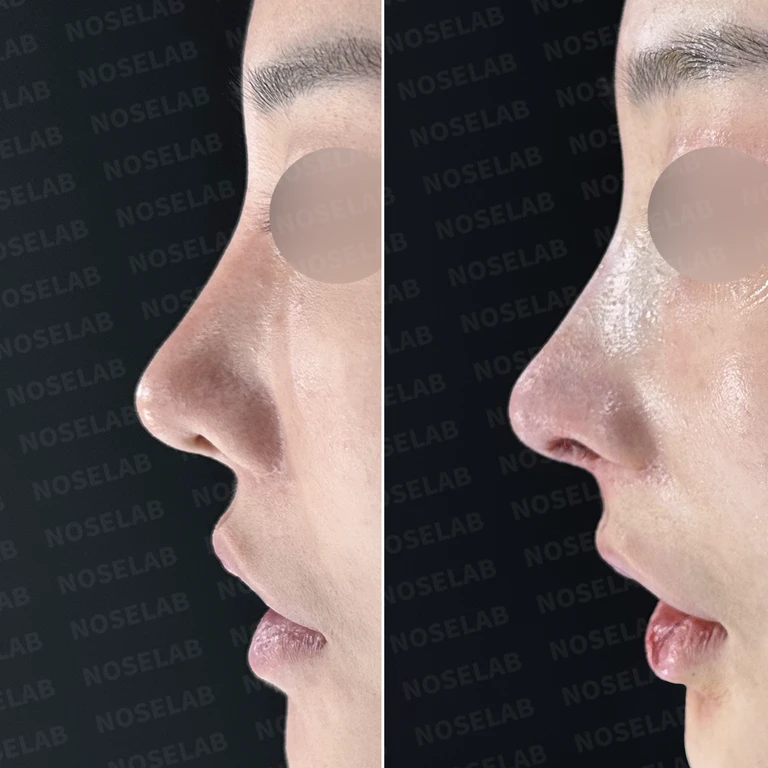
Why a nose can look short and upturned after repeated surgeries, and how rib cartilage tip extension works — Before-and-after comparison
Before-and-after comparison

Why a nose can look short and upturned after repeated surgeries, and how rib cartilage tip extension works

Through a closed approach, a nose that became low, upturned, and showed excessive nostril exposure after silicone implant removal was refined using autologous rib cartilage tip extension, nasal bridge height restoration, and correction of the nasolabial angle to 90 degrees.

Performed or used in this surgery

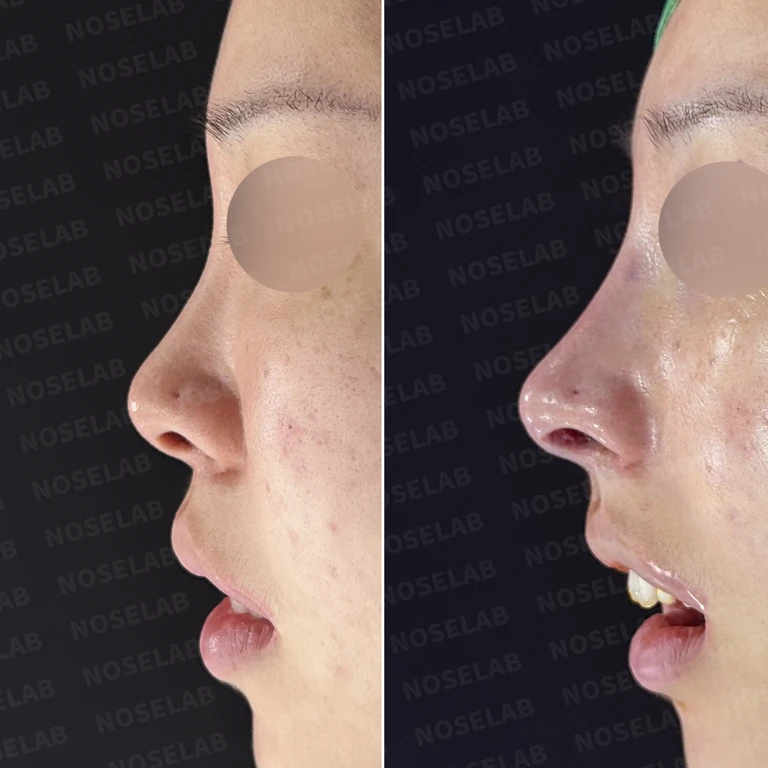
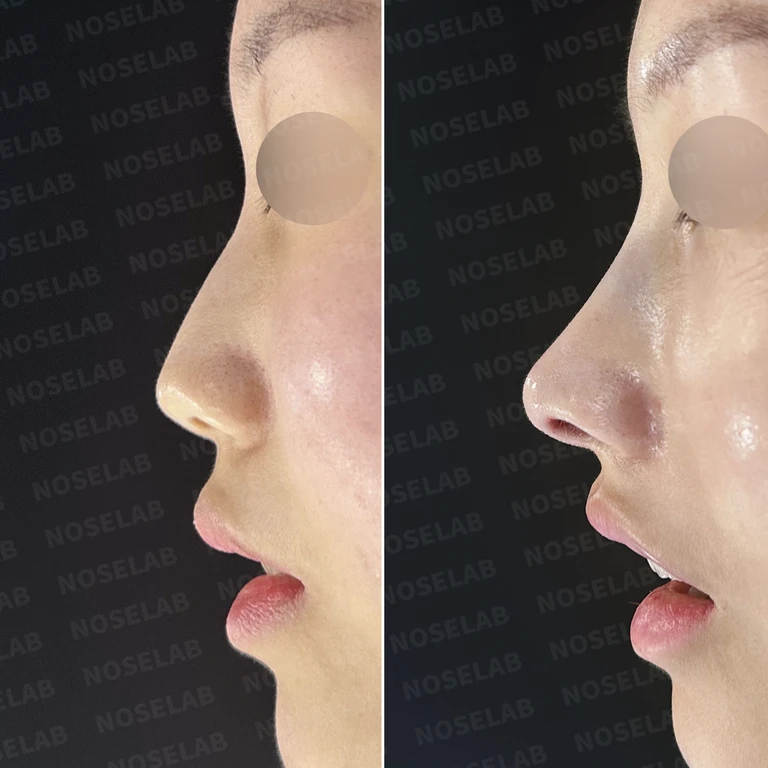
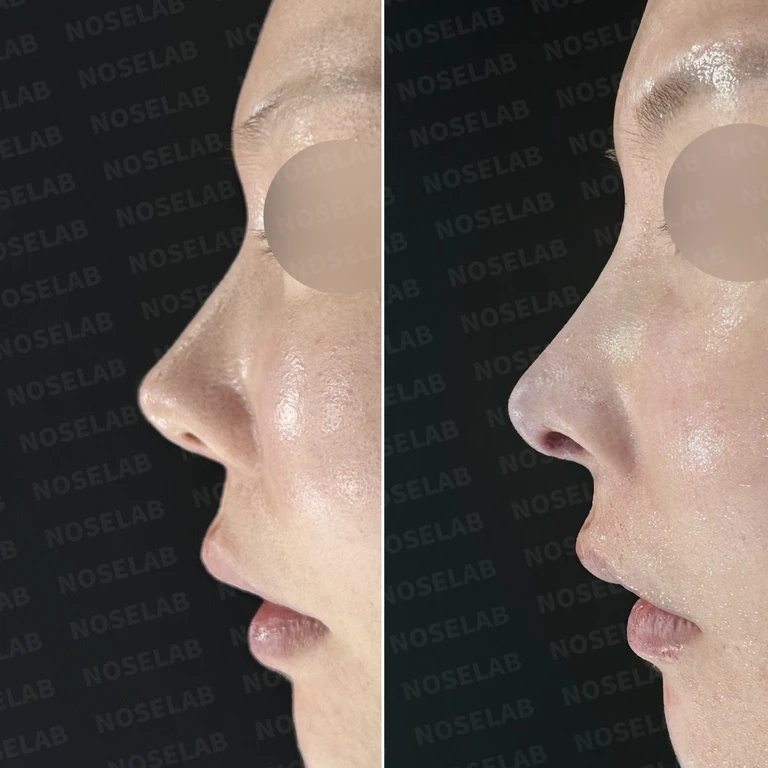
Why an upturned tip makes the mouth look more protruding and how to correct it — Before-and-after comparison
Before-and-after comparison

Why an upturned tip makes the mouth look more protruding and how to correct it

A bulbous, upturned nasal tip, the appearance of a protruding mouth, and nasal obstruction were addressed by removing columellar filler, reinforcing the nasal tip with autologous rib cartilage, placing a customized silicone implant, adjusting the nasolabial angle, and correcting a deviated septum.

Performed or used in this surgery

Why the nasal bridge becomes uneven after rhinoplasty, and how septal reconstruction using rib cartilage is performed — Before-and-after comparison
Before-and-after comparison

Why the nasal bridge becomes uneven after rhinoplasty, and how septal reconstruction using rib cartilage is performed

An uneven nasal bridge, damaged septal cartilage, and nasal obstruction were corrected by removing the existing silicone implant and filler, followed by autologous rib cartilage reconstruction, re-insertion of a customized silicone implant, and septoplasty with inferior turbinoplasty.

Performed or used in this surgery

Why a nose operated on multiple times continues to appear upturned, and how septal reconstruction is performed — Before-and-after comparison
Before-and-after comparison

Why a nose operated on multiple times continues to appear upturned, and how septal reconstruction is performed

Following previous surgeries and double-jaw surgery, an upturned nasal tip and nostril asymmetry were precisely corrected using donor rib cartilage septal reconstruction, lower lateral cartilage restoration, and a composite dermis-fat graft to the soft triangle.

Performed or used in this surgery

Why nasal tip skin thins after multiple surgeries: autologous dermis reinforcement and reconstruction methods — Before-and-after comparison
Before-and-after comparison

Why nasal tip skin thins after multiple surgeries: autologous dermis reinforcement and reconstruction methods

We removed previous foreign materials and implants, reconstructed the nasal tip using autologous rib cartilage, reinforced the thinned skin with autologous dermis, recarved a silicone implant, and performed fat grafting between the eyebrows.

Performed or used in this surgery

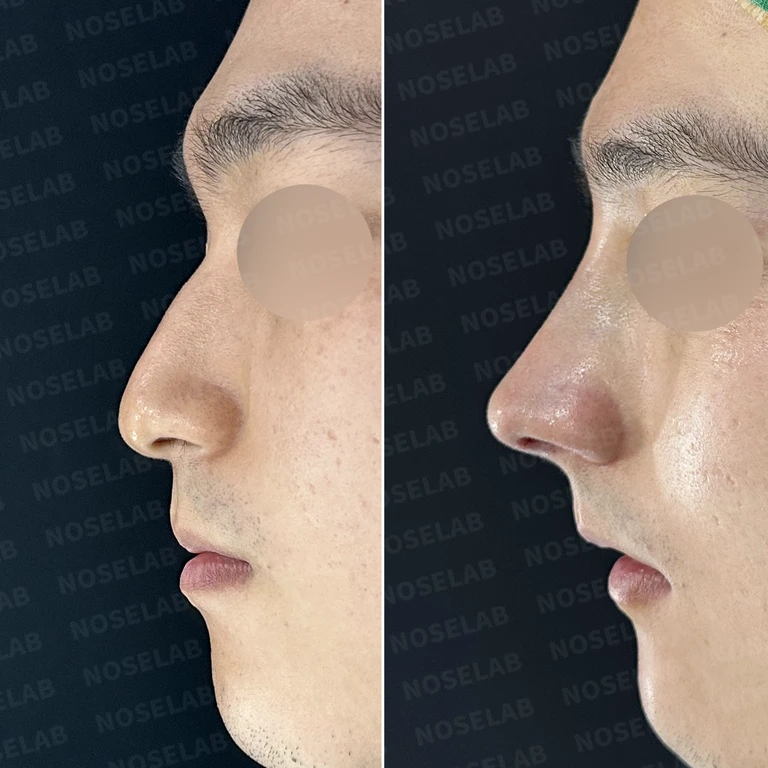
Why a crooked nose and dorsal hump appear together, and how to approach male rhinoplasty — Before-and-after comparison
Before-and-after comparison

Why a crooked nose and dorsal hump appear together, and how to approach male rhinoplasty

In a male patient in his early 20s presenting with a crooked nose, dorsal hump, and nasal obstruction, osteotomy, tip rhinoplasty using donor rib cartilage and septal cartilage, and columellar correction were performed.

Performed or used in this surgery

Why dorsal humps and drooping tips appear together, and how hump reduction and osteotomy are performed — Before-and-after comparison
Before-and-after comparison

Why dorsal humps and drooping tips appear together, and how hump reduction and osteotomy are performed

A dorsal hump and drooping tip were smoothly refined through a closed approach using autologous rib cartilage tip plasty, hump reduction, lateral osteotomy, and nasolabial angle correction.

Performed or used in this surgery

Why the nasal tip turns upward and nasal obstruction occurs after multiple rhinoplasties: Autologous rib cartilage reconstruction — Before-and-after comparison
Before-and-after comparison

Why the nasal tip turns upward and nasal obstruction occurs after multiple rhinoplasties: Autologous rib cartilage reconstruction

To resolve a damaged septum, an upturned nasal tip, and rhinitis-related nasal obstruction after multiple surgeries, autologous rib cartilage septal reconstruction and inferior turbinate reduction were performed.

Performed or used in this surgery

Why small lower lateral cartilages cause a drooping tip: rib cartilage reinforcement and osteotomy methods — Before-and-after comparison
Before-and-after comparison

Why small lower lateral cartilages cause a drooping tip: rib cartilage reinforcement and osteotomy methods

A drooping nasal tip and crooked dorsal hump caused by small lower lateral cartilages were refined through autologous rib cartilage support reinforcement, lateral osteotomy, a silicone implant, and nasolabial angle correction.

Performed or used in this surgery

Why the nasal tip looks bulbous and spread out, and how septal extension is performed — Before-and-after comparison
Before-and-after comparison

Why the nasal tip looks bulbous and spread out, and how septal extension is performed

A bulbous, spread-out nasal tip and deviated septum were refined with autologous rib cartilage septal extension, nasolabial angle correction, a silicone implant on the nasal dorsum, and functional nasal surgery.

Performed or used in this surgery
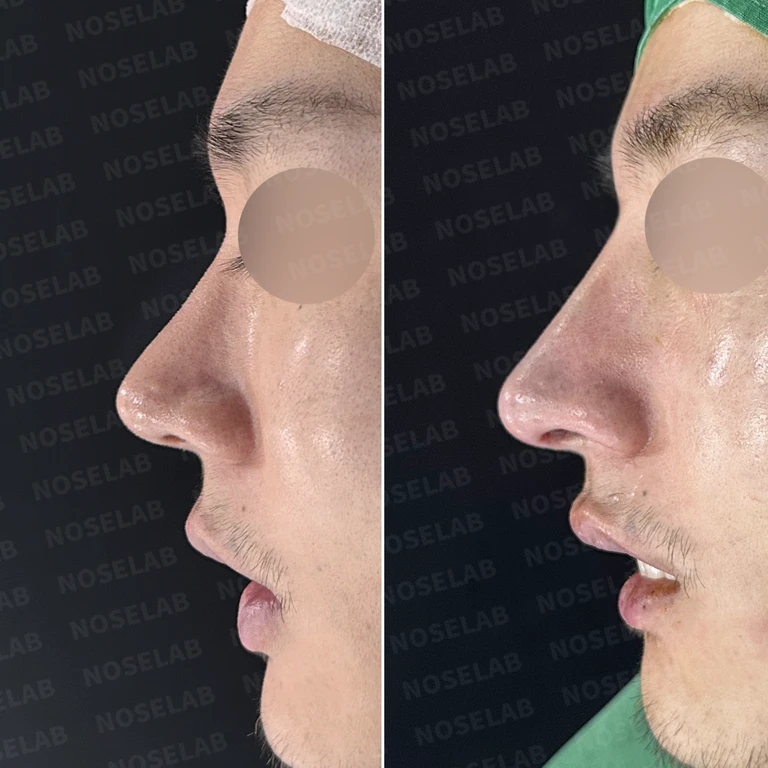
Why the nasal bridge deviates and the tip appears drooping: How to correct it using only cartilage without implants — Before-and-after comparison
Before-and-after comparison

Why the nasal bridge deviates and the tip appears drooping: How to correct it using only cartilage without implants

For a patient who wanted primary rhinoplasty without artificial implants, lateral osteotomy was performed to straighten the deviated nasal bones, and donor rib cartilage and septal cartilage were used to reinforce the bridge and reshape the nasal tip.

Performed or used in this surgery

Why nasal filler cannot correct a drooping tip and dorsal hump, and the reconstruction method after removal — Before-and-after comparison
Before-and-after comparison

Why nasal filler cannot correct a drooping tip and dorsal hump, and the reconstruction method after removal

To resolve a persistent drooping tip and dorsal hump deformity after filler and PDO thread lifting, foreign material was removed, followed by nasal tip reconstruction using autologous rib cartilage, a silicone implant on the nasal bridge, and septoplasty.

Performed or used in this surgery
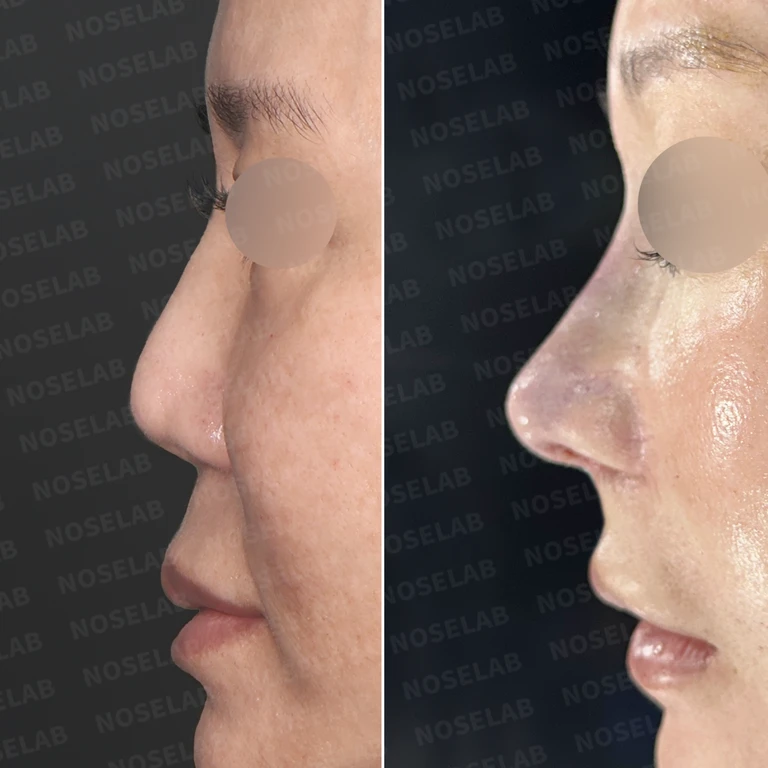
Why a deviated septum causes both nasal obstruction and a crooked nose, and how reconstruction is performed — Before-and-after comparison
Before-and-after comparison

Why a deviated septum causes both nasal obstruction and a crooked nose, and how reconstruction is performed

Nasal obstruction, a dorsal hump, and maxillary protrusion caused by a septum severely deviated to the left were addressed simultaneously through septal reconstruction using autologous rib cartilage, lateral osteotomy, and nasolabial angle correction.

Performed or used in this surgery
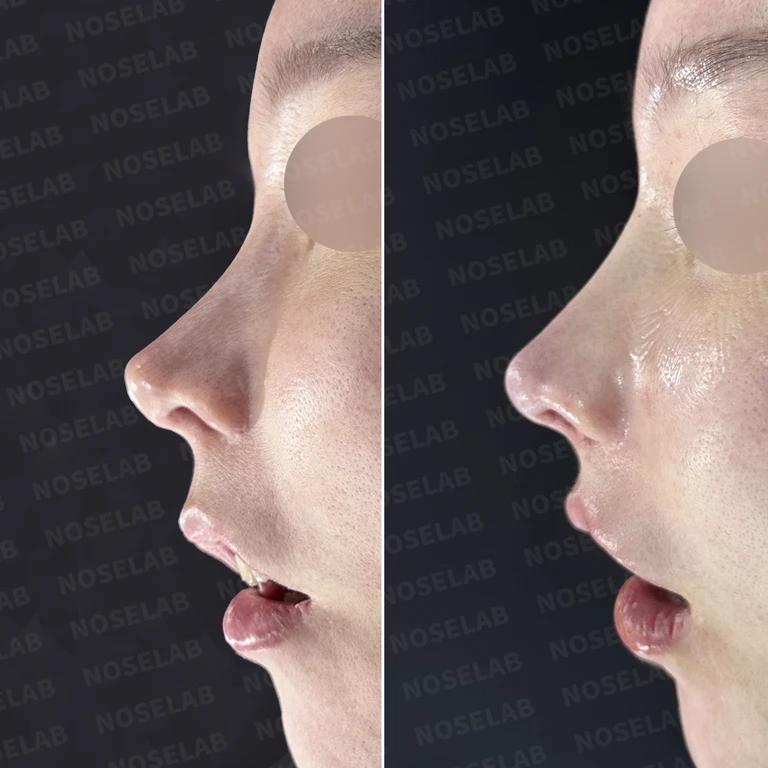
Why nasal obstruction persists after multiple surgeries: How to reconstruct the septum and nasal valve — Before-and-after comparison
Before-and-after comparison

Why nasal obstruction persists after multiple surgeries: How to reconstruct the septum and nasal valve

For a patient whose septum had collapsed after repeated surgeries, causing internal nasal valve stenosis and inferior turbinate adhesions, we performed septal reconstruction with autologous rib cartilage, osteotomy reversal, and adhesiolysis.

Performed or used in this surgery
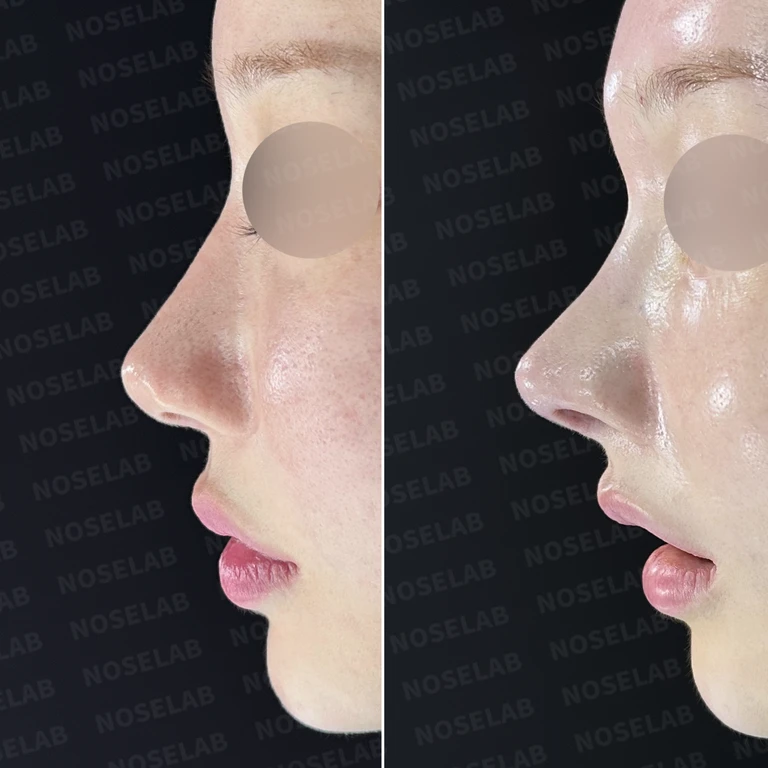
Why the nasal bridge looks low and the tip looks bulbous: how to correct them alongside a retracted columella — Before-and-after comparison
Before-and-after comparison

Why the nasal bridge looks low and the tip looks bulbous: how to correct them alongside a retracted columella

To improve the low, bulbous nasal tip and retracted columella in a patient with no previous surgical history, autologous rib cartilage was used to reinforce the septum, elevate the nasal bridge and nasal tip, and correct the nasolabial angle.

Performed or used in this surgery
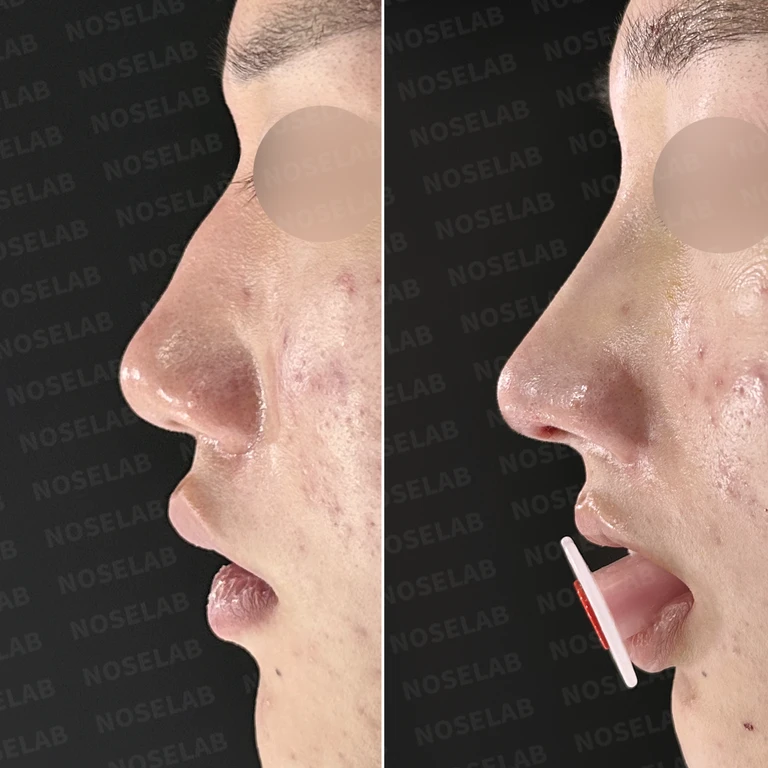
Why the nose looks long due to a drooping tip after rhinoplasty, and nasal tip reconstruction with autologous rib cartilage — Before-and-after comparison
Before-and-after comparison

Why the nose looks long due to a drooping tip after rhinoplasty, and nasal tip reconstruction with autologous rib cartilage

A case addressing a drooping, elongated nasal tip after silicone rhinoplasty and nasal filler procedures. The existing implant and residual filler were removed, the support structure was reinforced using autologous rib cartilage, and the nasolabial angle was corrected.

Performed or used in this surgery
No search results found

Please try searching with different keywords.

Scroll to keep reading

Previous cases2 / 14Next cases
Original article

Read more records

Planning a visit to Seoul?Prepare your consultation with the NOSELAB team.

International patient guideWhatsApp ↗
Dr. Peter C. Kang's Rhinoplasty Stories
Rhinoplasty guideCases by topicDr. Peter C. KangNaver Blog ↗
View original photo
Enlarged photo
WhatsAppChat with NOSELAB↗