Hello, I am Dr. Peter C. Kang.
Today, I would like to share the case of a patient who visited our clinic concerned about a low nasal bridge and a bulbous nasal tip.
🔍 Surgical history
No prior history of rhinoplasty
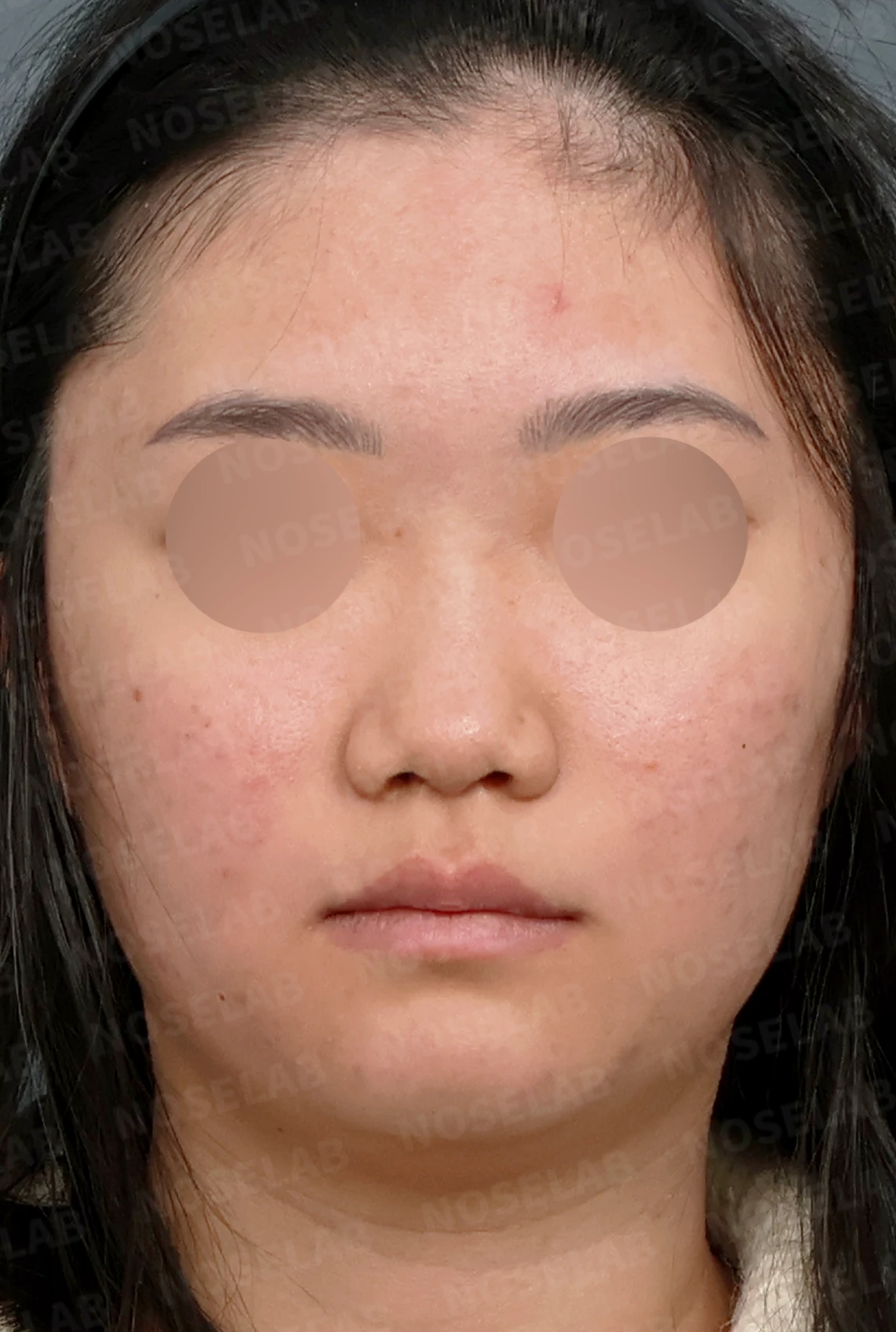
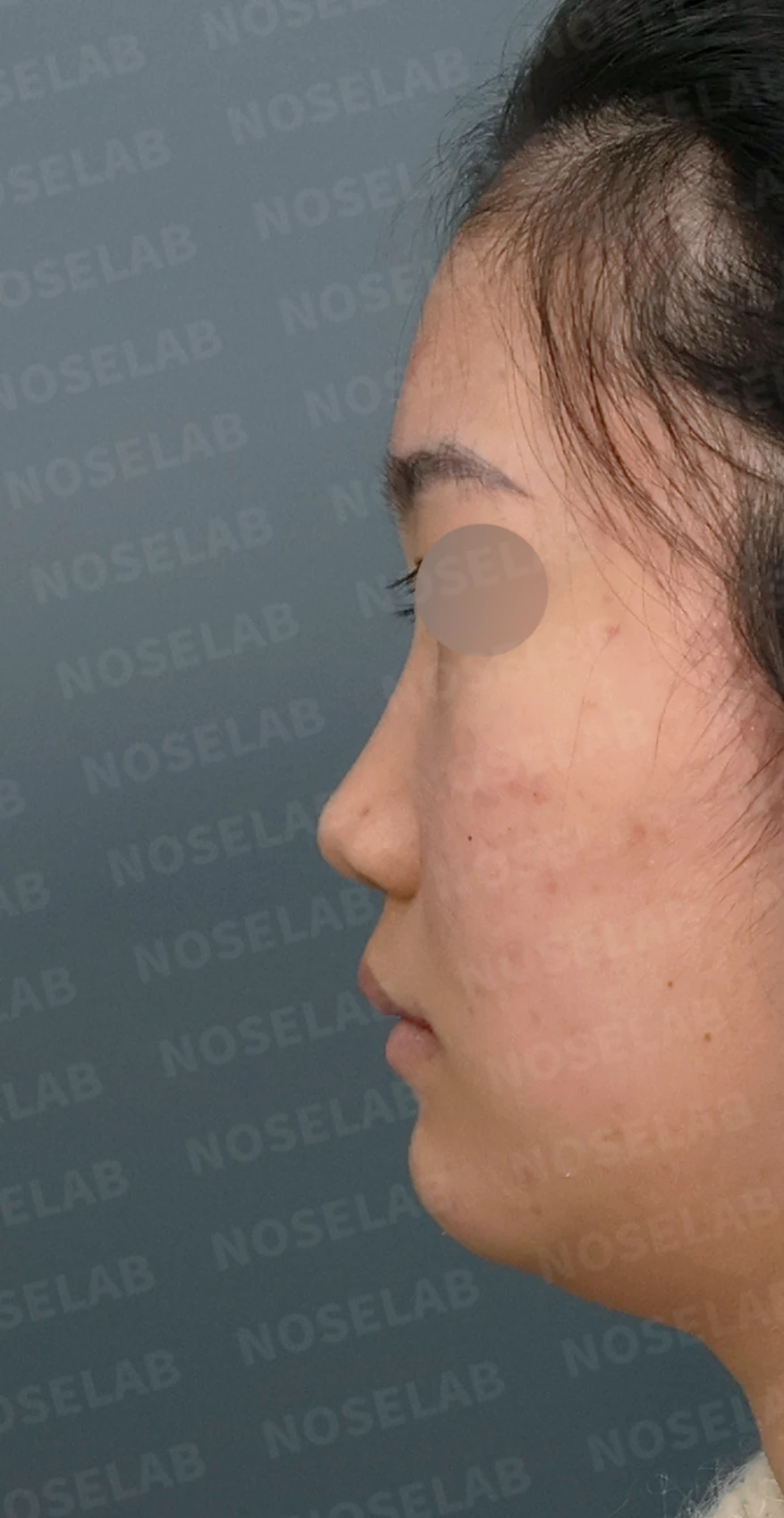
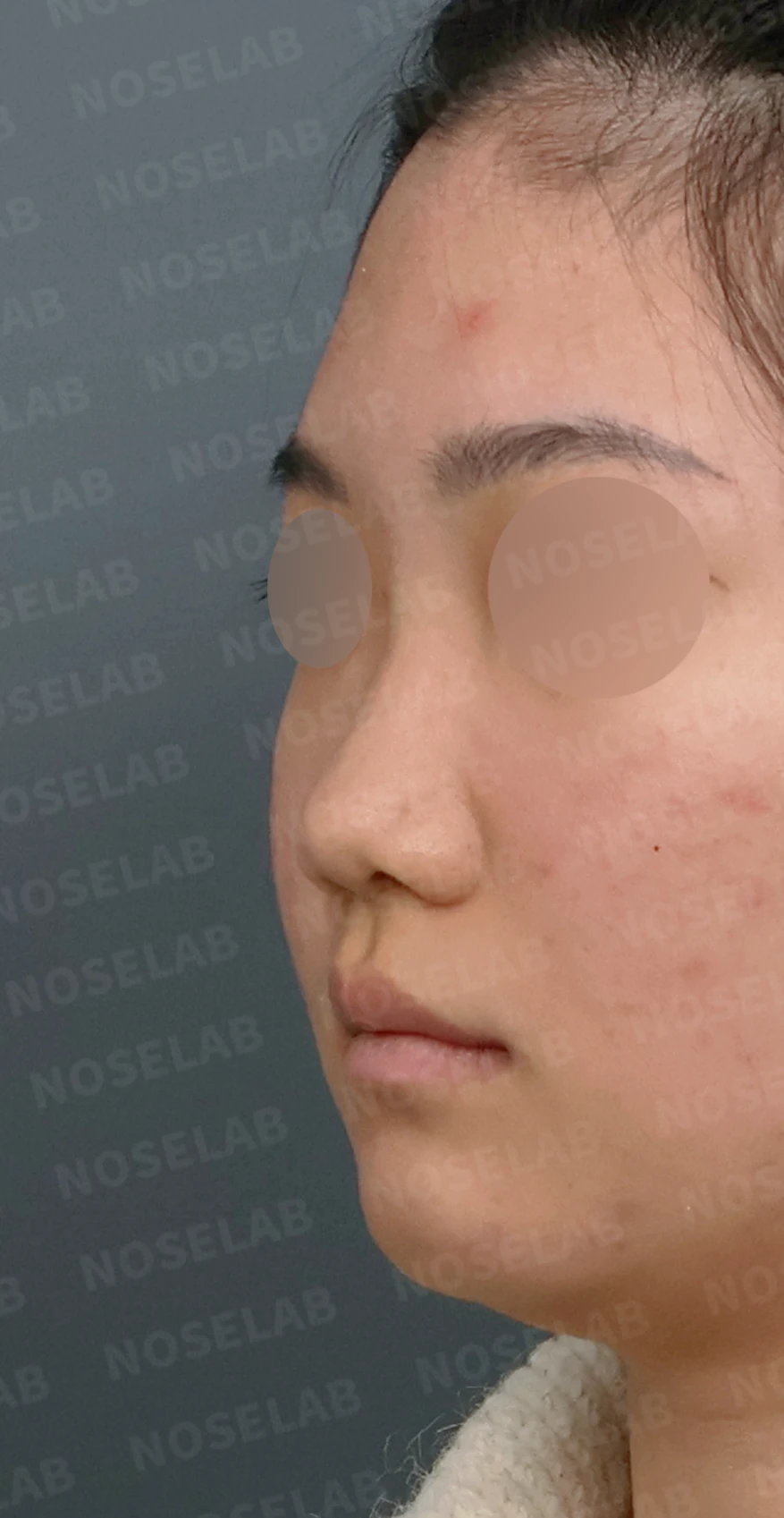
Front, left profile, and oblique views during design consultation.
💉 Patient requests
Desire to raise the low nasal bridge
Improvement of bulbous nose
Desire for a natural nasal line
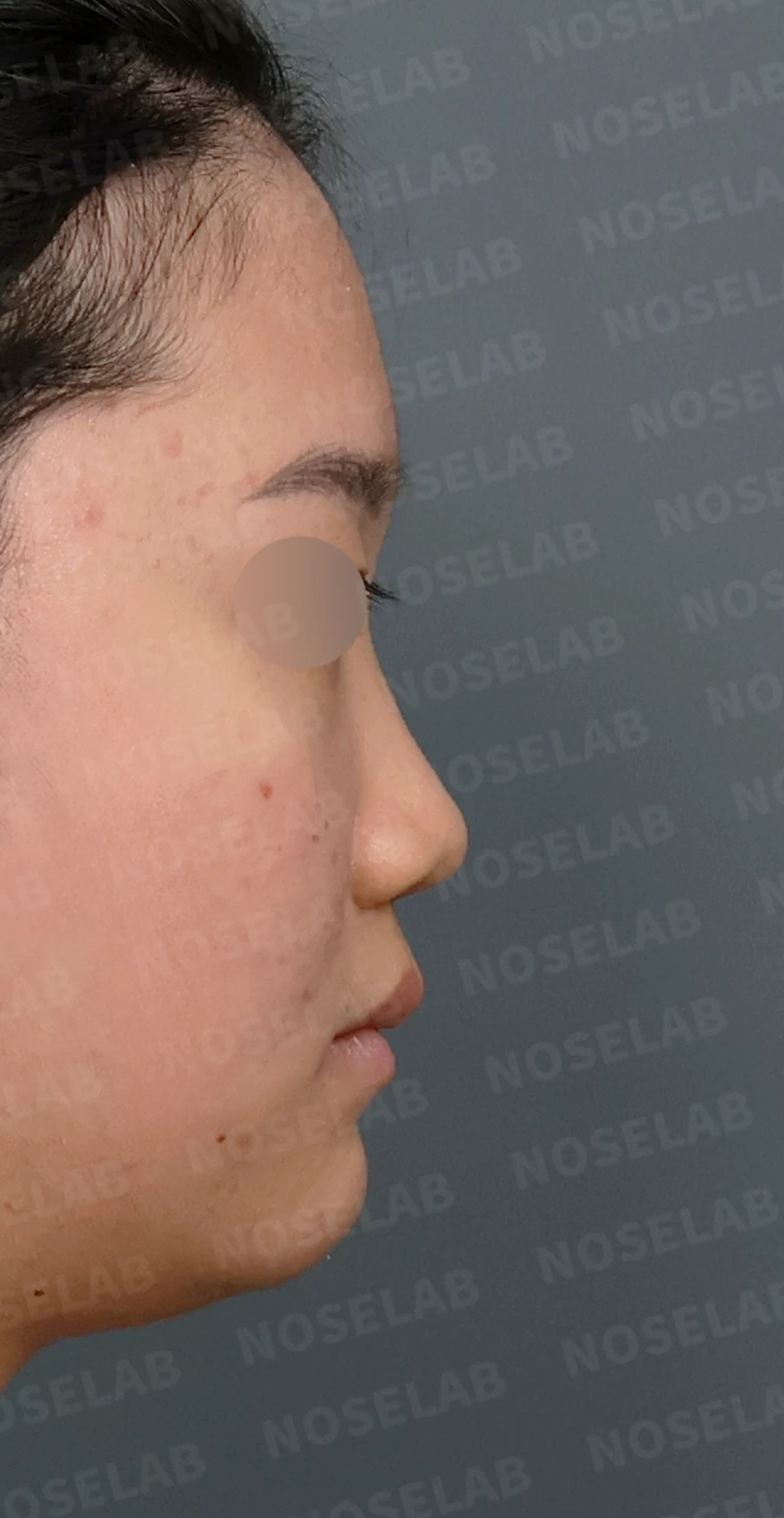
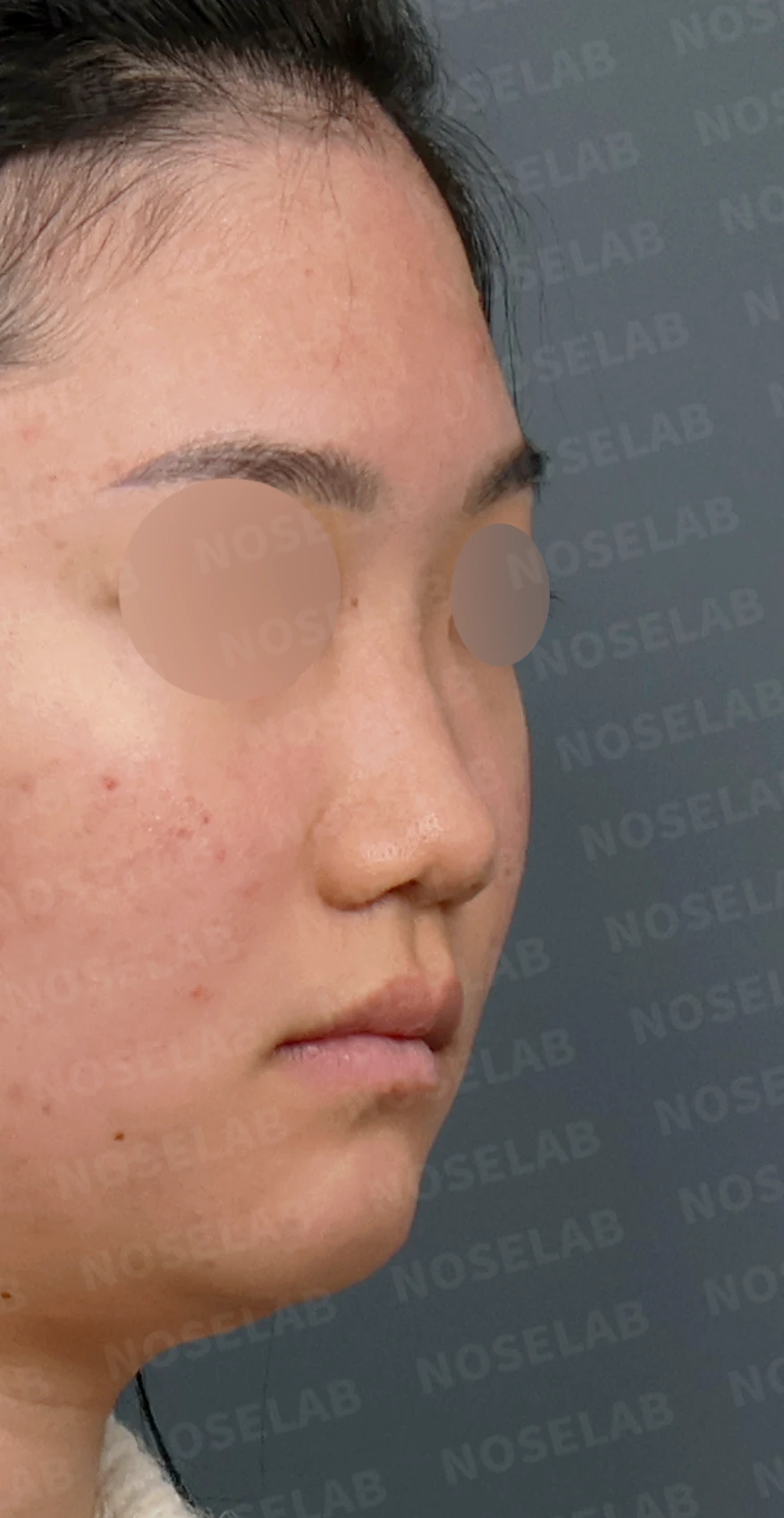
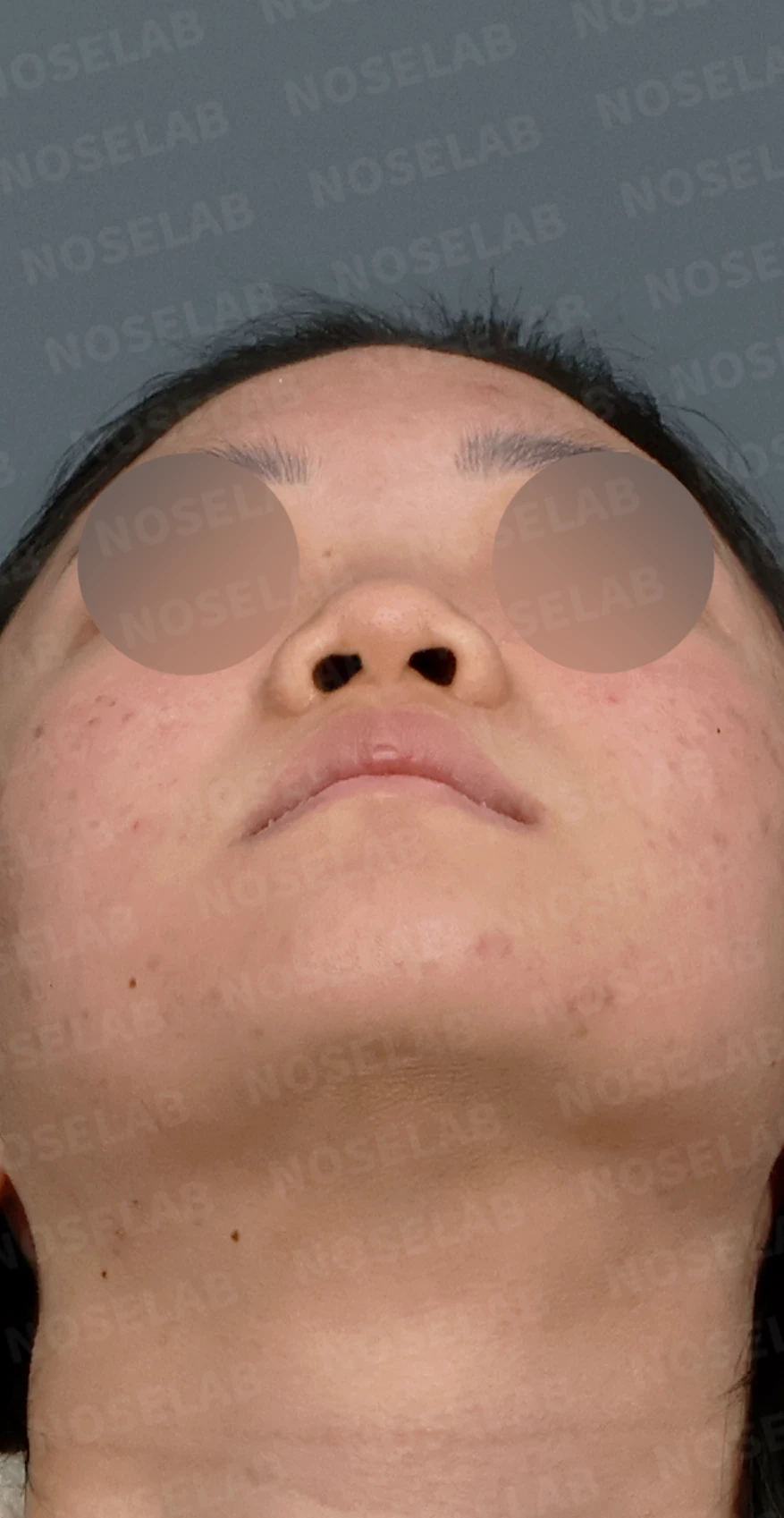
Right profile, oblique, and nostril views during design consultation.
🔧 Surgical plan and procedure
1. Height correction of the nasal bridge and tip using autologous rib cartilage
Elevated both the low nasal bridge and the nasal tip
Secured a stable, natural height using autologous rib cartilage
2. Improvement of the bulbous nasal tip
Refined the bulbous shape of the nasal tip
Created a natural nasal tip shape
3. Improvement of the retracted columella
Retracted columella naturally lowered
Formed a balanced columellar line from both the front and profile views
4. Correction of nasolabial angle
Lowered the columella while naturally correcting the nasolabial angle
Refined profile silhouette achieved
5. Septal reconstruction
Septal reinforcement using autologous rib cartilage
Secured long-term stability of the nasal tip support structure
🌟 Surgical results
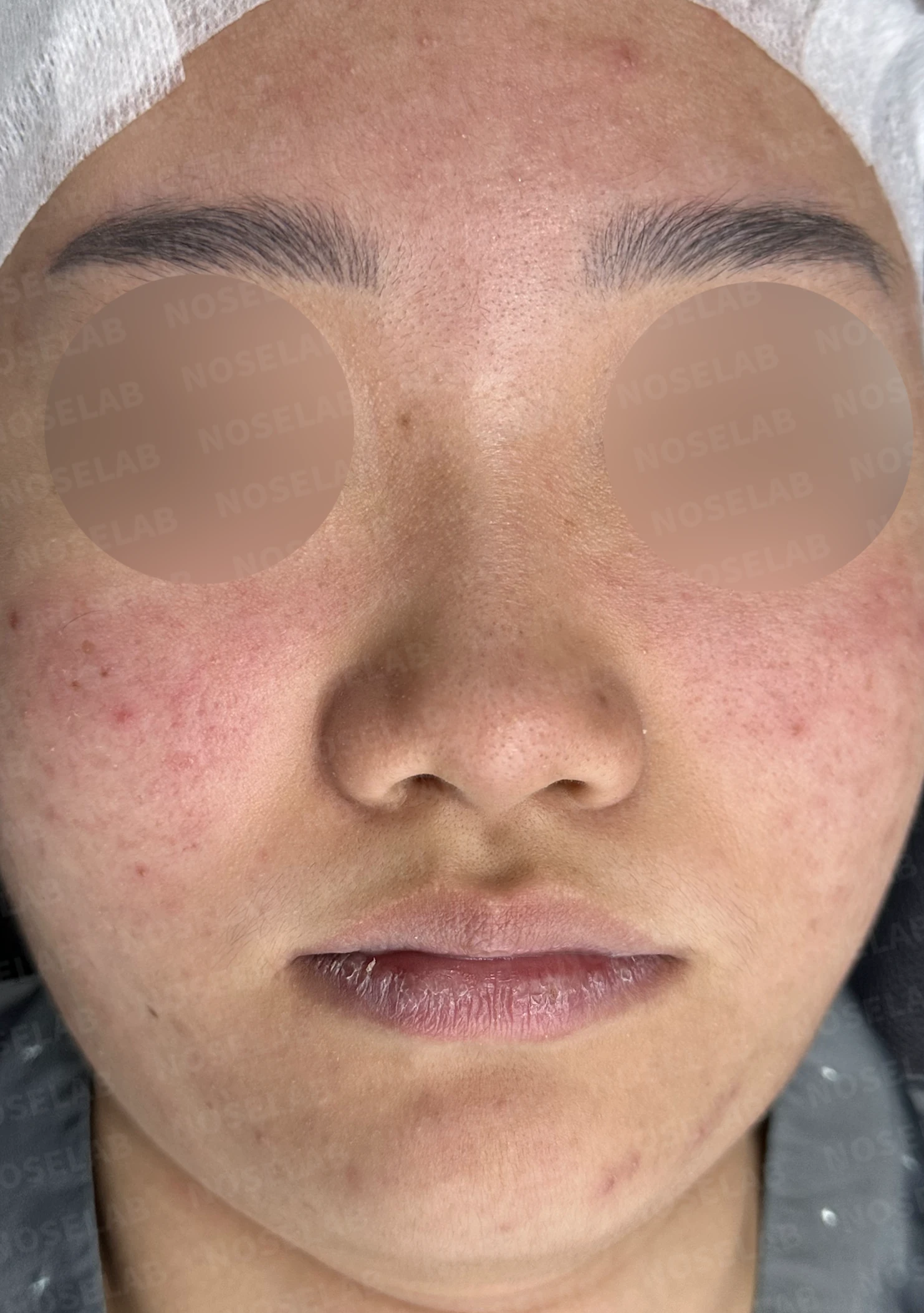
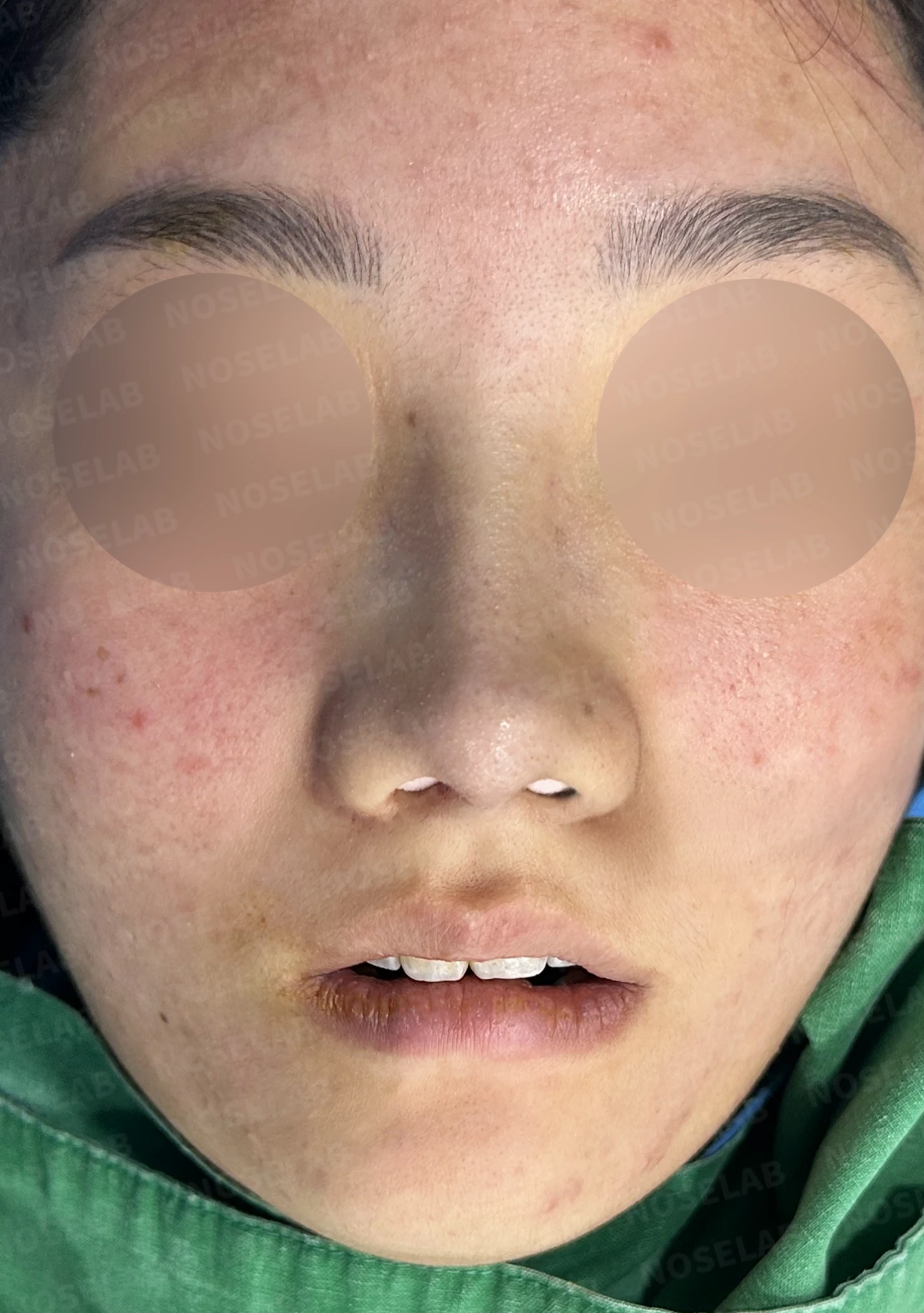
Before surgery / Day 0 immediately after surgery Photos taken immediately after surgery show swelling and may differ from the final result.
Front view changes:
Previously low nasal bridge naturally elevated
The previously bulbous nasal tip was refined
The bulbous appearance resolved into a clean nasal line
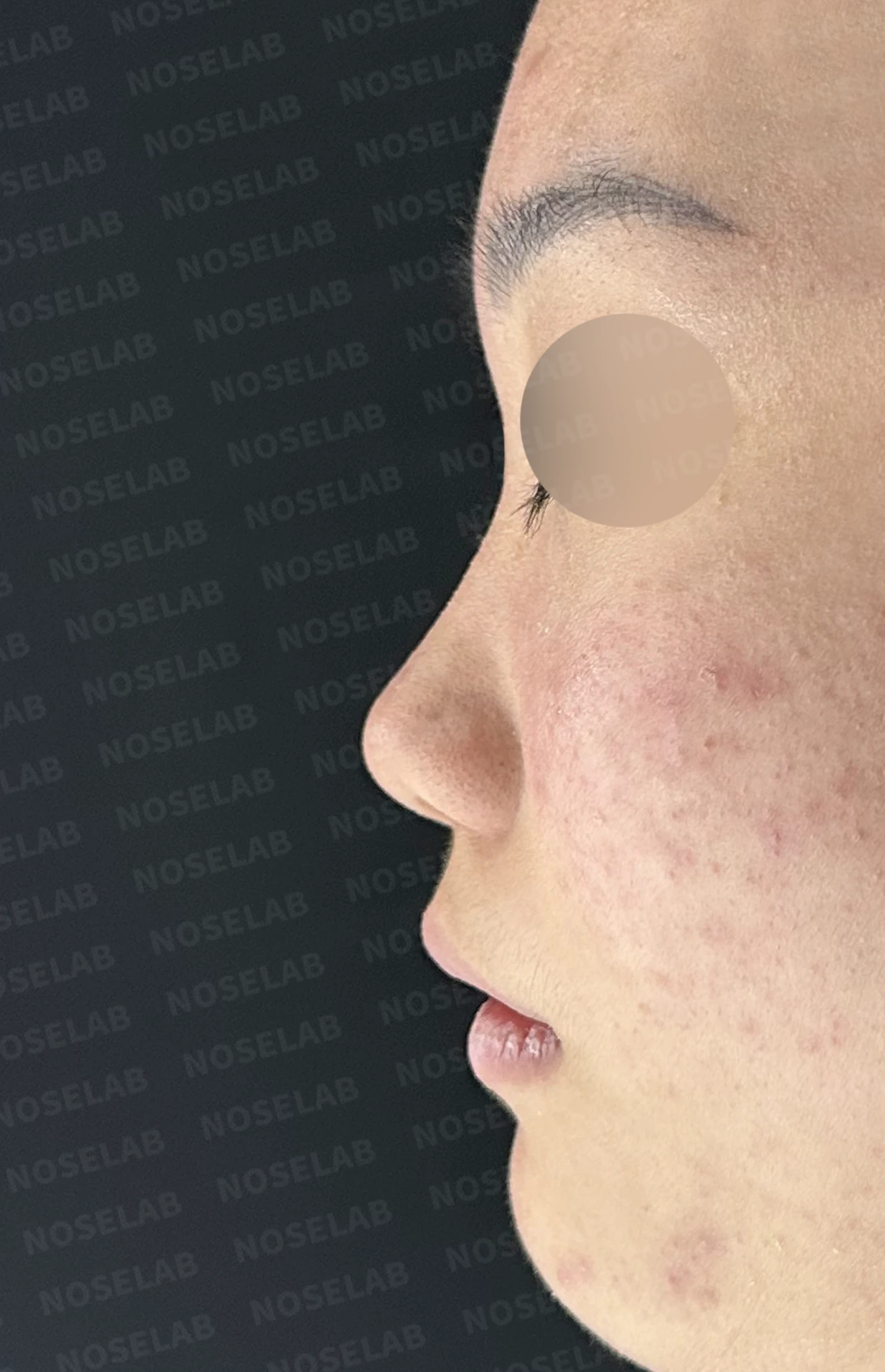
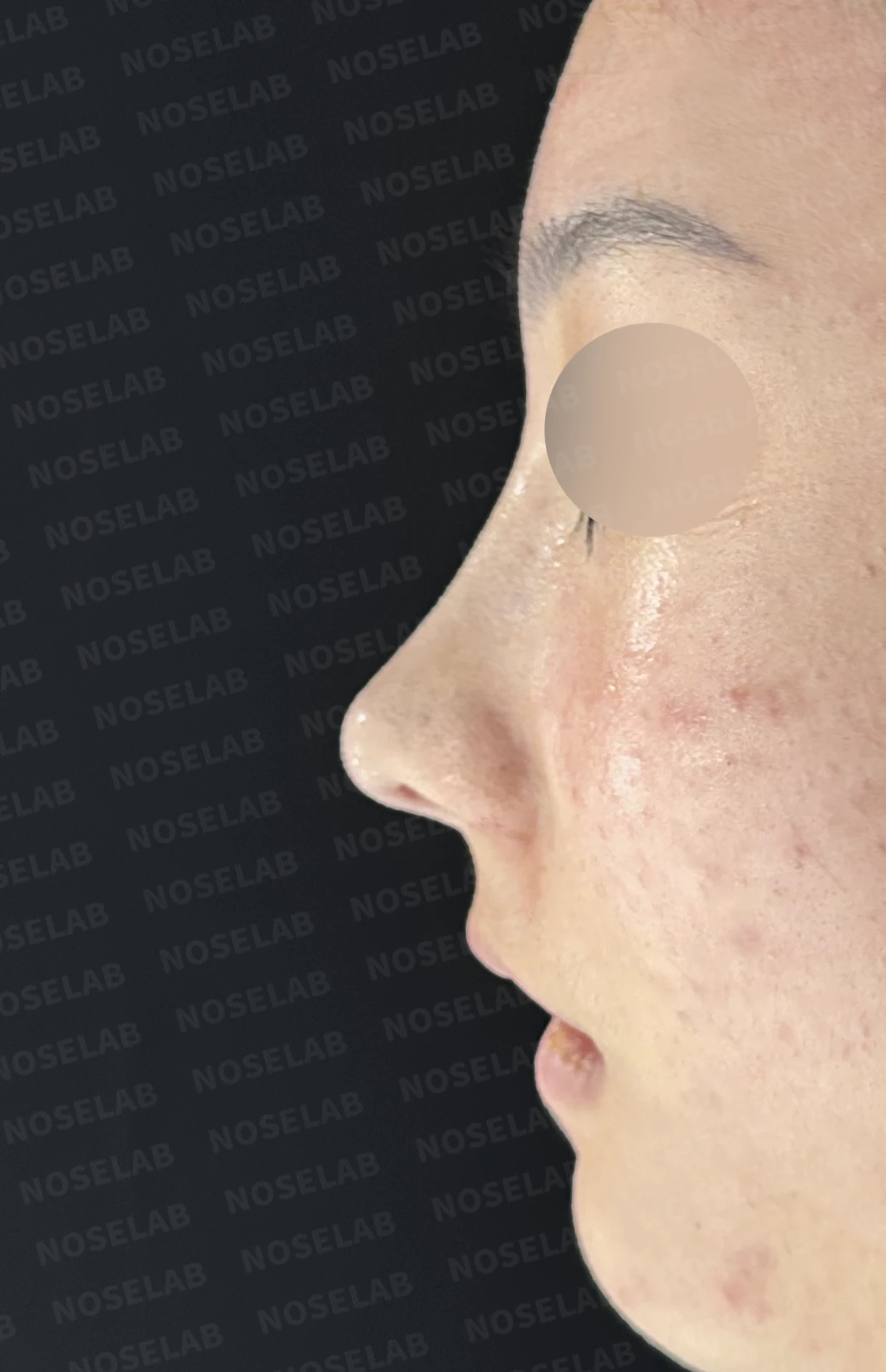
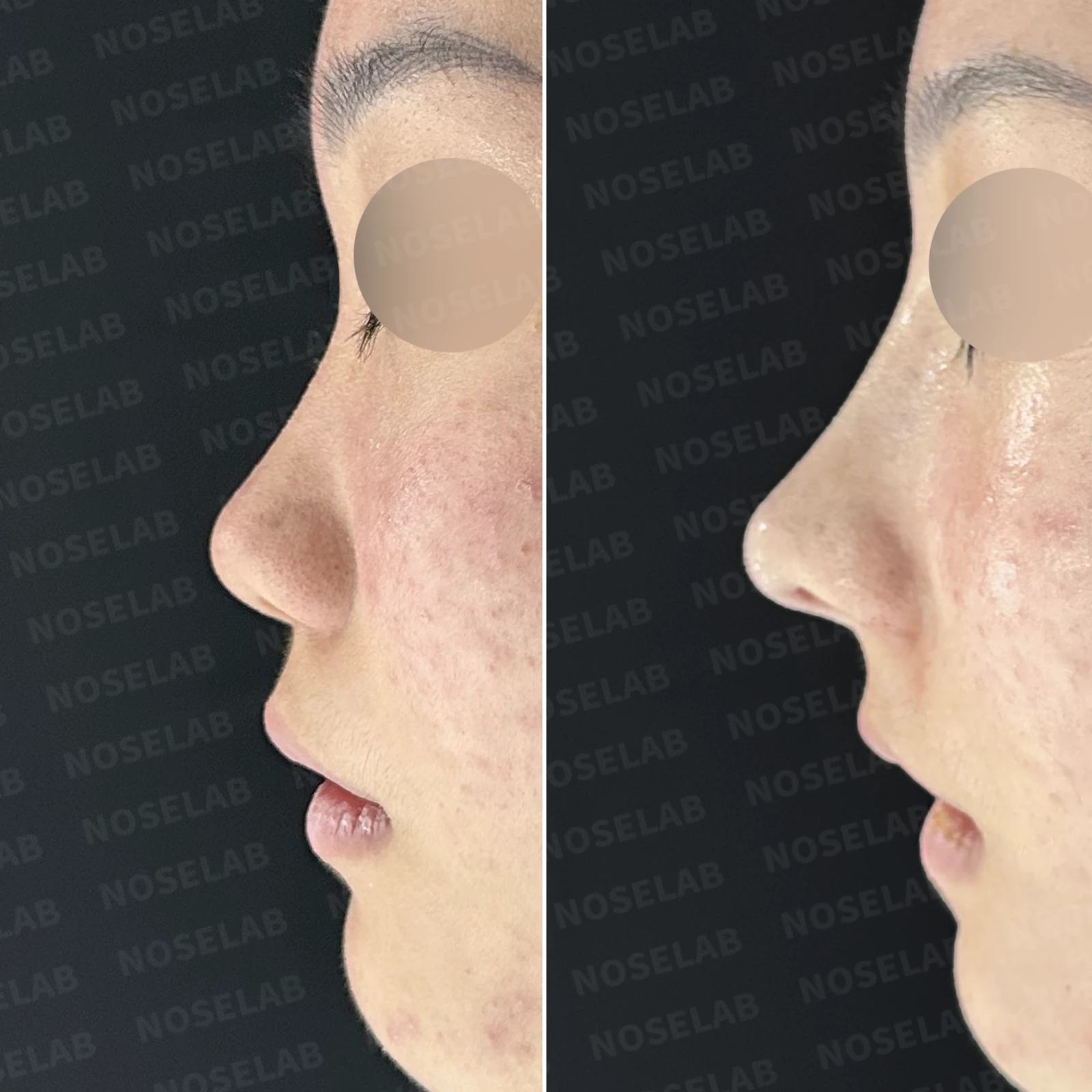
Before surgery / Day 0 immediately after surgery Photos taken immediately after surgery show swelling and may differ from the final result.
Profile view changes:
Natural height achieved for both the nasal bridge and tip
The retracted columella was naturally lowered, improving the nasolabial angle
A smooth and refined profile silhouette
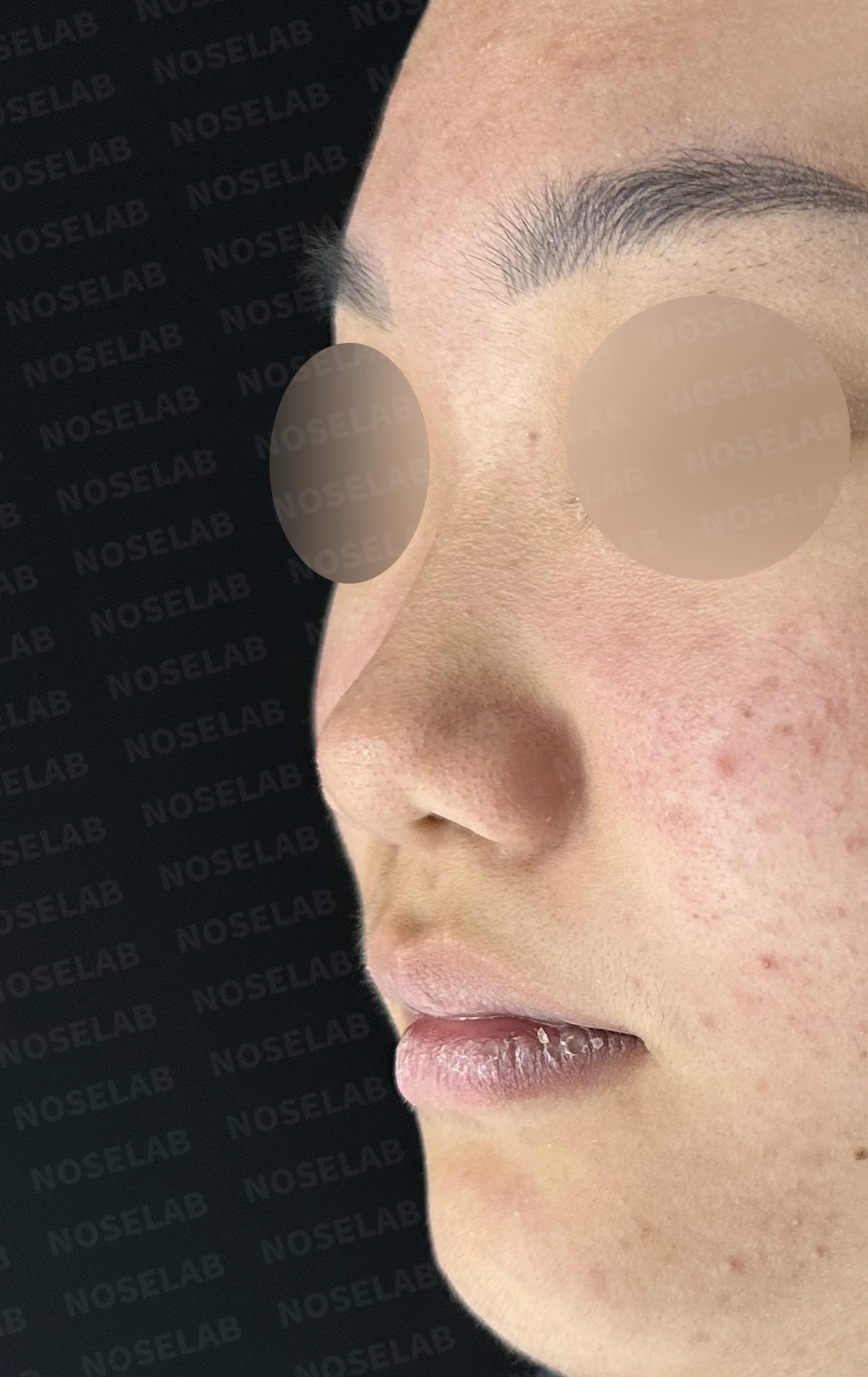
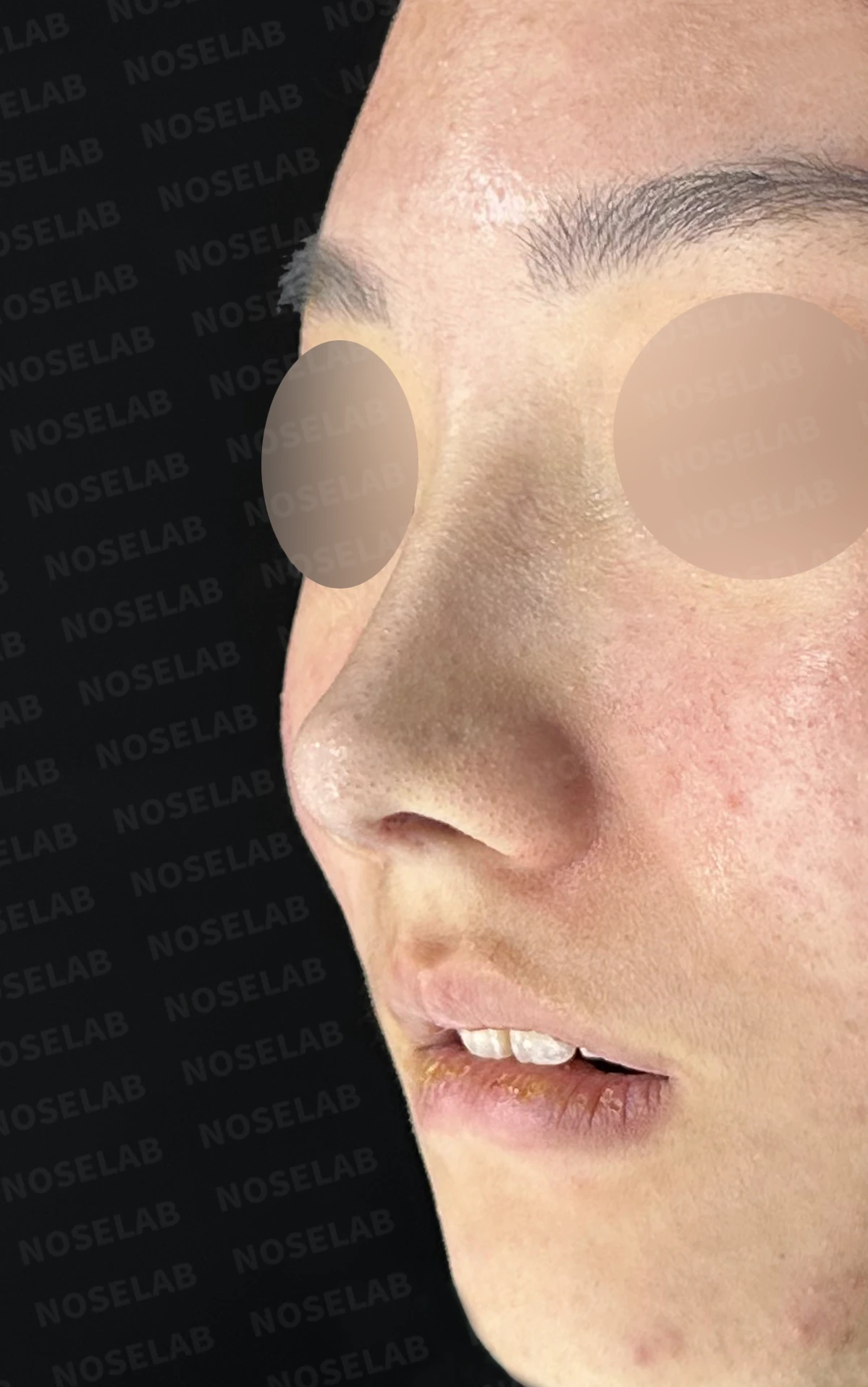
Before surgery / Day 0 immediately after surgery Photos taken immediately after surgery show swelling and may differ from the final result.
Nostril view changes:
Reduced nostril show by correcting the retracted columella
Overall facial harmony achieved through nasal tip correction
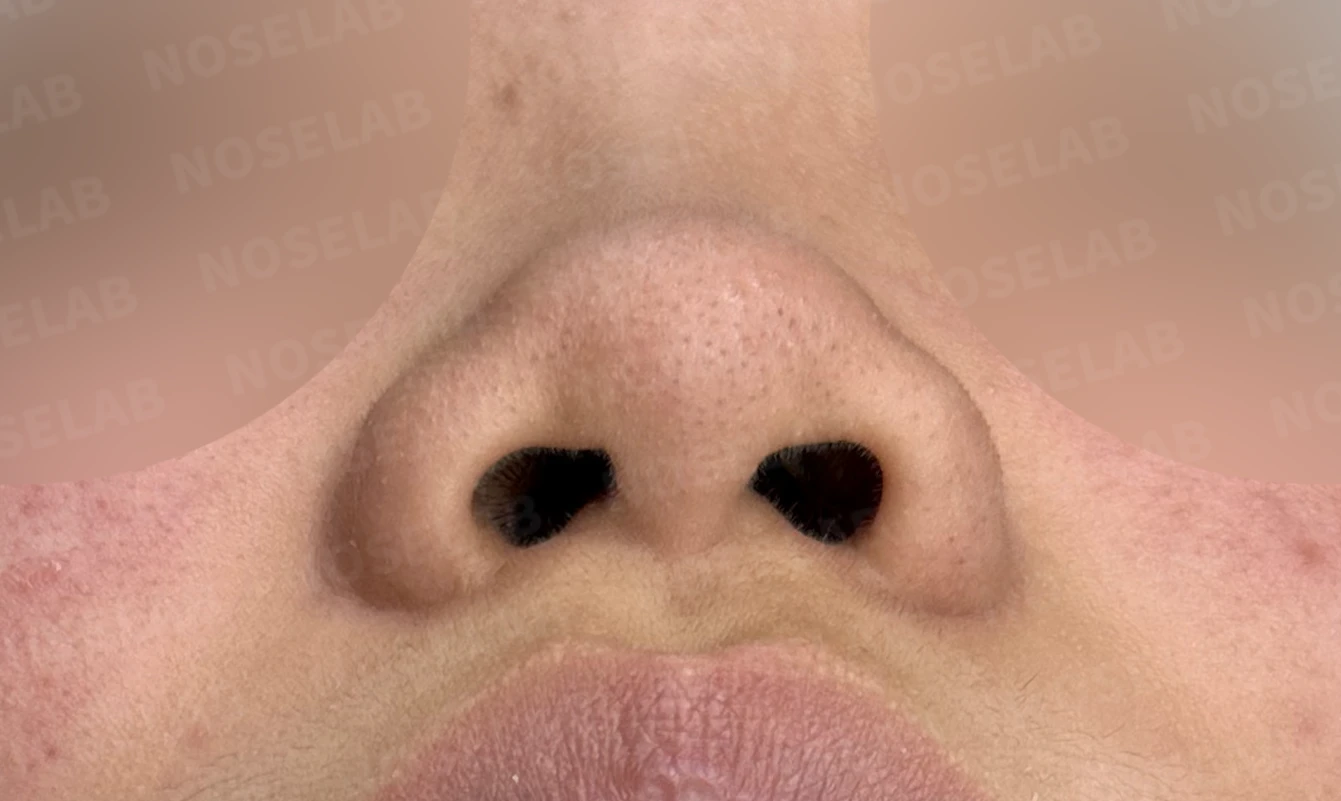
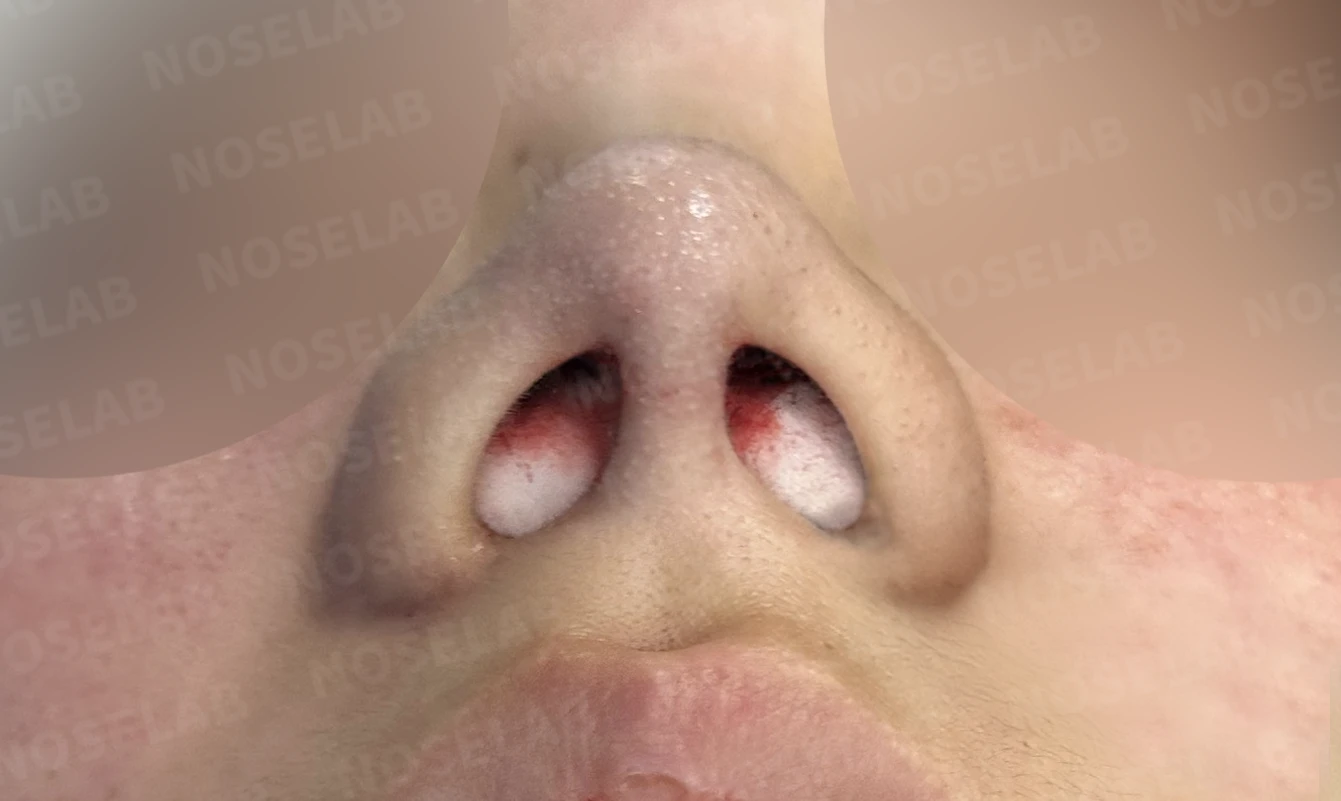
Before surgery / Day 0 immediately after surgery Photos taken immediately after surgery show swelling and may differ from the final result.
💡 Specialist opinion
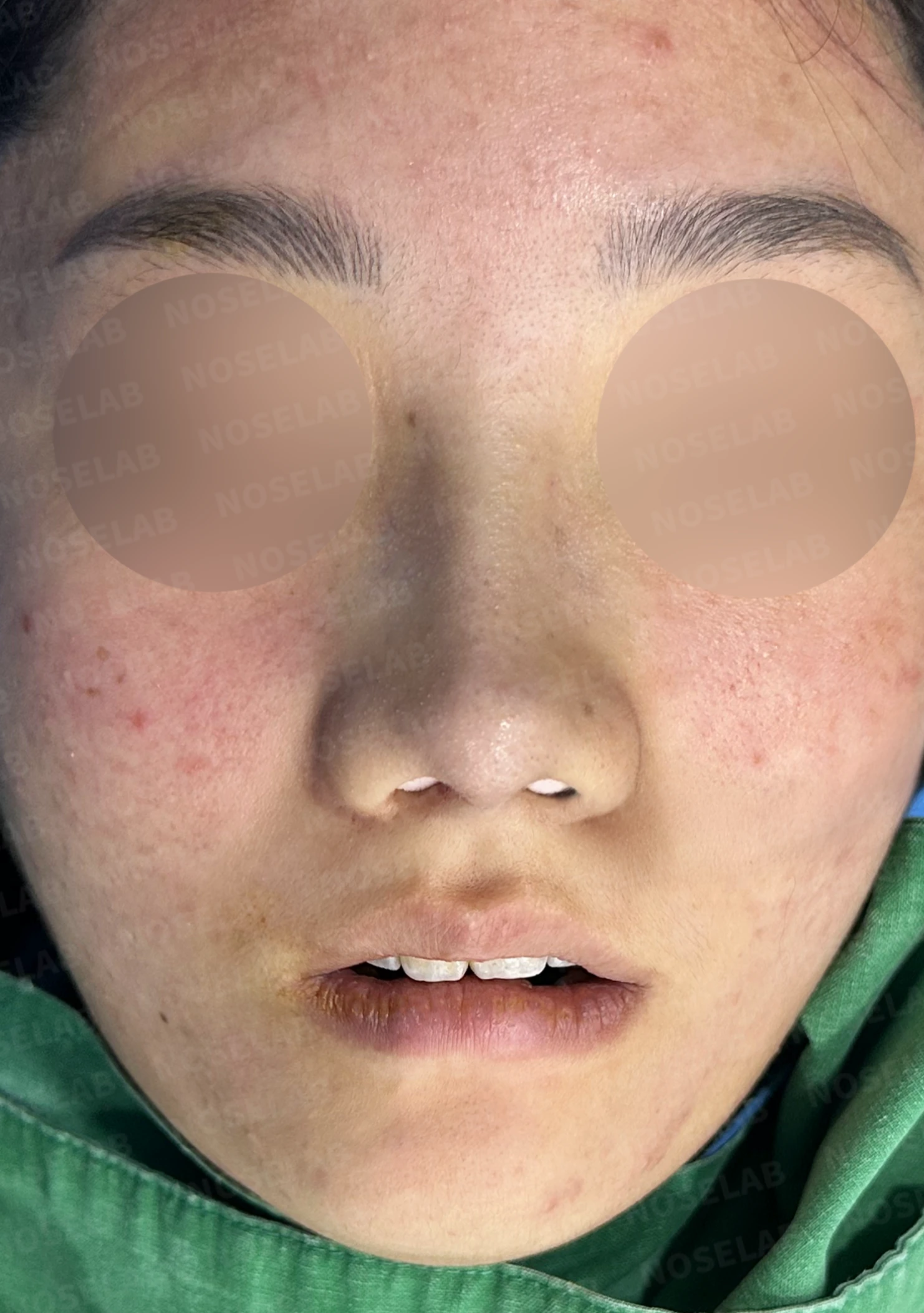
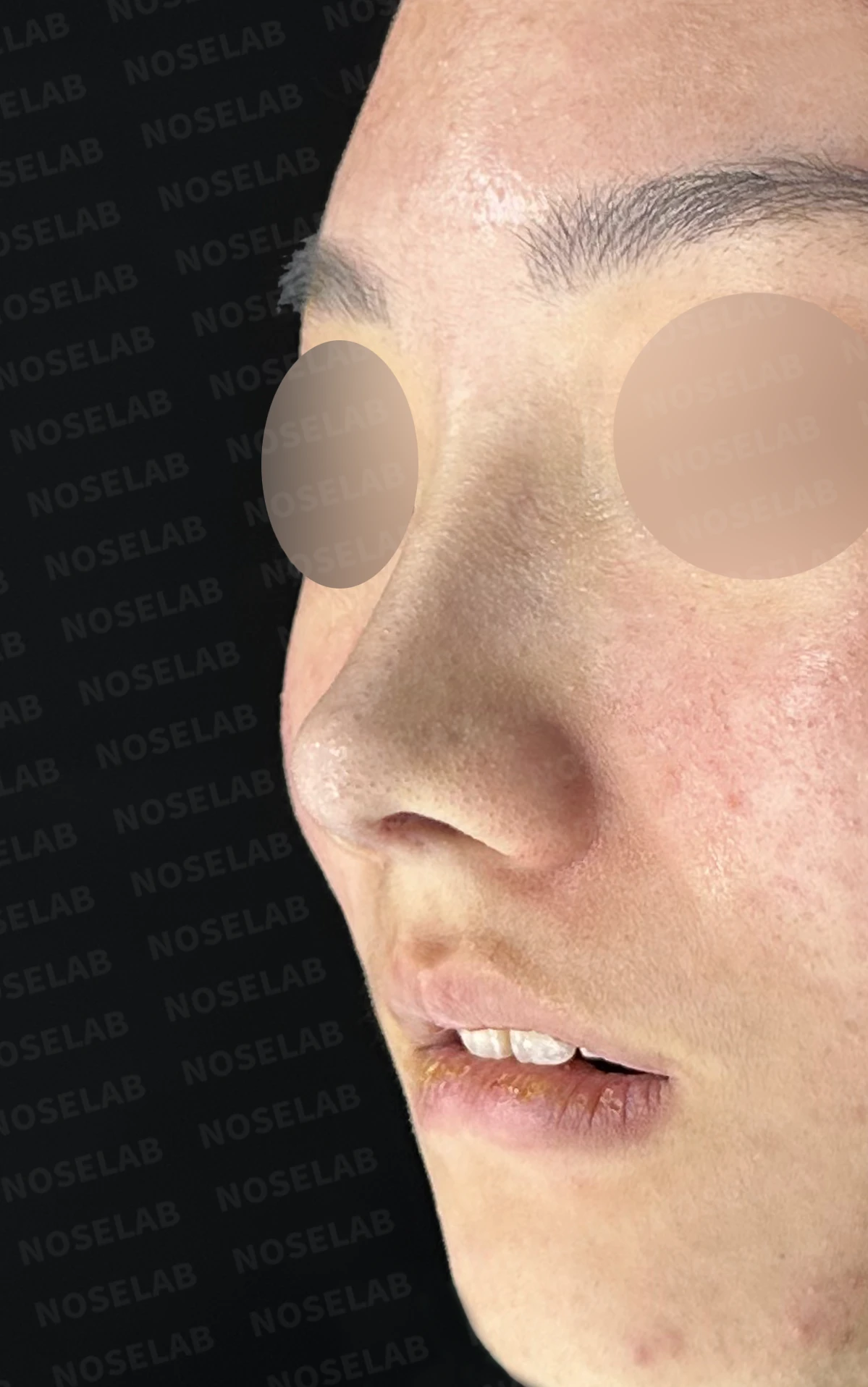
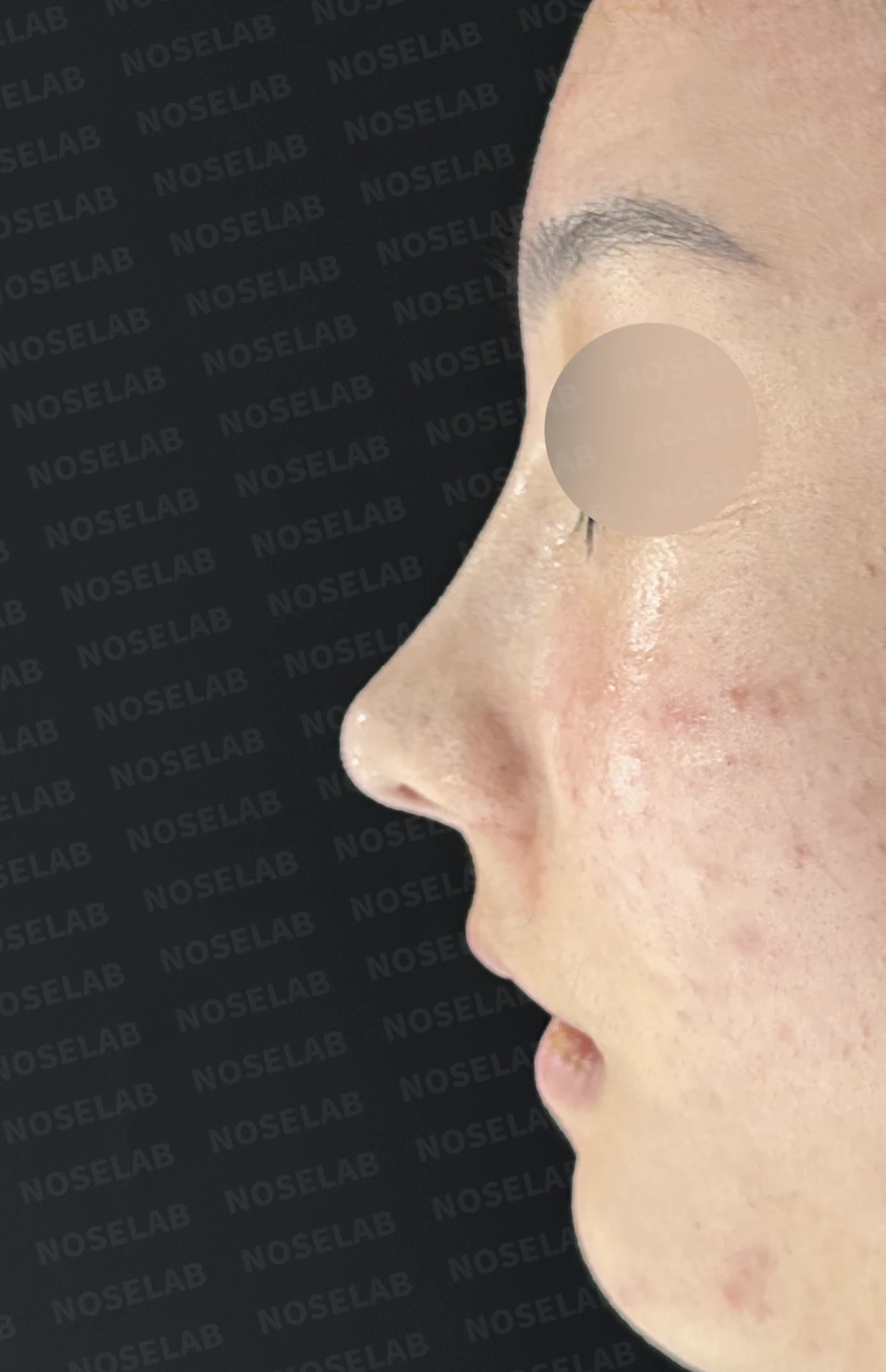
Front, oblique, and profile views on day 0 immediately after surgery. Photos taken immediately after surgery show swelling and may differ from the final result.
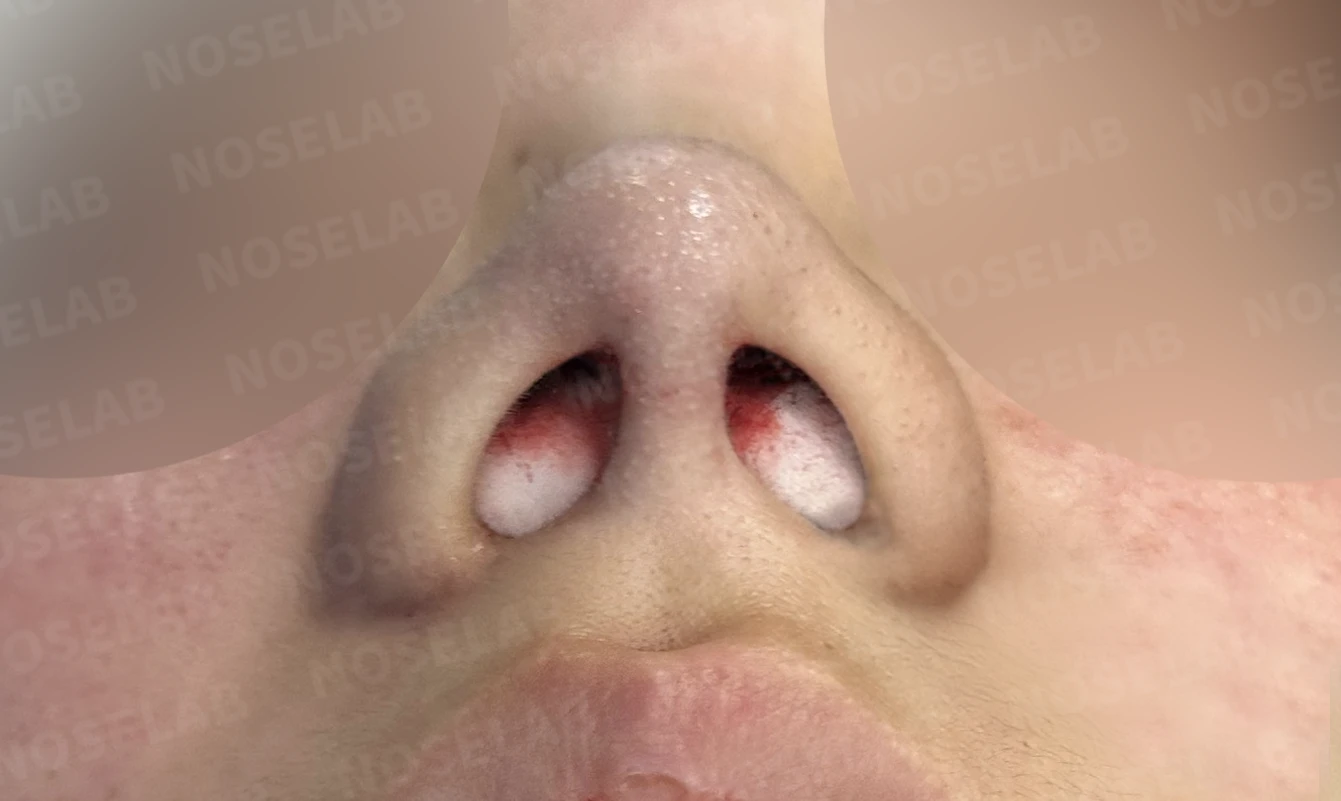
Nostril view on day 0 immediately after surgery. Photos taken immediately after surgery show swelling and may differ from the final result.
A low nasal bridge and a bulbous nasal tip are common concerns for many patients. In this particular case, simultaneously addressing the bulbous tip and the retracted columella was especially important.
When the columella is retracted, the nose can appear short and the tip can look bulbous. Naturally lowering the columella while correcting the nasolabial angle creates a noticeable difference in the overall balance of the nose.
Autologous rib cartilage was chosen to stably elevate both the nasal bridge and the nasal tip while securing long-term durability. Using autologous tissue offers the advantage of minimizing foreign body reactions and maintaining a natural feel.
I hope this case is helpful to those with similar concerns. This has been Dr. Peter C. Kang, Medical Director. Thank you.
#lownasalbridge #bulboustipcorrection #bulbousnasaltip #columellacorrection #nasolabialanglecorrection #autologousribcartilage #rhinoplasty #closedrhinoplasty

Limitations and risks
When autologous rib cartilage is used, scarring and pain may remain at the donor site on the chest, and pneumothorax (pleural injury) can occur rarely. Over time, the grafted cartilage may warp or undergo partial resorption.
When the septum is corrected at the same time, nasal obstruction may persist or recur, and in rare cases, septal perforation or changes in smell may occur.
Common potential risks include infection, bleeding, asymmetry, scarring, skin necrosis, and insufficient improvement; results vary depending on individual skin condition and previous surgical history.