English日本語简体中文
Skip to main content
Dr. Peter C. Kang's Rhinoplasty Stories
PrologueBlogMy thoughtsNasal obstructionSurgical journalSurgical photos
About the surgeon

Deviated septum cases: a deviated airway and remaining cartilage

This is page 7 of deviated septum cases: deviated airways and remaining cartilage. Explore surgical records and before-and-after photos 109–126 of 155.

View before-and-after cases ↓Comprehensive rhinoplasty guide

Searching for surgical cases matching your criteria.
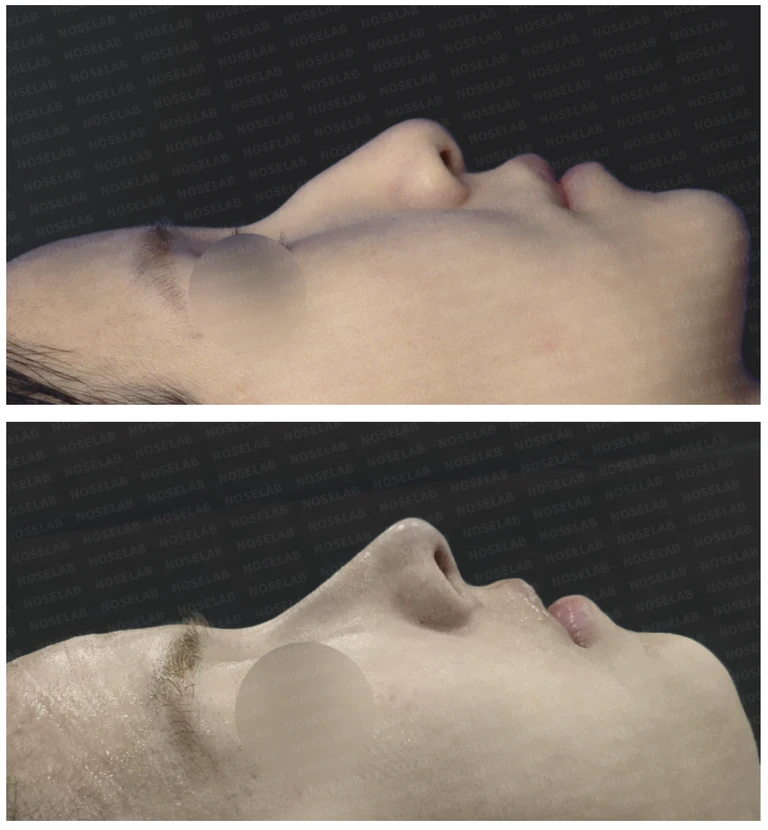
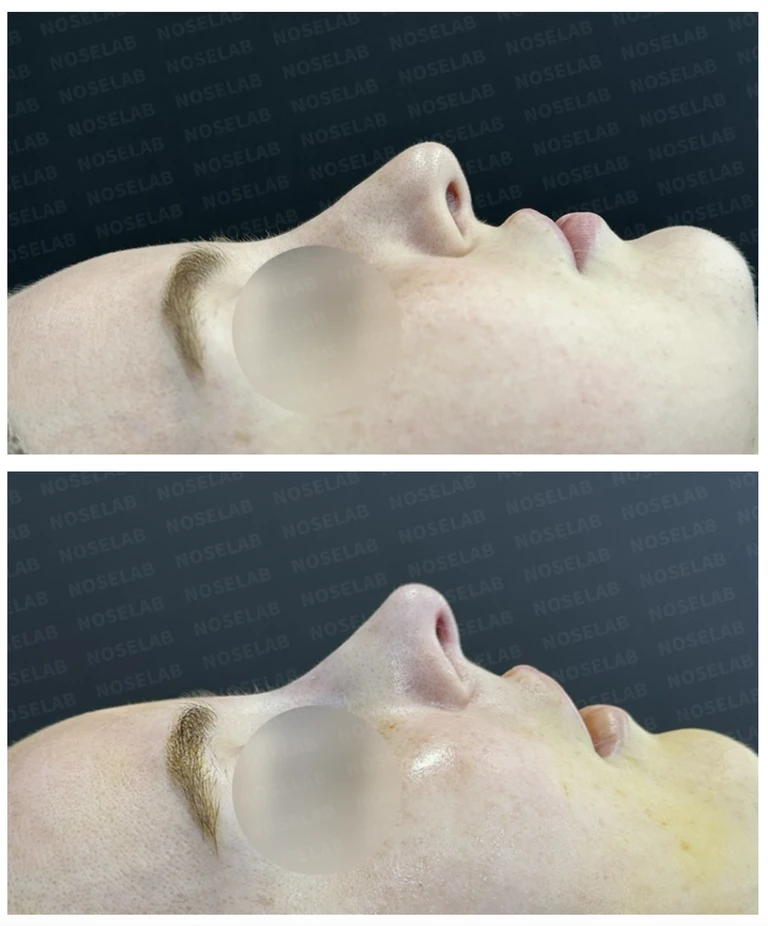
Revision rhinoplasty methods for a short and upturned nose — Before-and-after comparison
Before-and-after comparison

Revision rhinoplasty methods for a short and upturned nose

A short, upturned nose and nasal obstruction following multiple prior surgeries were corrected using donor rib cartilage septal extension, recycling of existing cartilage, silicone implant replacement, and septal and inferior turbinate surgery.

Preoperative condition
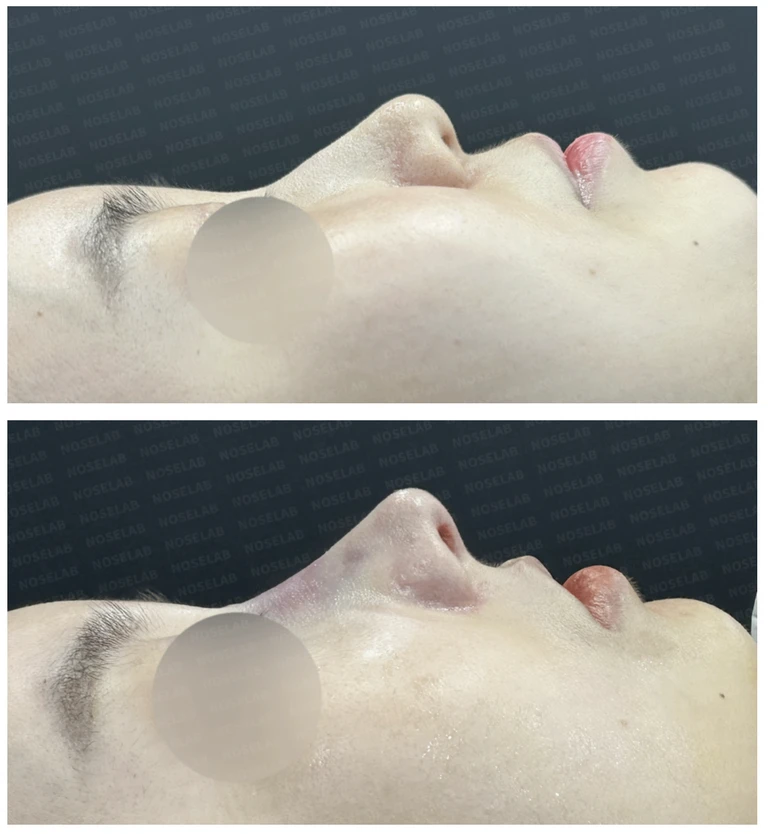
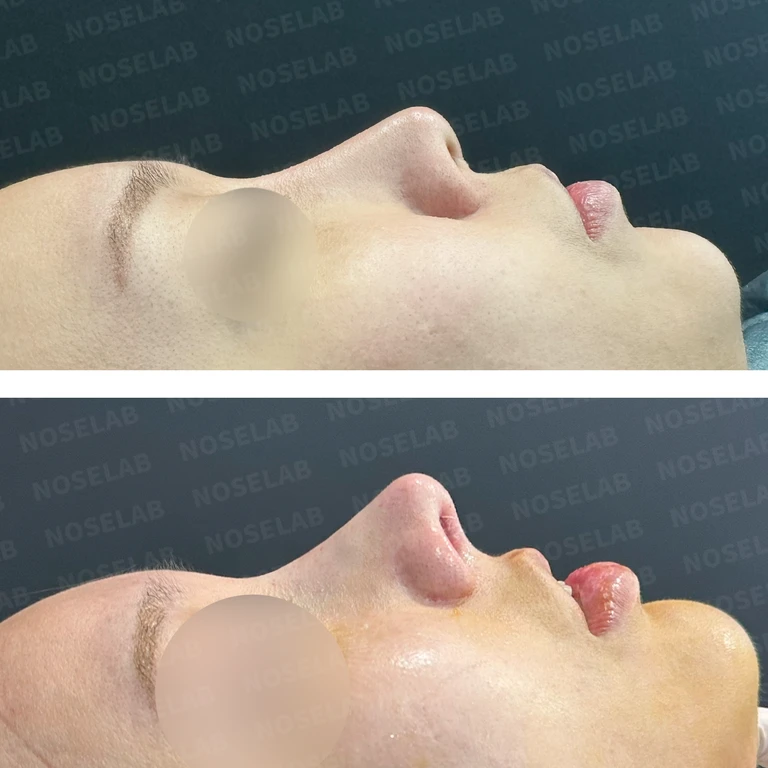
Supportive structures of a low nose and autologous rib cartilage correction methods — Before-and-after comparison
Before-and-after comparison

Supportive structures of a low nose and autologous rib cartilage correction methods

A low, flat, and uneven nose was refined through closed autologous rib cartilage septal extension, tip and bridge augmentation, deviated septum correction, and lateral osteotomy.

Preoperative condition
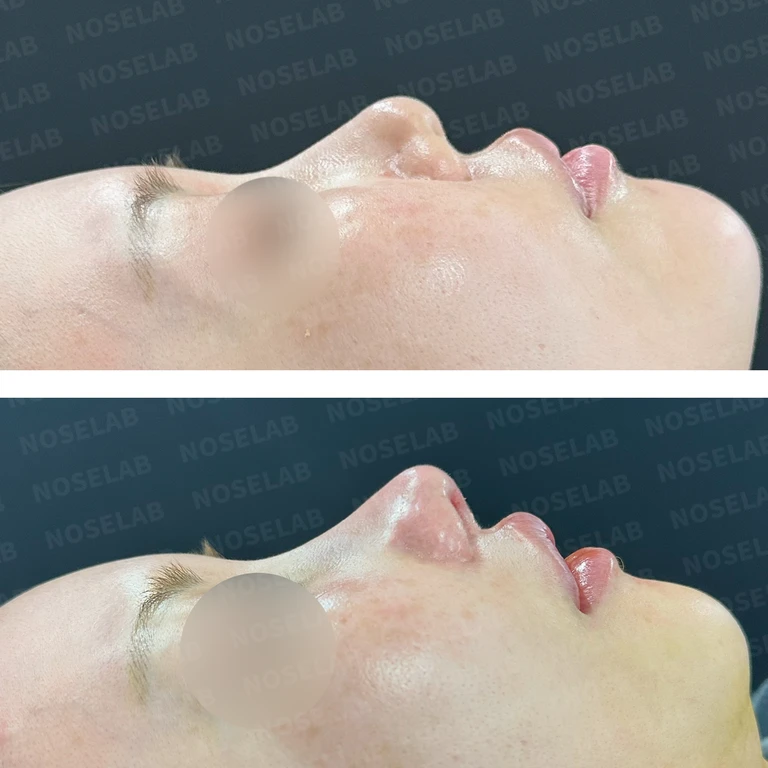
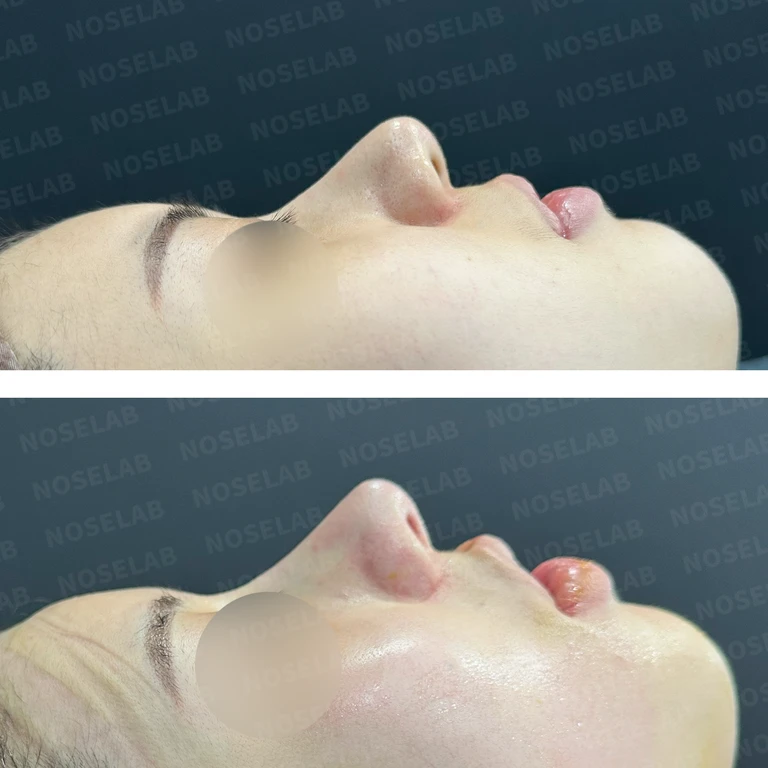
Methods for correcting nasal deformities associated with cleft lip and palate — Before-and-after comparison
Before-and-after comparison

Methods for correcting nasal deformities associated with cleft lip and palate

A case in which asymmetry, a right maxillary bone defect, and nostril floor depression resulting from cleft lip and palate were corrected by reconstructing the septum and lower lateral cartilage and augmenting the nasal floor bone using autologous rib cartilage.

Preoperative condition
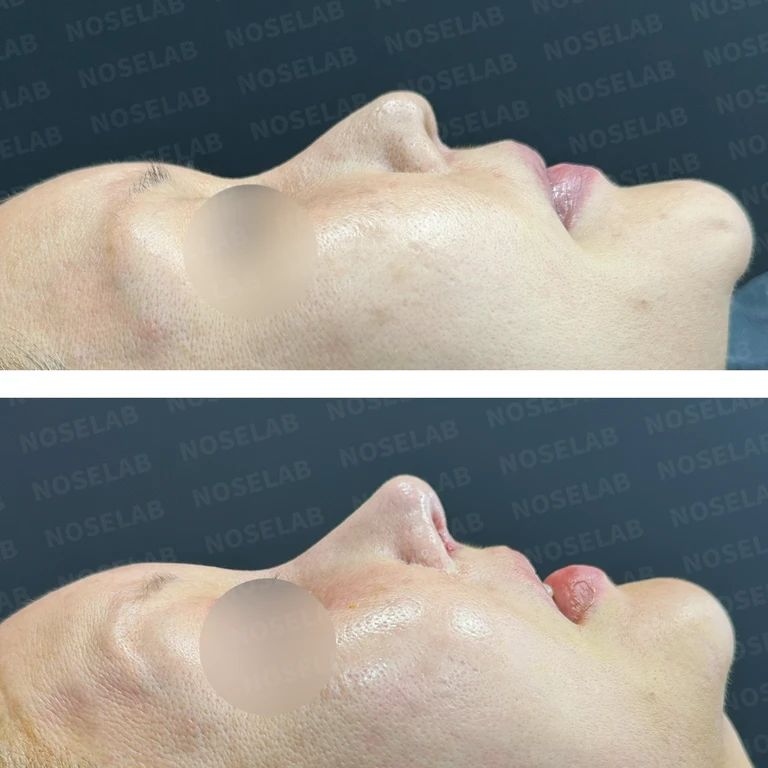
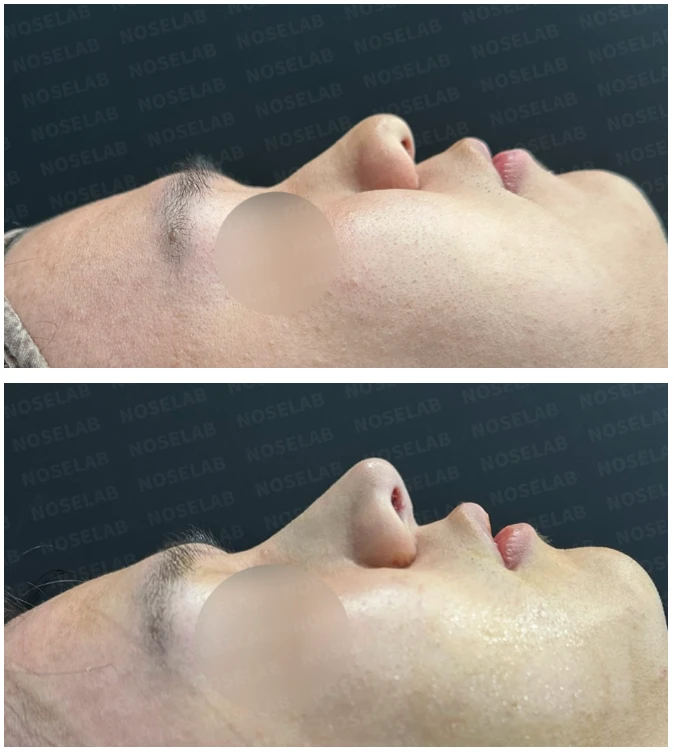
Closed correction method for a crooked nose, bulbous tip, and nostril asymmetry — Before-and-after comparison
Before-and-after comparison

Closed correction method for a crooked nose, bulbous tip, and nostril asymmetry

For a patient who presented after two prior surgeries with a crooked nose, nostril asymmetry, and a bulbous tip, we performed septal reconstruction and extension using autologous rib cartilage, lateral osteotomy, silicone implant exchange, and a dermal graft to the nasal tip.

Preoperative condition
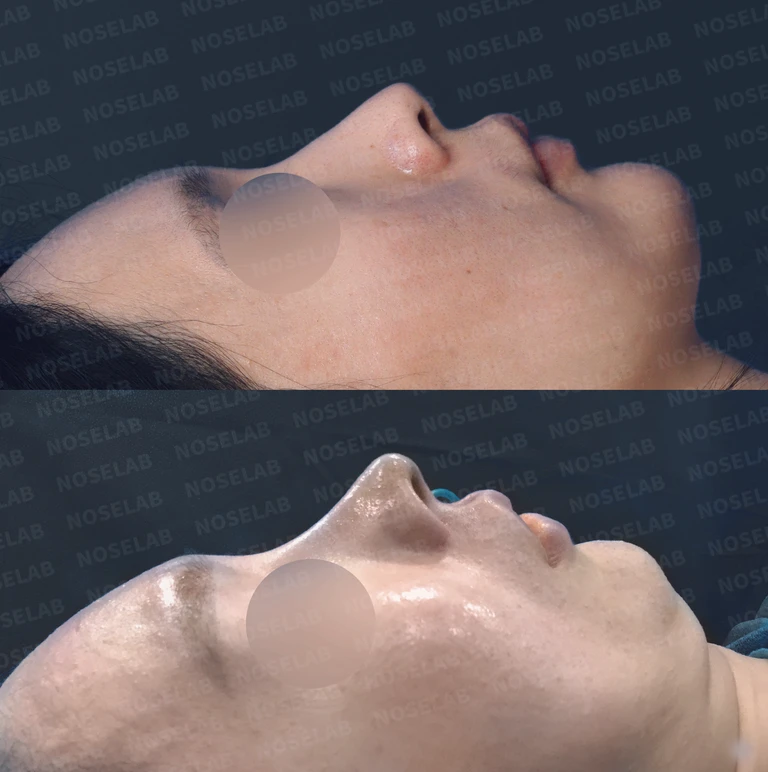
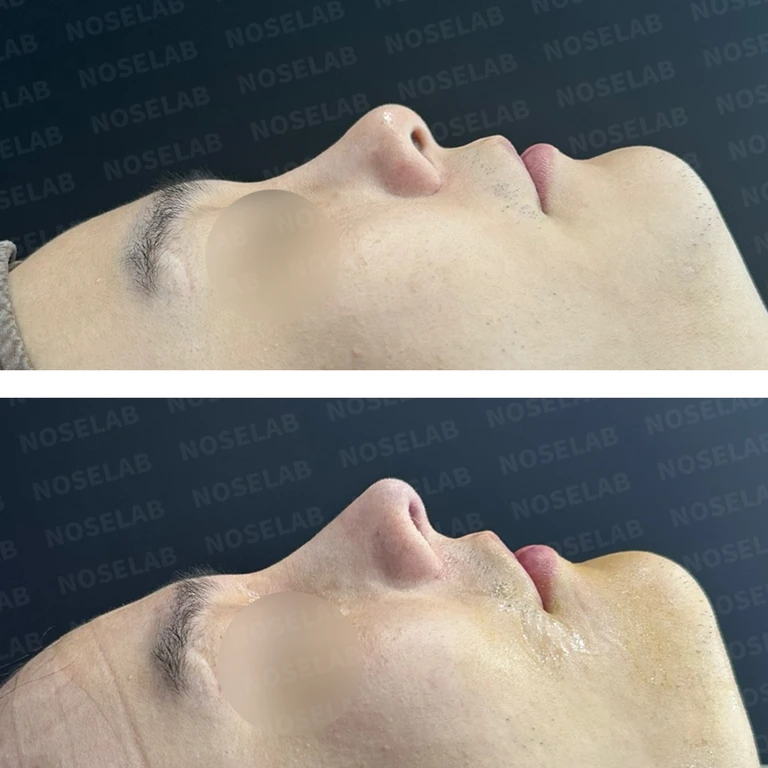
Correction methods considering the shape of contracted and upturned noses — Before-and-after comparison
Before-and-after comparison

Correction methods considering the shape of contracted and upturned noses

In a male patient who developed contracture deformity, an upturned nose, and nasal obstruction after repeated surgeries, septal reconstruction and extension using autologous rib cartilage along with nostril lowering were performed via a closed approach.

Preoperative condition

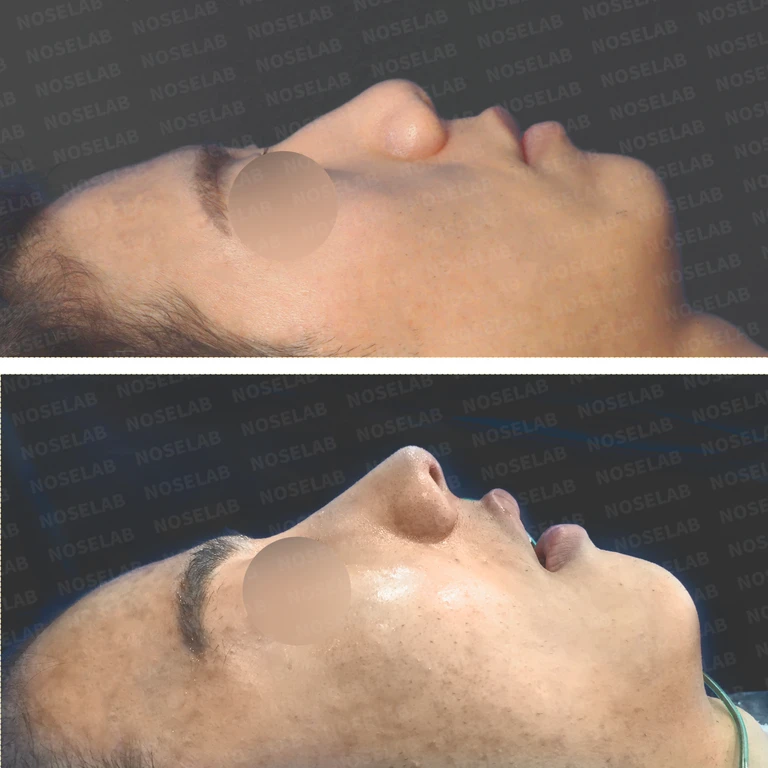
Correction method for a small, upturned nose considering the nasolabial angle and nasal function — Before-and-after comparison
Before-and-after comparison

Correction method for a small, upturned nose considering the nasolabial angle and nasal function

To correct nasal obstruction along with an upturned nose, short nose, and low glabella, septoplasty, submucosal resection of the inferior turbinate, autologous rib cartilage septal extension, and lateral osteotomy were performed using a closed approach.

Preoperative condition

Closed rhinoplasty correction of a long nose and dorsal hump — Before-and-after comparison
Before-and-after comparison

Closed rhinoplasty correction of a long nose and dorsal hump

For a drooping arrow nose, dorsal hump, deviated septum, and hypertrophic rhinitis, lateral osteotomy, autologous septal extension graft, and inferior turbinate resection were performed using a closed approach.

Preoperative condition

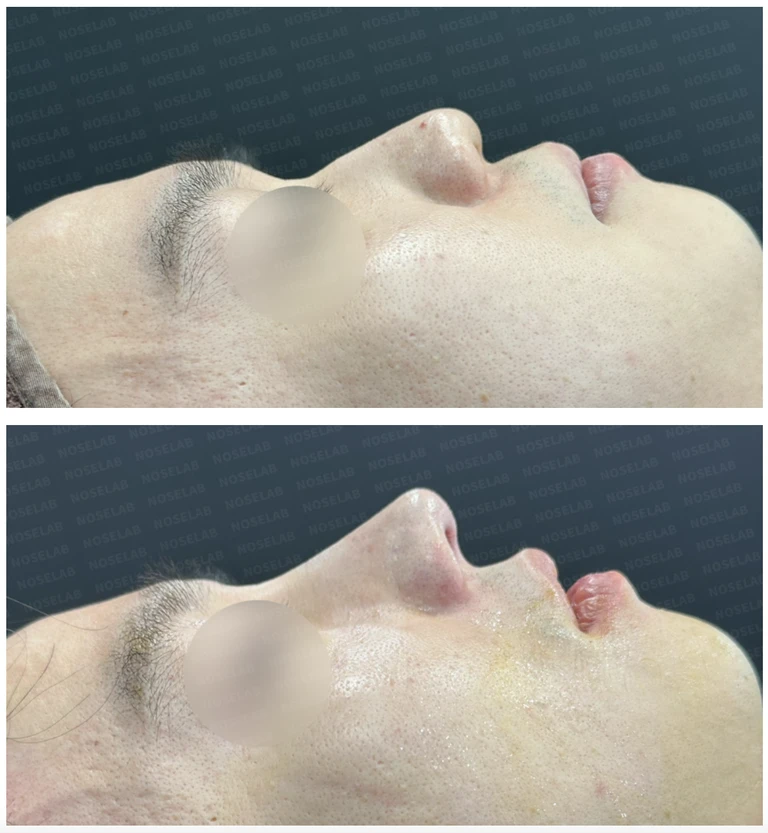
Characteristics and correction methods for an upturned, curved nose — Before-and-after comparison
Before-and-after comparison

Characteristics and correction methods for an upturned, curved nose

A revision rhinoplasty case in a male patient presenting with an upturned nasal tip, excessive nostril show, and nasal obstruction, treated via a closed approach using autologous rib cartilage septal extension, implant exchange, and septoplasty.

Previous surgeries and procedures

How to plan bulbous nose correction together with lowering the columella — Before-and-after comparison
Before-and-after comparison

How to plan bulbous nose correction together with lowering the columella

To correct snoring, a retracted columella, a crooked nose, and a bulbous nose, residual bridge filler was removed, and septal extension with autologous rib cartilage, lowering the columella, and septoplasty and inferior turbinate surgery were performed through a closed approach.

Preoperative condition

Surgical methods for a bulbous nose and wide nasal tip — Before-and-after comparison
Before-and-after comparison

Surgical methods for a bulbous nose and wide nasal tip

A case report of a male patient complaining of a blunt, wide nasal tip, a drooping appearance, and nasal obstruction, treated via a closed approach with subcutaneous tissue excision, septal extension, and septoplasty.

Preoperative condition

Closed correction method for a crooked nose and nostril asymmetry — Before-and-after comparison
Before-and-after comparison

Closed correction method for a crooked nose and nostril asymmetry

In a patient with a persistent crooked nose, nostril asymmetry, a wide nasal dorsum, and nasal obstruction after a prior rhinoplasty, autologous rib cartilage septal reconstruction, osteotomies, and inferior turbinate resection were performed without an implant.

Preoperative condition

Correcting a crooked nose and nostril asymmetry while considering breathing — Before-and-after comparison
Before-and-after comparison

Correcting a crooked nose and nostril asymmetry while considering breathing

Following prior filler and rhinoplasty, the patient experienced a persistent crooked nose, nostril asymmetry, and breathing difficulty; we performed filler removal, septal reconstruction and extension using autologous rib cartilage, and inferior turbinate resection.

Preoperative condition

Rhinoplasty approach examining the structure of a bulbous nasal tip — Before-and-after comparison
Before-and-after comparison

Rhinoplasty approach examining the structure of a bulbous nasal tip

In a patient presenting with a bulbous, drooping tip and symptoms of a deviated septum after previous rhinoplasty, septal reconstruction with autologous rib cartilage, lateral osteotomy, and turbinoplasty were performed via a closed approach.

Preoperative condition

A corrective approach addressing both nasal obstruction and a bulbous nose — Before-and-after comparison
Before-and-after comparison

A corrective approach addressing both nasal obstruction and a bulbous nose

To improve nasal obstruction caused by rhinitis and a deviated septum, along with a drooping bulbous nose, septoplasty, inferior turbinate reduction, autologous rib cartilage septal extension, and silicone bridge augmentation were performed using a closed approach.

Preoperative condition

How to remove injected foreign substances and reconstruct the nose — Before-and-after comparison
Before-and-after comparison

How to remove injected foreign substances and reconstruct the nose

For a nose deformed by illegal filler injections 10 years ago, foreign substances were removed using the closed inner-open technique, and the septum and alar cartilage were reconstructed using autologous rib cartilage.

Preoperative condition

Revision rhinoplasty methods for a contracted nose and retracted columella — Before-and-after comparison
Before-and-after comparison

Revision rhinoplasty methods for a contracted nose and retracted columella

To correct an upturned nose, retracted columella, and nasal obstruction caused by contracture after multiple surgeries, stem cell therapy was performed followed by closed septal reconstruction using autologous rib cartilage, lowering the columella, and osteotomy.

Preoperative condition

Nasal structures and reconstruction methods for a contracted nose after repeated surgeries — Before-and-after comparison
Before-and-after comparison

Nasal structures and reconstruction methods for a contracted nose after repeated surgeries

Following a history of 6 surgeries with cartilage resorption, contracture, and columellar retraction, the structure was corrected through total septal reconstruction using fresh autologous rib cartilage.

Preoperative condition

The anatomy of post-traumatic nasal obstruction and its correction methods — Before-and-after comparison
Before-and-after comparison

The anatomy of post-traumatic nasal obstruction and its correction methods

In a patient presenting with septal fracture, nasal obstruction, and tip deviation resulting from trauma, septal correction and extension using donor rib cartilage, dorsal reinforcement with dermis, and osteotomy were performed via an implant-free, closed approach.

Preoperative condition

No search results found

Please try searching with different keywords.

Scroll to keep reading

Previous case7 / 9Next case
Original article

Read more records

Planning a visit to Seoul?Prepare your consultation with the NOSELAB team.

International patient guideWhatsApp ↗
Dr. Peter C. Kang's Rhinoplasty Stories
Rhinoplasty guideCases by topicDr. Peter C. KangNaver Blog ↗
View original photo
Enlarged photo
WhatsAppChat with NOSELAB↗