Hello, I am Dr. Peter C. Kang.
Today, I would like to share the case of a patient who visited for relief of nasal obstruction and also received correction for a bulbous nose.
This case achieved both functional and aesthetic improvements simultaneously, serving as a good example of the multifaceted nature of rhinoplasty.
1. Preoperative design consultation
Let us analyze the patient's preoperative condition in detail:
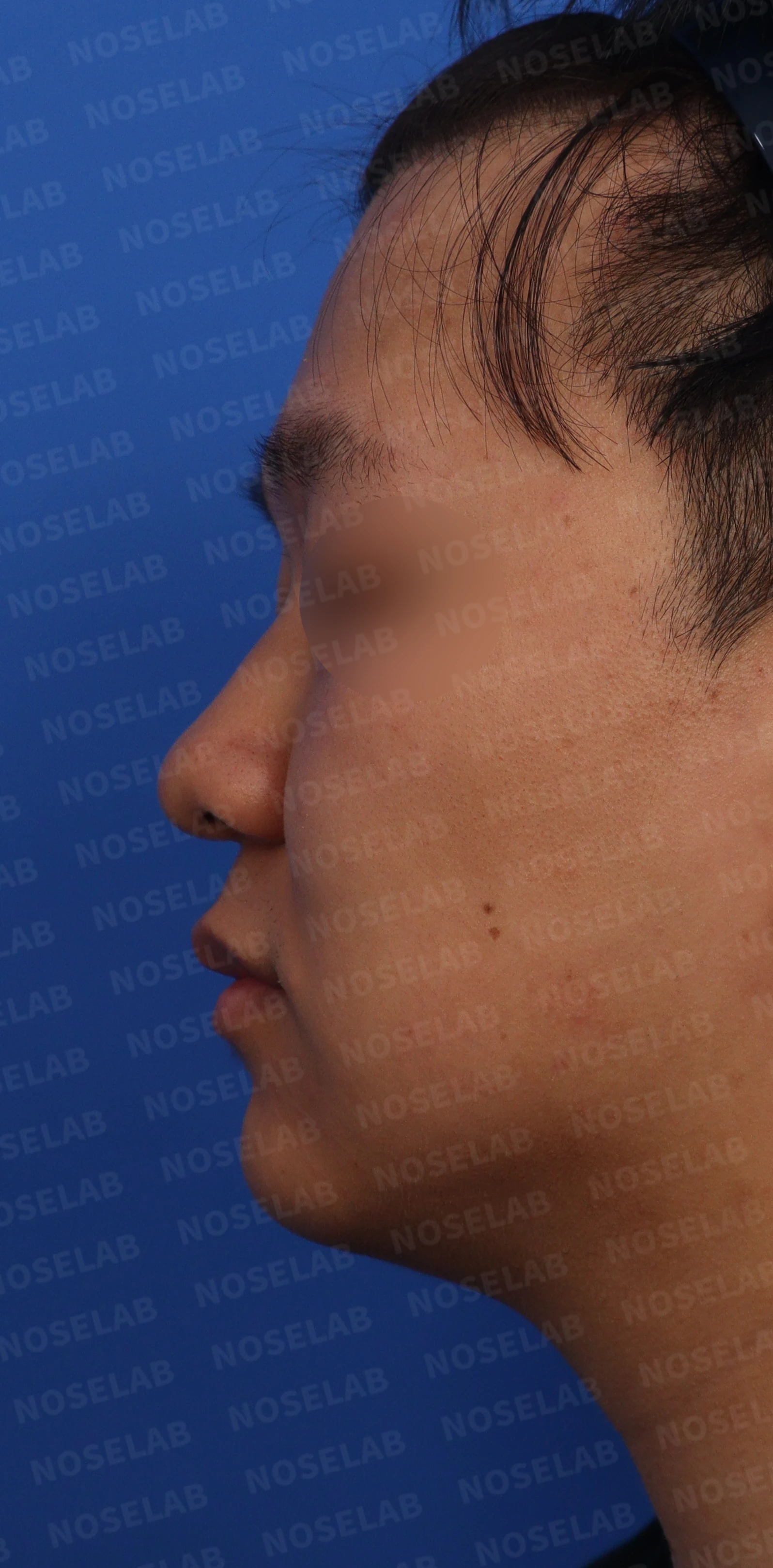
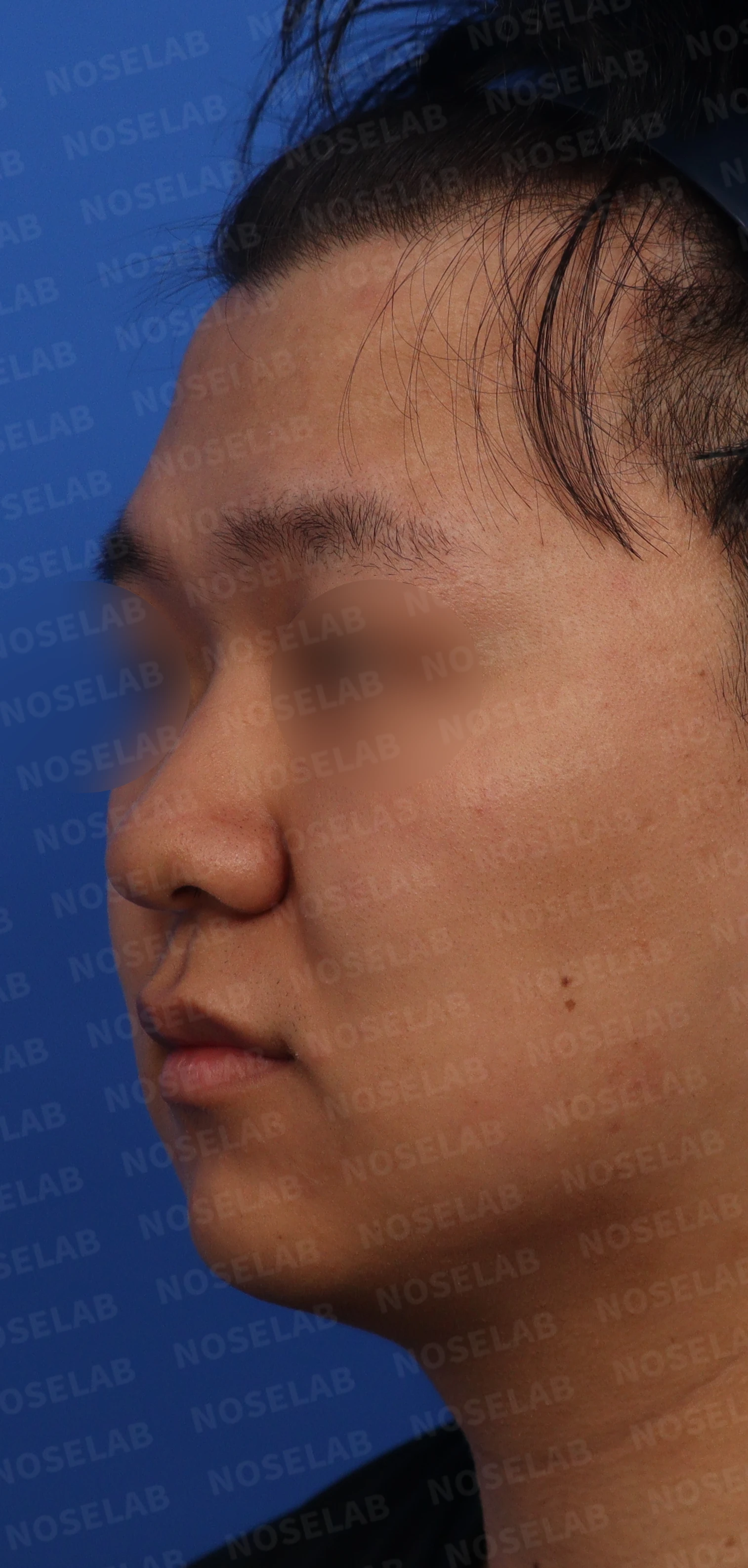
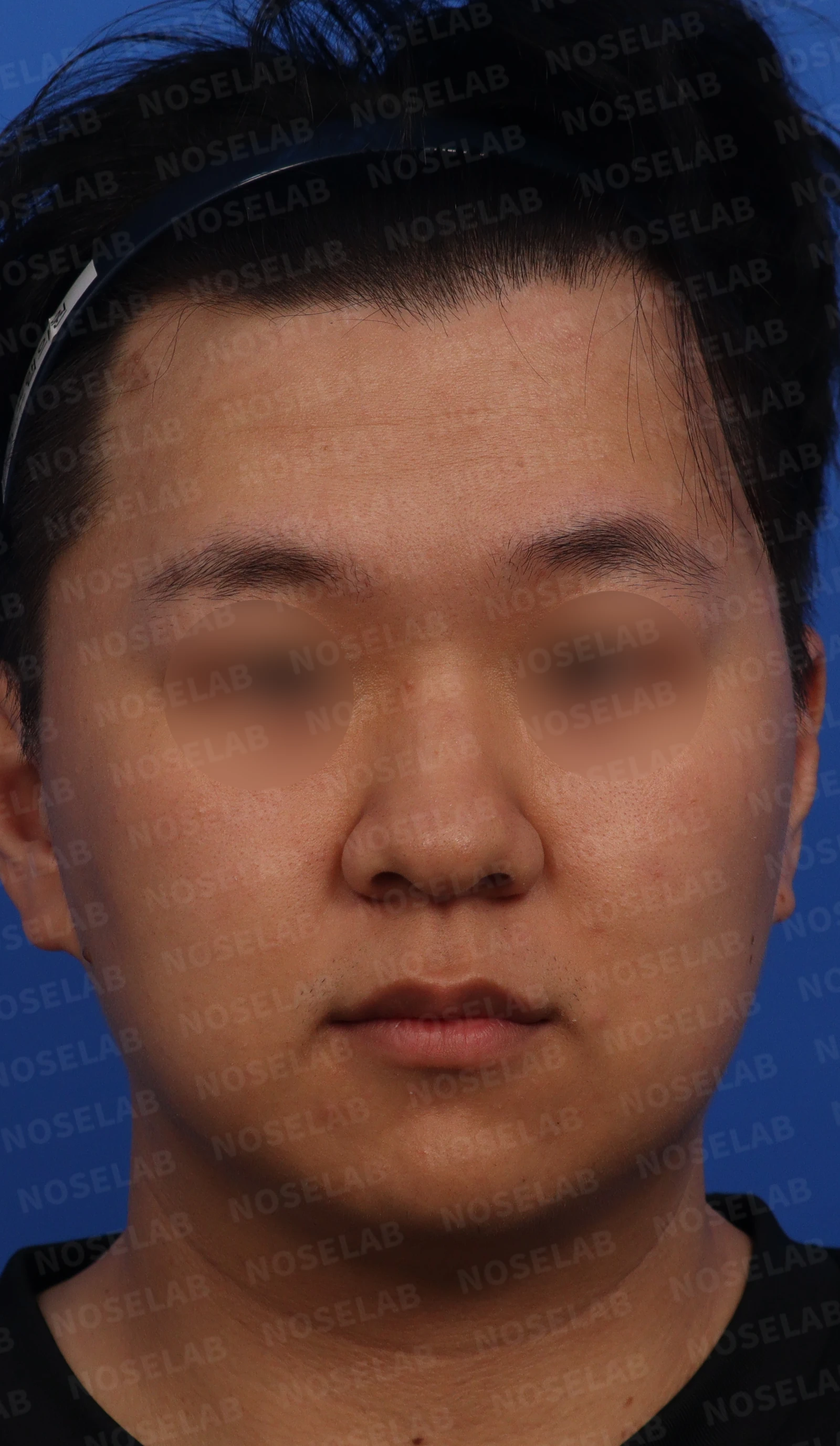
Preoperative design consultation: left profile (90°), left oblique (45°), and front views
Front view:
- The nose appears spread out overall (bulbous nose)
- The nasal tip feels notably blunt and wide
- The glabella is low, giving a flat appearance
- Nostril asymmetry observed
Profile view:
- The nasal tip droops downward in a blunt shape
- The glabella appears recessed relative to the brow ridge
- The nasolabial angle is less than 90 degrees, showing signs of a protruding mouth
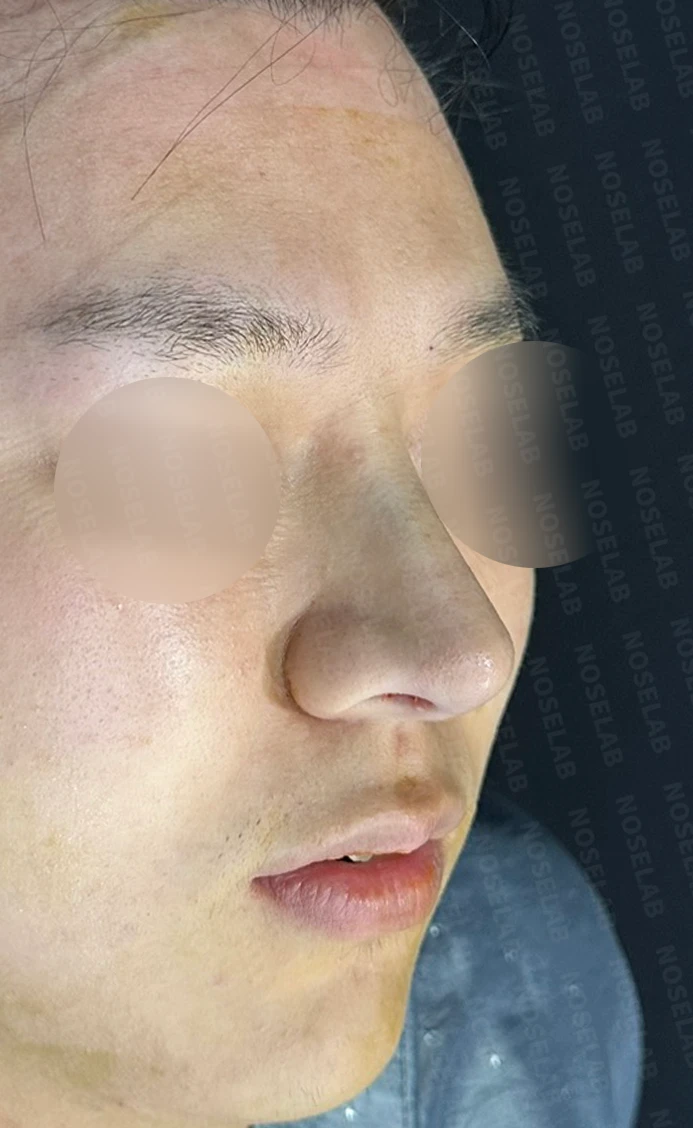
Oblique view:
- The blunt, drooping appearance of the nasal tip is even more prominent
- The nasal bridge appears low and flat
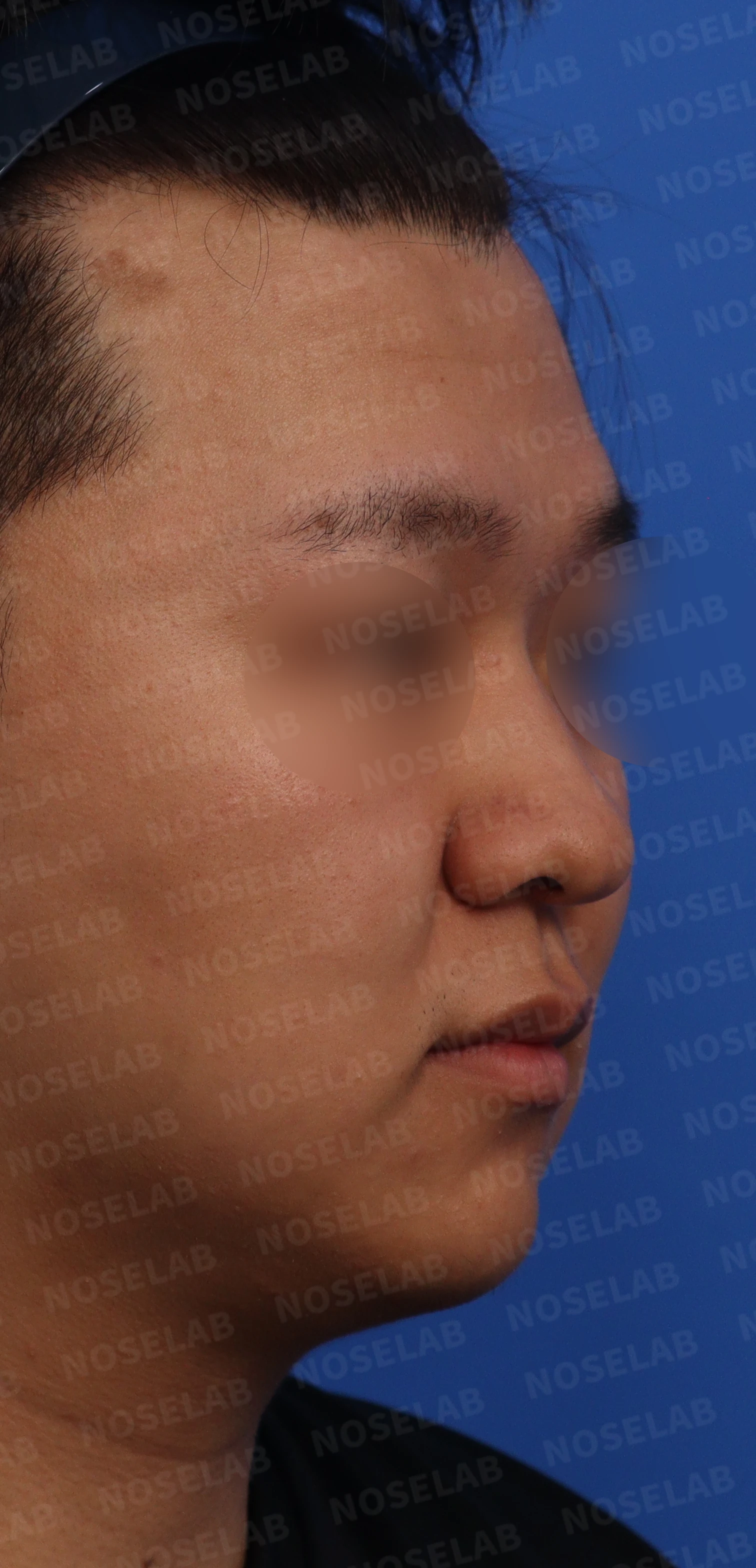
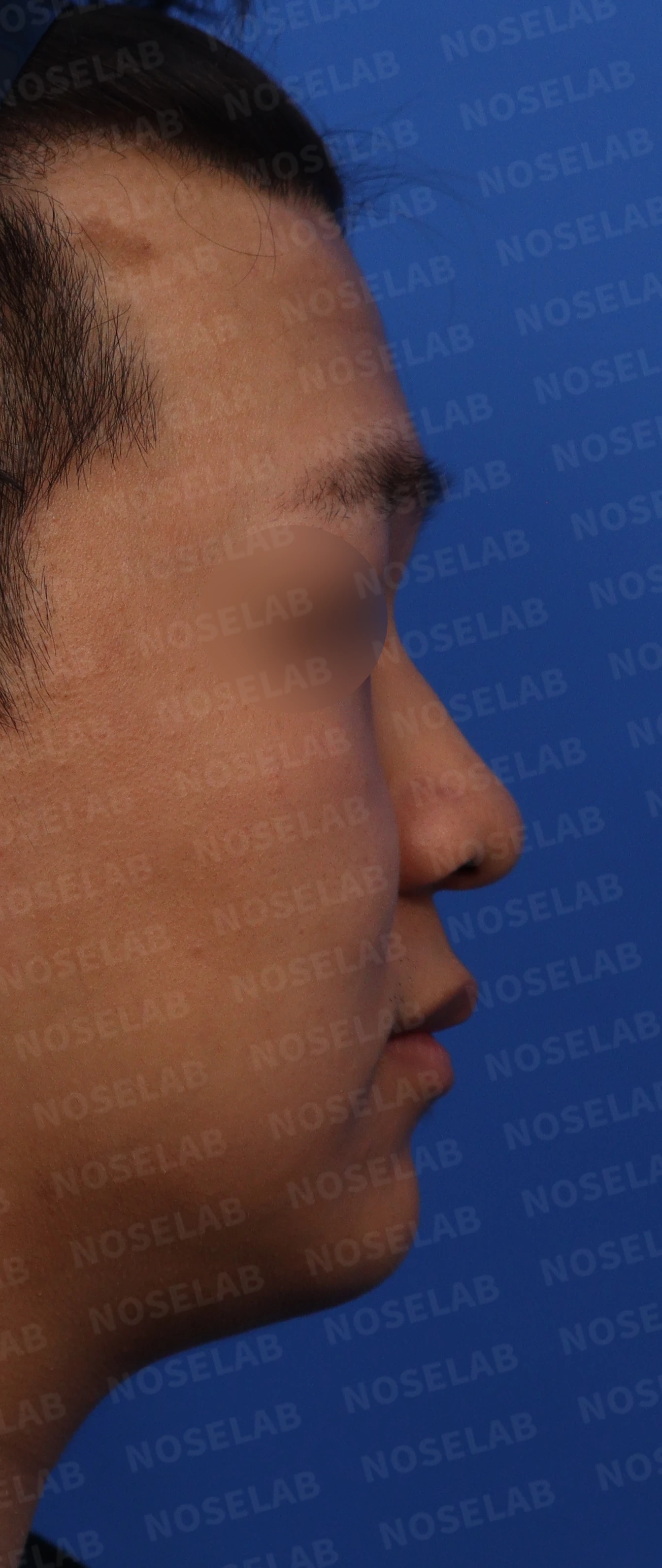
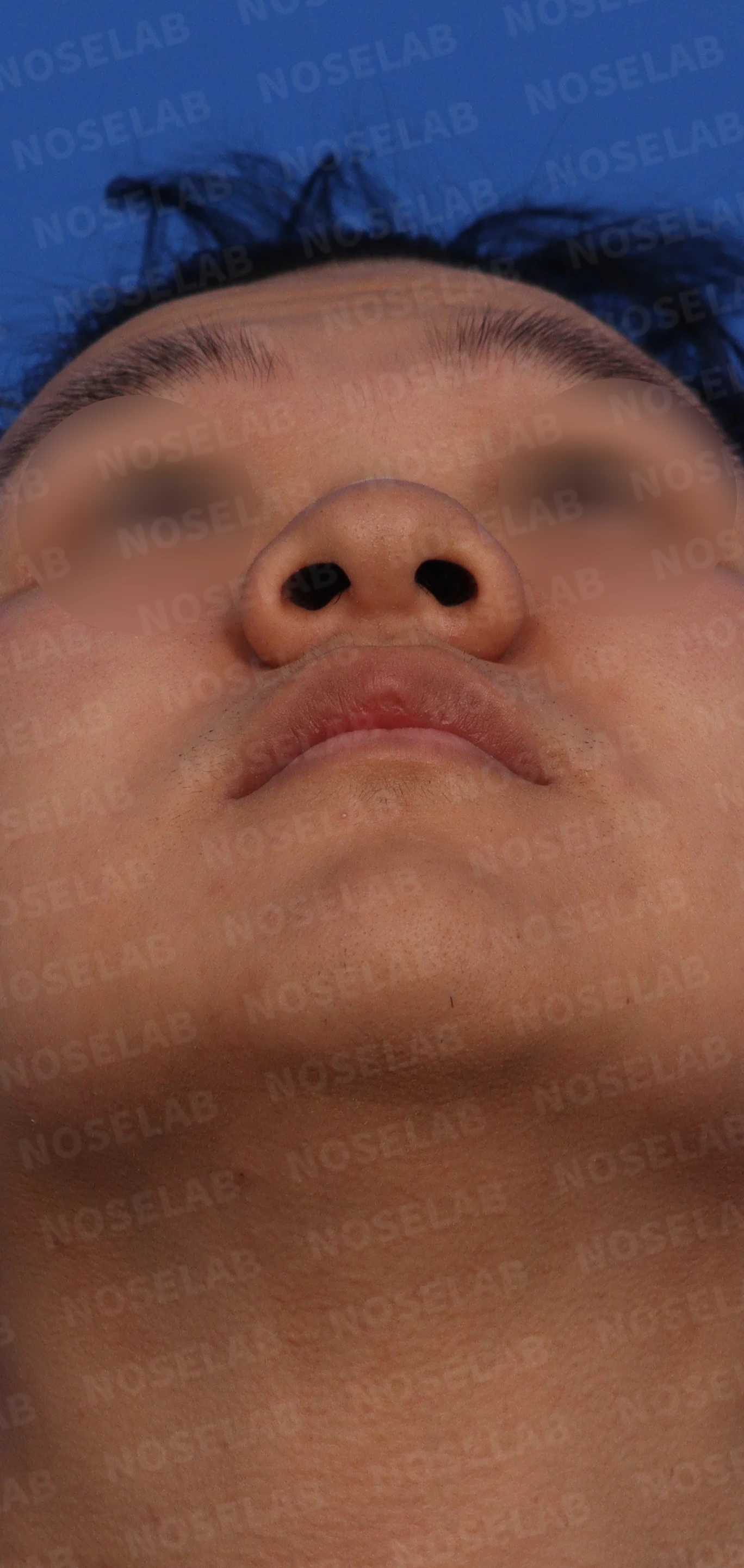
Preoperative consultation: right oblique (45°), right profile (90°), and basal (nostril) views
Nostrils:
- The nasal tip is compressed, causing the nostrils to flare outward on both sides
- Nostril asymmetry is observed (the left nostril
appears smaller than the right)
Functional issues:
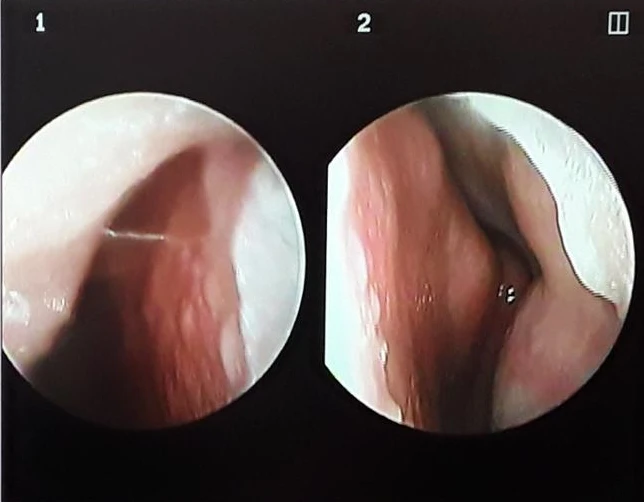
Nasal endoscopy: 1. Right side, 2. Left side
- Complained of frequent rhinitis symptoms with nasal obstruction
- Diagnosed with a deviated septum and hypertrophic rhinitis on CT scan
- Nasal endoscopy revealed pale, hypertrophied inferior turbinate mucosa, indicating allergic rhinitis
2. Surgical plan
Taking into account the patient's condition and requests, the following surgical plan was established:
a) Plan for functional improvement:
- Septoplasty
- Submucosal resection of the inferior turbinate using radiofrequency
b) Plan for aesthetic improvement:
- Septal extension using autologous rib cartilage
- Partial resection of subcutaneous tissue at the nasal tip
- Alar cartilage repositioning and suture suspension
- Nasal bridge augmentation using a silicone implant
3. Surgical procedure
The following procedures were performed using a closed approach:
a) Functional improvement:
- Septoplasty: The deviated septum was straightened to improve airflow through the nasal passages.
- Submucosal resection of the inferior turbinates: Hypertrophied inferior turbinate tissue was reduced using a radiofrequency laser to secure space within the nasal cavity.
b) Aesthetic improvement:
- Autologous rib cartilage harvest and grafting:
• The patient's rib cartilage was harvested to secure an adequate amount of cartilage needed for tip reconstruction.
• Using this cartilage, a septal extension was performed to project and support the nasal tip.
- Nasal tip refinement:
• A portion of the subcutaneous tissue at the tip was removed to reduce thick skin coverage.
• The lower lateral cartilages were repositioned and sutured to refine the shape of the nasal tip.
- Nasal bridge augmentation:
• A silicone implant was used to create a natural dorsum line matching the height of the nasal tip.
• An appropriate bridge width was maintained to ensure overall balance.
All procedures were performed using a closed approach, completing the surgery without external scars.
4. Comparison of before-and-after photos
Comparing photos taken immediately after surgery on day 0 shows the following improvements: Photos taken immediately after surgery show swelling and may differ from the final result.
Front view:
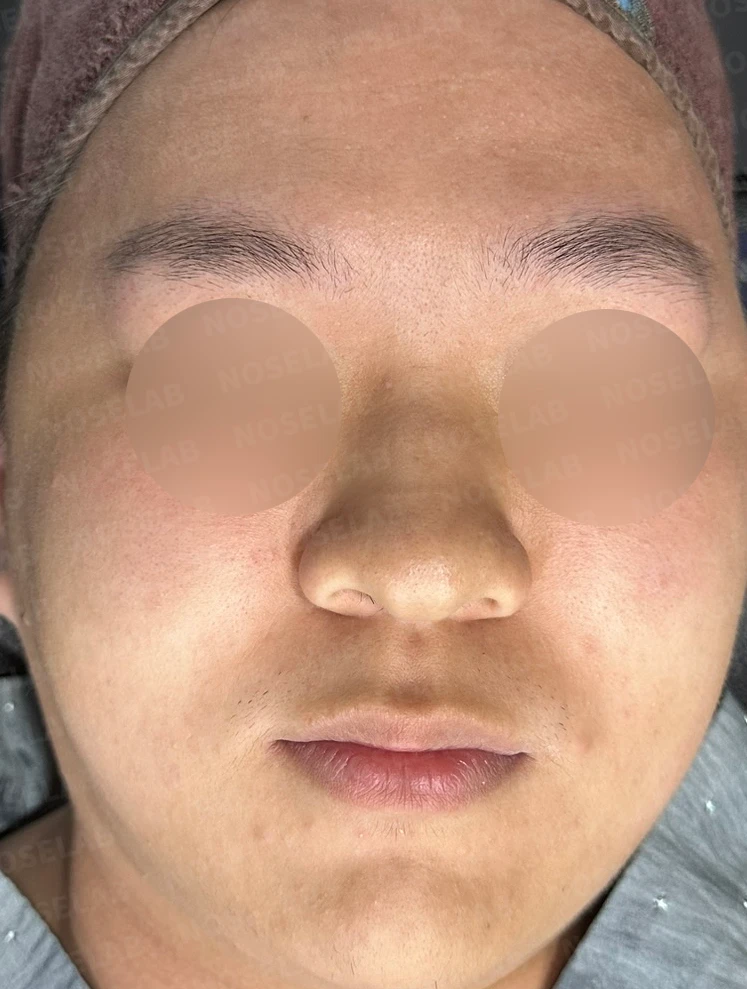
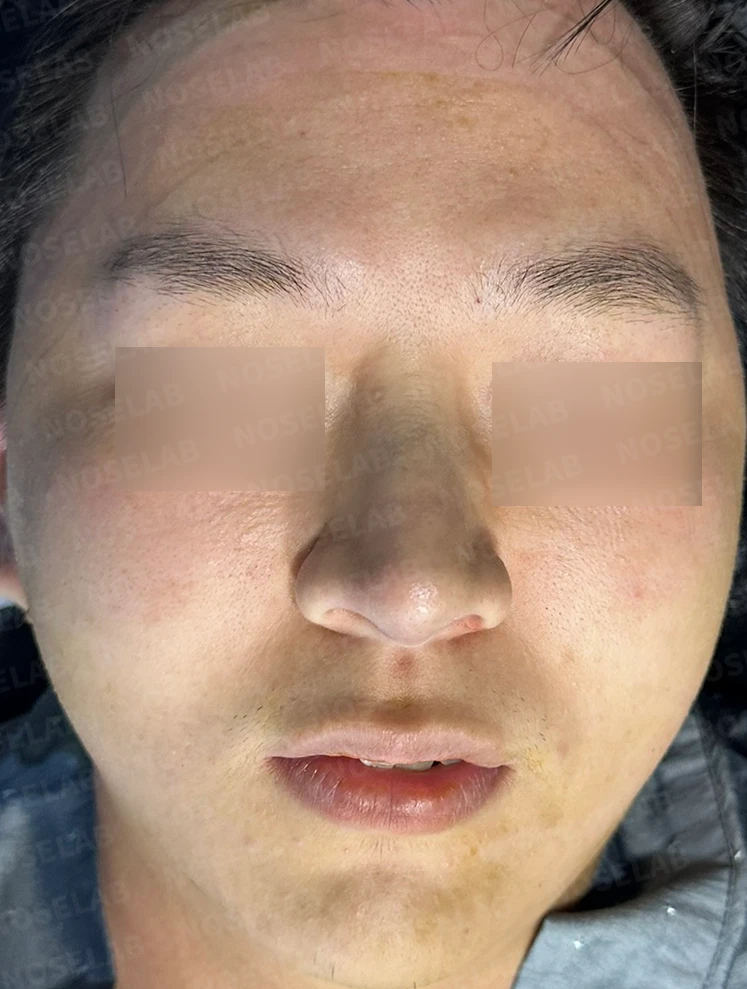
Before surgery / Day 0 immediately after surgery Photos taken immediately after surgery show swelling and may differ from the final result.
- The previously spread nasal tip now appears naturally gathered.
- The nasal bridge has been straightened.
- Nostril asymmetry improved.
- The overall contour of the nose has become more distinct.
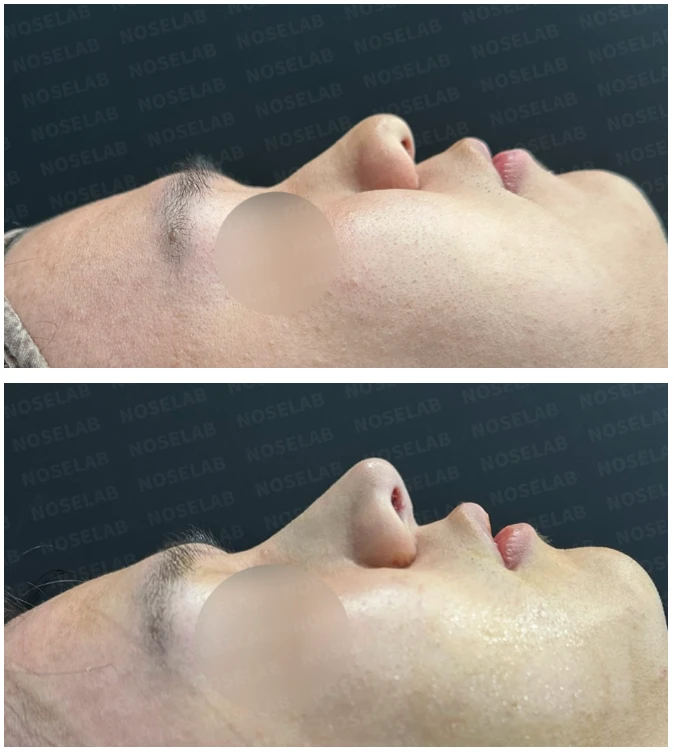
Profile view:
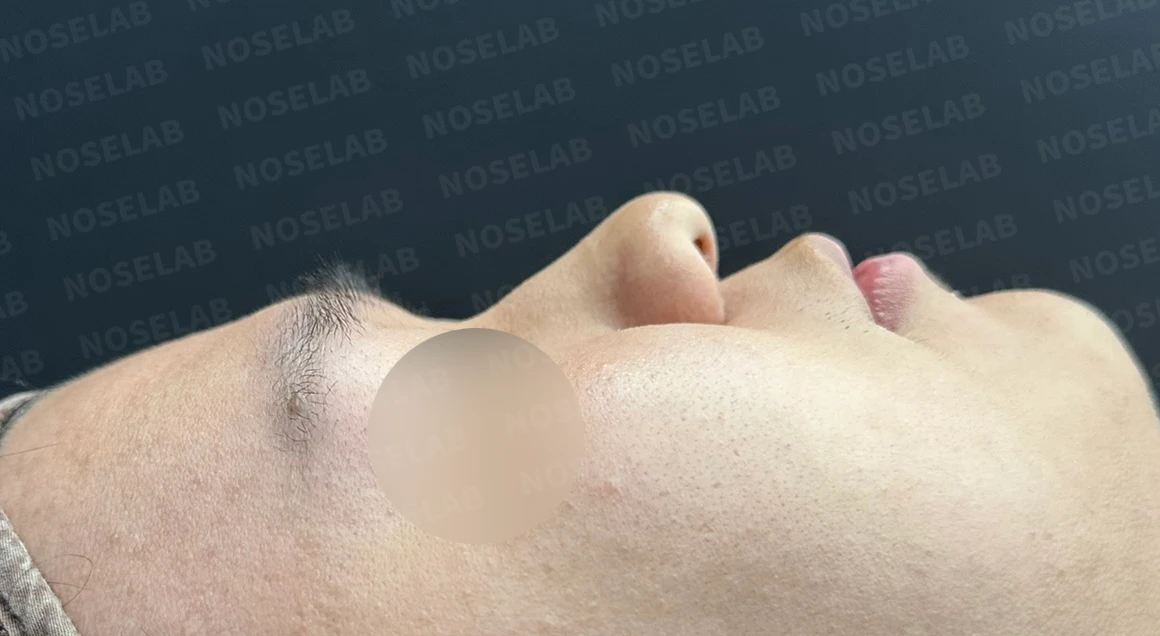
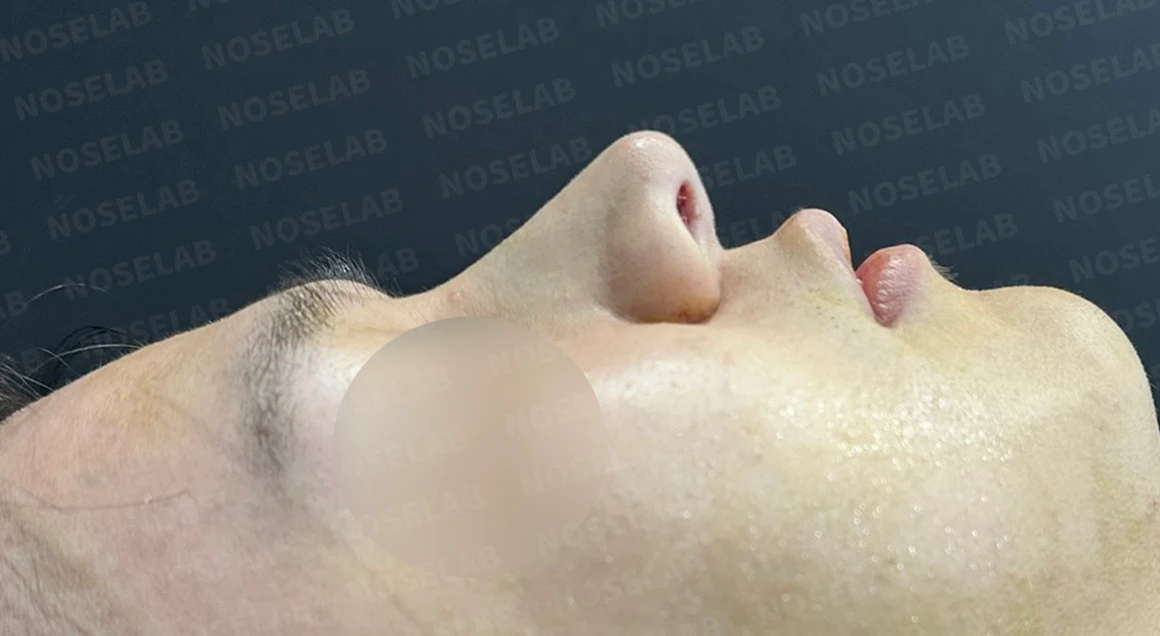
Before surgery / Day 0 immediately after surgery Photos taken immediately after surgery show swelling and may differ from the final result.
- The flat, low-appearing nasal bridge was transformed into a natural straight bridge line.
- The recessed glabella now connects naturally with the nasal bridge.
- The nasal tip is well supported, and the columella was lowered slightly, improving the nasolabial angle.
- The improvement in the appearance of the protruding mouth is evident.
Oblique view:
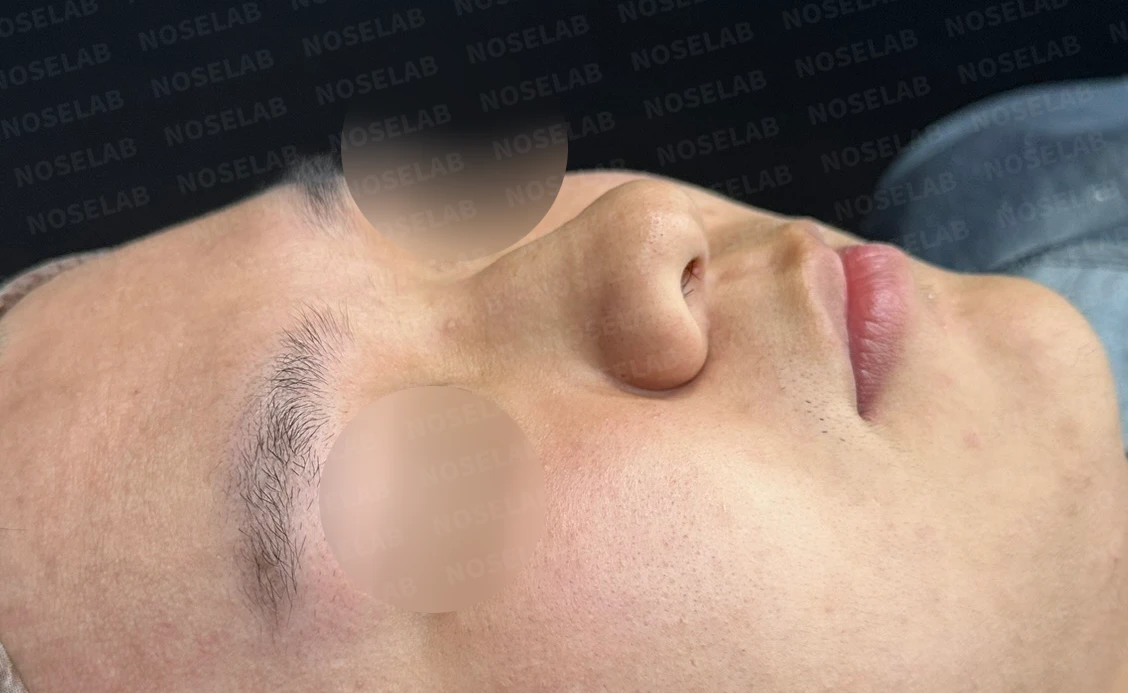
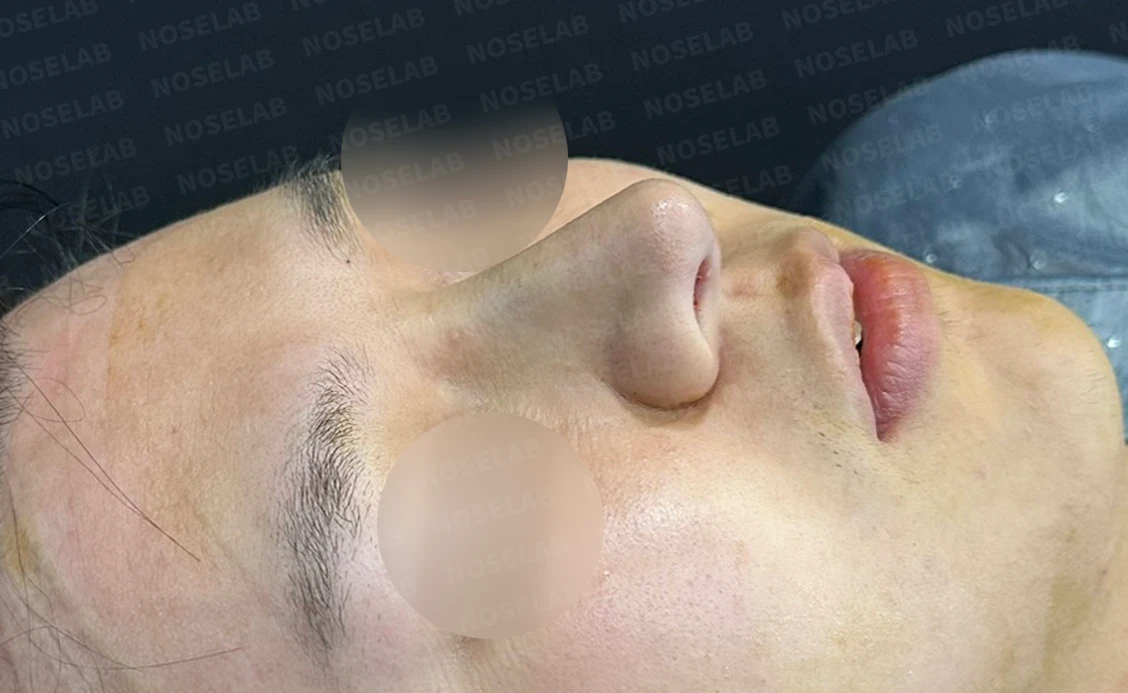
Before surgery / Day 0 immediately after surgery Photos taken immediately after surgery show swelling and may differ from the final result.
- The drooping tip has been elevated naturally, improving the overall profile line of the nose.
- The height of the nasal bridge and the projection of the tip are harmoniously balanced.
Nostrils:
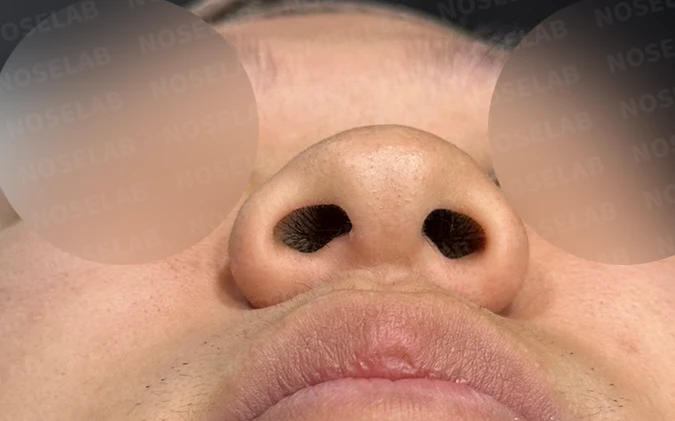
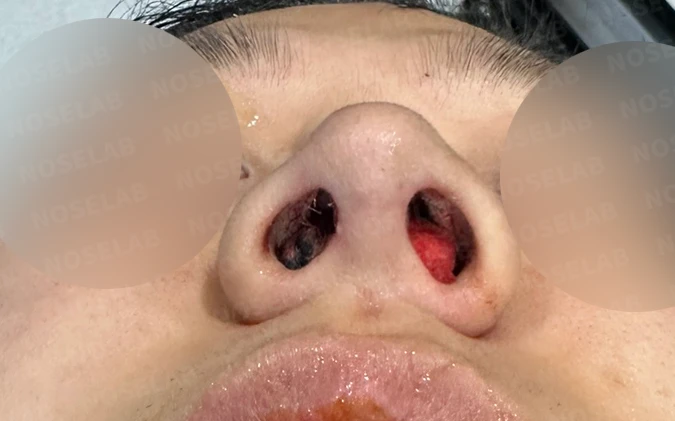
Before surgery / Day 0 immediately after surgery Photos taken immediately after surgery show swelling and may differ from the final result.
- Nostril asymmetry has been corrected.
- The blunt, spread contour of the nasal tip has been neatly refined.
- The size and shape of the nostrils appear more balanced.
5. Photos immediately after surgery on day 0 Photos taken immediately after surgery show swelling and may differ from the final result.
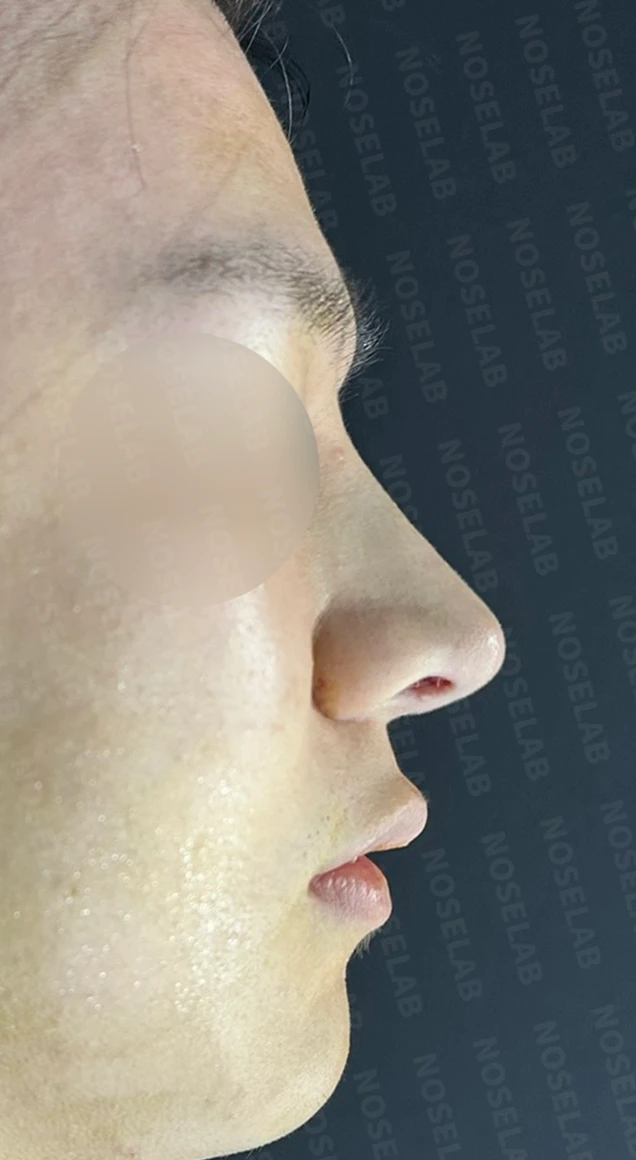
Front, profile, and oblique views immediately after surgery on day 0 Photos taken immediately after surgery show swelling and may differ from the final result.
Basal (nostril) view
6. Overall evaluation
This represents a successful case achieving both functional and aesthetic improvements. While resolving functional issues such as nasal obstruction, aesthetic concerns including a bulbous, spread tip and a low nasal bridge were also addressed.
Septoplasty and submucosal resection of the inferior turbinates relieved the nasal obstruction symptoms, while septal extension using autologous rib cartilage and tip refinement reshaped the blunt, spread nasal tip. Nasal bridge augmentation with a silicone implant balanced the overall proportions, resulting in satisfying outcomes in both function and aesthetics.
In particular, utilizing a closed approach minimized visible external scarring and supported a smoother recovery period. This contributed significantly to the patient's satisfaction.
7. Conclusion
Many patients who struggle with nasal obstruction are also dissatisfied with the external appearance of their nose. Seeing cases like this where functional and aesthetic improvements take place together is truly rewarding as a surgeon.
The nose is not merely a cosmetic feature; it is an essential organ responsible for respiration. Therefore, a comprehensive approach addressing both function and aesthetics is necessary. If you are experiencing nasal obstruction, I recommend consulting with a board-certified otolaryngologist (ENT specialist) to accurately assess your condition and consider aesthetic refinement alongside functional correction if needed.
Based on my anatomical knowledge and surgical experience as a board-certified otolaryngologist, I provide surgical plans tailored to each individual. Through a comprehensive approach that considers both function and aesthetics, I aim to help you achieve a nose that is both aesthetically pleasing and comfortable to breathe through.
I will be with you every step of the way for a healthy and aesthetically pleasing nose.
This was Dr. Peter C. Kang. Thank you.
Thank you.
#rhinoplasty #bulbousnoserevision #nasalobstruction #deviatedseptum #hypertrophicrhinitis #allergicrhinitis #autologousribcartilage #closedrhinoplasty #septalextension #entrhinoplasty #rhinoplastysafety #bridgeaugmentation #tiprhinoplasty #functionalrhinoplasty

Limitations and risks
When autologous rib cartilage is used, scarring and pain may remain at the donor site on the chest, and pneumothorax (pleural injury) can occur rarely. Over time, the grafted cartilage may warp or undergo partial resorption.
When the septum is corrected at the same time, nasal obstruction may persist or recur, and in rare cases, septal perforation or changes in smell may occur.
Common potential risks include infection, bleeding, asymmetry, scarring, skin necrosis, and insufficient improvement; results vary depending on individual skin condition and previous surgical history.