Hello, I am Dr. Peter C. Kang.
Today, I would like to share a special case where nasal obstruction and nasal deformity resulting from trauma were successfully addressed.
This patient visited our clinic presenting with nasal obstruction and nasal deformity after accidentally bumping their nose a month ago.
1. Patient medical history
- History of nasal tip surgery using septal cartilage 7 years ago
- Suffered an accident 1 month ago when a passerby's elbow struck the nose
- Developed nasal obstruction symptoms and nasal deformity following the accident
2. Preoperative design consultation
Let us analyze the patient's preoperative condition in detail:
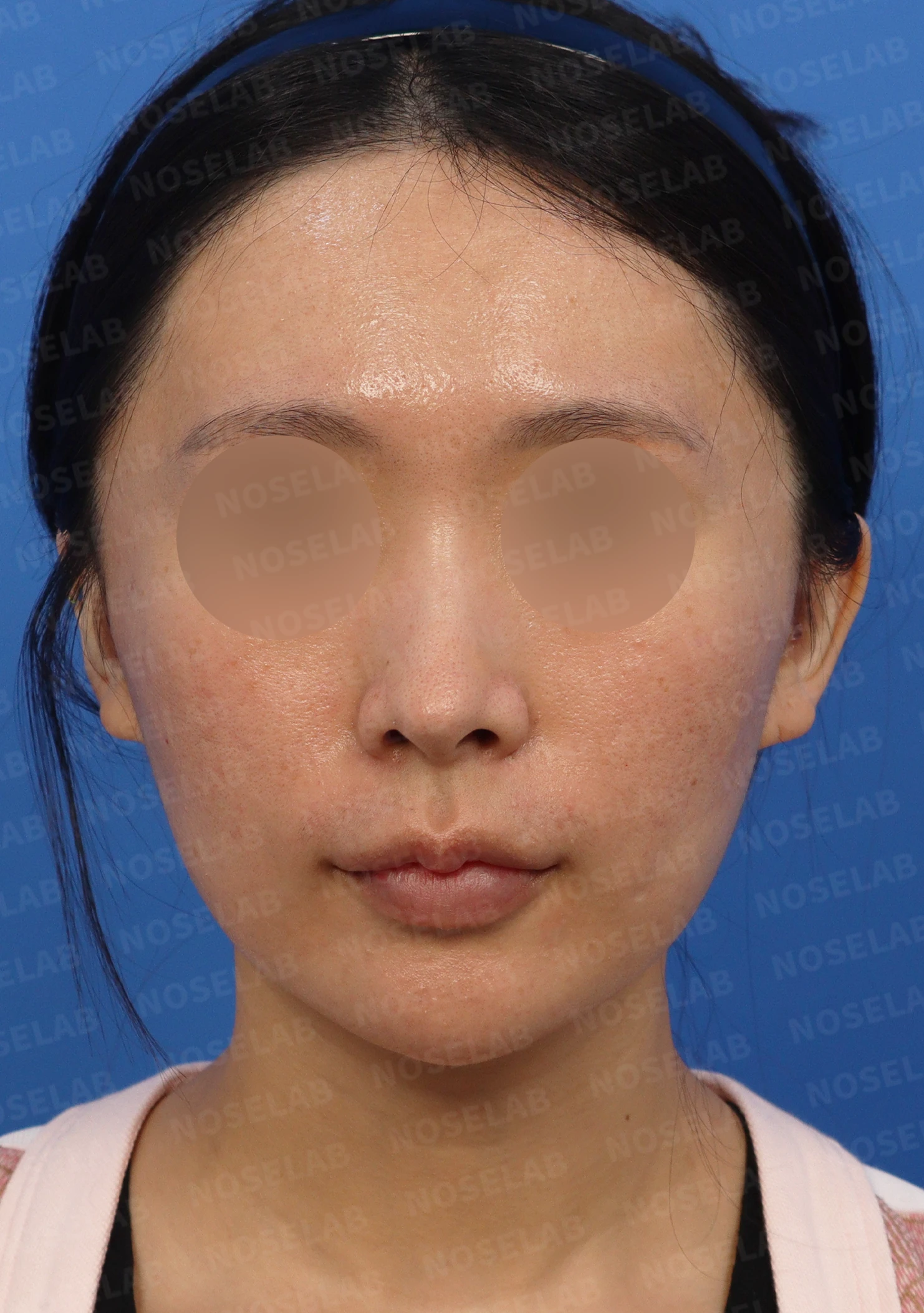
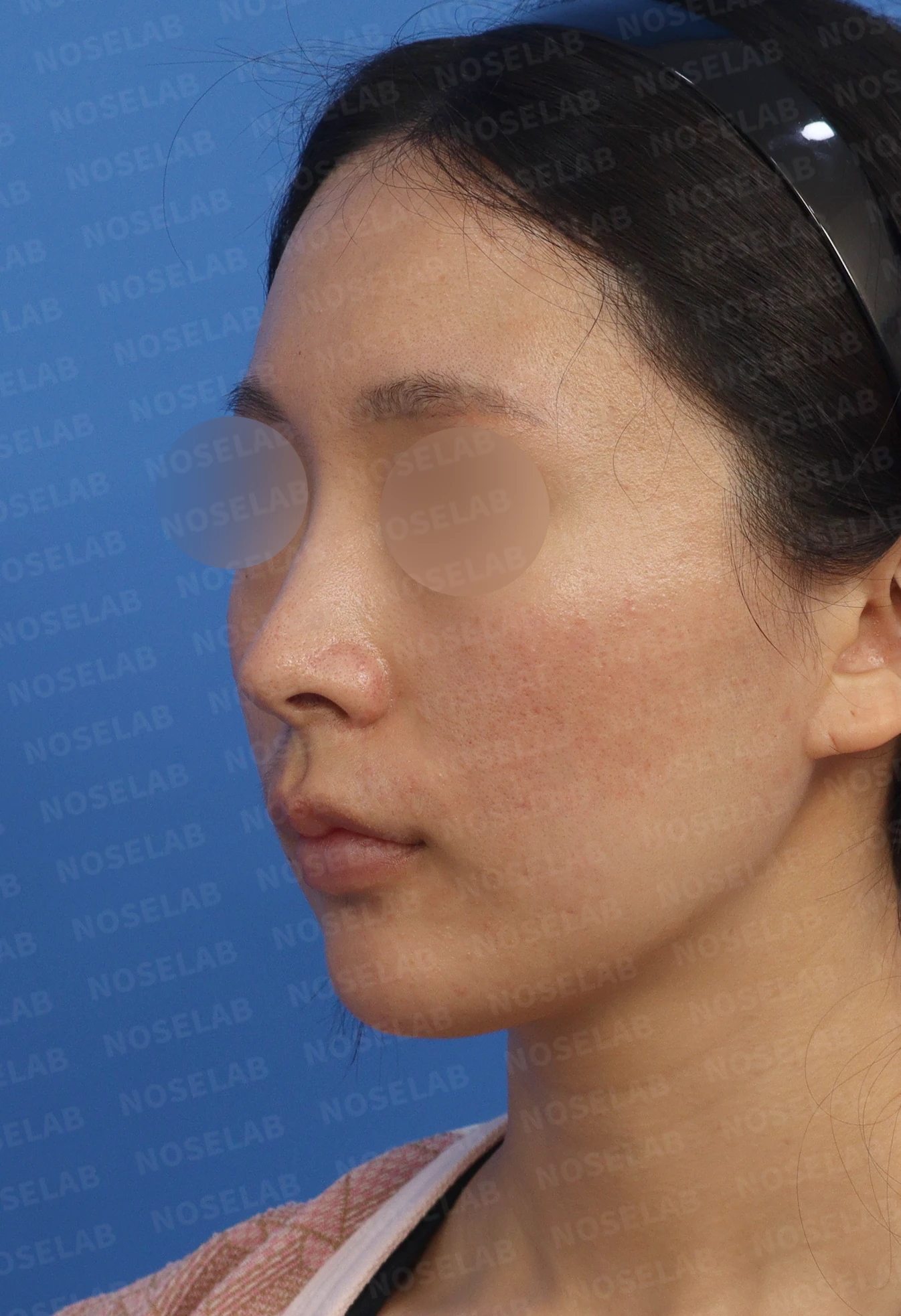
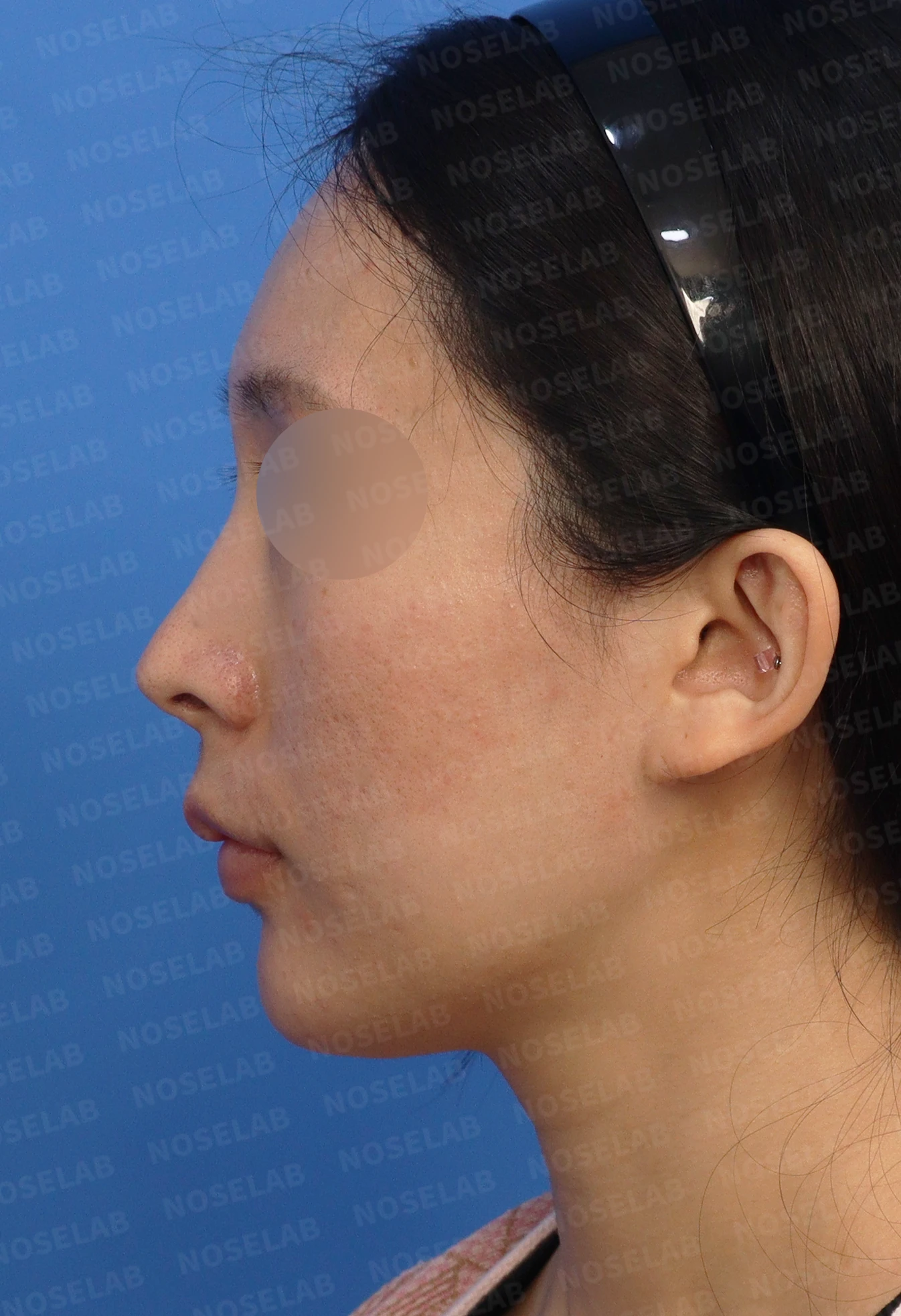
Preoperative design consultation: front, oblique, and profile views
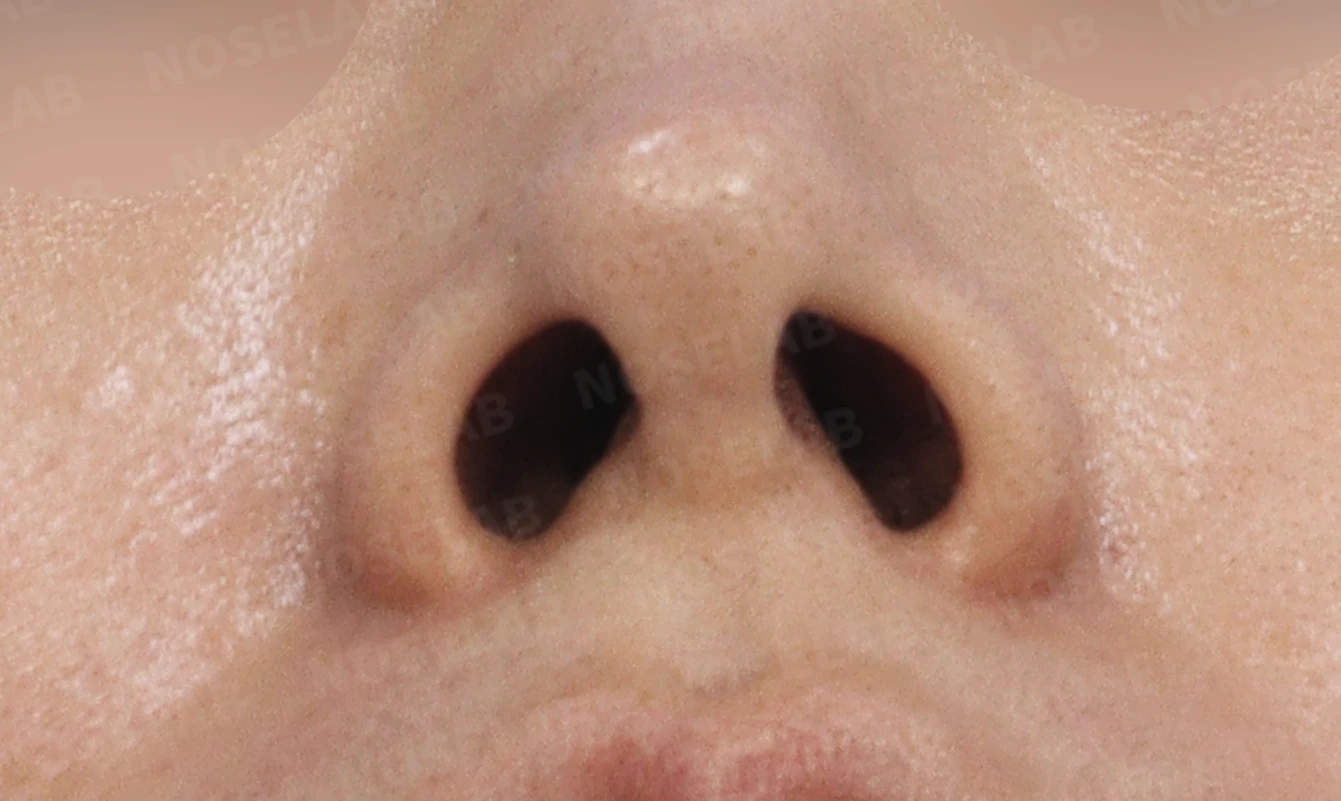
Nostrils
Front view:
- Nasal tip deviated to the right
- Nostril asymmetry is evident
- Significant nostril show
Profile view:
- The nasal tip is drooping
- Irregular, bumpy appearance of the nasal bridge
- Nasal tip appeared somewhat sharp and pointed
Oblique view:
- Nasal tip appeared depressed and drooping
Nostrils:
- The columella tilts to the right
- Nasal tip deviated to the right
- Nostril asymmetry is evident
CT findings:
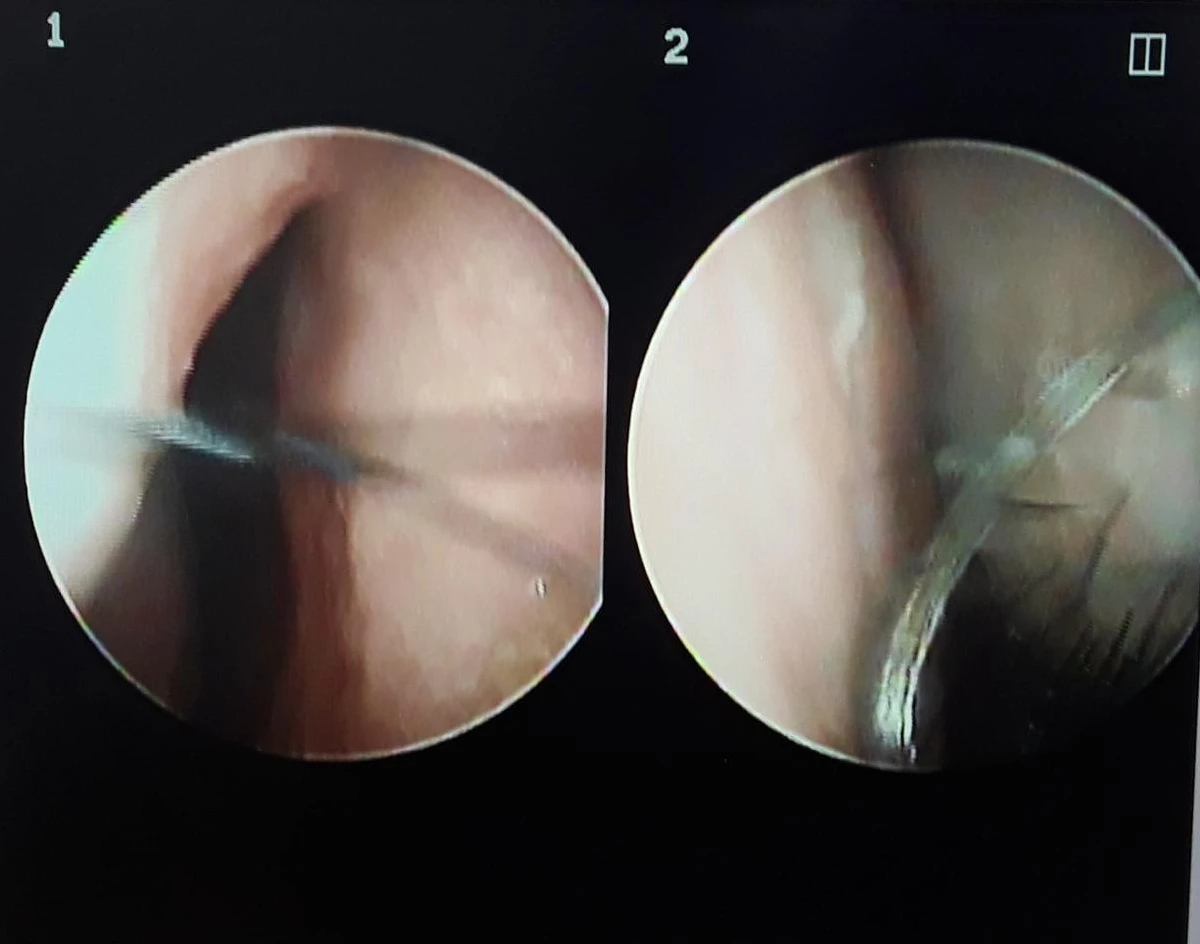
Nasal endoscopy photos 1. Right side 2. Left side
- Severe septal deviation to the right
- Suspected traumatic fracture of the septal cartilage
3. Patient requests
- Desired to avoid significant changes to the overall nasal shape
- Preferred an implant-free procedure
4. Surgical plan
Taking into account the patient's condition and requests, the following surgical plan was established:
a) Septal correction and reconstruction
b) Septal extension using donor rib cartilage
c) Correction of nasal tip deviation
d) Nasal bridge augmentation (implant-free)
e) Lateral osteotomy to correct nasal bone asymmetry
5. Procedure details
The following procedures were performed using a closed approach:
a) Septal correction and reconstruction:
- The fractured septal cartilage was corrected and reconstructed.
- The anterior 1/3 of the septal cartilage was reinforced with donor rib cartilage to strengthen the structure.
b) Septal extension graft:
- Robust septal extension was performed using donor rib cartilage.
- Through this, nasal tip deviation and septal deviation were corrected.
c) Nasal tip and bridge augmentation:
- Tip projection increased by approximately 2 mm during the septal extension procedure.
- To achieve a natural line, the nasal bridge was also elevated using donor rib cartilage and dermis.
d) Correction of nasal bone asymmetry:
- Lateral osteotomy was performed to address the overall crooked appearance.
All procedures were performed using a closed approach, completing the surgery without external scars.
6. Comparison of before-and-after photos
Comparing photos taken immediately after surgery on day 0 shows the following improvements: Photos taken immediately after surgery show swelling and may differ from the final result.
Front view:
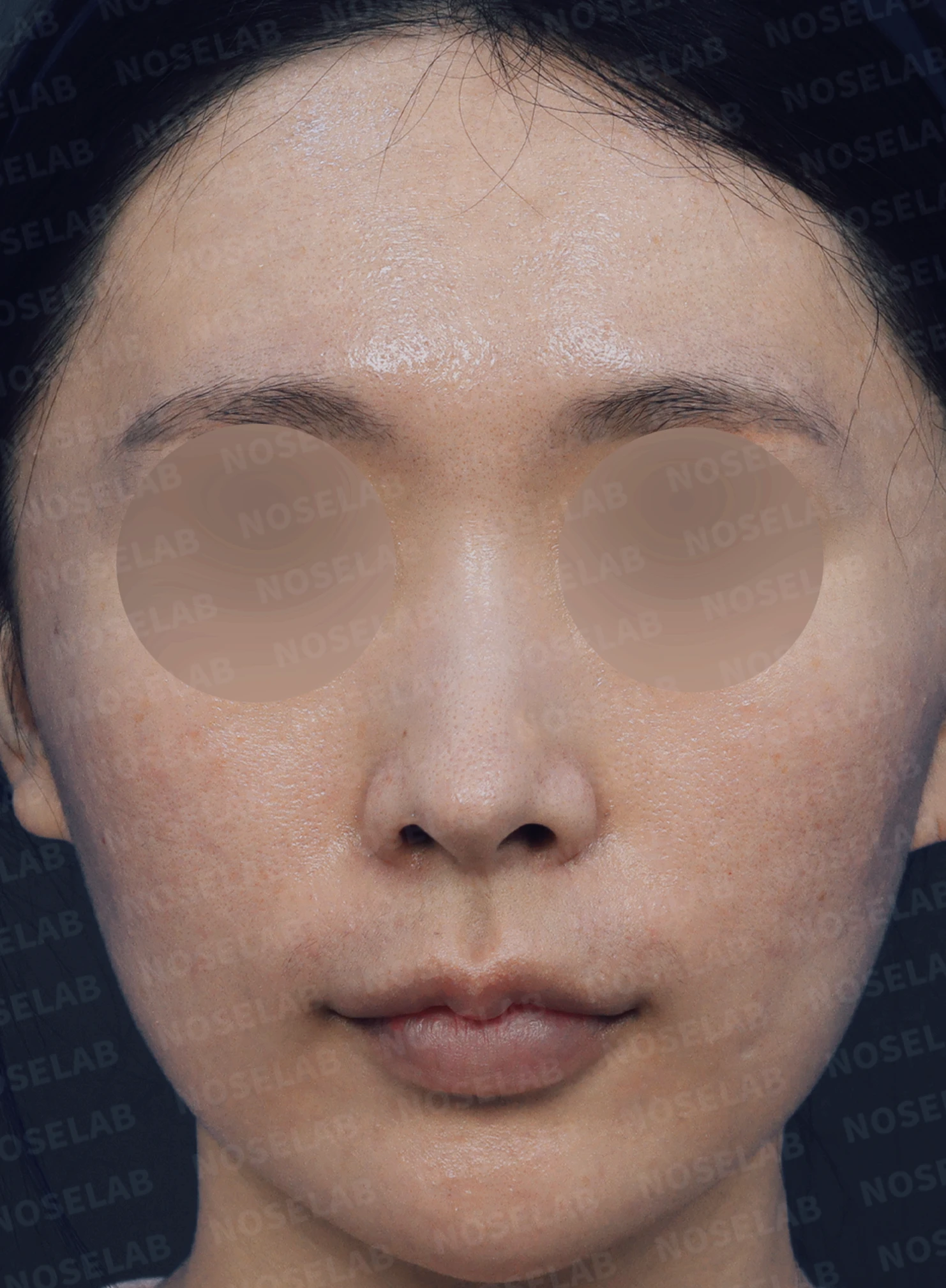
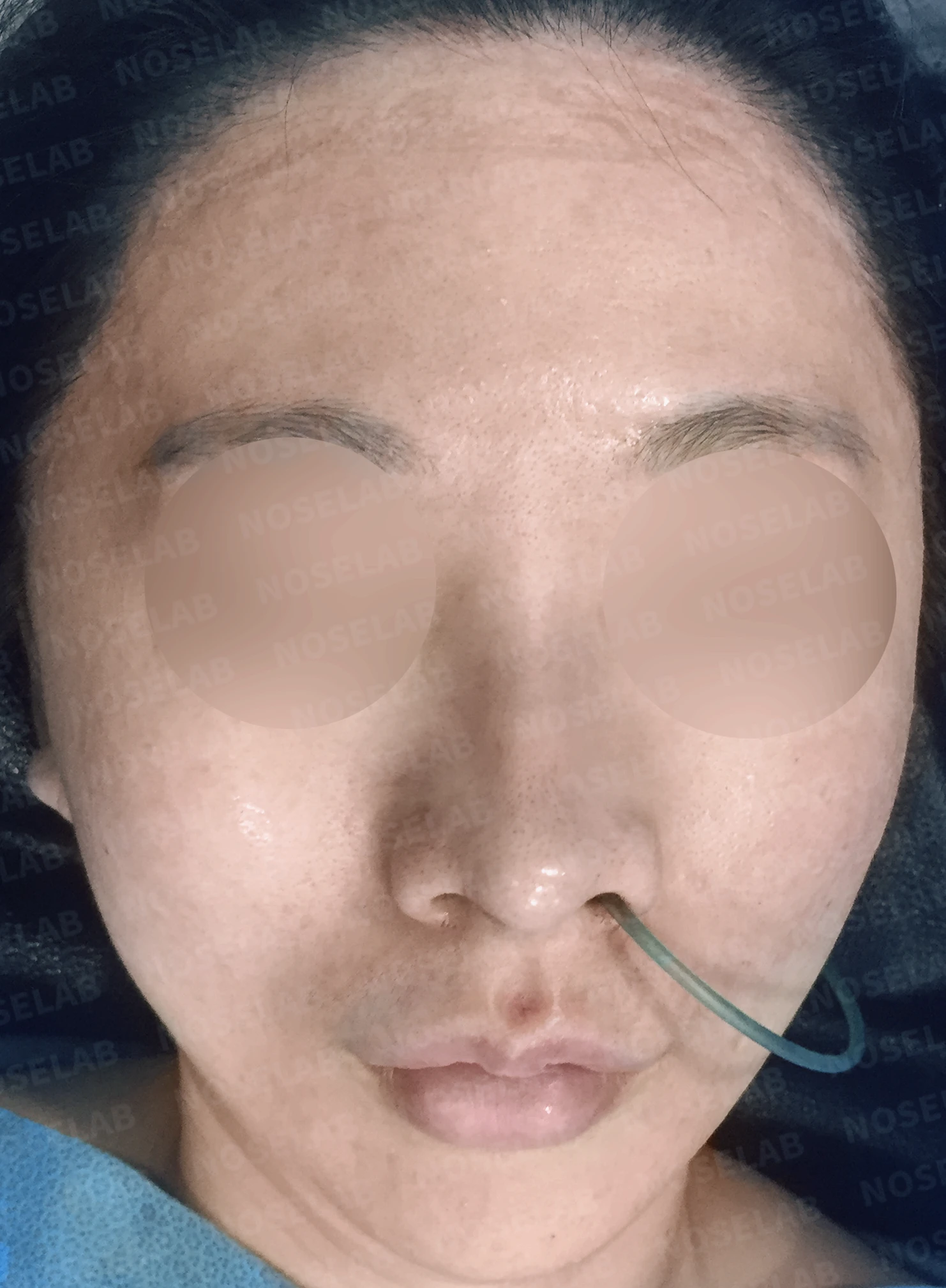
Before surgery / Day 0 immediately after surgery Photos taken immediately after surgery show swelling and may differ from the final result.
- The nasal tip, previously deviated to the right, was realigned to the center.
- Nostril asymmetry improved significantly.
- Nostril show was appropriately reduced.
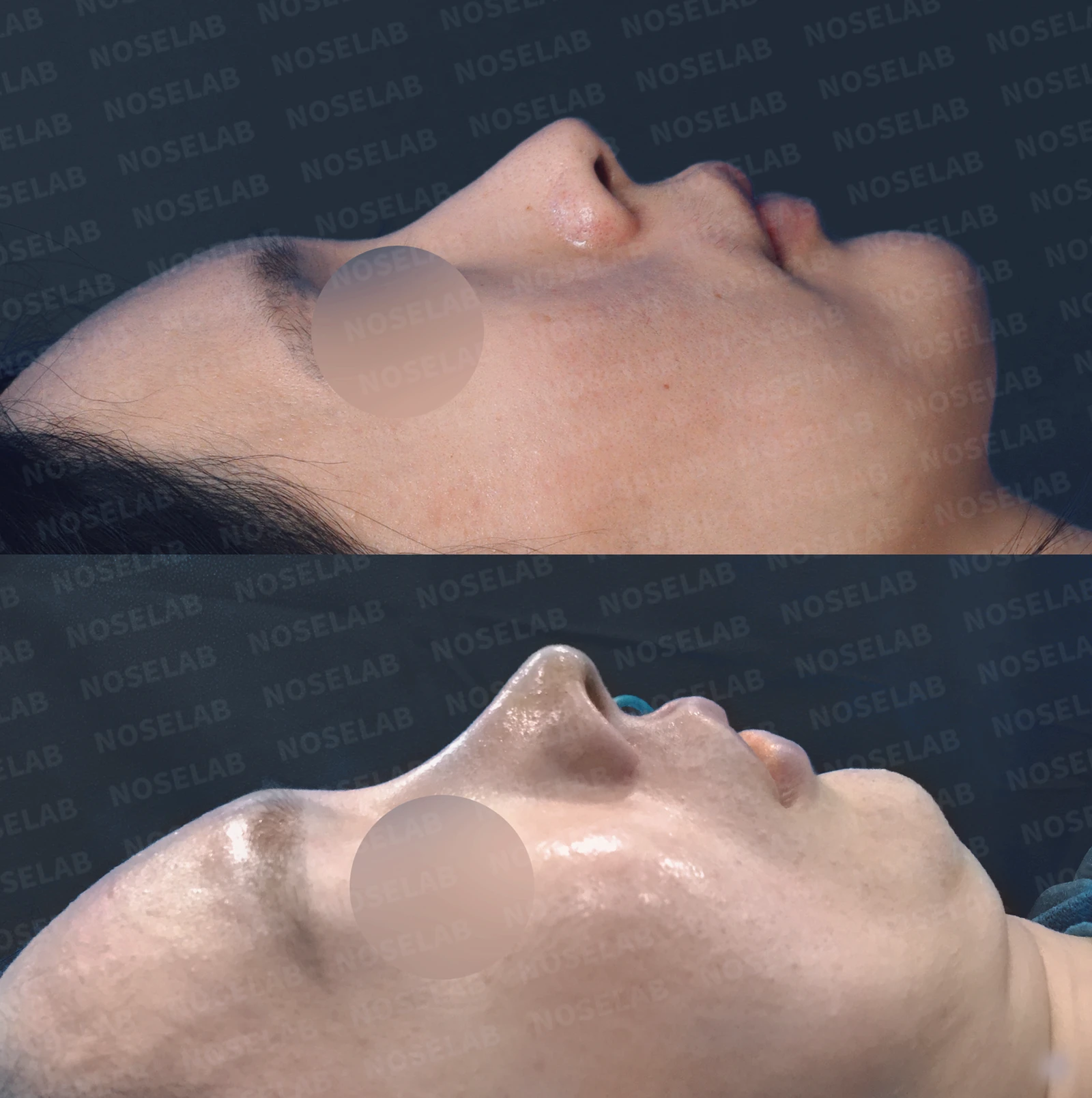
Profile view:
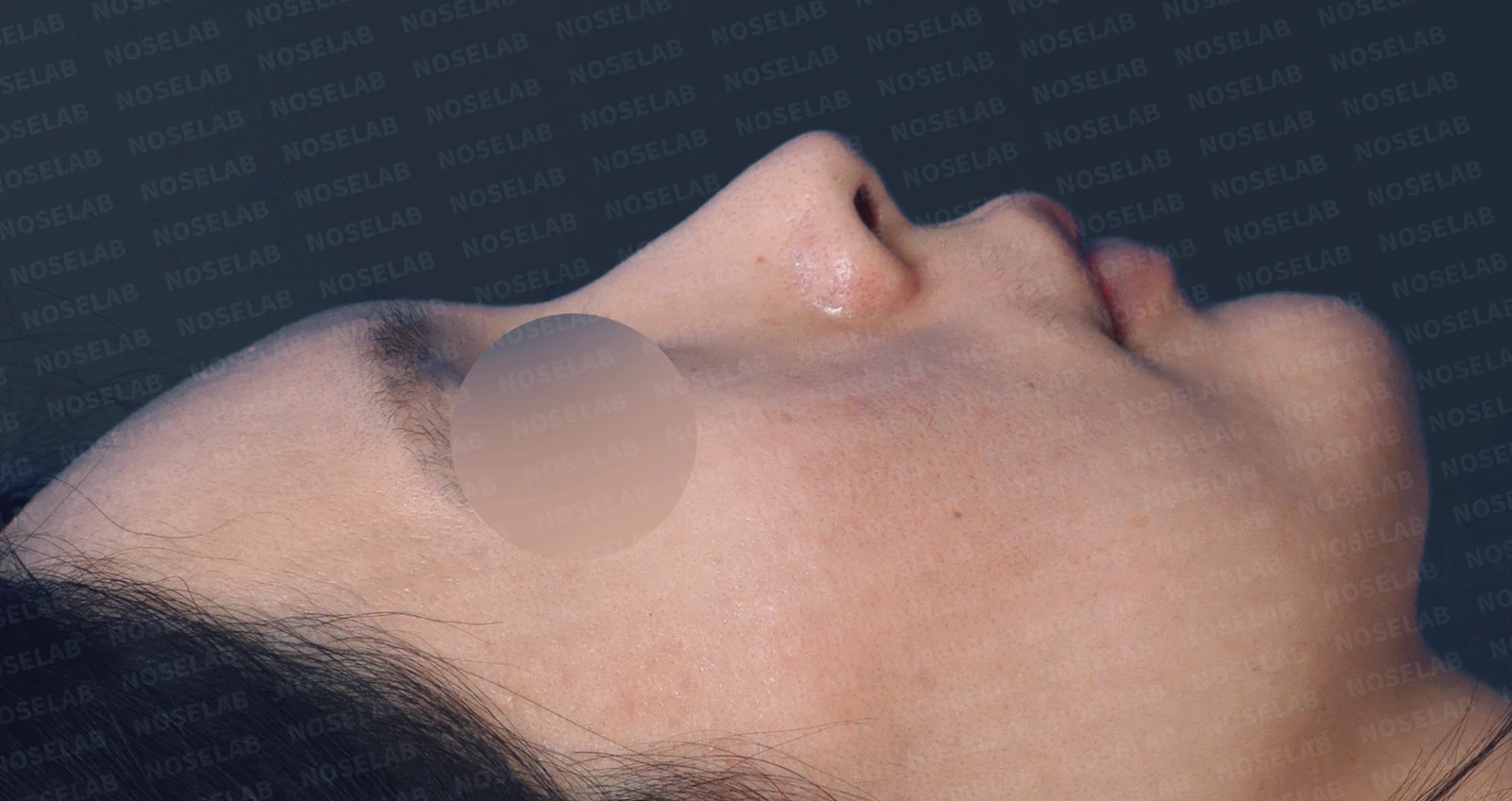
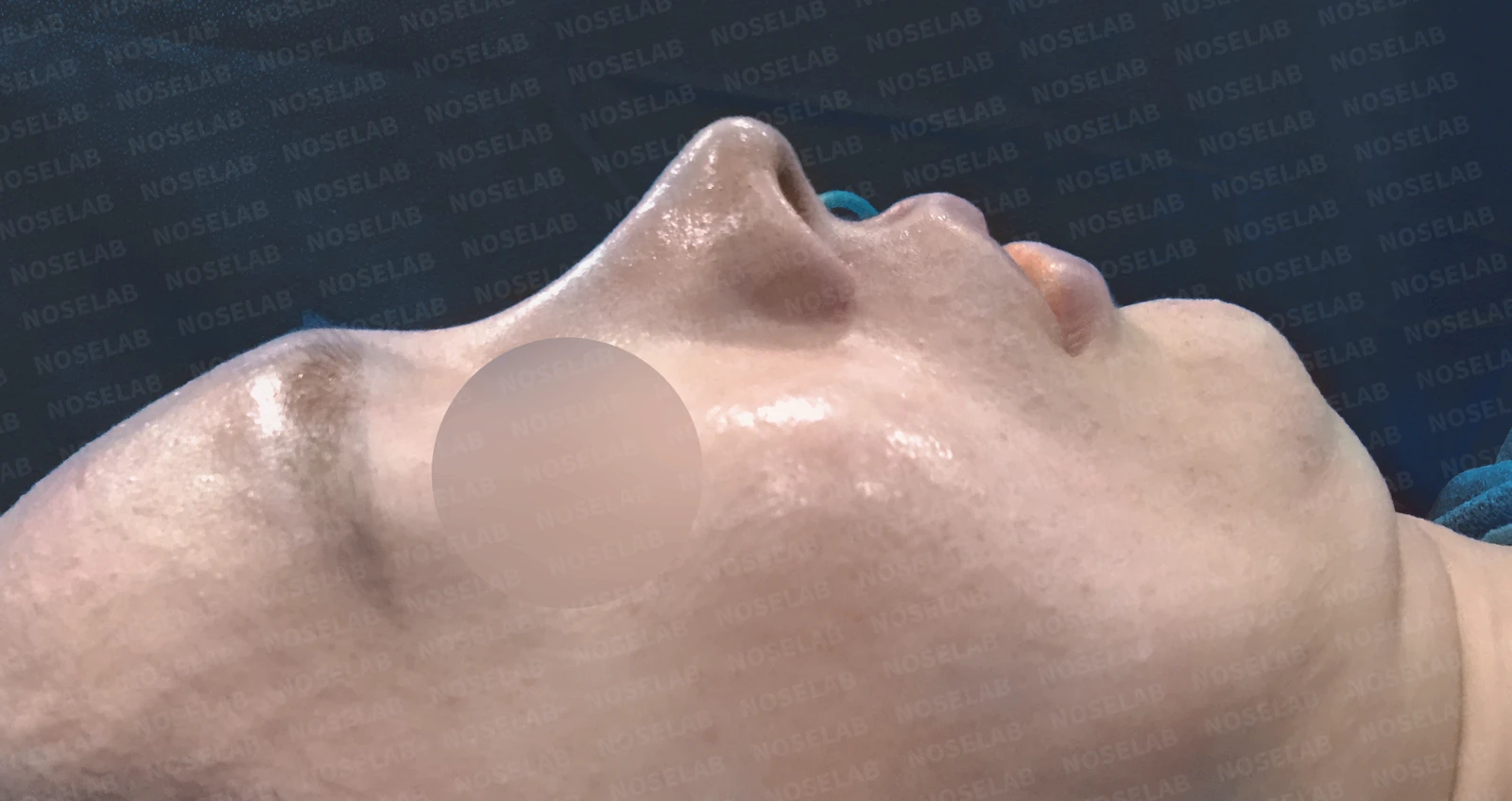
Before surgery / Day 0 immediately after surgery Photos taken immediately after surgery show swelling and may differ from the final result.
- The drooping nasal tip was naturally elevated.
- The previously irregular bridge now forms a smooth profile.
- The sharp-looking nasal tip was softened into a natural contour.
Oblique view:
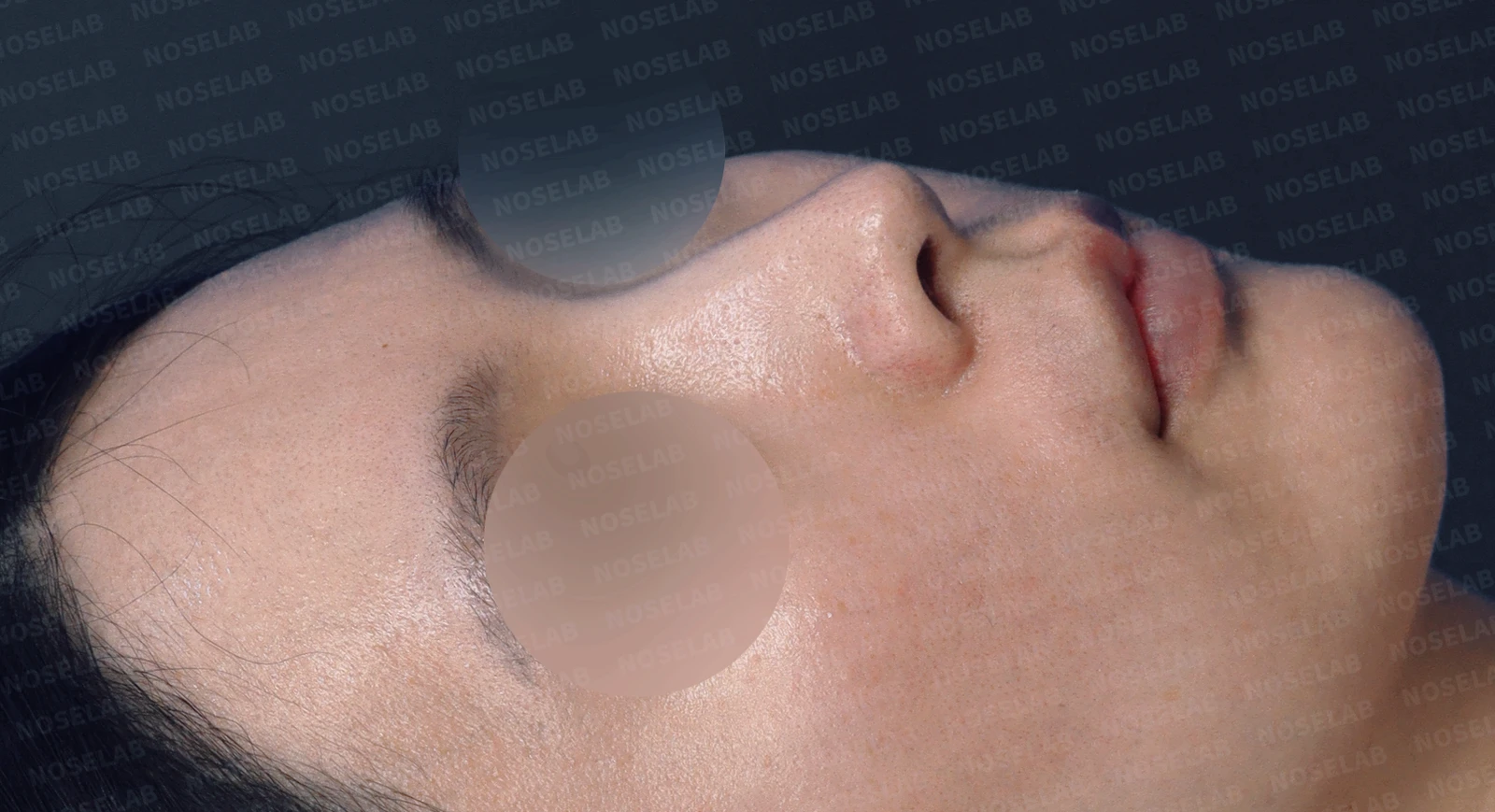
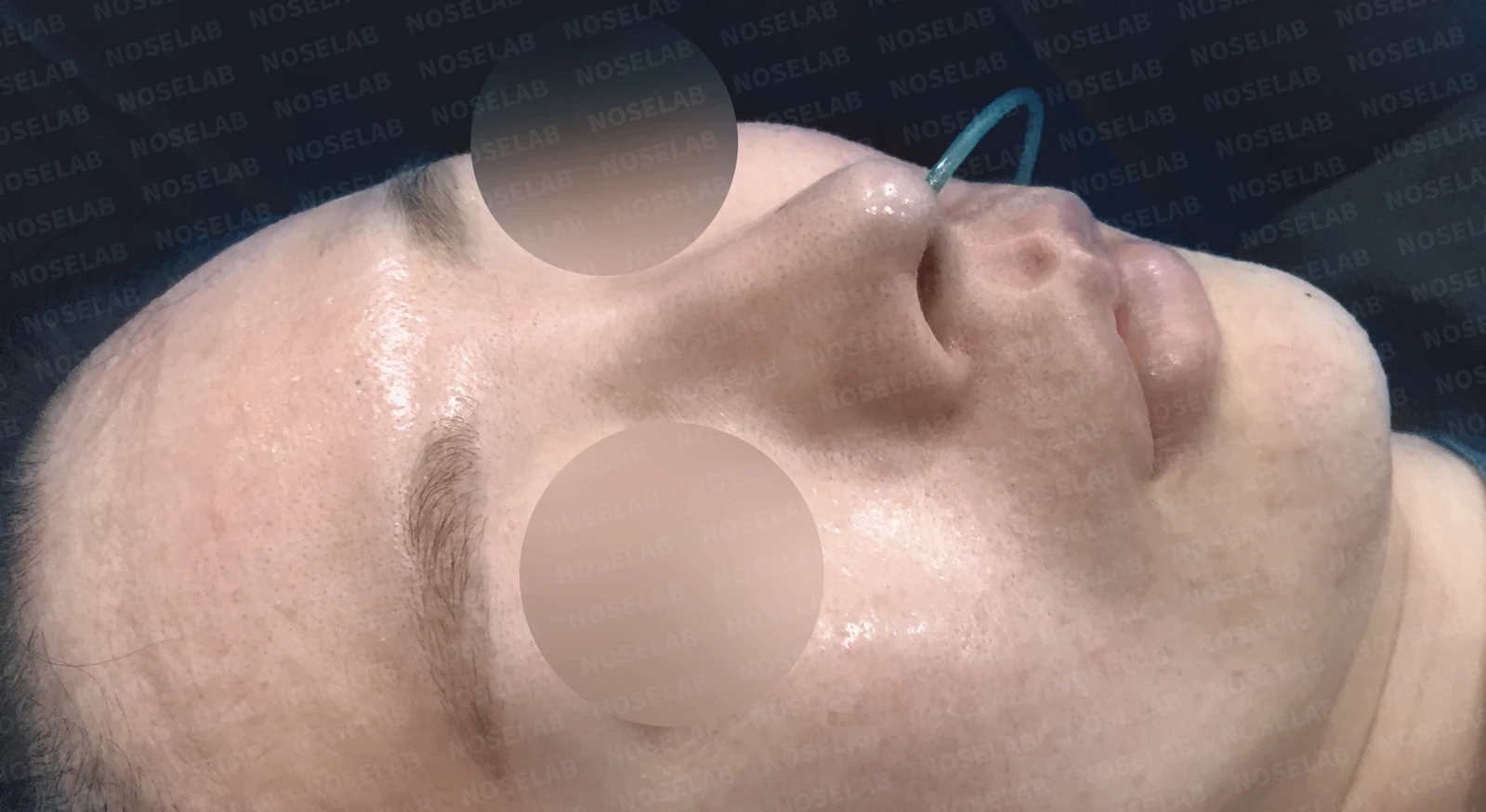
Before surgery / Day 0 immediately after surgery Photos taken immediately after surgery show swelling and may differ from the final result.
- The compressed and drooping nasal tip was naturally elevated.
- The overall nasal profile was harmoniously refined.
Nostrils:
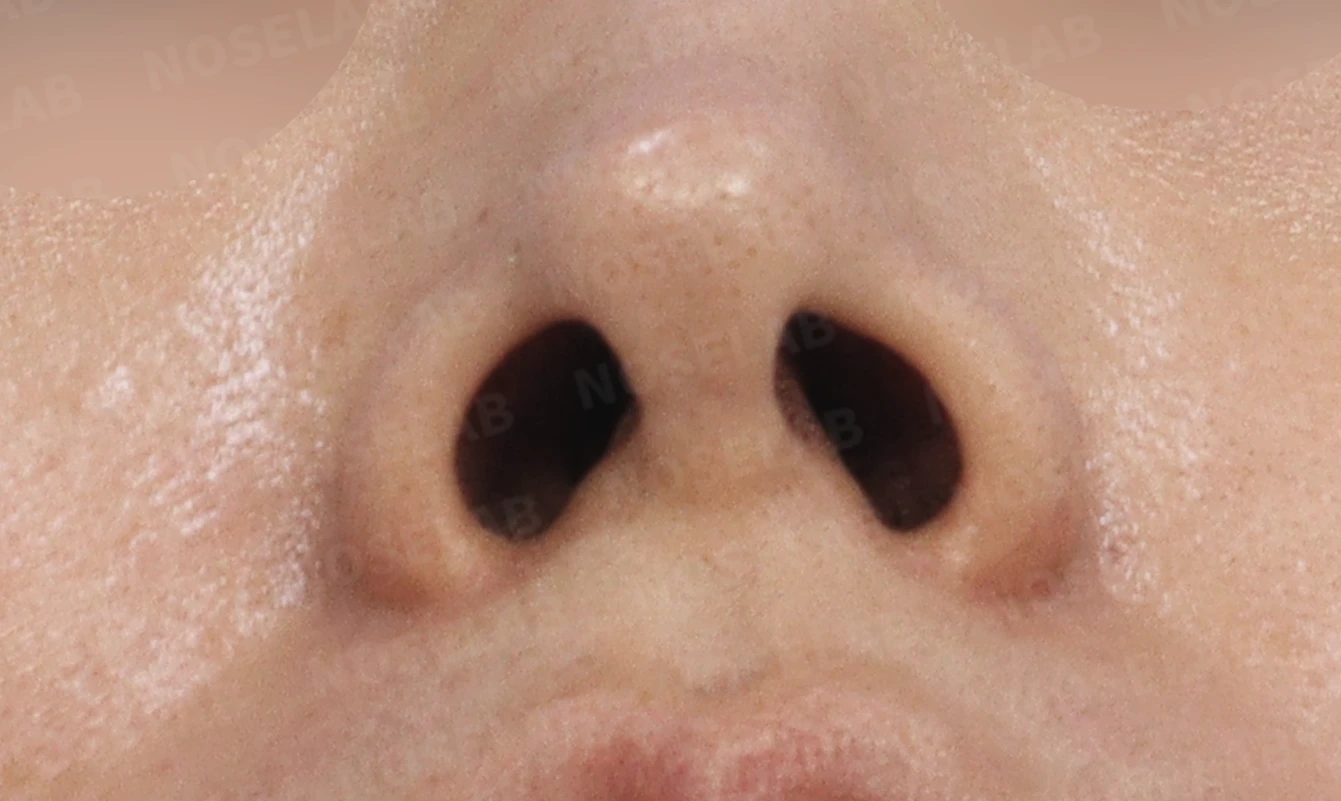
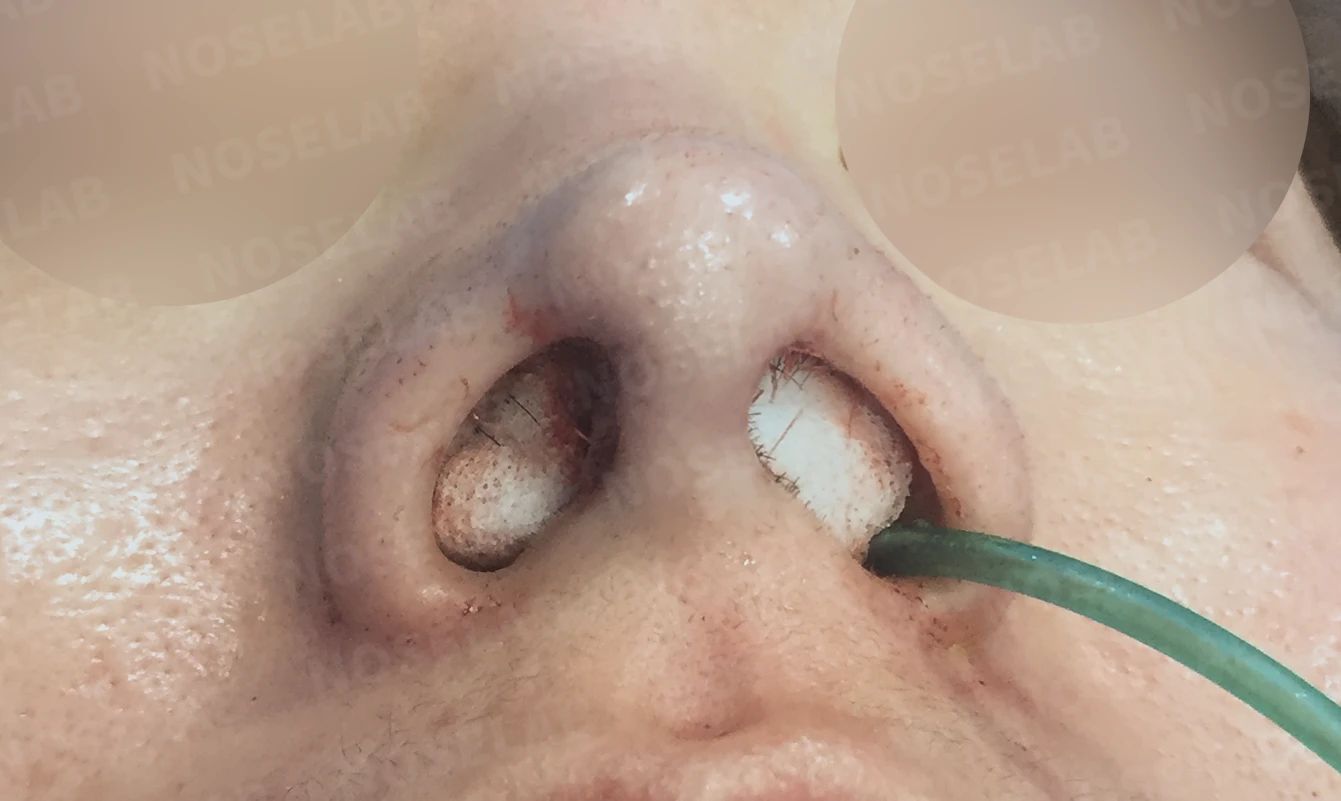
Before surgery / Day 0 immediately after surgery Photos taken immediately after surgery show swelling and may differ from the final result.
- The columella, which had been tilted to the right, was repositioned to the midline.
- Nasal tip deviation was corrected, resulting in better symmetry.
- Nostril asymmetry has visibly improved.
7. Photos taken immediately after surgery (day 0)Immediate postoperative photos show swelling and may differ from the final result.
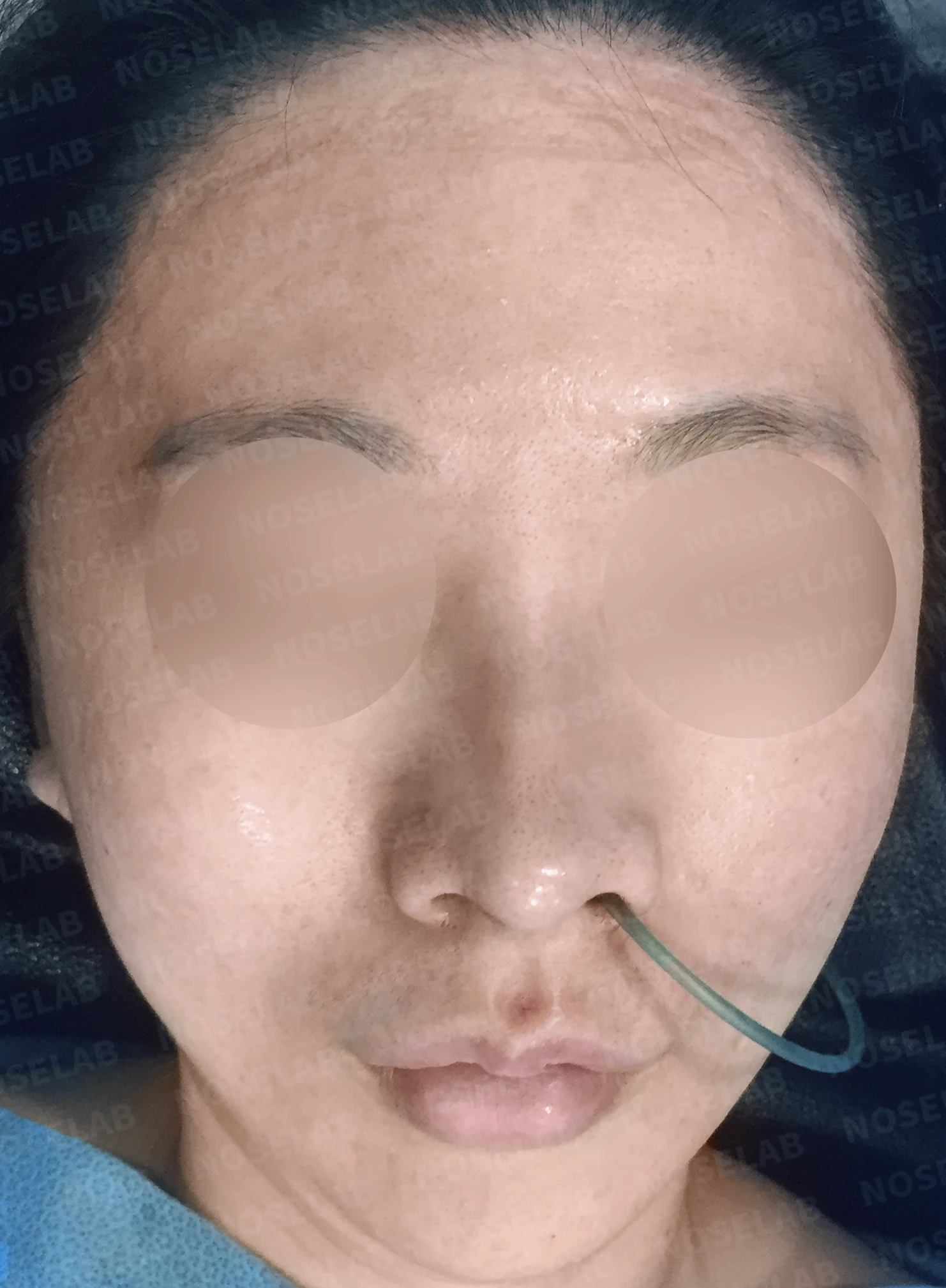
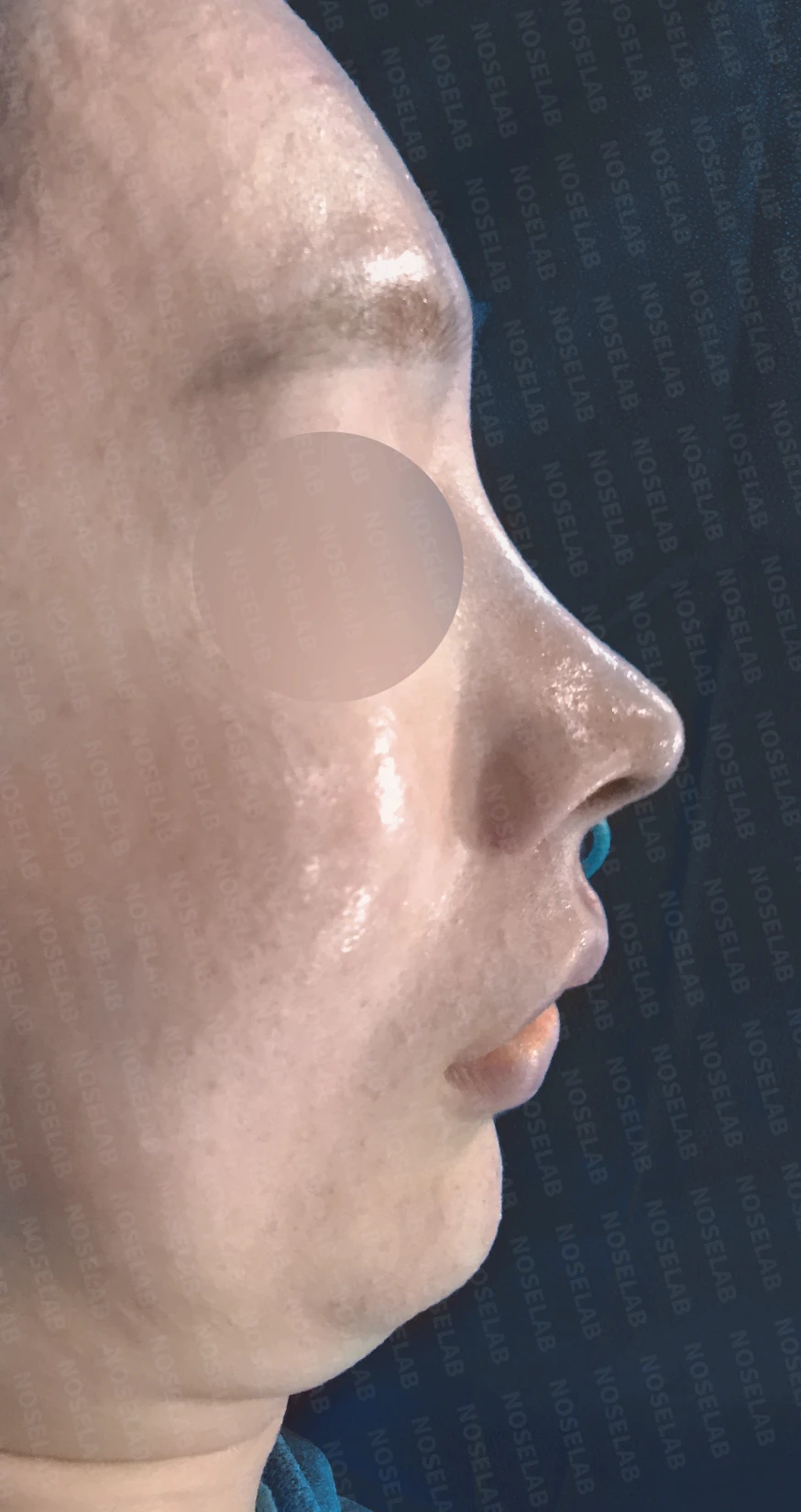
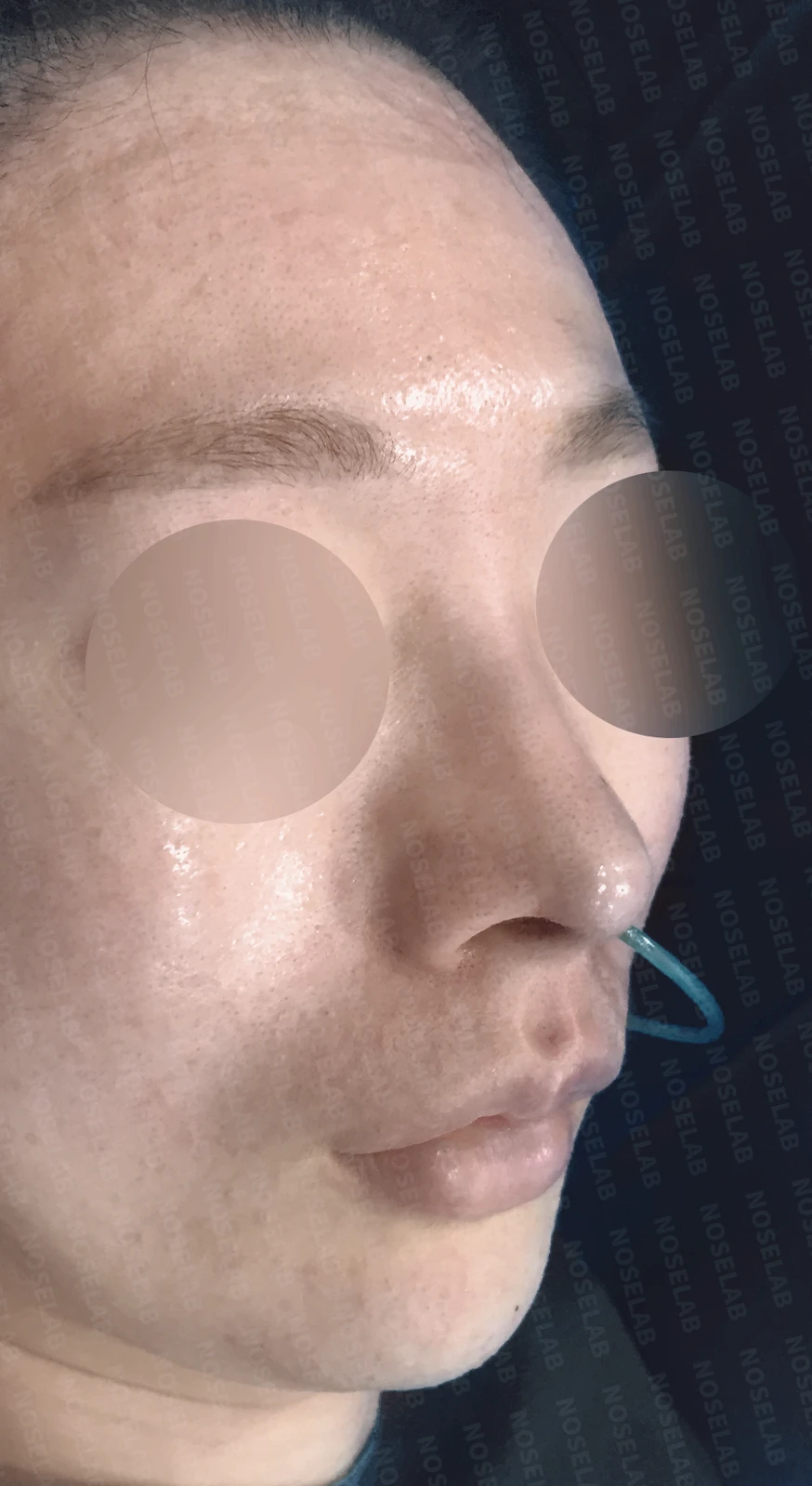
Immediately after surgery (Day 0) front, profile, and oblique viewsImmediate postoperative photos show swelling and may differ from the final result.
Basal (nostril) view immediately after surgery (Day 0)Immediate postoperative photos show swelling and may differ from the final result.
8. Overall assessment
This case is an example of simultaneously addressing traumatic nasal deformity and functional problems. Notably:
1. Importance of accurate diagnosis: CT imaging enabled an accurate diagnosis of septal deviation and cartilage fracture.
2. Balance between function and aesthetics: Improved nasal breathing while achieving a natural nasal contour.
3. Implant-free surgery: Using only biological tissue in line with the patient's wishes supported a natural and stable result planned with safety in mind.
4. Closed approach: A complex reconstructive surgery was performed without external scarring.
9. Concluding remarks
While traumatic nasal injury is uncommon, it can occur. In patients with a prior history of rhinoplasty, external trauma can damage the grafted cartilage, leading to nasal obstruction or nasal deformity.
To prevent such issues, it is important to build a stable framework using strong cartilage during nasal tip surgery. This helps the nose resist deformation from external impact and prevents nasal obstruction caused by airway narrowing inside the nostrils.
If you experience nasal issues following trauma, be sure to seek an accurate diagnosis from a board-certified otolaryngologist (ENT specialist). An ENT specialist can identify the precise cause of the problem using detailed evaluations such as CT scans and nasal endoscopy, and formulate the most suitable surgical plan to improve both nasal function and aesthetics.
Drawing on my expertise as a board-certified otolaryngologist and extensive rhinoplasty experience, I provide patients with suitable solutions. If you have any concerns regarding your nose, please feel free to come in for a consultation.
I will always be here to help support a healthy and aesthetic nose for every patient.
This was Dr. Peter C. Kang. Thank you.
Thank you.
#posttraumaticrhinoplasty #nasalobstructionrelief #implantfreerhinoplasty #crookednosecorrection #nostrilasymmetrycorrection #deviatedseptum #closedrhinoplasty #ENTspecialistrhinoplasty #functionalrhinoplasty #naturalrhinoplasty

Limitations and risks
When using donor rib cartilage, long-term follow-up is necessary because the grafted cartilage may resorb or warp.
When the septum is corrected at the same time, nasal obstruction may persist or recur, and in rare cases, septal perforation or changes in smell may occur.
Common potential risks include infection, bleeding, asymmetry, scarring, skin necrosis, and insufficient improvement; results vary depending on individual skin condition and previous surgical history.