Hello, I am Dr. Peter C. Kang.
Today, I would like to share a rhinoplasty case of a patient who was troubled by a crooked nose, a bulbous nasal tip, and nostril asymmetry.
This patient had already undergone two previous nasal surgeries and visited our clinic for a third surgery.
1. Patient history
The patient had the following surgical history:
- 4 years ago: Nasal tip surgery and nostril lowering
- 2022: Bridge and tip surgery using silicone and autologous rib cartilage
2. Patient goals
The patient's main goals were as follows:
- Correction of the crooked nose
- Improvement of irregularities on the nasal dorsum
- Maintenance of the current bridge height
- Resolution of an occasional odor inside the nose
3. Preoperative design consultation
Let us analyze the patient's preoperative condition in detail:
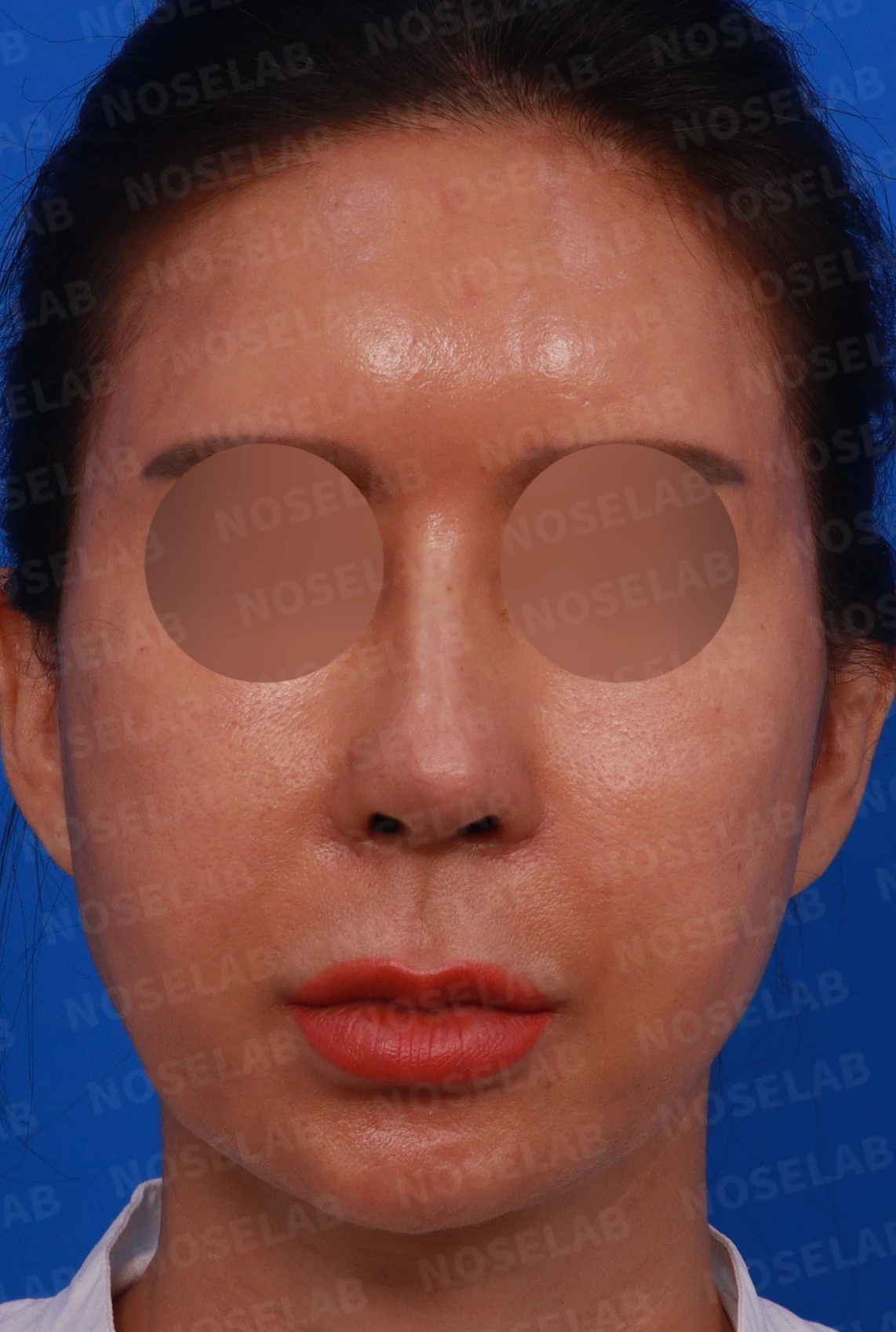
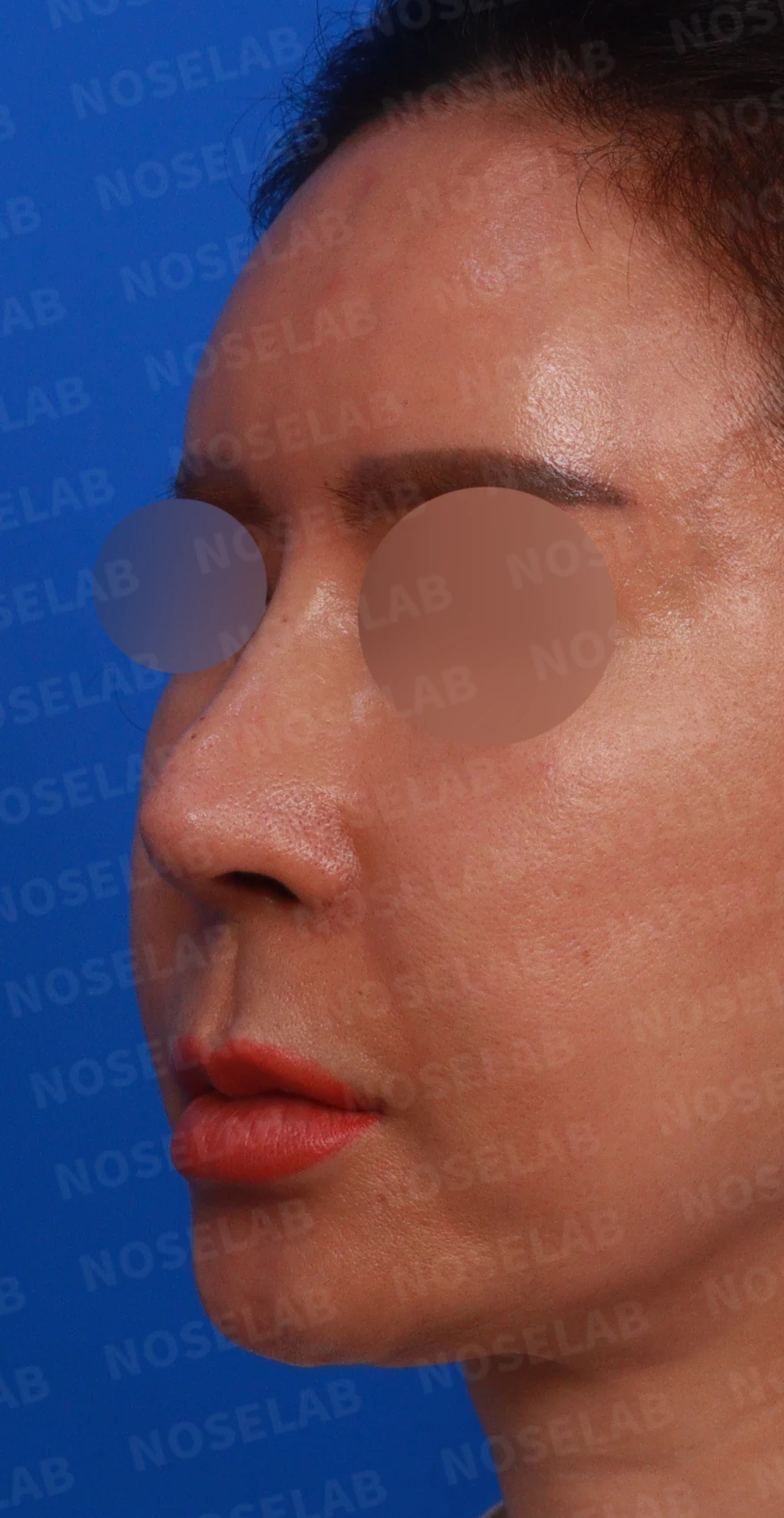
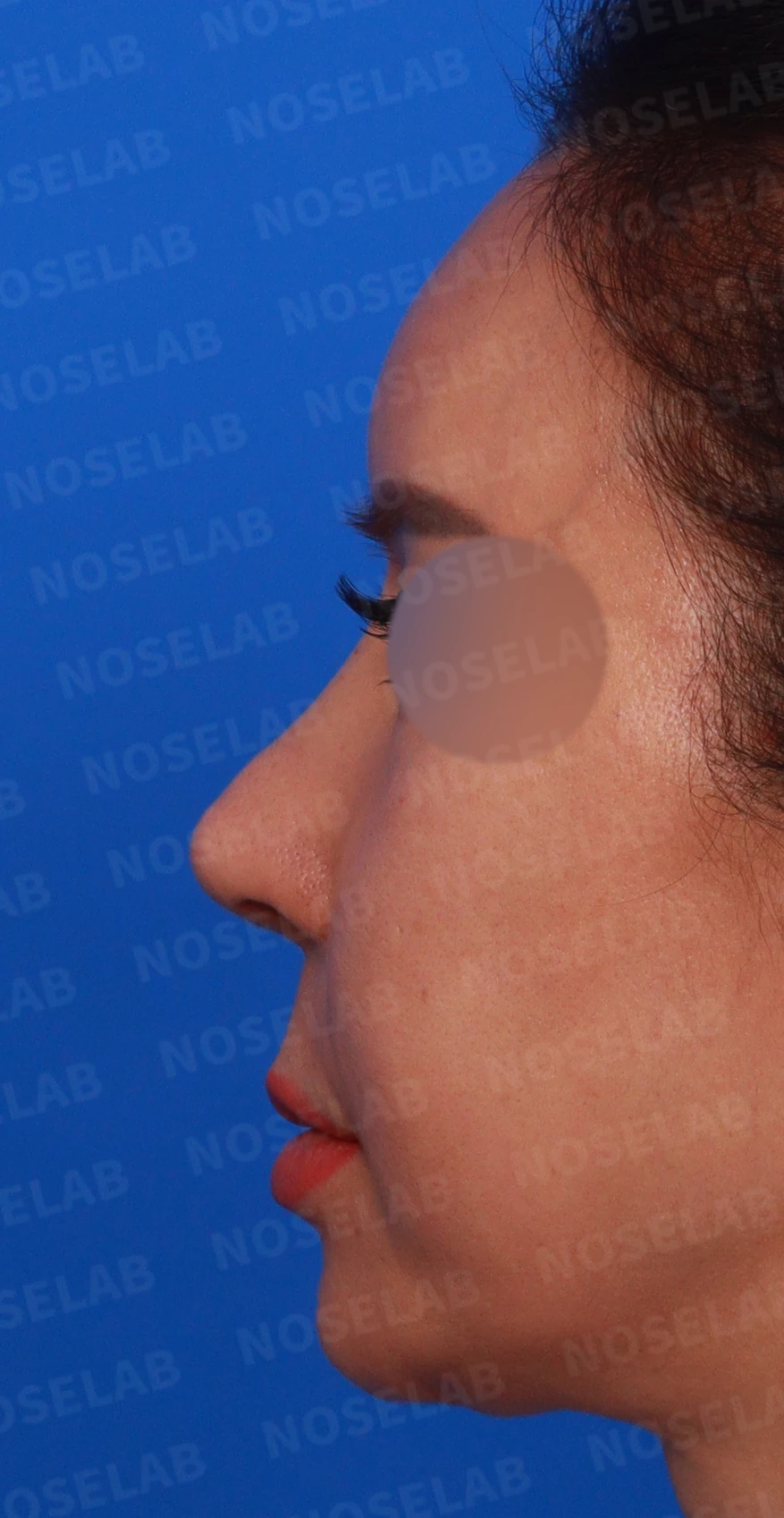
Front, left oblique, and left profile views from the preoperative design consultation
Front view:
- The nasal bridge appeared deviated to the right
- The nasal tip appeared deviated to the left
- The nasal tip is bulbous
- Nostril asymmetry observed
Oblique view:
- The radix is high
- The nasal tip appears drooping
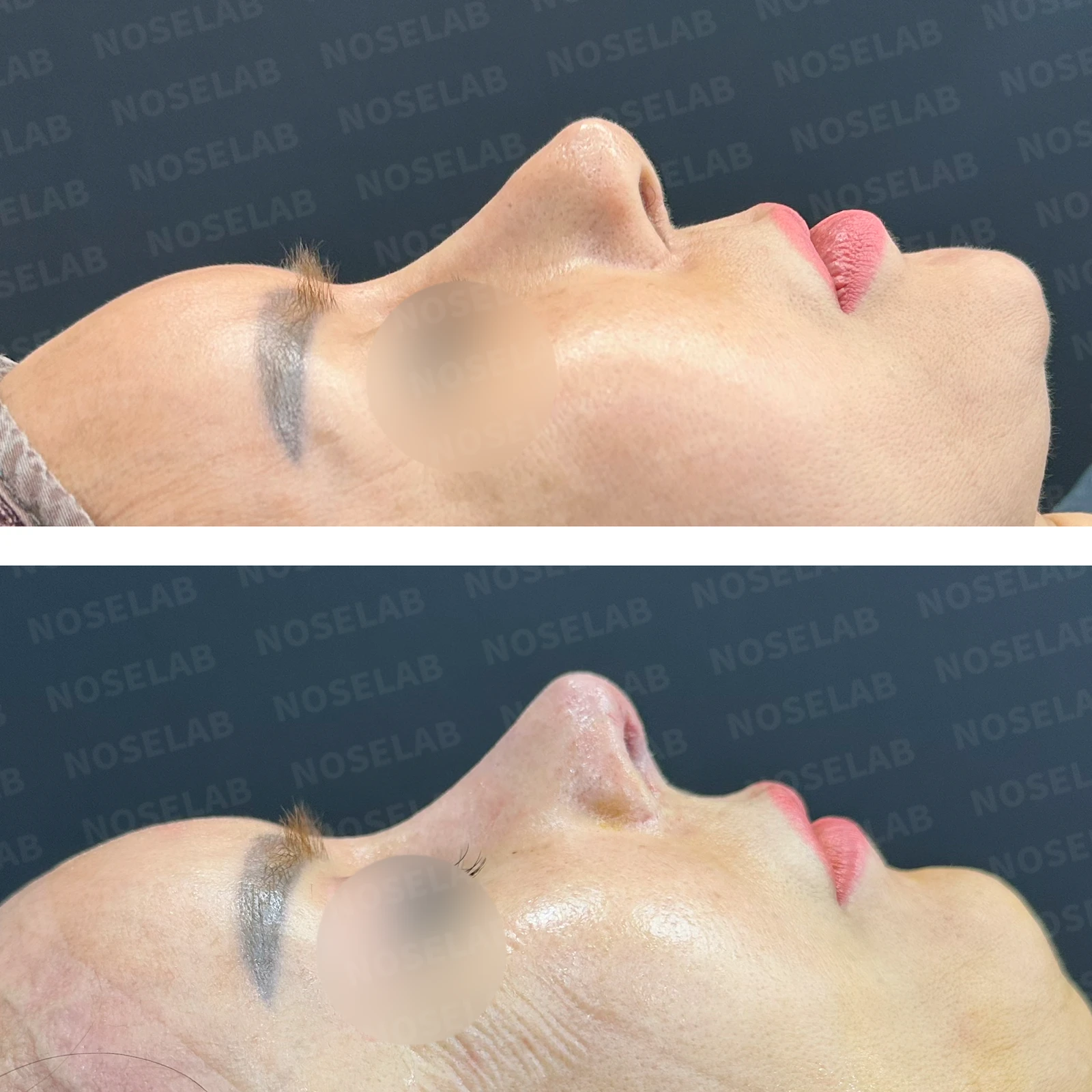
Profile view:
- The nasal dorsum was high
- The nasal tip appears drooping
- The nasal dorsum appeared uneven and irregular
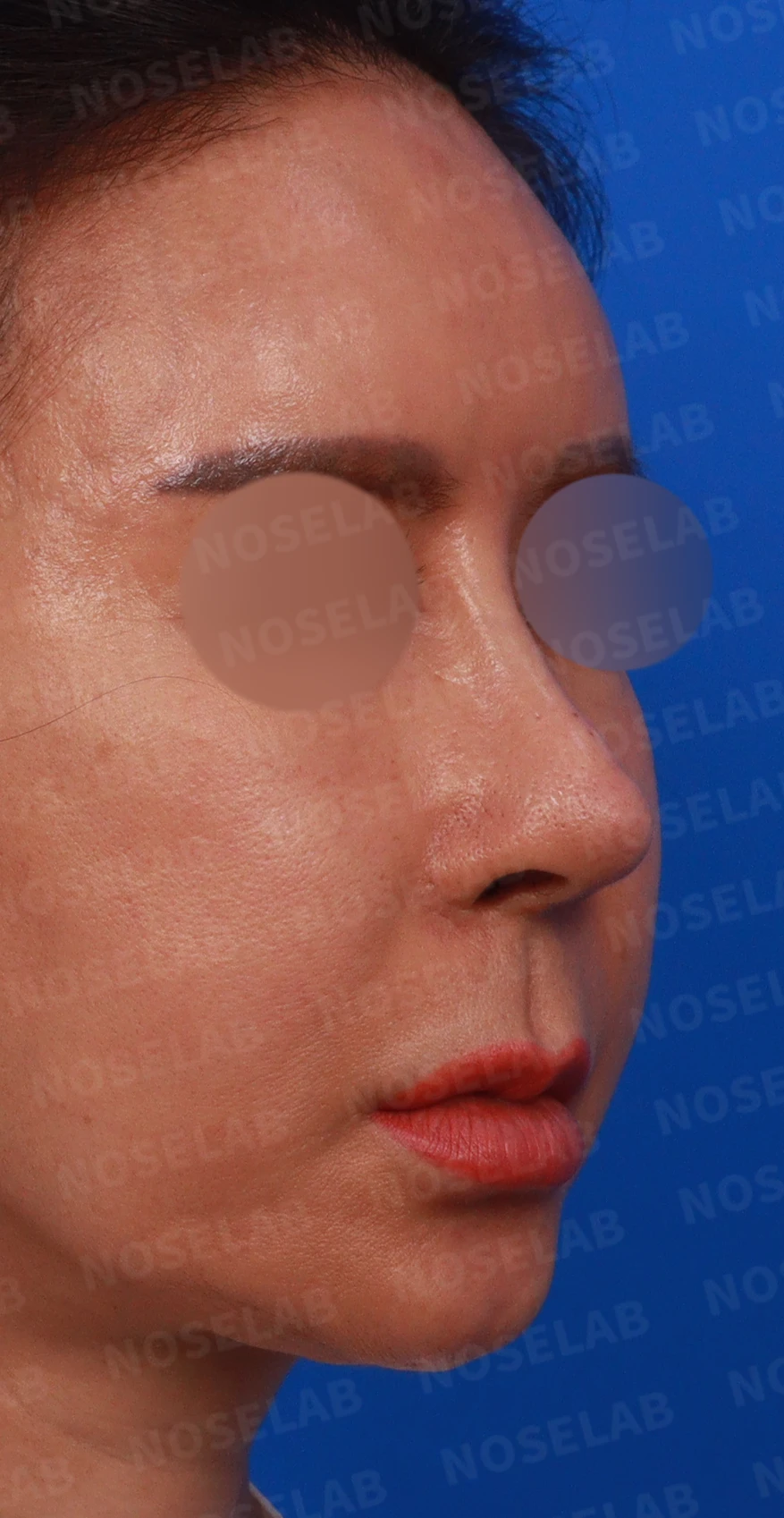
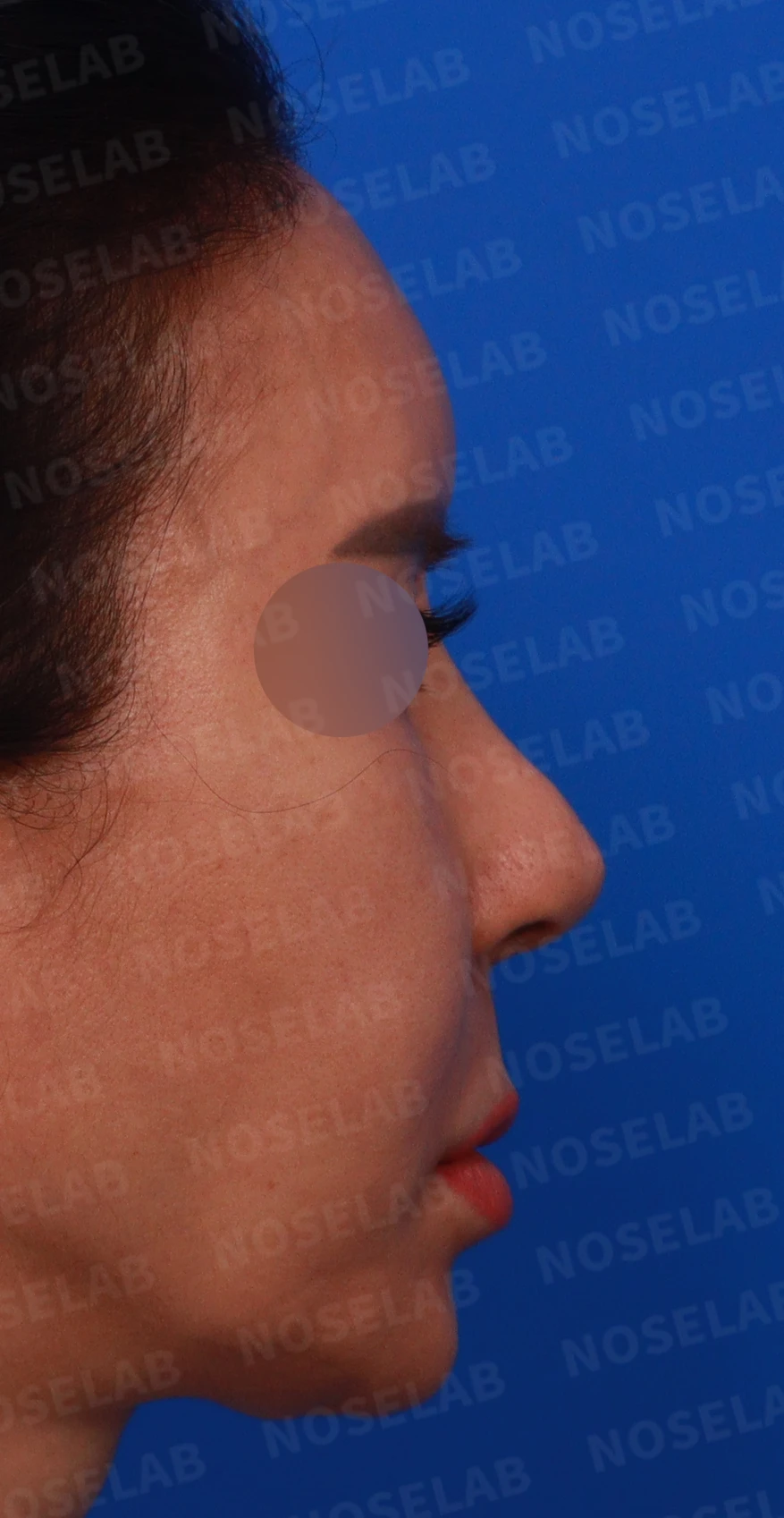
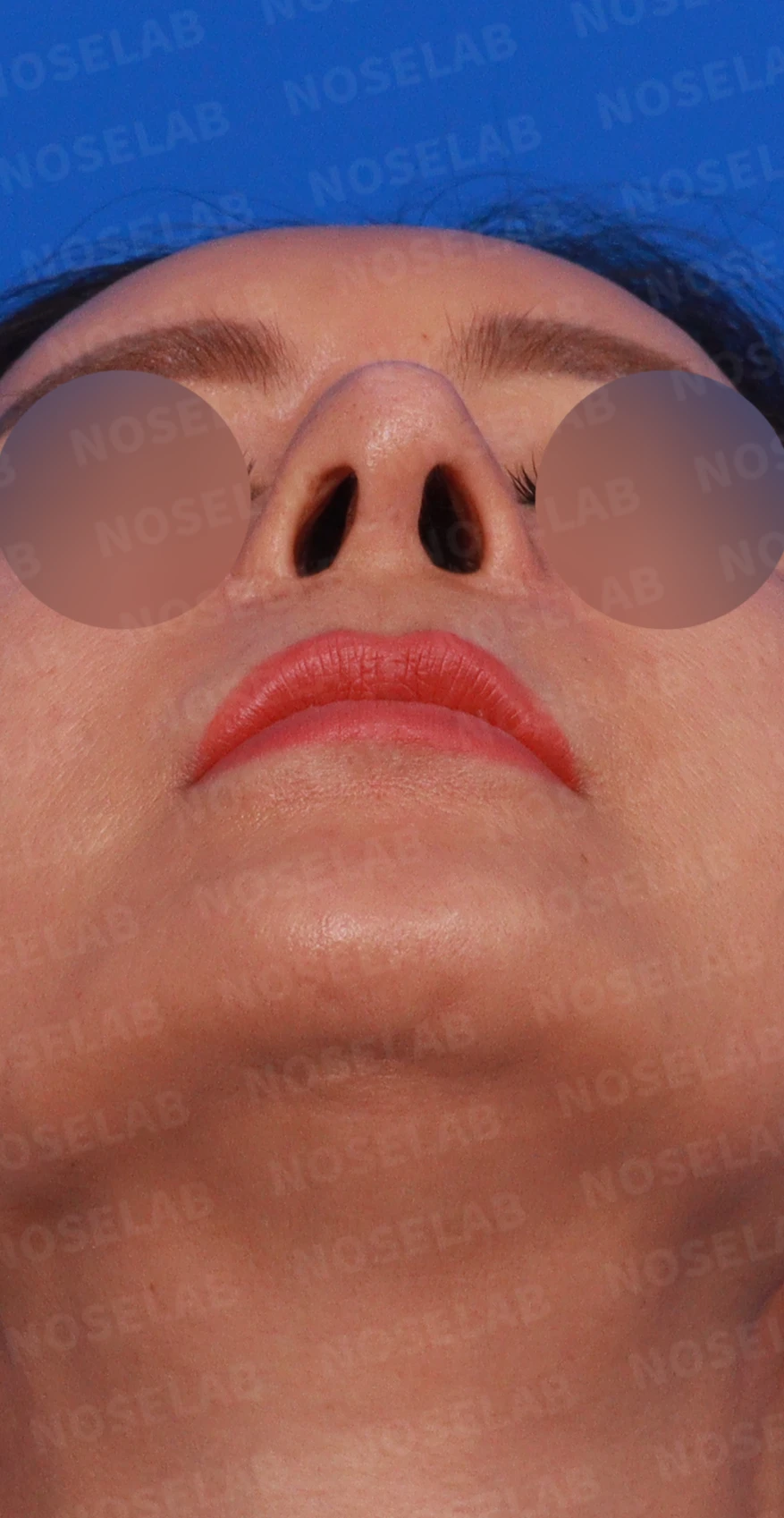
Right oblique, right profile, and basal (nostril) views from the preoperative design consultation
Nostrils:
- Nostril asymmetry is evident
- The columella appears tilted to the left
- The nasal tip appeared broad overall
4. Surgical plan
Taking into account the patient's condition and requests, the following surgical plan was established:
a) Septoplasty for deviated septum and septal reconstruction using autologous rib cartilage
b) Septal extension to correct the deviated nasal tip
c) Dermal graft over the area with visible tip cartilage show-through
d) Lateral nasal bone osteotomy to straighten the deviated bridge
e) Removal of the existing silicone implant and insertion of a new implant
f) Septal correction and repositioning of the lower lateral cartilages to correct nostril asymmetry
5. Procedure details
The following procedures were performed using a closed approach:
a) Autologous rib cartilage harvest and septal reconstruction:
- Rib cartilage was harvested through a 2.5 cm incision placed just below the previous harvest site, and this cartilage was used to correct the deviated septum and reconstruct the septal framework.
- This secured structural stability for the nose and provided the foundation for correcting the crooked alignment.
b) Septal extension graft:
- The septum was extended and reinforced using the reconstructed septal cartilage.
- This corrected the deviated nasal tip.
c) Dermal graft:
- A dermal graft was placed over the area where the tip cartilage was showing through, reinforcing the overlying skin.
- This helped create a natural appearance for the nasal tip.
d) Lateral nasal bone osteotomy:
- Precise lateral osteotomies were performed to straighten the deviated bridge.
e) Silicone implant replacement:
- The previous silicone implant was removed, and a new implant was inserted straight and in the proper position.
- This smoothed out the irregular nasal dorsum.
f) Correction of nostril asymmetry:
- Septal correction and septal extension were used to establish the midline of the nose.
- The lower lateral cartilages were repositioned toward the midline and sutured together to improve nostril symmetry.
All procedures were performed using a closed approach, completing the surgery without external scars.
6. Comparison of before-and-after photos
Comparing photos taken immediately after surgery on day 0 shows the following improvements: Photos taken immediately after surgery show swelling and may differ from the final result.
Front view:
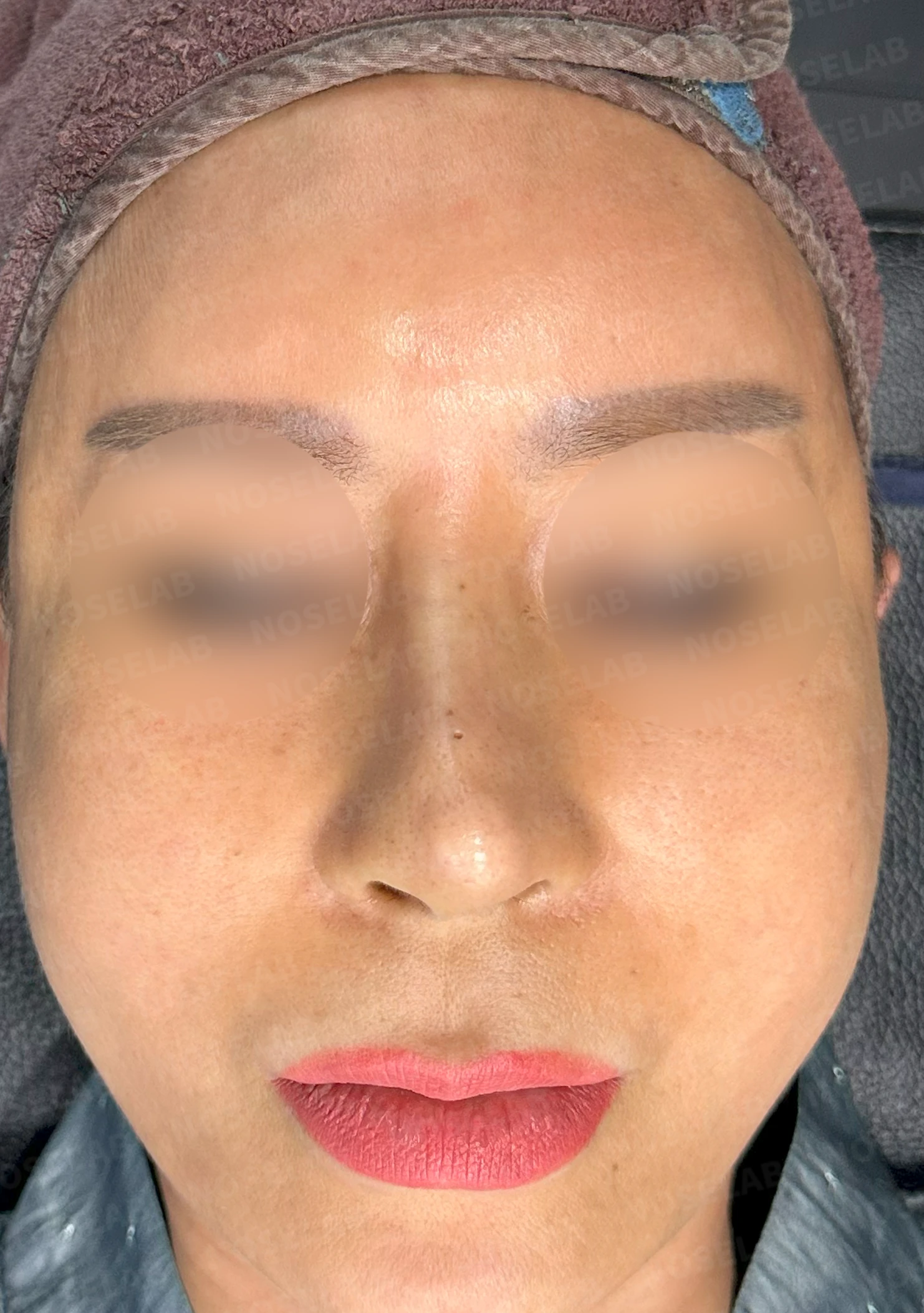
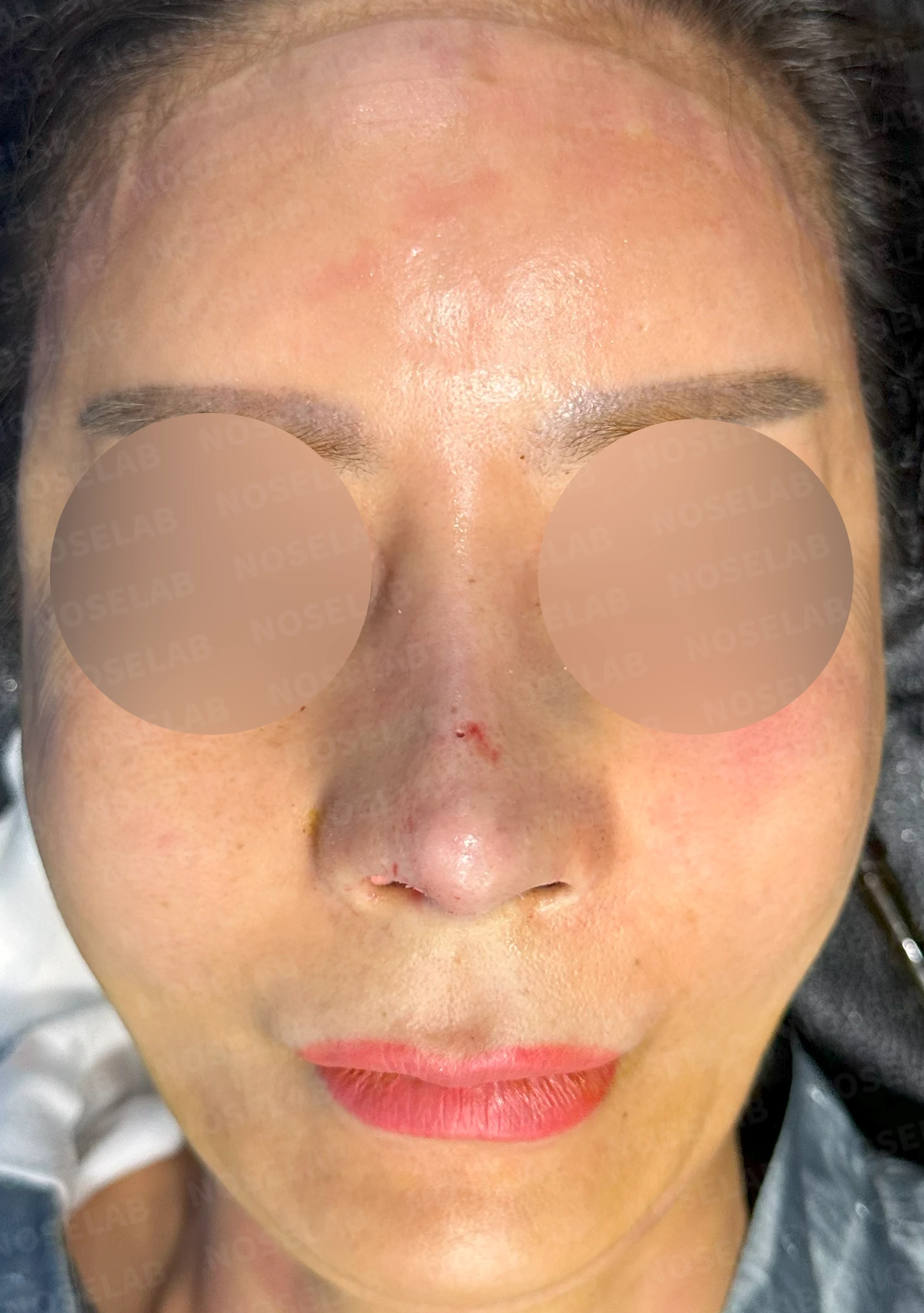
Before surgery / Day 0 immediately after surgery Photos taken immediately after surgery show swelling and may differ from the final result.
- The nasal bridge, which had deviated to the right, was straightened.
- The nasal tip, which had leaned to the left, was brought back to the midline.
- The bulbous nasal tip has been naturally improved.
- Nostril asymmetry improved significantly.
Oblique view:
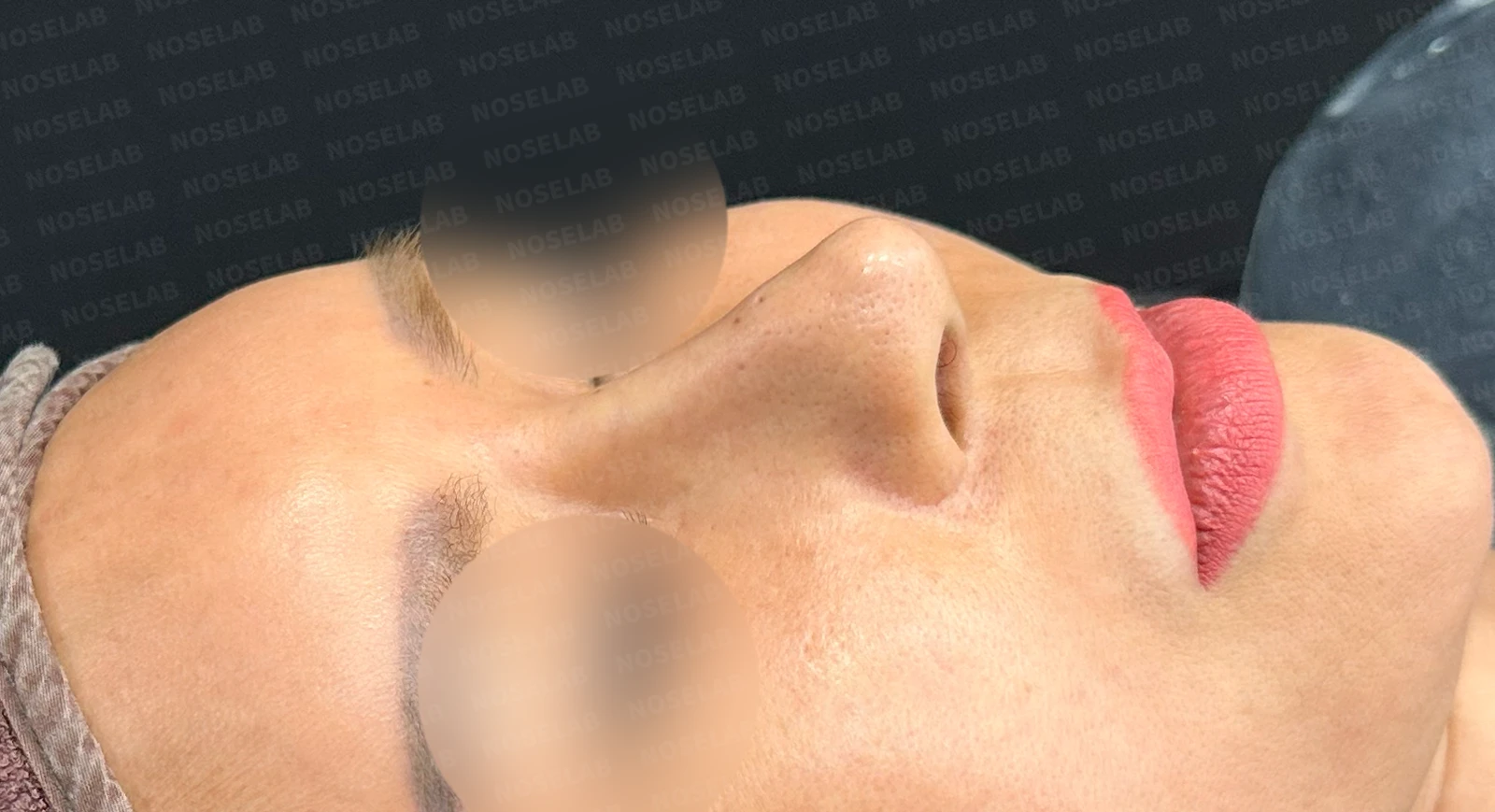
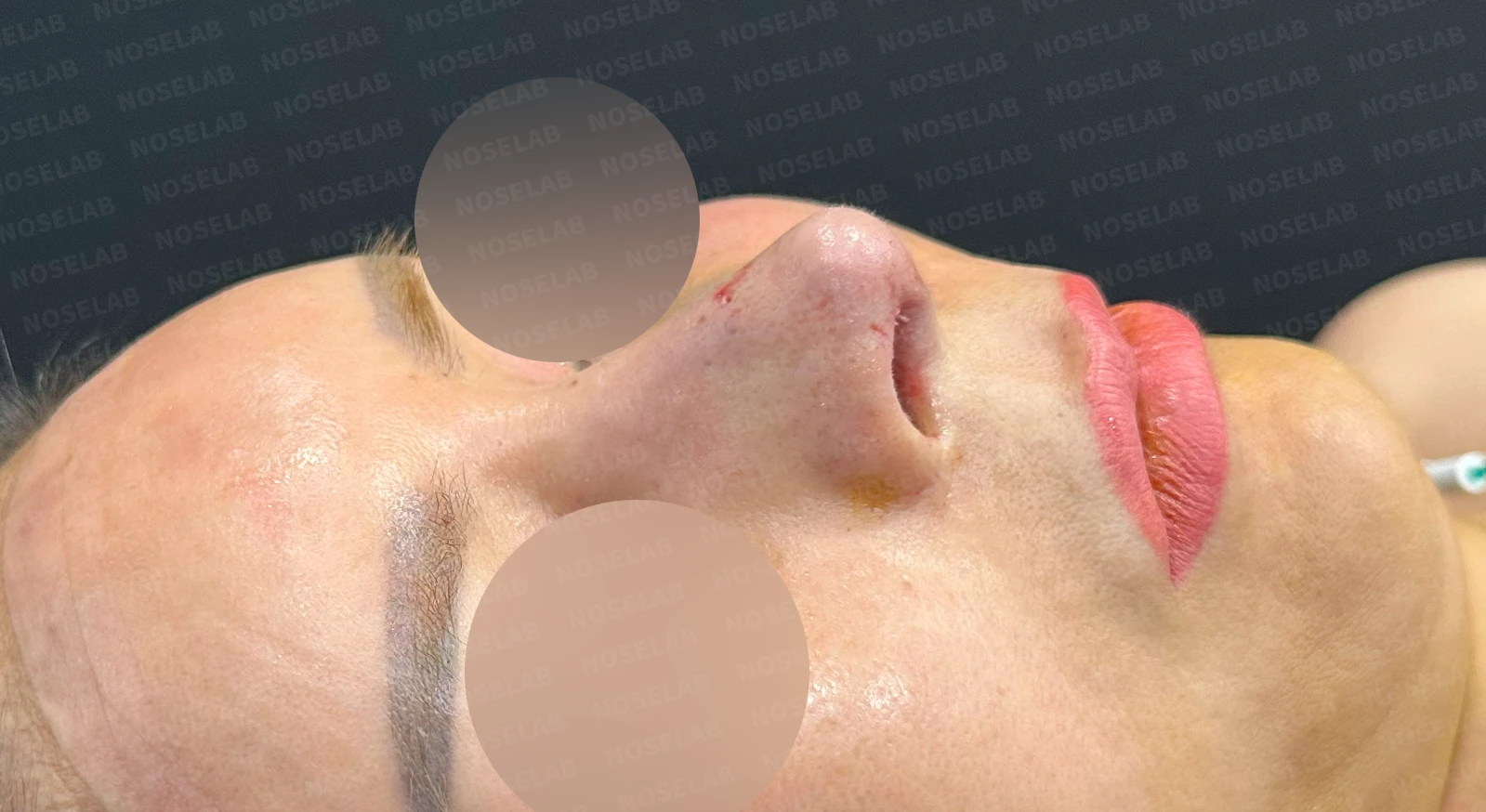
Before surgery / Day 0 immediately after surgery Photos taken immediately after surgery show swelling and may differ from the final result.
- The excessively high starting point of the bridge was lowered naturally.
- The drooping nasal tip was adequately elevated, improving overall balance.
Profile view:
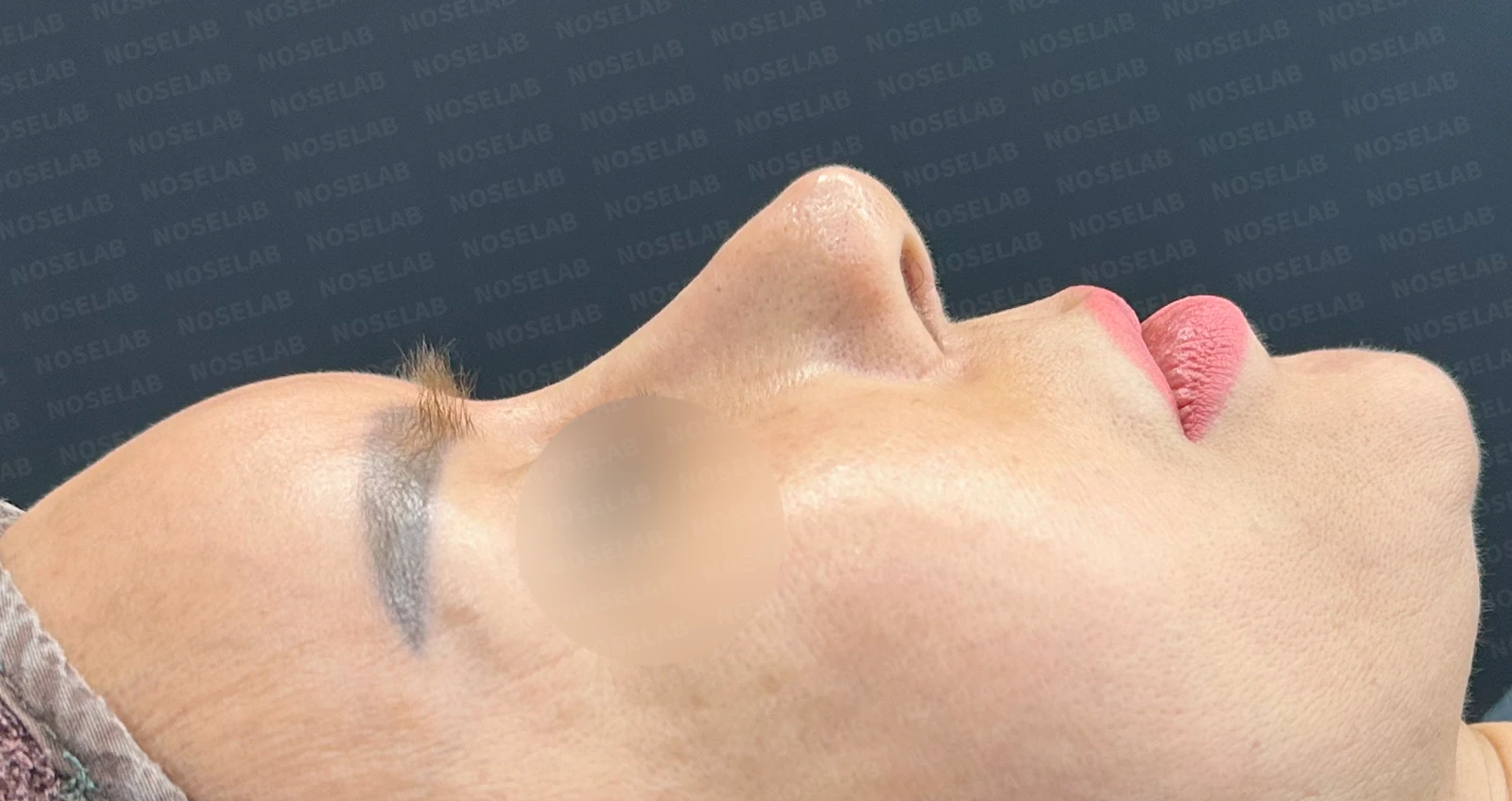
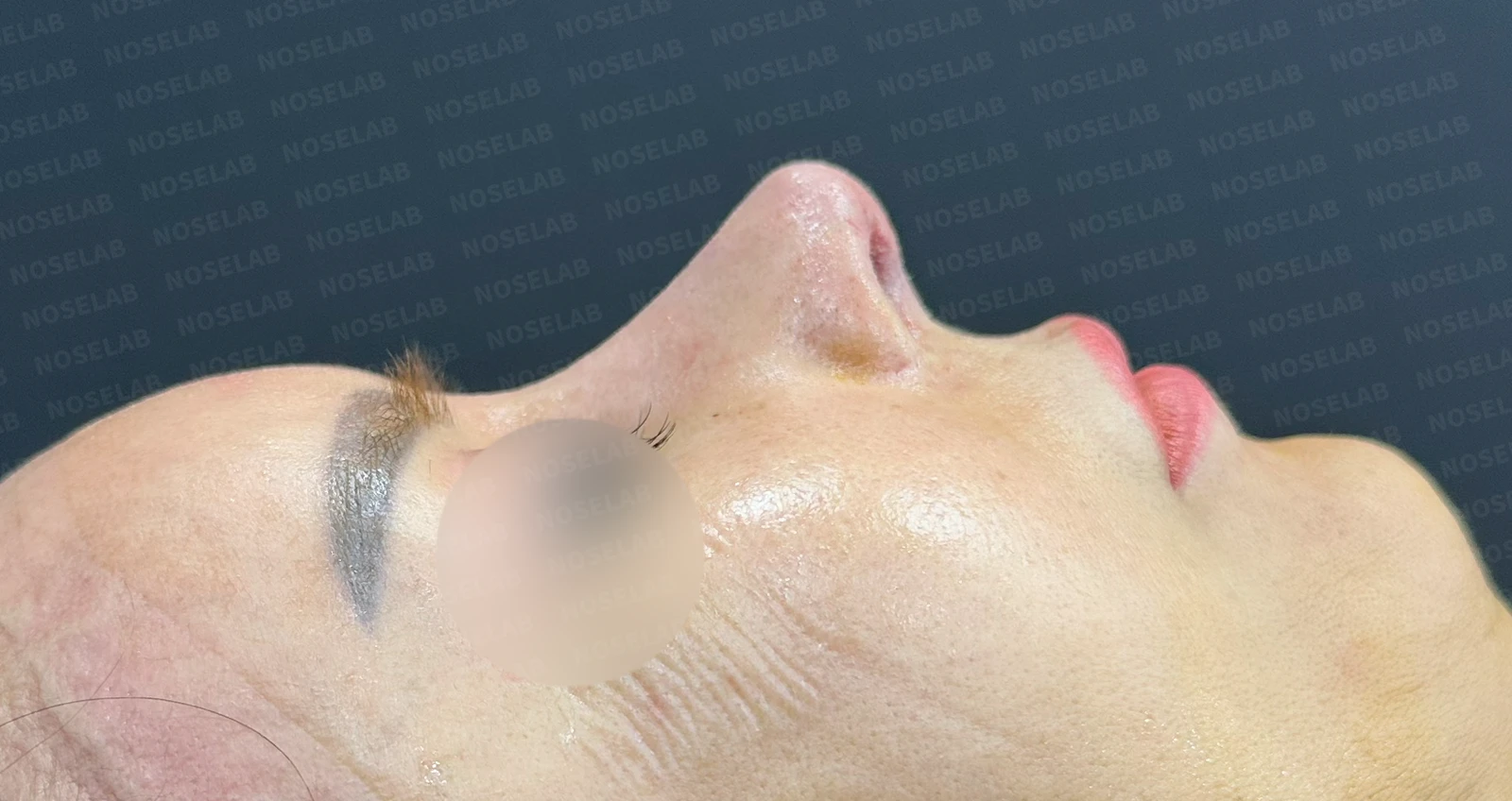
Before surgery / Day 0 immediately after surgery Photos taken immediately after surgery show swelling and may differ from the final result.
- The uneven dorsum was smoothed out.
- The drooping nasal tip was naturally elevated.
- The overall nasal profile line became soft and natural.
Nostrils:
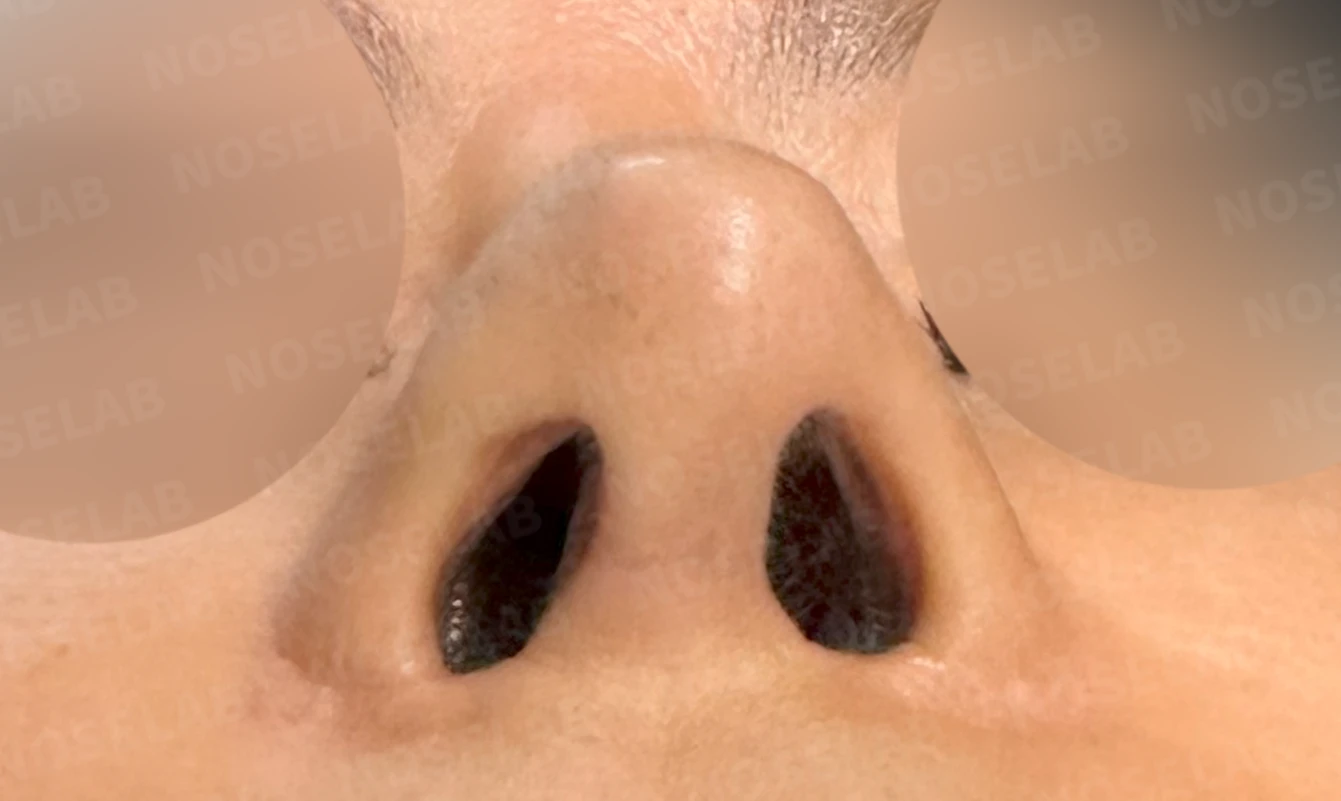
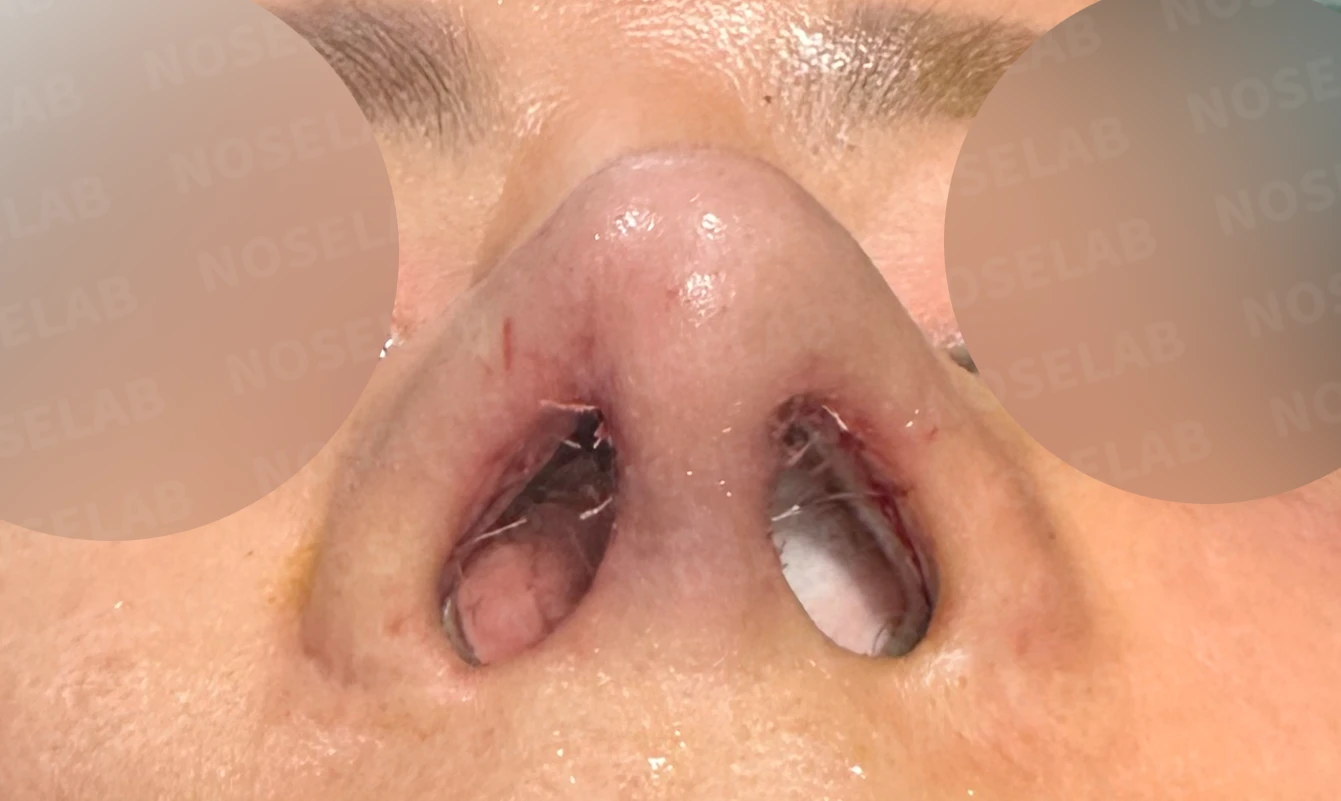
Before surgery / Day 0 immediately after surgery Photos taken immediately after surgery show swelling and may differ from the final result.
- Asymmetry improved significantly, achieving a balanced appearance.
- The columella, which was tilted to the left, has been realigned to the center.
- The wide, spread nasal tip was refined into a neat contour.
7. Photos taken immediately after surgery (day 0)Immediate postoperative photos show swelling and may differ from the final result.
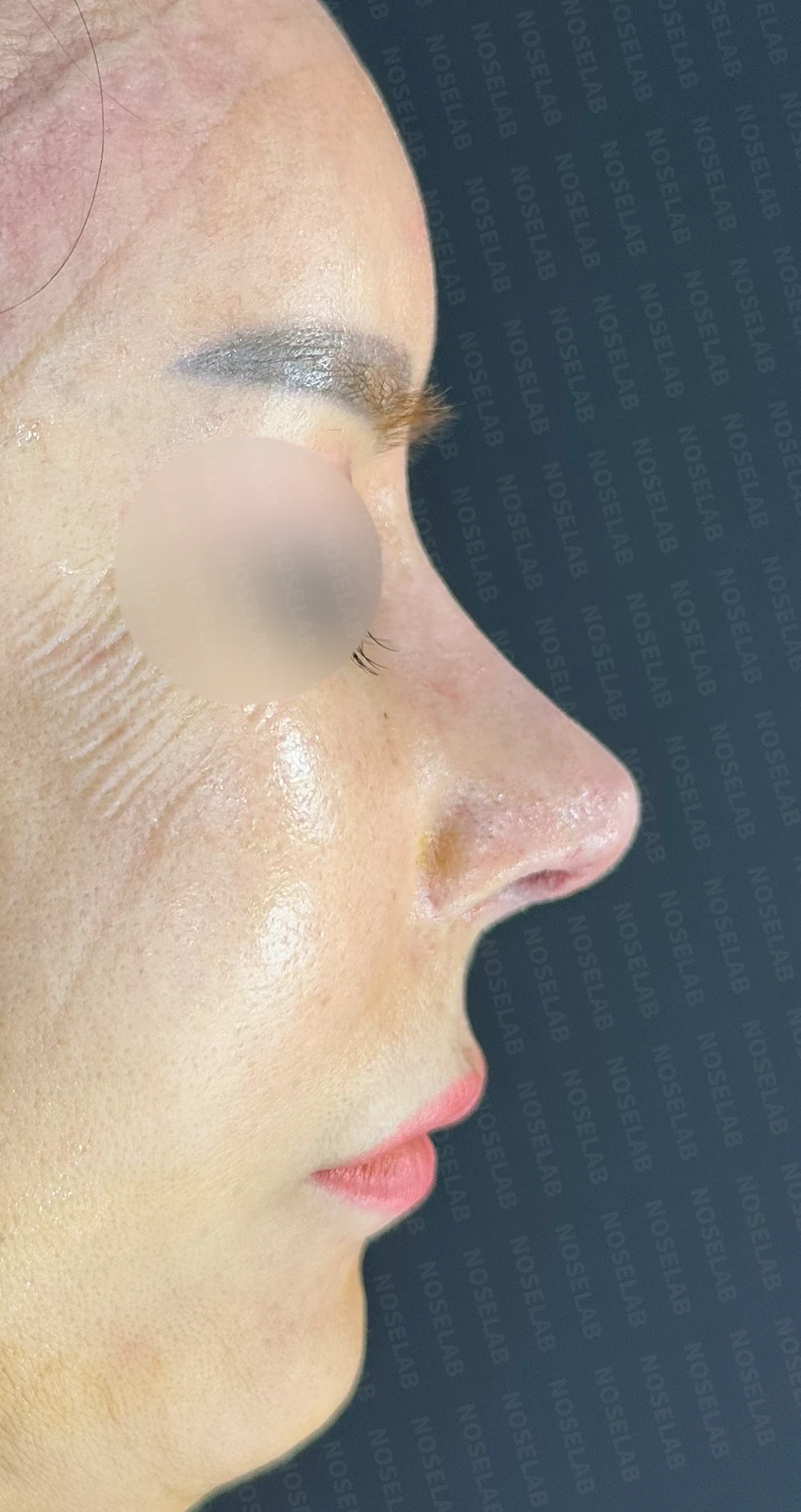
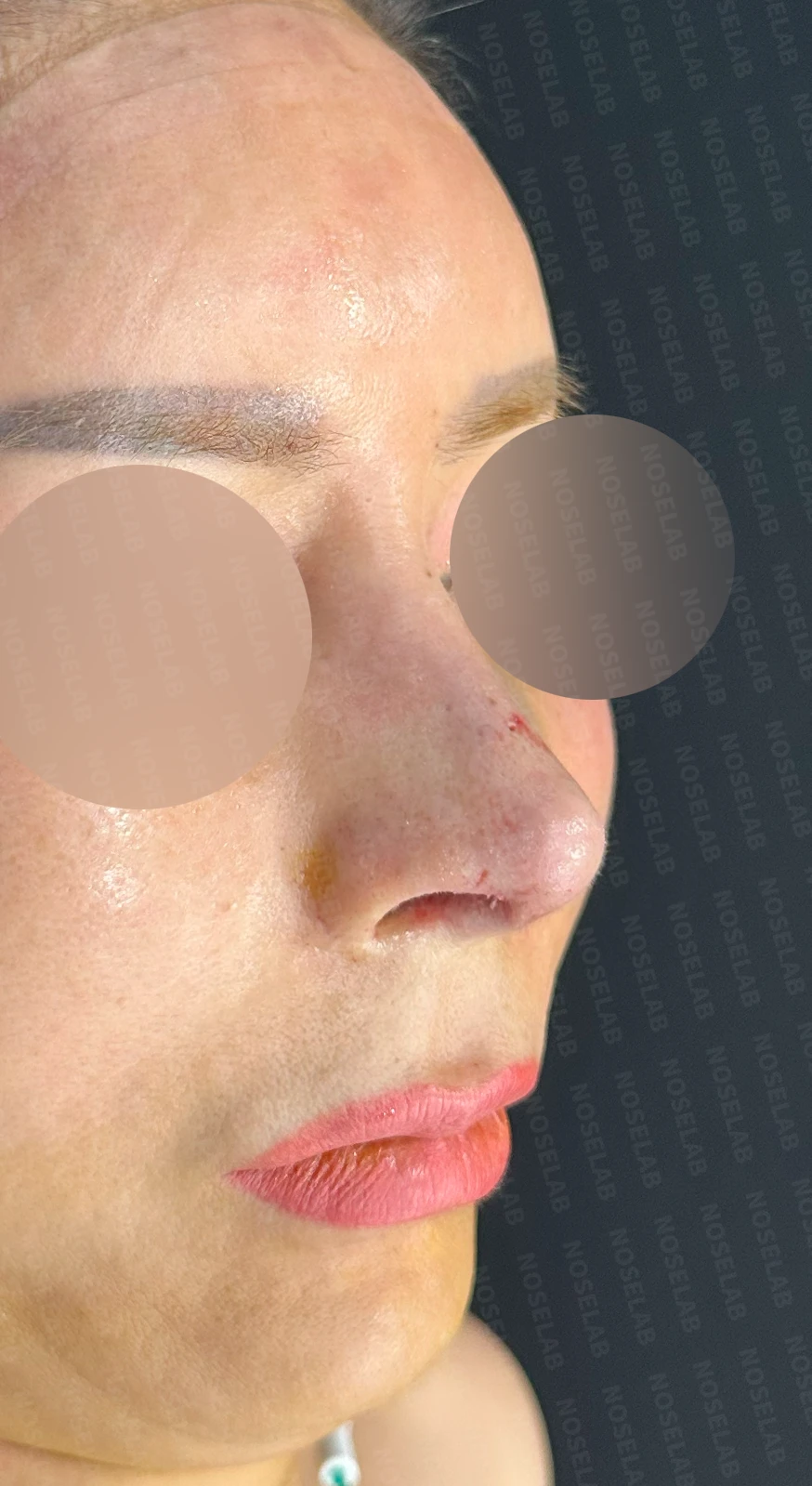
Front, profile, and oblique views immediately after surgery on day 0 Photos taken immediately after surgery show swelling and may differ from the final result.
Basal (nostril) view immediately after surgery (Day 0)Immediate postoperative photos show swelling and may differ from the final result.
8. Overall assessment
This case addressed complex nasal issues in a patient with multiple prior surgeries. By fully utilizing the advantages of the closed approach, we were able to address diverse problems simultaneously—including deviation, a bulbous tip, and nostril asymmetry—while achieving a natural result.
A particularly vital element in this surgery was the correction of the deviated septum. When significantly elevating the tip, septal deviation must be addressed to prevent the tip from ultimately deviating again. In this patient, reconstructing and extending the septum with autologous rib cartilage secured structural stability and allowed us to straighten the deviated nose.
Another key focus was refining the unnatural tip contour caused by the nostril-lowering procedure done in a prior surgery. Nostril lowering can alter the tip into an unnatural shape, so it should only be performed when truly necessary. In this case, removing and readjusting the unnatural elements left by the previous nostril lowering helped create a much more natural nasal tip.
9. Concluding remarks
I hope this case is helpful to those dealing with complex nasal concerns such as a crooked nose, a bulbous tip, or nostril asymmetry. Especially for patients with multiple prior surgeries, it is crucial not just to address isolated problems, but to take a comprehensive approach that considers the overall nasal structure and balance.
Drawing on my anatomical expertise and extensive surgical experience as an ENT specialist, I provide individualized surgical plans tailored to each patient. Through a closed approach, complex nasal problems can be addressed without external scars, leading to a prompt recovery and natural results.
If you are considering rhinoplasty, especially revision surgery, be sure to choose the surgical approach that best suits you through an in-depth consultation with an experienced specialist. NOSELAB is dedicated to helping you achieve a healthy, refined nose.
This was Dr. Peter C. Kang. Thank you.
Thank you.
#rhinoplasty #crookednosecorrection #bulboustiprhinoplasty #nostrilasymmetrycorrection #septalreconstruction #autologousribcartilagegraft #closedrhinoplasty #revisionrhinoplasty #entrhinoplasty #rhinoplastysafety #bridgecorrection #tiprhinoplasty

Limitations and risks
When autologous rib cartilage is used, scarring and pain may remain at the donor site on the chest, and pneumothorax (pleural injury) can occur rarely. Over time, the grafted cartilage may warp or undergo partial resorption.
When revising after implant removal, contracture may progress again after removal, the nasal height and length may decrease, and staged surgery may be necessary depending on the skin condition.
When the septum is corrected at the same time, nasal obstruction may persist or recur, and in rare cases, septal perforation or changes in smell may occur.
Common potential risks include infection, bleeding, asymmetry, scarring, skin necrosis, and insufficient improvement; results vary depending on individual skin condition and previous surgical history.