Hello, I am Dr. Peter C. Kang.
Today, I would like to introduce a unique case in which nasal deformities caused by an illegal procedure were corrected.
This patient experienced severe nasal deformities due to illegally injected collagen filler 10 years ago and visited our clinic to resolve them.
1. Preoperative design consultation
Let us analyze the patient's preoperative condition in detail:
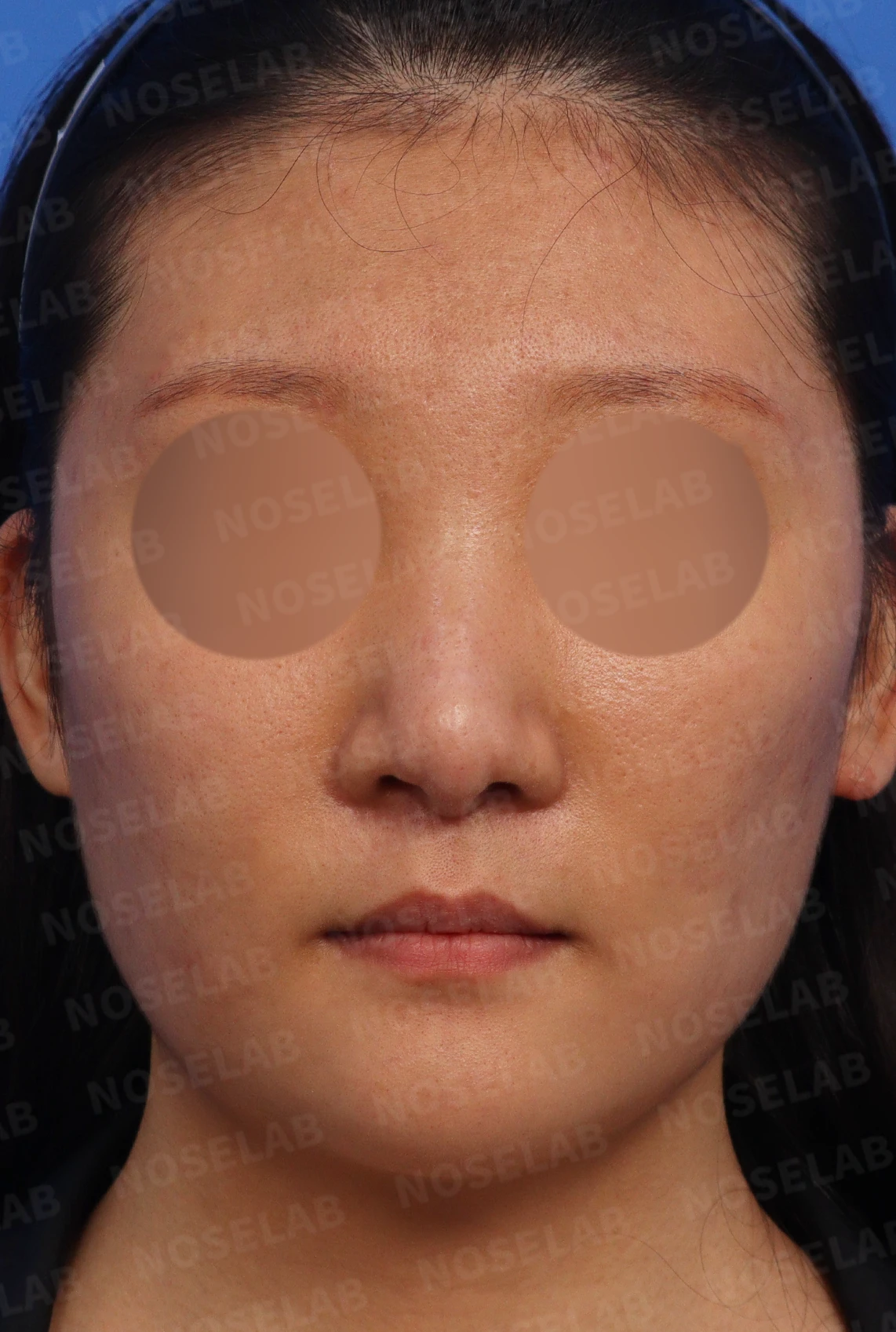
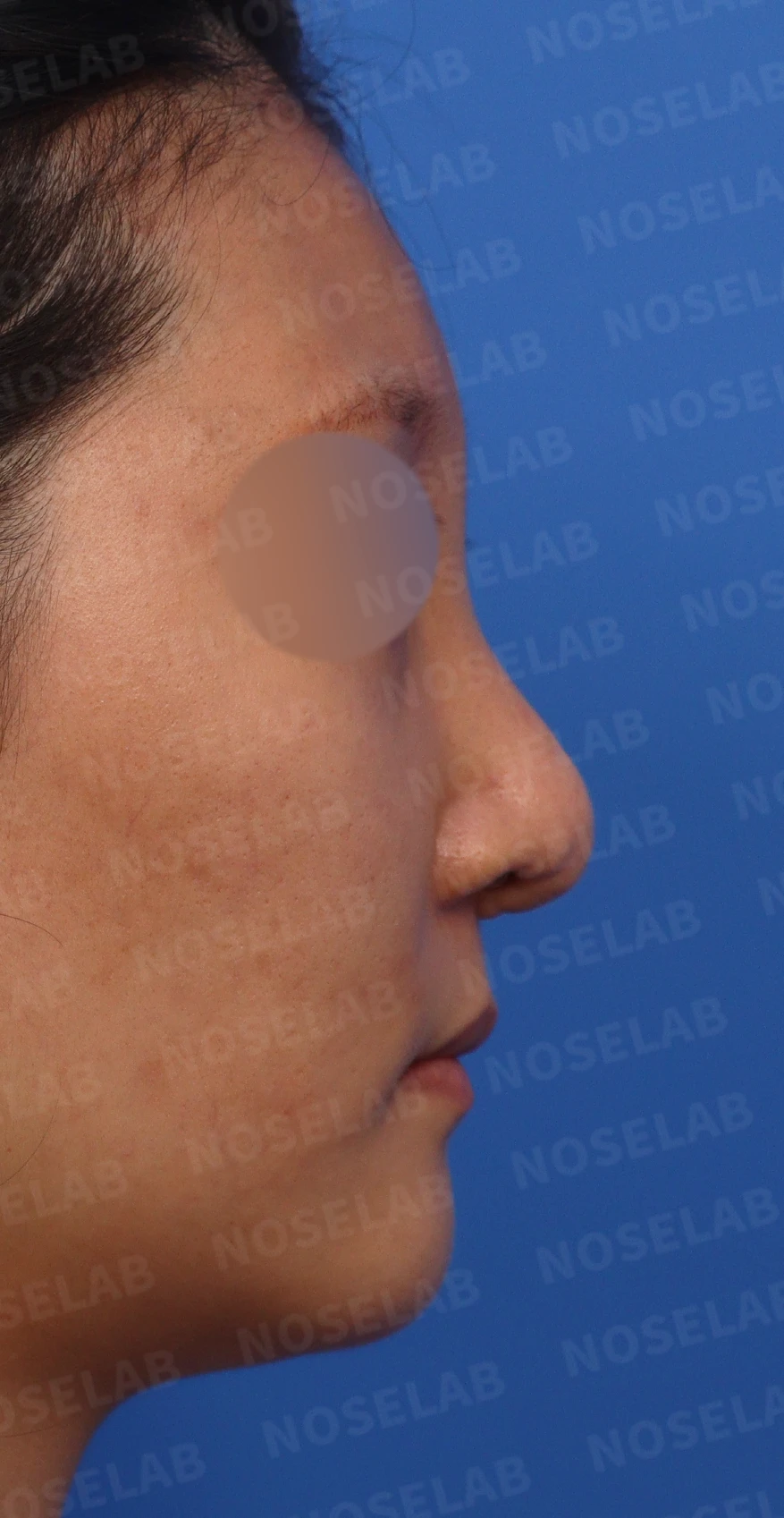
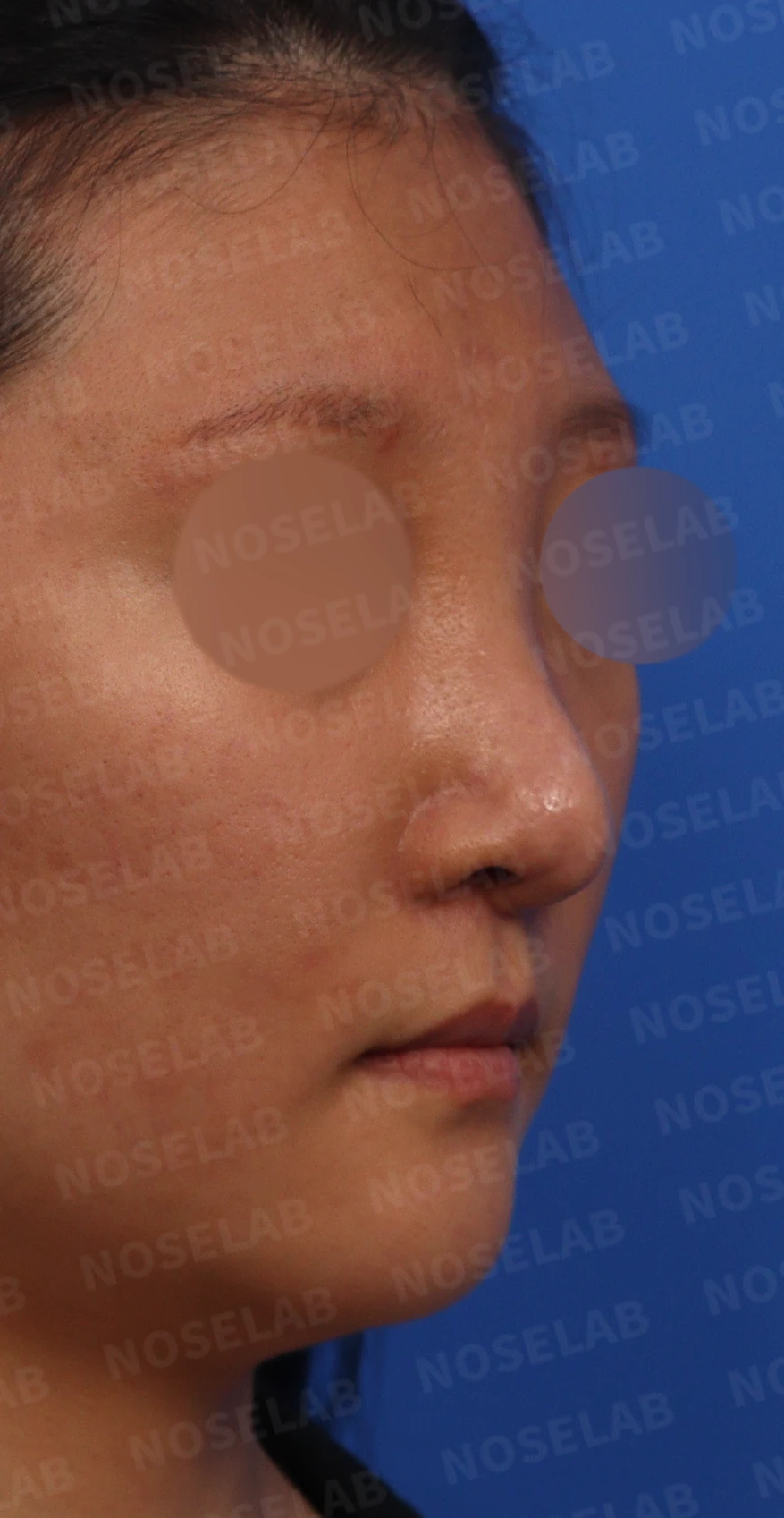
Preoperative design: front, profile, and oblique views
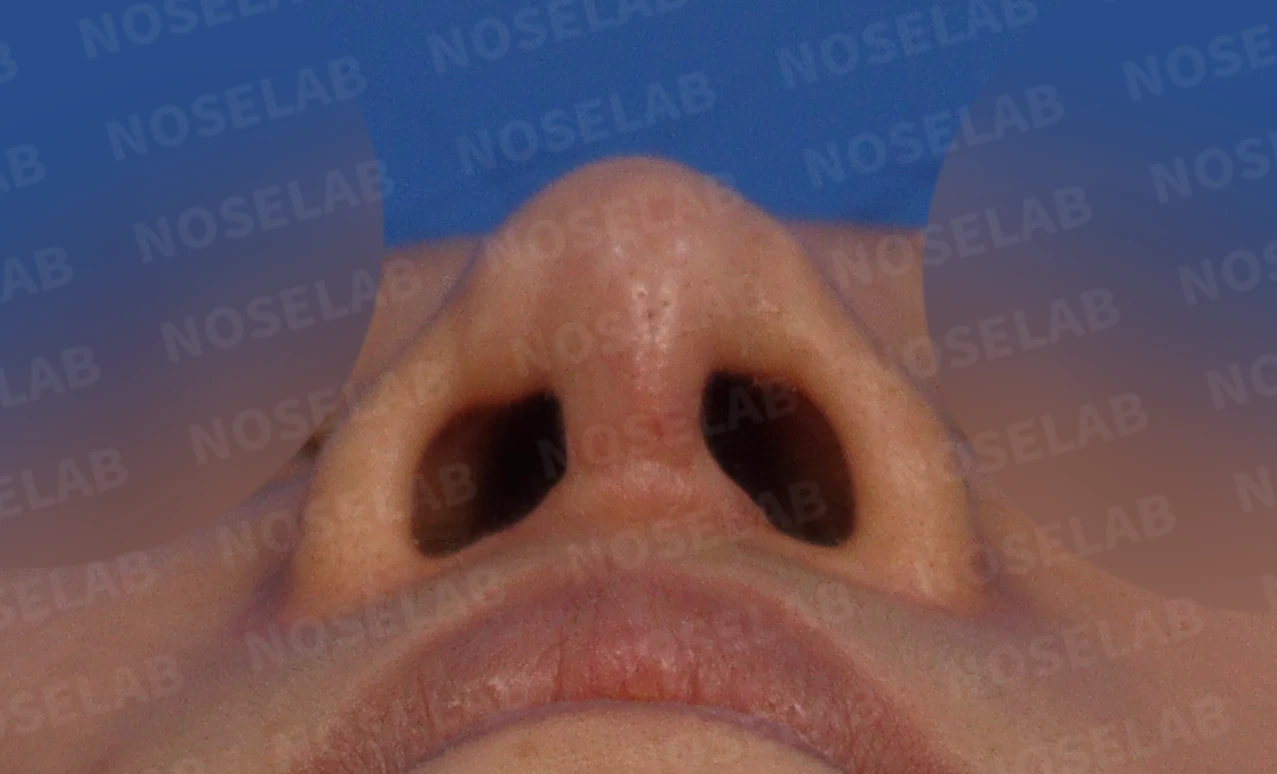
Basal (nostril) view
Front view:
- The glabella is abnormally widened
- The nasal tip is irregular and appears widely spread overall
- Nostril asymmetry is evident
Profile view:
- The radix (starting point of the bridge) is abnormally high
- The nose is drooped overall
- Blunt nasal tip shape
Oblique view:
- The nose appears large overall
- Bulbousness of the nasal tip is more pronounced
Nostrils:
- The entire nose has an irregular contour
- Severe nostril asymmetry
- Noticeable columellar incision scar
- Illegally injected filler is visible through the lower columella
The patient's surgical history:
- 10 years ago: Illegal collagen filler procedure
- 2019: Foreign material removal + nasal tip surgery using ear cartilage and septal cartilage
- Present: Complaining of nasal obstruction symptoms
2. Surgical plan
Considering the patient's complex condition, the following surgical plan was established:
a) Maximal removal of illegally injected substances (unauthorized injections)
b) Nasal tip cartilage repositioning
c) Septal extension using autologous rib cartilage
d) Correction of deviated septum
e) Submucosal resection of the inferior turbinate using radiofrequency laser (improvement of nasal obstruction)
f) Nasal floor reduction
3. Surgical procedure
The following procedures were performed using a closed approach (inner-open surgery):
a) Removal of illegally injected substances:
- A much larger amount of foreign material than expected filled the area from the nasal tip to the nasal bridge.
- The foreign substances were removed as carefully as possible to minimize damage to normal tissue.
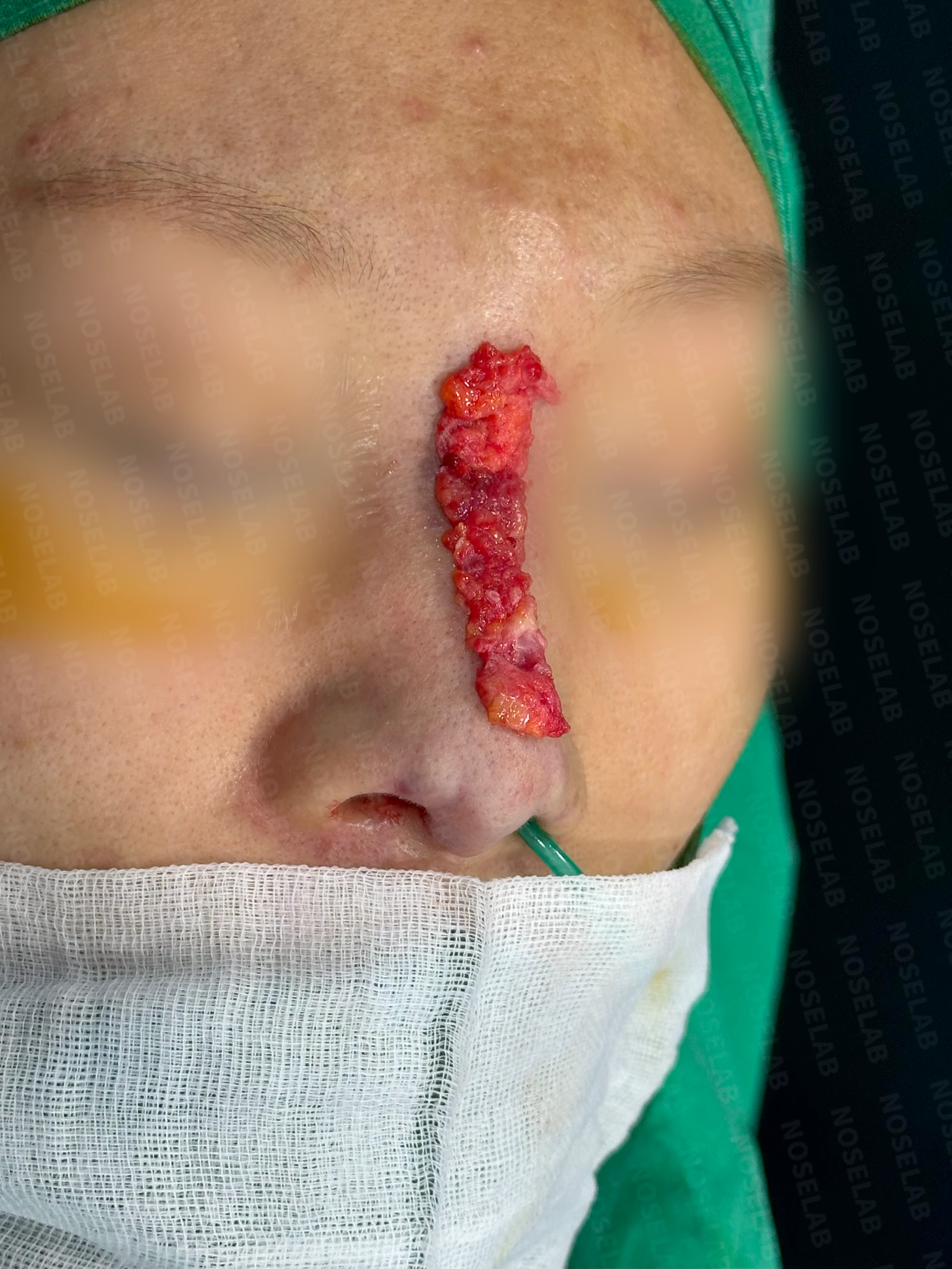
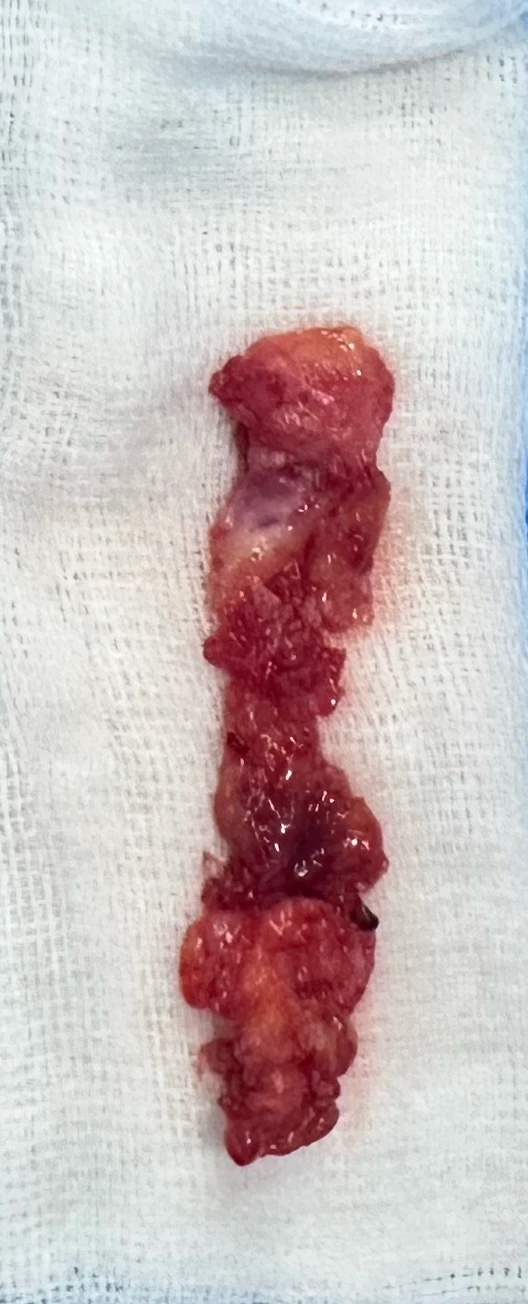
Photo of the removed foreign material
b) Nasal tip cartilage reconstruction:
- Lower lateral cartilages, which were severely damaged on both sides, were reconstructed using autologous rib cartilage.
c) Septal extension:
- The septum was extended and reinforced using autologous rib cartilage.
- This elevated the drooping tip and enhanced structural support.
d) Deviated septum correction:
- The septum, which was deviated to the left, was straightened.
e) Inferior turbinate reduction:
- Submucosal resection of the inferior turbinate using radiofrequency laser was performed to improve nasal obstruction.
f) Nasal floor reduction:
- The widened nasal floor was appropriately reduced to improve overall nasal balance.
The entire procedure was conducted via a closed approach (inner-open surgery), completing the operation without additional external scarring.
4. Comparison of before-and-after photos
Comparing photos taken immediately after surgery on day 0 shows the following improvements: Photos taken immediately after surgery show swelling and may differ from the final result.
Front view:
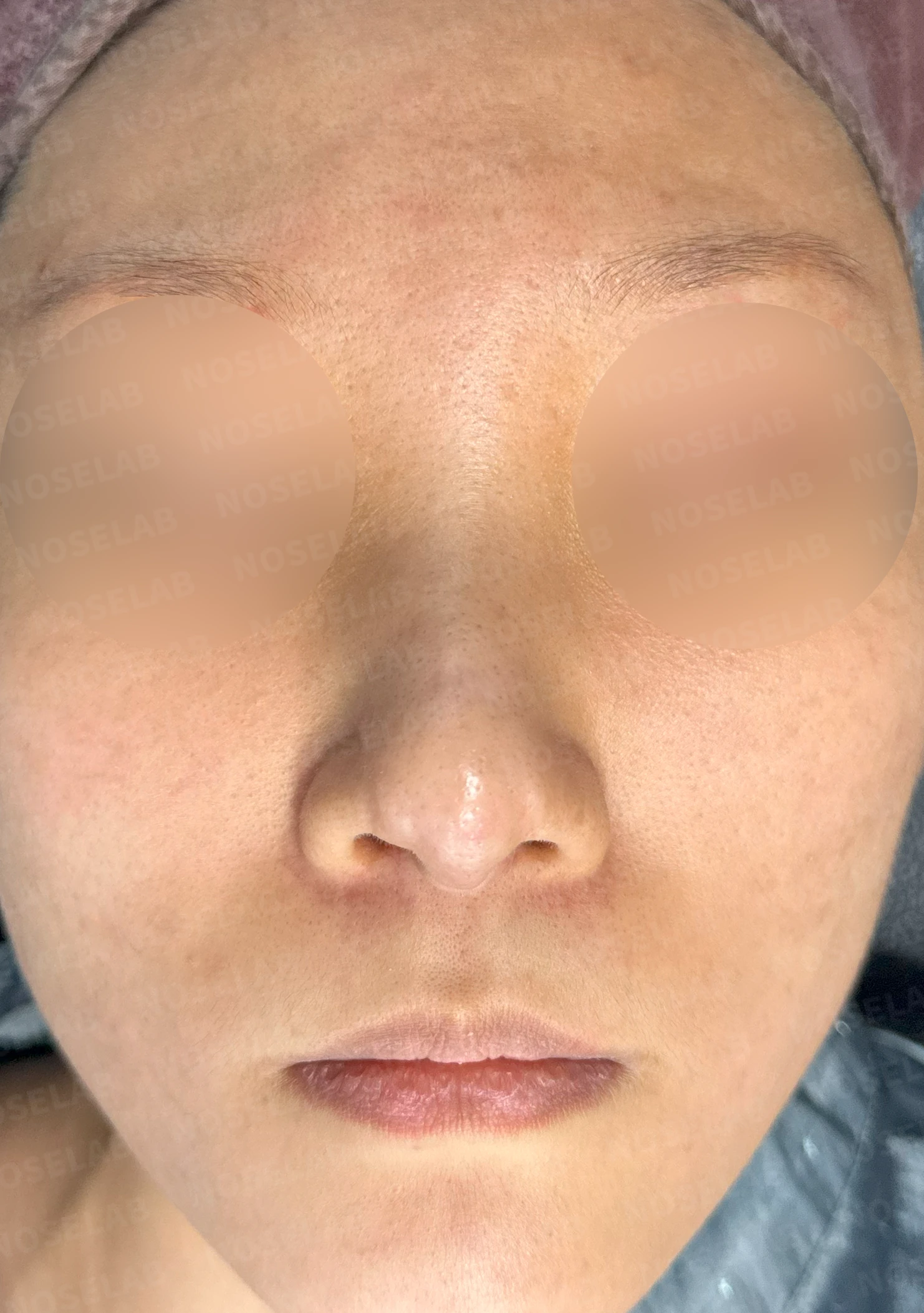
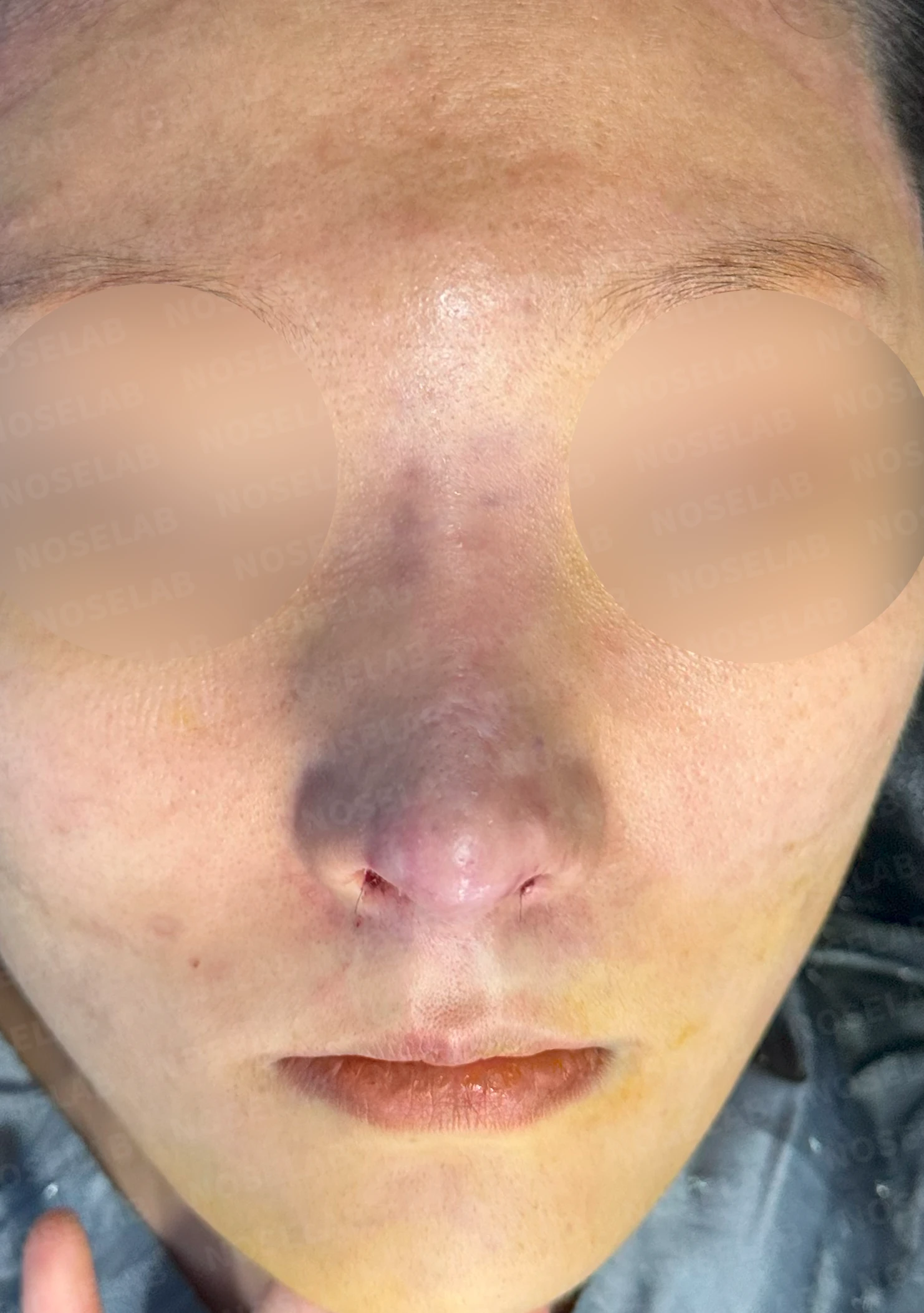
Before surgery / Day 0 immediately after surgery Photos taken immediately after surgery show swelling and may differ from the final result.
- The widened glabella now appears natural.
- The irregular and widened nasal tip became smooth and refined.
- Nostril asymmetry improved significantly.
Profile view:
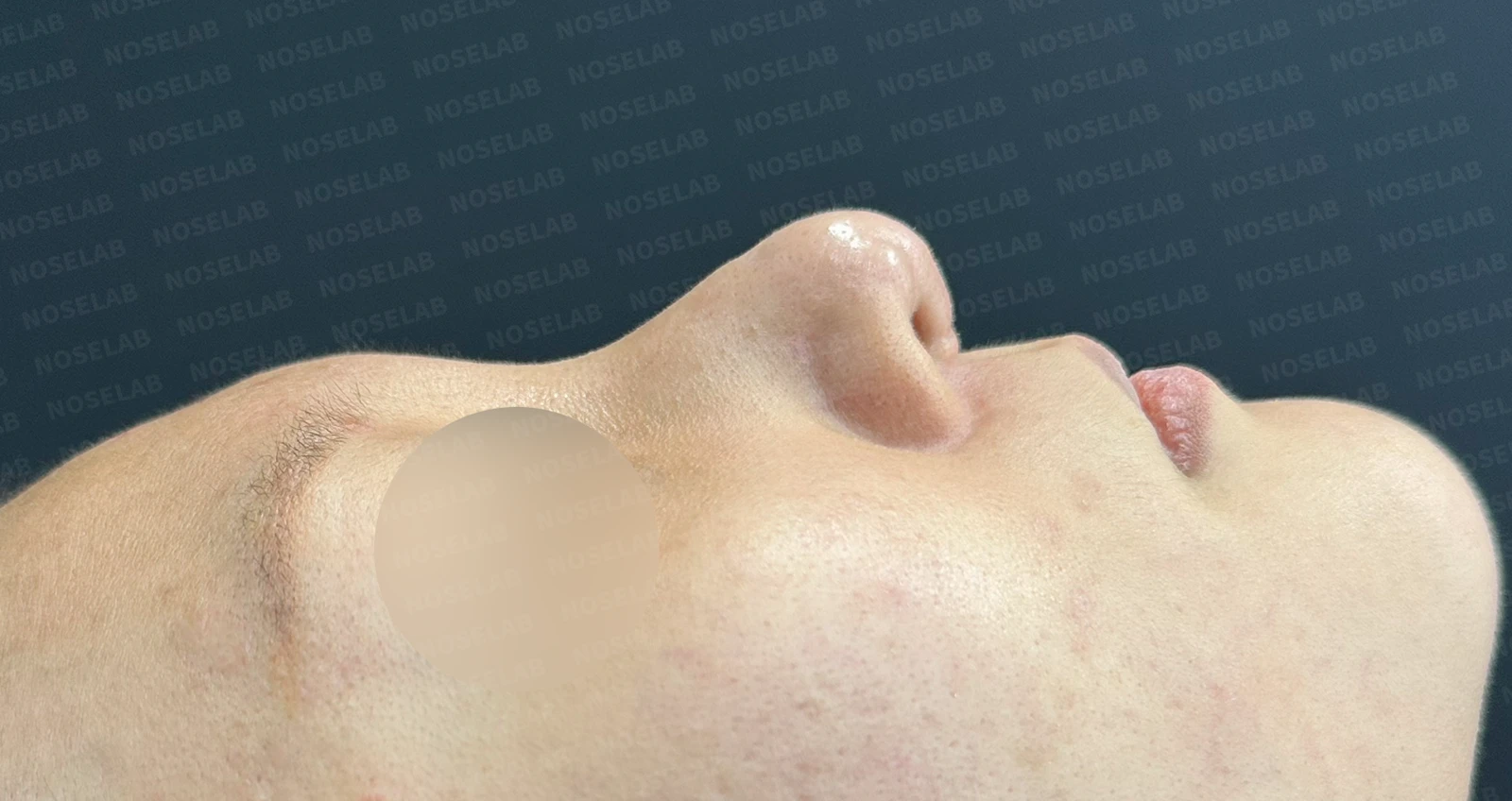
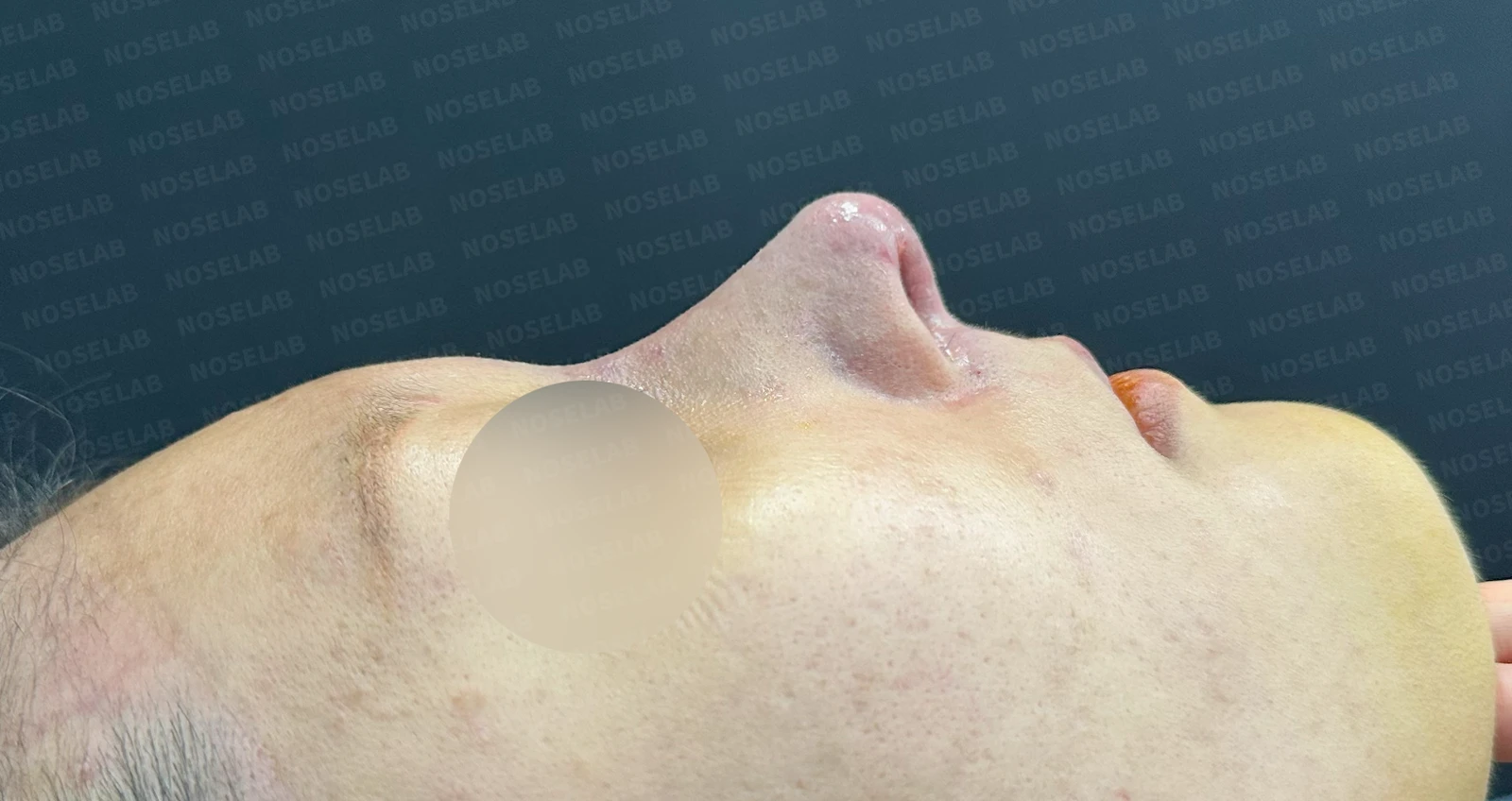
Before surgery / Day 0 immediately after surgery Photos taken immediately after surgery show swelling and may differ from the final result.
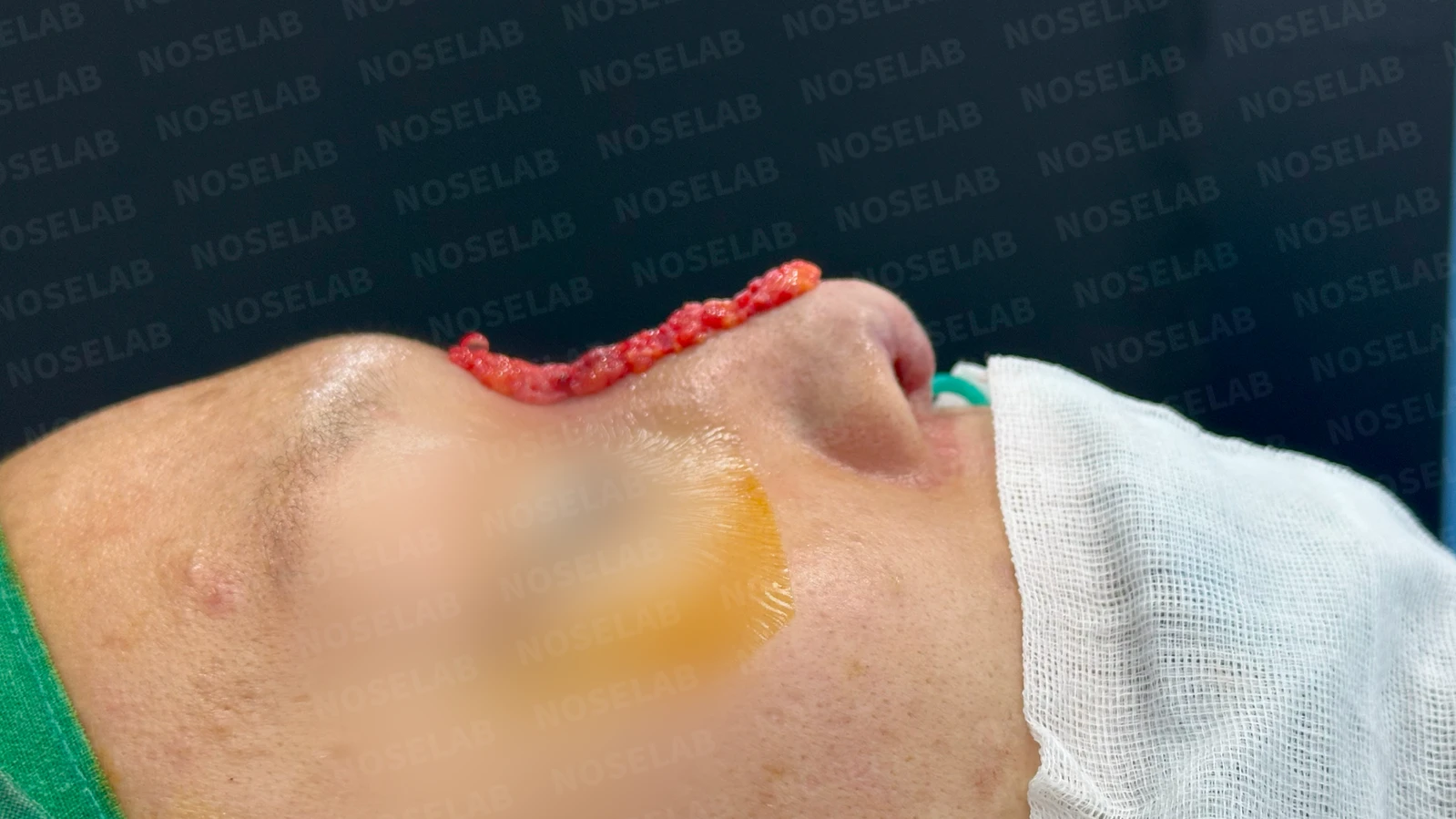
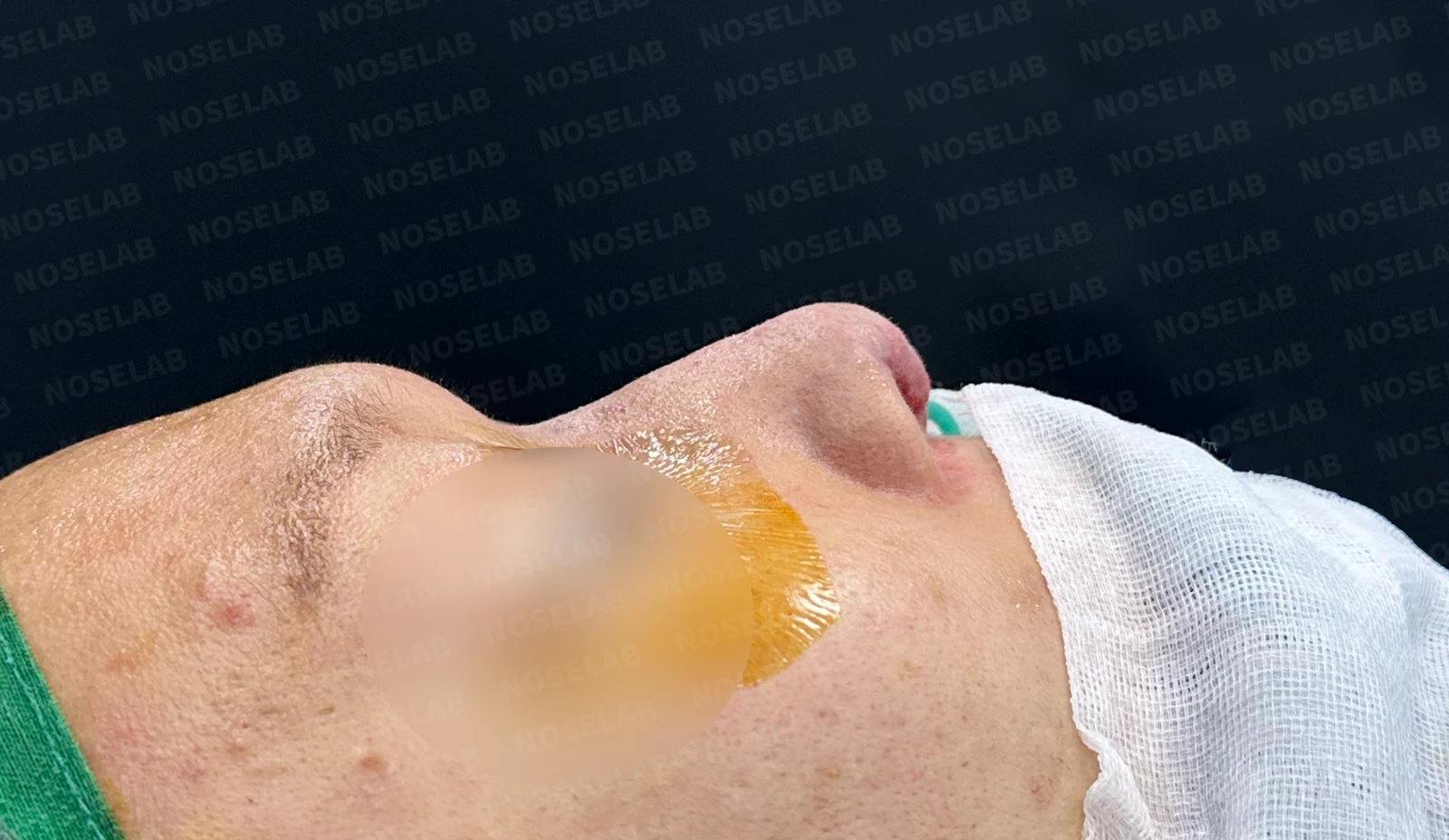
Photos of the removed foreign substances
- The abnormally high radix was naturally lowered.
- The drooping nose was properly elevated.
- The blunt nasal line was transformed into a refined straight bridge line with a gentle curve.
- The nasolabial angle was corrected, improving the appearance of a protruding mouth.
Oblique view:
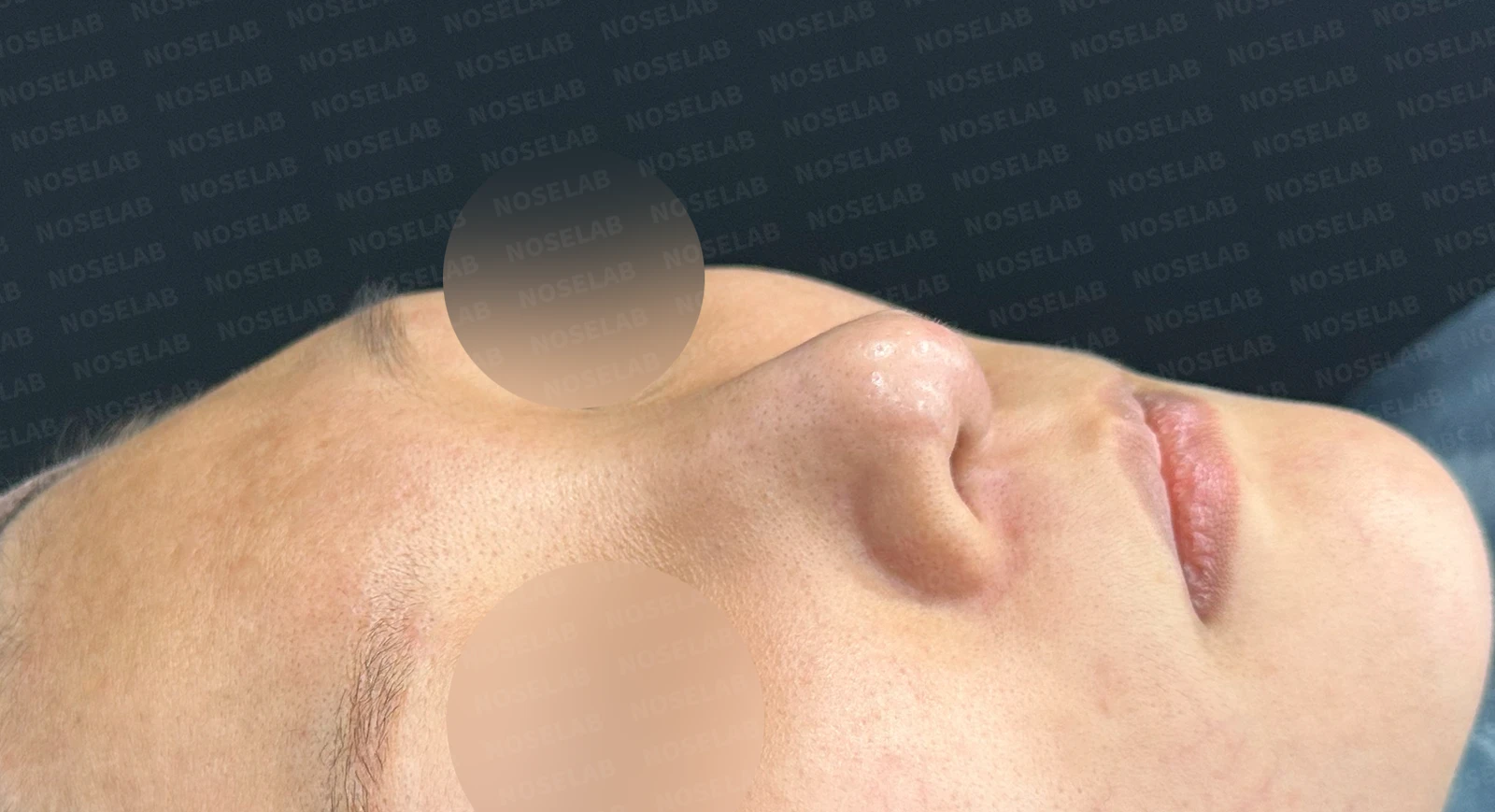
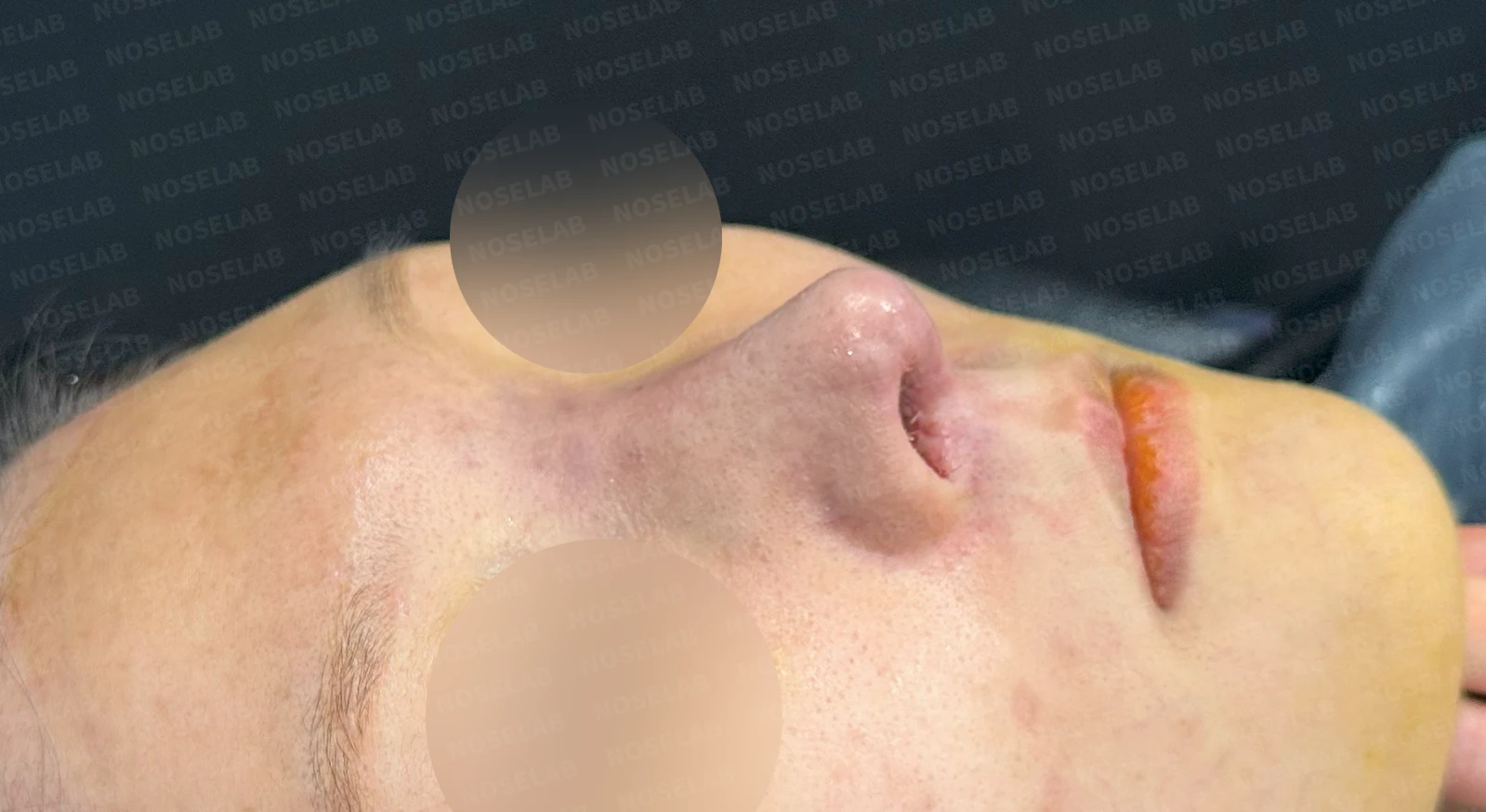
Before surgery / Day 0 immediately after surgery Photos taken immediately after surgery show swelling and may differ from the final result.
- The overall bulky appearance of the nose was transformed into a slimmer, more refined look.
- The bluntness of the nasal tip was corrected.
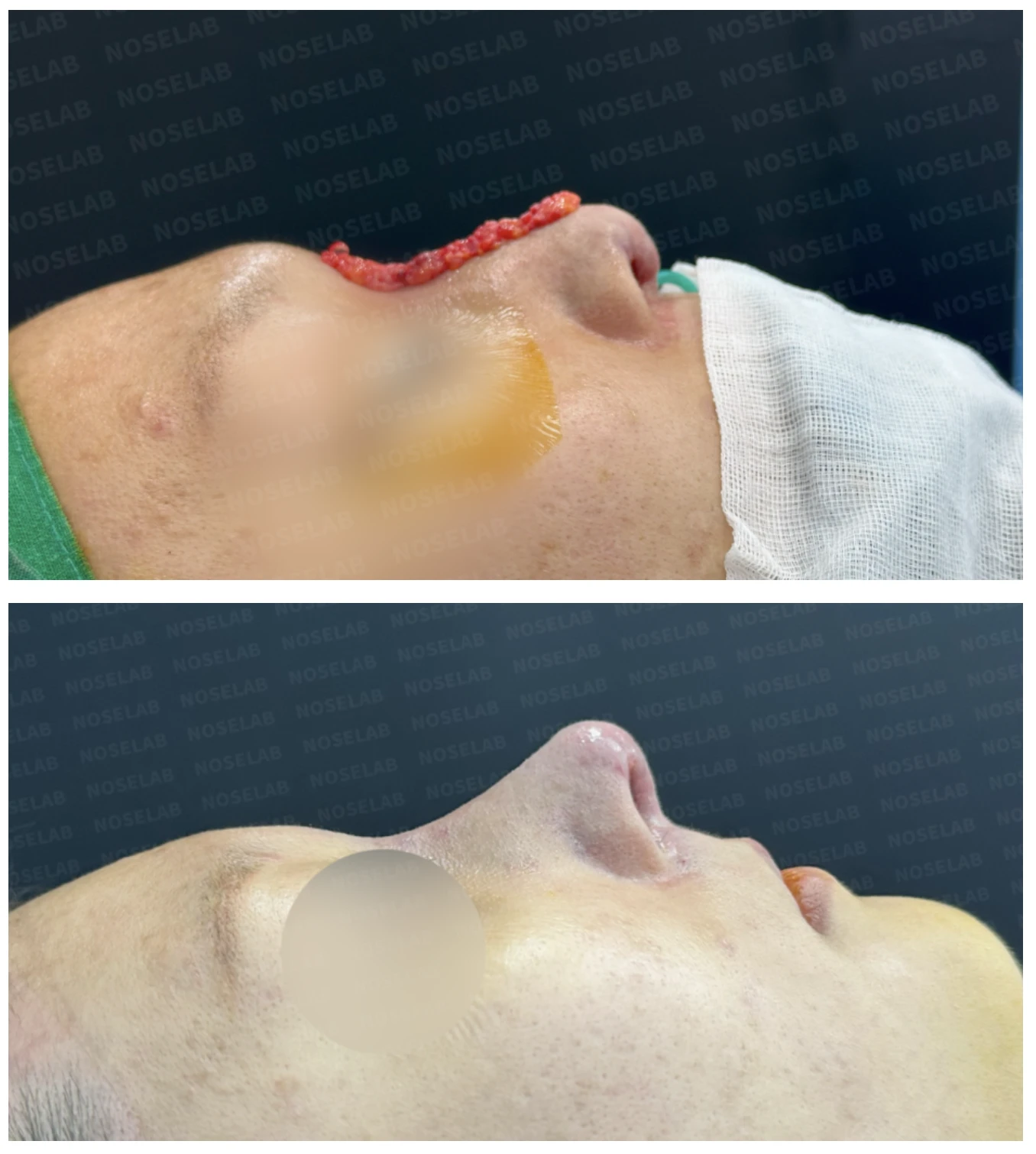
Nostrils:
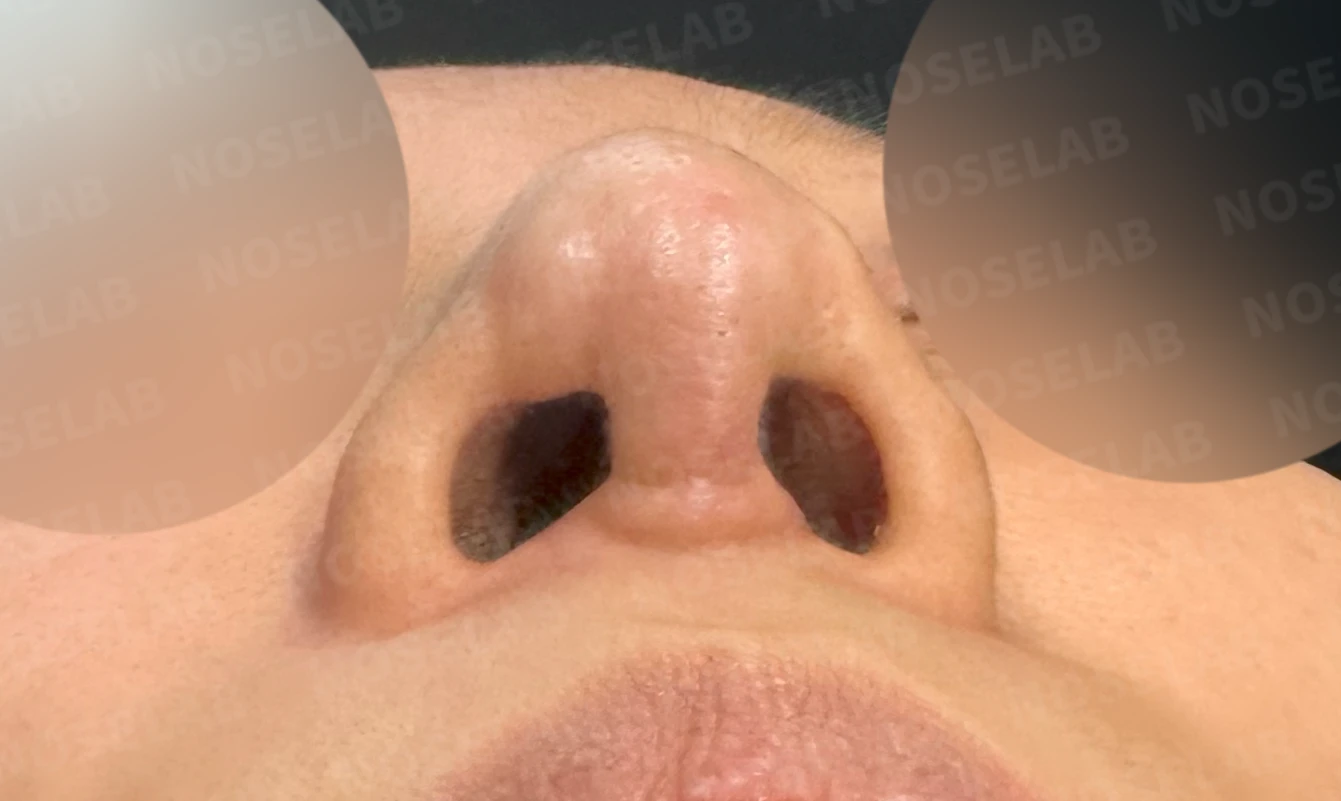
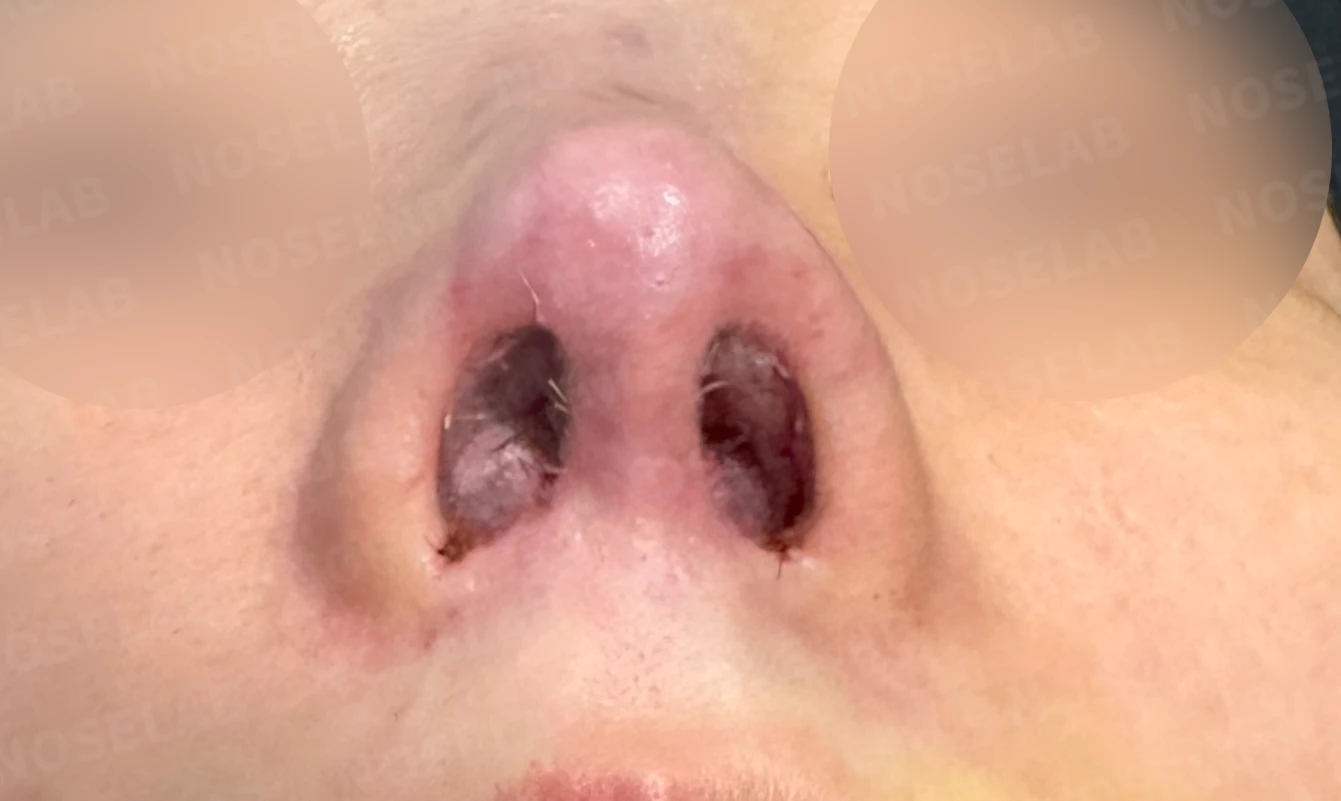
Before surgery / Day 0 immediately after surgery Photos taken immediately after surgery show swelling and may differ from the final result.
- Nostril symmetry was significantly improved.
- The irregular surface of the nose became smooth.
- The open rhinoplasty scar on the columella showed noticeable improvement.
5. Photos immediately after surgery on day 0 Photos taken immediately after surgery show swelling and may differ from the final result.
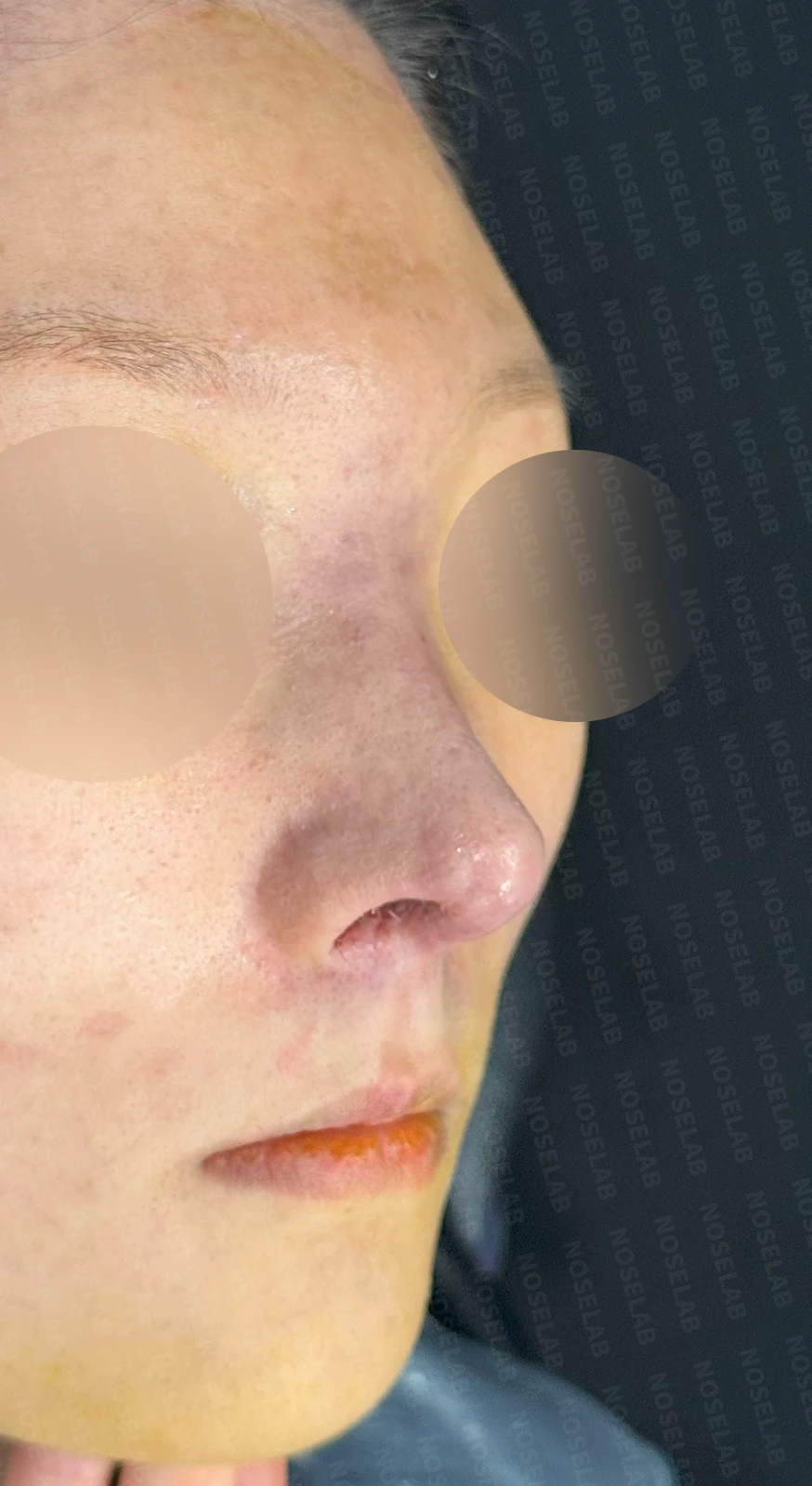
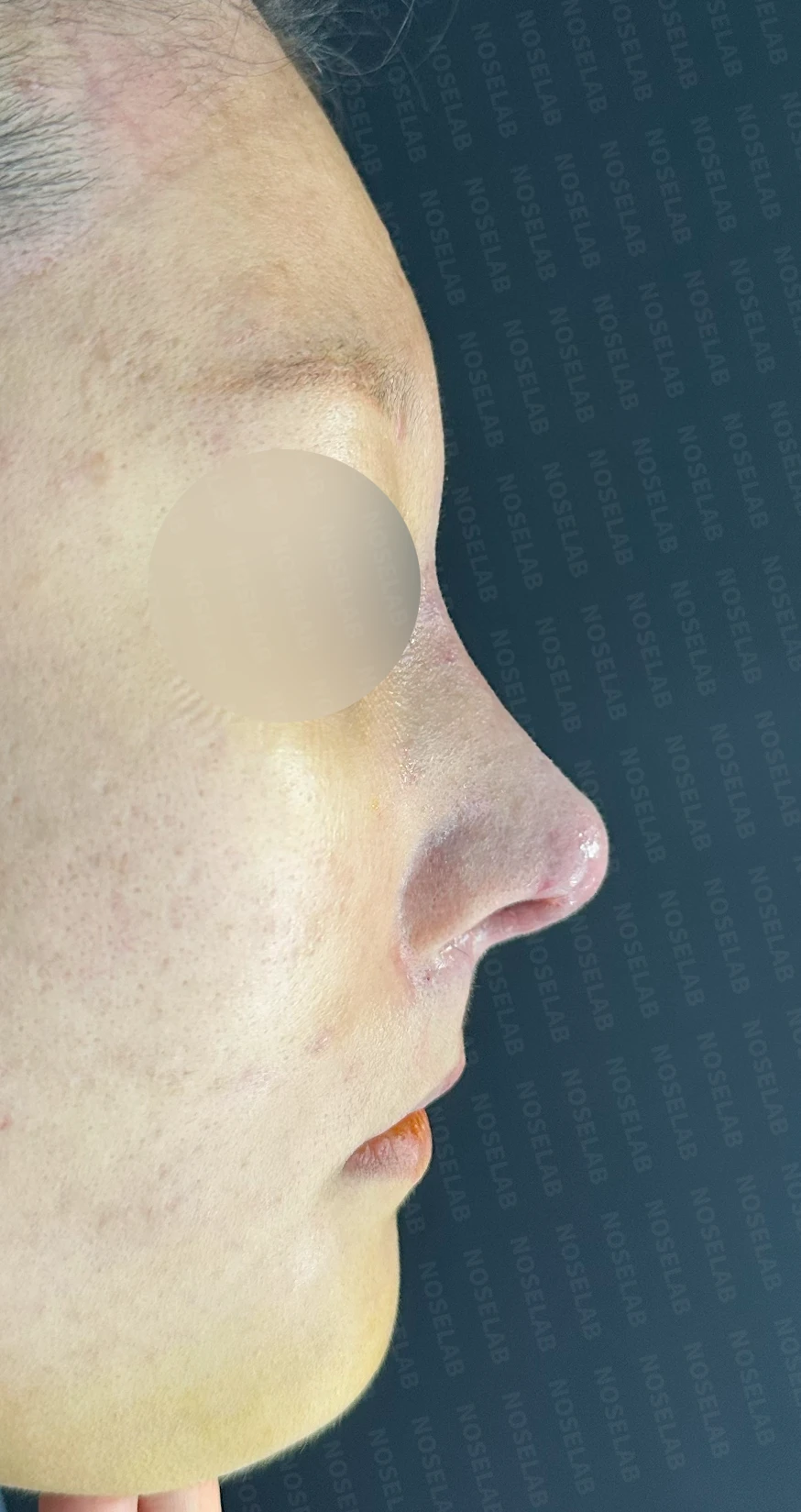
Front, oblique, and profile views on day 0 immediately after surgery Photos taken immediately after surgery show swelling and may differ from the final result.
Basal (nostril) view immediately after surgery (Day 0)Immediate postoperative photos show swelling and may differ from the final result.
6. Overall evaluation
This case was a successful correction of a severe nasal deformity caused by an illegal procedure. It was a complex surgery that involved safely removing foreign material that had been present for 10 long years, while simultaneously improving both the function and appearance of the nose.
Particularly noteworthy is the importance of foreign material removal. Because it is impossible to completely distinguish illegal filler from normal tissue, some damage to normal tissue is unavoidable. During this process, there can be a risk of skin necrosis due to vascular injury.
However, the inner-open surgical technique performed at our clinic preserves the columellar artery, significantly lowering the risk of skin necrosis. This allowed us to safely remove the foreign material and reconstruct the nose.
In addition, reconstruction using autologous rib cartilage played a major role in effectively restoring the damaged nasal framework. By stably reconstructing the nasal tip cartilage, septum, and bridge, we were able to achieve satisfying functional and aesthetic results.
7. Conclusion
The extent of removal and the reconstruction plan may vary depending on the type of injected substance and the condition of the remaining tissue.
Through this case, I hope to raise awareness among those suffering from the consequences of illegal procedures, while also offering hope. Even with severe deformities, this case demonstrates that a nose can be restored to a healthy and aesthetic state through appropriate surgical planning and specialized techniques.
If you are considering rhinoplasty, please be sure to consult with a board-certified specialist to choose a method planned with safety and efficacy in mind. NOSELAB will always do its utmost for your health and natural beauty.
This was Dr. Peter C. Kang. Thank you.
Thank you.
#IllegalFillerRemoval #UnauthorizedInjectionCorrection #NasalReconstruction #InnerOpenRhinoplasty #AutologousRibCartilageGraft #ClosedRhinoplasty #RevisionRhinoplasty #ENTSpecialistRhinoplasty #SafeRhinoplasty #BridgeCorrection #NasalTipPlasty #NasalObstructionImprovement

Limitations and risks
When autologous rib cartilage is used, scarring and pain may remain at the donor site on the chest, and pneumothorax (pleural injury) can occur rarely. Over time, the grafted cartilage may warp or undergo partial resorption.
When foreign materials such as injected fillers are removed and reconstructed, contracture may recur, nasal height and length may decrease, and staged surgery may be necessary depending on the skin condition.
When the septum is corrected at the same time, nasal obstruction may persist or recur, and in rare cases, septal perforation or changes in smell may occur.
Common potential risks include infection, bleeding, asymmetry, scarring, skin necrosis, and insufficient improvement; results vary depending on individual skin condition and previous surgical history.