English日本語简体中文
Skip to main content
Dr. Peter C. Kang's Rhinoplasty Stories
PrologueBlogMy thoughtsNasal obstructionSurgical journalSurgical photos
About the surgeon

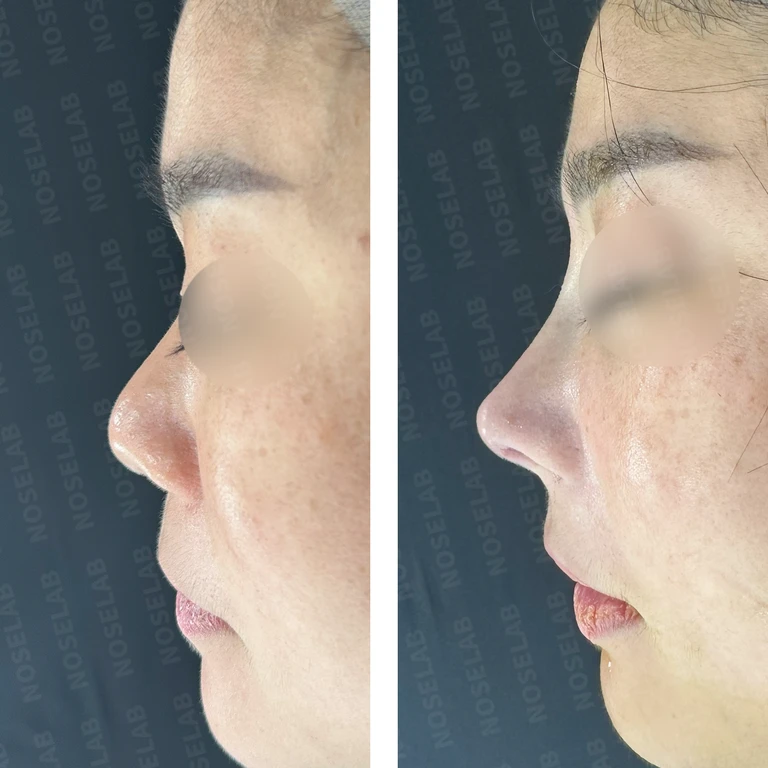
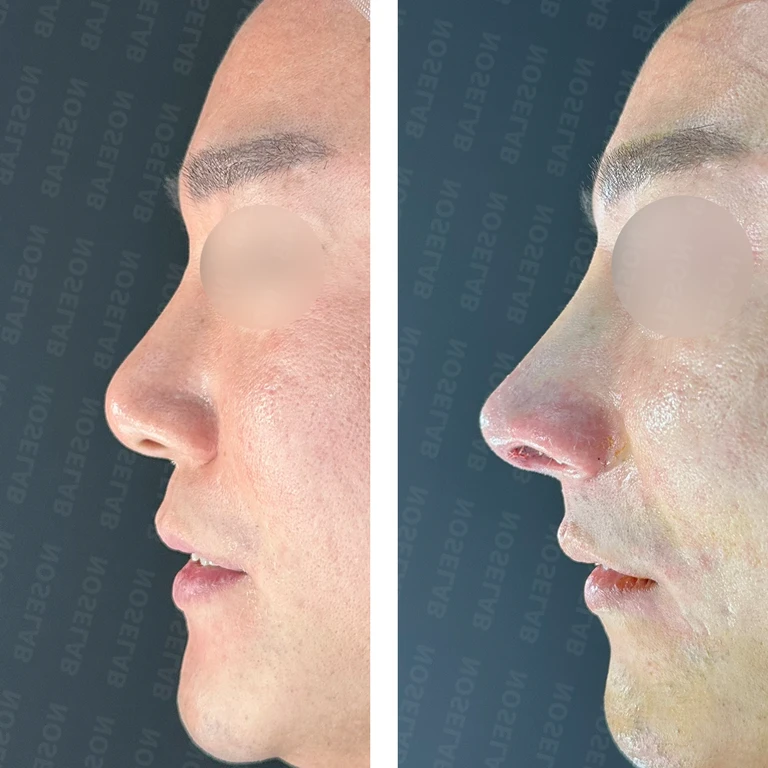
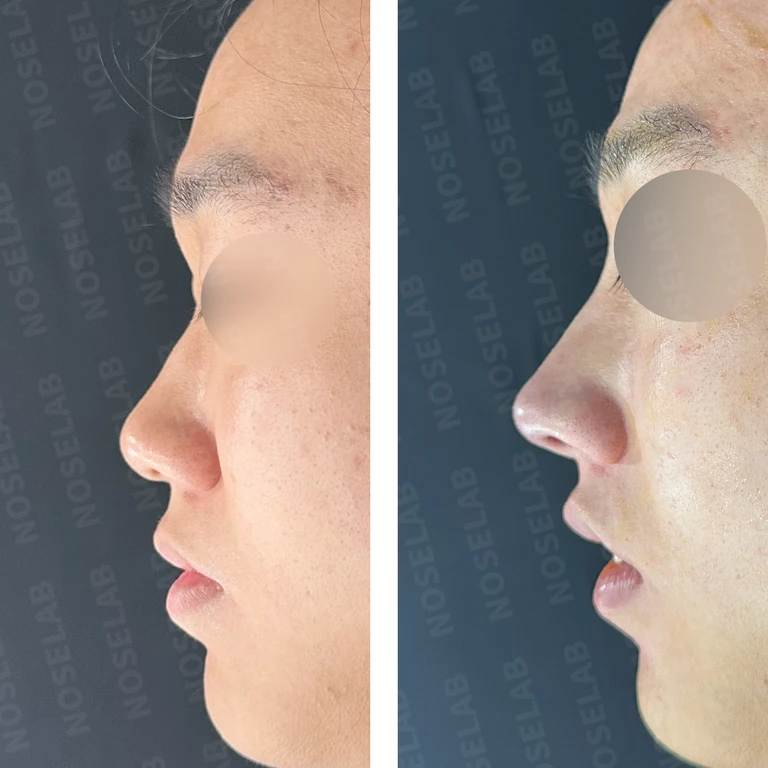
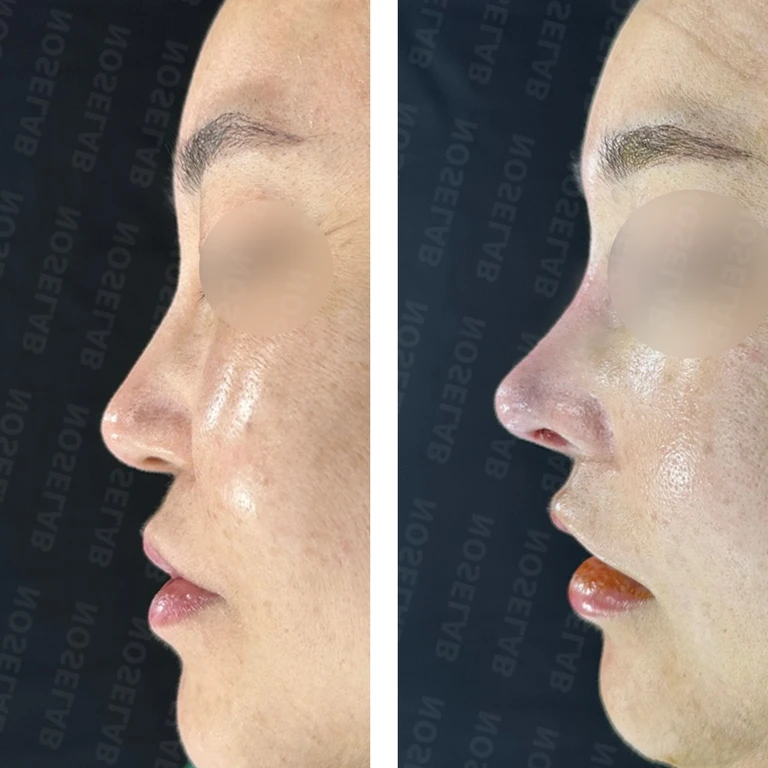
Bulbous nose and blunt tip: identifying areas of widened tissue

This is page 6 of case reports on bulbous nose, bulbous tip, and distinguishing areas of spread. View surgical records and before-and-after photos for cases 91 to 108 of 208.

View before-and-after cases ↓Comprehensive rhinoplasty guide

Searching for surgical cases matching your criteria.
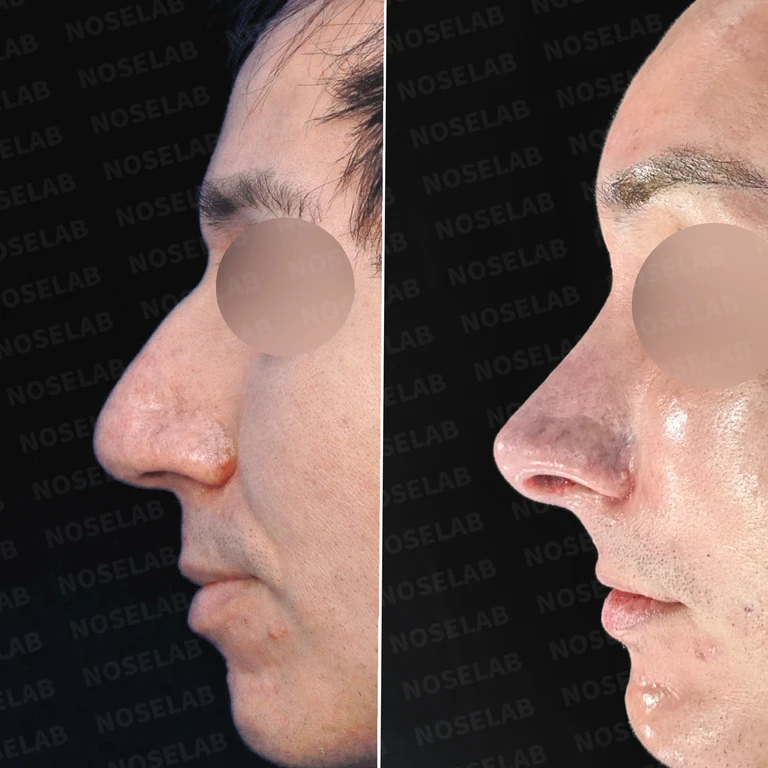
Why dorsal humps and crooked noses often cause nasal obstruction, and how to address them with combined correction — Before-and-after comparison
Before-and-after comparison

Why dorsal humps and crooked noses often cause nasal obstruction, and how to address them with combined correction

A case combining a dorsal hump, crooked nose, and hypertrophic rhinitis addressed with osteotomy, hump reduction, septoplasty, and submucosal resection of the inferior turbinates.

Preoperative condition · Postoperative record
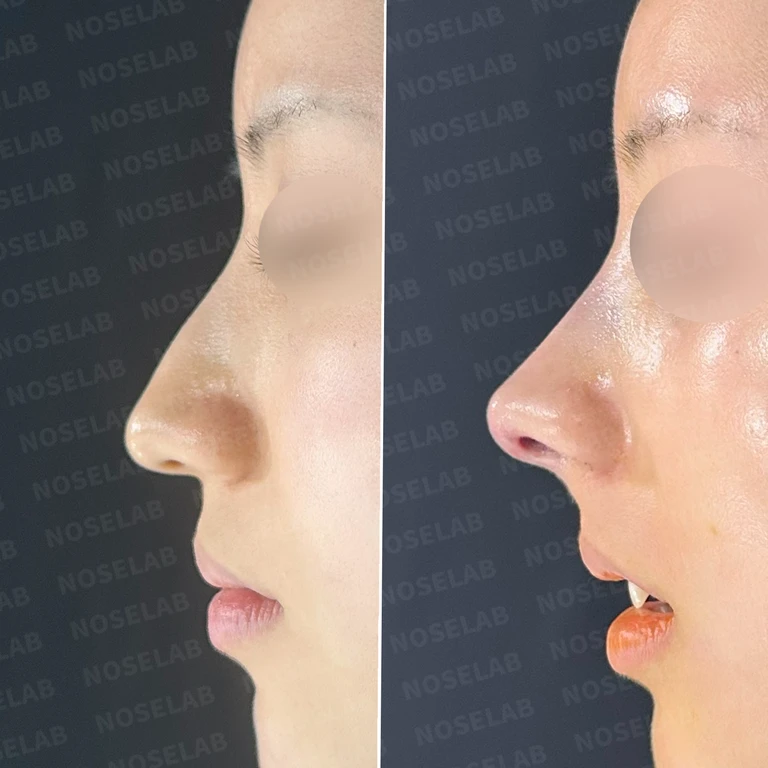
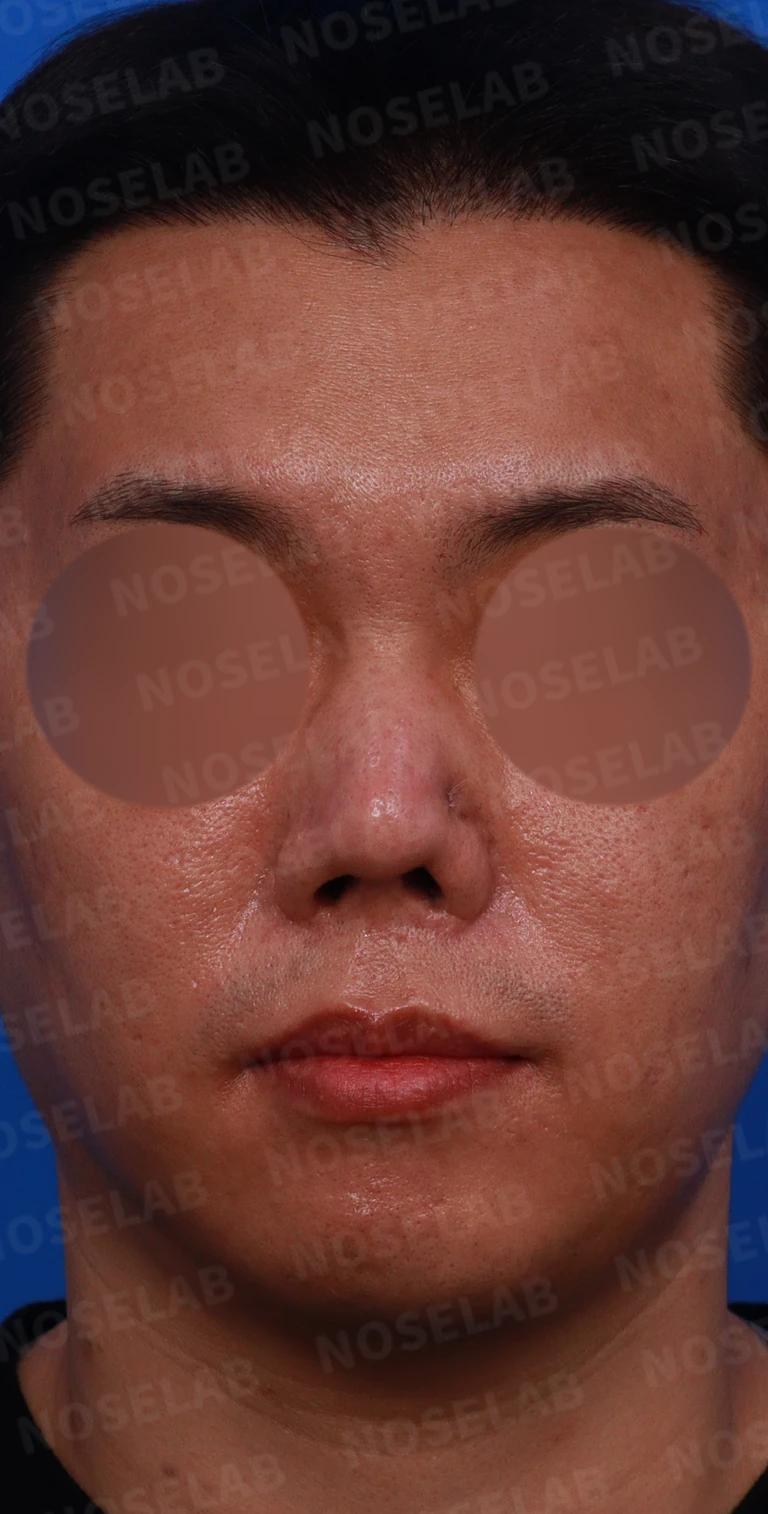
Why a dorsal hump and a long nose often accompany nasal obstruction, and how they are corrected — Before-and-after comparison
Before-and-after comparison

Why a dorsal hump and a long nose often accompany nasal obstruction, and how they are corrected

A case involving a history of nose thread lifting, a dorsal hump, a long nose, and rhinitis symptoms, corrected with osteotomy, hump rasping, septoplasty, and inferior turbinate resection.

Preoperative condition

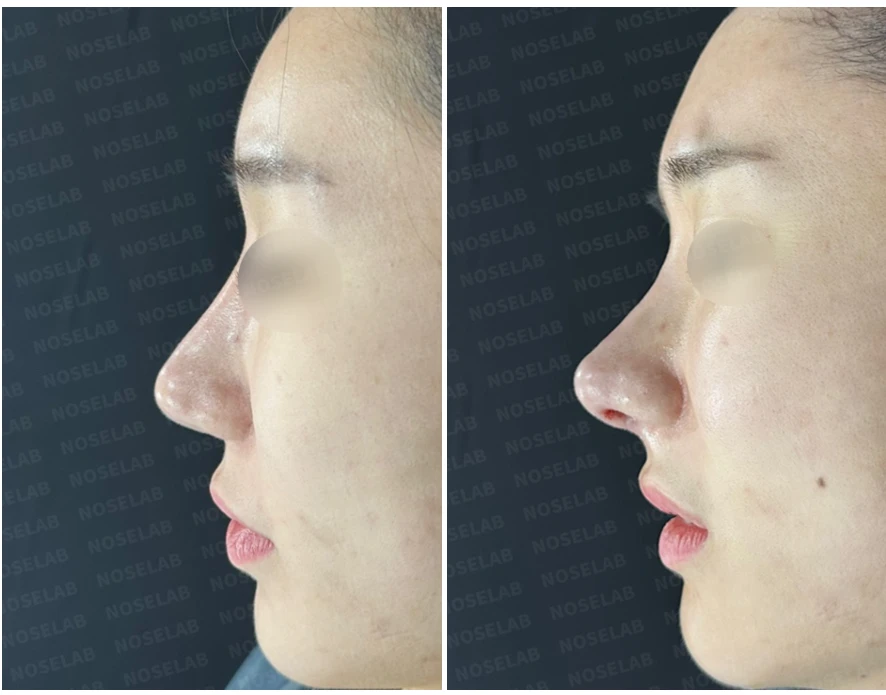
Why a thick columella and upturned nasal tip develop, and how autologous rib cartilage reconstruction is performed — Before-and-after comparison
Before-and-after comparison

Why a thick columella and upturned nasal tip develop, and how autologous rib cartilage reconstruction is performed

A case of an upturned nose with septal damage and contracture deformity from repeated surgeries, where the septum and lower lateral cartilages were reconstructed using autologous rib cartilage along with columellar width correction.

Preoperative condition

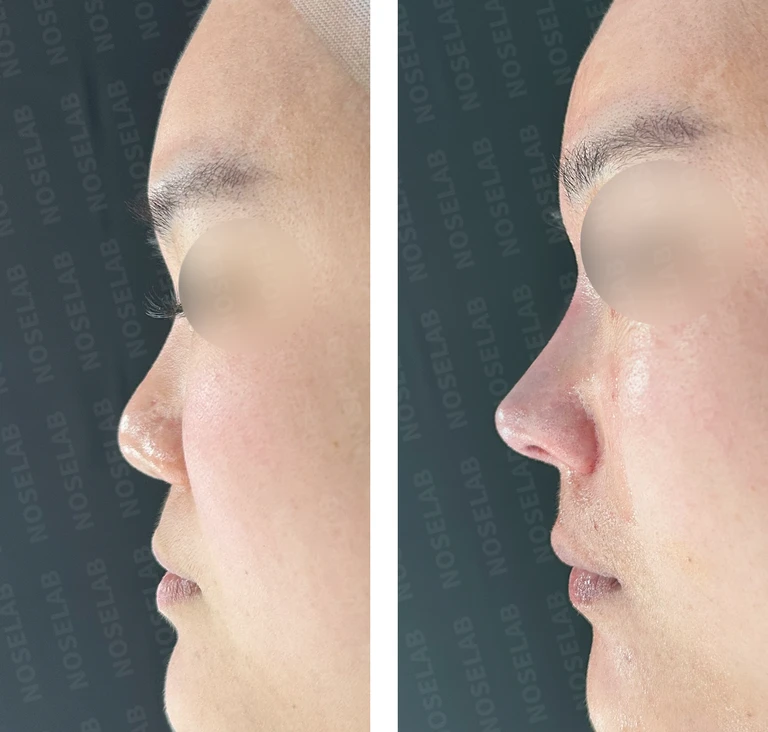
Planning implant-free rhinoplasty using autologous rib cartilage in patients with allergic tendencies — Before-and-after comparison
Before-and-after comparison

Planning implant-free rhinoplasty using autologous rib cartilage in patients with allergic tendencies

This is a revision rhinoplasty case where autologous rib cartilage was chosen instead of a silicone implant due to the patient's allergic constitution and concerns about inflammation. Drooping tip and a crooked nose were corrected through septal extension, bridge augmentation, and cartilage repositioning.

Preoperative condition

Rhinoplasty and chin augmentation considering facial proportions — Before-and-after comparison
Before-and-after comparison

Rhinoplasty and chin augmentation considering facial proportions

For a bulbous nasal tip, retracted columella, and a receding chin, septal extension using septal cartilage and donor rib cartilage was combined with a chin implant to refine the facial profile.

Preoperative condition

Nasal correction considering philtrum length and alar asymmetry — Before-and-after comparison
Before-and-after comparison

Nasal correction considering philtrum length and alar asymmetry

For an elongated-looking philtrum and asymmetrical alae, filler was removed, followed by septal extension using autologous rib cartilage, nasal sill reduction, and septal and rhinitis surgery.

Preoperative condition · Postoperative record
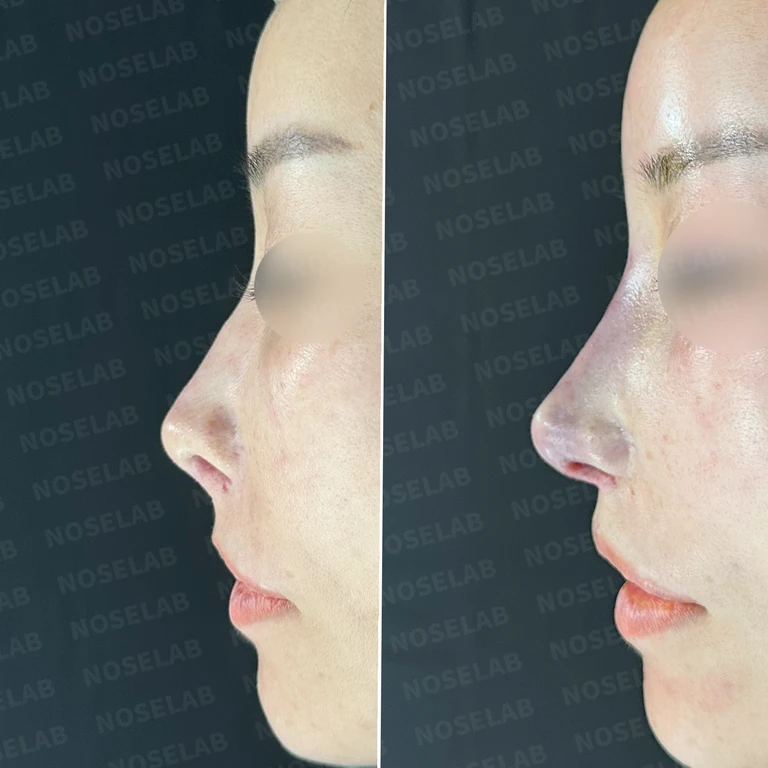
Correction approach considering height and proportions for a small nose — Before-and-after comparison
Before-and-after comparison

Correction approach considering height and proportions for a small nose

For a small, upturned nose with a wide tip, foreign material from nasal bridge filler was removed, followed by lateral osteotomy, silicone implant placement, lowering the columella, and nasolabial angle correction.

Preoperative condition

Nasal structure of an artificial-looking nose after surgery and reconstruction methods — Before-and-after comparison
Before-and-after comparison

Nasal structure of an artificial-looking nose after surgery and reconstruction methods

For a high radix, upturned tip, and nasal obstruction caused by septal deviation, donor rib cartilage extension, tip cartilage repositioning, and inferior turbinate resection were performed.

Preoperative condition

Correction approach considering both a large nose and facial proportions — Before-and-after comparison
Before-and-after comparison

Correction approach considering both a large nose and facial proportions

For a large nose with a dorsal hump and a drooping tip, harmony was achieved through lateral osteotomy, nasal tip correction using autologous rib cartilage, nasal sill reduction, and autologous facial fat grafting.

Preoperative condition

Examining the causes of a contracted nose and methods for reconstruction — Before-and-after comparison
Before-and-after comparison

Examining the causes of a contracted nose and methods for reconstruction

For a contracted nose and septal damage following repeated surgeries and implant removal, we reconstructed the septum using autologous rib cartilage while correcting the upturned tip and rhinitis.

Preoperative condition

Remaining structures and reconstruction methods after alar reduction — Before-and-after comparison
Before-and-after comparison

Remaining structures and reconstruction methods after alar reduction

Nostril asymmetry, a bulbous nasal tip, and nasal obstruction caused by excessive alar reduction were improved by combining autologous rib cartilage septal extension, alar reconstruction, and rhinitis surgery.

Preoperative condition

How to remove embedded lifting threads from the nose and reconstruct the nasal structure — Before-and-after comparison
Before-and-after comparison

How to remove embedded lifting threads from the nose and reconstruct the nasal structure

After completely removing 20 to 30 remaining threads inserted during oriental clinic thread-lifting procedures, the nasal line was improved by combining nasal tip correction using septal cartilage and donor rib cartilage with rhinitis surgery.

Preoperative condition · Postoperative record
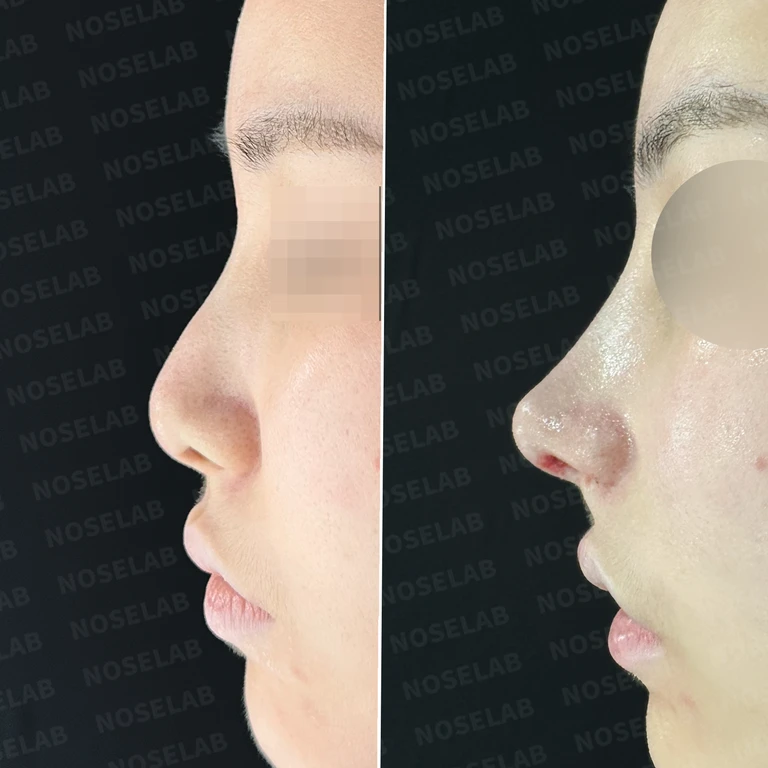
How to correct a short nose and nasal obstruction together — Before-and-after comparison
Before-and-after comparison

How to correct a short nose and nasal obstruction together

A short, upturned nose accompanied by nasal obstruction and a decreased sense of smell was corrected using a combination of septal extension with autologous rib cartilage, septoplasty for a deviated septum, lateral osteotomy, and submucosal resection of the inferior turbinates.

Postoperative record

How to correct a crooked nose, nasal obstruction, and nasal tip structure together — Before-and-after comparison
Before-and-after comparison

How to correct a crooked nose, nasal obstruction, and nasal tip structure together

A damaged septum, crooked nose, and nasal obstruction from previous surgery were corrected structurally and functionally using autologous rib cartilage septal reconstruction, septal extension grafting, and rhinitis surgery.

Preoperative condition · Postoperative record
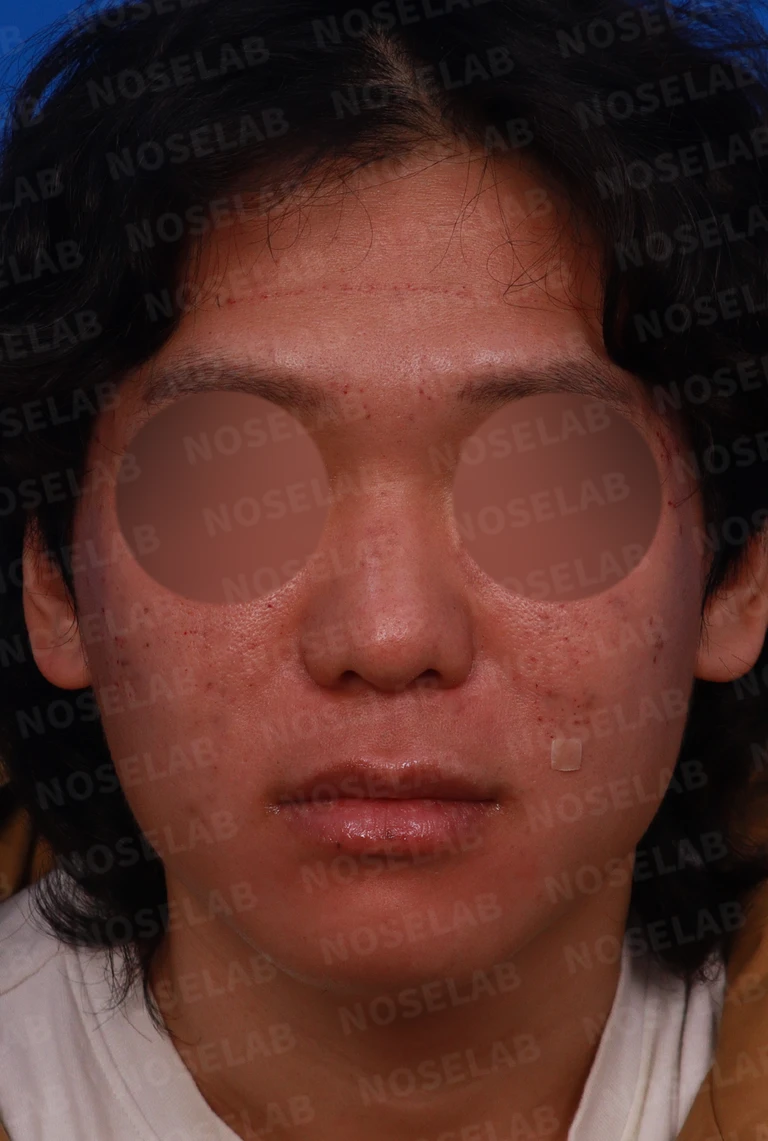
Correcting a low nasal bridge and nasal obstruction together — Before-and-after comparison
Before-and-after comparison

Correcting a low nasal bridge and nasal obstruction together

A low, flat nasal bridge, a bulbous tip, and nasal obstruction caused by a deviated septum were improved through rhinoplasty using septal cartilage and ear cartilage, alongside inferior turbinate reduction.

Preoperative condition · Postoperative record
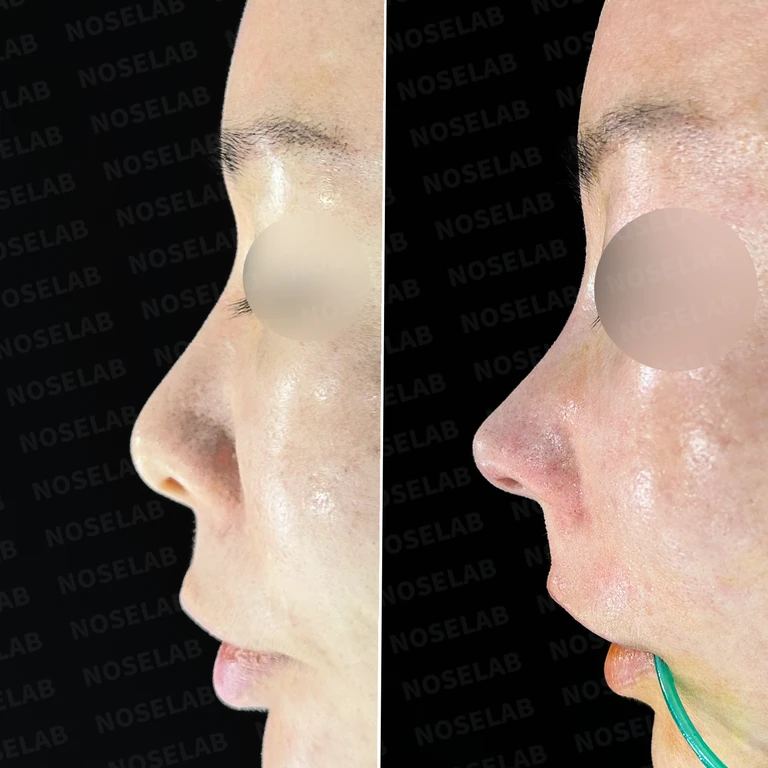
How the septum is reconstructed in revision rhinoplasty — Before-and-after comparison
Before-and-after comparison

How the septum is reconstructed in revision rhinoplasty

In a patient presenting with septal damage, a crooked nose, and breathing difficulties following two-jaw surgery and filler procedures, residual filler was removed, autologous rib cartilage septal reconstruction was performed, and rhinitis surgery was carried out.

Preoperative condition

Correction methods for bulbous and crooked noses through structural analysis — Before-and-after comparison
Before-and-after comparison

Correction methods for bulbous and crooked noses through structural analysis

Correction of a crooked nose and bulbous tip following fracture reduction and multiple prior rhinoplasties using autologous rib cartilage septal extension, lateral osteotomy, nasal sill reduction, and nasolabial angle correction.

Preoperative condition · Postoperative record
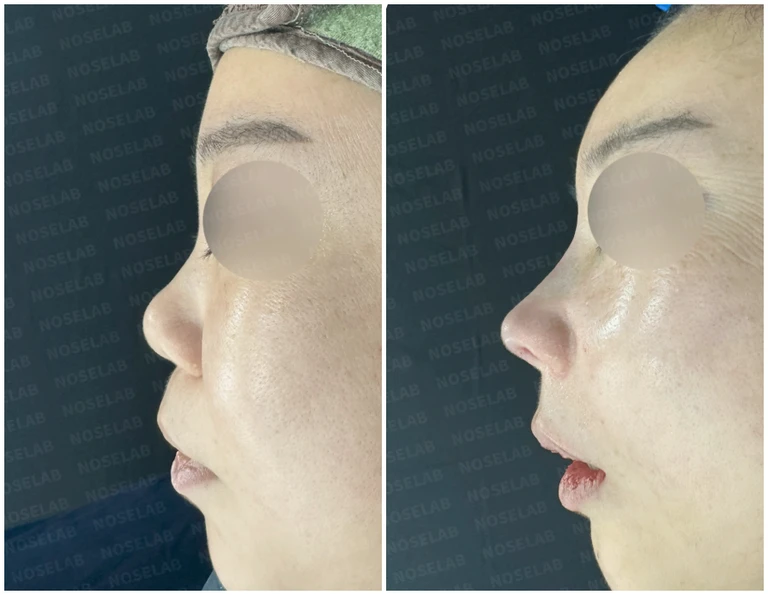
Anatomy and correction methods for wide and bulbous noses — Before-and-after comparison
Before-and-after comparison

Anatomy and correction methods for wide and bulbous noses

A blunt, wide nasal tip, a crooked nasal bridge, and nasal obstruction from rhinitis were corrected with lateral osteotomy, autologous rib cartilage septal extension, septoplasty, and inferior turbinate resection.

Preoperative condition · Postoperative record
No search results found

Please try searching with different keywords.

Scroll to keep reading

Previous case6 / 12Next case
Original article

Read more records

Planning a visit to Seoul?Prepare your consultation with the NOSELAB team.

International patient guideWhatsApp ↗
Dr. Peter C. Kang's Rhinoplasty Stories
Rhinoplasty guideCases by topicDr. Peter C. KangNaver Blog ↗
View original photo
Enlarged photo
WhatsAppChat with NOSELAB↗