Hello, I am Dr. Peter C. Kang.
Today, I would like to introduce the case of a patient who visited us due to concerns about nasal obstruction and a crooked nose.
Through this case, I will explain the importance of rhinoplasty that considers both function and aesthetics.
🔍 Surgical history and patient requests
2015: Silicone implant and septal surgery
Improvement of nasal obstruction
Increasing nasal tip height
Correction of crooked nose
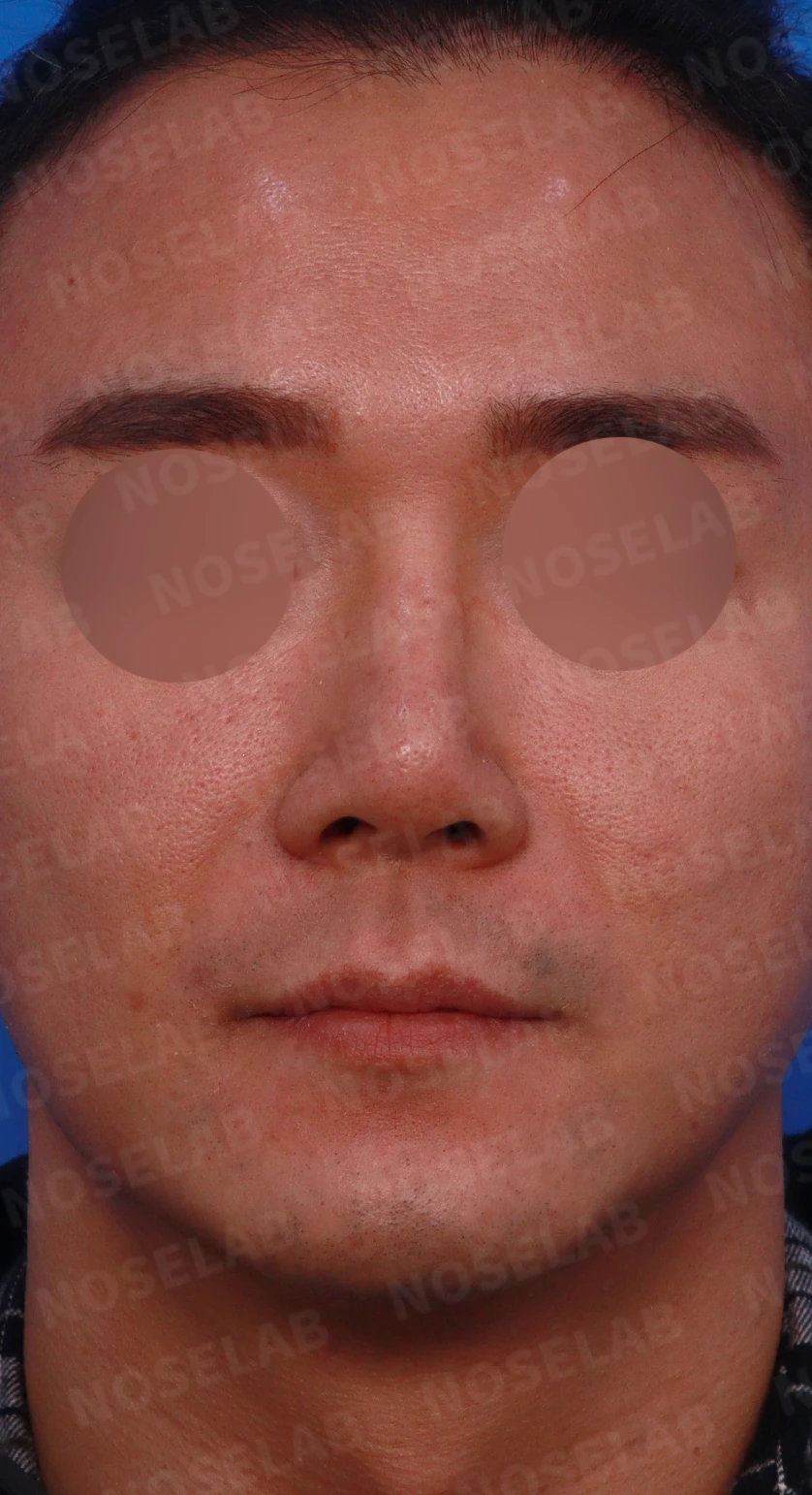
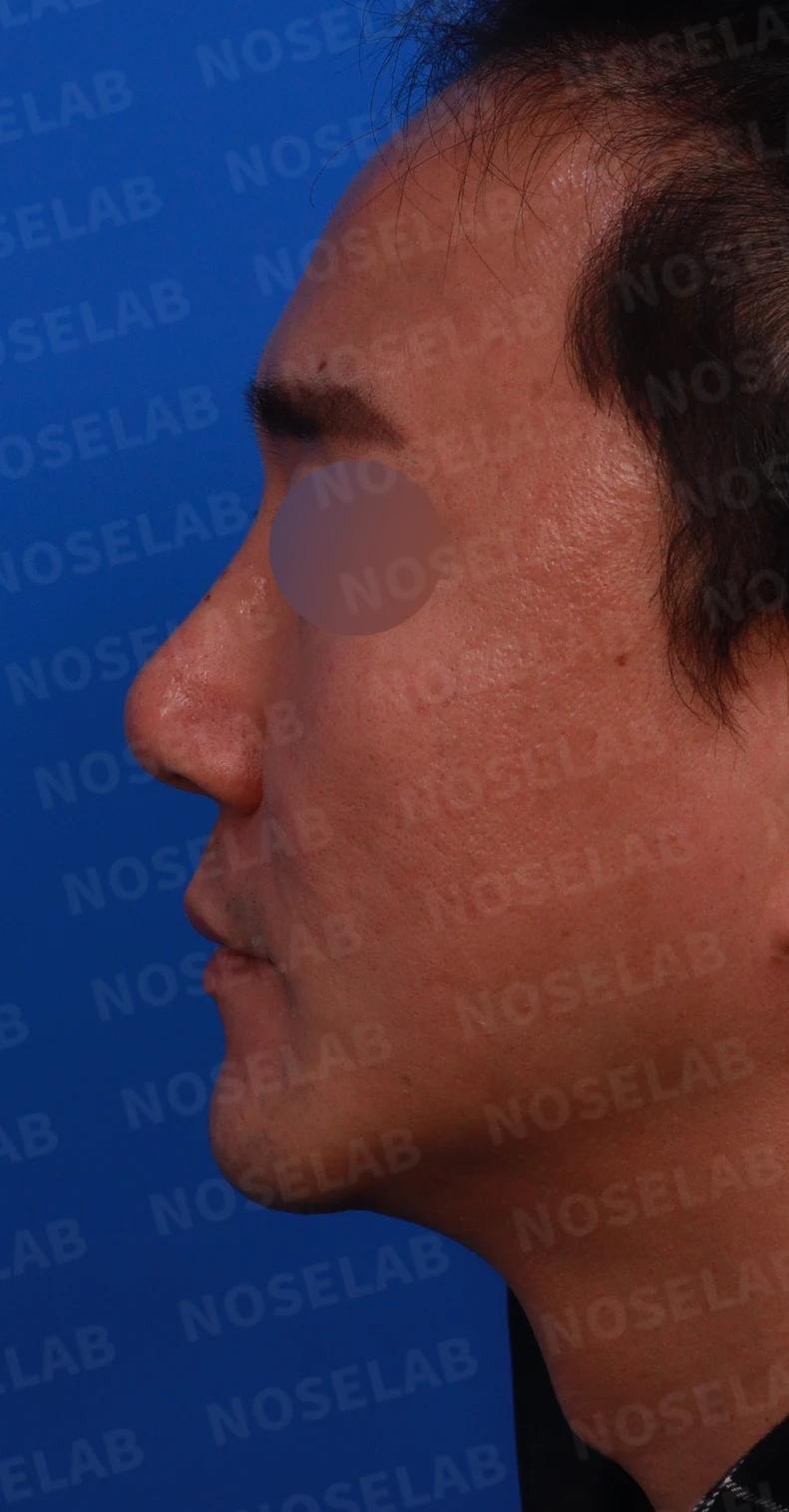
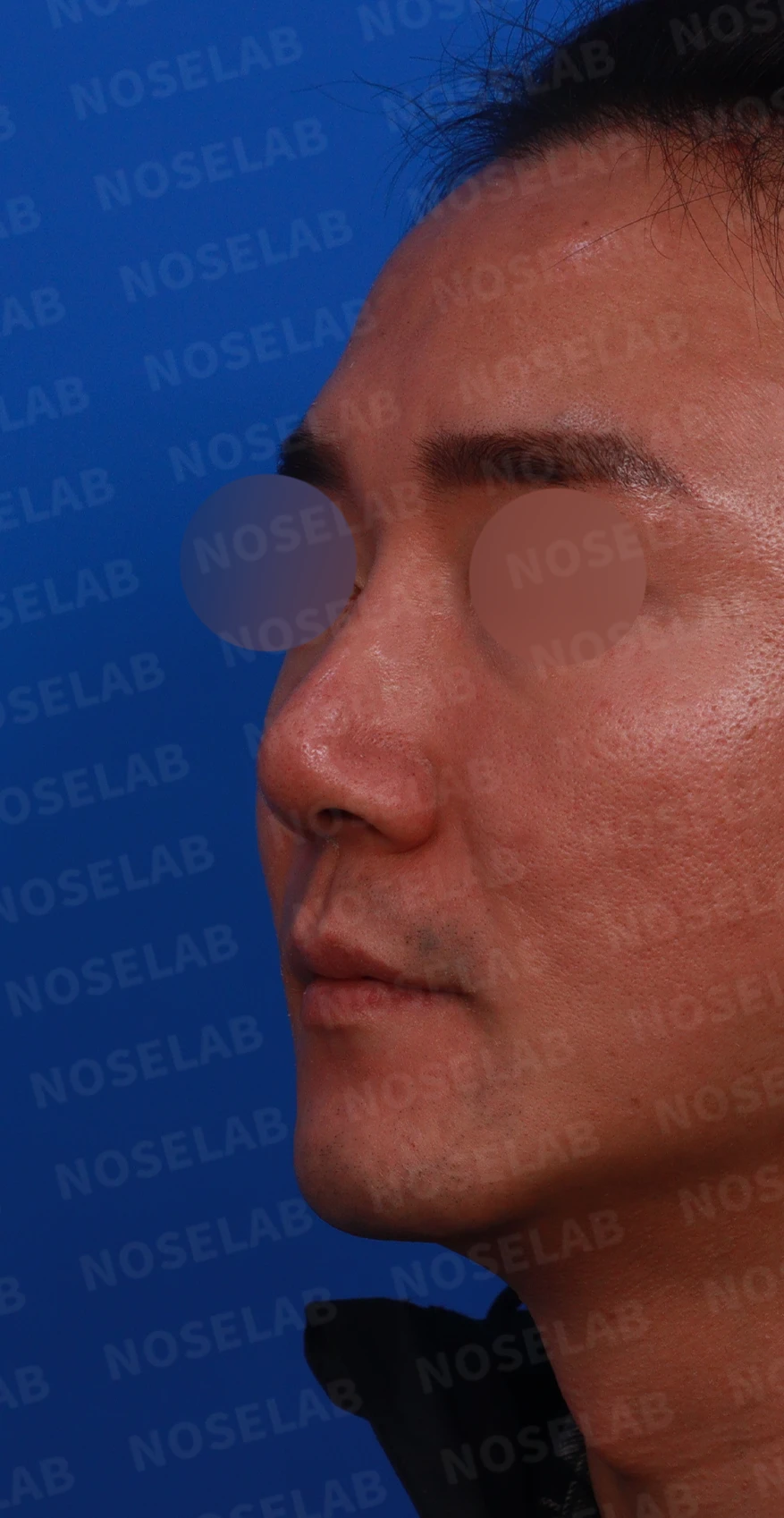
Front, left profile, and oblique views from the design consultation.
🔧 Preoperative analysis
Front view
Nose deviated to the left
Bulbous nasal tip
Excessive nostril show
2. Profile view
Depressed nasal tip
Columella not visible between the alae
3. Oblique view
Bulbous nasal tip
Protruding mouth findings
4. Nostril view
Left-right asymmetry
Columella tilted to the left
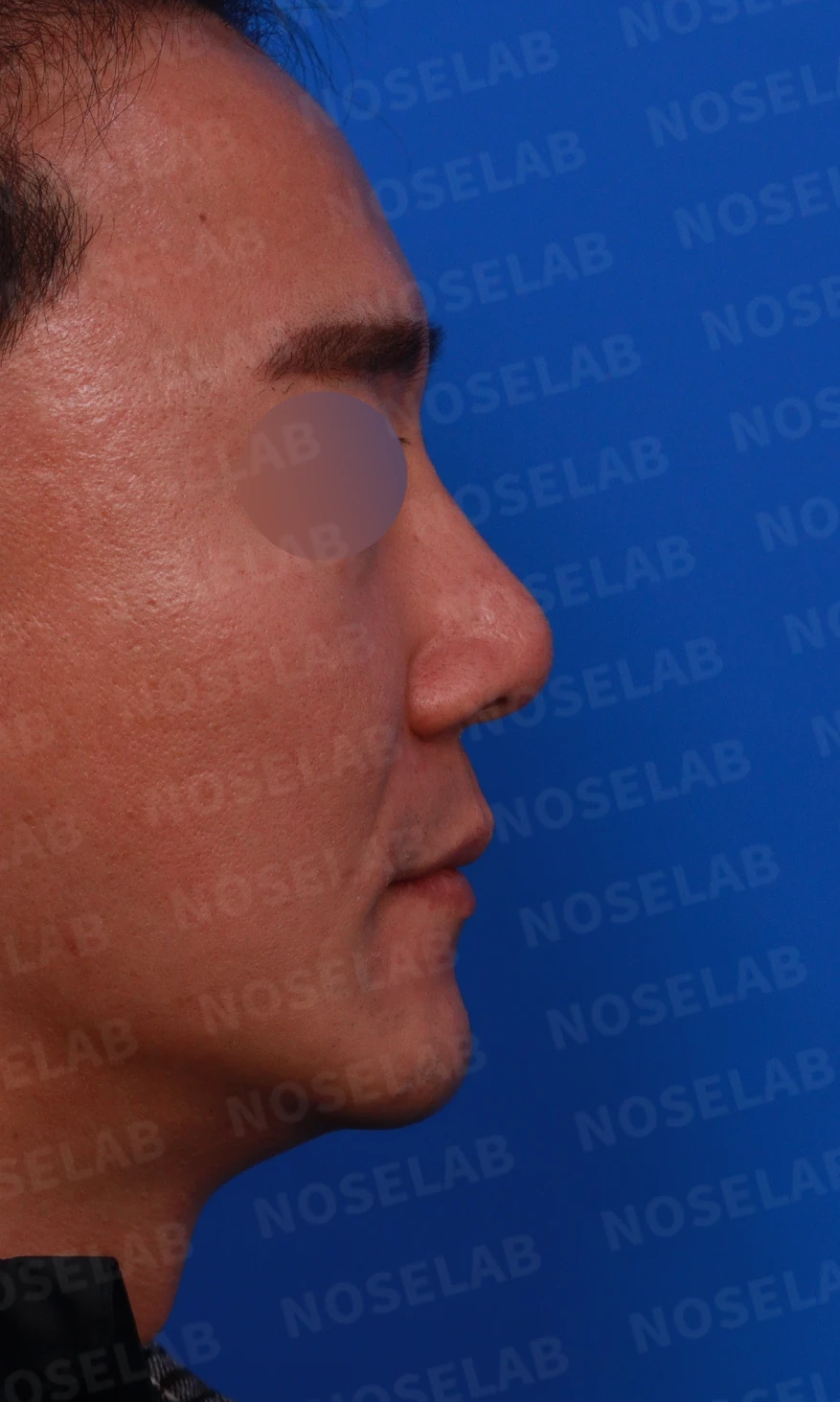
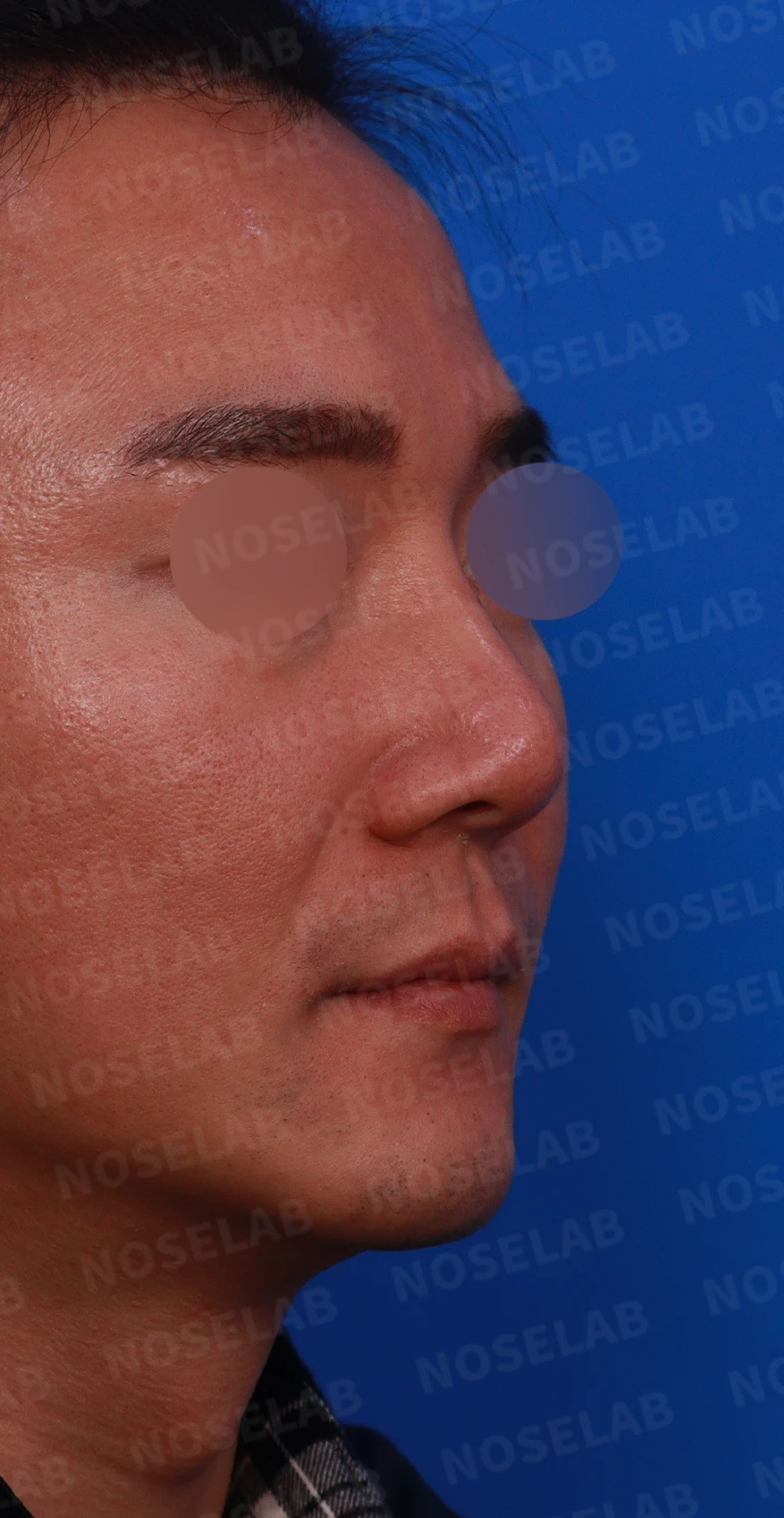
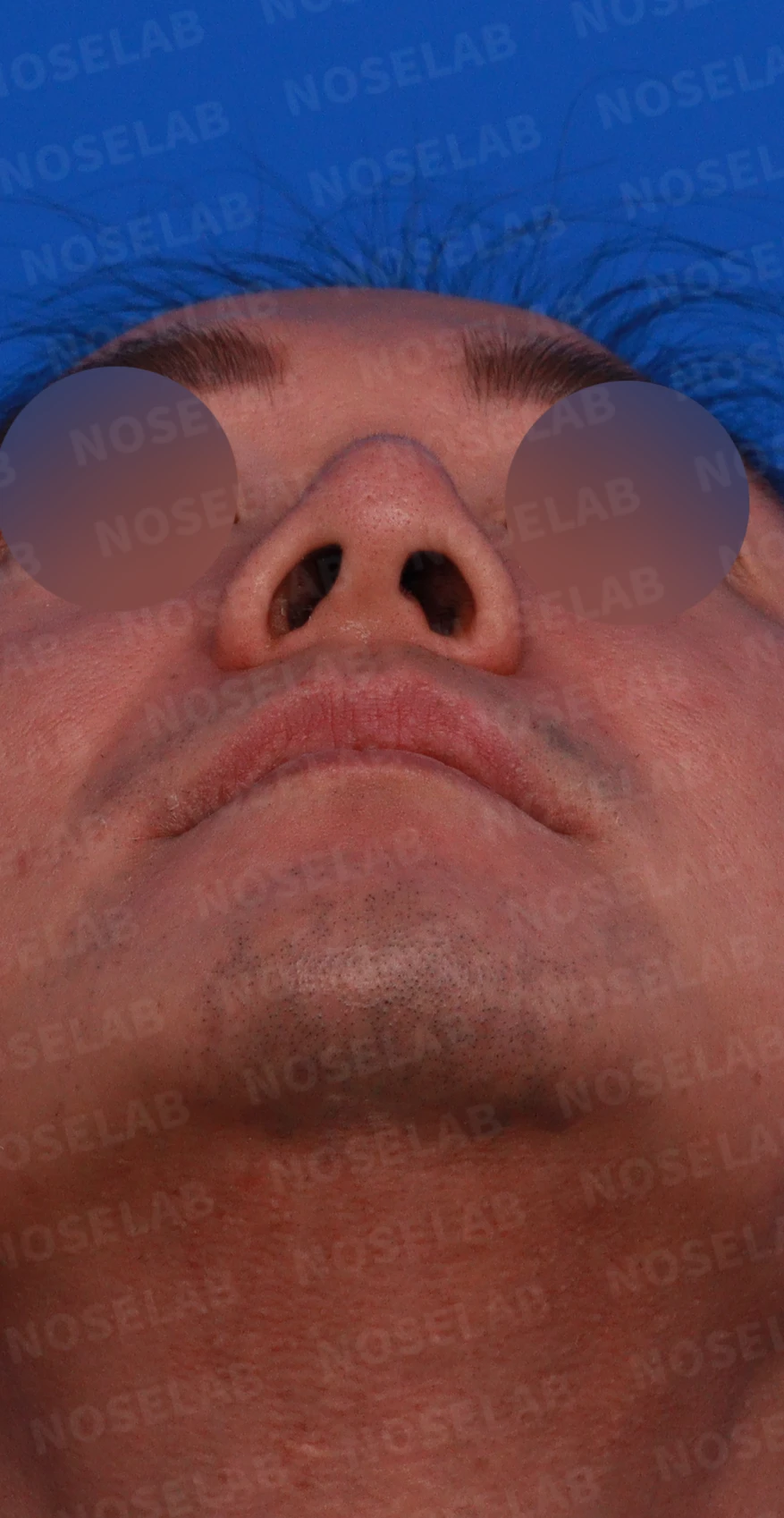
Right profile, oblique, and nostril views during design consultation.
💉 Surgical plan and procedure
Reconstruction using autologous rib cartilage
Restoration of septal cartilage damaged during previous surgery
Reinforcement of nasal tip support
Improvement of asymmetric structure
2. Septal extension graft
Correction of deviated nasal tip
Improvement of bulbous nasal tip
Correction of nostril asymmetry
3. Functional improvement surgery
Correction of deviated septum
Rhinitis surgery
🌟 Surgical results
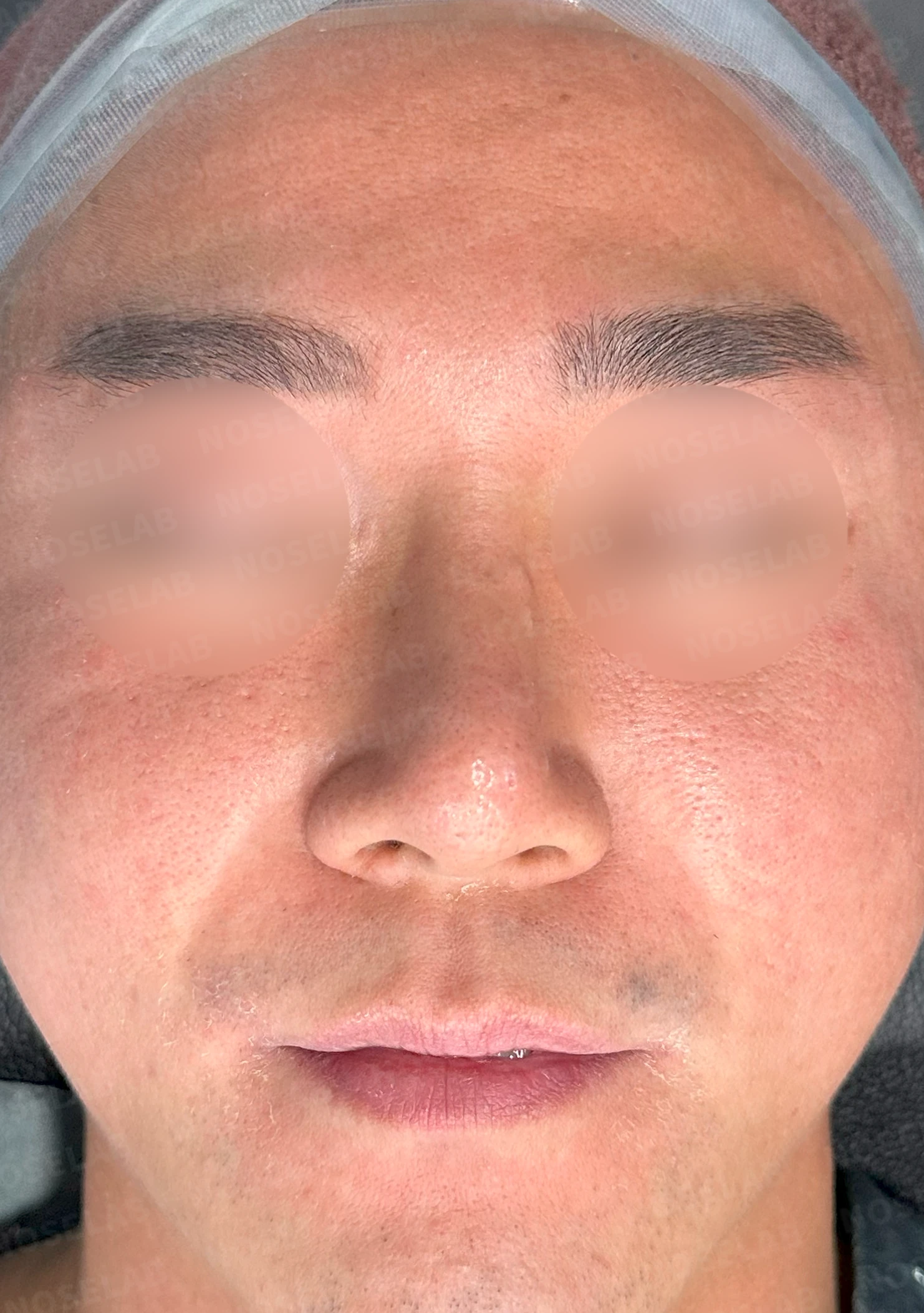
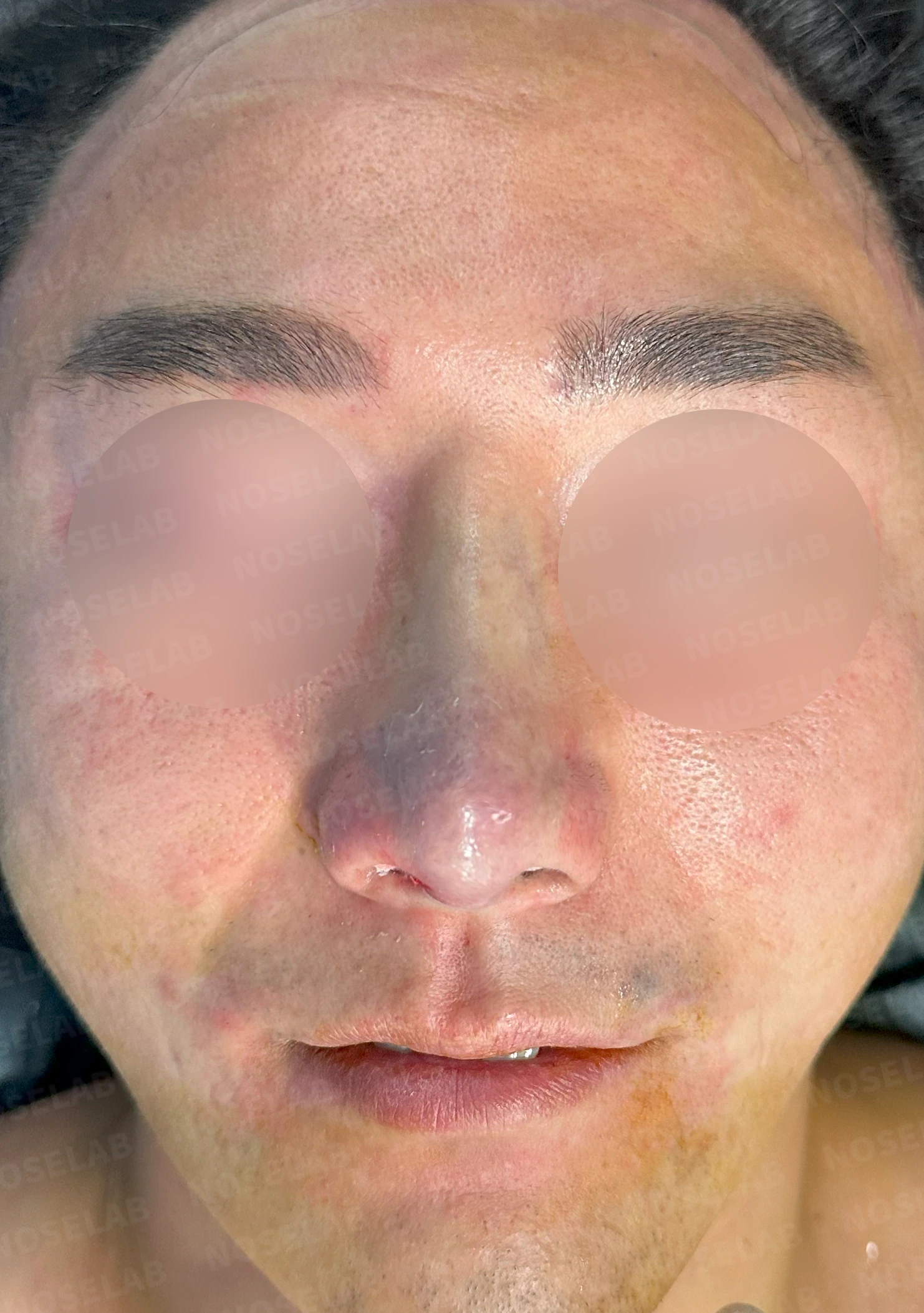
Before surgery / Day 0 immediately after surgery Photos taken immediately after surgery show swelling and may differ from the final result.
Front view improvement
Correction of crooked nose
Creating a defined nasal tip
Correction of alar asymmetry
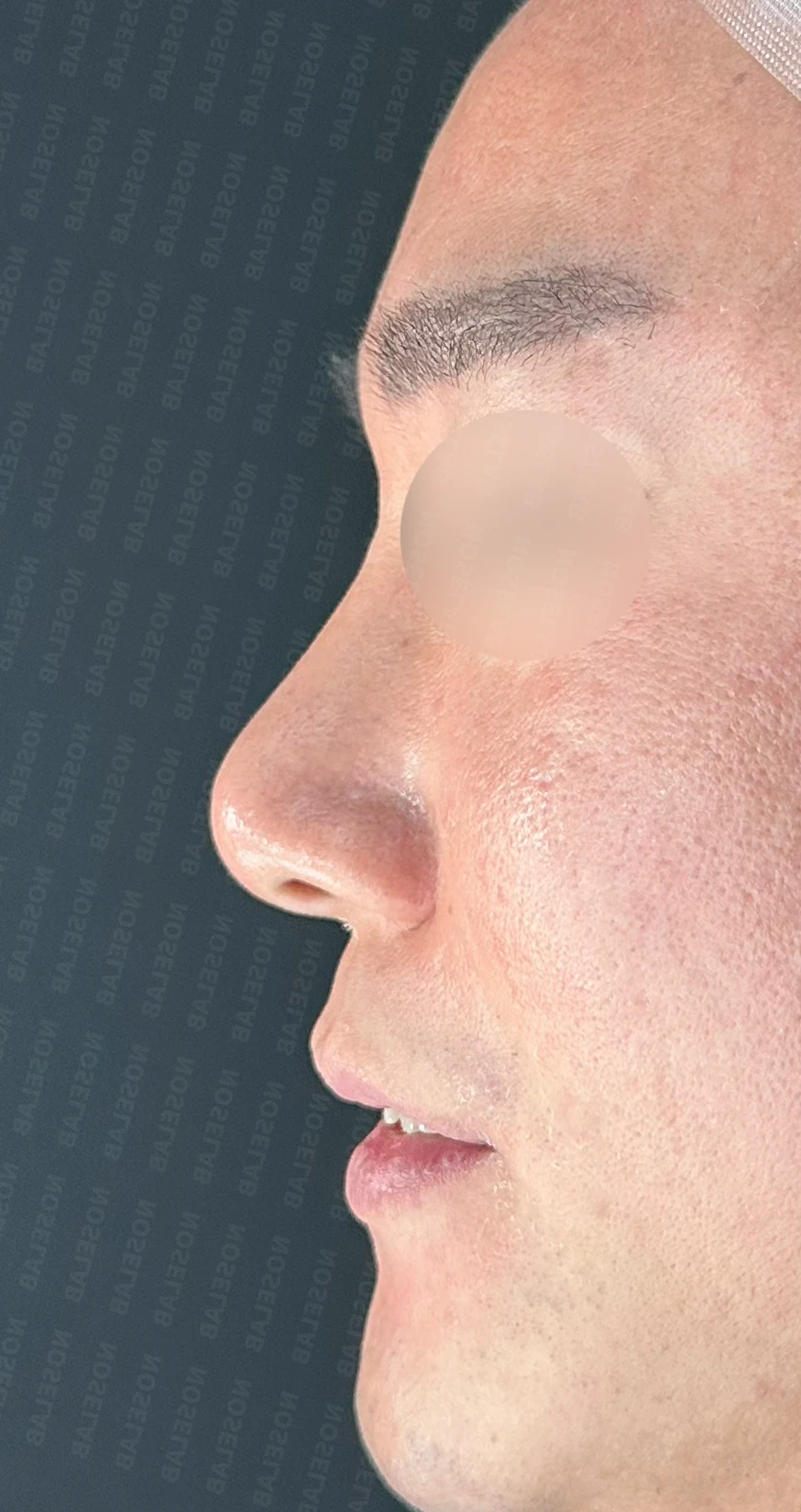
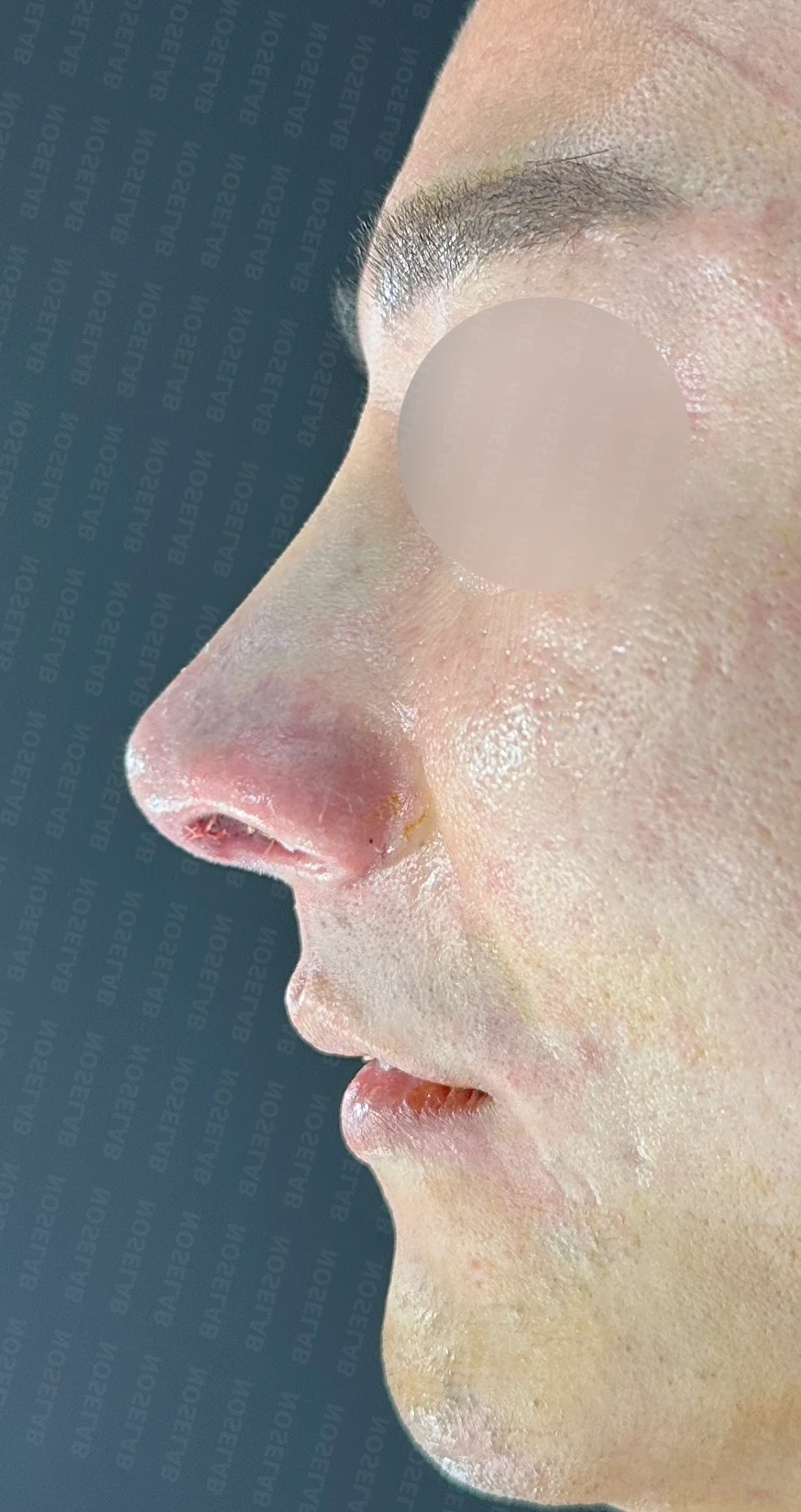
Before surgery / Day 0 immediately after surgery Photos taken immediately after surgery show swelling and may differ from the final result.
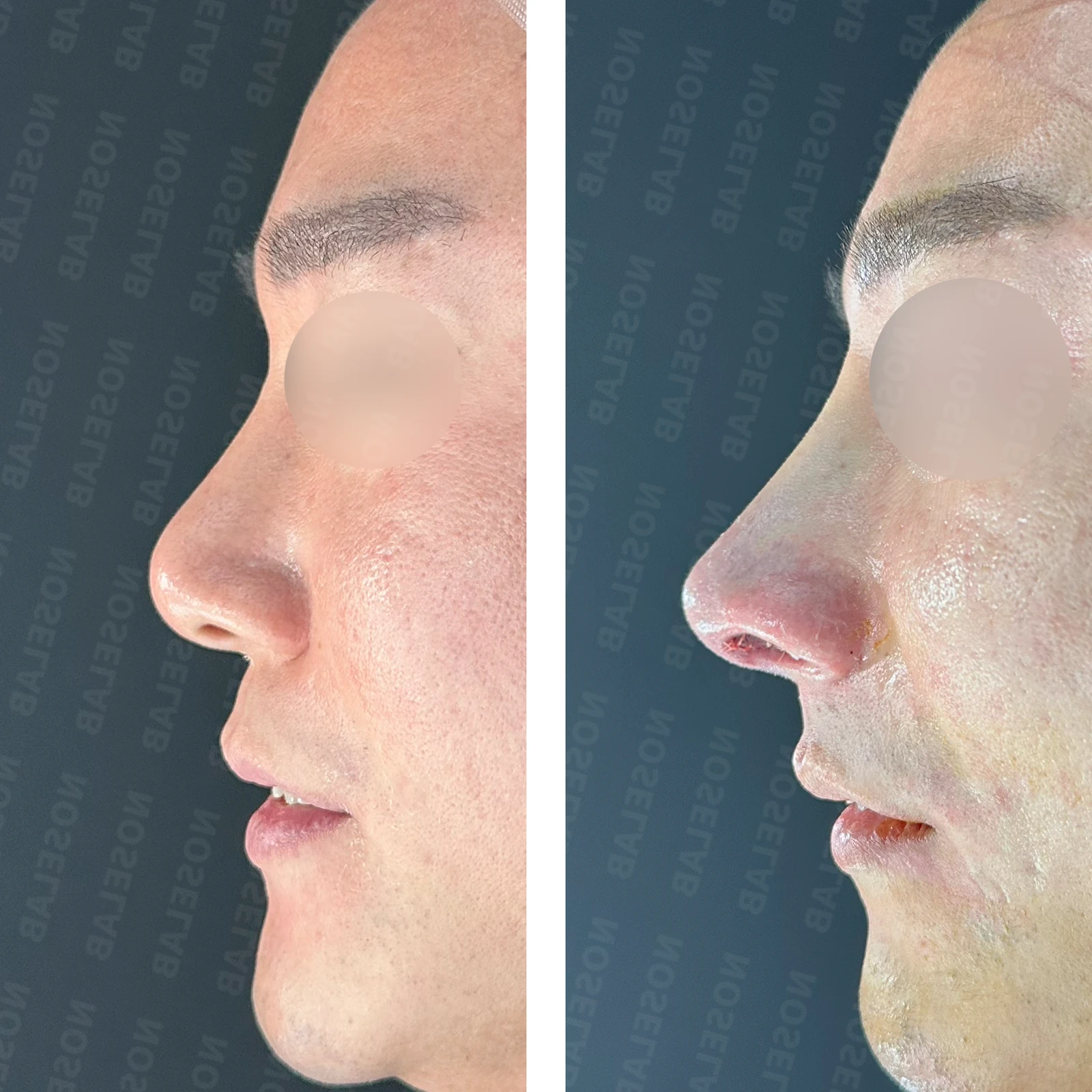
2. Profile view improvement
Natural nasal tip height
Correction of a blunt nasal tip line
Columellar exposure
Refined profile line
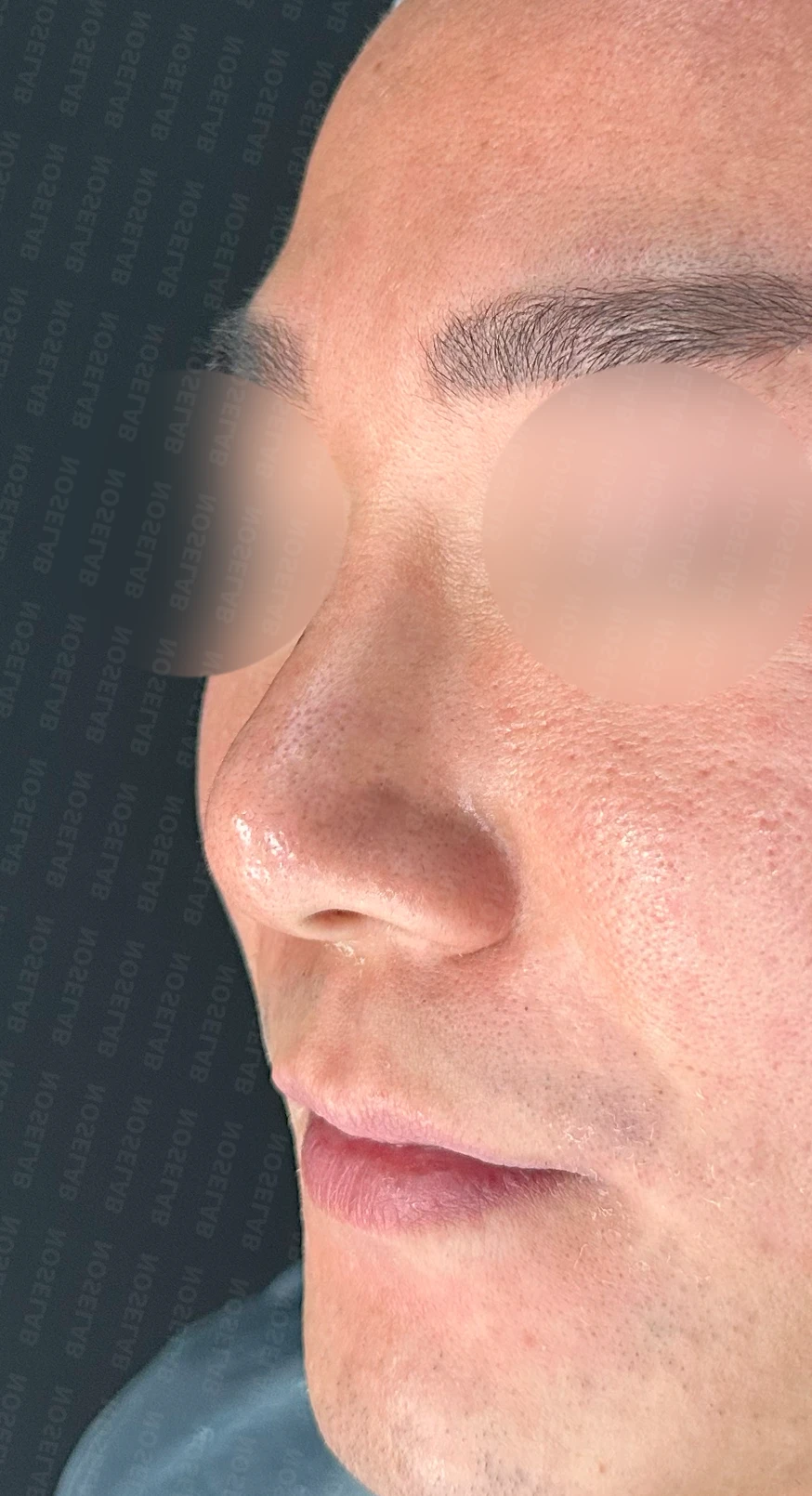
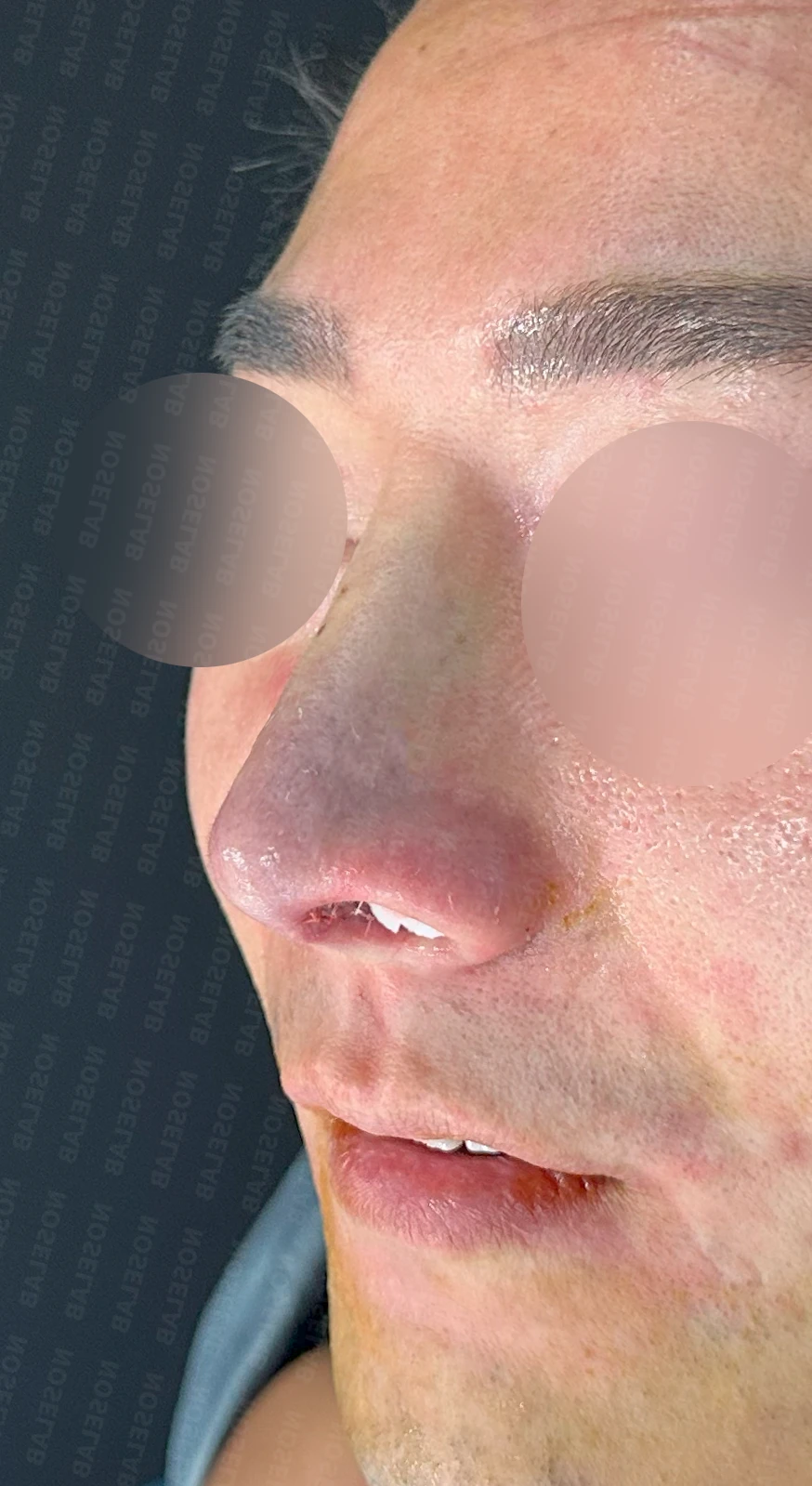
Before surgery / Day 0 immediately after surgery Photos taken immediately after surgery show swelling and may differ from the final result.
3. Oblique view improvement
A masculine nasal bridge line
Improvement of protruding mouth
Before surgery / Day 0 immediately after surgery Photos taken immediately after surgery show swelling and may differ from the final result.
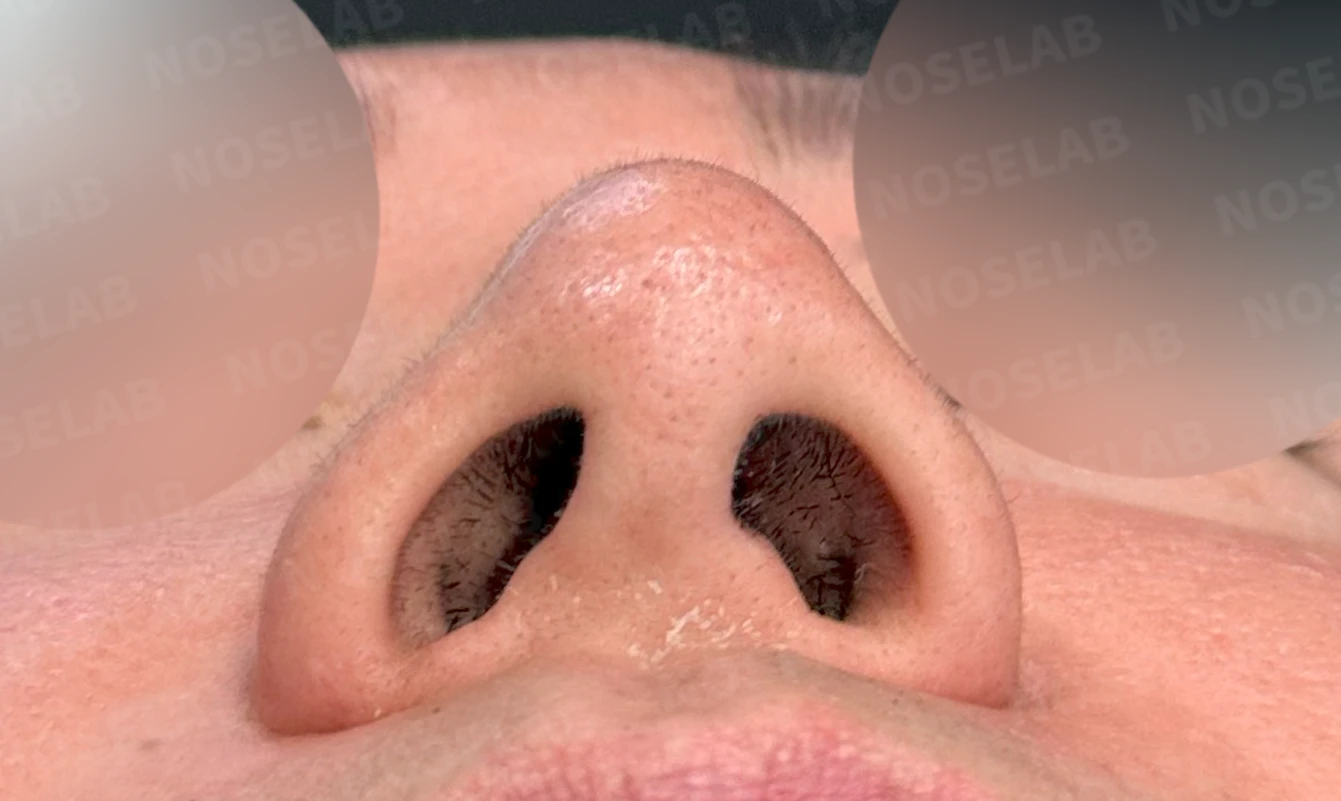
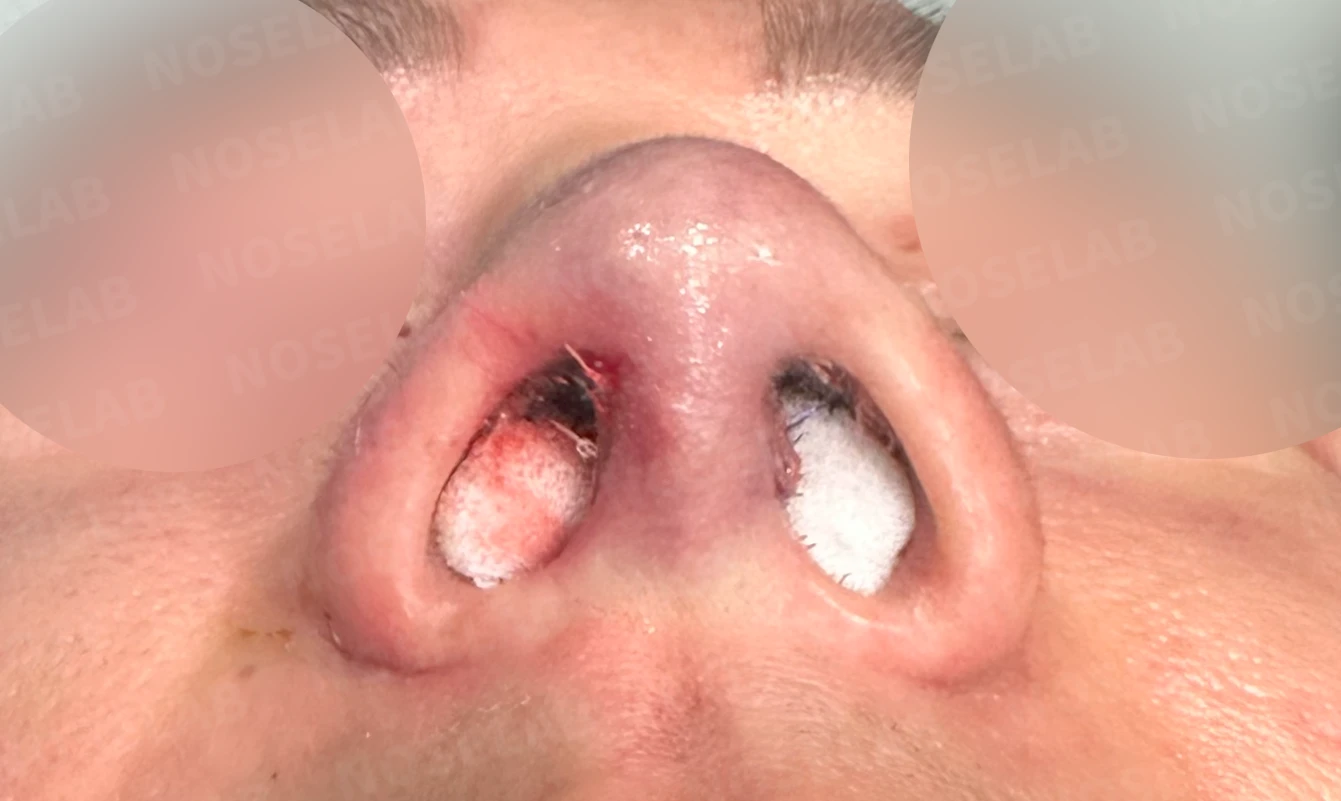
4. Nostril view improvement
Improvement of nostril asymmetry
Improvement of left-tilted columella
5. Functional improvement
Correction of deviated septum
Widening the nasal airway by reducing the size of hypertrophied inferior turbinates
Improvement of nasal obstruction
💡 Specialist opinion
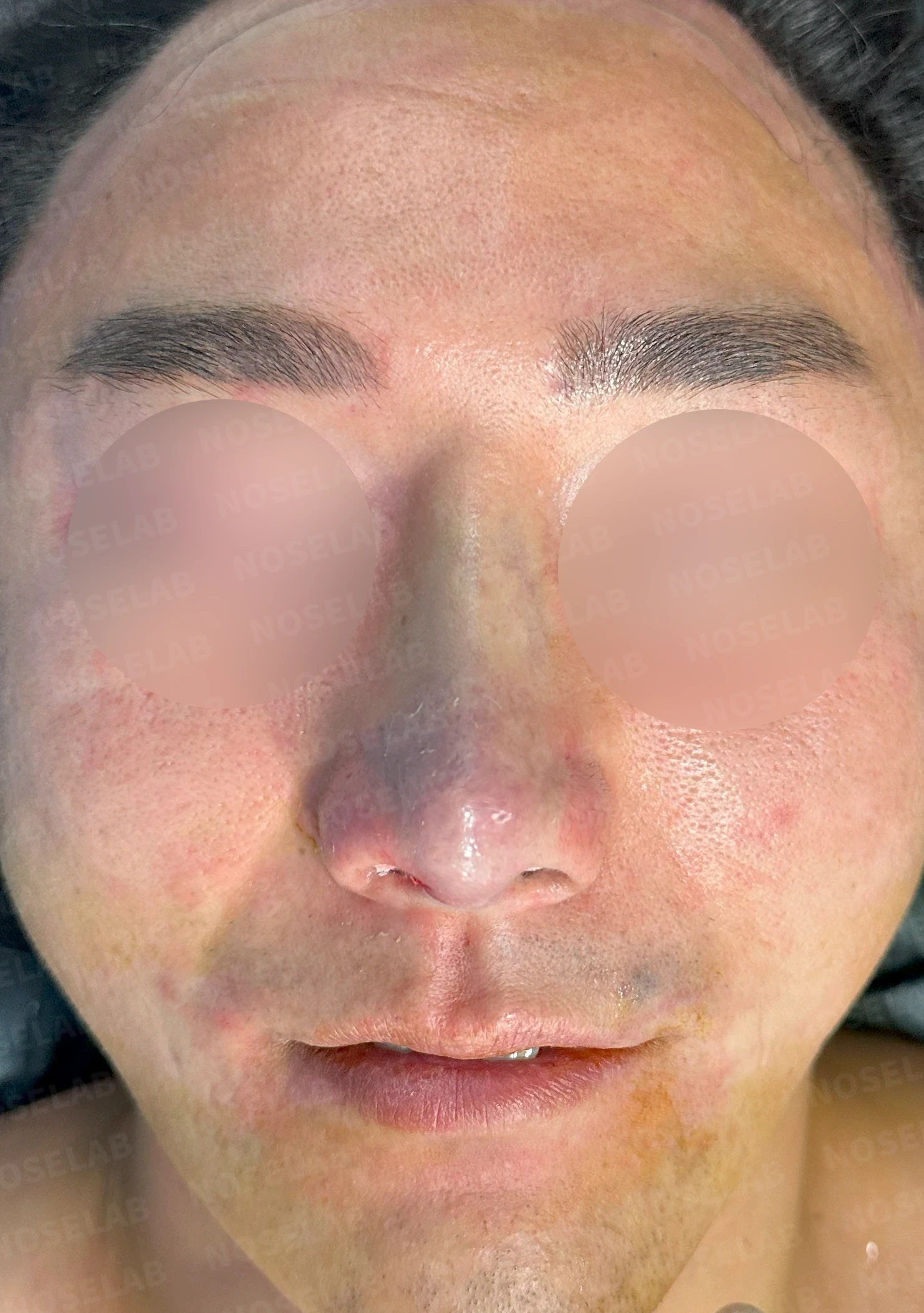
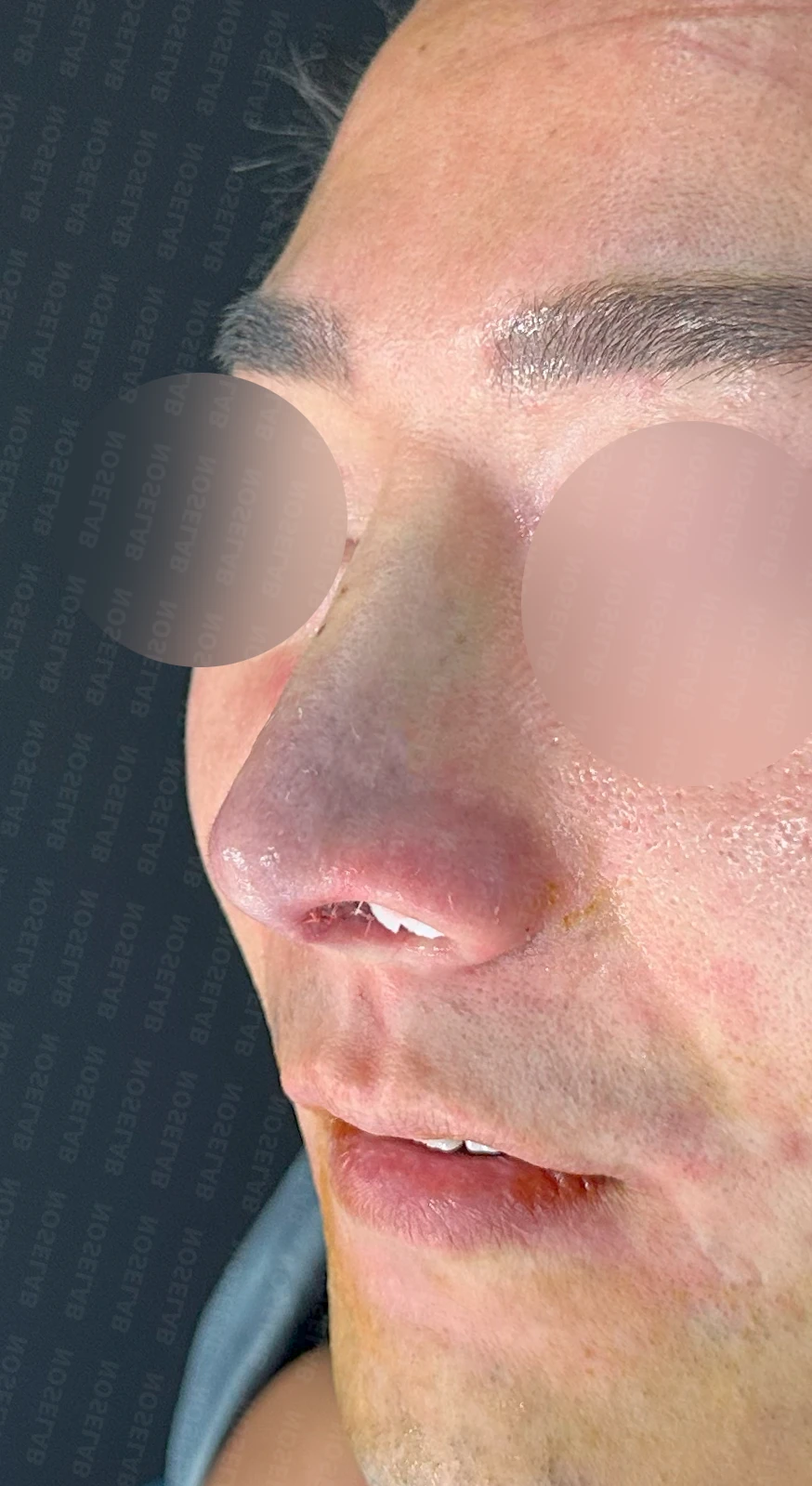
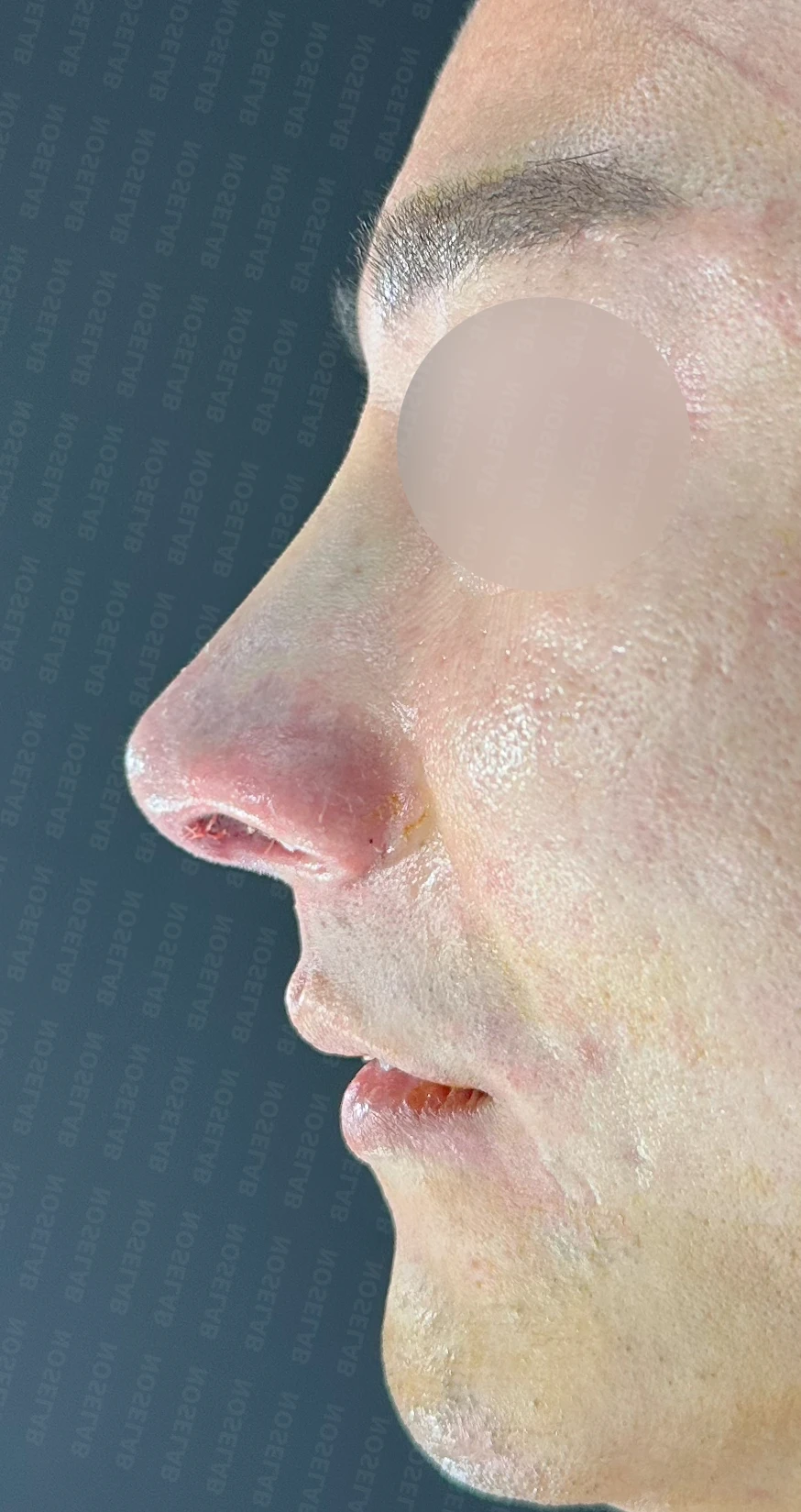
Front, oblique, and profile views on day 0 immediately after surgery. Photos taken immediately after surgery show swelling and may differ from the final result.
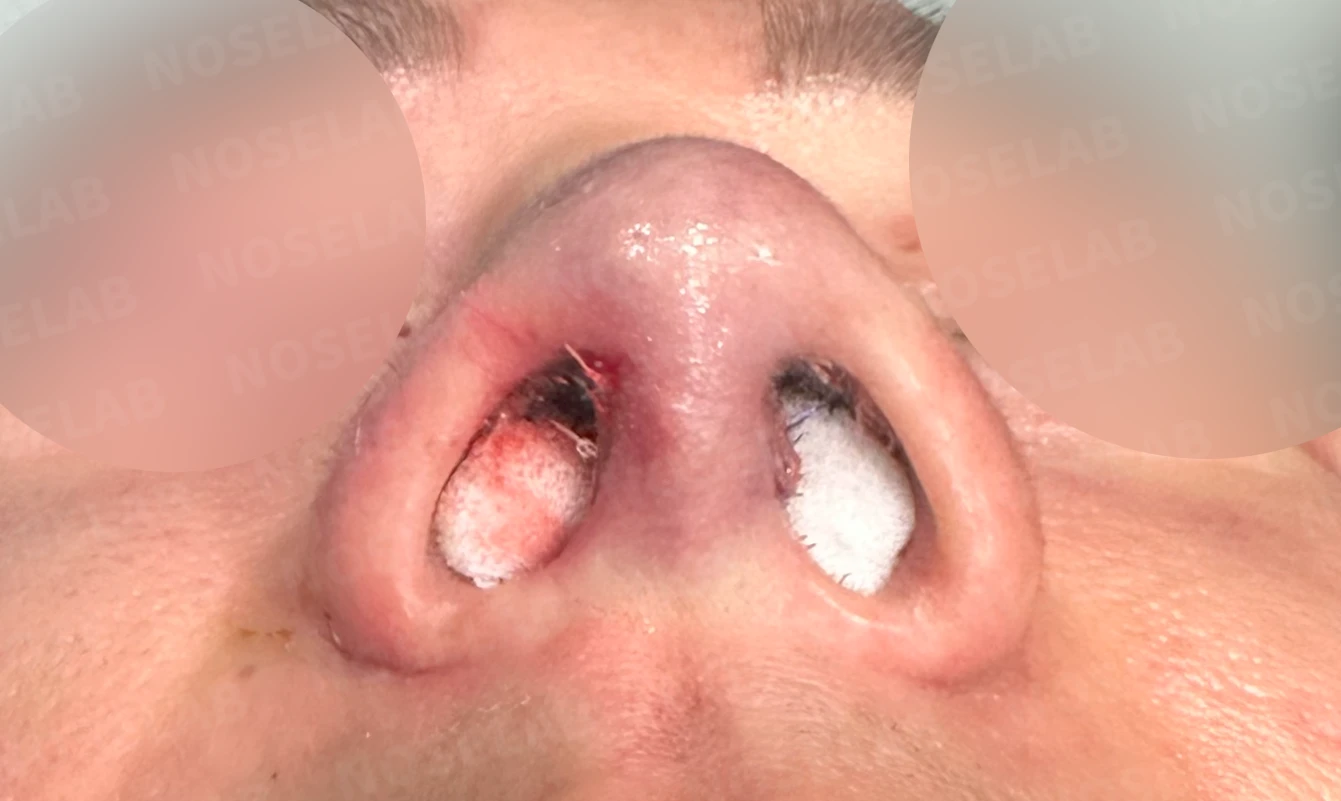
Nostril view on day 0 immediately after surgery. Photos taken immediately after surgery show swelling and may differ from the final result.
The key in this type of case was balanced improvement in both function and aesthetics. By reconstructing the deviated septum with autologous rib cartilage and simultaneously reinforcing support for the nasal tip, we were able to achieve a stable long-term result.
In particular, functional issues such as nasal obstruction directly impact quality of life. By straightening the crooked nose while simultaneously improving respiratory function, we were able to achieve high patient satisfaction.
I will continue to do my best to ensure both functional and aesthetic satisfaction for our patients.
I hope this is helpful to those with similar concerns.
This was Dr. Peter C. Kang. Thank you.
#closedrhinoplasty #crookednosecorrection #nasalobstructionrelief #autologousribcartilage #tipplasty #functionalrhinoplasty #deviatedseptum #hypertrophicrhinitis

Limitations and risks
When autologous rib cartilage is used, scarring and pain may remain at the donor site on the chest, and pneumothorax (pleural injury) can occur rarely. Over time, the grafted cartilage may warp or undergo partial resorption.
When the septum is corrected at the same time, nasal obstruction may persist or recur, and in rare cases, septal perforation or changes in smell may occur.
Common potential risks include infection, bleeding, asymmetry, scarring, skin necrosis, and insufficient improvement; results vary depending on individual skin condition and previous surgical history.