Hello, I am Dr. Peter C. Kang.
Today, I would like to share a case of a patient who visited us with concerns regarding a dorsal hump, a crooked nose, rhinitis, and nasal obstruction.
💉 Patient's requests
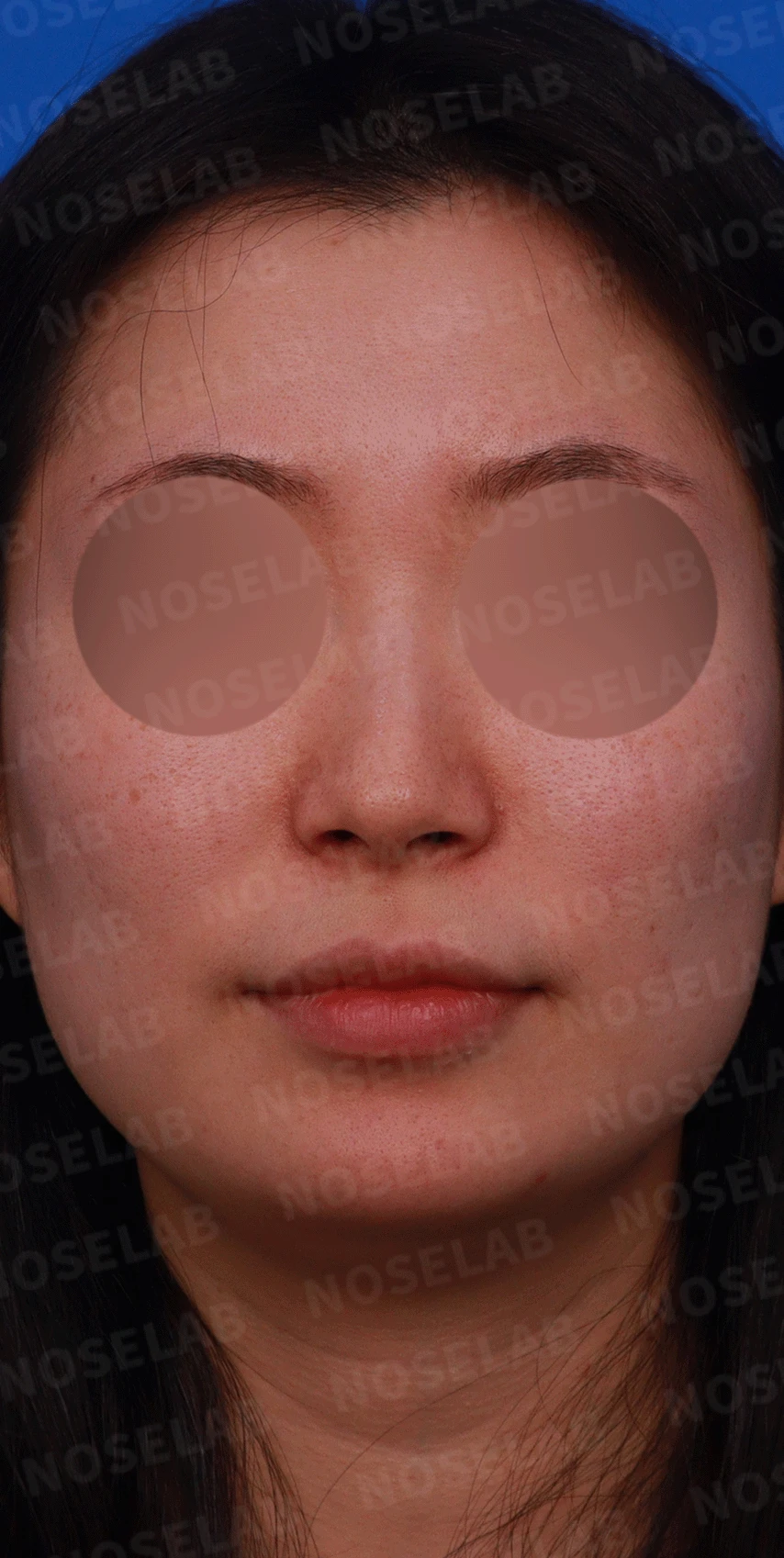
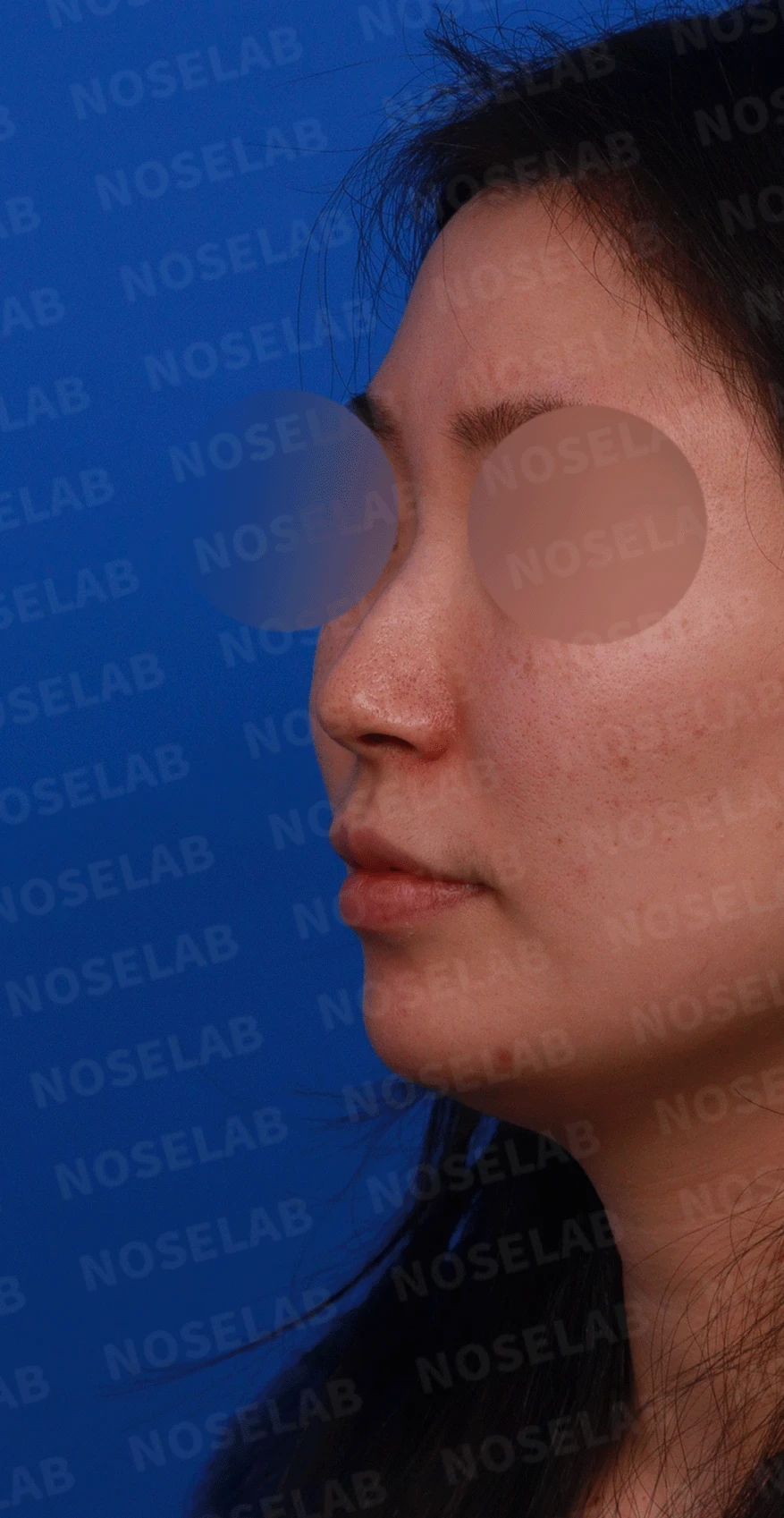
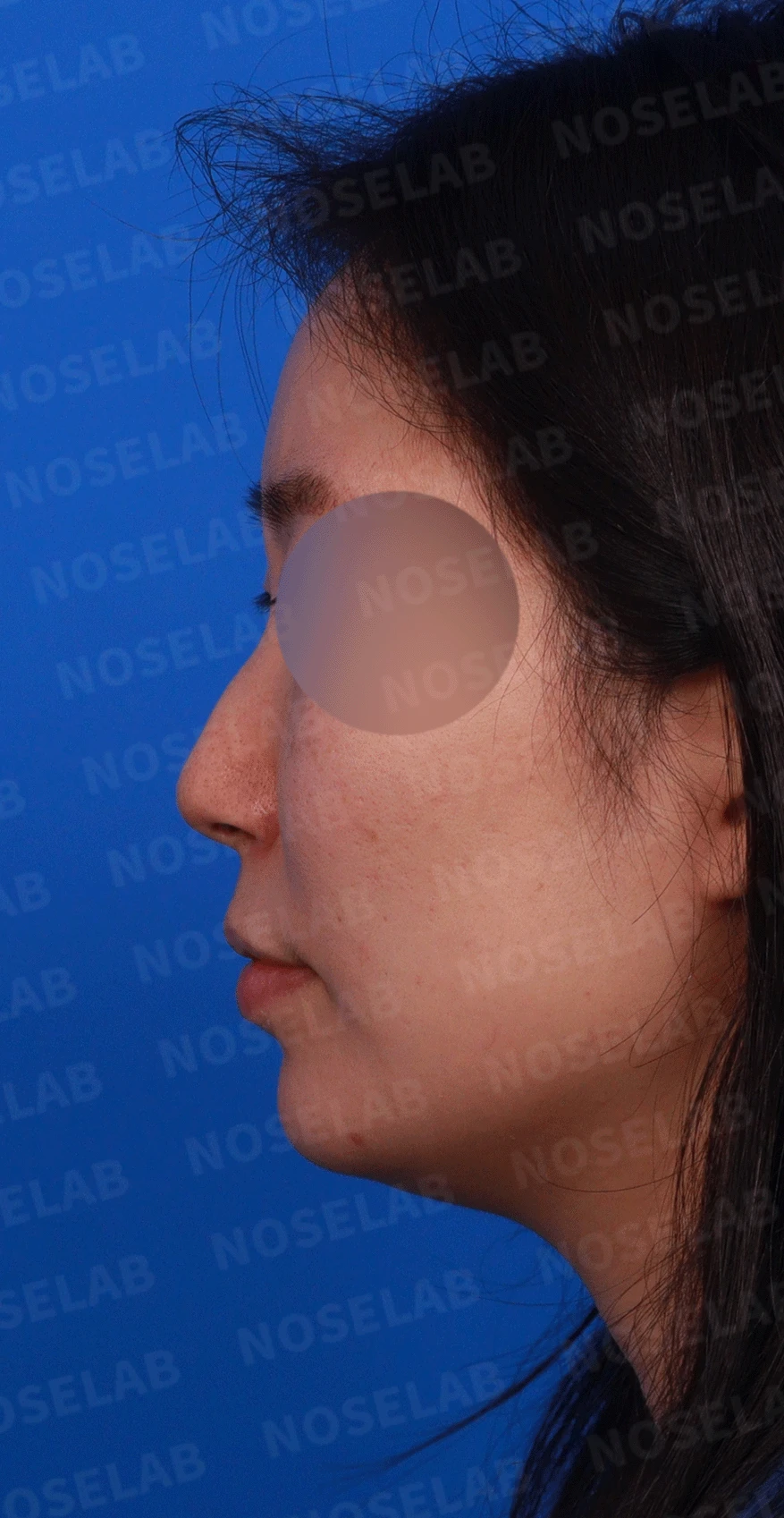
Design consultation photos: front, oblique, and profile views.
Dorsal hump correction
Correction of crooked nose
Bridge augmentation
Desired a straight bridge line
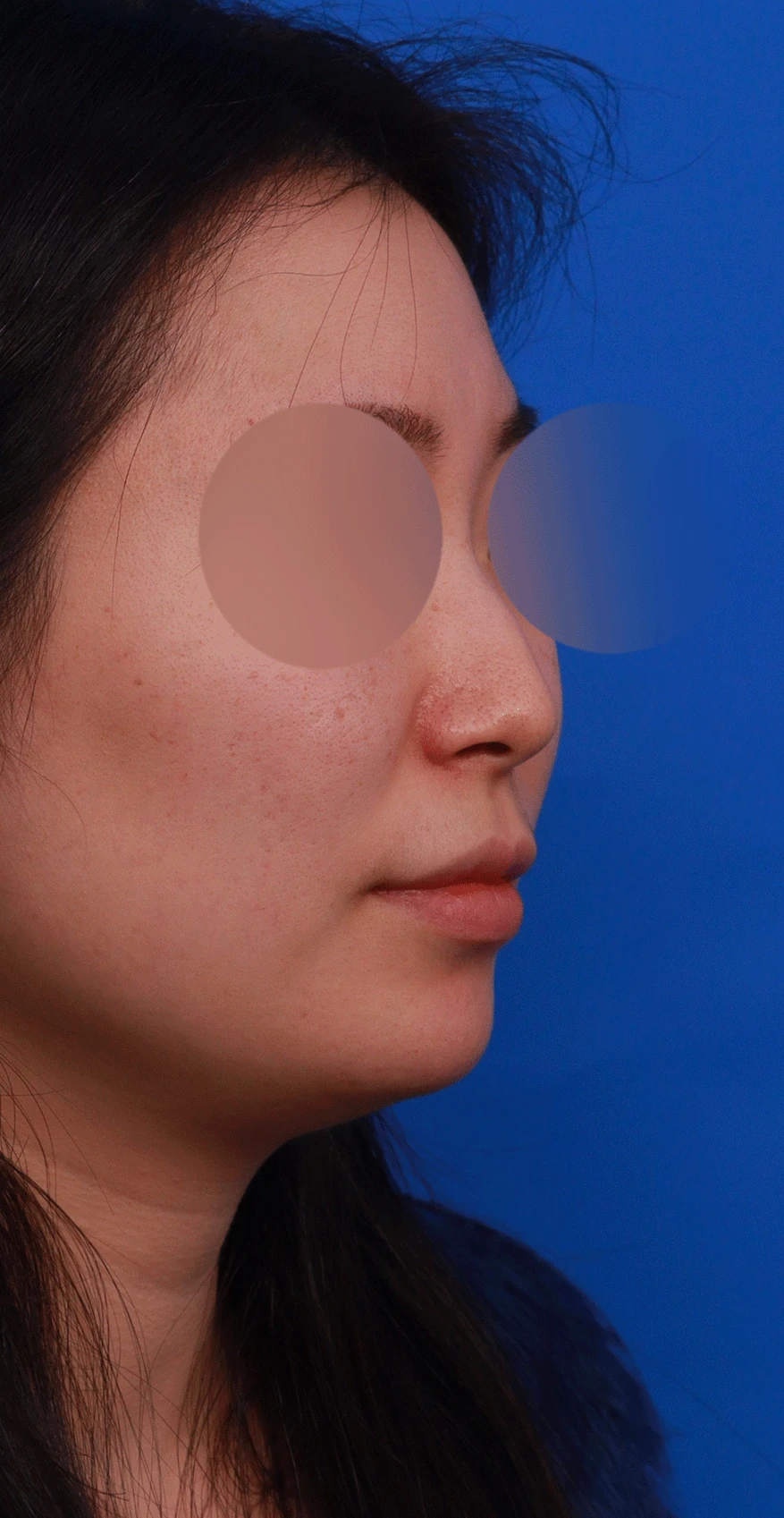
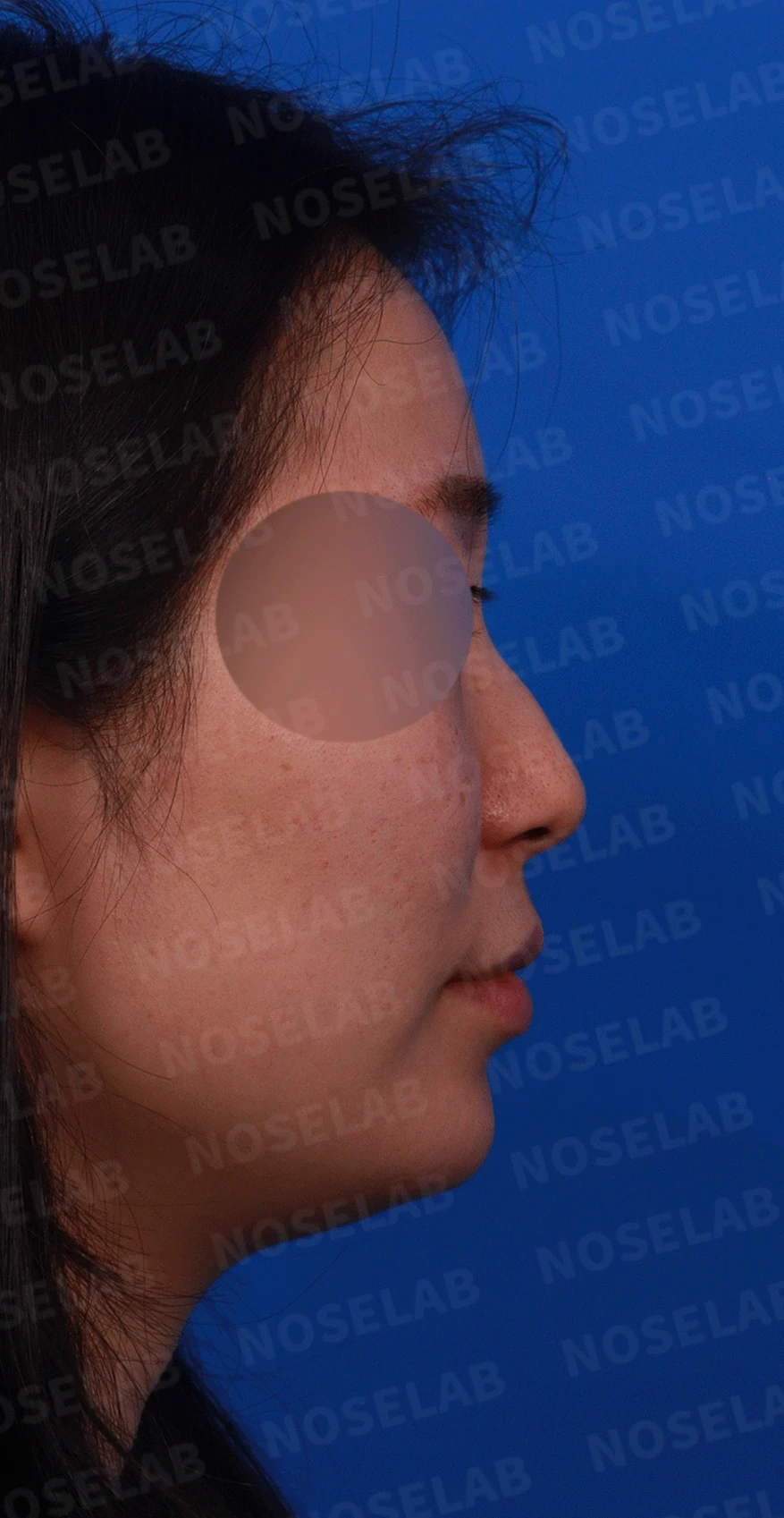
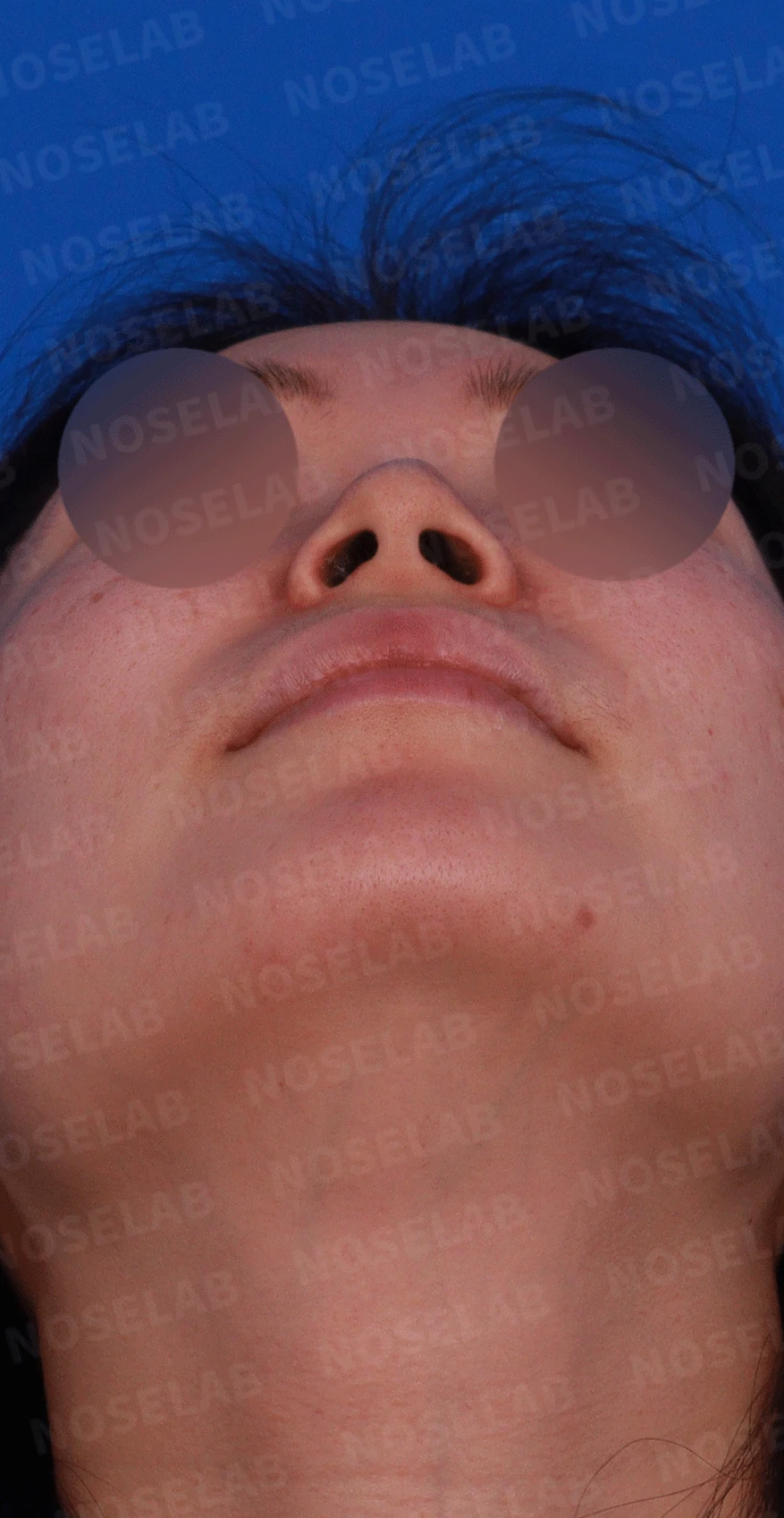
Design photos: oblique, profile, and nostril views.
🔍 Medical condition
Signs of right-sided sinusitis on CT
Nasal obstruction symptoms
Hypertrophic rhinitis
🔧 Preoperative analysis
Front view
Deviated nose
Bulbous nasal tip
Poorly defined tip contour
Wide nose
2. Profile view
Dorsal hump
Drooping tip
Low radix
Protruding mouth findings
3. Oblique view
Protruding mouth findings
Low radix
Prominent dorsal hump
4. Nostril view
Left nostril is larger
Prominent asymmetry
💉 Surgical procedure details
Combined correction of dorsal hump and crooked nose
Precise trimming of the dorsal hump area
Straightening the deviated nasal bones via lateral osteotomy
Creating a smooth bridge line using a silicone implant
2. Nasal tip improvement
Refining the nasal tip contour through lower lateral cartilage repositioning
Correcting a blunt tip with cartilage suture
Creating a defined contour by partially removing subcutaneous tissue in the nasal tip
Adjusting the nasolabial angle for a natural mouth appearance
3. Functional improvement
Septoplasty
Radiofrequency submucosal resection of the inferior turbinate
🌟 Detailed analysis of surgical results
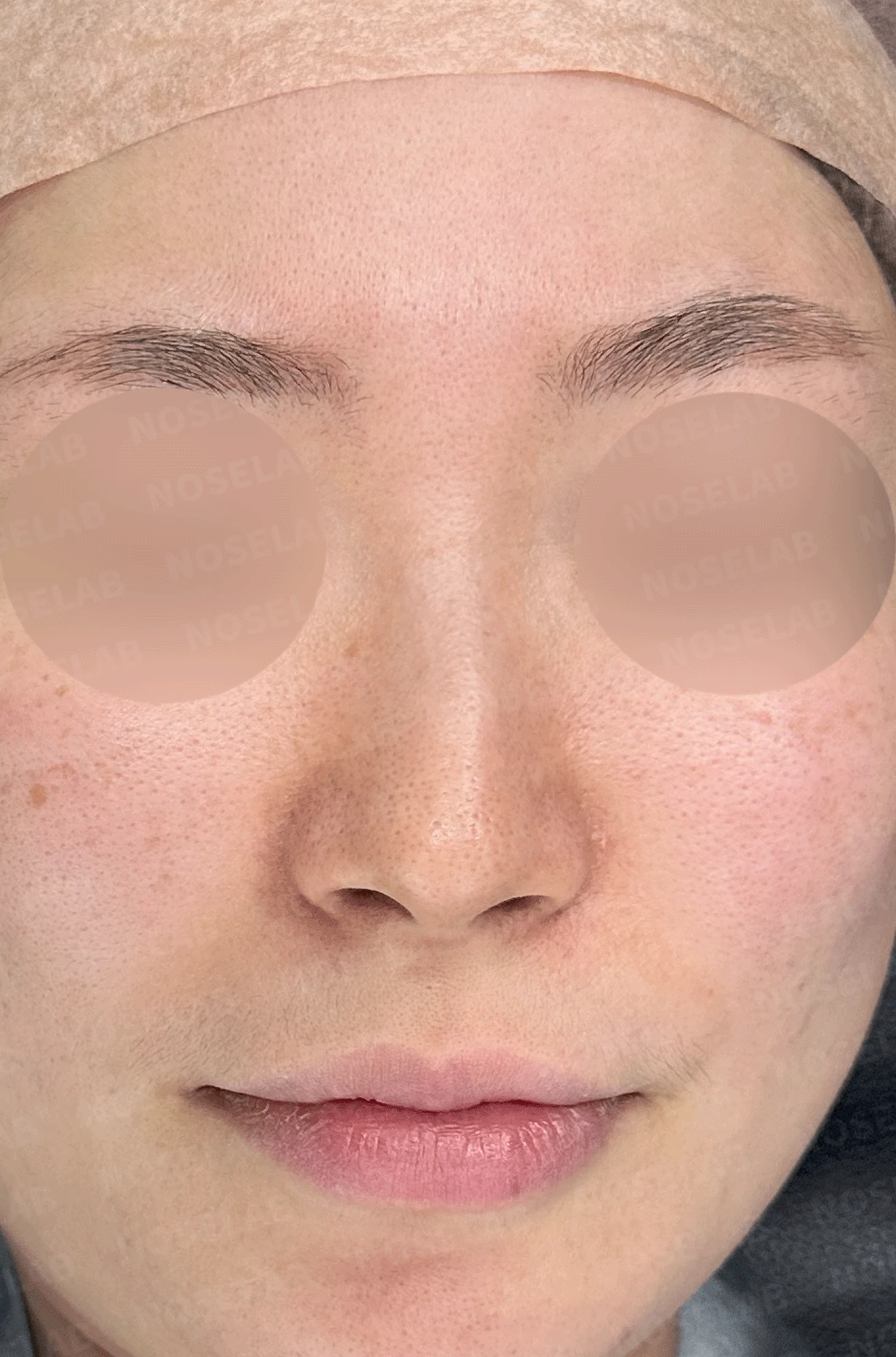
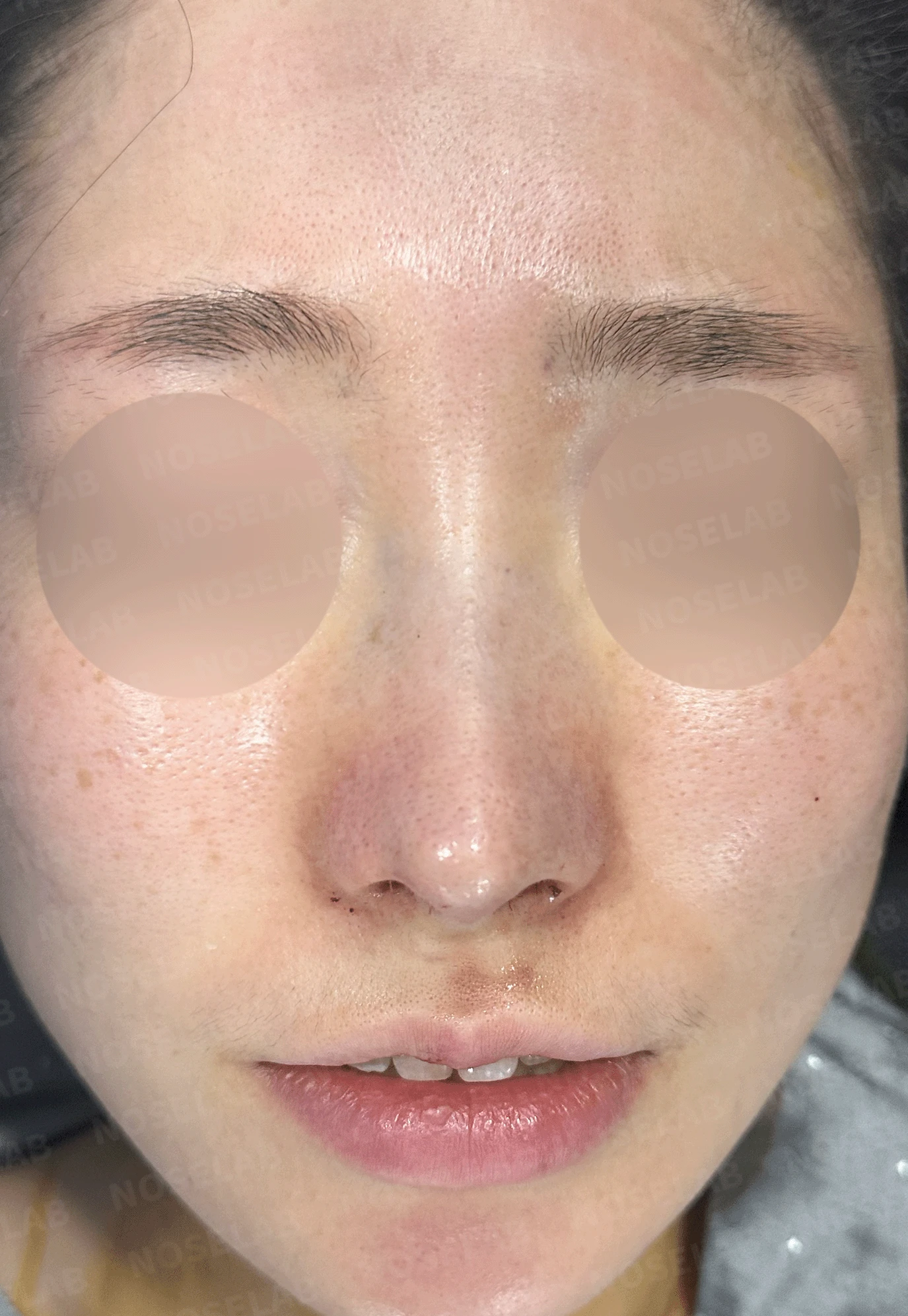
Before surgery / Day 0 immediately after surgery Photos taken immediately after surgery show swelling and may differ from the final result.
Front view improvement
Establishing a straight midline through crooked nose correction
A defined tip contour that is not overly sharp
Achieving bilateral symmetry
An overall balanced nasal width
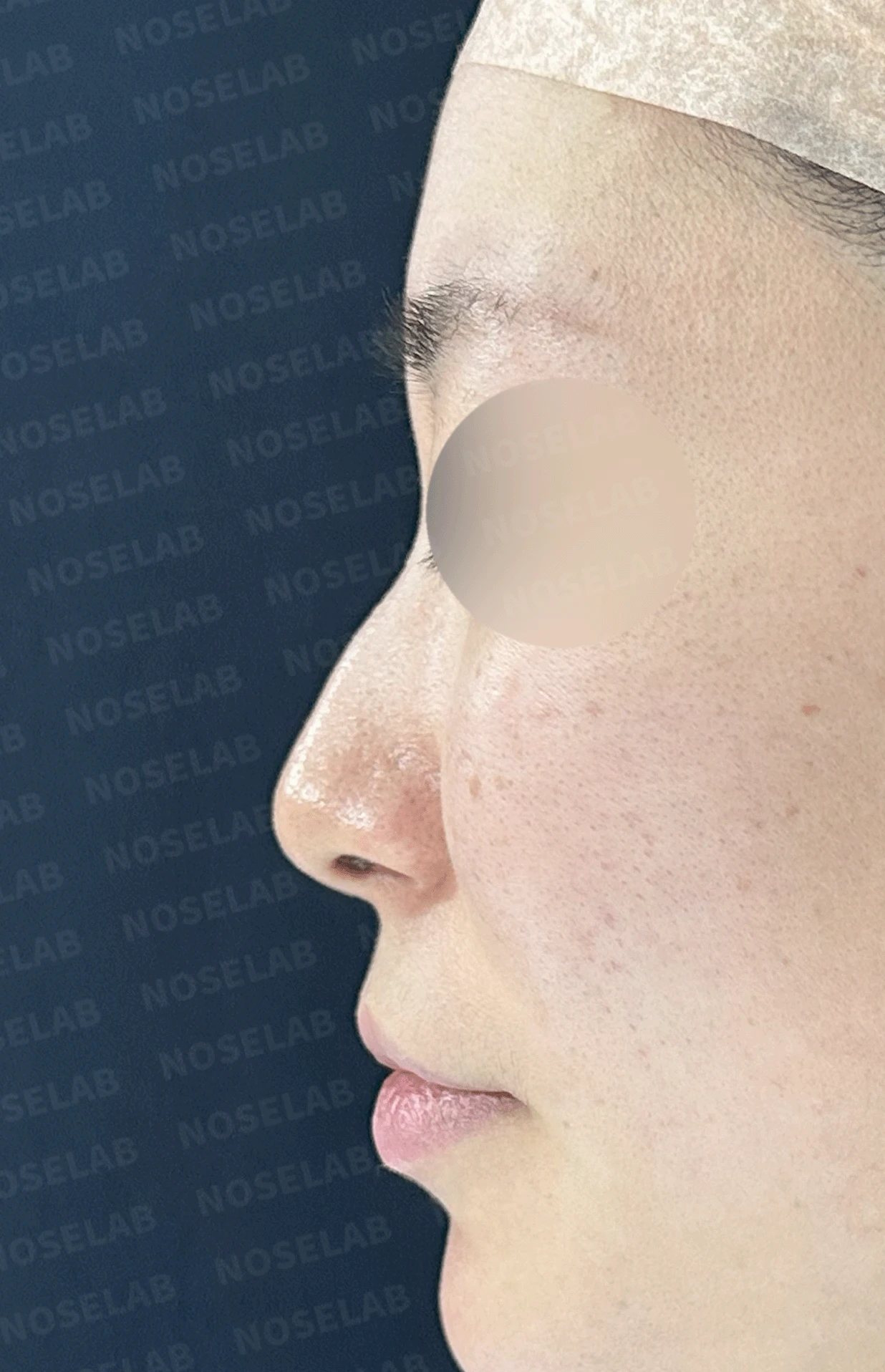
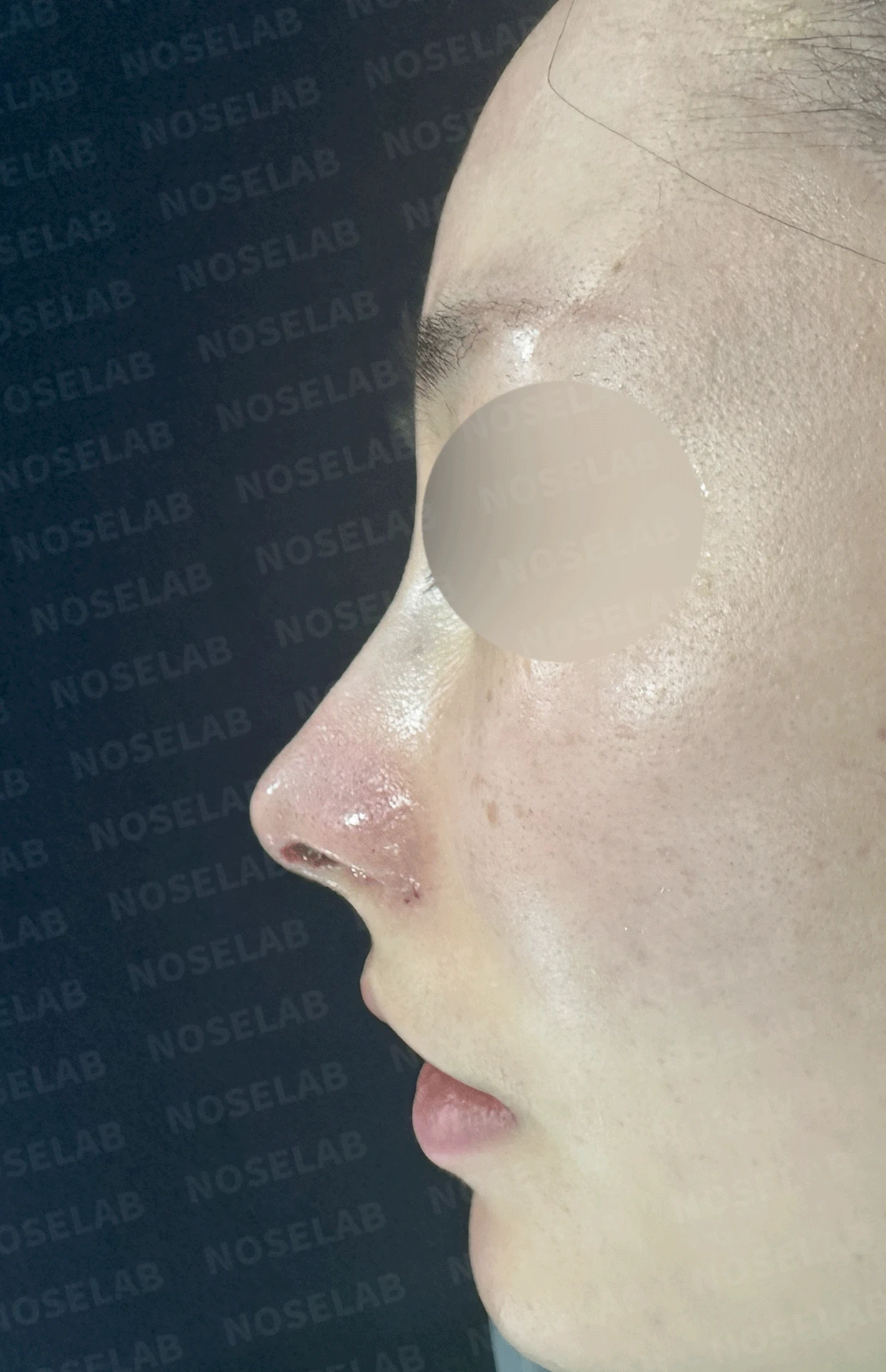
Before surgery / Day 0 immediately after surgery Photos taken immediately after surgery show swelling and may differ from the final result.
2. Profile view improvement
A smooth nasal bridge line through hump reduction
A natural radix starting point with an appropriate glabella height
A refined profile silhouette by correcting the drooping tip
Improvement of protruding mouth through nasolabial angle correction
Before surgery / Day 0 immediately after surgery Photos taken immediately after surgery show swelling and may differ from the final result.
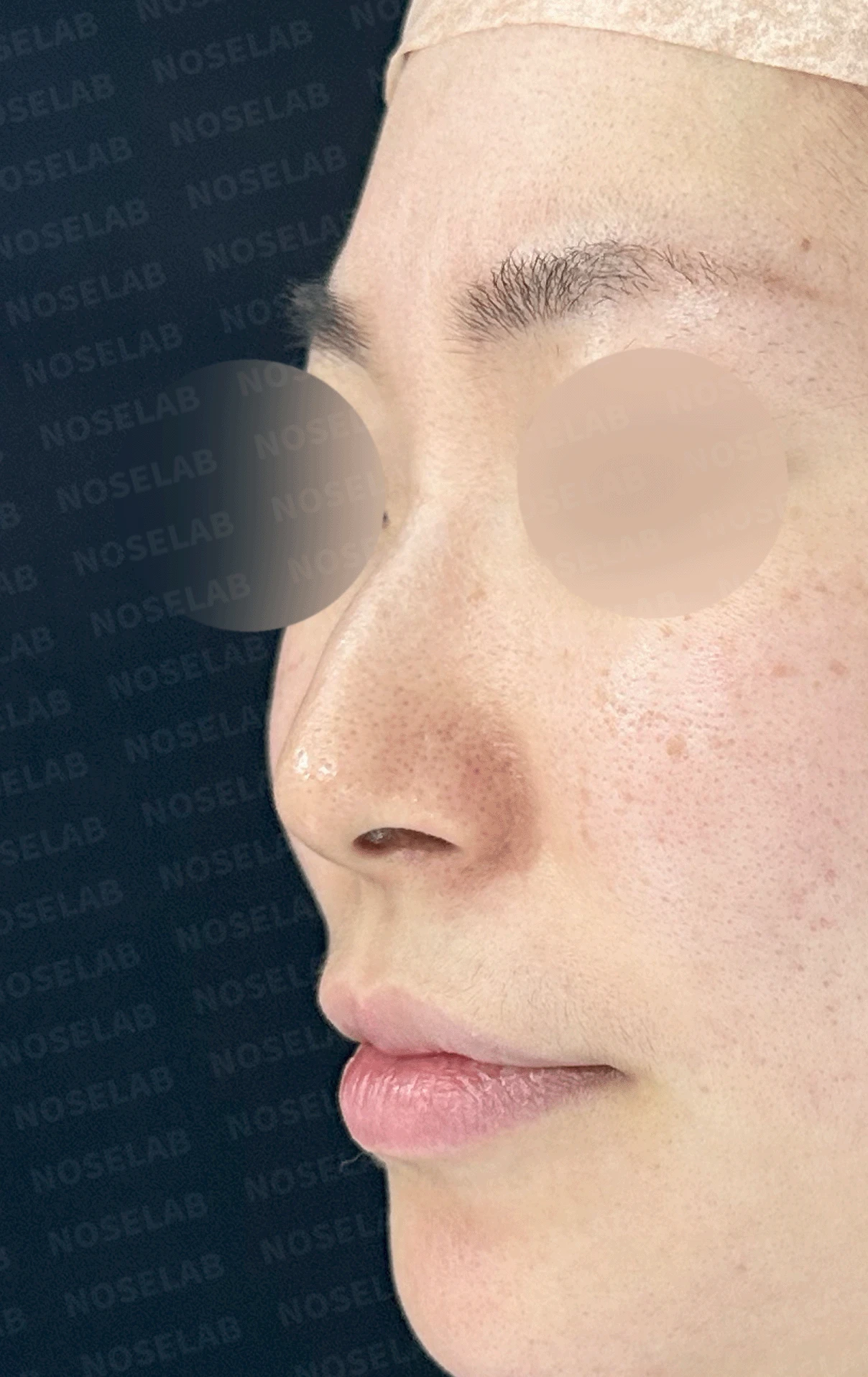
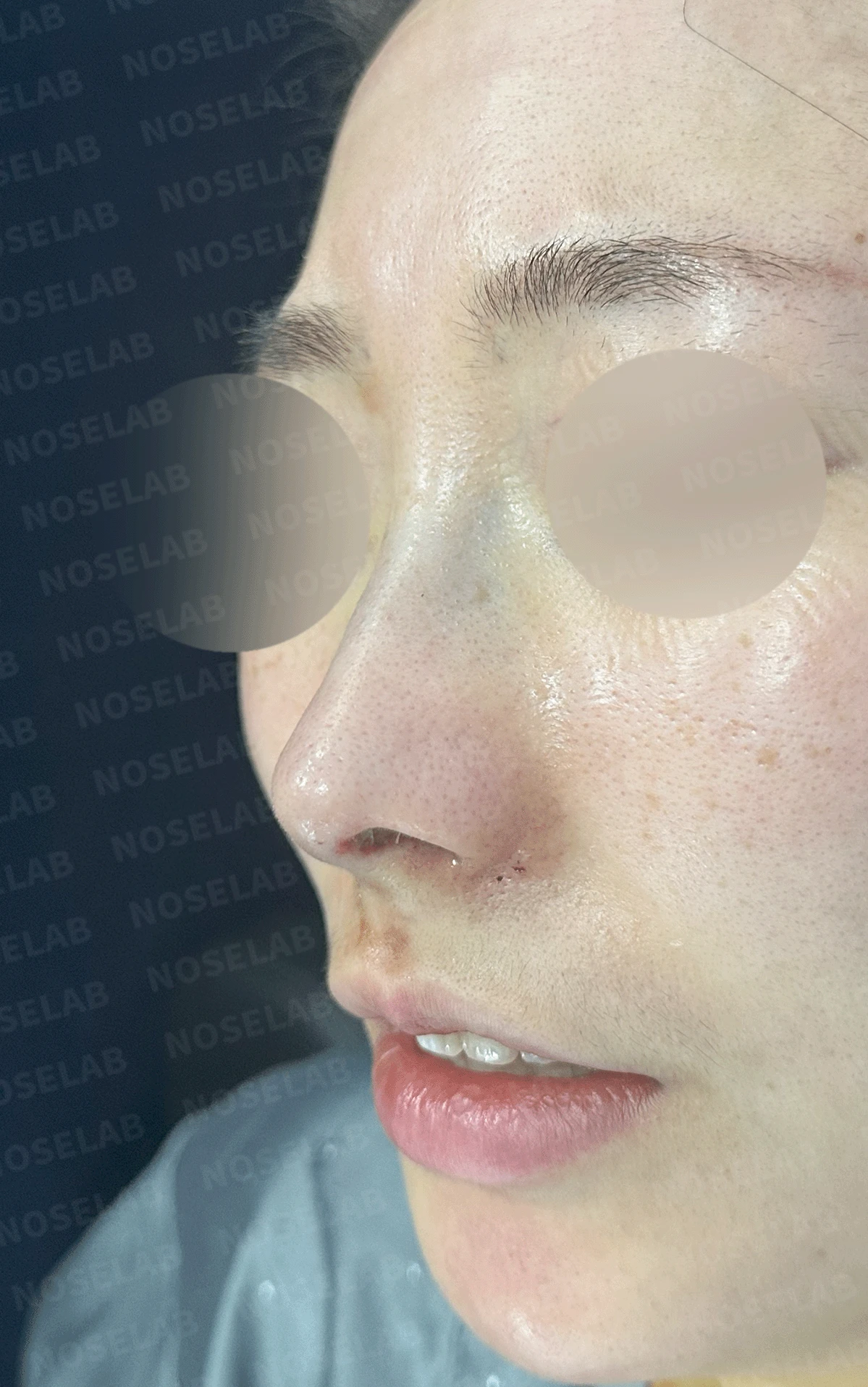
3. Oblique view
A smooth, straight bridge line
Natural bridge height
Improved tip position
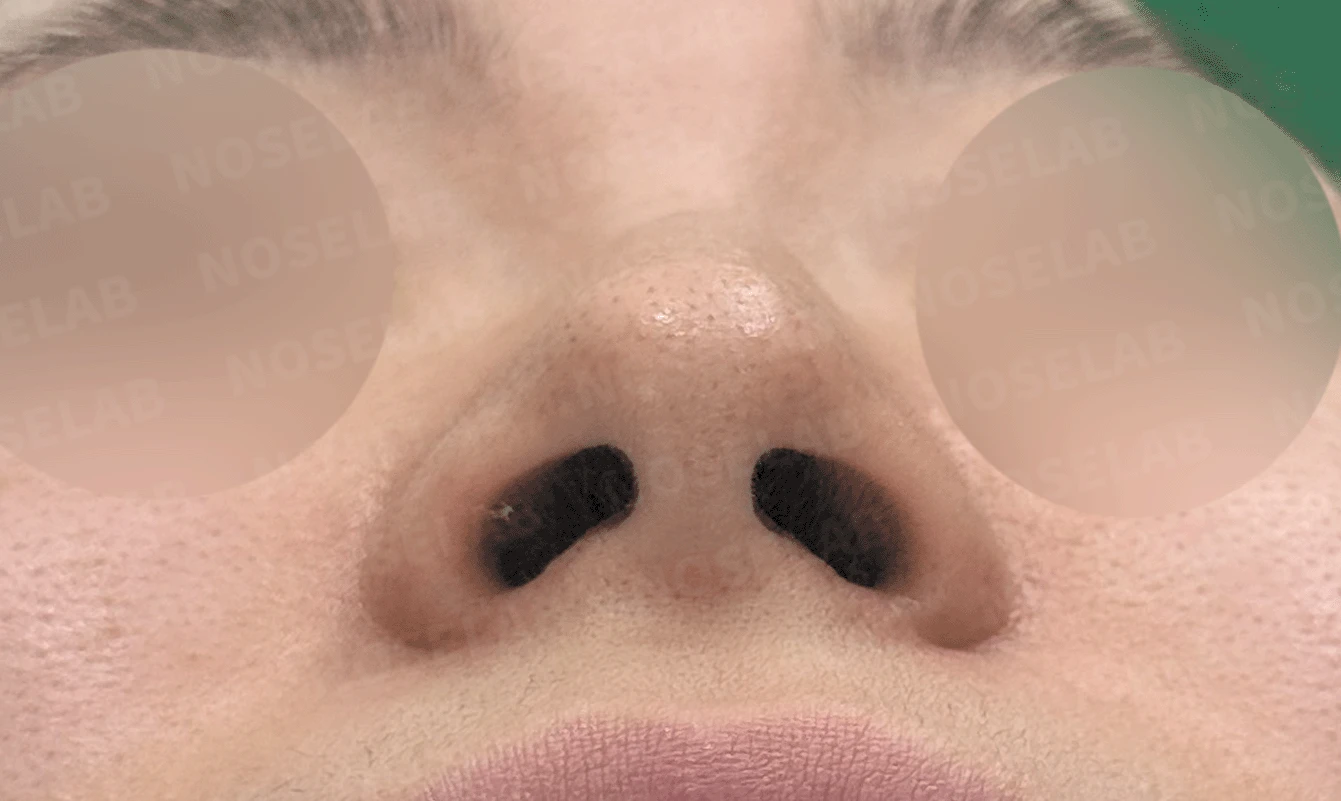
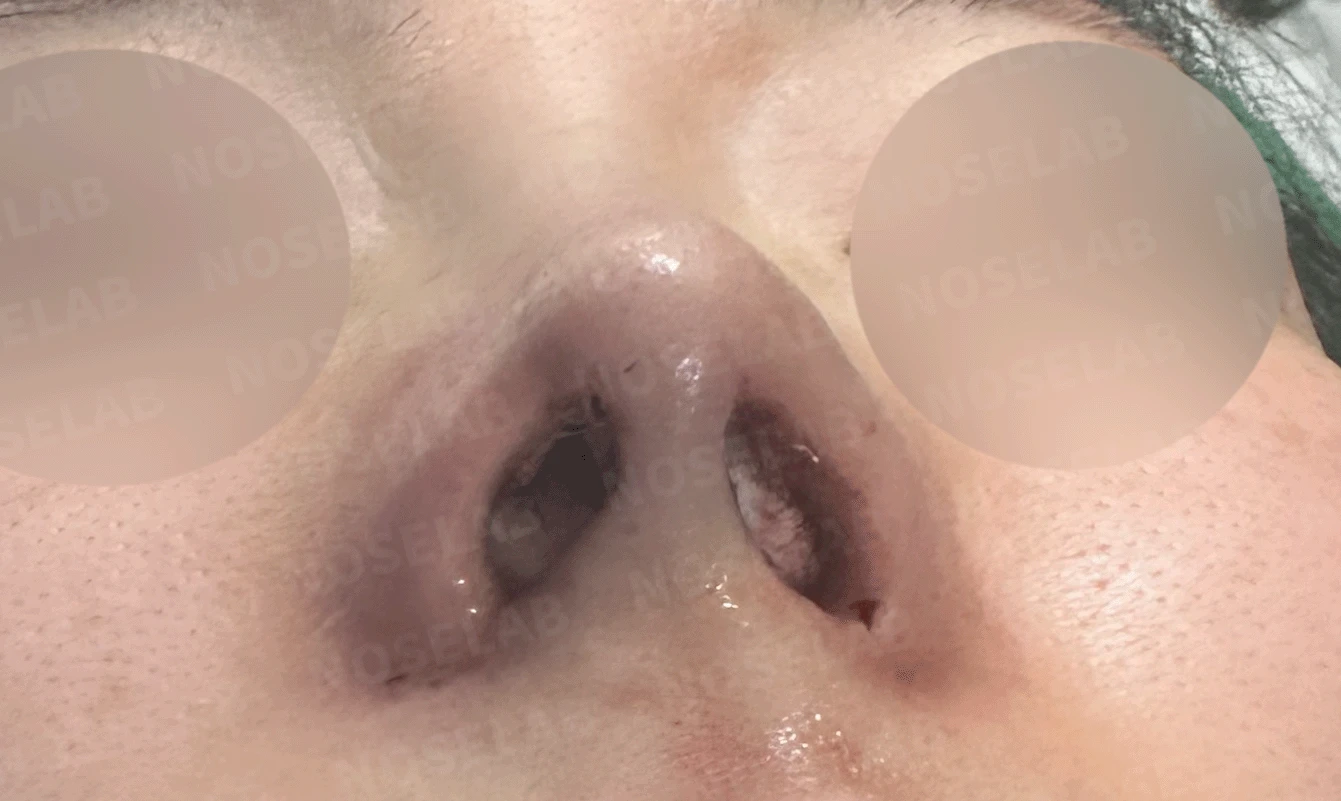
Before surgery / Day 0 immediately after surgery Photos taken immediately after surgery show swelling and may differ from the final result.
4. Nostril view improvement
Balanced symmetry between the left and right sides
Natural nostril shape
Improved symmetry
💡 Specialist opinion
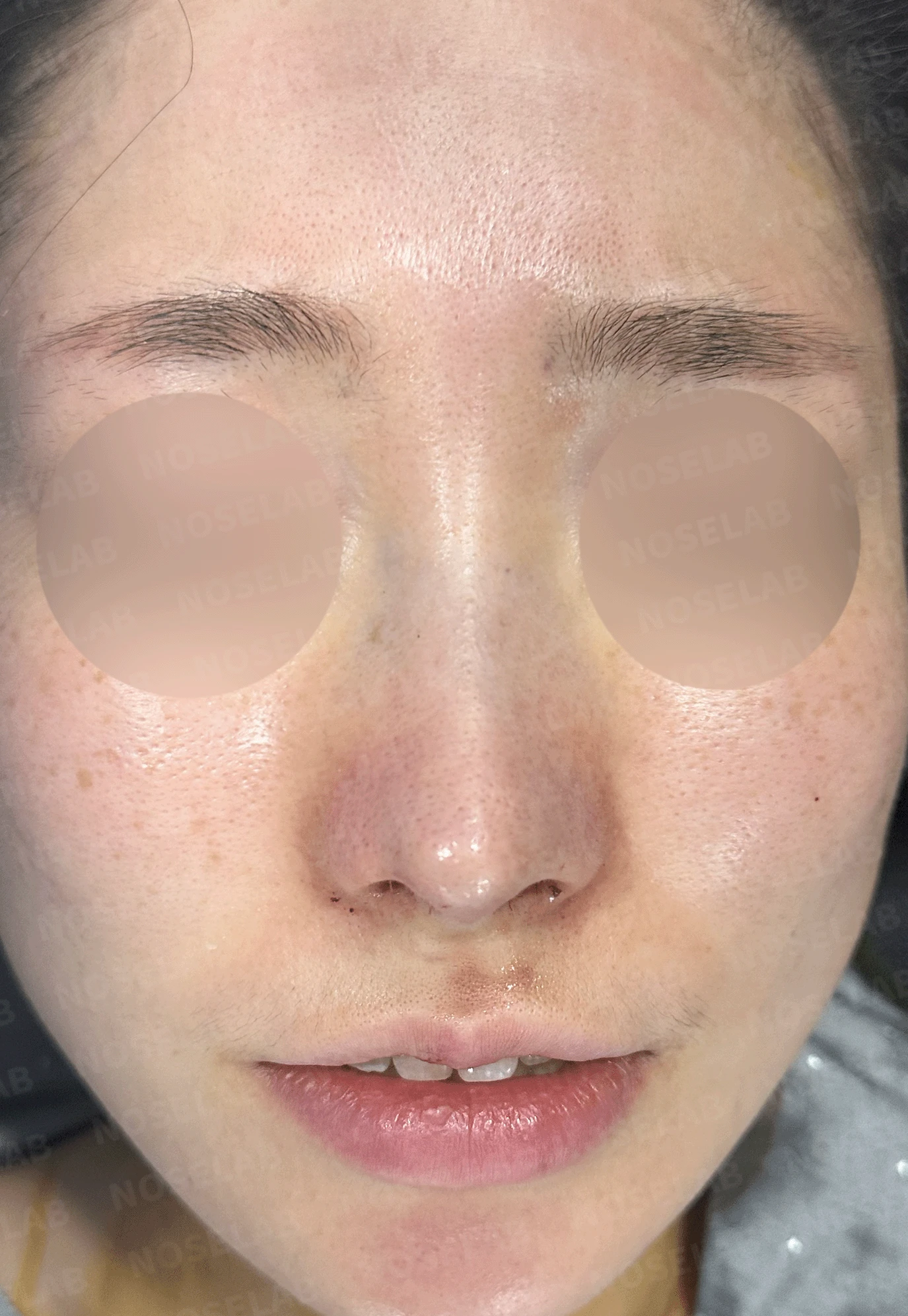
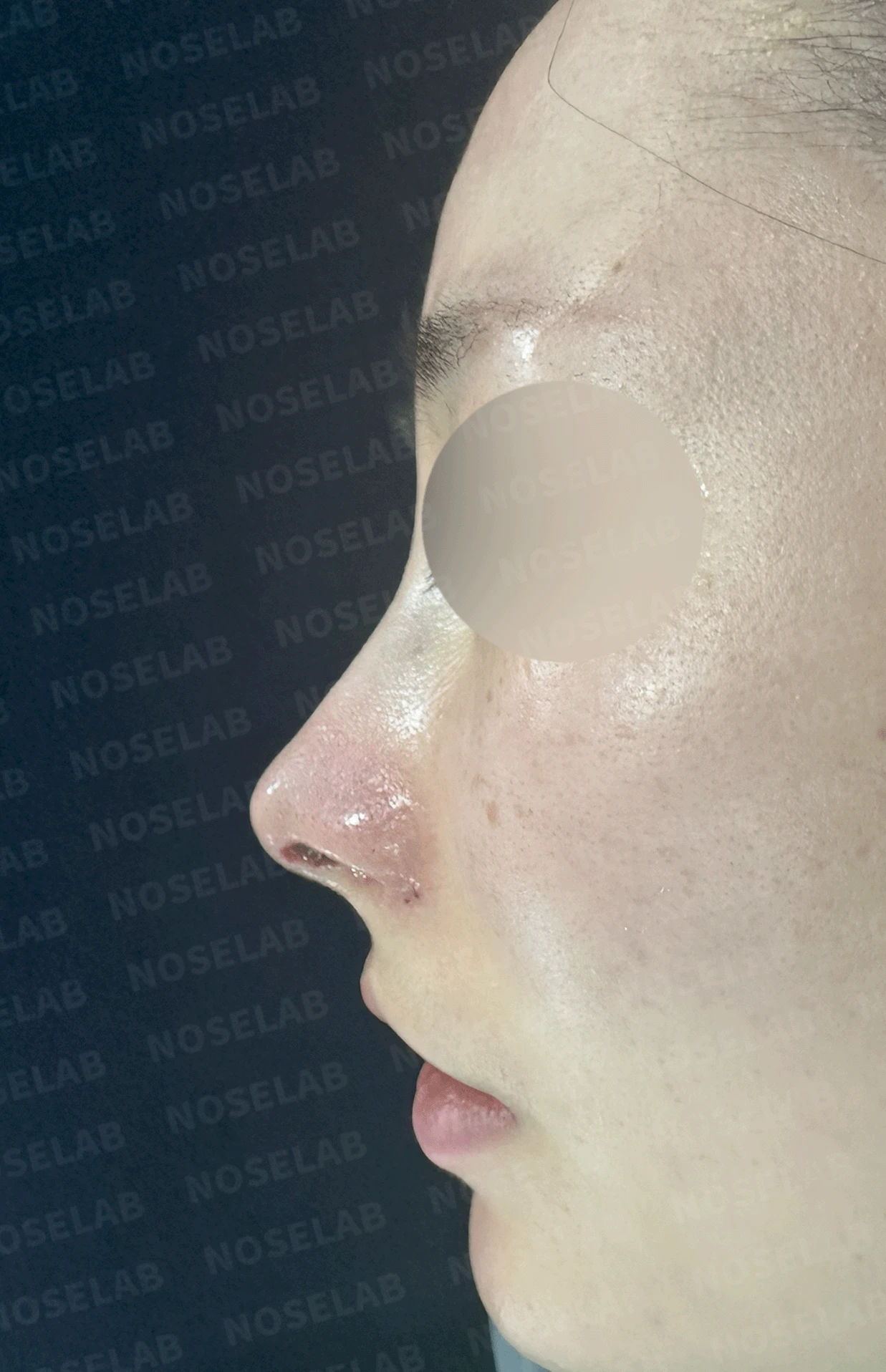
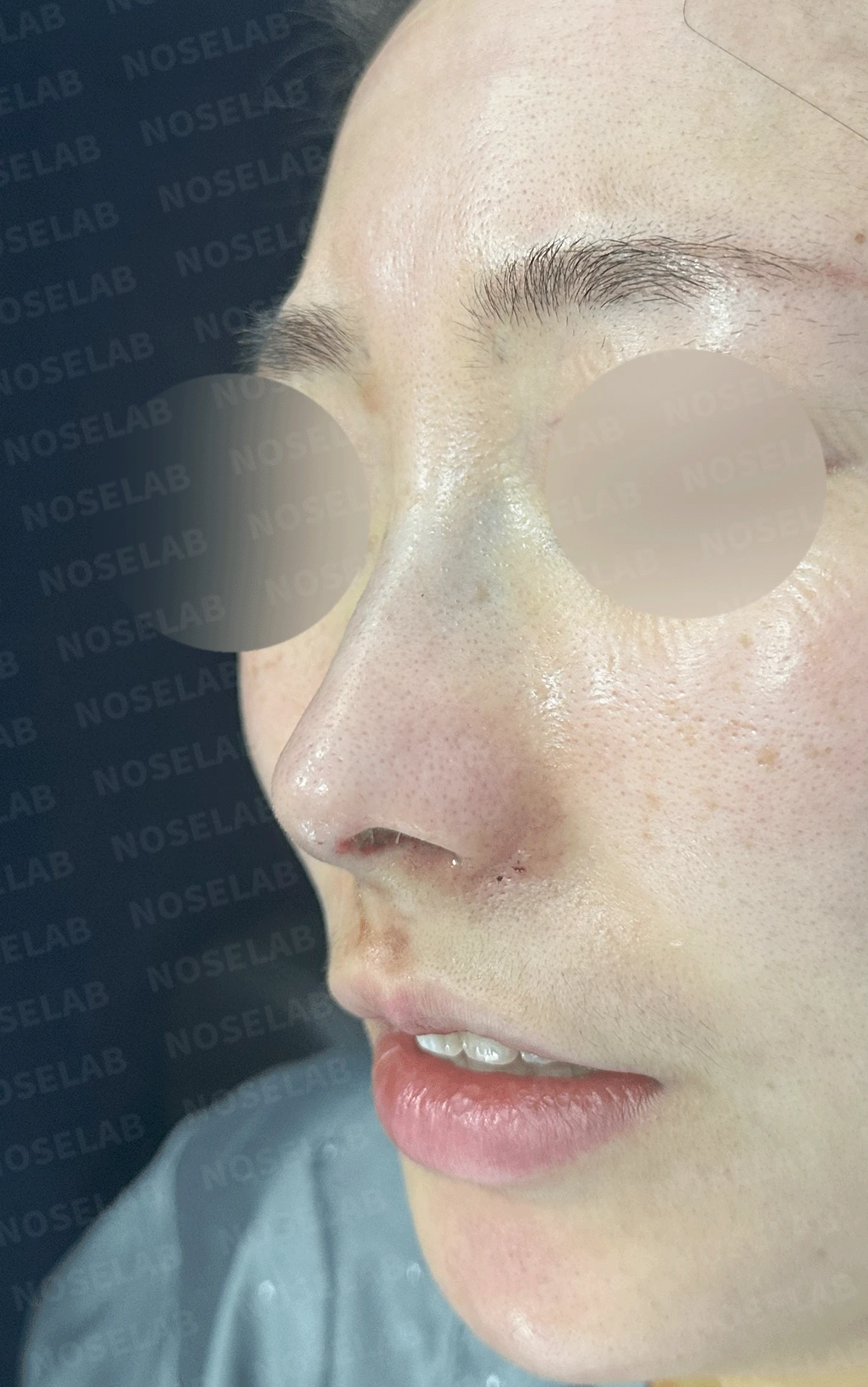
Front, profile, and oblique views taken immediately after surgery (day 0).Immediate postoperative photos show swelling and may differ from the final result.
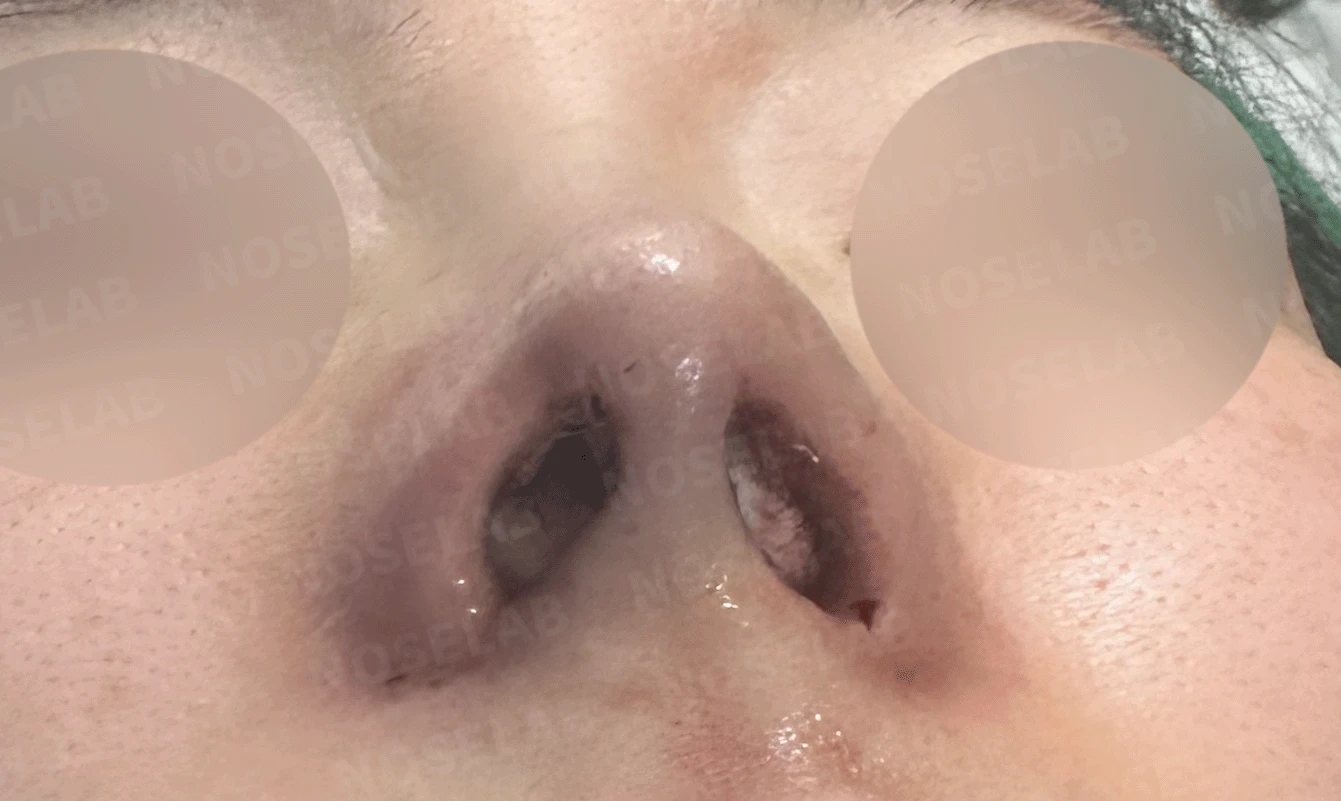
Nostril view on day 0 immediately after surgery. Photos taken immediately after surgery show swelling and may differ from the final result.
This case involved resolving several complex problems simultaneously. It is particularly meaningful because both functional improvements and aesthetic enhancement were achieved together. For patients with signs of sinusitis and rhinitis, careful attention is required during surgical planning. Accurate diagnosis and meticulous surgery are essential to relieve nasal obstruction while delivering satisfying cosmetic results.
I will continue to do my best for the health and aesthetic satisfaction of our patients.
This was Dr. Peter C. Kang. Thank you.
Thank you.
#dorsalhumpsurgery #crookednosecorrection #rhinitissurgery #sinusitisimprovement #nasalobstructionsurgery #straightbridgeline #naturalnose #customrhinoplasty #closedrhinoplasty

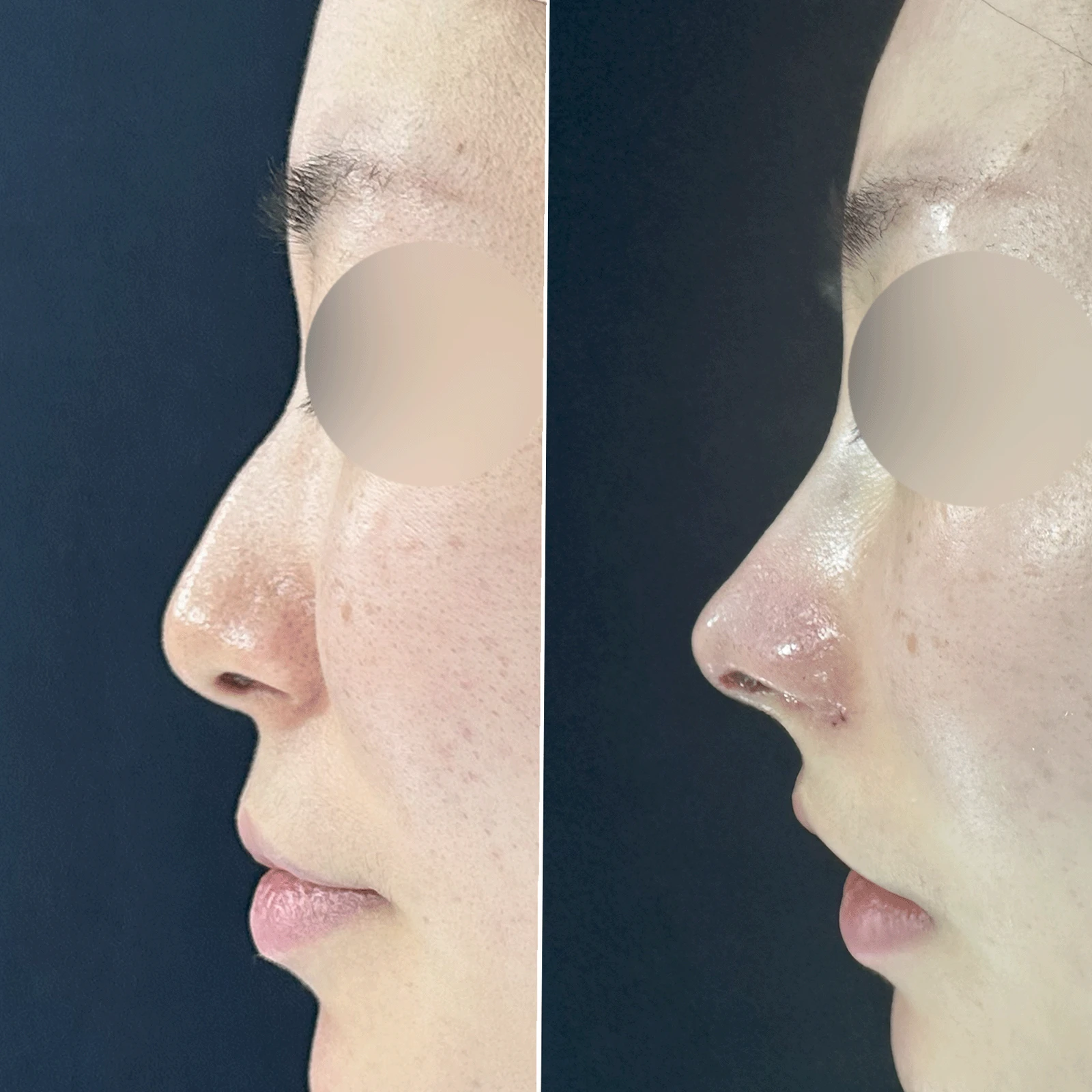
Limitations and risks
When the septum is corrected at the same time, nasal obstruction may persist or recur, and in rare cases, septal perforation or changes in smell may occur.
Common potential risks include infection, bleeding, asymmetry, scarring, skin necrosis, and insufficient improvement; results vary depending on individual skin condition and previous surgical history.