Hello, I am Dr. Peter C. Kang.
Today, I will introduce a case where combined nasal and chin concerns were addressed to restore overall facial balance.
💉 Key improvements
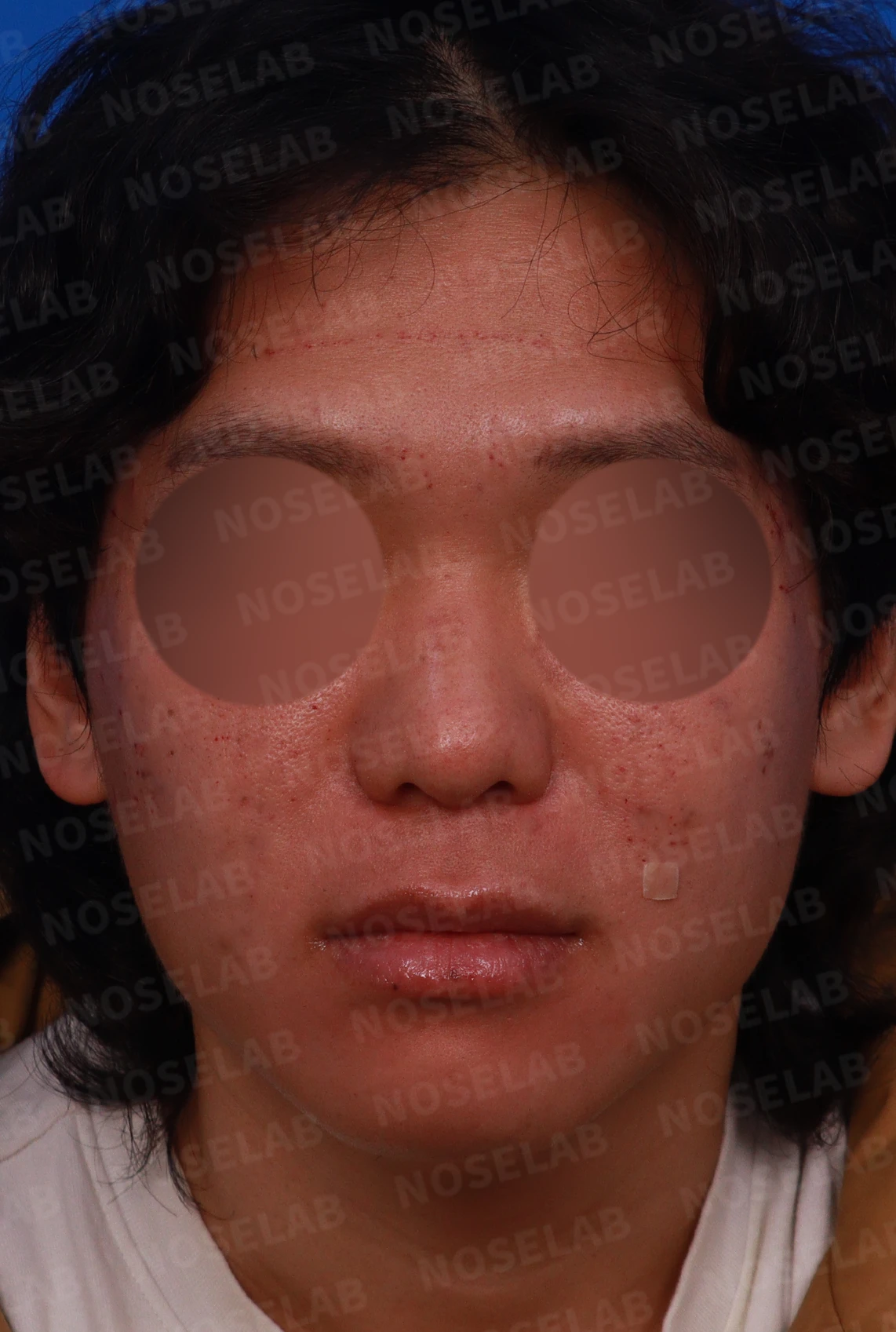
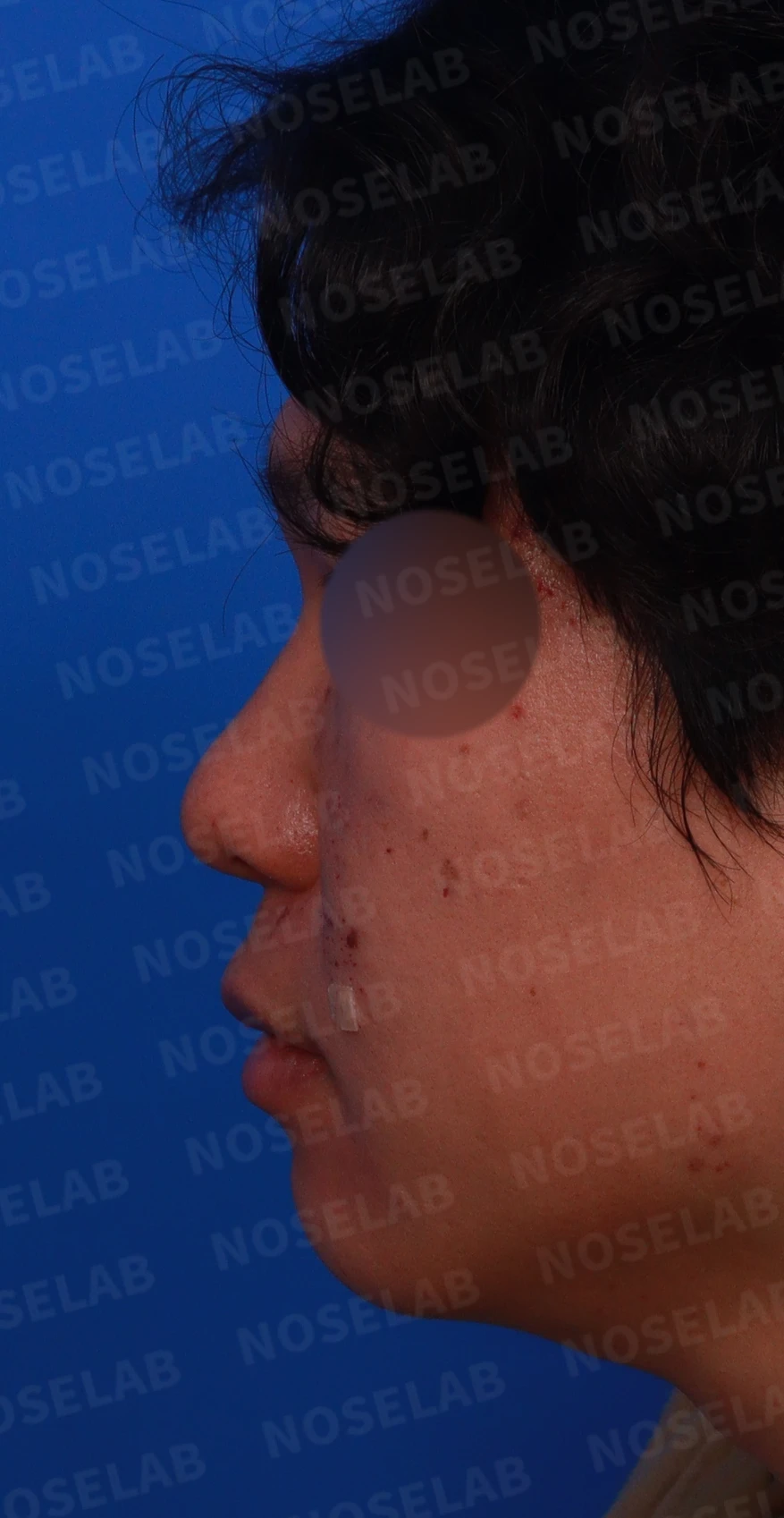
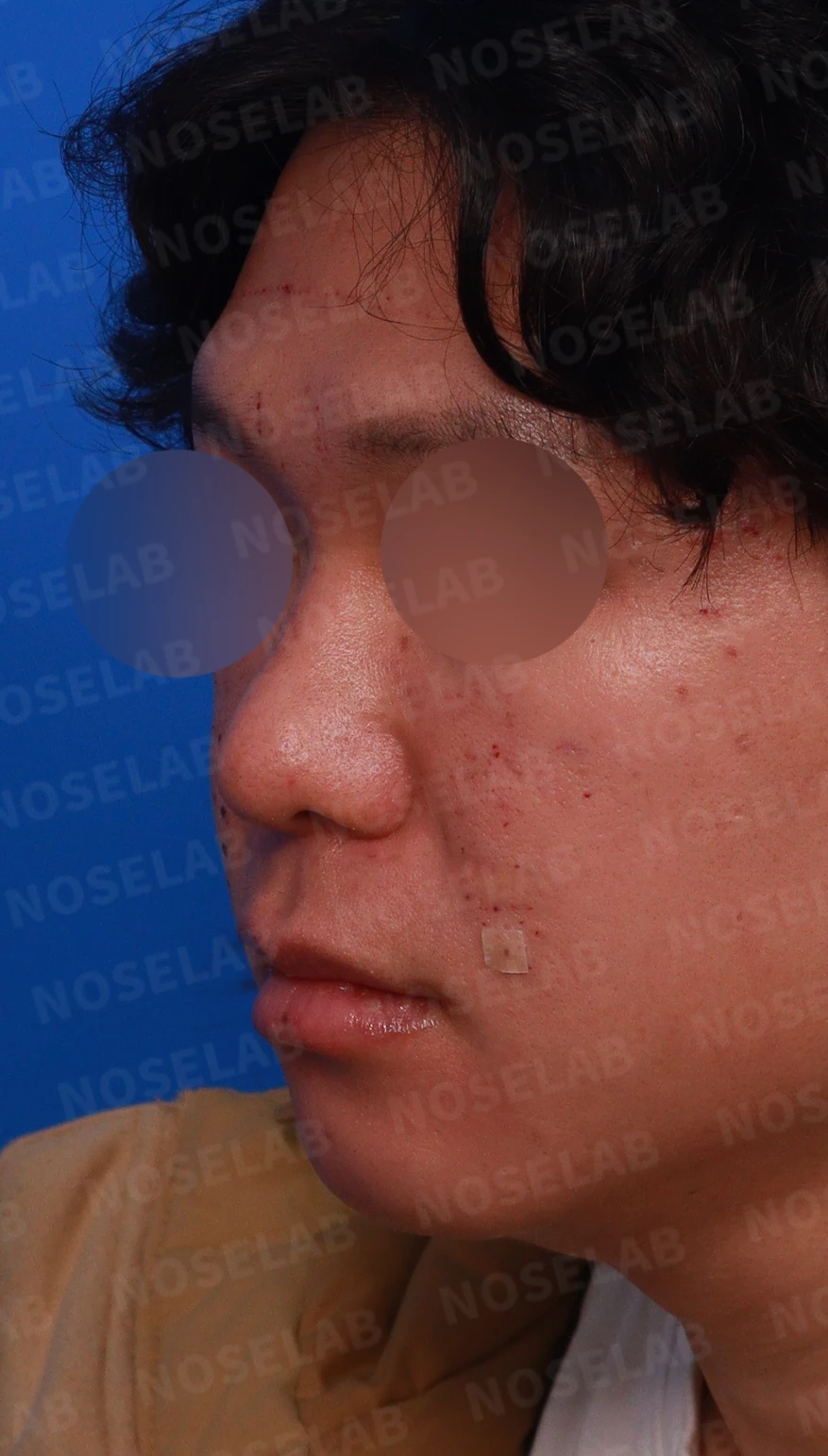
Front, left profile, and oblique views during design consultation.
Spread nasal tip and bulbous nose
Low radix
Protruding mouth and acute nasolabial angle
Retracted columella
Round nostrils and asymmetry
Receding chin
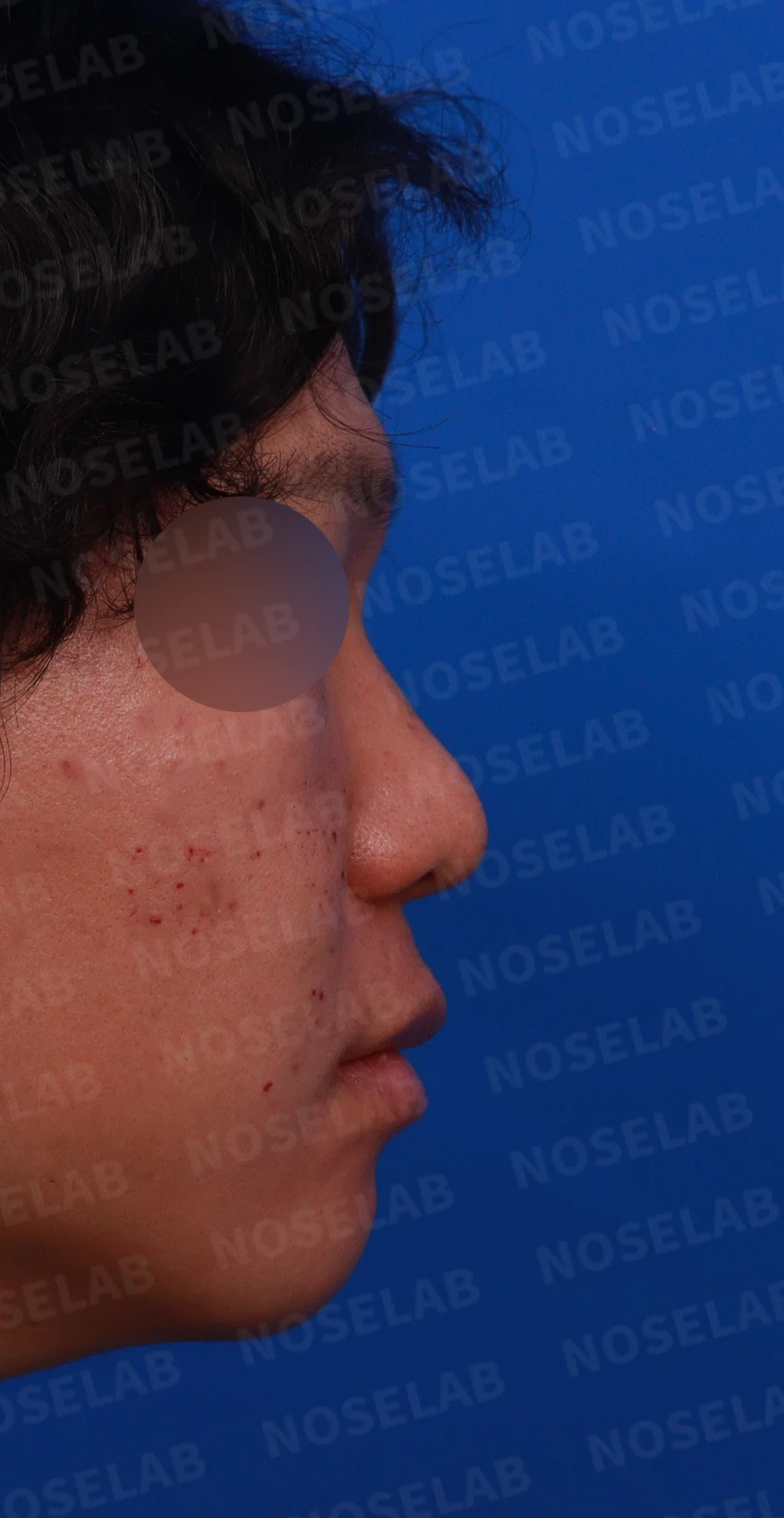
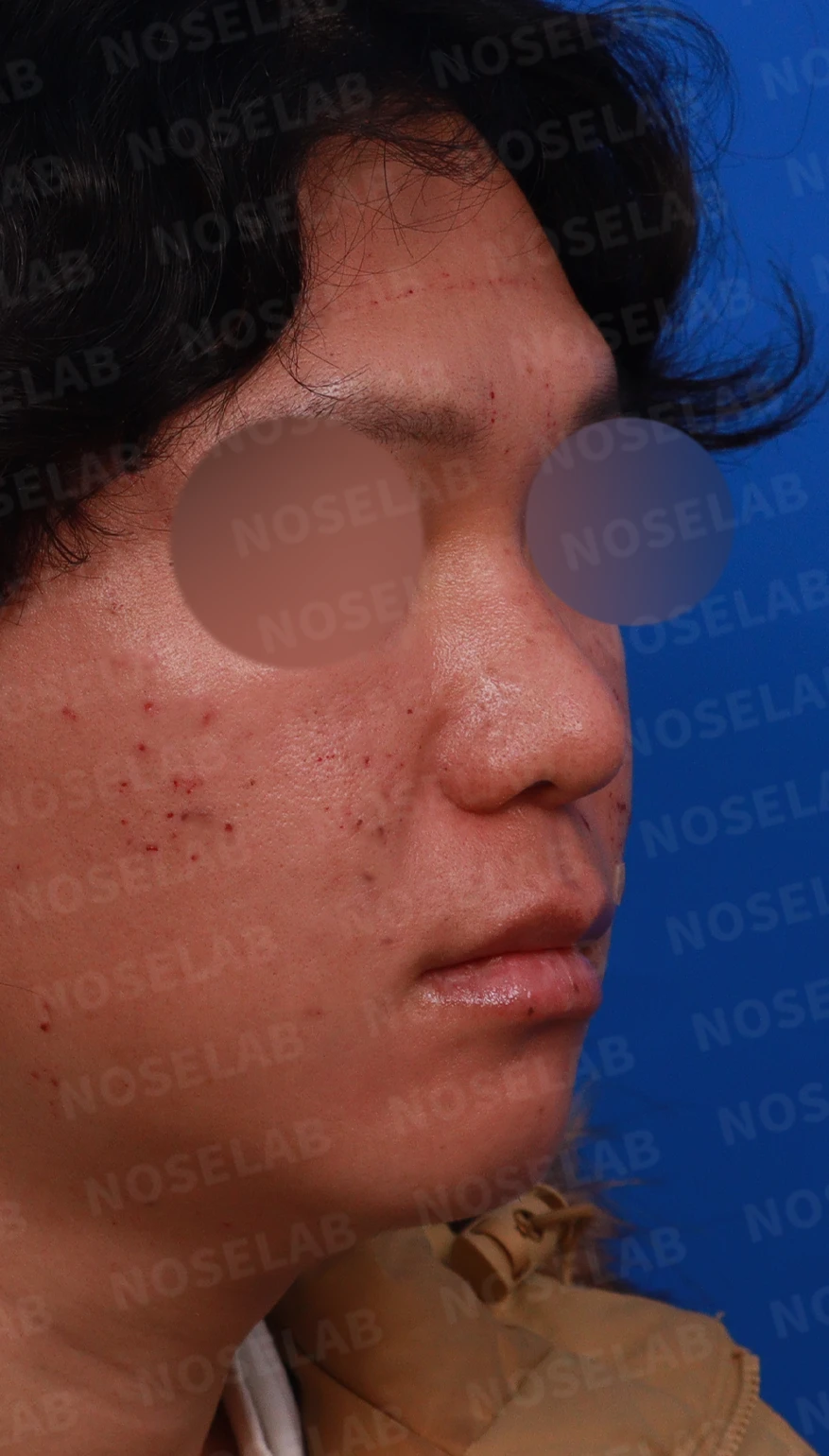
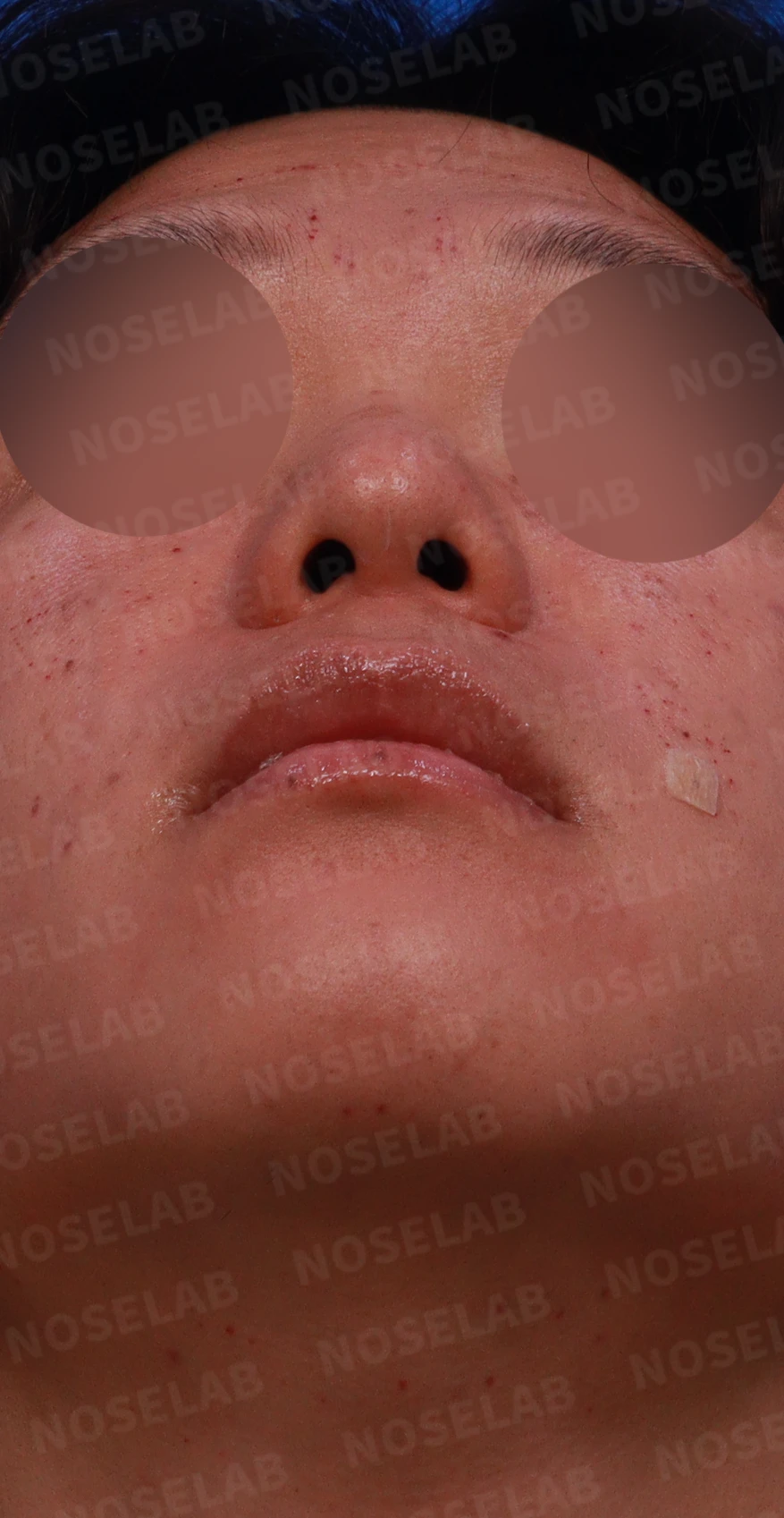
Right profile, oblique, and nostril views during design consultation.
🔧 Surgical plan and procedure
Improvement of nasal structure
Septal extension using septal cartilage and donor rib cartilage
Creating a straight nasal bridge line
Natural lowering of the columella
Correction of the nasolabial angle
2. Chin correction
Chin implant surgery
3. Detailed adjustments
Glabella height adjustment considering prominent brow bones
Correction of nostril asymmetry
Improved frontal symmetry
🌟 Surgical results
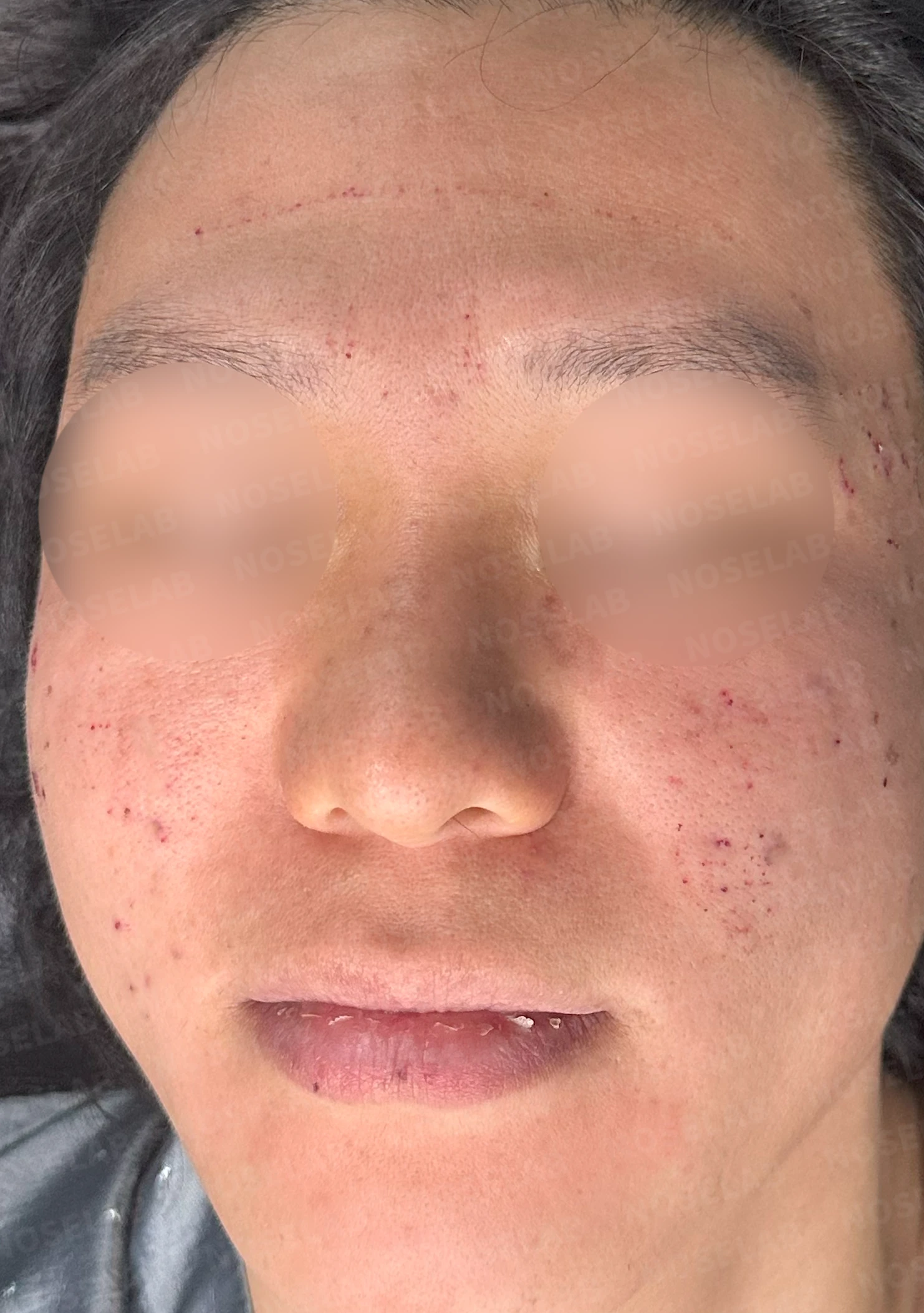
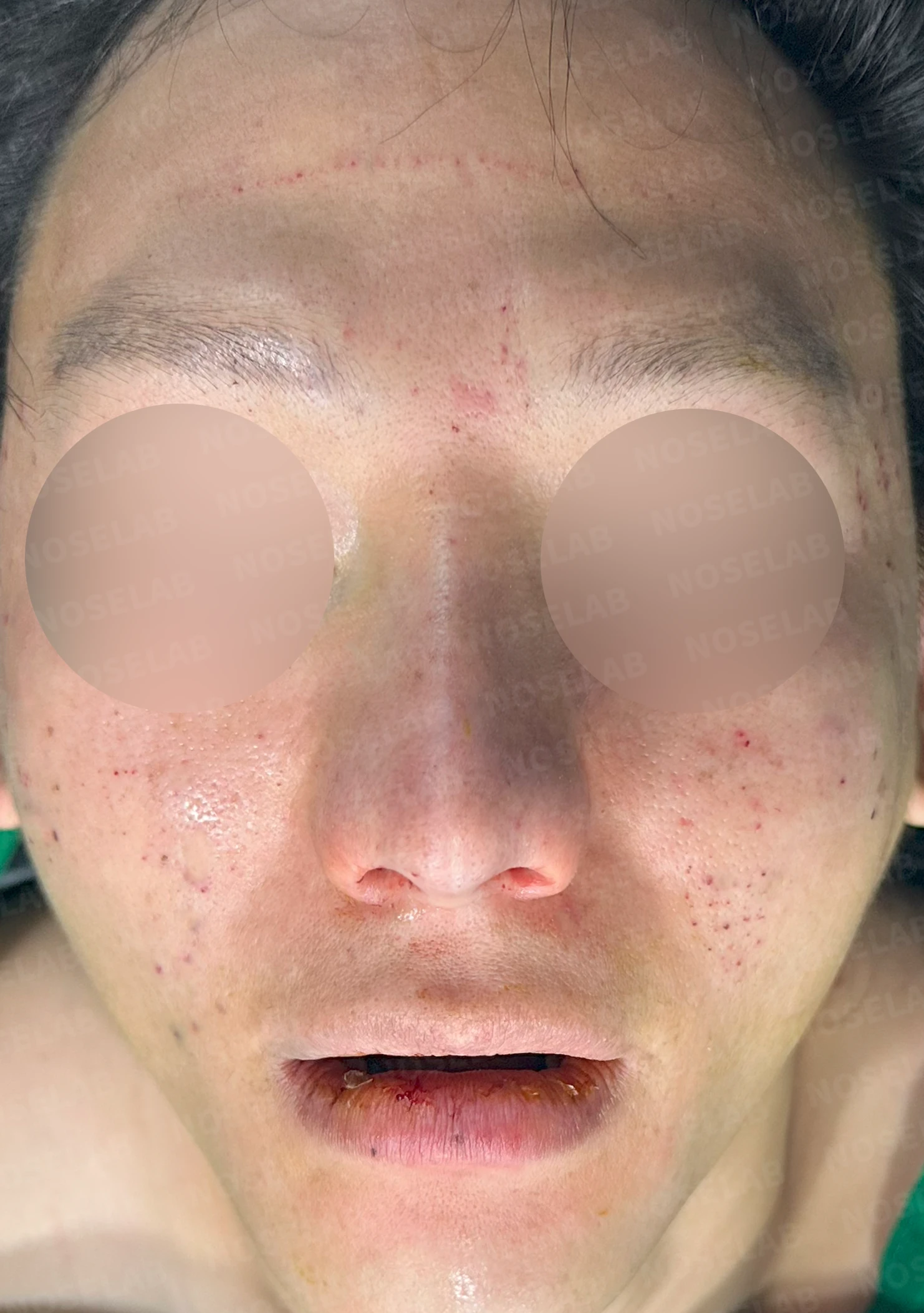
Before surgery / Day 0 immediately after surgery Photos taken immediately after surgery show swelling and may differ from the final result.
Front view improvement
Improved nasal symmetry
Natural glabellar height
Refined nasal tip shape
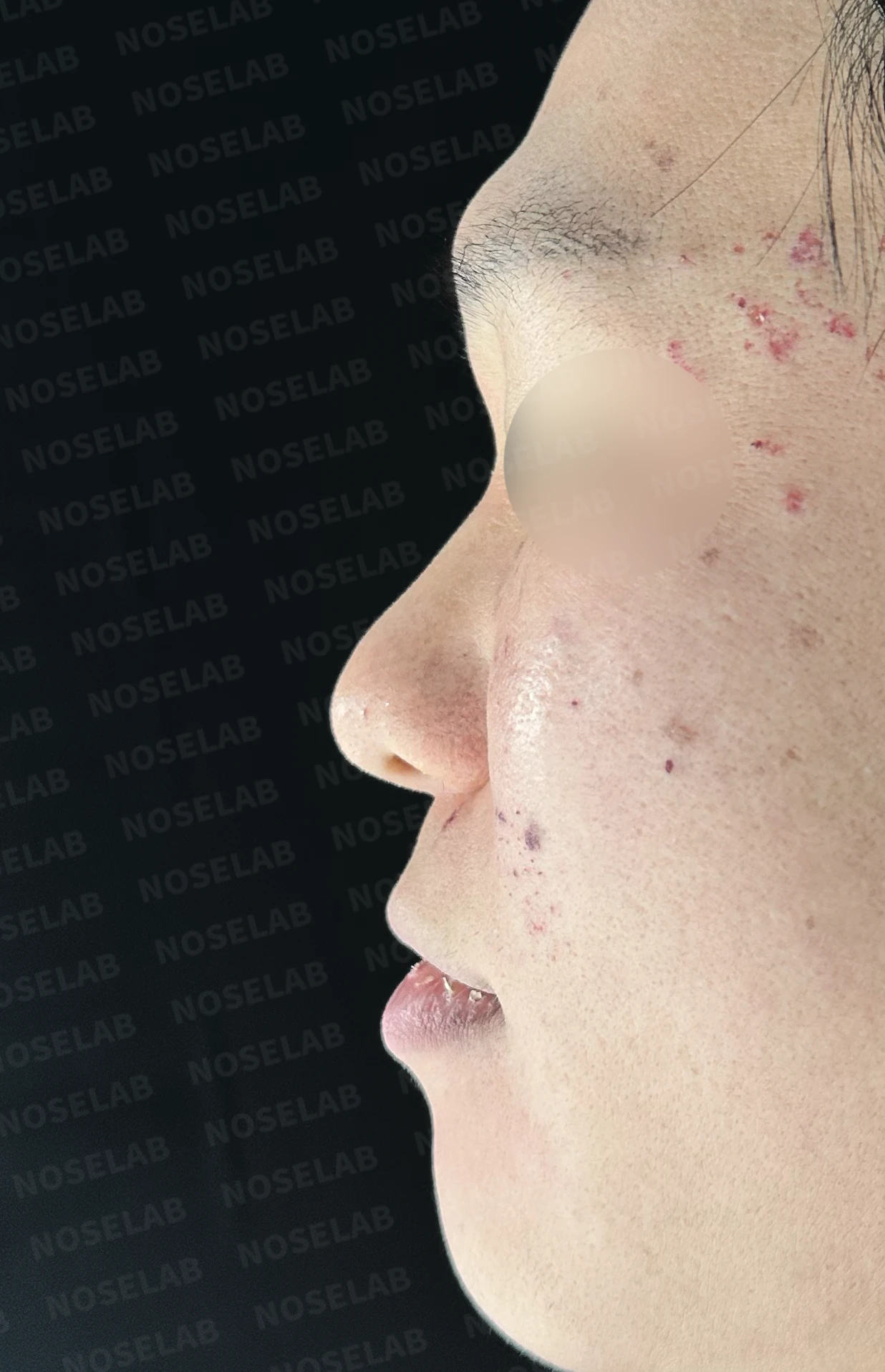
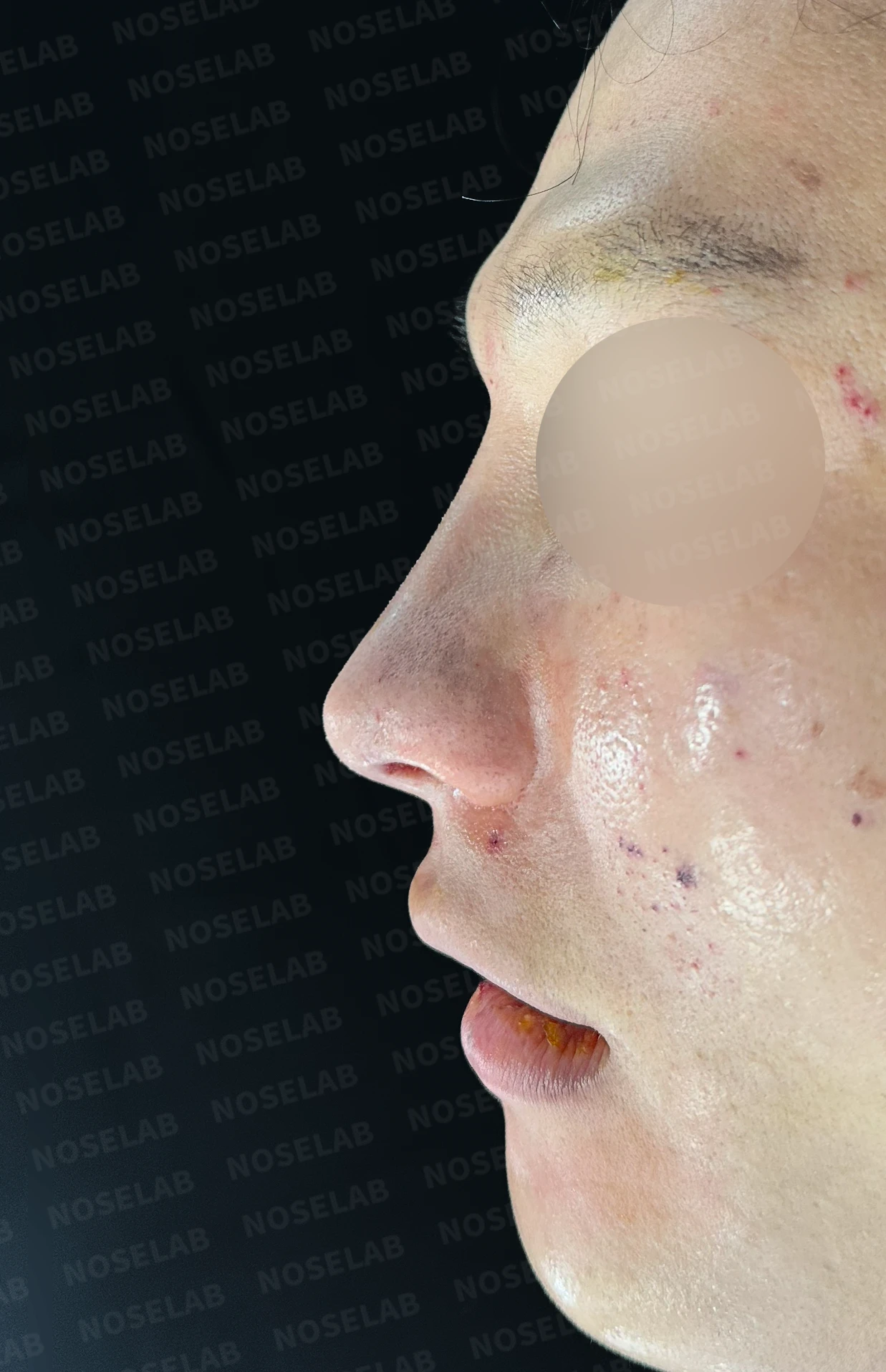
Before surgery / Day 0 immediately after surgery Photos taken immediately after surgery show swelling and may differ from the final result.
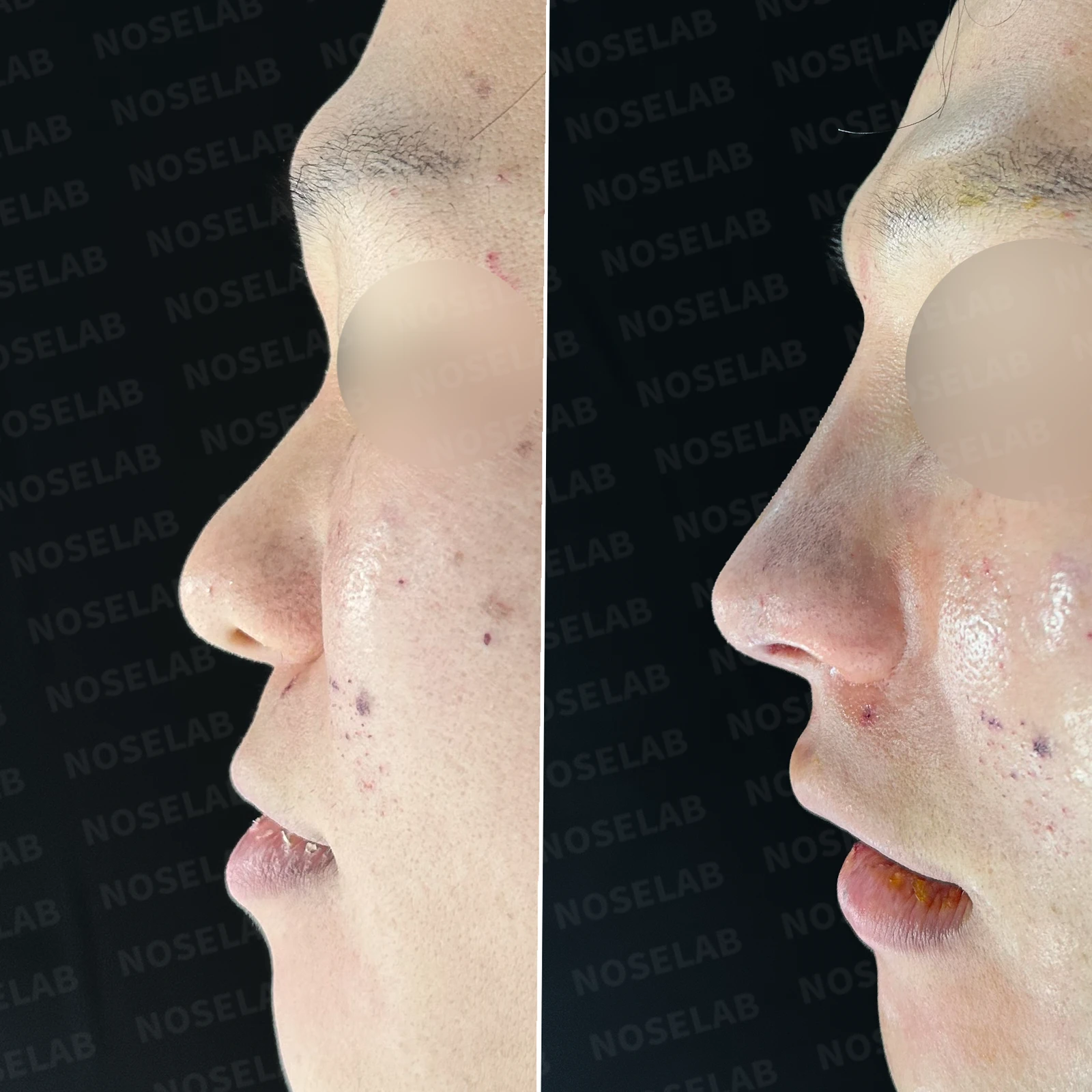
2. Profile view improvement
Straight nasal bridge line
Appropriate nasolabial angle
Improved protruding mouth
Natural chin projection
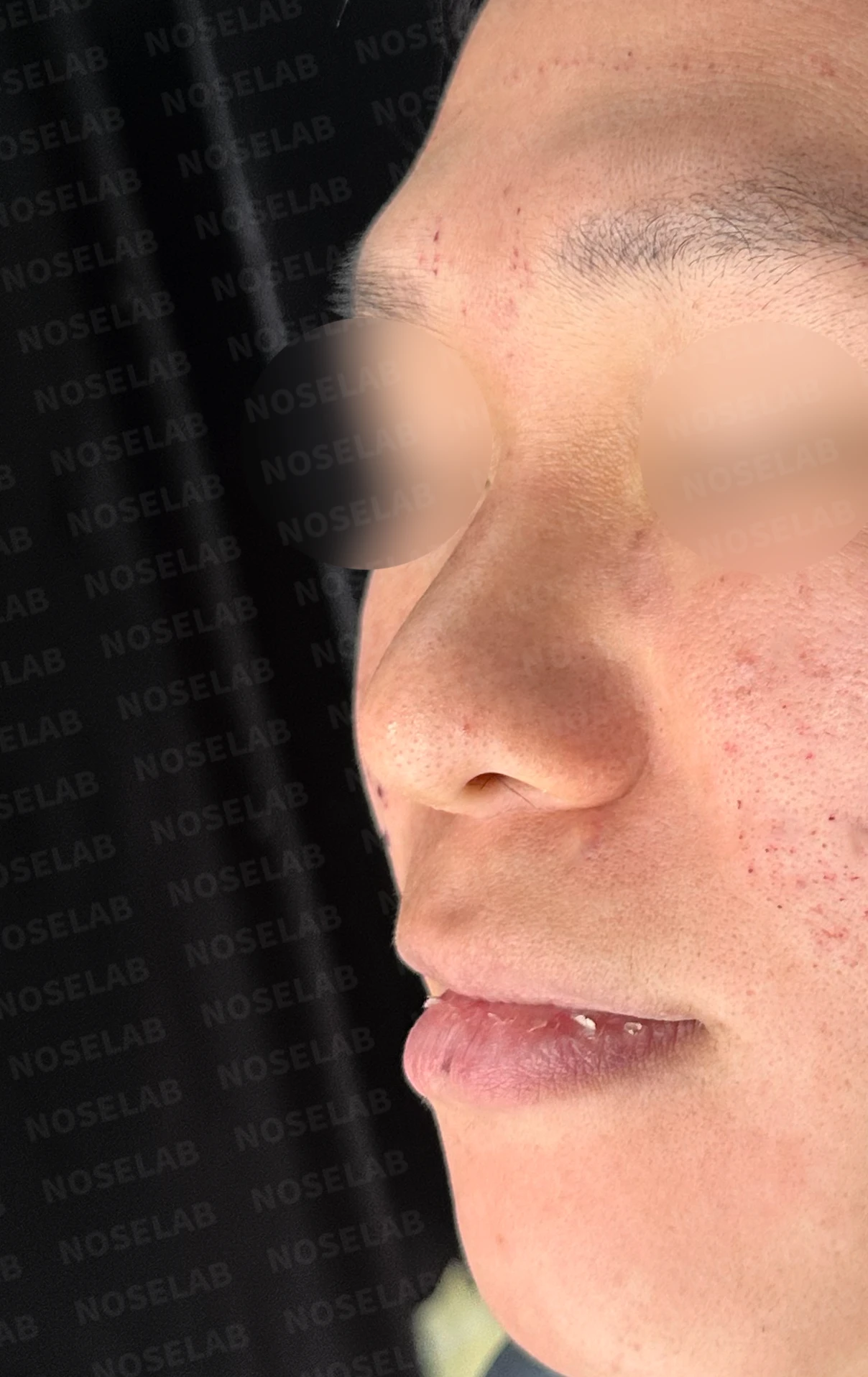
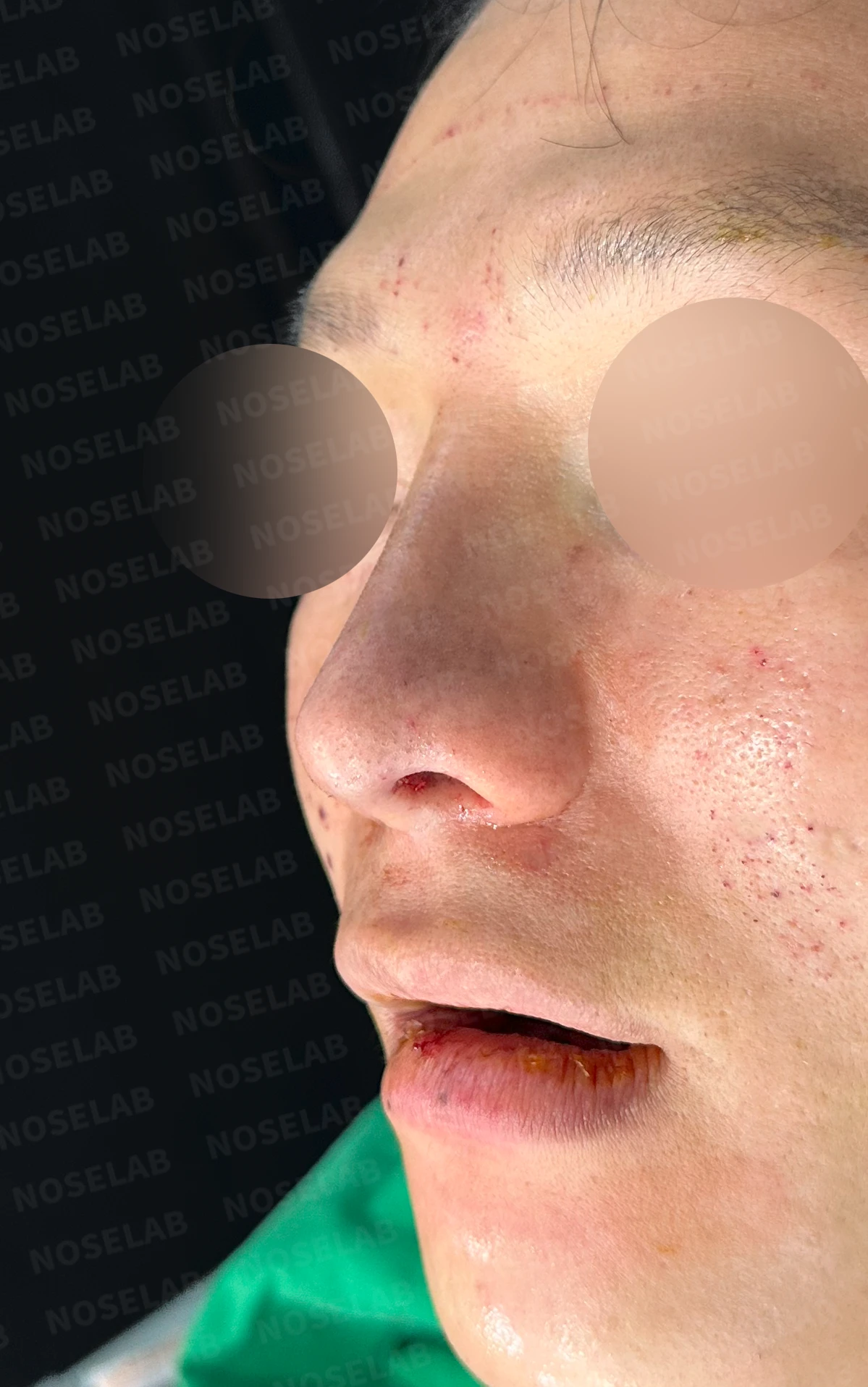
Before surgery / Day 0 immediately after surgery Photos taken immediately after surgery show swelling and may differ from the final result.
3. Nostril improvement
Improved asymmetry
Natural nostril shape
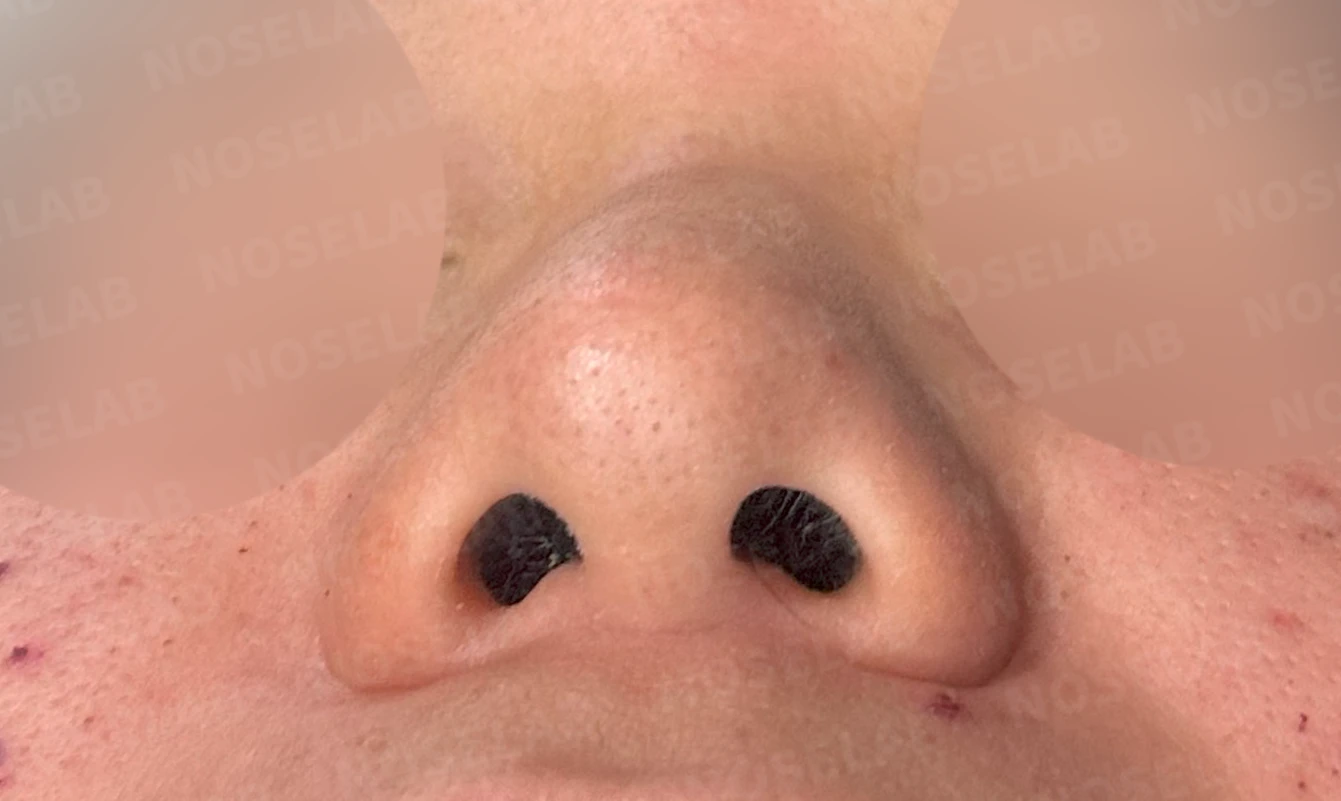
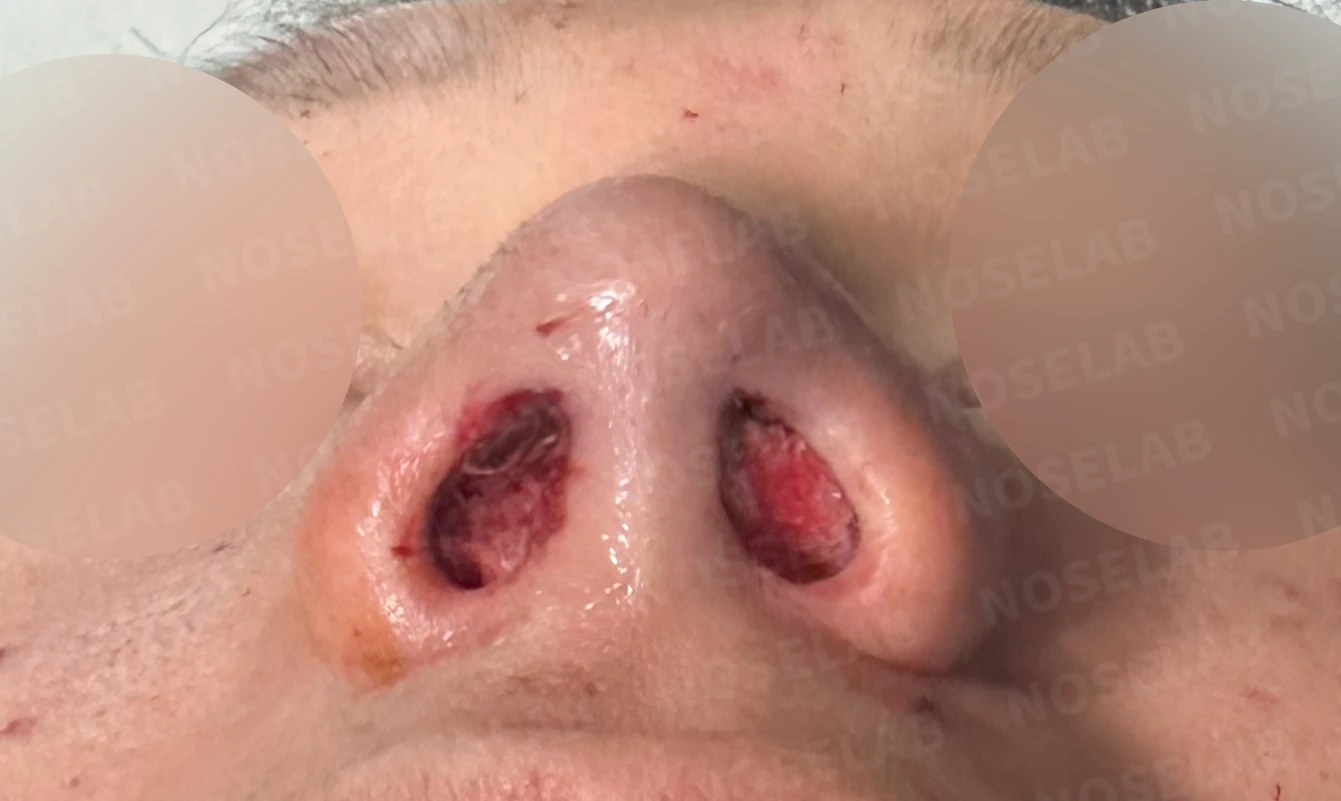
Before surgery / Day 0 immediately after surgery Photos taken immediately after surgery show swelling and may differ from the final result.
💡 Specialist opinion
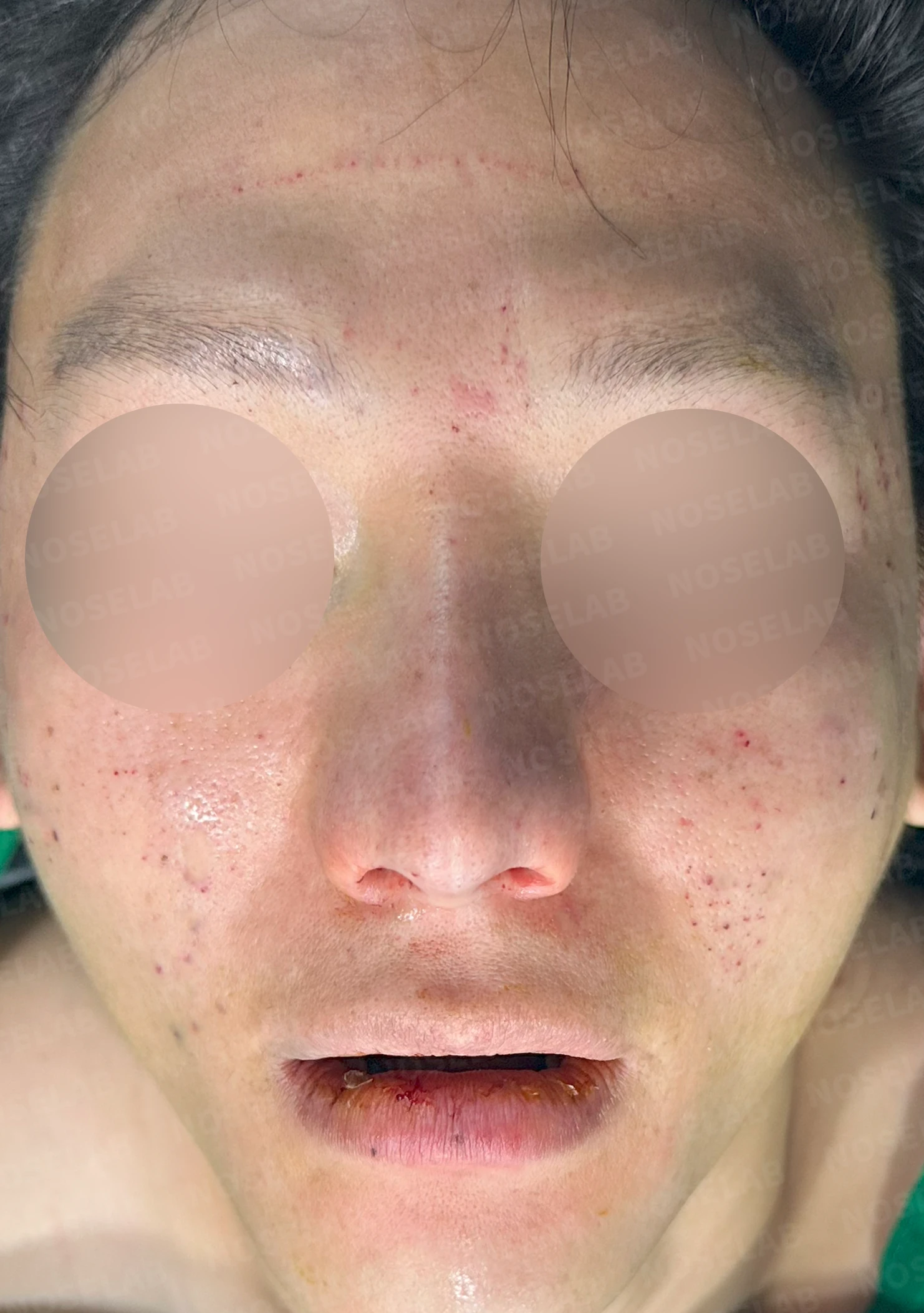
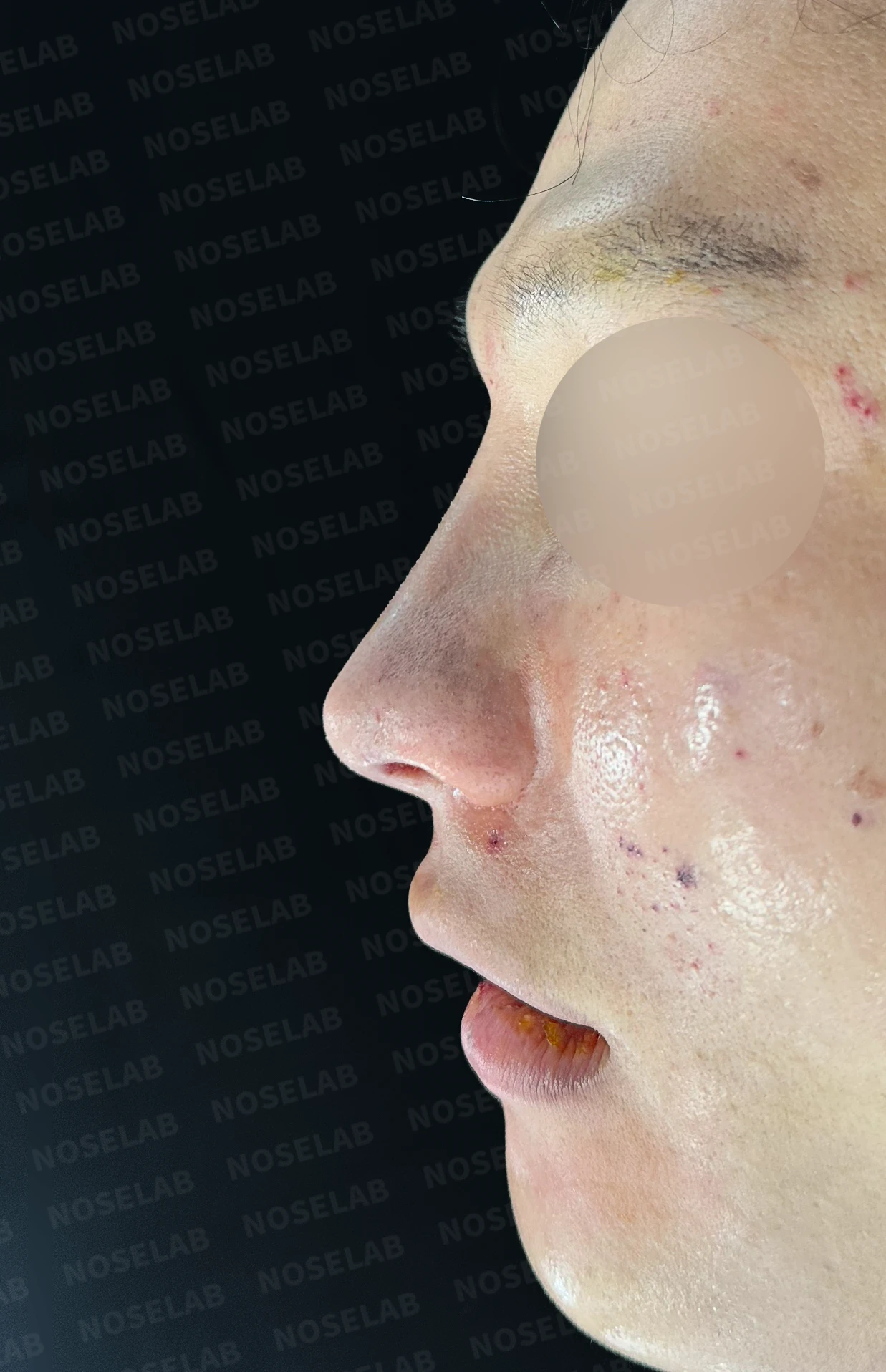
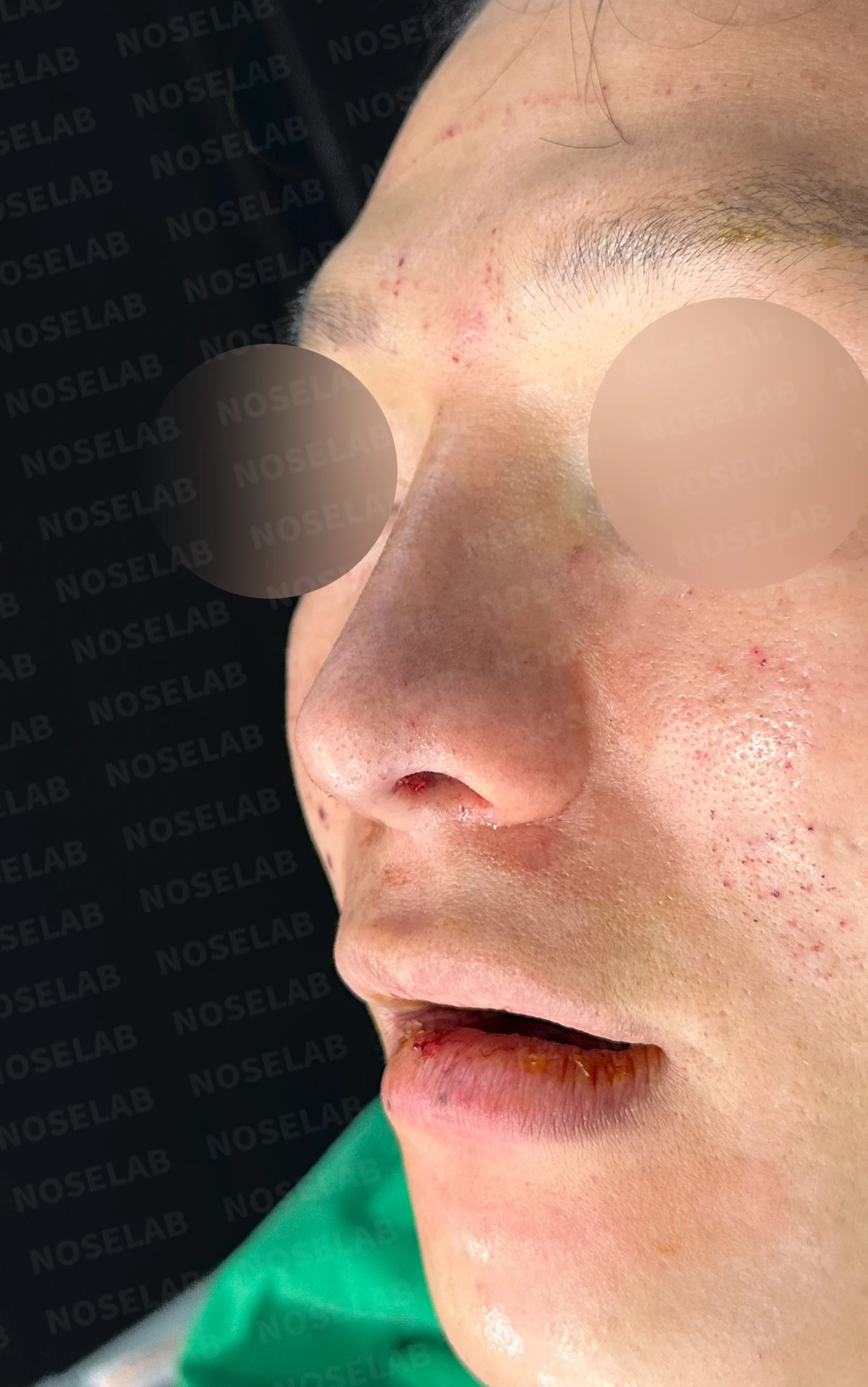
Front, profile, and oblique views taken immediately after surgery (day 0).Immediate postoperative photos show swelling and may differ from the final result.
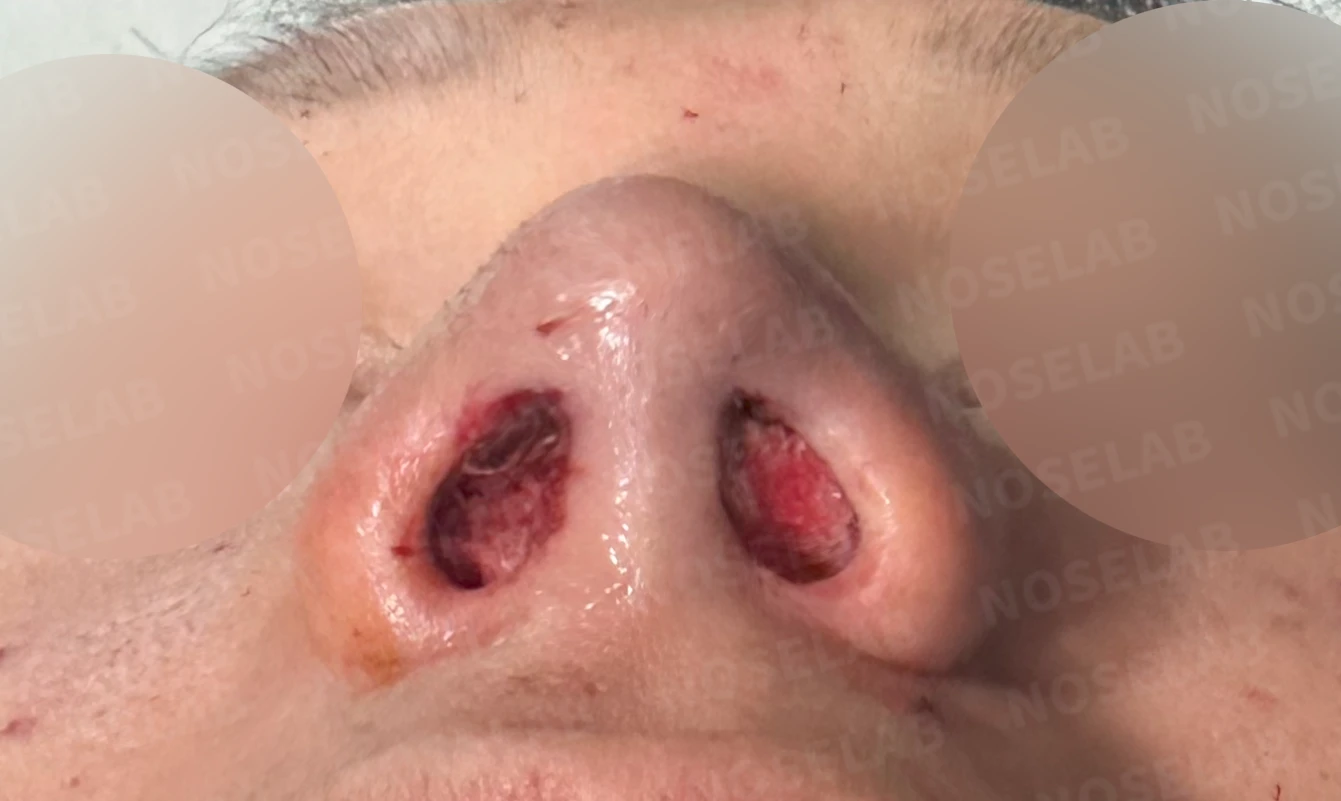
Nostril view on day 0 immediately after surgery. Photos taken immediately after surgery show swelling and may differ from the final result.
This case required a combined approach considering overall facial harmony beyond standard rhinoplasty alone. In particular, careful design was needed taking into account the skeletal characteristics of prominent brow bones and a receding chin.
Through chin correction, overall facial balance was significantly improved, further complementing the rhinoplasty results.
I will continue to provide customized surgical plans that carefully take into account each patient's individual facial features.
This was Dr. Peter C. Kang. Thank you.
Thank you.
#rhinoplasty #chinaugmentation #customrhinoplasty #facialbalance #combinedsurgery #donorribcartilage #recedingchin #nasolabialanglecorrection #asymmetrycorrection

Limitations and risks
When using donor rib cartilage, long-term follow-up is necessary because the grafted cartilage may resorb or warp.
When the septum is corrected at the same time, nasal obstruction may persist or recur, and in rare cases, septal perforation or changes in smell may occur.
Common potential risks include infection, bleeding, asymmetry, scarring, skin necrosis, and insufficient improvement; results vary depending on individual skin condition and previous surgical history.