Hello, I am Dr. Peter C. Kang.
Today, I would like to share a nasal reconstruction case using autologous rib cartilage for a patient who was concerned about using artificial implants due to an allergic constitution.
🔍 Surgical history
October 2022: Septal cartilage, ear cartilage, implant-free approach, functional surgery
💉 Patient's requests
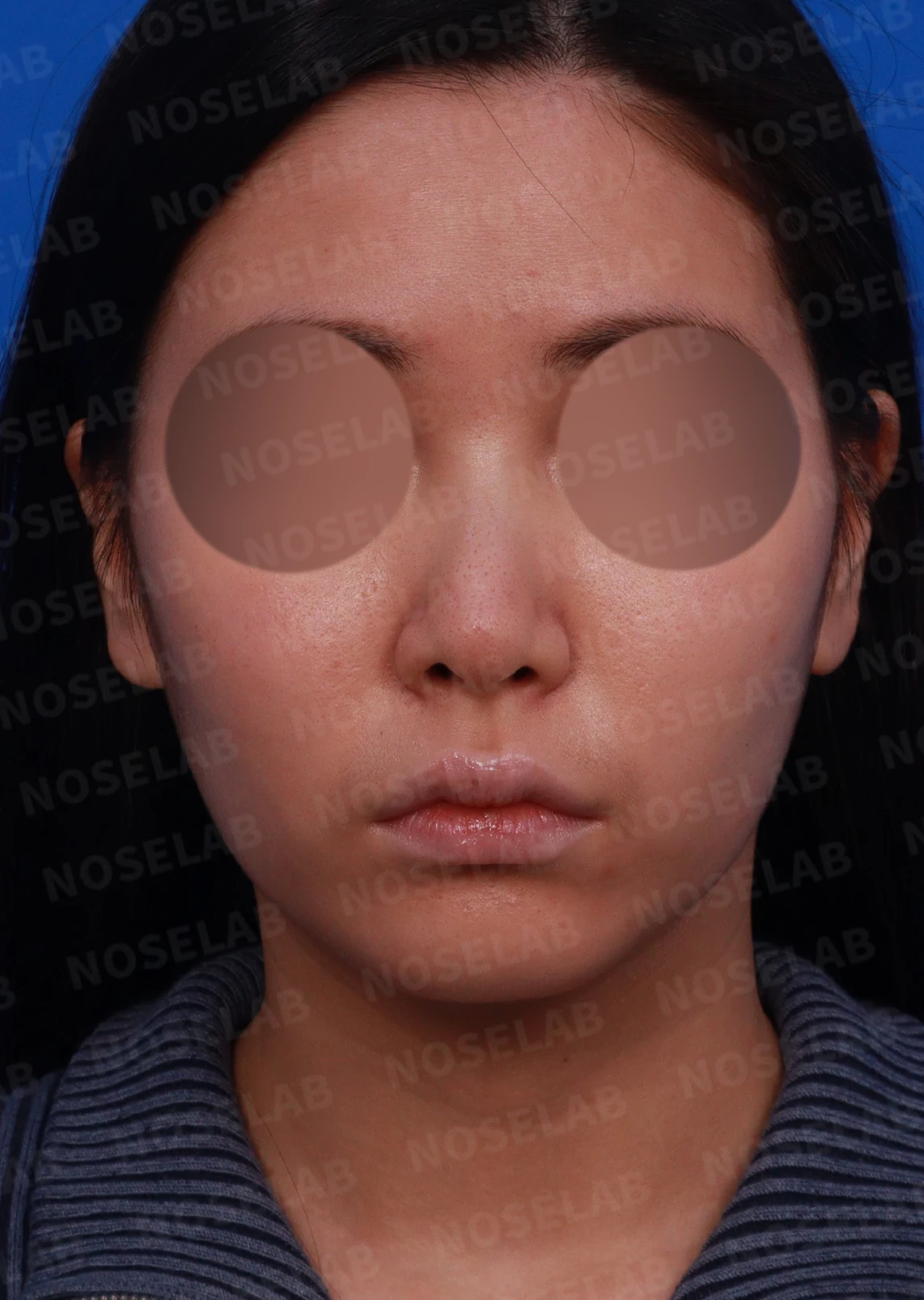
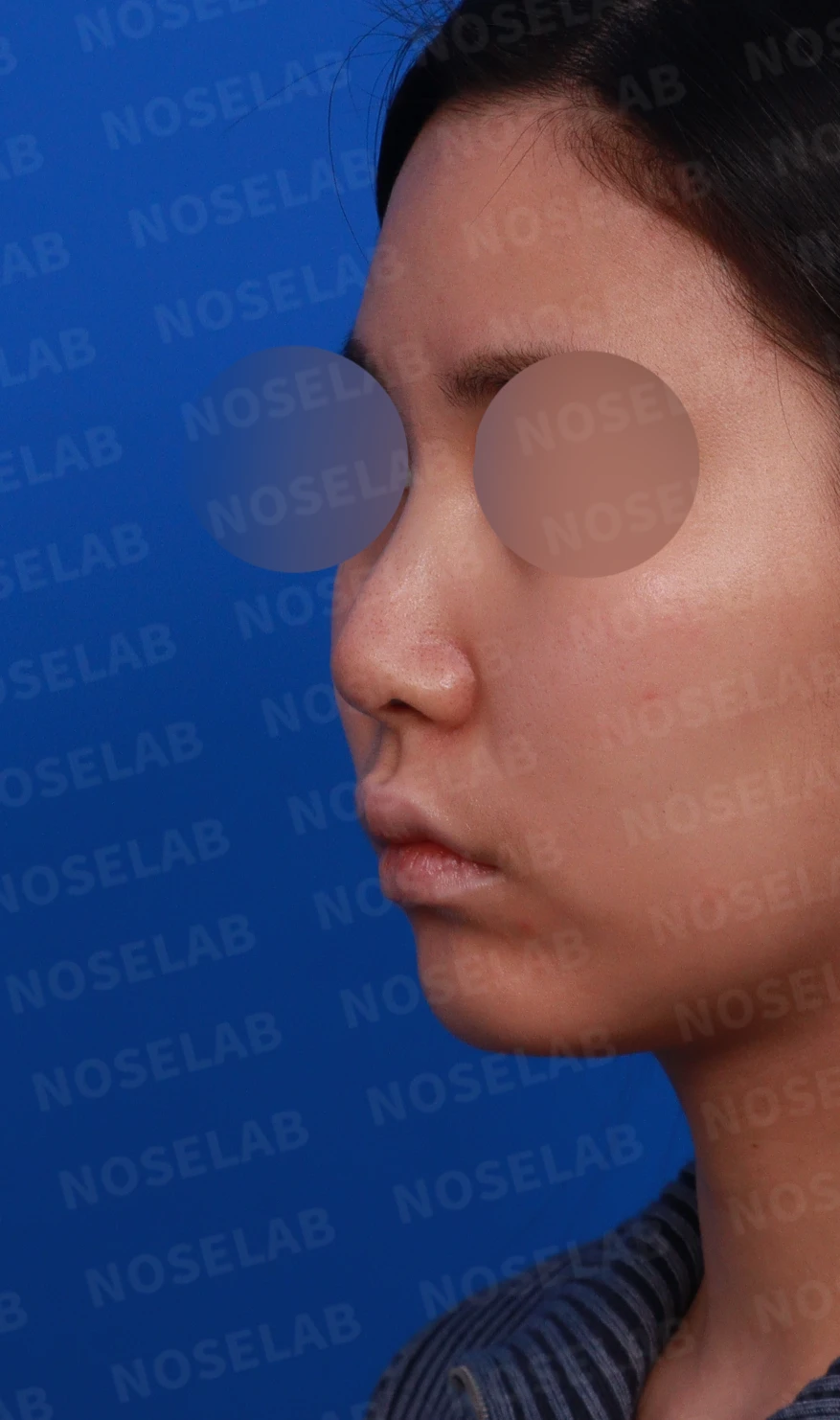
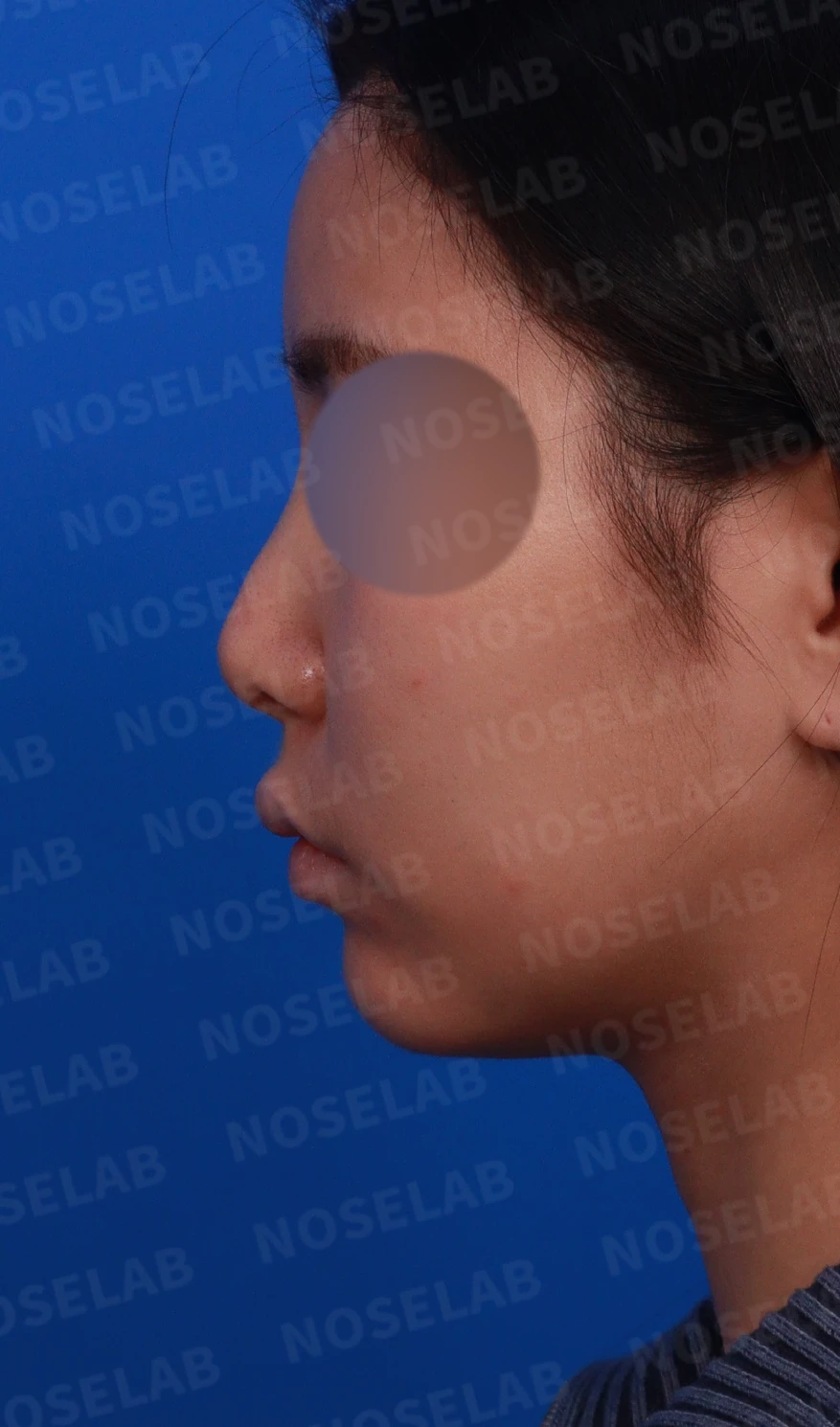
Design consultation: front, left oblique, and profile views.
Improvement of bulbous nasal tip
Correction of crooked nose
High nasal tip projection
Desires a prominent, glamorous line
Prefers an implant-free approach (due to inflammation concerns)
Concerns regarding warping or surface irregularity with autologous rib cartilage
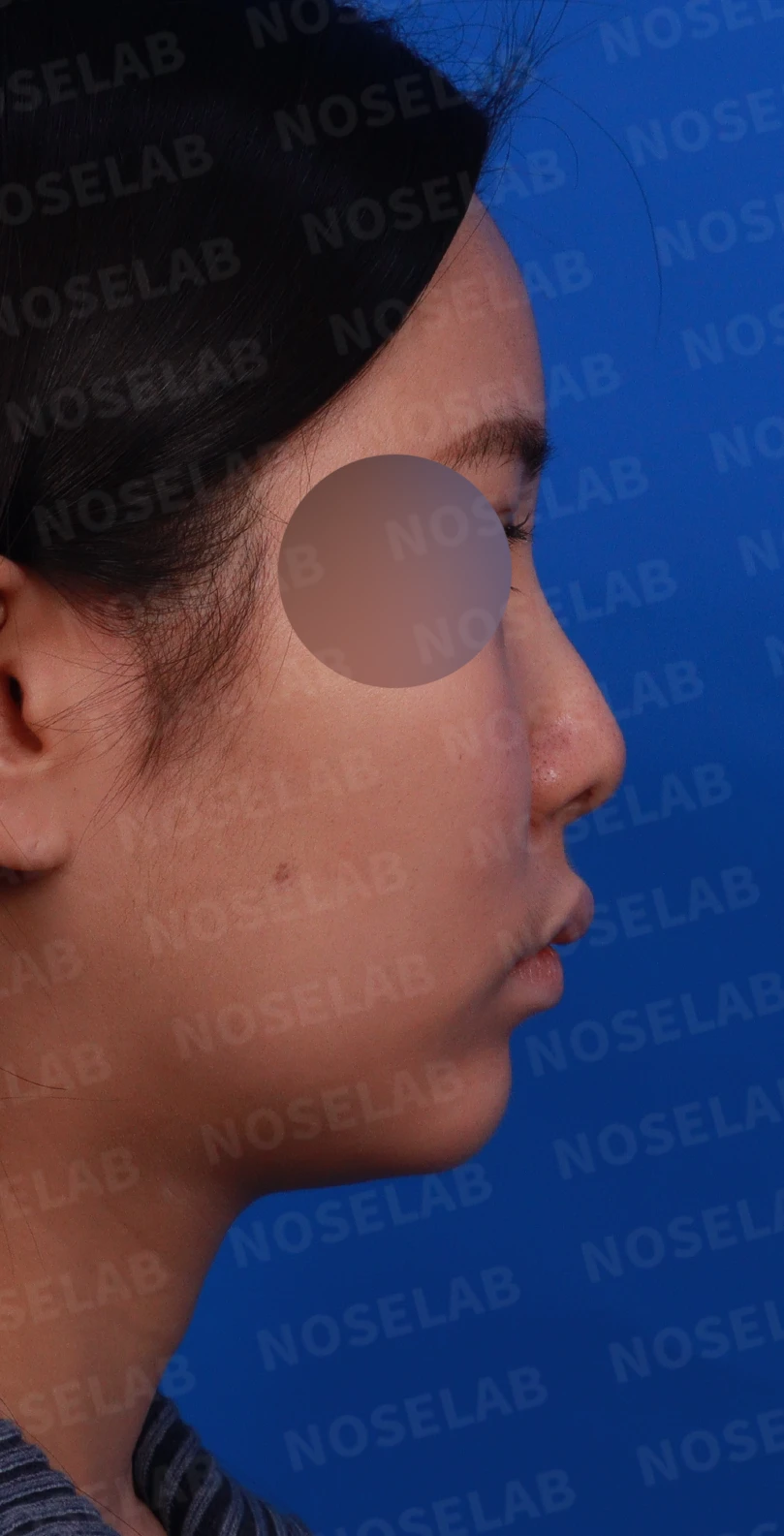
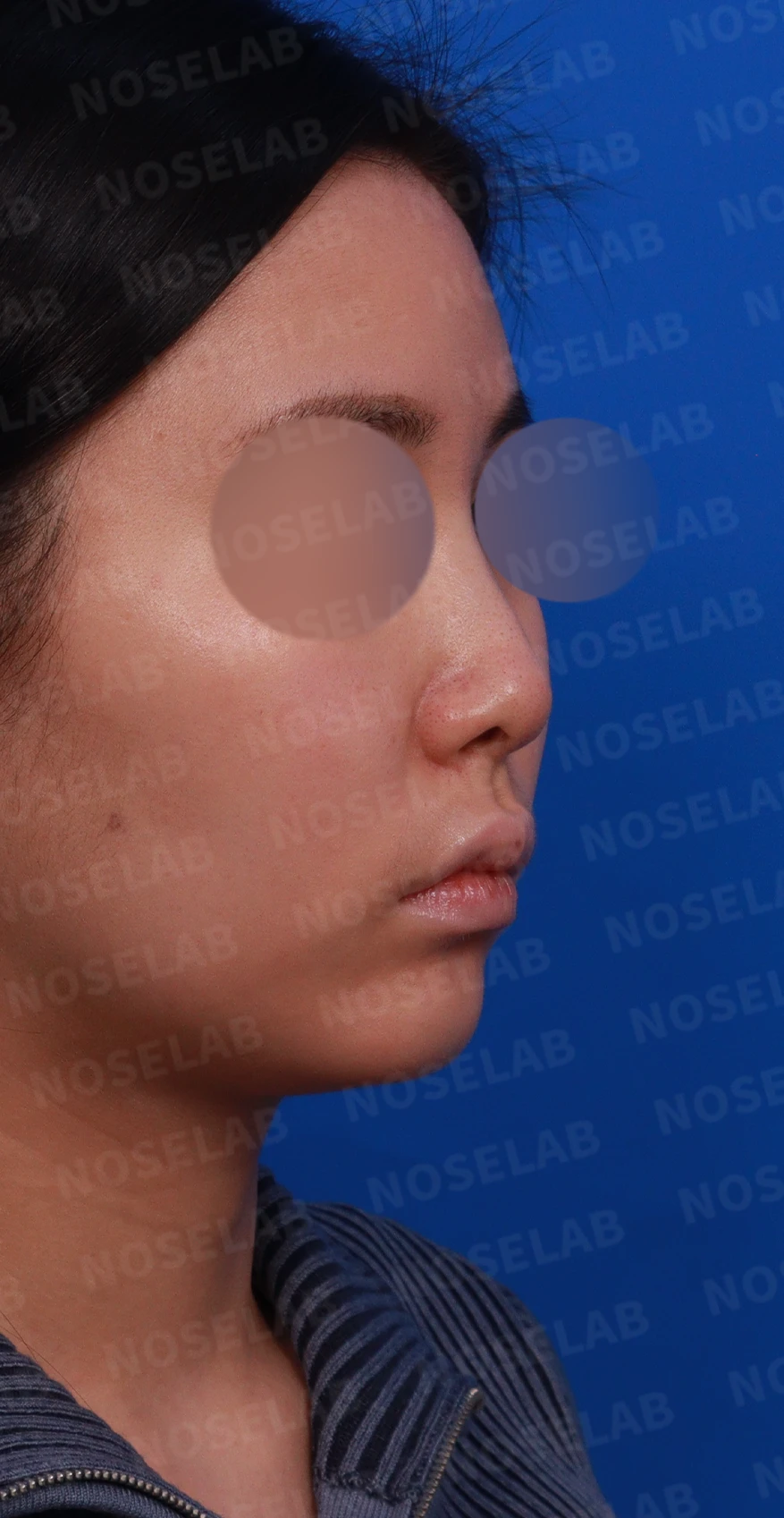
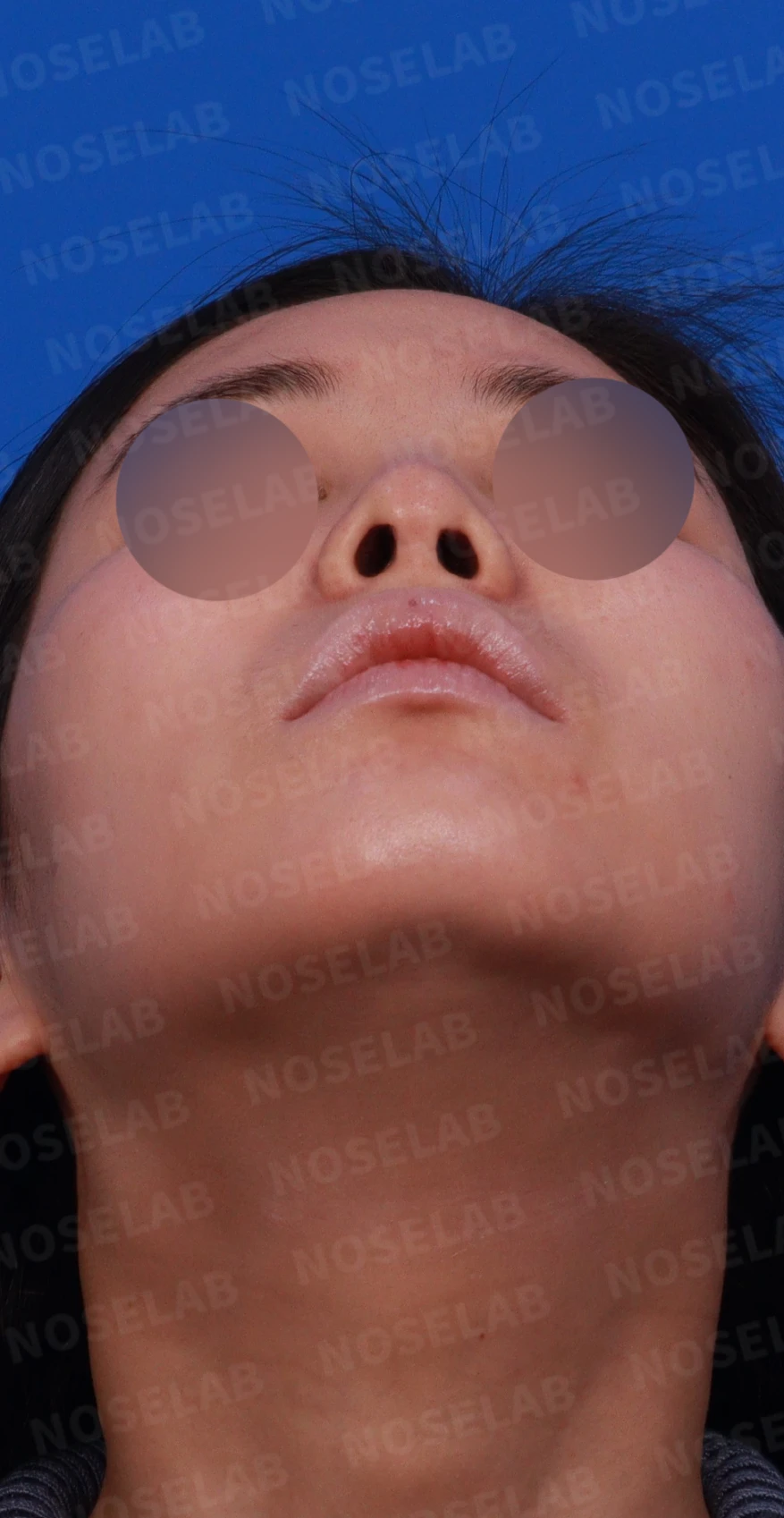
Right profile, oblique, and nostril views during design consultation.
🔧 Preoperative analysis
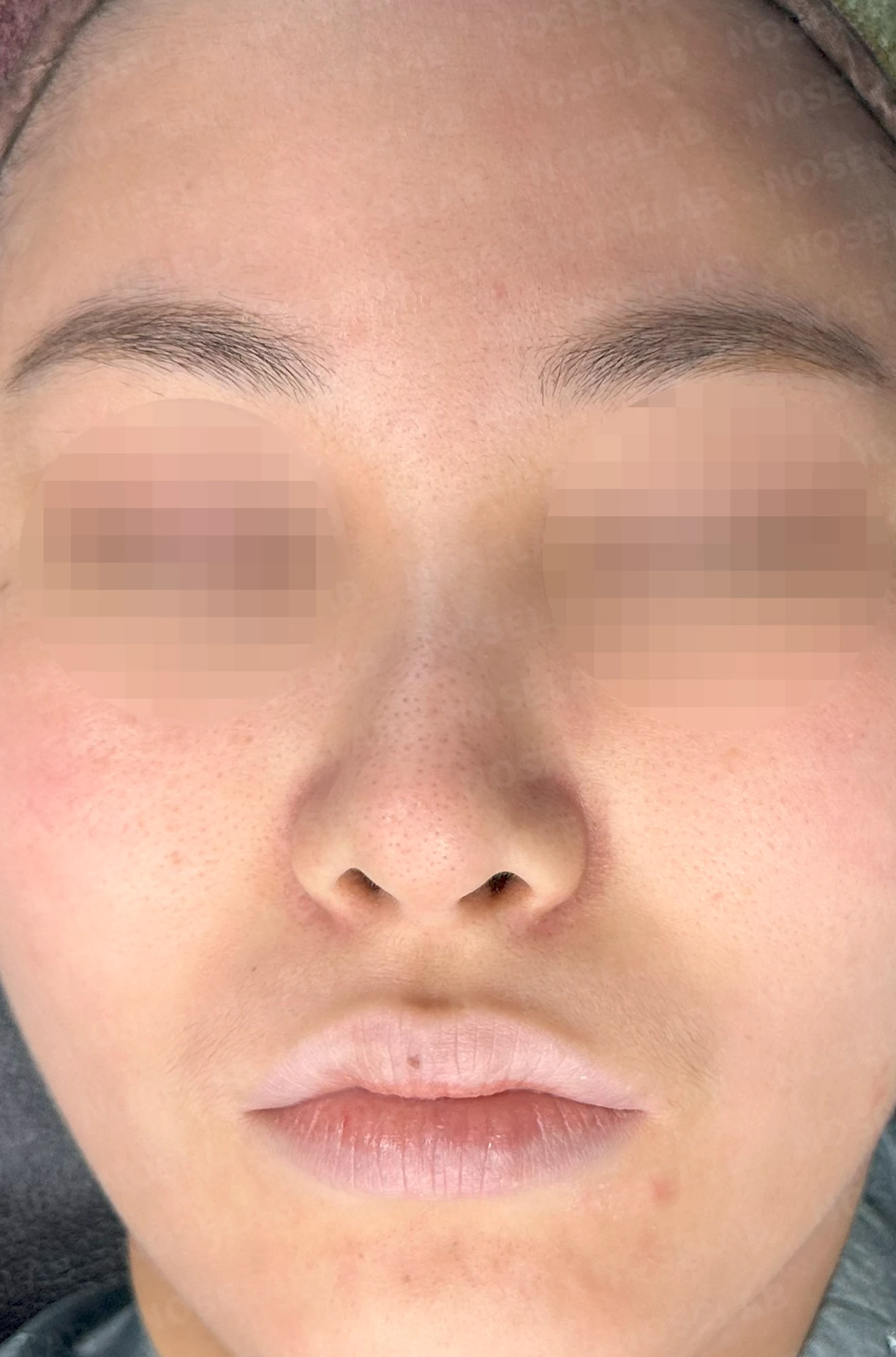
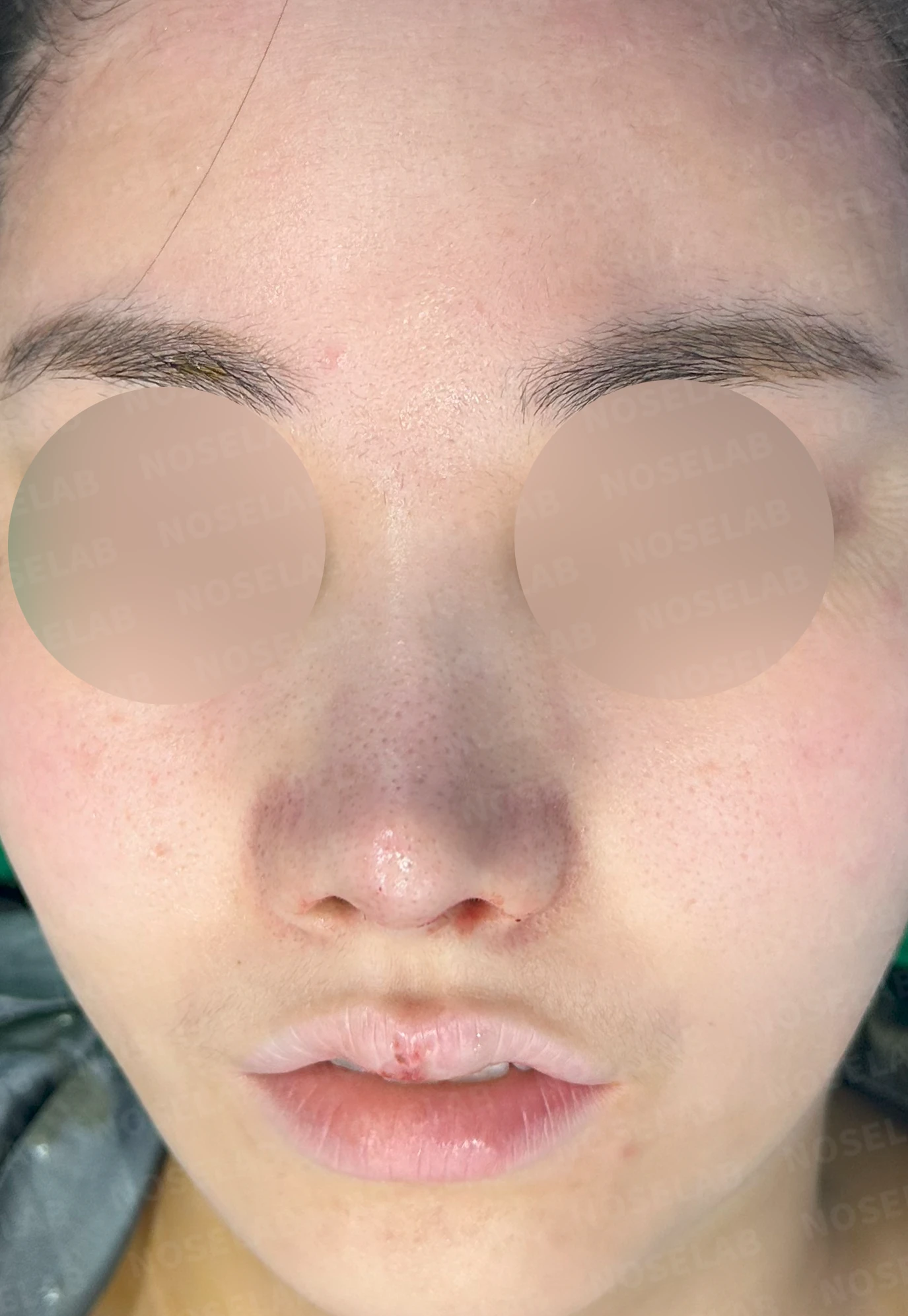
Before surgery / Day 0 immediately after surgery Photos taken immediately after surgery show swelling and may differ from the final result.
Front view
Bulbous nasal tip
Deviated nose
Nostril asymmetry
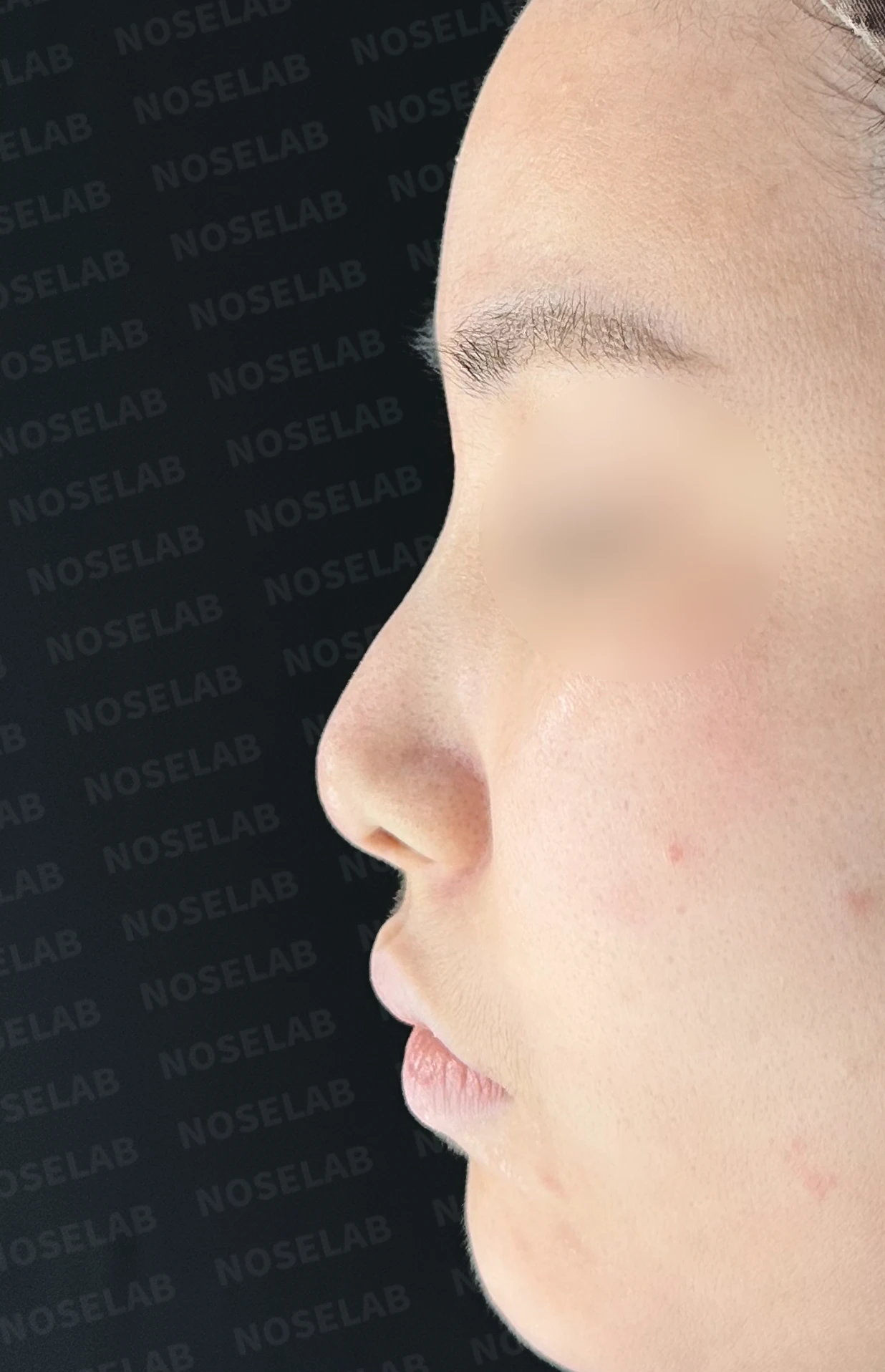
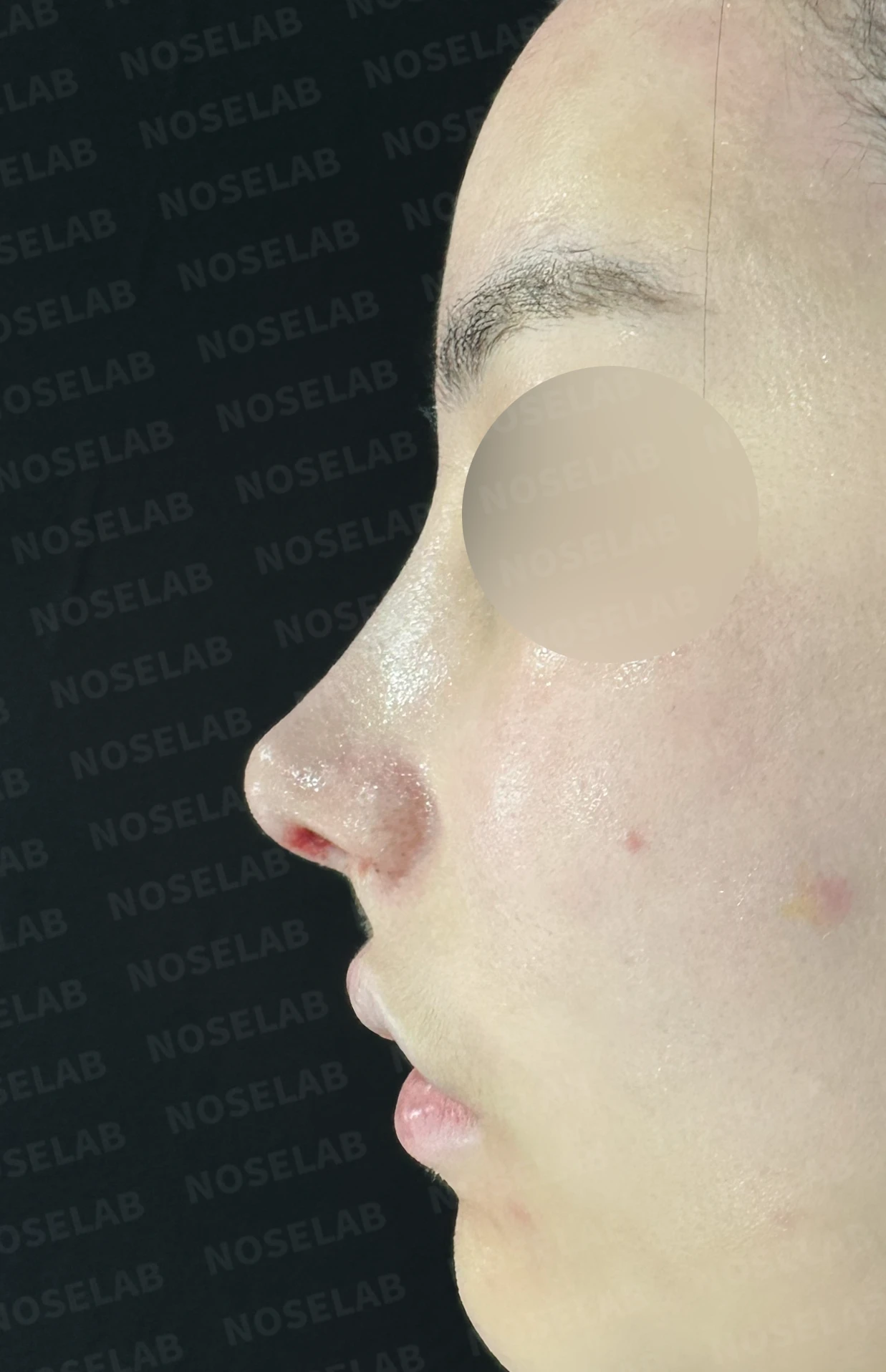
Before surgery / Day 0 immediately after surgery Photos taken immediately after surgery show swelling and may differ from the final result.
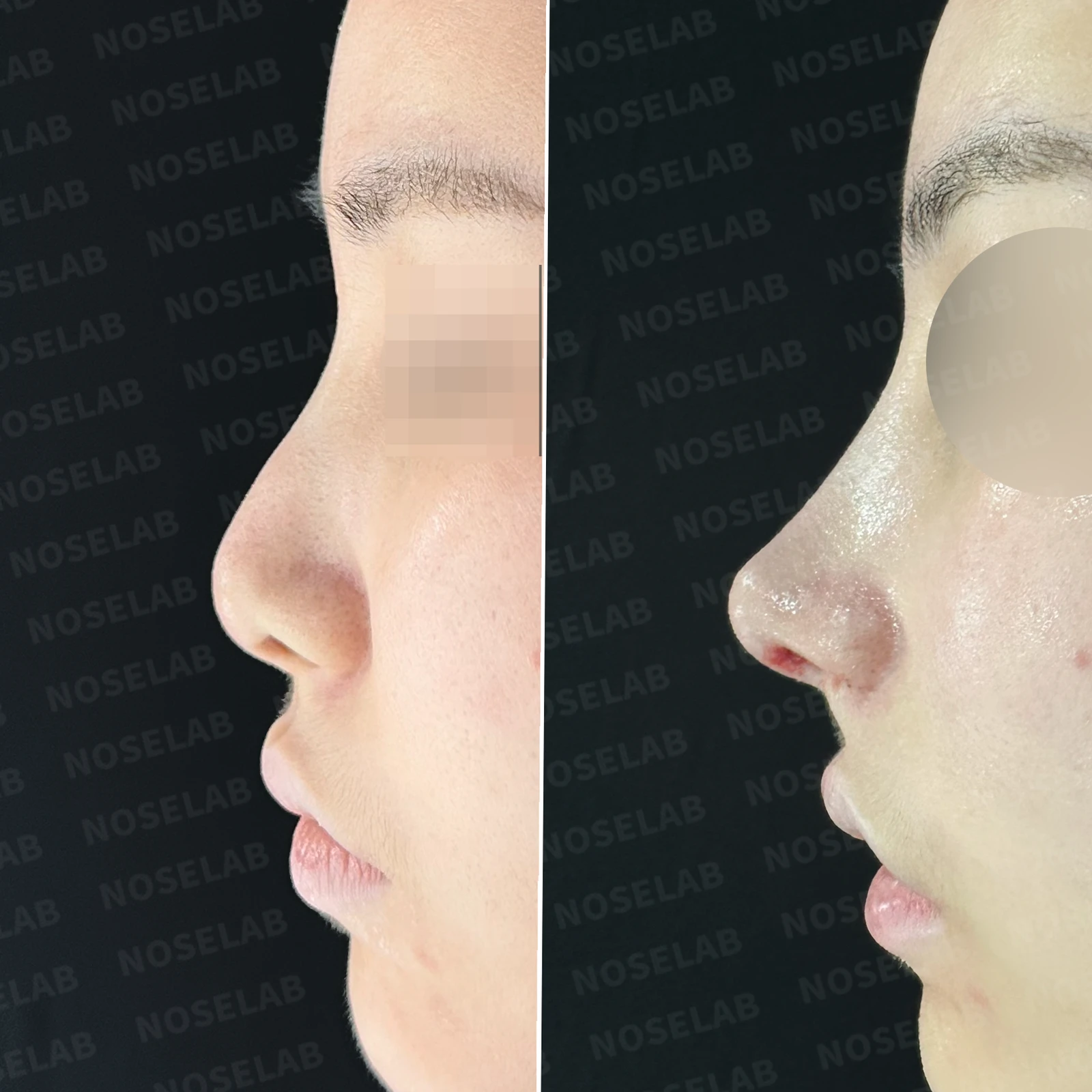
2. Profile view
Drooping tip
Protruding mouth
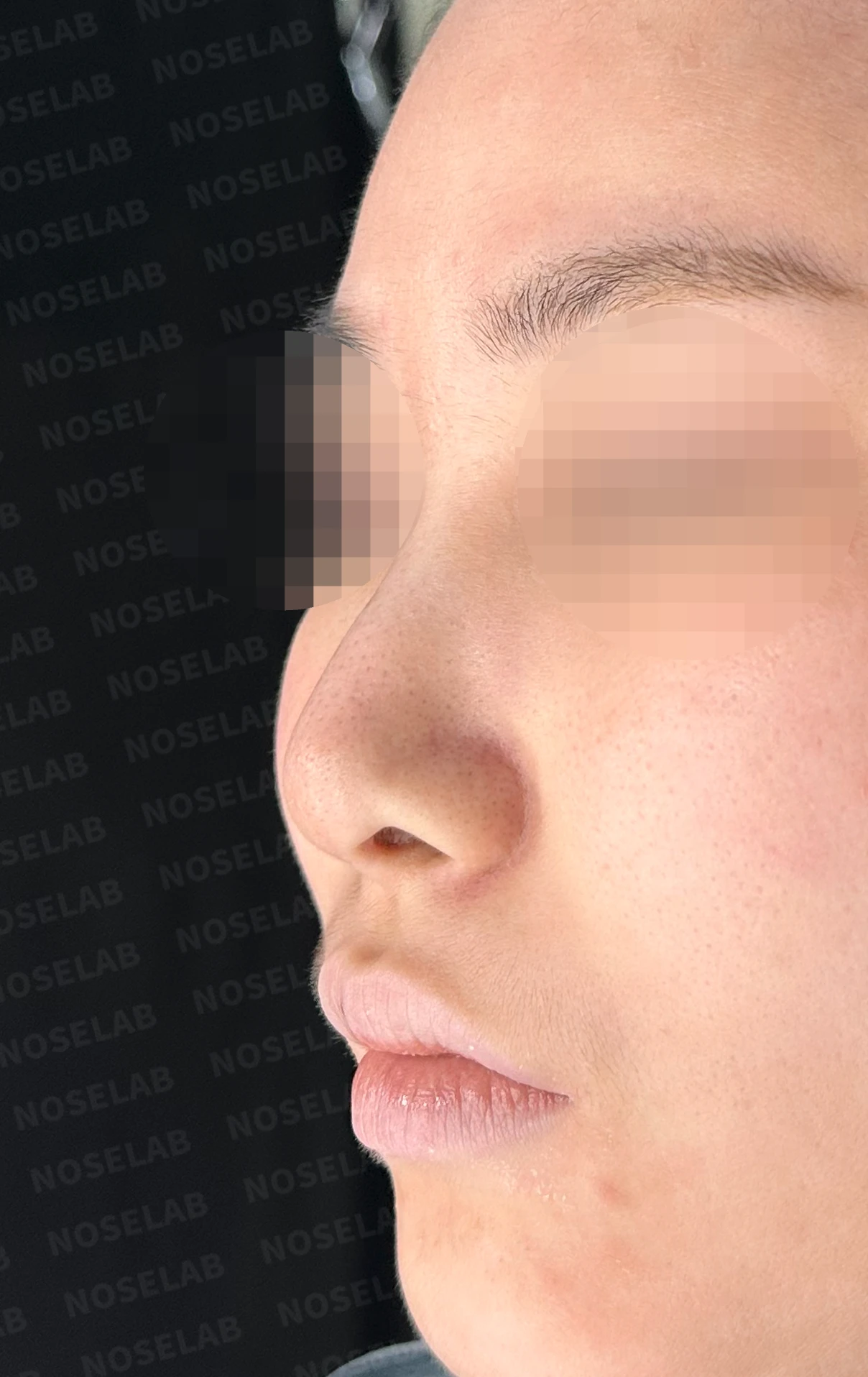
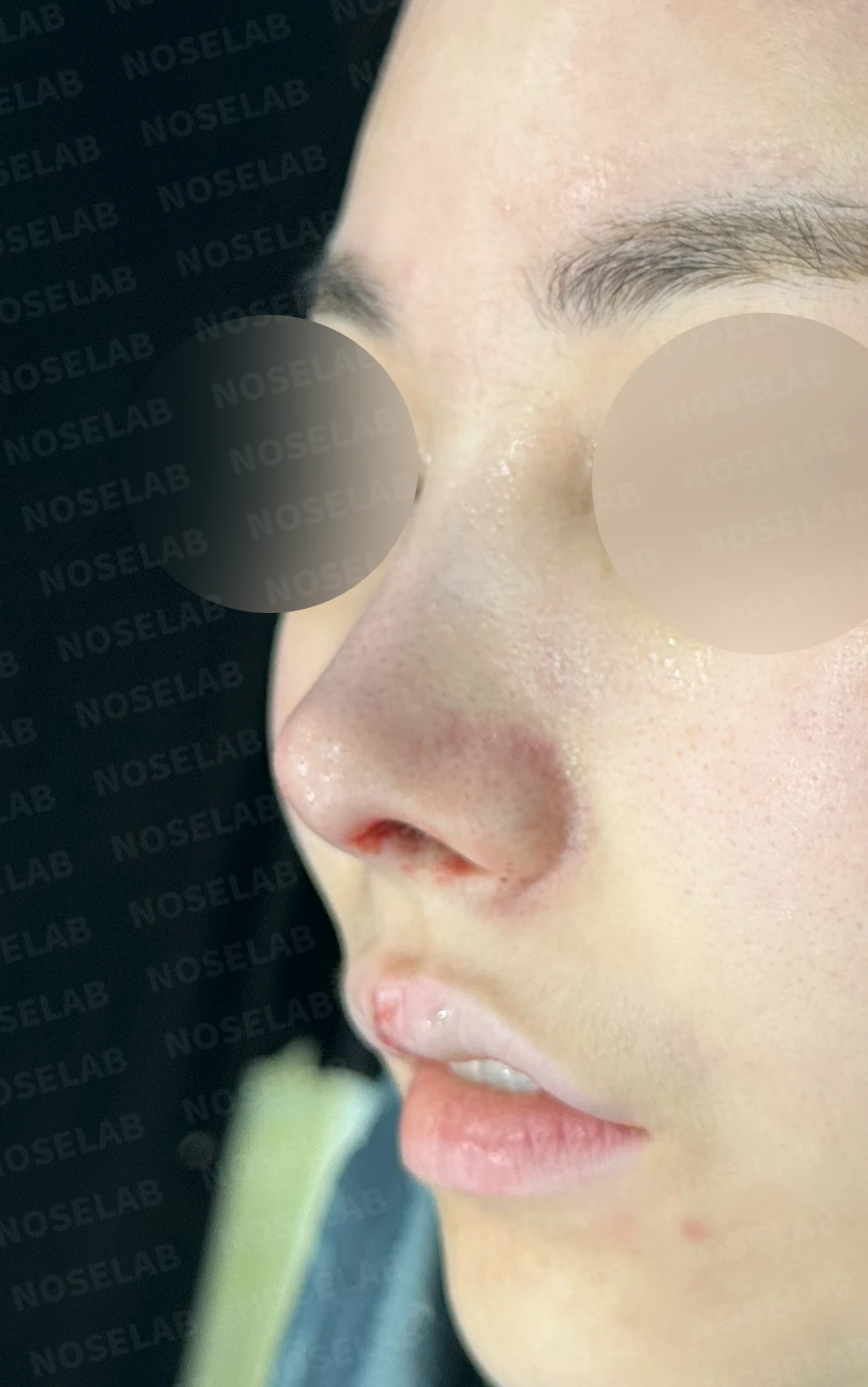
Before surgery / Day 0 immediately after surgery Photos taken immediately after surgery show swelling and may differ from the final result.
3. Nostrils
Left-right asymmetry
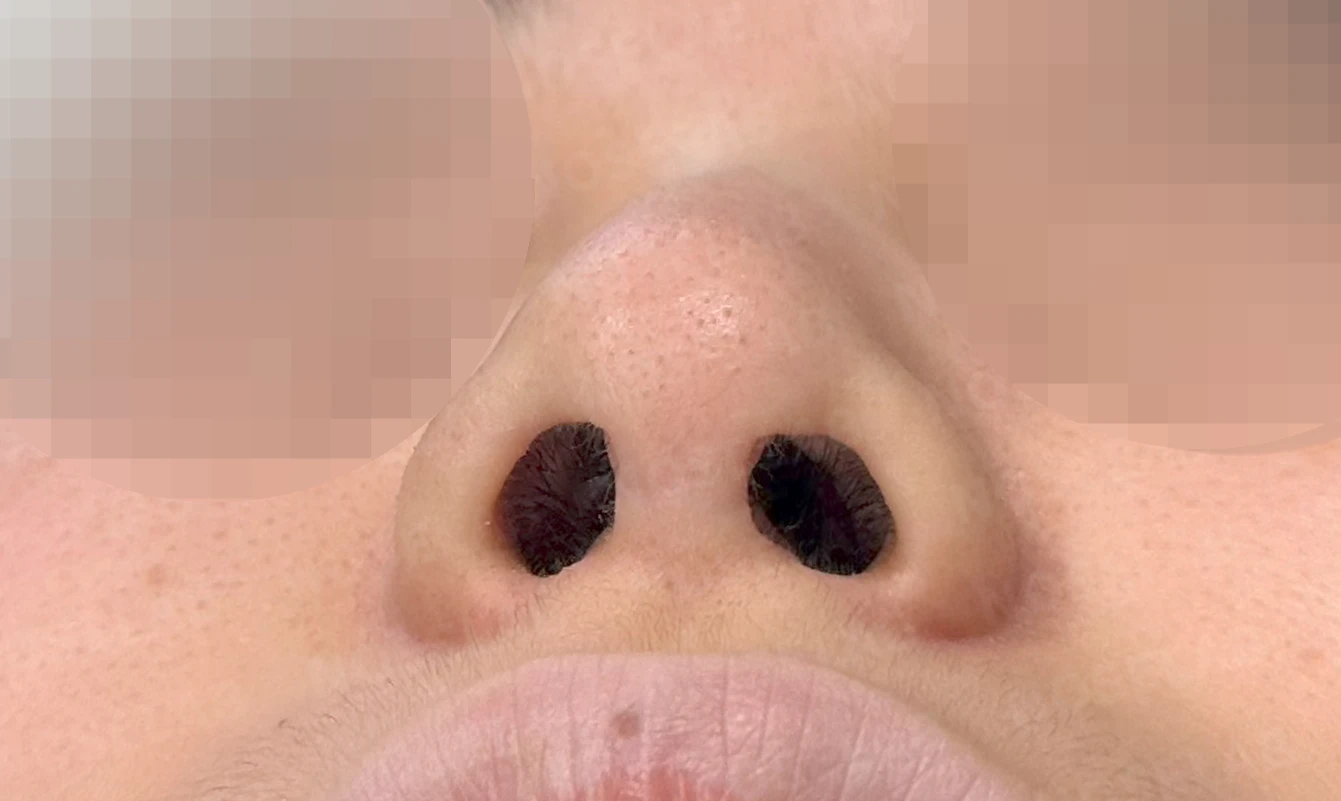
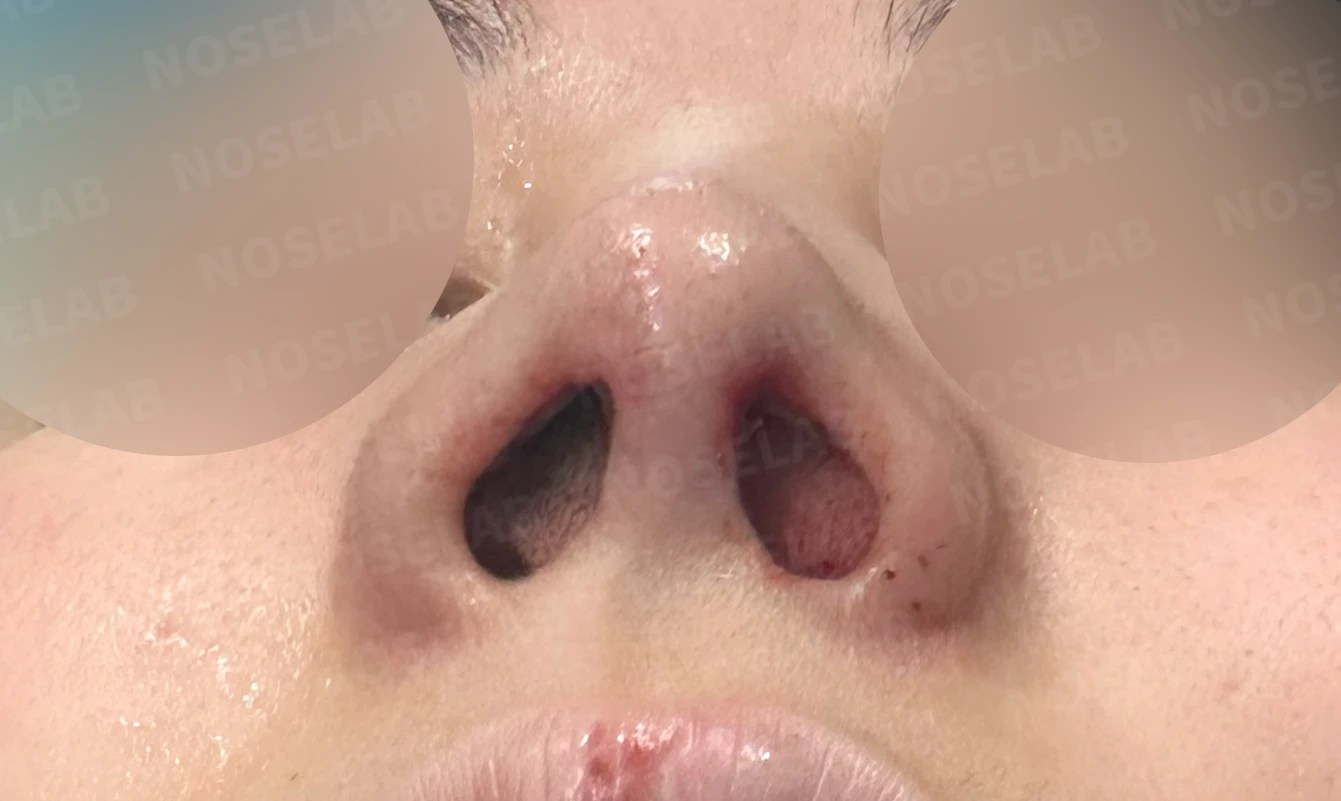
Before surgery / Day 0 immediately after surgery Photos taken immediately after surgery show swelling and may differ from the final result.
💉 Surgical procedure details
Structural improvement
Septal extension using autologous rib cartilage
Correction of deviated septum
2. Nasal tip improvement
Partial scar tissue removal
Repositioning of lower lateral cartilage
Cartilage suturing
Improvement of a drooping tip
Maximum tip height achievable within a safe range
3. Augmenting the nasal bridge
Using autologous rib cartilage
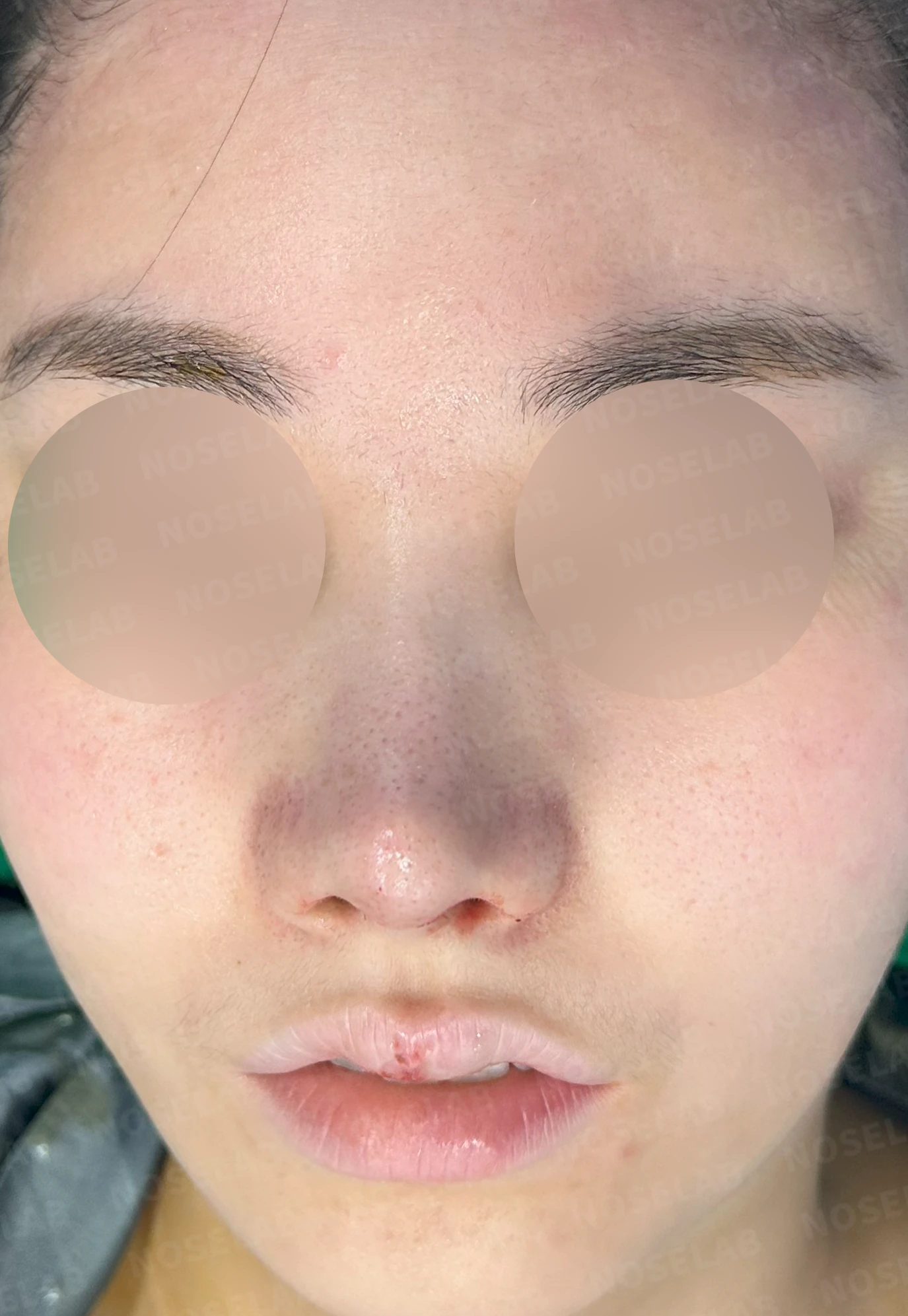
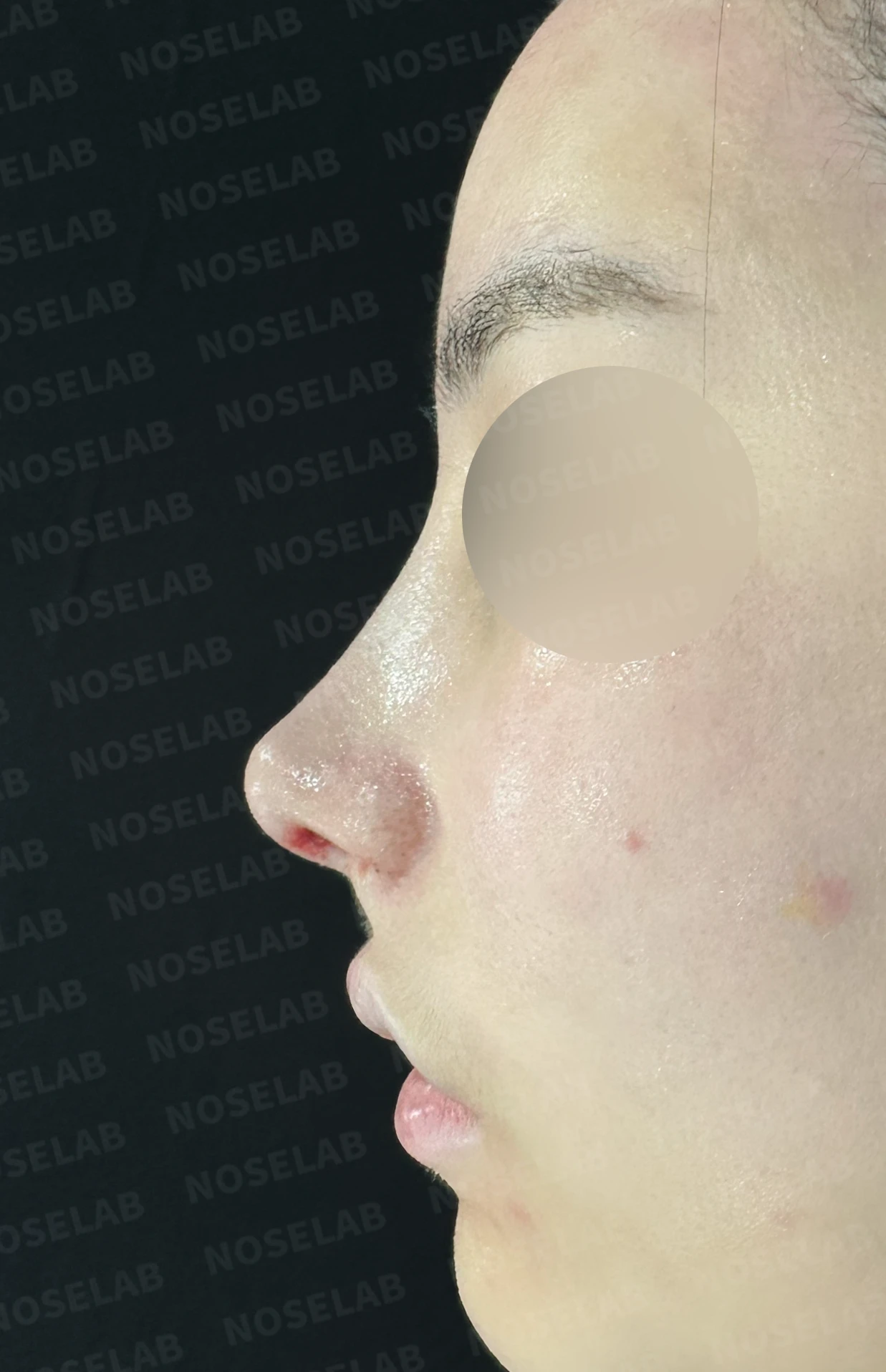
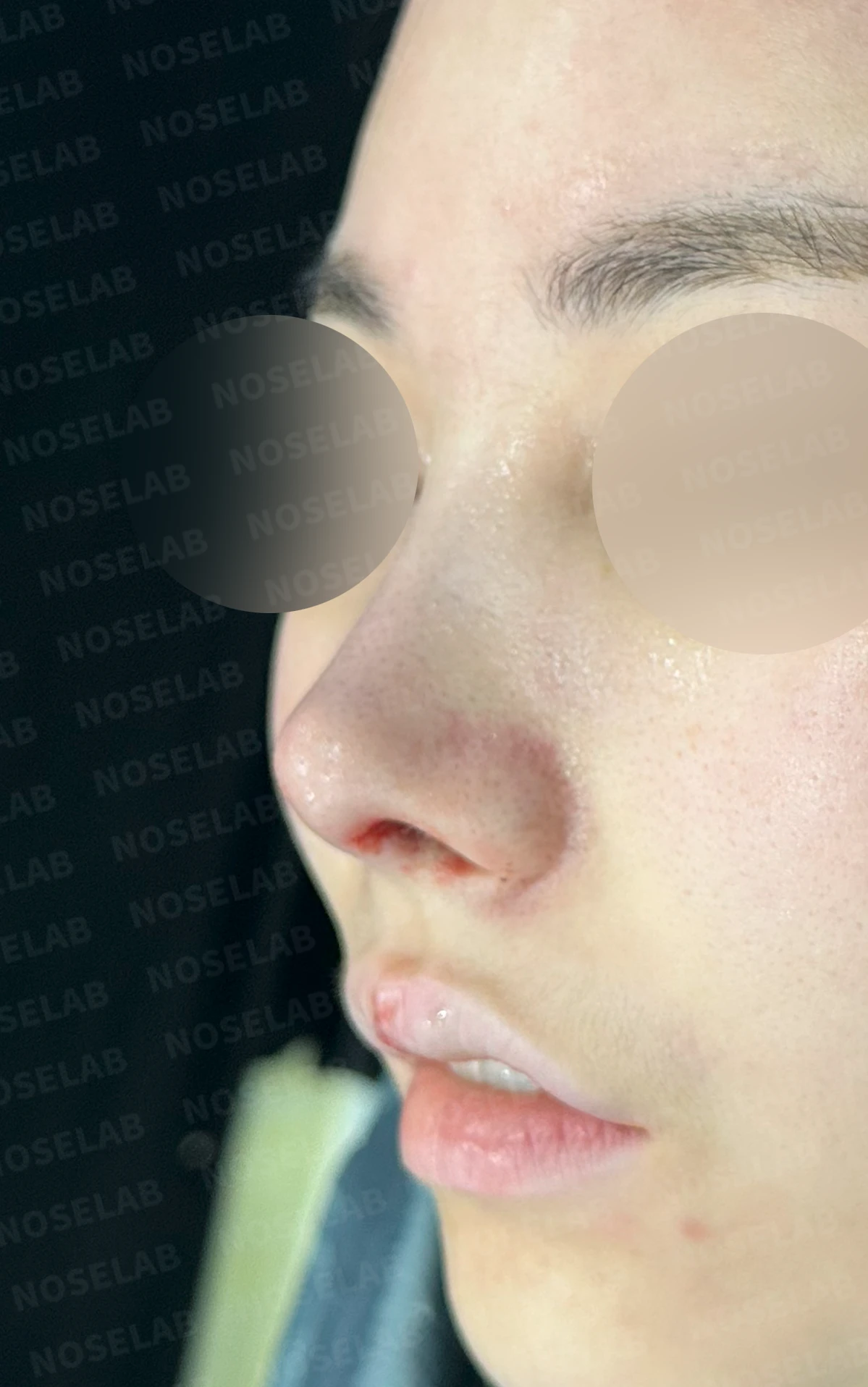
These are front, profile, and oblique views taken on day 0, immediately after surgery. Immediate postoperative photos show swelling and may differ from the final result.
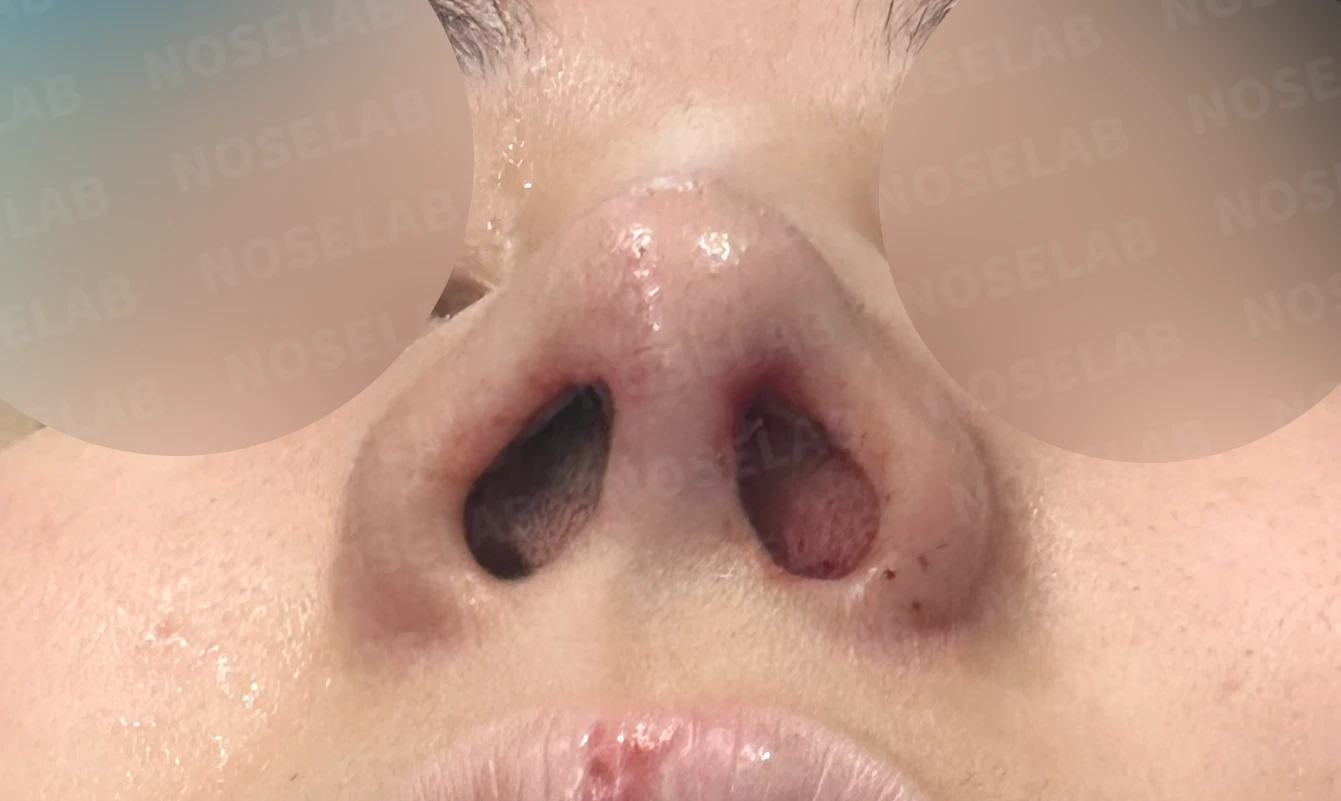
Nostril view on day 0 immediately after surgery. Photos taken immediately after surgery show swelling and may differ from the final result.
💡 Specialist opinion
This case required a tailored approach considering the patient's allergic disposition. Due to concerns about inflammation, autologous rib cartilage was selected instead of a silicone implant, requiring meticulous surgical technique to minimize warping or surface irregularity.
In particular, because the patient desired a prominent nasal contour despite artificial implants not being advisable, the surgical focus was placed on achieving height and aesthetic refinement using autologous rib cartilage. As a result, a satisfying nasal line could be achieved while prioritizing safety.
I will continue to provide tailored surgical care that carefully addresses each patient's individual needs.
This was Dr. Peter C. Kang. Thank you.
Thank you.
#implantfreerhinoplasty #autologousribcartilage #allergicconstitution #glamorousnose #customrhinoplasty #tiprhinoplasty #naturalnose

Limitations and risks
When autologous rib cartilage is used, scarring and pain may remain at the donor site on the chest, and pneumothorax (pleural injury) can occur rarely. Over time, the grafted cartilage may warp or undergo partial resorption.
When the septum is corrected at the same time, nasal obstruction may persist or recur, and in rare cases, septal perforation or changes in smell may occur.
Common potential risks include infection, bleeding, asymmetry, scarring, skin necrosis, and insufficient improvement; results vary depending on individual skin condition and previous surgical history.