English日本語简体中文
Skip to main content
Dr. Peter C. Kang's Rhinoplasty Stories
PrologueBlogMy thoughtsNasal obstructionSurgical journalSurgical photos
About the surgeon

Bulbous nose and blunt tip: identifying areas of widened tissue

This is page 10 of case reports on bulbous nose, bulbous tip, and distinguishing areas of spread. View surgical records and before-and-after photos for cases 163 to 180 of 208.

View before-and-after cases ↓Comprehensive rhinoplasty guide

Searching for surgical cases matching your criteria.
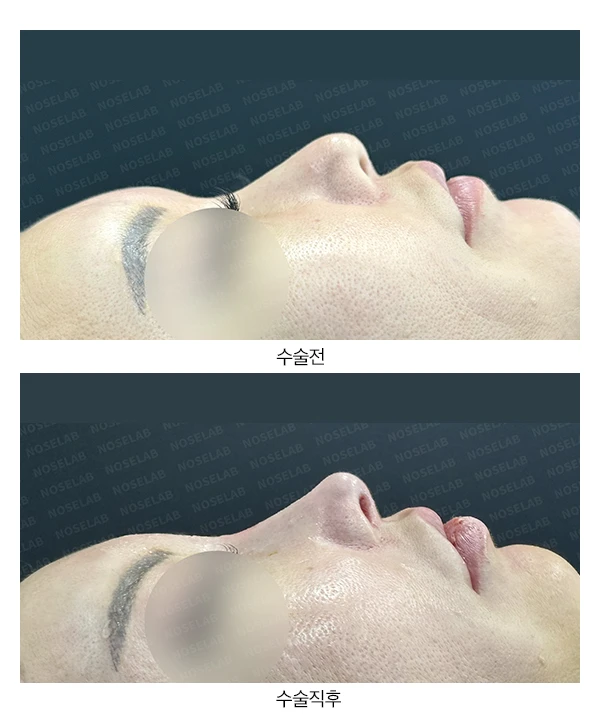
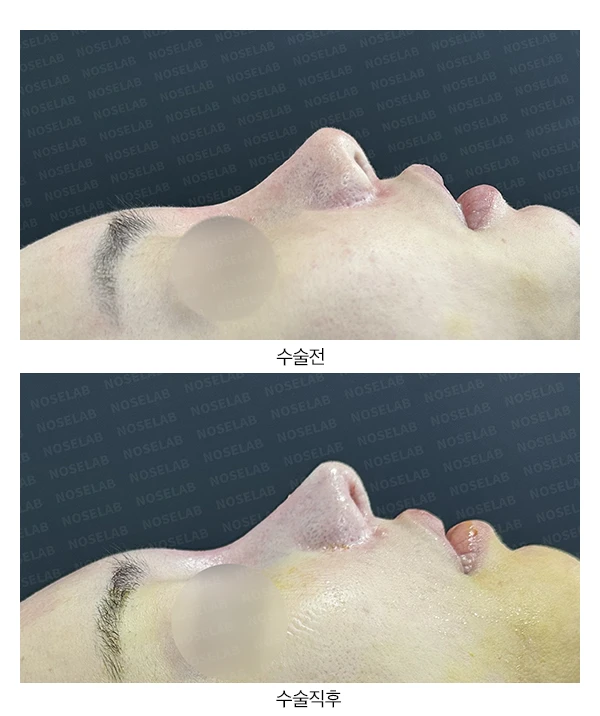
Correction methods for a bulbous, deviated, and upturned nose — Before-and-after comparison
Before-and-after comparison

Correction methods for a bulbous, deviated, and upturned nose

A high radix, bulbous nose, deviated nose, and upturned nose were corrected via a closed approach using autologous rib cartilage septal extension, septoplasty, lowering of the radix, and nasolabial angle adjustment.

Preoperative condition · Postoperative record
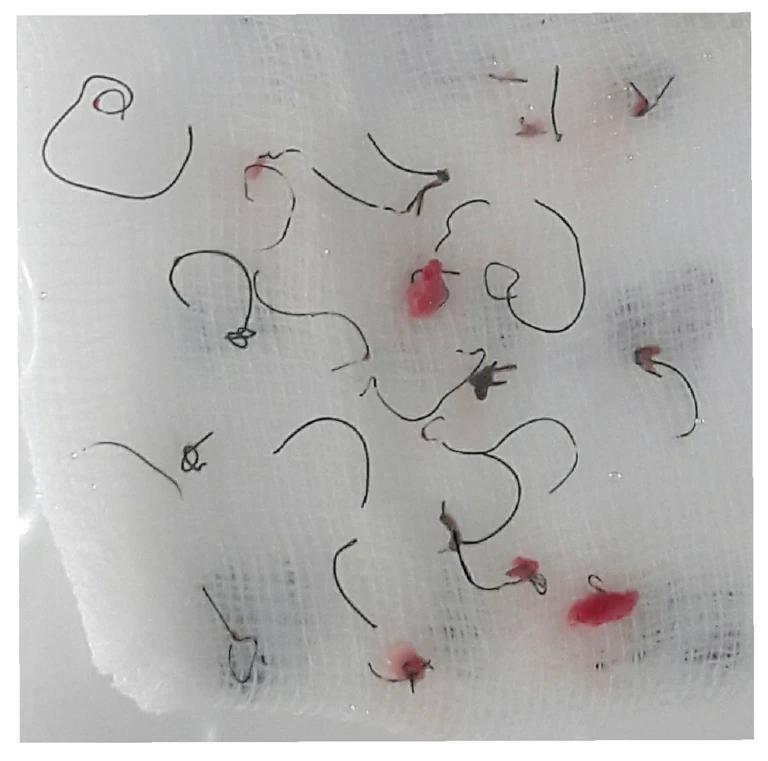
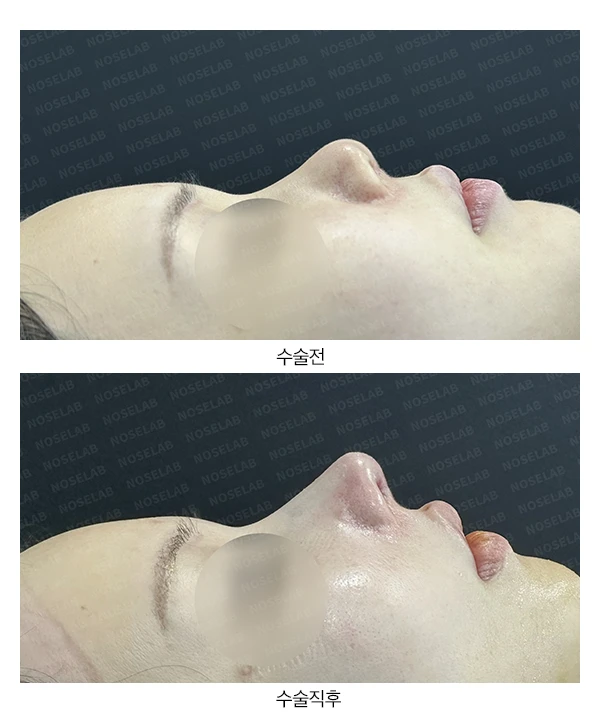
Revision rhinoplasty methods for correcting a short, upturned nose — Before-and-after comparison
Before-and-after comparison

Revision rhinoplasty methods for correcting a short, upturned nose

Nasal obstruction, a pinched look, and an upturned nose that developed after ear cartilage suturing and filler injection were corrected with foreign material removal, autologous rib cartilage septal extension, and cartilage repositioning.

Preoperative condition · Postoperative record
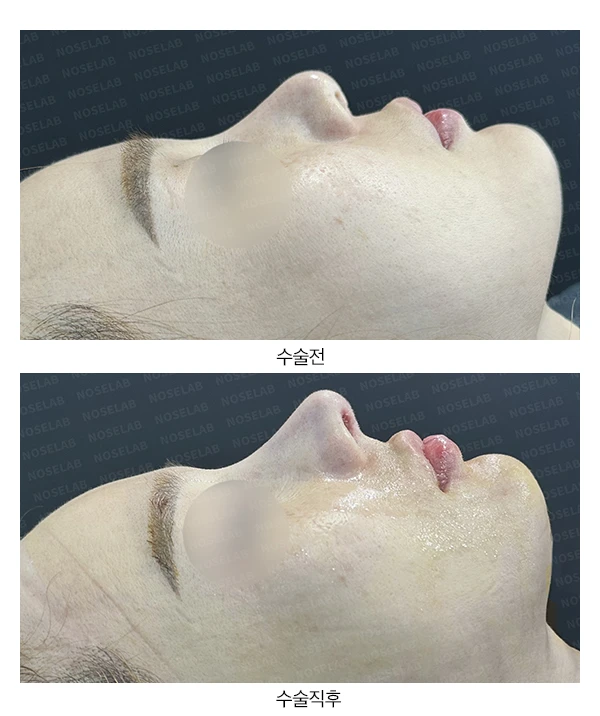
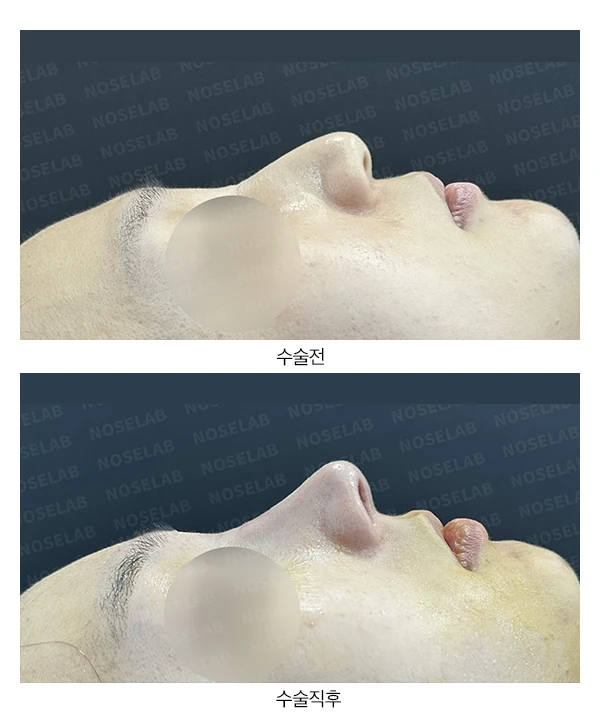
Revision rhinoplasty methods for alar and nostril asymmetry — Before-and-after comparison
Before-and-after comparison

Revision rhinoplasty methods for alar and nostril asymmetry

Alar and nostril asymmetry and tip drooping after three prior surgeries were corrected via a closed approach using autologous rib cartilage septal reconstruction, septal extension, and septoplasty.

Preoperative condition · Postoperative record
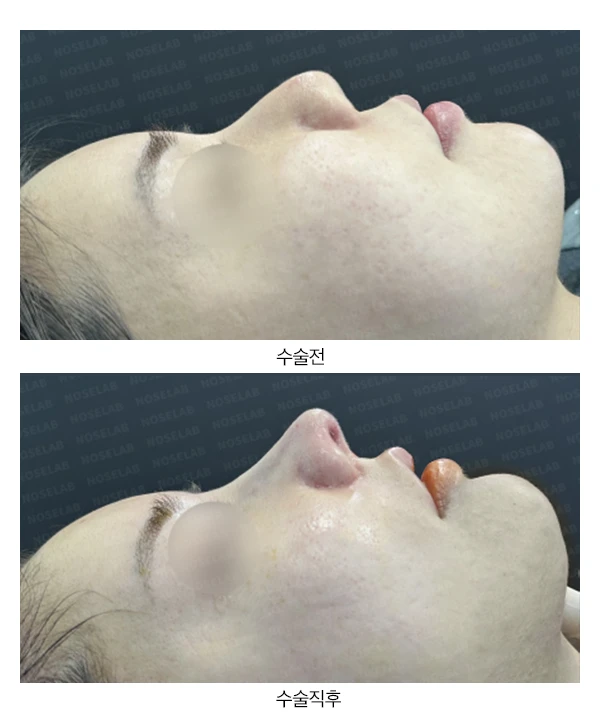
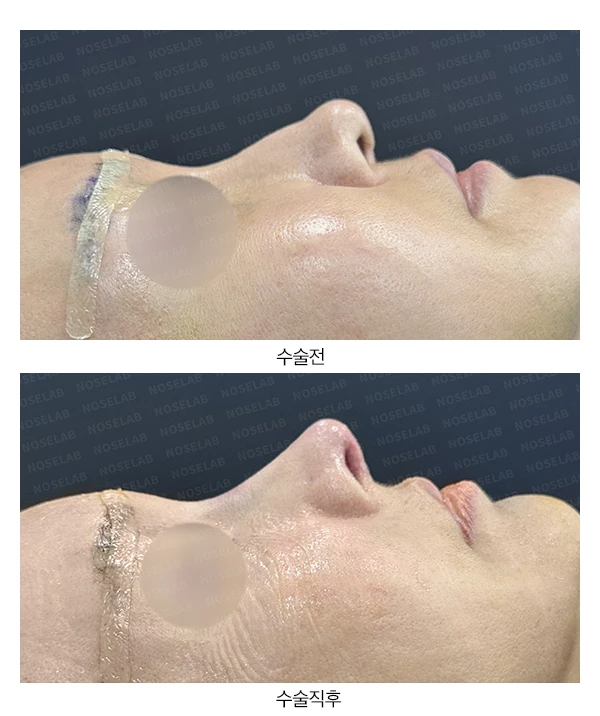
Bulbous nose correction and lowering the columella — Before-and-after comparison
Before-and-after comparison

Bulbous nose correction and lowering the columella

To improve a retracted columella and a bulbous nose resulting from past alar reduction, filler on the nasal bridge was removed, and autologous rib cartilage was used for septal extension, lowering the columella, and nasolabial angle correction.

Preoperative condition · Postoperative record
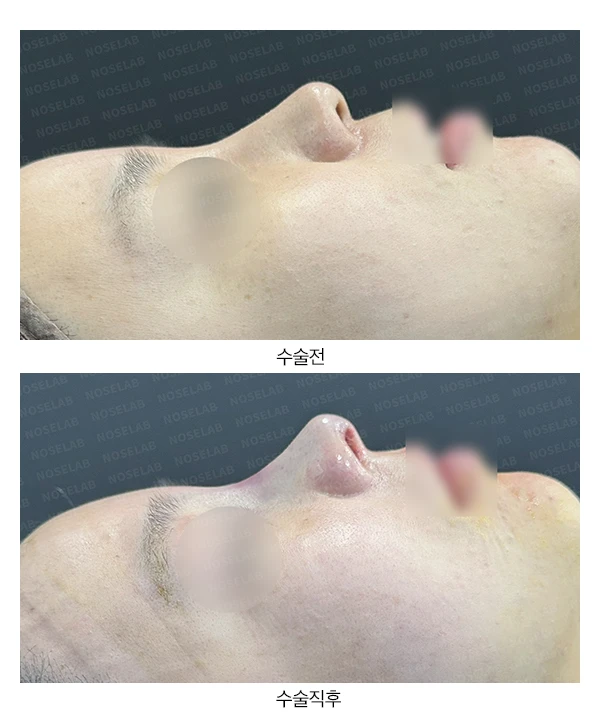
Rhinoplasty methods following foreign material removal — Before-and-after comparison
Before-and-after comparison

Rhinoplasty methods following foreign material removal

Through a closed approach, complex filler and thread foreign materials accumulated over a prolonged period were removed, and the nasal structure was corrected using autologous rib cartilage for tip reconstruction, lateral osteotomy, and lowering the columella.

Preoperative condition · Postoperative record
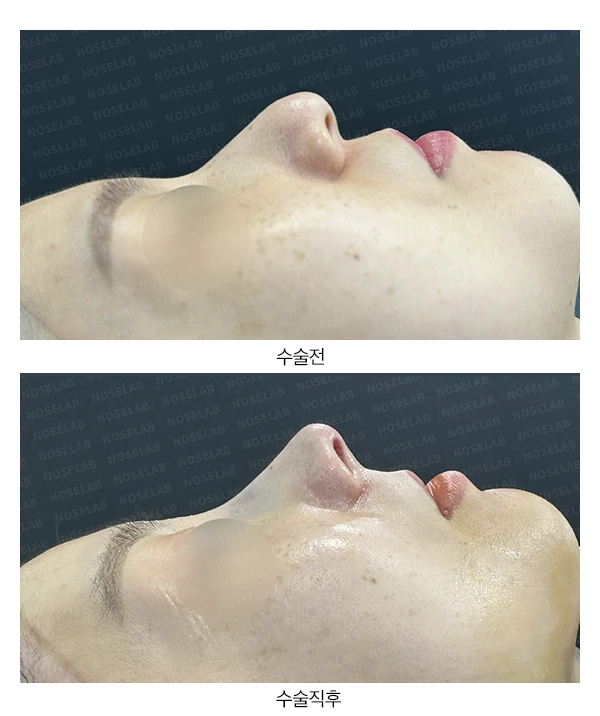
Methods for correcting a bulbous and wide nose — Before-and-after comparison
Before-and-after comparison

Methods for correcting a bulbous and wide nose

A wide nasal tip, wide nasal bones, and nasal obstruction caused by internal nasal valve stenosis were improved together using closed lateral osteotomy, partial resection of subcutaneous tissue, and septal cartilage reinforcement.

Preoperative condition · Postoperative record
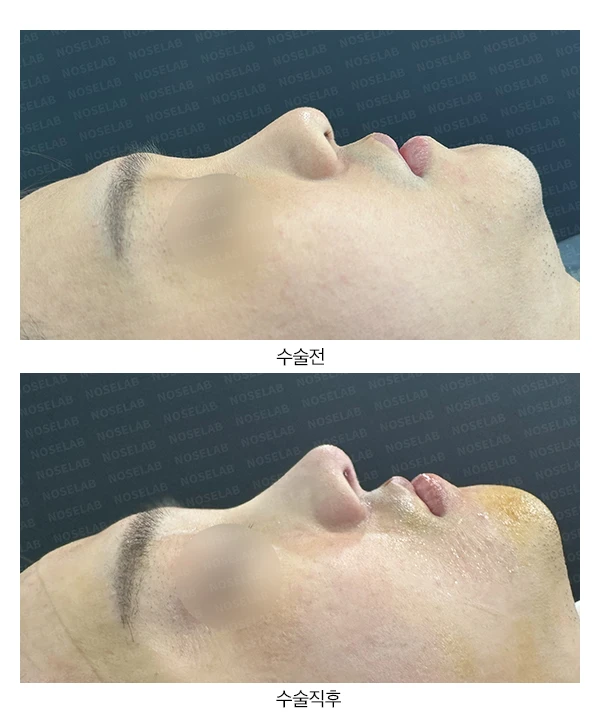
Revision rhinoplasty for silicone implant side effects and a wide nose — Before-and-after comparison
Before-and-after comparison

Revision rhinoplasty for silicone implant side effects and a wide nose

The existing silicone implant extending to the nasal tip was removed, the thinned tip skin was reinforced, and the profile was improved into a masculine straight line through autologous rib cartilage reconstruction and dorsal silicone replacement.

Preoperative condition · Postoperative record
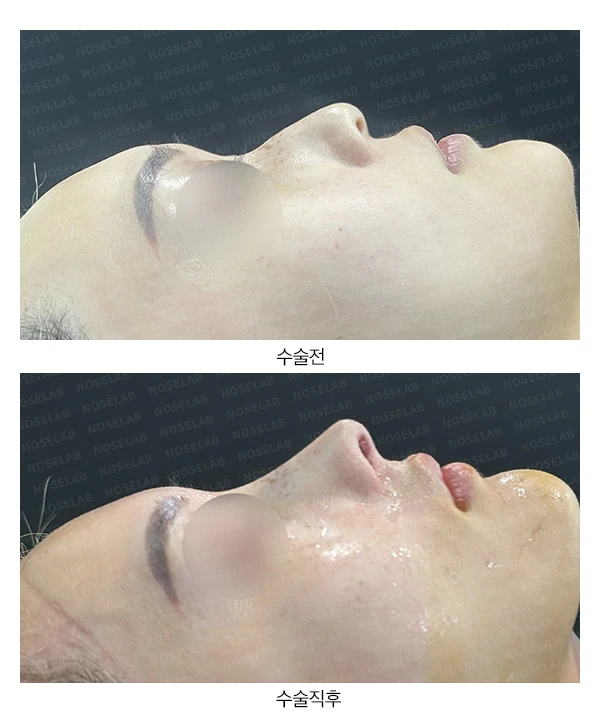
Support structures and correction methods for a drooping nasal tip — Before-and-after comparison
Before-and-after comparison

Support structures and correction methods for a drooping nasal tip

Through a closed approach, a drooping tip, bulbous nose, and dorsal hump were refined into smooth lines using autologous rib cartilage tip plasty and silicone implant placement.

Preoperative condition · Postoperative record
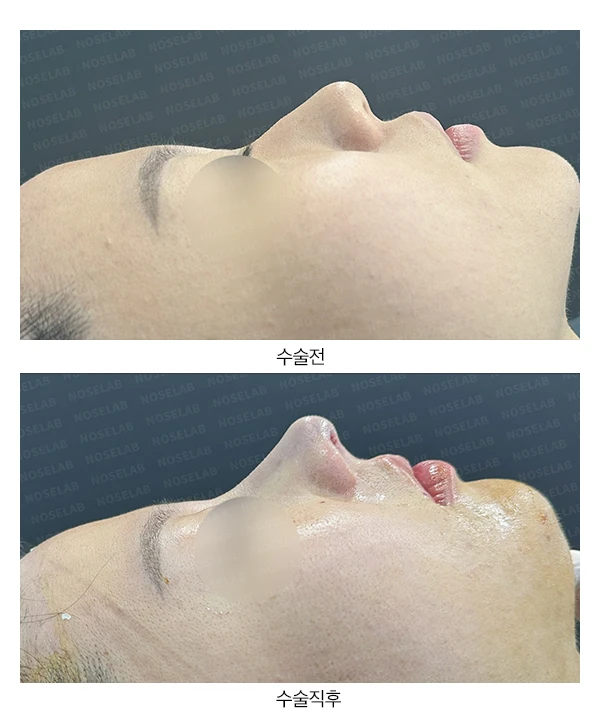
How to correct right-sided nasal obstruction, a bulbous tip, and an upturned nose — Before-and-after comparison
Before-and-after comparison

How to correct right-sided nasal obstruction, a bulbous tip, and an upturned nose

To resolve an upturned nose, bulbous nasal tip, and right-sided nasal obstruction, we performed septal extension, lateral osteotomy, silicone implant placement, septoplasty, and turbinate reduction.

Preoperative condition

How to correct a bulbous, upturned nose — Before-and-after comparison
Before-and-after comparison

How to correct a bulbous, upturned nose

This is a case of a 21-year-old female with an upturned nose showing excessive nostril exposure and a bulbous tip. Subcutaneous tissue excision, silicone implant placement, lateral osteotomy, and septal extension grafting using septal and donor rib cartilage added definition and projection.

Preoperative condition

Correction methods for a pinched and retracted nostril — Before-and-after comparison
Before-and-after comparison

Correction methods for a pinched and retracted nostril

A case where the columella tilted to the left and nostril asymmetry worsened after a previous surgery. The columella was shifted to the right to reduce shape differences, and residual asymmetry remained due to congenital nostril size differences.

Preoperative condition

How to correct a dorsal hump and crooked nose — Before-and-after comparison
Before-and-after comparison

How to correct a dorsal hump and crooked nose

This is a case of a dorsal hump with a large skeletal framework and a high radix, accompanied by nasal deviation and a drooping tip. Considering facial proportions, the surgery was completed without implants, and changes in the dorsal hump, columella, and tip shape were documented.

Preoperative condition · Postoperative record
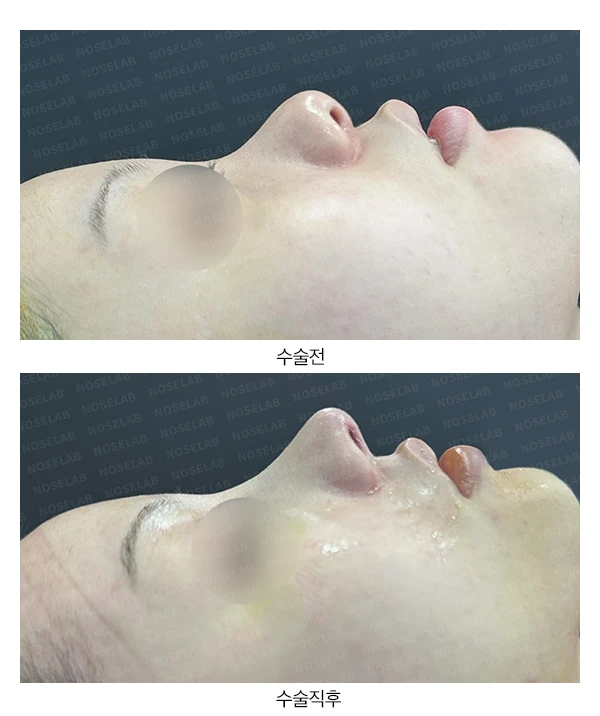
Methods for correcting a drooping nose — Before-and-after comparison
Before-and-after comparison

Methods for correcting a drooping nose

This is a case where the lower edge of the silicone implant along the nasal bridge became visible as the nasal tip drooped. We planned an implant exchange and autologous rib cartilage reinforcement, documenting post-operative changes in the nasal tip, nasolabial angle, and nasal bridge line.

Preoperative condition · Postoperative record
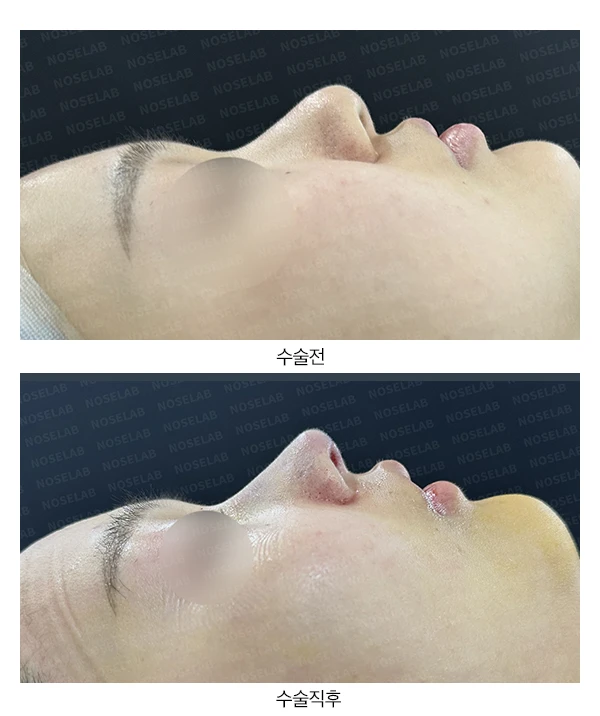
How to correct a nose that has widened from fillers — Before-and-after comparison
Before-and-after comparison

How to correct a nose that has widened from fillers

A case correcting a nasal bridge and nasal tip that became wide and blunt after 5 nasal filler treatments. After dissolving and removing the filler, lateral osteotomy, silicone implant placement, and nasal tip correction using autologous rib cartilage were performed.

Preoperative condition · Postoperative record
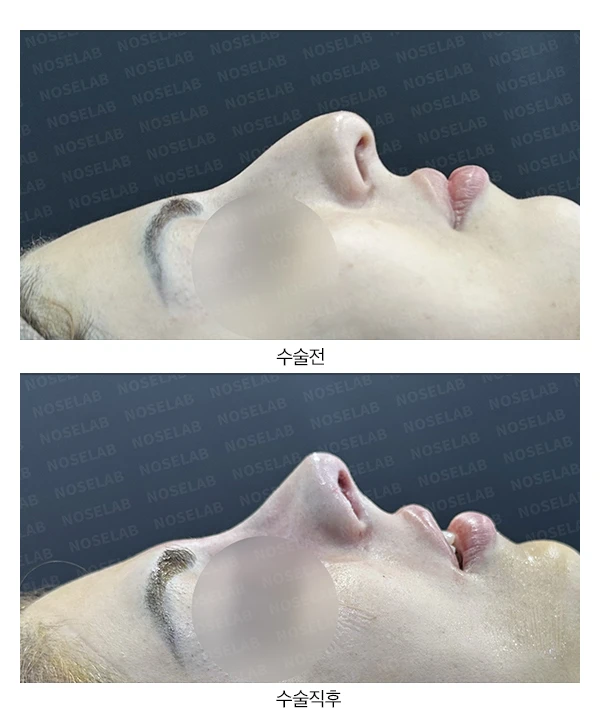
How to correct nasal obstruction and a wide, spread-out nose — Before-and-after comparison
Before-and-after comparison

How to correct nasal obstruction and a wide, spread-out nose

This is a case where mucosal adhesion, septal deviation, and tip deformity were identified following previous surgeries. We planned support reinforcement using autologous rib cartilage along with functional surgery, and recorded the postoperative changes in columellar and nostril asymmetry.

Preoperative condition

Contracted nose reconstruction method for the nasal bridge and nasal tip using autologous rib cartilage — Before-and-after comparison
Before-and-after comparison

Contracted nose reconstruction method for the nasal bridge and nasal tip using autologous rib cartilage

This is a case of a contracted nose following total removal of materials due to acute inflammation after a previous surgery. After stem cell injection therapy, the damaged septum and lower lateral cartilage were reconstructed using autologous rib cartilage, and adhesiolysis was planned to address nasal obstruction.

Preoperative condition

How to correct a bulbous, drooping nose — Before-and-after comparison
Before-and-after comparison

How to correct a bulbous, drooping nose

For a drooping, bulbous nose caused by glabella filler and bony asymmetry, the filler was removed, and refinement was achieved through lateral osteotomy, septal extension, and a thin silicone implant.

Preoperative condition · Postoperative record
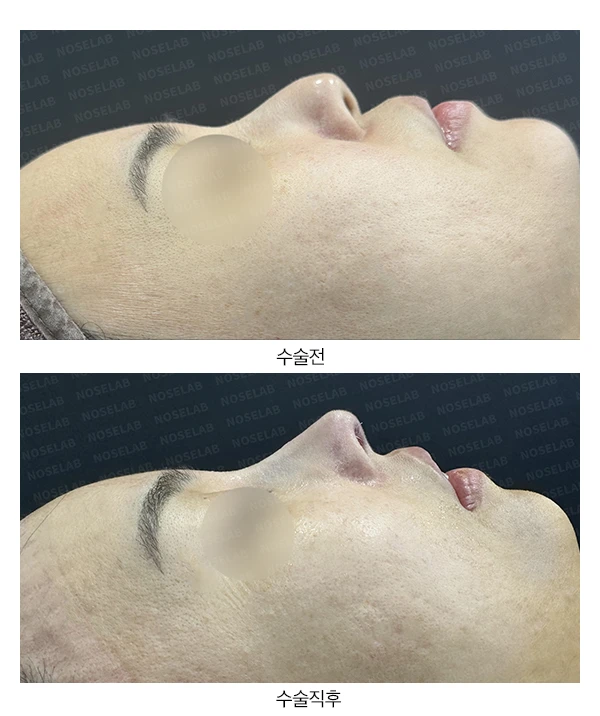
Surgical planning considering nasal height and three-dimensional definition — Before-and-after comparison
Before-and-after comparison

Surgical planning considering nasal height and three-dimensional definition

This is a case of silicone implant show-through and a bulbous nasal tip from a surgery performed long ago. Calcification of the capsule around the removed implant was confirmed. Here, I introduce the surgical plan using septal cartilage and donor rib cartilage for tip reshaping, along with changes to the nasal bridge and tip immediately after surgery.

Preoperative condition · Postoperative record
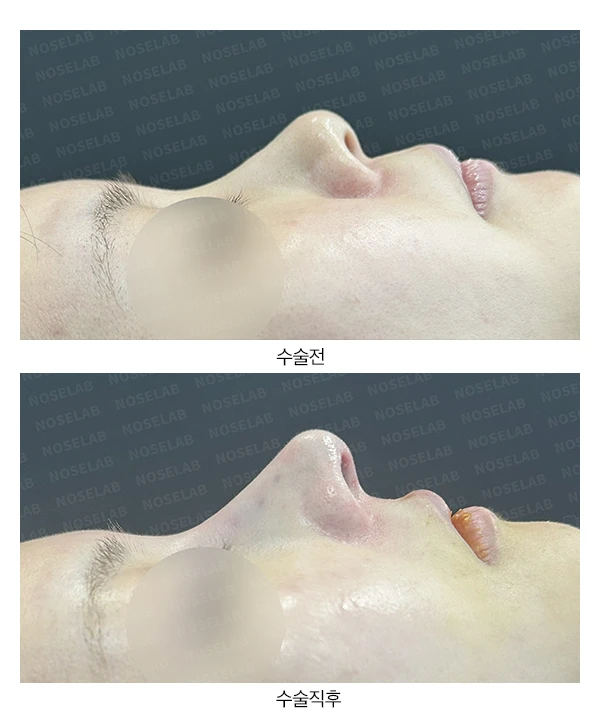
No search results found

Please try searching with different keywords.

Scroll to keep reading

Previous case10 / 12Next case
Original article

Read more records

Planning a visit to Seoul?Prepare your consultation with the NOSELAB team.

International patient guideWhatsApp ↗
Dr. Peter C. Kang's Rhinoplasty Stories
Rhinoplasty guideCases by topicDr. Peter C. KangNaver Blog ↗
View original photo
Enlarged photo
WhatsAppChat with NOSELAB↗