Hello.
I am Dr. Peter C. Kang, medical director.
Today, I would like to introduce in detail a revision rhinoplasty case resolving complications from an overly long silicone implant in a 31-year-old male patient troubled by a wide nose. This case clearly demonstrates the importance of proper silicone implant placement and surgery planned with safety in mind. Rhinoplasty is a critical procedure both cosmetically and functionally, requiring a careful and specialized approach.
1. Preoperative design consultation
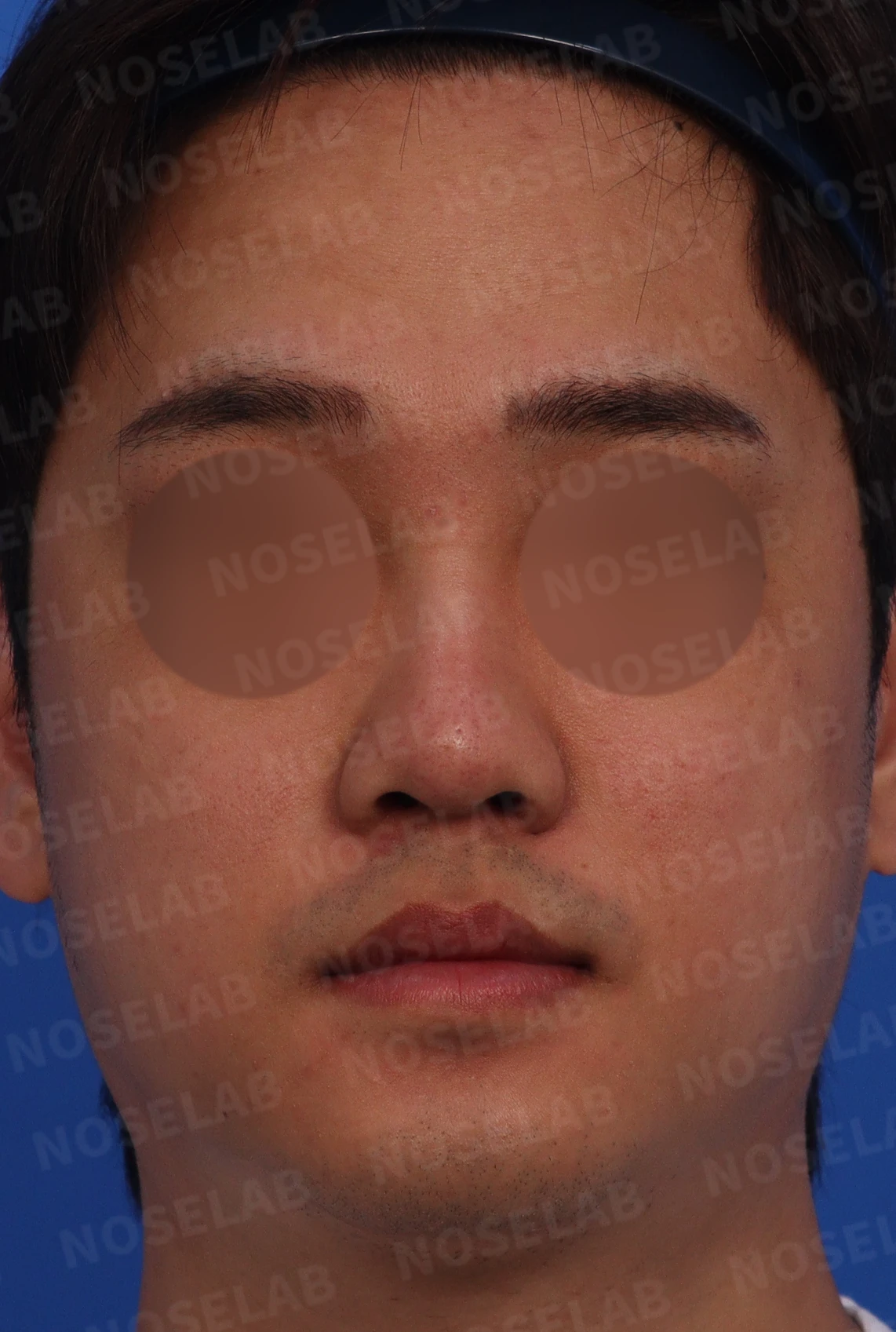
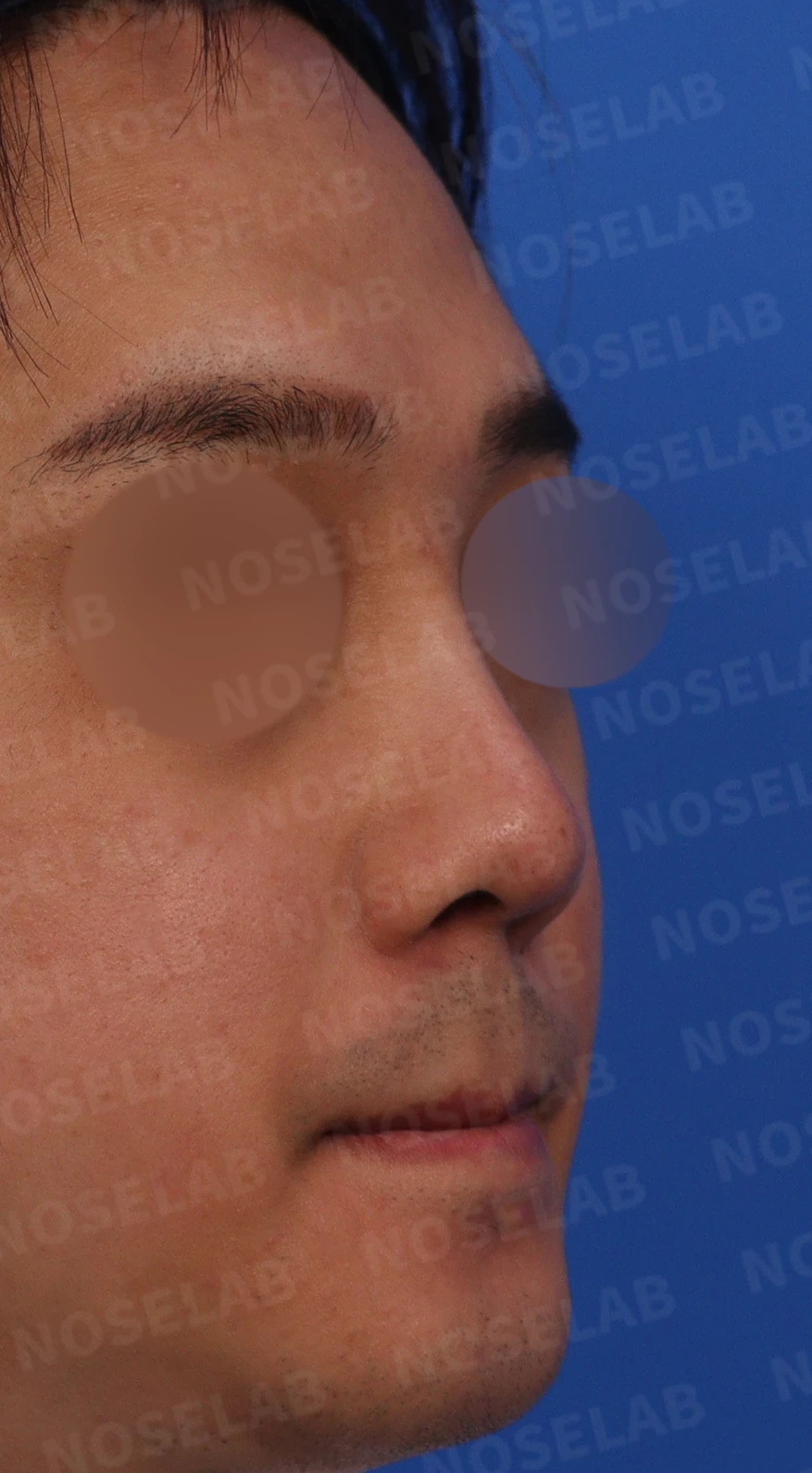
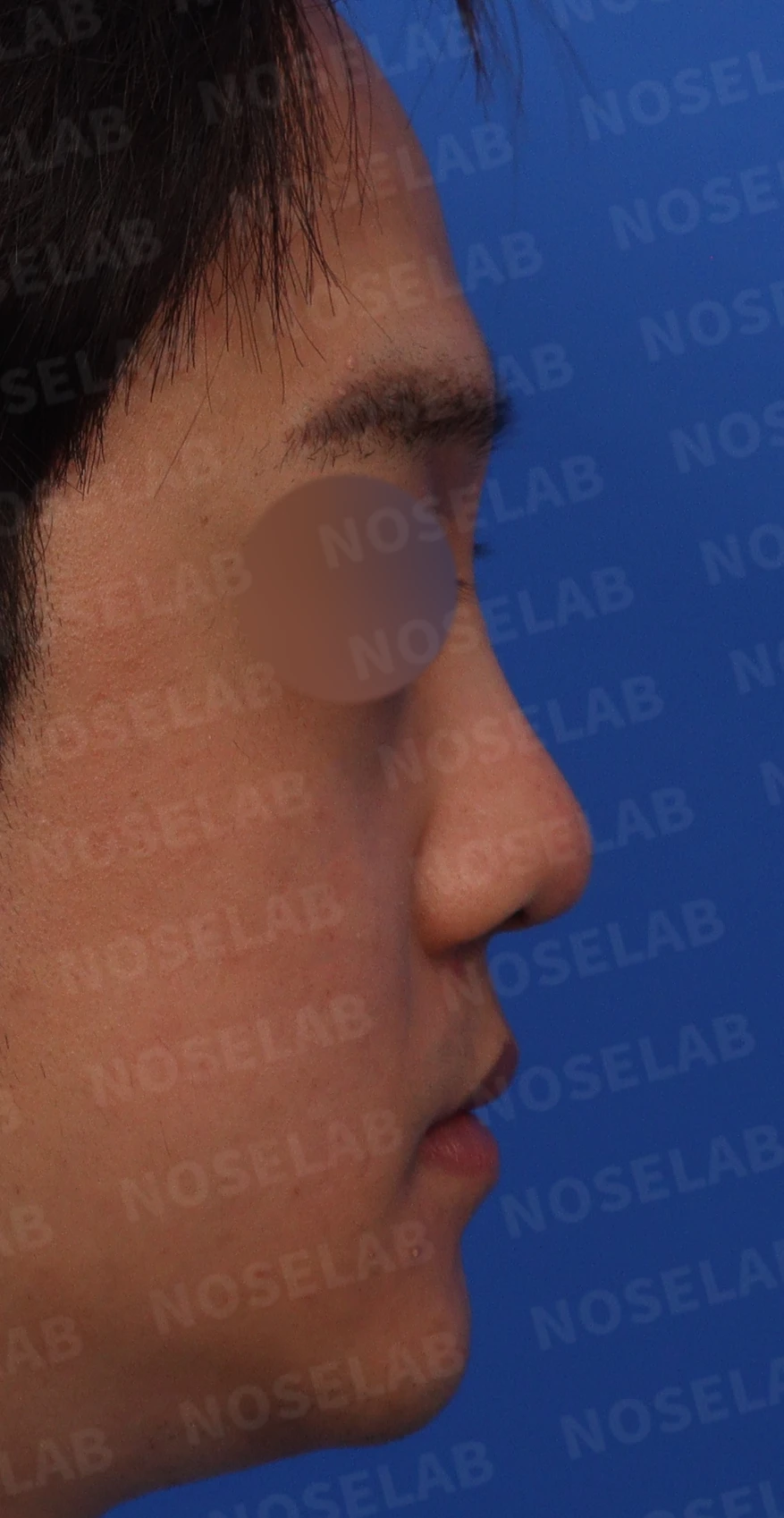
Front, oblique, and profile views taken before surgery for the design consultation.
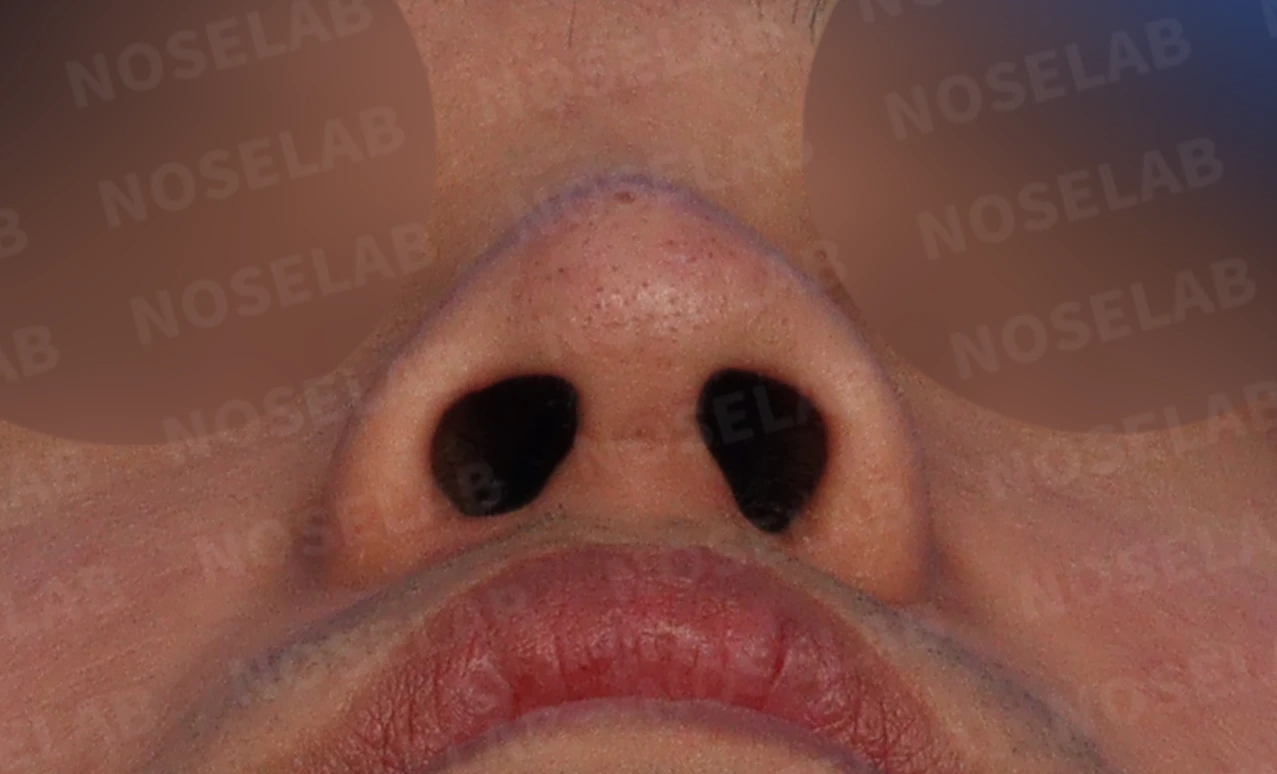
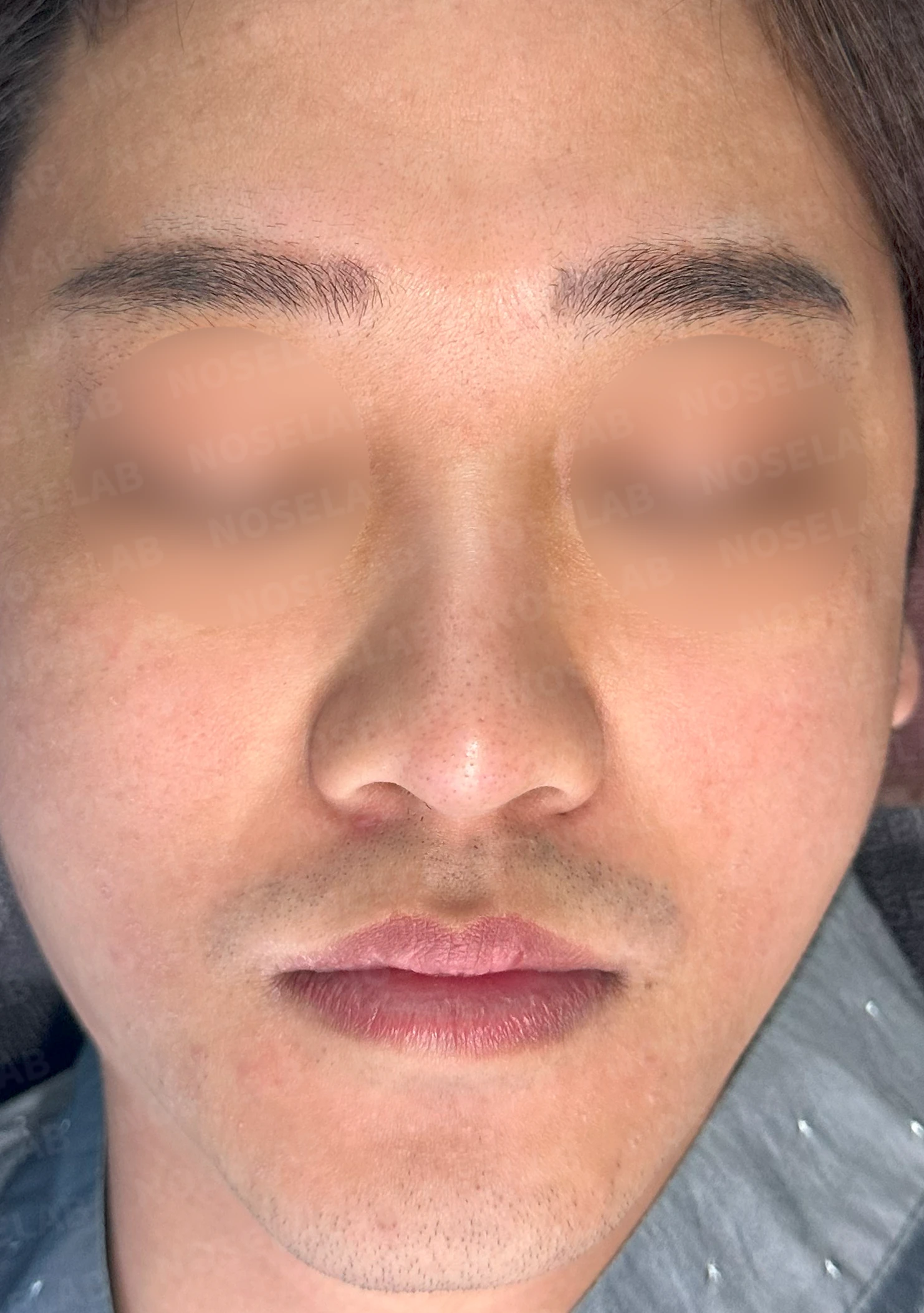
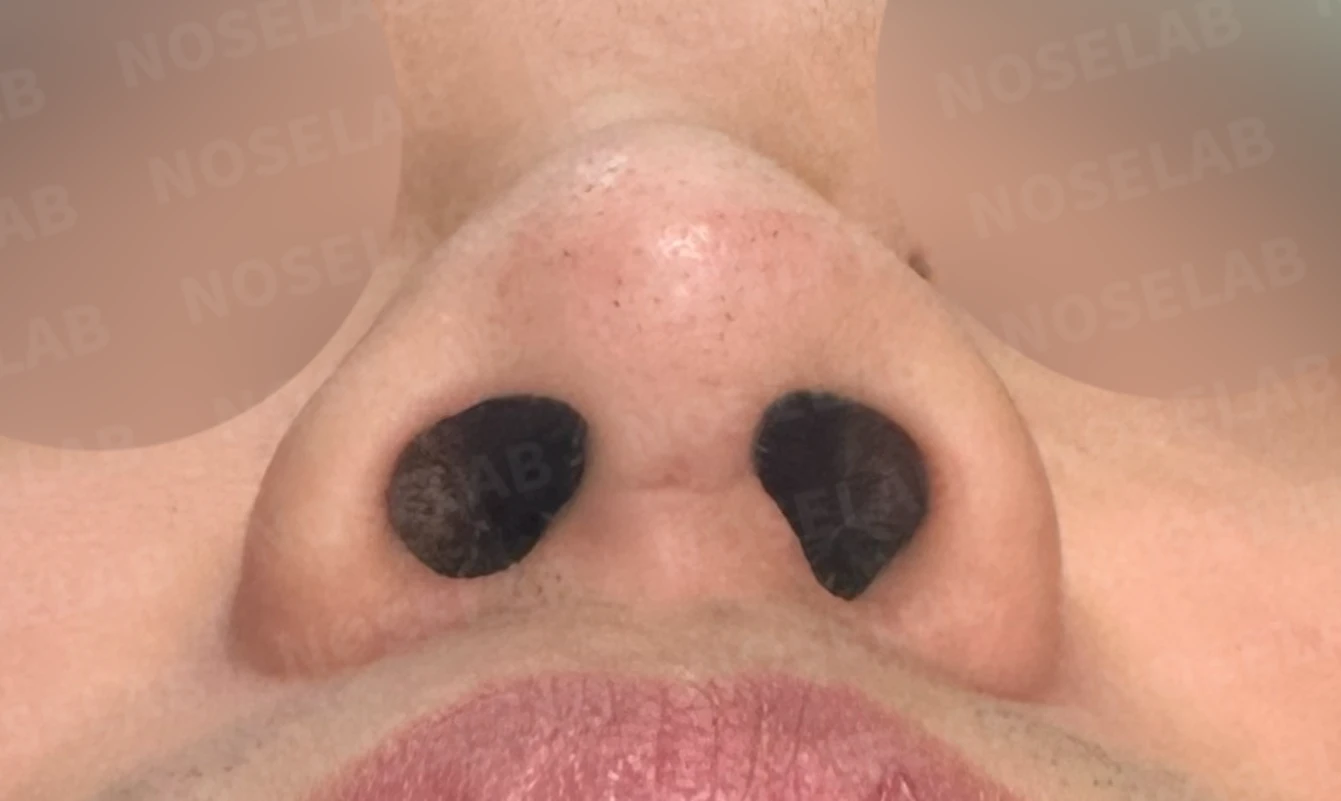
Base view (nostril) photo.
The patient had previously undergone rhinoplasty with a slightly upturned curved line, but this time requested a masculine straight bridge line. This case illustrates how a patient's preferences regarding rhinoplasty can change over time. The main issues identified during the consultation were as follows:
- A silicone implant extending from the nasal bridge down into the nasal tip, causing long silicone complications
- Markedly thinned nasal tip skin (redness, risk of extrusion)
- Blunt nasal tip and a wide nose
- An overall feminine nasal contour
- Nostril asymmetry
These issues were the result of the prior surgery, with the placement of a silicone implant extending all the way into the nasal tip being the most critical problem. Extending an implant to the tip is a hazardous surgical approach that can lead to severe complications.
Specific patient requests:
- Change to a masculine straight line
- Elevate both the nasal bridge and nasal tip
- Improve the wide nose
- Refine the nostril shape
- Maintain an overall natural appearance
2. Surgical plan
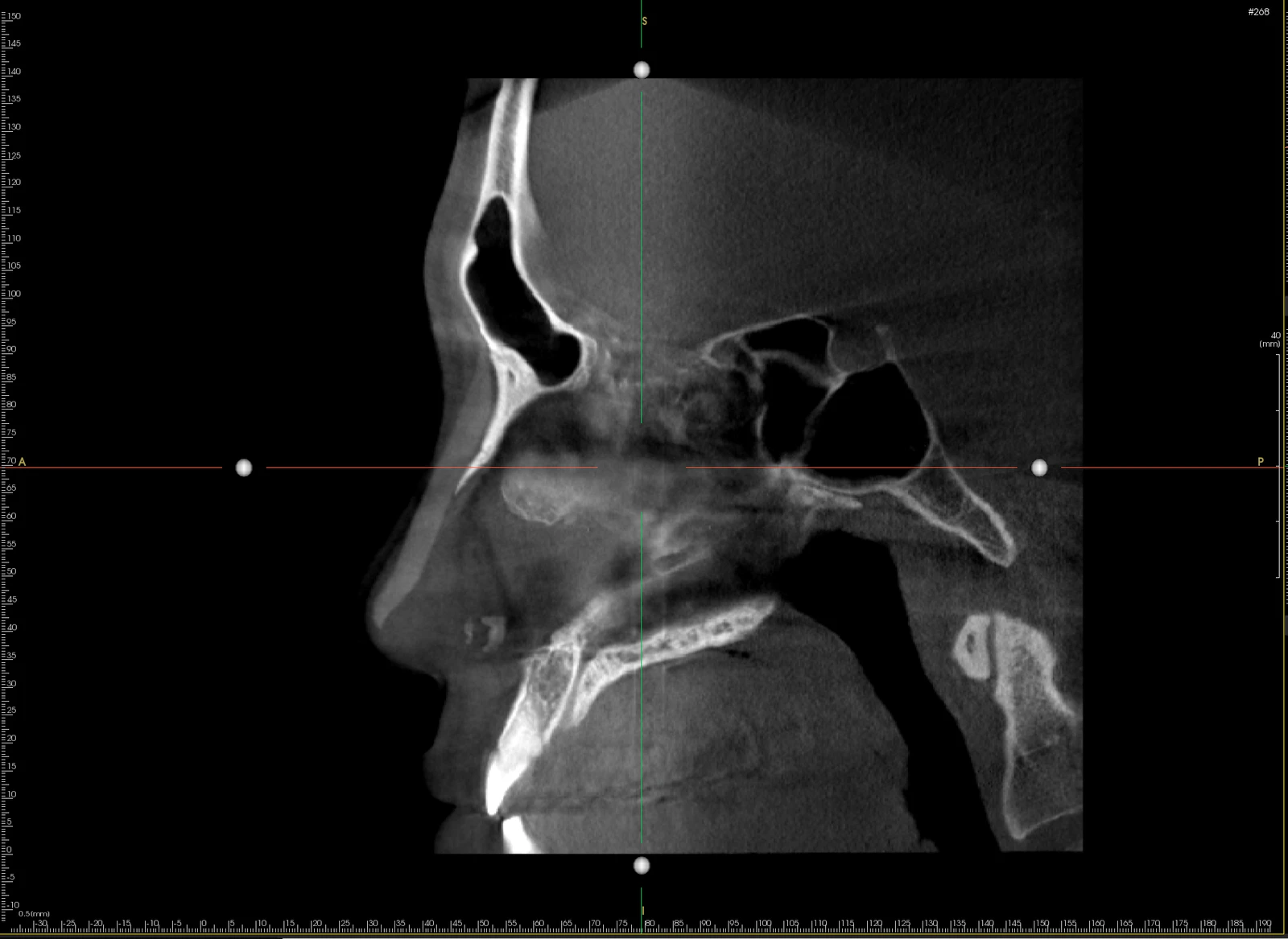
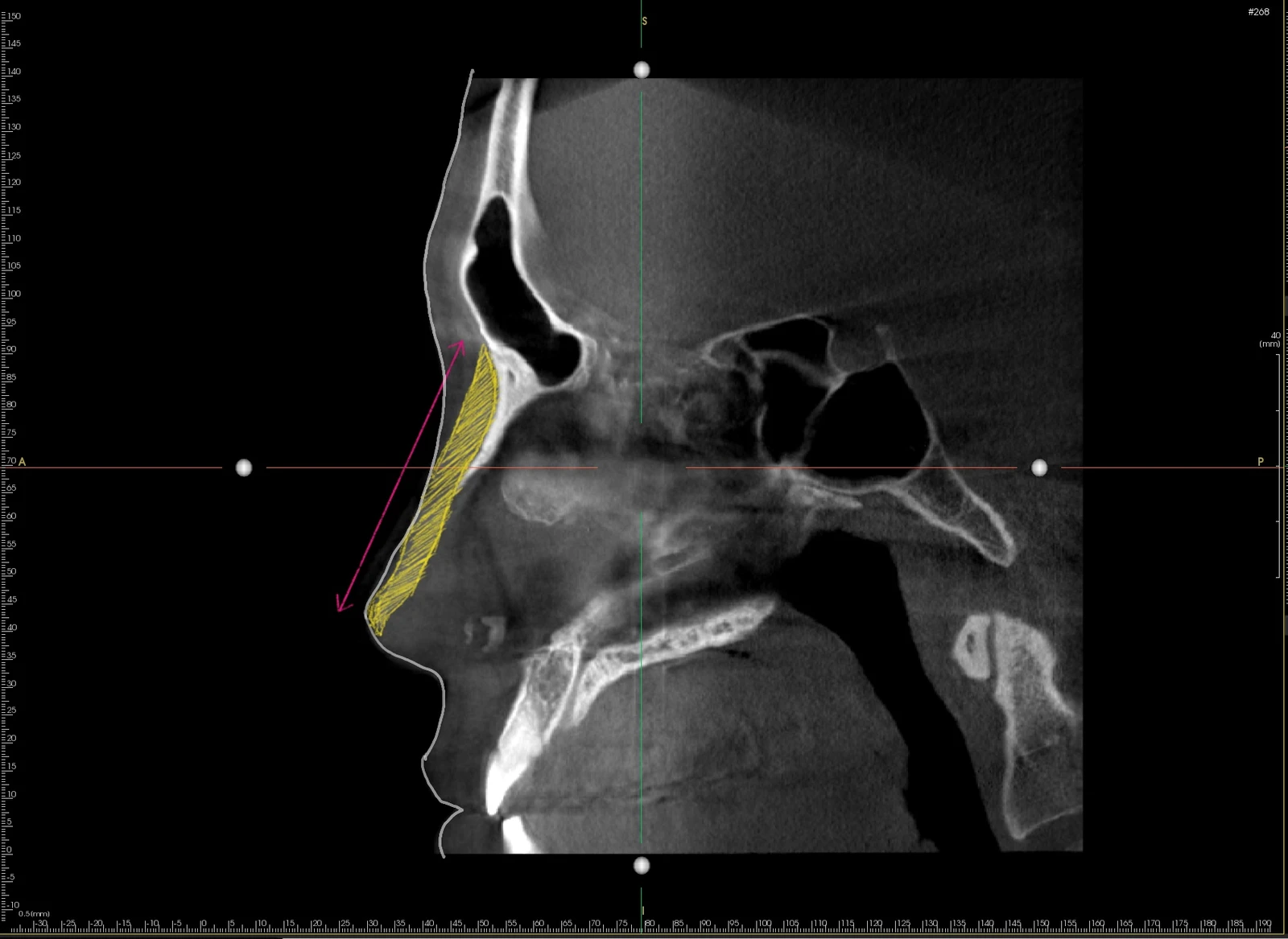
CT image verifying the silicone implant extending to the nasal tip. The yellow area indicates the silicone implant.
Based on the CT findings, the following detailed surgical plan was established:
a) Removal of the existing silicone implant
b) Nasal tip reconstruction using autologous rib cartilage
c) Reinforcement of the nasal tip skin
d) Placement of a new silicone implant along the nasal bridge
e) Elimination of the dorsal curve
f) Correction of nostril shape
g) Adjustment of the nasolabial angle
3. Surgical details
a) Removal of the silicone implant
- First, the existing silicone implant extending to the nasal tip was carefully removed. Meticulous care was taken throughout this process to minimize damage to adjacent tissues.
b) Nasal tip reconstruction
- Autologous rib cartilage was harvested and used for nasal tip reconstruction. Rib cartilage provides sufficient strength and structural integrity to stably support the nasal tip framework.
- The nasal tip was carved with precision to achieve a natural contour.
- Donor dermis was used to reinforce the thinned nasal tip skin. This substantially reduces future risks such as implant extrusion.
- In addition, scar tissue was utilized to further augment skin thickness.
- The nasal tip was elevated to correct the wide appearance.
c) Nasal bridge augmentation
- A new 7 mm silicone implant was placed only along the nasal bridge. This added approximately 2 mm of height compared to before.
- The position and size of the implant were carefully chosen to secure natural bridge height.
d) Correction of the dorsal curve
- The upward curve was eliminated to create a straight bridge line. This helped emphasize the masculine profile desired by the patient.
e) Refinement of nostril shape
- The asymmetrical nostrils were corrected into a balanced contour.
- The overall nostril outline was refined to provide a clean appearance.
f) Adjustment of the nasolabial angle
- The angle between the nasal tip and the philtrum was adjusted naturally to improve overall facial balance.
Particular care was taken during surgery to preserve blood circulation in the nasal tip skin. Because the skin had already become thinned from prior surgery, preventing additional tissue damage during revision was critical.
4. Before-and-after photo comparison
Before surgery / Day 0 immediately after surgery Photos taken immediately after surgery show swelling and may differ from the final result.
a) Front view
- The blunt nasal tip contour has improved naturally. A tip that previously appeared flat and wide now has appropriate projection and dimension.
- The wide appearance has improved. The nasal bridge looks slimmer, and the overall nasal contour is more defined.
- The flat and deviated-looking nasal bridge has been straightened. This contributes significantly to a more masculine impression.
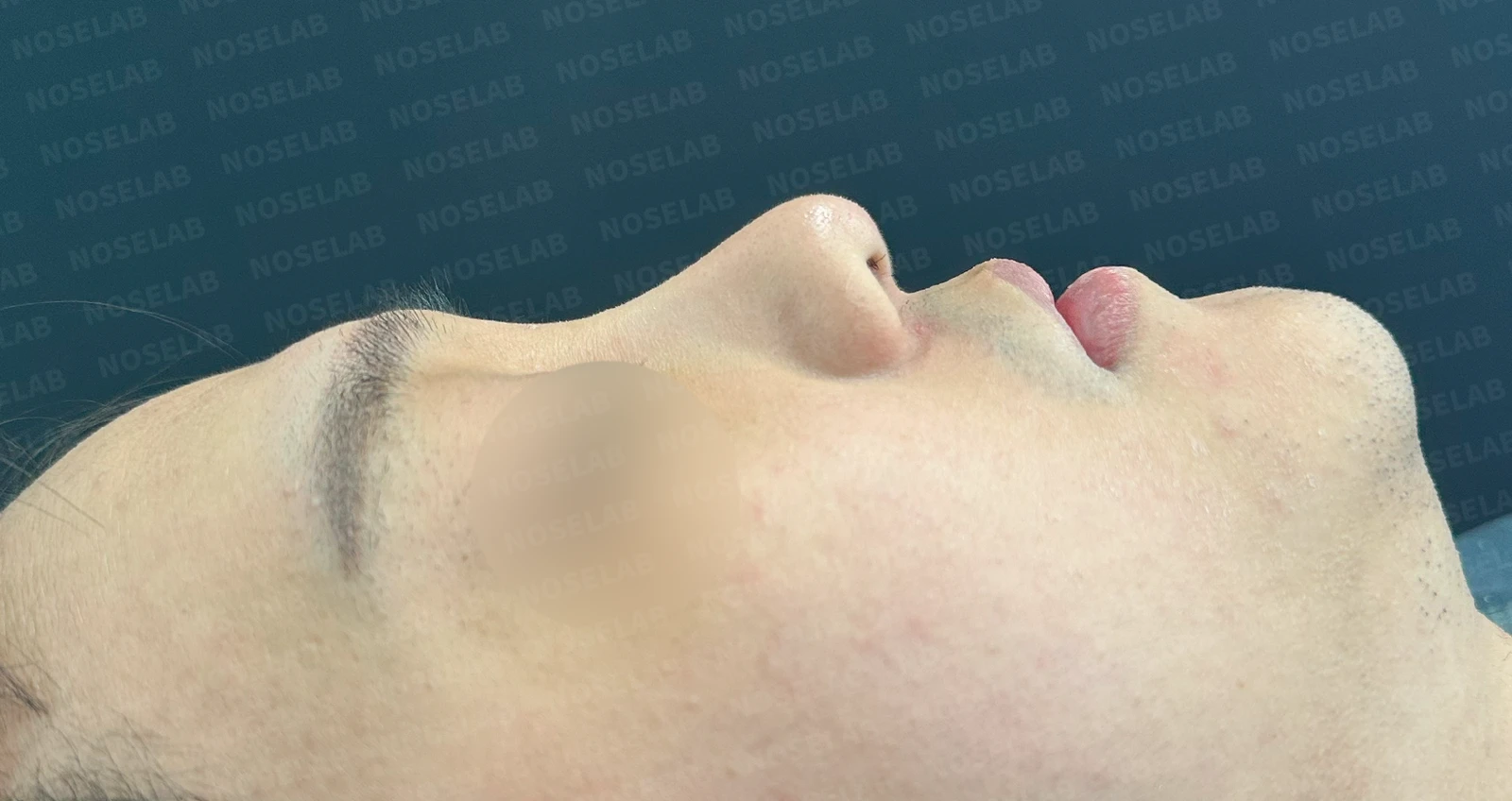
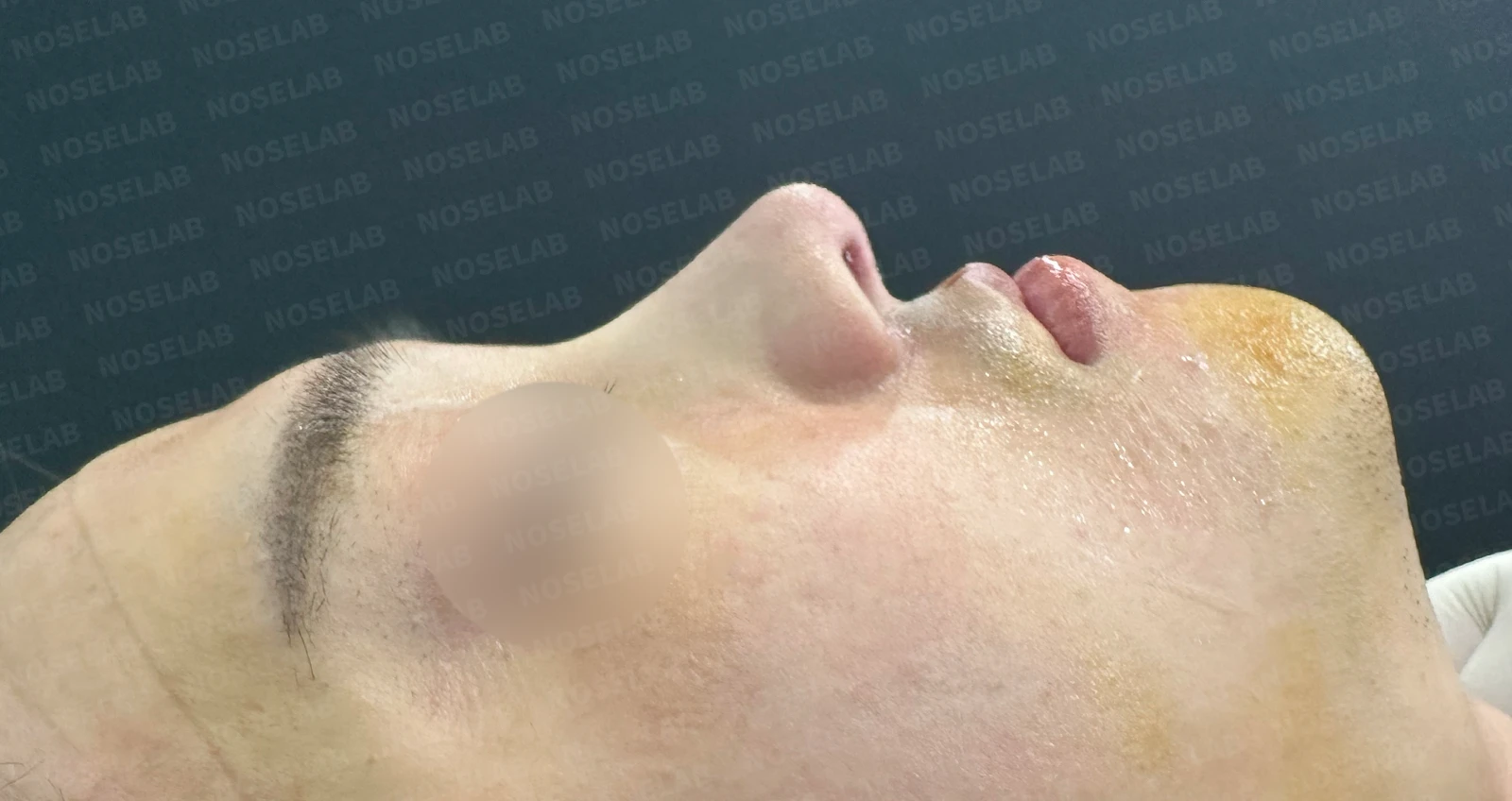
Before surgery / Day 0 immediately after surgery Photos taken immediately after surgery show swelling and may differ from the final result.
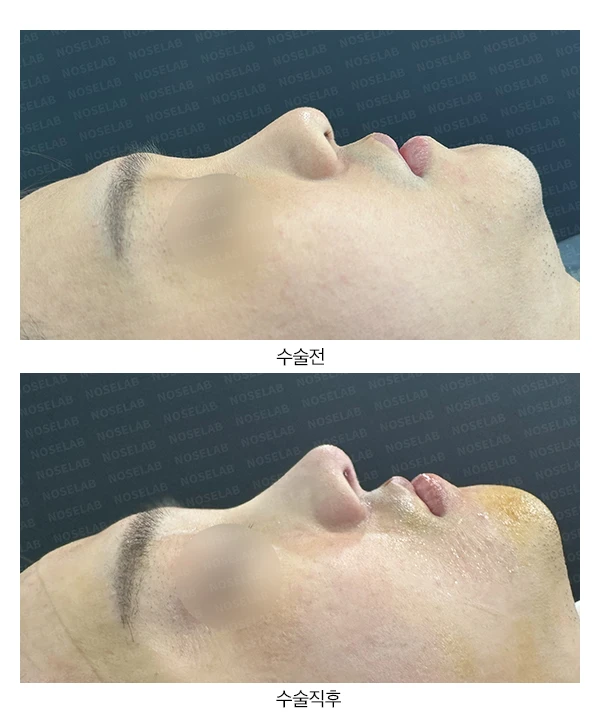
b) Profile view
- The curved line has been resolved, transforming into a masculine straight line.
- The nasal tip was elevated and the columella brought down slightly, naturally correcting the nasolabial angle. This improved harmony between the nose and lips.
- The overall height of the nasal bridge was increased, showing a more three-dimensional profile.
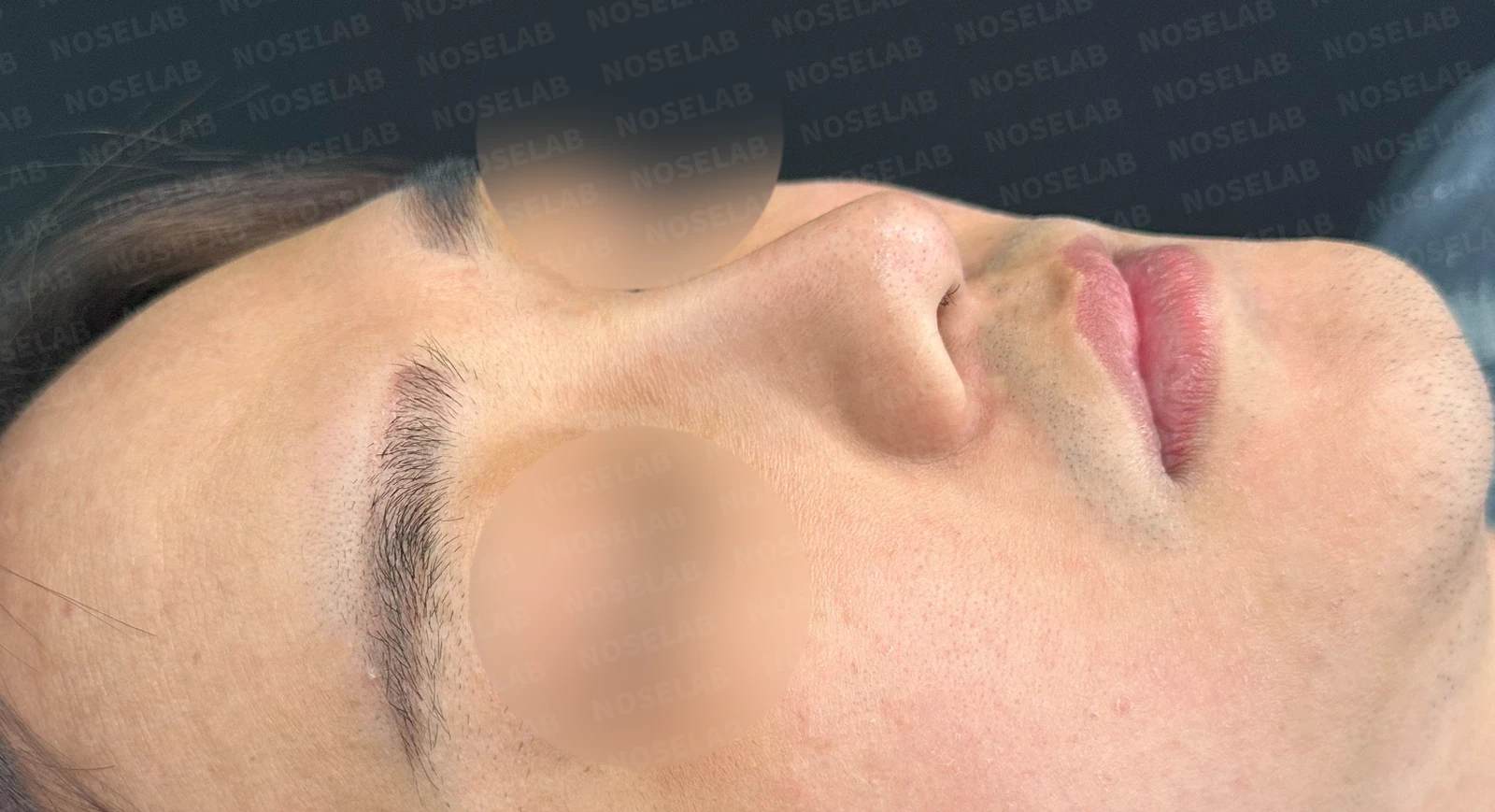
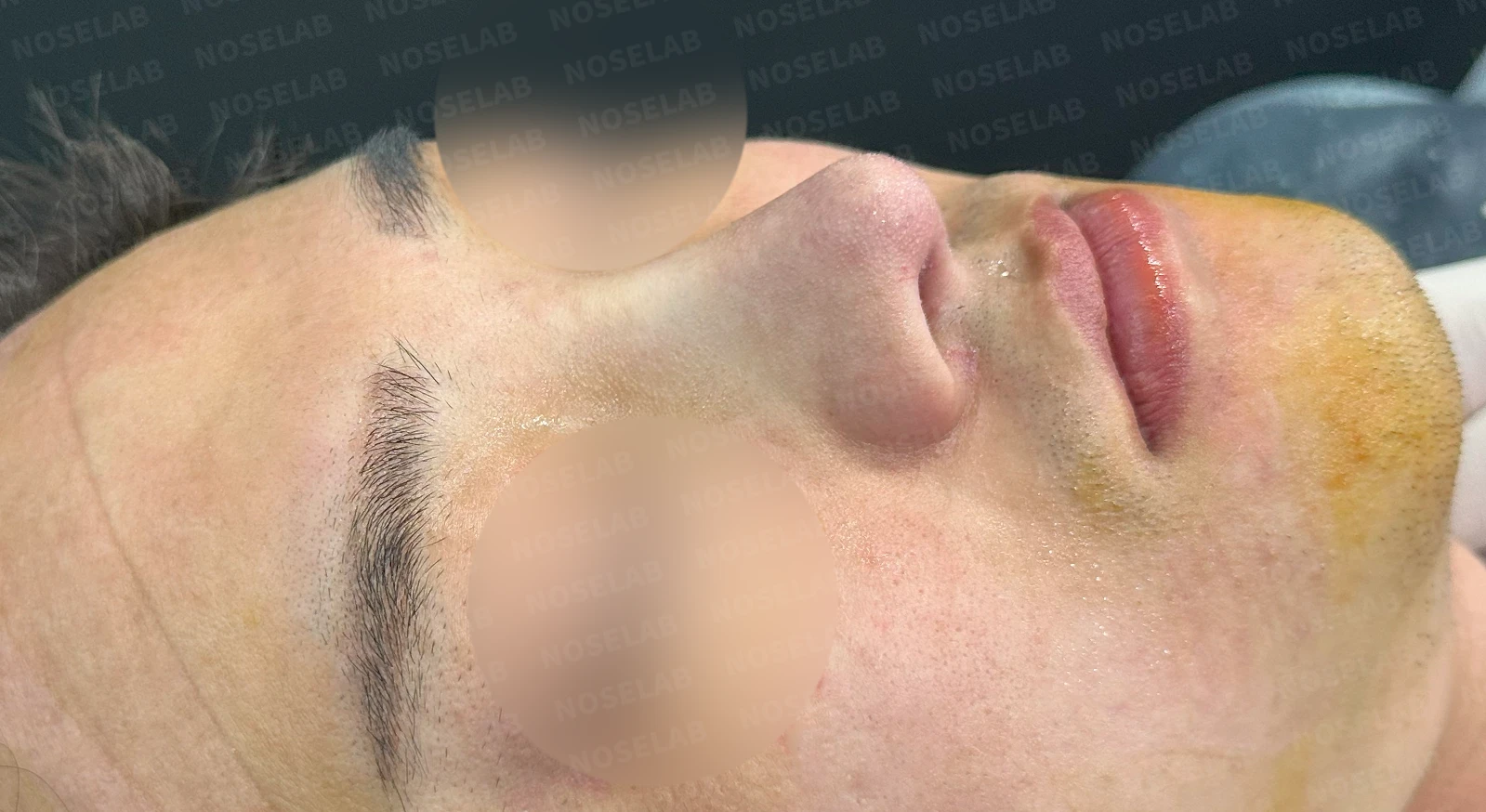
Before surgery / Day 0 immediately after surgery Photos taken immediately after surgery show swelling and may differ from the final result.
c) Oblique view
- The nose has transformed to look masculine and well-defined. The nasal contours are markedly crisper than before.
- Nasal tip projection was adjusted appropriately, presenting a natural contour.
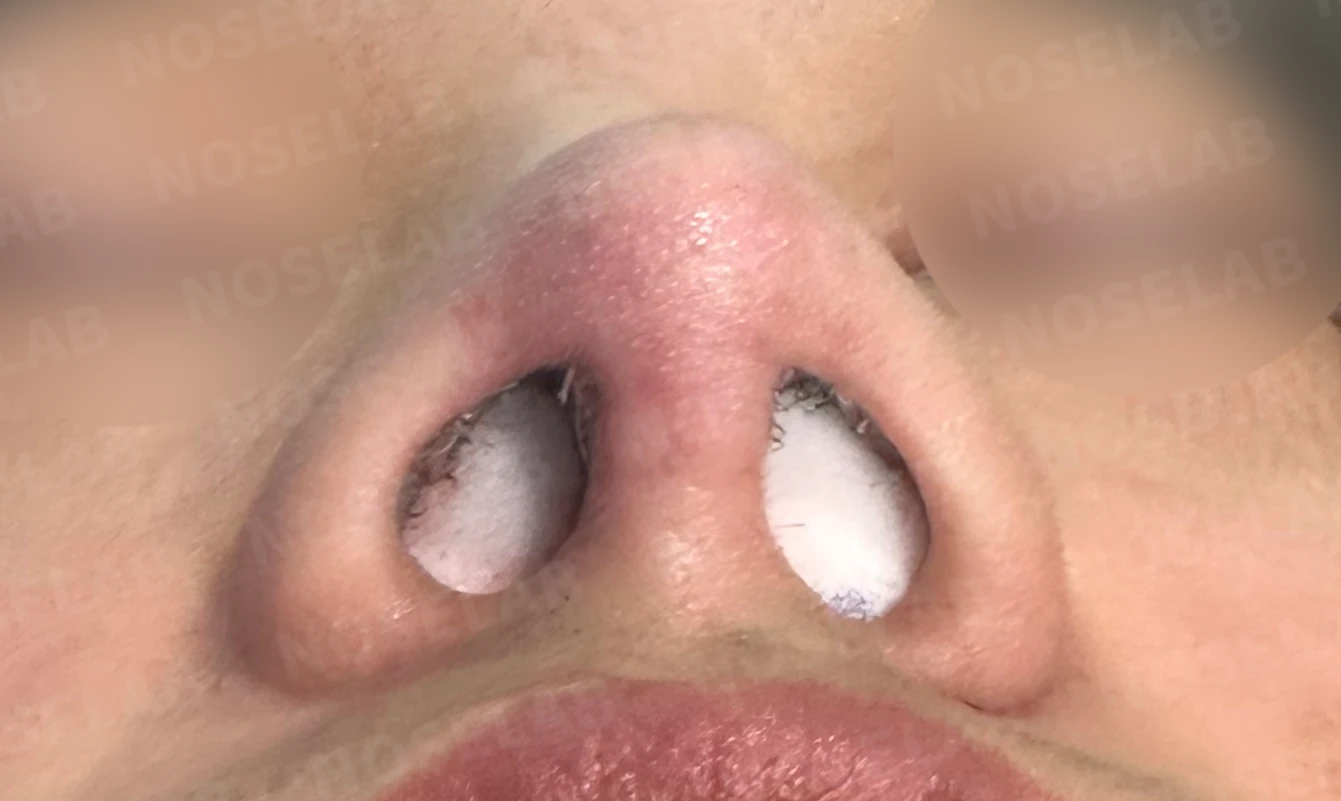
Before surgery / Day 0 immediately after surgery Photos taken immediately after surgery show swelling and may differ from the final result.
d) Nostril view
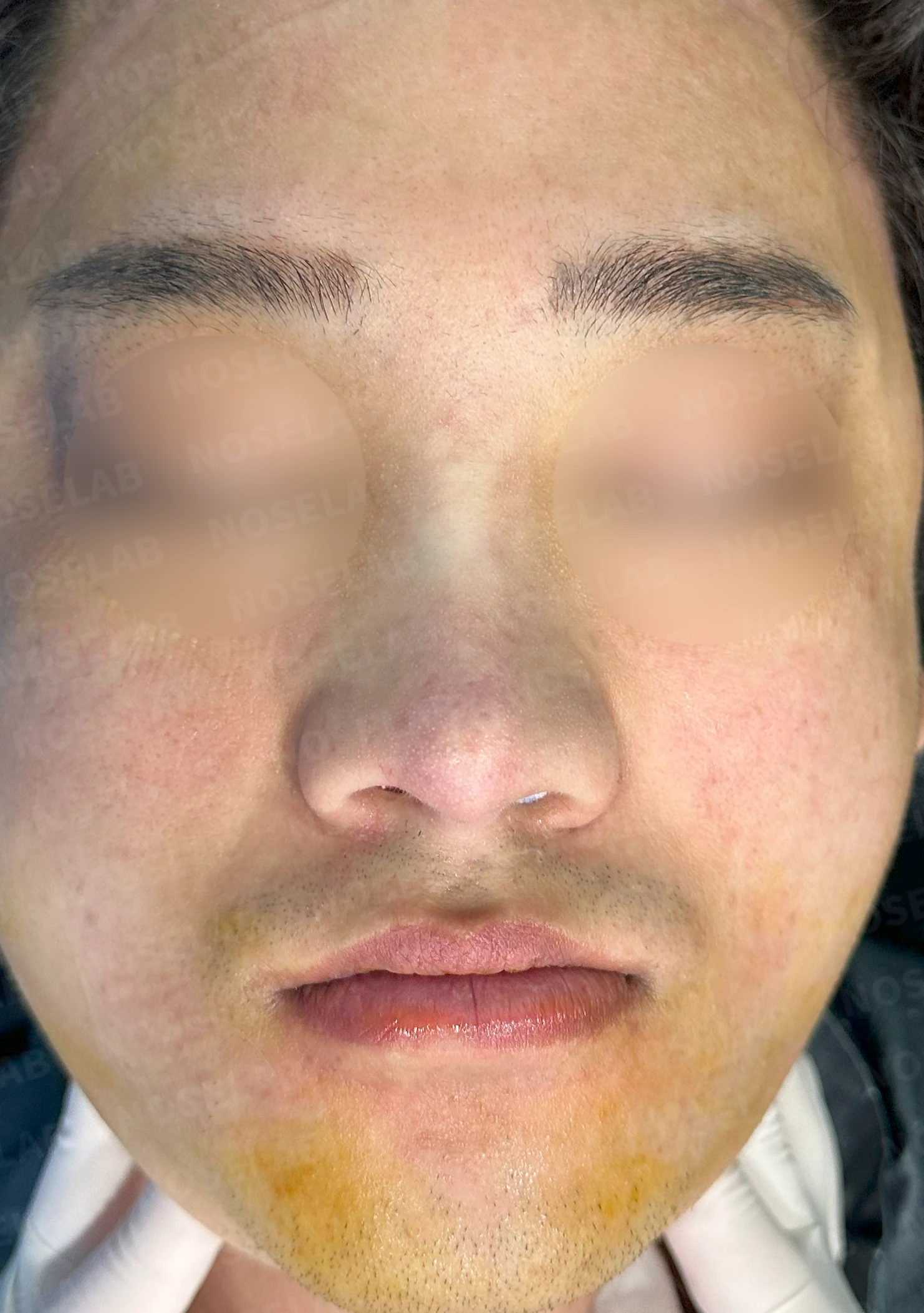
- The round, asymmetrical nostrils have been refined. Viewed from the base, the nostril shapes have changed into a more natural and balanced form.
- Nostril size was adjusted appropriately to achieve harmony with overall facial proportions.
5. Collection of photos immediately after surgery
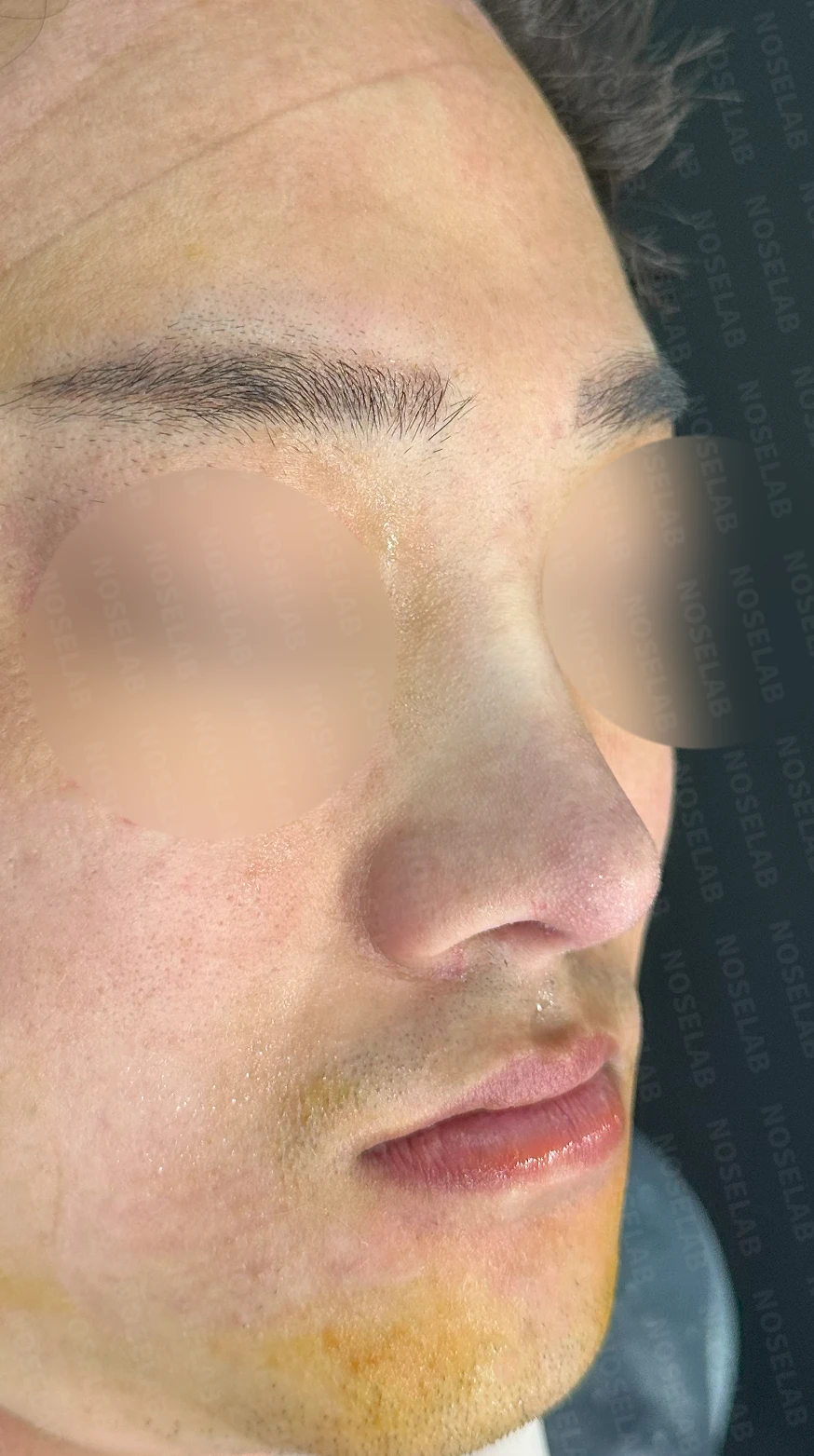
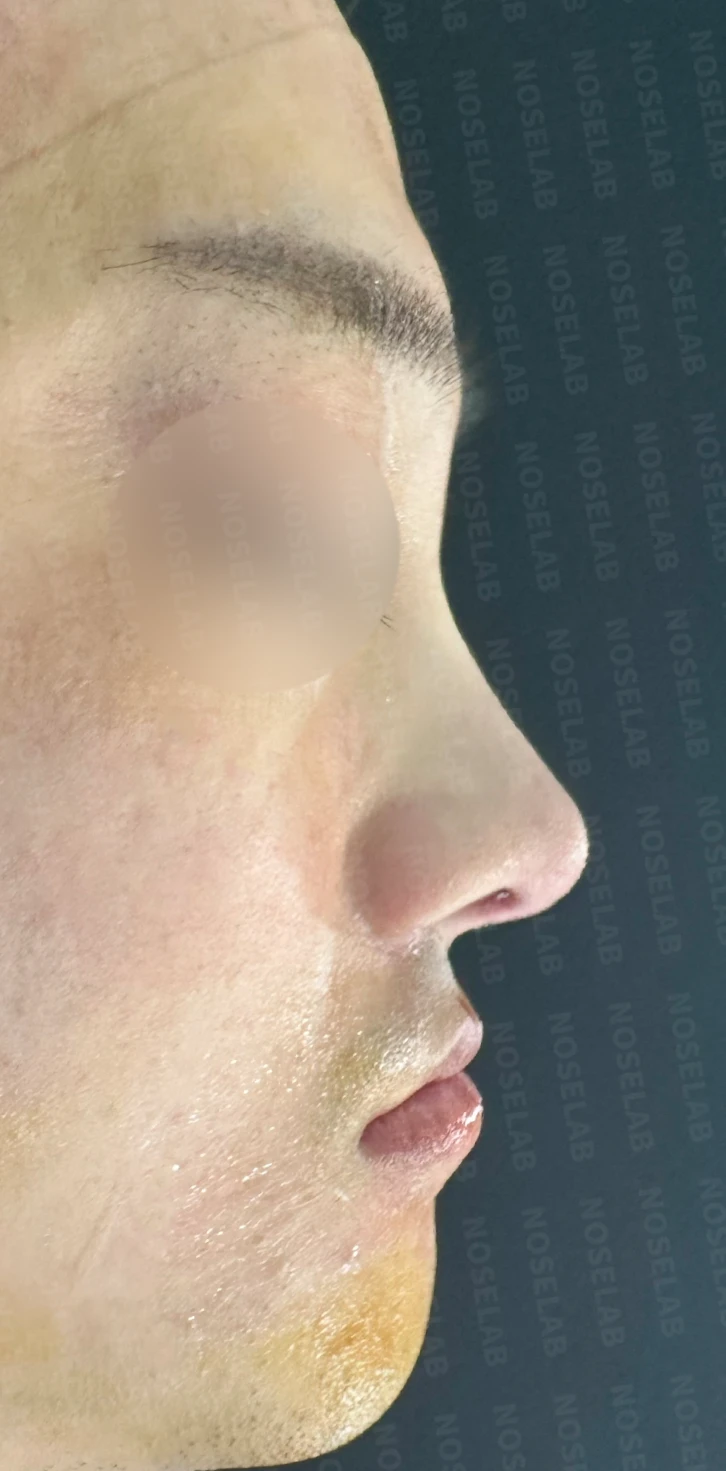
Photos immediately after surgery (Day 0): front, oblique, and profile viewsImmediate postoperative photos show swelling and may differ from the final result.
Nostril view on day 0 immediately after surgery Photos taken immediately after surgery show swelling and may differ from the final result.
6. Conclusion
This presentation illustrates that revision rhinoplasty must consider both safety and cosmetic outcomes concurrently. A silicone implant is an effective material for raising the nasal bridge in rhinoplasty. However, its safety depends on placement site and surgical technique. In particular, placing a silicone implant all the way into the nasal tip must be avoided, as it can cause serious complications such as inflammation or implant extrusion.
A fundamental principle of surgery planned with safety in mind is to use only autologous tissue, such as cartilage or dermis, at the nasal tip. In this case as well, this principle was strictly applied: the compromised existing silicone implant was removed, the nasal tip was reconstructed using autologous rib cartilage, and a silicone implant was placed only along the nasal bridge.
This case also demonstrates the significance and technical demands of revision rhinoplasty. Correcting a framework altered by previous surgery while simultaneously addressing the patient's new goals is a complex and delicate process. Revisions performed when the overlying skin has thinned require even greater caution.
I support healthy and well-balanced rhinoplasty results for every patient.
This was Dr. Peter C. Kang. Thank you.
Thank you.
#siliconecomplications #longsilicone #widenose #revisionrhinoplasty #closedrhinoplasty #closedrevisionrhinoplasty #advancedclosedrhinoplasty #malerhinoplasty #straightbridge #siliconeimplant #ribcartilagegraft #tipplasty #bridgeaugmentation #revisionrhinoplasty #safesurgery #otolaryngologist #menrhinoplasty #closedribcartilagerhinoplasty #closedribrhinoplasty

Limitations and risks
When autologous rib cartilage is used, scarring and pain may remain at the donor site on the chest, and pneumothorax (pleural injury) can occur rarely. Over time, the grafted cartilage may warp or undergo partial resorption.
When revising after implant removal, contracture may progress again after removal, the nasal height and length may decrease, and staged surgery may be necessary depending on the skin condition.
Common potential risks include infection, bleeding, asymmetry, scarring, skin necrosis, and insufficient improvement; results vary depending on individual skin condition and previous surgical history.