English日本語简体中文
Skip to main content
Dr. Peter C. Kang's Rhinoplasty Stories
PrologueBlogMy thoughtsNasal obstructionSurgical journalSurgical photos
About the surgeon

Rhinitis and inferior turbinate hypertrophy cases with confirmed nasal obstruction findings

This is page 2 of rhinitis and inferior turbinate hypertrophy cases: concurrent nasal obstruction findings. Explore surgical records and before-and-after photos 19–36 of 147.

View before-and-after cases ↓Comprehensive rhinoplasty guide

Searching for surgical cases matching your criteria.
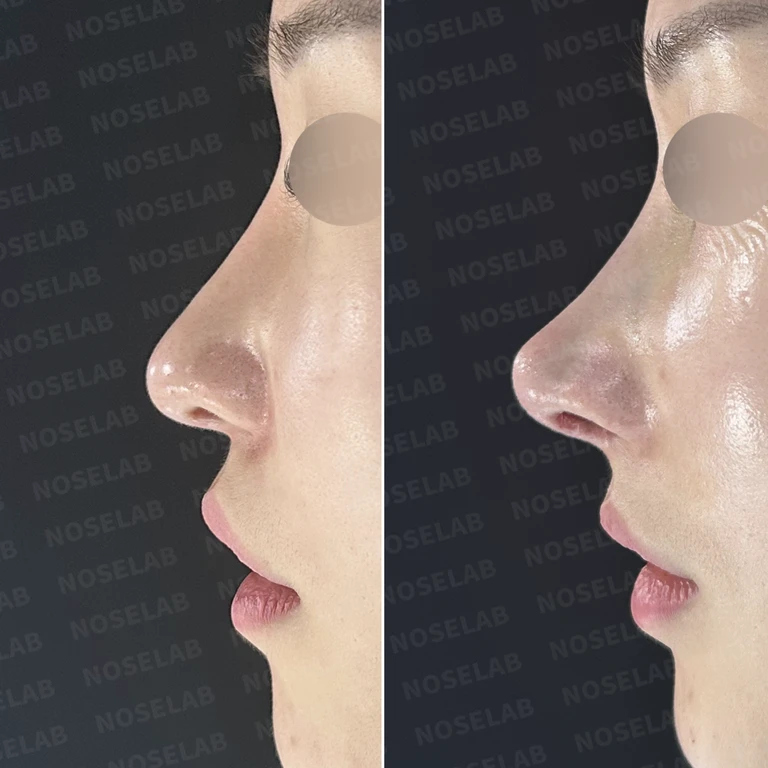
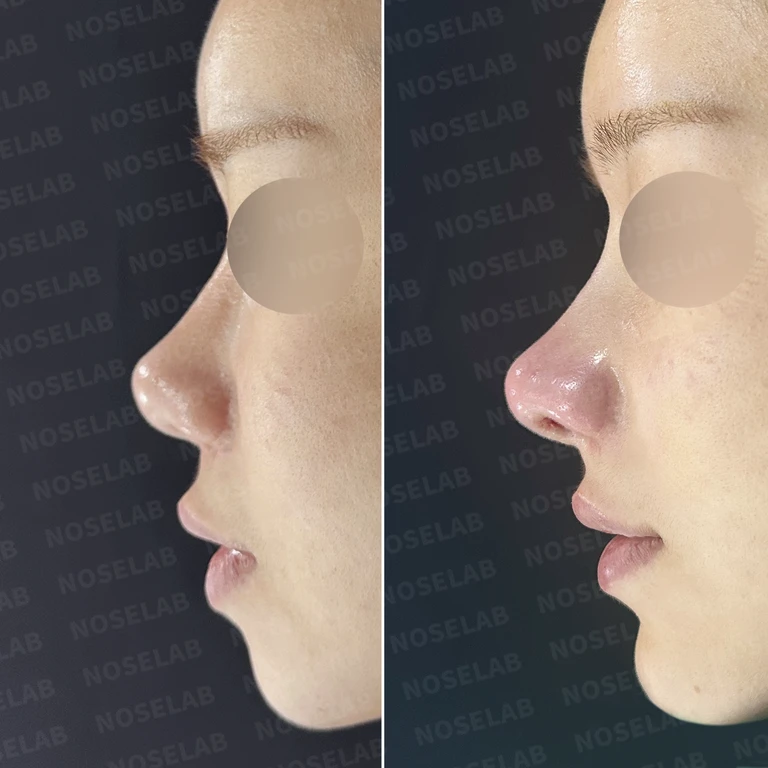
Why nasal obstruction persists despite multiple surgeries: Correcting nasal valve stenosis and nostril asymmetry — Before-and-after comparison
Before-and-after comparison

Why nasal obstruction persists despite multiple surgeries: Correcting nasal valve stenosis and nostril asymmetry

A case of persistent nostril asymmetry and nasal valve stenosis after multiple surgeries, addressed by removing existing implants, performing septoplasty and turbinoplasty, and reconstructing the structure with rib cartilage and a skin graft.

Preoperative condition
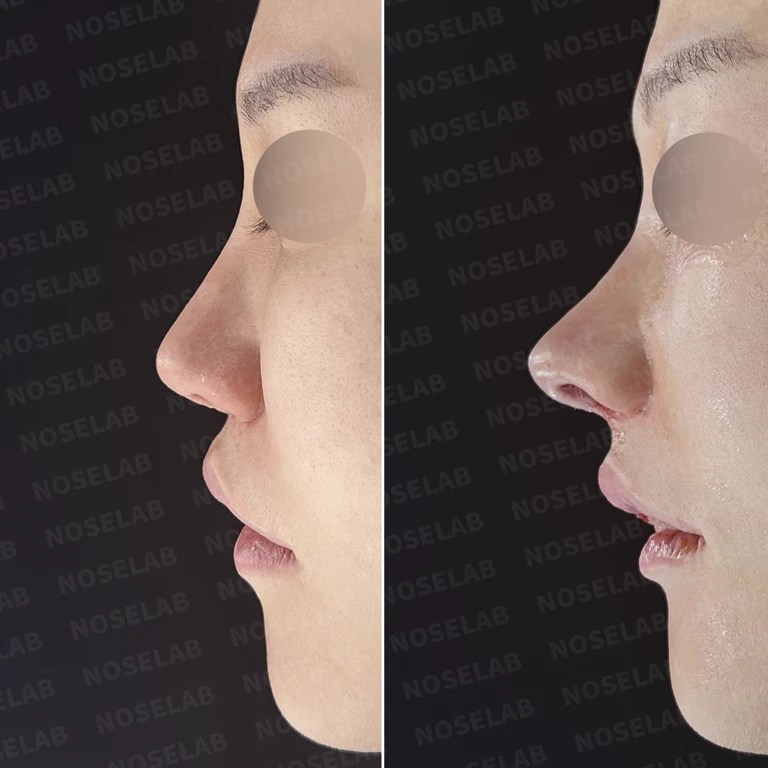
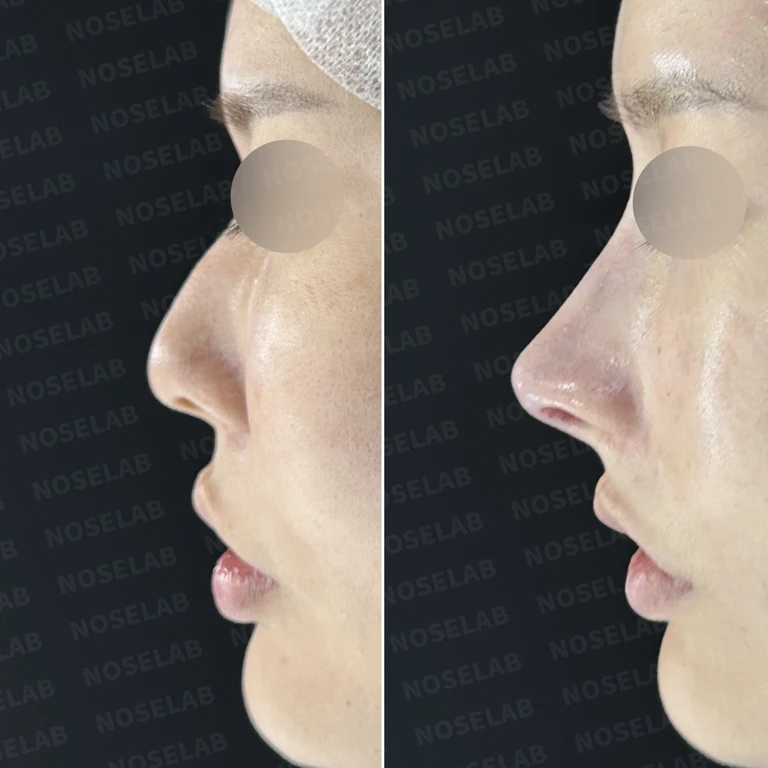
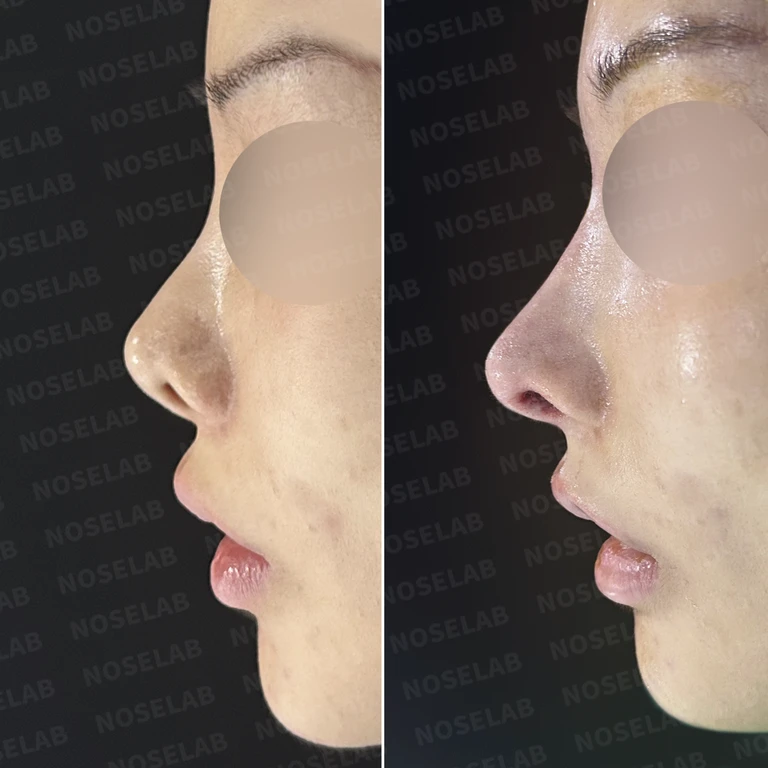
Why the nostrils look severely uneven on both sides: cartilage reconstruction and skin graft correction — Before-and-after comparison
Before-and-after comparison

Why the nostrils look severely uneven on both sides: cartilage reconstruction and skin graft correction

Congenital asymmetry, along with a residual crooked nose and nostril asymmetry from a previous rhinoplasty, was stabilized using lower lateral cartilage reconstruction, internal nostril skin grafting (free composite graft), and septal reconstruction.

Preoperative condition
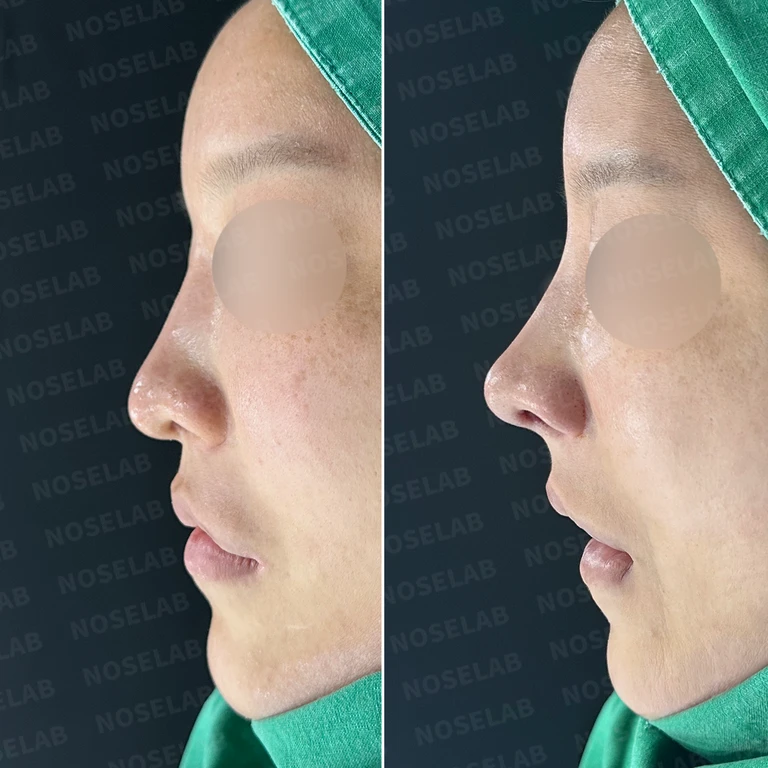
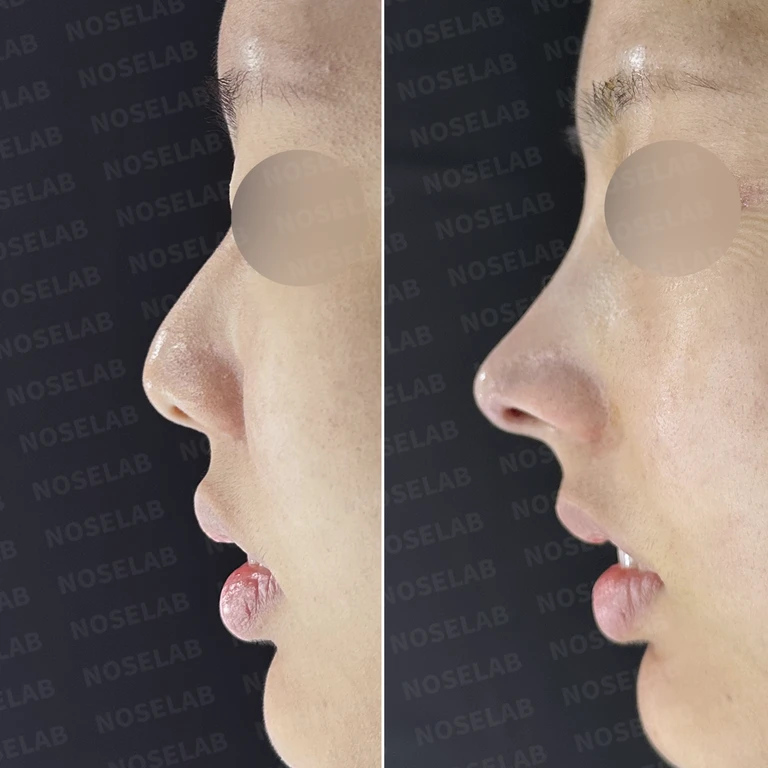
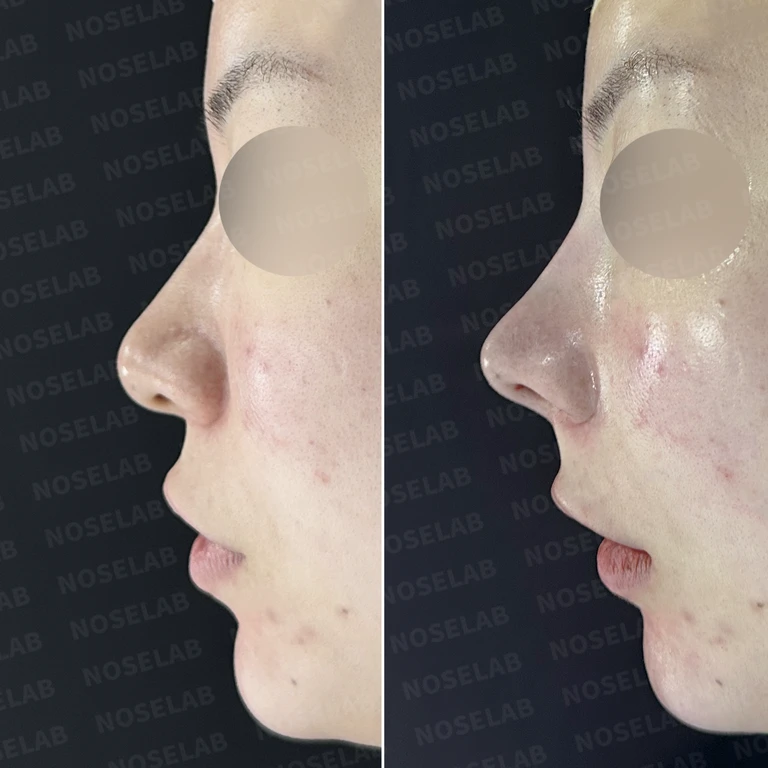
Noses with an arrow nose and bulbous tip: why we start with septal reconstruction — Before-and-after comparison
Before-and-after comparison

Noses with an arrow nose and bulbous tip: why we start with septal reconstruction

A clinical case in which a septum damaged from two previous surgeries and chronic nasal obstruction were restored using autologous rib cartilage reconstruction, septoplasty, rhinitis surgery, and bulbous tip correction.

Preoperative condition
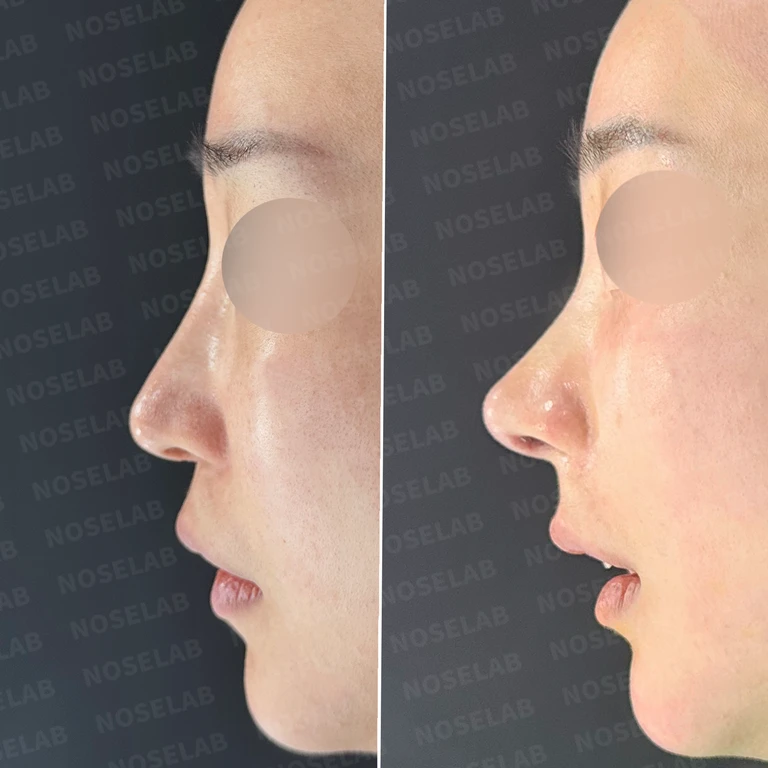
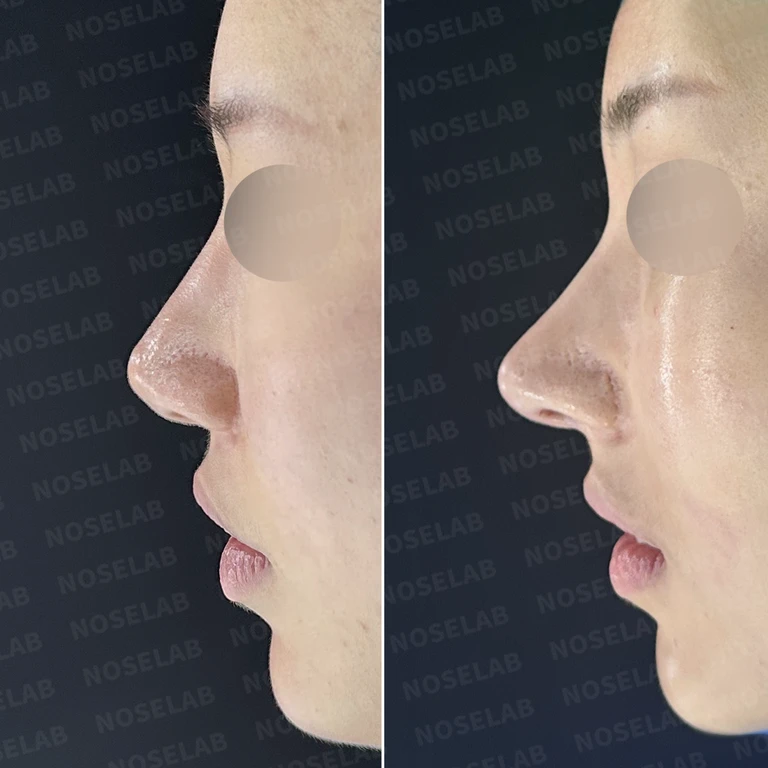
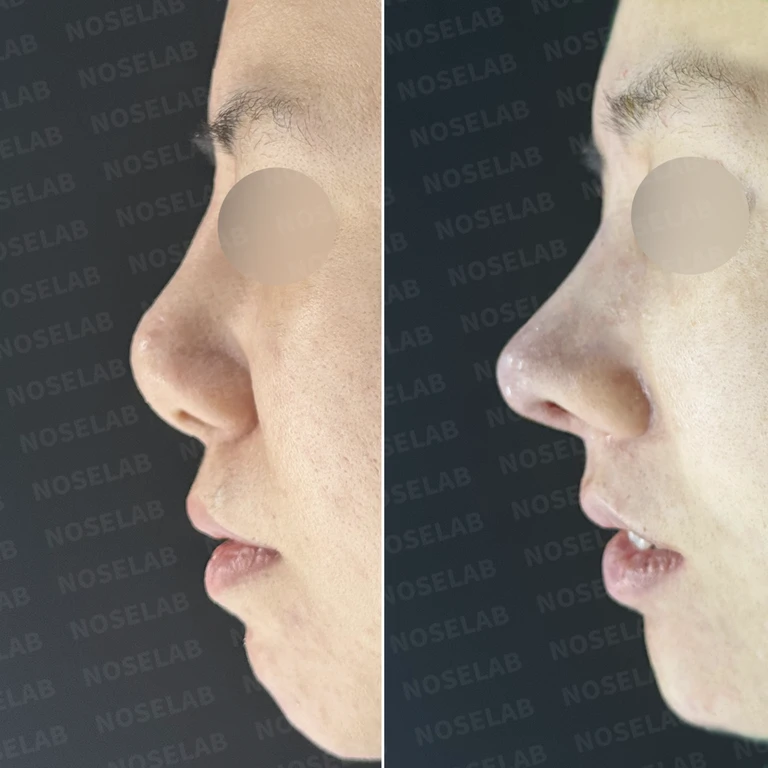
How to correct a small, drooping nose accompanied by nasal obstruction — Before-and-after comparison
Before-and-after comparison

How to correct a small, drooping nose accompanied by nasal obstruction

To improve a small, drooping nose along with nasal obstruction from a deviated septum and rhinitis, autologous rib cartilage was used to firmly elevate the nasal tip, adjust the nasolabial angle, and correct the septum and inferior turbinates at the same time.

Preoperative condition

Why a crooked dorsal hump and drooping tip occur, and how septal extension is performed — Before-and-after comparison
Before-and-after comparison

Why a crooked dorsal hump and drooping tip occur, and how septal extension is performed

A crooked dorsal hump, drooping tip, and nasal obstruction were refined using lateral osteotomy, septal extension with donor rib cartilage and septal cartilage, nasal tip volume refinement with ear cartilage, and nasolabial angle correction.

Preoperative condition

Why nasal tip cartilage shows through the skin and how dermis grafting reinforces it — Before-and-after comparison
Before-and-after comparison

Why nasal tip cartilage shows through the skin and how dermis grafting reinforces it

For a nose showing cartilage show-through through thinned skin, a widened nasal bridge, and nasal obstruction 7 years after surgery, autologous dermis reinforcement, autologous rib cartilage tip plasty, lateral osteotomy, and septoplasty were performed.

Preoperative condition

Why nasal obstruction and a crooked nose can persist even after multiple surgeries — Before-and-after comparison
Before-and-after comparison

Why nasal obstruction and a crooked nose can persist even after multiple surgeries

In a case of ongoing nasal obstruction with a weakened, deviated septum following multiple surgeries, structural integrity and nasal breathing were improved through septal reconstruction using autologous rib cartilage, lateral osteotomy, septoplasty, and turbinoplasty.

Preoperative condition

Changes caused by semi-permanent bridge filler and septal reconstruction after removal — Before-and-after comparison
Before-and-after comparison

Changes caused by semi-permanent bridge filler and septal reconstruction after removal

For Artecoll semi-permanent filler on the nasal bridge, a damaged septum, an upturned nasal tip, and nostril asymmetry, foreign material was completely removed, followed by septal reconstruction using autologous rib cartilage and alar rim lowering.

Preoperative condition

Why the nasal tip looks spread out and how to address the nasal sill and nasolabial angle together — Before-and-after comparison
Before-and-after comparison

Why the nasal tip looks spread out and how to address the nasal sill and nasolabial angle together

For a wide nasal tip and nasal sill, residual filler, and a deviated septum, we removed the filler and performed donor rib cartilage tip correction, nasal sill reduction, nasolabial angle correction, septoplasty, and rhinitis surgery.

Preoperative condition

Contracture causing the nose to harden and shorten after previous surgery: why it occurs and how it is reconstructed — Before-and-after comparison
Before-and-after comparison

Contracture causing the nose to harden and shorten after previous surgery: why it occurs and how it is reconstructed

For capsular contracture, septal damage, and asymmetric nasal bones following previous surgery, the implant and capsule were removed, and septal reconstruction, lateral osteotomy, and nasal bridge augmentation with autologous rib cartilage were performed.

Preoperative condition

Bulbous, drooping nasal tip and an obtuse nasolabial angle: causes and correction methods — Before-and-after comparison
Before-and-after comparison

Bulbous, drooping nasal tip and an obtuse nasolabial angle: causes and correction methods

For a drooping, bulbous nasal tip, asymmetric nasal bridge, deviated septum, and rhinitis symptoms, we performed nasal tip correction using autologous rib cartilage, nasolabial angle adjustment, silicone implant replacement, septoplasty, and inferior turbinate reduction.

Preoperative condition

Why a wide tip often comes with nasal obstruction, and how foreign material removal and reconstruction are performed — Before-and-after comparison
Before-and-after comparison

Why a wide tip often comes with nasal obstruction, and how foreign material removal and reconstruction are performed

For nasal obstruction caused by nasal bridge filler, a bulbous nose, a deviated septum, and inferior turbinate hypertrophy, foreign material was removed, followed by nasal tip correction using autologous rib cartilage, septoplasty, and turbinoplasty.

Preoperative condition · Postoperative record

A nose with almost no septal cartilage left: why the nasal tip cannot be elevated — Before-and-after comparison
Before-and-after comparison

A nose with almost no septal cartilage left: why the nasal tip cannot be elevated

A case where the septal support was largely lost from previous surgeries, resulting in nostril asymmetry. The central support was reconstructed with autologous rib cartilage, and the nasal tip was elevated with dermis and cartilage grafts.

Preoperative condition

Why a bulbous, drooping nose makes the midface look long, and reconstruction methods using calcified rib cartilage — Before-and-after comparison
Before-and-after comparison

Why a bulbous, drooping nose makes the midface look long, and reconstruction methods using calcified rib cartilage

A case involving an implant from 17 years ago, residual filler, and a long, drooping nasal tip. Calcified autologous rib cartilage was harvested to correct the nasolabial angle and lower the radix starting point.

Previous surgeries and procedures

Short and upturned nose with insufficient septal cartilage: how to lengthen it with rib cartilage reinforcement — Before-and-after comparison
Before-and-after comparison

Short and upturned nose with insufficient septal cartilage: how to lengthen it with rib cartilage reinforcement

A short, upturned nose caused by septal cartilage deficiency from a previous surgery was corrected with septal reconstruction using autologous rib cartilage, combined with chin filler removal and receding chin correction.

Preoperative condition · Postoperative record

Why Medpor in the nose causes nasal obstruction, and how Medpor removal and septal reconstruction with autologous rib cartilage are performed — Before-and-after comparison
Before-and-after comparison

Why Medpor in the nose causes nasal obstruction, and how Medpor removal and septal reconstruction with autologous rib cartilage are performed

A septum weakened by Medpor inserted 10 years ago was completely removed and reconstructed using autologous rib cartilage, performed concurrently with septoplasty and inferior turbinate surgery.

Preoperative condition · Postoperative record

Why a crooked nose and nasal obstruction persist after surgery, and how revision is performed — Before-and-after comparison
Before-and-after comparison

Why a crooked nose and nasal obstruction persist after surgery, and how revision is performed

Residual crooked nose and rhinitis-induced nasal obstruction following previous surgery were corrected through partial septal reconstruction with autologous rib cartilage, silicone implant replacement, lateral osteotomy, and submucosal resection of the inferior turbinates.

Preoperative condition

Why the L-strut thins after multiple nose surgeries and how to structurally reconstruct it — Before-and-after comparison
Before-and-after comparison

Why the L-strut thins after multiple nose surgeries and how to structurally reconstruct it

The septal L-strut, thinned after three previous surgeries, was reinforced with autologous rib cartilage, and the crooked nose was reconstructed through lateral osteotomies and columellar lengthening.

Preoperative condition

No search results found

Please try searching with different keywords.

Scroll to keep reading

Previous case2 / 9Next case
Original article

Read more records

Planning a visit to Seoul?Prepare your consultation with the NOSELAB team.

International patient guideWhatsApp ↗
Dr. Peter C. Kang's Rhinoplasty Stories
Rhinoplasty guideCases by topicDr. Peter C. KangNaver Blog ↗
View original photo
Enlarged photo
WhatsAppChat with NOSELAB↗