Hello, I am Dr. Peter C. Kang.
Today, I would like to share a truly special case. A patient who had undergone 3 nose surgeries over 15 years, yet remained unsatisfied, visited our clinic. I was truly impressed by their dedication to pursue a better result without giving up despite having gone through multiple surgeries over a long period.
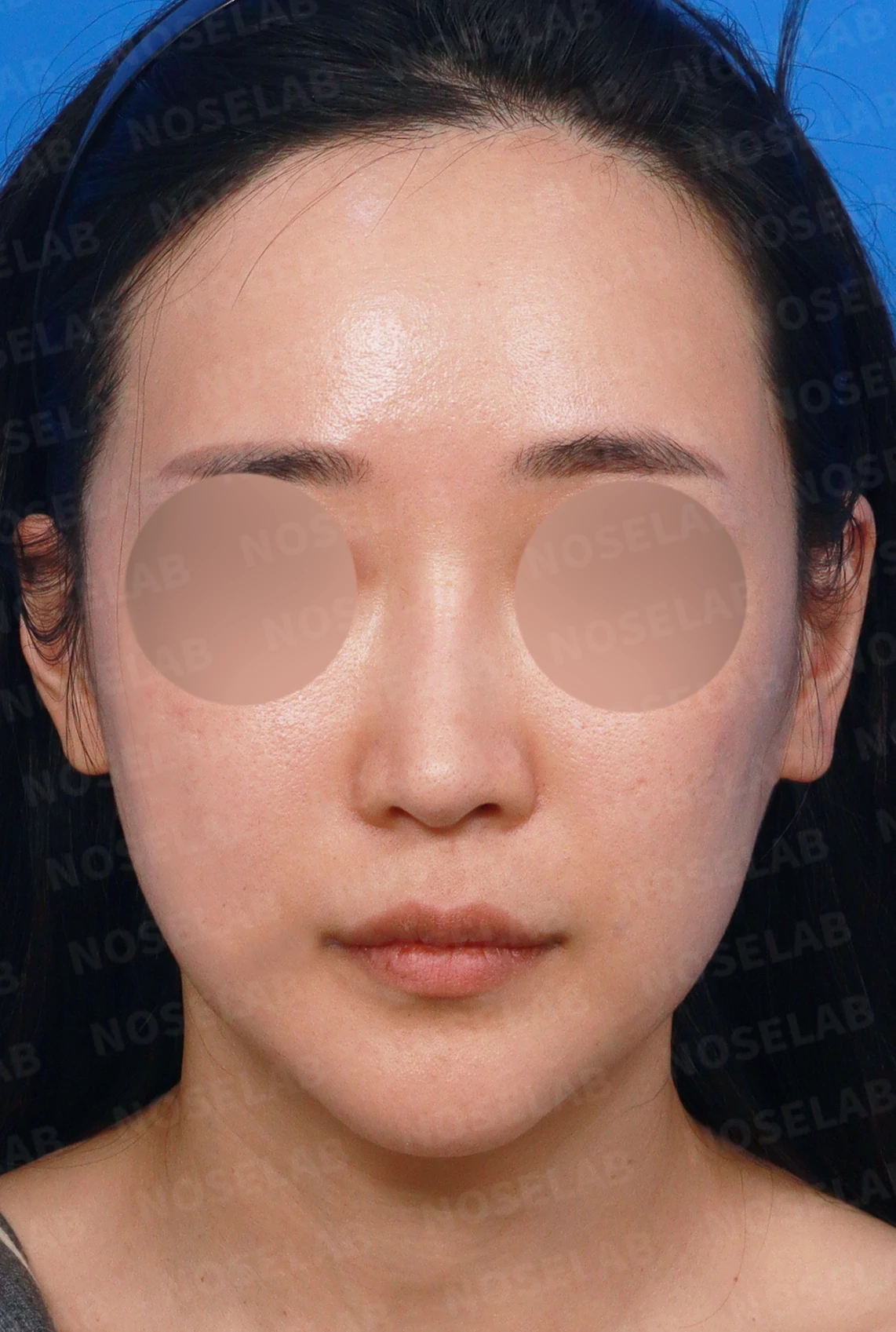
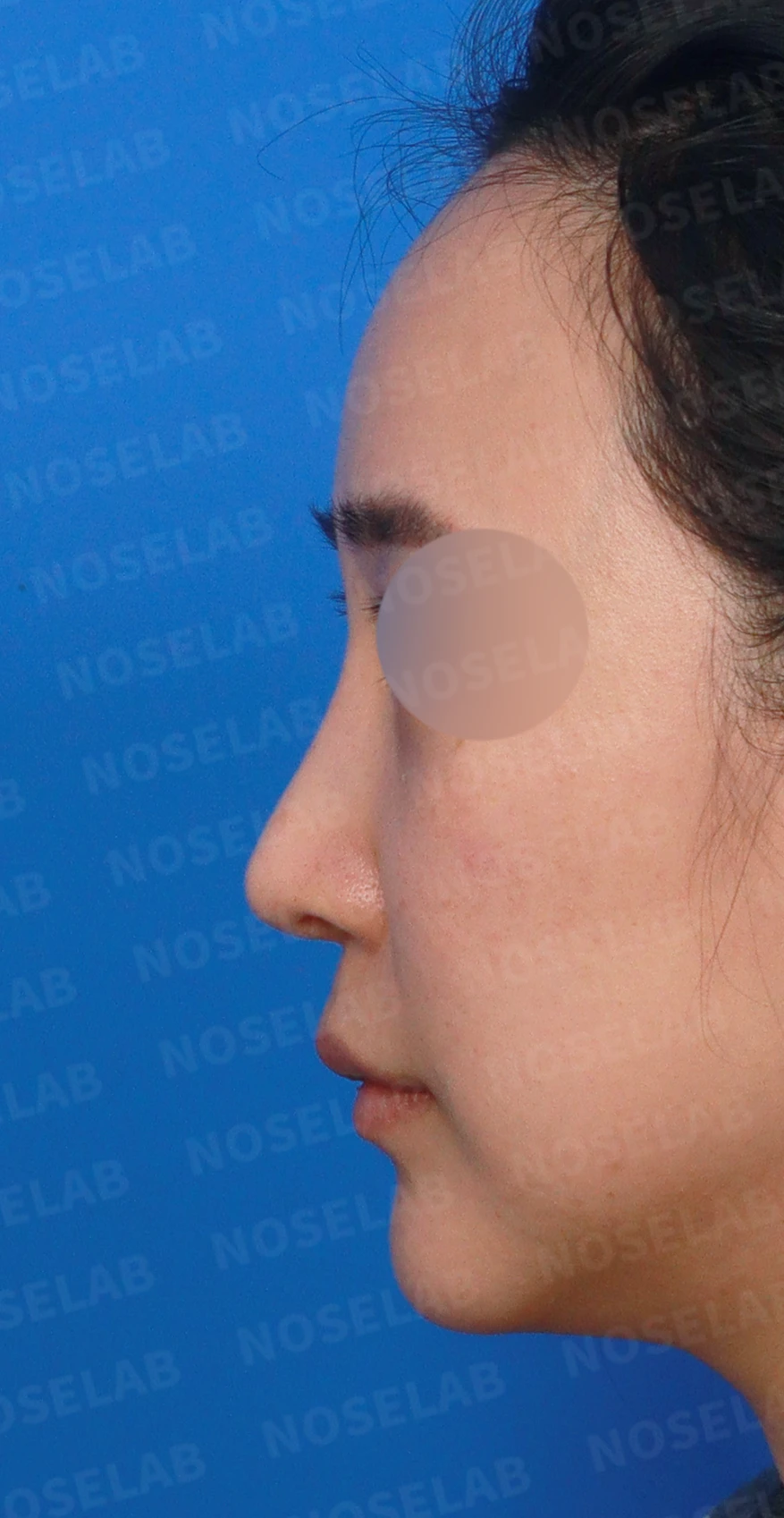
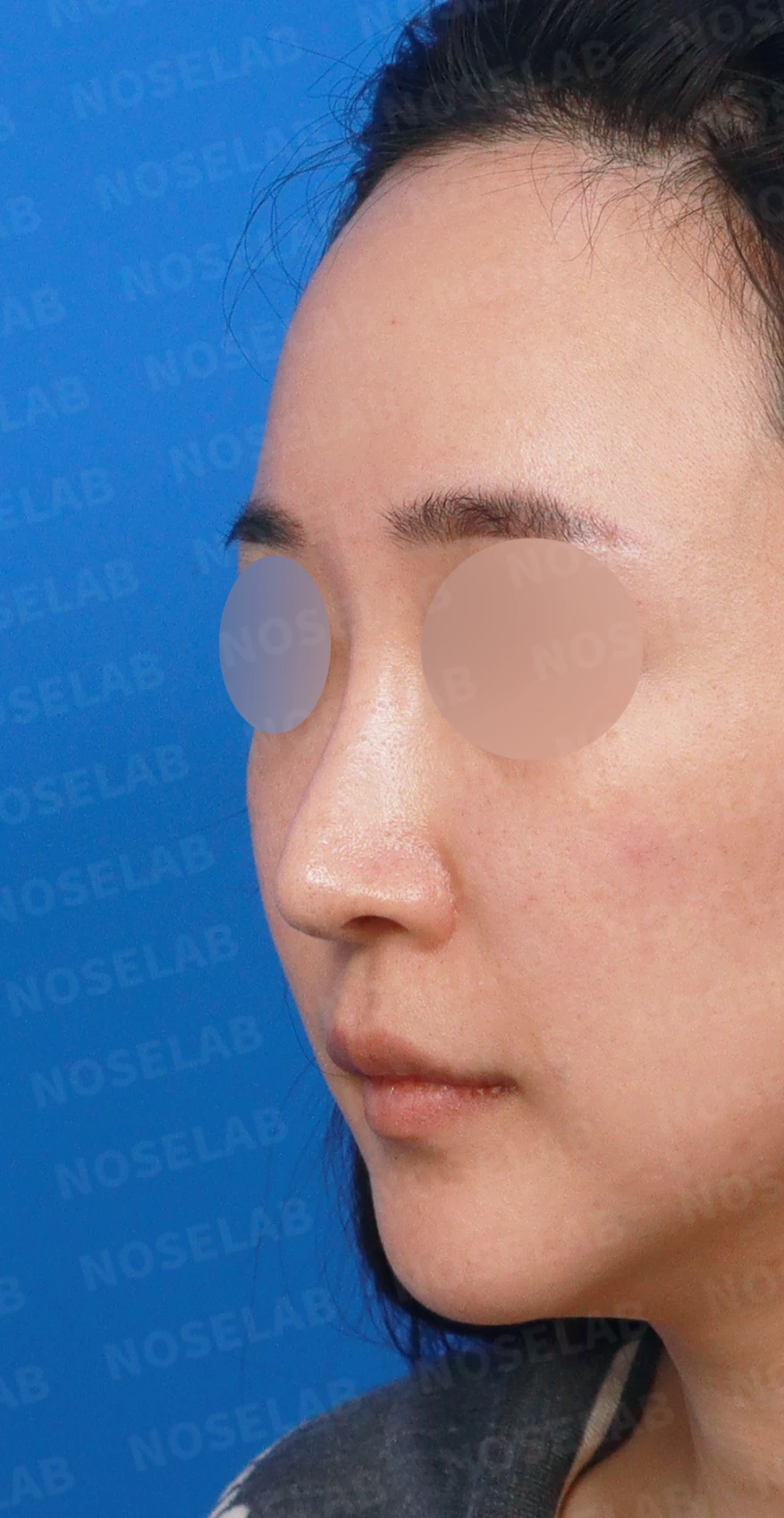
Front, left profile, and oblique views during design consultation
🔍 Surgical history
15 years ago: Ear cartilage + septum + silicone implant (decided on revision because the result looked too natural)
14 years ago: Follow-up touch-up revision (decided on revision again because it still looked too natural)
8 years ago: Donor rib cartilage + ear cartilage + silicone implant
The patient also experienced seasonal runny nose symptoms, and although all the previous surgeries yielded natural-looking results,
they had not reached the level of satisfaction the patient desired.
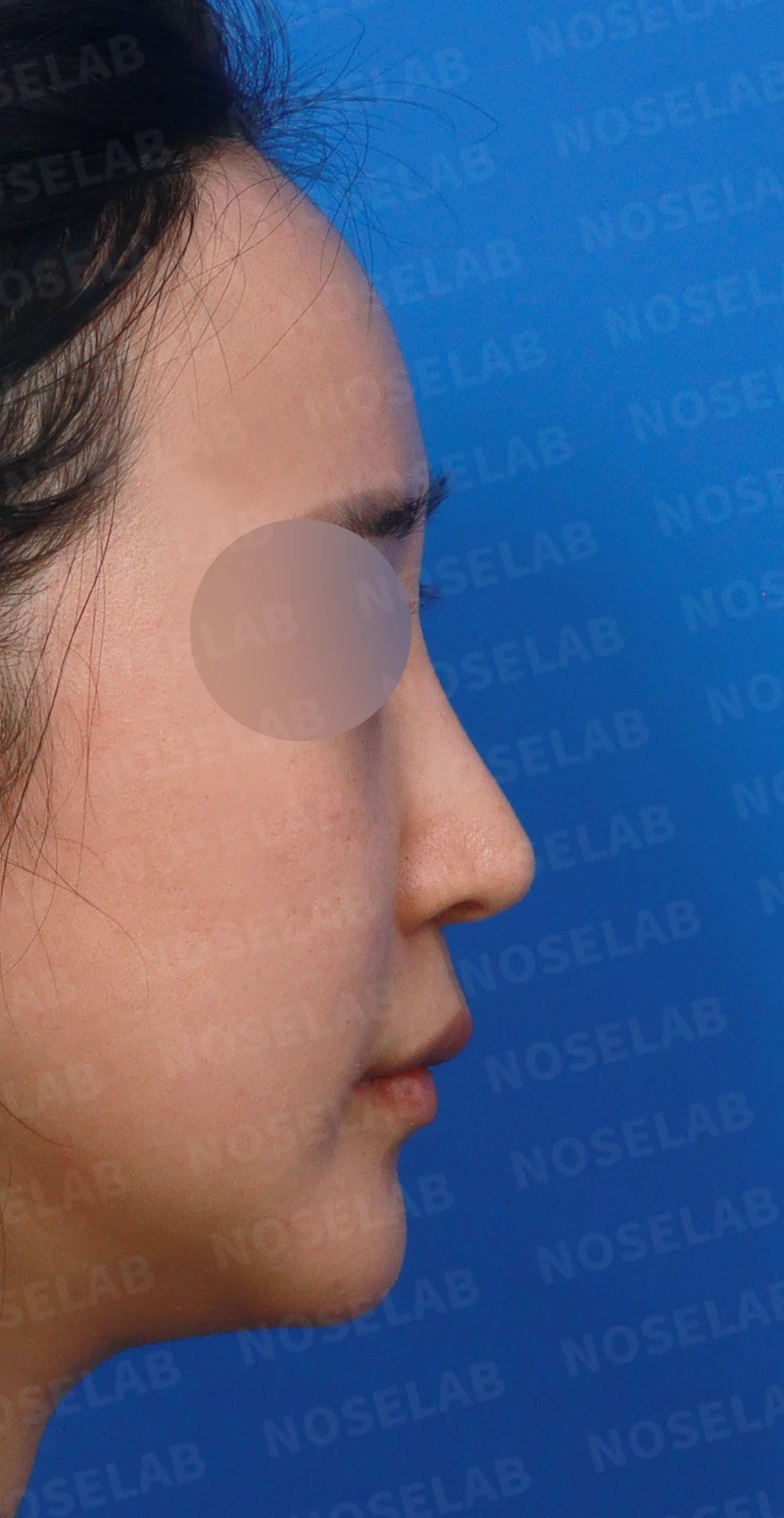
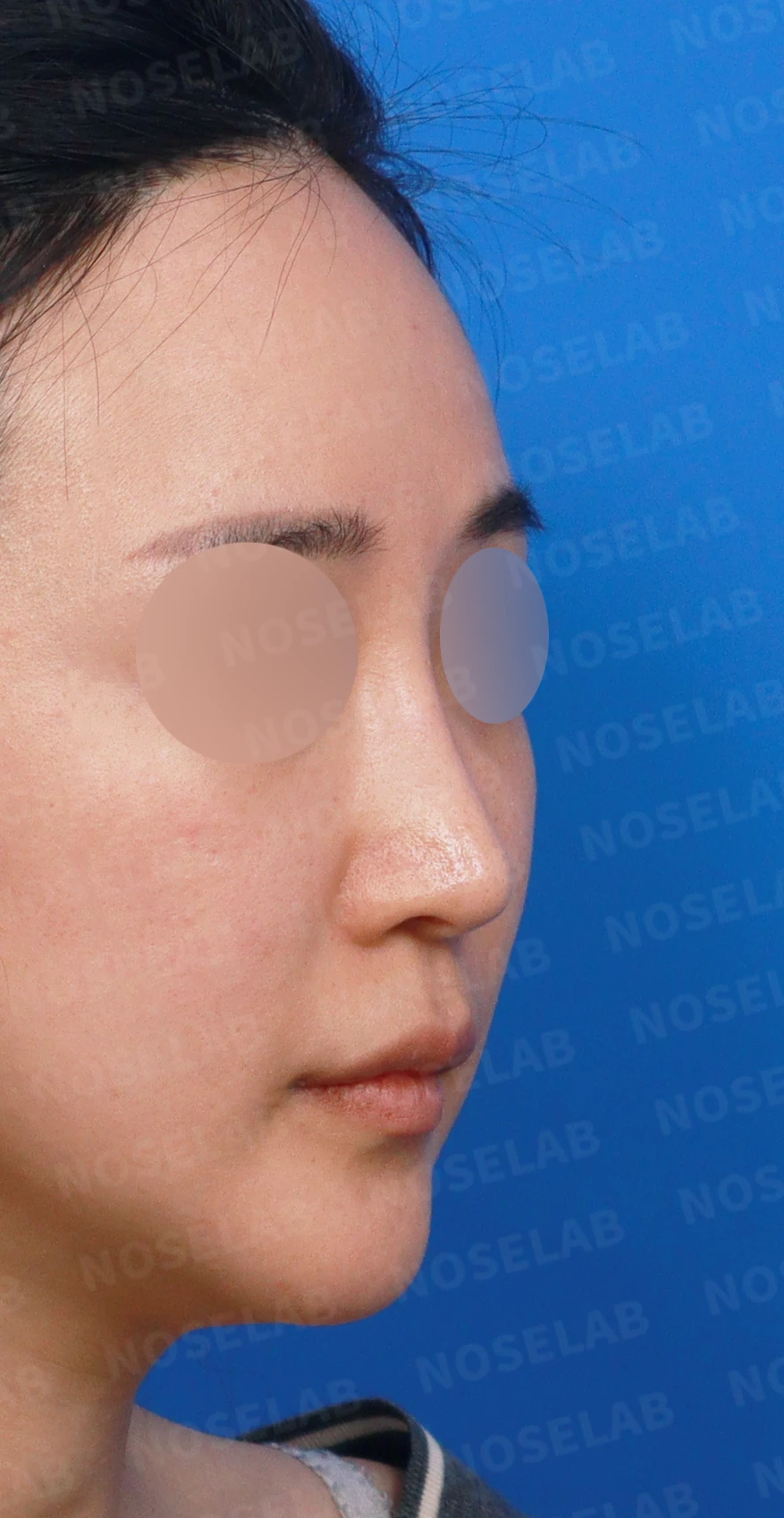
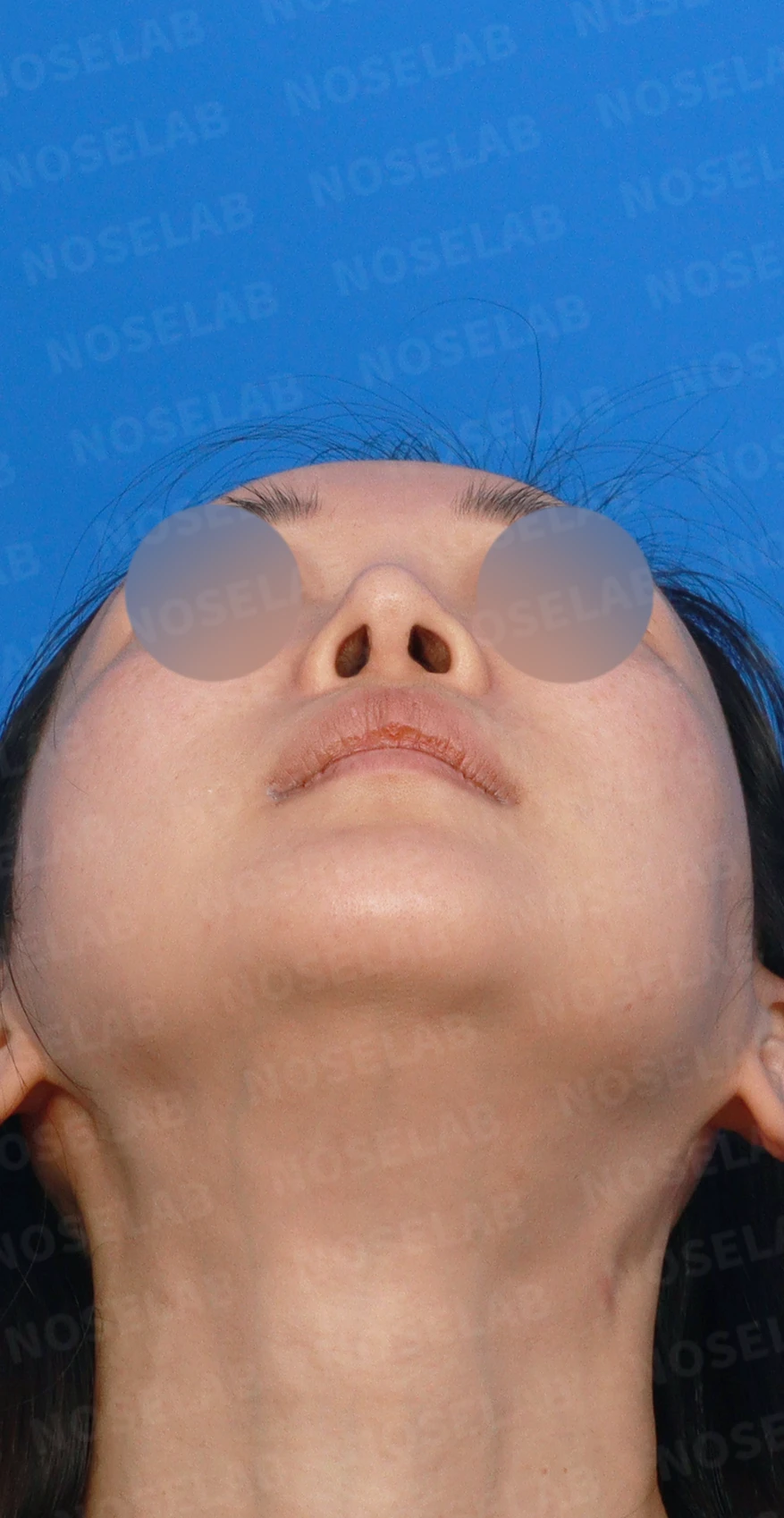
Right profile, oblique, and nostril views during design consultation
Patient requests
"Please make my midface look shorter."
"I want to lower the columella a bit more."
"Please correct my crooked nose."
"This time, I would like to use autologous rib cartilage."
Through 15 years of experience, the patient clearly explained exactly what was desired. In particular, there was a definite preference for autologous rib cartilage,
which was a wise judgment informed by the previous surgical experiences.
🔧 Surgical plan and procedure
The most crucial aspect of this surgery was structural reconstruction.
1. Bilateral lateral nasal bone osteotomies to correct the crooked nose:
This was performed to fundamentally address the asymmetry that had accumulated over many years.
2. L-strut reinforcement (using autologous rib cartilage):
Because a significant amount of septal cartilage had been harvested during previous surgeries, the L-strut had become very thin.
This area was reinforced solidly with autologous rib cartilage.
3. Columellar lengthening and midface proportion improvement:
Both the effect of making the midface appear shorter and the lengthening of the columella, as desired by the patient, were accomplished simultaneously.
Surgical outcome
A 15-year journey has finally reached completion.
Unlike the previous procedures, we were able to achieve a result where all the patient's requests were reflected atop a structurally solid foundation.
In particular, reinforcing the L-strut with autologous rib cartilage substantially improved the stability of the nose, and the deviated appearance was neatly corrected. The midface proportions also appear much more balanced.
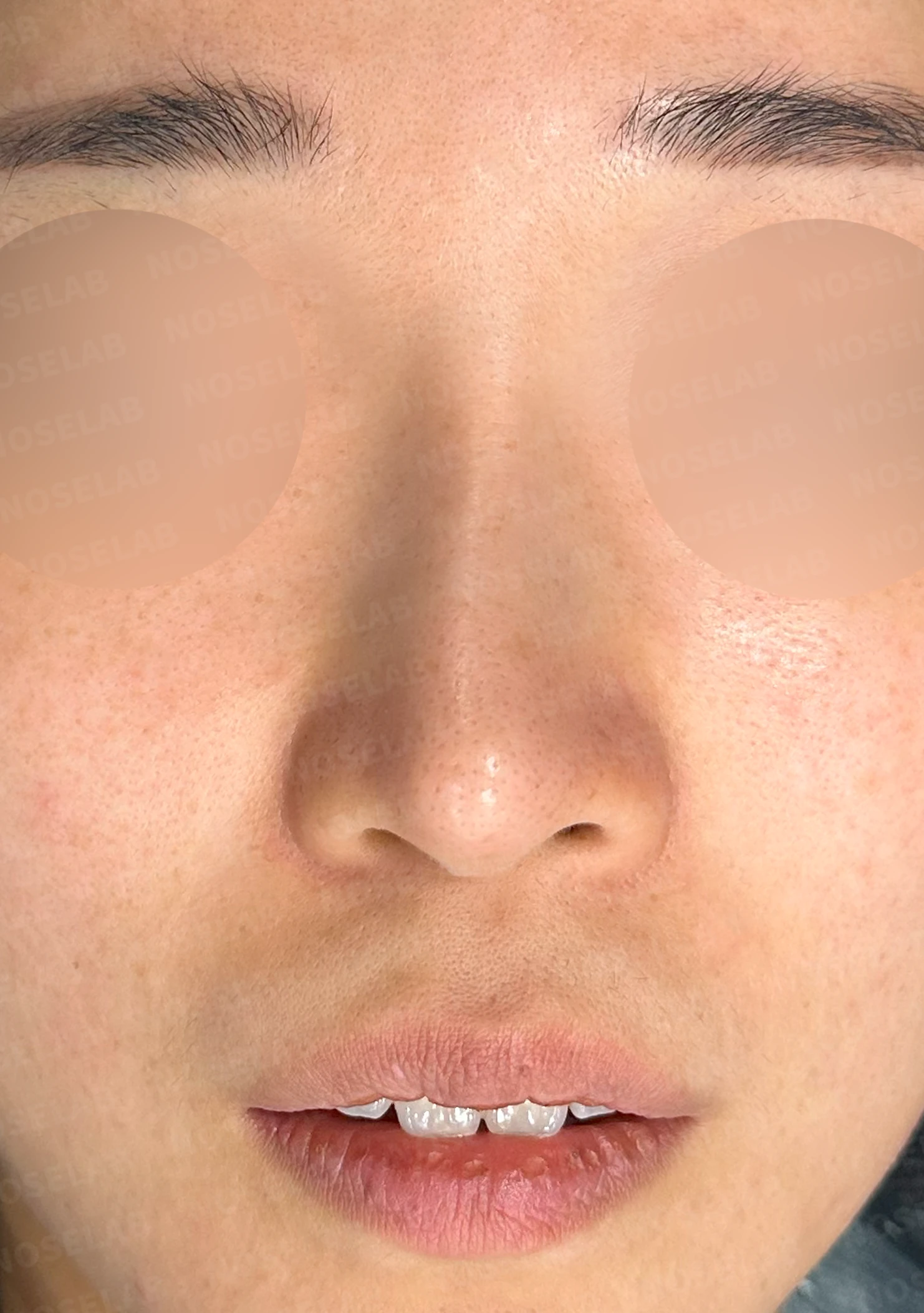
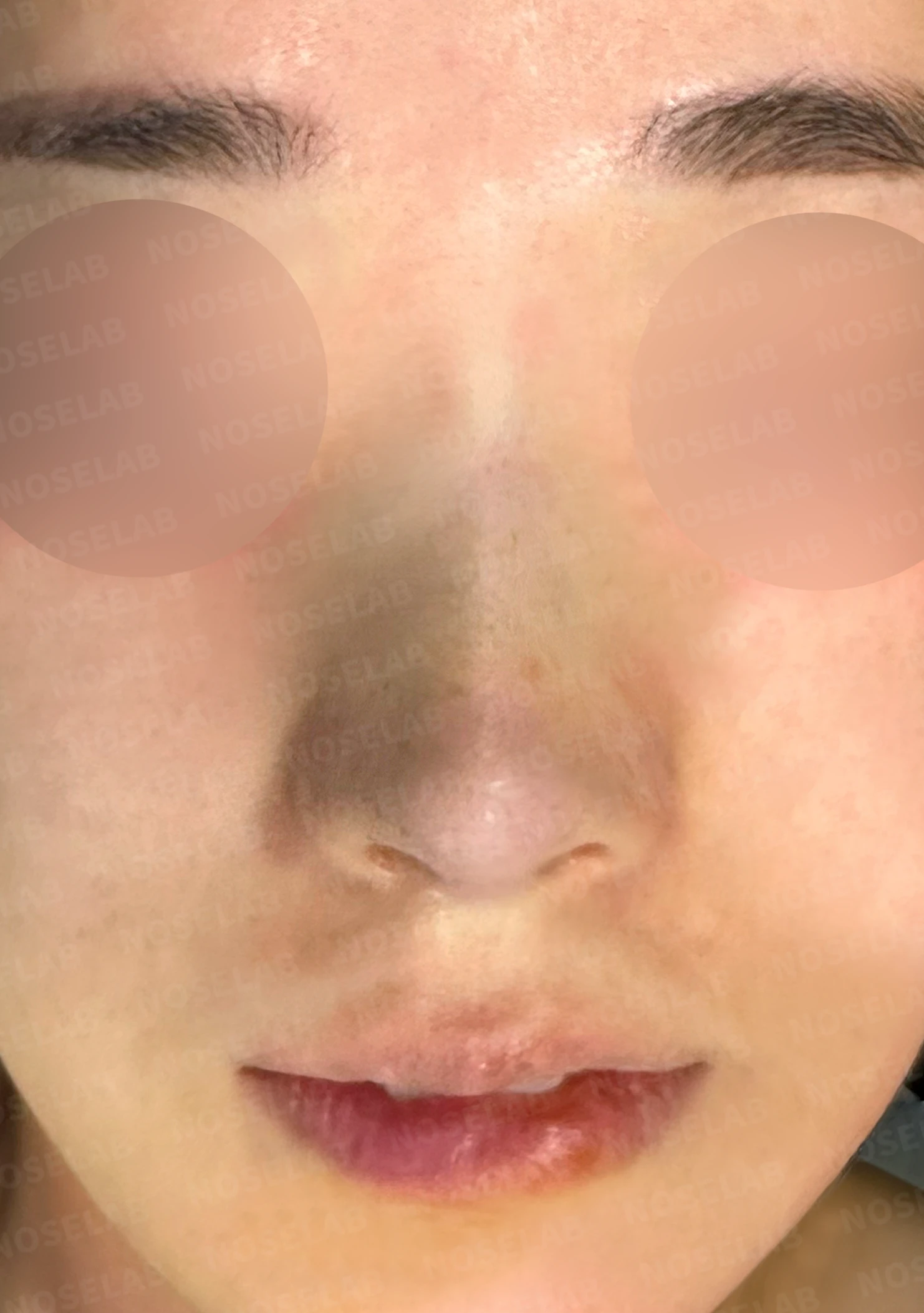
Before surgery / Day 0 immediately after surgery Photos taken immediately after surgery show swelling and may differ from the final result.
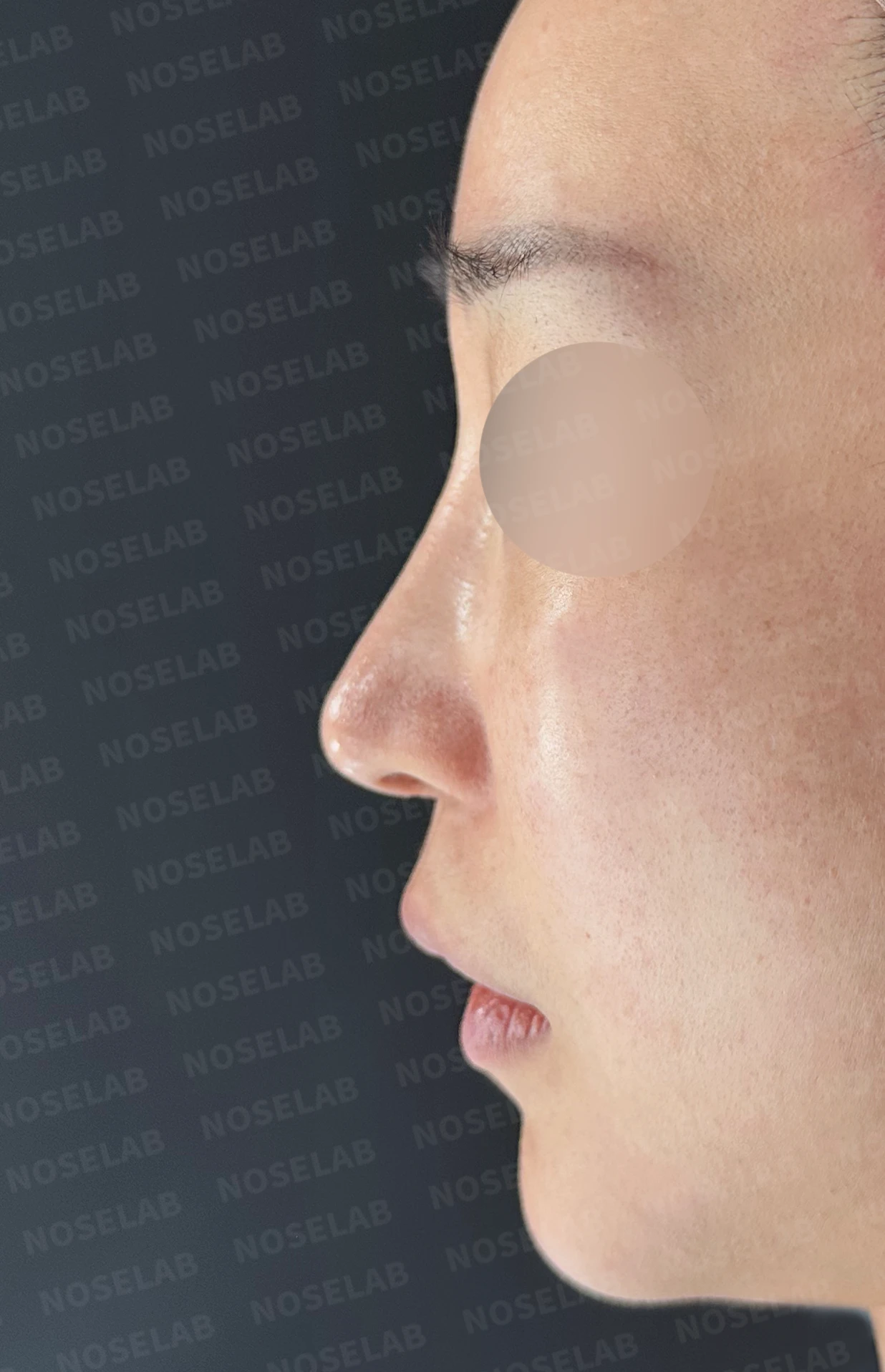
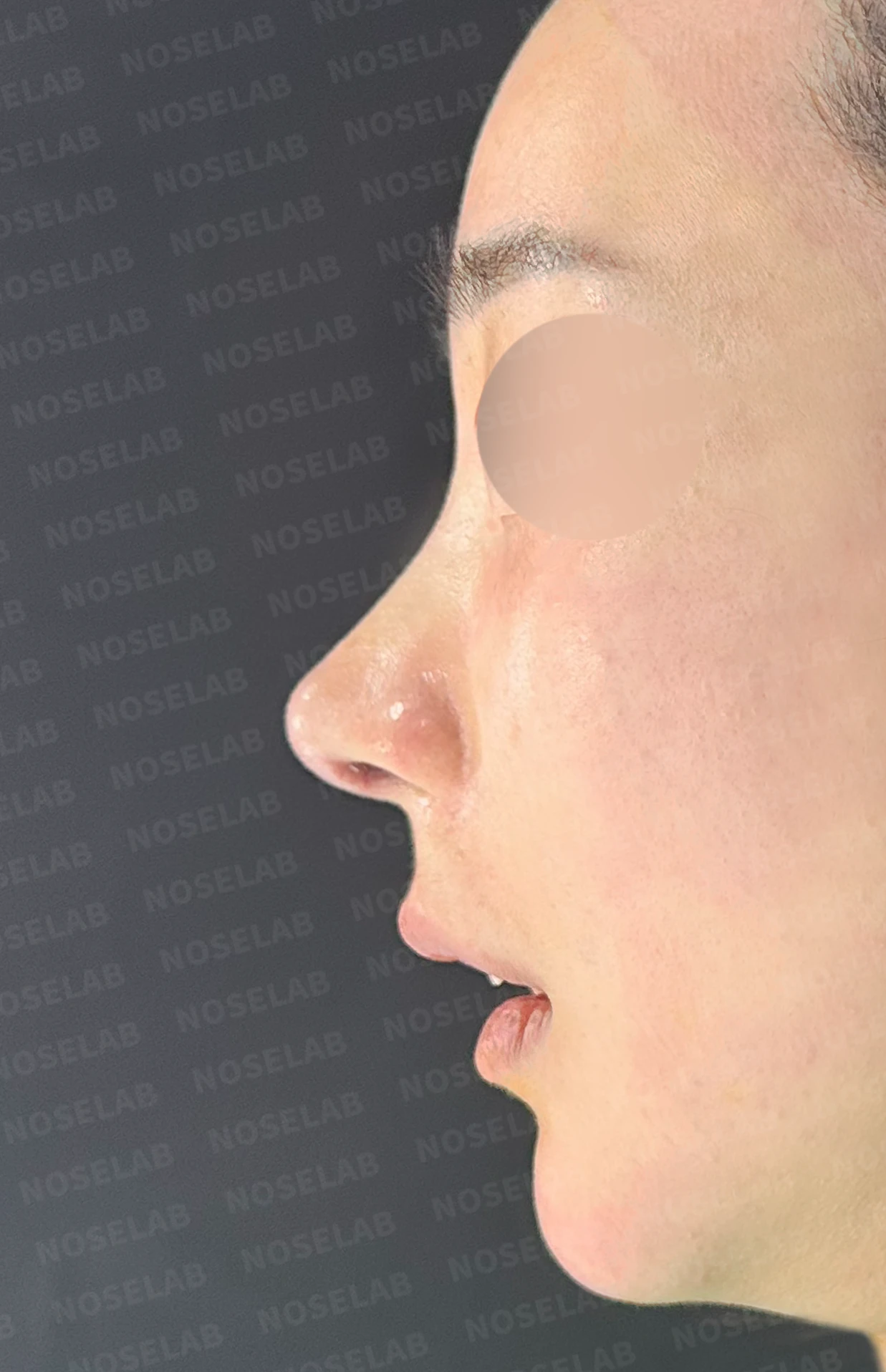
Before surgery / Day 0 immediately after surgery Photos taken immediately after surgery show swelling and may differ from the final result.
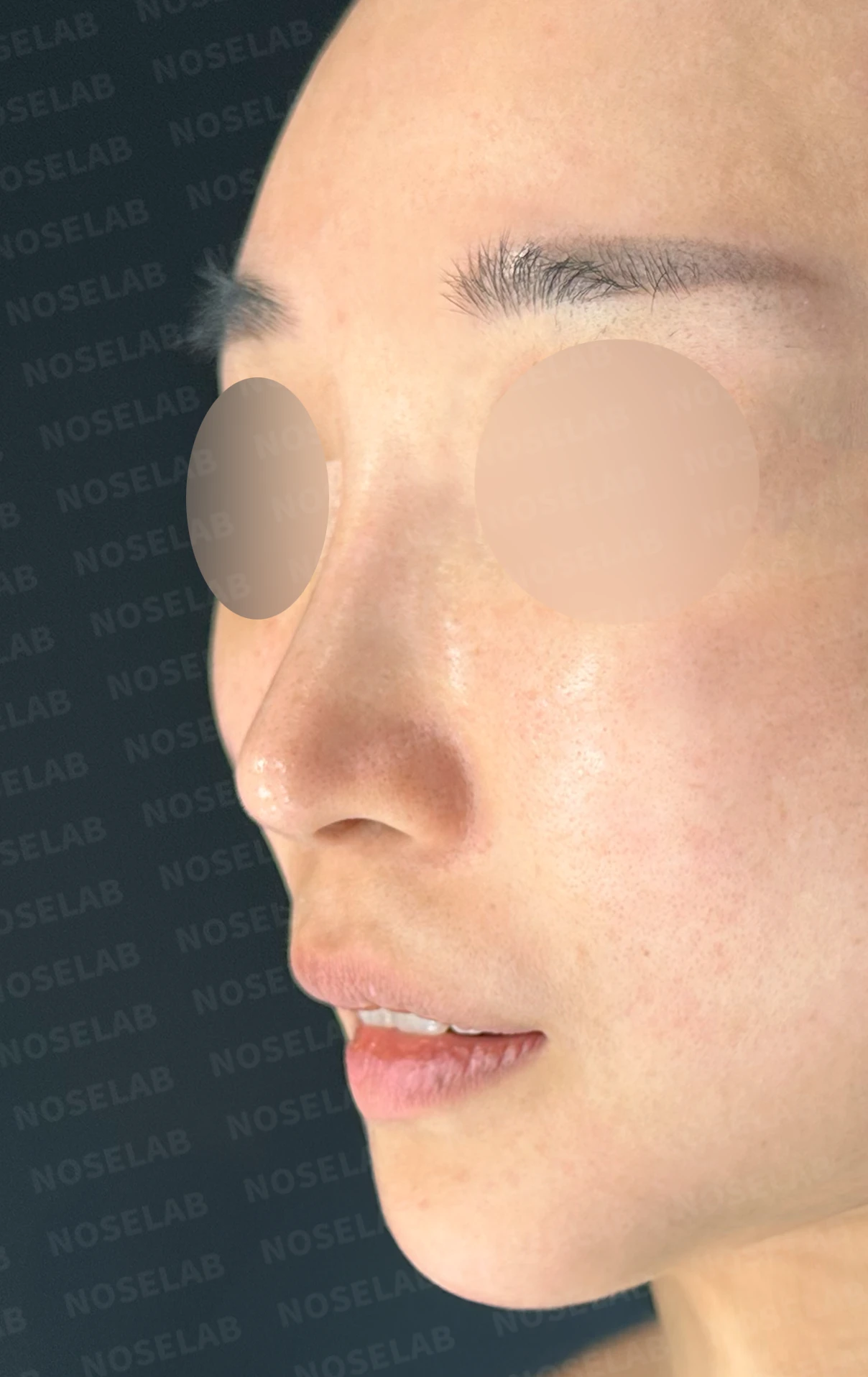
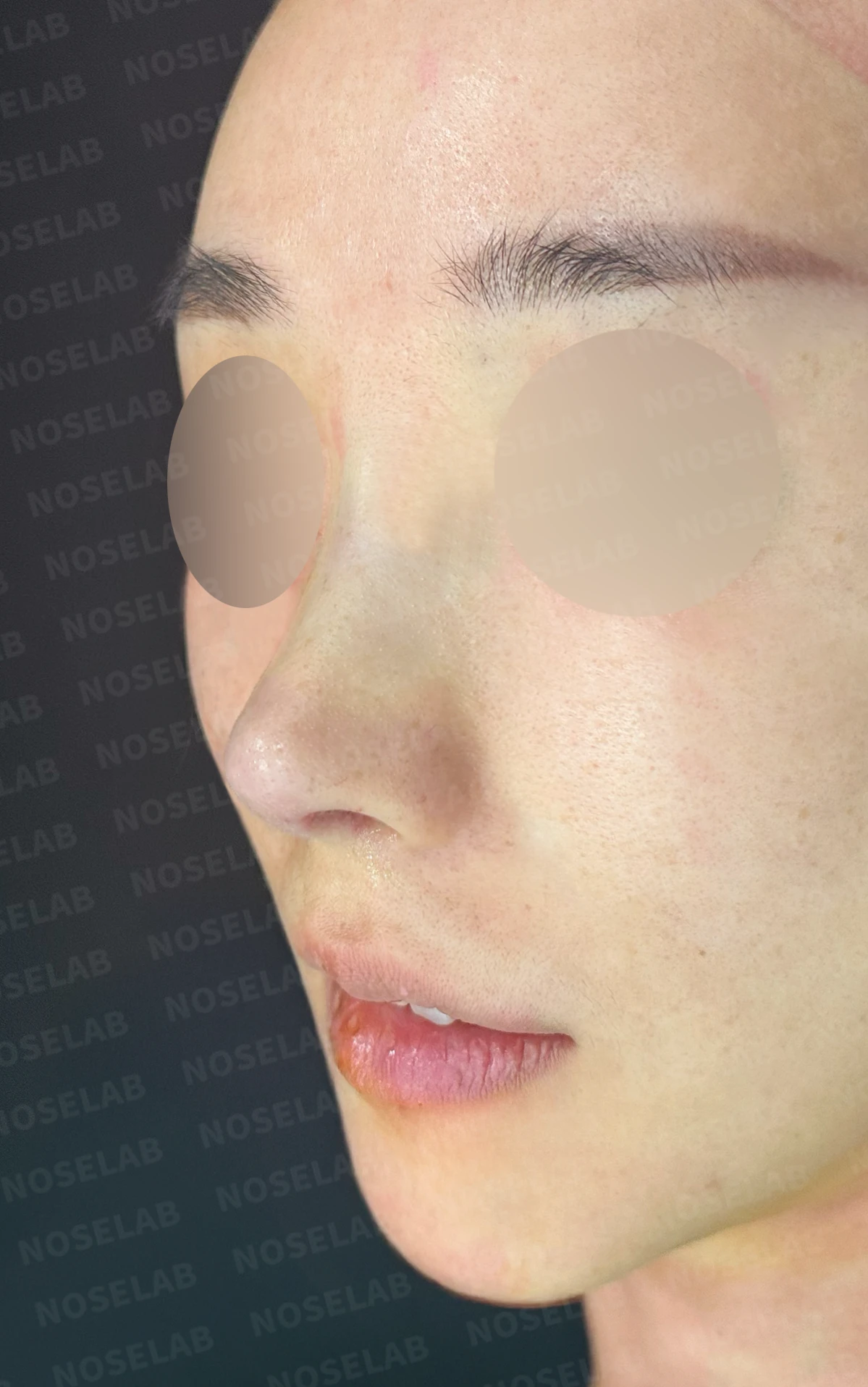
Before surgery / Day 0 immediately after surgery Photos taken immediately after surgery show swelling and may differ from the final result.
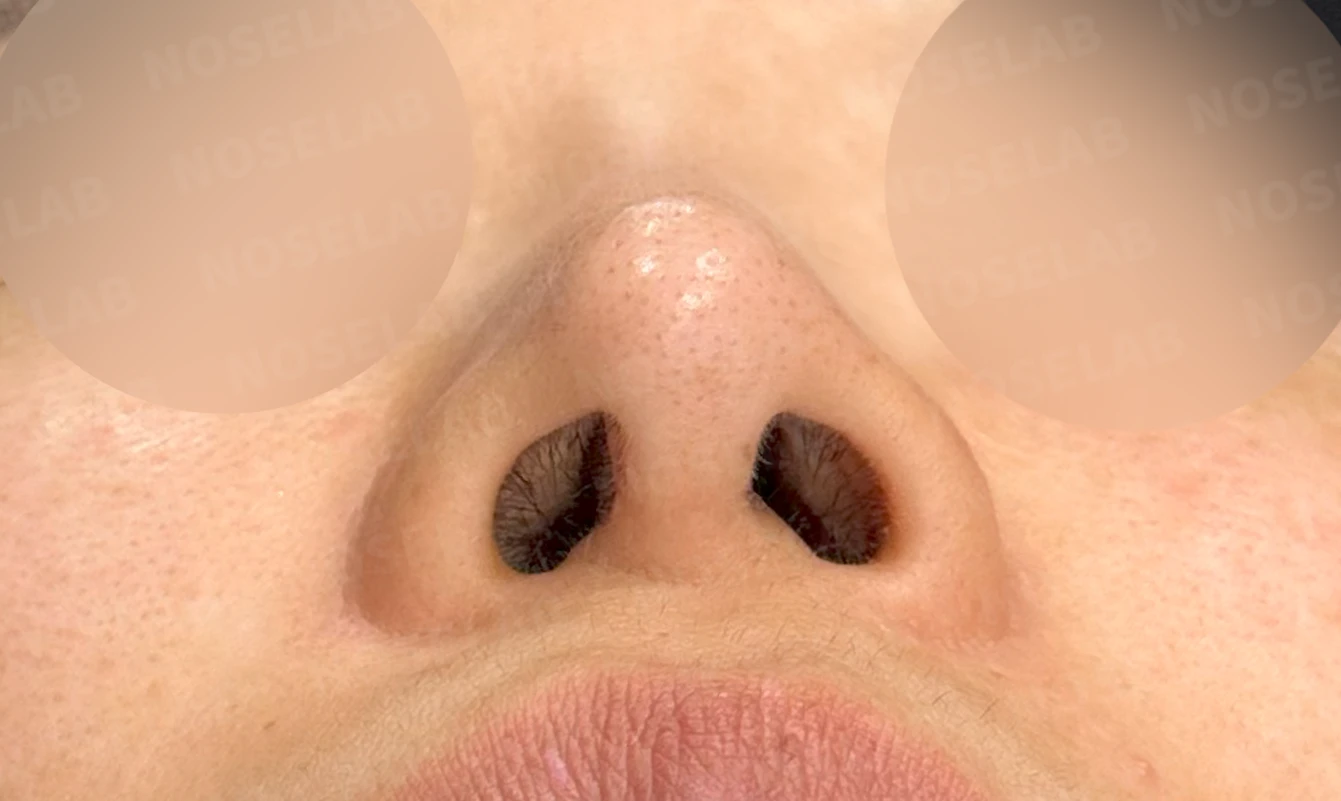
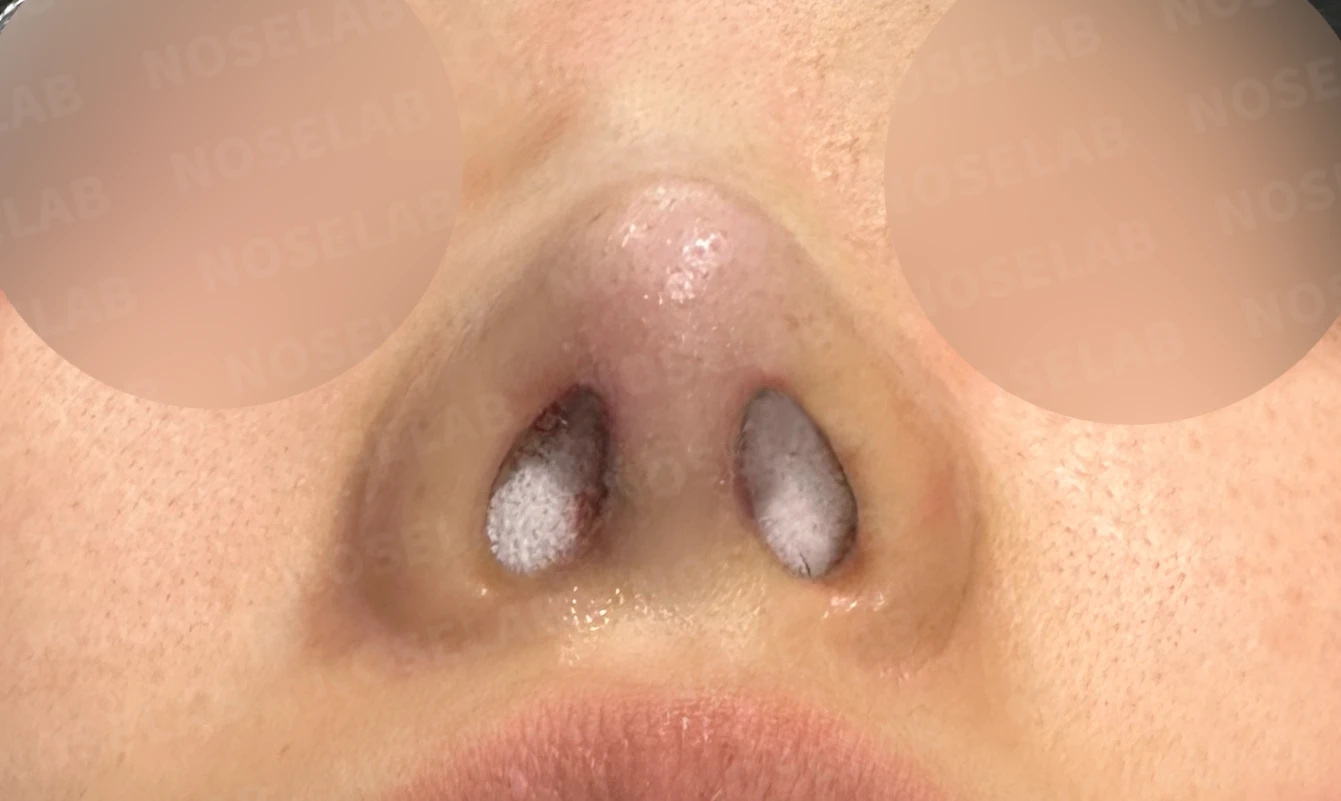
Before surgery / Day 0 immediately after surgery Photos taken immediately after surgery show swelling and may differ from the final result.
💡 Specialist opinion
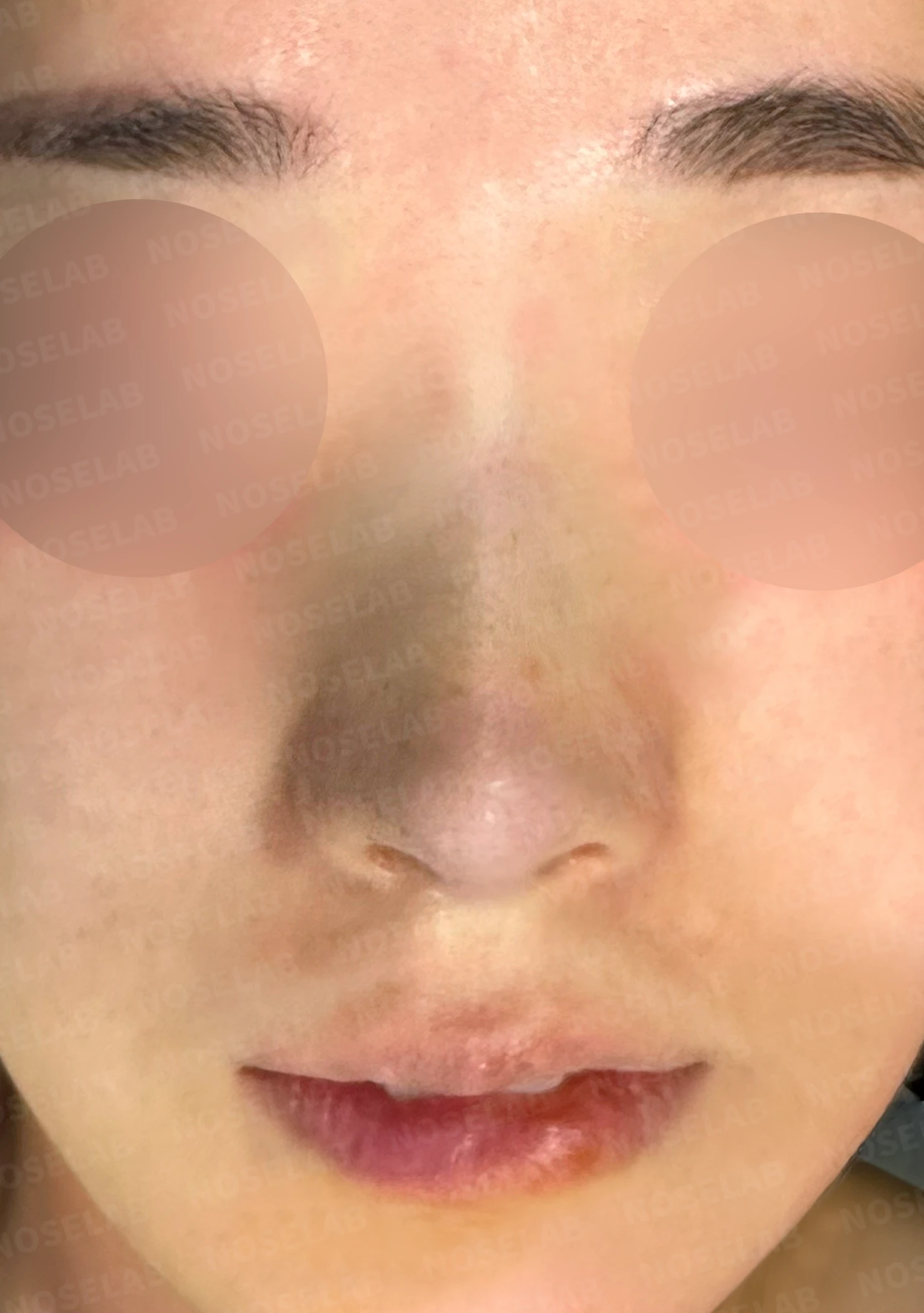
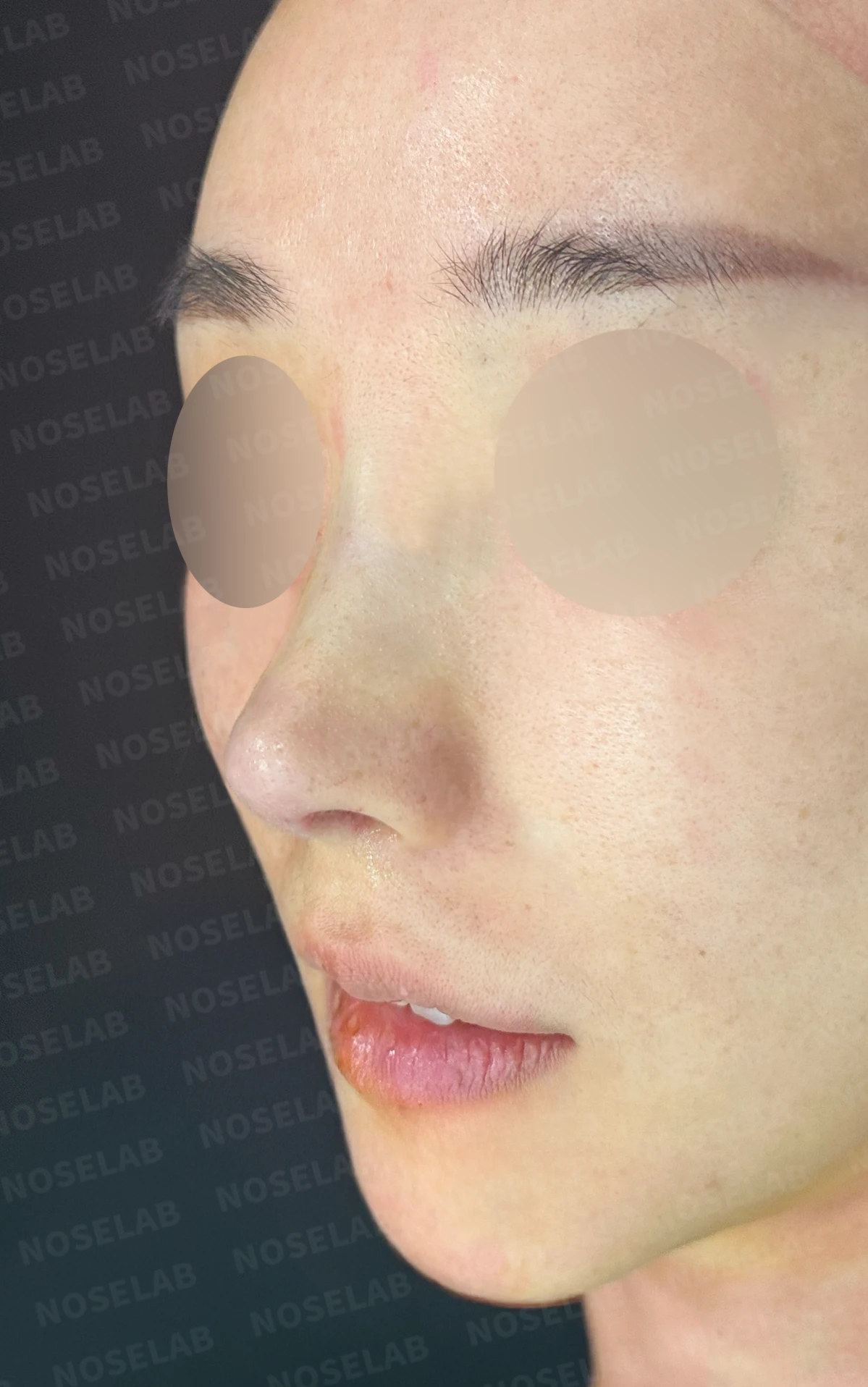
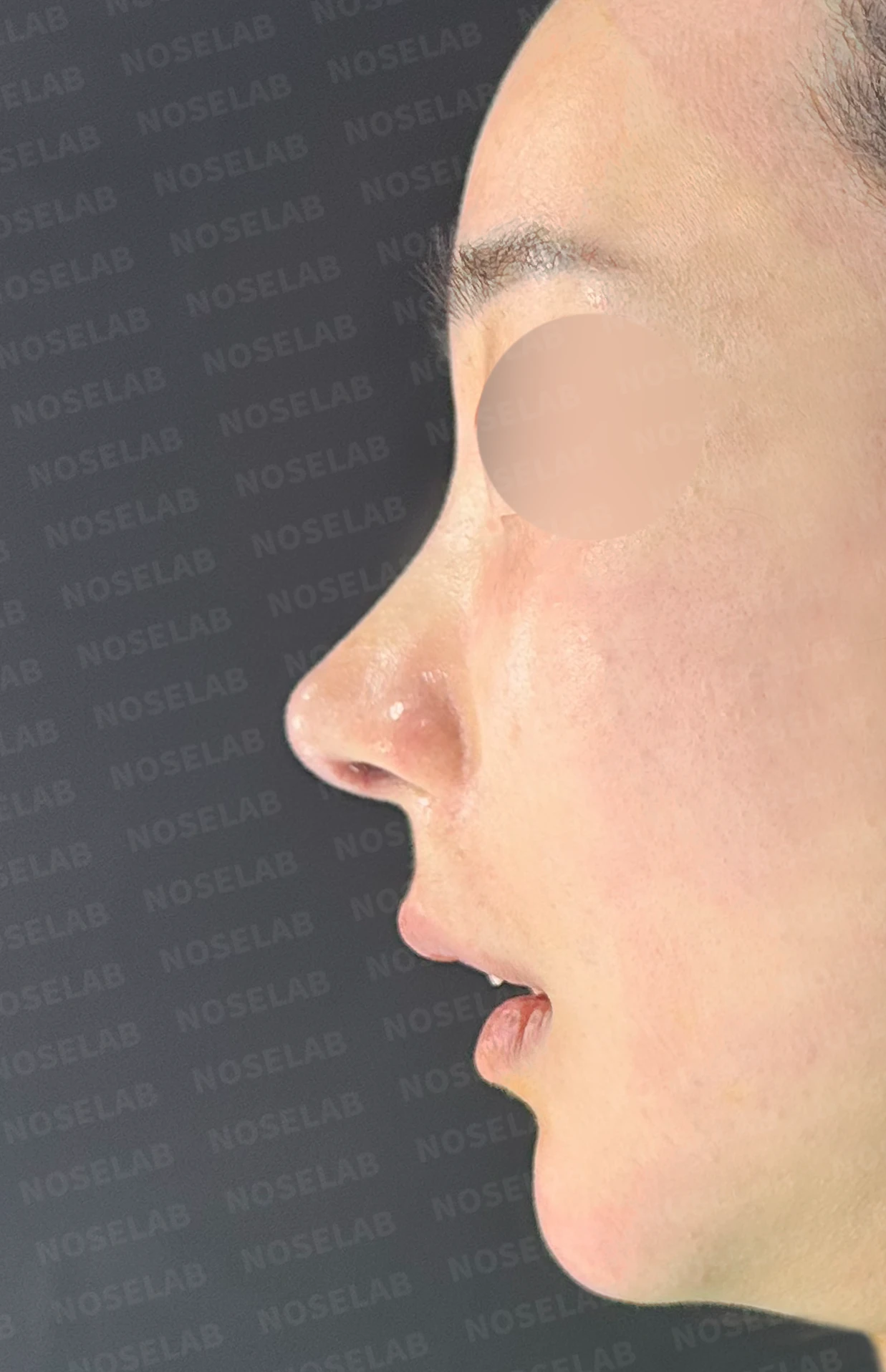
Front, oblique, and profile views on day 0 immediately after surgery Photos taken immediately after surgery show swelling and may differ from the final result.
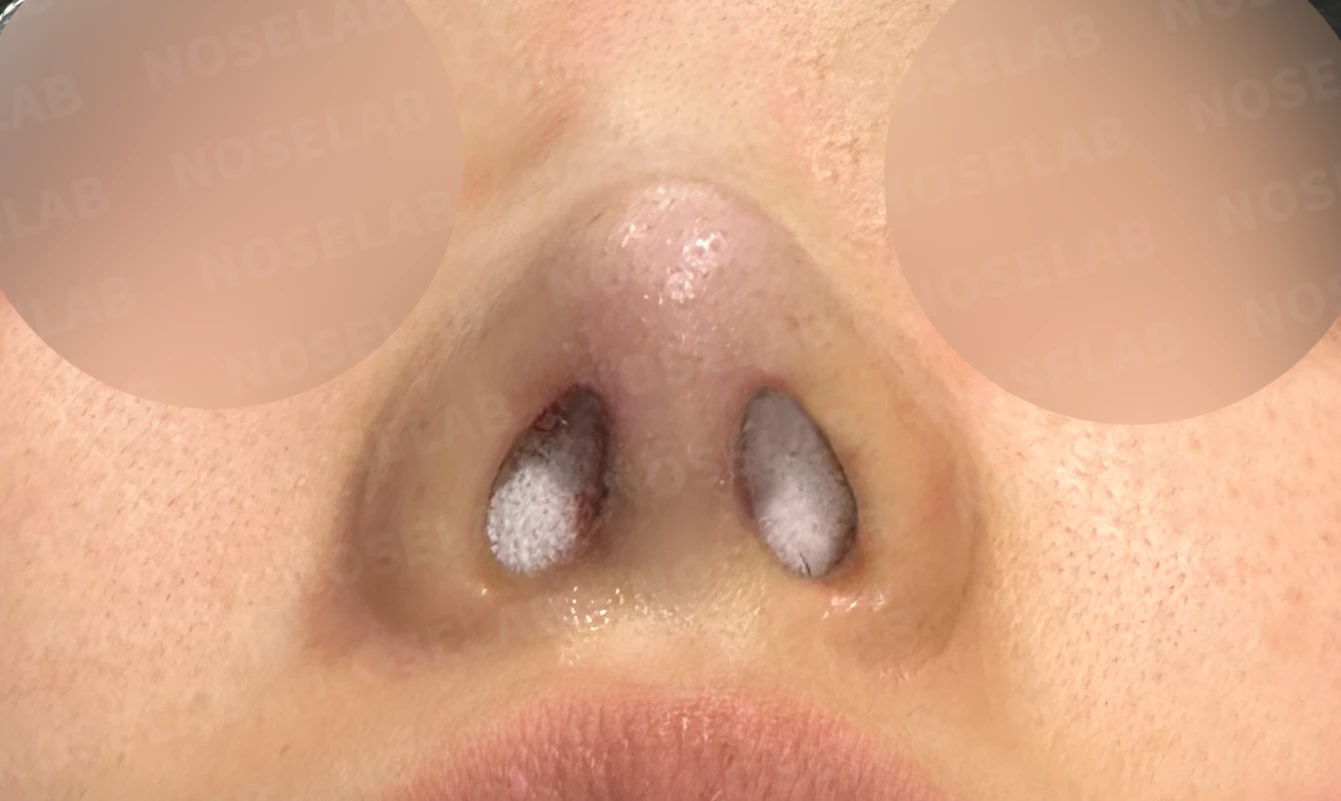
Nostril view on day 0 immediately after surgery Photos taken immediately after surgery show swelling and may differ from the final result.
What this case highlights once again is the importance of a structural approach in rhinoplasty.
No matter how natural and attractive a nose may look, if the structural foundation is weak, limitations will emerge over time. Especially in situations like this, where septal cartilage has been depleted through multiple surgeries, reinforcing the L-strut with autologous rib cartilage is essential.
I also deeply admire the patient's determination in working toward a better result without giving up over the course of 15 long years. Thanks to that persistence, the patient was able to achieve a truly satisfying outcome this time.
Moving forward, it appears this aesthetically pleasing look can be maintained for a long time on a structurally stable foundation.
The seasonal runny nose symptoms are also expected to improve.
This was Dr. Peter C. Kang. Thank you.
#closedrhinoplasty #closedrevisionrhinoplasty #autologousribcartilage #Lstrutreinforcement #crookednosecorrection #structuralreconstruction #midfaceproportions

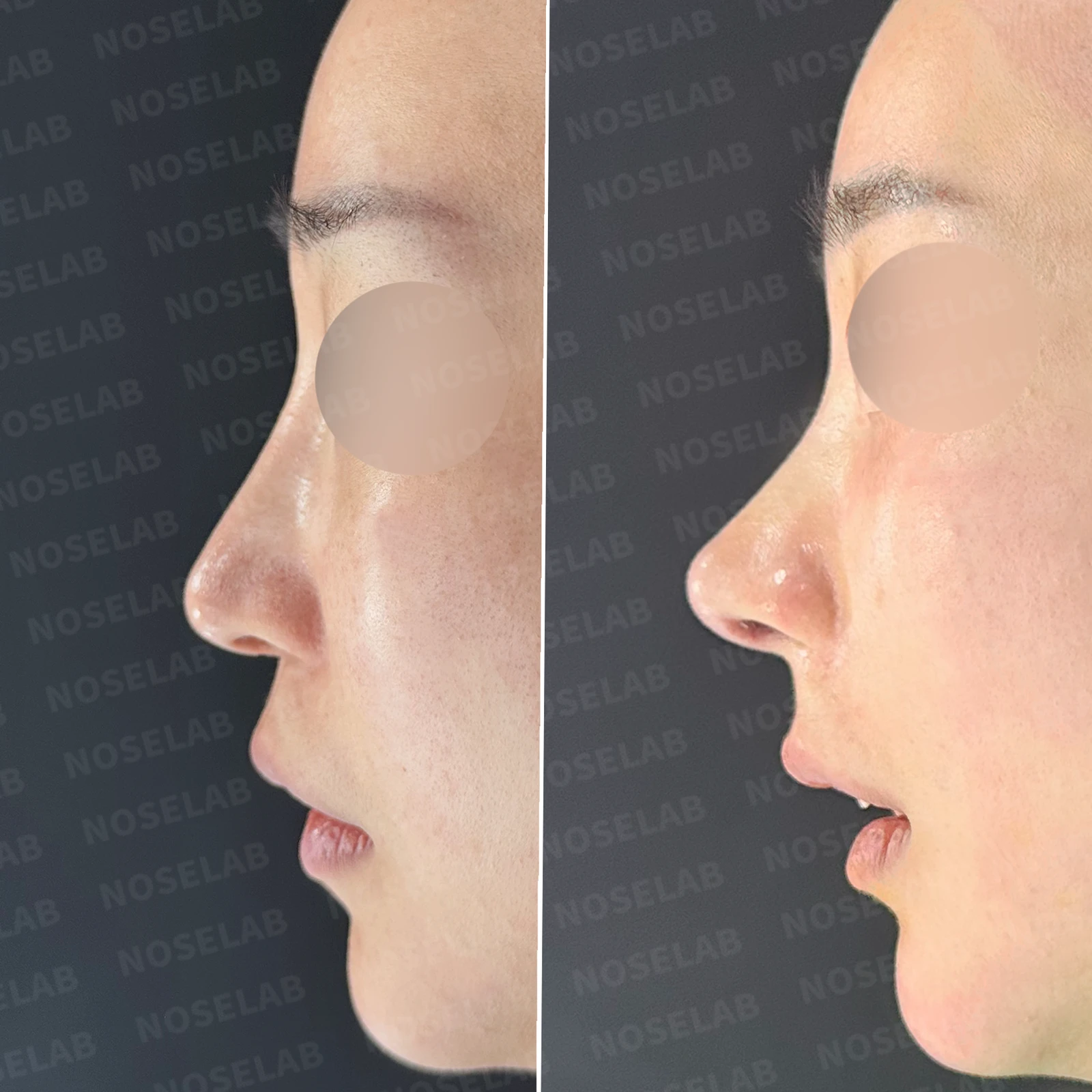
Limitations and risks
When autologous rib cartilage is used, scarring and pain may remain at the donor site on the chest, and pneumothorax (pleural injury) can occur rarely. Over time, the grafted cartilage may warp or undergo partial resorption.
When using donor rib cartilage, long-term follow-up is necessary because the grafted cartilage may resorb or warp.
When the septum is corrected at the same time, nasal obstruction may persist or recur, and in rare cases, septal perforation or changes in smell may occur.
Common potential risks include infection, bleeding, asymmetry, scarring, skin necrosis, and insufficient improvement; results vary depending on individual skin condition and previous surgical history.