English日本語简体中文
Skip to main content
Dr. Peter C. Kang's Rhinoplasty Stories
PrologueBlogMy thoughtsNasal obstructionSurgical journalSurgical photos
About the surgeon

Before-and-after cases of rhinoplasty and revision rhinoplasty

Searching for surgical cases matching your criteria.
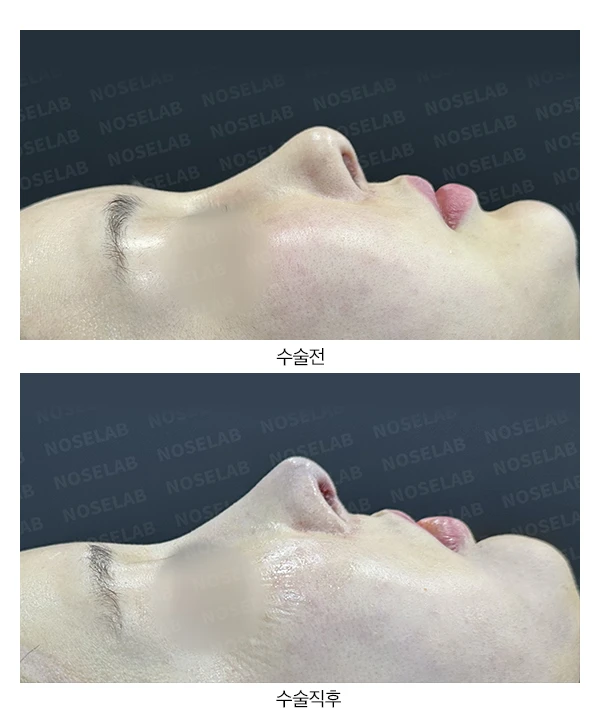
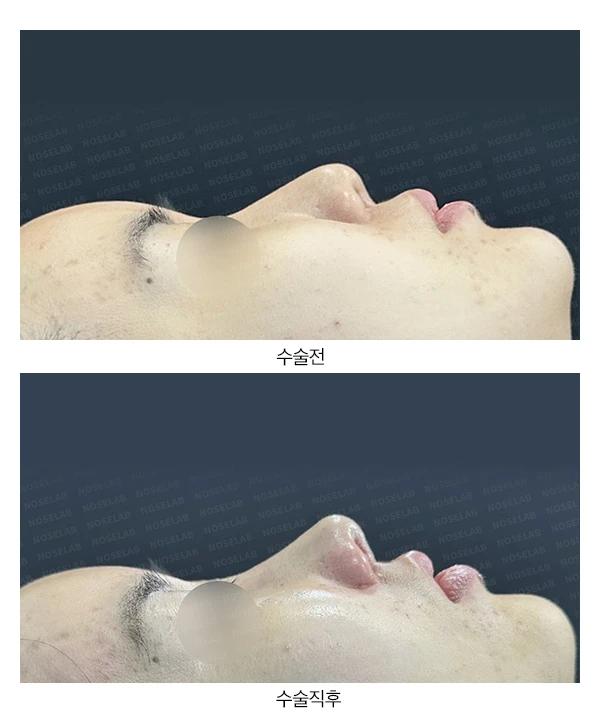
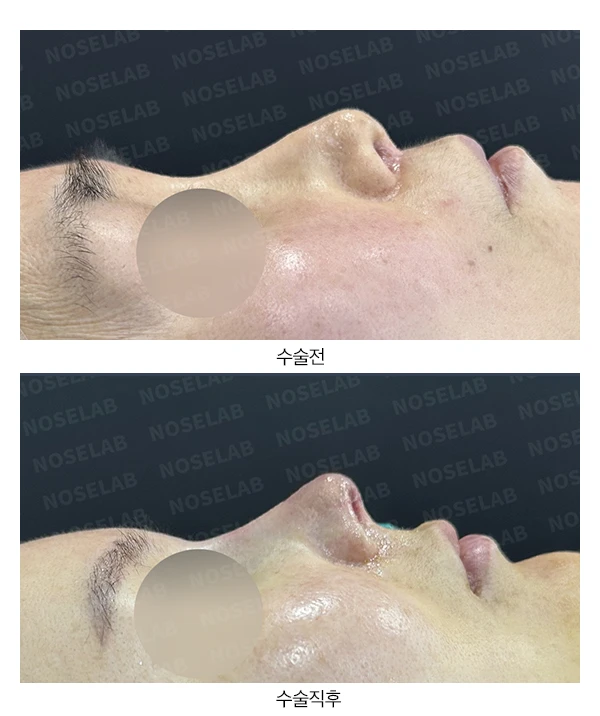
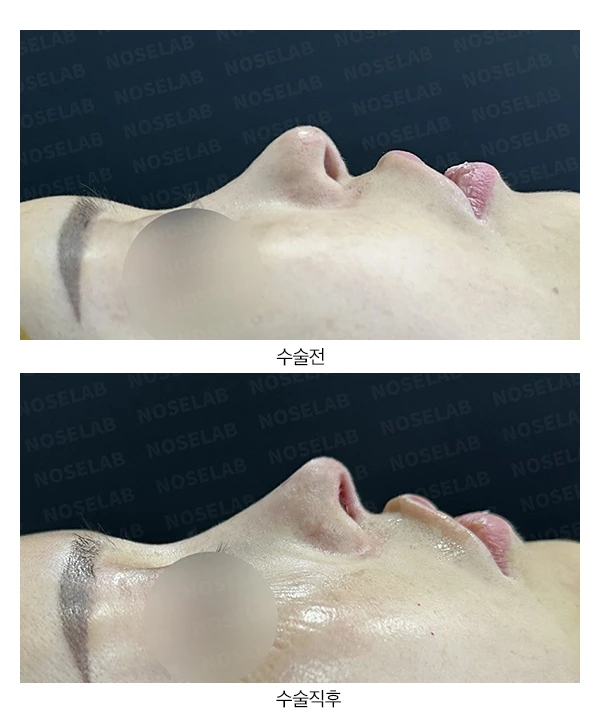
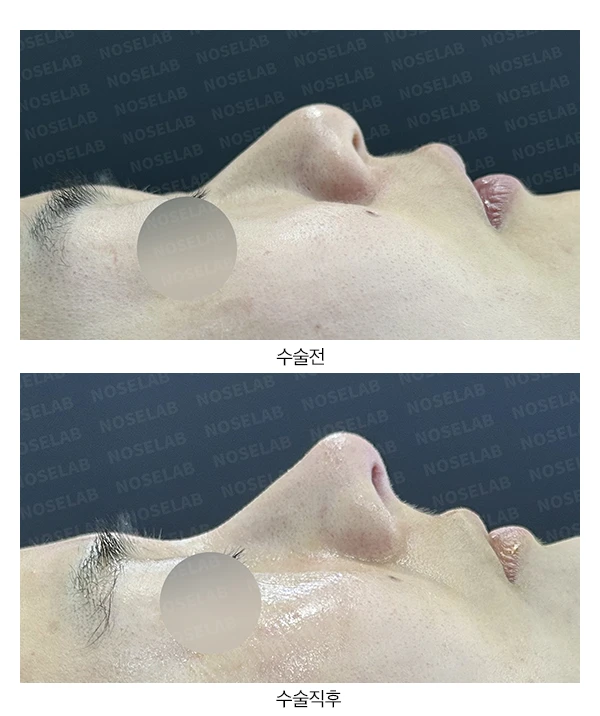
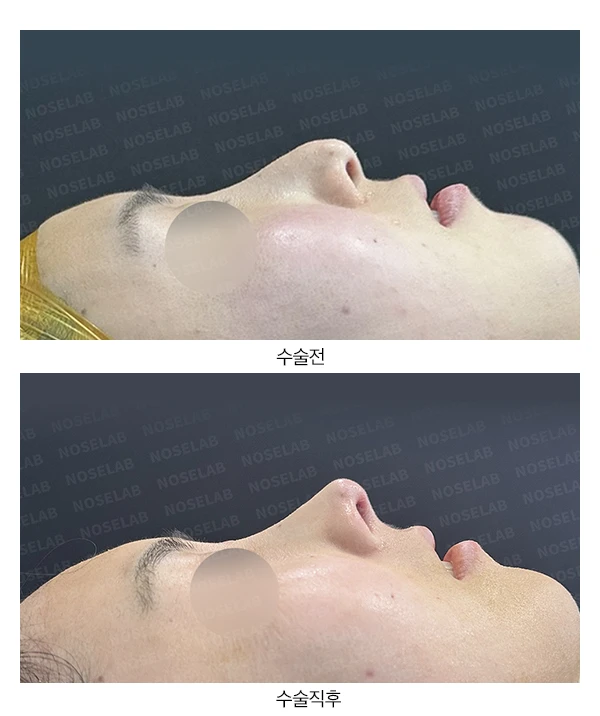
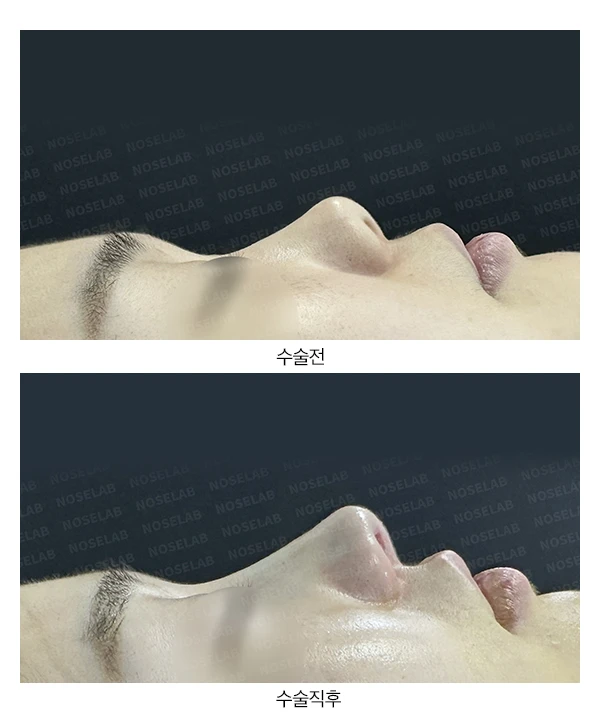
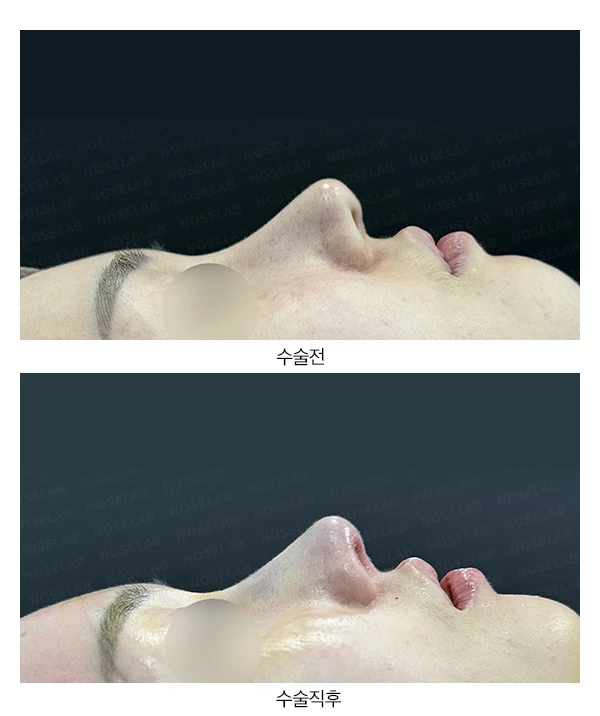
How to correct a small, short, upturned nose — Before-and-after comparison
Before-and-after comparison

How to correct a small, short, upturned nose

In a short, upturned nose with insufficient skin, a support was built using autologous rib cartilage to sufficiently lower the nasal tip, and a silicone implant was used to smoothly connect the nasal bridge.
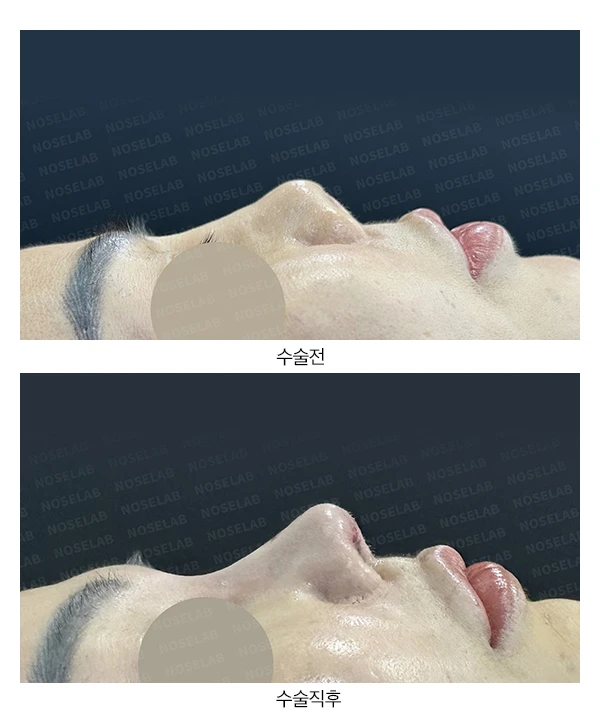
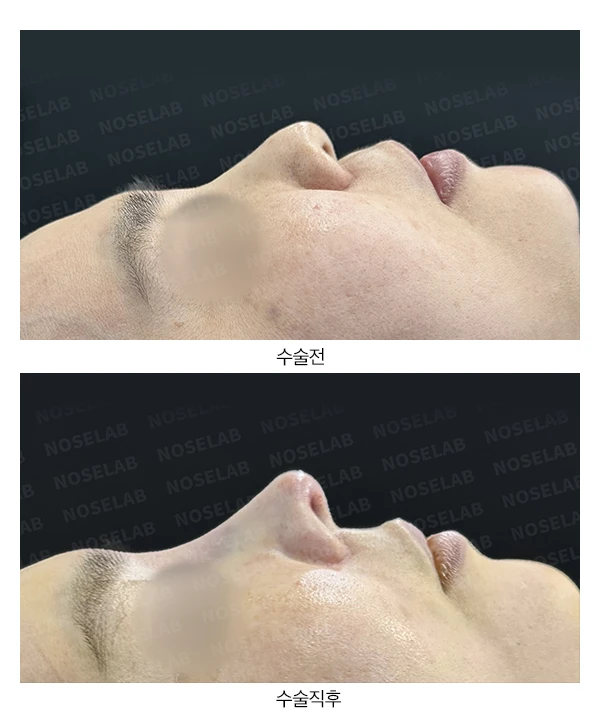
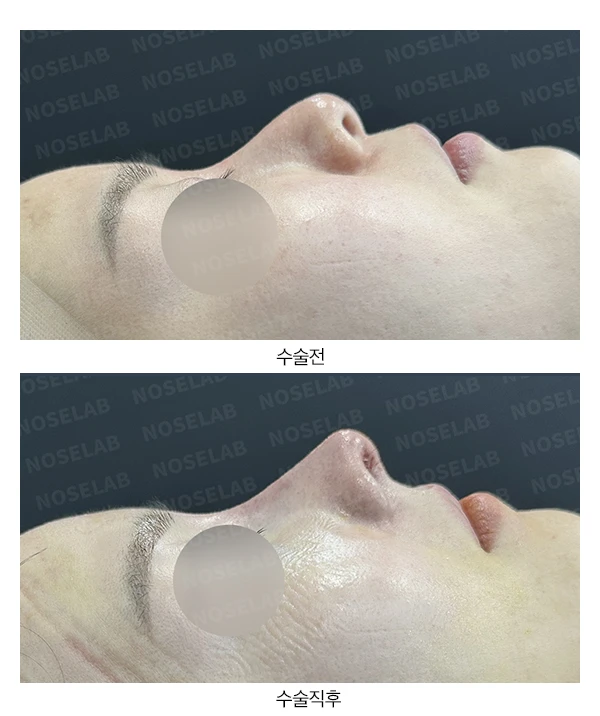
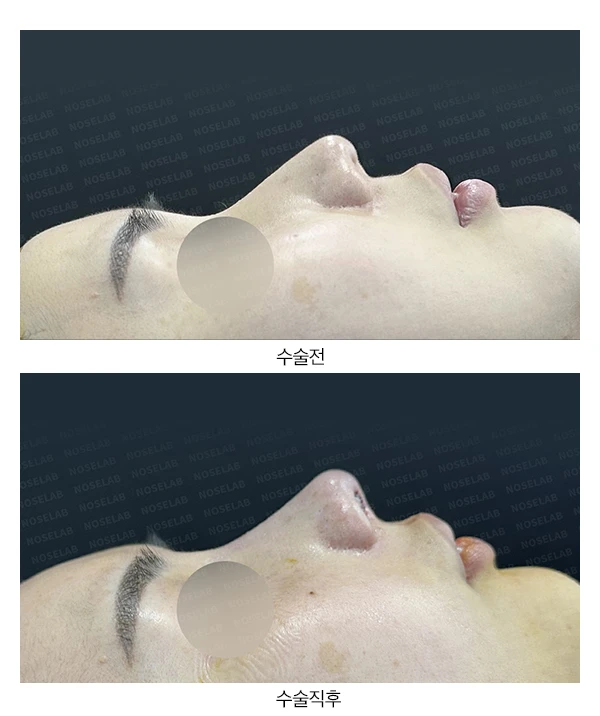
No-implant revision rhinoplasty for an unnatural, operated-looking nose — Before-and-after comparison
Before-and-after comparison

No-implant revision rhinoplasty for an unnatural, operated-looking nose

In a nose where the implant was overly conspicuous and the radix was excessively high, the silicone implant was removed to transition to a no-implant approach, creating natural contouring along the nasal tip and columella.

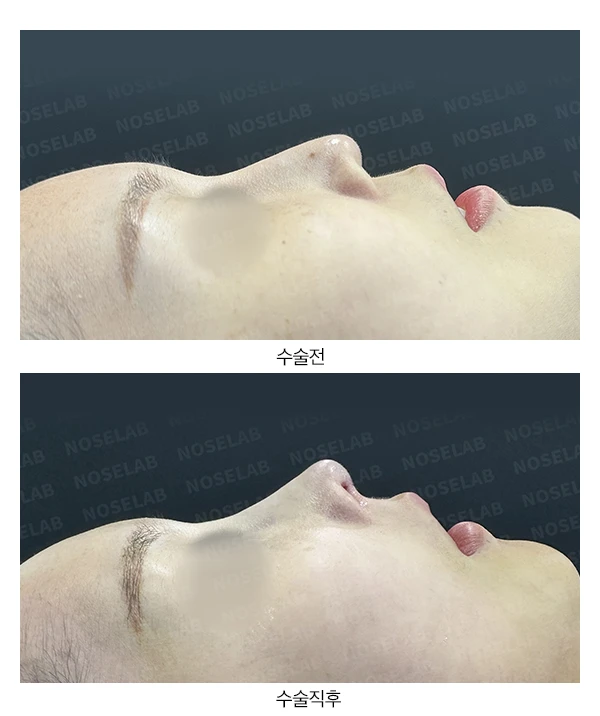
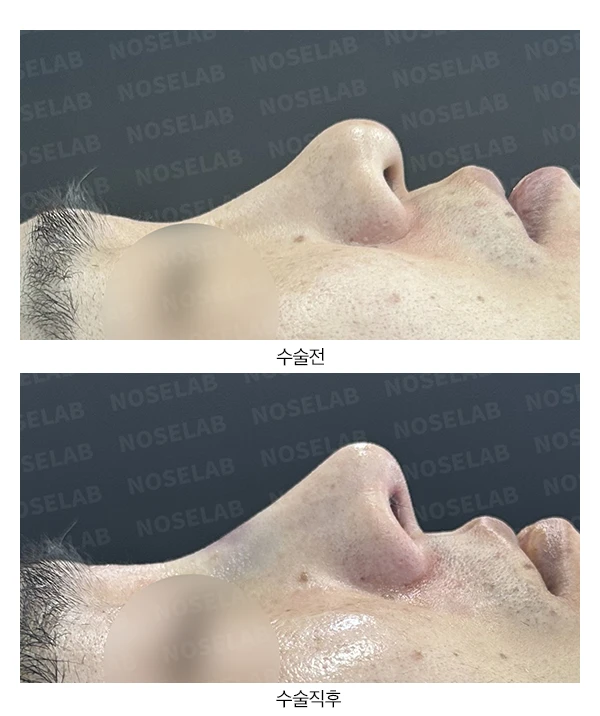
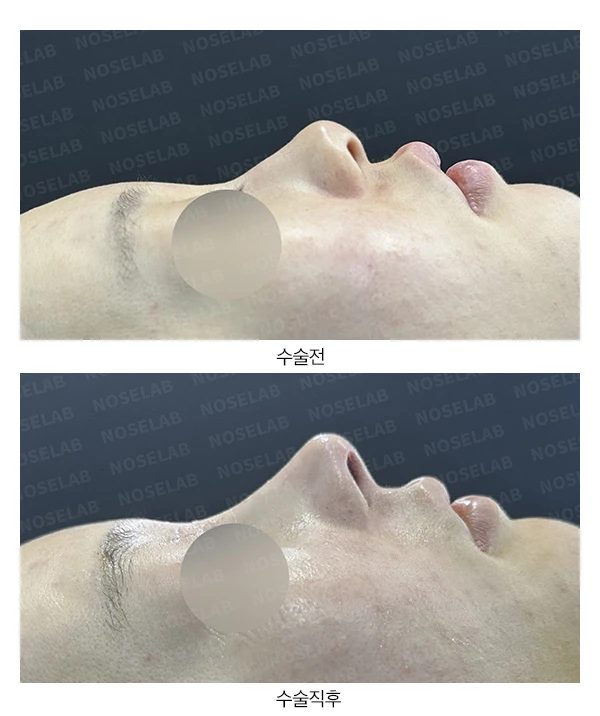
Reconstruction methods for a nose contracted after multiple surgeries — Before-and-after comparison
Before-and-after comparison

Reconstruction methods for a nose contracted after multiple surgeries

In a severe contracted nose that developed after a history of 27 surgeries and fat graft procedures, the protruding silicone implant and degenerated tissue were removed, and the septum and structural support were reconstructed using autologous rib cartilage.

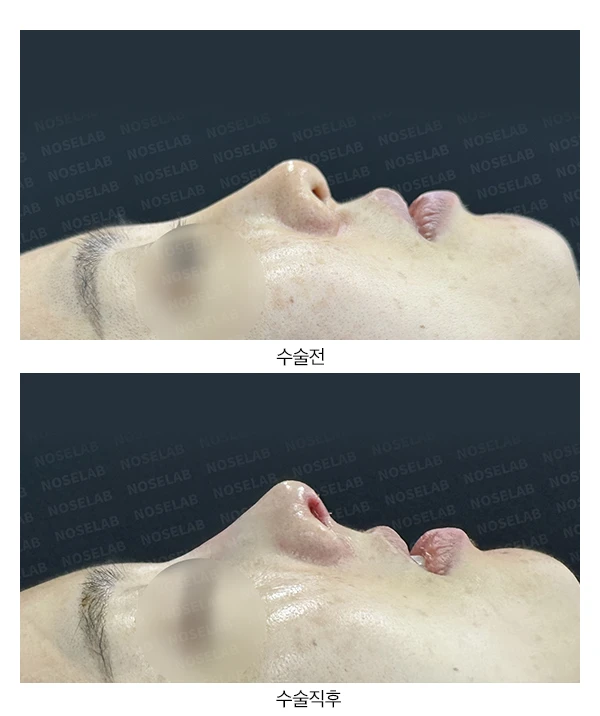
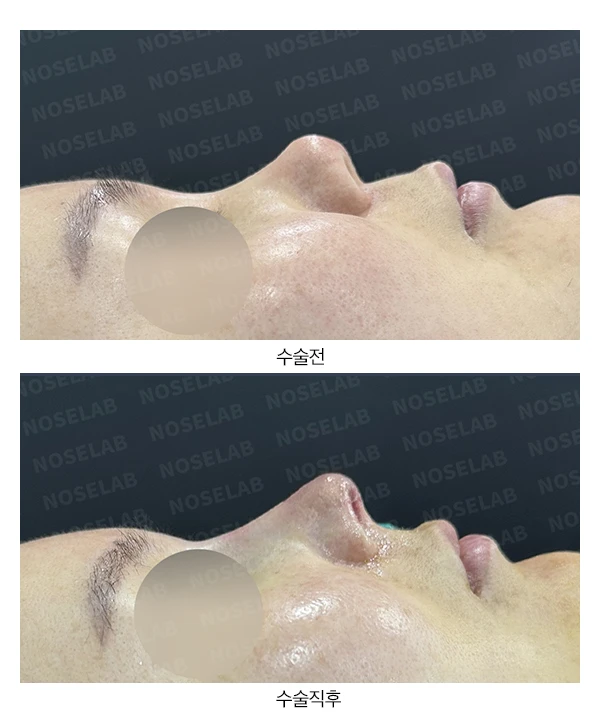
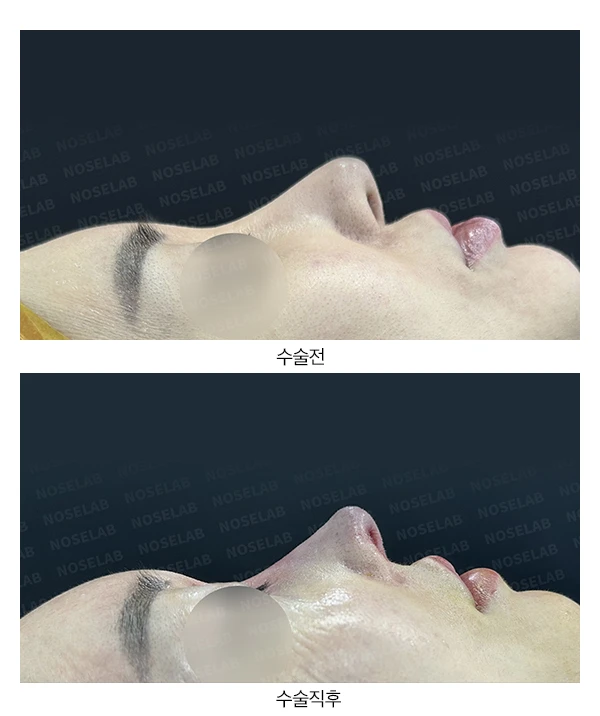
Key points to check in early revision rhinoplasty at 14 days post-op — Before-and-after comparison
Before-and-after comparison

Key points to check in early revision rhinoplasty at 14 days post-op

This is a case of early revision rhinoplasty performed just 14 days after surgery, as deviation persisted despite a prior surgery and an attempted correction. The plan involved removing the implant and cartilage and using autologous rib cartilage, documenting changes in the radix, nasal dorsum, and nasal tip after surgery.

How to correct a bulbous, drooping long nose — Before-and-after comparison
Before-and-after comparison

How to correct a bulbous, drooping long nose

This is a case of correcting a bulbous and drooping long nose caused by thick, broad tip skin. A portion of the subcutaneous tissue beneath the nasal tip skin was removed, and the nasal tip height, the starting point at the glabella, and the drooping columella shape were adjusted.

How to reconstruct a columella retracted by contracture — Before-and-after comparison
Before-and-after comparison

How to reconstruct a columella retracted by contracture

Loss of the septum and retraction of the columella caused by inflammation and contracture were restored with three-dimensional definition through total autologous rib cartilage reconstruction and lowering the columella.

Correction methods for a small and bulbous nose — Before-and-after comparison
Before-and-after comparison

Correction methods for a small and bulbous nose

This is a case of a small, bulbous nose accompanied by poor skin elasticity and nasal obstruction. The thin, deviated septum was partially reconstructed and extended using autologous rib cartilage, and functional nasal surgery was planned for the deviated septum and inferior turbinate.

Methods for correcting a drooping and crooked nose — Before-and-after comparison
Before-and-after comparison

Methods for correcting a drooping and crooked nose

This is a case where the nasal tip began drooping and deviating to the left after surgery with donor rib cartilage, raising suspicion of partial resorption. Nasal reconstruction and septal extension using autologous rib cartilage were planned, and immediate postoperative changes in the nasal tip and nasolabial angle, as well as the limitations of asymmetry correction, were documented.

Correction methods examining the structure of a bulbous and drooping nose — Before-and-after comparison
Before-and-after comparison

Correction methods examining the structure of a bulbous and drooping nose

For a bulbously drooping nasal tip, a C-shaped deviated nasal bridge, and nostril asymmetry, the drooping was naturally corrected without excessively raising the tip, and the deviated bridge line was gently straightened.

Methods for correcting an arrow-shaped nose and crooked nose — Before-and-after comparison
Before-and-after comparison

Methods for correcting an arrow-shaped nose and crooked nose

This case addresses nasal obstruction along with a long, drooping arrow-shaped nose and a crooked nasal bridge. Surgery on the septum and inferior turbinate, along with osteotomy and cartilage reinforcement, was planned, and changes in bridge curvature and tip drooping were documented after surgery.

Correction methods for a contracted nose and red nasal tip — Before-and-after comparison
Before-and-after comparison

Correction methods for a contracted nose and red nasal tip

This is a case where the silicone implant had been removed after repeated surgeries led to tip redness and contracture deformity. Autologous rib cartilage and stem cell therapy were planned, and changes in tip depression, upturning, and nasolabial angle immediately after surgery were documented.

Is it possible to correct a philtrum reduction and remove autologous dermis? — Before-and-after comparison
Before-and-after comparison

Is it possible to correct a philtrum reduction and remove autologous dermis?

Nostril asymmetry, a crooked nose, and nasal bone defects that developed after a previous philtrum reduction and rhinoplasty were reconstructed using lateral osteotomy restoration, autologous rib cartilage, and a rotation flap.

How to correct shape in a second surgery for a contracted nose — Before-and-after comparison
Before-and-after comparison

How to correct shape in a second surgery for a contracted nose

This is a case of a second surgery addressing a drooping tip and columellar scarring after reconstructing a contracted nose with autologous rib cartilage. We planned nasal tip reinforcement and a skin graft, and recorded changes in the position of the columella and the skin graft site after surgery.

How to correct a bulbous and wide nose — Before-and-after comparison
Before-and-after comparison

How to correct a bulbous and wide nose

This is a case addressing a depressed, flattened nasal tip, a crooked nasal bridge, and nasal obstruction. We planned nasal tip cartilage reinforcement, osteotomy, and rhinitis surgery. This record details correcting a weak septum during surgery and the changes observed following nasal sill reduction.

How is a long nose corrected? — Before-and-after comparison
Before-and-after comparison

How is a long nose corrected?

This is a case of a patient who visited our clinic with a long, drooping tip after a history of nasal filler, rhinoplasty, and two-jaw surgery. Foreign material removal was documented, and septal reconstruction using autologous rib cartilage along with thinning of the nasal tip skin was planned.

How to correct an upturned contracted nose with autologous rib cartilage — Before-and-after comparison
Before-and-after comparison

How to correct an upturned contracted nose with autologous rib cartilage

In a patient presenting with contracture, an upturned nose, and loss of lower lateral cartilages due to inflammation after previous surgery, we performed septal and alar cartilage reconstruction using autologous rib cartilage combined with stem cell therapy and alar rim lowering.

How is bulbous nose rhinoplasty performed? — Before-and-after comparison
Before-and-after comparison

How is bulbous nose rhinoplasty performed?

To correct a low, flat glabella, a wide and bulbous nasal tip, a drooping tip, and nasal asymmetry, we planned and performed partial subcutaneous tissue removal, lower lateral cartilage suturing, robust tip projection, and dorsal bridge augmentation.

Functional rhinoplasty and correcting a tilted columella — Before-and-after comparison
Before-and-after comparison

Functional rhinoplasty and correcting a tilted columella

A case where deviation recurred following previous septal surgery, leaving nasal obstruction and a tilted columella. We planned septal reconstruction using autologous rib cartilage and documented changes in the nasal tip, columella, and nostril asymmetry after surgery.

No search results found

Please try searching with different keywords.

Scroll to keep reading

Previous cases23 / 25Next cases
Original article

Read more records

Planning a visit to Seoul?Prepare your consultation with the NOSELAB team.

International patient guideWhatsApp ↗
Dr. Peter C. Kang's Rhinoplasty Stories
Rhinoplasty guideCases by topicDr. Peter C. KangNaver Blog ↗
View original photo
Enlarged photo
WhatsAppChat with NOSELAB↗