English日本語简体中文
Skip to main content
Dr. Peter C. Kang's Rhinoplasty Stories
PrologueBlogMy thoughtsNasal obstructionSurgical journalSurgical photos
About the surgeon

Before-and-after cases of rhinoplasty and revision rhinoplasty

Searching for surgical cases matching your criteria.
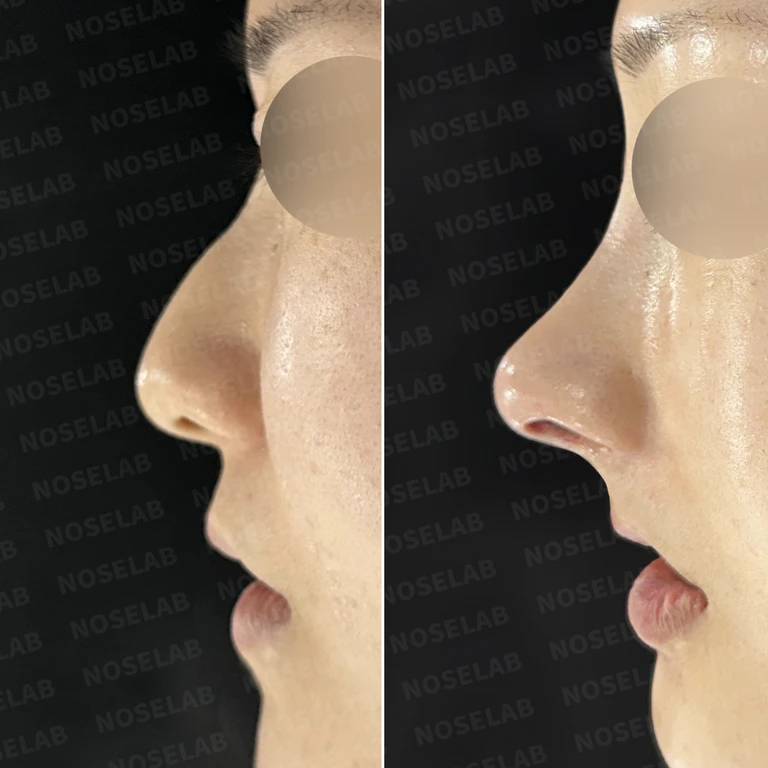
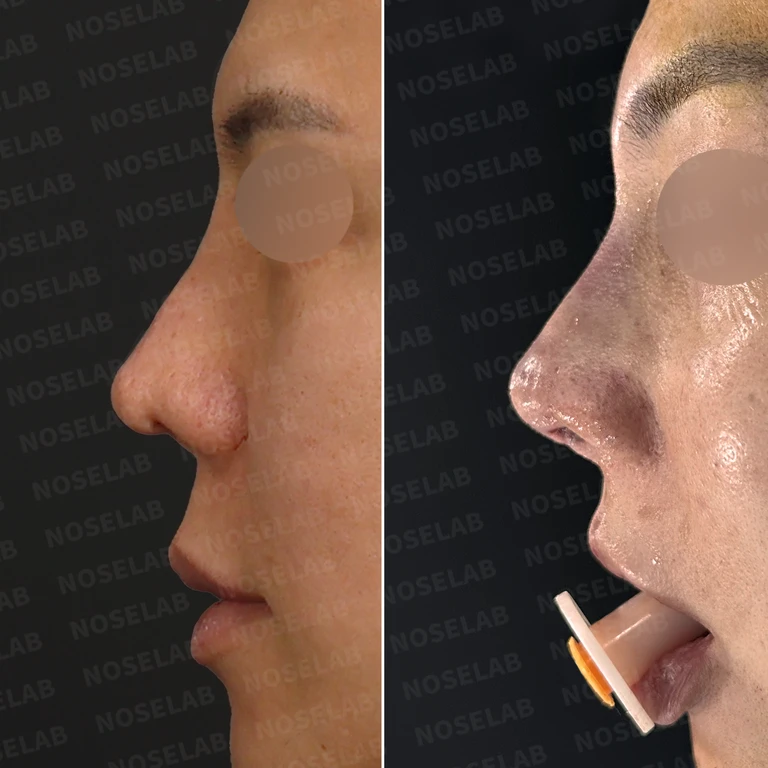
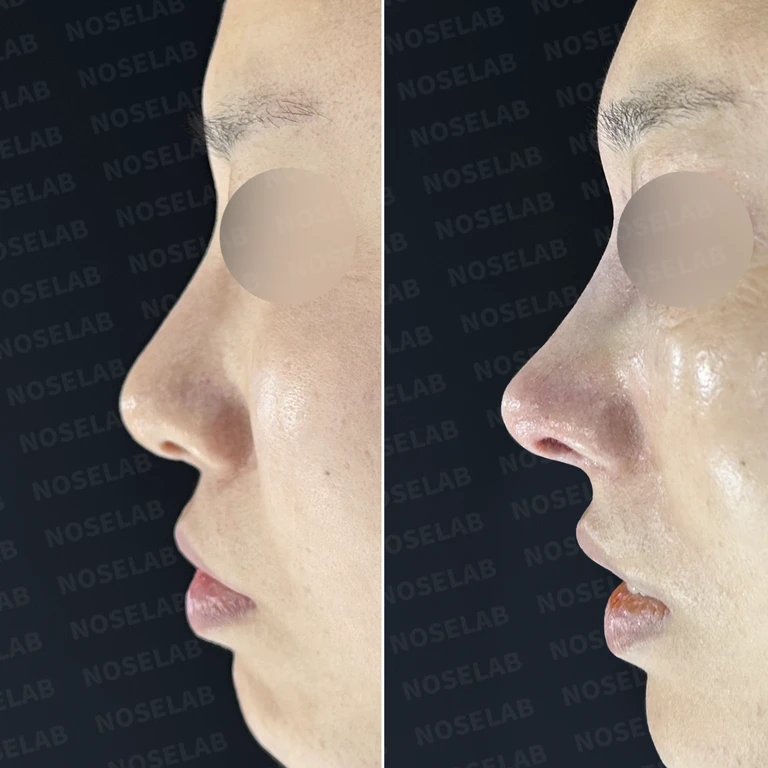
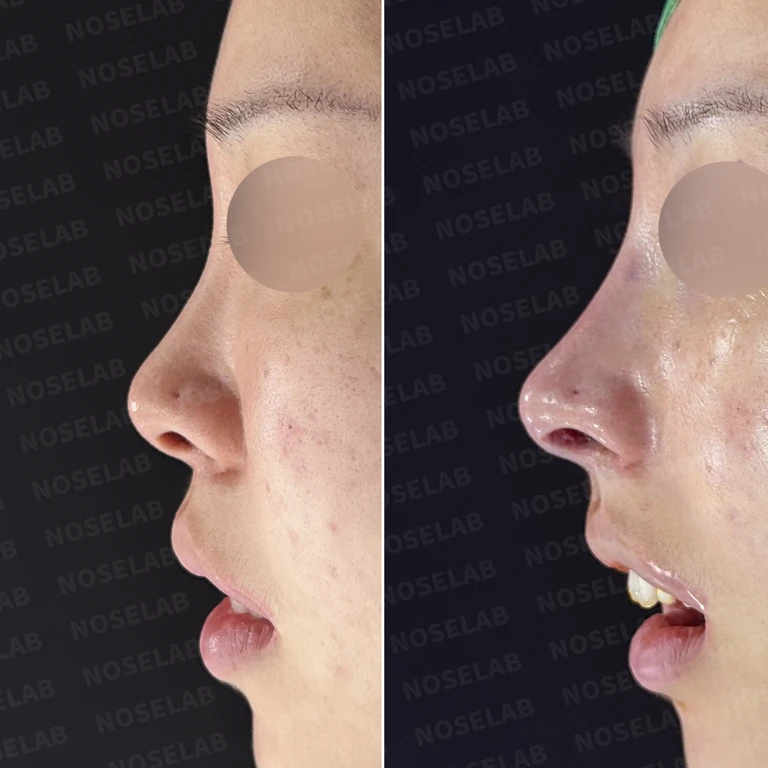
Why a nose operated on twice looks long and drooping, and how septal reconstruction using rib cartilage is performed — Before-and-after comparison
Before-and-after comparison

Why a nose operated on twice looks long and drooping, and how septal reconstruction using rib cartilage is performed

A revision rhinoplasty case where the septum was depleted due to excessive cartilage use in prior surgeries. The septum was reconstructed using autologous rib cartilage, a cartilage fragment on the bridge was removed, and silicone implant replacement was combined with osteotomy.
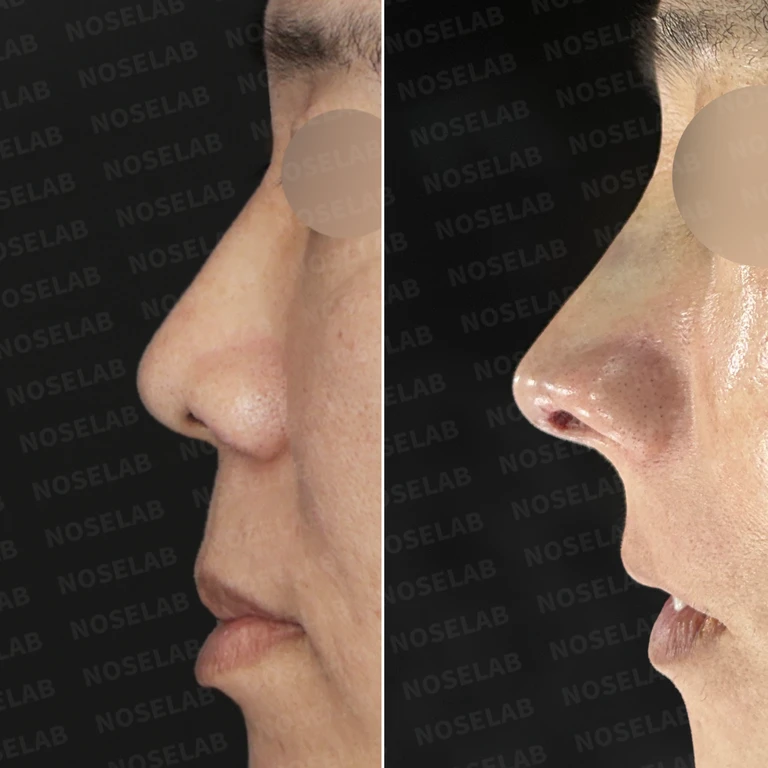
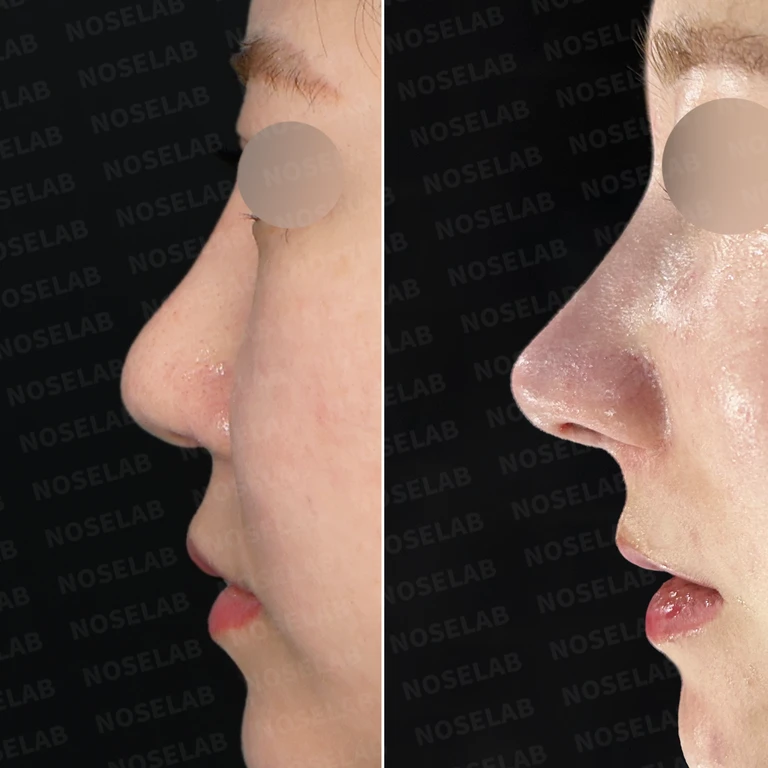
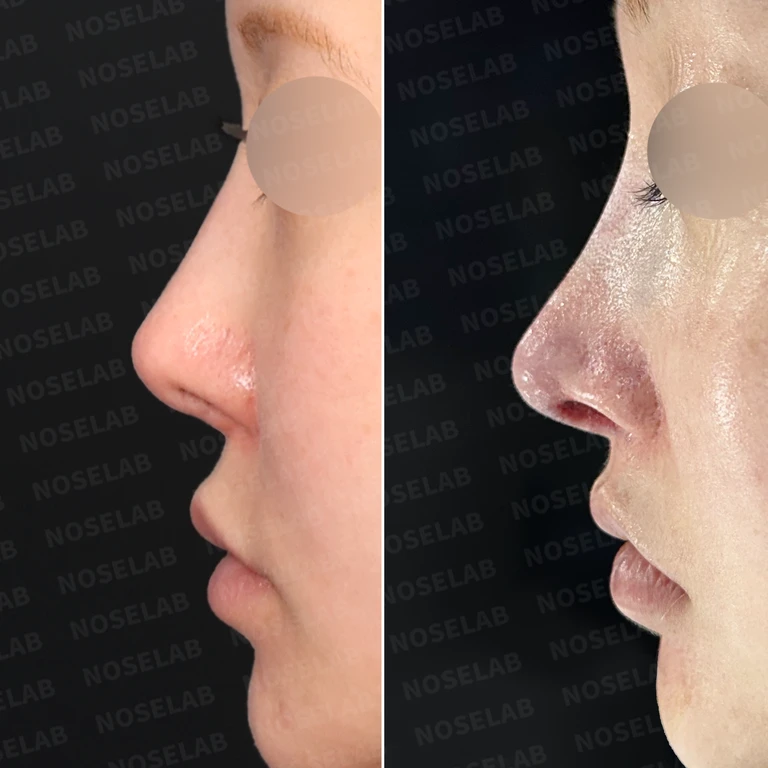
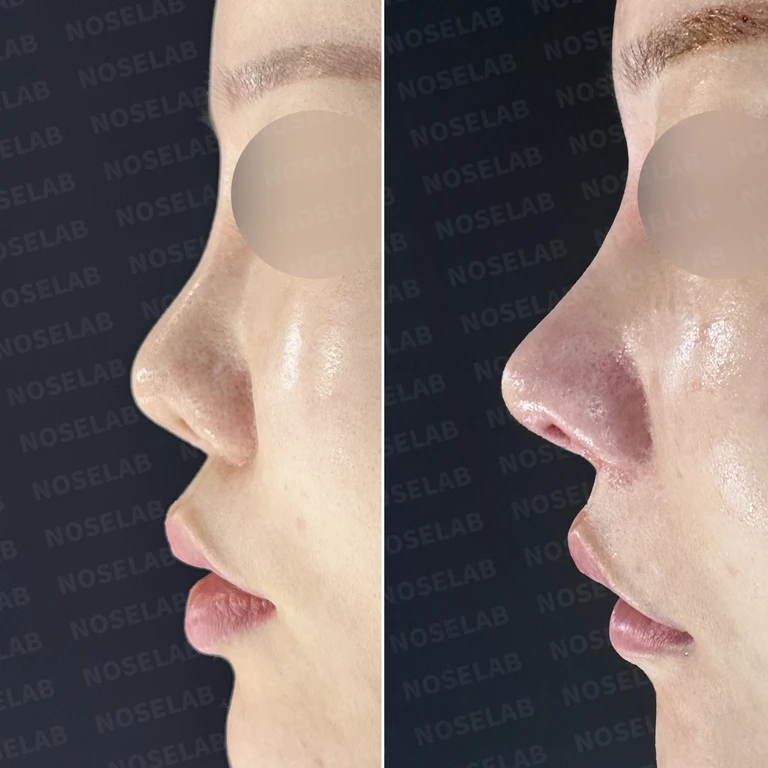
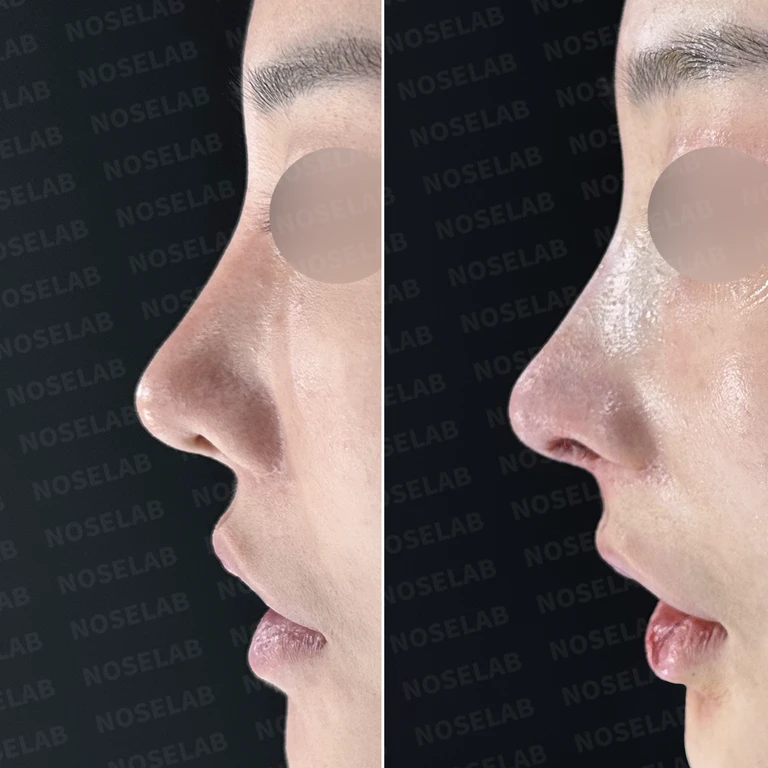
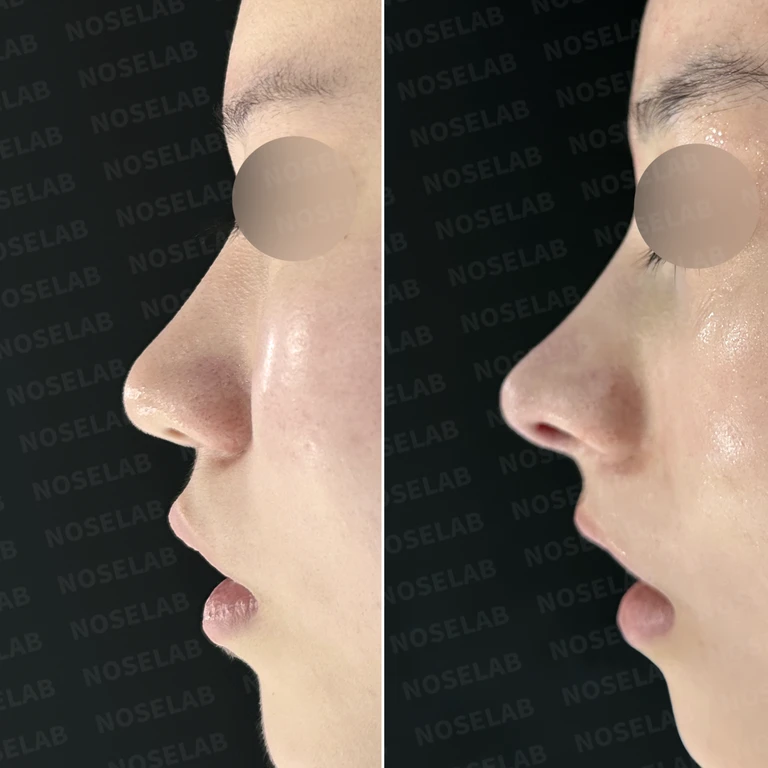
Why a short, upturned nose makes the philtrum look long and septal extension graft — Before-and-after comparison
Before-and-after comparison

Why a short, upturned nose makes the philtrum look long and septal extension graft

We extended the septum with autologous rib cartilage and corrected the nasolabial angle to improve an upturned nasal tip and a long philtrum. Lateral osteotomy, a custom silicone implant, and rhinitis surgery were performed concurrently.

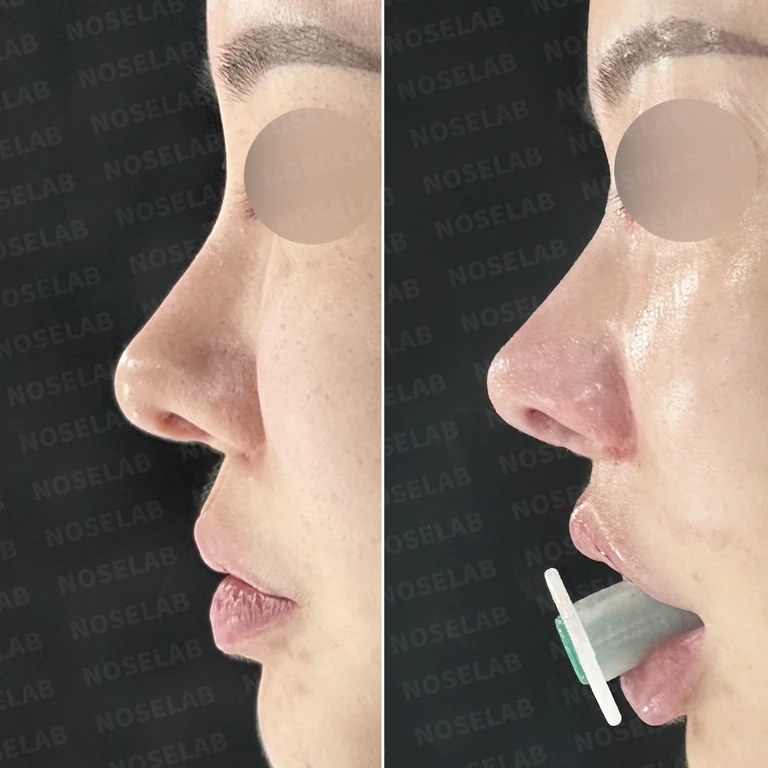
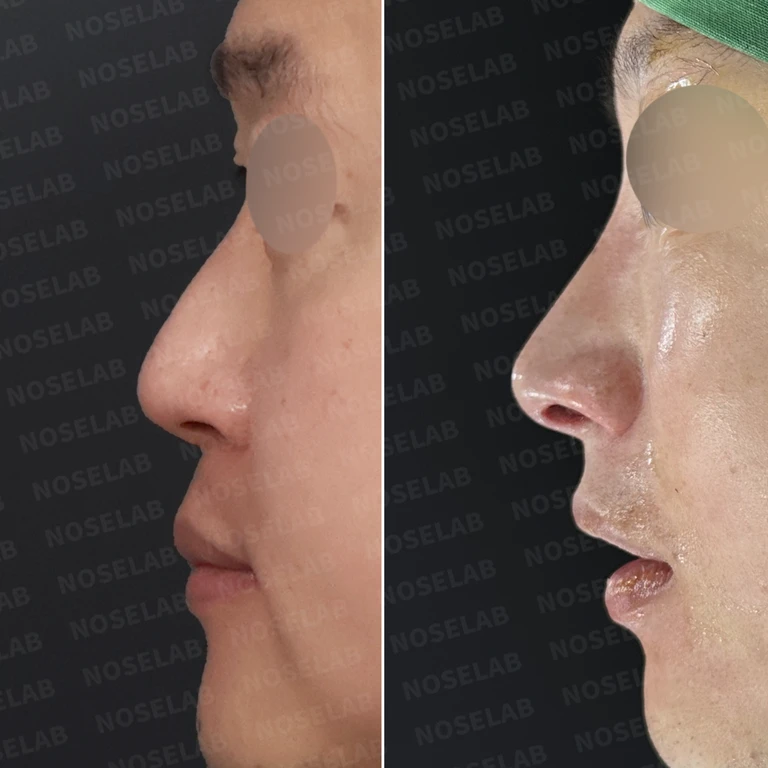
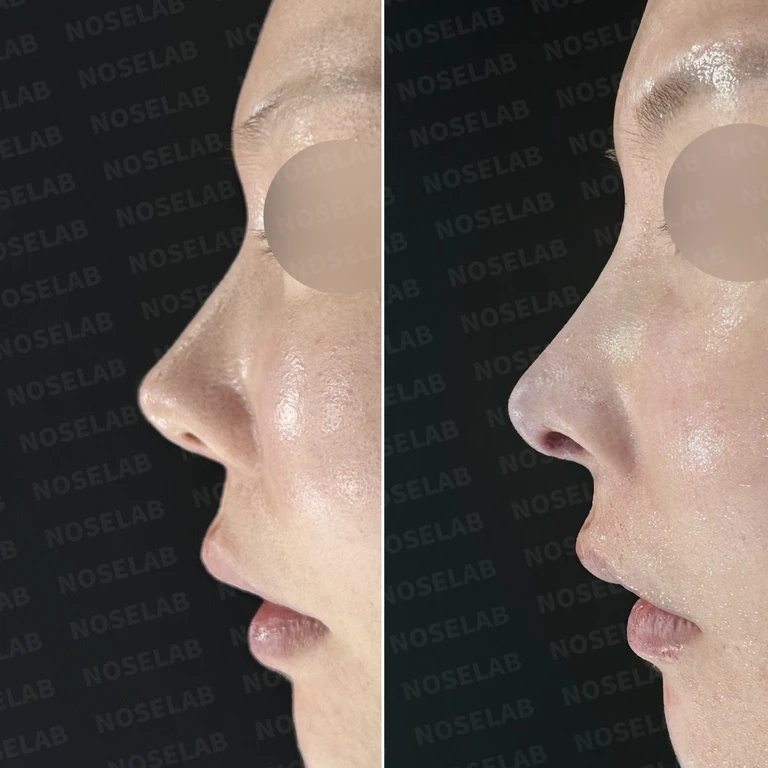
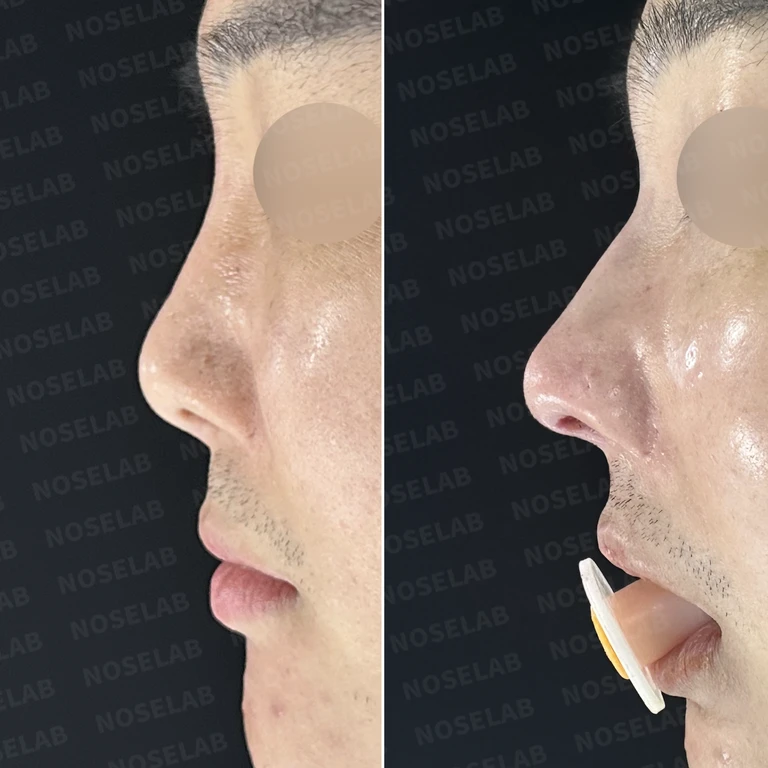
Changes that occur when an implant is positioned high and deviated: methods for replacement and bulbous tip correction — Before-and-after comparison
Before-and-after comparison

Changes that occur when an implant is positioned high and deviated: methods for replacement and bulbous tip correction

A high, deviated silicone implant was replaced to lower the radix, and septal extension was performed using donor rib cartilage. Partial soft tissue resection, cartilage tie, and rhinitis surgery addressed the bulbous tip and nasal obstruction.

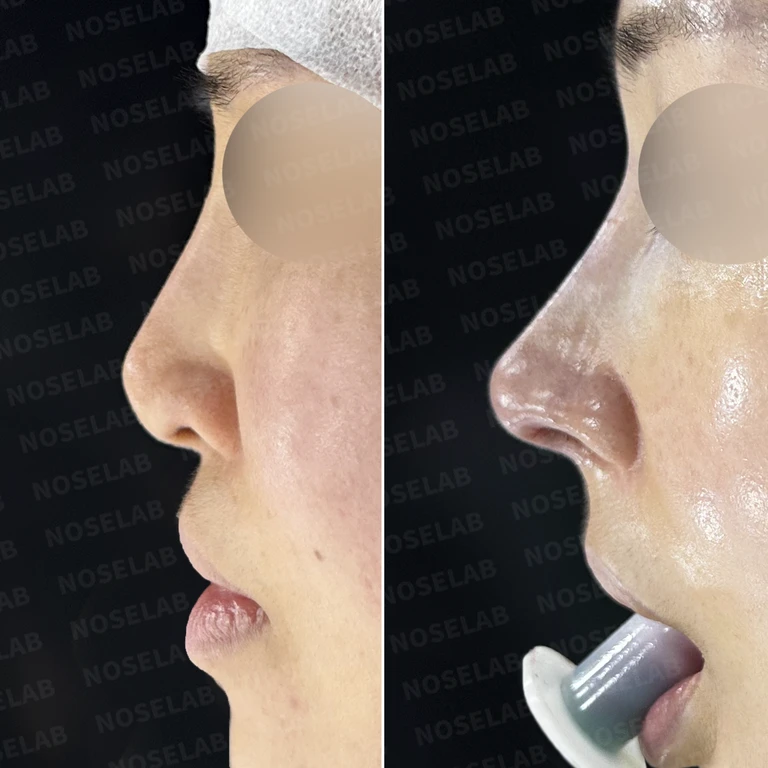
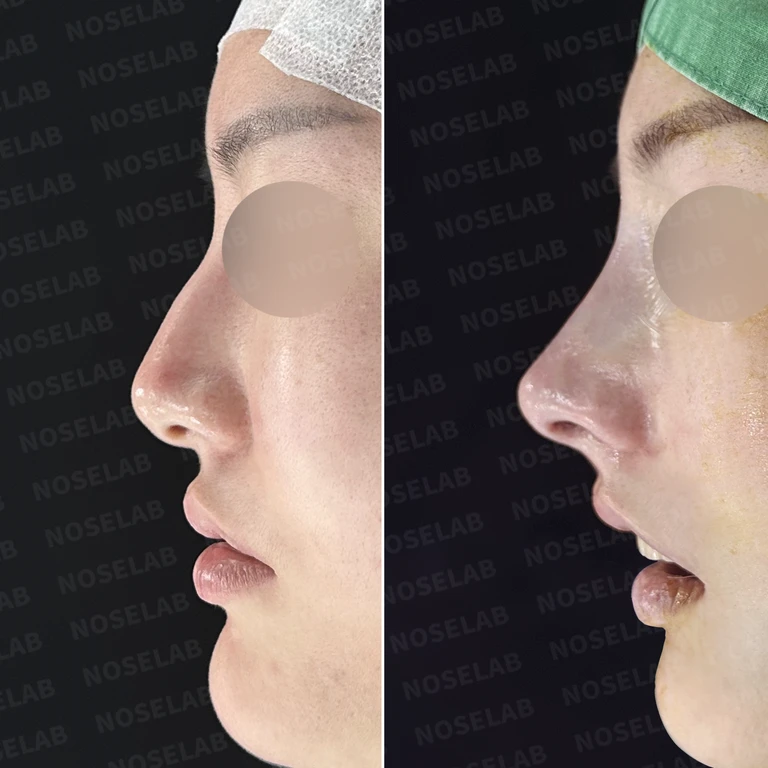
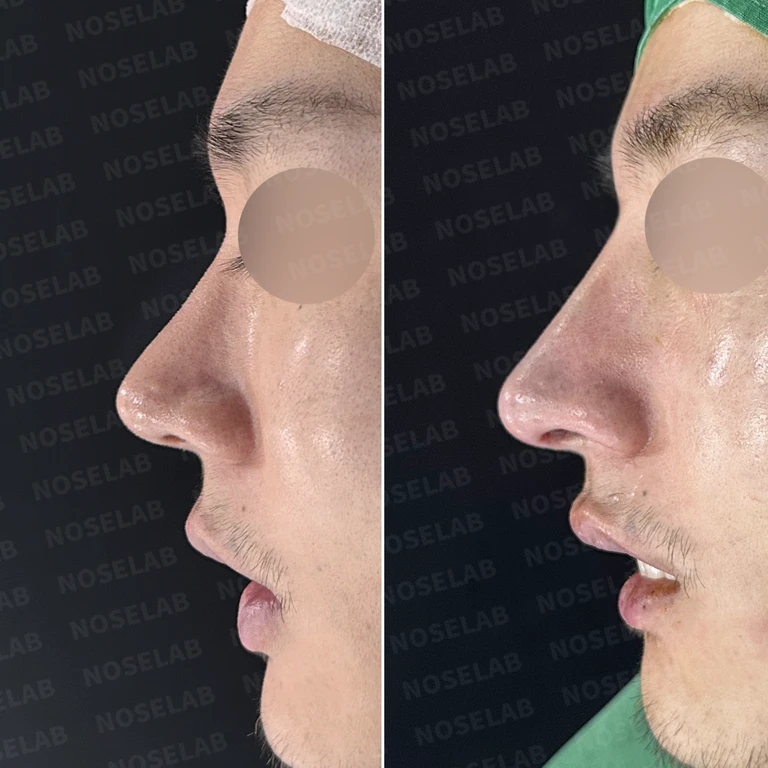
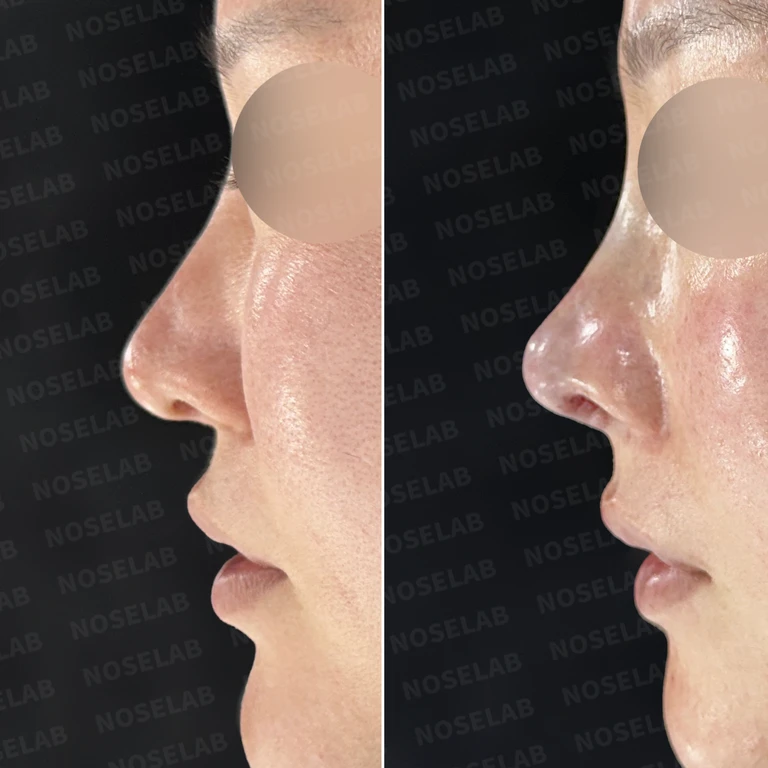
Why a nose looks more crooked with facial asymmetry and how to correct it — Before-and-after comparison
Before-and-after comparison

Why a nose looks more crooked with facial asymmetry and how to correct it

Residual facial asymmetry and a deviated septum following double jaw surgery were corrected using autologous rib cartilage reconstruction. Lateral osteotomy, precision carving of a silicone implant, and rhinitis surgery were performed concurrently.

Why the nasal tip deviates to one side after rhinoplasty and methods for reconstructing its support structure — Before-and-after comparison
Before-and-after comparison

Why the nasal tip deviates to one side after rhinoplasty and methods for reconstructing its support structure

Septal cartilage damaged from previous surgeries was reconstructed using autologous rib cartilage, and the lower lateral cartilages were restored. Lateral osteotomy and rhinitis surgery were performed concurrently to correct the crooked nose and nostril asymmetry.

Why the nose looks long and the nostrils look pinched after multiple rhinoplasties — Before-and-after comparison
Before-and-after comparison

Why the nose looks long and the nostrils look pinched after multiple rhinoplasties

Lost lower lateral cartilage was reconstructed using autologous rib cartilage, and asymmetric, pinched nostrils were corrected. By lowering the radix, the appearance of a long nose was reduced, and surgery for rhinitis and nasal valve stenosis was performed concurrently.

Why implants show through and nostrils look M-shaped, and how to reconstruct them — Before-and-after comparison
Before-and-after comparison

Why implants show through and nostrils look M-shaped, and how to reconstruct them

Implant show-through at the nasal tip and thinned skin were reinforced with donor dermis, and foreign substances were removed. The nasal tip was reconstructed using autologous rib cartilage, along with dragon nose correction and lateral osteotomy.

Why contracture remains in multiply operated noses: Reconstructing the columella and support framework — Before-and-after comparison
Before-and-after comparison

Why contracture remains in multiply operated noses: Reconstructing the columella and support framework

Contracture and septal defect resulting from repeated surgeries were reconstructed using autologous rib cartilage. For the retracted columella, retroauricular free skin flap grafting and perichondrium grafting were performed to restore its shape.

Why the nose looks short and the columella retracts after revision rhinoplasty, and how to reconstruct the septum — Before-and-after comparison
Before-and-after comparison

Why the nose looks short and the columella retracts after revision rhinoplasty, and how to reconstruct the septum

To correct septal cartilage loss from 3 prior surgeries, a short nose appearance, and a bulbous tip, the septum was reconstructed using autologous rib cartilage and the radix was lowered.

Nasal obstruction from a severely deviated septum: why cartilage reconstruction is necessary — Before-and-after comparison
Before-and-after comparison

Nasal obstruction from a severely deviated septum: why cartilage reconstruction is necessary

In a primary rhinoplasty patient, a severely deviated septum was reconstructed using autologous rib cartilage, and hypertrophied inferior turbinates were reduced. Dermis was grafted into the depressed alar region, and the nasolabial angle was adjusted.

Why a dorsal hump looks prominent and how to correct it along with the nasal tip — Before-and-after comparison
Before-and-after comparison

Why a dorsal hump looks prominent and how to correct it along with the nasal tip

Previously injected nasal filler was removed, the protruding dorsal hump was rasped, and lateral osteotomies were performed. The blunt nasal tip was elevated using autologous rib cartilage, and both the nasolabial angle and septum were corrected.

Why nostrils become asymmetrical and the nose looks crooked, and how rib cartilage reconstruction is performed — Before-and-after comparison
Before-and-after comparison

Why nostrils become asymmetrical and the nose looks crooked, and how rib cartilage reconstruction is performed

Nostril asymmetry caused by a tilted columellar axis and loss of alar cartilage after Gore-Tex insertion was corrected through Gore-Tex removal, autologous rib cartilage alar reconstruction, and septoplasty.

Why a multiply operated nose deviates and develops a widened tip, and how cartilage is reconstructed — Before-and-after comparison
Before-and-after comparison

Why a multiply operated nose deviates and develops a widened tip, and how cartilage is reconstructed

Following three prior procedures, a deviated nose caused by septal damage and a missing right lower lateral cartilage was restored through autologous rib cartilage structural reconstruction, silicone implant replacement, nasolabial angle correction, and rhinitis surgery.

Why the nasal tip can remain upturned after revision rhinoplasty, and when donor rib cartilage is used — Before-and-after comparison
Before-and-after comparison

Why the nasal tip can remain upturned after revision rhinoplasty, and when donor rib cartilage is used

An upturned and deviated nose, accompanied by hesitation toward autologous rib cartilage due to past pneumothorax, was improved without implants using donor rib cartilage, recycled previous rib cartilage, nasal bone rasping, and nasolabial angle correction.

Why a nose can look short and upturned after repeated surgeries, and how rib cartilage tip extension works — Before-and-after comparison
Before-and-after comparison

Why a nose can look short and upturned after repeated surgeries, and how rib cartilage tip extension works

Through a closed approach, a nose that became low, upturned, and showed excessive nostril exposure after silicone implant removal was refined using autologous rib cartilage tip extension, nasal bridge height restoration, and correction of the nasolabial angle to 90 degrees.

Why an upturned tip makes the mouth look more protruding and how to correct it — Before-and-after comparison
Before-and-after comparison

Why an upturned tip makes the mouth look more protruding and how to correct it

A bulbous, upturned nasal tip, the appearance of a protruding mouth, and nasal obstruction were addressed by removing columellar filler, reinforcing the nasal tip with autologous rib cartilage, placing a customized silicone implant, adjusting the nasolabial angle, and correcting a deviated septum.

Why a nose looks bulbous or pug-like, and how to refine both the nasal tip cartilage and nasal bones together — Before-and-after comparison
Before-and-after comparison

Why a nose looks bulbous or pug-like, and how to refine both the nasal tip cartilage and nasal bones together

A blunt, pug-like nose, retracted columella, and wide nasal bridge were transformed into a slim, three-dimensional profile using autologous rib cartilage tip plasty, columellar lowering, lateral osteotomy, and cartilage reduction with suturing.

Why nostril asymmetry worsens with repeated revisions, and how to correct the columella — Before-and-after comparison
Before-and-after comparison

Why nostril asymmetry worsens with repeated revisions, and how to correct the columella

After 6 previous surgeries, a drooping and tilted columella, crooked nose, and nostril asymmetry were stabilized through a closed approach using autologous rib cartilage reinforcement, lateral osteotomy, and columellar alignment correction.

No search results found

Please try searching with different keywords.

Scroll to keep reading

Previous cases2 / 25Next cases
Original article

Read more records

Planning a visit to Seoul?Prepare your consultation with the NOSELAB team.

International patient guideWhatsApp ↗
Dr. Peter C. Kang's Rhinoplasty Stories
Rhinoplasty guideCases by topicDr. Peter C. KangNaver Blog ↗
View original photo
Enlarged photo
WhatsAppChat with NOSELAB↗