Hello, I am Dr. Peter C. Kang.
Today, I would like to introduce the case of a patient whose nose appeared severely crooked due to facial asymmetry, accompanied by bilateral nasal obstruction.
🔍 Surgical history
The patient had undergone double jaw surgery in 2019 to correct severe facial asymmetry. Even after the surgery, some facial asymmetry remained, creating a strong visual impression that made the nose appear more crooked. Consequently, the patient wanted both nasal contour correction and improvement of breathing issues.
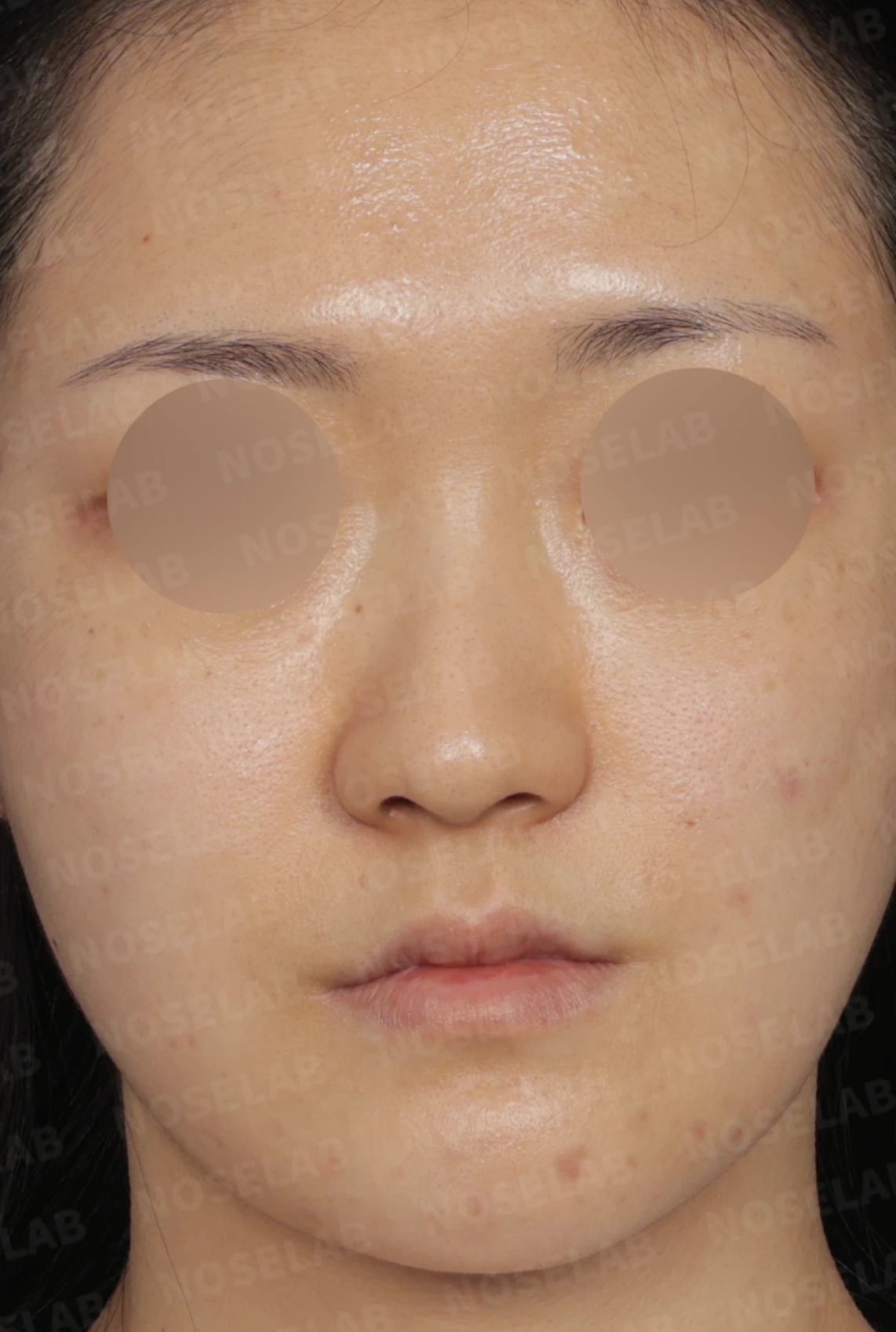
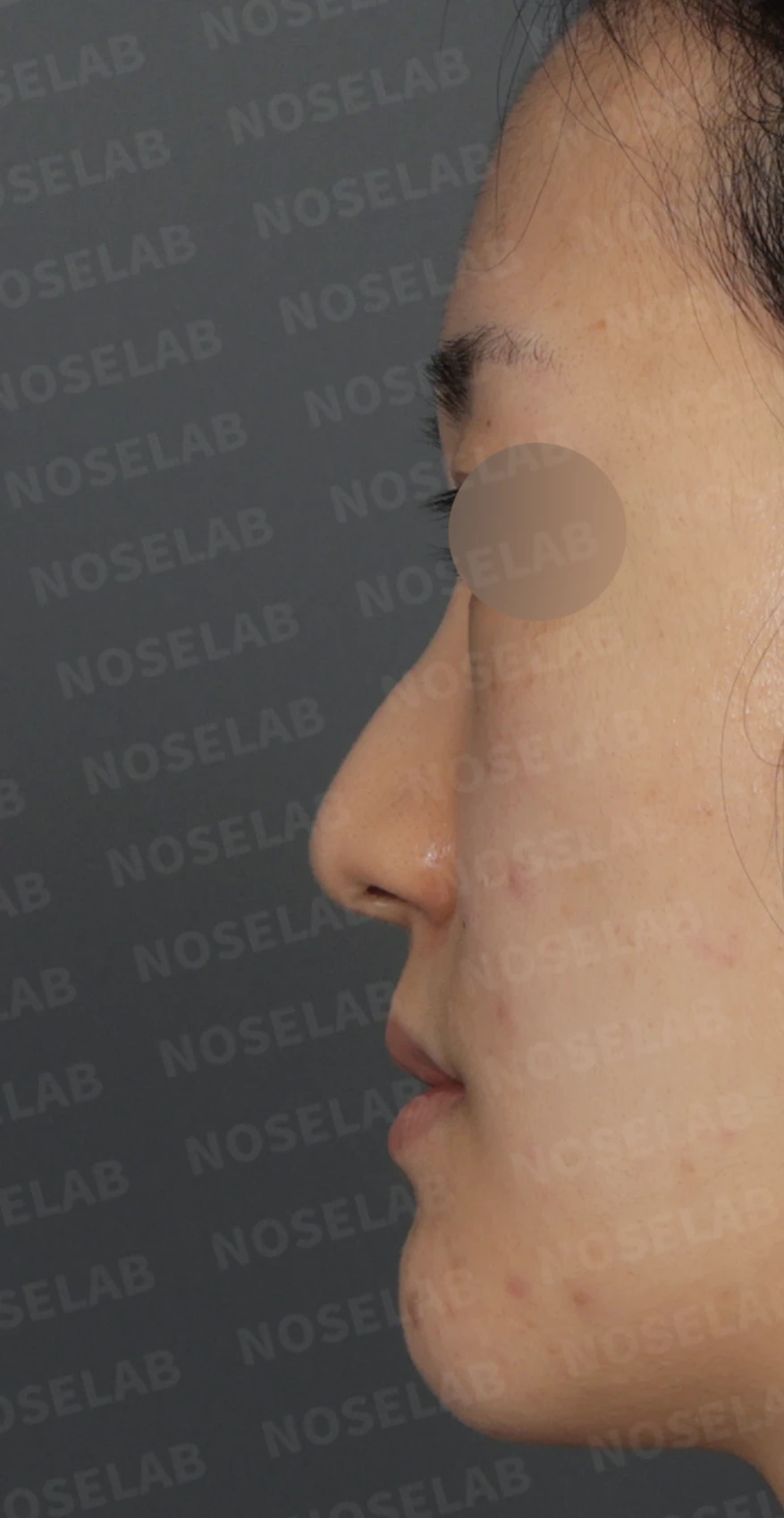
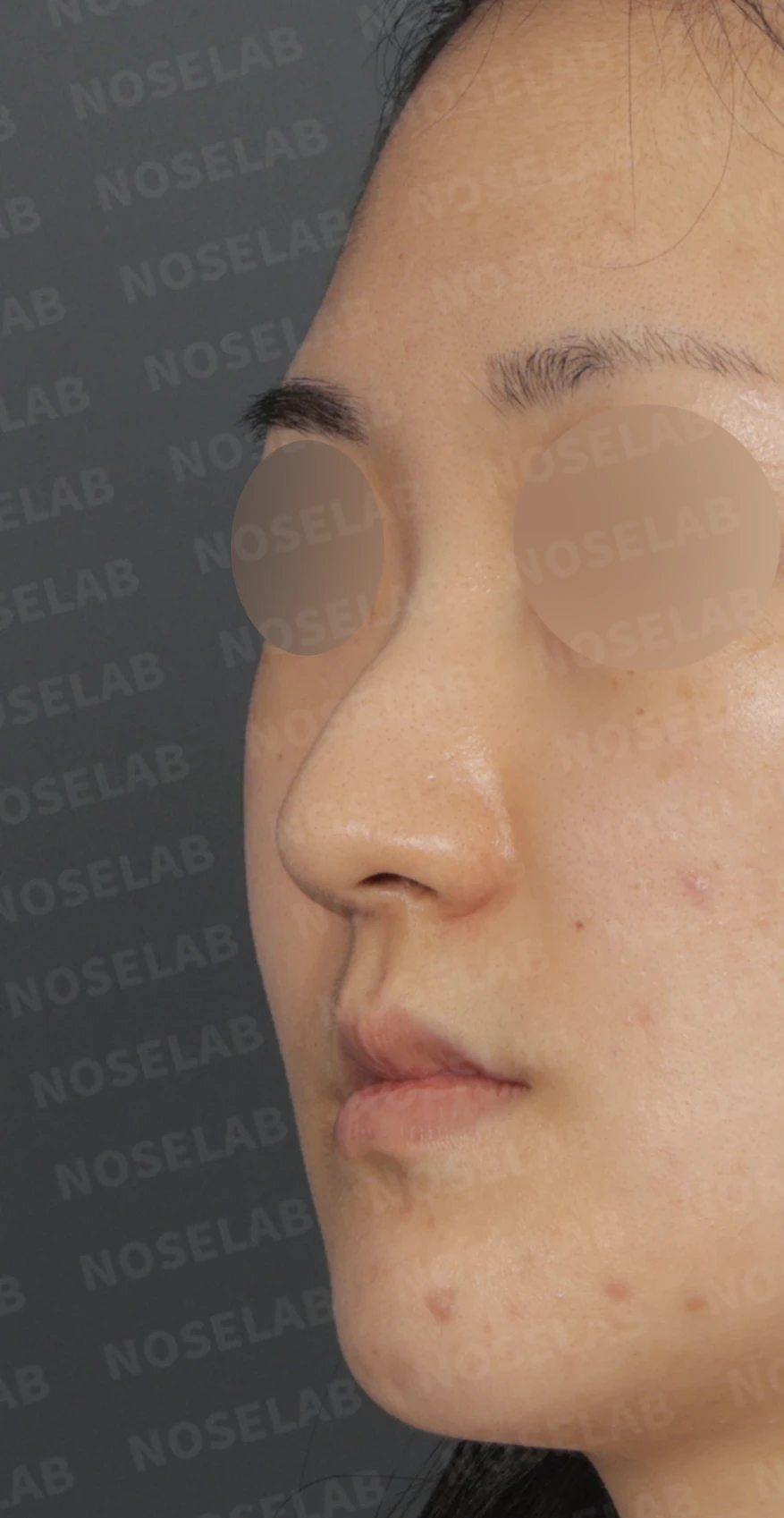
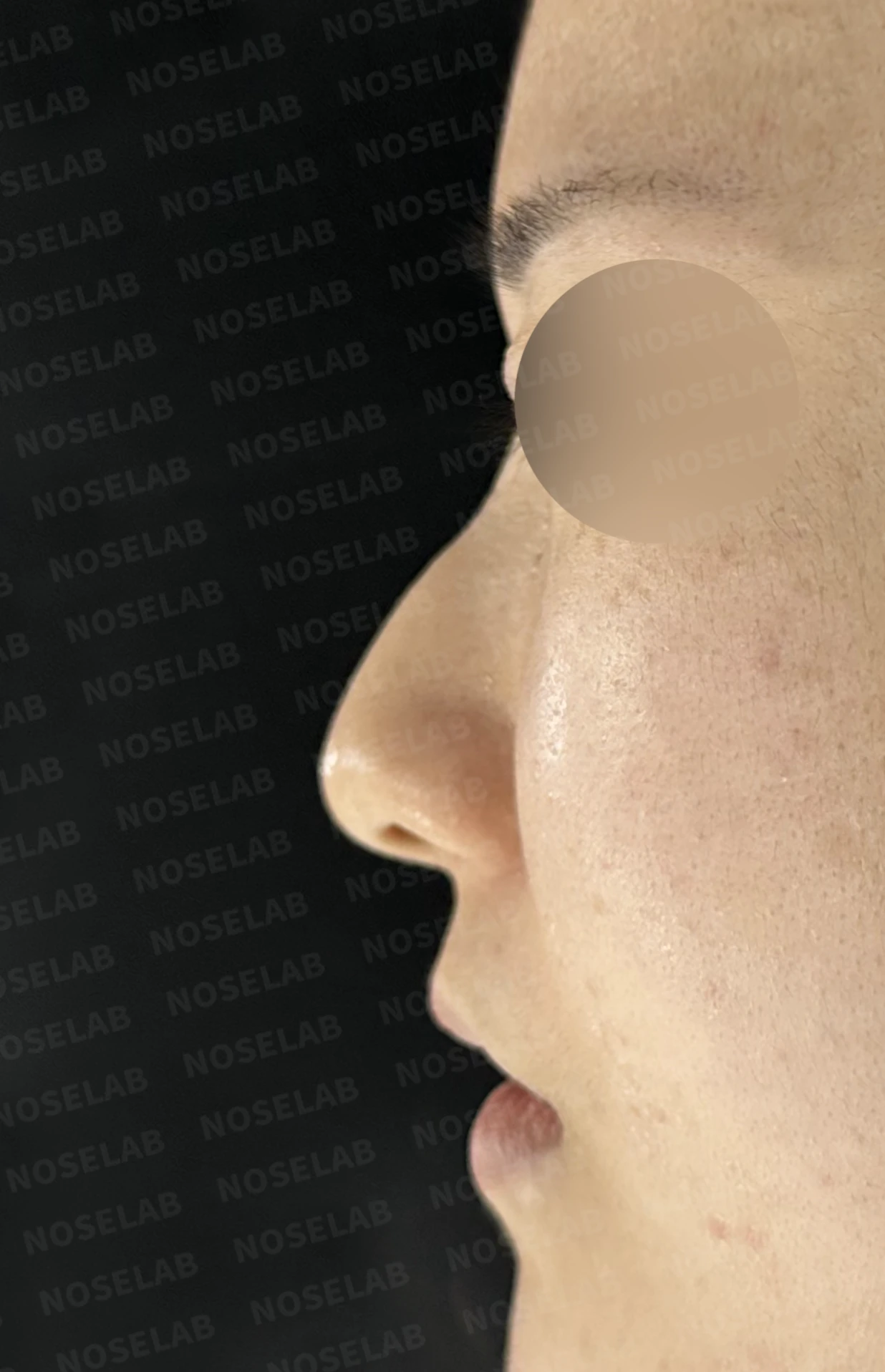
Front, left profile, and oblique views during design consultation.
💉 Patient requests
Correction of the crooked nose into a natural, straight bridge line
Improvement of bulbous nasal tip
Refining the profile line through nasolabial angle correction
Relief of bilateral nasal obstruction
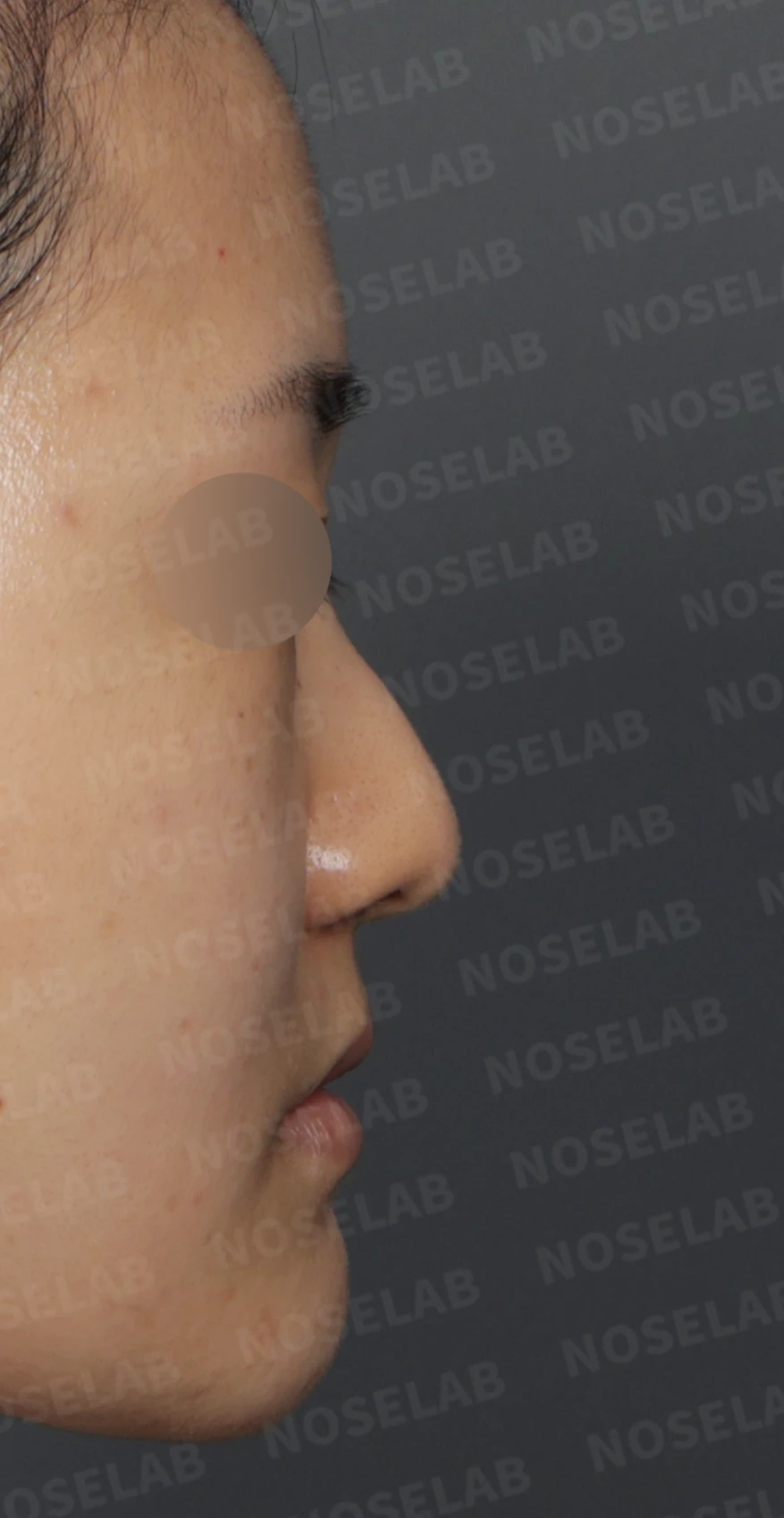
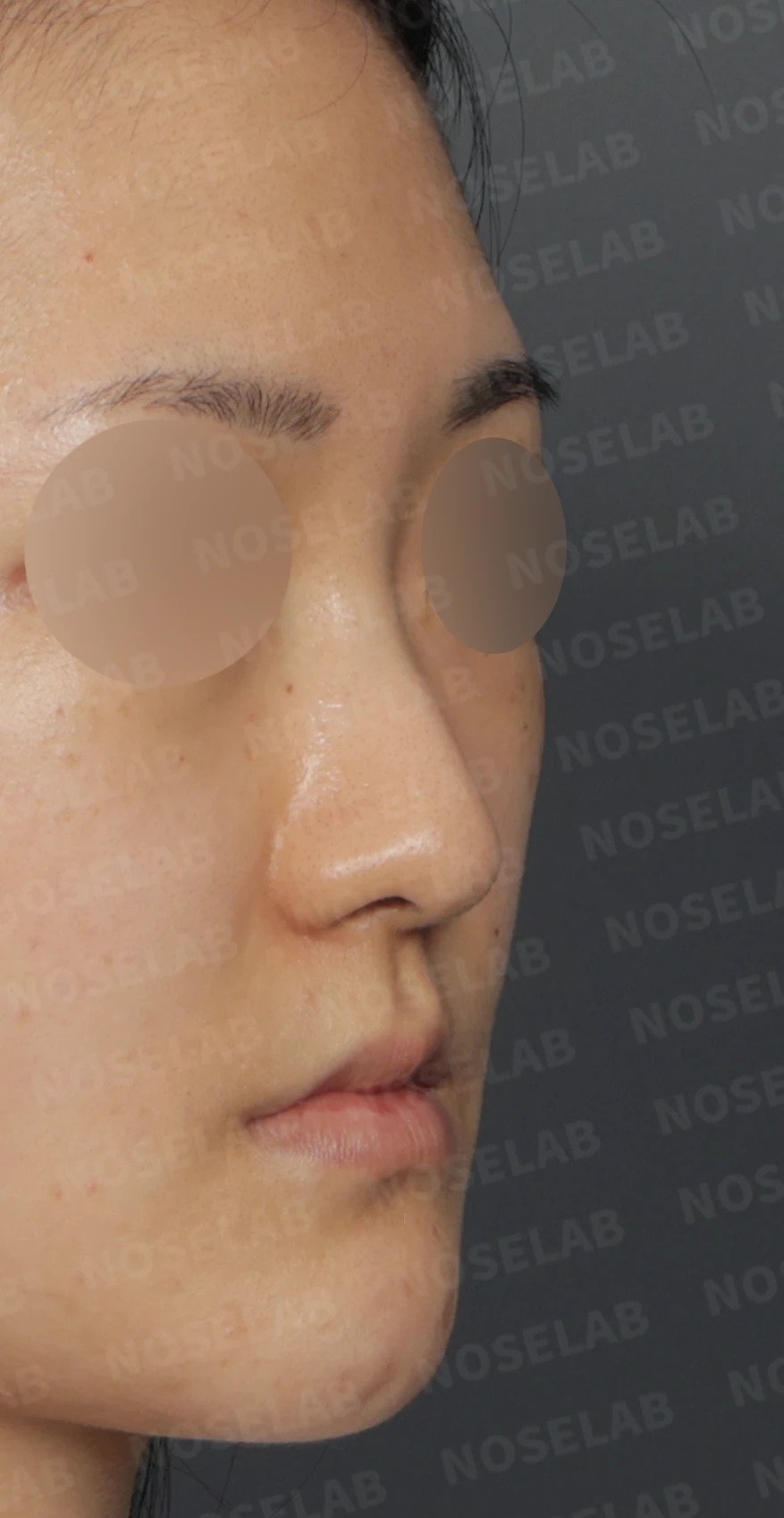
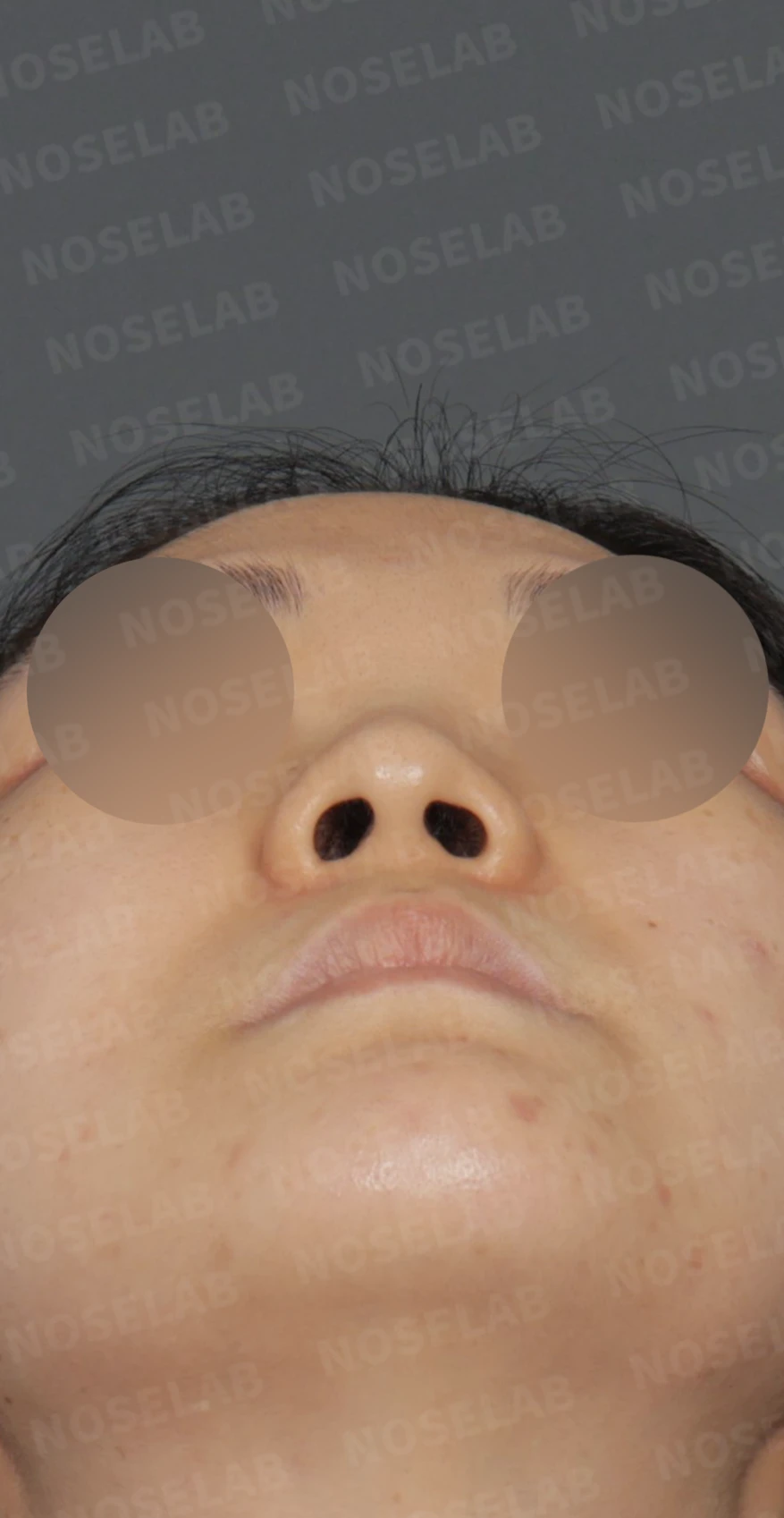
Right profile, oblique, and nostril views during design consultation.
🔧 Surgical plan and procedure
CT scan findings confirmed a severe deviated septum to the left along with rhinitis. Therefore, I established a comprehensive surgical plan to address both aesthetic correction and functional improvement simultaneously.
1. Septal reconstruction using autologous rib cartilage
Harvesting the patient's own rib cartilage to reconstruct the deviated septum
Securing a stable internal nasal support structure
2. Septoplasty
Straightening the septum that had deviated to the left
Root cause of nasal obstruction addressed
3. Bilateral rhinitis surgery
Concurrent improvement of chronic nasal obstruction and rhinitis symptoms
Creating an environment for comfortable nasal breathing
4. Lateral nasal bone osteotomy
Shifting the nasal bones, which were displaced to the left due to facial asymmetry, toward the right
Aligning the nose with the facial midline
5. Precision carving and insertion of a silicone implant
Precisely carving the implant to match the patient's nasal bone contours
Shifting the nasal bridge slightly to the right of center to naturally compensate for the visual curvature caused by facial asymmetry
🌟 Surgical results
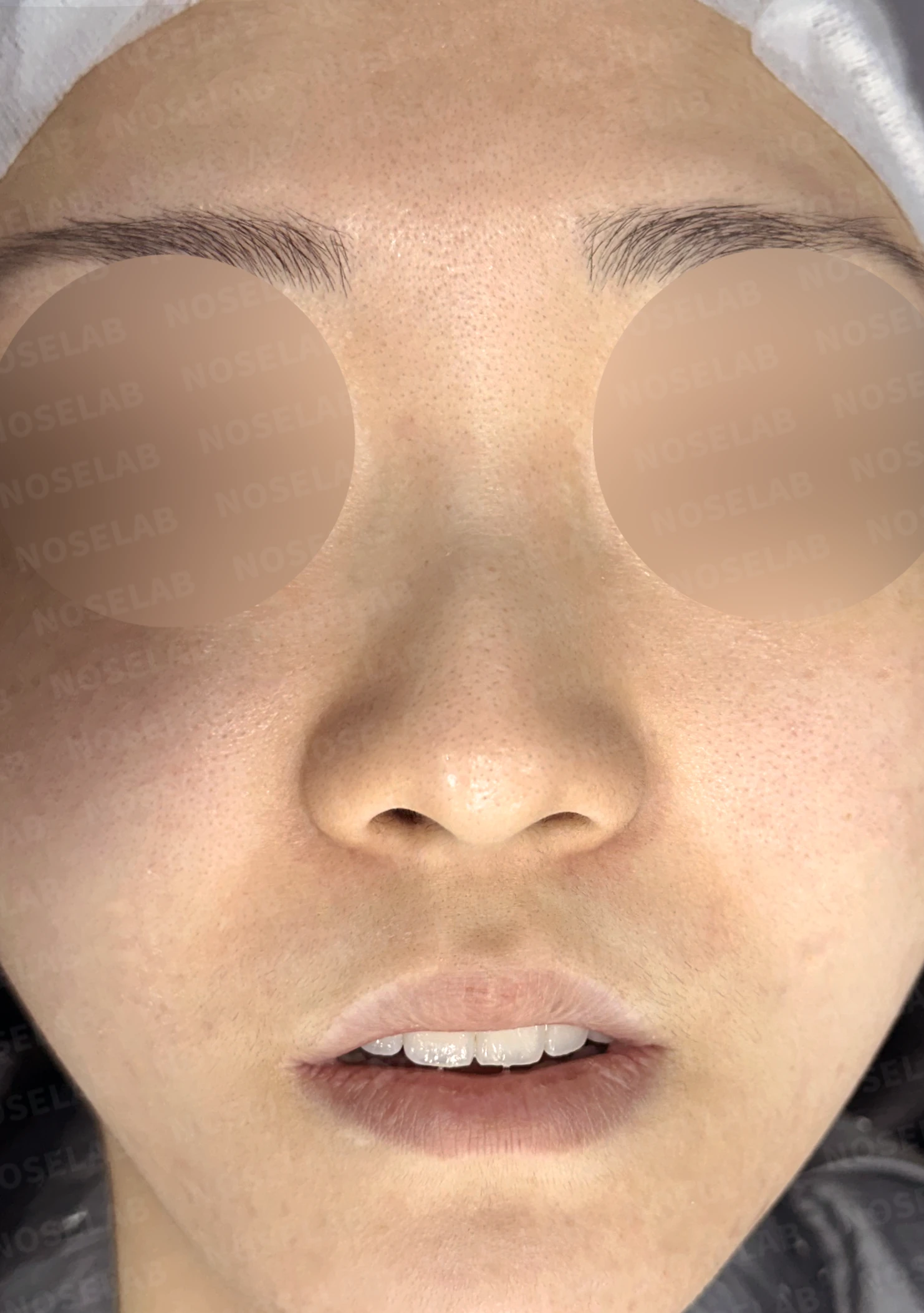
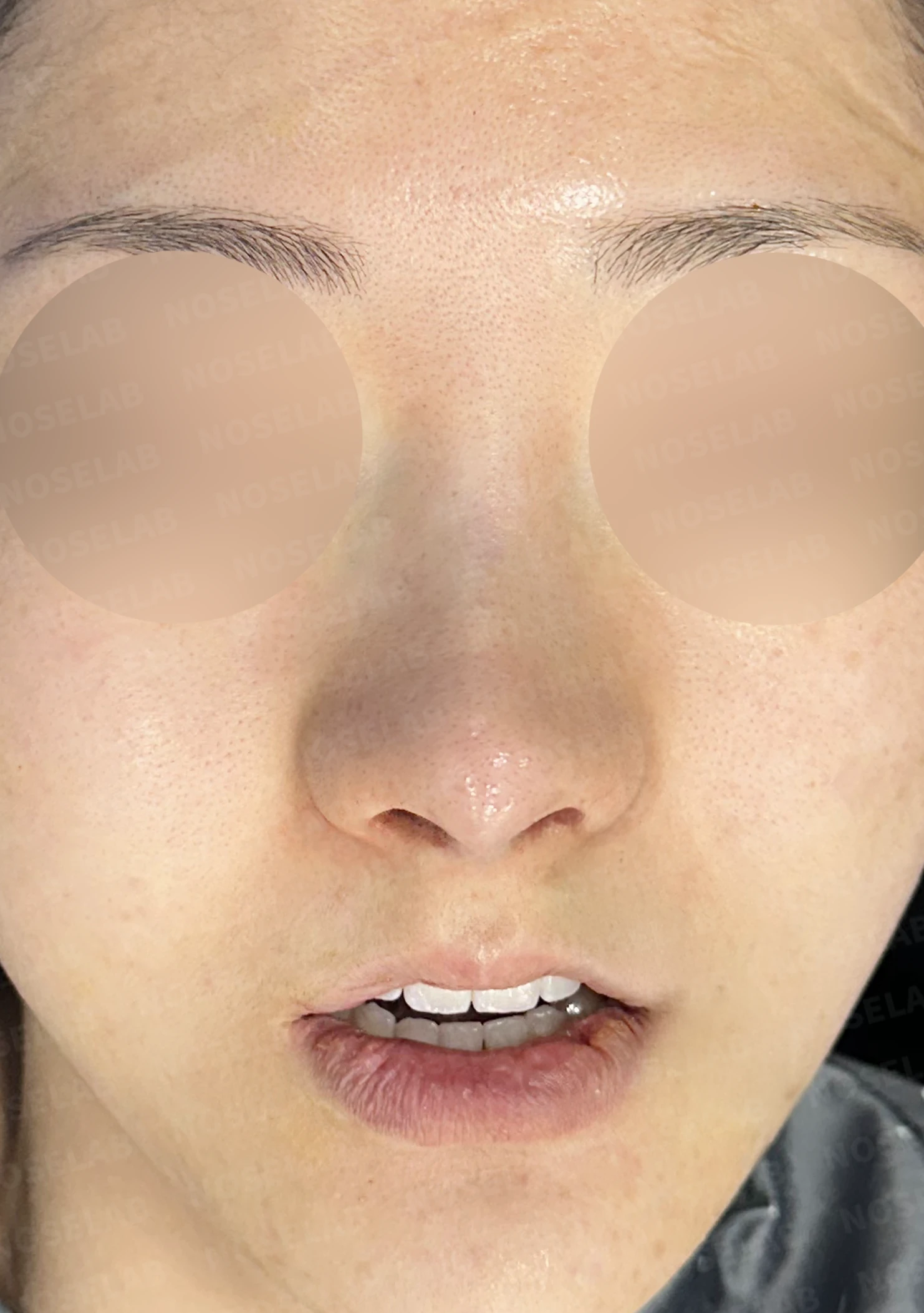
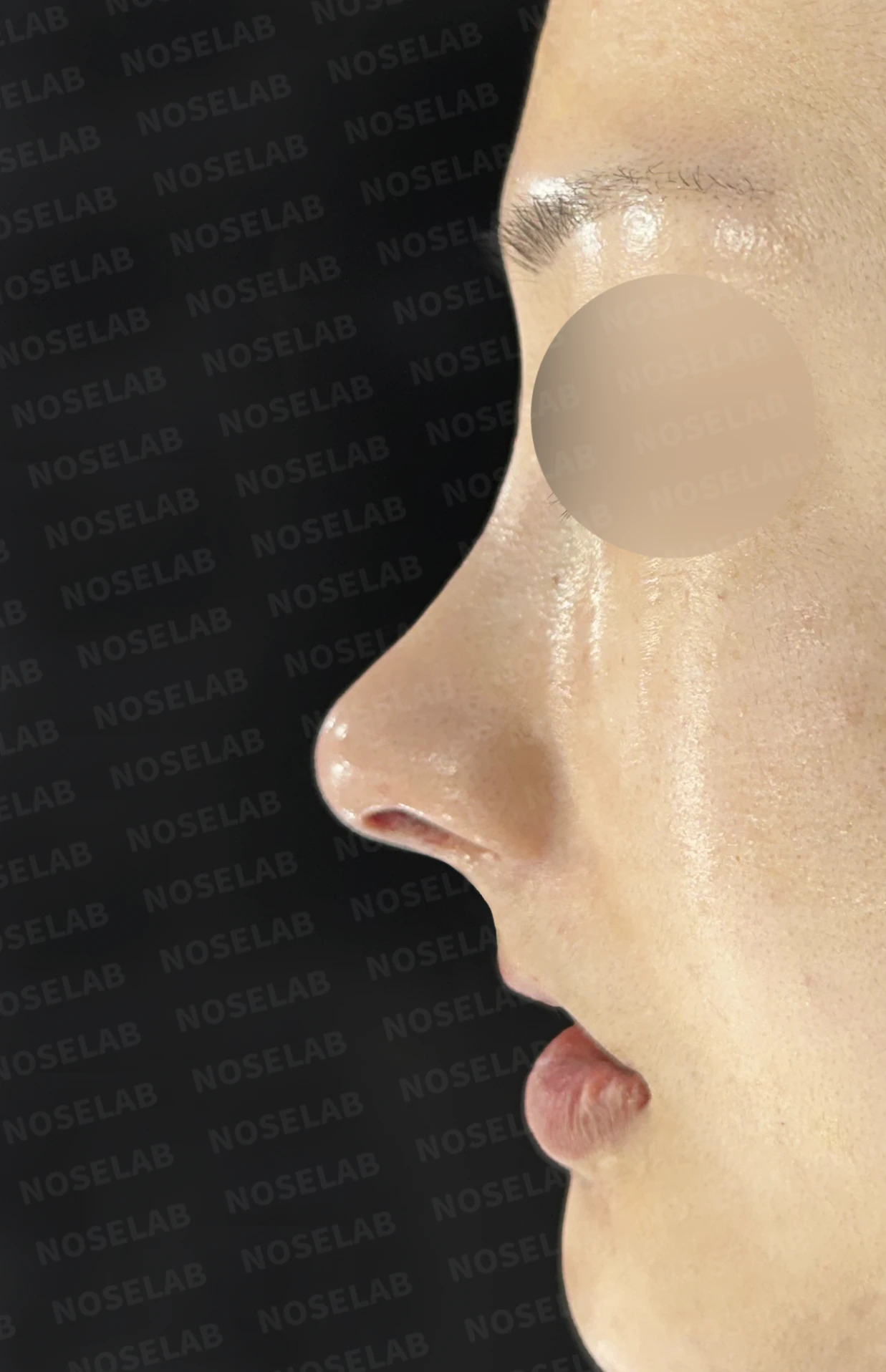
Before surgery / Day 0 immediately after surgery Photos taken immediately after surgery show swelling and may differ from the final result.
Front view changes:
Nasal bridge, previously displaced to the left, aligned with the center of the face
Improvement in visual crookedness caused by facial asymmetry
A refined nasal tip contour established
Before surgery / Day 0 immediately after surgery Photos taken immediately after surgery show swelling and may differ from the final result.
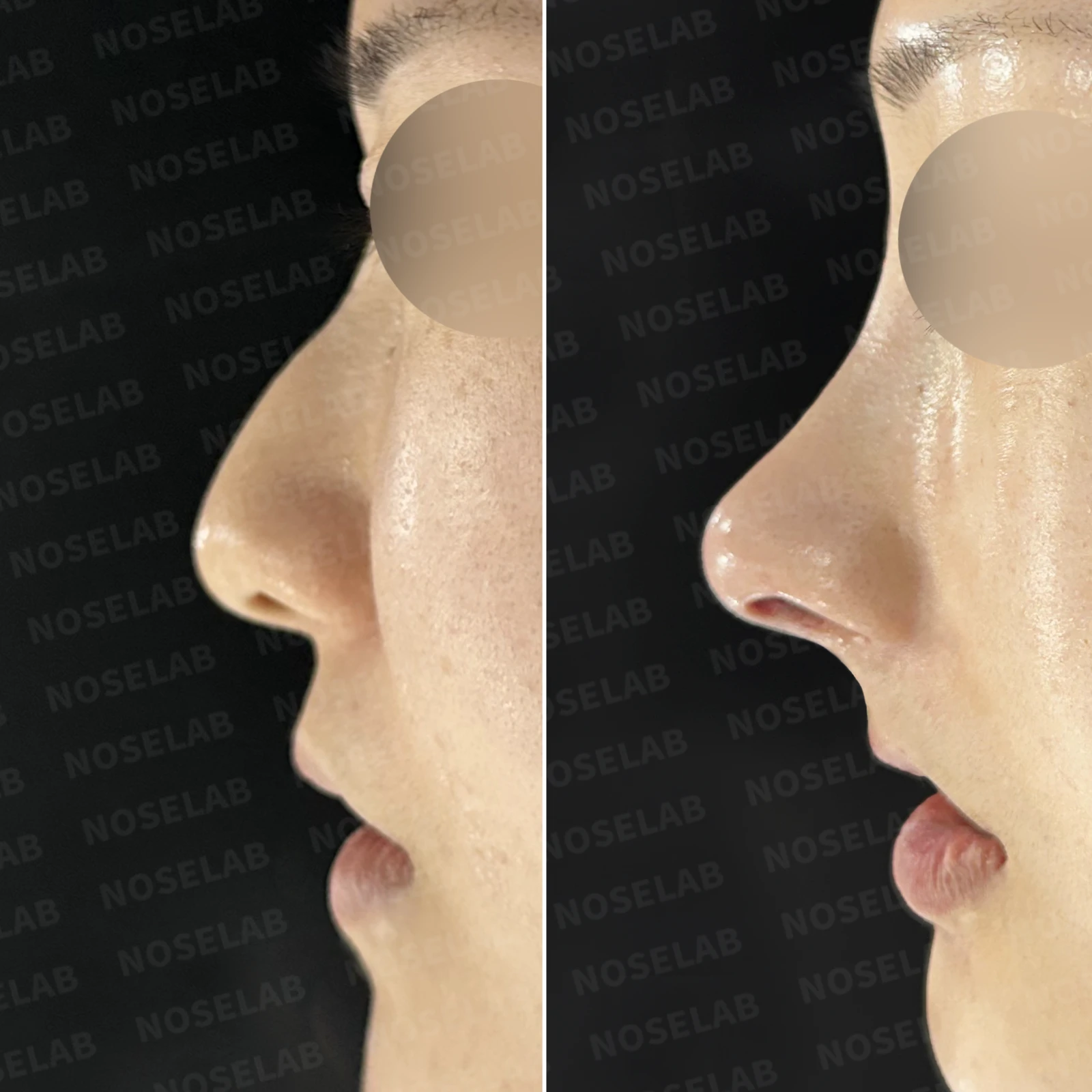
Profile view changes:
Creation of a natural straight bridge line
A smoother profile line achieved through nasolabial angle correction
A balanced nasal line from the profile view
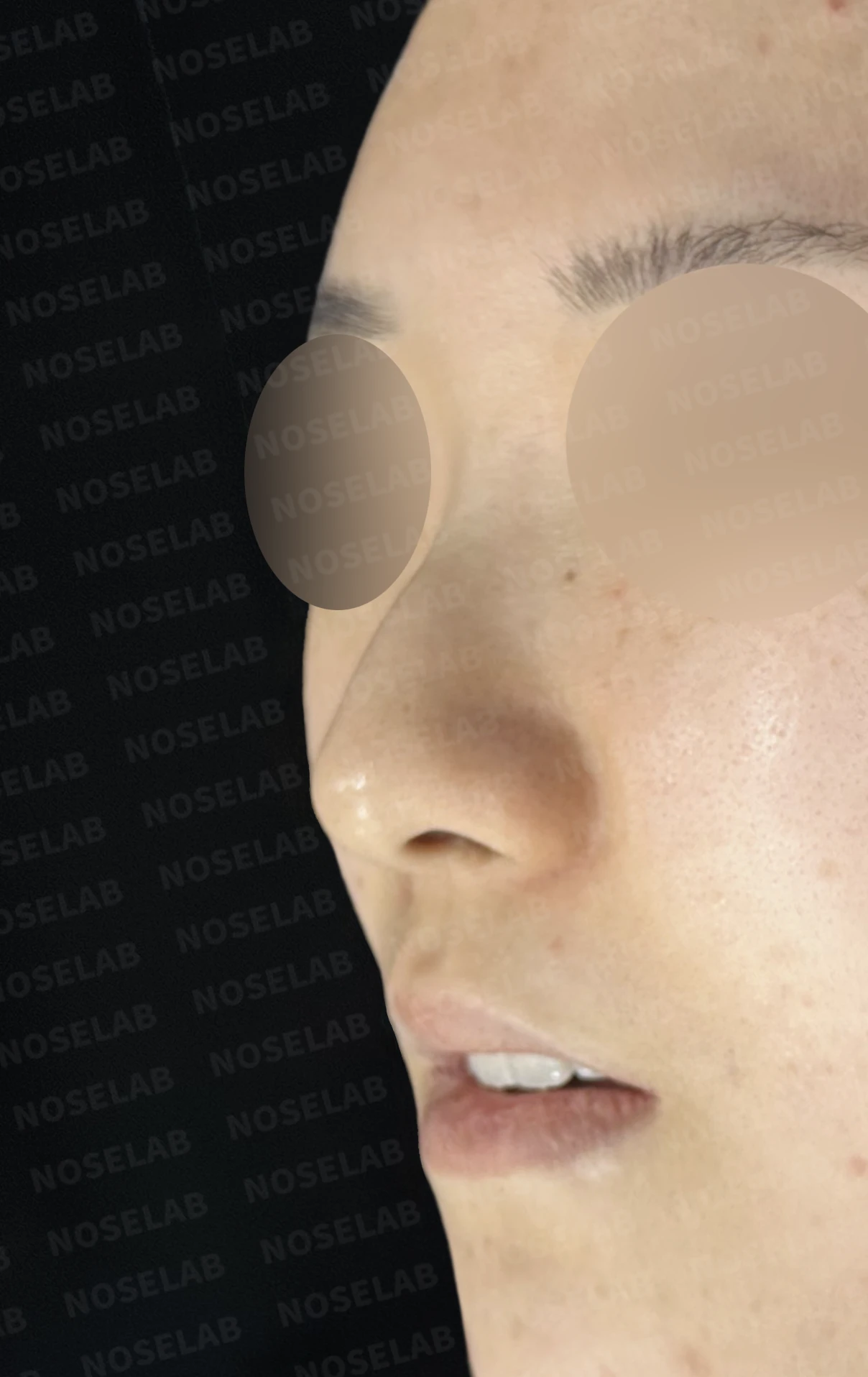
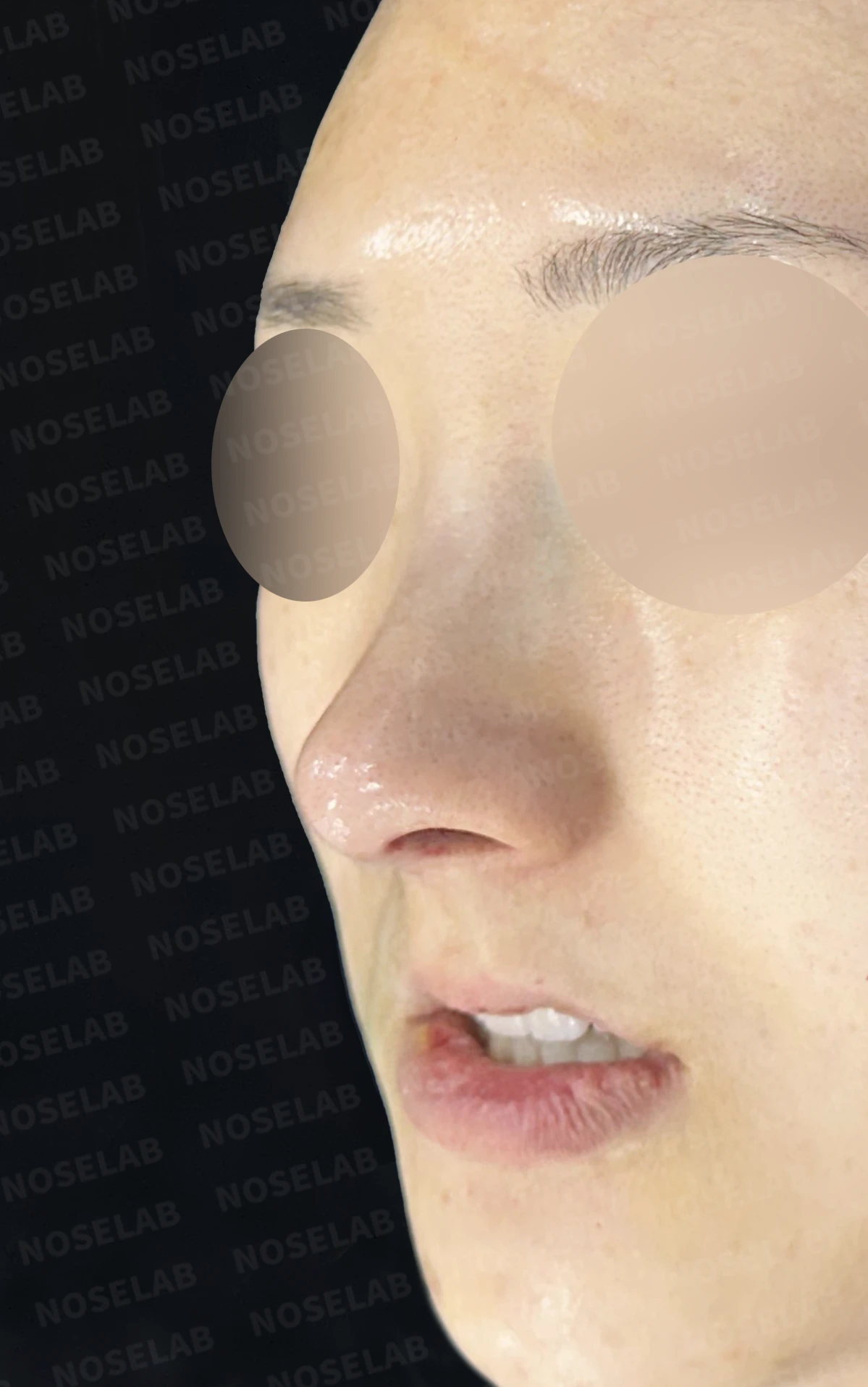
Before surgery / Day 0 immediately after surgery Photos taken immediately after surgery show swelling and may differ from the final result.
Nostril and functional changes:
Symmetrically balanced nostril shape
Improved breathing with relief of bilateral nasal obstruction
Alleviation of rhinitis symptoms
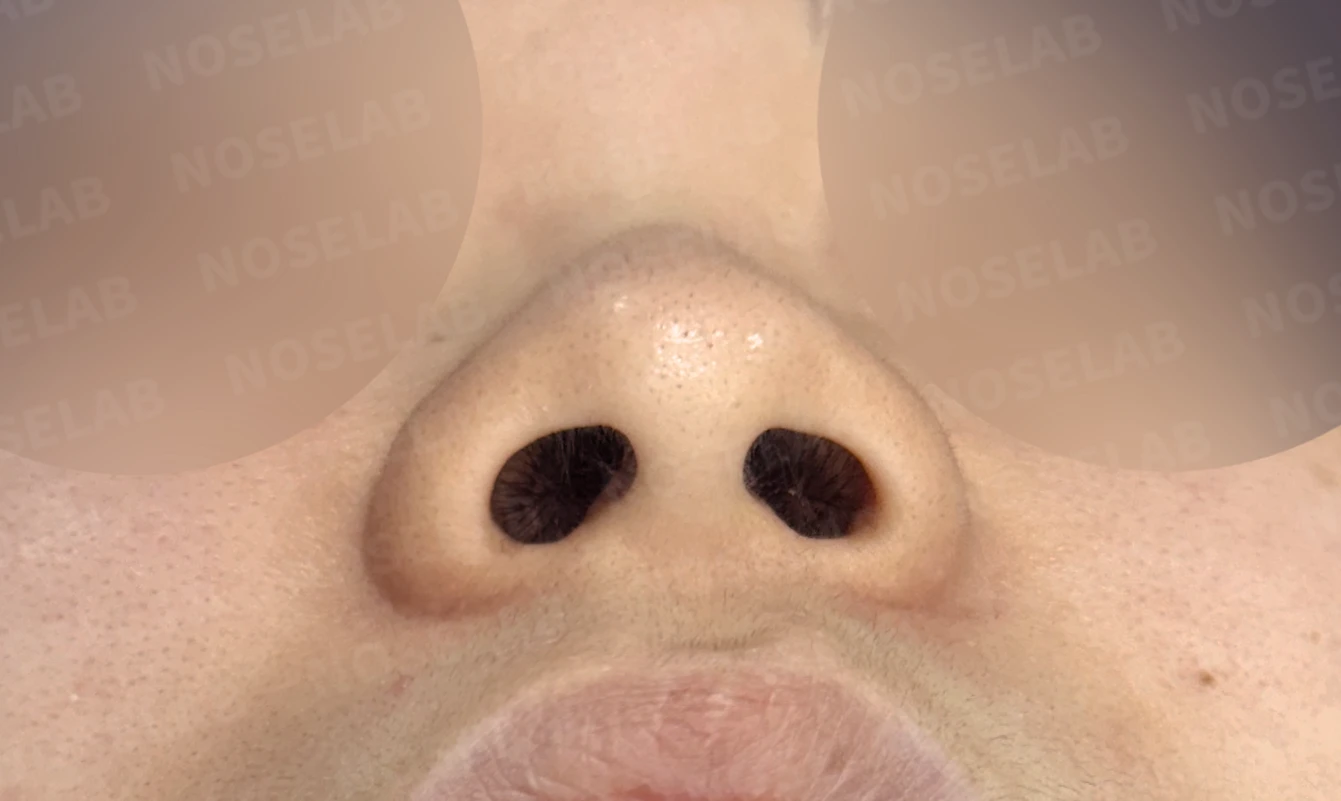
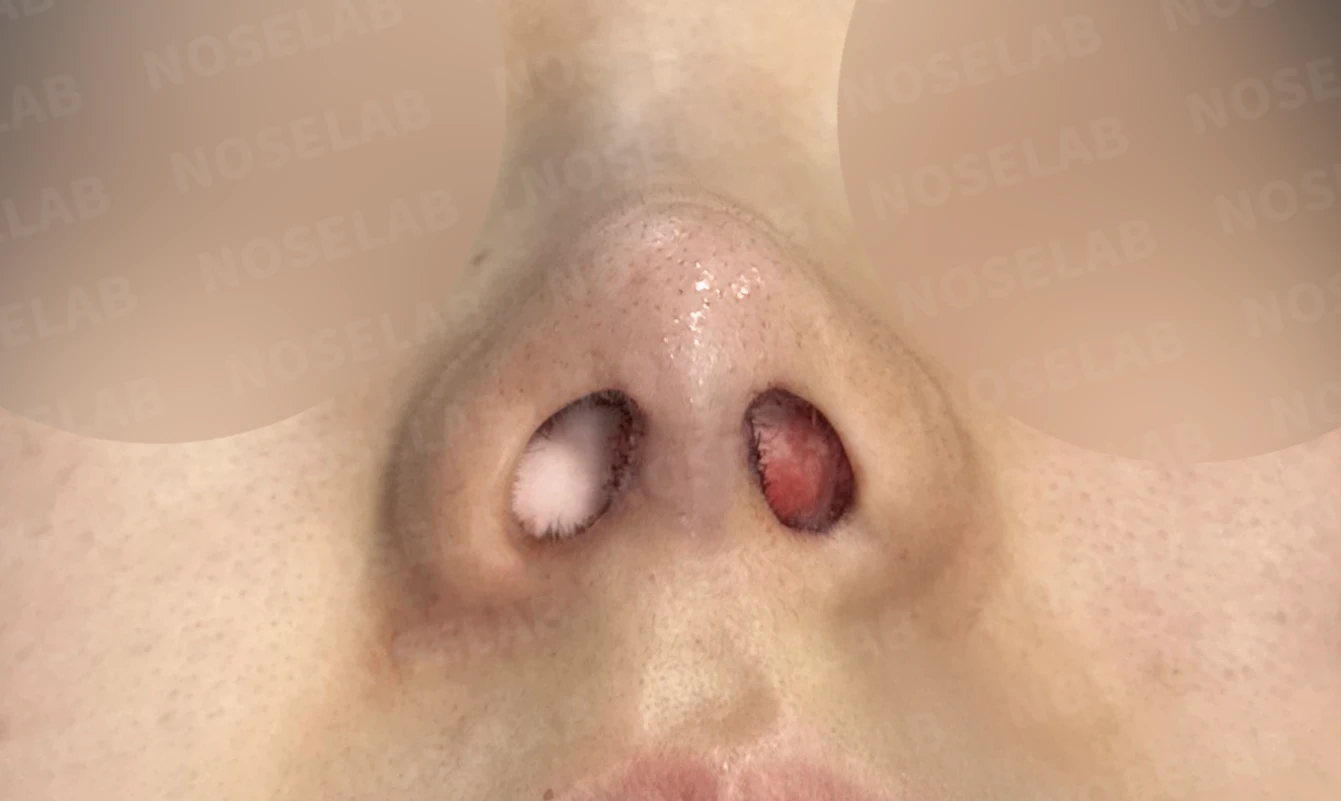
Before surgery / Day 0 immediately after surgery Photos taken immediately after surgery show swelling and may differ from the final result.
💡 Specialist opinion
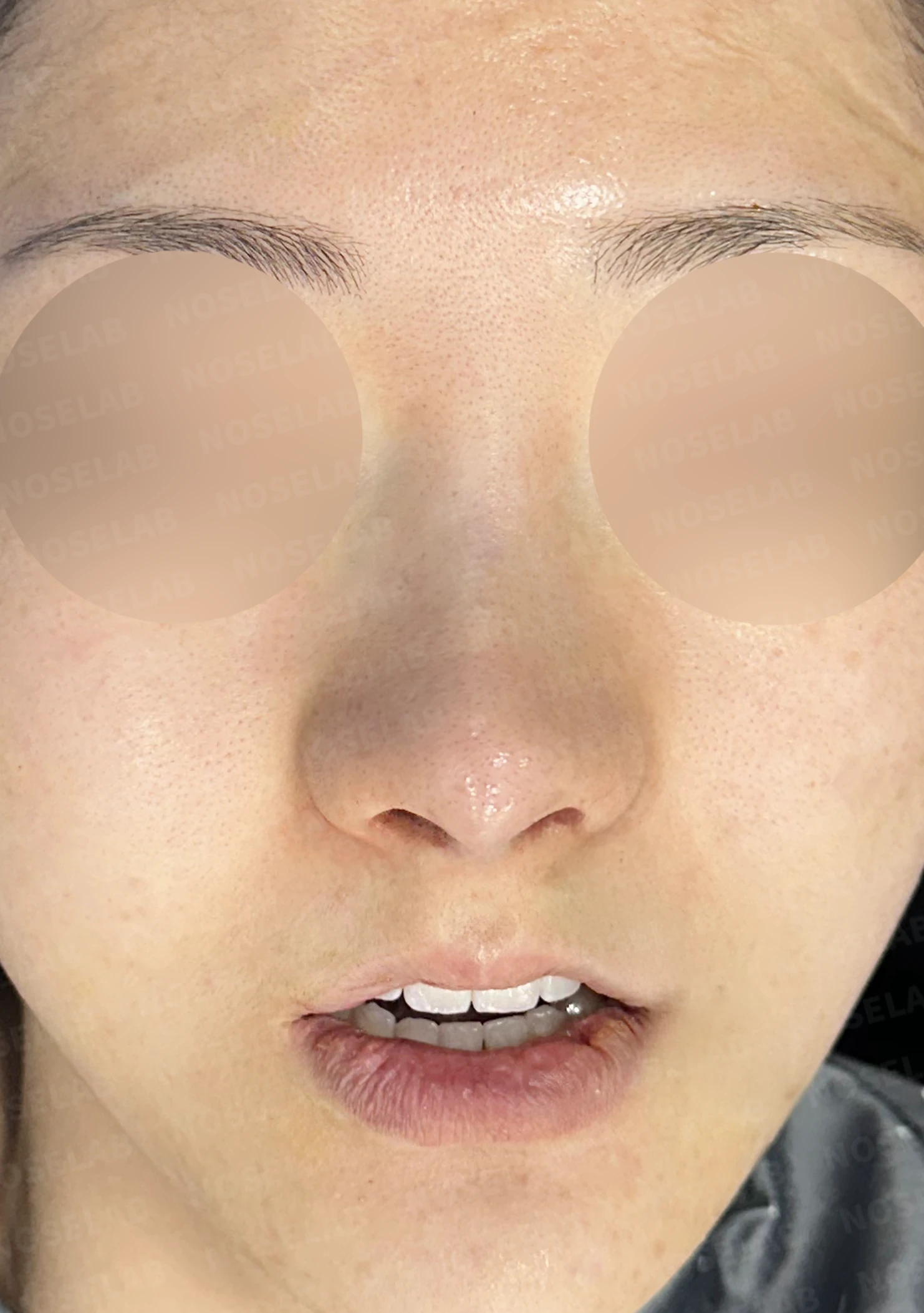
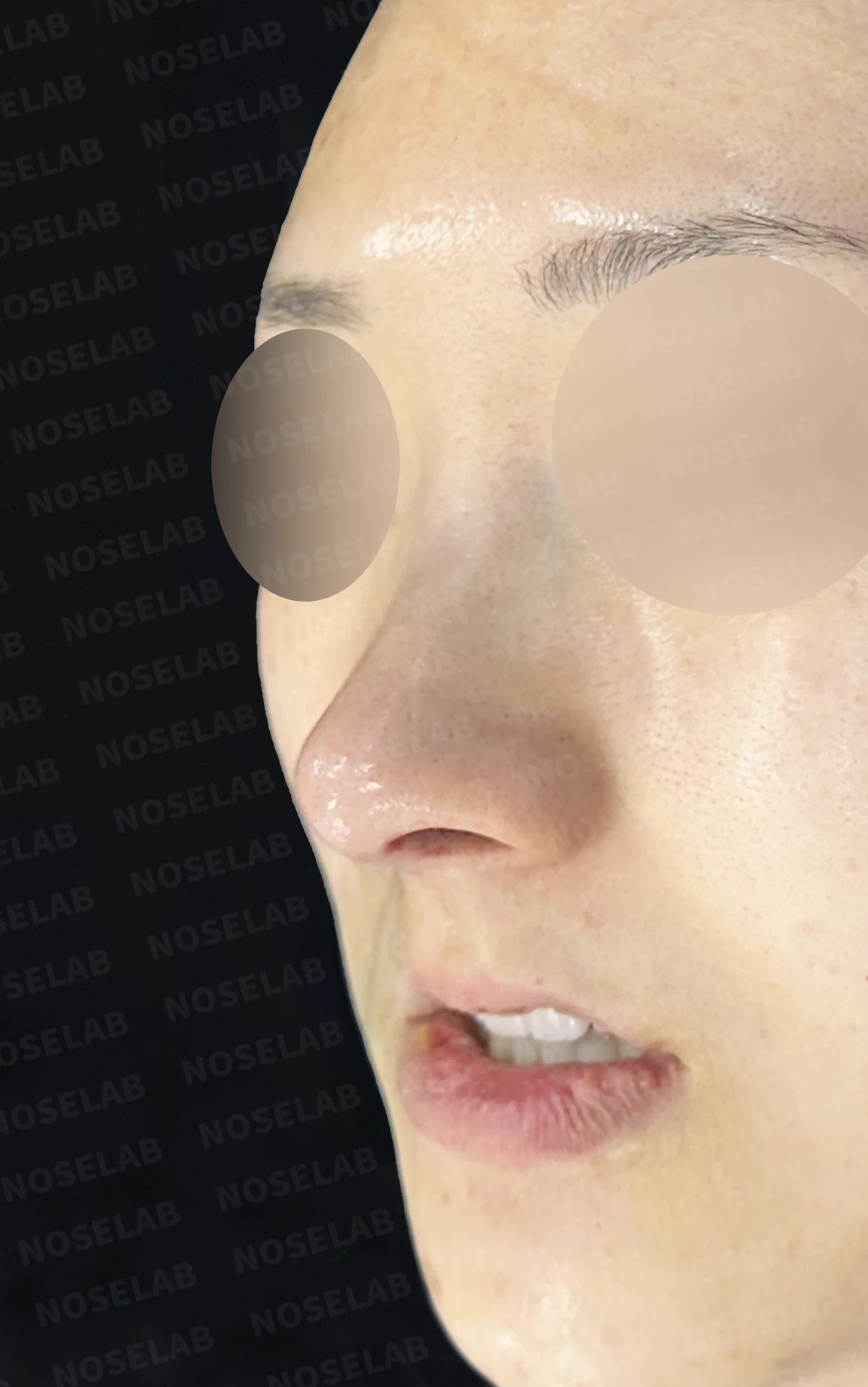
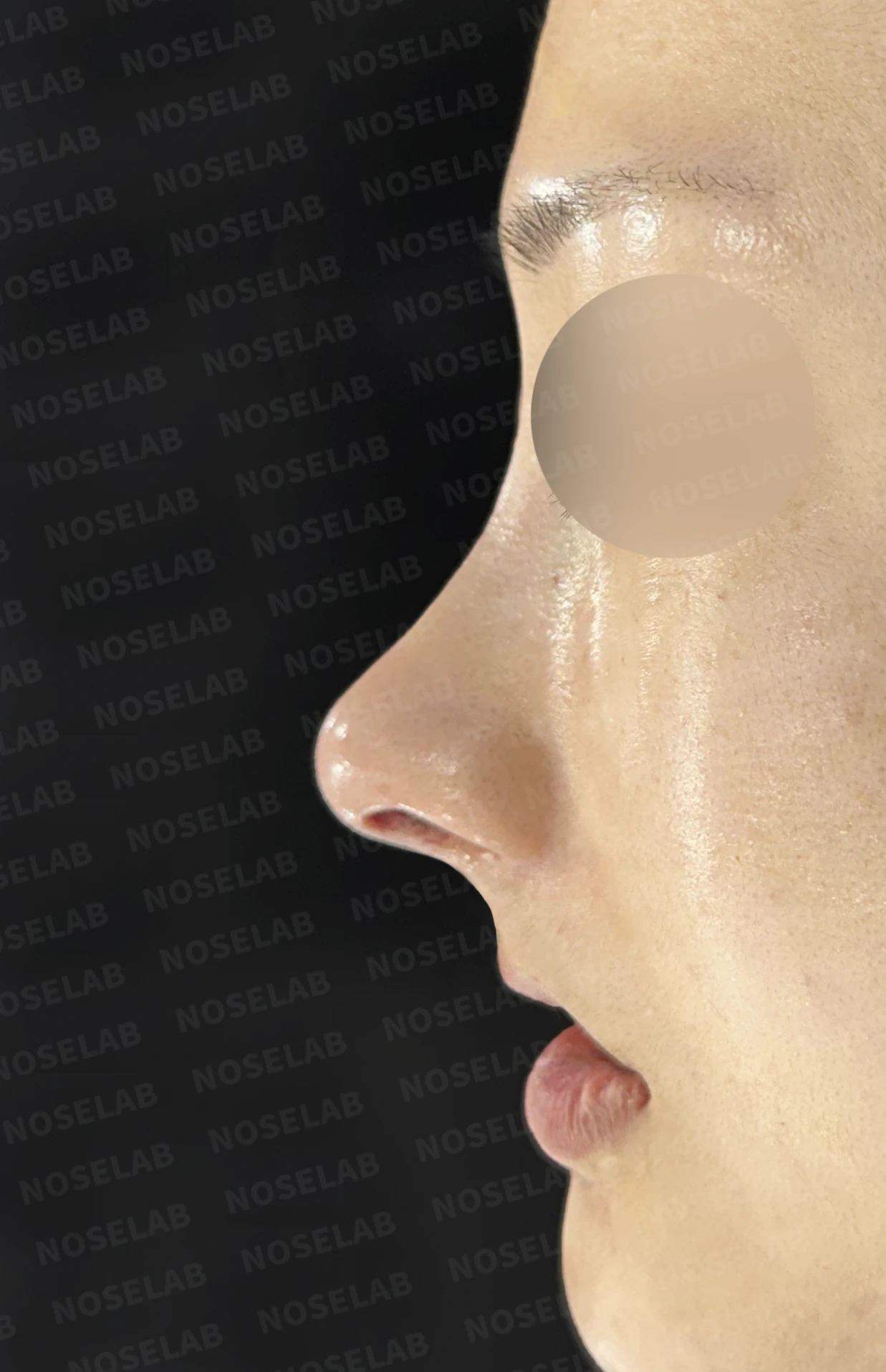
Front, oblique, and profile views on day 0 immediately after surgery. Photos taken immediately after surgery show swelling and may differ from the final result.
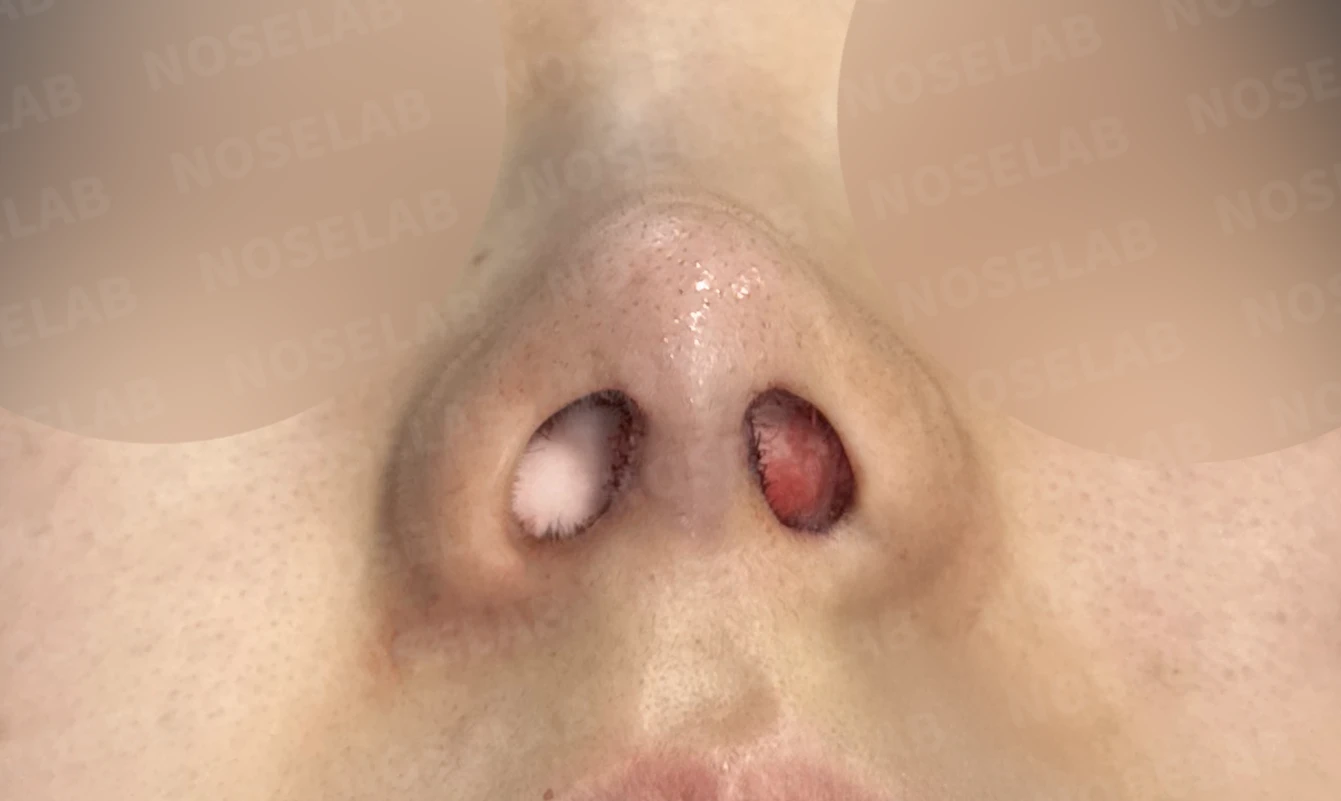
Nostril view on day 0 immediately after surgery. Photos taken immediately after surgery show swelling and may differ from the final result.
Correcting a crooked nose accompanied by facial asymmetry requires a far more meticulous approach than standard rhinoplasty. When asymmetry of the facial structure itself remains, merely straightening the nasal bones can still leave the nose appearing visually crooked.
In this case, the surgical plan addressed a complex combination of issues: a left-sided deviated septum, chronic rhinitis, and facial asymmetry. Septal reconstruction using autologous rib cartilage secured structural support inside the nose, while lateral osteotomy and precision carving of the implant naturally compensated for visual asymmetry.
A deviated septum and rhinitis are functional issues directly affecting breathing rather than simple cosmetic concerns; resolving them alongside rhinoplasty significantly impacts the patient's quality of life.
I always strive to enhance patient satisfaction through customized surgery that addresses both the appearance and the function of the nose.
This was Dr. Peter C. Kang. Thank you.
#crookednosecorrection #facialasymmetryrhinoplasty #autologousribcartilage #septalreconstruction #deviatedseptum #nasalobstructionsurgery #nasolabialanglecorrection #closedrhinoplasty #closedrevisionrhinoplasty

Limitations and risks
When autologous rib cartilage is used, scarring and pain may remain at the donor site on the chest, and pneumothorax (pleural injury) can occur rarely. Over time, the grafted cartilage may warp or undergo partial resorption.
When the septum is corrected at the same time, nasal obstruction may persist or recur, and in rare cases, septal perforation or changes in smell may occur.
Common potential risks include infection, bleeding, asymmetry, scarring, skin necrosis, and insufficient improvement; results vary depending on individual skin condition and previous surgical history.