English日本語简体中文
Skip to main content
Dr. Peter C. Kang's Rhinoplasty Stories
PrologueBlogMy thoughtsNasal obstructionSurgical journalSurgical photos
About the surgeon

Nasal bone fracture and post-trauma rhinoplasty cases

When reviewing cases with a history of nasal bone fractures, it helps to distinguish the initial post-injury treatment from the cosmetic and structural concerns that persisted afterward. There are records of patients who visited the clinic after undergoing reduction surgery at a university hospital, presenting with a visibly crooked nasal bone and breathing discomfort on the right side. The history of trauma and the areas to be corrected represent information from two different points in time.

These articles also cover cases that take into account not only nasal bone fractures but also prior orbital fractures and facial contouring surgery. In such cases, the original text explains the facial axis together with the position of the nose. Rather than viewing every post as an emergency treatment case for a recent nasal fracture, compare the records by checking the type and timing of trauma, past treatments, and current structural and functional concerns.

View before-and-after cases ↓Comprehensive rhinoplasty guide

Searching for surgical cases matching your criteria.
Why a operated nose deviates and nostrils become asymmetric after physical trauma, and how septal reconstruction is performed — Before-and-after comparison
Before-and-after comparison

Why a operated nose deviates and nostrils become asymmetric after physical trauma, and how septal reconstruction is performed

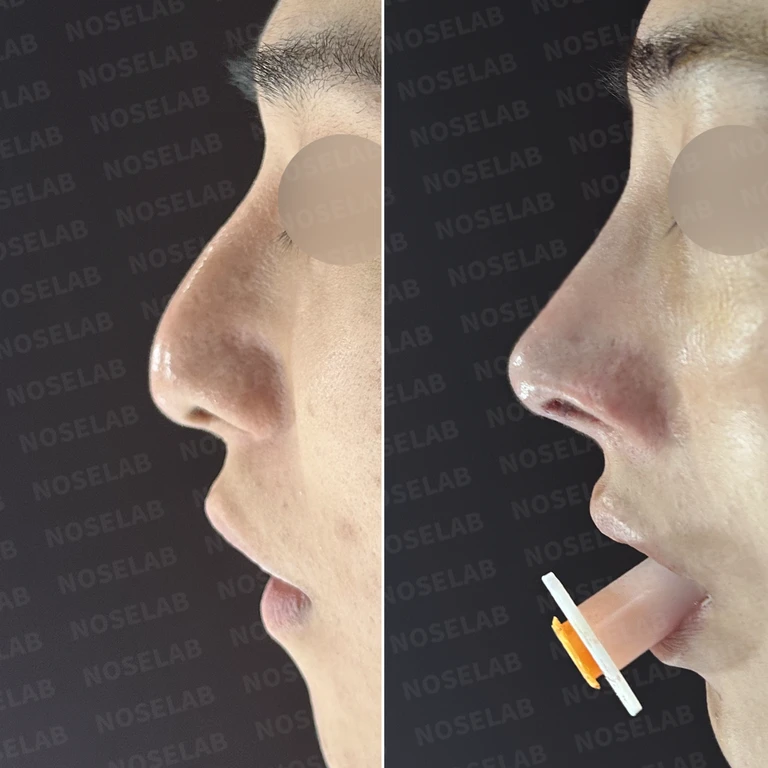
A case where post-surgical trauma caused a septal tear, resulting in a crooked nose and nostril asymmetry. Septal reconstruction was performed using autologous rib cartilage, along with realigning the columellar central axis and replacing the implant.

Previous surgeries and procedures
Why nasal filler cannot correct a drooping tip and dorsal hump, and the reconstruction method after removal — Before-and-after comparison
Before-and-after comparison

Why nasal filler cannot correct a drooping tip and dorsal hump, and the reconstruction method after removal

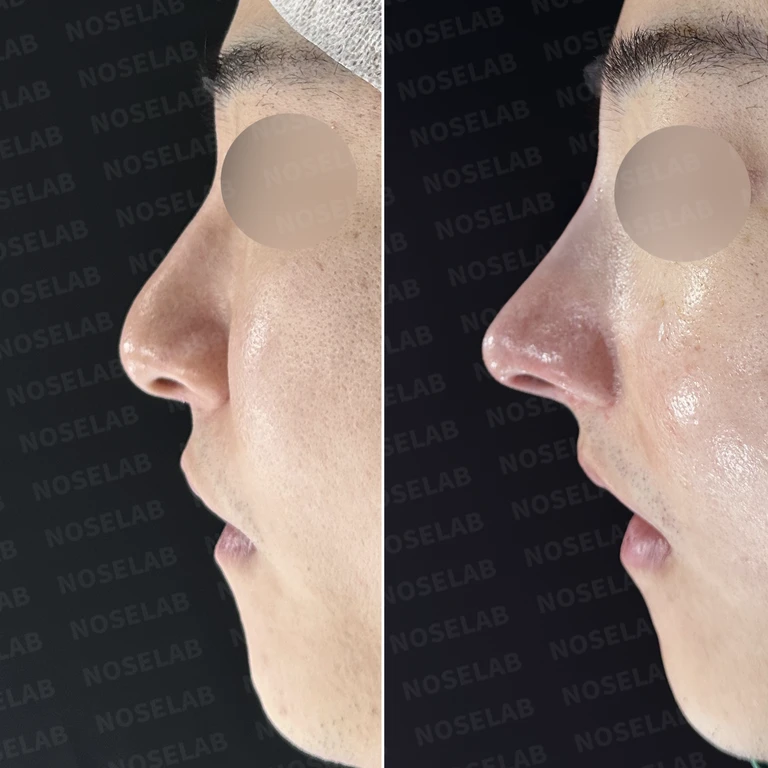
To resolve a persistent drooping tip and dorsal hump deformity after filler and PDO thread lifting, foreign material was removed, followed by nasal tip reconstruction using autologous rib cartilage, a silicone implant on the nasal bridge, and septoplasty.

Previous surgeries and procedures

Why a nose appears low and how to build height using autologous rib cartilage — Before-and-after comparison
Before-and-after comparison

Why a nose appears low and how to build height using autologous rib cartilage

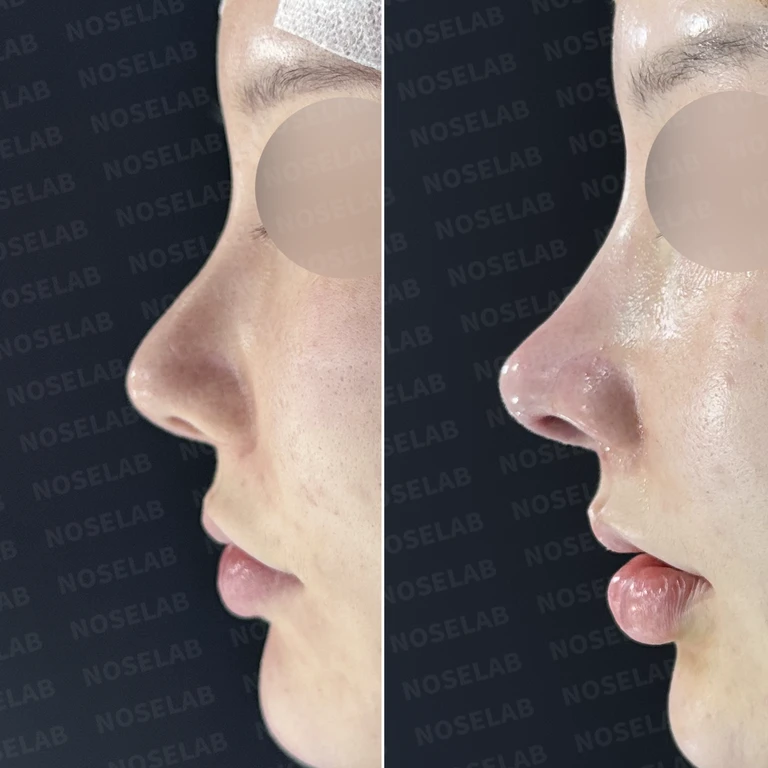
For a male patient who had received repeated filler injections for a low nasal bridge, foreign material was removed, followed by nasal tip rhinoplasty using autologous rib cartilage and the insertion of a customized silicone implant.

Previous surgeries and procedures
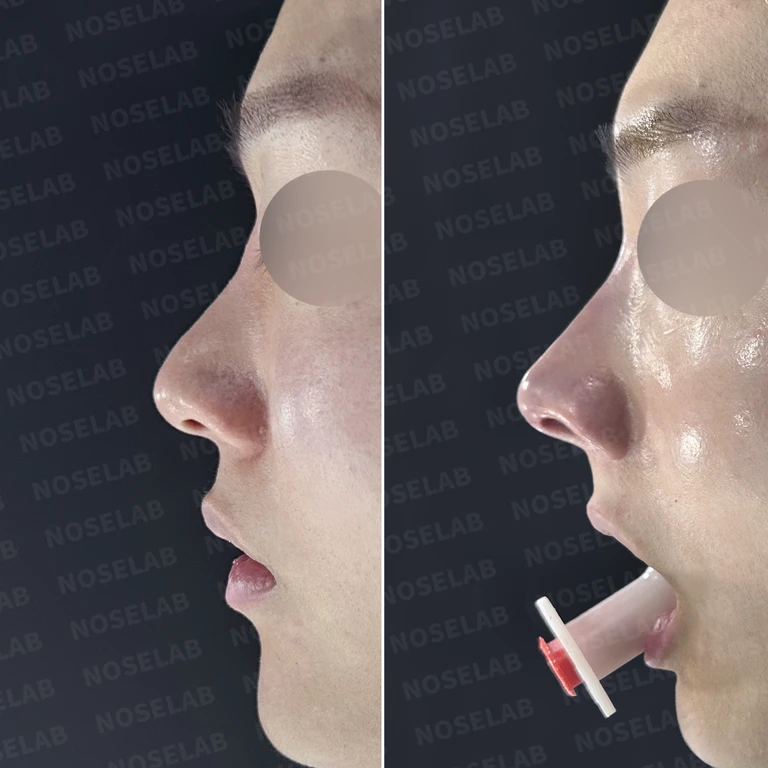
Why nasal obstruction worsens when the septum collapses to one side — Before-and-after comparison
Before-and-after comparison

Why nasal obstruction worsens when the septum collapses to one side

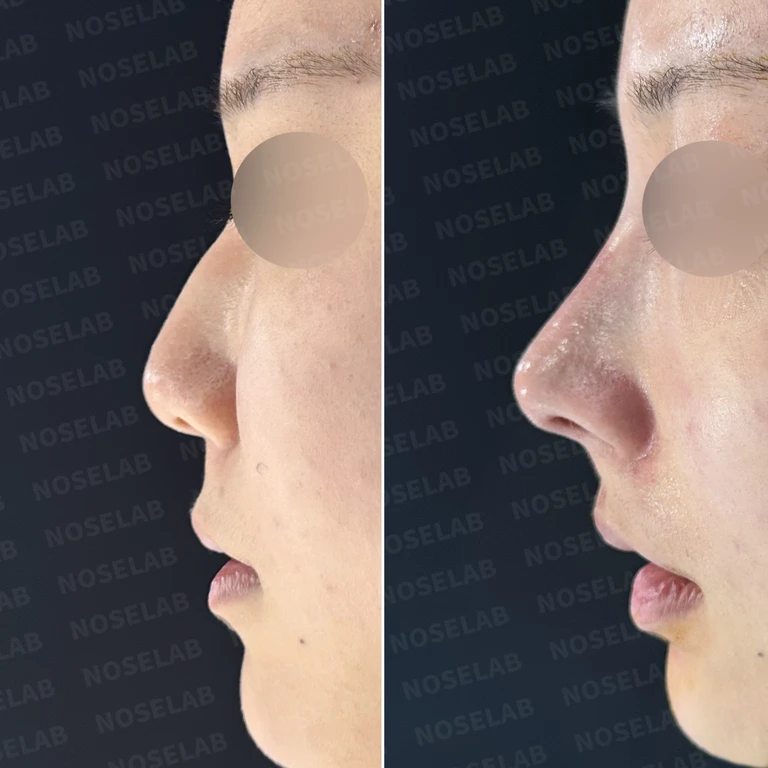
For a male patient presenting with a collapsed septum, severe nasal obstruction, and a drooping tip, autologous rib cartilage septal reconstruction, septal extension, and rhinitis surgery were performed.

Previous surgeries and procedures
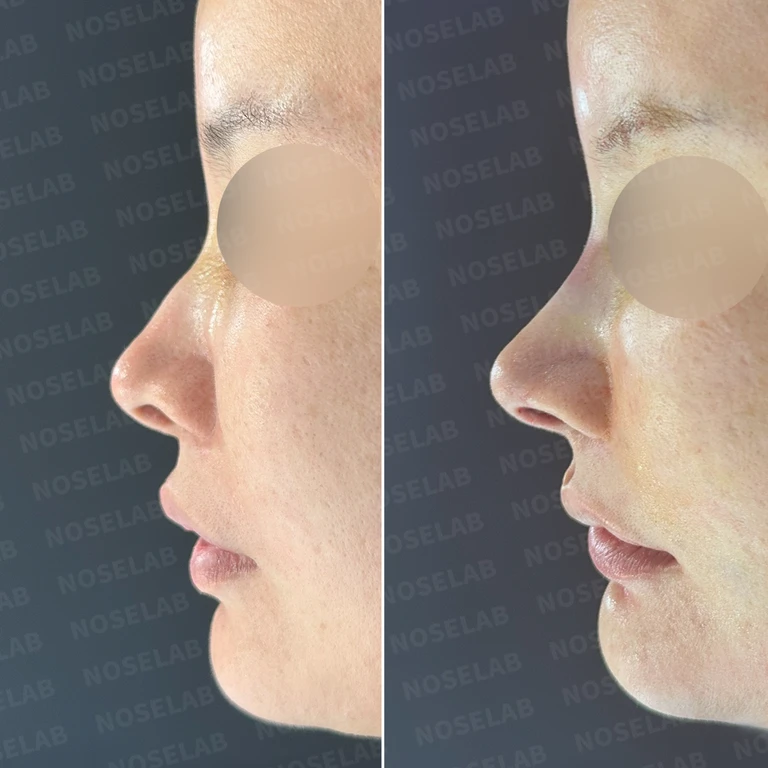
Why we look at the facial axis first when correcting a nose with facial asymmetry — Before-and-after comparison
Before-and-after comparison

Why we look at the facial axis first when correcting a nose with facial asymmetry

A crooked nose, influenced by facial asymmetry, a history of orbital fracture, and facial contouring surgery, was corrected to align with the central facial axis, along with clearing existing filler and refining a drooping tip and the nasolabial angle.

Previous surgeries and procedures
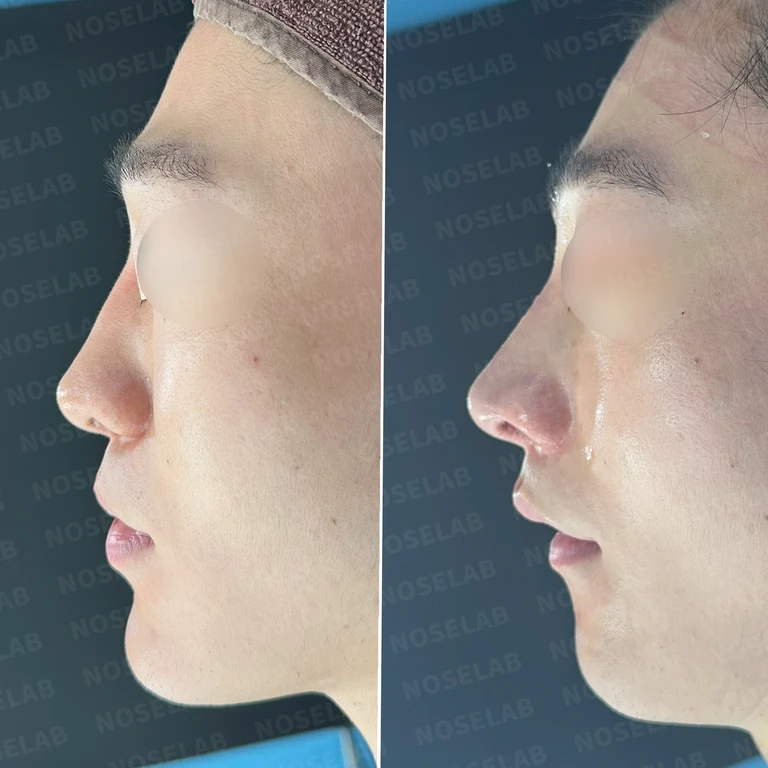
How a fractured nasal bone alters the nose after trauma, and how reduction and reconstruction are performed — Before-and-after comparison
Before-and-after comparison

How a fractured nasal bone alters the nose after trauma, and how reduction and reconstruction are performed

A case involving a traumatic nasal bone fracture and damage to the right cartilage. Closed reduction of the nasal bone and donor rib cartilage reconstruction were performed alongside procedures to improve facial balance.

Previous surgeries and procedures
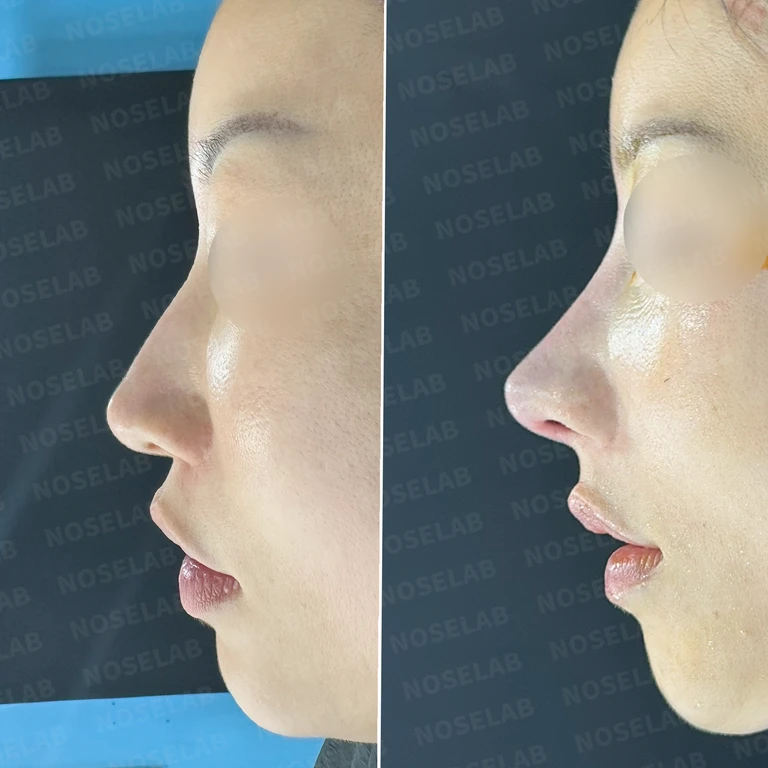
Scar tissue and nostril asymmetry after nasal fracture and repeated revision surgeries: reconstructive approaches — Before-and-after comparison
Before-and-after comparison

Scar tissue and nostril asymmetry after nasal fracture and repeated revision surgeries: reconstructive approaches

Following trauma and revision surgery, the patient presented with concerns over silicone implant complications, nostril asymmetry, and scar adhesions. After removing the implant, autologous rib cartilage reconstruction and septoplasty were performed.

Previous surgeries and procedures
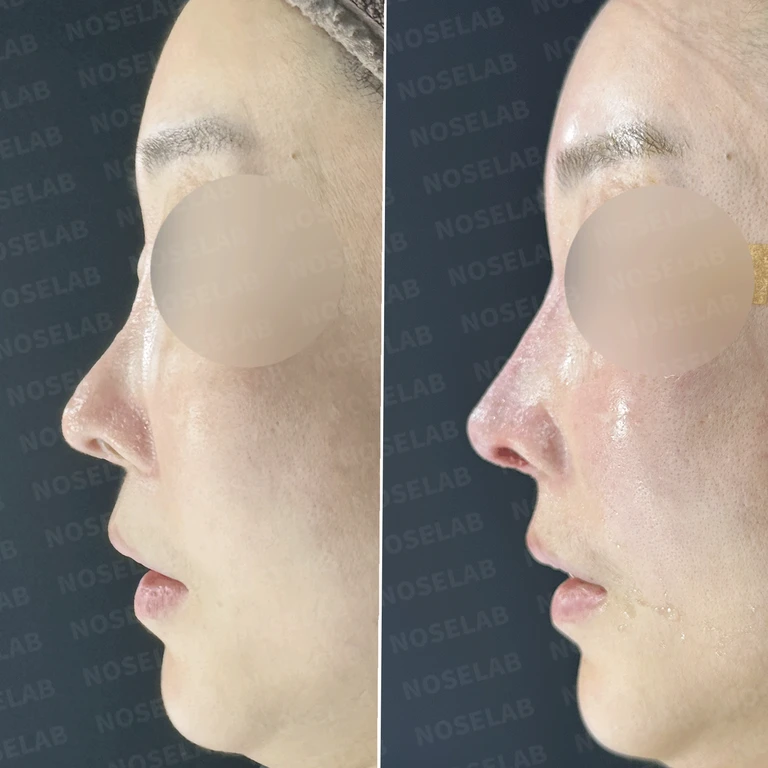
Why clicking sounds and shape changes occur in the nasal tip after trauma, and reconstruction with rib cartilage — Before-and-after comparison
Before-and-after comparison

Why clicking sounds and shape changes occur in the nasal tip after trauma, and reconstruction with rib cartilage

For a patient who experienced nasal tip deformity and asymmetry of the nasal bone and nostrils following everyday trauma, autologous rib cartilage reconstruction and lateral osteotomy were performed to establish a stable structure.

Previous surgeries and procedures
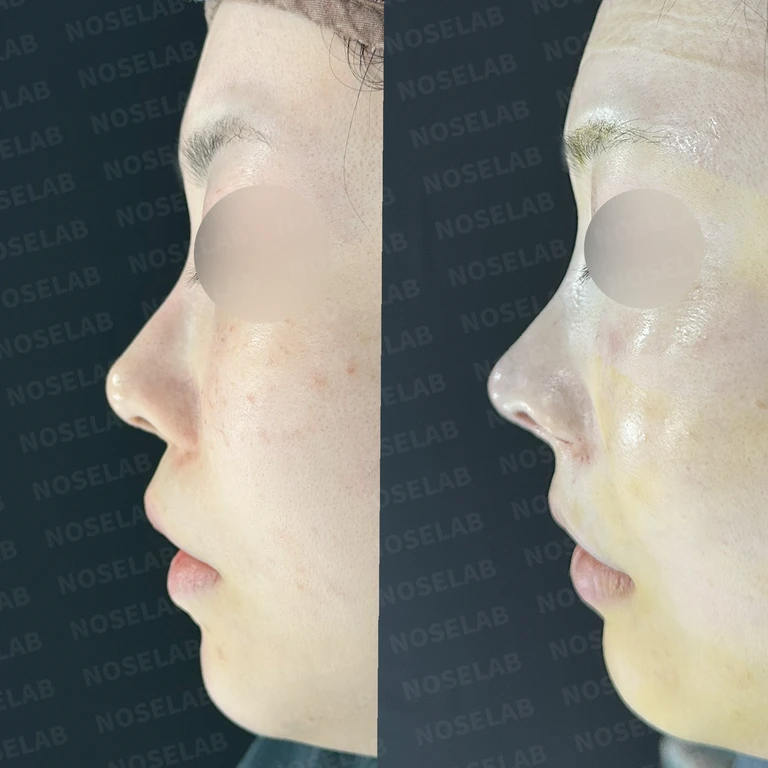
Why saddle nose and nasal valve stenosis occur after repeated revision rhinoplasty, and how total reconstruction is performed — Before-and-after comparison
Before-and-after comparison

Why saddle nose and nasal valve stenosis occur after repeated revision rhinoplasty, and how total reconstruction is performed

This is a case where the nasal bones, septum, and keystone area were damaged after repeated surgeries, causing nasal obstruction due to nasal valve stenosis. Autologous rib cartilage was used to reconstruct the nasal support structure and nasal valve, while correcting bridge depression and asymmetry.

Previous surgeries and procedures
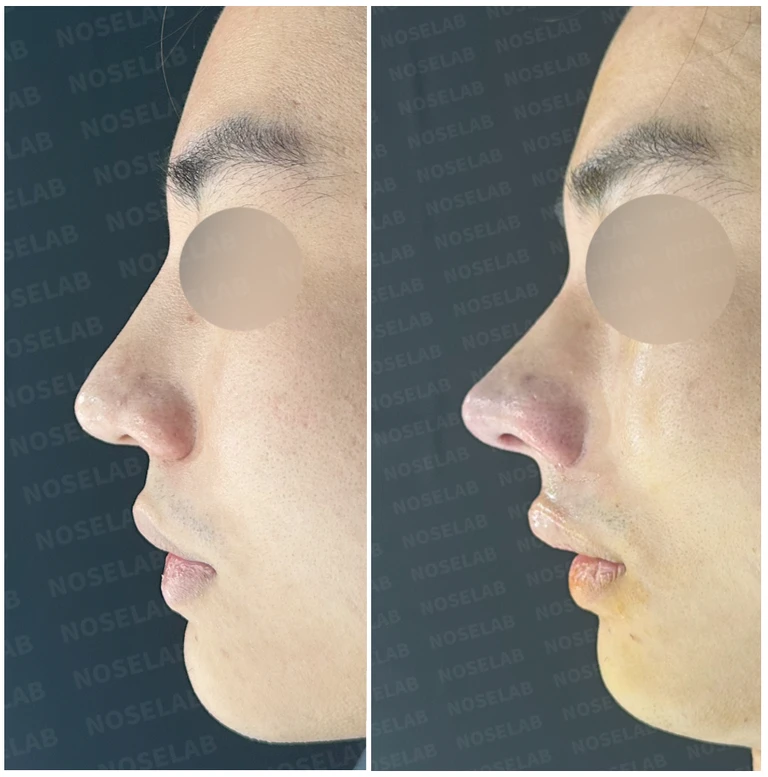
Problems caused by excessive harvest of septal cartilage and methods for reconstruction — Before-and-after comparison
Before-and-after comparison

Problems caused by excessive harvest of septal cartilage and methods for reconstruction

In a patient whose septal cartilage had been excessively harvested during previous surgeries, leading to a shortened nasal tip and nostril asymmetry, the septum was solidly reconstructed using autologous rib cartilage to restore nasal length.

Previous surgeries and procedures
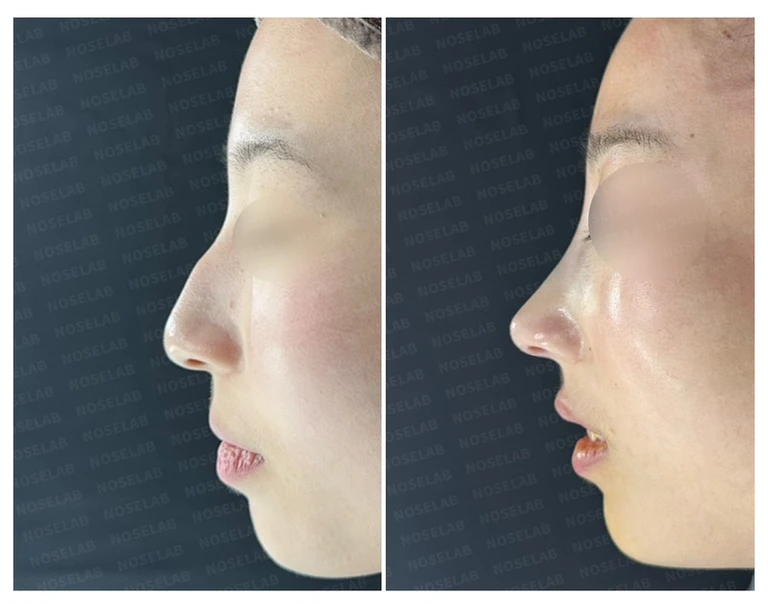
Nasal bone fractures: When cosmetic surgery can be combined and how to stage the procedure — Before-and-after comparison
Before-and-after comparison

Nasal bone fractures: When cosmetic surgery can be combined and how to stage the procedure

To correct a traumatic nasal bone fracture and a deviated nasal tip, closed reduction and autologous rib cartilage septal extension were performed without an implant, with plans to adjust the nasal bridge height after an observation period.

Previous surgeries and procedures
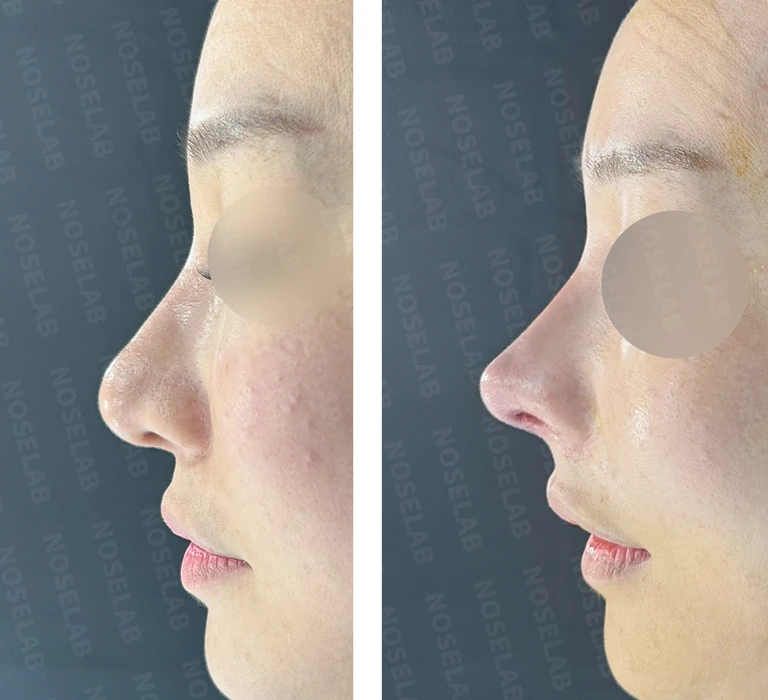
Dorsal hump and crooked nose worsened after trauma: A correction method with minimal change — Before-and-after comparison
Before-and-after comparison

Dorsal hump and crooked nose worsened after trauma: A correction method with minimal change

A case in which septal extension using donor rib cartilage, lateral osteotomy, and inferior turbinate rhinitis surgery were performed for a dorsal hump, crooked nose, and nasal obstruction that worsened after trauma.

Previous surgeries and procedures
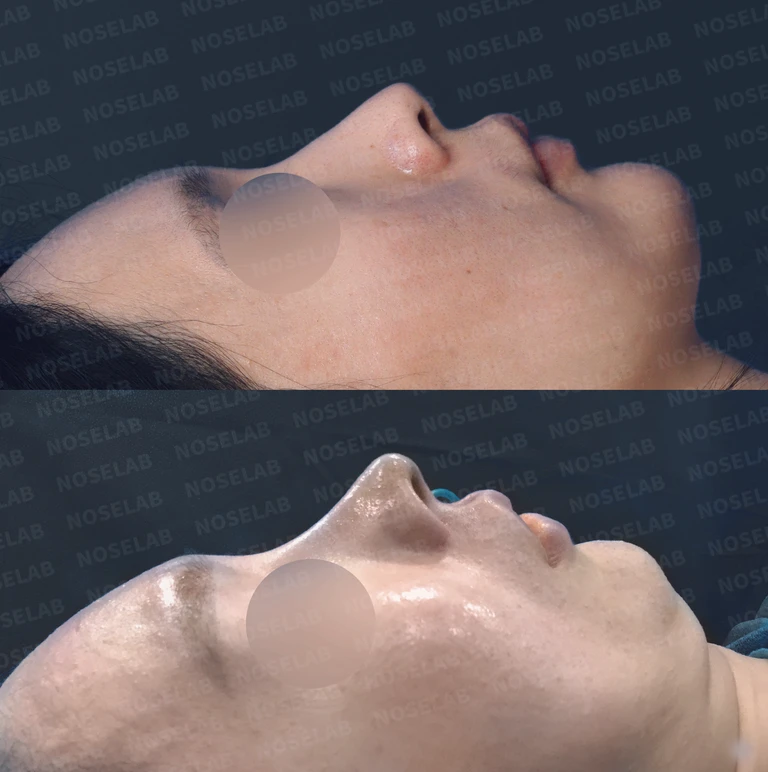
Correction methods for bulbous and crooked noses through structural analysis — Before-and-after comparison
Before-and-after comparison

Correction methods for bulbous and crooked noses through structural analysis

Correction of a crooked nose and bulbous tip following fracture reduction and multiple prior rhinoplasties using autologous rib cartilage septal extension, lateral osteotomy, nasal sill reduction, and nasolabial angle correction.

Previous surgeries and procedures
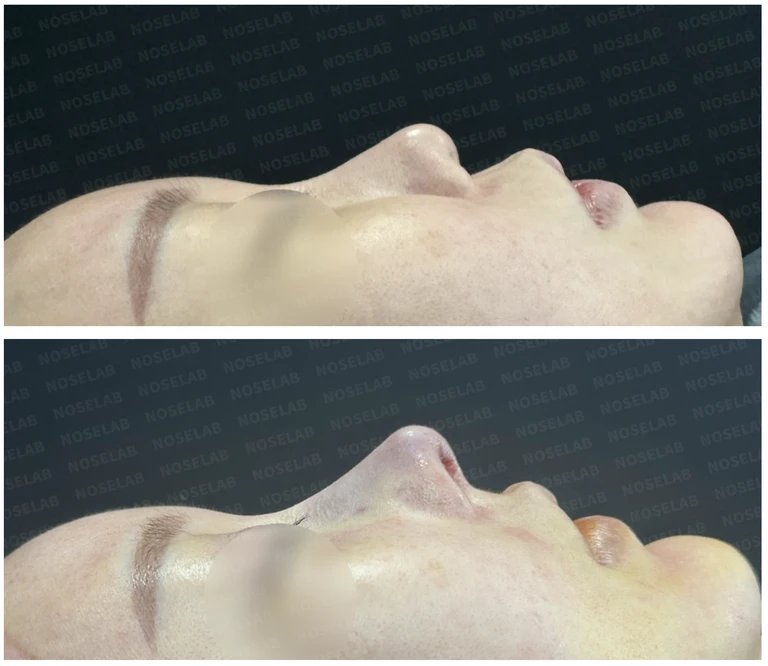
The anatomy of post-traumatic nasal obstruction and its correction methods — Before-and-after comparison
Before-and-after comparison

The anatomy of post-traumatic nasal obstruction and its correction methods

In a patient presenting with septal fracture, nasal obstruction, and tip deviation resulting from trauma, septal correction and extension using donor rib cartilage, dorsal reinforcement with dermis, and osteotomy were performed via an implant-free, closed approach.

Previous surgeries and procedures
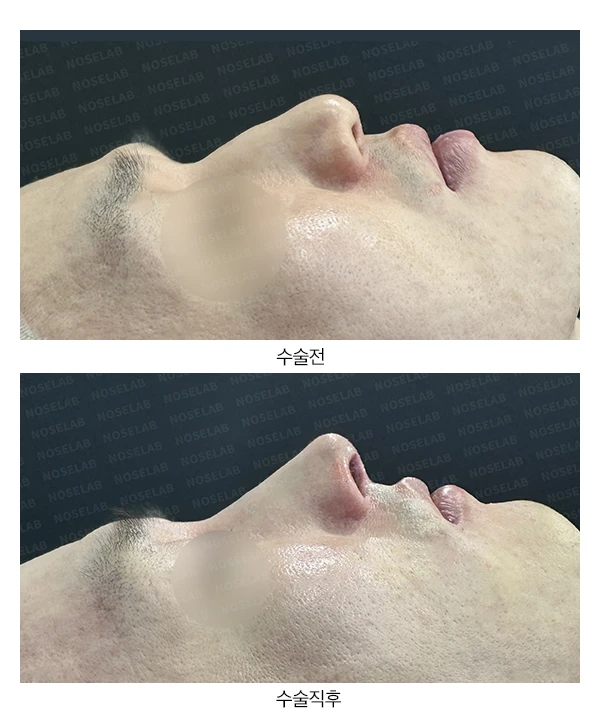
Correction methods for a retracted columella, bulbous nose, and nostril asymmetry — Before-and-after comparison
Before-and-after comparison

Correction methods for a retracted columella, bulbous nose, and nostril asymmetry

A case correcting a retracted columella, bulbous nose, and nostril asymmetry after three prior surgeries. Through a closed approach, septal reconstruction and extension were performed using autologous cartilage, elevating and lowering the retracted columella.

Previous surgeries and procedures

Methods for correcting a dorsal hump and crooked nose — Before-and-after comparison
Before-and-after comparison

Methods for correcting a dorsal hump and crooked nose

This is a case of nasal bone deformity, a dorsal hump, and right-sided nasal obstruction following closed reduction for a nasal bone fracture. After confirming depression of the right nasal bone on CT, osteotomy and septal reconstruction were planned, and the changes in nasal shape after surgery were documented.

Previous surgeries and procedures

No search results found

Please try searching with different keywords.

Scroll to keep reading

Common questions before reading the cases

Are there cases of patients visiting to correct a crooked nose after fracture reduction surgery?

There is a record of a patient who previously underwent reduction surgery for a nasal bone fracture and later presented with a nose that appeared crooked from the front, accompanied by a dorsal hump and breathing discomfort on the right side. This is a case where the initial injury treatment was distinct from the subsequent corrective consultation. When looking for similar posts, consider not only the history of injury but also the specific shape changes and symptoms described following reduction surgery.

When there is a history of trauma, is it sufficient to evaluate only the nasal midline?

In a case involving past orbital fractures and facial contouring surgery, the records note that the facial axis was analyzed to determine the position and alignment of the nose. In this instance, the original post addressed the overall facial structure rather than focusing solely on the nasal midline. Because trauma types and accompanying surgical histories vary, it is helpful to review the front-view photos alongside the background explanations.

Related topics to explore

Crooked (deviated) noseOsteotomy and nasal bone correctionNasal obstruction and breathing discomfortFacial and midface proportions

Surgical records referenced in this guide

  • How a fractured nasal bone alters the nose after trauma, and how reduction and reconstruction are performed
  • Methods for correcting a dorsal hump and crooked nose
  • Why we look at the facial axis first when correcting a nose with facial asymmetry
Original article

Read more records

Planning a visit to Seoul?Prepare your consultation with the NOSELAB team.

International patient guideWhatsApp ↗
Dr. Peter C. Kang's Rhinoplasty Stories
Rhinoplasty guideCases by topicDr. Peter C. KangNaver Blog ↗
View original photo
Enlarged photo
WhatsAppChat with NOSELAB↗