Hello, I am Dr. Peter C. Kang.
Today, I would like to share the case of a patient who visited our clinic concerned about a nasal bone fracture caused by trauma. Rather than simply treating the fracture, we improved the balance of the entire face to achieve a more harmonious result.
🔍 Surgical history
Nasal bone fracture resulting from trauma
Nasal deformity and reduced function
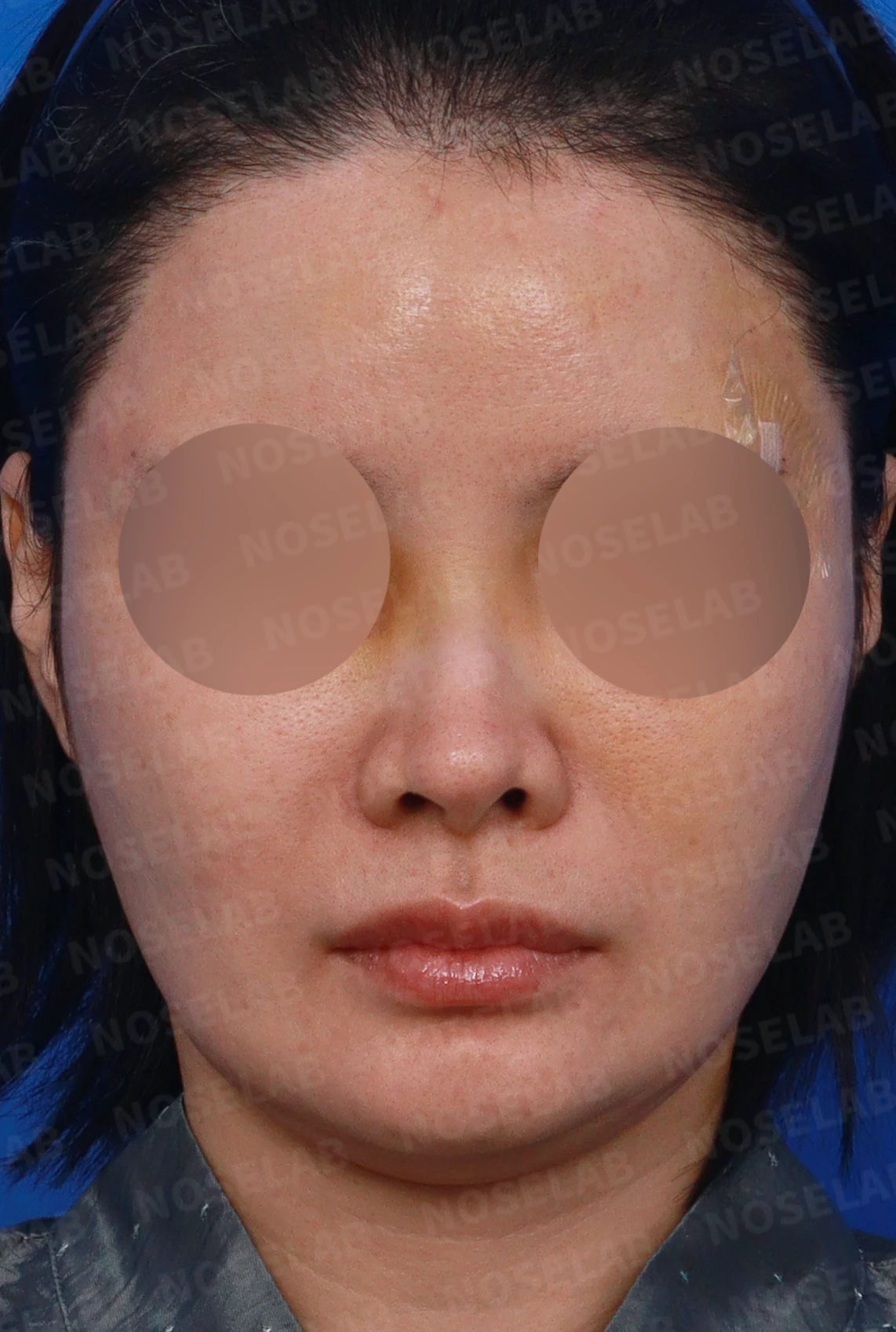
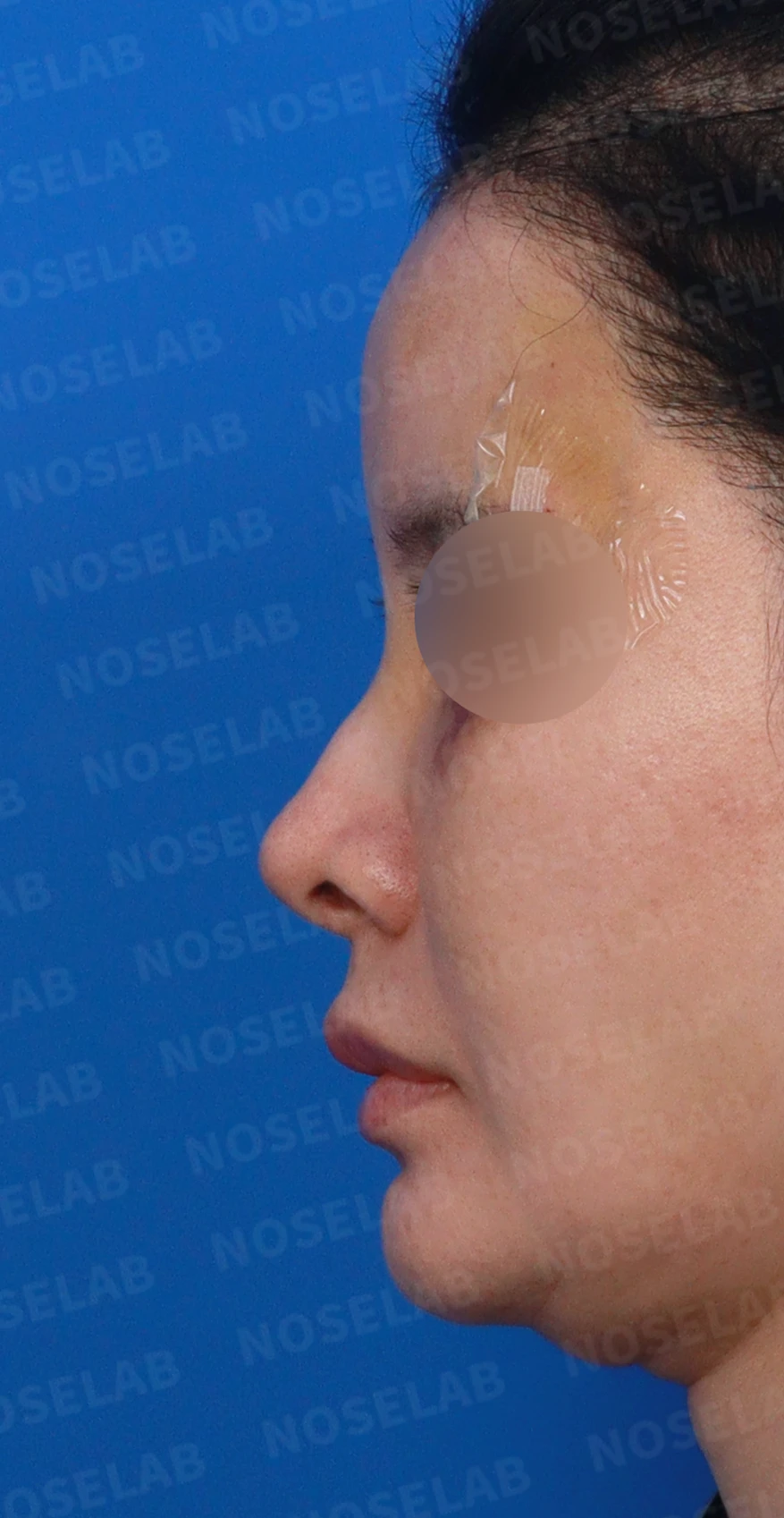
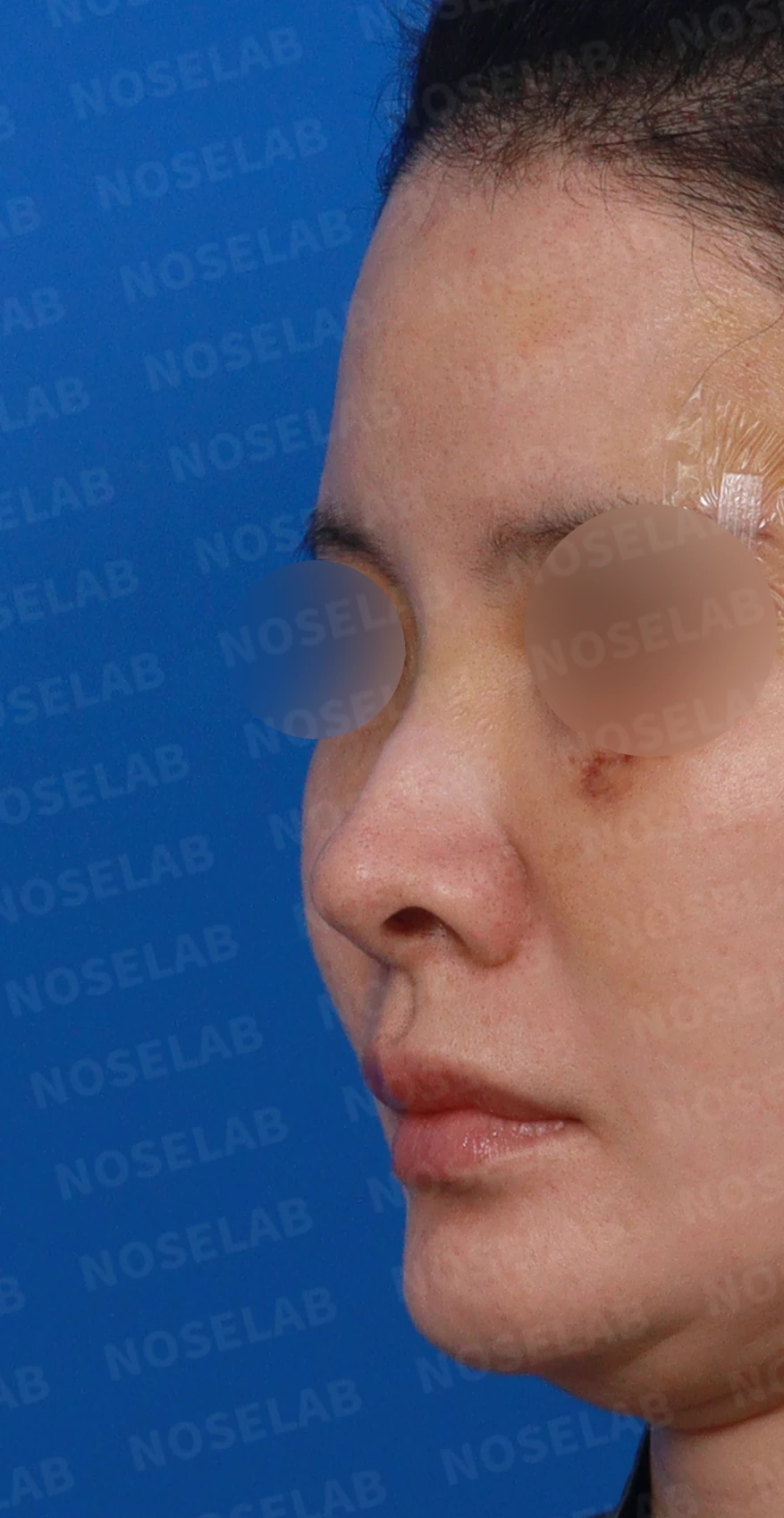
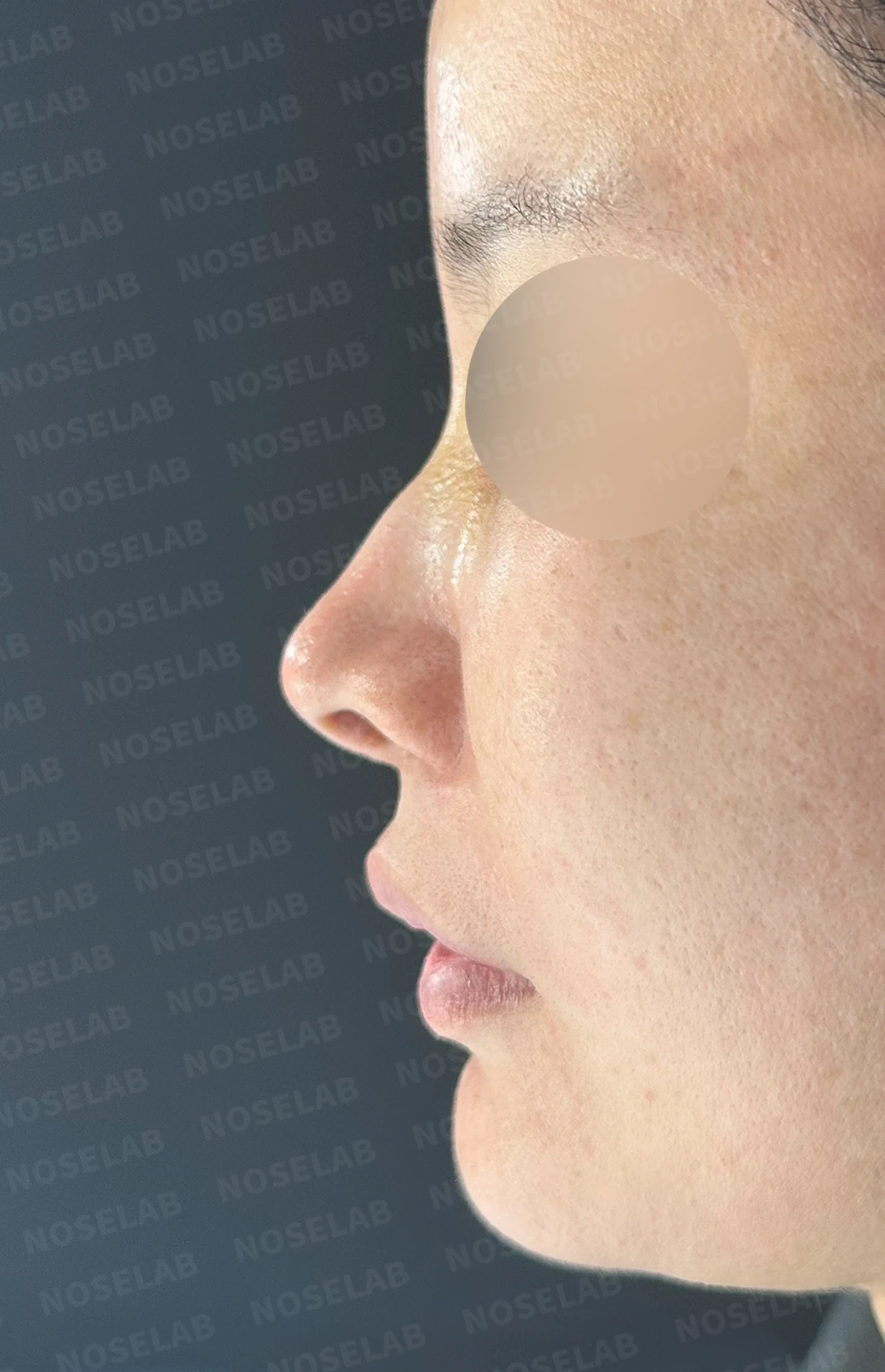
Front, left profile, and oblique views during design consultation.
💉 Patient requests
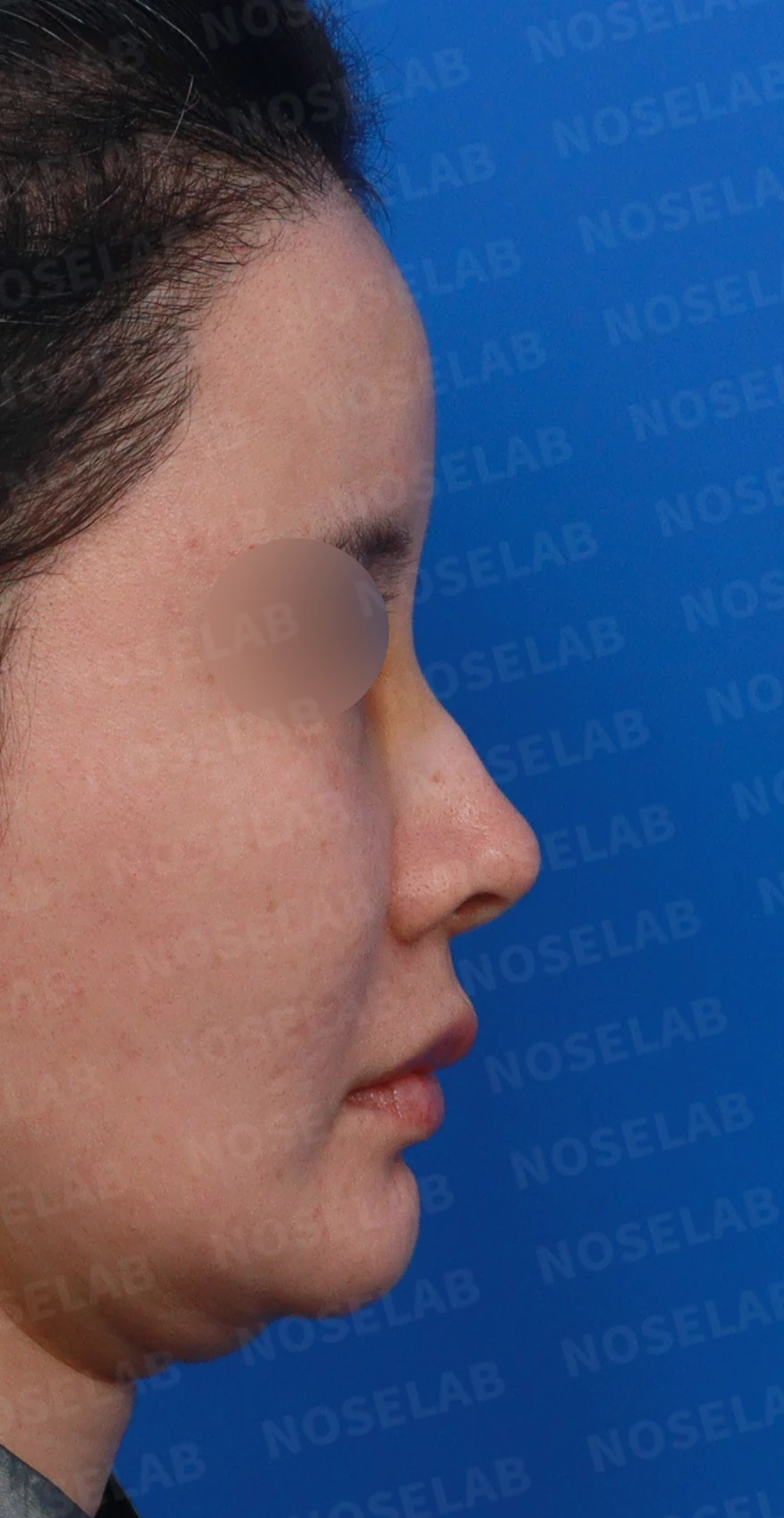
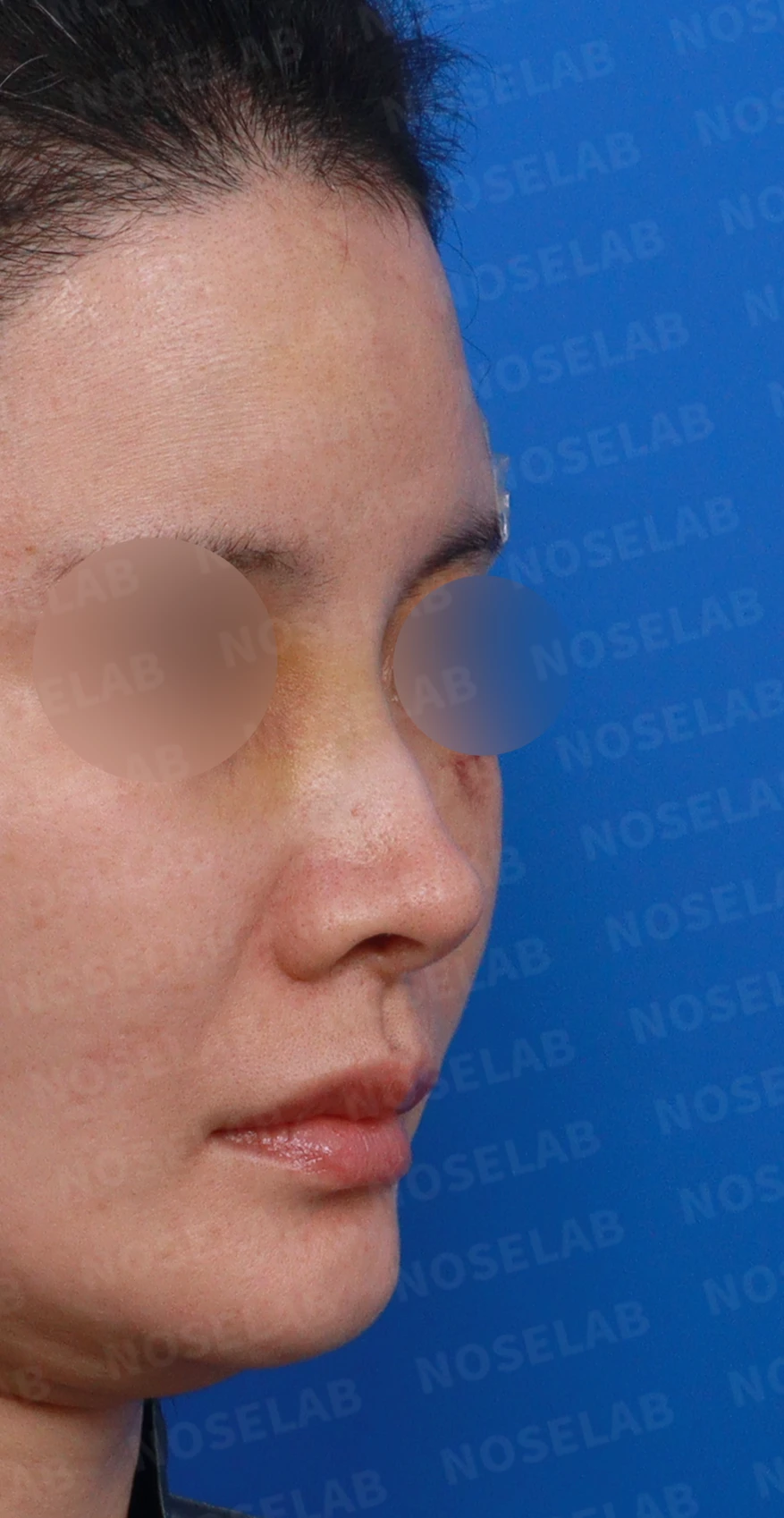
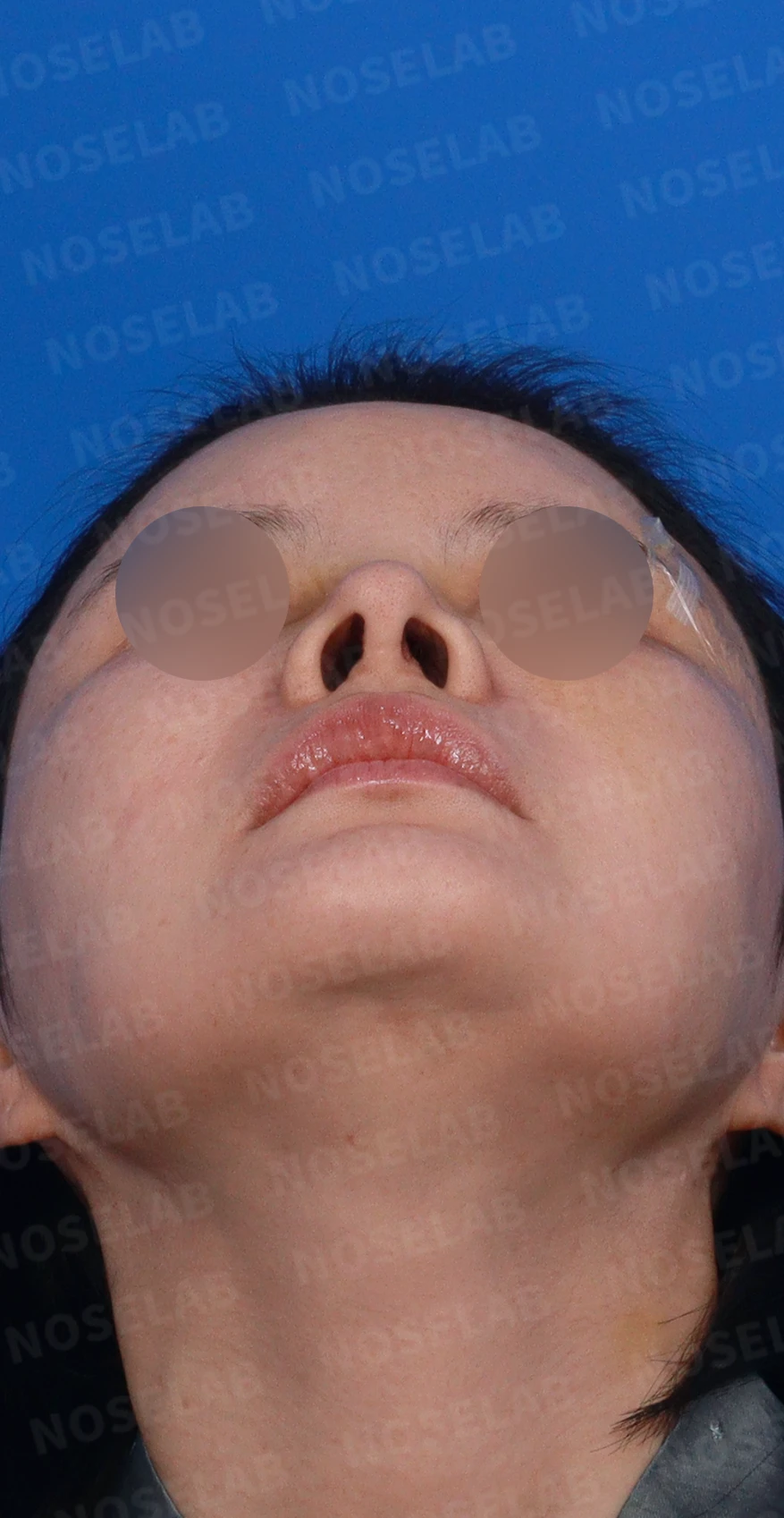
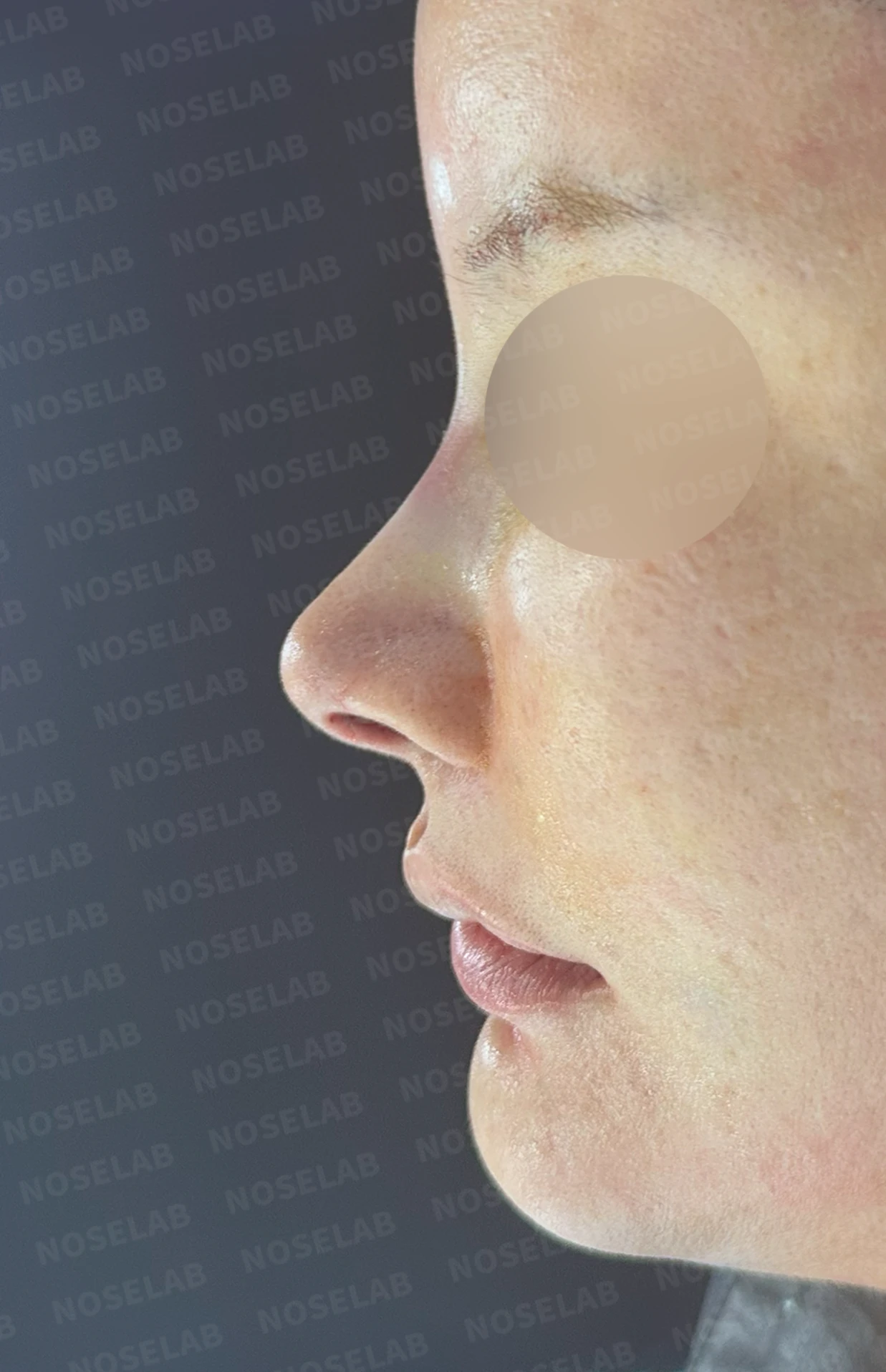
Right profile, oblique, and nostril views during design consultation.
"I want to restore my trauma-damaged nose to normal."
"I want my nasal bone fracture treated properly."
"I want to correct the deformed shape of my nose."
"I also want to improve my overall facial balance."
"I want a natural-looking result."
🔧 Surgical plan and procedure
In this surgery, a comprehensive approach was key: reconstructing the trauma-damaged nose while simultaneously improving overall facial balance.
Nasal reconstruction surgery:
1. Nasal bone reduction
Precise reduction of the fractured nasal bones
Safely performed via closed reduction
Restoration of nasal bone symmetry
Reconstruction of a natural nasal line
2. Revision rhinoplasty using donor rib cartilage
Use of proven, vetted donor rib cartilage
Systematic reconstruction of damaged structures
Improvement in nasal height and shape
Securing long-term stability
3. Nasolabial angle correction
Creation of a natural nasolabial angle
Improvement in the profile line
An elegant profile silhouette
Achievement of overall harmony
4. Reconstruction of the right alar cartilage and upper lateral cartilage
Restoration of cartilaginous structures damaged by trauma
Precise reconstruction of the right alar cartilage
Realignment of the upper lateral cartilage structure
Achieving bilateral symmetry
Surgeries to improve overall facial balance:
1. Autologous facial fat graft
Improved overall facial balance
Replenishment of areas lacking volume
Creating natural three-dimensional definition
A more youthful and refreshed appearance
2. Receding chin implant (chin augmentation)
Increased volume at the tip of the chin
Refinement of the lower facial contour
A more defined V-line
Harmonious proportions with the nose
3. Paranasal augmentation (noble surgery)
Restored volume around the nasolabial folds
Enhanced three-dimensional midface projection
Natural volume augmentation
A softer, more youthful appearance
4. Submental liposuction
Refined jawline
Correction of a double chin
A sharper, well-defined jawline
Improvement in the profile line
🌟 Surgical results
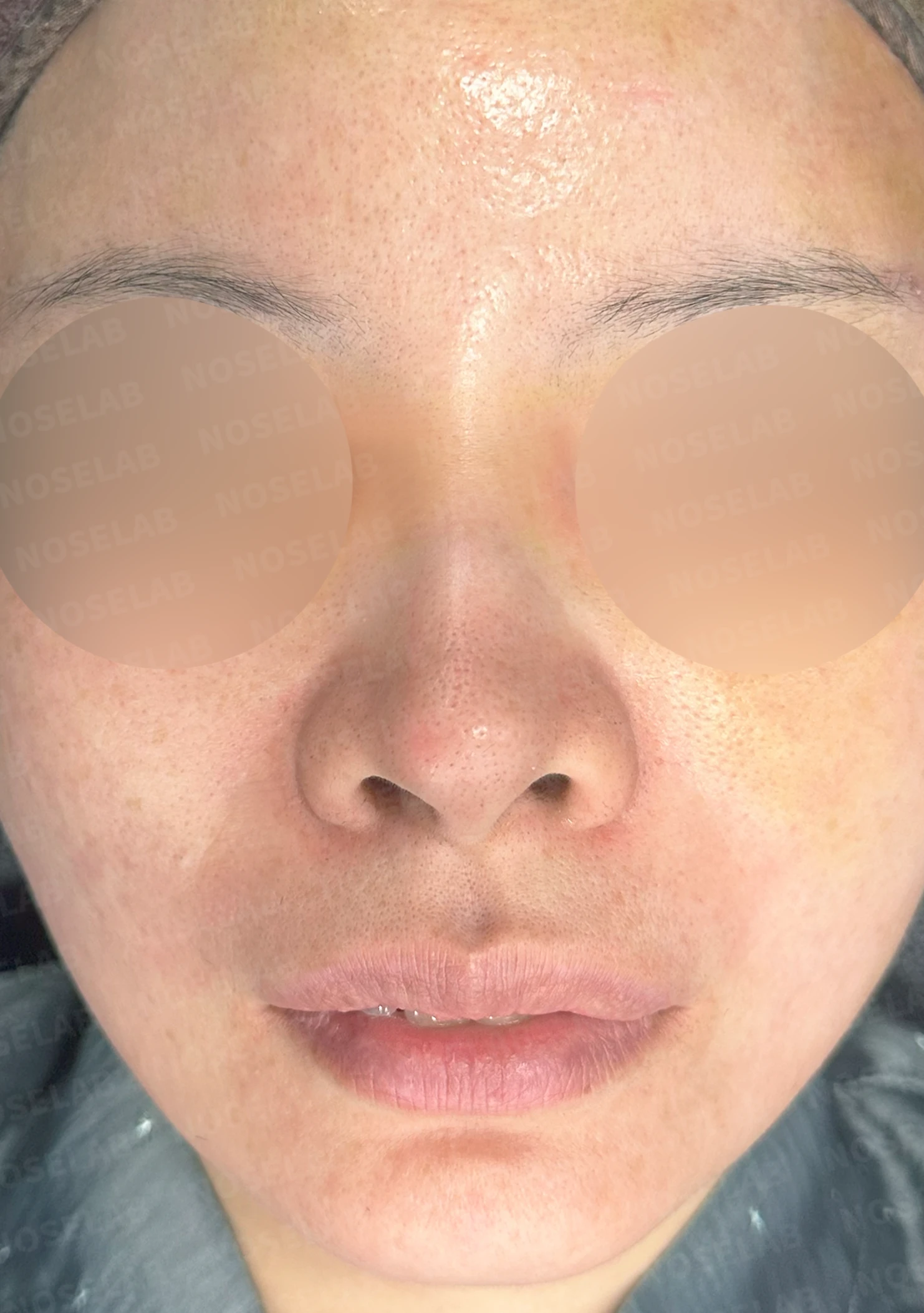
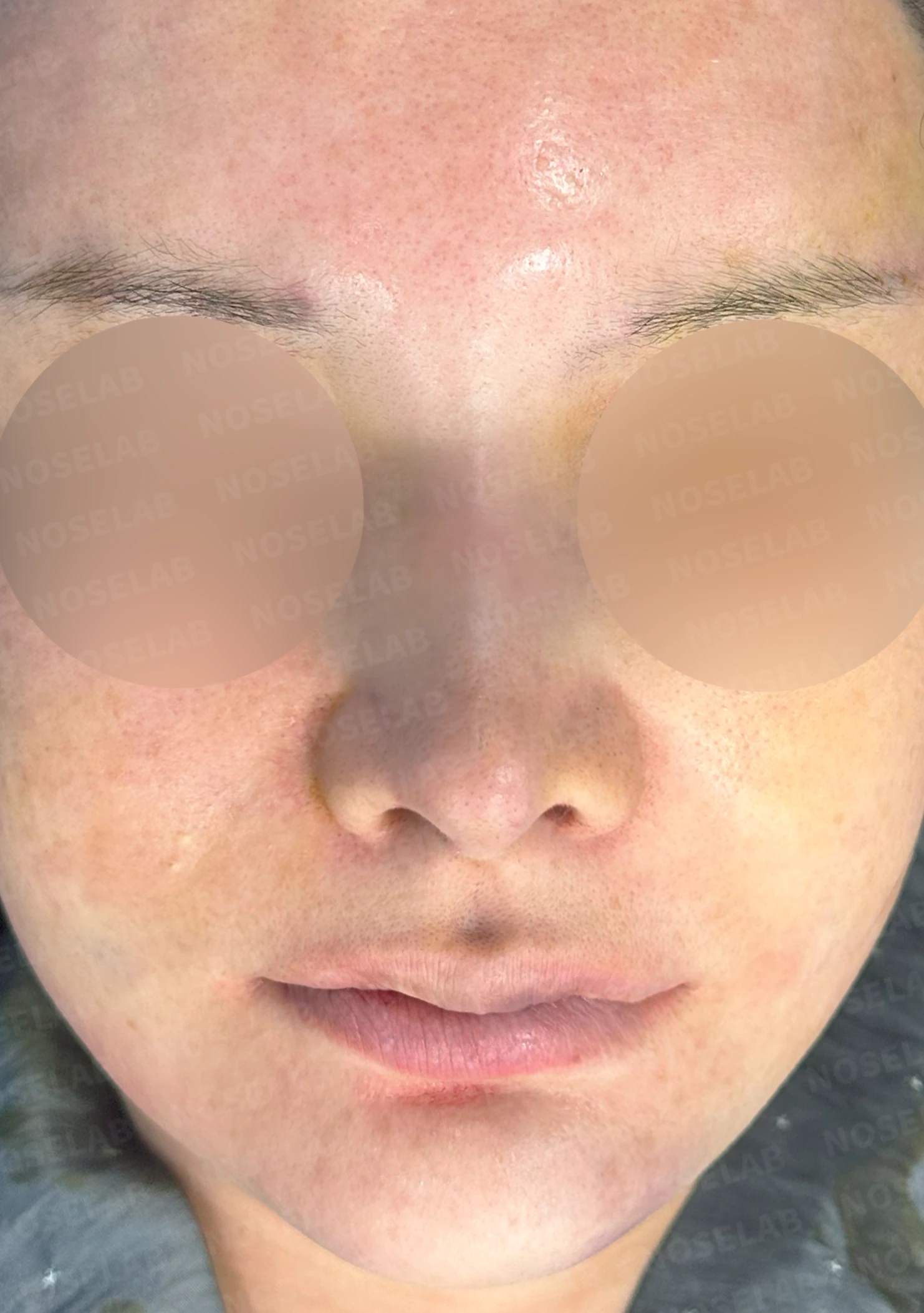
Before surgery / Day 0 immediately after surgery Photos taken immediately after surgery show swelling and may differ from the final result.
Front view changes:
Fractured nasal bones restored to normal alignment
Correction of the post-traumatic nasal deformity
Achieving bilateral symmetry
Enhancing overall facial balance
A natural, harmonious frontal line
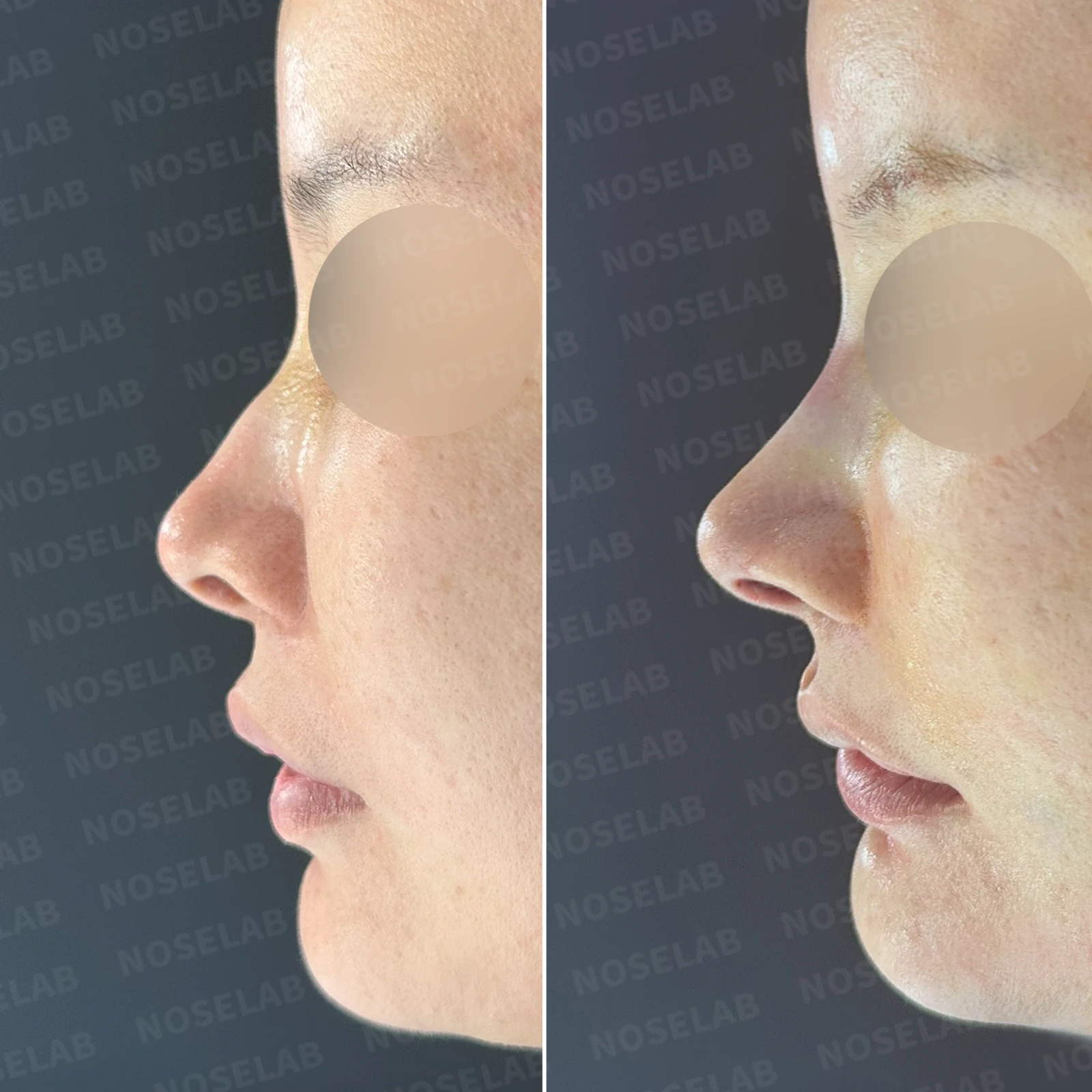
Before surgery / Day 0 immediately after surgery Photos taken immediately after surgery show swelling and may differ from the final result.
Profile view changes:
Nasal line naturally improved
An elegant profile achieved by correcting the nasolabial angle
Jawline cleanly refined and defined
Refined impression through reduction of the double chin
Harmonious overall profile silhouette
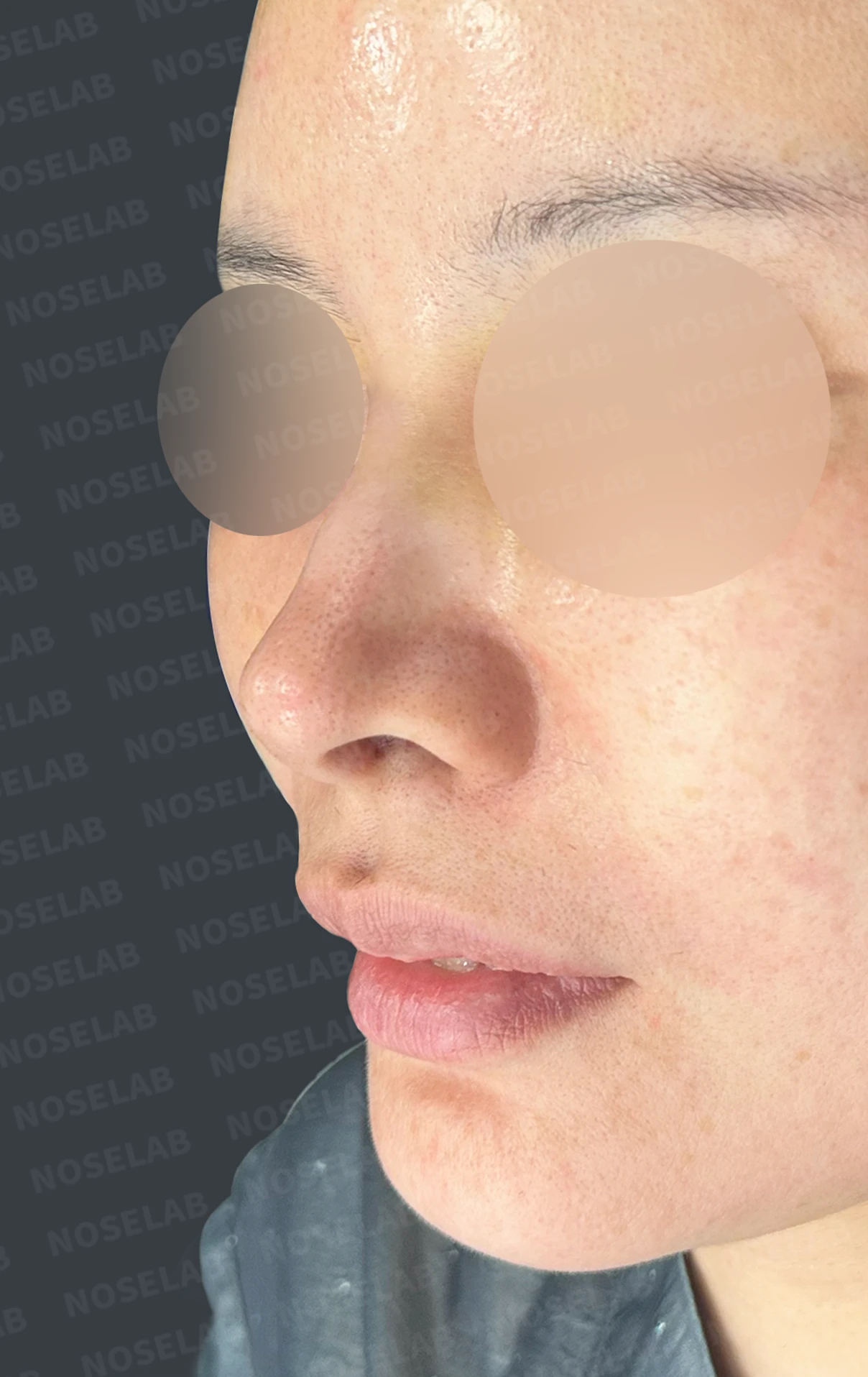
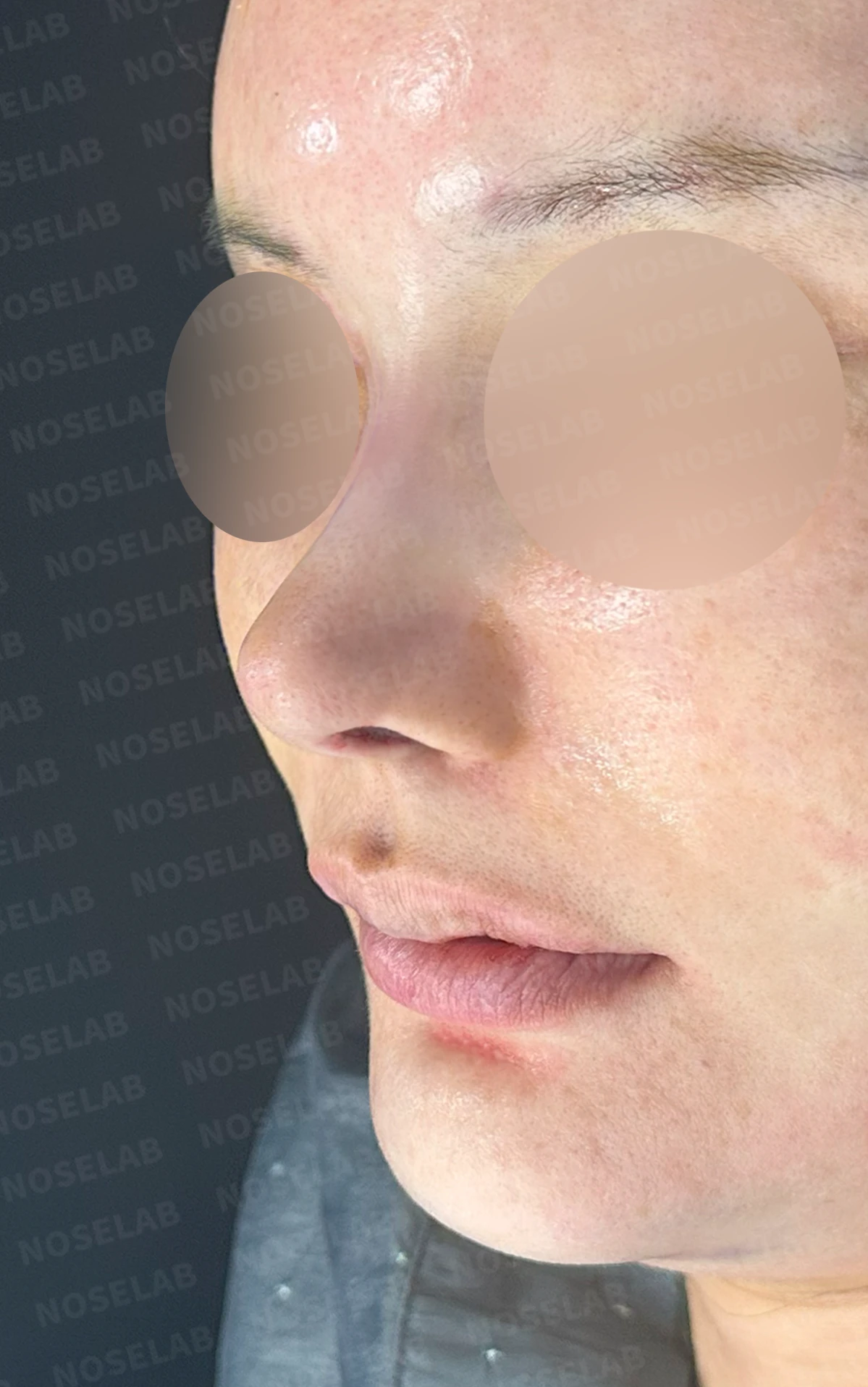
Before surgery / Day 0 immediately after surgery Photos taken immediately after surgery show swelling and may differ from the final result.
Overall facial changes:
Overall balance improved through rhinoplasty, chin surgery, and paranasal augmentation
Natural volume via autologous fat grafting
Refined impression with an enhanced V-line
Enhanced overall balance despite post-traumatic swelling
A harmonious and natural facial appearance
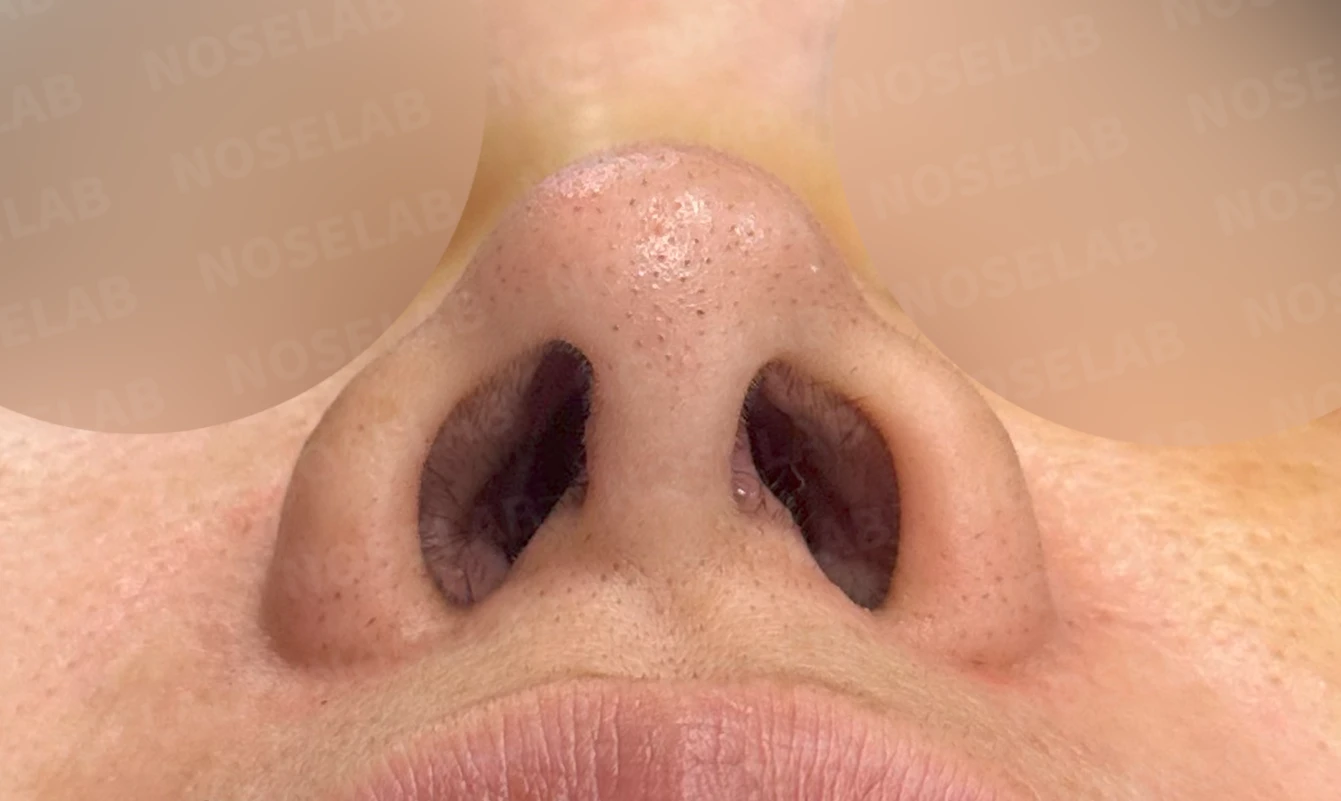
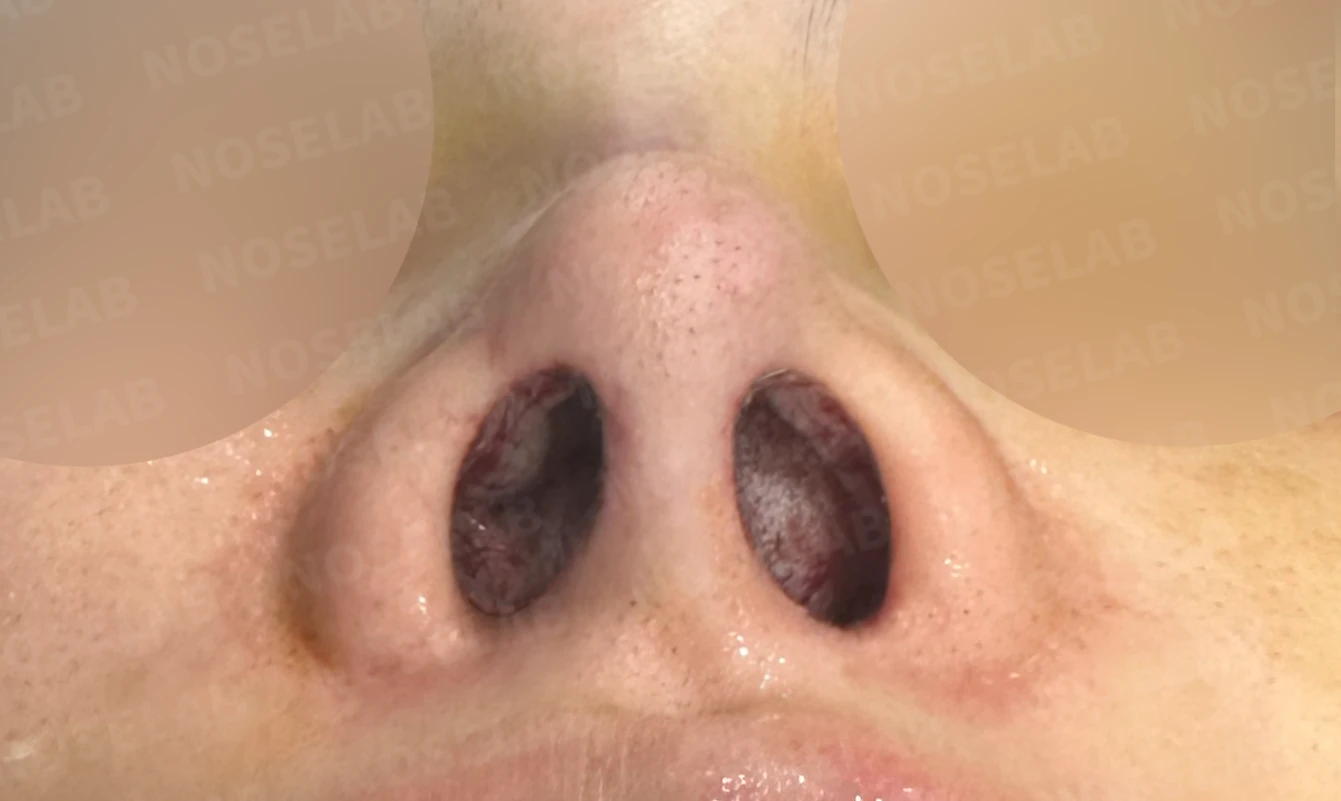
Before surgery / Day 0 immediately after surgery Photos taken immediately after surgery show swelling and may differ from the final result.
Nostril view changes:
Improvement of nostrils deformed by trauma
Reconstruction of the right alar cartilage completed
Restoration of bilateral symmetry
Alignment of the columellar midline
Natural nostril shape
💡 Specialist opinion
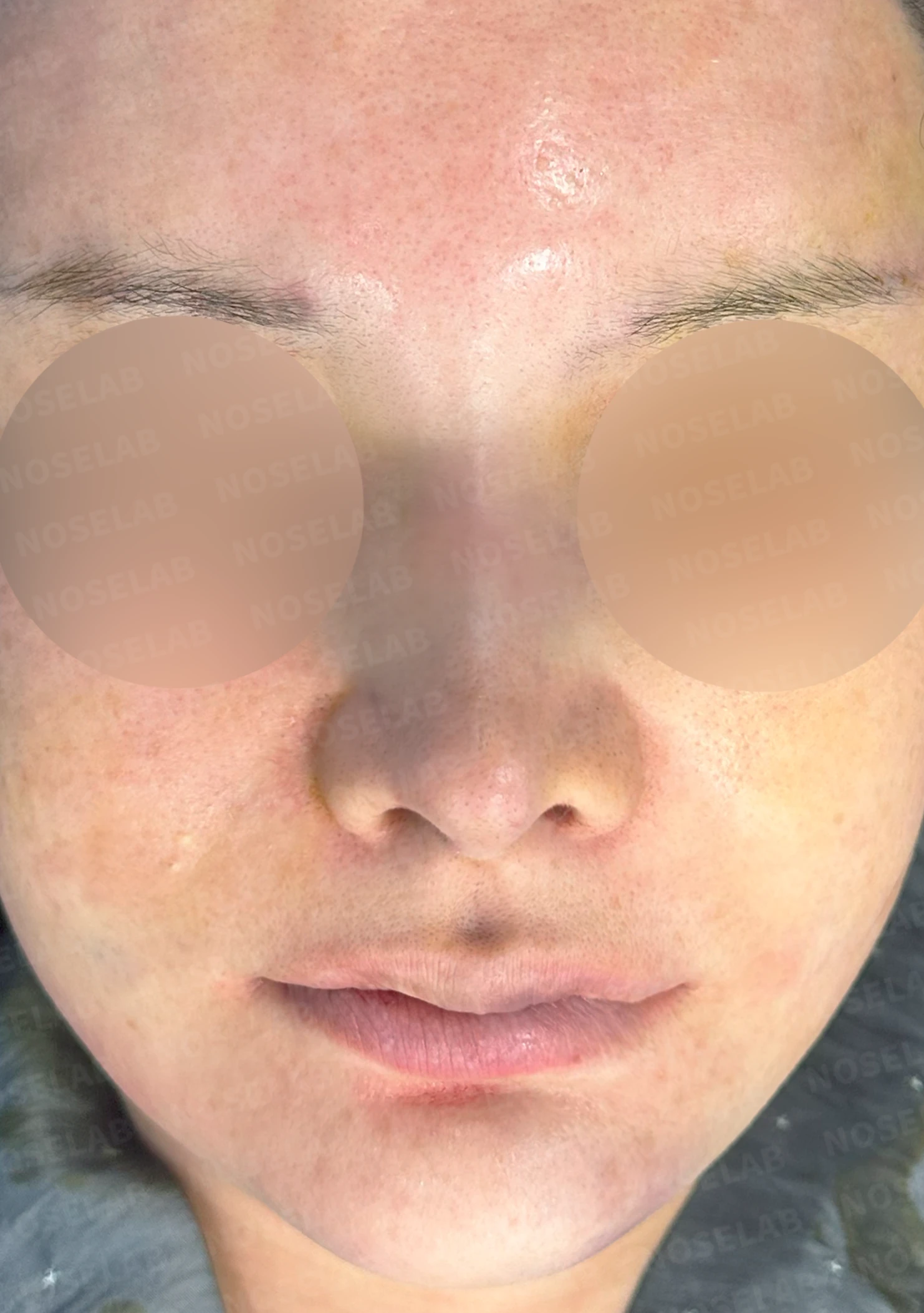
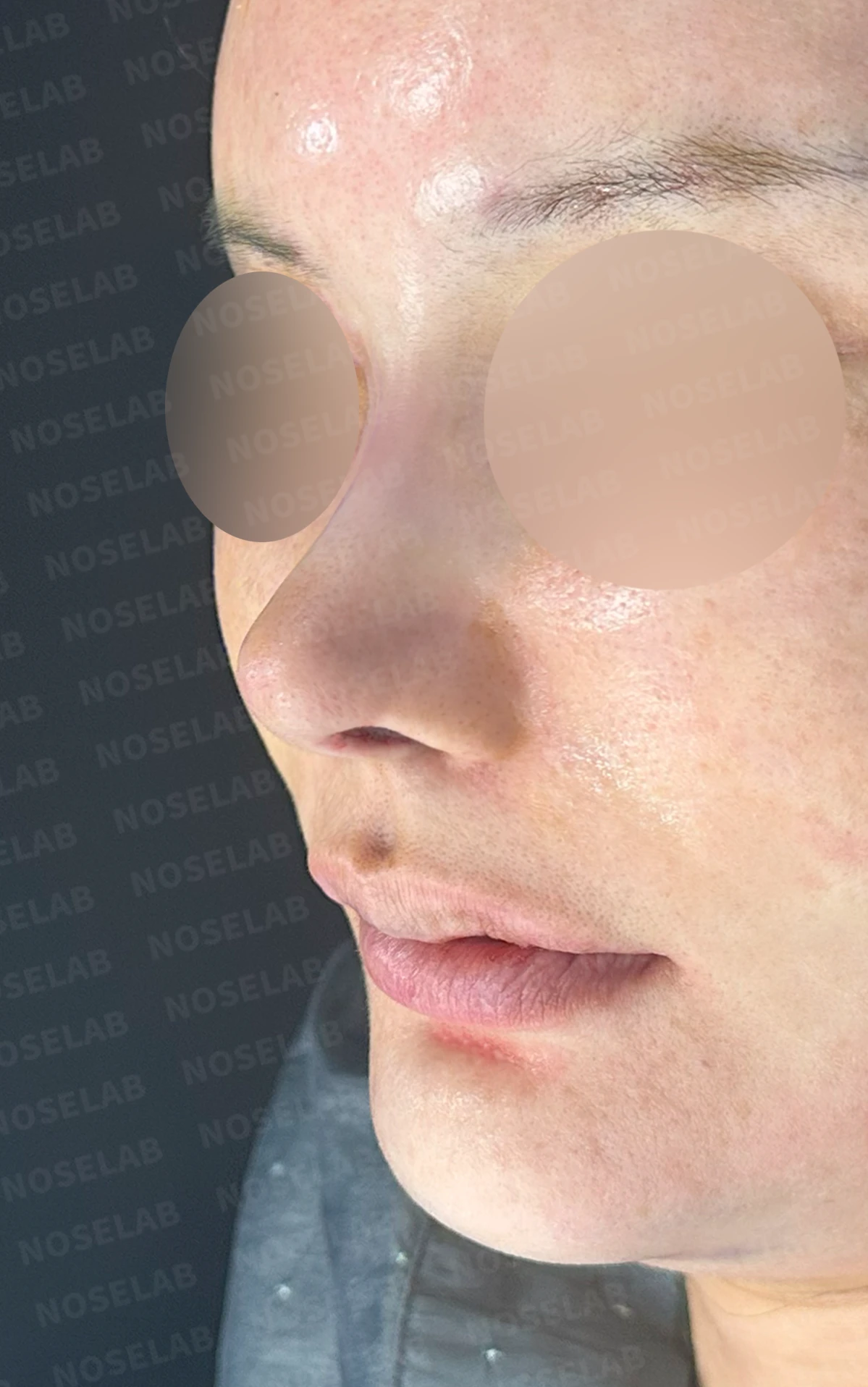
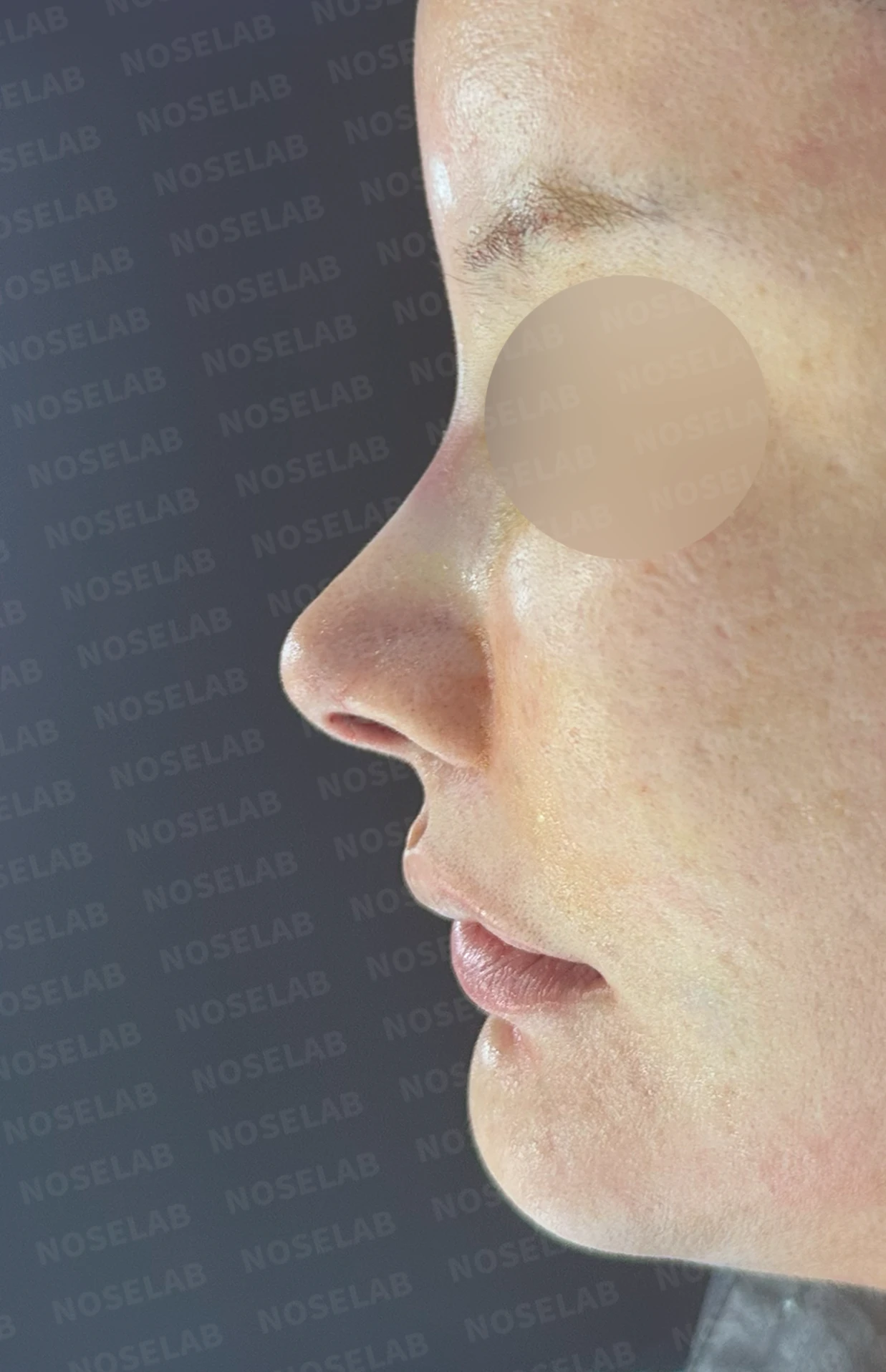
Front, oblique, and profile views on day 0 immediately after surgery. Photos taken immediately after surgery show swelling and may differ from the final result.
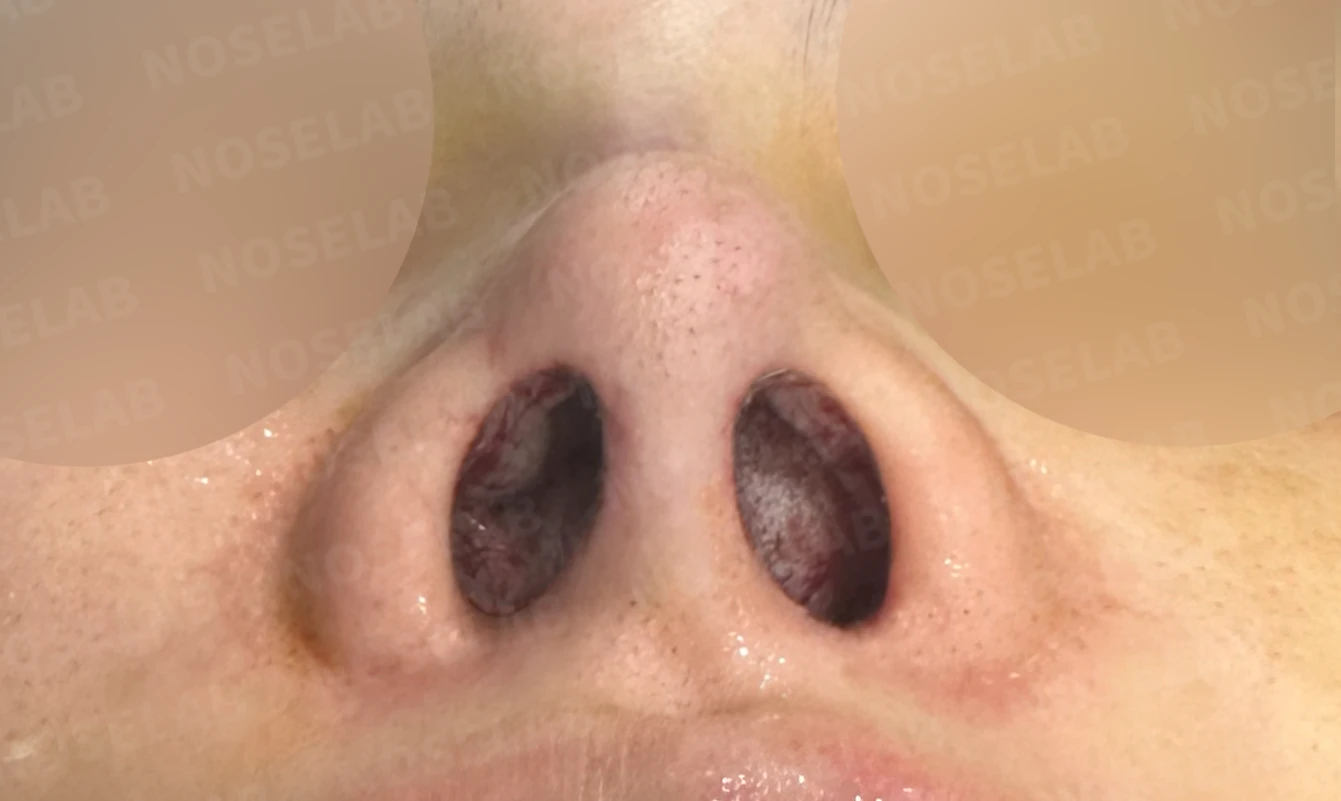
Nostril view on day 0 immediately after surgery. Photos taken immediately after surgery show swelling and may differ from the final result.
Nasal bone fractures caused by trauma require more than just setting the bone; reconstructing damaged cartilage structures makes this a demanding surgical procedure. In this case in particular, the right alar cartilage and upper lateral cartilage were also injured, requiring precise reconstruction.
Closed reduction realigns fractured nasal bones without skin incisions, realigning the nasal bones effectively without leaving external scars. Alongside this, donor rib cartilage was used to systematically reconstruct the damaged cartilage structures.
Donor rib cartilage is a material with proven safety that offers the advantage of providing an ample amount of cartilage without the burden of harvesting autologous rib cartilage. This allowed us to precisely reconstruct the right alar cartilage and upper lateral cartilage, securing bilateral symmetry.
What made this surgery distinctive was improving the balance of the entire face along with the nasal reconstruction. Moving beyond the original goal of treating trauma, we addressed the facial contours that had long concerned the patient, creating a more satisfying outcome.
Autologous facial fat grafting provided overall volume, while chin augmentation and paranasal augmentation enhanced the three-dimensional projection of the midface and lower face. Submental liposuction sharply defined the jawline, making the overall balance extending from the nose to the chin significantly more harmonious.
Because surgery followed acute trauma, overall swelling was present; however, once the swelling resolves, an even more natural and refined result will become visible. Despite performing several procedures simultaneously, each area blended harmoniously, greatly enhancing the overall facial balance.
Receiving prompt, proper treatment for traumatic nasal fractures is vital. Leaving fractures unattended or receiving inadequate treatment can lead to permanent deformities; therefore, I recommend undergoing accurate diagnosis and care from an experienced specialist.
I will continue to provide customized surgeries that reflect each patient's individuality and requests through this meticulous approach. I hope this helps those with similar concerns.
This was Dr. Peter C. Kang. Thank you.
#traumaticnasalfracture #nasalbonereduction #nasalbonefracture #donorribcartilage #alarcartilagereconstruction #nasolabialanglecorrection #facialcontouring #autologousfatgraft #chinaugmentation #paranasalaugmentation #submentalliposuction #revisionrhinoplasty #facialbalance #vline #closedrhinoplasty #closedrevisionrhinoplasty

Limitations and risks
When autologous rib cartilage is used, scarring and pain may remain at the donor site on the chest, and pneumothorax (pleural injury) can occur rarely. Over time, the grafted cartilage may warp or undergo partial resorption.
When using donor rib cartilage, long-term follow-up is necessary because the grafted cartilage may resorb or warp.
Common potential risks include infection, bleeding, asymmetry, scarring, skin necrosis, and insufficient improvement; results vary depending on individual skin condition and previous surgical history.