English日本語简体中文
Skip to main content
Dr. Peter C. Kang's Rhinoplasty Stories
PrologueBlogMy thoughtsNasal obstructionSurgical journalSurgical photos
About the surgeon

Rhinoplasty scars and adhesions: distinguishing external indentations from internal nasal tissue

This is page 4 of the case archive for Rhinoplasty scars and adhesions: distinguishing skin indentations from internal nasal structures. Explore surgical notes and before-and-after photos for cases 55–70 of 70.

View before-and-after cases ↓Comprehensive rhinoplasty guide

Searching for surgical cases matching your criteria.
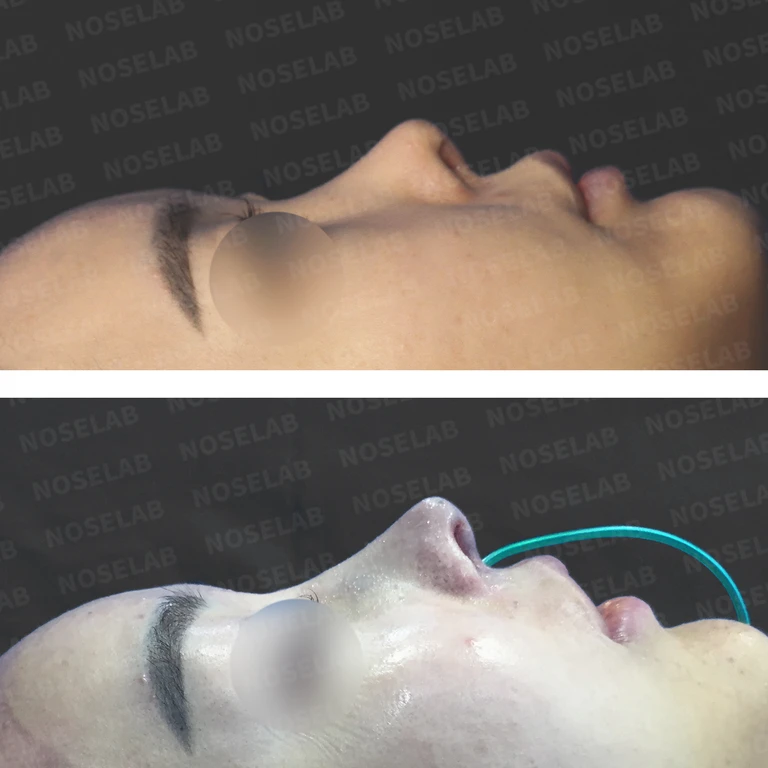
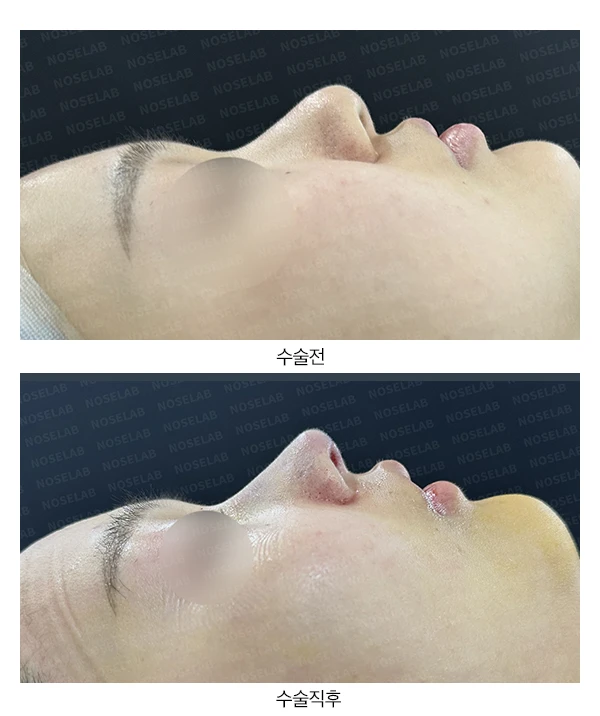
How to remove injected foreign substances and reconstruct the nose — Before-and-after comparison
Before-and-after comparison

How to remove injected foreign substances and reconstruct the nose

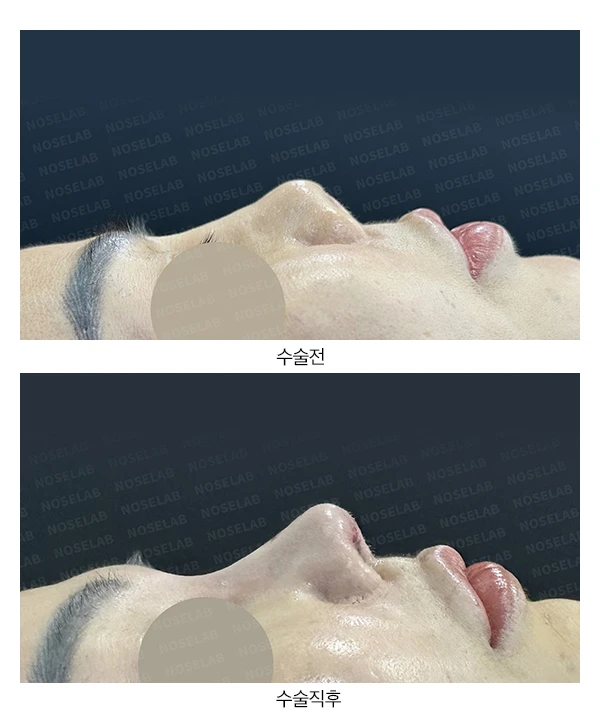
For a nose deformed by illegal filler injections 10 years ago, foreign substances were removed using the closed inner-open technique, and the septum and alar cartilage were reconstructed using autologous rib cartilage.

Preoperative condition
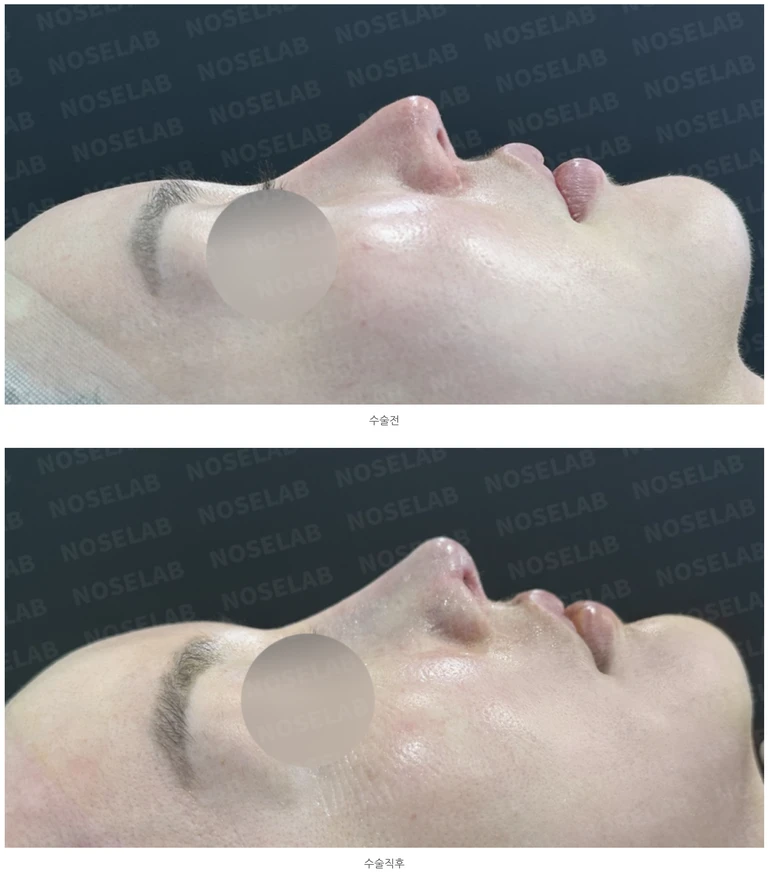
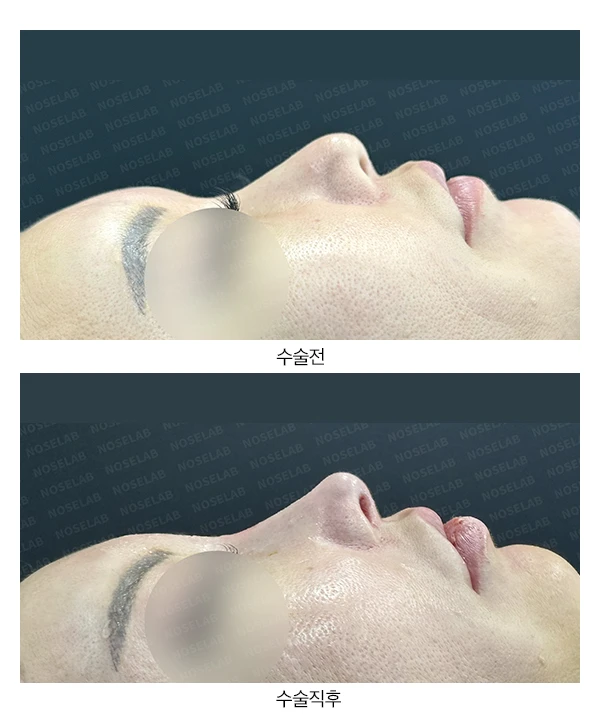
Reconstruction method for an upturned and crooked nose after repeated surgeries — Before-and-after comparison
Before-and-after comparison

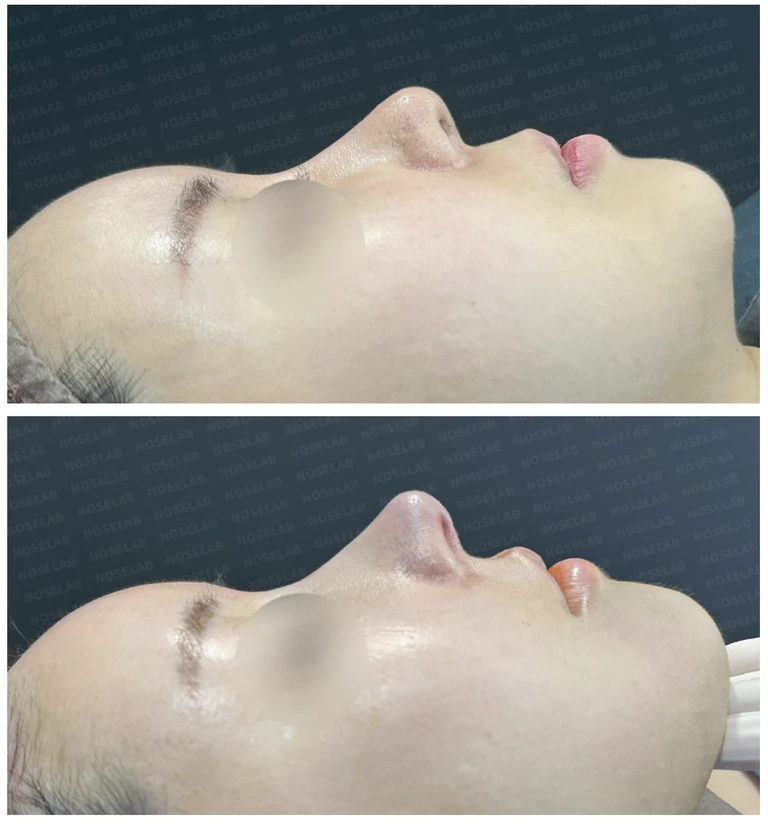
Reconstruction method for an upturned and crooked nose after repeated surgeries

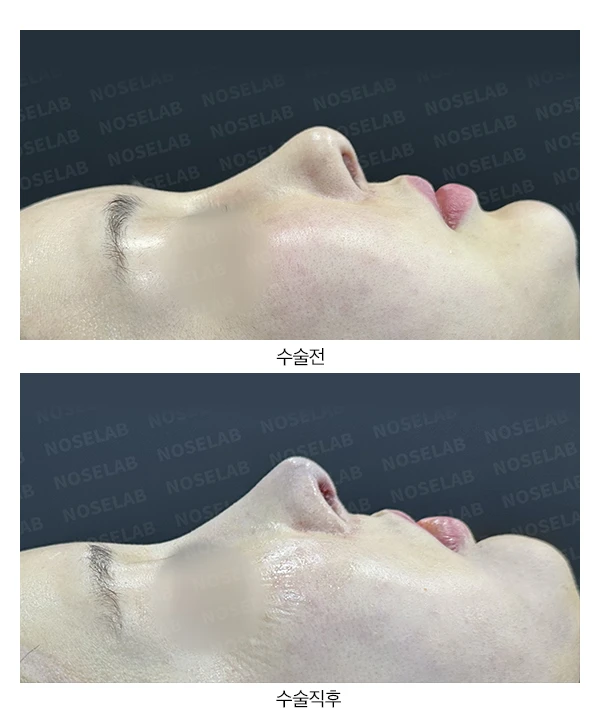
Following multiple rhinoplasties, the patient presented with an upturned nasal tip, septal damage, protruding columellar cartilage, and nasal obstruction. Tip reconstruction using autologous rib cartilage, septoplasty, and submucosal resection of the inferior turbinate were performed through a closed approach.

Preoperative condition

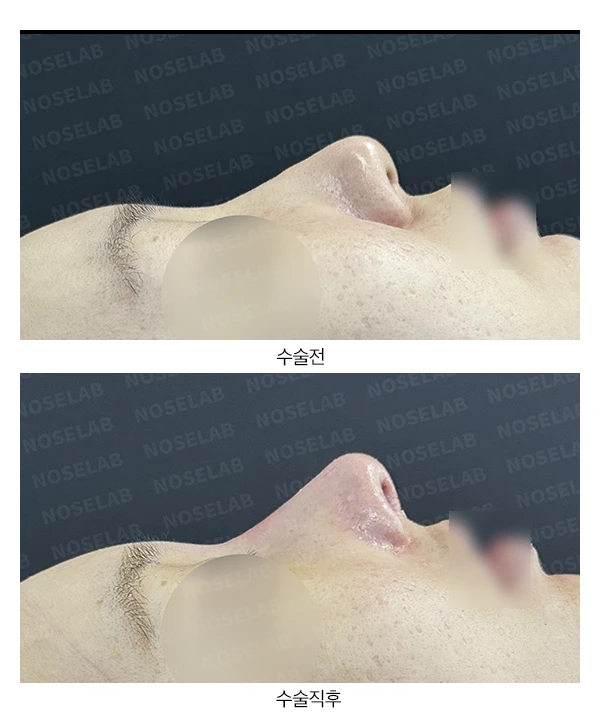
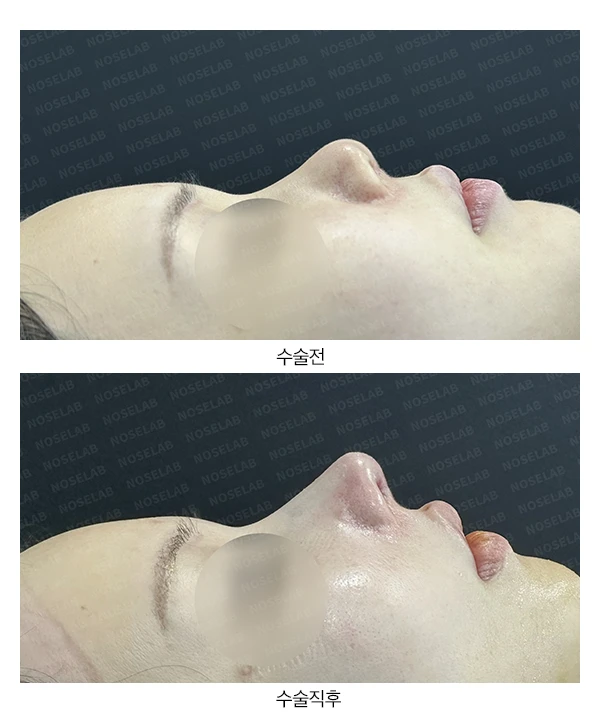
How to correct a pinched nose and nostril asymmetry — Before-and-after comparison
Before-and-after comparison

How to correct a pinched nose and nostril asymmetry

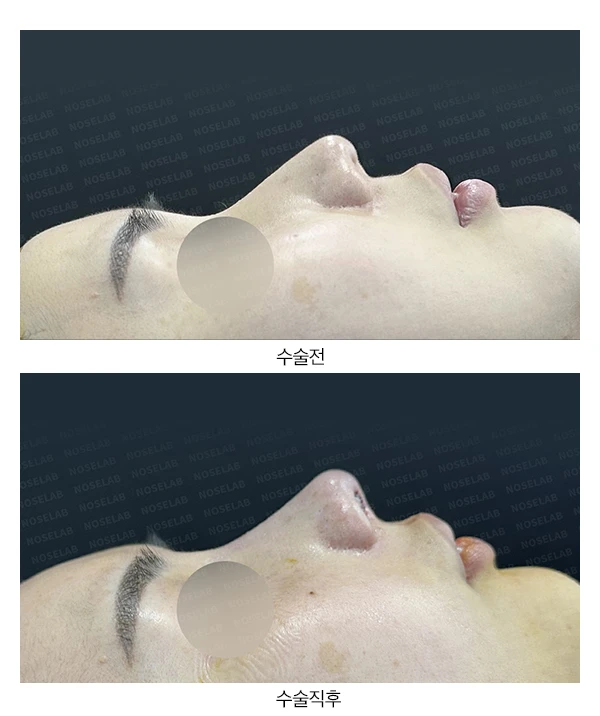
A case correcting pinched alae, an upturned nose, and nostril asymmetry following previous surgeries. Using a closed approach, septal reconstruction with autologous rib cartilage, lower lateral cartilage reconstruction, alar rim grafting (lowering the alar rim), and dermis grafting were performed.

Preoperative condition

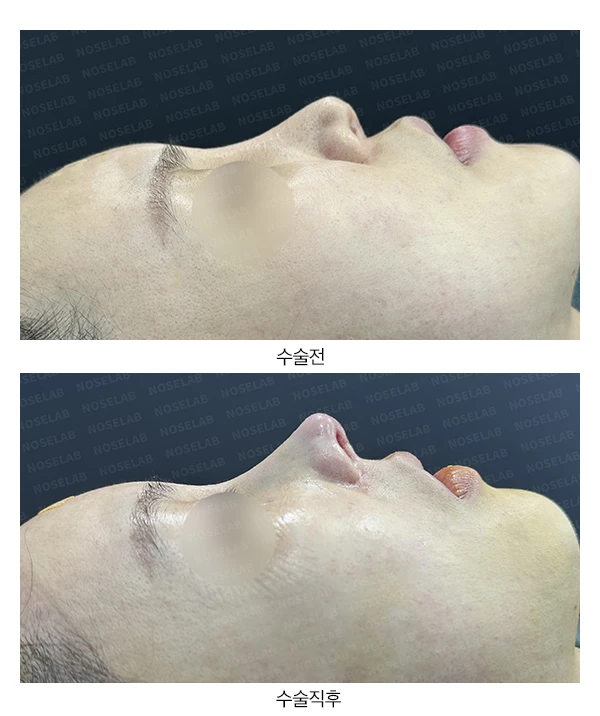
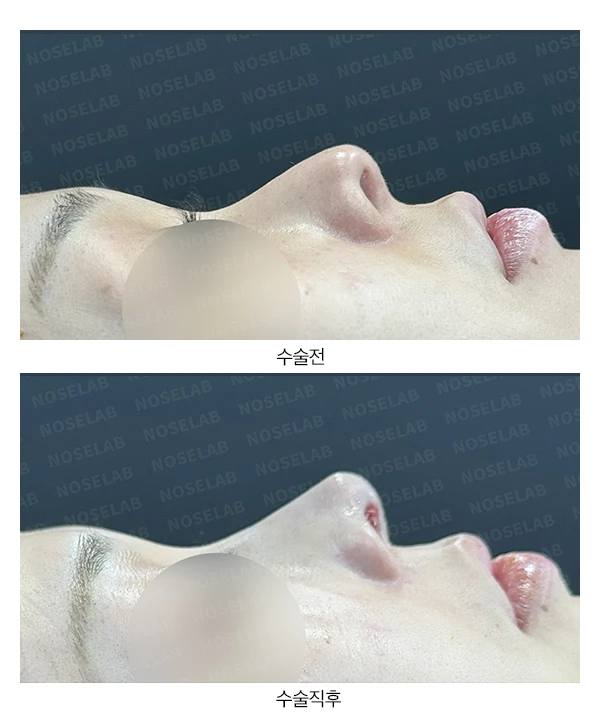
Reconstruction methods for a contracted nose accompanied by nasal obstruction — Before-and-after comparison
Before-and-after comparison

Reconstruction methods for a contracted nose accompanied by nasal obstruction

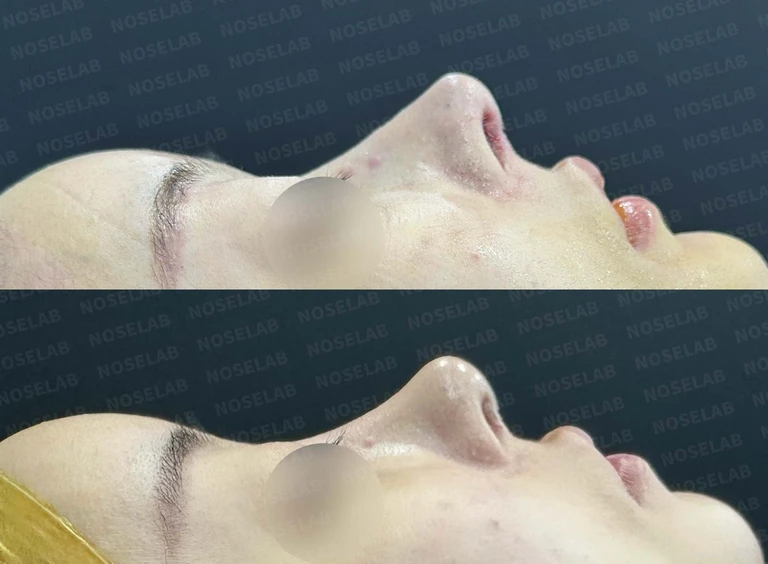
This is a case of a contracted nose and nasal obstruction following multiple surgical procedures. After silicone implant removal and stem cell therapy, nasal tip and septal reconstruction using autologous rib cartilage and an inferior turbinoplasty were performed through a closed approach.

Preoperative condition · Postoperative record

Surgical approach for nasal obstruction, a drooping tip, and lowering the columella — Before-and-after comparison
Before-and-after comparison

Surgical approach for nasal obstruction, a drooping tip, and lowering the columella

Right-sided nasal obstruction, a drooping nasal tip, and a retracted columella following two previous surgeries were addressed using autologous rib cartilage septal extension, implant replacement, and mucosal adhesiolysis.

Preoperative condition

Revision rhinoplasty approach for a long nose and high radix after repeated surgeries — Before-and-after comparison
Before-and-after comparison

Revision rhinoplasty approach for a long nose and high radix after repeated surgeries

A long nose, high radix, and columellar depression that developed after multiple prior surgeries were corrected by removing previous foreign material, reconstructing the septum with donor rib cartilage, and carving a silicone implant.

Preoperative condition

How to lower a high radix — Before-and-after comparison
Before-and-after comparison

How to lower a high radix

In a patient presenting with an excessively high radix, a drooping tip, and nasal obstruction, a closed approach was used to lower the starting point, reconstruct the nasal tip using autologous rib cartilage, and perform septoplasty.

Preoperative condition

Correction methods for a pinched and retracted nostril — Before-and-after comparison
Before-and-after comparison

Correction methods for a pinched and retracted nostril

A case where the columella tilted to the left and nostril asymmetry worsened after a previous surgery. The columella was shifted to the right to reduce shape differences, and residual asymmetry remained due to congenital nostril size differences.

Preoperative condition

How to correct nasal obstruction and a wide, spread-out nose — Before-and-after comparison
Before-and-after comparison

How to correct nasal obstruction and a wide, spread-out nose

This is a case where mucosal adhesion, septal deviation, and tip deformity were identified following previous surgeries. We planned support reinforcement using autologous rib cartilage along with functional surgery, and recorded the postoperative changes in columellar and nostril asymmetry.

Preoperative condition

Contracted nose reconstruction method for the nasal bridge and nasal tip using autologous rib cartilage — Before-and-after comparison
Before-and-after comparison

Contracted nose reconstruction method for the nasal bridge and nasal tip using autologous rib cartilage

This is a case of a contracted nose following total removal of materials due to acute inflammation after a previous surgery. After stem cell injection therapy, the damaged septum and lower lateral cartilage were reconstructed using autologous rib cartilage, and adhesiolysis was planned to address nasal obstruction.

Preoperative condition

Surgical approach to reconstructing a contracted nose after severe inflammation and partial skin necrosis of the nasal tip — Before-and-after comparison
Before-and-after comparison

Surgical approach to reconstructing a contracted nose after severe inflammation and partial skin necrosis of the nasal tip

This is a case of recurrent inflammation leading to partial skin necrosis, a depressed scar, and contracture deformity of the nasal tip. After stem cell therapy, revision surgery was performed with a surgical plan including septal reconstruction, lowering the nostril rims, and dermal grafting.

Preoperative condition

Reconstruction methods for a nose contracted after multiple surgeries — Before-and-after comparison
Before-and-after comparison

Reconstruction methods for a nose contracted after multiple surgeries

In a severe contracted nose that developed after a history of 27 surgeries and fat graft procedures, the protruding silicone implant and degenerated tissue were removed, and the septum and structural support were reconstructed using autologous rib cartilage.

Preoperative condition
Key points to check in early revision rhinoplasty at 14 days post-op — Before-and-after comparison
Before-and-after comparison

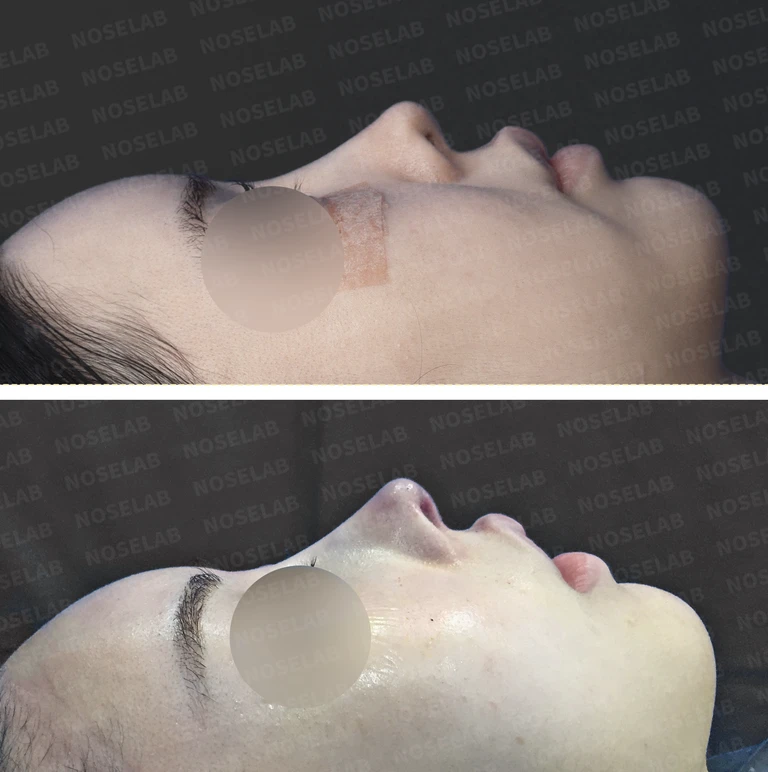
Key points to check in early revision rhinoplasty at 14 days post-op

This is a case of early revision rhinoplasty performed just 14 days after surgery, as deviation persisted despite a prior surgery and an attempted correction. The plan involved removing the implant and cartilage and using autologous rib cartilage, documenting changes in the radix, nasal dorsum, and nasal tip after surgery.

Preoperative condition

How to correct shape in a second surgery for a contracted nose — Before-and-after comparison
Before-and-after comparison

How to correct shape in a second surgery for a contracted nose

This is a case of a second surgery addressing a drooping tip and columellar scarring after reconstructing a contracted nose with autologous rib cartilage. We planned nasal tip reinforcement and a skin graft, and recorded changes in the position of the columella and the skin graft site after surgery.

Preoperative condition · Postoperative record

Revision rhinoplasty using autologous rib cartilage for an upturned nose, crooked nose, and nostril asymmetry — Before-and-after comparison
Before-and-after comparison

Revision rhinoplasty using autologous rib cartilage for an upturned nose, crooked nose, and nostril asymmetry

This is a case where excessive septal cartilage harvest led to a deviated septum, nasal obstruction, and an upturned, crooked tip, which were corrected by reconstructing the septum with autologous rib cartilage, removing scar tissue, and repositioning the lower lateral cartilages.

Preoperative condition

Revision rhinoplasty with autologous rib cartilage for bulbous tip, crooked nose, and nostril asymmetry — Before-and-after comparison
Before-and-after comparison

Revision rhinoplasty with autologous rib cartilage for bulbous tip, crooked nose, and nostril asymmetry

This is a case of a bulbous nose with thick skin, scar tissue in the nasal tip, and an implant deviated to the right. Removal of scar tissue, reconstruction and repositioning of the lower lateral (alar) cartilage, and nasal tip plasty using autologous rib cartilage were performed, with lateral osteotomy planned.

Preoperative condition

No search results found

Please try searching with different keywords.

Scroll to keep reading

Previous case4 / 4
Original article

Read more records

Planning a visit to Seoul?Prepare your consultation with the NOSELAB team.

International patient guideWhatsApp ↗
Dr. Peter C. Kang's Rhinoplasty Stories
Rhinoplasty guideCases by topicDr. Peter C. KangNaver Blog ↗
View original photo
Enlarged photo
WhatsAppChat with NOSELAB↗