English日本語简体中文
Skip to main content
Dr. Peter C. Kang's Rhinoplasty Stories
PrologueBlogMy thoughtsNasal obstructionSurgical journalSurgical photos
About the surgeon

Nasal valve reconstruction and stenosis correction cases

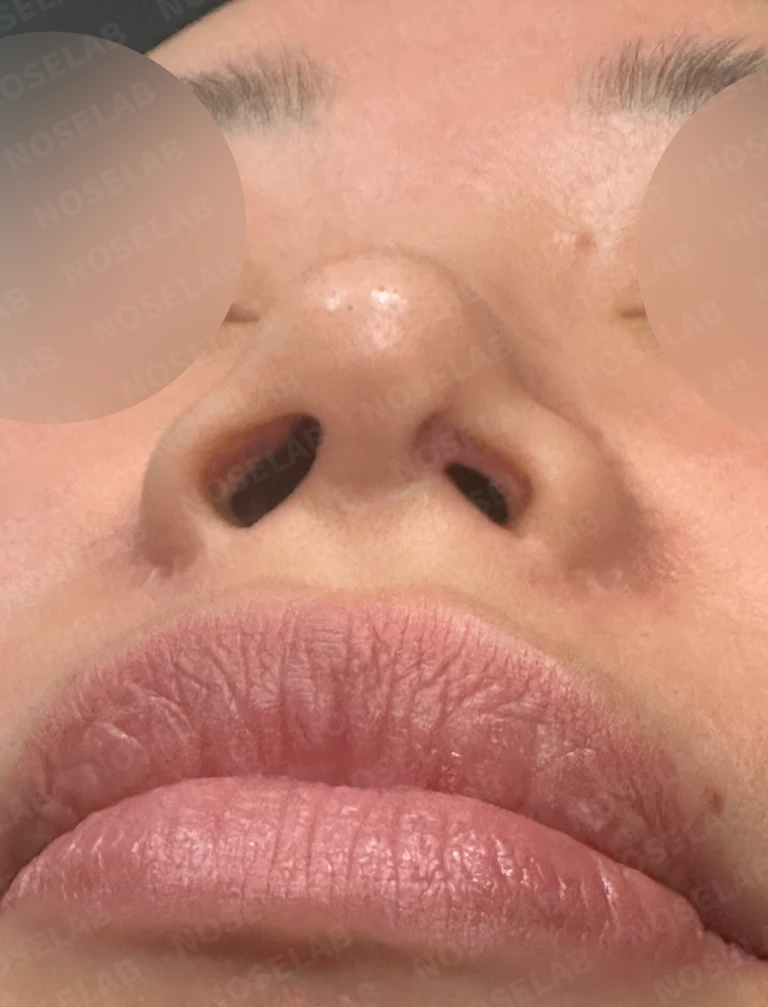
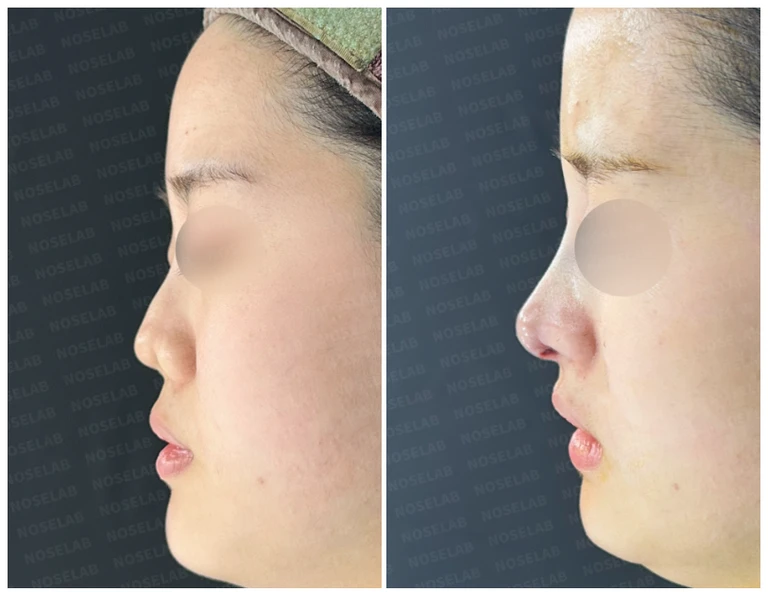
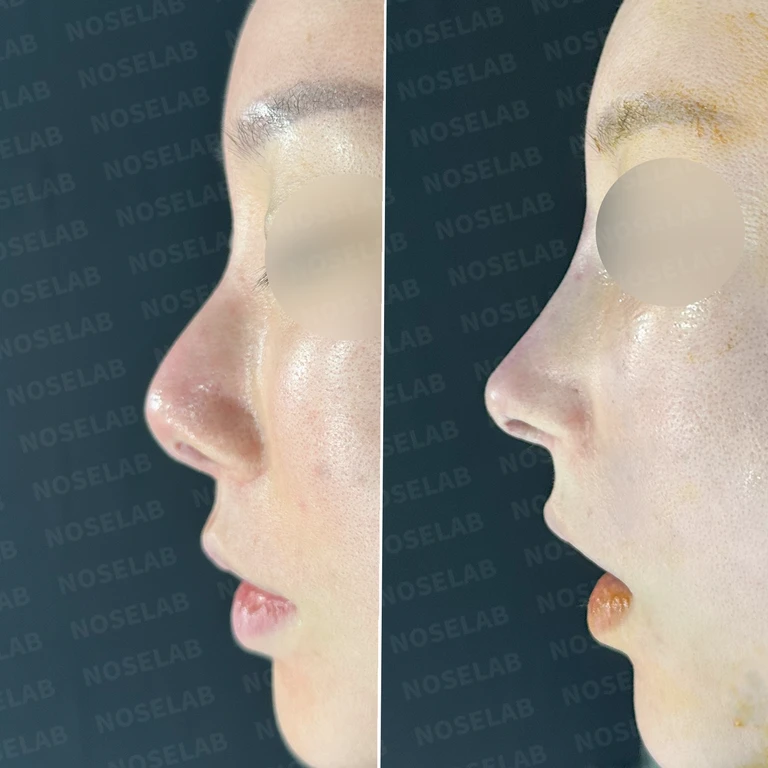
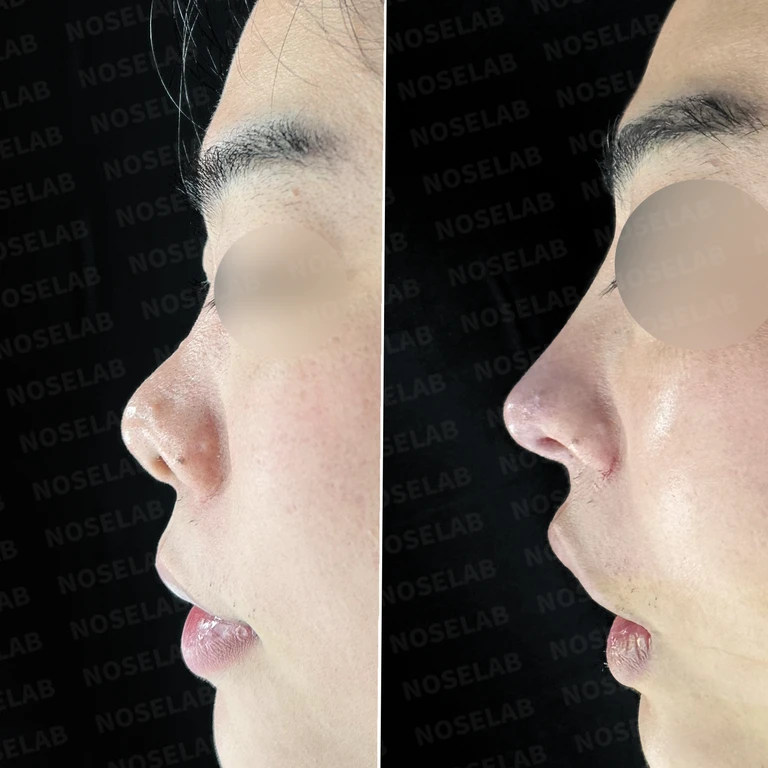
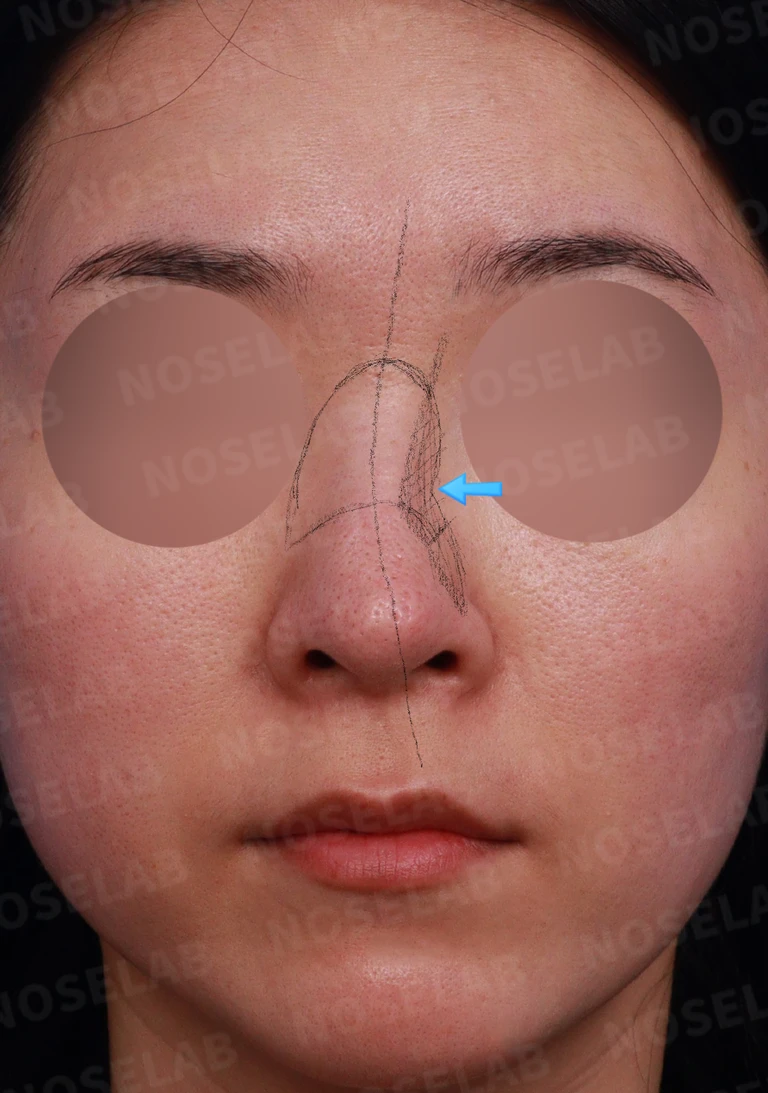
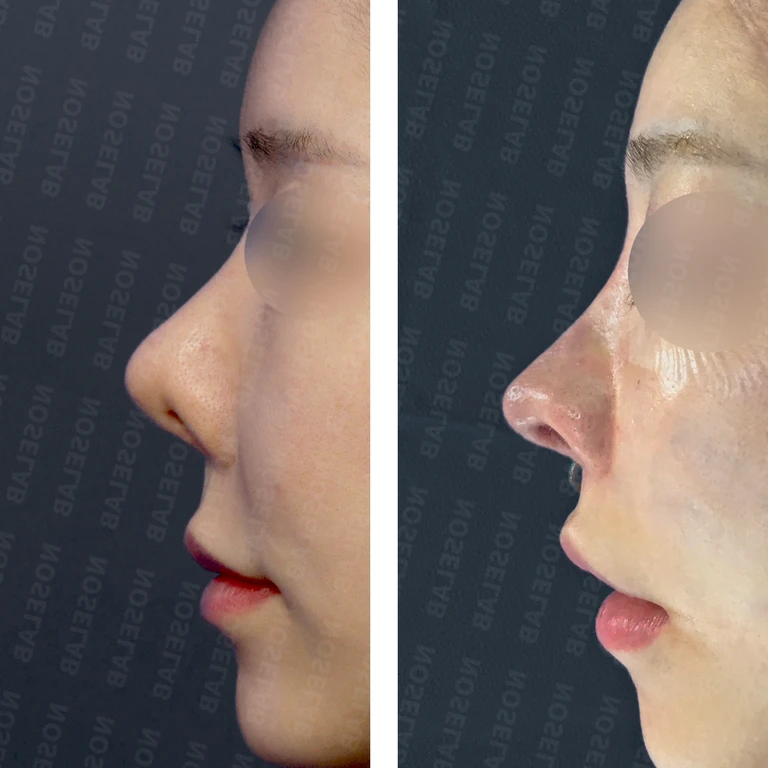
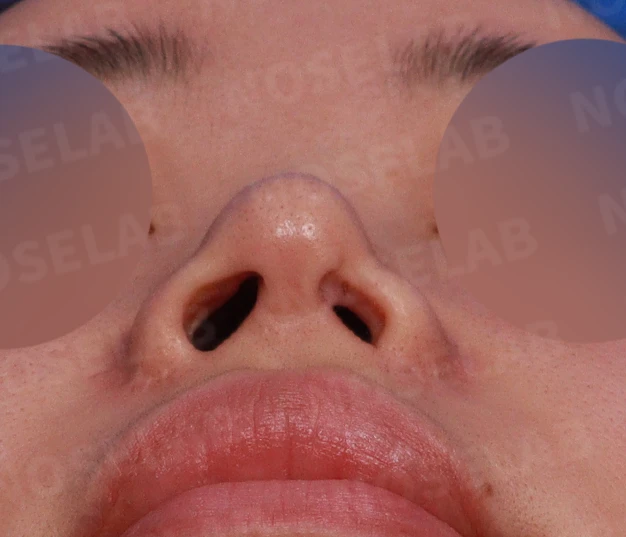
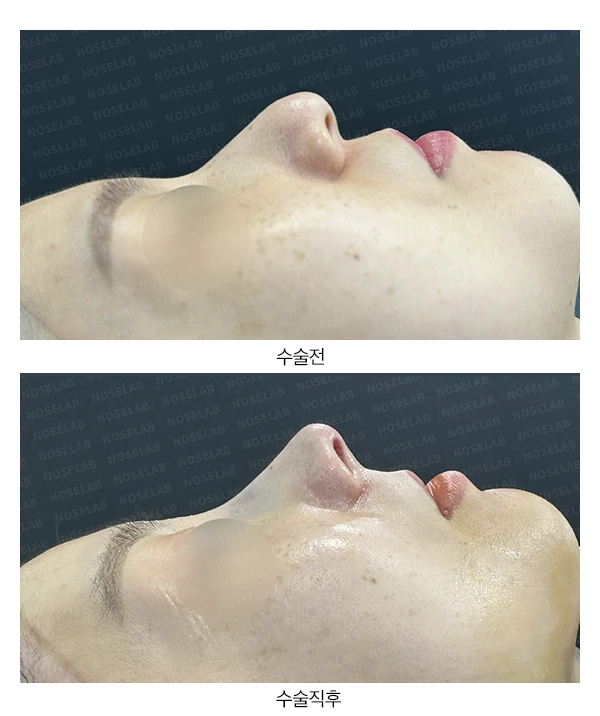
In nasal valve reconstruction articles, it is important to identify which area inside the nose was narrowed or collapsed. While some cases involved surgery to widen the external nasal valve, other records document addressing the condition of the nasal bones and nasal roof while reconstructing both the upper lateral cartilage and the internal nasal valve. Although shared under the same general name, the anatomical structures corrected differ.

This also includes articles where septal correction, inferior turbinate surgery, and nasal valve reconstruction were performed simultaneously. Even among before-and-after records addressing nasal obstruction, the context shifts depending on which procedures were combined. It is helpful to distinguish external appearance photos from detailed explanations of breathing, and to verify the internal or external areas and actual scope of reconstruction described in the original text.

View before-and-after cases ↓Comprehensive rhinoplasty guide

Searching for surgical cases matching your criteria.
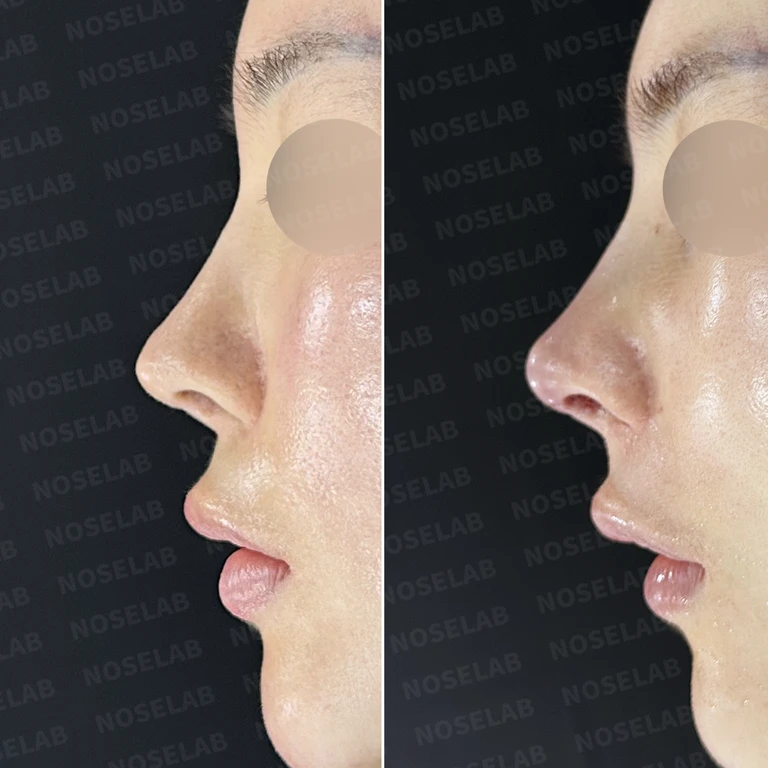
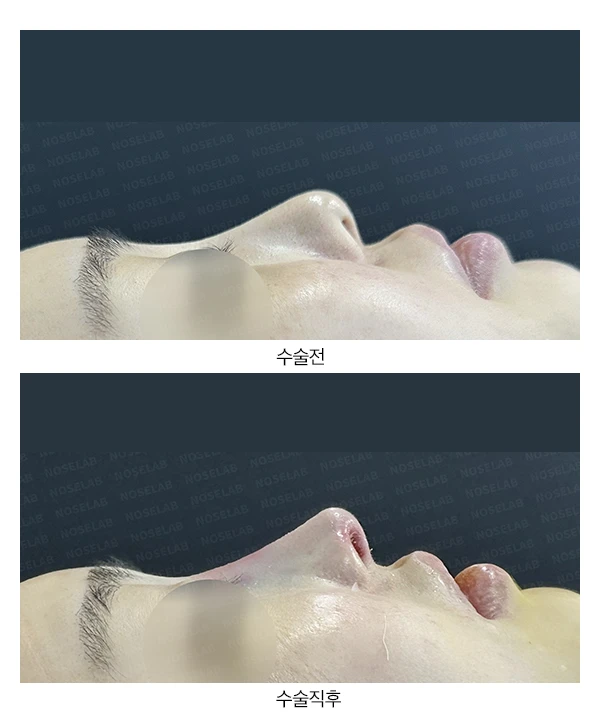
Why the nose looks long and the nostrils look pinched after multiple rhinoplasties — Before-and-after comparison
Before-and-after comparison

Why the nose looks long and the nostrils look pinched after multiple rhinoplasties

Lost lower lateral cartilage was reconstructed using autologous rib cartilage, and asymmetric, pinched nostrils were corrected. By lowering the radix, the appearance of a long nose was reduced, and surgery for rhinitis and nasal valve stenosis was performed concurrently.

Performed or used in this surgery
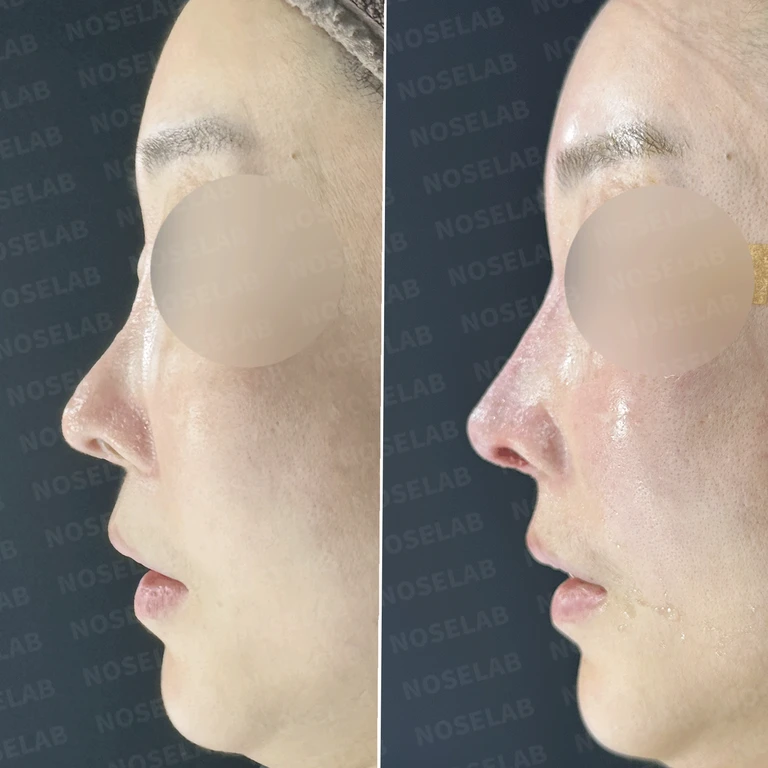
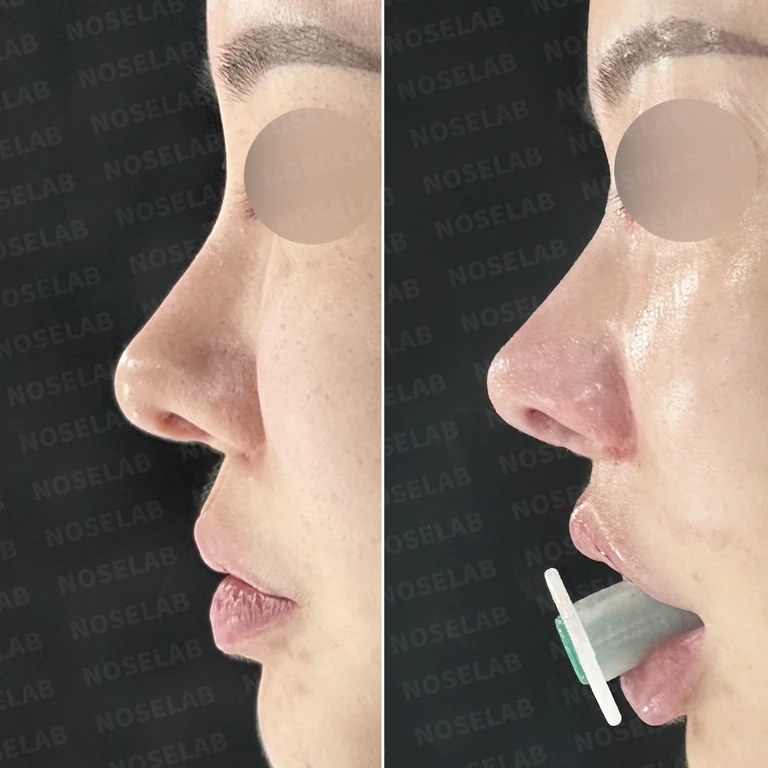
Why nasal obstruction persists despite multiple surgeries: Correcting nasal valve stenosis and nostril asymmetry — Before-and-after comparison
Before-and-after comparison

Why nasal obstruction persists despite multiple surgeries: Correcting nasal valve stenosis and nostril asymmetry

A case of persistent nostril asymmetry and nasal valve stenosis after multiple surgeries, addressed by removing existing implants, performing septoplasty and turbinoplasty, and reconstructing the structure with rib cartilage and a skin graft.

Performed or used in this surgery

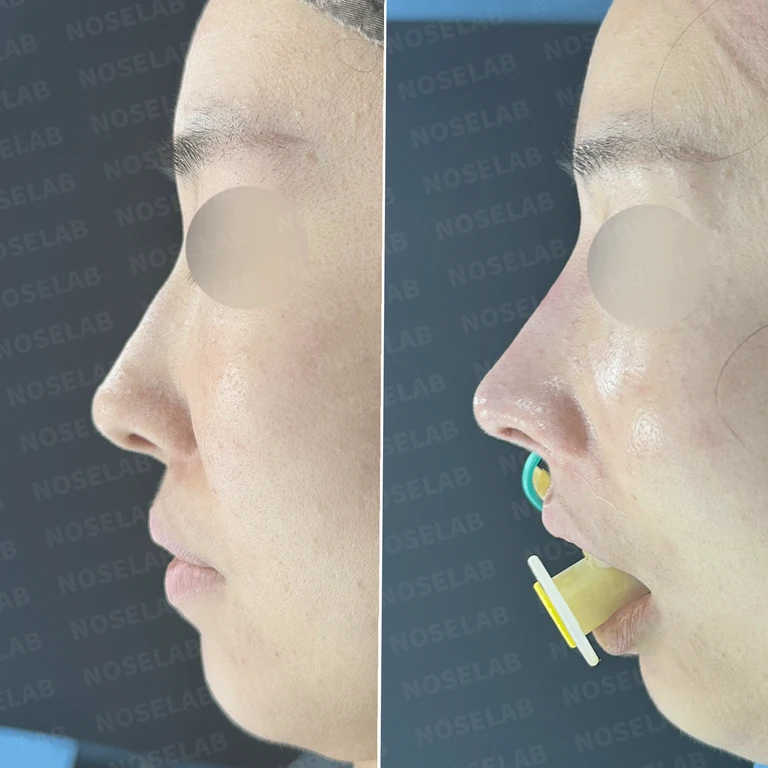
Why nasal obstruction persists after multiple surgeries: How to reconstruct the septum and nasal valve — Before-and-after comparison
Before-and-after comparison

Why nasal obstruction persists after multiple surgeries: How to reconstruct the septum and nasal valve

For a patient whose septum had collapsed after repeated surgeries, causing internal nasal valve stenosis and inferior turbinate adhesions, we performed septal reconstruction with autologous rib cartilage, osteotomy reversal, and adhesiolysis.

Performed or used in this surgery

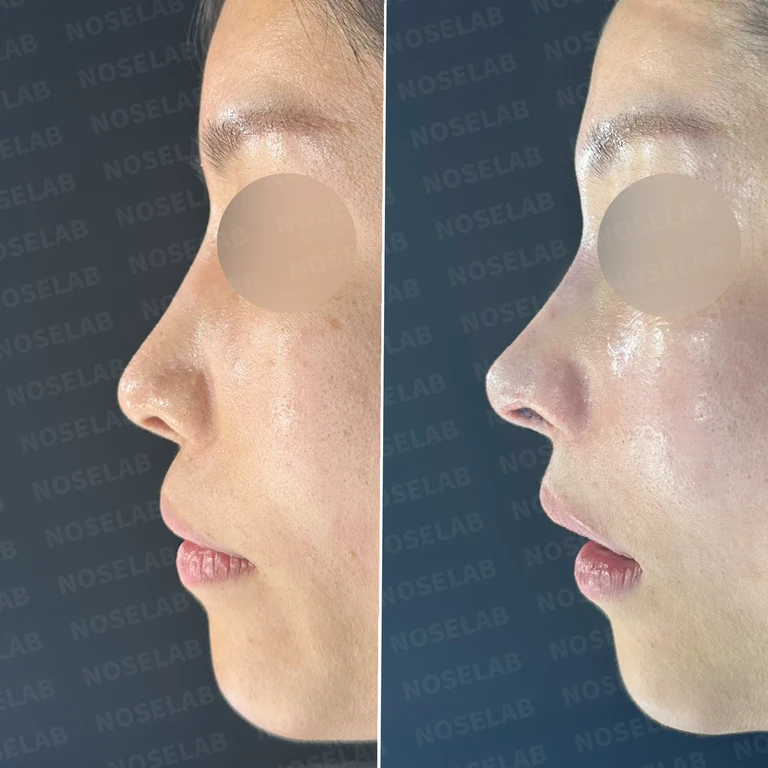
Why short, upturned noses and crooked noses occur together, and how to correct them with septal extension — Before-and-after comparison
Before-and-after comparison

Why short, upturned noses and crooked noses occur together, and how to correct them with septal extension

A short, upturned, crooked nose following an L-shaped silicone implant was lowered using septal extension with autologous rib cartilage, and the airway was improved through nasal valve reconstruction and septal correction.

Performed or used in this surgery

Why saddle nose and nasal valve stenosis occur after repeated revision rhinoplasty, and how total reconstruction is performed — Before-and-after comparison
Before-and-after comparison

Why saddle nose and nasal valve stenosis occur after repeated revision rhinoplasty, and how total reconstruction is performed

This is a case where the nasal bones, septum, and keystone area were damaged after repeated surgeries, causing nasal obstruction due to nasal valve stenosis. Autologous rib cartilage was used to reconstruct the nasal support structure and nasal valve, while correcting bridge depression and asymmetry.

Performed or used in this surgery

Why the nasal bridge sinks and one side becomes blocked after rhinoplasty osteotomy: Internal nasal valve reconstruction and restoration — Before-and-after comparison
Before-and-after comparison

Why the nasal bridge sinks and one side becomes blocked after rhinoplasty osteotomy: Internal nasal valve reconstruction and restoration

A case where nasal bones, the nasal vault, and the septum were reconstructed using autologous rib cartilage to resolve collapsed nasal bones, nasal roof collapse, internal nasal valve stenosis, and pain caused by excessive osteotomy in a previous surgery.

Performed or used in this surgery

Changes that occur when inflammation persists after rhinoplasty and reconstruction methods — Before-and-after comparison
Before-and-after comparison

Changes that occur when inflammation persists after rhinoplasty and reconstruction methods

To resolve chronic inflammation, an upturned nose, and redness of the nasal bridge that persisted after previous surgeries, artificial materials were removed, and structural reconstruction using autologous rib cartilage was performed along with nasal valve surgery.

Performed or used in this surgery

Why nostril stenosis develops after alar reduction and philtrum reduction, and how to reconstruct it — Before-and-after comparison
Before-and-after comparison

Why nostril stenosis develops after alar reduction and philtrum reduction, and how to reconstruct it

To address left nostril stenosis and cartilage damage after alar reduction, septal and alar reconstruction using autologous rib cartilage was performed alongside an intranasal rotational flap.

Performed or used in this surgery

Nostril stenosis narrowing the nostrils after previous surgery: causes and reconstruction methods — Before-and-after comparison
Before-and-after comparison

Nostril stenosis narrowing the nostrils after previous surgery: causes and reconstruction methods

A case of nostril stenosis and an upturned nose following previous surgeries, reconstructed using autologous rib cartilage instead of a silicone implant, along with skin grafting and lower lateral cartilage reconstruction.

Performed or used in this surgery

Why contracture and nasal obstruction develop together after multiple rhinoplasties, and how reconstruction is performed — Before-and-after comparison
Before-and-after comparison

Why contracture and nasal obstruction develop together after multiple rhinoplasties, and how reconstruction is performed

A case involving a patient who experienced septal cartilage damage, an upturned nasal tip, and severe nasal obstruction after 8 surgeries over 15 years, where the septum was reconstructed using autologous rib cartilage and reinforced with dermis.

Performed or used in this surgery

Upturned nose and nasal obstruction: how to reconstruct structural support with rib cartilage — Before-and-after comparison
Before-and-after comparison

Upturned nose and nasal obstruction: how to reconstruct structural support with rib cartilage

For an upturned nose and severe nasal obstruction caused by septal cartilage loss following silicone implant removal, we performed total septal reconstruction using rib cartilage, nostril lowering, and internal nasal valve reconstruction.

Performed or used in this surgery

Corrective approaches for nasal obstruction and asymmetry after lateral osteotomy — Before-and-after comparison
Before-and-after comparison

Corrective approaches for nasal obstruction and asymmetry after lateral osteotomy

A case in which nasal bone depression and nasal valve stenosis causing nasal obstruction following lateral osteotomy were addressed through lateral bone mobilization, nasal valve reconstruction, and dorsal augmentation with autologous rib cartilage.

Performed or used in this surgery

Supportive structures in a contracted nose and revision rhinoplasty using autologous rib cartilage — Before-and-after comparison
Before-and-after comparison

Supportive structures in a contracted nose and revision rhinoplasty using autologous rib cartilage

For a contracted nose and a sharply upturned nasal tip that developed after multiple surgeries, septal reconstruction with autologous rib cartilage, removal of inflammatory tissue from the nasal tip, and nostril lowering were performed.

Performed or used in this surgery

Revision rhinoplasty approach addressing nostril stenosis, crooked nose, and nasal obstruction together — Before-and-after comparison
Before-and-after comparison

Revision rhinoplasty approach addressing nostril stenosis, crooked nose, and nasal obstruction together

Left nostril stenosis and nasal obstruction that developed after repeated surgeries were improved through scar tissue removal, skin grafting, Z-plasty, and septal reconstruction using autologous rib cartilage.

Performed or used in this surgery

Methods for correcting a bulbous and wide nose — Before-and-after comparison
Before-and-after comparison

Methods for correcting a bulbous and wide nose

A wide nasal tip, wide nasal bones, and nasal obstruction caused by internal nasal valve stenosis were improved together using closed lateral osteotomy, partial resection of subcutaneous tissue, and septal cartilage reinforcement.

Performed or used in this surgery

How to plan nostril lowering (alar rim grafting) in an upturned nose — Before-and-after comparison
Before-and-after comparison

How to plan nostril lowering (alar rim grafting) in an upturned nose

A case where a septum weakened by previous surgery was reinforced with donor rib cartilage, and nostril lowering was performed using an ear cartilage graft and lower lateral cartilage repositioning. The existing autologous gluteal dermis was reused at the nasal tip, and functional surgery for nasal obstruction was performed simultaneously.

Performed or used in this surgery
No search results found

Please try searching with different keywords.

Scroll to keep reading

Common questions before reading the cases

Can internal and external nasal valve surgeries be differentiated?

Some articles specify that surgery was performed to widen the external nasal valve, whereas others state that internal nasal valve reconstruction was performed alongside upper lateral cartilage reconstruction. Each case differs in the specific structures and surgical scope indicated in the text. Rather than assuming the same area was corrected in the same manner simply because the term nasal valve is used, you can refer to the detailed explanations in each article.

Were nasal valve reconstruction and other nasal obstruction surgeries performed together?

Cases are documented where septal correction, inferior turbinate surgery, and nasal valve reconstruction were performed together, involving multiple procedures for nasal obstruction. Therefore, when breathing improvements are explained in the text, it is more accurate to view them in the context of the entire list of procedures performed, rather than attributing the result solely to nasal valve surgery alone.

Related topics to explore

Nasal valve stenosis and collapseNasal obstruction and breathing discomfortSeptal correctionInferior turbinate surgery

Surgical records referenced in this guide

  • Supportive structures in a contracted nose and revision rhinoplasty using autologous rib cartilage
  • Why the nasal bridge sinks and one side becomes blocked after rhinoplasty osteotomy: Internal nasal valve reconstruction and restoration
  • Why short, upturned noses and crooked noses occur together, and how to correct them with septal extension
Original article

Read more records

Planning a visit to Seoul?Prepare your consultation with the NOSELAB team.

International patient guideWhatsApp ↗
Dr. Peter C. Kang's Rhinoplasty Stories
Rhinoplasty guideCases by topicDr. Peter C. KangNaver Blog ↗
View original photo
Enlarged photo
WhatsAppChat with NOSELAB↗