Hello, I am Dr. Peter C. Kang.
Today, I would like to share the case of a patient who visited us due to nasal obstruction and an upturned nose that developed after multiple surgeries.
🔍 Surgical history
9 years ago: Ear cartilage + silicone implant
3 to 4 years ago: Rhinitis surgery + septum + ear cartilage + silicone implant
2 and a half years ago: Silicone implant removal
💉 Primary symptoms and requests
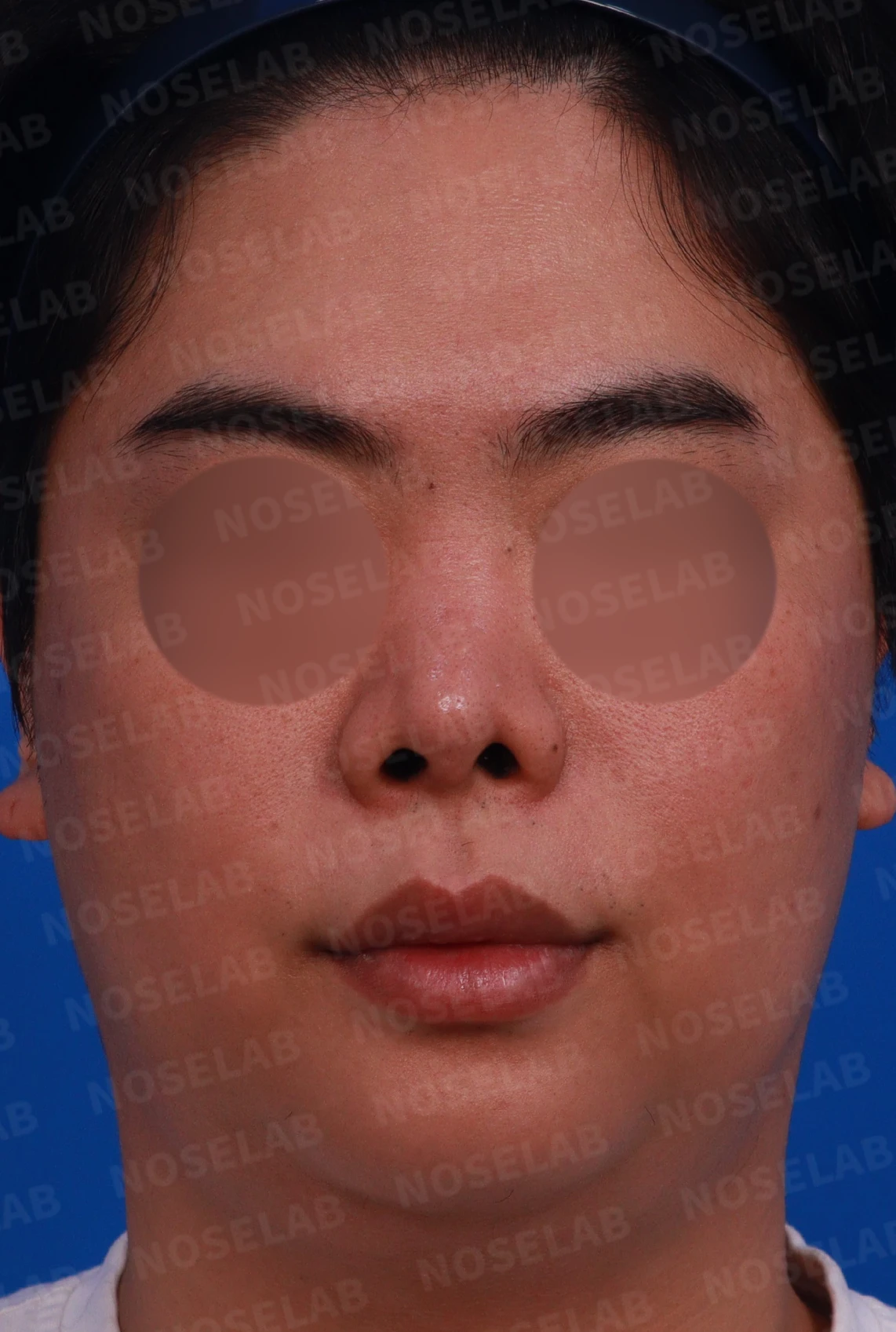
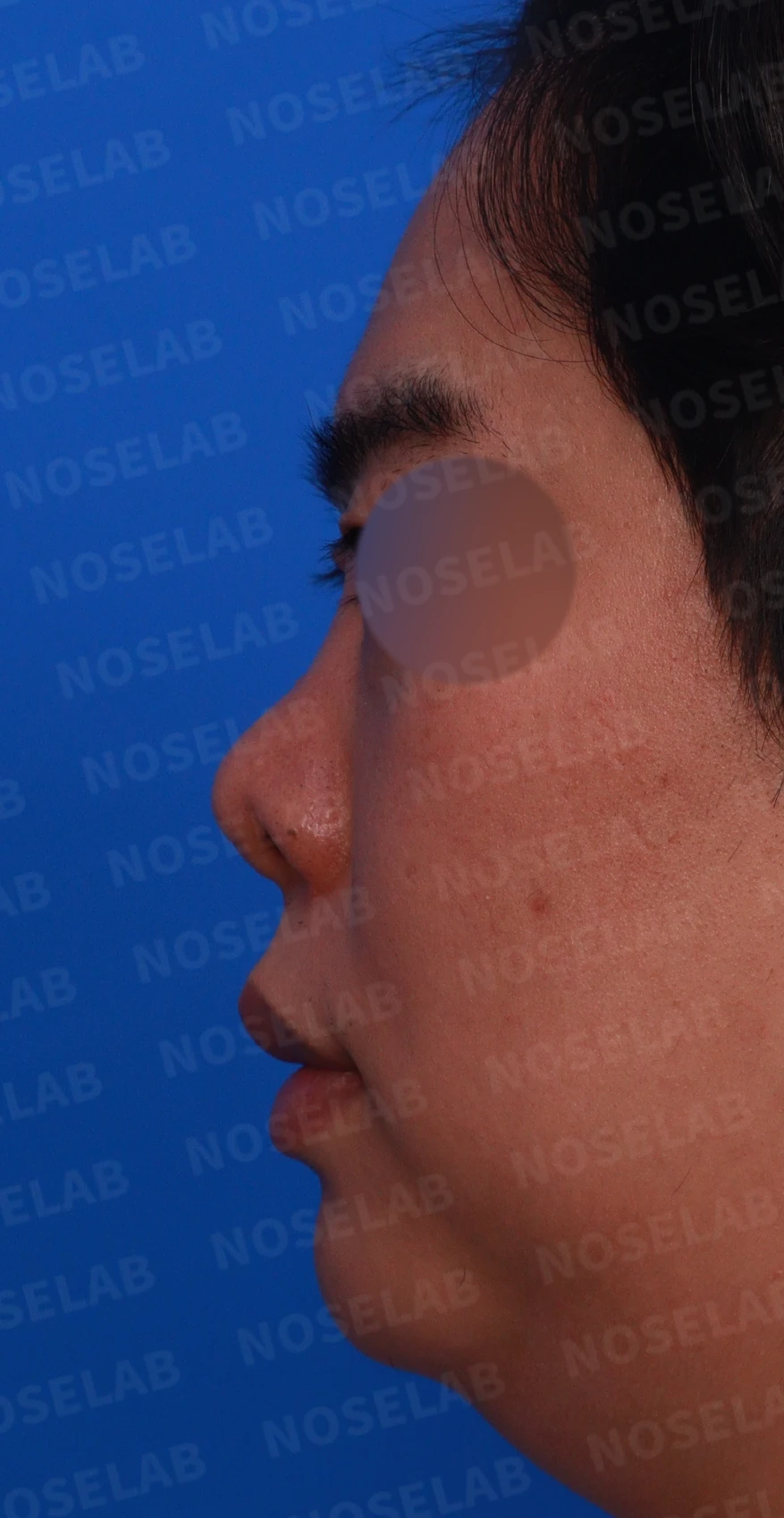
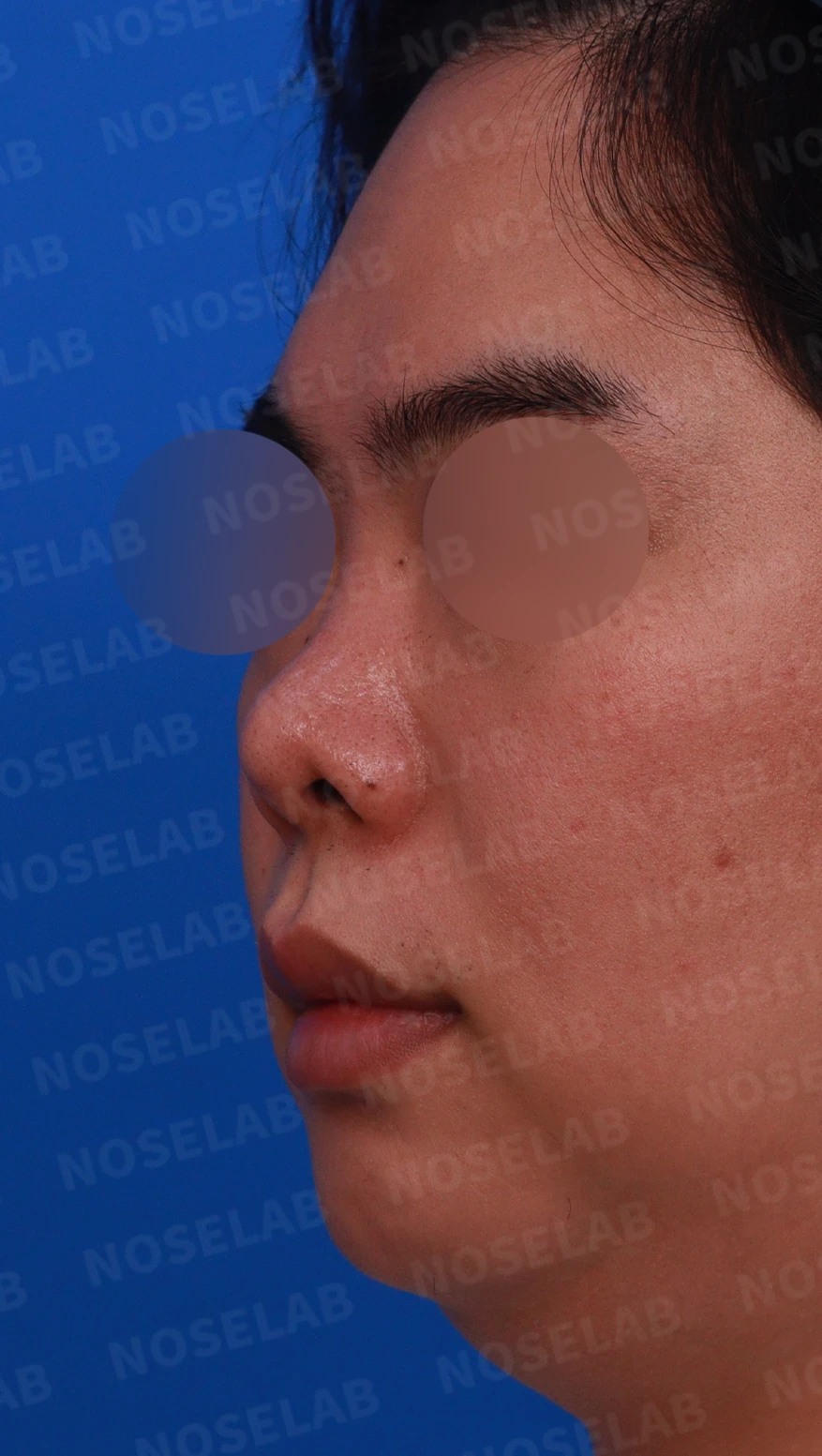
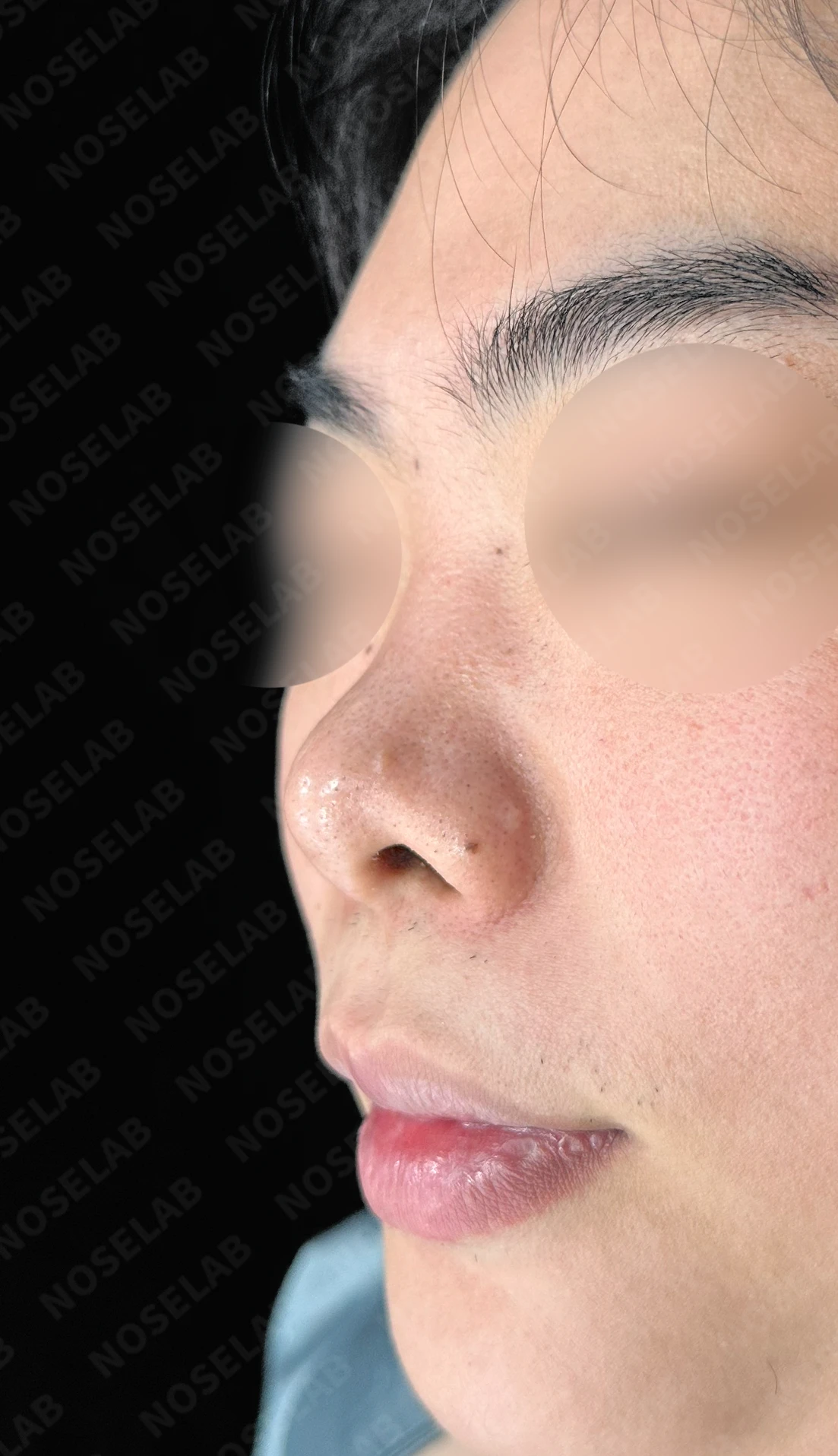
Front, left profile, and oblique views during design consultation
Bilateral nasal obstruction, worse on the right side
Correction of excessive nostril show
Correction of an upturned nose
Increased nasal bridge height
Preference for autologous rib cartilage
Concerns regarding artificial implants (worry about inflammation)
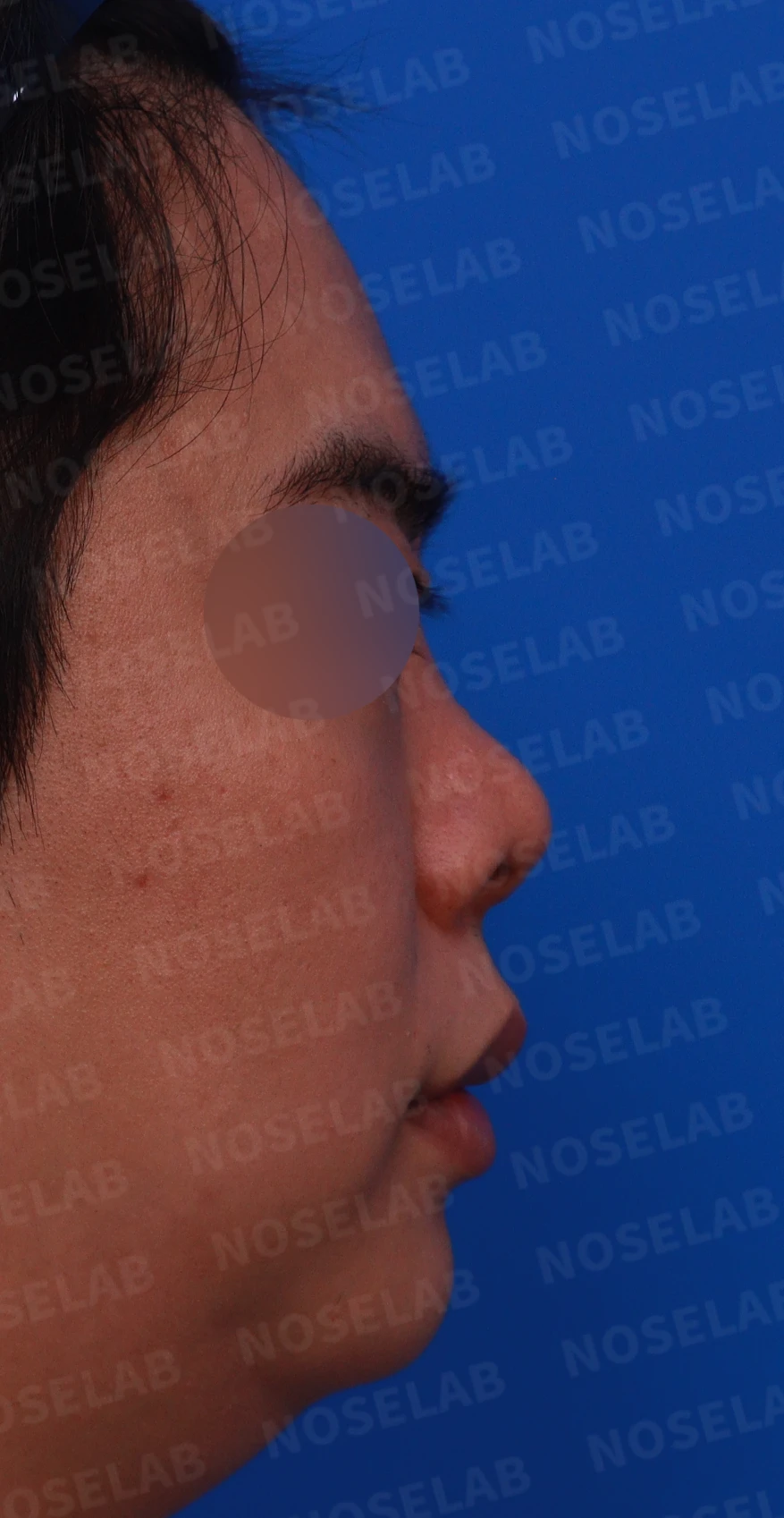
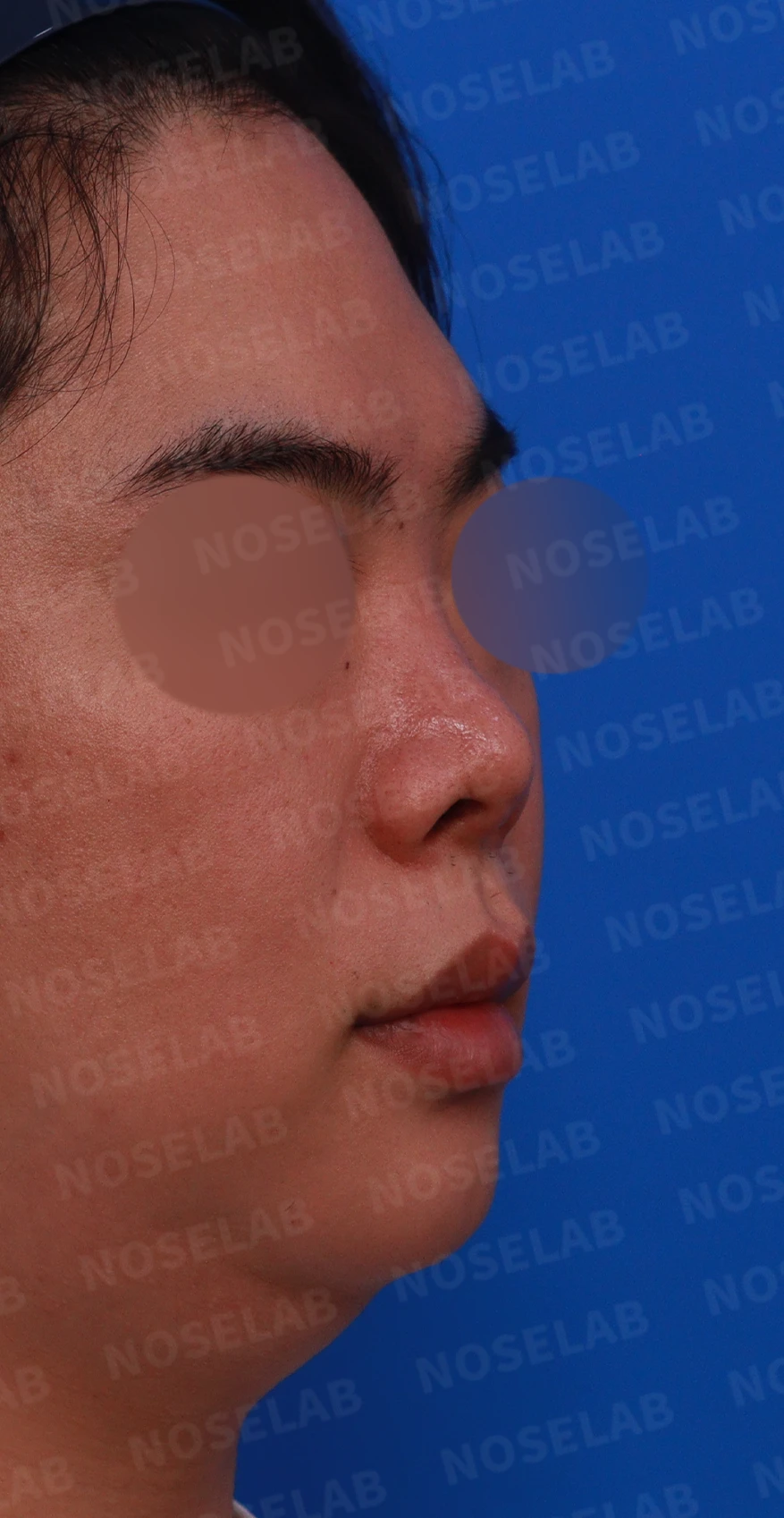
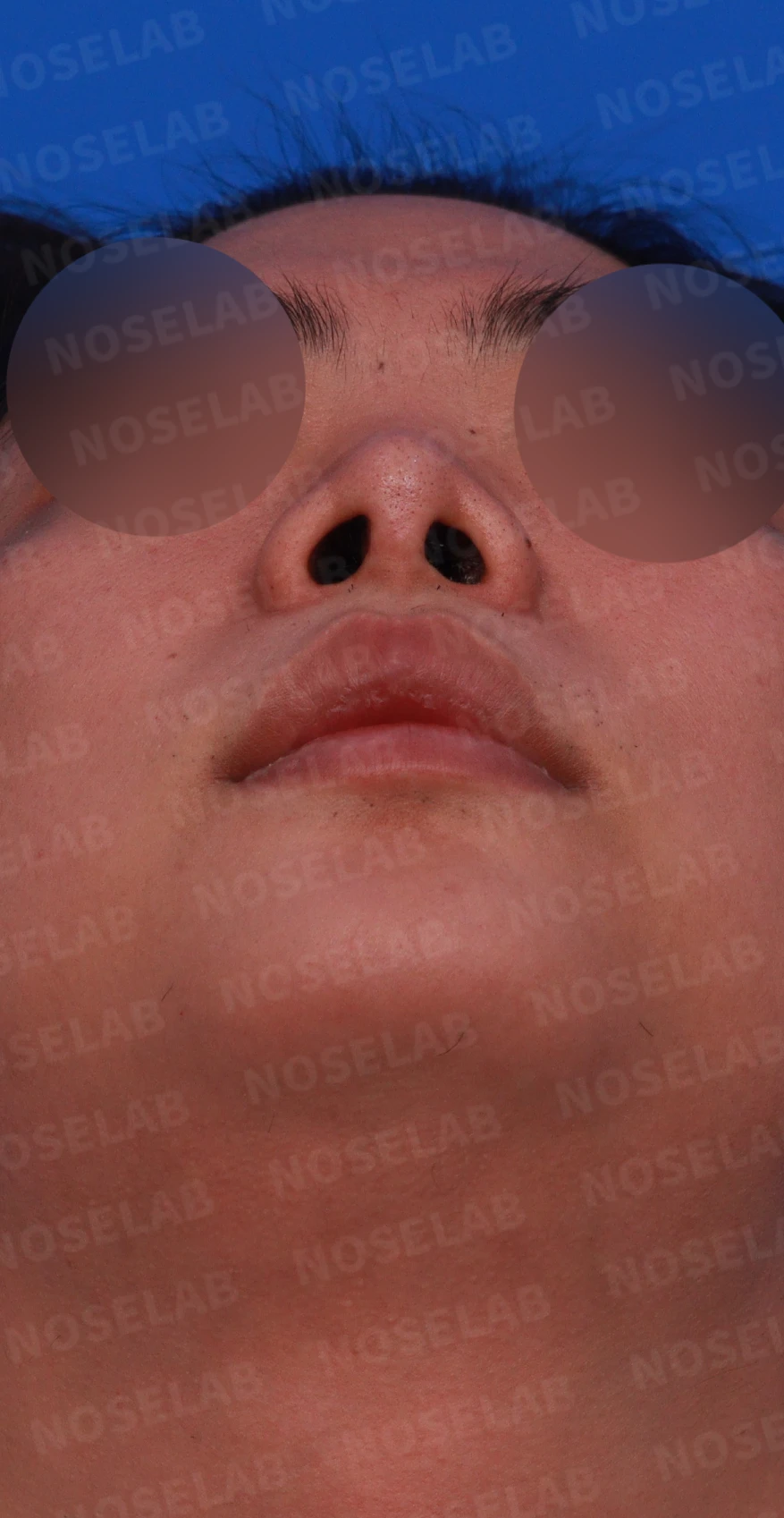
Right profile, oblique, and nostril views during design consultation
🔧 Preoperative analysis
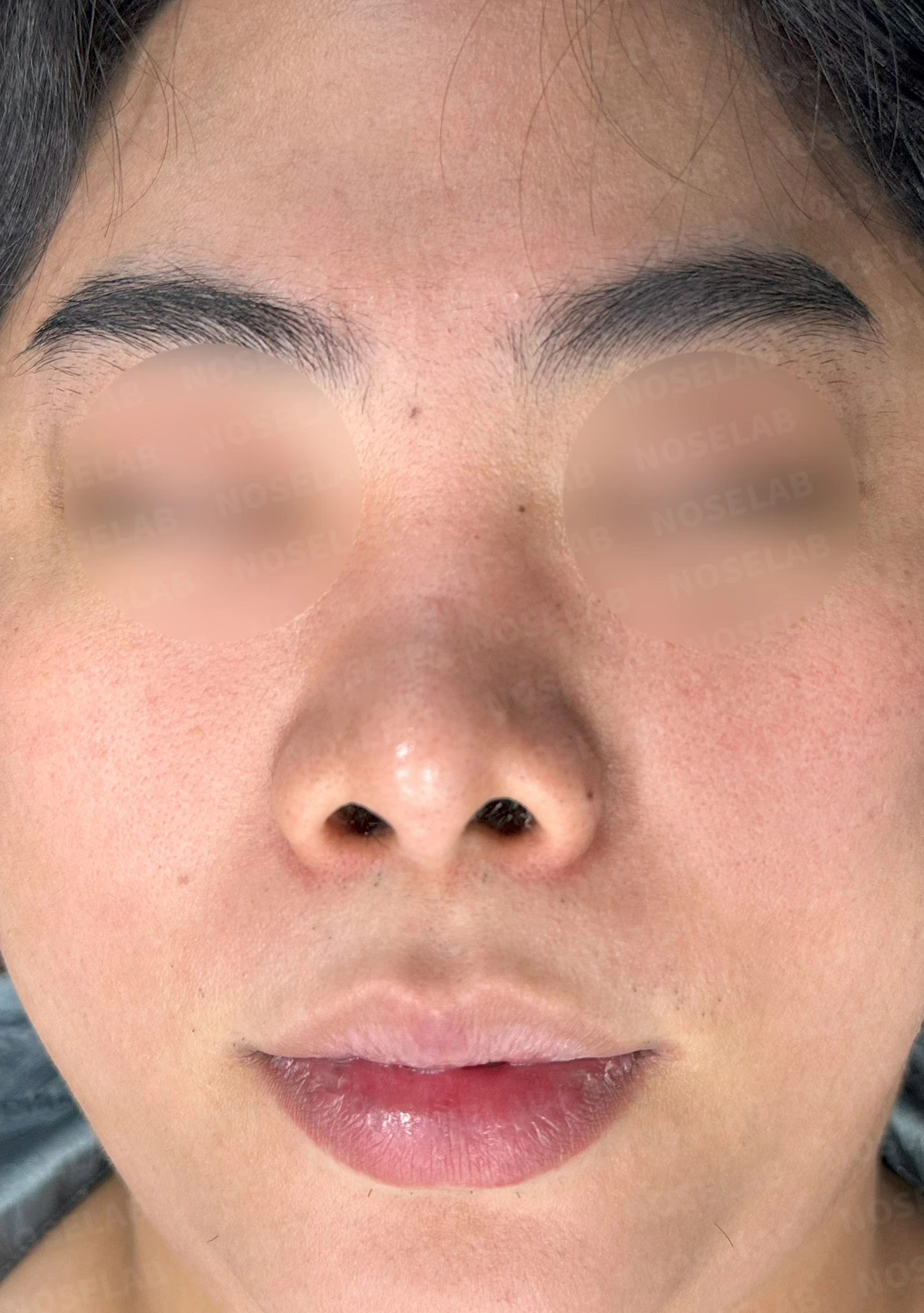
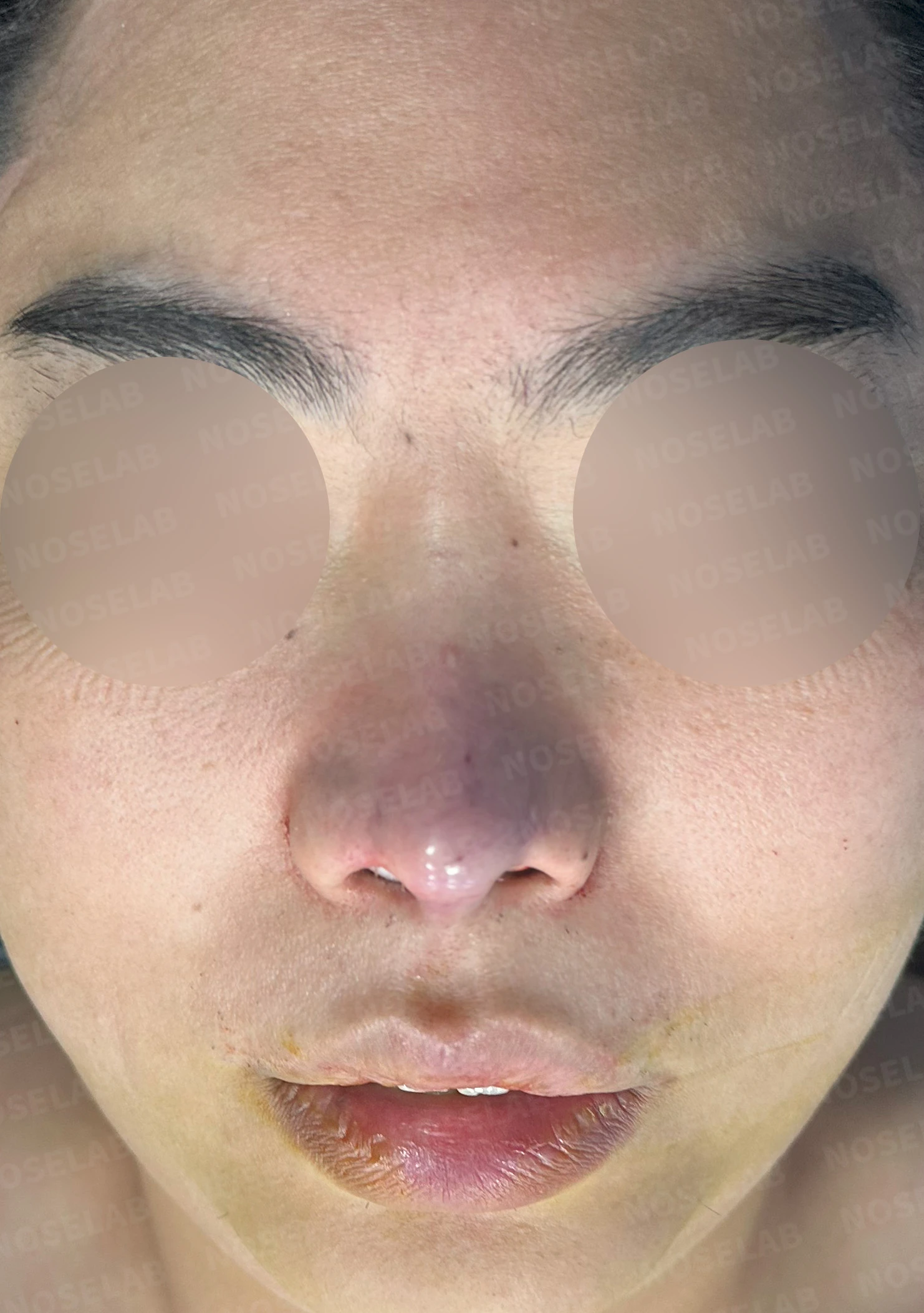
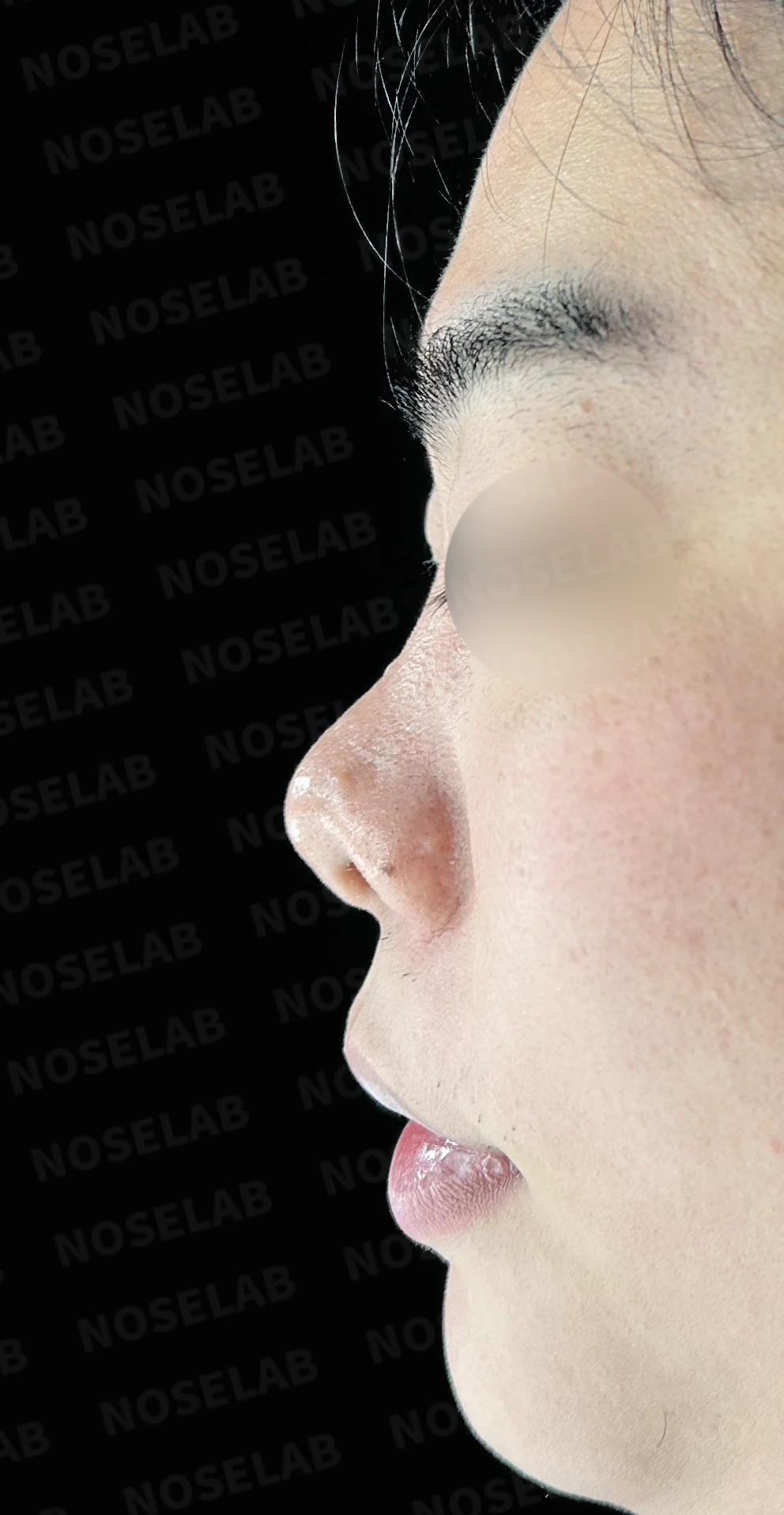
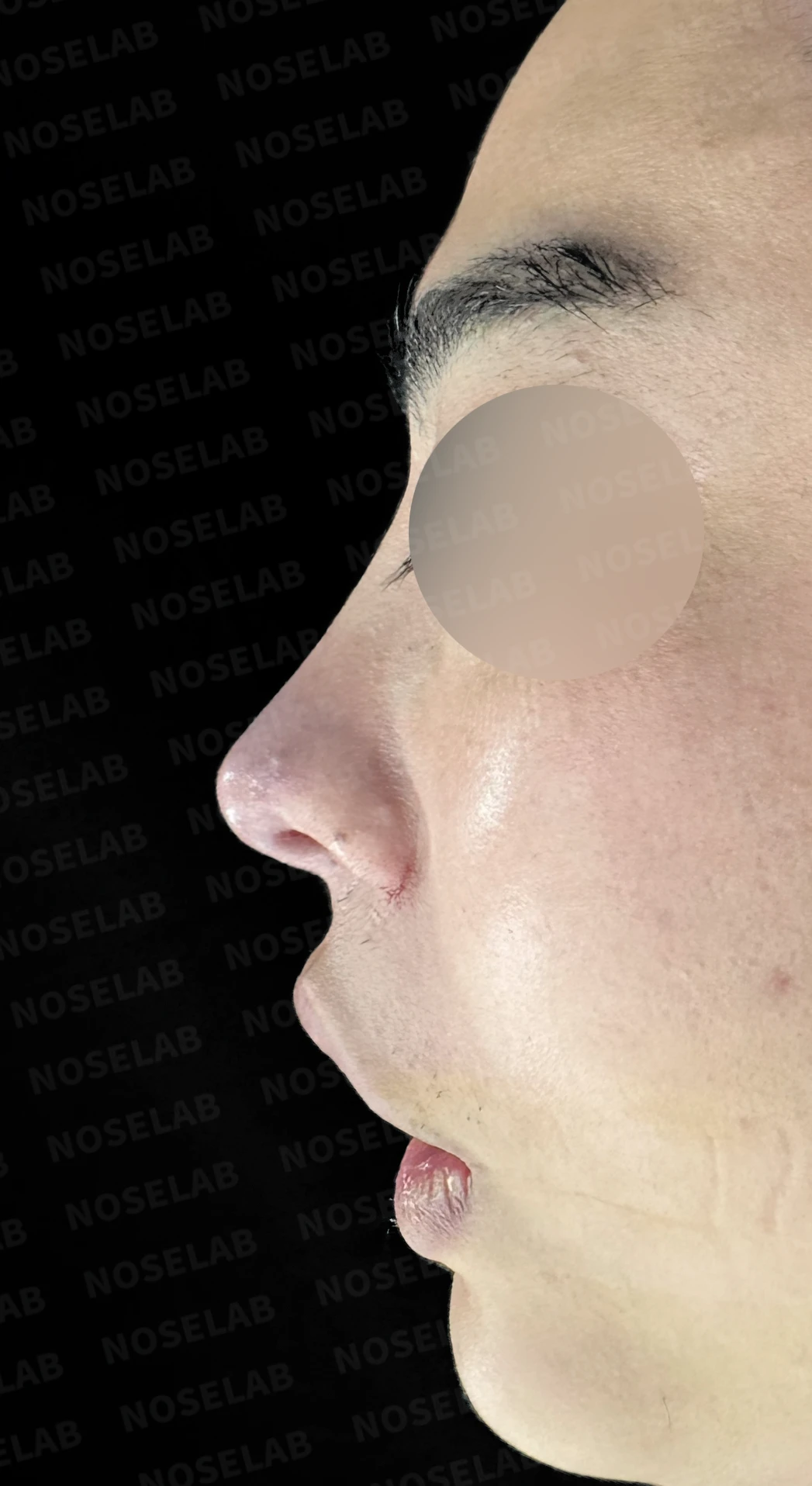
Before surgery / Day 0 immediately after surgery Photos taken immediately after surgery show swelling and may differ from the final result.
Front view
Excessive nostril show
Nostril asymmetry
Broad nasal bridge
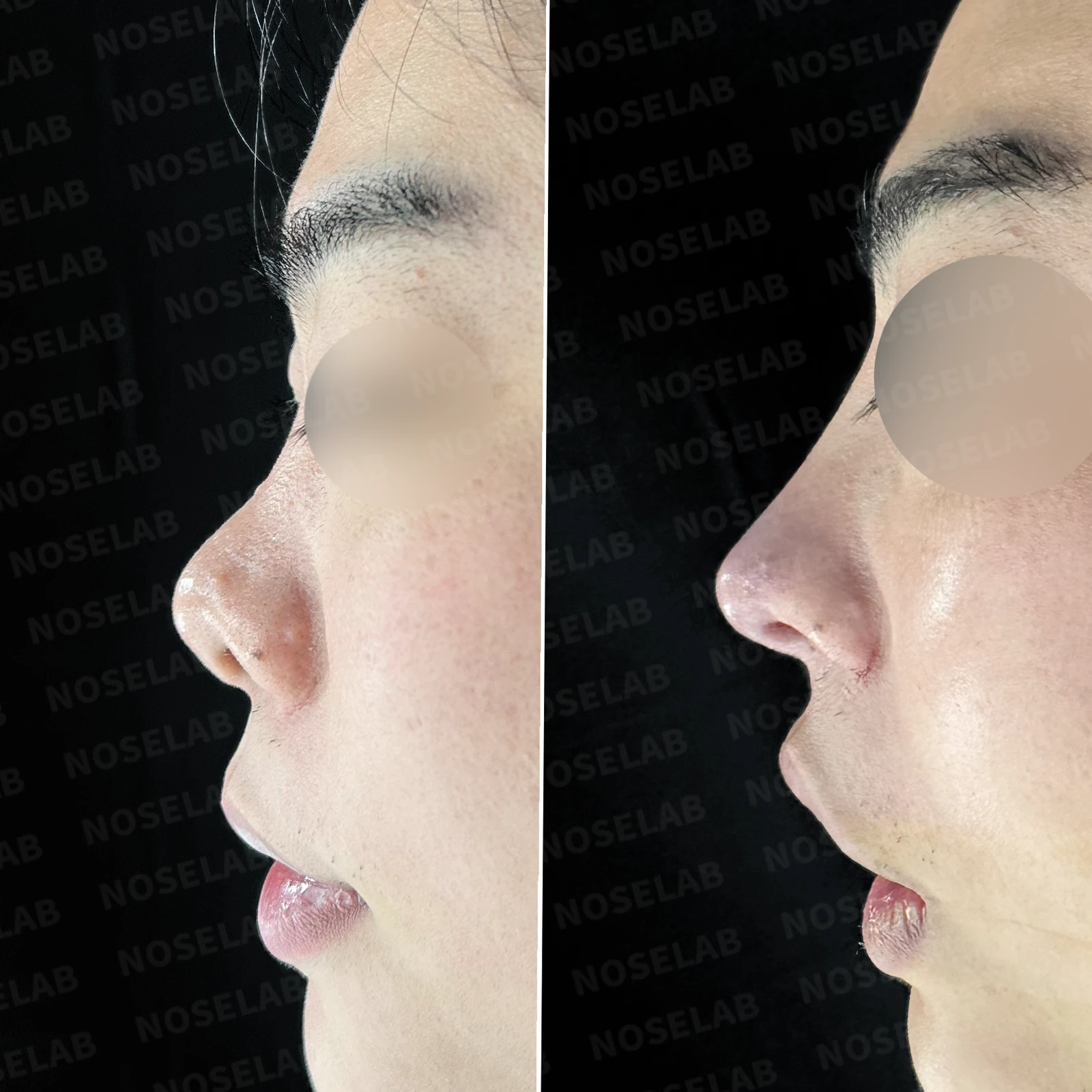
Before surgery / Day 0 immediately after surgery Photos taken immediately after surgery show swelling and may differ from the final result.
2. Profile view
Severely upturned nose
Obtuse nasolabial angle
Protruding mouth
Low nasal bridge
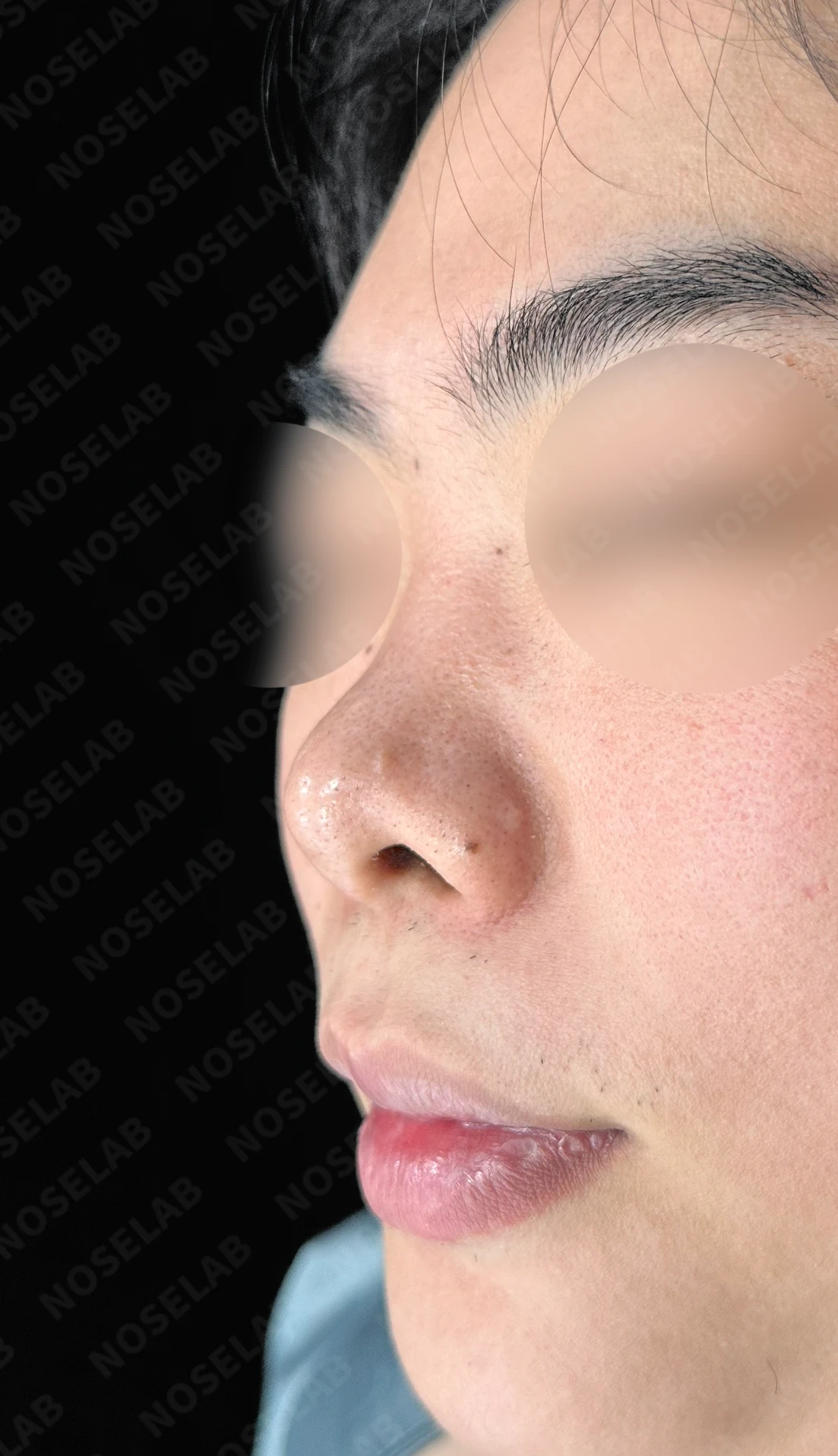
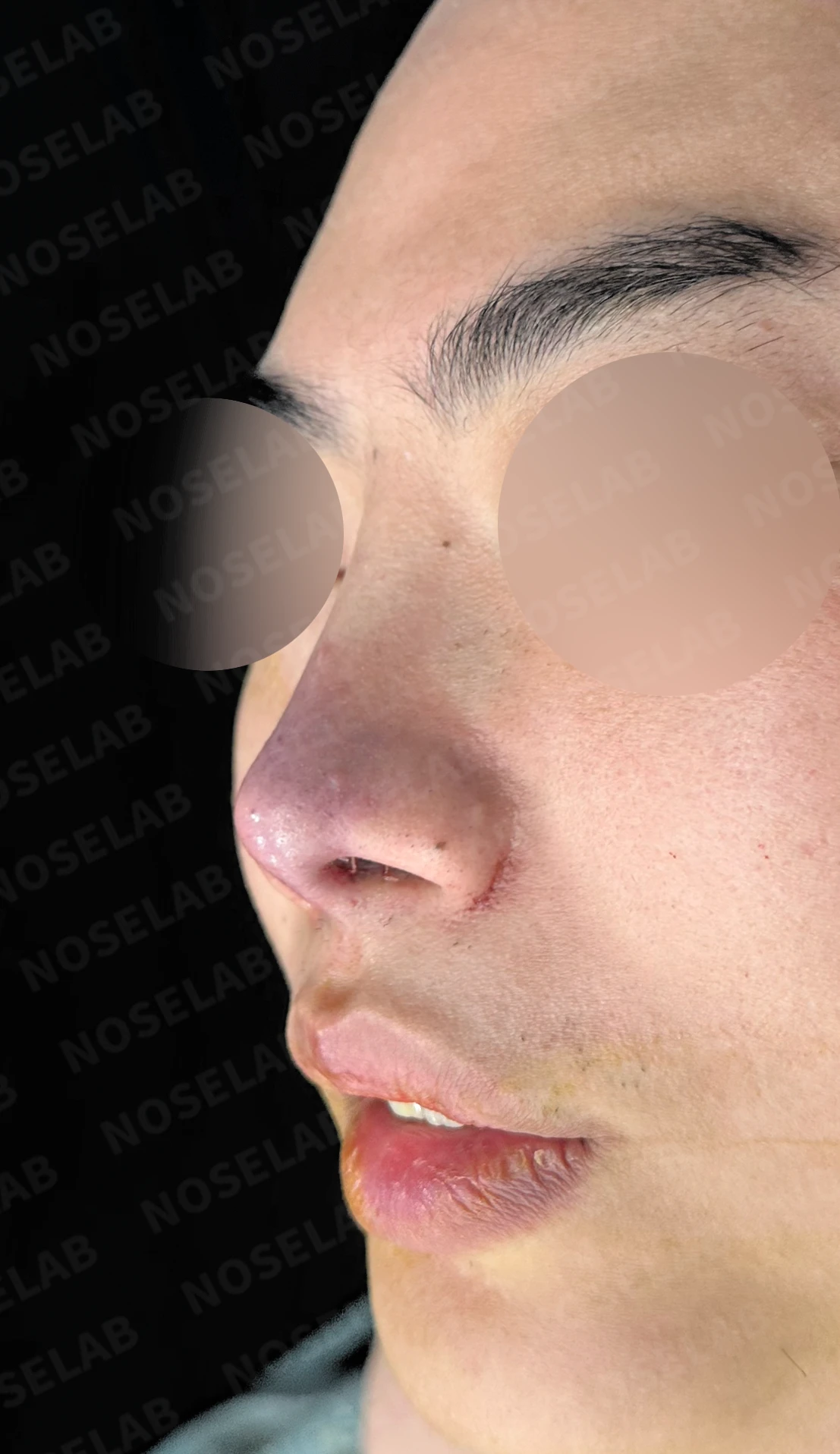
Before surgery / Day 0 immediately after surgery Photos taken immediately after surgery show swelling and may differ from the final result.
3. Oblique view
Upturned nasal tip
Prominent protruding mouth
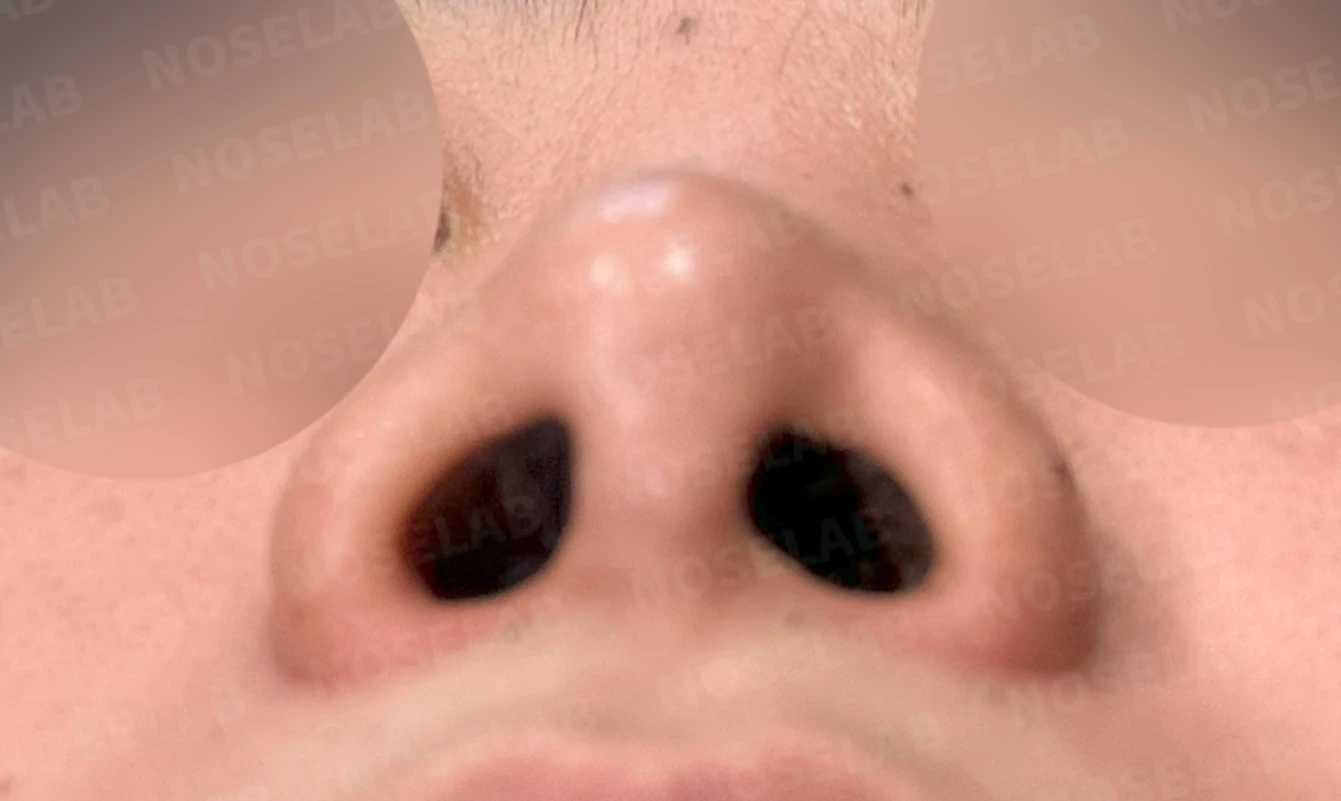
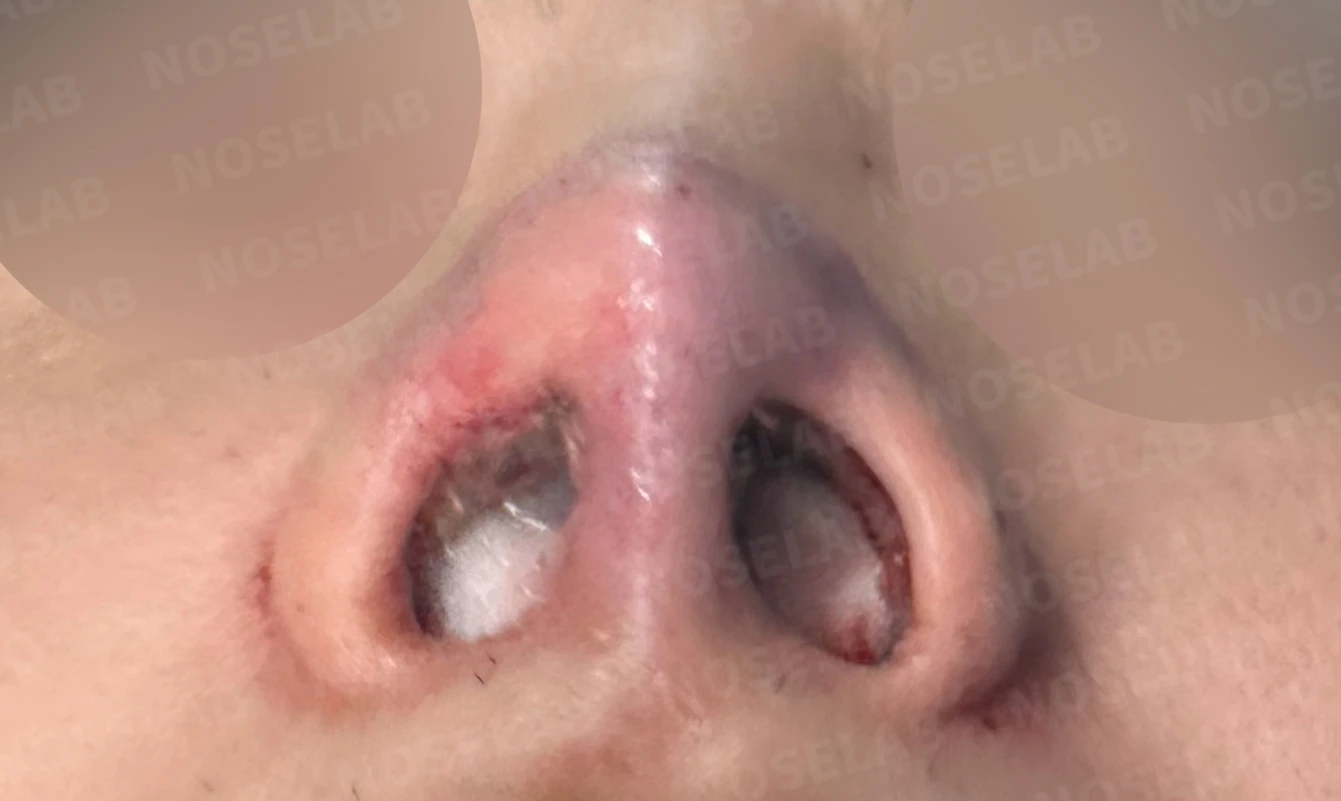
Before surgery / Day 0 immediately after surgery Photos taken immediately after surgery show swelling and may differ from the final result.
4. Nostril view
Left-right asymmetry
Columella tilted to the left
💉 Surgical details
The greatest issue identified during surgery was that the septal cartilage inside the nose was almost completely missing, leaving barely any structure to support the nasal tip. To resolve this, we performed:
Total septal reconstruction using rib cartilage
Structural correction to reduce excessive nostril show
Nostril lowering
Lysis of intranasal adhesions
Internal nasal valve reconstruction
Correction of deviated septum
Submucosal resection of the inferior turbinates (rhinitis surgery)
🌟 Surgical results
Structural improvement
Stable nasal tip support
Improved septal condition
Natural height
2. Aesthetic improvement
Reduced nostril show
Corrected upturned nose
Smooth nasal bridge line
3. Functional improvement
Improvement of deviated septum
Adhesiolysis
Nasal valve reconstruction (bilateral)
Reduction of inferior turbinate size
Improvement of nasal obstruction
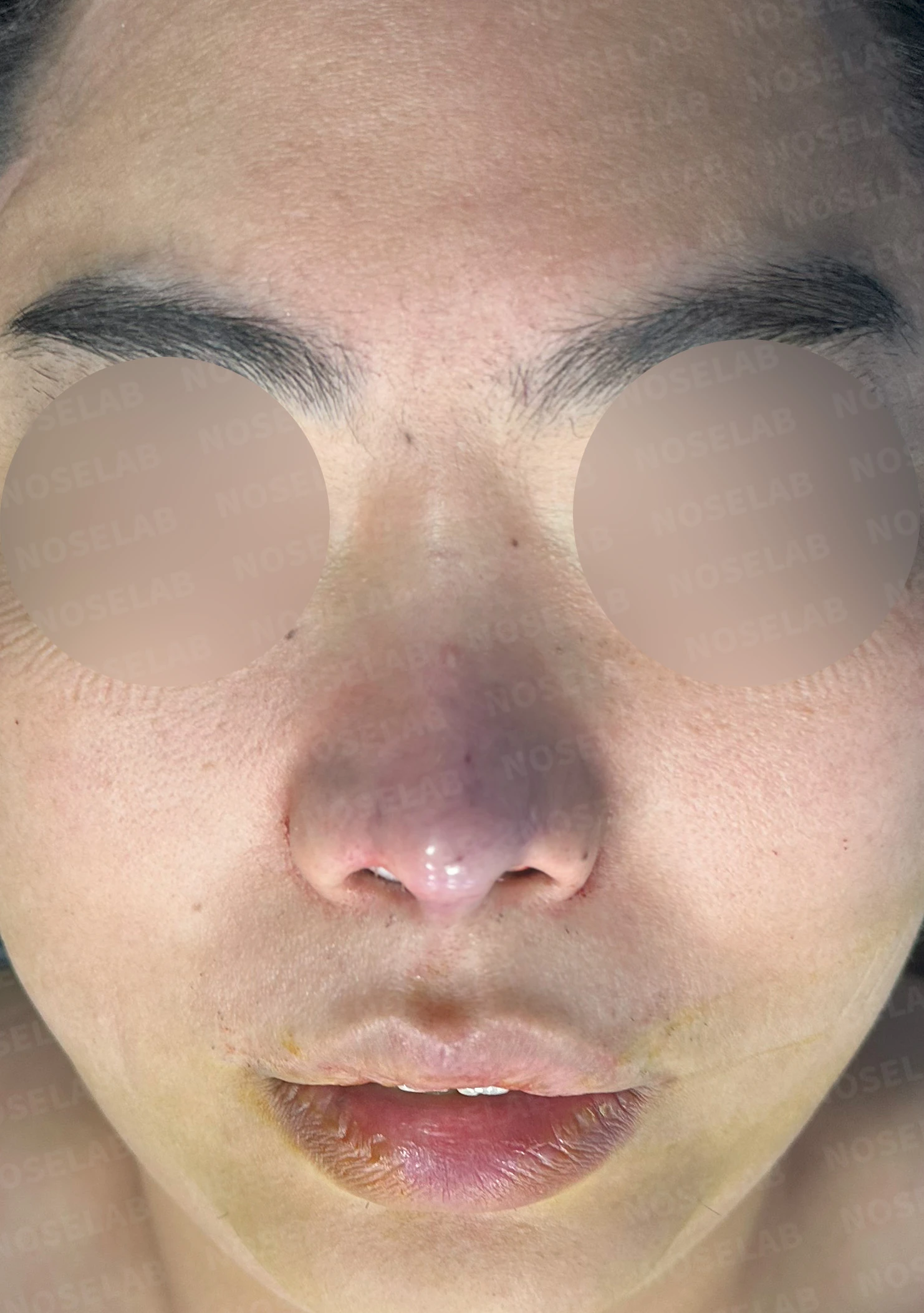
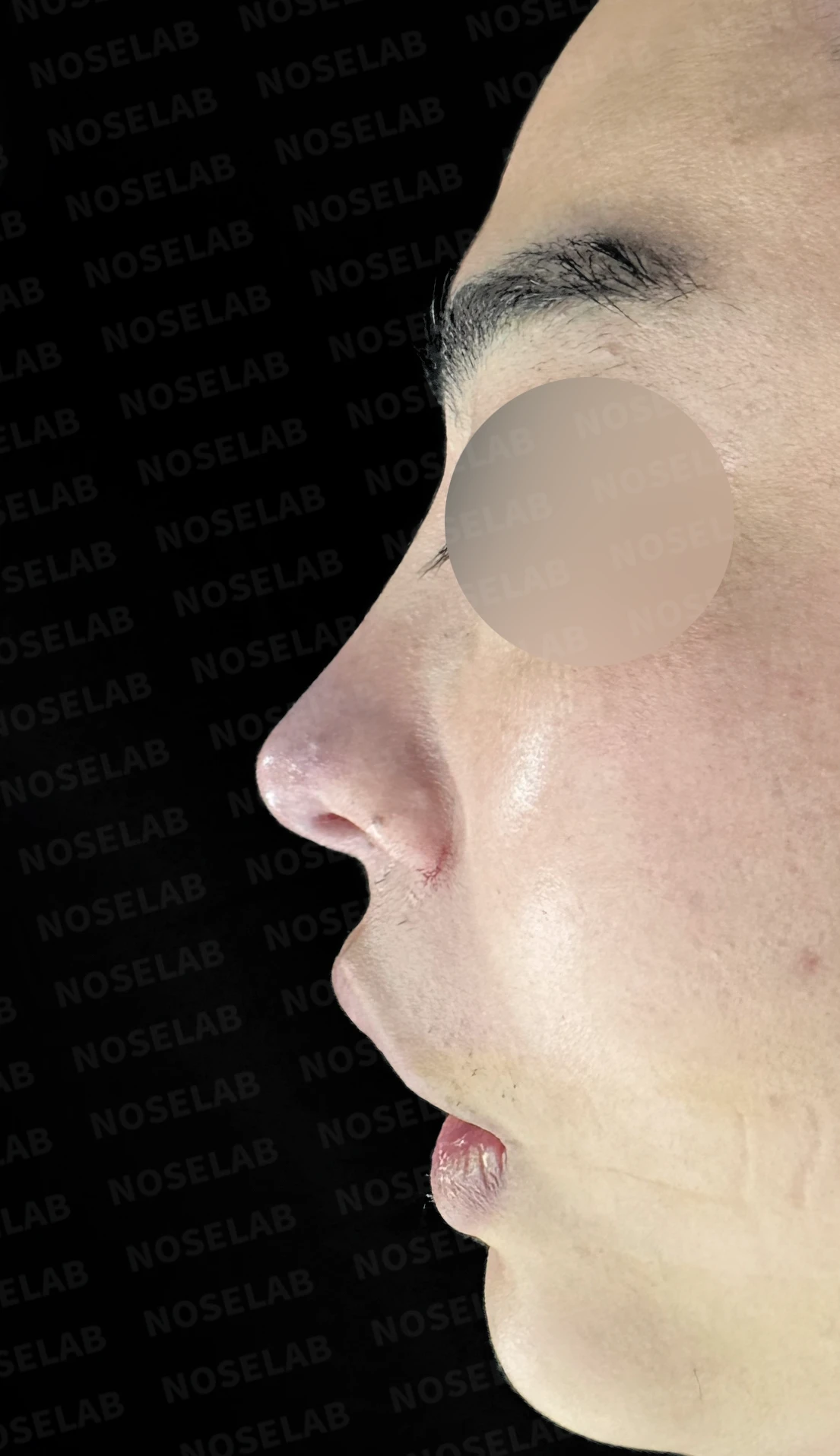
Front, profile, and oblique views immediately after surgery on day 0 Photos taken immediately after surgery show swelling and may differ from the final result.
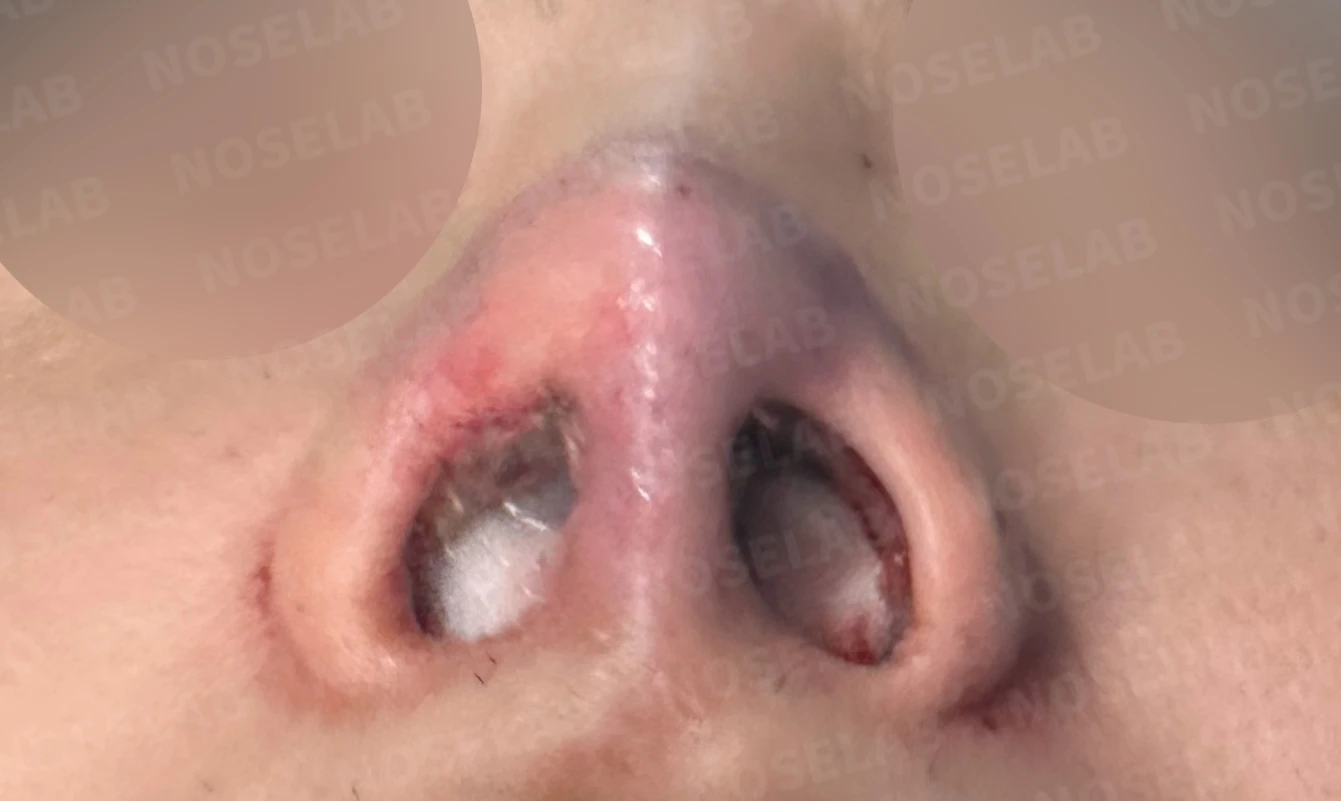
Nostril view on day 0 immediately after surgery Photos taken immediately after surgery show swelling and may differ from the final result.
💡 Specialist opinion
The key to this type of case was the complete reconstruction of the missing septal cartilage. By securing structural stability of the nose through rib cartilage reconstruction, we were able to achieve both functional and aesthetic improvements.
I will continue to provide suitable solutions tailored to each patient's specific condition.
I hope this is helpful to those with similar concerns.
This was Dr. Peter C. Kang. Thank you.
Thank you.

#closedrhinoplasty #upturnednosecorrection #autologousribcartilage #nasalobstructionrelief #septalreconstruction #customrhinoplasty #deviatedseptum
Limitations and risks
When autologous rib cartilage is used, scarring and pain may remain at the donor site on the chest, and pneumothorax (pleural injury) can occur rarely. Over time, the grafted cartilage may warp or undergo partial resorption.
When revising after implant removal, contracture may progress again after removal, the nasal height and length may decrease, and staged surgery may be necessary depending on the skin condition.
When the septum is corrected at the same time, nasal obstruction may persist or recur, and in rare cases, septal perforation or changes in smell may occur.
Common potential risks include infection, bleeding, asymmetry, scarring, skin necrosis, and insufficient improvement; results vary depending on individual skin condition and previous surgical history.