Hello, I am Dr. Peter C. Kang.
Today, I would like to share a restorative case of a patient who suffered from collapsed nasal bones and severe breathing difficulties due to excessive osteotomy in a prior surgery.
📍 Surgical history
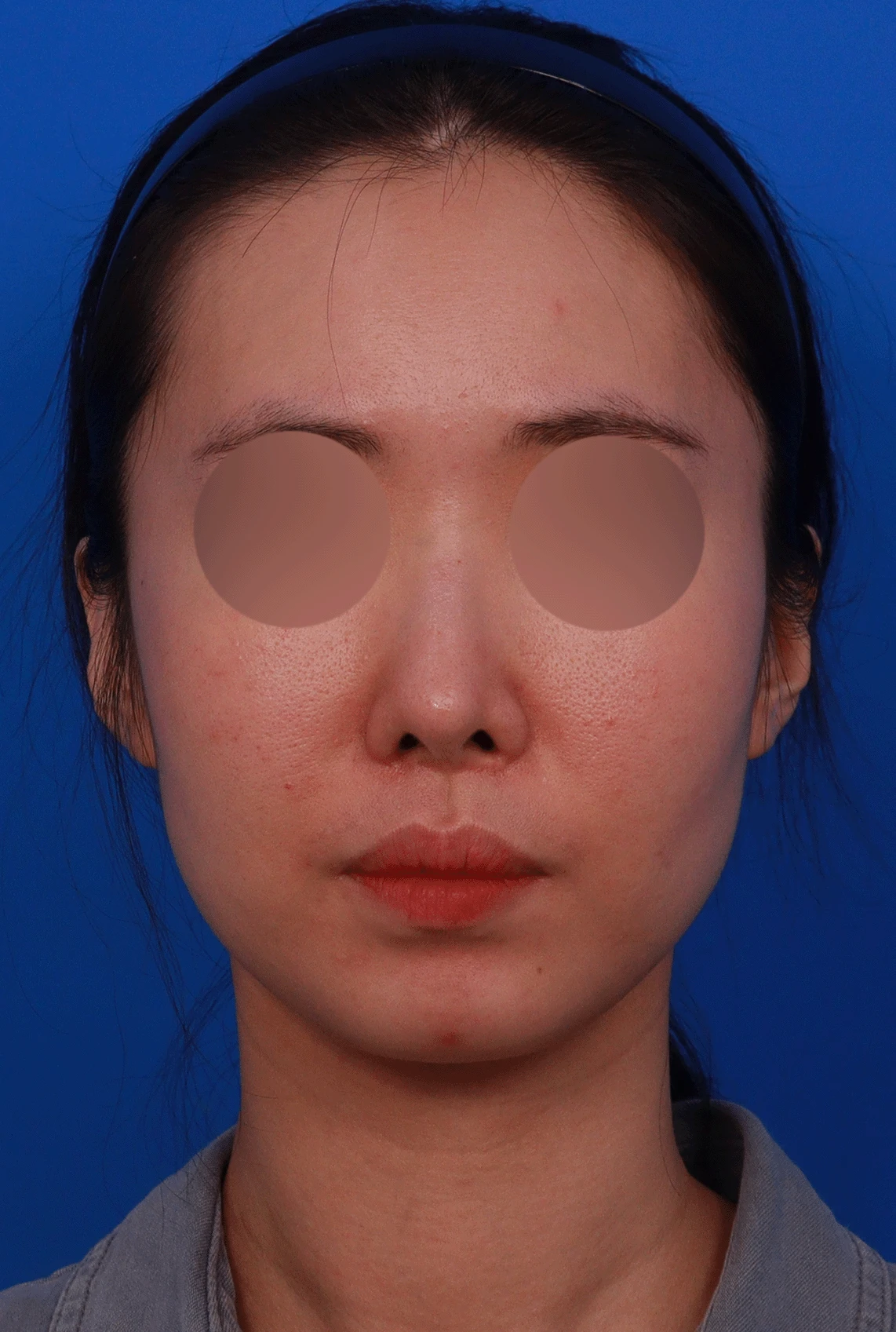
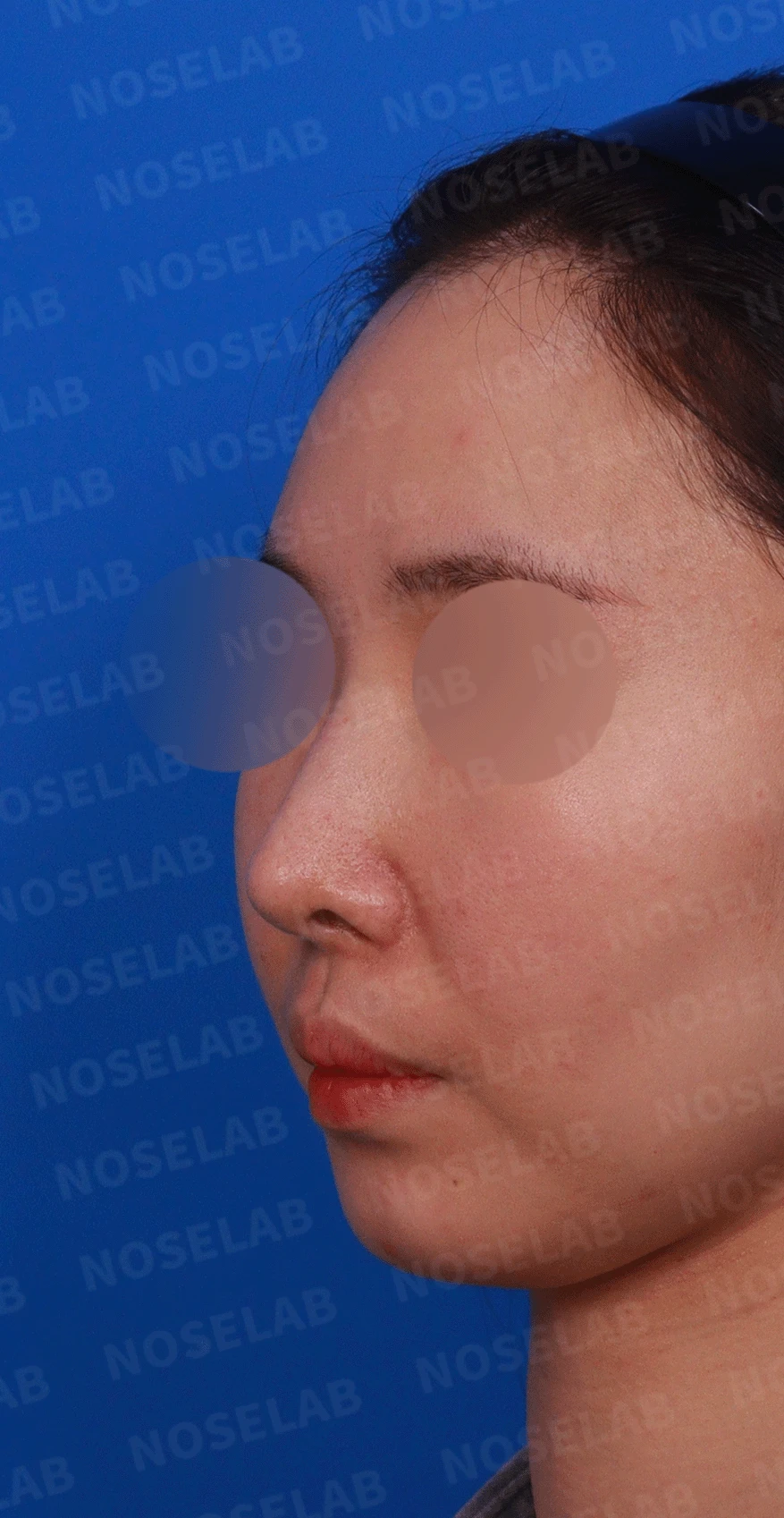
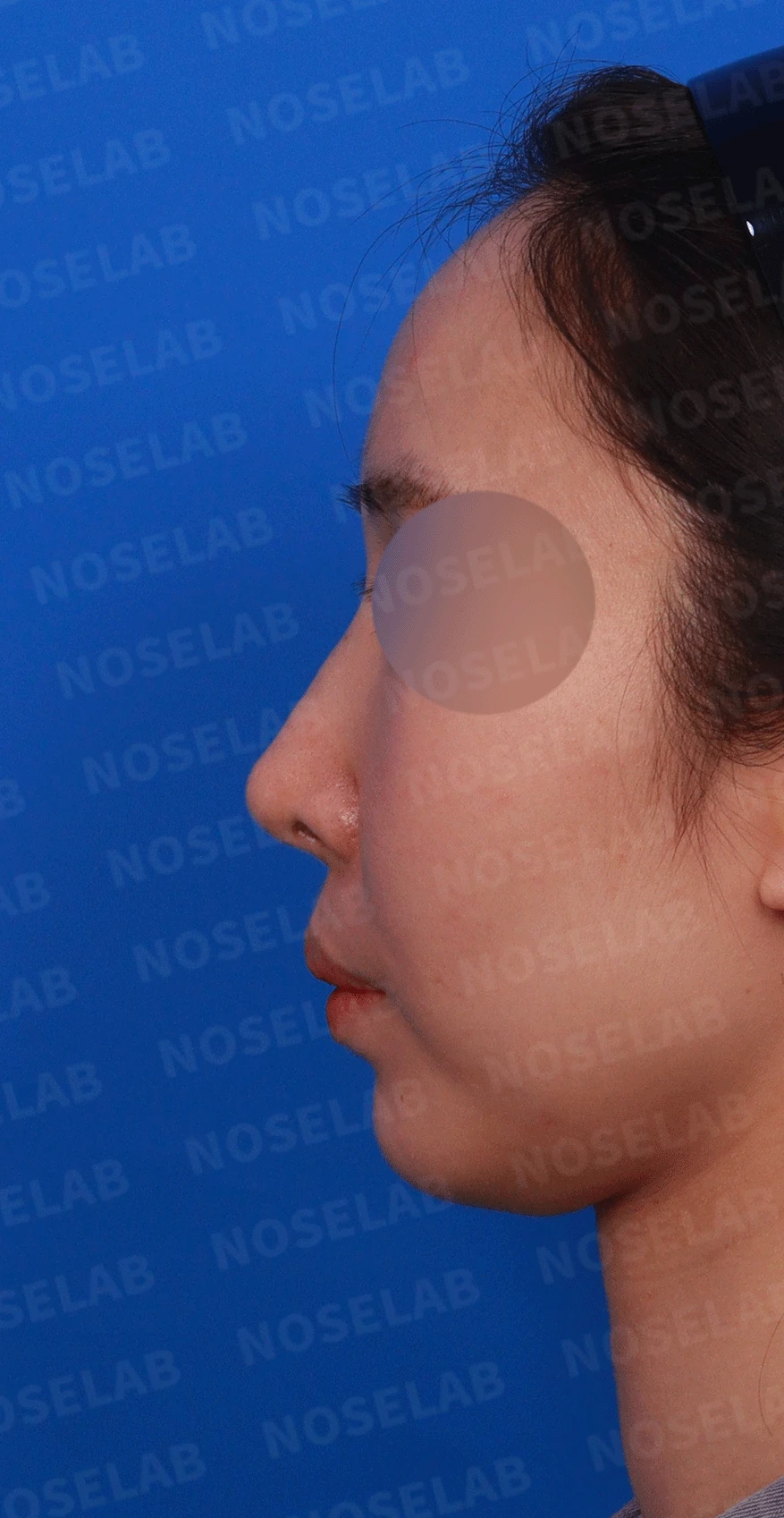
Design consultation: front, left oblique, and profile views.
2 years ago
Ear cartilage + septum + implant-free + dorsal hump reduction + osteotomy
🔎 Initial consultation findings
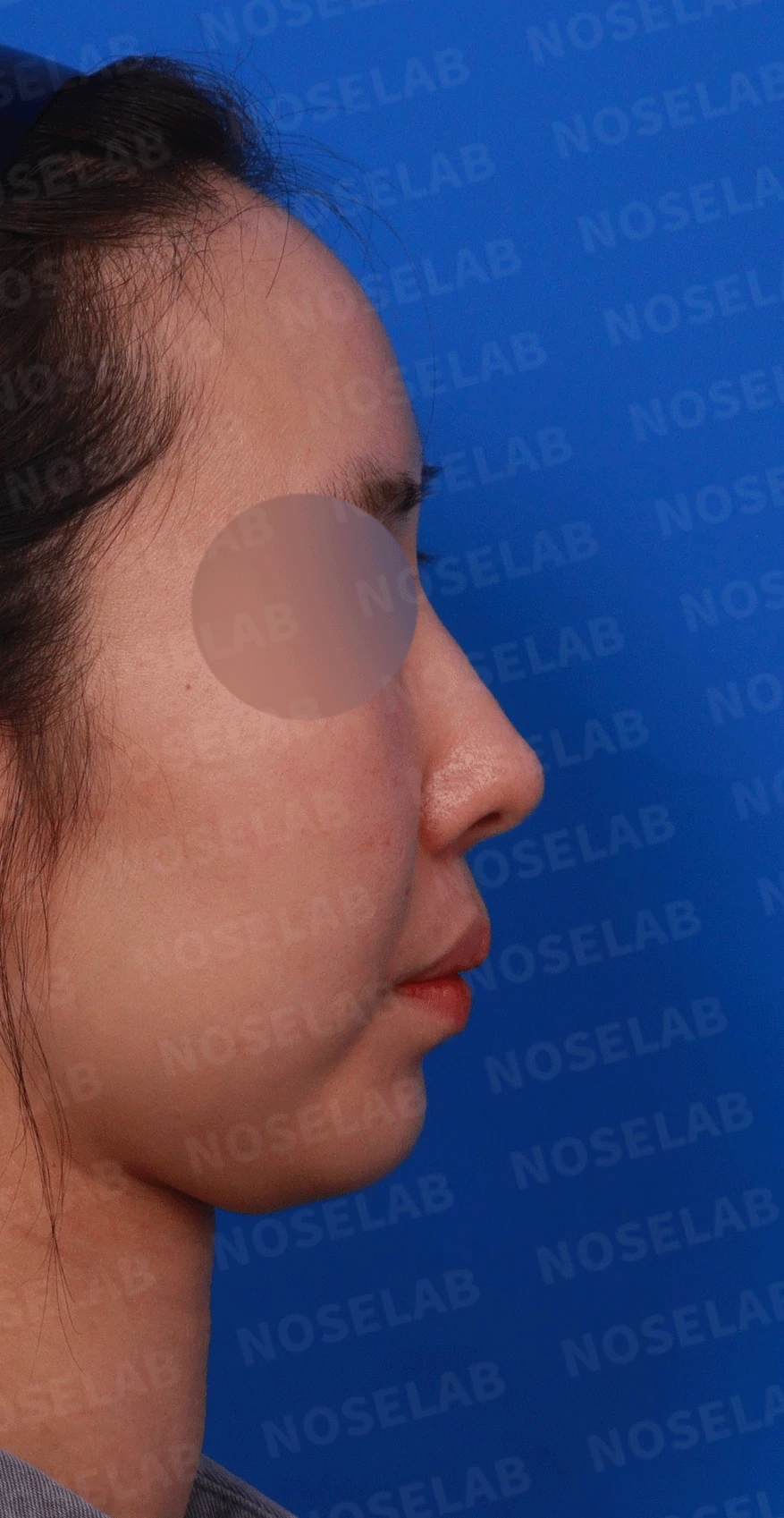
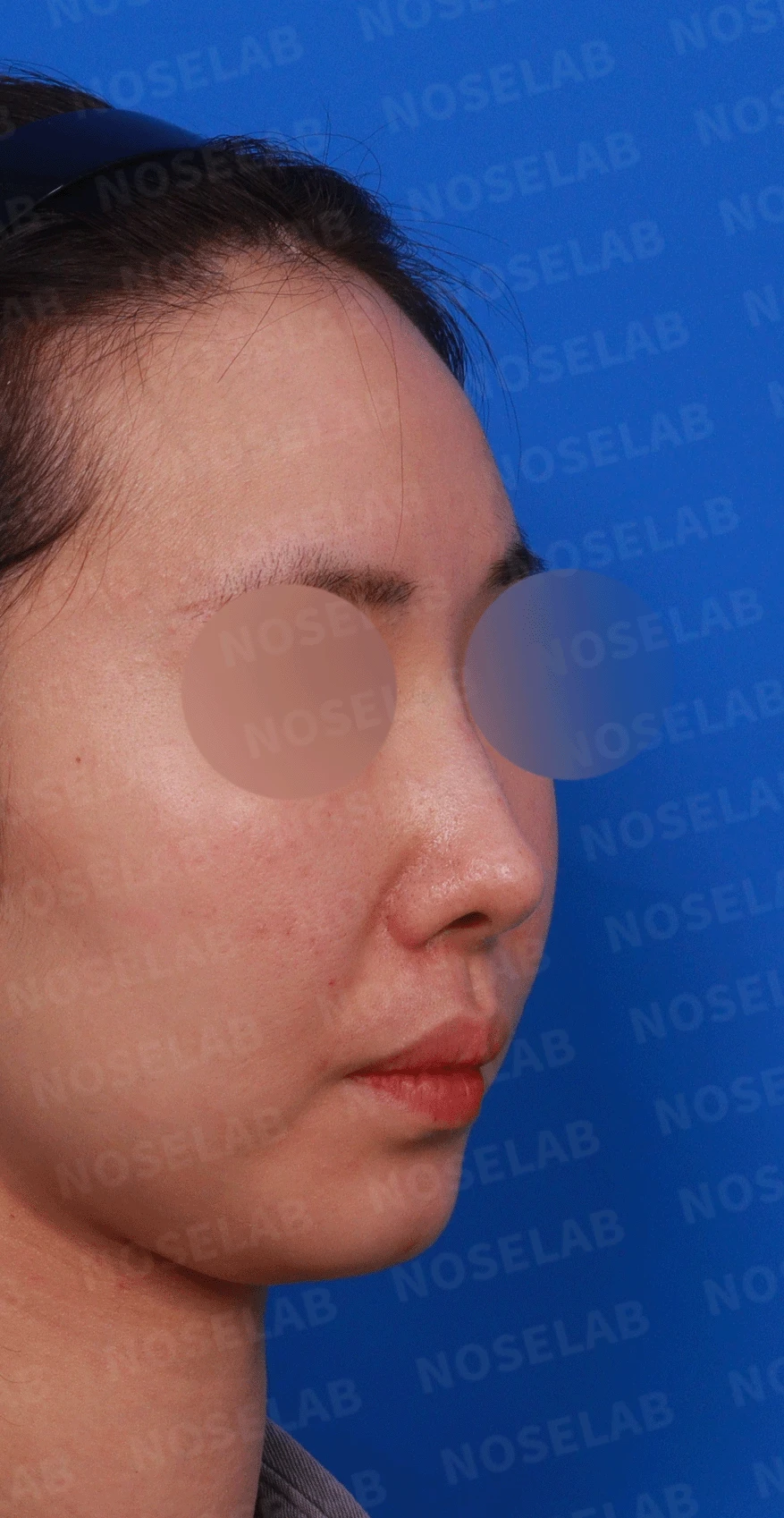
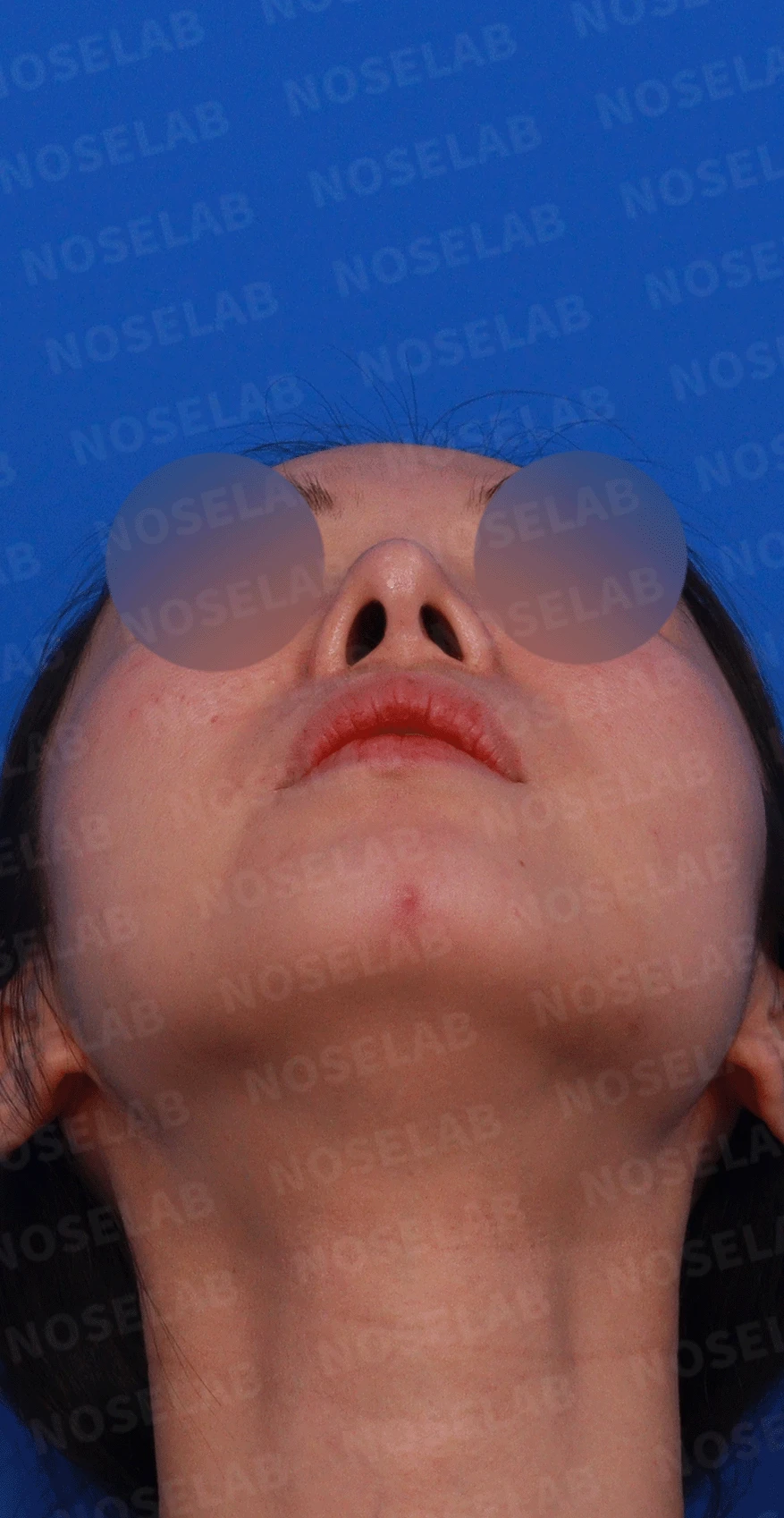
Design consultation: right profile, oblique, and nostril views.
Patient information
Current medication: Immunosuppressant (Rinvoq)
Allergies: Rhinitis, atopic dermatitis
Concerns regarding facial atopic flare-ups from taping
Chief complaints
Severe pain, pulling sensation, and tightness at the osteotomy site
Pain radiating from the columella to the gums upon touching the nose
Severe nasal obstruction resulting from the osteotomy
Pain whenever force is applied to the columella
Pain occurring even while washing the face
A sensation of laxity or displacement in the columella
Progressive depression and sinking of the nasal dorsum
Response from the previous clinic
Advised that "nothing more could be done; if pain persists, total removal is the only option"
Detailed diagnostic findings
Collapse of the nasal bone due to excessive osteotomy of the left nasal bone
Left internal nasal valve stenosis caused by collapse of the nasal roof
Suspected neuropathic pain at the left osteotomy site
Compromised breathing function due to septal injury
Persistent pain resulting from structural instability
✨ Patient's requests
Osteotomy reversal/restoration (desired widening if breathing issues are present)
Functional improvement as the top priority
Accurate assessment of any septal damage
Resolution of pain
💉 Surgical procedure details
Key focus: Osteotomy restoration and reconstruction
Performance of restorative surgery on the over-osteotomized left nasal bone
Restoration of the collapsed nasal roof to its normal height
Structural correction to secure the airway passage
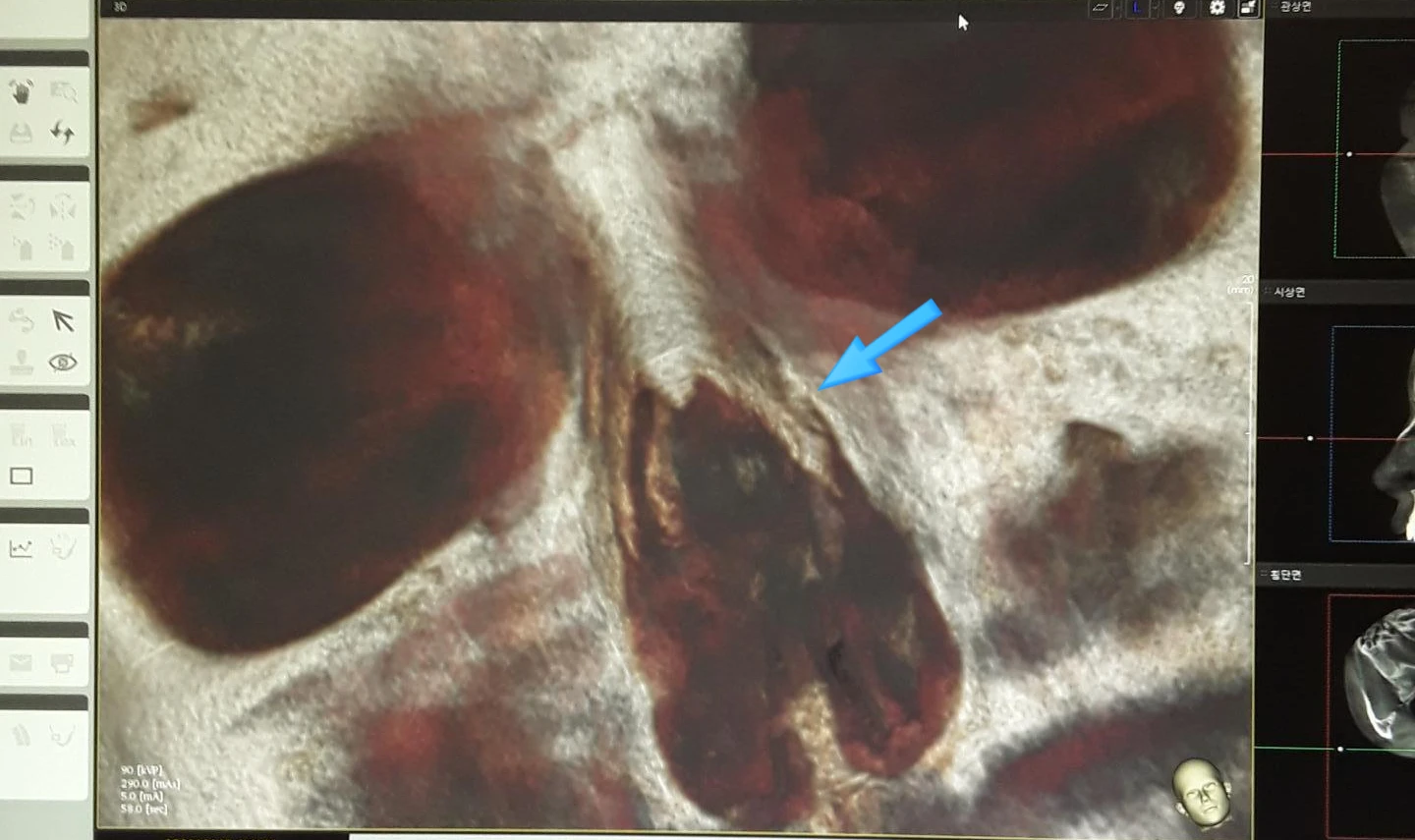
State where the left lateral osteotomy was overly aggressive, causing the bone to collapse inward
Internal nasal valve reconstruction
Internal nasal valve reconstruction using autologous rib cartilage
Resolution of stenosis caused by the collapsed nasal roof
Elimination of the root cause of left nasal obstruction
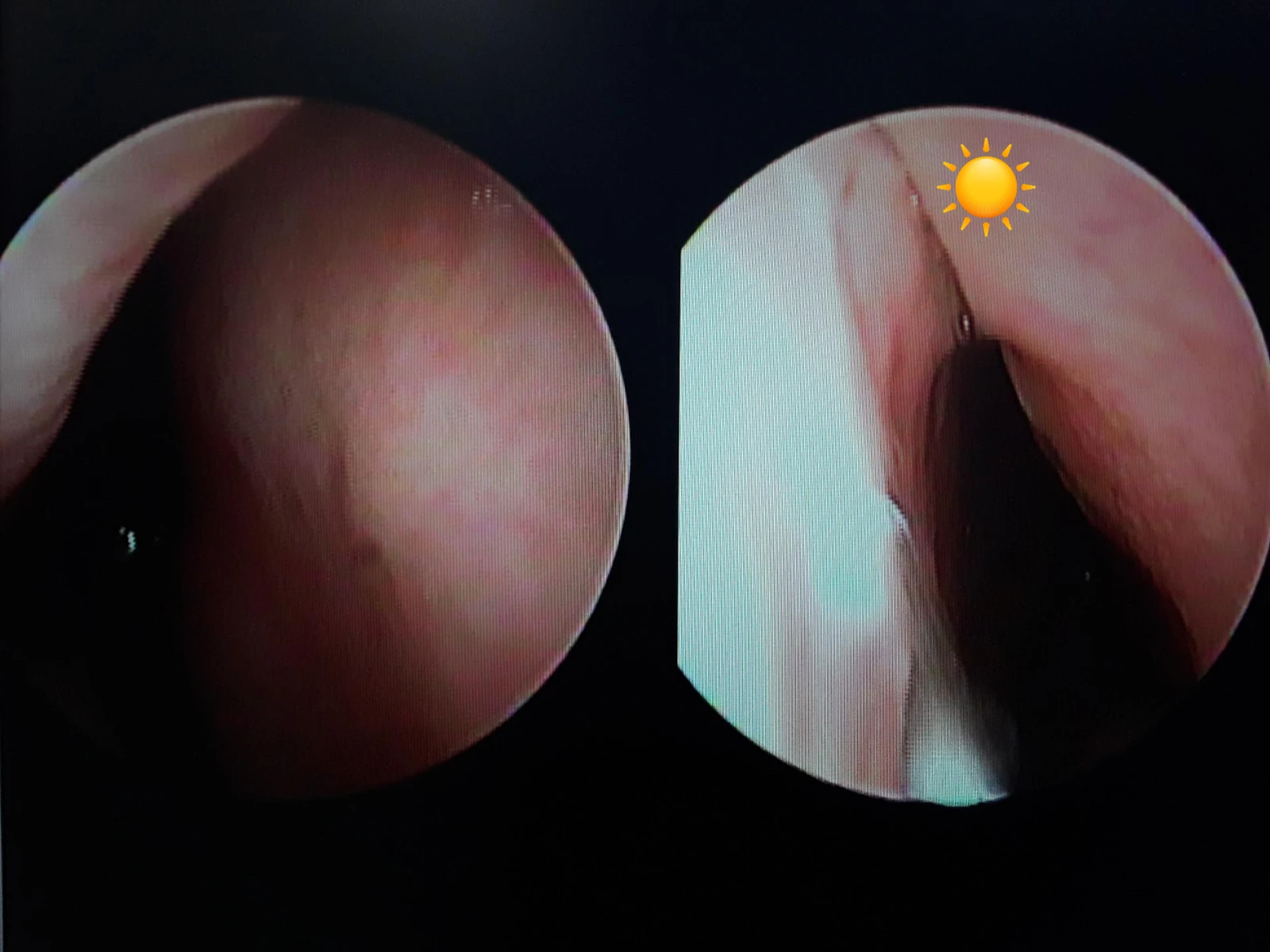
State of left nasal valve stenosis
Upper lateral cartilage reconstruction
Upper lateral cartilage reconstruction using autologous rib cartilage
Reinforcement of the nasal roof supporting structure
Securing long-term stability
Septal reconstruction
Precise reconstruction of the damaged septum
Stabilizing the central nasal axis
Restoration of bilateral respiratory functional balance
Structural reconstruction
Full reconstruction using autologous rib cartilage
Stabilization of the unstable structure
Elimination of the cause of neuropathic pain
Improvement in breathing by elevating the nasal roof
Functional improvement
Restoring respiratory function with septoplasty
Resolution of structural issues caused by excessive osteotomy
Securing the airway passage through nasal roof reconstruction
Special considerations
Careful management of the healing process due to immunosuppressant use
Surgical and recovery planning tailored to atopic dermatitis
✅ Surgical results
Structural restoration
Repositioning of the collapsed left nasal bone to its normal position
Normalization of the nasal roof height
Complete relief of internal nasal valve stenosis
Establishment of a stable internal nasal structure
Improvement of the sunken nasal dorsum
Front view
Restored symmetry of the left nasal bone
Natural overall nasal contour
Balanced facial proportions
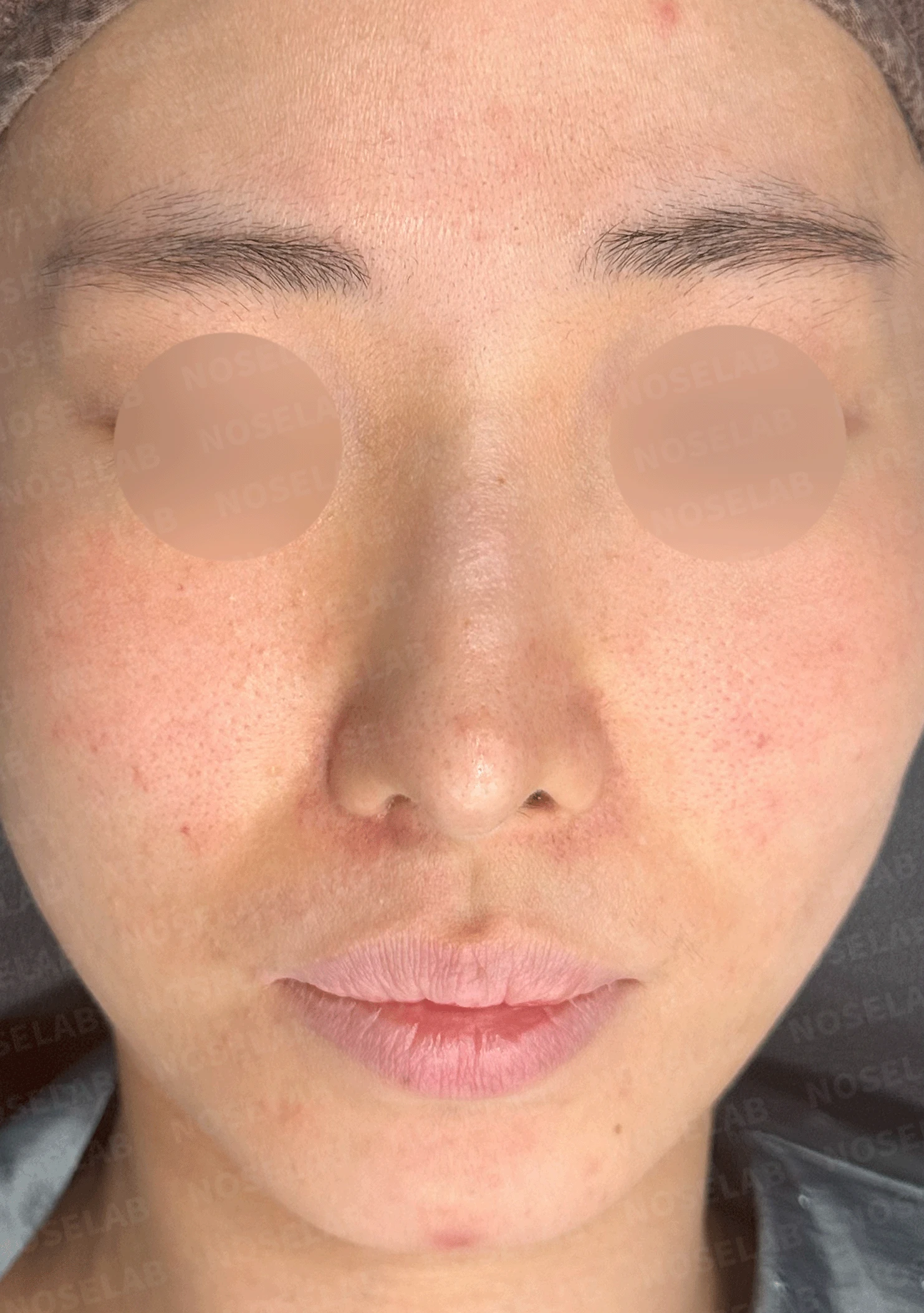
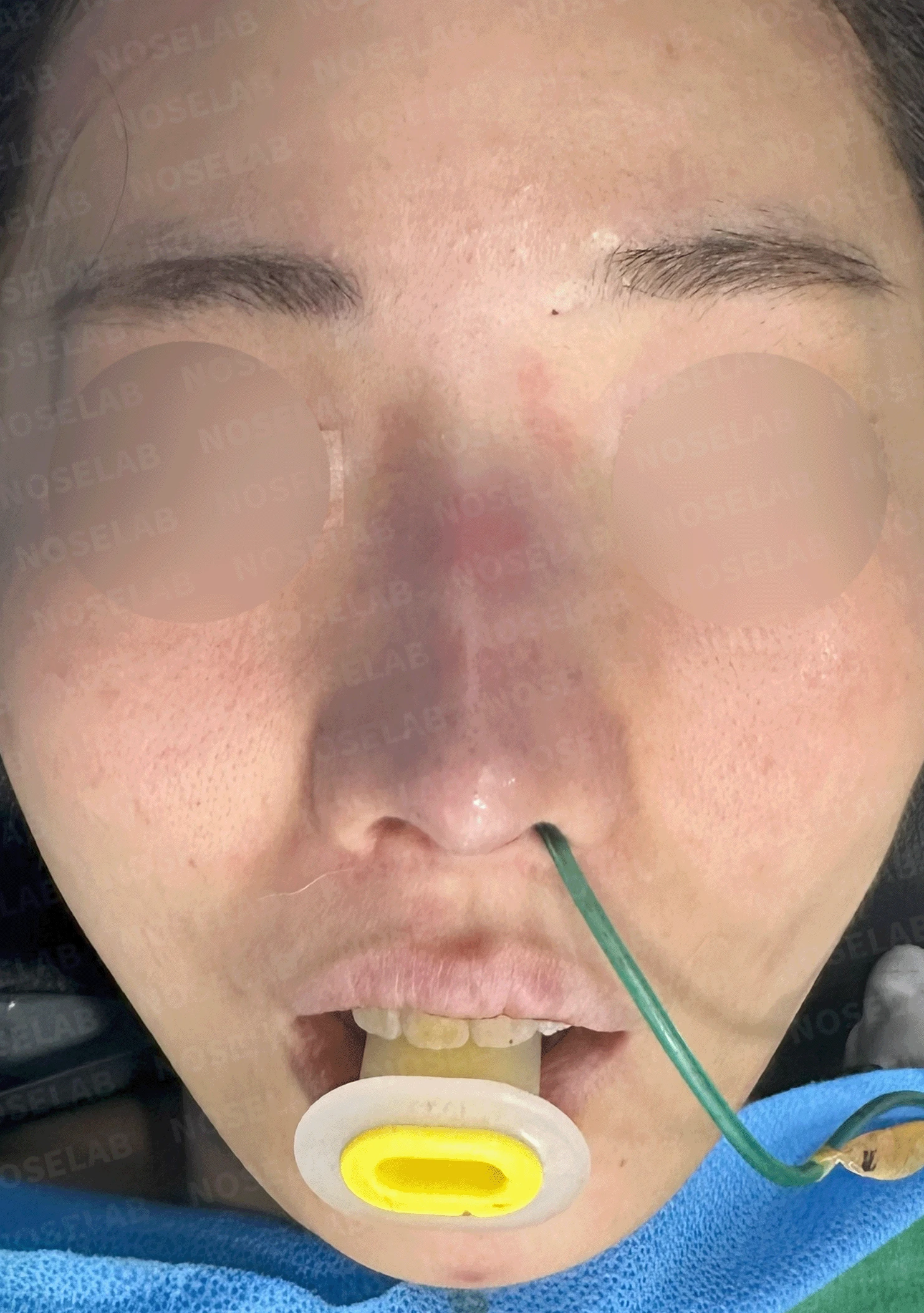
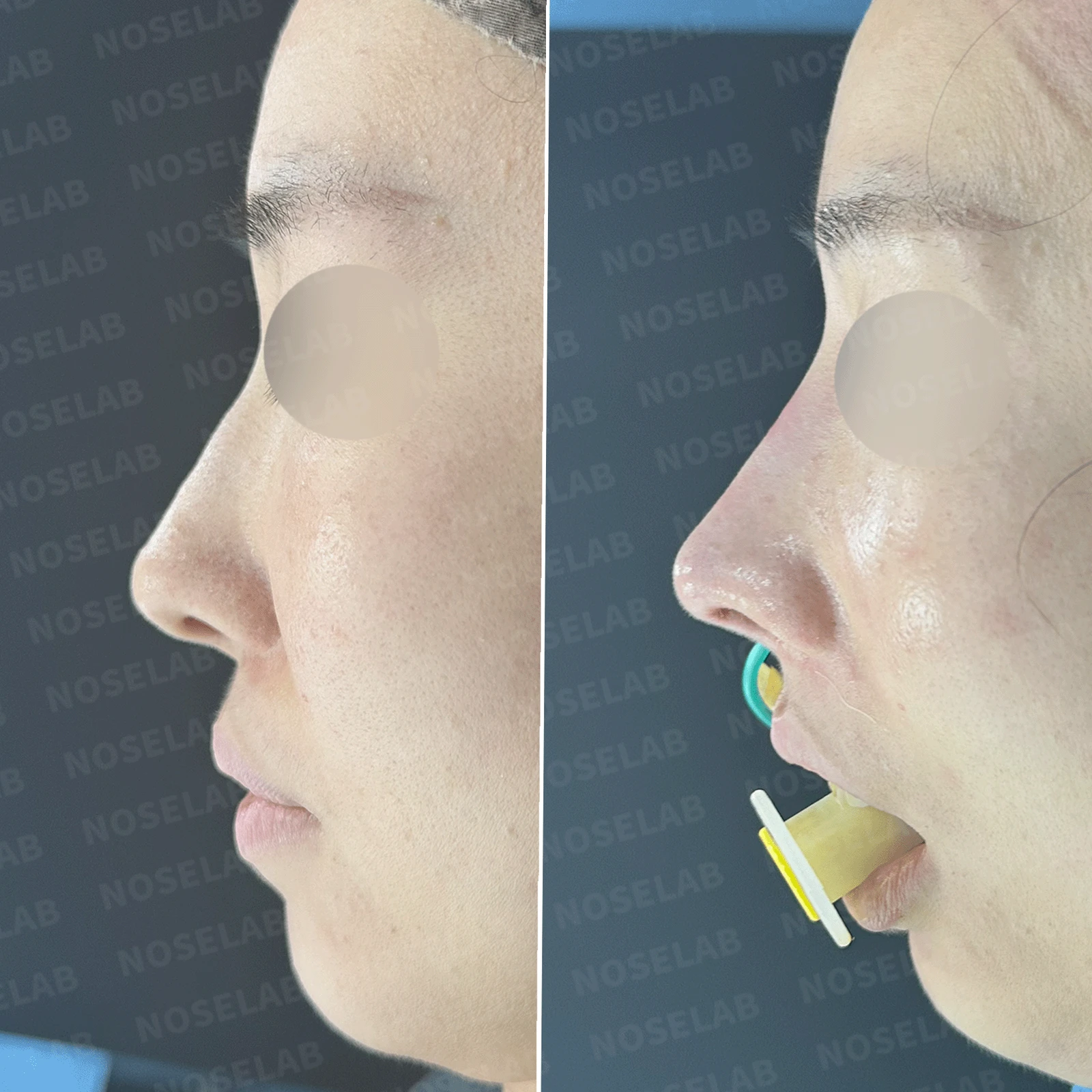
Before surgery / Day 0 immediately after surgery Photos taken immediately after surgery show swelling and may differ from the final result.
Profile view
Stable nasal framework
Natural nasal line
Harmonious facial profile
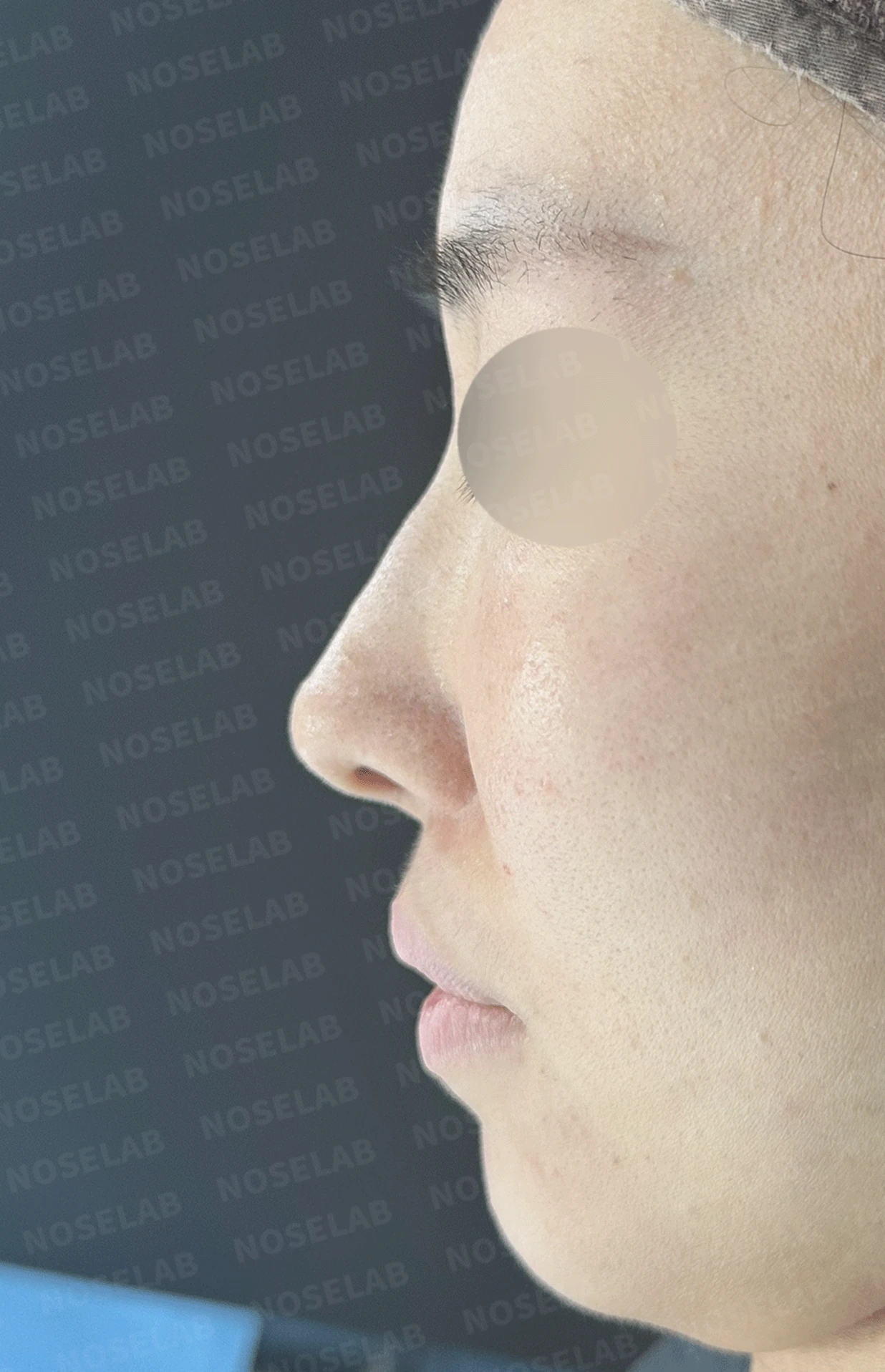
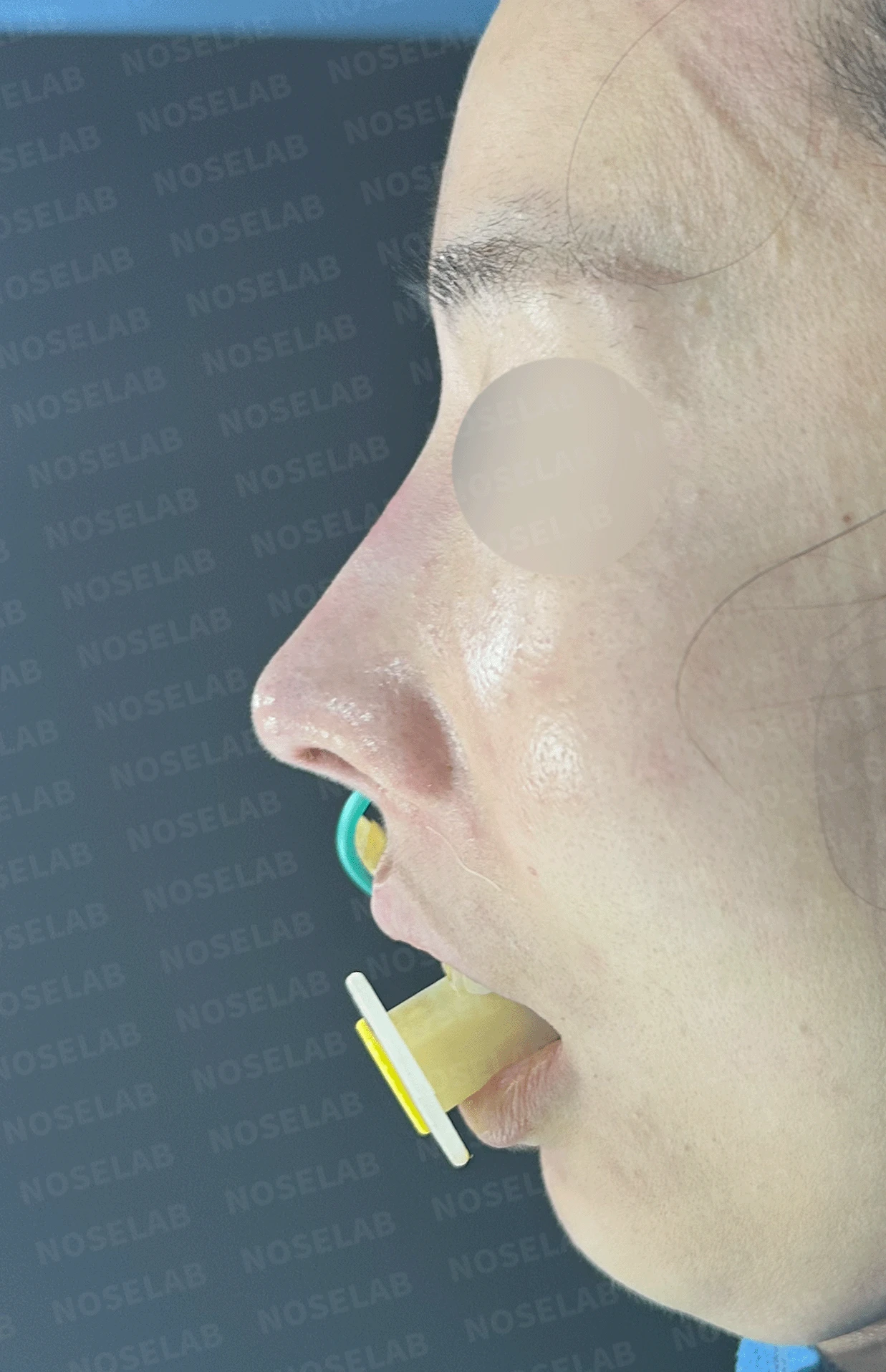
Before surgery / Day 0 immediately after surgery Photos taken immediately after surgery show swelling and may differ from the final result.
Functional improvement
Complete resolution of left nasal obstruction
Smooth breathing through improvement of internal nasal valve stenosis
Significant reduction in pain at the osteotomy site
Improvement in neuropathic pain patterns
Improvement in columellar pain and laxity
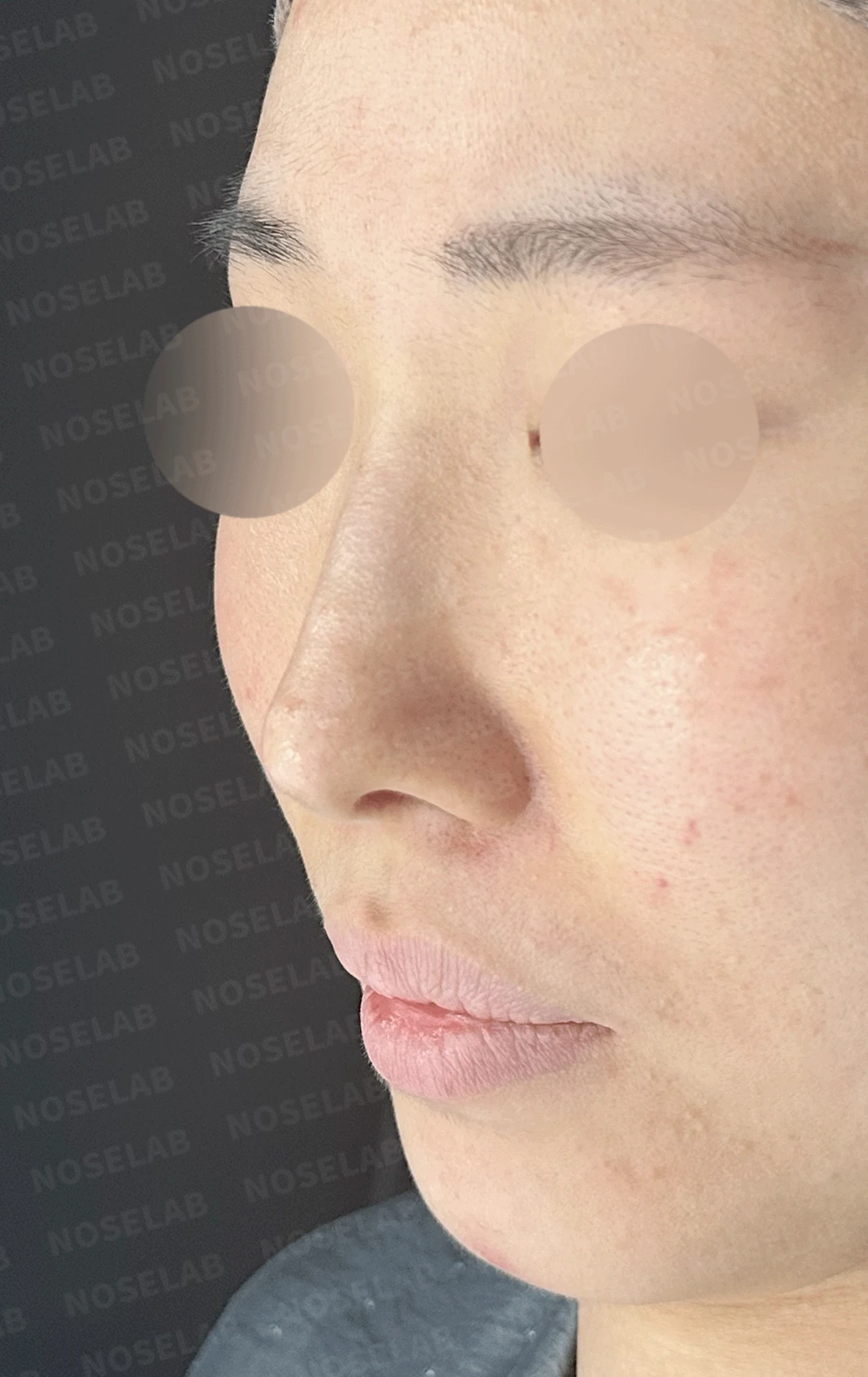
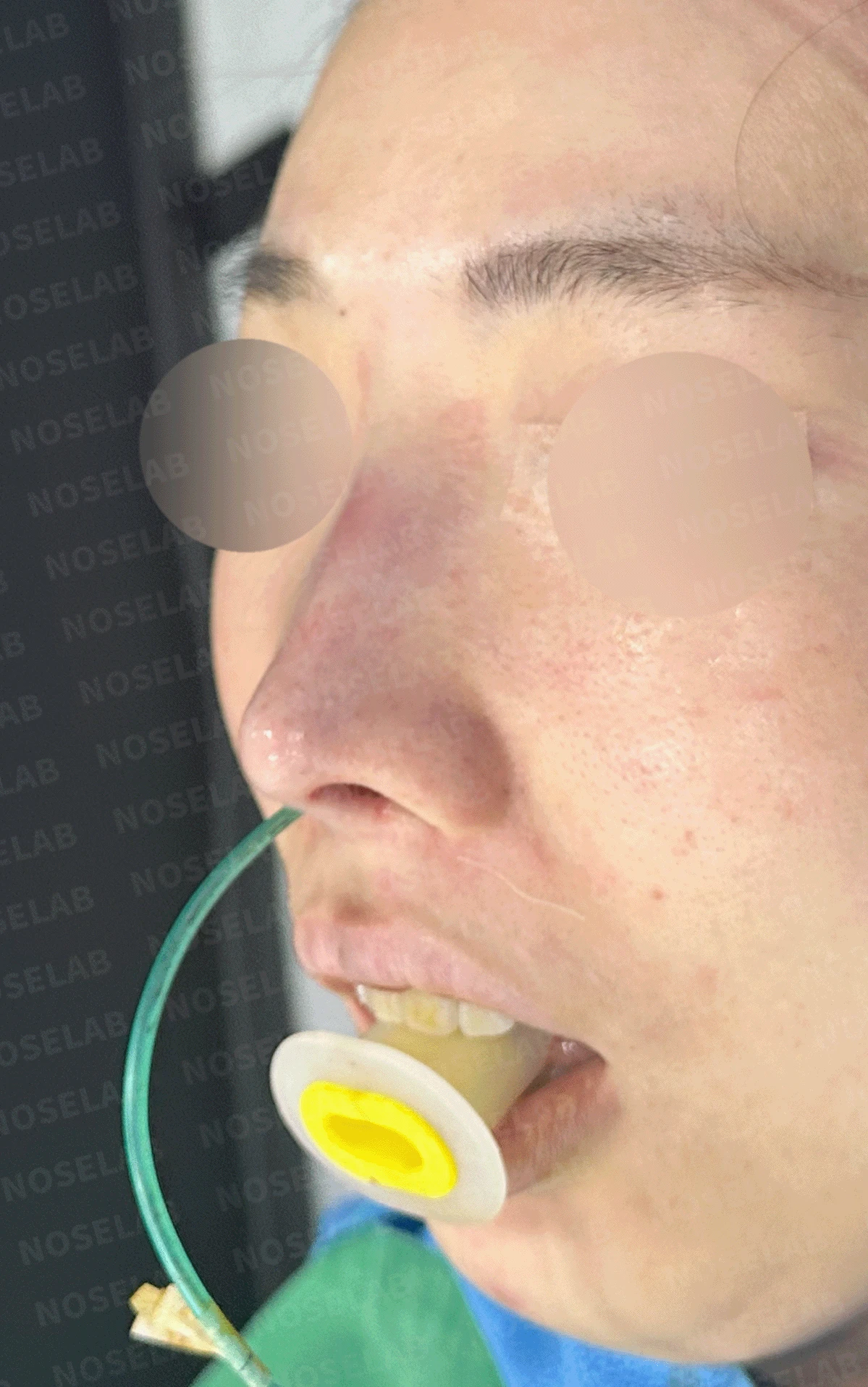
Before surgery / Day 0 immediately after surgery Photos taken immediately after surgery show swelling and may differ from the final result.
Specialized care
Recovery protocol tailored to atopic dermatitis
Safe healing in the setting of immunosuppressant use
Minimizing taping to prevent exacerbation of atopic dermatitis
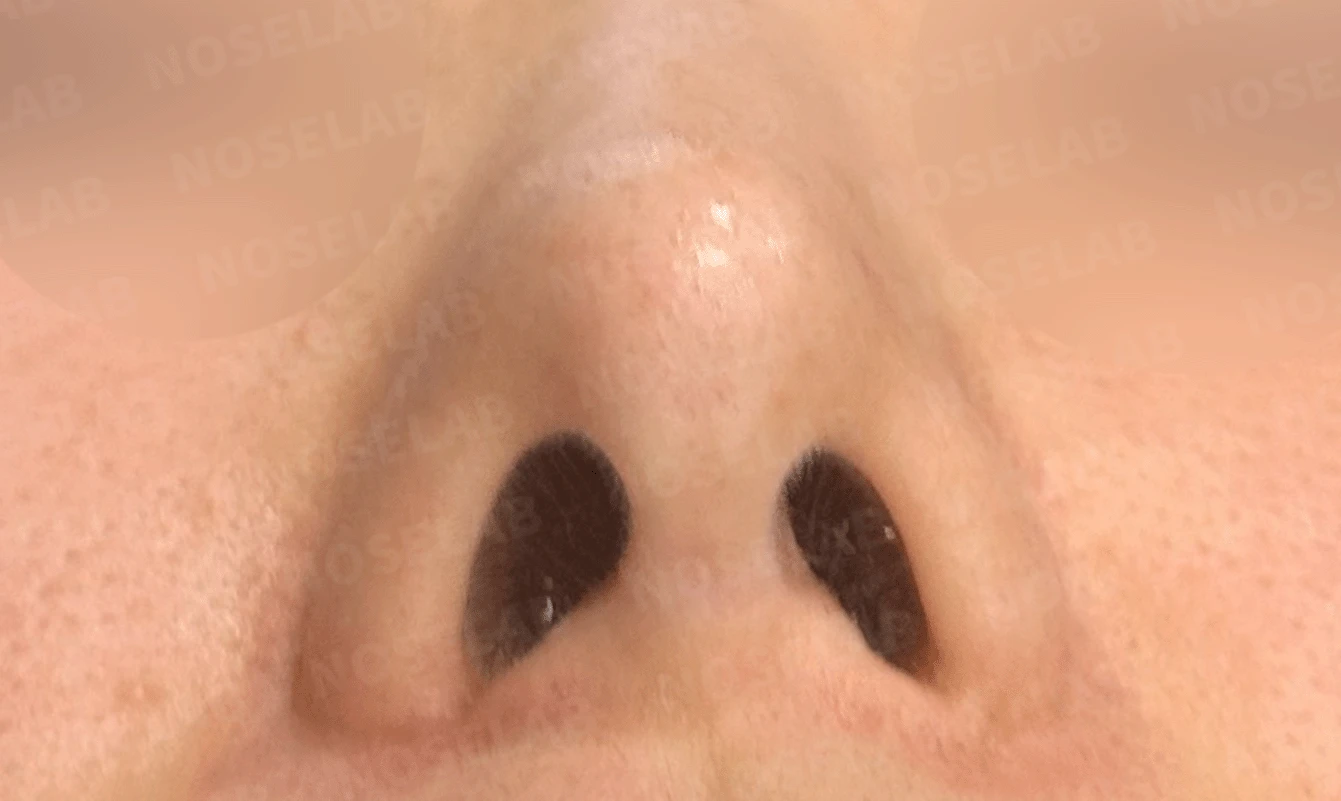
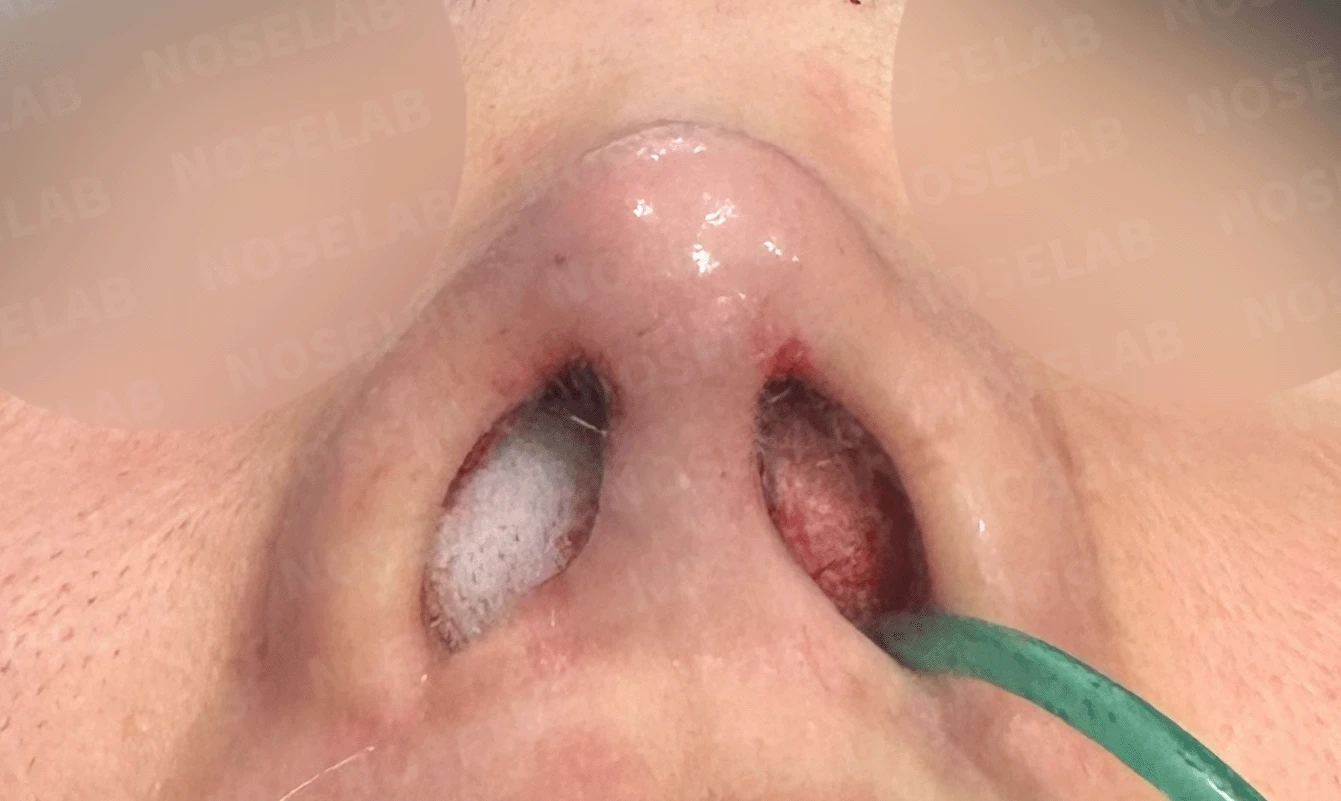
Before surgery / Day 0 immediately after surgery Photos taken immediately after surgery show swelling and may differ from the final result.
👨⚕️ Specialist's assessment
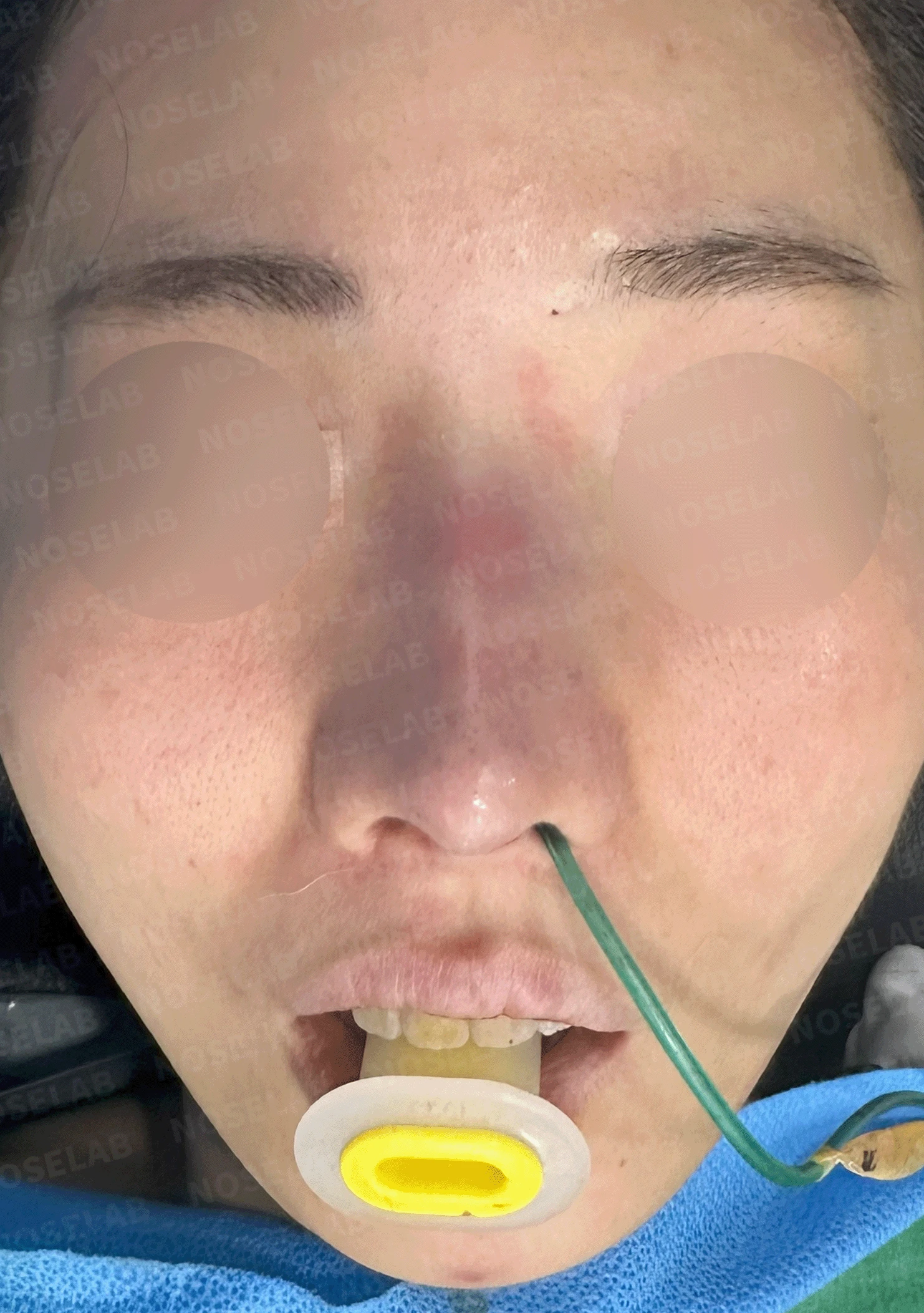
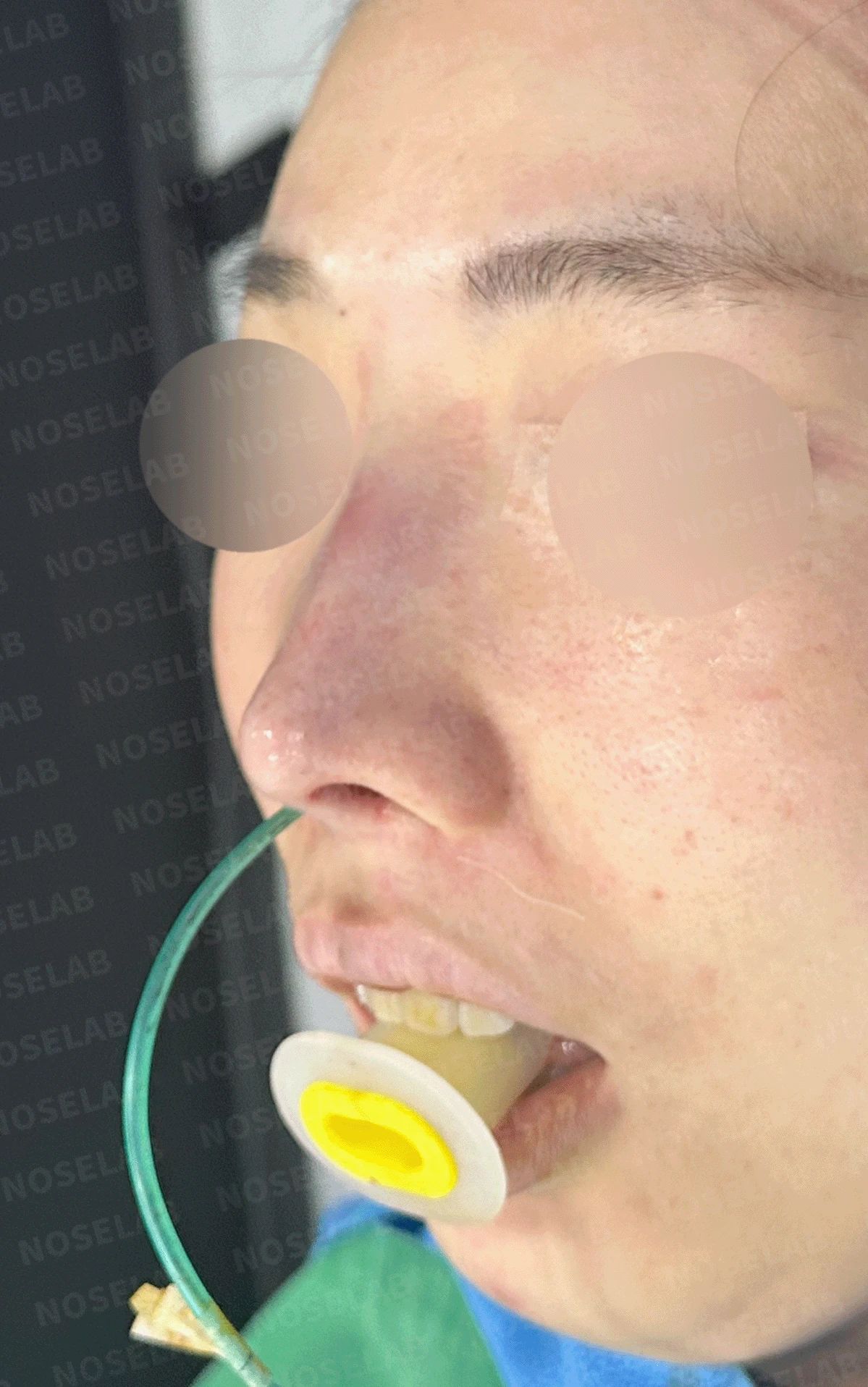
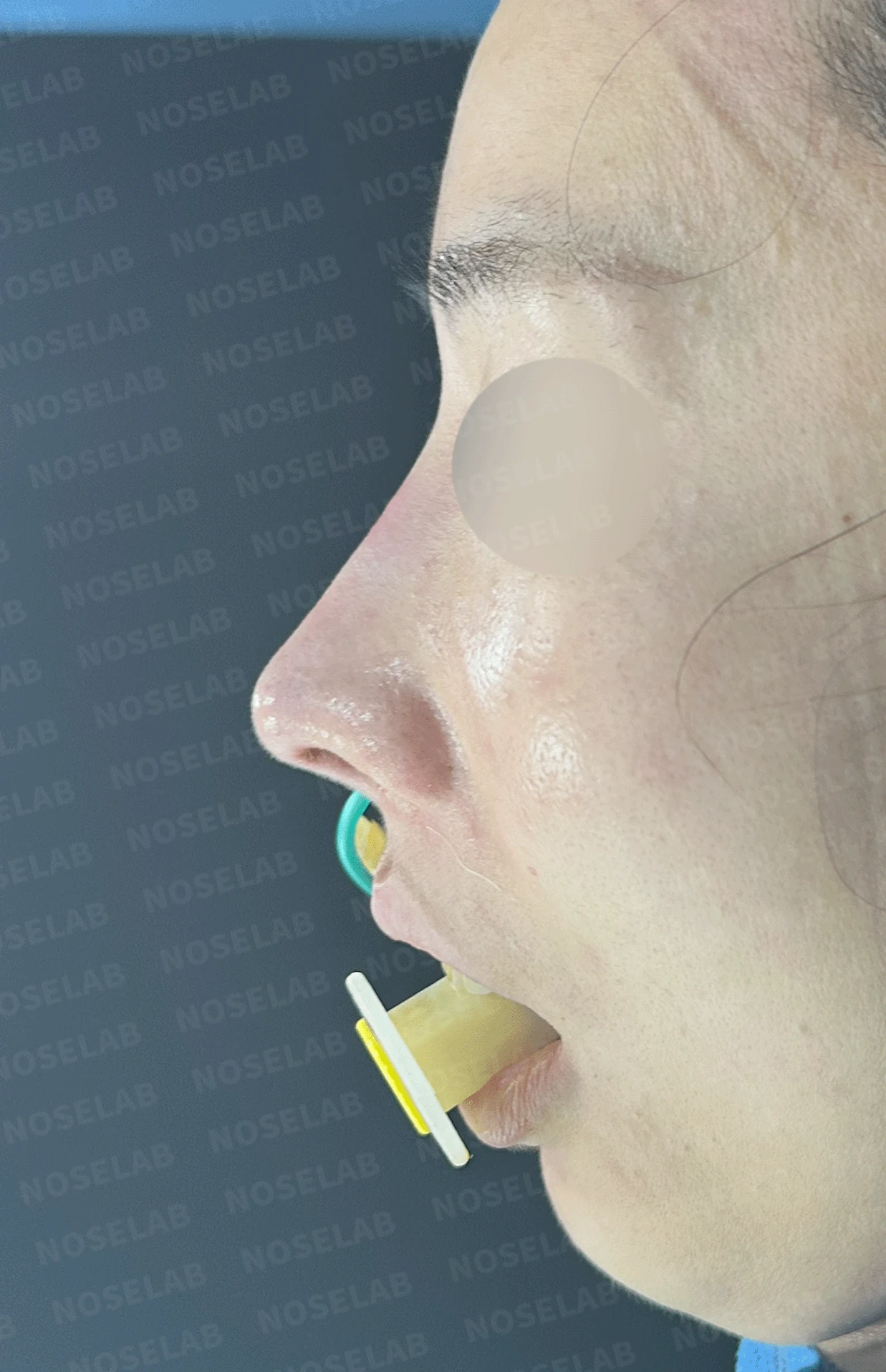
Immediately after surgery (day 0): front, oblique, and profile views. Immediate postoperative photos show swelling and may differ from the final result.
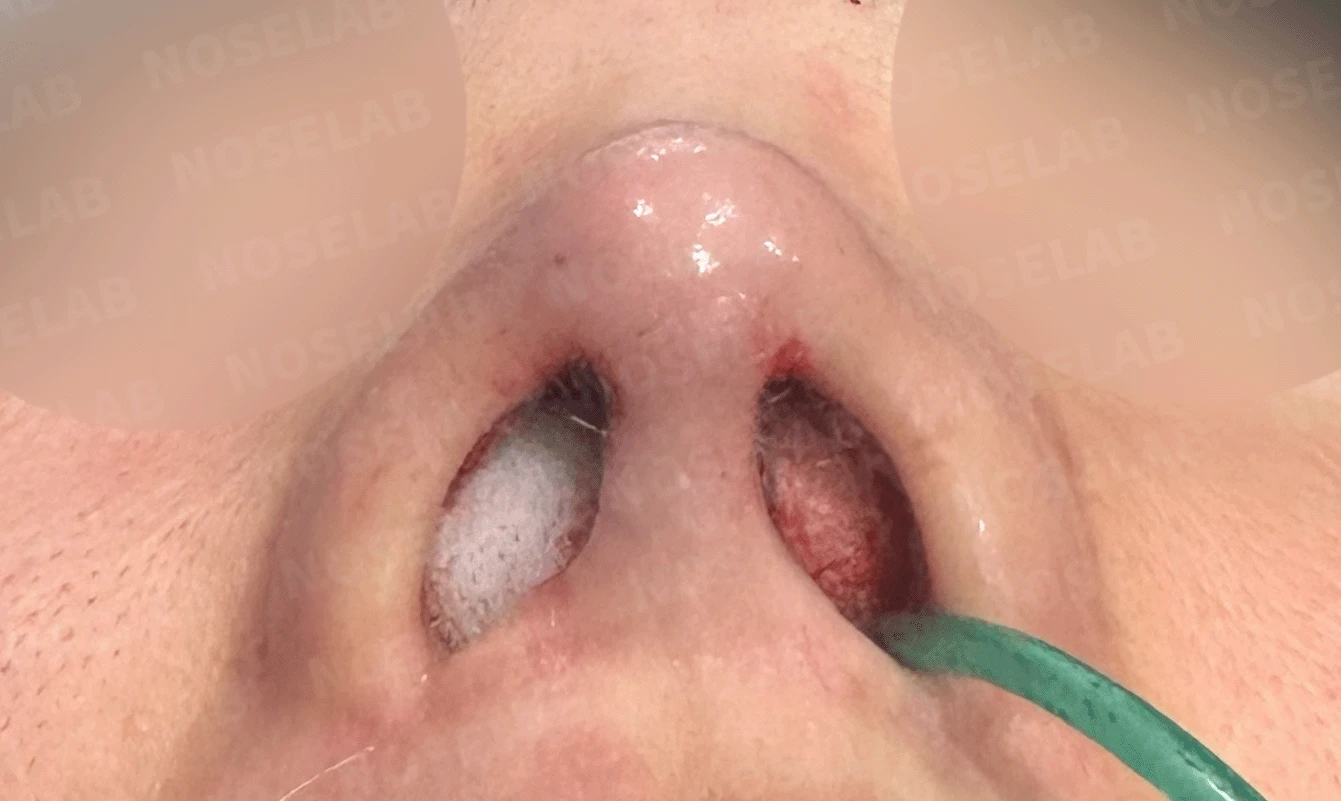
Nostril view on day 0 immediately after surgery. Photos taken immediately after surgery show swelling and may differ from the final result.
This was a restorative case for a patient who suffered severe structural damage and functional impairment due to excessive osteotomy in a previous surgery. In particular, it was a demanding case because the procedure had to be carried out while the patient was taking immunosuppressants and managing atopic dermatitis.
When the patient visited our clinic, the most serious issue was the structural collapse resulting from excessive osteotomy of the left nasal bone. Due to the over-osteotomy, the nasal bone collapsed, bringing down the entire nasal vault along with it. Consequently, the left internal nasal valve became severely narrowed, directly impairing breathing.
The patient's persistent pain originated from this structural instability; in particular, the discomfort arising from the left osteotomy site presented with neuropathic features. When the nasal bone is collapsed, surrounding nerves endure continuous compression and irritation, which caused severe pain whenever touching the nose or washing the face.
The foremost priority was restoring the collapsed nasal roof. It was necessary to return the collapsed nasal bone to its normal position and simultaneously elevate the nasal roof to an appropriate height to resolve the internal nasal valve stenosis. To achieve this, upper lateral cartilage reconstruction and internal nasal valve reconstruction were performed concurrently.
Septal reconstruction was also essential. Reconstructing the damaged septum with autologous rib cartilage allowed us to stabilize the central axis of the nose and balance bilateral respiratory function. In particular, carrying this out in conjunction with elevating the nasal roof allowed us to secure the overall airway passage.
In this scenario, careful consideration had to be given to the patient's immunosuppressant regimen and atopic dermatitis. Because immunosuppressants can affect wound healing, more prudent surgical planning and recovery management were required, alongside meticulous adjustments such as minimizing taping to avoid aggravating the atopic dermatitis.
As a result, the collapsed nasal roof was successfully restored, and the internal nasal valve stenosis was resolved, completely recovering respiratory function. The discomfort characterized by neuropathic pain that had troubled the patient most was also significantly improved through structural stabilization.
This case was meaningful because it demonstrated that even severe functional impairment caused by complications from previous surgery can be thoroughly resolved through accurate diagnosis and systematic reconstruction. In particular, a successful outcome was achieved through tailored treatment that accounted for the patient's unique medical conditions.
This was Dr. Peter C. Kang. Thank you.
Thank you.
#closedrhinoplasty #osteotomyrestoration #autologousribcartilage #internalnasalvalvereconstruction #nasalroofrestoration #revisionrhinoplasty #respiratoryfunctionrecovery

Limitations and risks
When autologous rib cartilage is used, scarring and pain may remain at the donor site on the chest, and pneumothorax (pleural injury) can occur rarely. Over time, the grafted cartilage may warp or undergo partial resorption.
When the septum is corrected at the same time, nasal obstruction may persist or recur, and in rare cases, septal perforation or changes in smell may occur.
Common potential risks include infection, bleeding, asymmetry, scarring, skin necrosis, and insufficient improvement; results vary depending on individual skin condition and previous surgical history.