Hello, I am Dr. Peter C. Kang.
Today, I would like to share a case of a patient who visited our clinic with concerns about nostril stenosis and nasal obstruction.
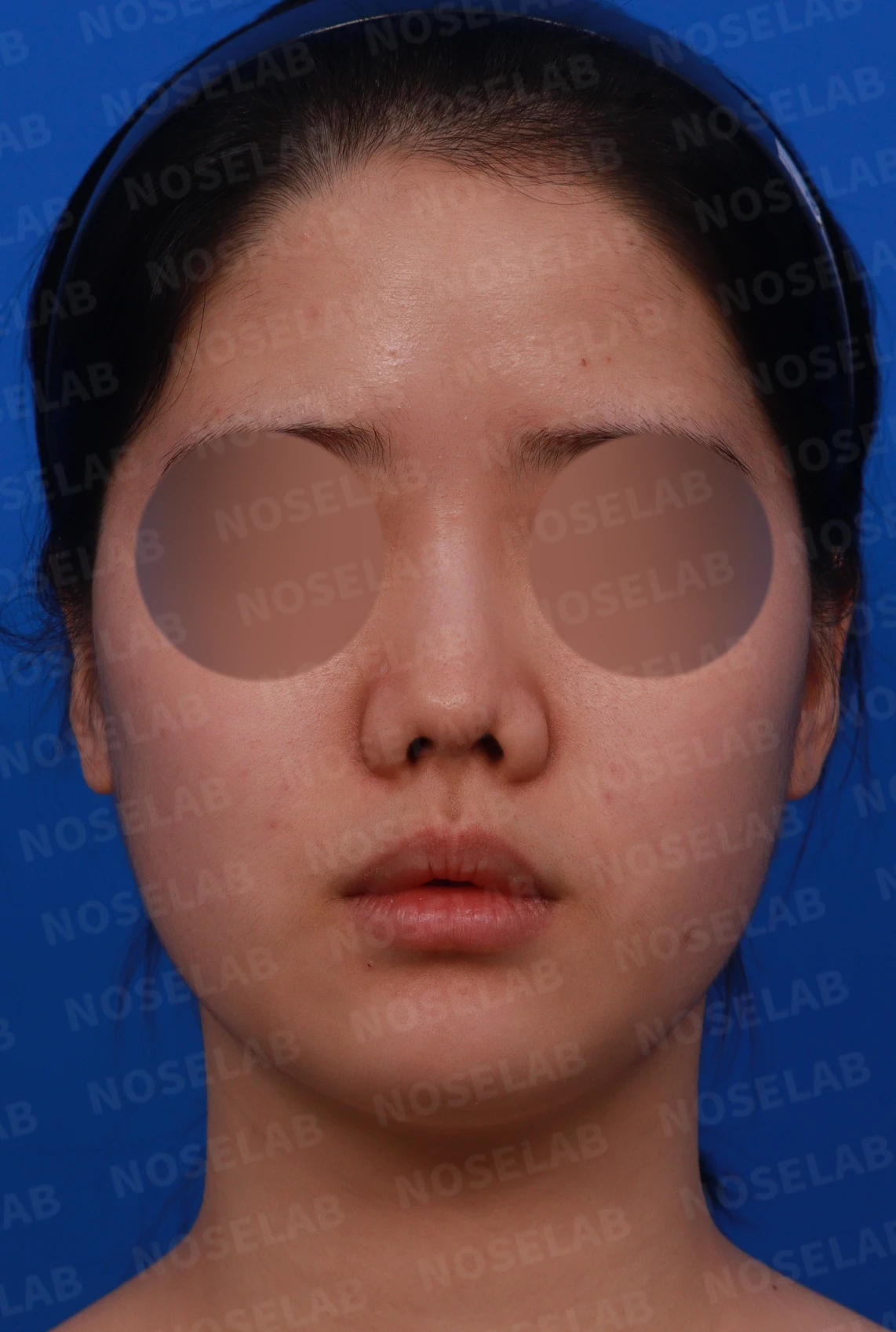
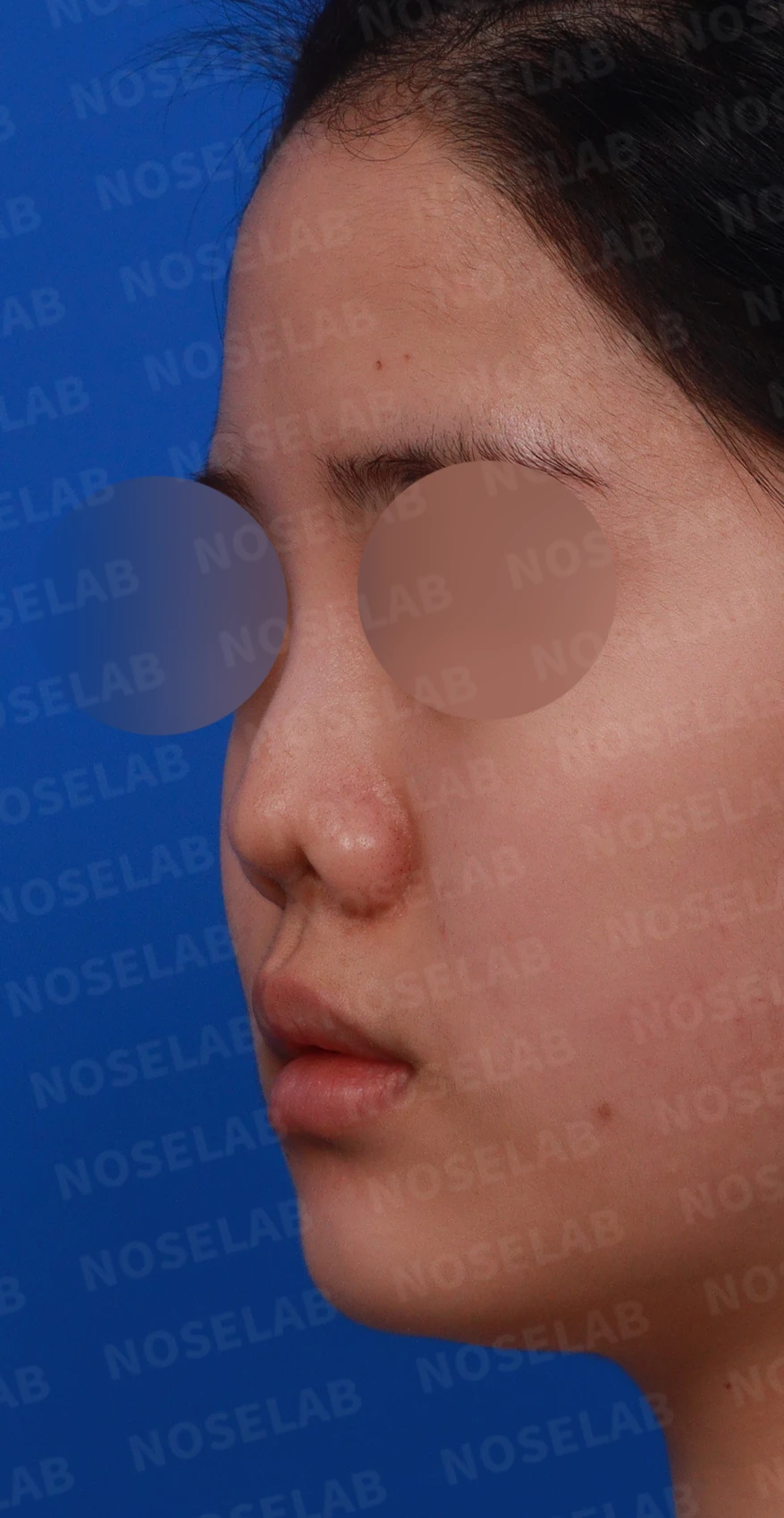
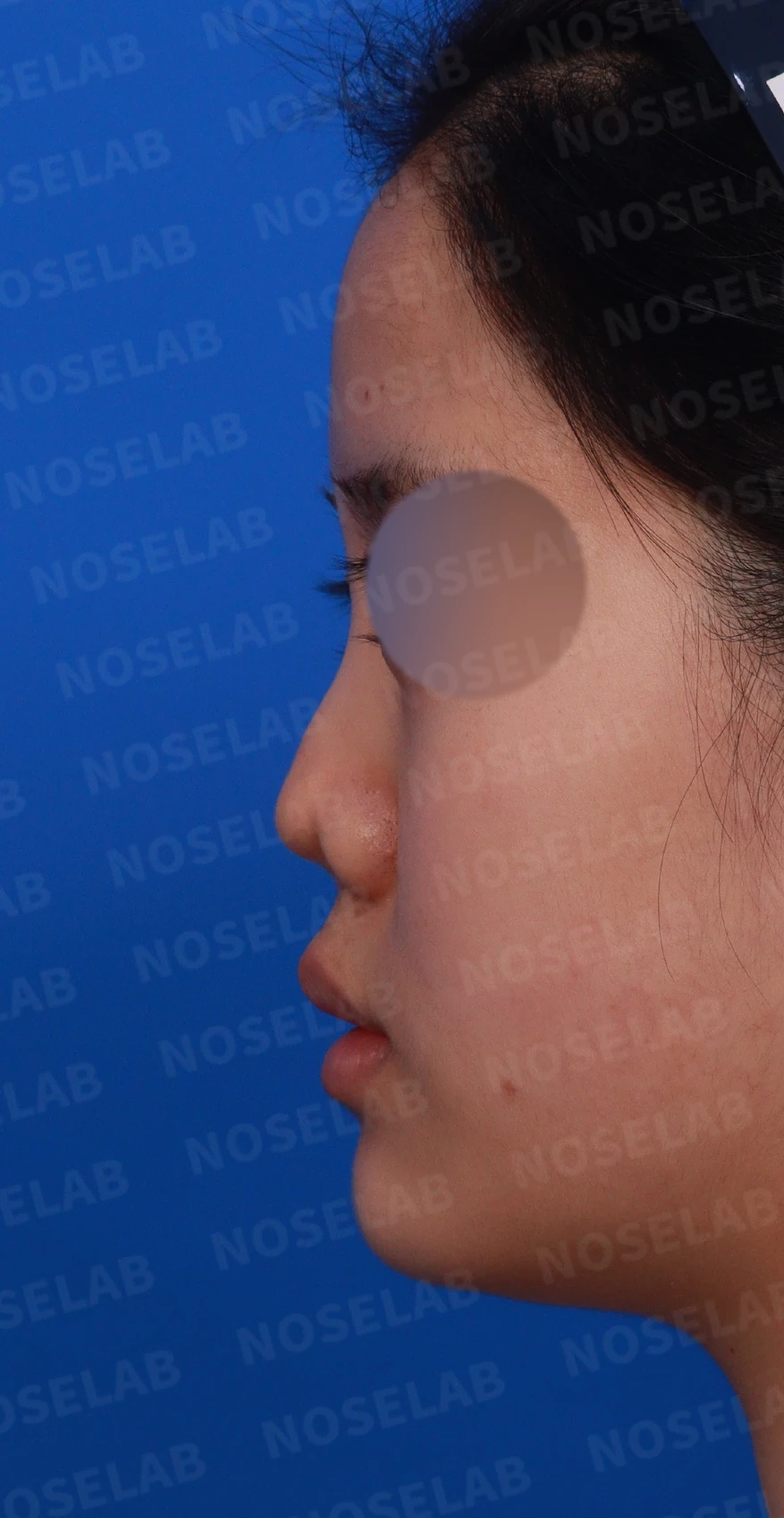
Front, left profile, and oblique views during design consultation.
🔍 Surgical history and symptoms
January 2023: Insertion of silicone implant + septal cartilage + ear cartilage (left nostril began narrowing after 2-3 months)
July 2023: Left nostril dilation + silicone implant + donor rib cartilage (depression of the left ala occurred 1 month later)
Current symptom: the left nostril becomes blocked when lying on the right side
💉 Patient's requests
Improvement of the pinched nose appearance
Correction of the nasolabial angle
Correction of an upturned nose
Resolution of left-sided nasal obstruction
Correction of the retracted columella
A straight bridge line in harmony with the face
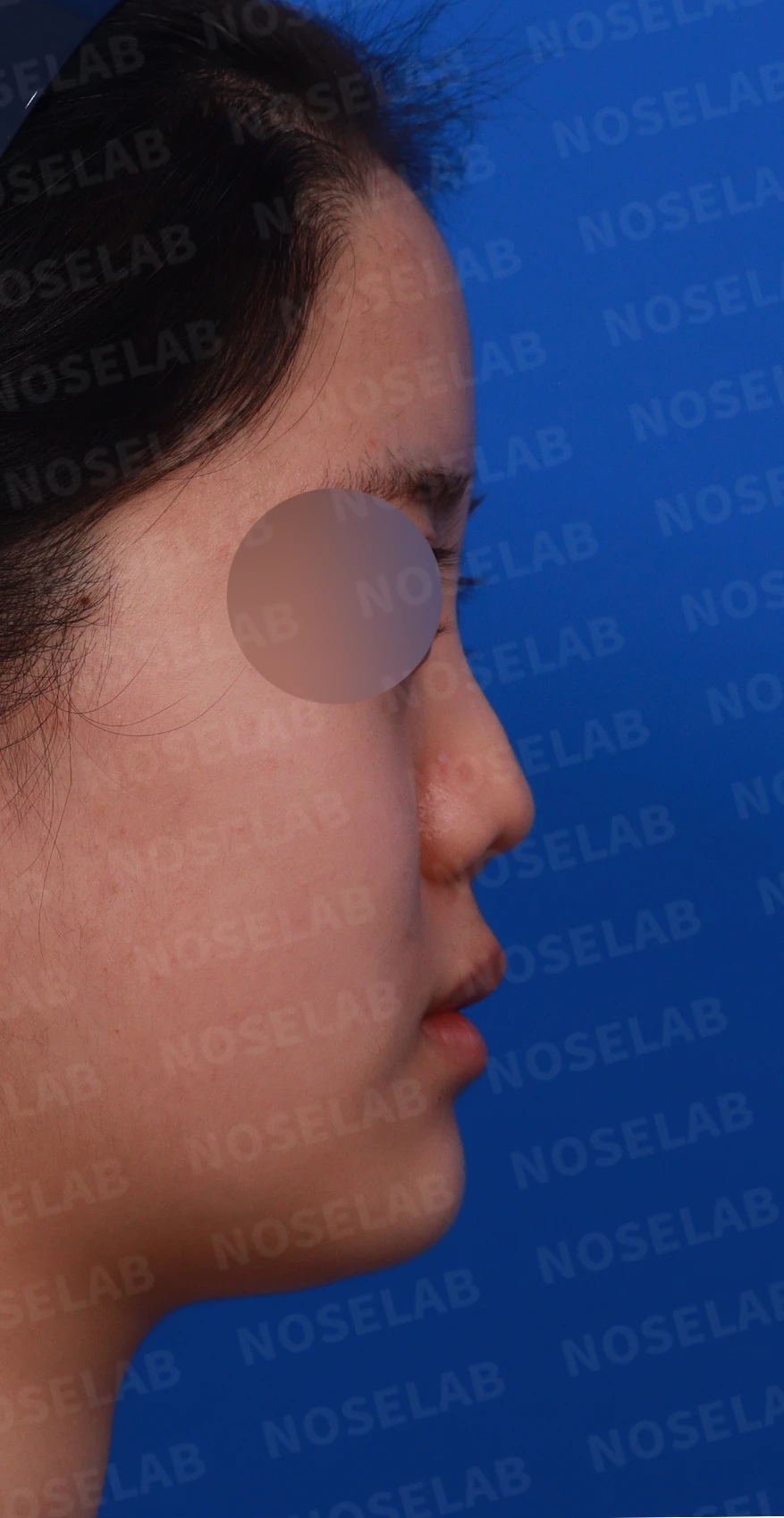
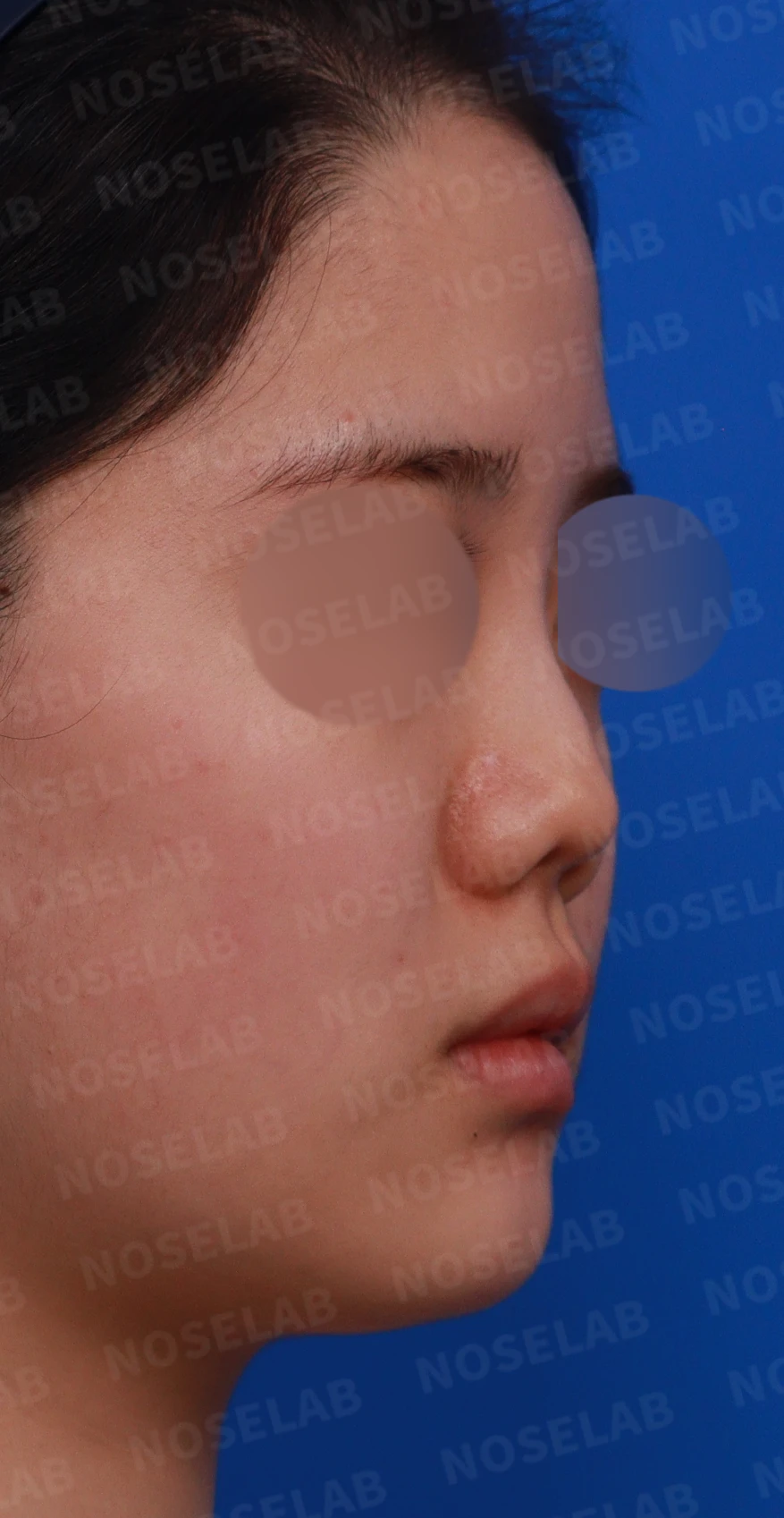
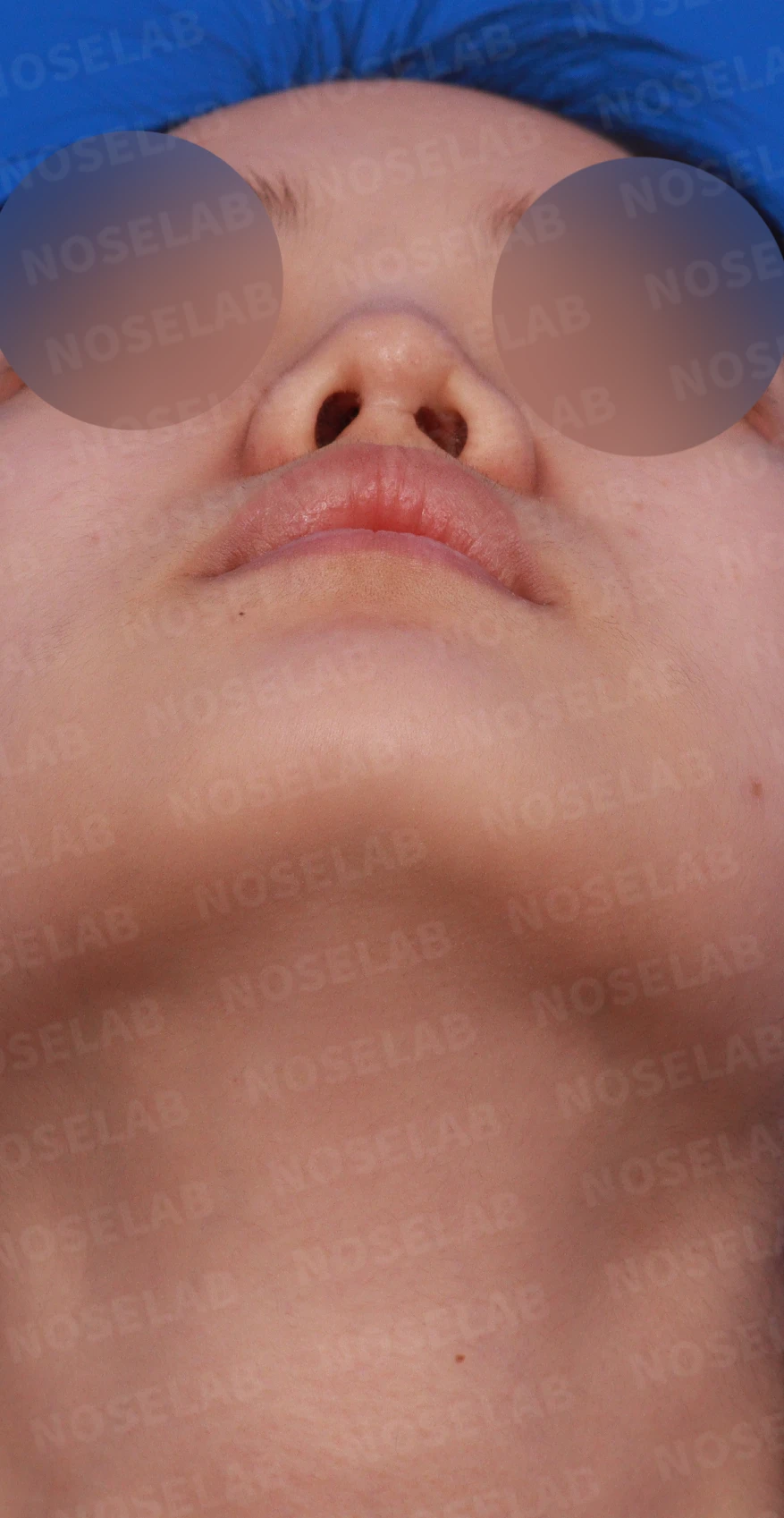
Right profile, oblique, and nostril views during design consultation.
🔧 Problem analysis
Severe stenosis of the left nasal cavity was observed. This was caused by internal and external nasal valve stenosis resulting from excessive damage to the lower lateral cartilage and improper suturing during previous surgeries.
💉 Surgical procedure details
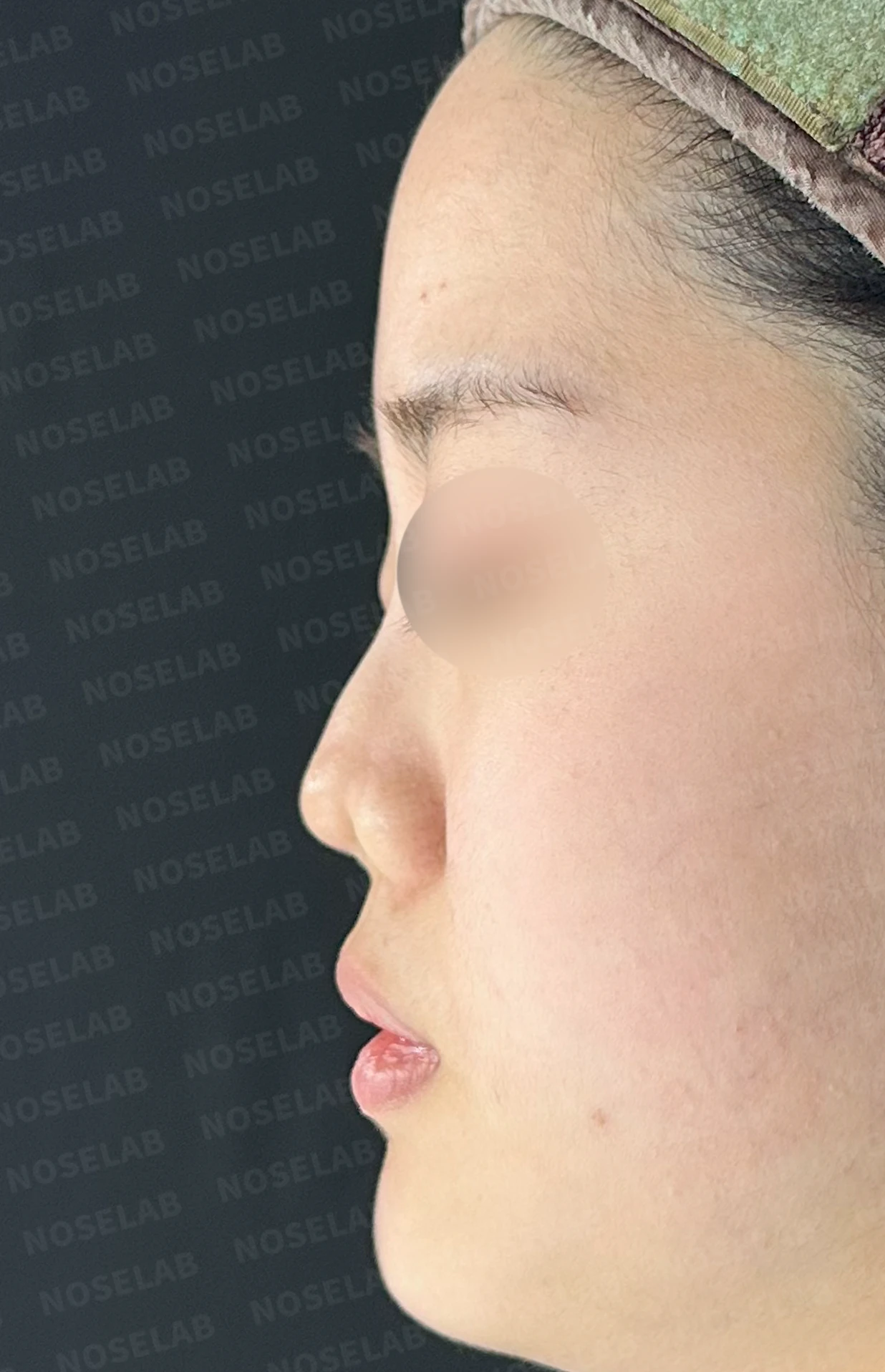
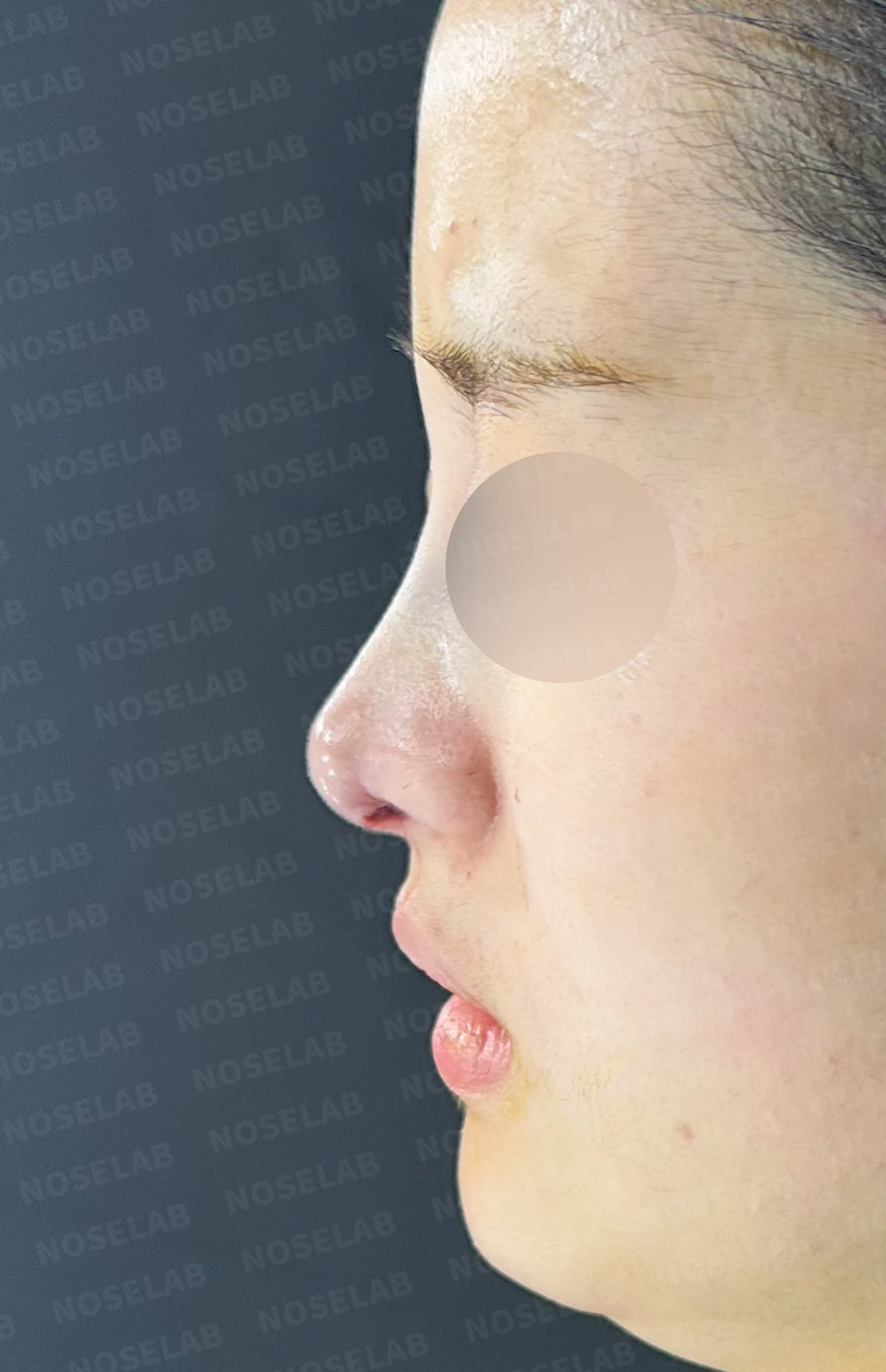
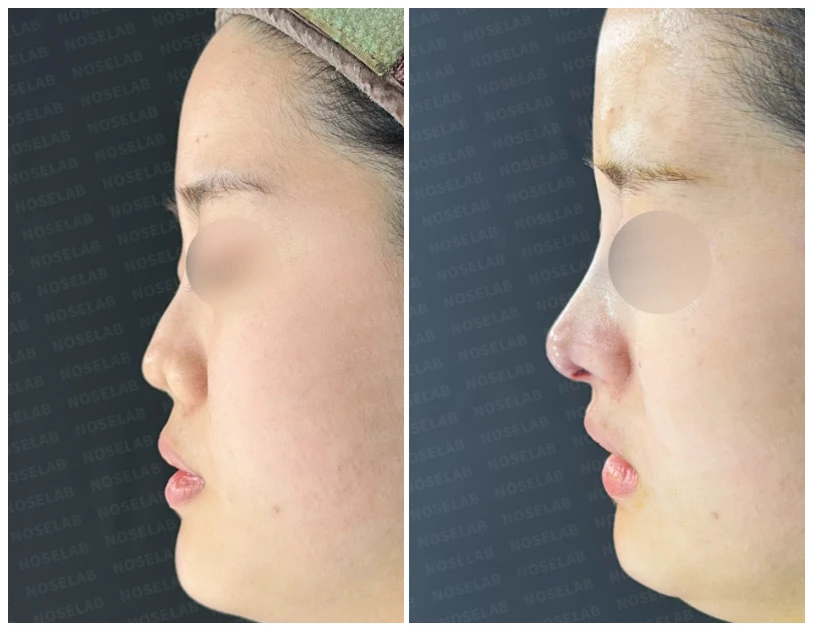
Before surgery / Day 0 immediately after surgery — profile view. Photos taken immediately after surgery show swelling and may differ from the final result.
Structural reconstruction
Replenishing deficient tissue through skin grafting
Complete reconstruction of the lower lateral cartilage
Securing as much nasal cavity space as possible
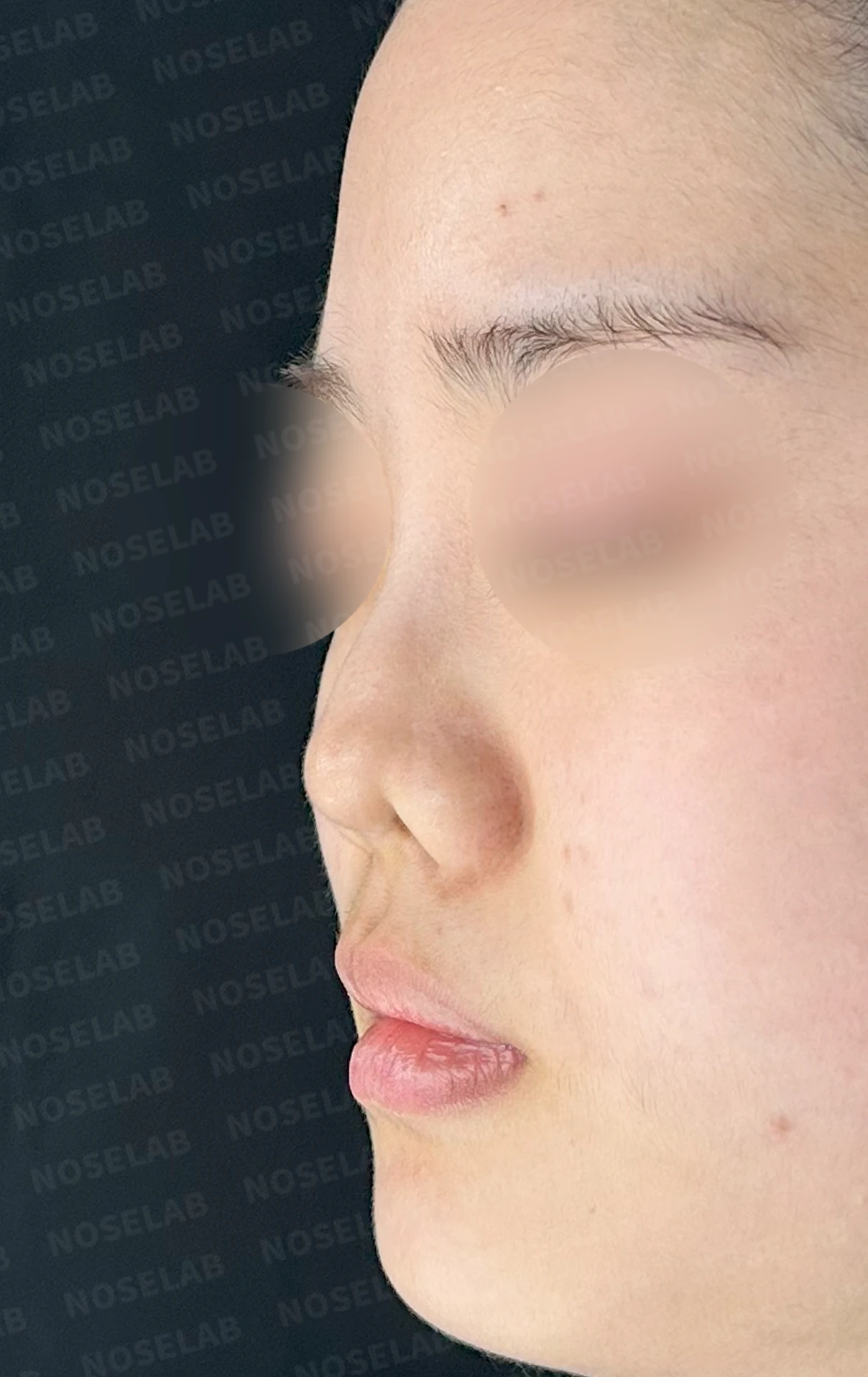
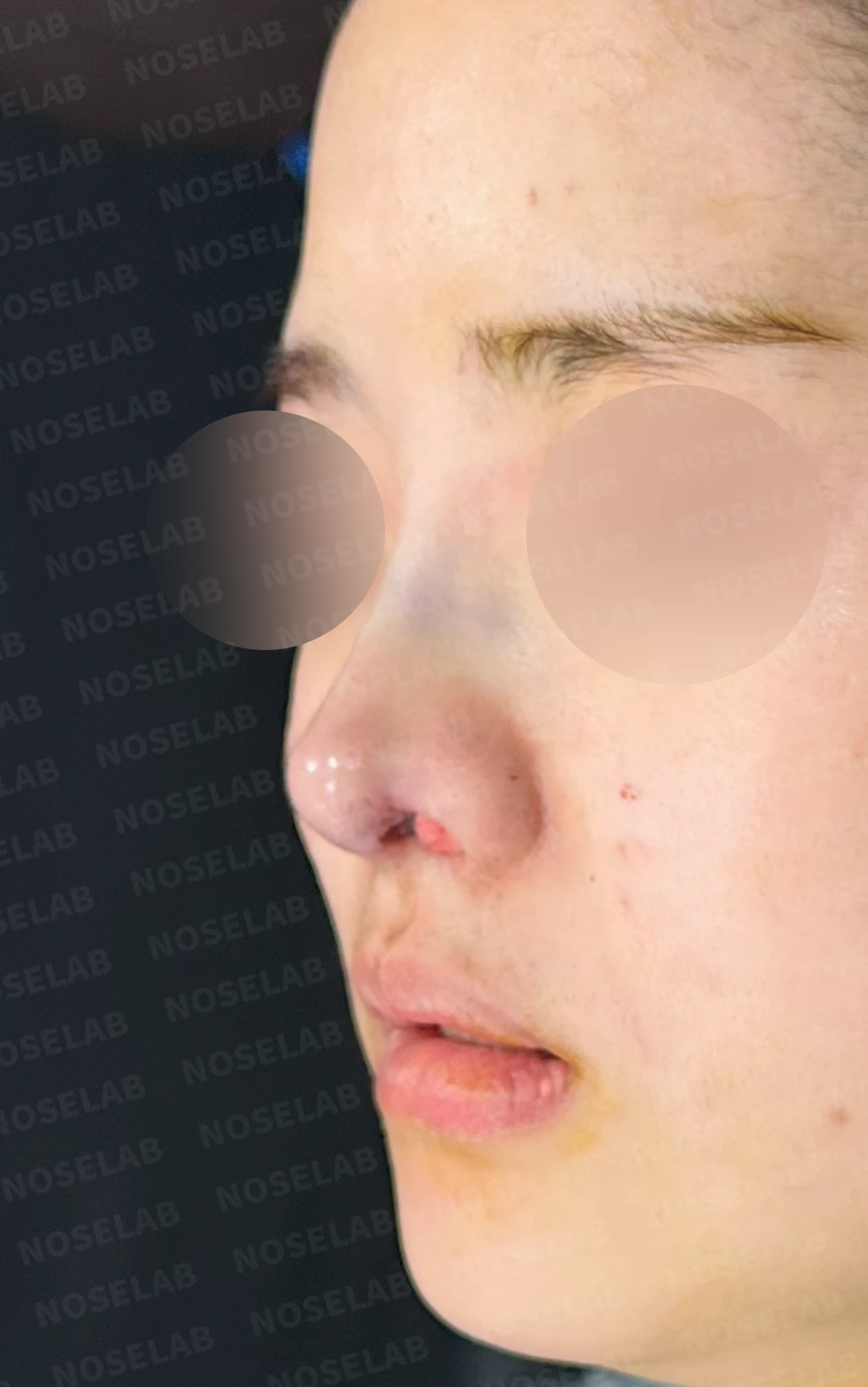
Before surgery / Day 0 immediately after surgery — oblique view. Photos taken immediately after surgery show swelling and may differ from the final result.
2. Consideration for stability
Use of autologous rib cartilage to prevent inflammation
Selecting autologous rib cartilage with safety in mind instead of a silicone implant
Selecting entirely autologous tissue for all materials used in the nasal surgery
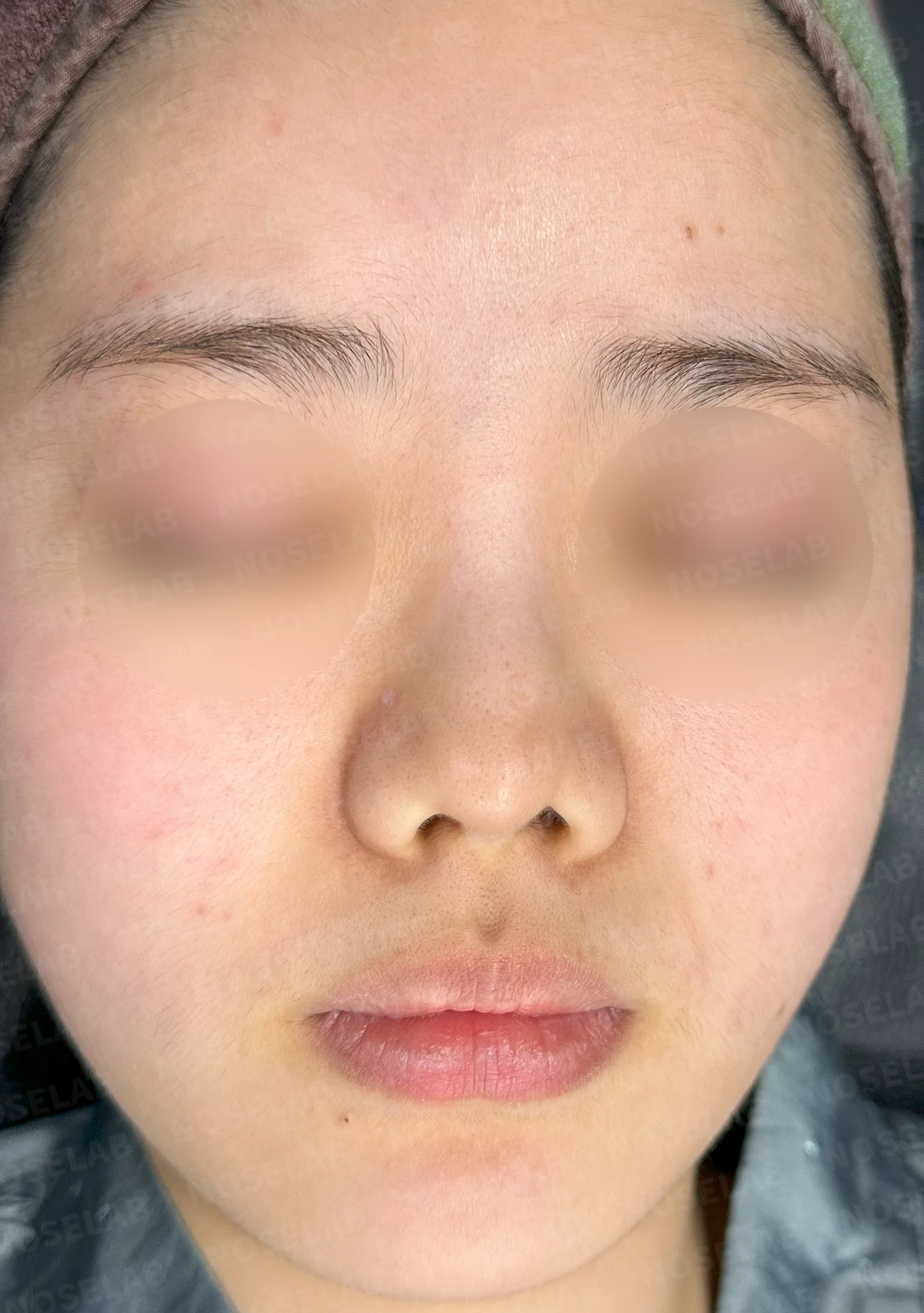
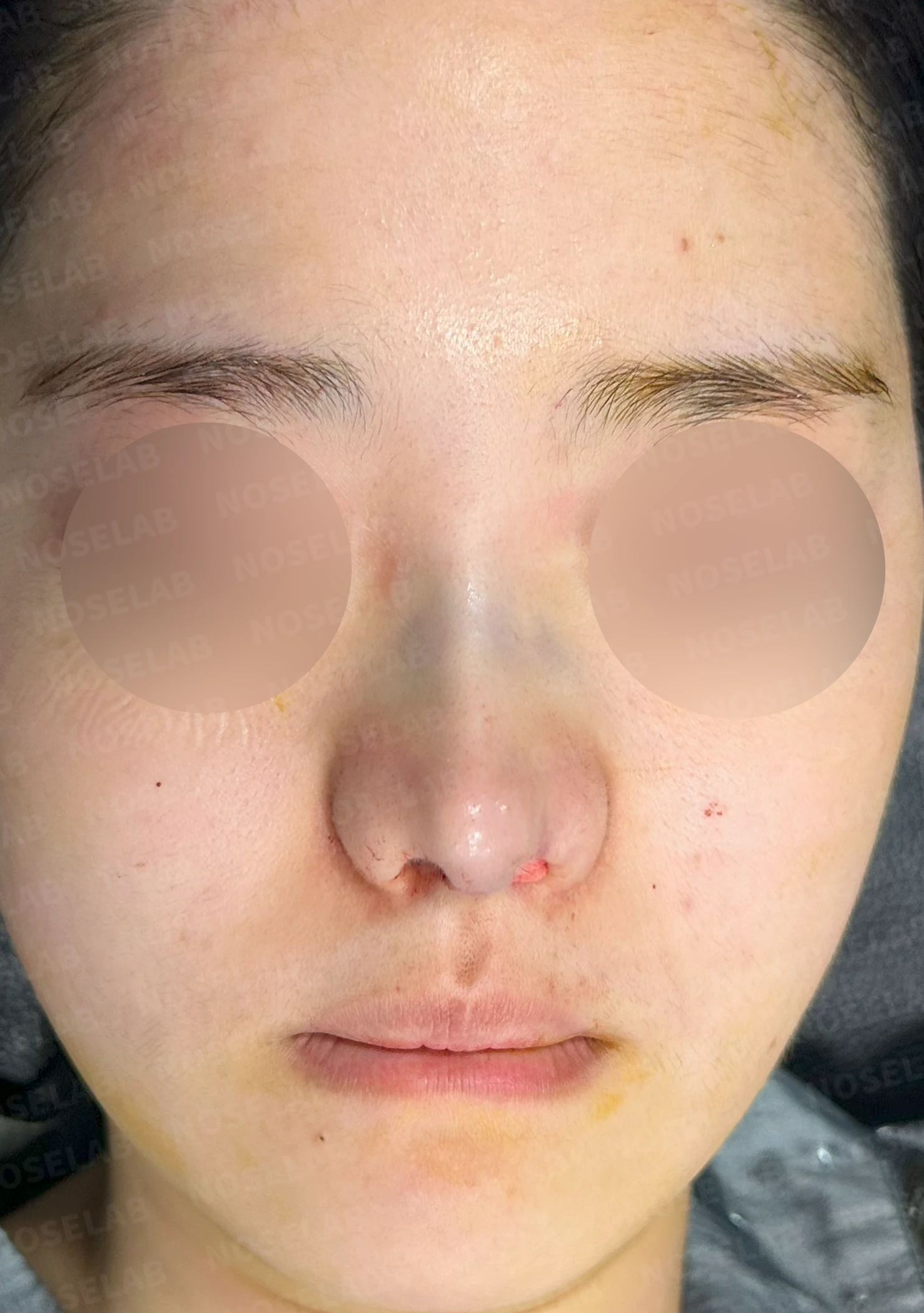
Before surgery / Day 0 immediately after surgery — front view. Photos taken immediately after surgery show swelling and may differ from the final result.
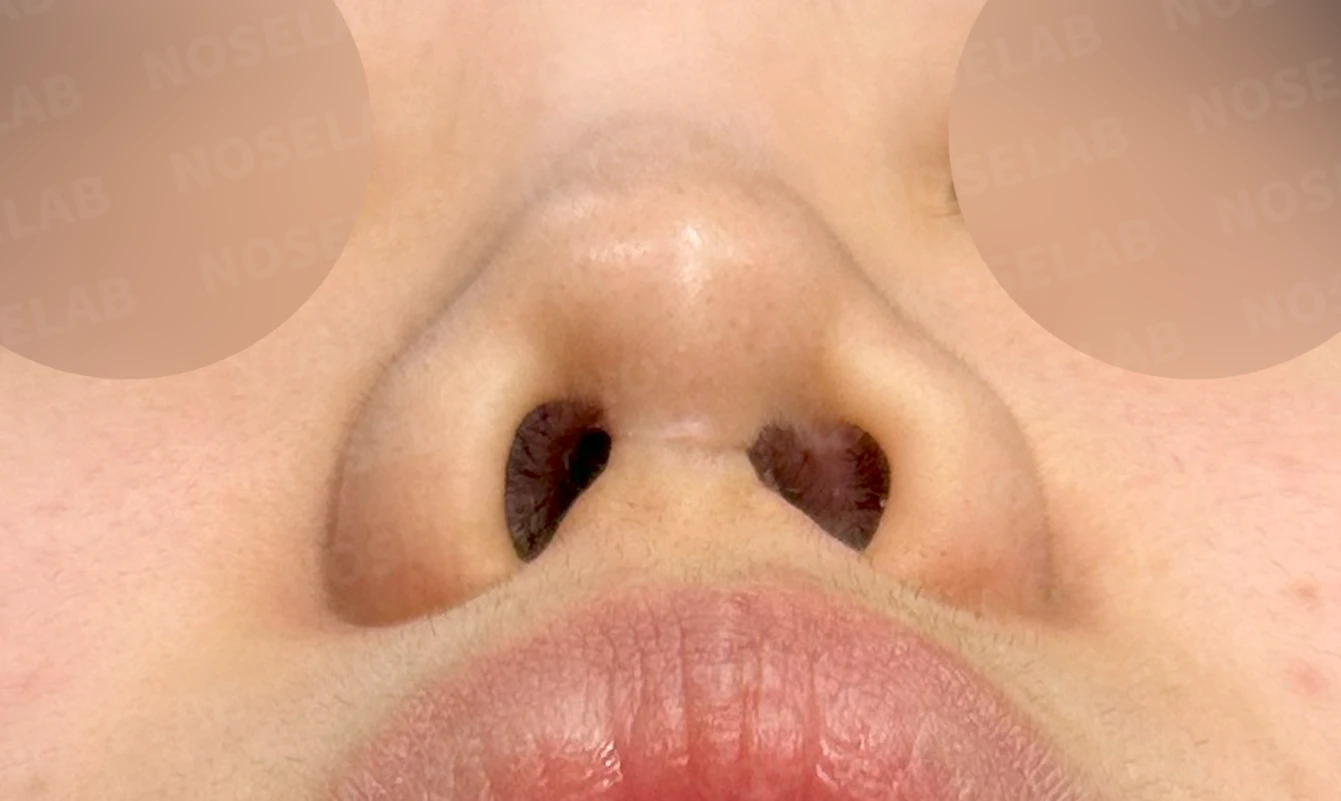
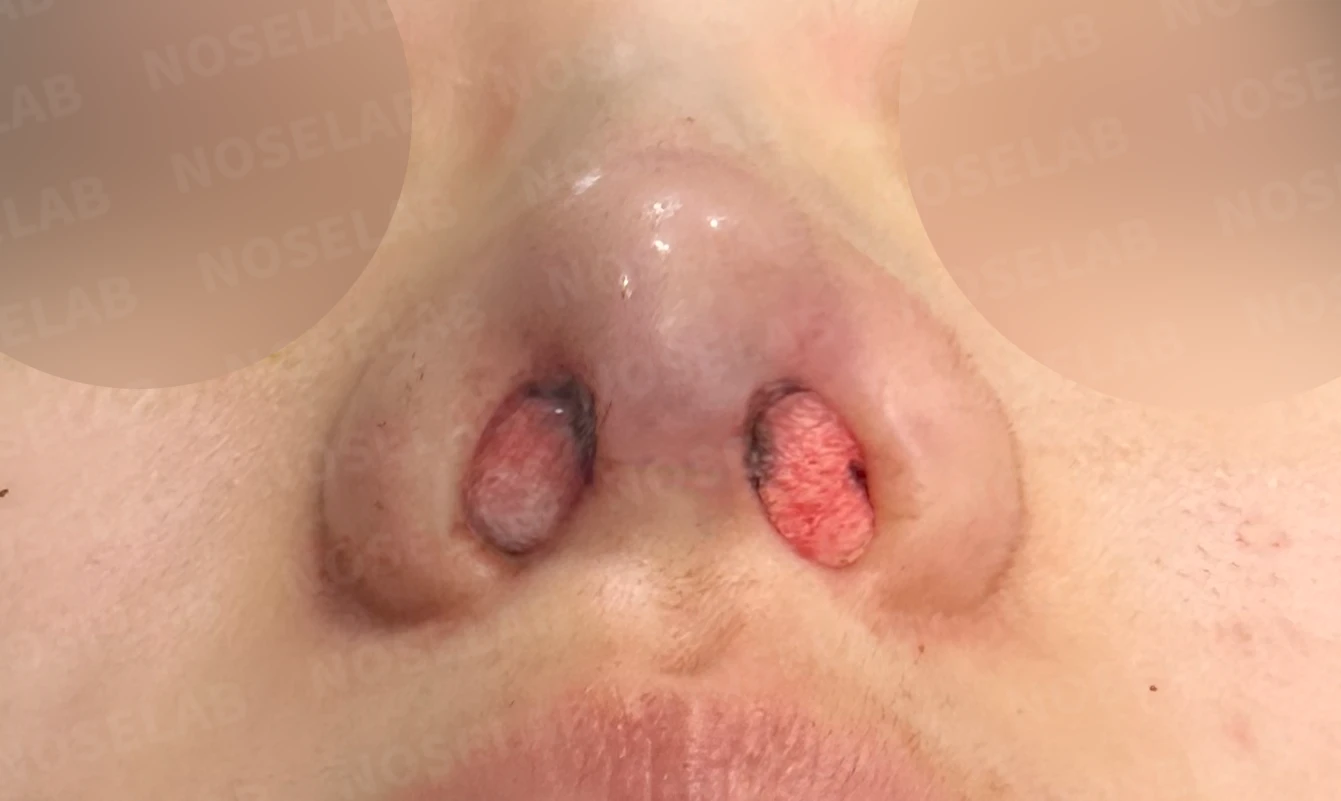
Before surgery / Day 0 immediately after surgery — nostril view. Photos taken immediately after surgery show swelling and may differ from the final result.
💡 Specialist's opinion
Nostril stenosis is highly vulnerable to inflammation. Because inflammation can worsen nostril narrowing, preventing inflammation was our top priority throughout every step of the procedure. We sought the greatest possible improvement through skin grafting and cartilage reconstruction, and the final outcome will need to be monitored through the recovery process.
This was Dr. Peter C. Kang. Thank you.
Thank you.
I will continue to do my best to provide patients with dependable and satisfying results planned with safety in mind.
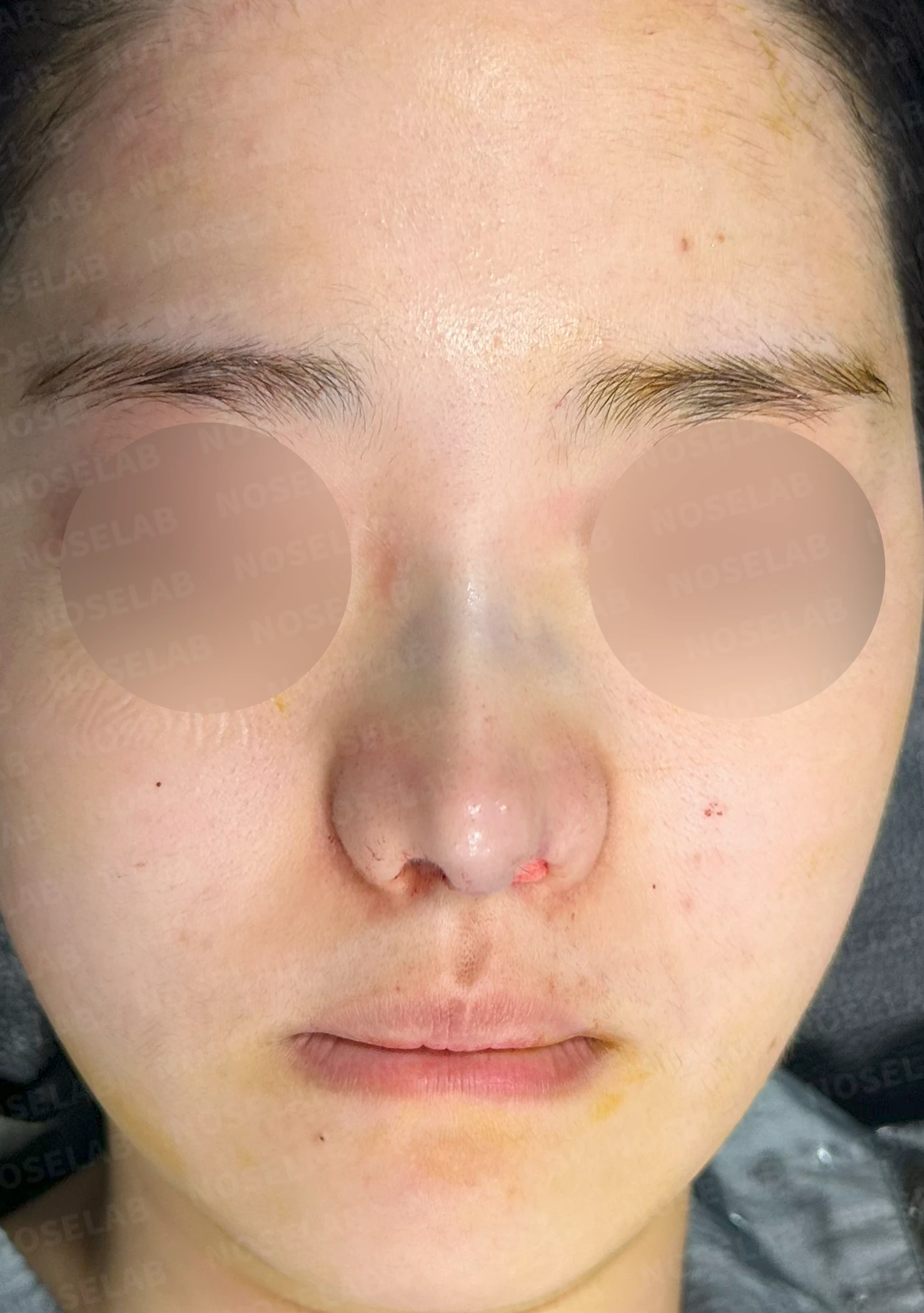
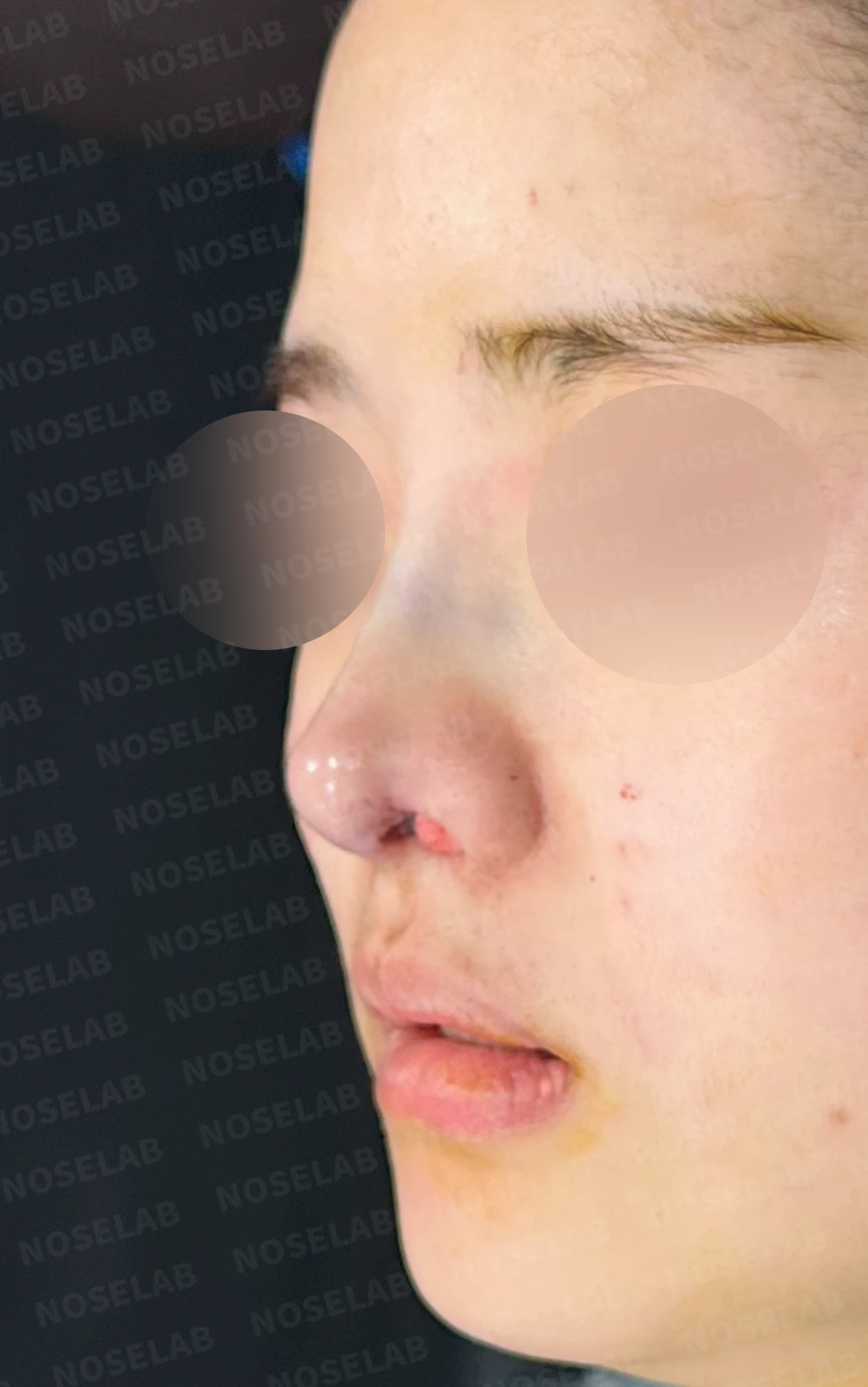
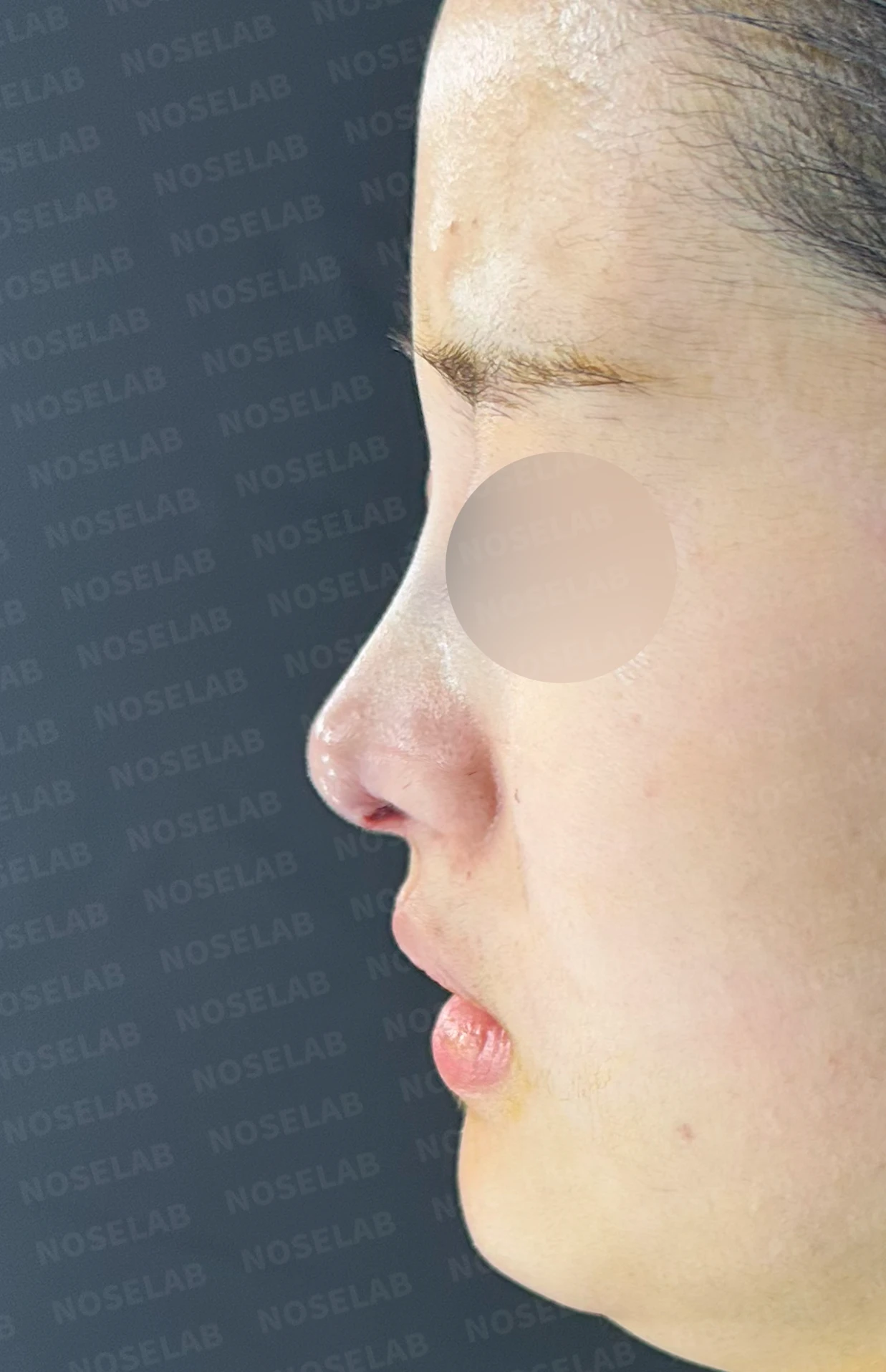
Front, oblique, and profile views on day 0 immediately after surgery. Photos taken immediately after surgery show swelling and may differ from the final result.
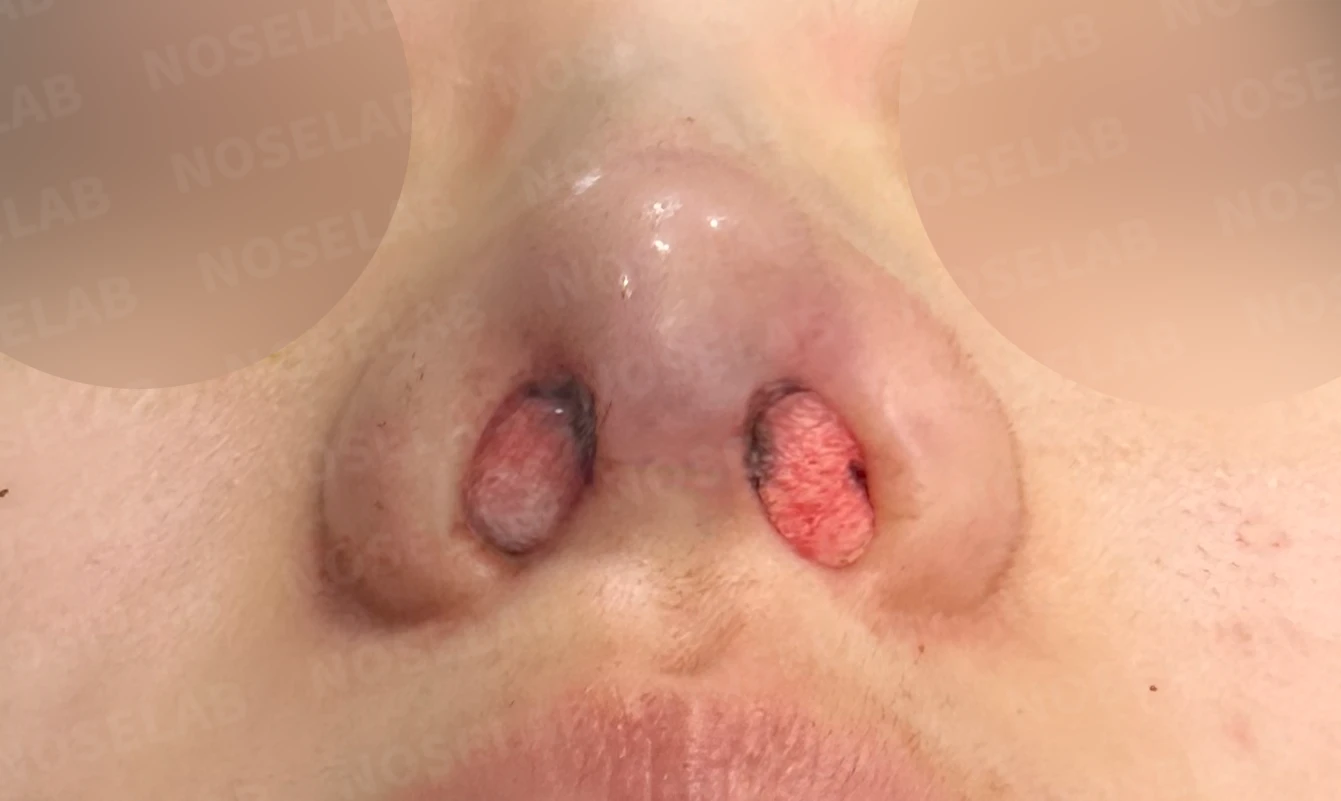
Nostril view on day 0 immediately after surgery. Photos taken immediately after surgery show swelling and may differ from the final result.
#closedrhinoplasty #revisionrhinoplasty #nostrilstenosis #upturnednosecorrection #nasalobstructionrelief #naturalnose #customrhinoplasty

Limitations and risks
When autologous rib cartilage is used, scarring and pain may remain at the donor site on the chest, and pneumothorax (pleural injury) can occur rarely. Over time, the grafted cartilage may warp or undergo partial resorption.
When using donor rib cartilage, long-term follow-up is necessary because the grafted cartilage may resorb or warp.
When the septum is corrected at the same time, nasal obstruction may persist or recur, and in rare cases, septal perforation or changes in smell may occur.
Common potential risks include infection, bleeding, asymmetry, scarring, skin necrosis, and insufficient improvement; results vary depending on individual skin condition and previous surgical history.