English日本語简体中文
Skip to main content
Dr. Peter C. Kang's Rhinoplasty Stories
PrologueBlogMy thoughtsNasal obstructionSurgical journalSurgical photos
About the surgeon

Septal damage and cartilage deficiency: evaluating residual structures in revision rhinoplasty

This is page 7 of the case archive for Septal damage and cartilage deficiency: assessing remaining structures in revision rhinoplasty. Explore surgical notes and before-and-after photos for cases 109–122 of 122.

View before-and-after cases ↓Comprehensive rhinoplasty guide

Searching for surgical cases matching your criteria.
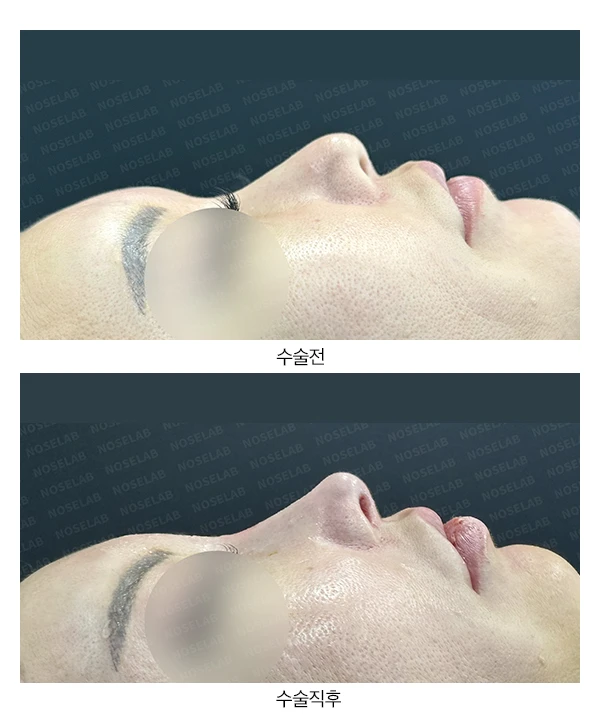
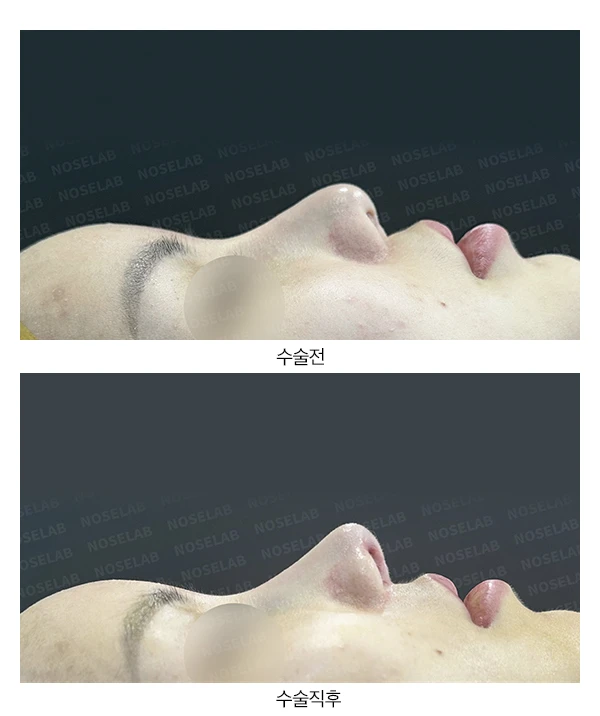
Surgical approach for a collapsed nose caused by septal cartilage damage — Before-and-after comparison
Before-and-after comparison

Surgical approach for a collapsed nose caused by septal cartilage damage

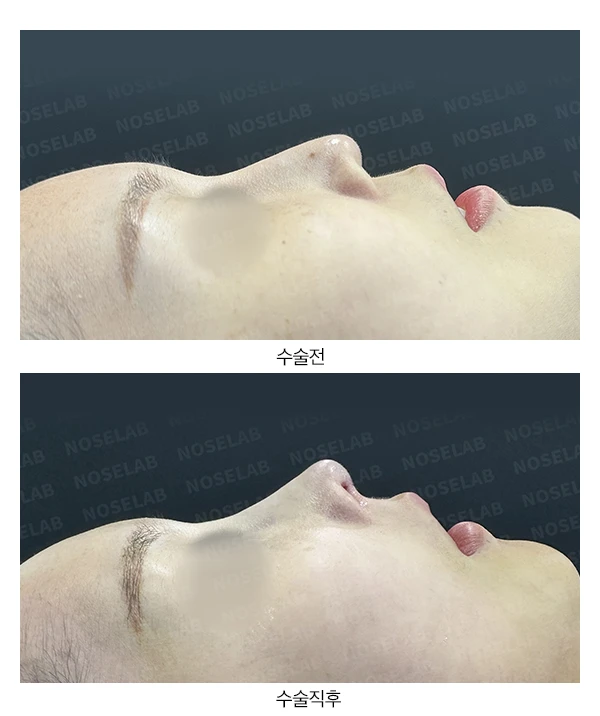
In a nose where most of the septum and alar cartilages were lost after two previous surgeries, we reconstructed the overall framework using autologous rib cartilage, removed contracture tissue, and corrected the nasolabial angle.

Preoperative condition
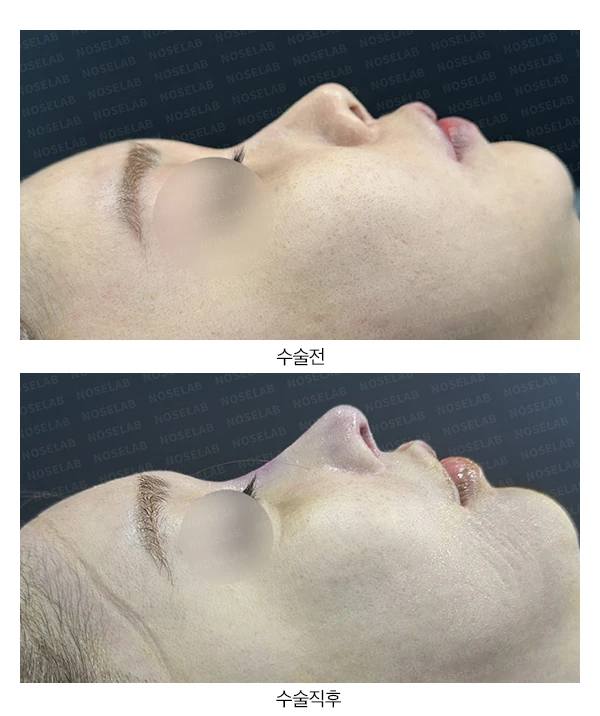
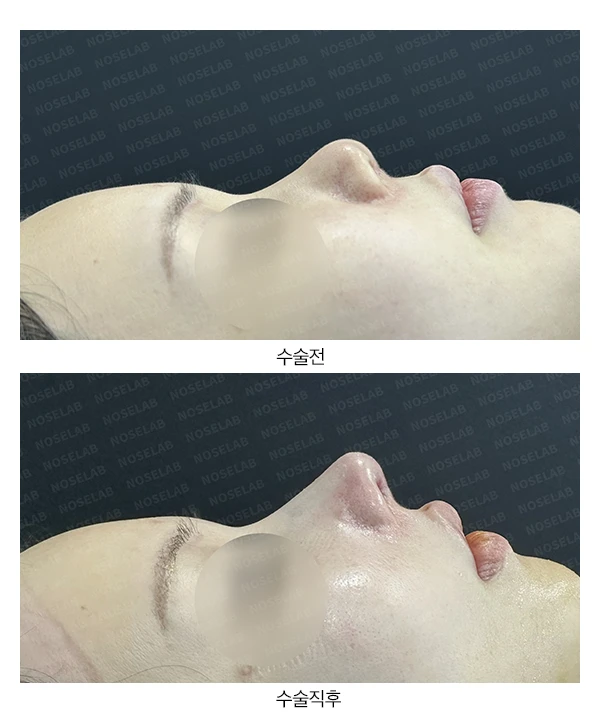
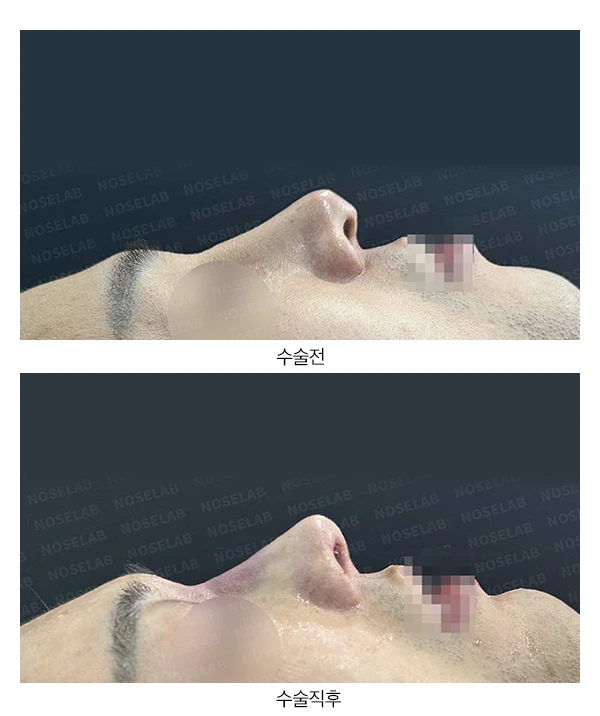
How to correct a short and upturned nose — Before-and-after comparison
Before-and-after comparison

How to correct a short and upturned nose

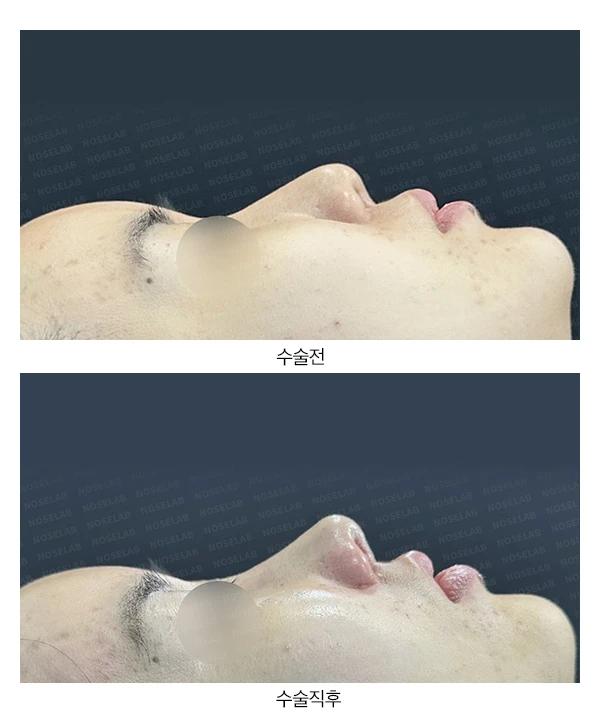
A case of a short, upturned nose and residual semi-permanent filler following two-jaw surgery. Suspecting septal damage, reconstruction with autologous rib cartilage was planned. Here are the surgical details of the reconstruction and tip surgery, along with changes in the nasolabial angle and nostril show.

Preoperative condition

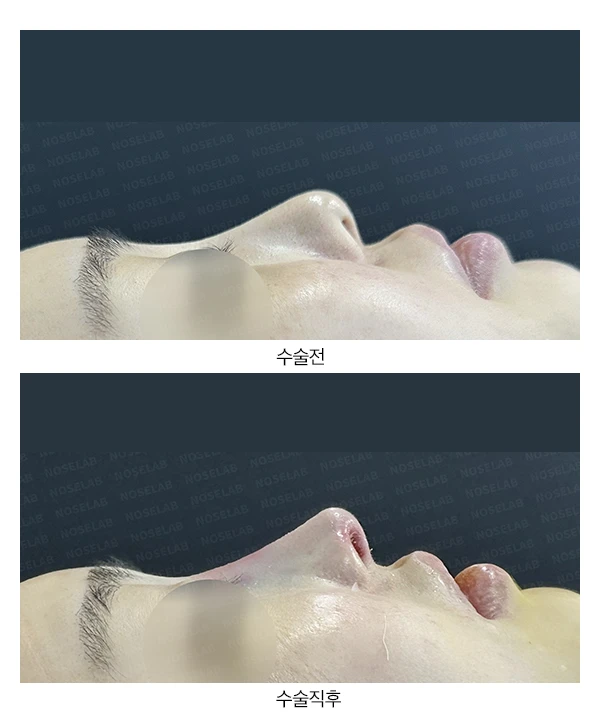
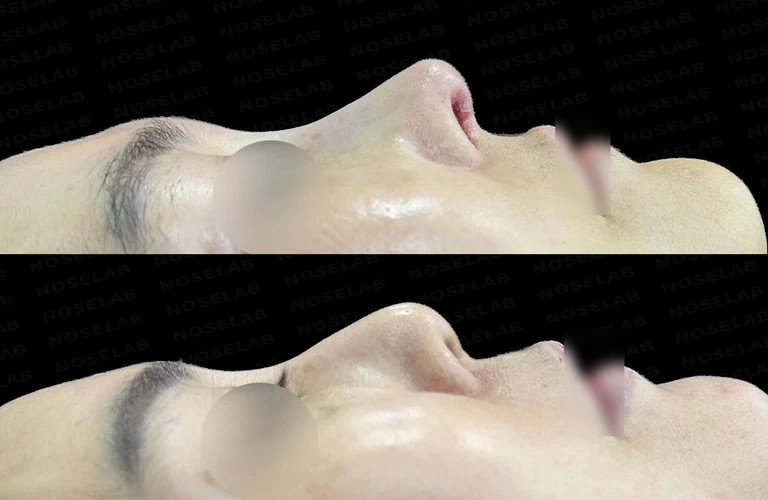
How to correct nasal obstruction and a wide, spread-out nose — Before-and-after comparison
Before-and-after comparison

How to correct nasal obstruction and a wide, spread-out nose

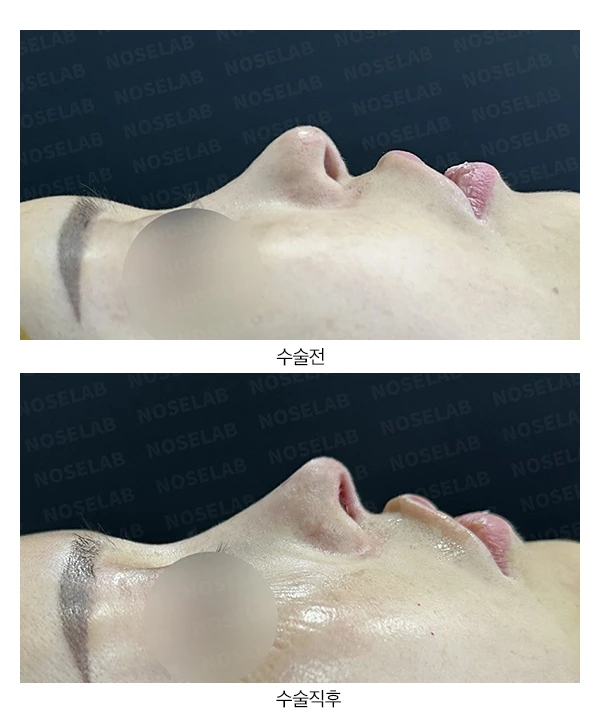
This is a case where mucosal adhesion, septal deviation, and tip deformity were identified following previous surgeries. We planned support reinforcement using autologous rib cartilage along with functional surgery, and recorded the postoperative changes in columellar and nostril asymmetry.

Preoperative condition

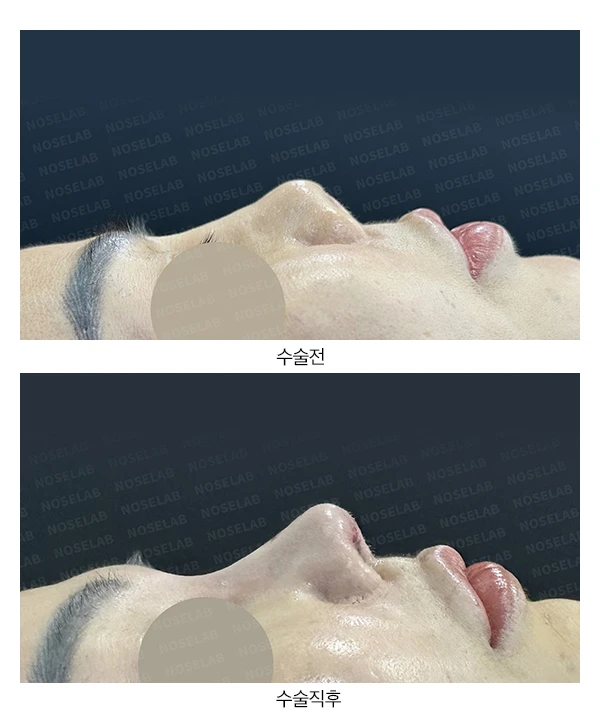
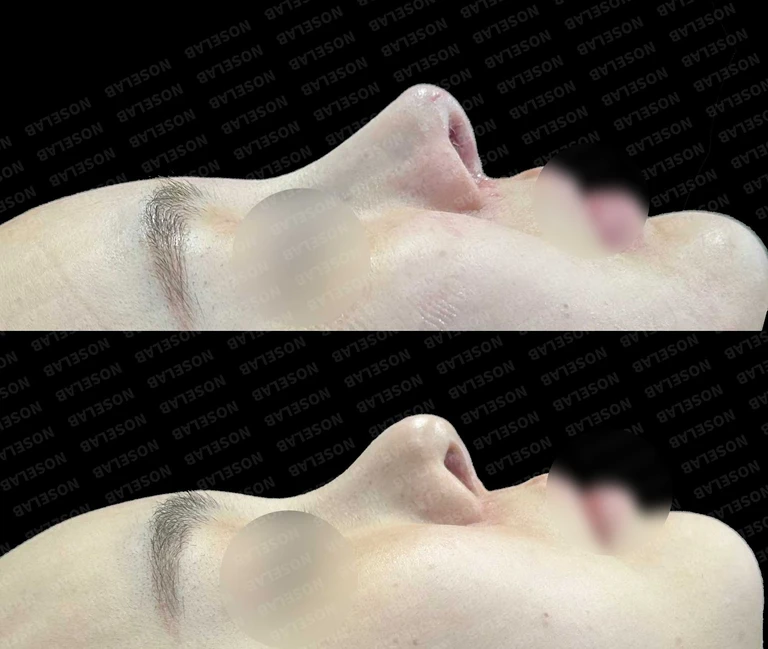
Contracted nose reconstruction method for the nasal bridge and nasal tip using autologous rib cartilage — Before-and-after comparison
Before-and-after comparison

Contracted nose reconstruction method for the nasal bridge and nasal tip using autologous rib cartilage

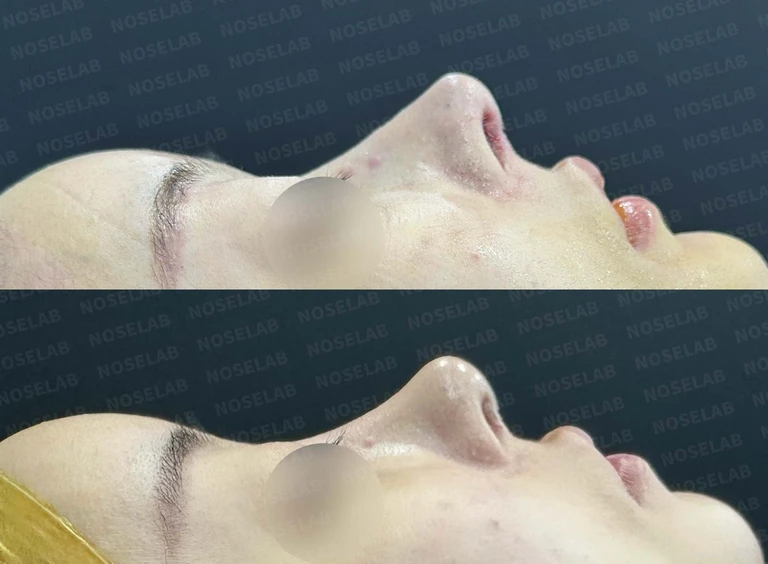
This is a case of a contracted nose following total removal of materials due to acute inflammation after a previous surgery. After stem cell injection therapy, the damaged septum and lower lateral cartilage were reconstructed using autologous rib cartilage, and adhesiolysis was planned to address nasal obstruction.

Preoperative condition

How to plan nostril lowering (alar rim grafting) in an upturned nose — Before-and-after comparison
Before-and-after comparison

How to plan nostril lowering (alar rim grafting) in an upturned nose

A case where a septum weakened by previous surgery was reinforced with donor rib cartilage, and nostril lowering was performed using an ear cartilage graft and lower lateral cartilage repositioning. The existing autologous gluteal dermis was reused at the nasal tip, and functional surgery for nasal obstruction was performed simultaneously.

Preoperative condition

Reconstruction methods for a nose contracted after multiple surgeries — Before-and-after comparison
Before-and-after comparison

Reconstruction methods for a nose contracted after multiple surgeries

In a severe contracted nose that developed after a history of 27 surgeries and fat graft procedures, the protruding silicone implant and degenerated tissue were removed, and the septum and structural support were reconstructed using autologous rib cartilage.

Preoperative condition

How to reconstruct a columella retracted by contracture — Before-and-after comparison
Before-and-after comparison

How to reconstruct a columella retracted by contracture

Loss of the septum and retraction of the columella caused by inflammation and contracture were restored with three-dimensional definition through total autologous rib cartilage reconstruction and lowering the columella.

Preoperative condition

Methods for correcting a drooping and crooked nose — Before-and-after comparison
Before-and-after comparison

Methods for correcting a drooping and crooked nose

This is a case where the nasal tip began drooping and deviating to the left after surgery with donor rib cartilage, raising suspicion of partial resorption. Nasal reconstruction and septal extension using autologous rib cartilage were planned, and immediate postoperative changes in the nasal tip and nasolabial angle, as well as the limitations of asymmetry correction, were documented.

Previous surgeries and procedures

How to correct an upturned contracted nose with autologous rib cartilage — Before-and-after comparison
Before-and-after comparison

How to correct an upturned contracted nose with autologous rib cartilage

In a patient presenting with contracture, an upturned nose, and loss of lower lateral cartilages due to inflammation after previous surgery, we performed septal and alar cartilage reconstruction using autologous rib cartilage combined with stem cell therapy and alar rim lowering.

Preoperative condition

Revision rhinoplasty using autologous rib cartilage for an upturned nose, crooked nose, and nostril asymmetry — Before-and-after comparison
Before-and-after comparison

Revision rhinoplasty using autologous rib cartilage for an upturned nose, crooked nose, and nostril asymmetry

This is a case where excessive septal cartilage harvest led to a deviated septum, nasal obstruction, and an upturned, crooked tip, which were corrected by reconstructing the septum with autologous rib cartilage, removing scar tissue, and repositioning the lower lateral cartilages.

Preoperative condition

Revision rhinoplasty with autologous rib cartilage for a bulbous and drooping nose, along with columellar and nostril correction — Before-and-after comparison
Before-and-after comparison

Revision rhinoplasty with autologous rib cartilage for a bulbous and drooping nose, along with columellar and nostril correction

A case of a patient who visited our clinic with a bulbous, drooping tip and nostril asymmetry. During surgery, severe damage to the septum and lower lateral cartilages was identified, leading to reconstruction with autologous rib cartilage, while alar rim lowering and lateral osteotomy were included in the surgical plan.

Preoperative condition

Foreign body removal and autologous rib cartilage revision rhinoplasty for chronic foreign body reaction and a long nose — Before-and-after comparison
Before-and-after comparison

Foreign body removal and autologous rib cartilage revision rhinoplasty for chronic foreign body reaction and a long nose

This is a case where a silicone implant shifted almost to the point of extruding through the columella due to a chronic foreign body reaction. The silicone implant, granulation tissue, and glabella filler were removed, and the depleted septum from previous surgery was reconstructed using autologous rib cartilage.

Preoperative condition

Revision rhinoplasty using autologous rib cartilage for an upturned nose from contracture and nostril asymmetry — Before-and-after comparison
Before-and-after comparison

Revision rhinoplasty using autologous rib cartilage for an upturned nose from contracture and nostril asymmetry

A case presenting with a short, upturned nasal tip and nostril asymmetry following a history of silicone implant inflammation. The damaged lower lateral cartilage and septum were reconstructed using autologous rib cartilage, and replacement of the Gore-Tex implant was included in the surgical plan.

Preoperative condition

Methods for correcting a contracted nose, crooked nose, and drooping tip using autologous rib cartilage — Before-and-after comparison
Before-and-after comparison

Methods for correcting a contracted nose, crooked nose, and drooping tip using autologous rib cartilage

This is a revision rhinoplasty case of a patient who presented with an upturned nose and a drooping tip. The damaged lower lateral cartilages and septum were partially reconstructed using autologous rib cartilage, septal extension was performed to lower the nasal tip, and nostril lowering was included in the plan.

Preoperative condition

No search results found

Please try searching with different keywords.

Scroll to keep reading

Previous case7 / 7
Original article

Read more records

Planning a visit to Seoul?Prepare your consultation with the NOSELAB team.

International patient guideWhatsApp ↗
Dr. Peter C. Kang's Rhinoplasty Stories
Rhinoplasty guideCases by topicDr. Peter C. KangNaver Blog ↗
View original photo
Enlarged photo
WhatsAppChat with NOSELAB↗