English日本語简体中文
Skip to main content
Dr. Peter C. Kang's Rhinoplasty Stories
PrologueBlogMy thoughtsNasal obstructionSurgical journalSurgical photos
About the surgeon

Rhinoplasty cases involving temporalis fascia and fascia

When reading rhinoplasty articles mentioning fascia, it is important to distinguish between fascia described as a material from a previous surgery and tissue utilized during the current procedure. Our surgical records include past histories where temporalis fascia was used alongside diced autologous rib cartilage, as well as cases where ear cartilage was grafted together with fascia. Simply seeing fascia on a list of materials does not explain how the current surgery was performed.

In one revision rhinoplasty case, temporalis fascia grafted 10 years earlier was found positioned obliquely and was repurposed to reinforce the skin of the nasal tip. As demonstrated here, the original location and the reused purpose of the same fascia can differ. It is helpful to note whether new fascia was harvested, whether existing tissue was reused, and whether it was used to supplement skin or cartilage framework.

View before-and-after cases ↓Comprehensive rhinoplasty guide

Searching for surgical cases matching your criteria.
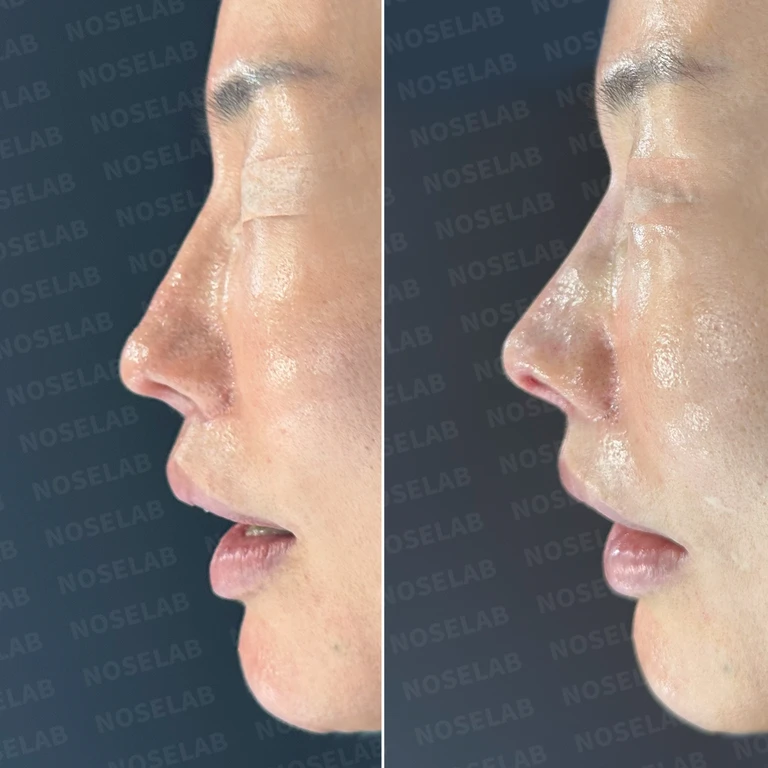
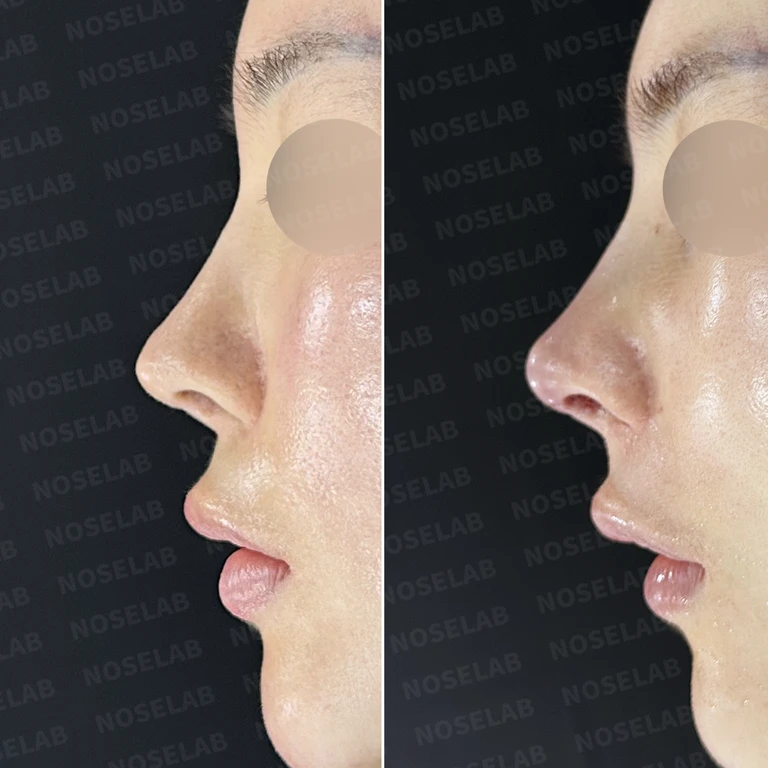
Why a nose operated on multiple times continues to appear upturned, and how septal reconstruction is performed — Before-and-after comparison
Before-and-after comparison

Why a nose operated on multiple times continues to appear upturned, and how septal reconstruction is performed

Following previous surgeries and double-jaw surgery, an upturned nasal tip and nostril asymmetry were precisely corrected using donor rib cartilage septal reconstruction, lower lateral cartilage restoration, and a composite dermis-fat graft to the soft triangle.

Previous surgeries and procedures
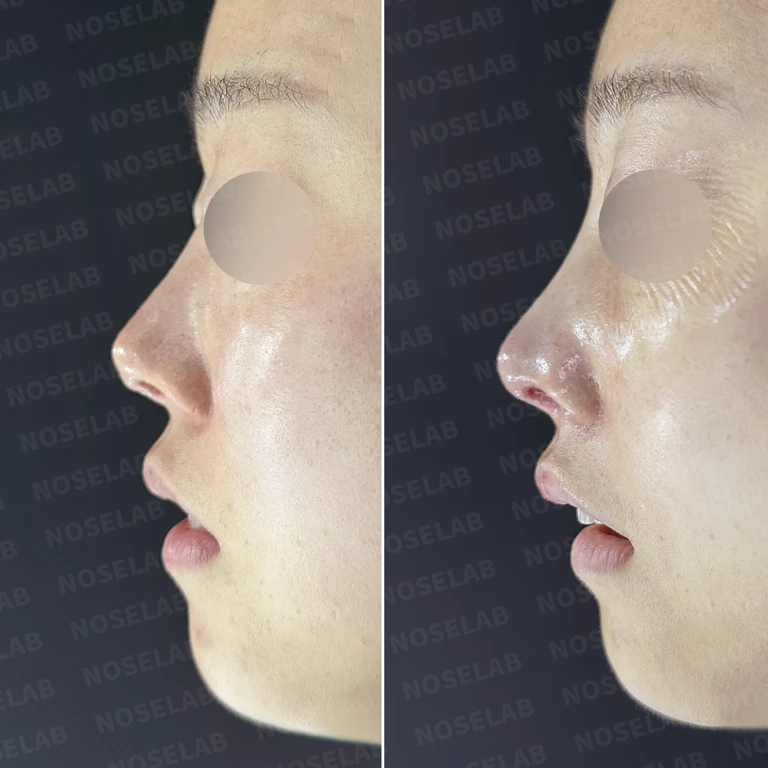
Why nasal obstruction persists after multiple surgeries: How to reconstruct the septum and nasal valve — Before-and-after comparison
Before-and-after comparison

Why nasal obstruction persists after multiple surgeries: How to reconstruct the septum and nasal valve

For a patient whose septum had collapsed after repeated surgeries, causing internal nasal valve stenosis and inferior turbinate adhesions, we performed septal reconstruction with autologous rib cartilage, osteotomy reversal, and adhesiolysis.

Performed or used in this surgery

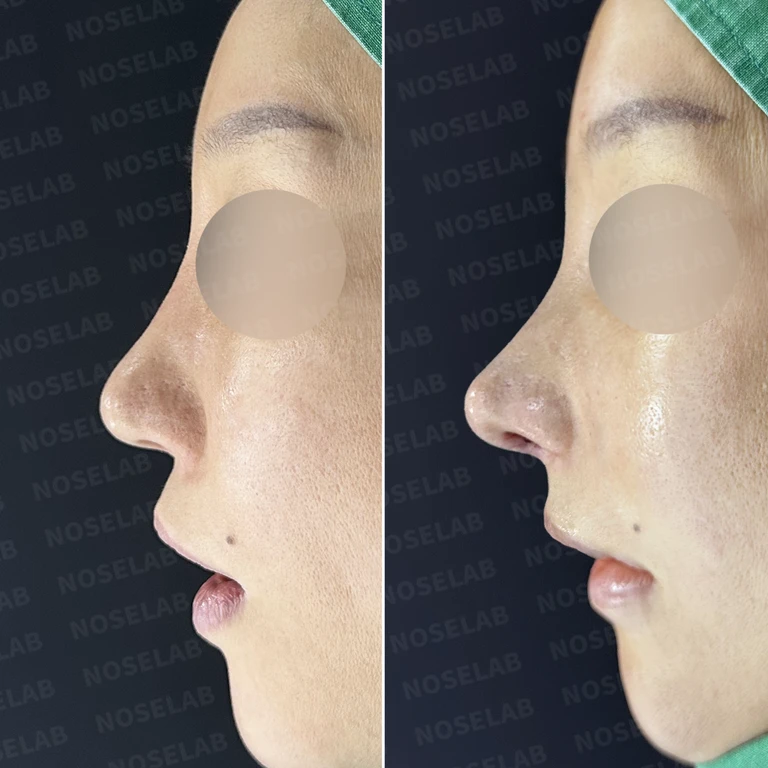
How rib cartilage reconstruction is done when the septum is damaged after multiple surgeries — Before-and-after comparison
Before-and-after comparison

How rib cartilage reconstruction is done when the septum is damaged after multiple surgeries

A case where a septal defect and filler-induced deformity were identified after five prior surgeries. Following filler removal, the septum was reconstructed with autologous rib cartilage, and the nasal tip was reinforced using existing deep temporal fascia.

Previous surgeries and procedures · Performed or used in this surgery
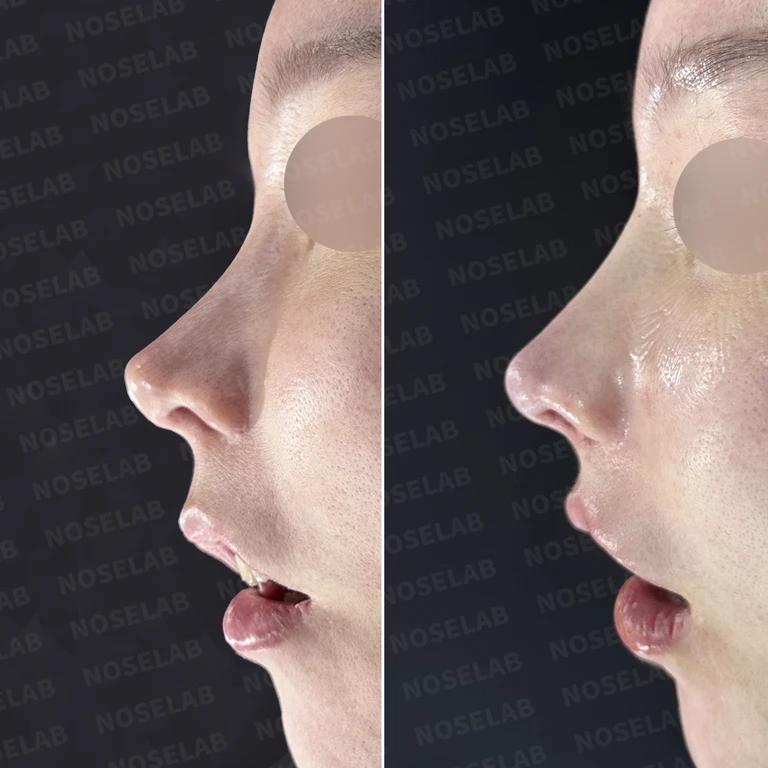
Why nasal tip skin thins and cartilage shows through, and how skin reinforcement is done — Before-and-after comparison
Before-and-after comparison

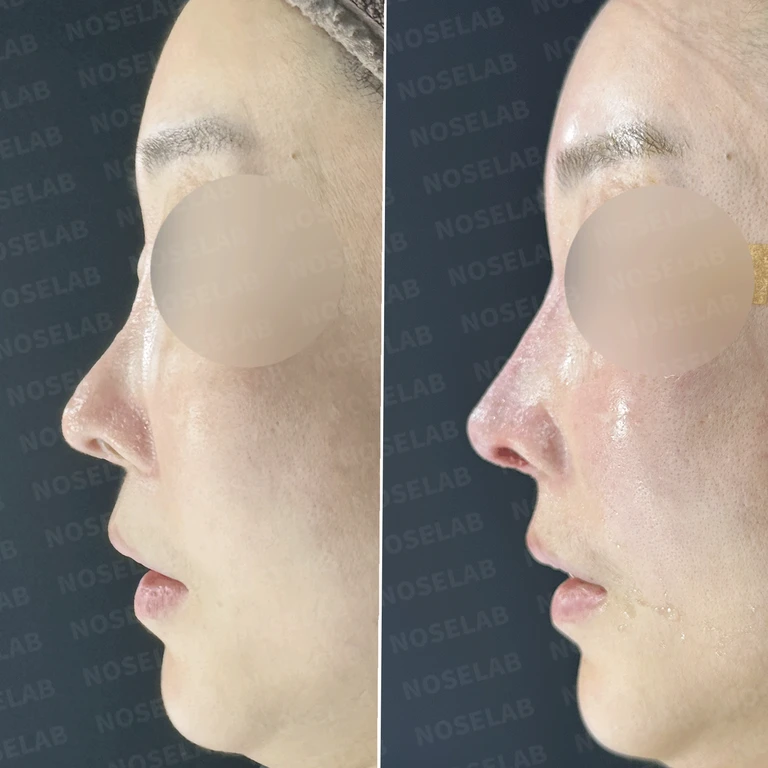
Why nasal tip skin thins and cartilage shows through, and how skin reinforcement is done

A case of skin thinning, cartilage show-through, and an upturned nose following contracted nose surgery. The skin was reinforced with dermis and autologous rib perichondrium, along with septal extension.

Performed or used in this surgery

Why the septum collapses after multiple revision rhinoplasties, and how total reconstruction is performed with autologous rib cartilage — Before-and-after comparison
Before-and-after comparison

Why the septum collapses after multiple revision rhinoplasties, and how total reconstruction is performed with autologous rib cartilage

Cartilage penetrating the mucosa and a septal perforation after multiple surgeries were corrected through total reconstruction with autologous rib cartilage and repair of the perforation using ear perichondrium.

Performed or used in this surgery

Why saddle nose and nasal valve stenosis occur after repeated revision rhinoplasty, and how total reconstruction is performed — Before-and-after comparison
Before-and-after comparison

Why saddle nose and nasal valve stenosis occur after repeated revision rhinoplasty, and how total reconstruction is performed

This is a case where the nasal bones, septum, and keystone area were damaged after repeated surgeries, causing nasal obstruction due to nasal valve stenosis. Autologous rib cartilage was used to reconstruct the nasal support structure and nasal valve, while correcting bridge depression and asymmetry.

Previous surgeries and procedures
Why grafted dermis repeatedly absorbs, and how to reconstruct the nose — Before-and-after comparison
Before-and-after comparison

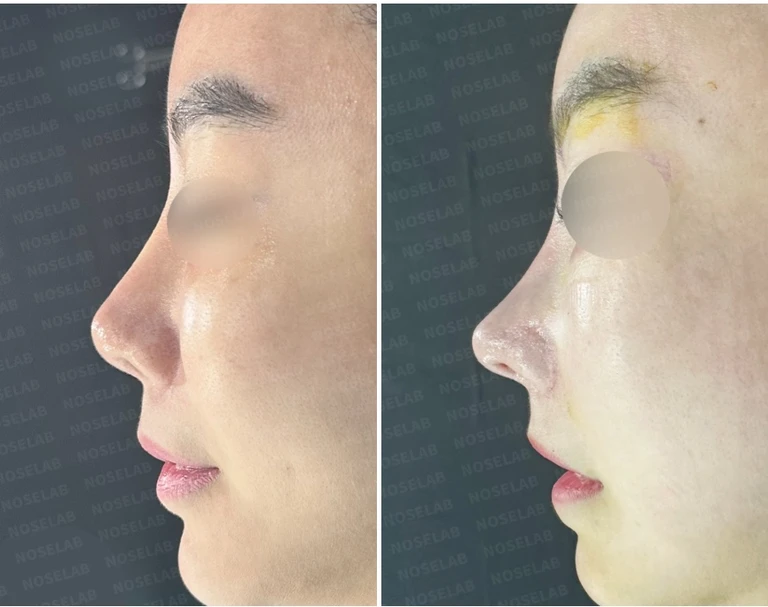
Why grafted dermis repeatedly absorbs, and how to reconstruct the nose

A case in which nasal deformity and septal damage caused by repeated dermal grafting and absorption were corrected through structural reconstruction with autologous rib cartilage and recycling of existing dermis.

Previous surgeries and procedures
How to correct a contracted nose and inflammation caused by residual foreign material — Before-and-after comparison
Before-and-after comparison

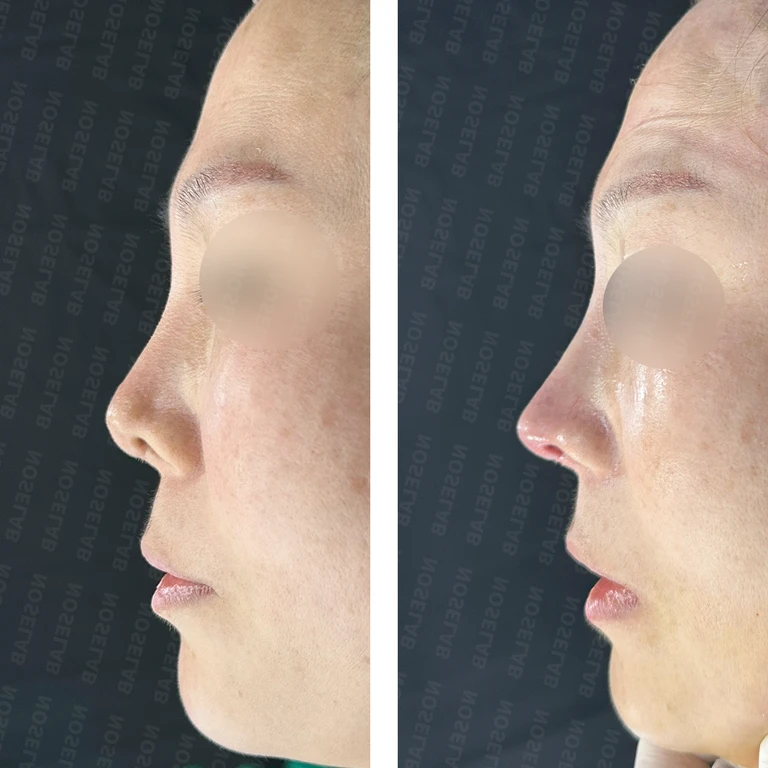
How to correct a contracted nose and inflammation caused by residual foreign material

Contracture and septal defect developed due to residual mesh and a foreign body reaction from previous surgeries. We removed the remaining foreign material, reconstructed the septum using autologous rib cartilage, and performed a skin graft to the columella.

Previous surgeries and procedures
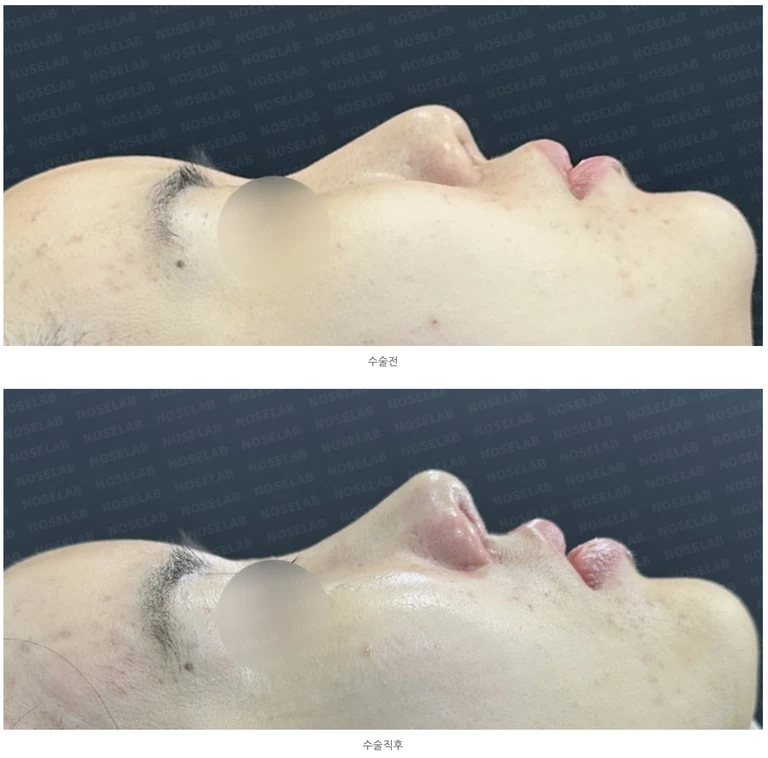
How to correct a crooked nose and a bulbous, drooping nasal tip — Before-and-after comparison
Before-and-after comparison

How to correct a crooked nose and a bulbous, drooping nasal tip

A crooked nose with a drooping, bulbous tip and a high radix following multiple surgeries was corrected using autologous rib cartilage septal reconstruction and extension, radix lowering, and rhinitis surgery.

Previous surgeries and procedures

No search results found

Please try searching with different keywords.

Scroll to keep reading

Common questions before reading the cases

Are there records of reusing existing temporalis fascia in revision rhinoplasty?

There is a case where temporalis fascia used in a surgery 10 years prior was identified and repurposed to reinforce the nasal tip skin. The case notes also describe how the existing tissue had originally been placed obliquely. Harvesting new fascia and reusing existing fascia are different surgical steps, so the revision records clarify where the tissue was obtained and where it was placed.

Are all rhinoplasty surgeries that use fascia considered implant-free surgeries?

The use of an implant cannot be determined solely by the mention of fascia. Our surgical records include cases where a silicone implant on the nasal bridge was combined with ear cartilage and fascia at the nasal tip. In addition to examining the role of fascia, checking the other materials placed in the bridge and tip is necessary to understand the overall configuration of each case.

Related topics to explore

Skin and soft tissue reinforcementAutologous dermisThin nasal skinRevision rhinoplasty

Surgical records referenced in this guide

  • How rib cartilage reconstruction is done when the septum is damaged after multiple surgeries
  • Why saddle nose and nasal valve stenosis occur after repeated revision rhinoplasty, and how total reconstruction is performed
  • Why a nose operated on multiple times continues to appear upturned, and how septal reconstruction is performed
Original article

Read more records

Planning a visit to Seoul?Prepare your consultation with the NOSELAB team.

International patient guideWhatsApp ↗
Dr. Peter C. Kang's Rhinoplasty Stories
Rhinoplasty guideCases by topicDr. Peter C. KangNaver Blog ↗
View original photo
Enlarged photo
WhatsAppChat with NOSELAB↗