English日本語简体中文
Skip to main content
Dr. Peter C. Kang's Rhinoplasty Stories
PrologueBlogMy thoughtsNasal obstructionSurgical journalSurgical photos
About the surgeon

Nostril asymmetry: comparing size, sill height, and columella

This is page 7 of the case archive for Nostril asymmetry: comparing size, sill height, and columella. Explore surgical notes and before-and-after photos for cases 109–126 of 302.

View before-and-after cases ↓Comprehensive rhinoplasty guide

Searching for surgical cases matching your criteria.
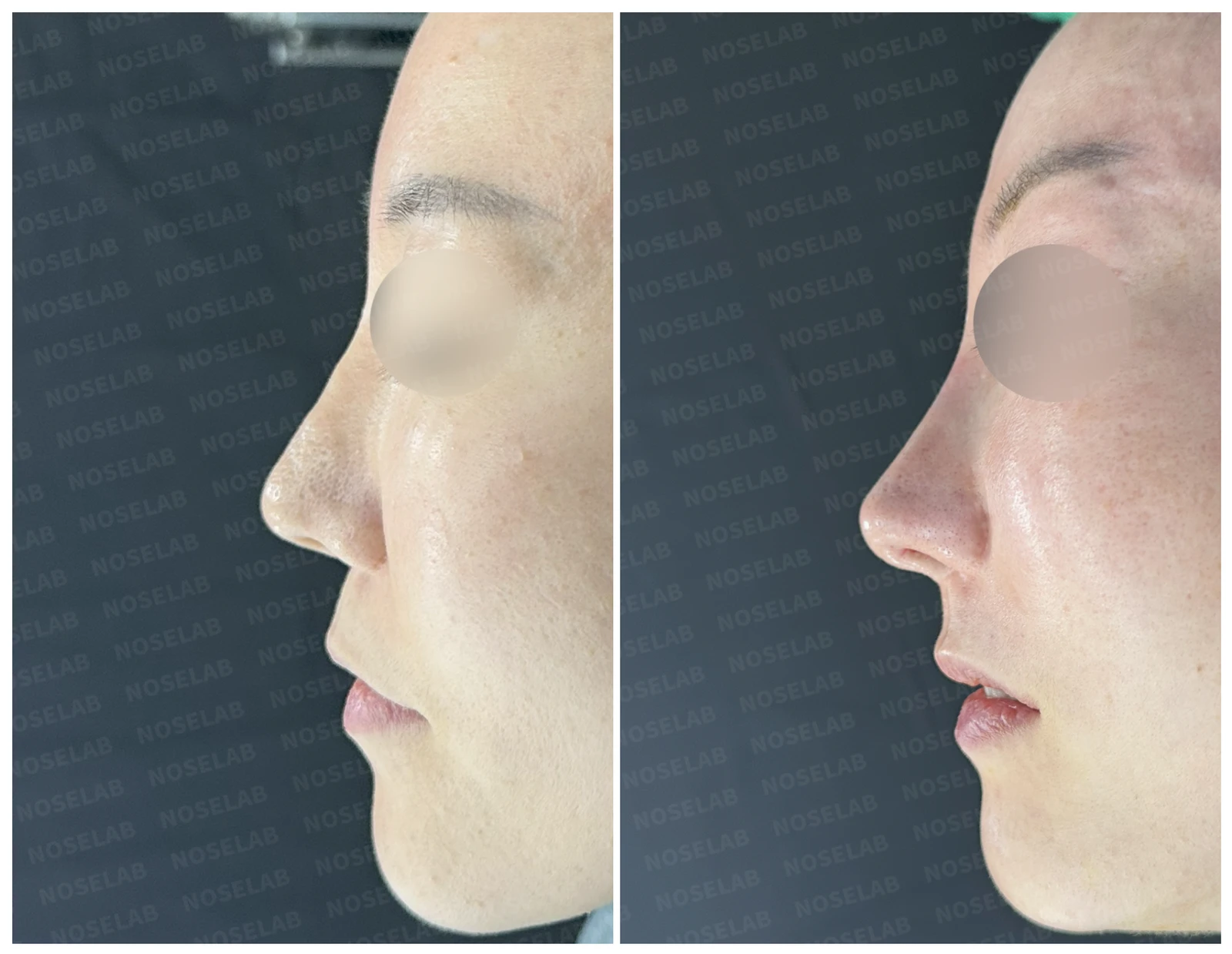
Why old silicone implants cause deformity and pain, and how rib cartilage reconstruction is performed — Before-and-after comparison
Before-and-after comparison

Why old silicone implants cause deformity and pain, and how rib cartilage reconstruction is performed

For nasal deformity, dorsal pain, and nasal obstruction caused by an old implant, septoplasty and autologous rib cartilage septal reconstruction were performed to improve the columella and nostrils.

Preoperative condition · Postoperative record
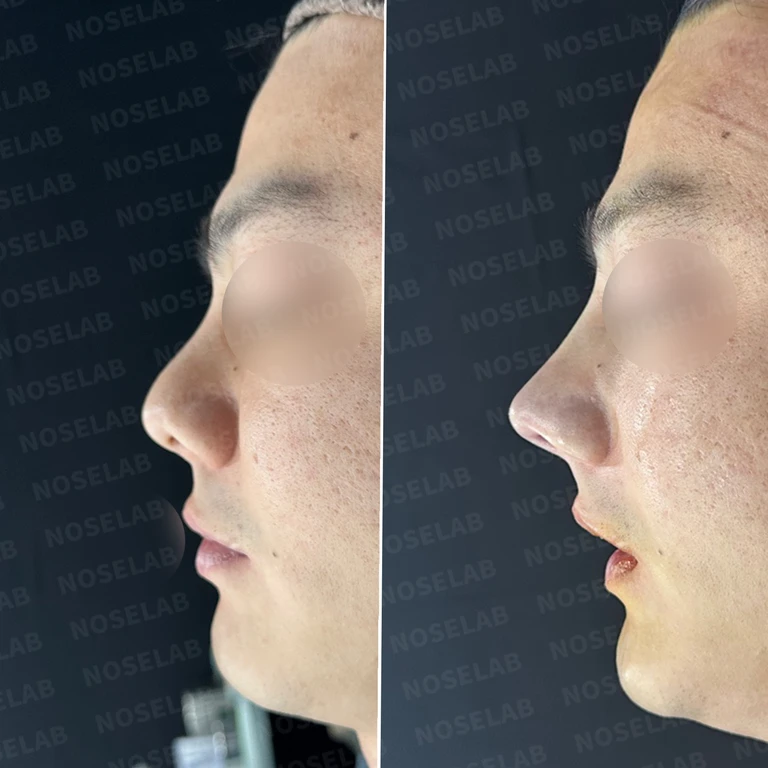
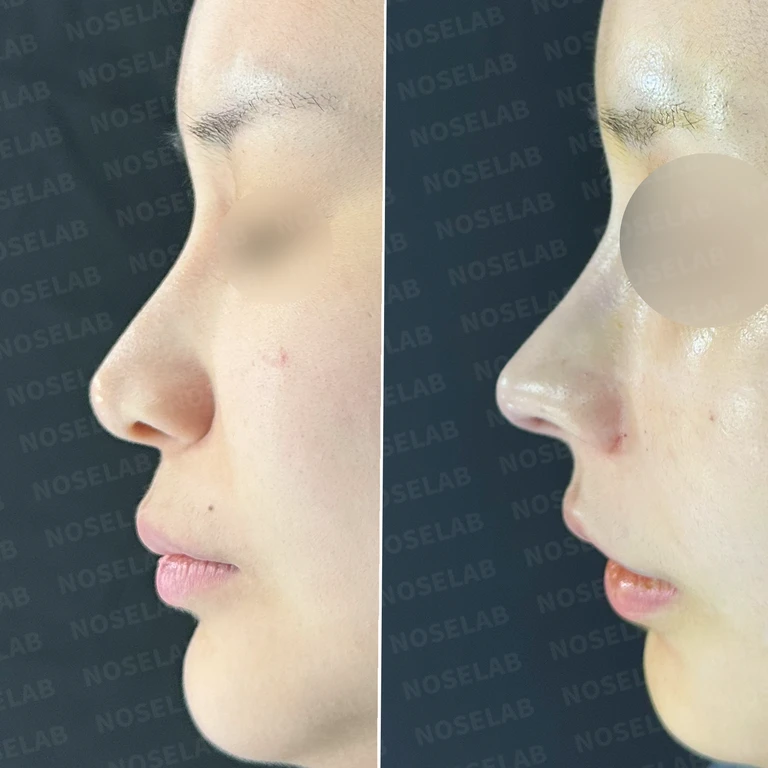
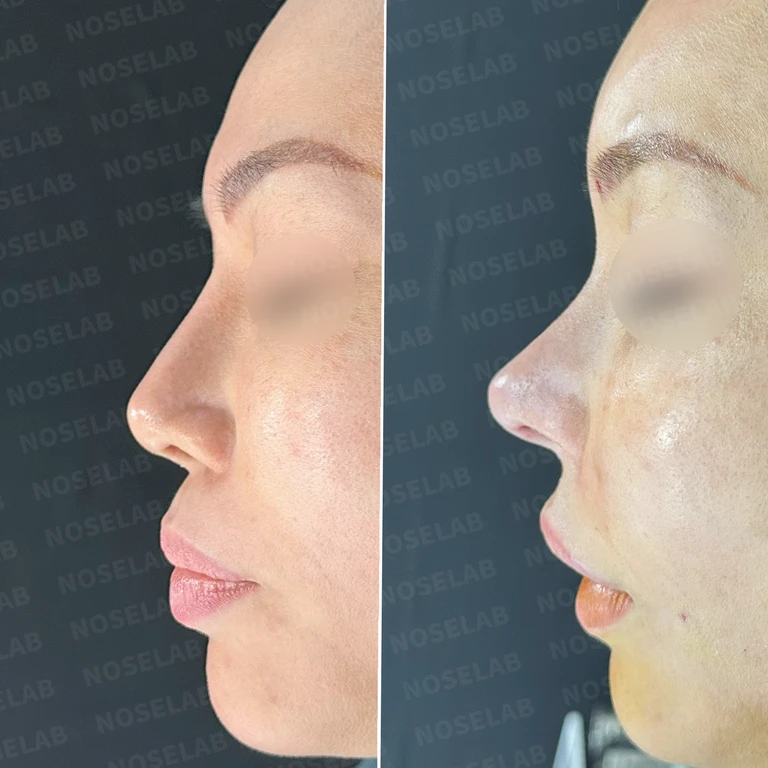
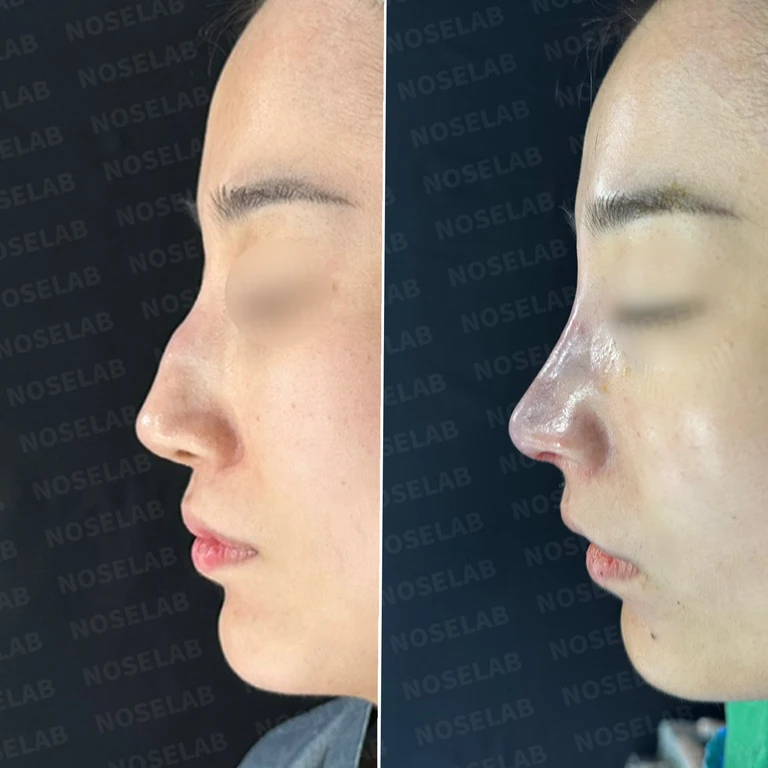
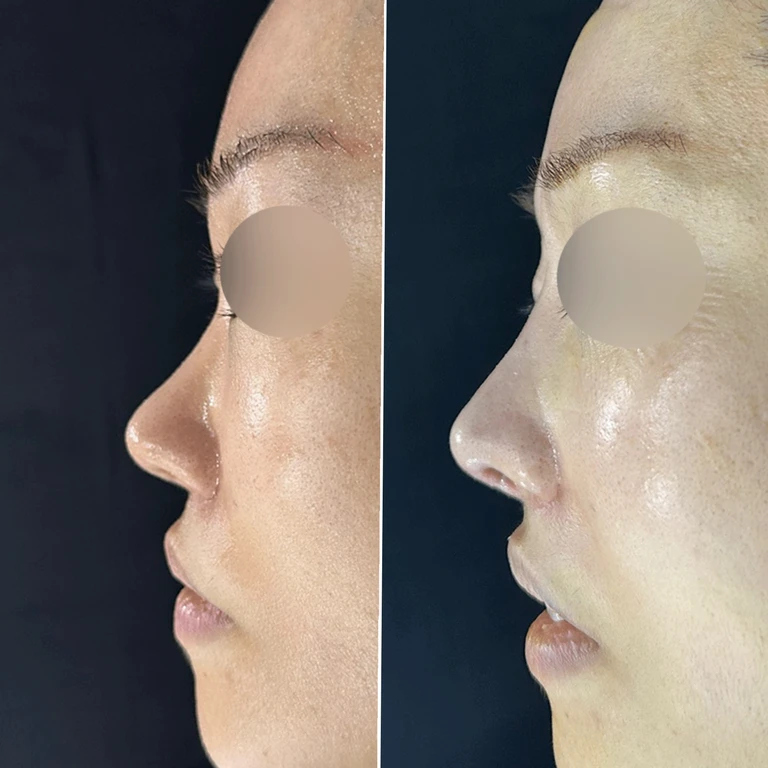
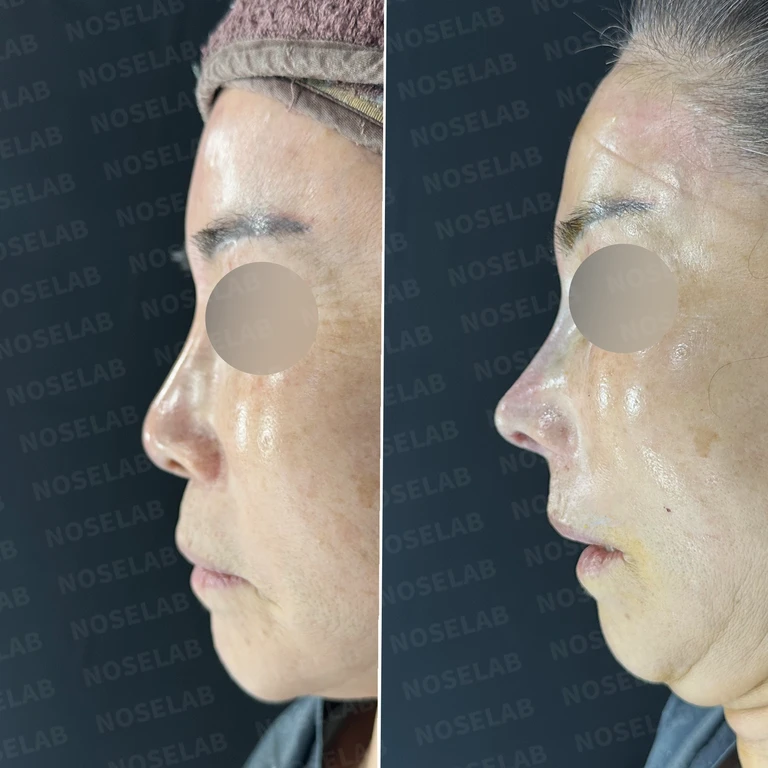
Why nostril asymmetry and an upturned nose occur together, and how rib cartilage reconstruction works — Before-and-after comparison
Before-and-after comparison

Why nostril asymmetry and an upturned nose occur together, and how rib cartilage reconstruction works

A case correcting nostril asymmetry, columellar deviation, and an upturned nose following a previous surgery using lateral osteotomy and autologous rib cartilage septal extension, alongside functional improvement.

Preoperative condition · Postoperative record
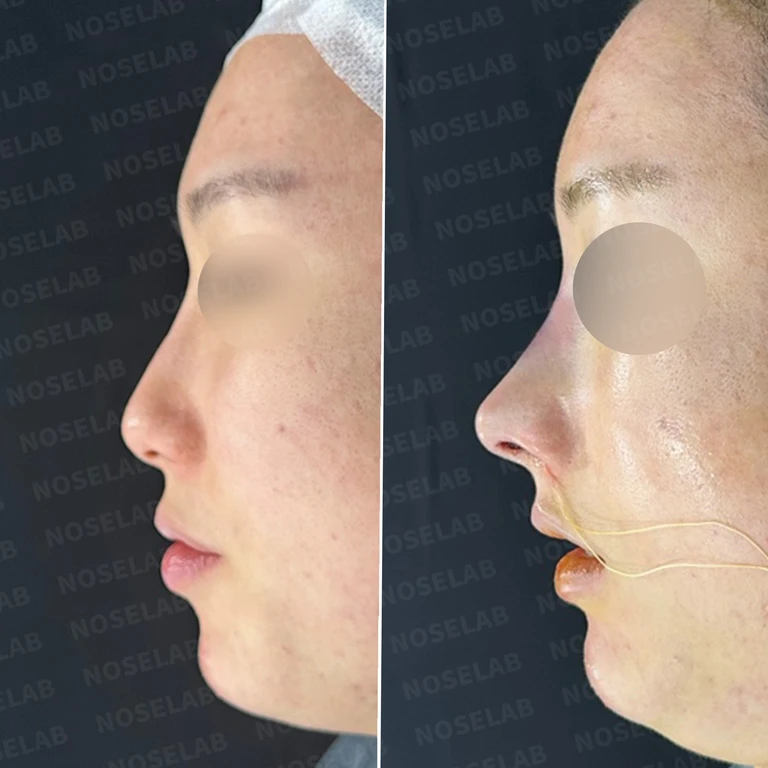
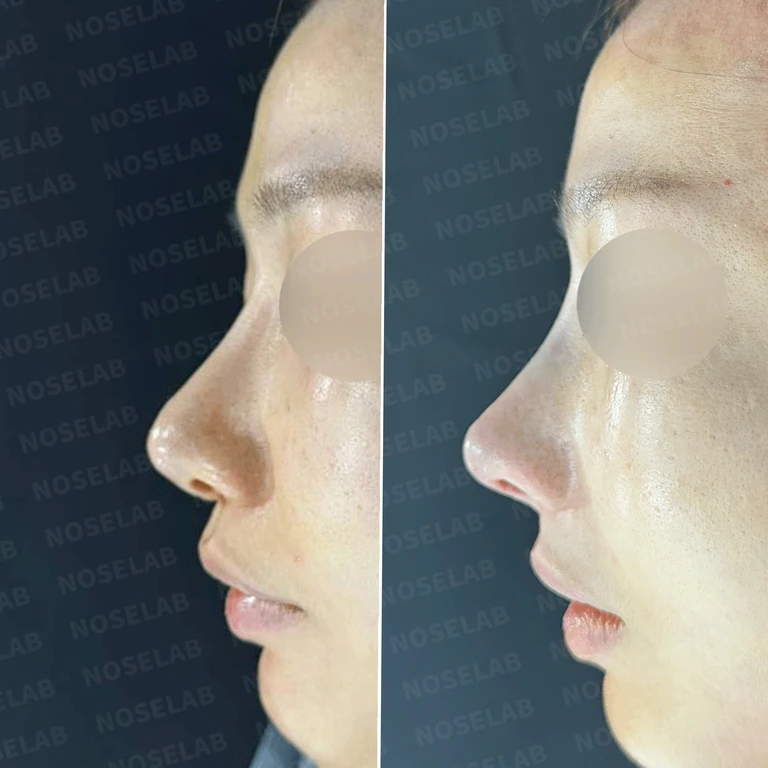
Why a crooked nose and nasal obstruction remain even after nose filler, and how to correct them — Before-and-after comparison
Before-and-after comparison

Why a crooked nose and nasal obstruction remain even after nose filler, and how to correct them

A case correcting a crooked nose, asymmetry, and rhinitis symptoms from a deviated septum after nose filler, using filler removal, donor rib cartilage septal extension, and septoplasty.

Preoperative condition · Postoperative record
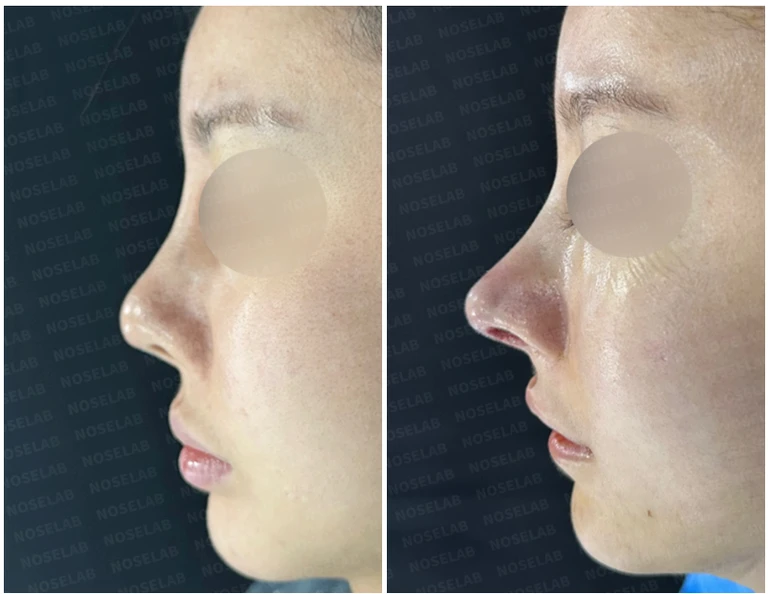
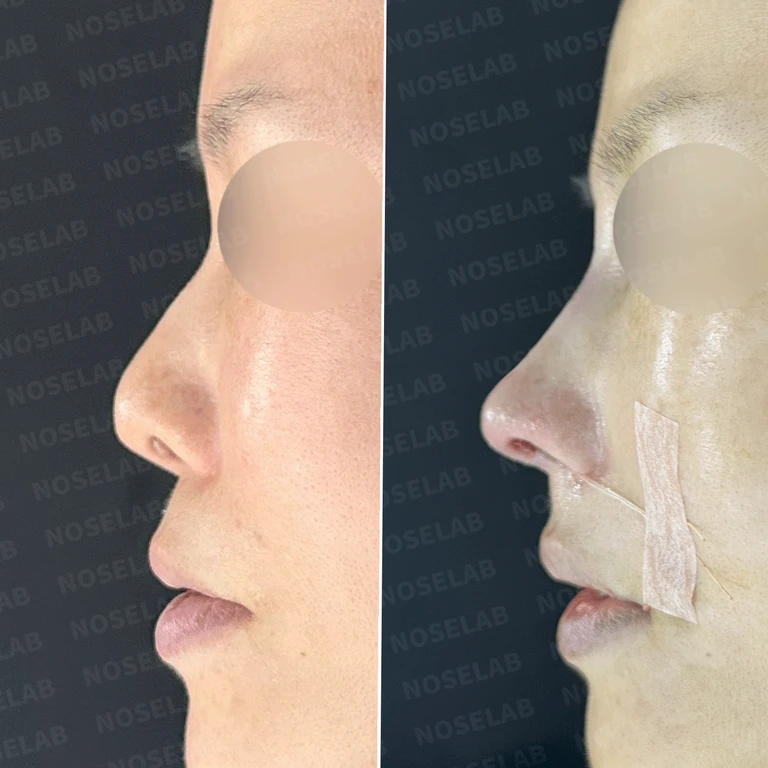
When a silicone implant is about to push through the nasal tip skin: why it happens and how to reconstruct it — Before-and-after comparison
Before-and-after comparison

When a silicone implant is about to push through the nasal tip skin: why it happens and how to reconstruct it

In an urgent condition where the silicone implant was on the verge of extruding just beneath the nasal tip skin, the implant was removed, and nasal tip reconstruction with autologous rib cartilage and dermal graft reinforcement was performed.

Preoperative condition

How to address a widened nose and nasal obstruction left by multiple filler injections — Before-and-after comparison
Before-and-after comparison

How to address a widened nose and nasal obstruction left by multiple filler injections

A case where a widened nasal bridge, upturned nasal tip, and deviated septum resulting from repeated filler procedures were improved together through filler removal, donor rib cartilage septal extension, and septoplasty.

Preoperative condition

Why a dorsal hump often comes with nasal obstruction, and how it is corrected using only autologous rib cartilage — Before-and-after comparison
Before-and-after comparison

Why a dorsal hump often comes with nasal obstruction, and how it is corrected using only autologous rib cartilage

For a severe dorsal hump, drooping tip, and nasal obstruction, septal reconstruction and bridge augmentation with autologous rib cartilage, lateral osteotomy, and submucosal resection of the inferior turbinate were performed.

Postoperative record

Why bulbous and flared tips persist after revision rhinoplasty: How reconstruction is performed using autologous rib cartilage — Before-and-after comparison
Before-and-after comparison

Why bulbous and flared tips persist after revision rhinoplasty: How reconstruction is performed using autologous rib cartilage

To restore septal support weakened by prior surgery and address a bulbous, flared nasal tip, we performed septal reconstruction and septal extension using autologous rib cartilage.

Preoperative condition

Why a dorsal hump often accompanies nasal deviation and nostril asymmetry, and how septal cartilage correction is performed — Before-and-after comparison
Before-and-after comparison

Why a dorsal hump often accompanies nasal deviation and nostril asymmetry, and how septal cartilage correction is performed

A case in which septal extension using septal cartilage and lateral osteotomy were performed to achieve a natural change, correcting a dorsal hump, crooked nose, and nostril asymmetry together.

Preoperative condition · Postoperative record
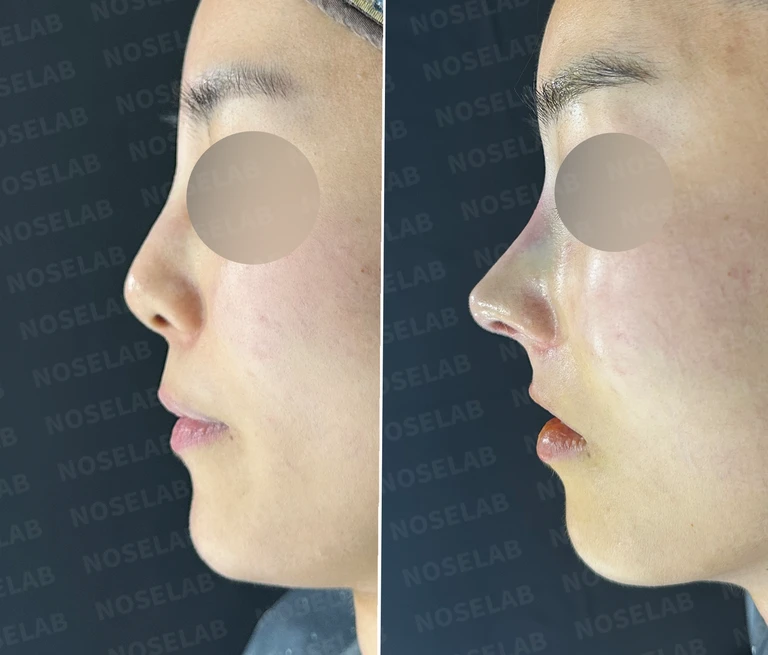
Why nostril asymmetry and stenosis occur, and how rib cartilage reconstruction and Z-plasty are performed — Before-and-after comparison
Before-and-after comparison

Why nostril asymmetry and stenosis occur, and how rib cartilage reconstruction and Z-plasty are performed

For nostril asymmetry and stenosis following alar and philtrum reduction, septal reconstruction and extension using autologous rib cartilage, Z-plasty, and dermal grafting were performed.

Preoperative condition · Postoperative record
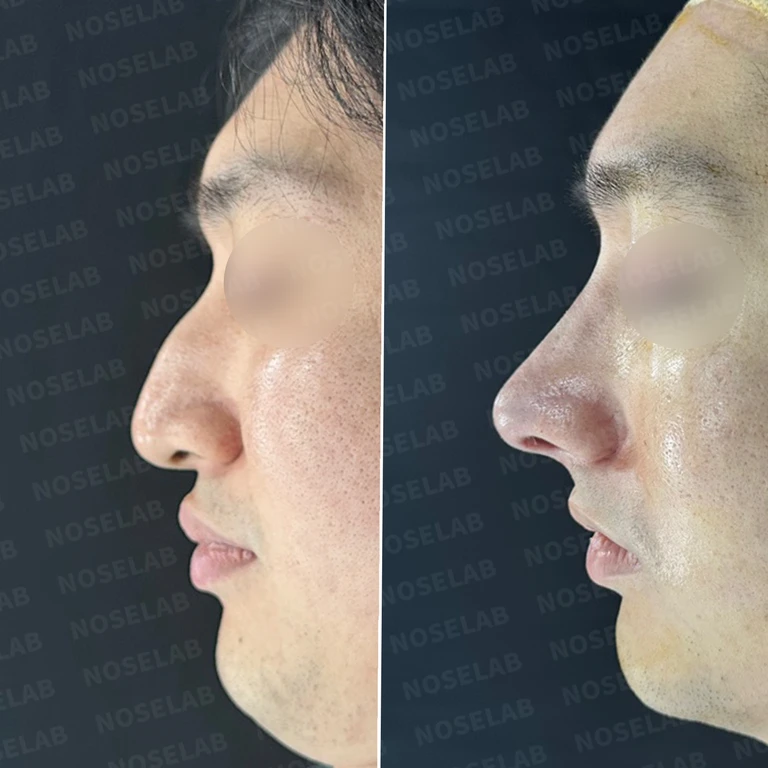
Why nostril stenosis develops after alar reduction and philtrum reduction, and how to reconstruct it — Before-and-after comparison
Before-and-after comparison

Why nostril stenosis develops after alar reduction and philtrum reduction, and how to reconstruct it

To address left nostril stenosis and cartilage damage after alar reduction, septal and alar reconstruction using autologous rib cartilage was performed alongside an intranasal rotational flap.

Preoperative condition · Postoperative record
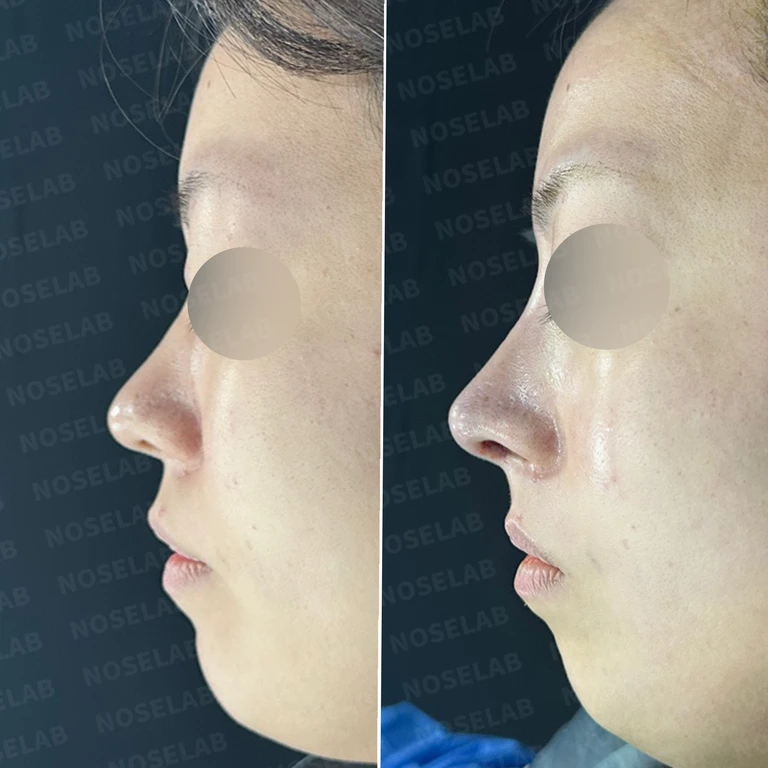
Why a blunt, spread nasal tip occurs, and how to create a straight bridge line with autologous rib cartilage septal extension — Before-and-after comparison
Before-and-after comparison

Why a blunt, spread nasal tip occurs, and how to create a straight bridge line with autologous rib cartilage septal extension

With no functional abnormalities present, we performed autologous rib cartilage septal extension and tip cartilage repositioning to correct a spread nasal tip and the appearance of a protruding mouth, creating a straight bridge line.

Postoperative record

Why contracture and septal perforation occur after old Gore-Tex, and how reconstruction is performed — Before-and-after comparison
Before-and-after comparison

Why contracture and septal perforation occur after old Gore-Tex, and how reconstruction is performed

To resolve contracture, septal perforation, and cartilage loss that occurred after Gore-Tex surgery performed long ago, the septum was reconstructed using autologous rib cartilage and the perforation was closed.

Preoperative condition · Postoperative record
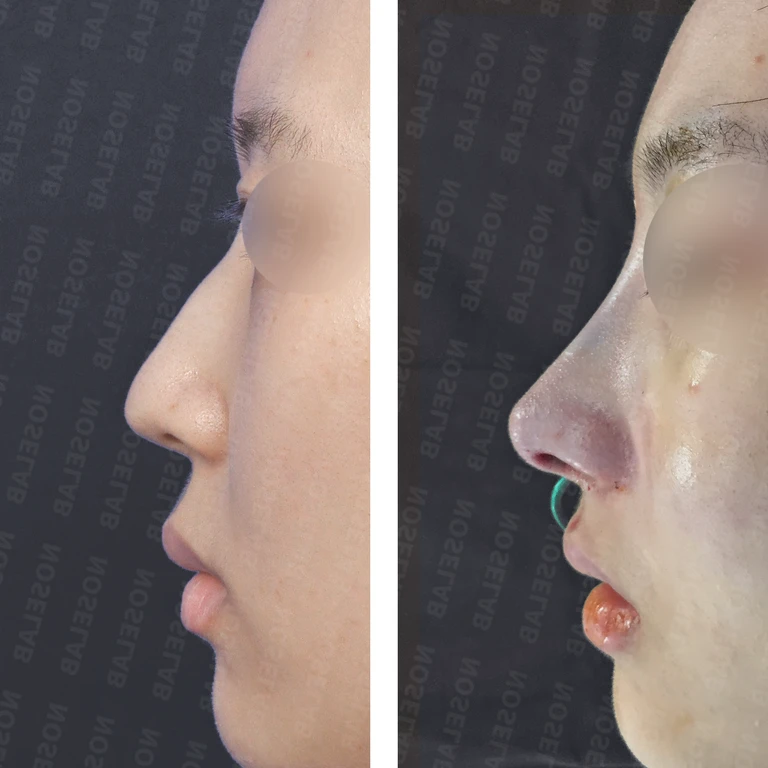
Why the septum is damaged and rhinitis recurs after double jaw surgery — Before-and-after comparison
Before-and-after comparison

Why the septum is damaged and rhinitis recurs after double jaw surgery

We reconstructed the septum damaged by double jaw surgery using autologous rib cartilage, and combined rhinitis surgery, right alar reduction, and lateral osteotomy to create a straight bridge line.

Preoperative condition · Postoperative record
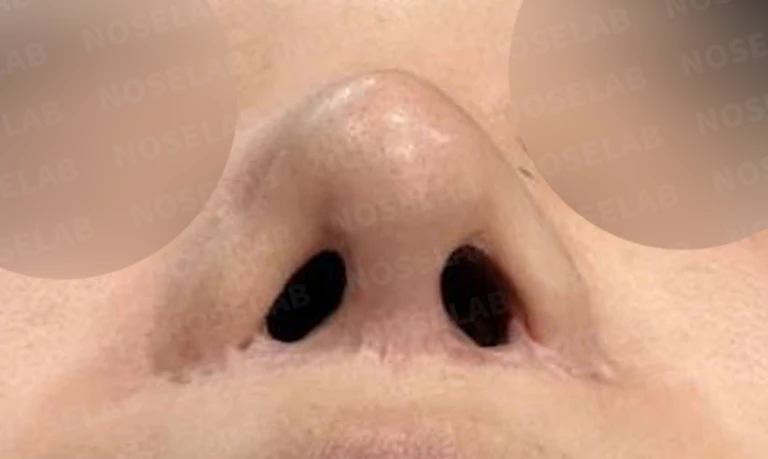
Why Gore-Tex in the nasal tip causes issues and septal reconstruction using rib cartilage — Before-and-after comparison
Before-and-after comparison

Why Gore-Tex in the nasal tip causes issues and septal reconstruction using rib cartilage

A deviated nose, implant show-through, and pinched tip caused by silicone and nasal tip Gore-Tex were resolved by removing the Gore-Tex, reconstructing the septum with autologous rib cartilage, and correcting the nasolabial angle.

Preoperative condition · Postoperative record
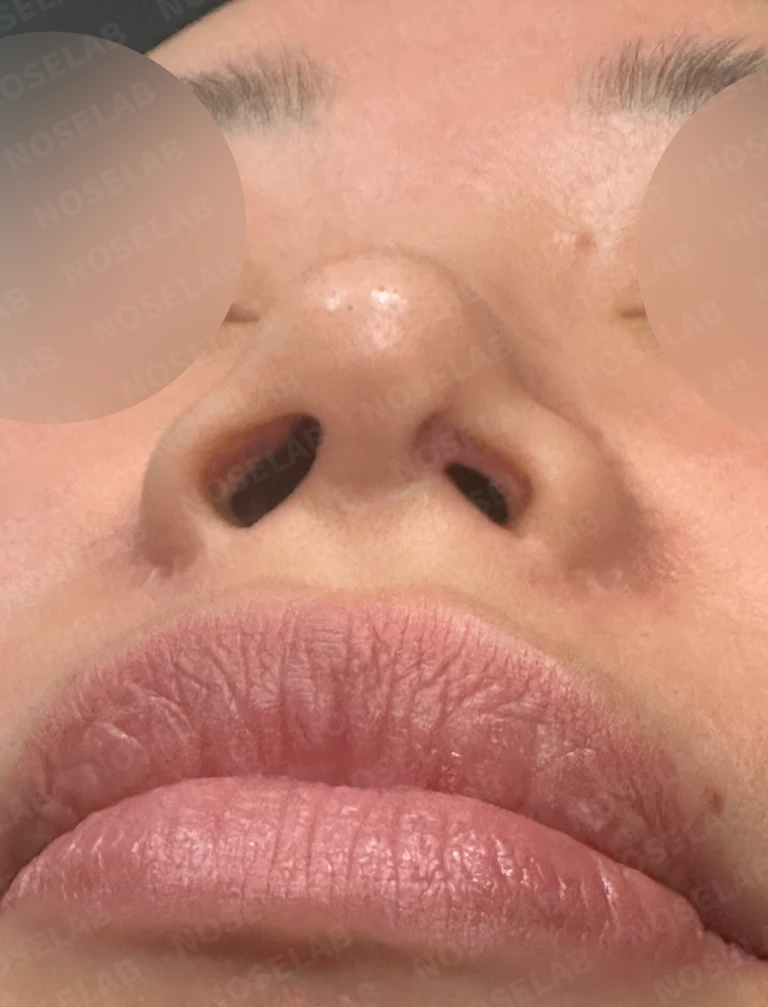
Why an old silicone implant shows through at the nasal tip, and methods for removal and reconstruction — Before-and-after comparison
Before-and-after comparison

Why an old silicone implant shows through at the nasal tip, and methods for removal and reconstruction

Implant show-through at the nasal tip and chronic rhinitis symptoms following an old silicone implant placement were addressed through implant removal, reconstruction of the septum and nasal tip cartilage, and rhinitis surgery.

Postoperative record

Why Silitex implants show through and how to reconstruct after removal — Before-and-after comparison
Before-and-after comparison

Why Silitex implants show through and how to reconstruct after removal

Upturned nostrils and implant show-through following Silitex insertion were improved by completely removing the implant, elevating the nasal tip with autologous rib cartilage, replacing the bridge implant with silicone, and performing facial fat grafting.

Preoperative condition

Why Medpor extrudes through the nasal mucosa, and how removal and reconstruction are performed — Before-and-after comparison
Before-and-after comparison

Why Medpor extrudes through the nasal mucosa, and how removal and reconstruction are performed

The extruded Medpor and damaged tissue protruding into the nasal cavity were removed, and the septum along with the missing lower lateral cartilage was reconstructed using autologous rib cartilage to treat asymmetry and inflammation.

Postoperative record

Why the nasal bridge lowers and widens as artificial dermis is absorbed — Before-and-after comparison
Before-and-after comparison

Why the nasal bridge lowers and widens as artificial dermis is absorbed

After identifying a lowered, widened nasal bridge and septal damage caused by artificial dermis absorption, I removed the residual dermis and reconstructed the septum with donor rib cartilage to restore bridge height.

Preoperative condition · Postoperative record
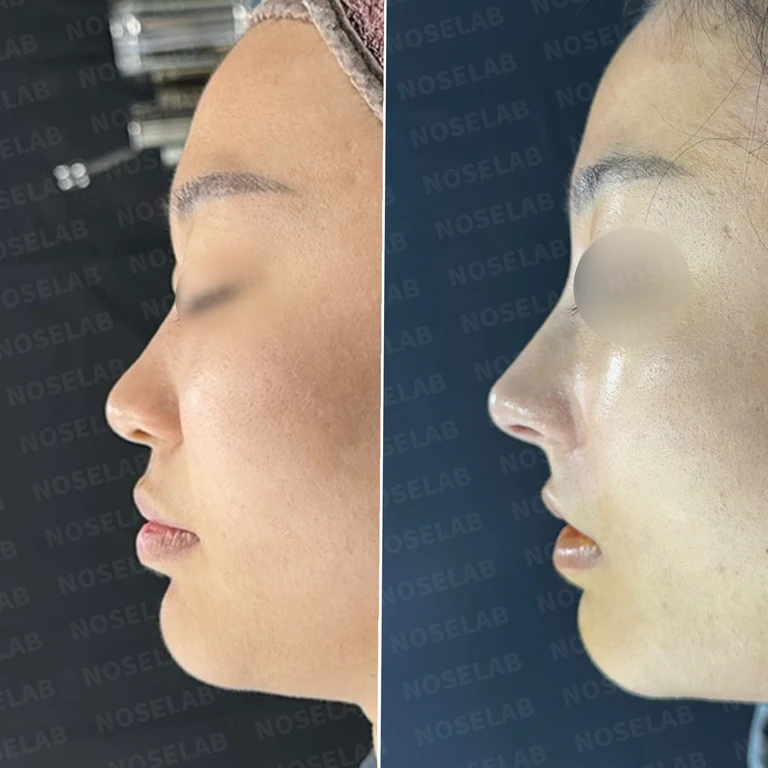
No search results found

Please try searching with different keywords.

Scroll to keep reading

Previous case7 / 17Next case
Original article

Read more records

Planning a visit to Seoul?Prepare your consultation with the NOSELAB team.

International patient guideWhatsApp ↗
Dr. Peter C. Kang's Rhinoplasty Stories
Rhinoplasty guideCases by topicDr. Peter C. KangNaver Blog ↗
View original photo
Enlarged photo
WhatsAppChat with NOSELAB↗