Hello, I am Dr. Peter C. Kang.
Today, I would like to share a case where nostril asymmetry and stenosis resulting from repeated surgeries, inflammation, alar reduction, and philtrum reduction were corrected.
🤒 The patient's condition
- Nostril asymmetry from the front
- Broad, widened shape
- Pinched appearance on both sides of the nasal tip
- Nostril stenosis
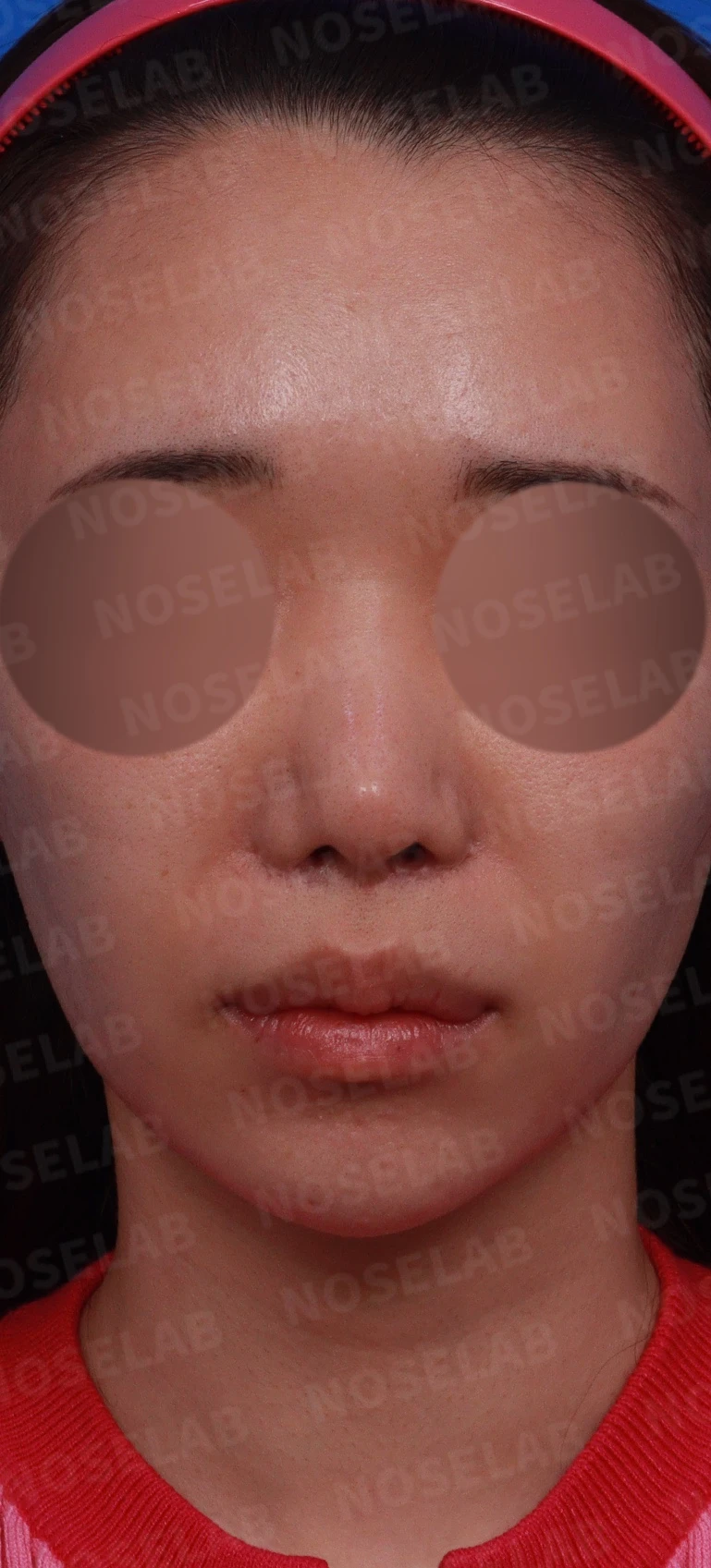
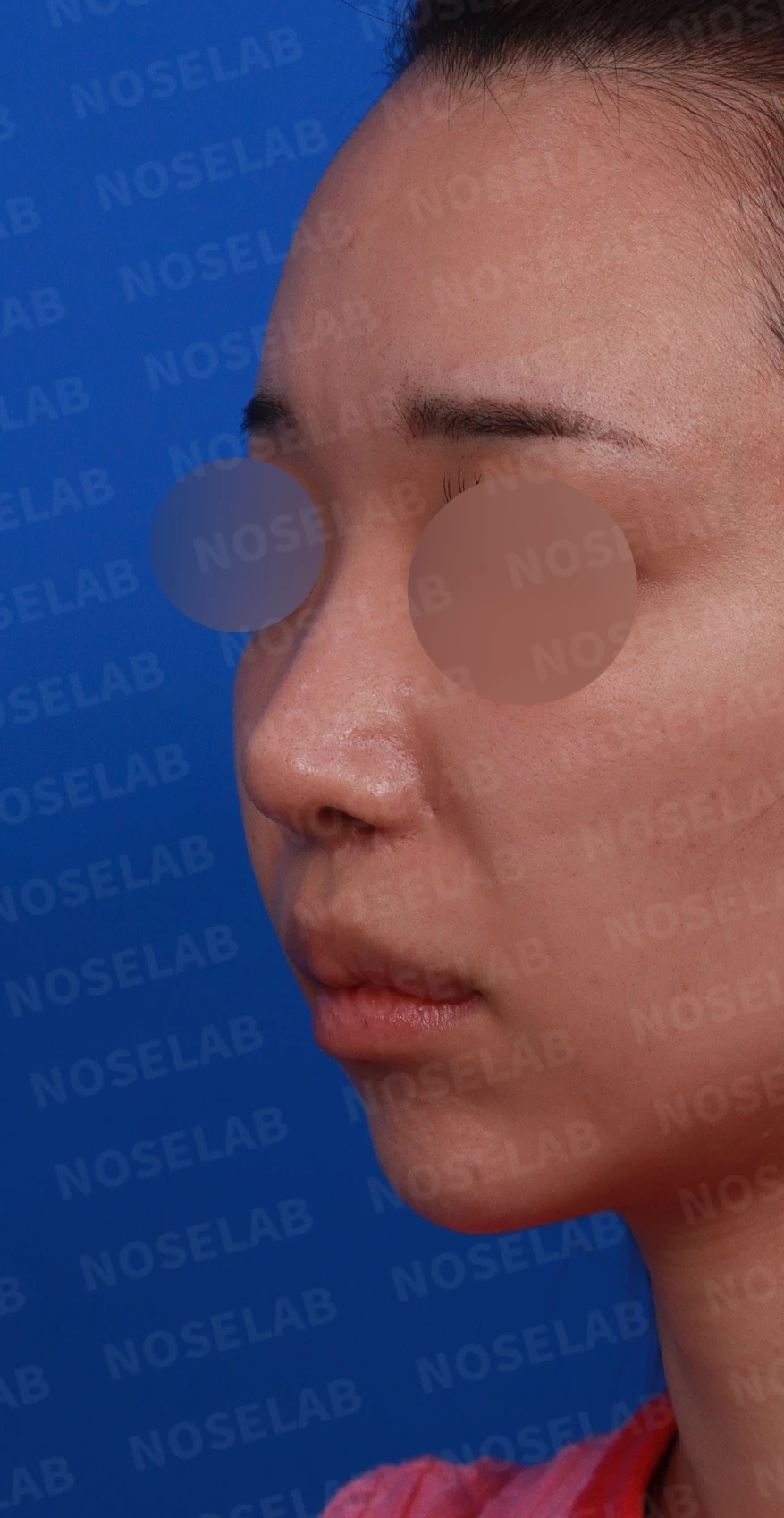
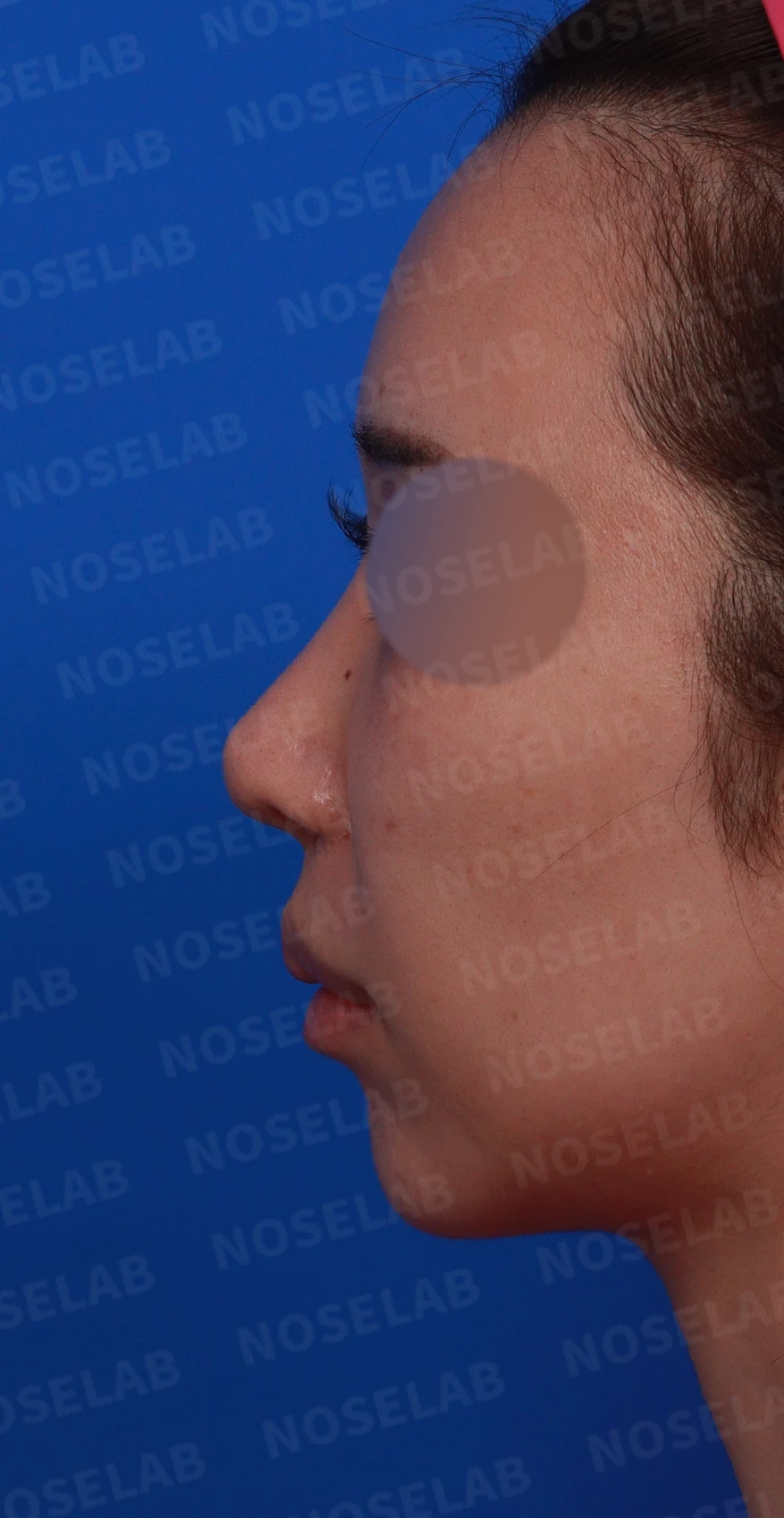
Design consultation: front, left oblique, and profile views.
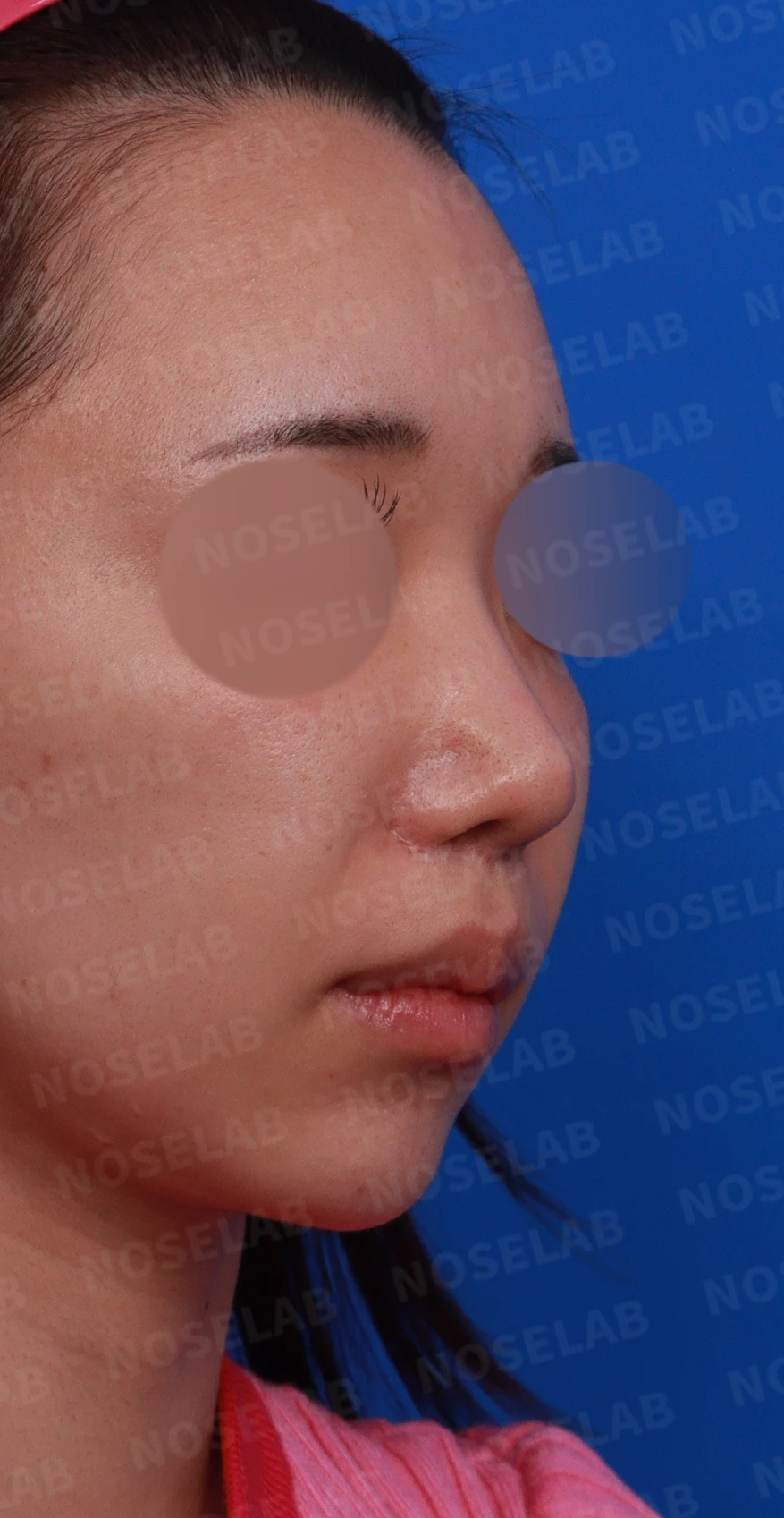
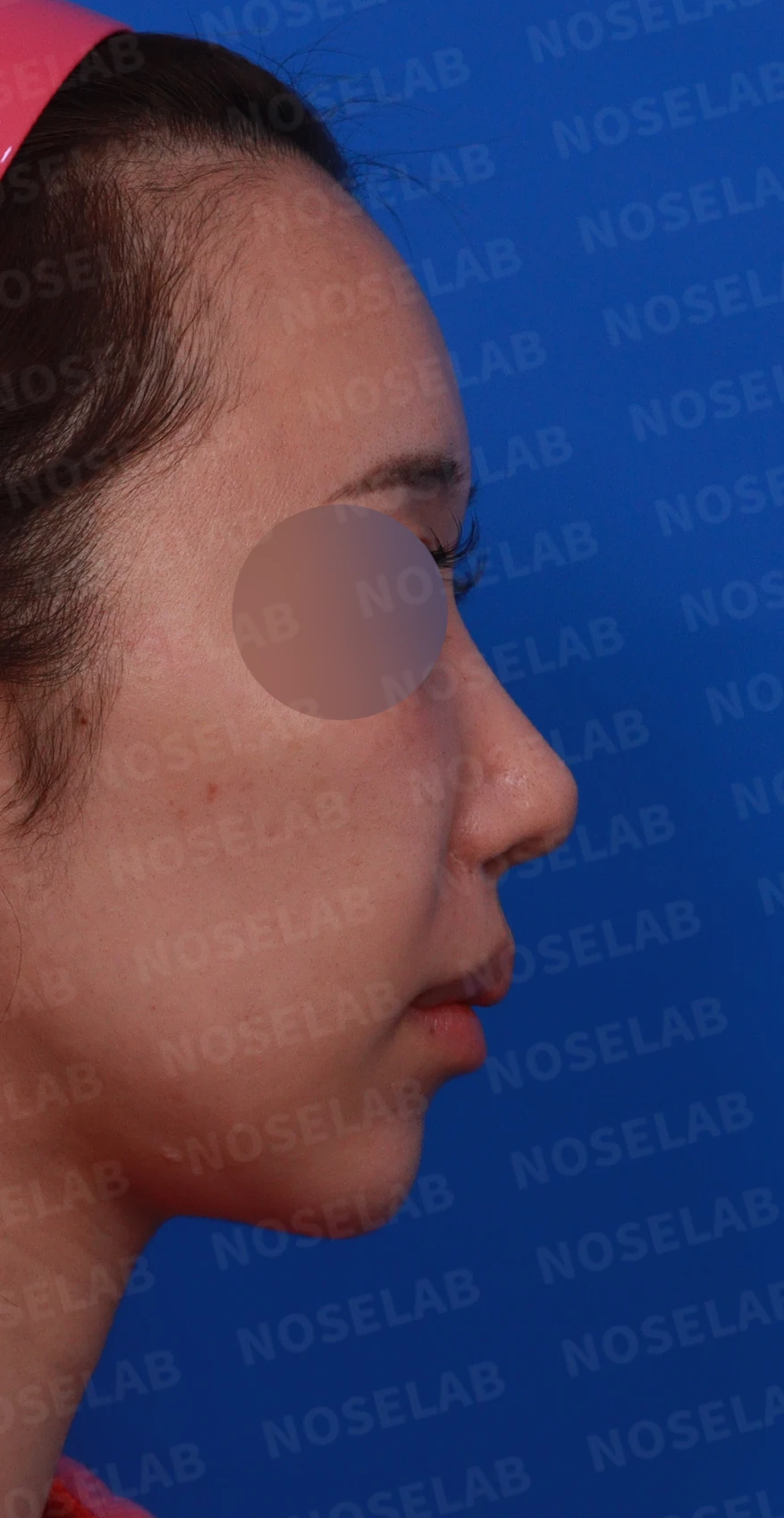
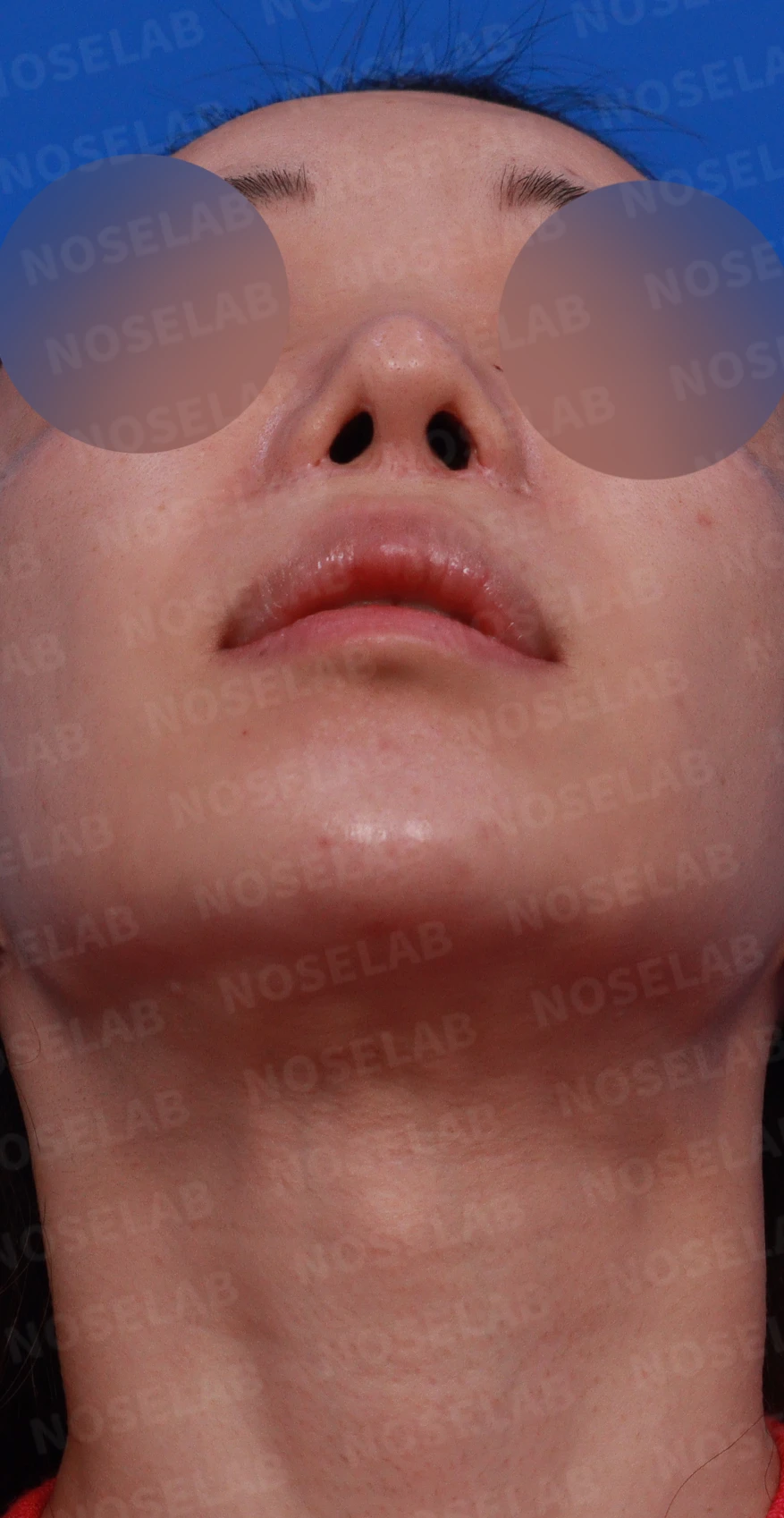
Design consultation: right oblique, profile, and basal (nostril) views.
✨ The patient's requests
- Correction of nostril asymmetry
- Correction of right nostril stenosis
- Desired to maintain the nasal bridge height
- Did not want changes to overall height
- Wanted to avoid looking long
💉 Surgical plan
- Septal reconstruction using autologous rib cartilage
- Improvement of nostril asymmetry through septal extension
- Improvement of right nostril stenosis via Z-plasty
- Autologous rib cartilage and dermal graft to improve pinched tip
- Augmenting the depressed nasal bridge area using autologous rib cartilage
- Lateral osteotomy to improve the wide appearance of the nasal bridge
✅ Surgical results
1. Frontal view improvement
- Improvement in the broad appearance of the nasal tip
- Improvement in alar asymmetry from the front
- Improvement in the nasal bone that appeared wide and deviated
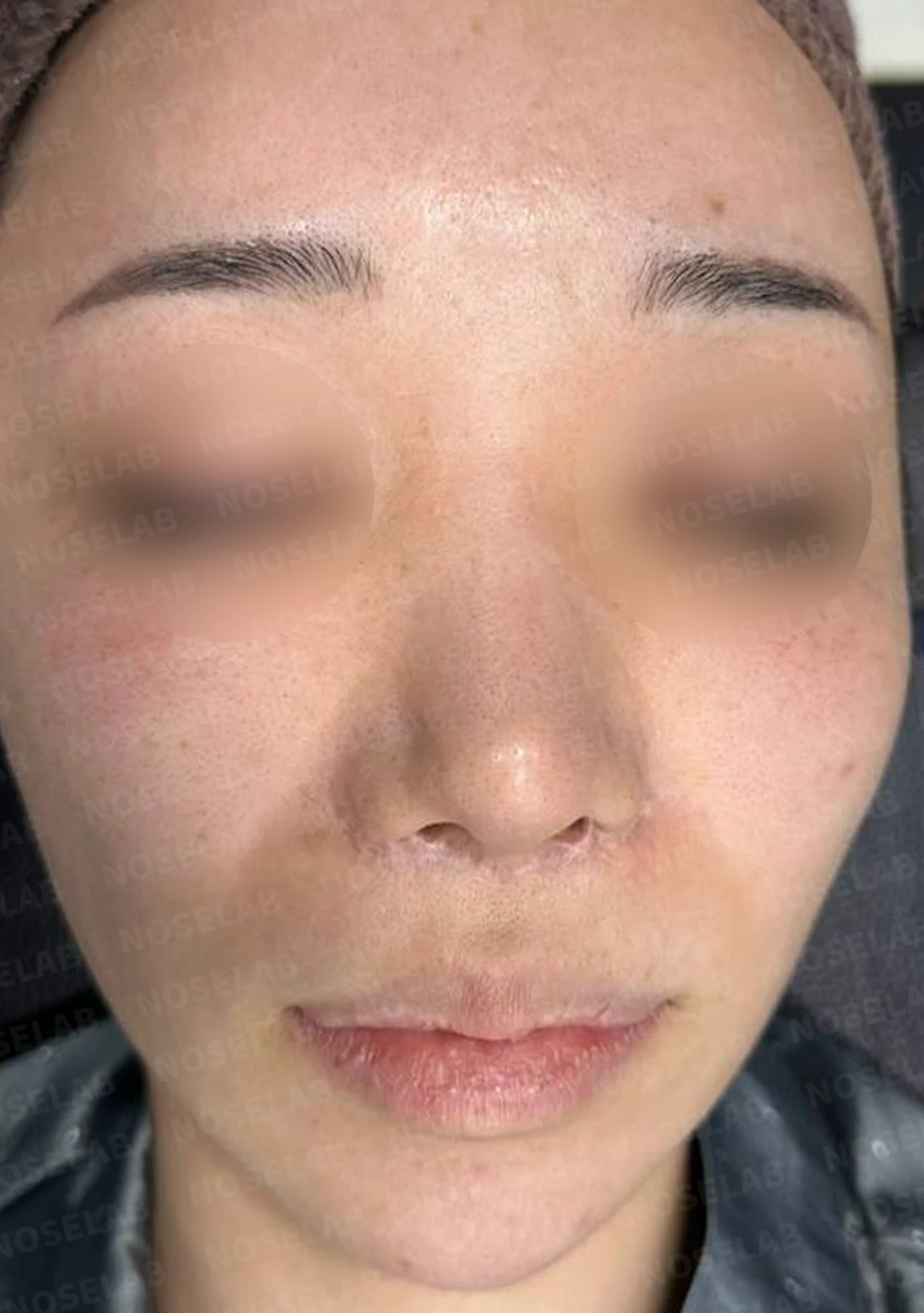
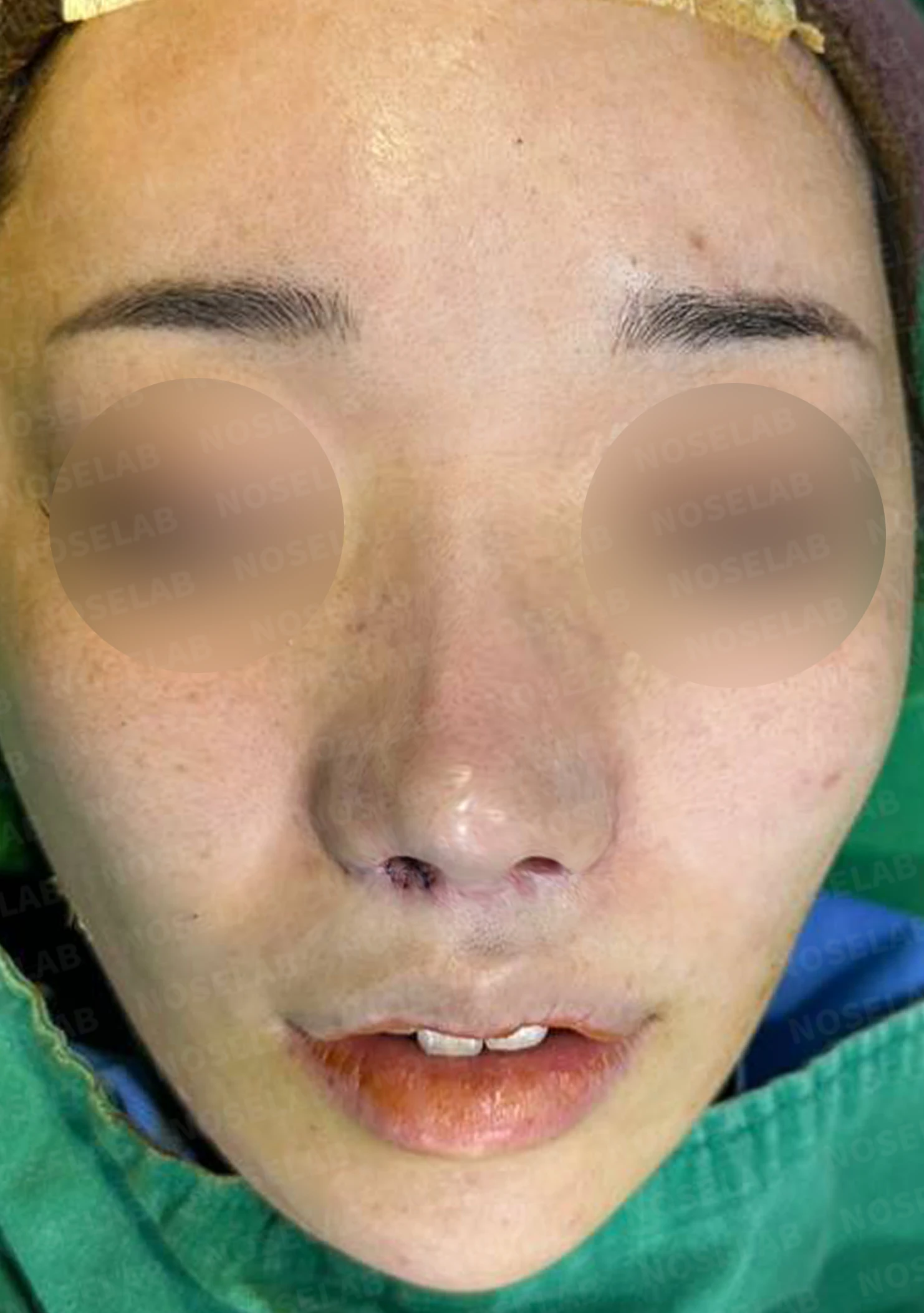
Before surgery / Day 0 immediately after surgery Photos taken immediately after surgery show swelling and may differ from the final result.
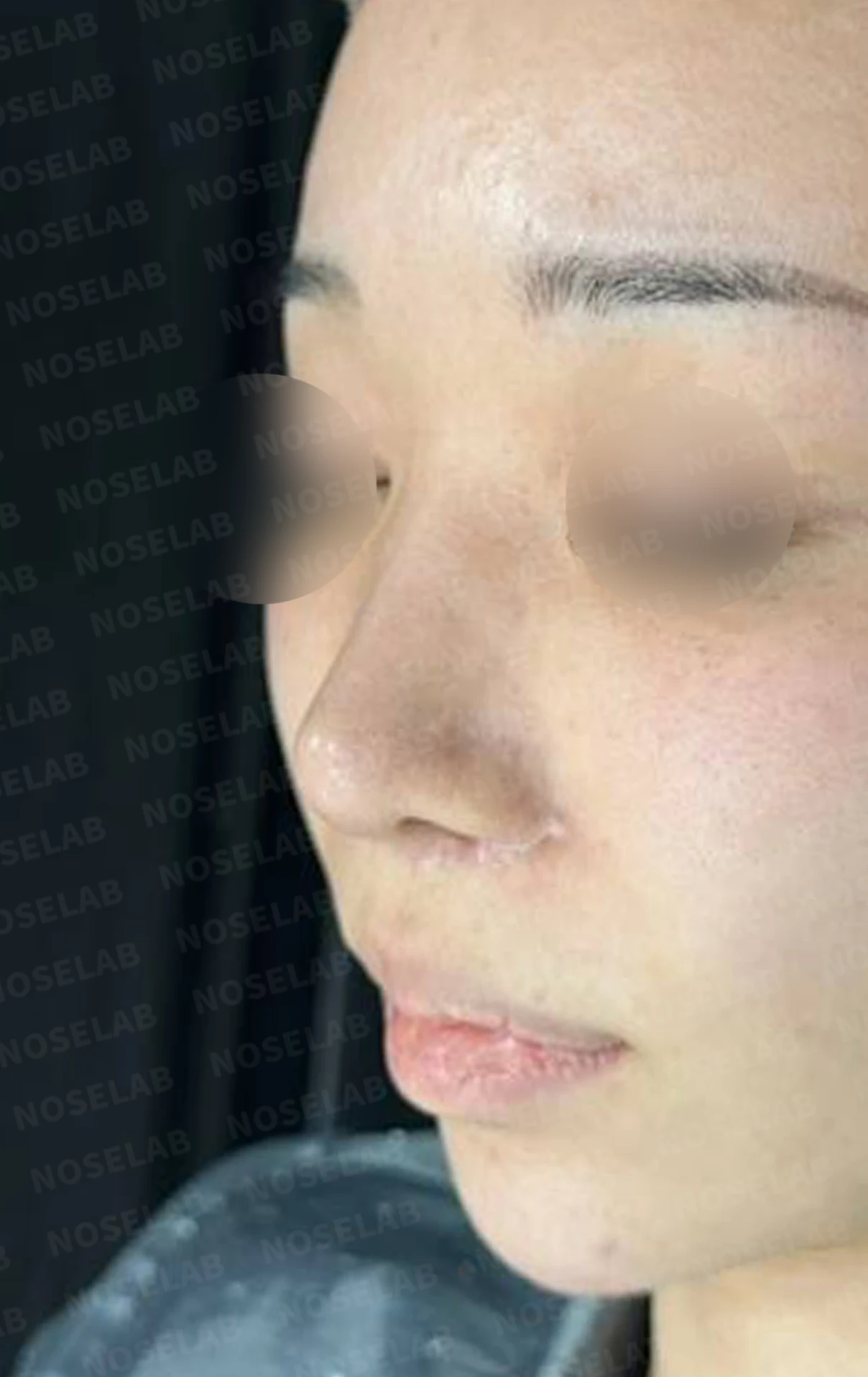
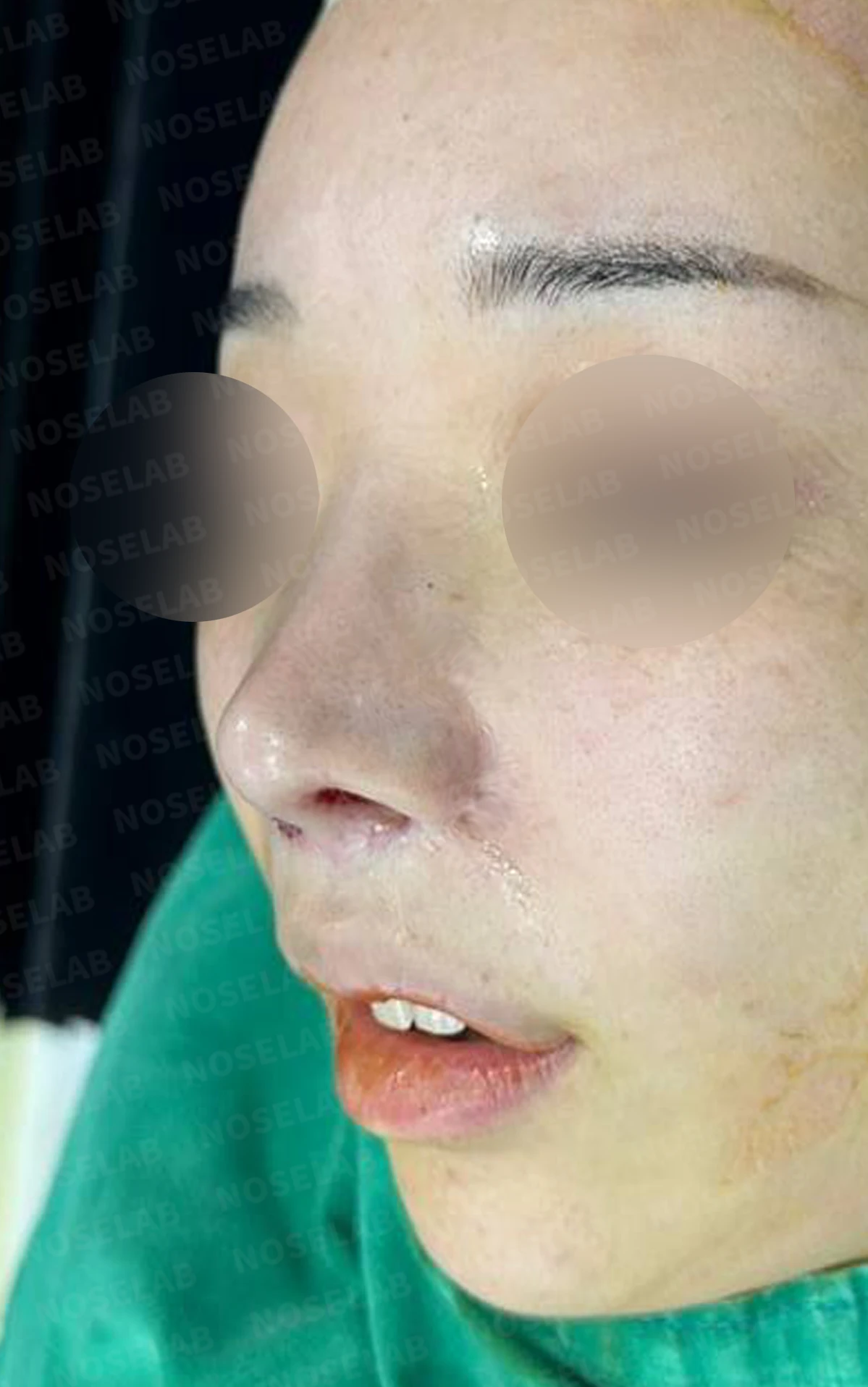
Before surgery / Day 0 immediately after surgery Photos taken immediately after surgery show swelling and may differ from the final result.
2. Oblique view improvement
- Refined nasal line
- Improvement in the columellar line
- Improvement in the nasolabial angle
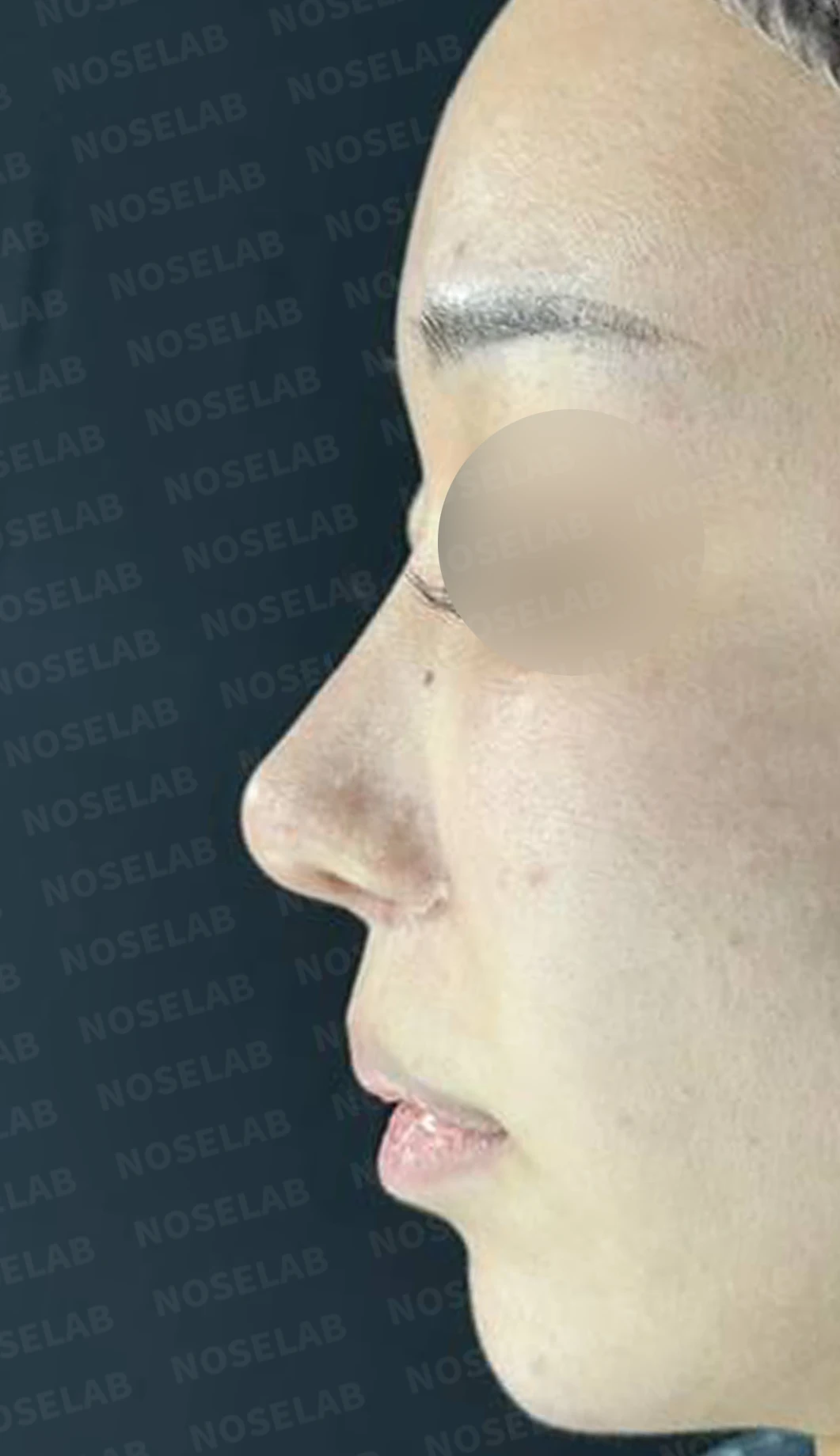
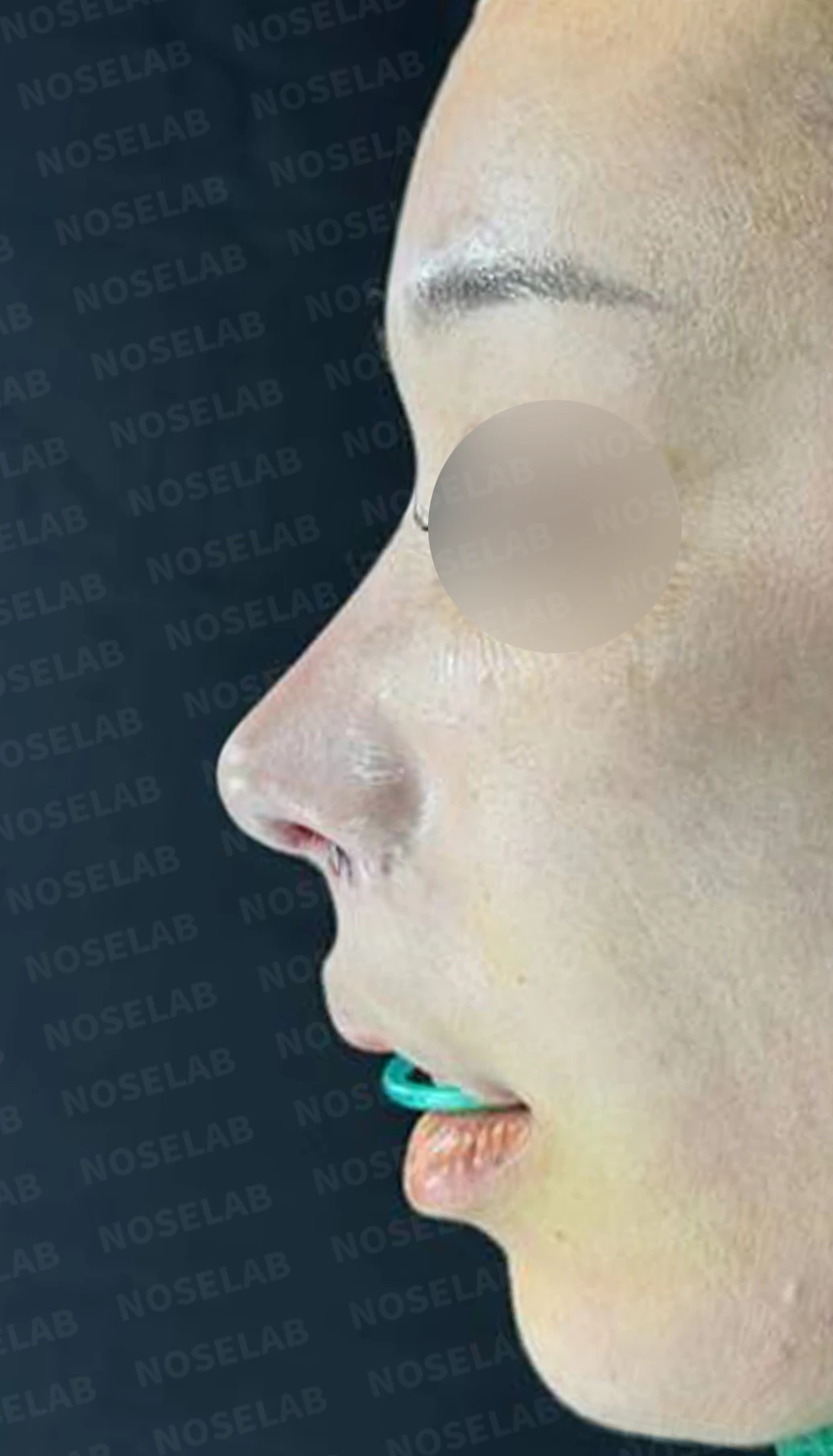
Before surgery / Day 0 immediately after surgery Photos taken immediately after surgery show swelling and may differ from the final result.
3. Profile view improvement
- Improvement in the bulbous nasal tip
- Improved nasolabial angle
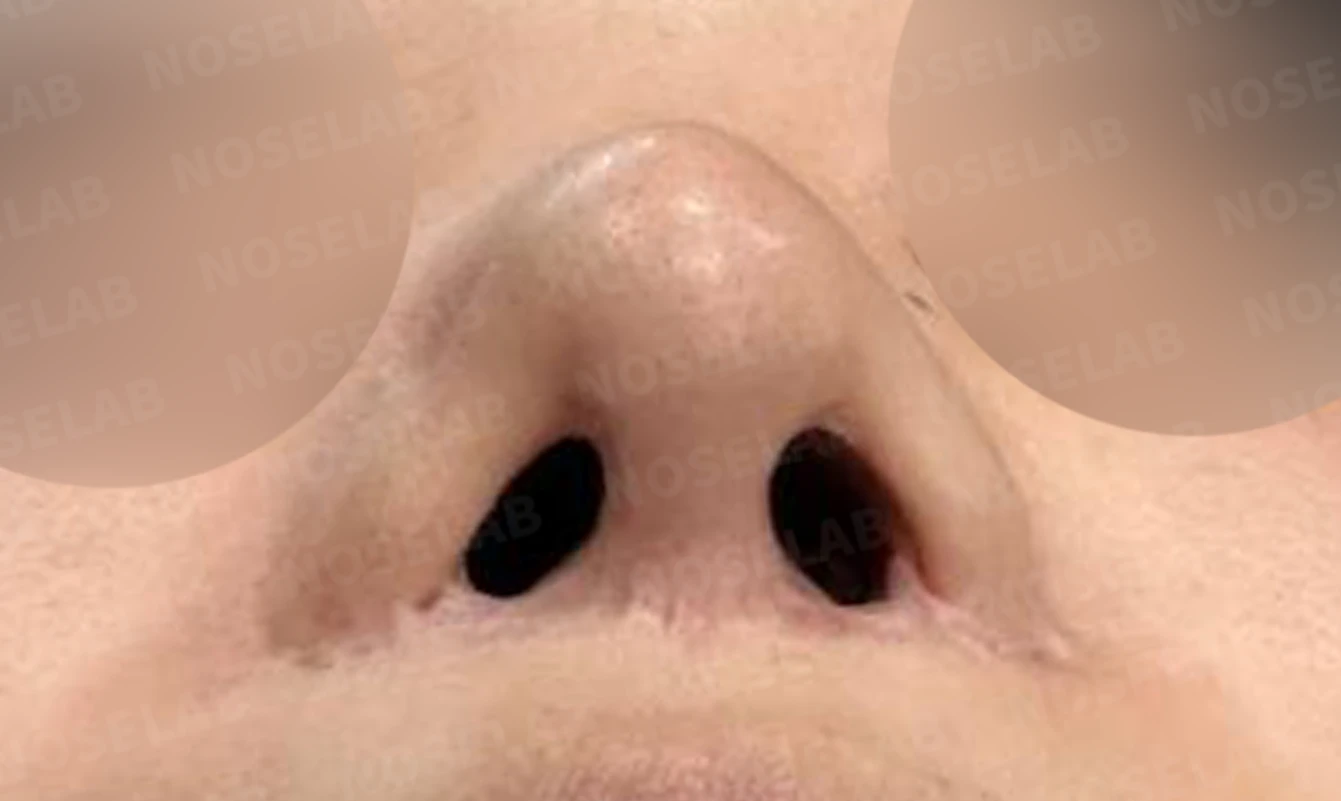
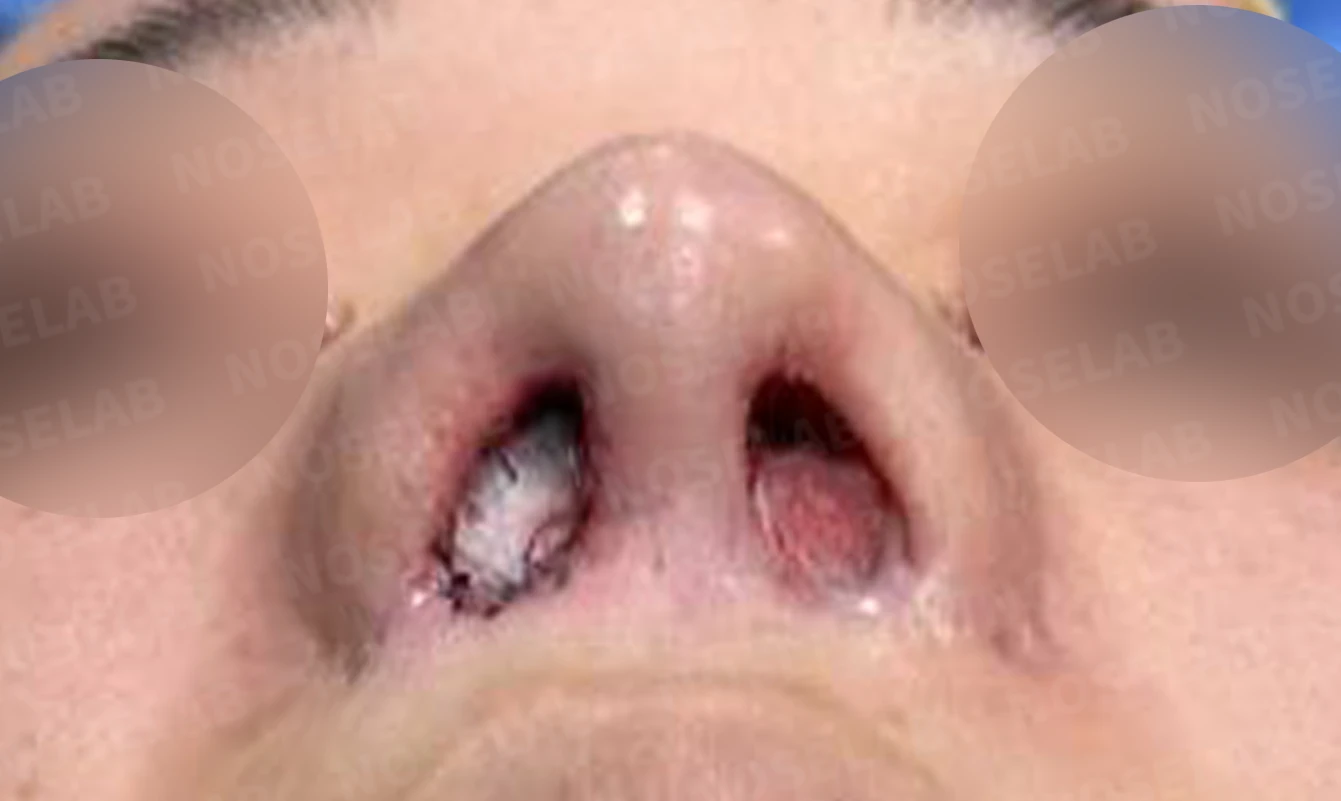
Before surgery / Day 0 immediately after surgery Photos taken immediately after surgery show swelling and may differ from the final result.
4. Nostril view improvement
- Improvement of right nostril stenosis
- Scar tissue in the lower nostril improved with Z-plasty
- Improvement in the depressed right ala
👨⚕️Specialist opinion
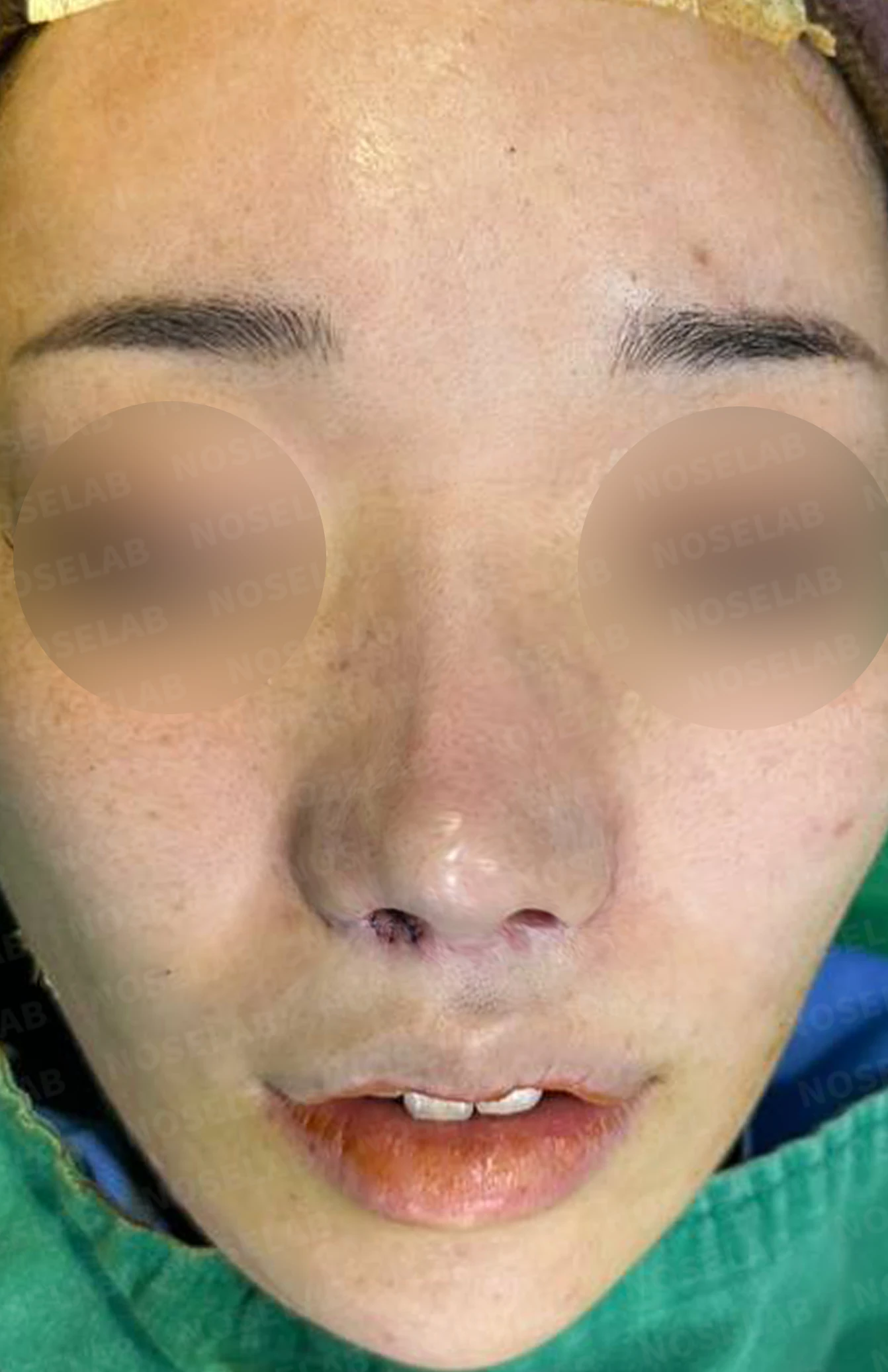
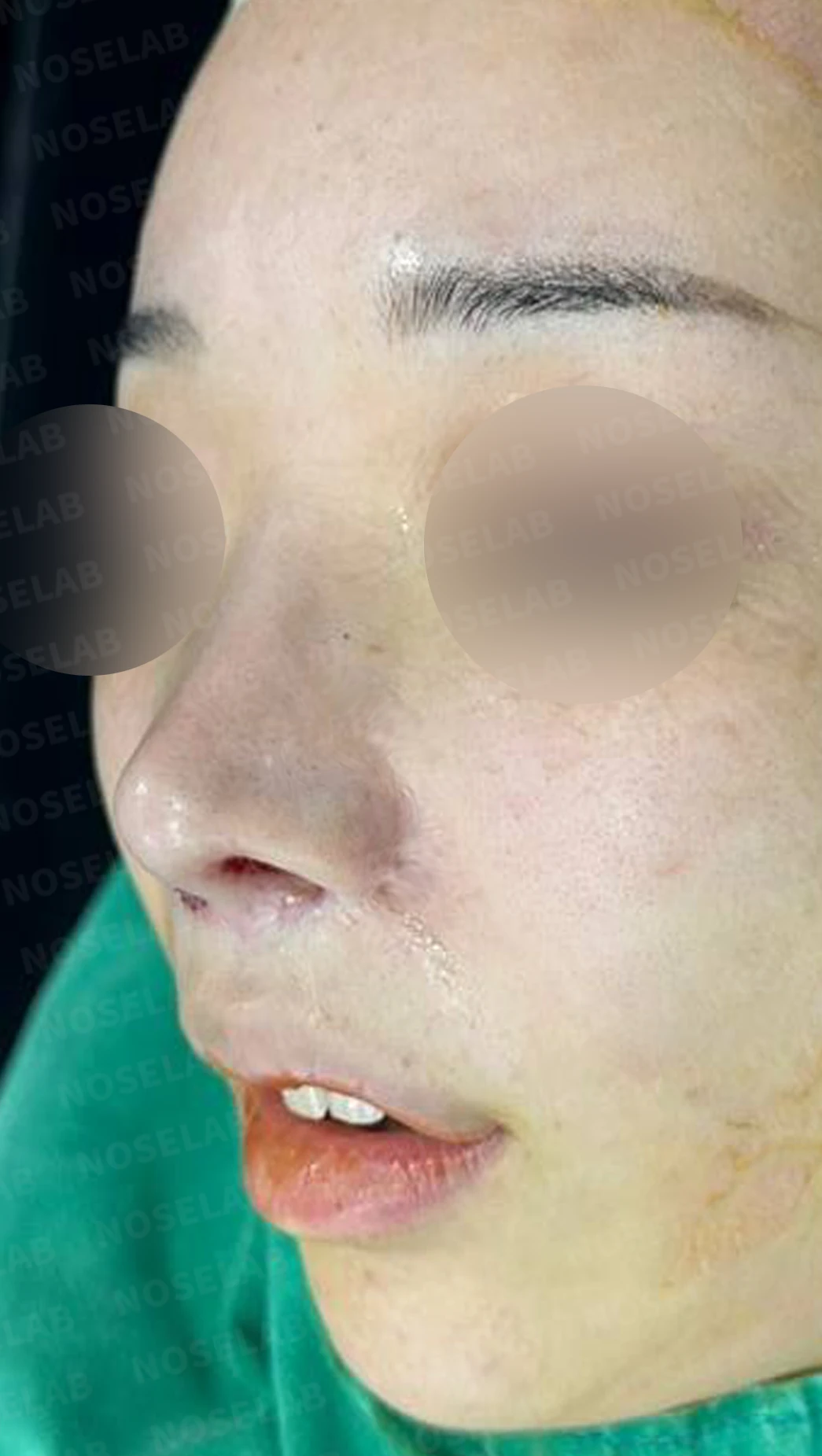
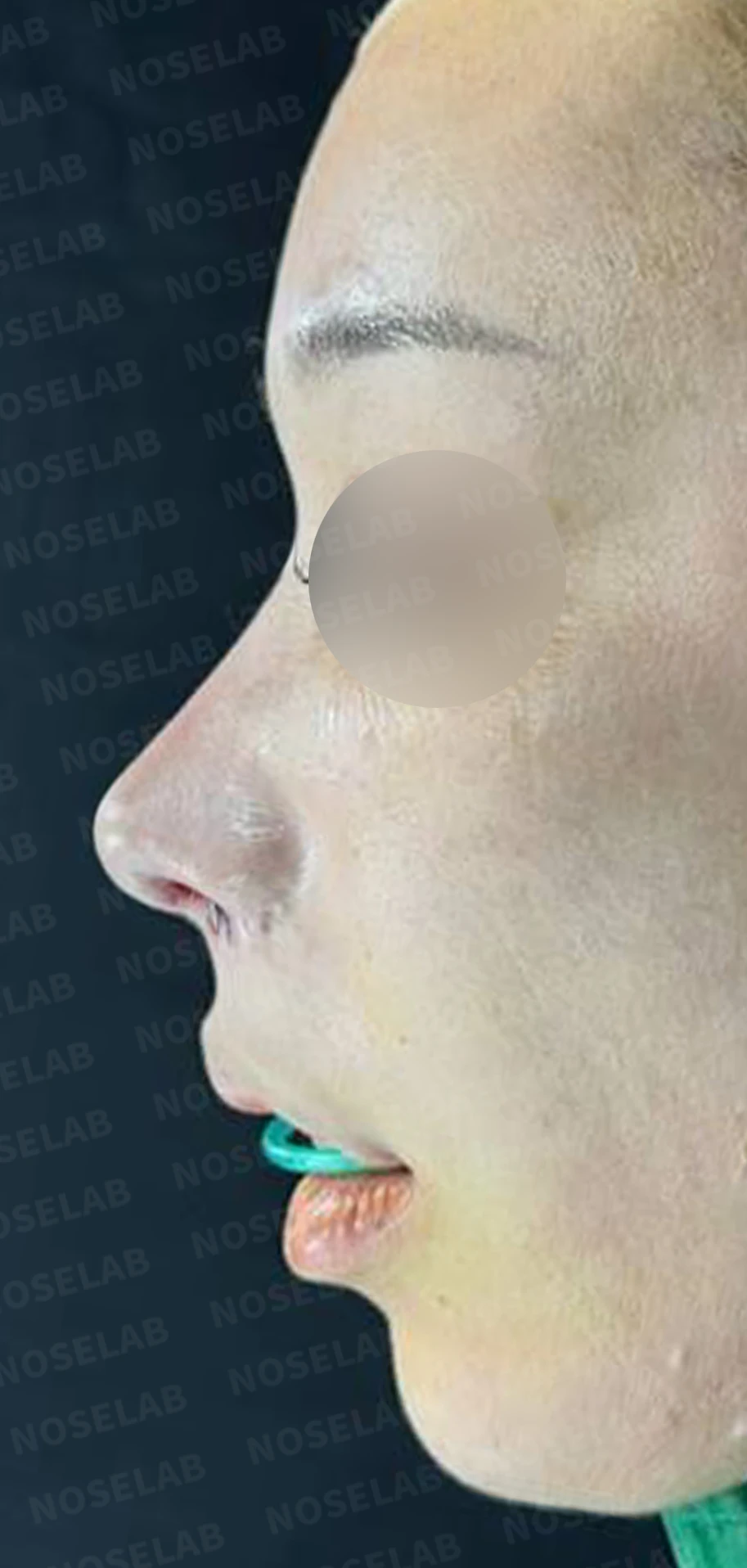
Front, oblique, and profile views on day 0 immediately after surgery. Photos taken immediately after surgery show swelling and may differ from the final result.
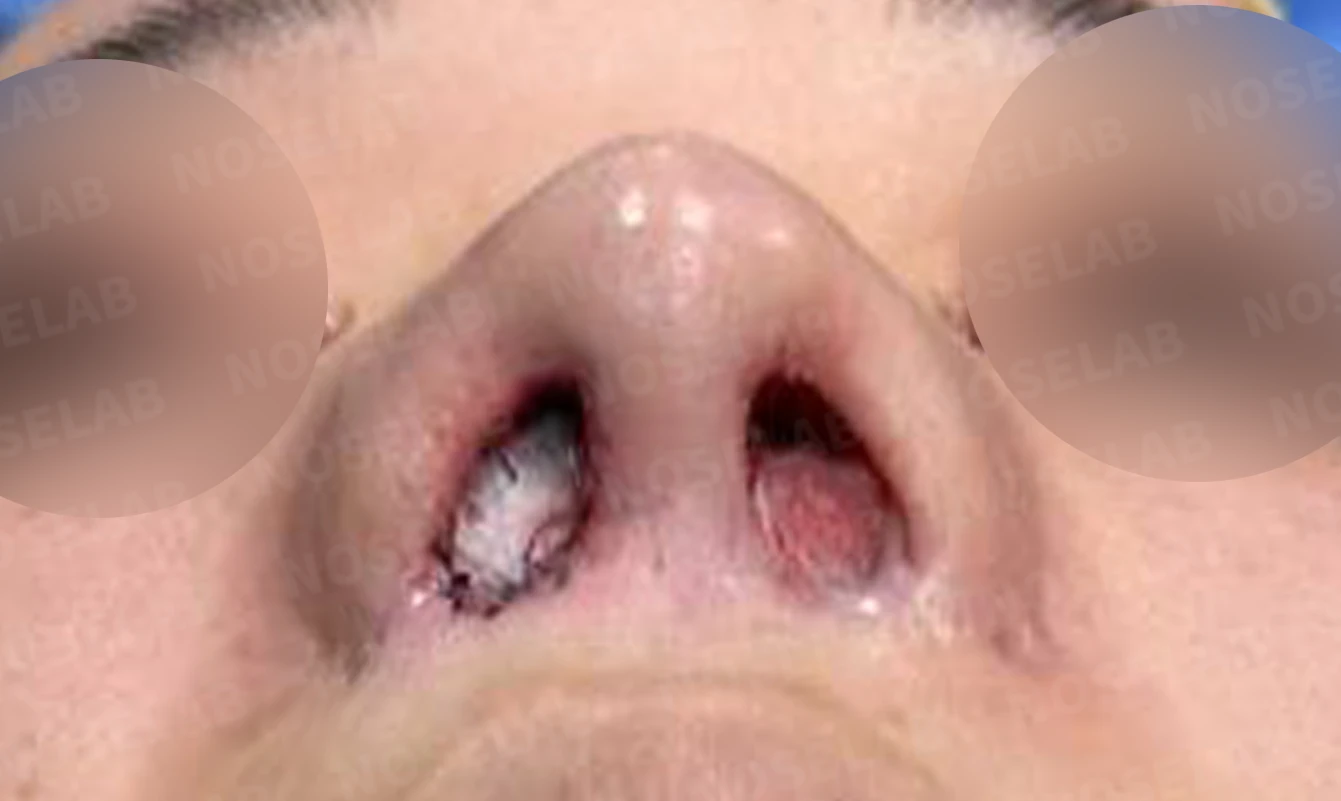
Nostril view on day 0 immediately after surgery. Photos taken immediately after surgery show swelling and may differ from the final result.
Alar reduction and philtrum reduction are procedures that can cause nostril asymmetry or stenosis. In particular, nostril-related complications caused by excessive alar reduction are very difficult to reconstruct. While reconstruction can be attempted using rotational flaps or skin grafts, there is a risk of renarrowing or worsening the condition; therefore, I recommend making decisions regarding alar reduction and philtrum reduction with great caution.
This was Dr. Peter C. Kang. Thank you.
Thank you.
#alarreduction #nostrilasymmetry #nostrilstenosis

Before surgery / Day 0 immediately after surgery Photos taken immediately after surgery show swelling and may differ from the final result.
Limitations and risks
When autologous rib cartilage is used, scarring and pain may remain at the donor site on the chest, and pneumothorax (pleural injury) can occur rarely. Over time, the grafted cartilage may warp or undergo partial resorption.
When the septum is corrected at the same time, nasal obstruction may persist or recur, and in rare cases, septal perforation or changes in smell may occur.
Common potential risks include infection, bleeding, asymmetry, scarring, skin necrosis, and insufficient improvement; results vary depending on individual skin condition and previous surgical history.