Hello, I am Dr. Peter C. Kang.
Today, I would like to introduce the case of a patient who improved nasal tip inflammation and a pinched ala that developed after multiple surgeries.
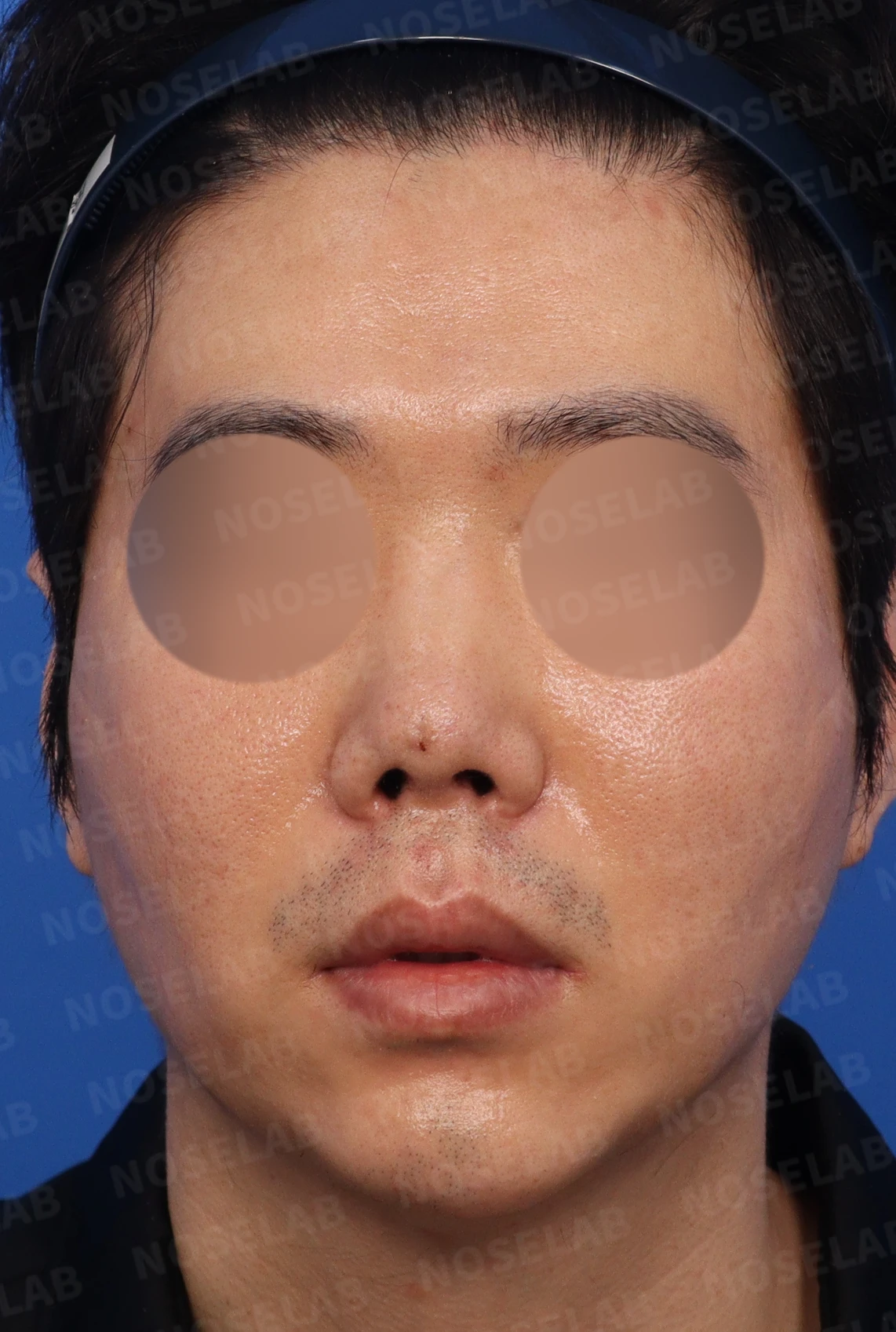
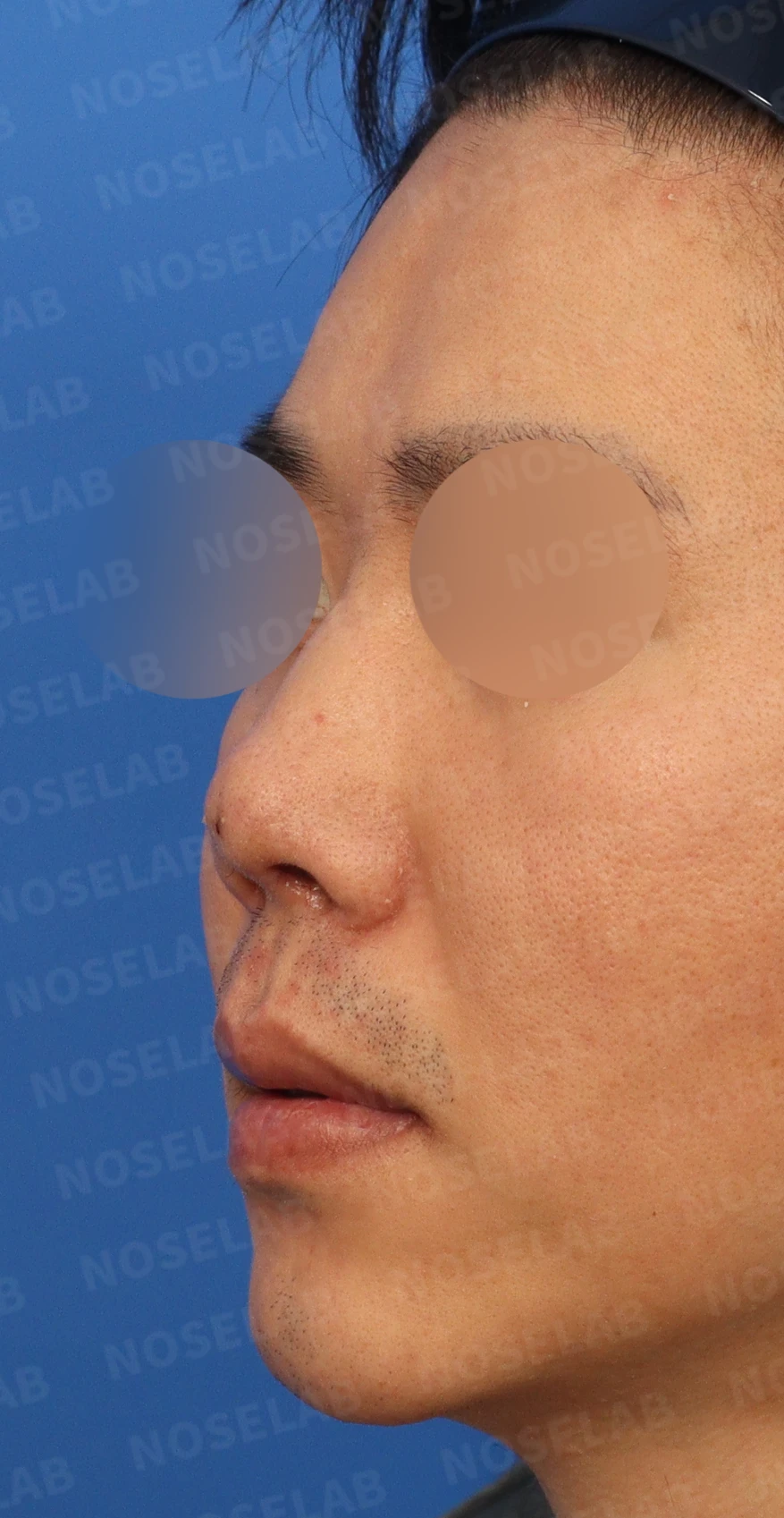
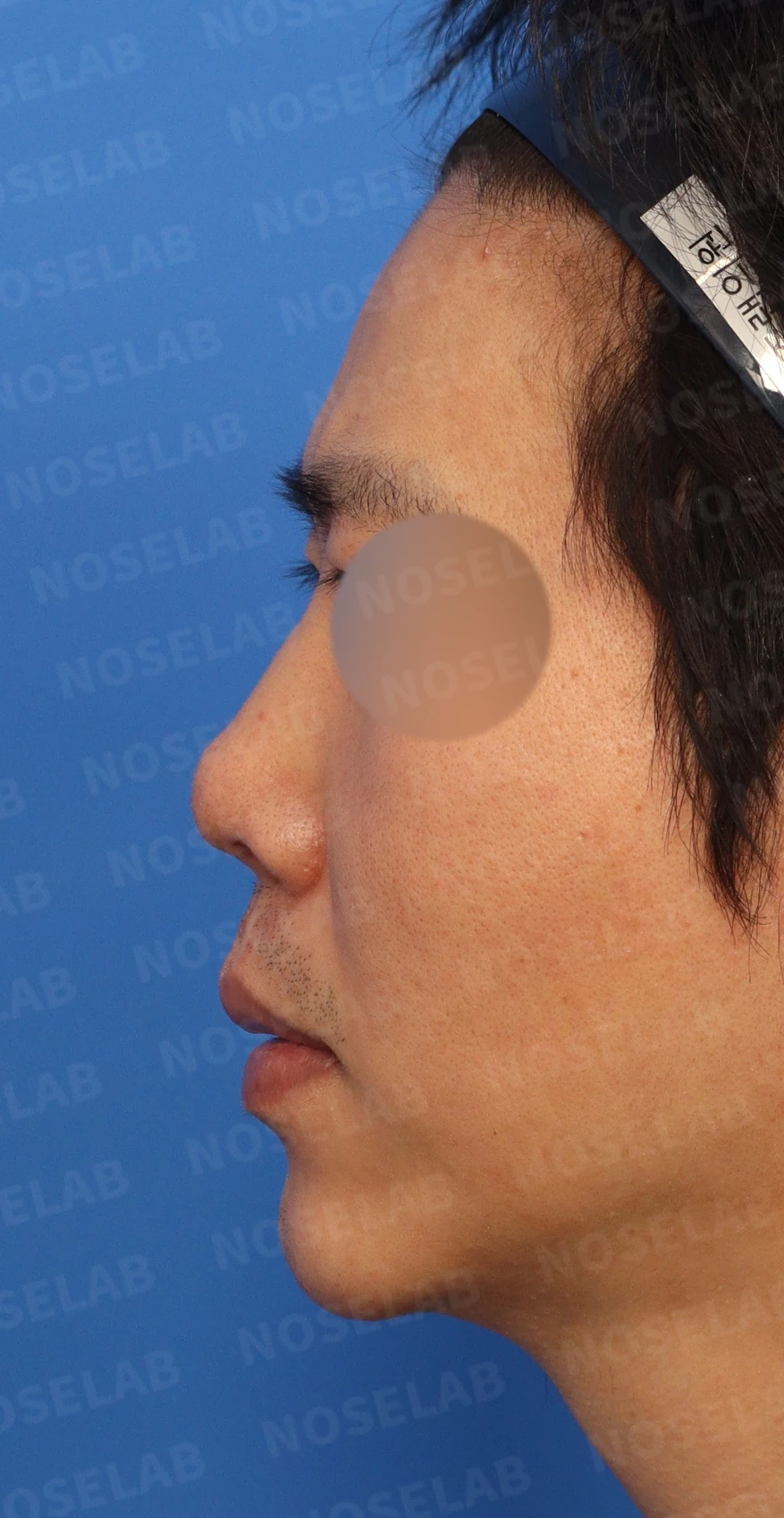
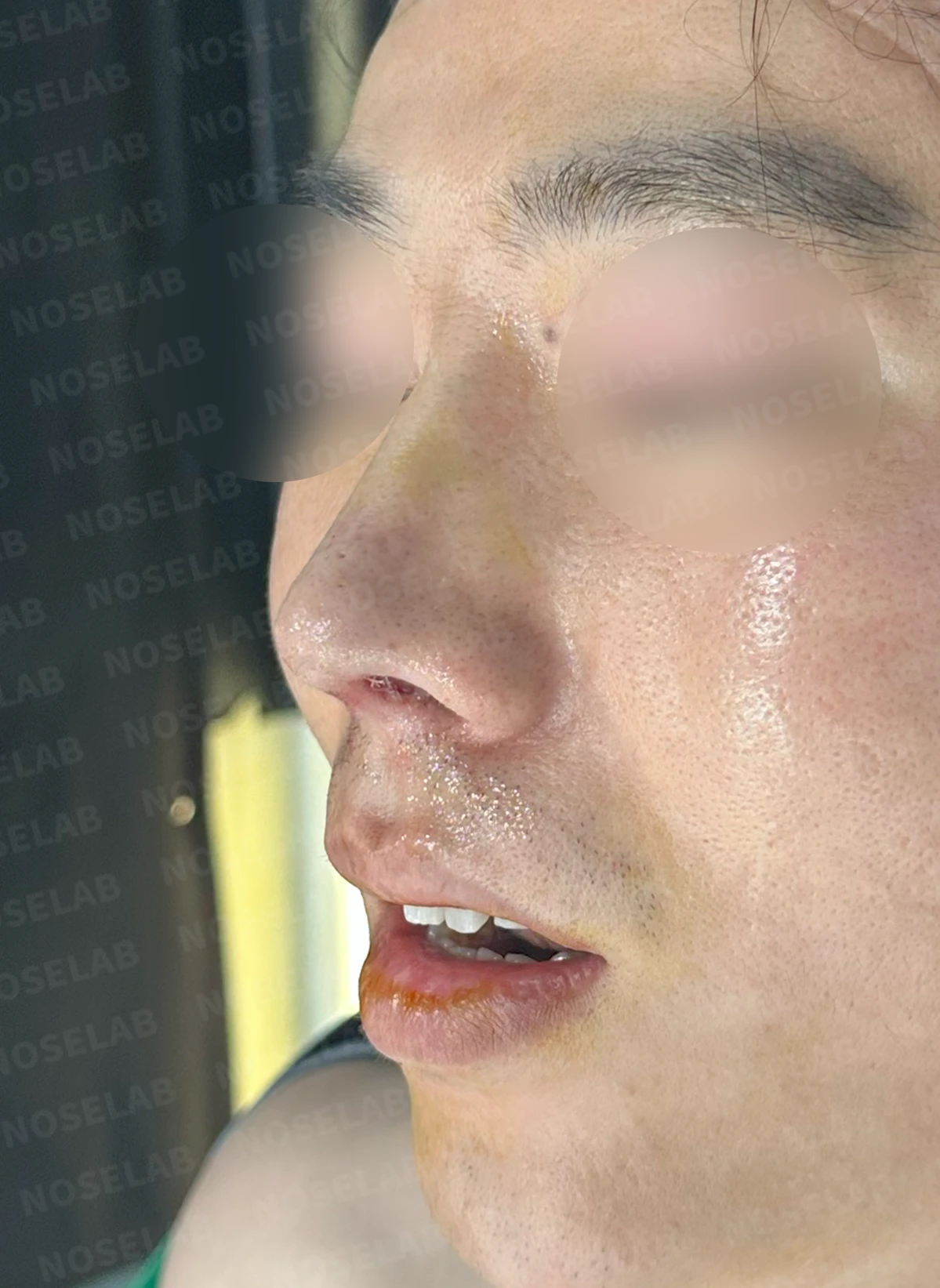
Front, left profile, and oblique views during design consultation
📍 Surgical history
2017: Septal cartilage + silicone implant surgery
2020: Silicone implant + autologous rib cartilage surgery
December 2023: Surgery with silicone implant and autologous rib cartilage (harvested anew)
3 months later: Incision and drainage due to nasal tip redness and swelling
Same day: Irrigation and implant removal
April 2024: Scar injection treatment
August 2024: First reconstruction surgery at our clinic (autologous rib cartilage + silicone implant + skin graft + septal reconstruction + alar rim graft)
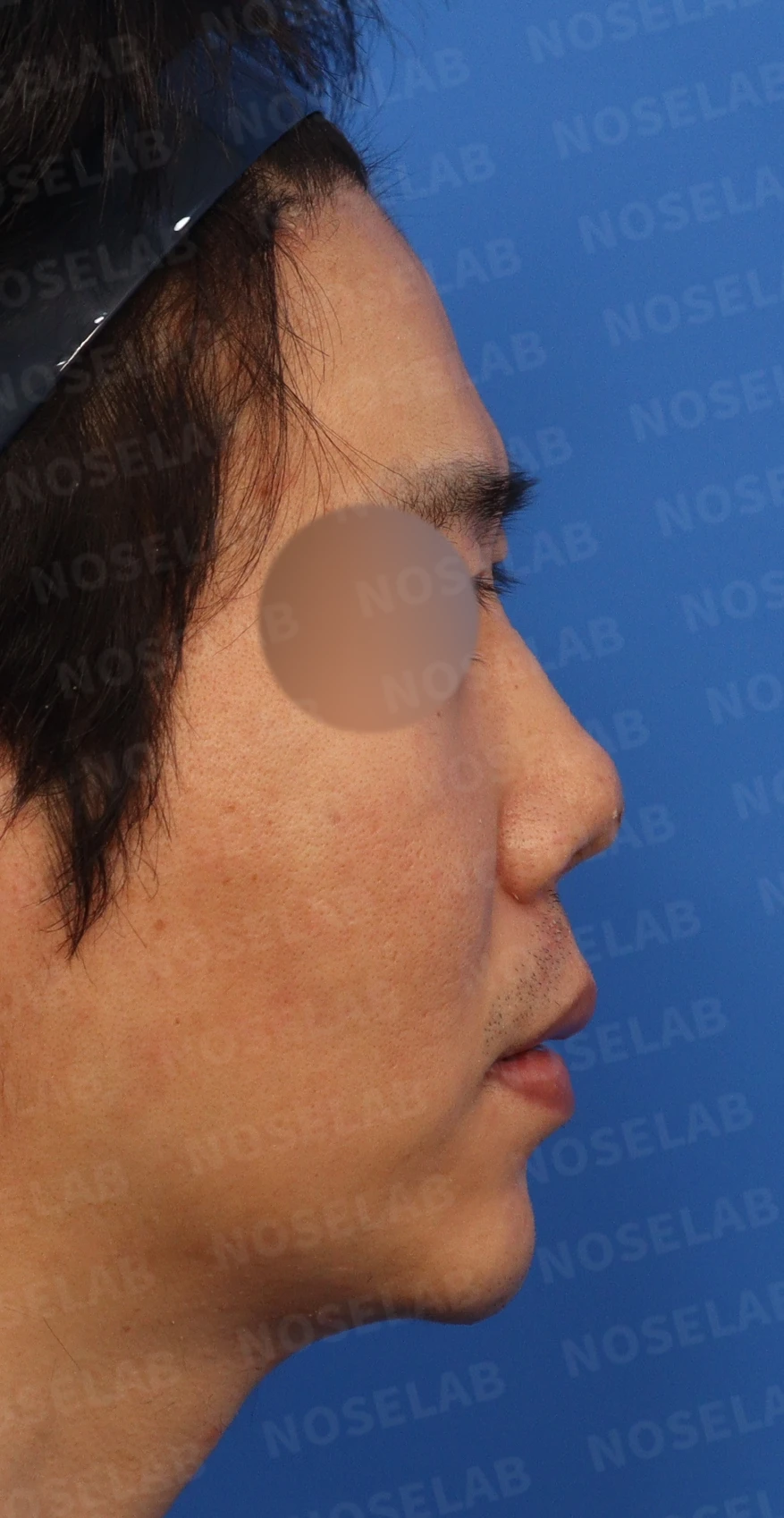
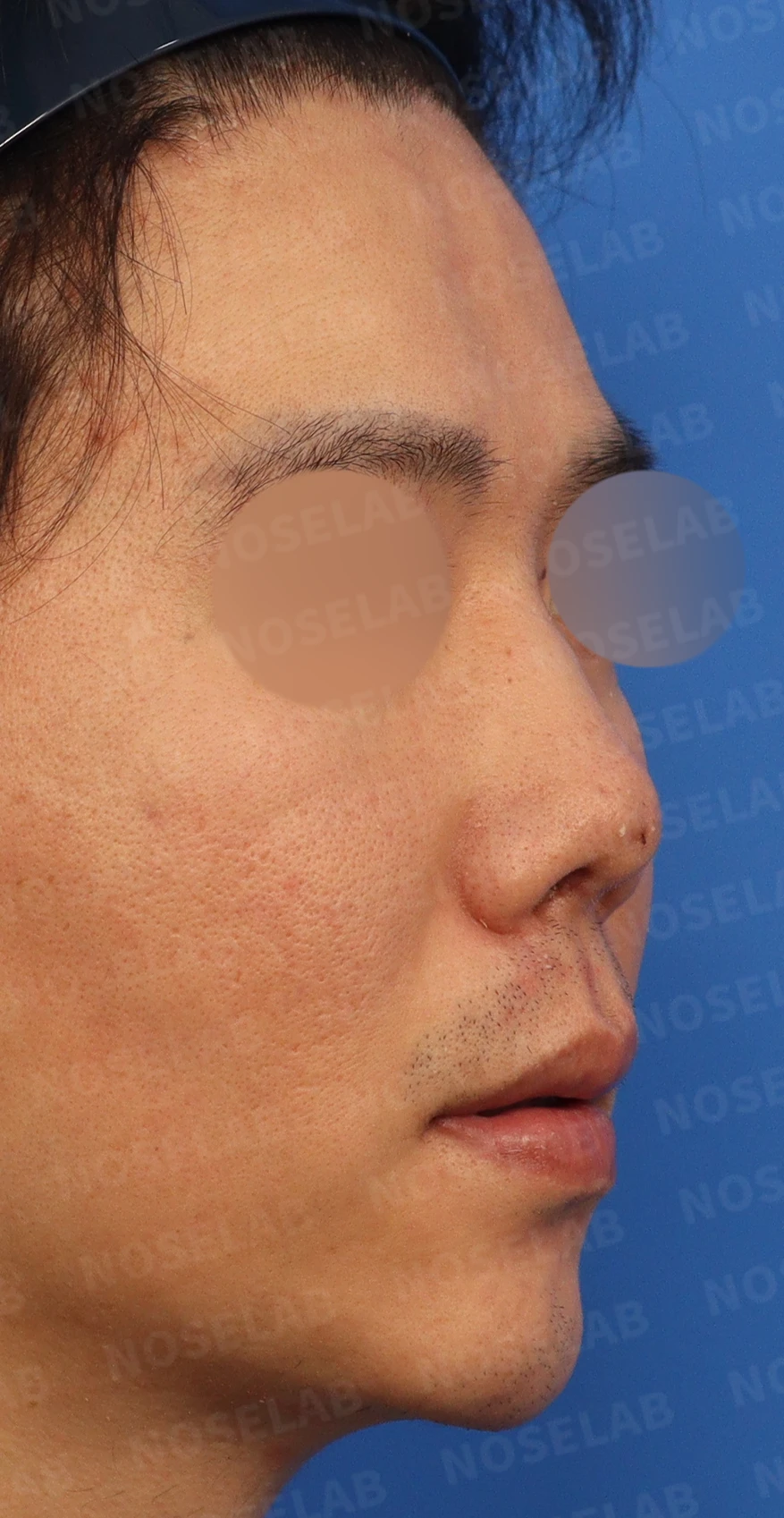
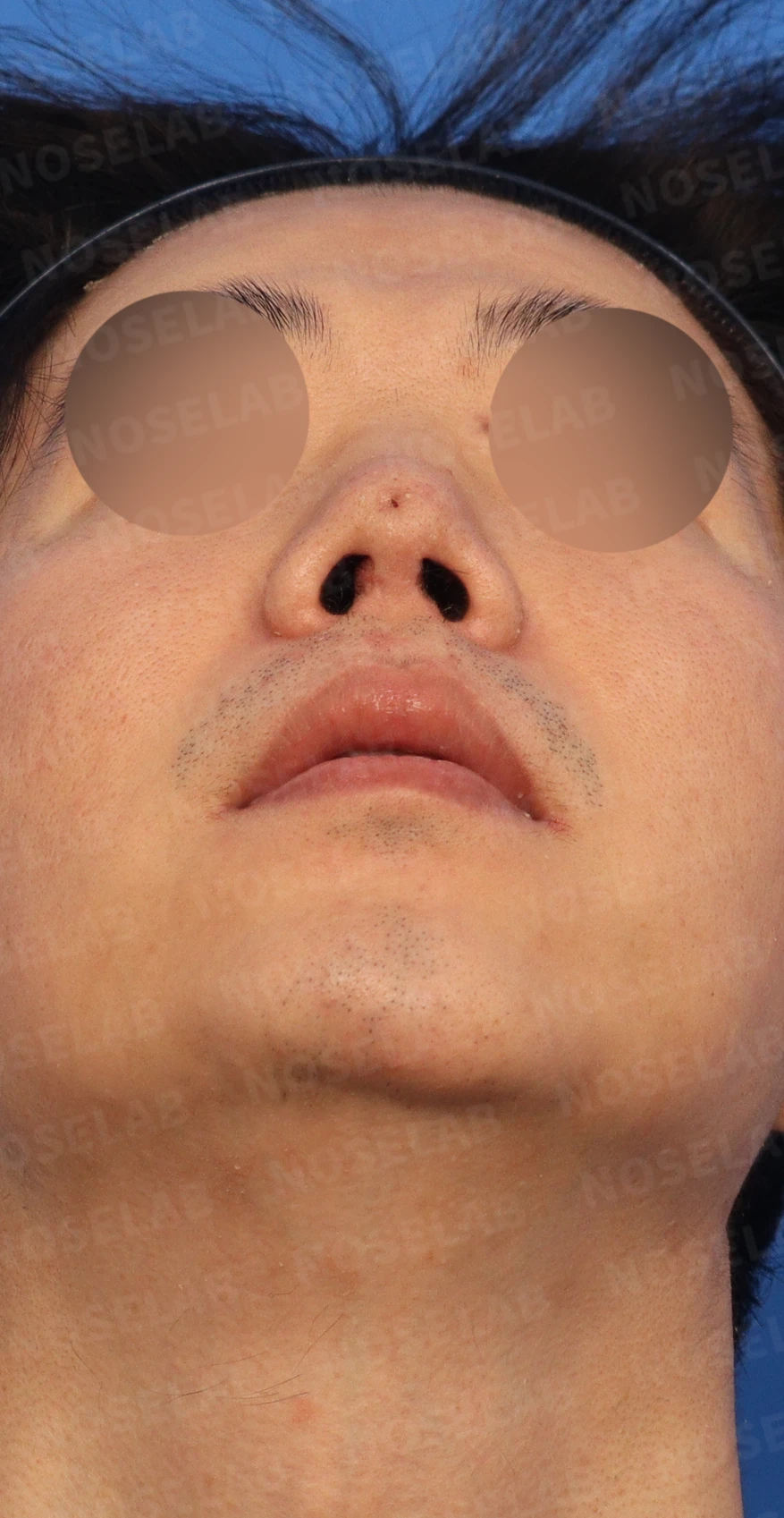
Design consultation: right oblique, profile, and basal (nostril) views
✨ Patient's requests
Improvement of the right alar pinching
Elevation of the nasal tip
Improvement of the nasal tip skin depression
Correction of the overall nasal shape
Relief of the foreign body sensation inside the nose
Improvement of the columellar color (bruise-like appearance)
💉 Surgical procedure details
Nasal tip improvement
Tip correction using autologous rib cartilage
Increasing height while simultaneously adjusting to a stable position
Skin and dermal graft reinforcement to improve columellar color
2. Alar correction
Improvement of pinching through right nostril elongation
Improvement in nostril shape
Achieving overall symmetry
3. Improvement of internal structure
Correction of irregular areas in the nasal cavity mucosa
Removal of the cause of the foreign body sensation
Formation of a stable internal structure
✅ Surgical results
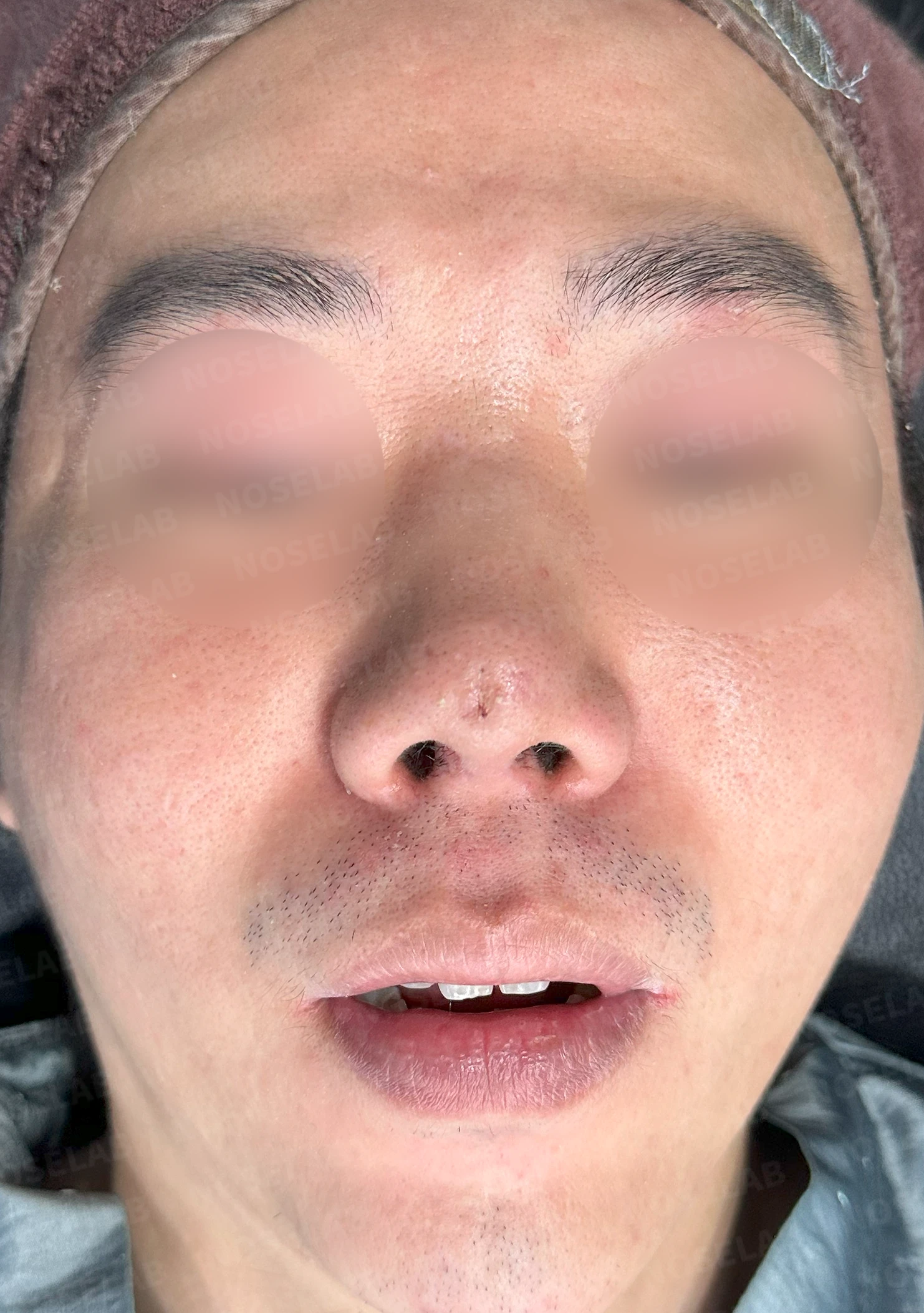
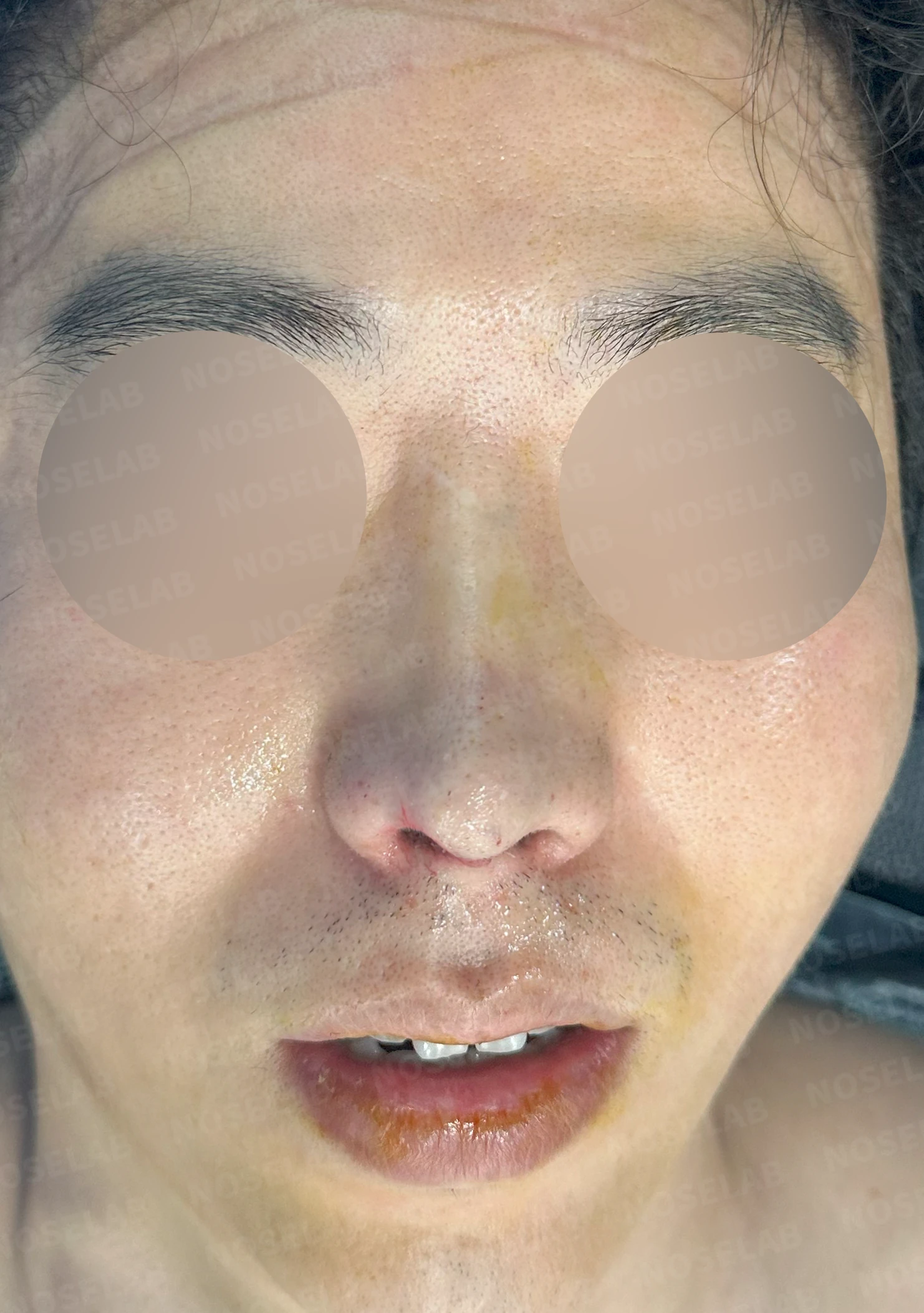
Before surgery / Day 0 immediately after surgery Photos taken immediately after surgery show swelling and may differ from the final result.
Front view
Correction of upturned nose
Improved alar pinching
Balanced overall shape
Natural nasal tip height
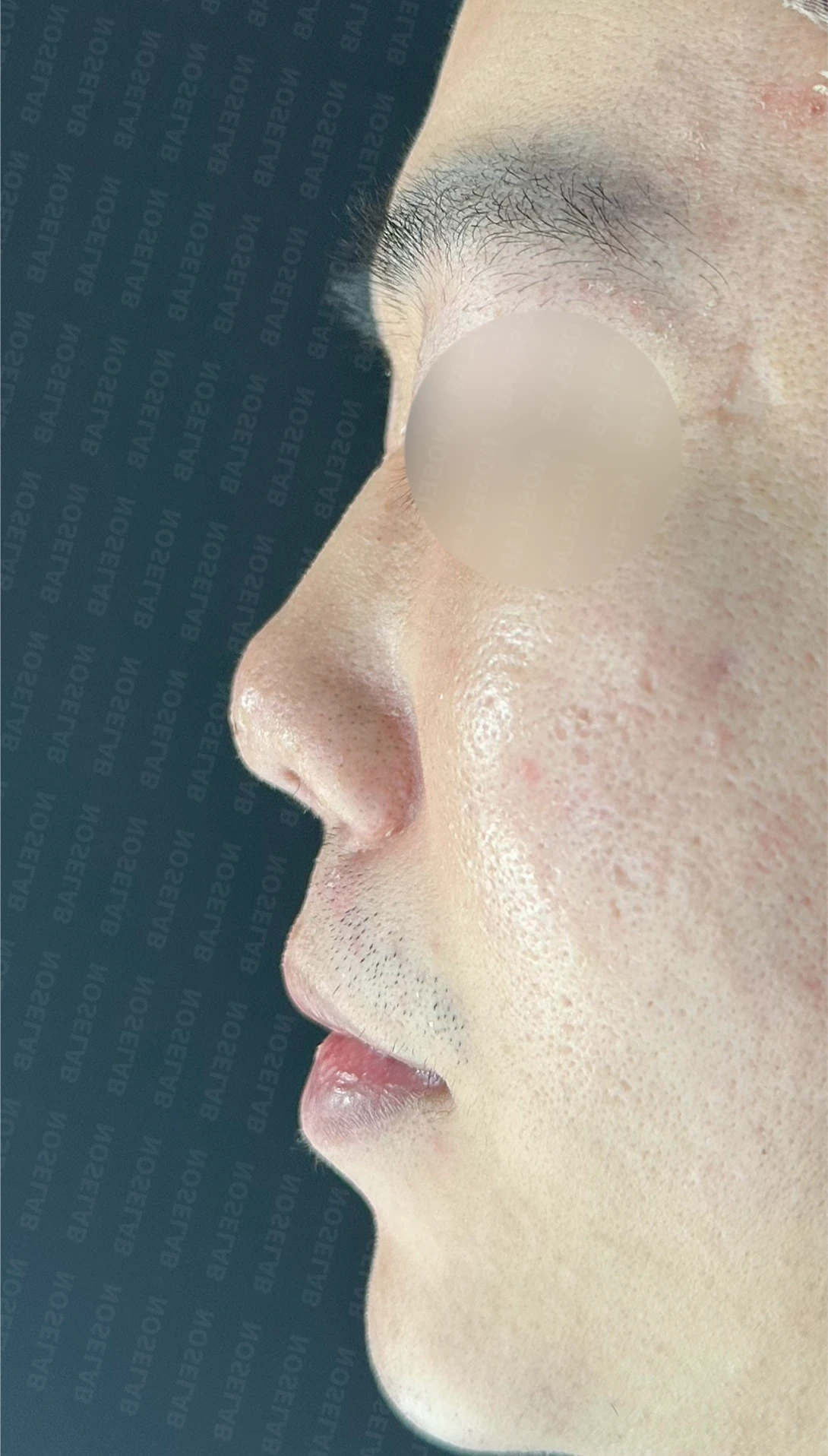
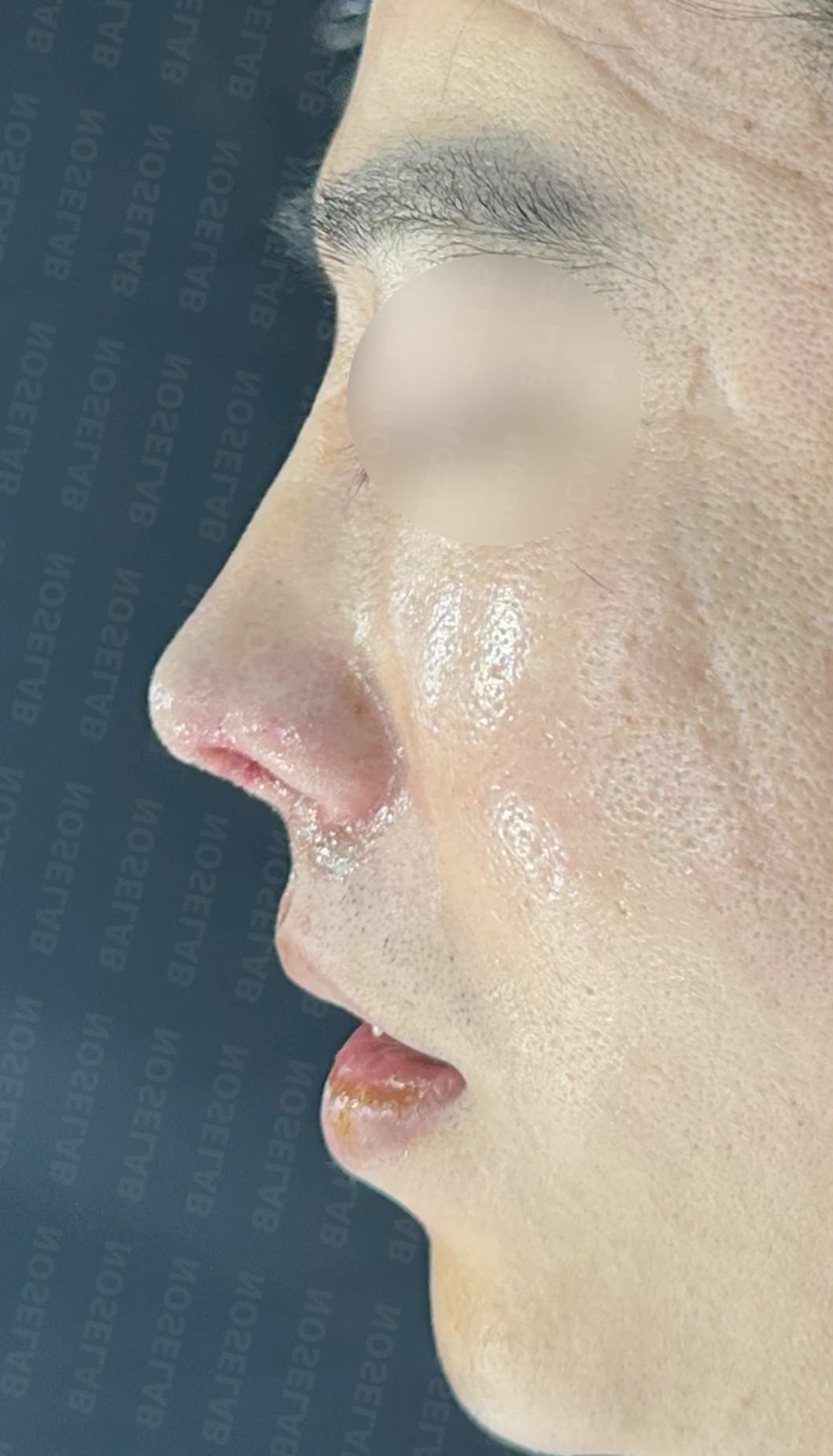
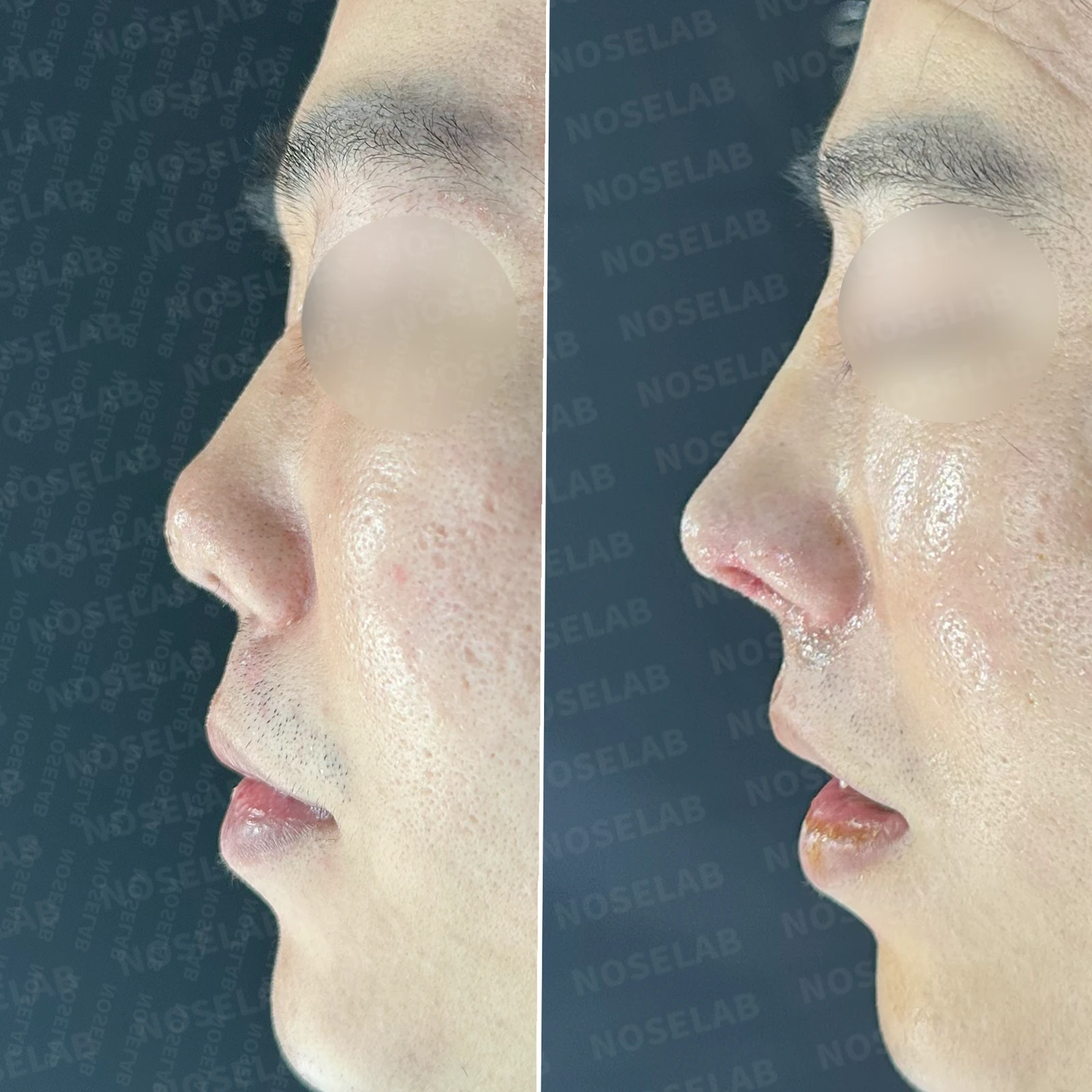
Before surgery / Day 0 immediately after surgery Photos taken immediately after surgery show swelling and may differ from the final result.
2. Profile view
Adequately elevated nasal tip
Harmonious straight bridge line
Stable structure
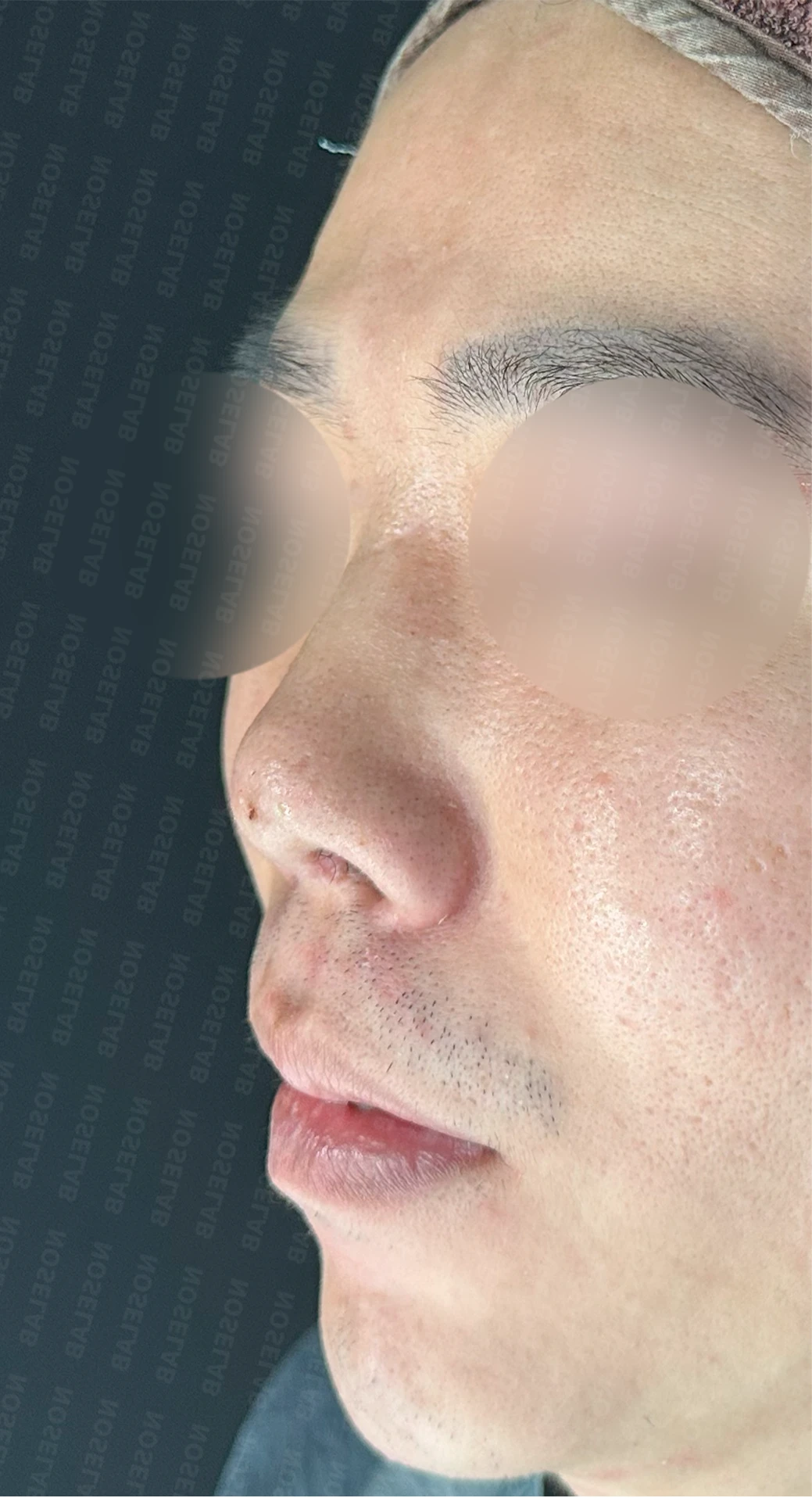
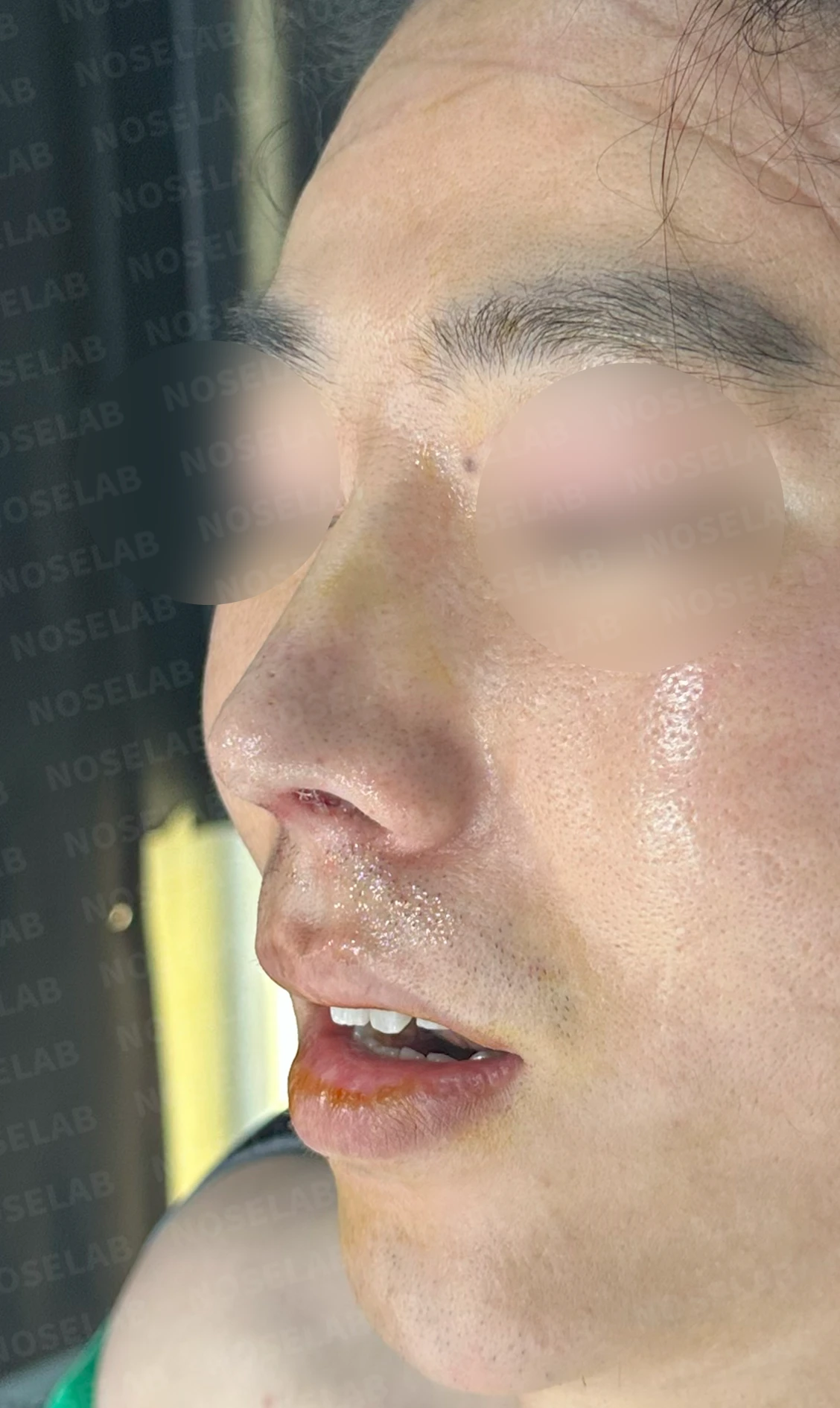
Before surgery / Day 0 immediately after surgery Photos taken immediately after surgery show swelling and may differ from the final result.
3. Nostrils
Correction of the pinched right nostril
Improvement in nostril symmetry
Improvement of the nasal tip skin depression
Balanced nostril shape
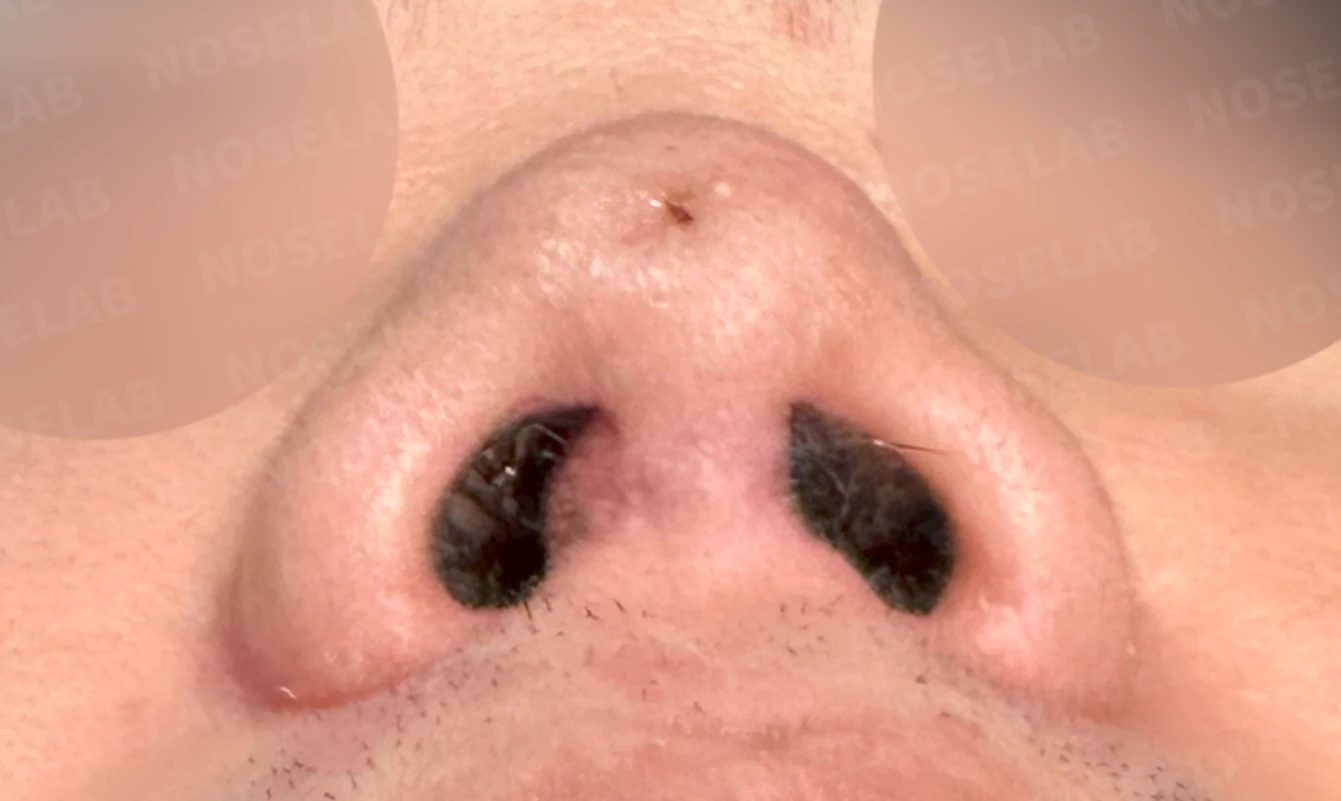
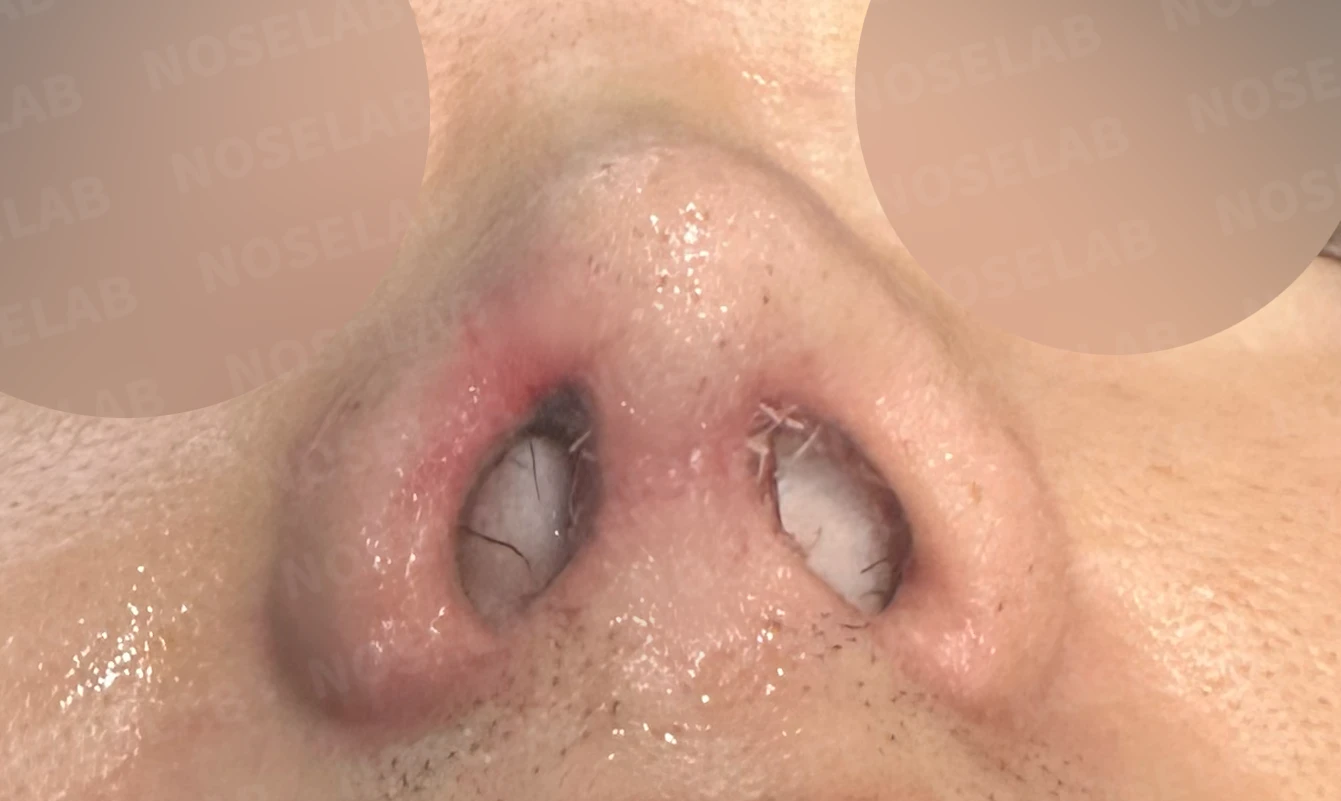
Before surgery / Day 0 immediately after surgery Photos taken immediately after surgery show swelling and may differ from the final result.
👨⚕️ Specialist's assessment
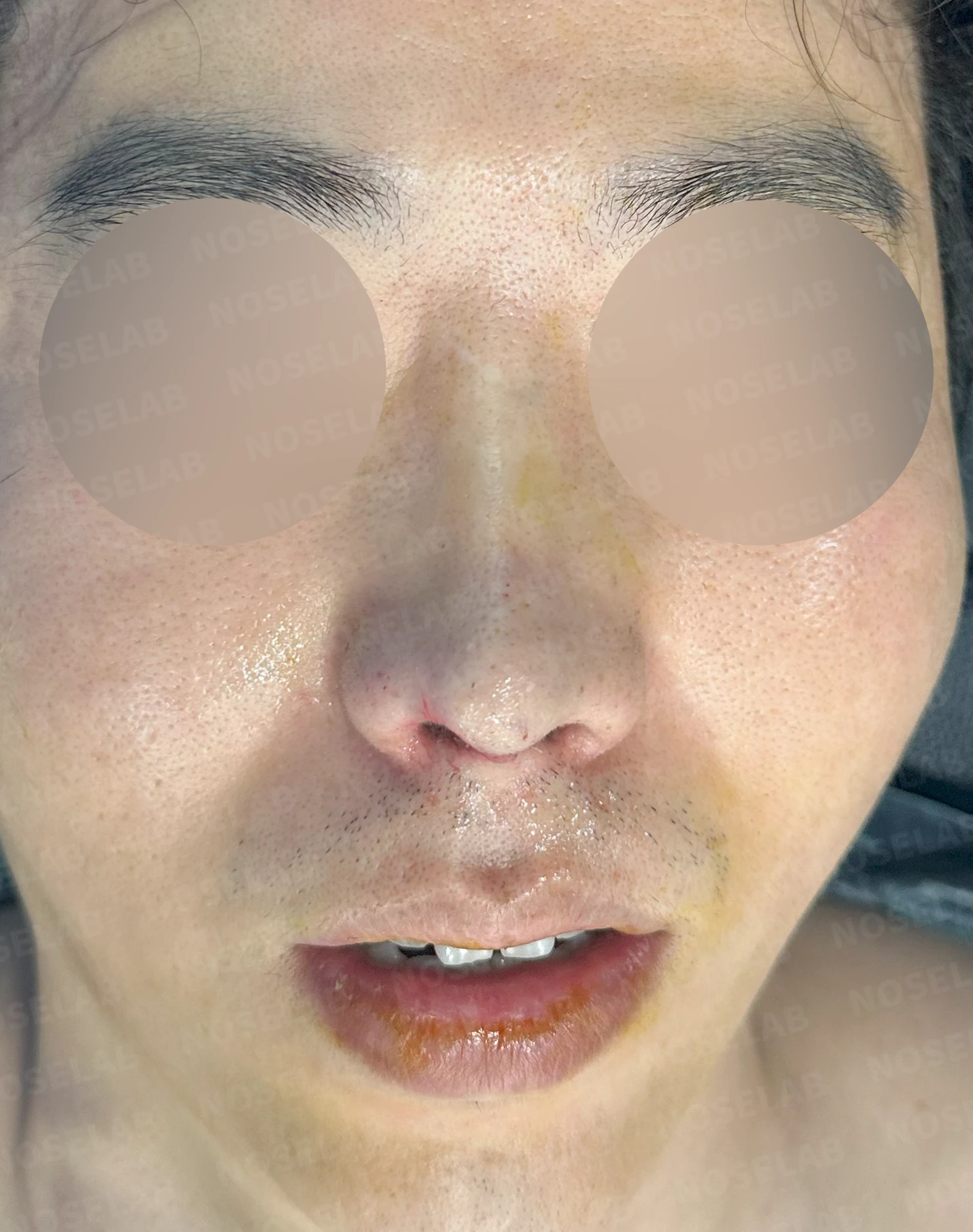
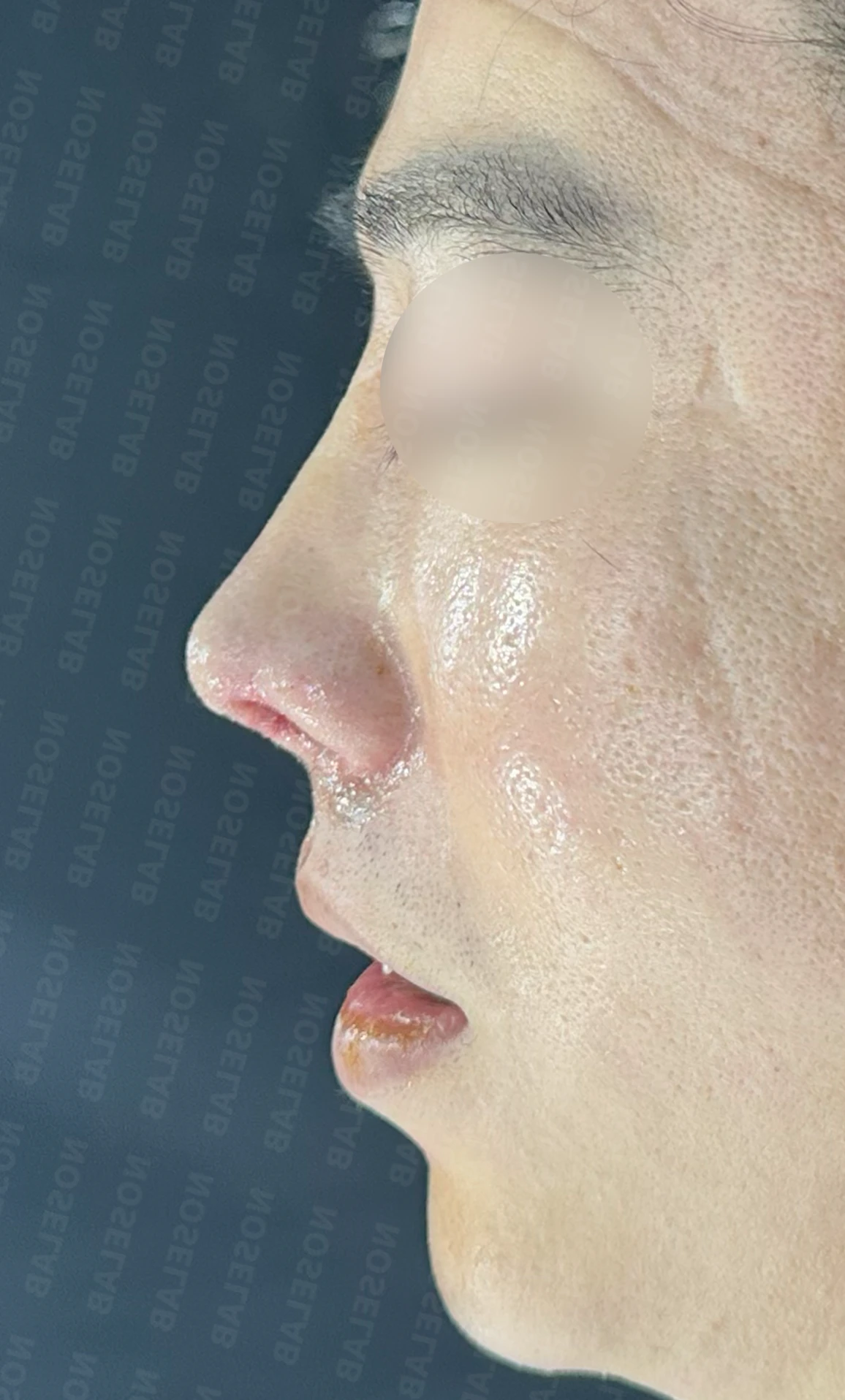
Front, profile, and oblique views immediately after surgery on day 0 Photos taken immediately after surgery show swelling and may differ from the final result.
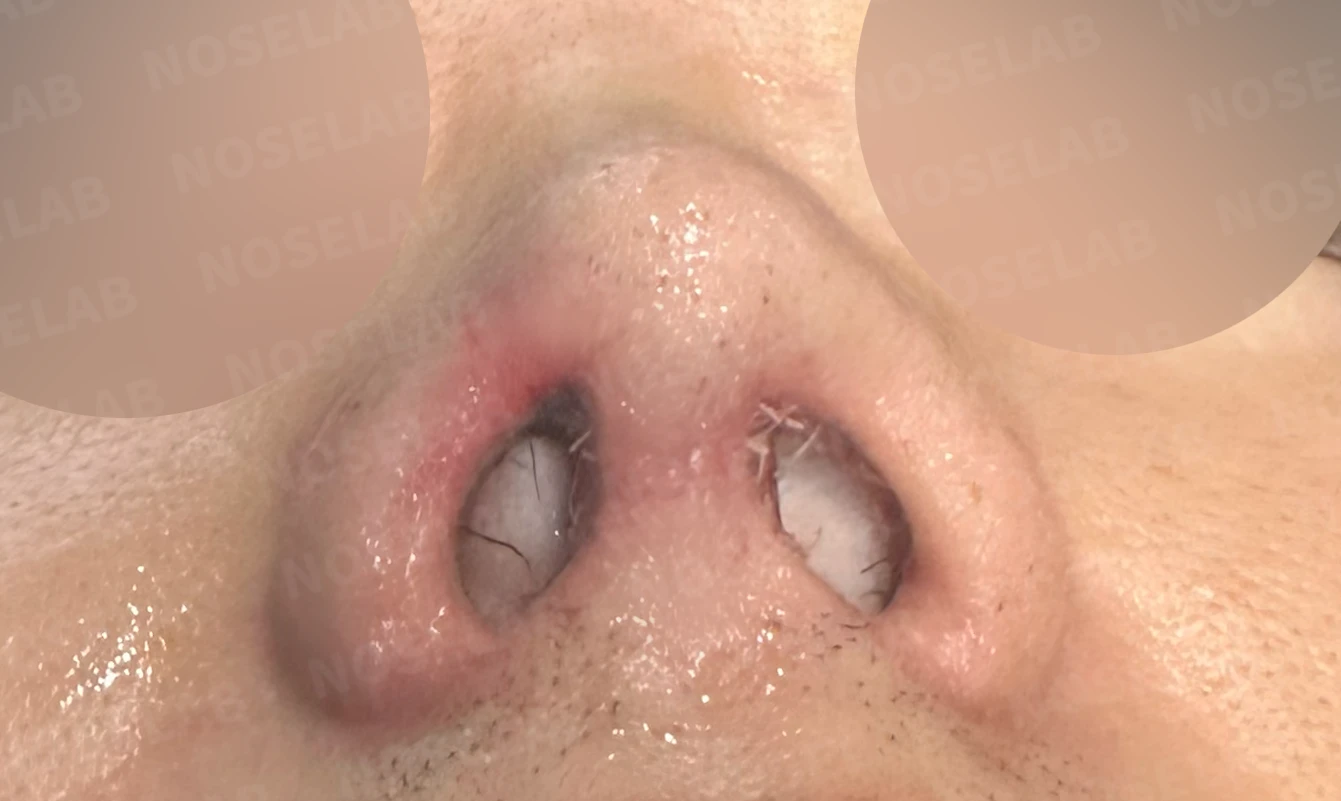
Nostril view on day 0 immediately after surgery Photos taken immediately after surgery show swelling and may differ from the final result.
This was a case of improving nasal tip inflammation and the resulting structural changes after multiple surgeries. Improvement was needed across several aspects, particularly the pinching of the right ala, tip height, and columellar color.
Through septal reconstruction using autologous rib cartilage, alar reconstruction, and tip correction with a skin graft, we secured a stable framework while achieving the desired height. In addition, right nostril elongation naturally improved the pinched ala, and correcting the irregular mucosa inside the nasal cavity resolved the foreign body sensation.
By focusing on structural stability to help prevent recurrent inflammation, we were able to achieve functionally satisfying results as well.
This was Dr. Peter C. Kang. Thank you.
Thank you.
#closedrhinoplasty #revisionrhinoplasty #pinchednosecorrection #autologousribcartilage #customrhinoplasty

Limitations and risks
When autologous rib cartilage is used, scarring and pain may remain at the donor site on the chest, and pneumothorax (pleural injury) can occur rarely. Over time, the grafted cartilage may warp or undergo partial resorption.
When revising after implant removal, contracture may progress again after removal, the nasal height and length may decrease, and staged surgery may be necessary depending on the skin condition.
When the septum is corrected at the same time, nasal obstruction may persist or recur, and in rare cases, septal perforation or changes in smell may occur.
Common potential risks include infection, bleeding, asymmetry, scarring, skin necrosis, and insufficient improvement; results vary depending on individual skin condition and previous surgical history.