Hello, I am Dr. Peter C. Kang.
Today, I would like to introduce the case of a patient who underwent revision rhinoplasty to correct nasal bridge deformities that occurred after artificial dermis procedures.
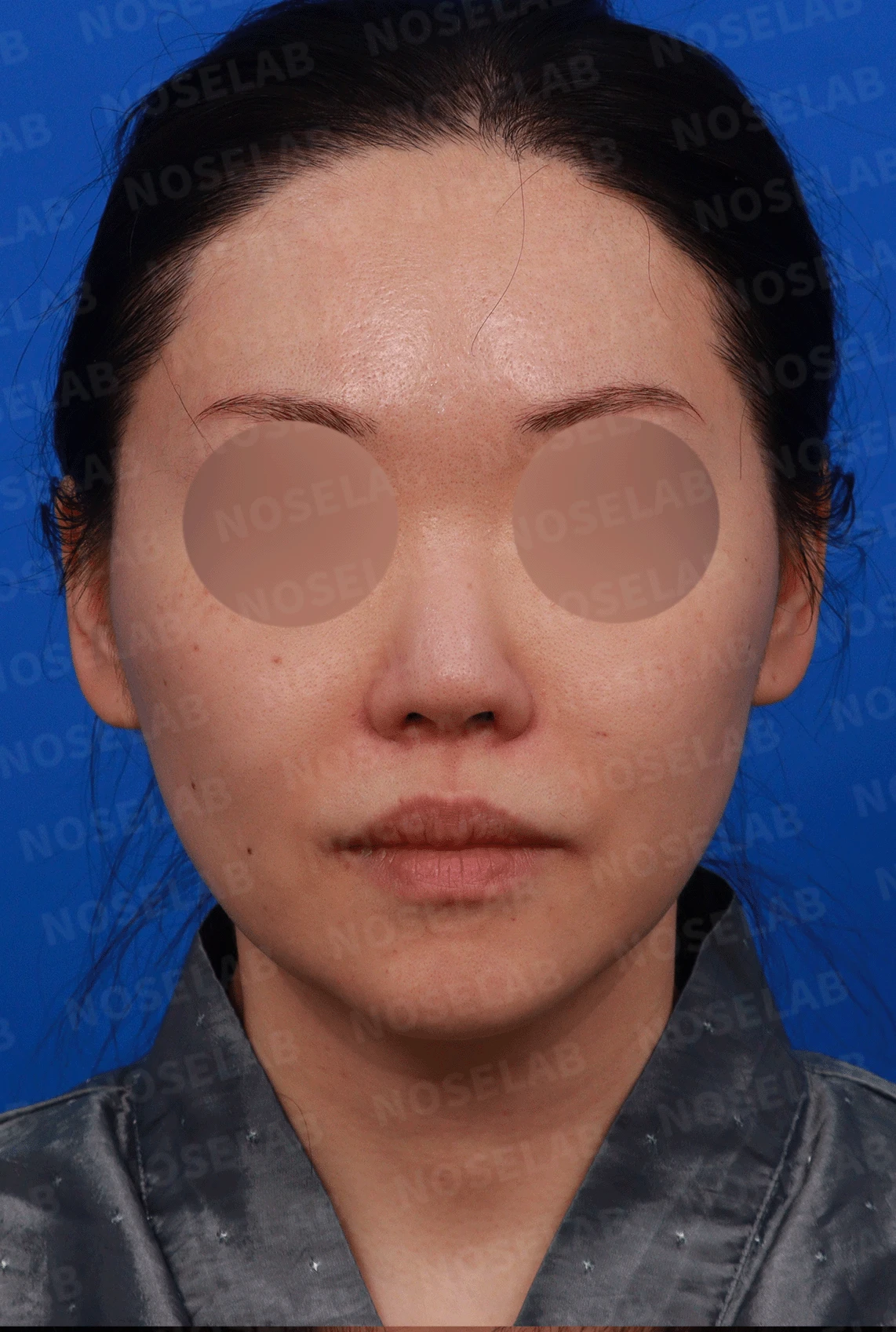
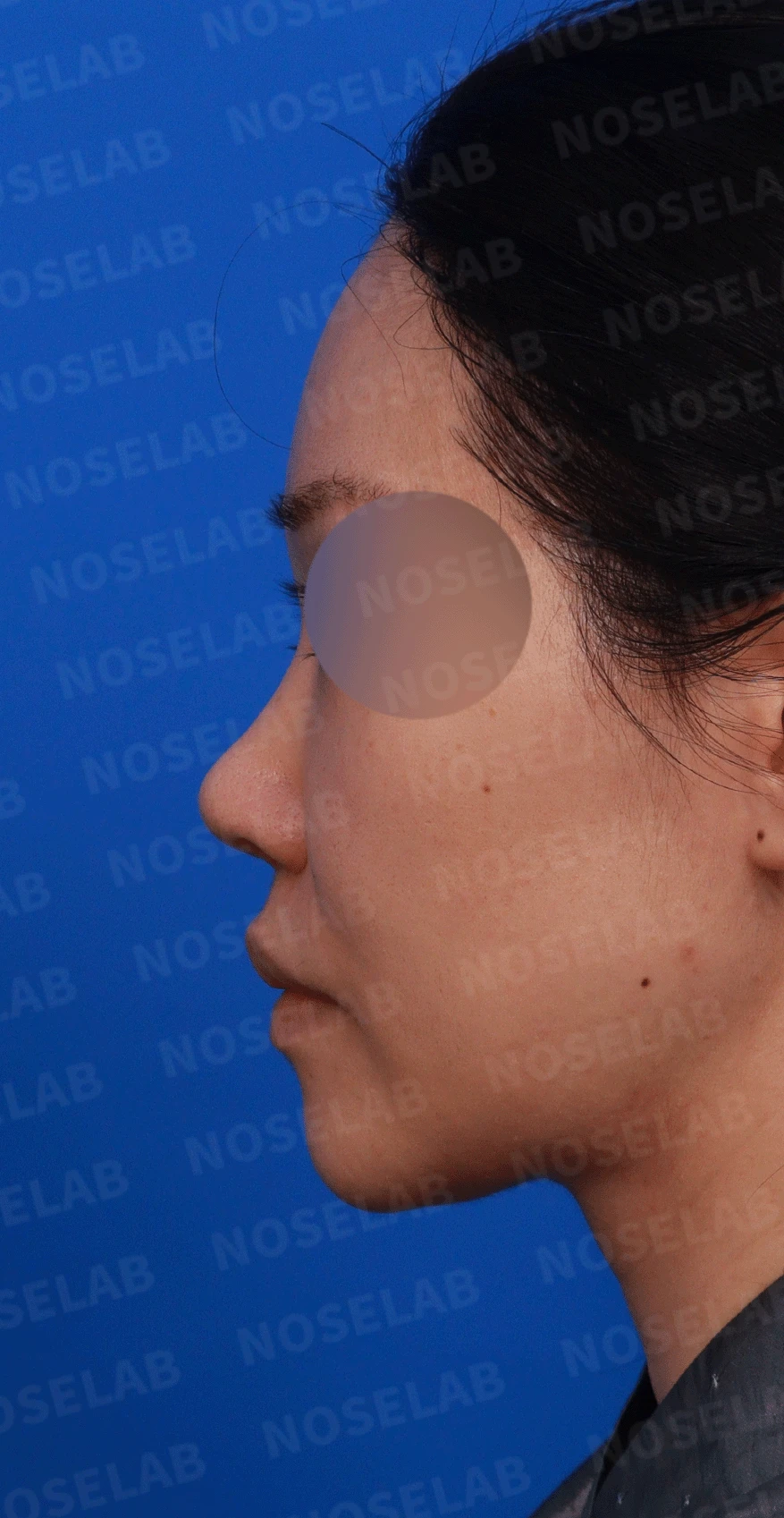
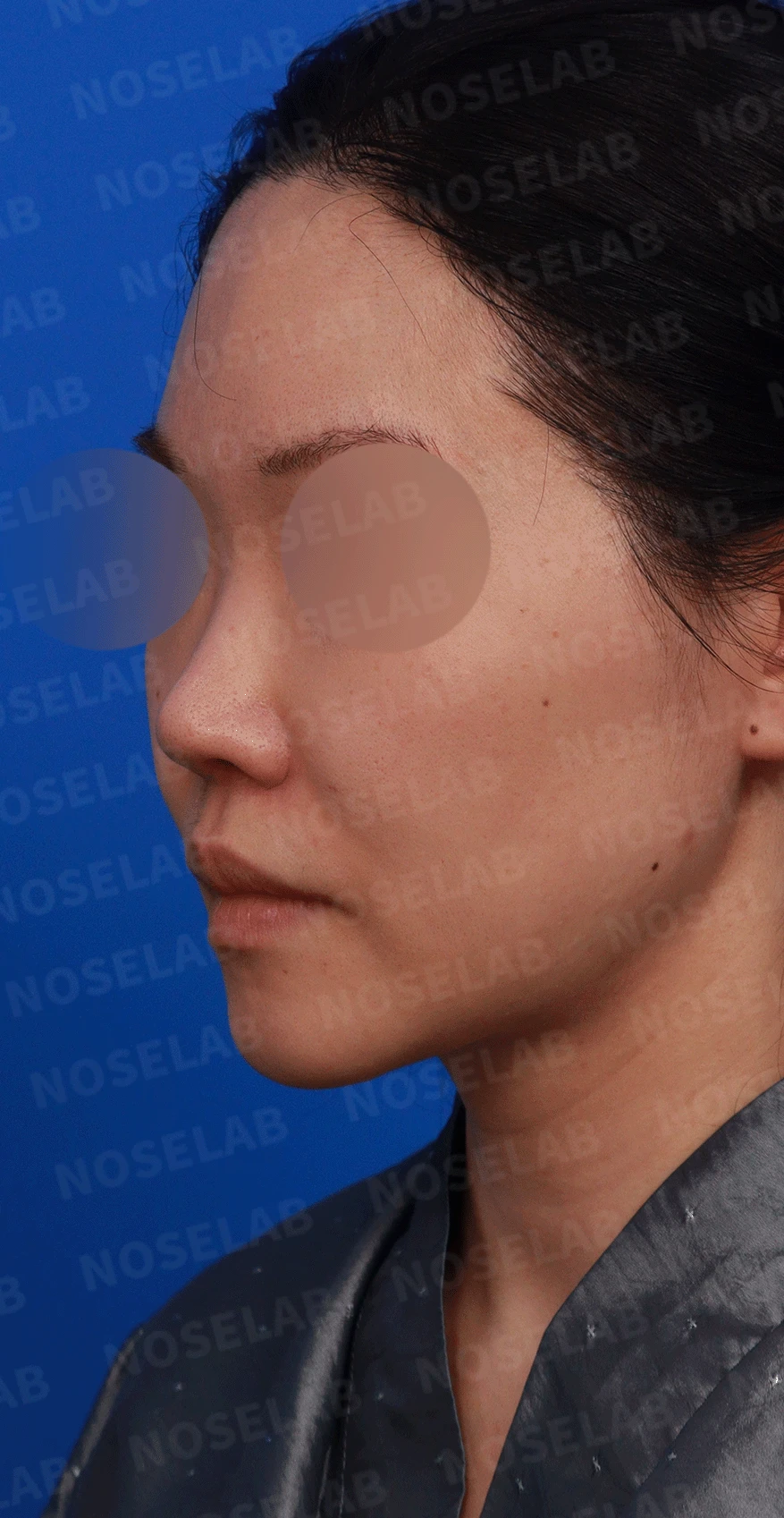
Front, left profile, and oblique views during design consultation
📍 Surgical history
15 years ago: Silicone implant + septal cartilage at a plastic surgery clinic in Busan
3 years ago: Donor dermis + ear cartilage + no-implant rhinoplasty
1 year ago: Donor dermis procedure on the nasal bridge (minimal effect due to absorption)
🔎 Problem analysis
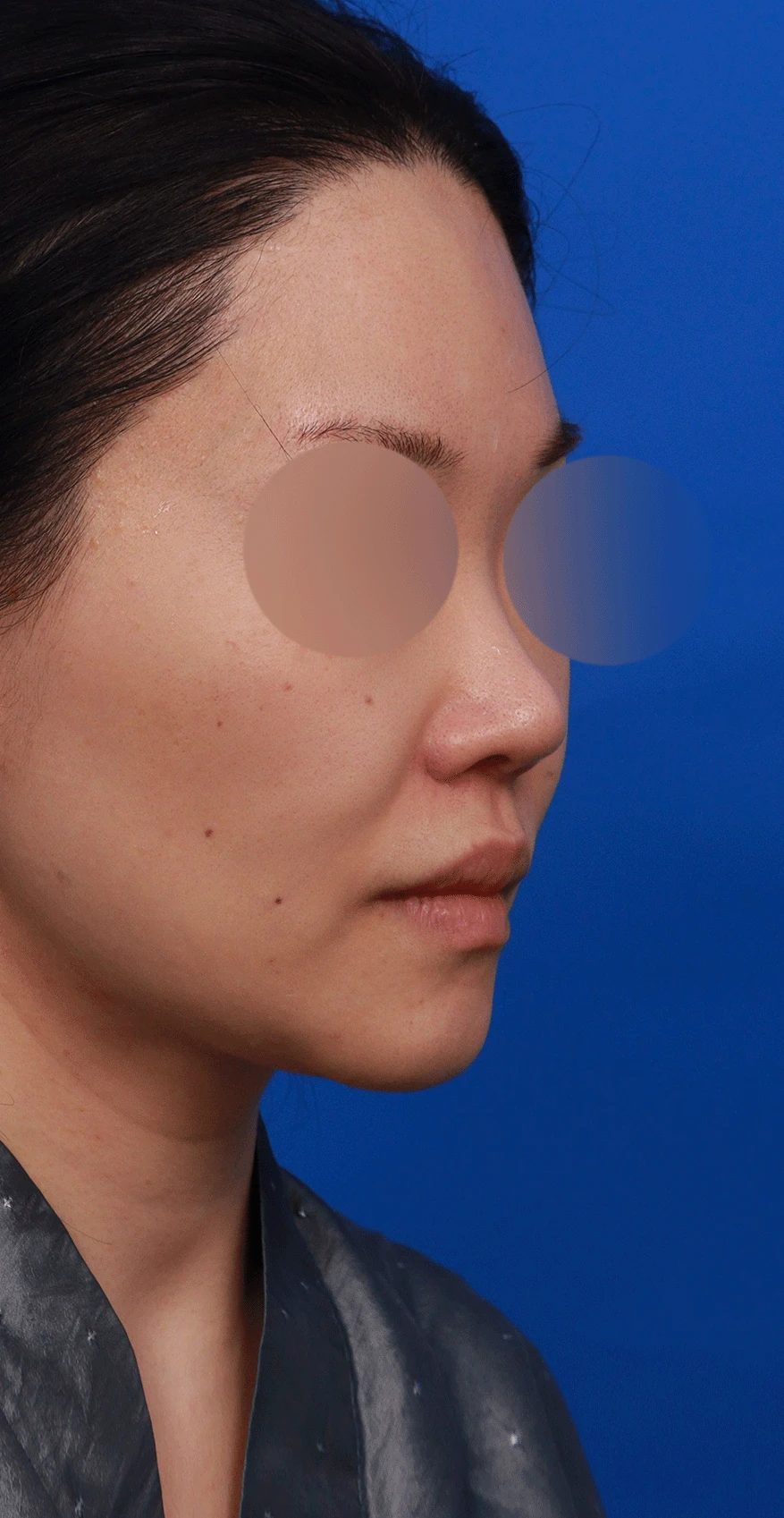
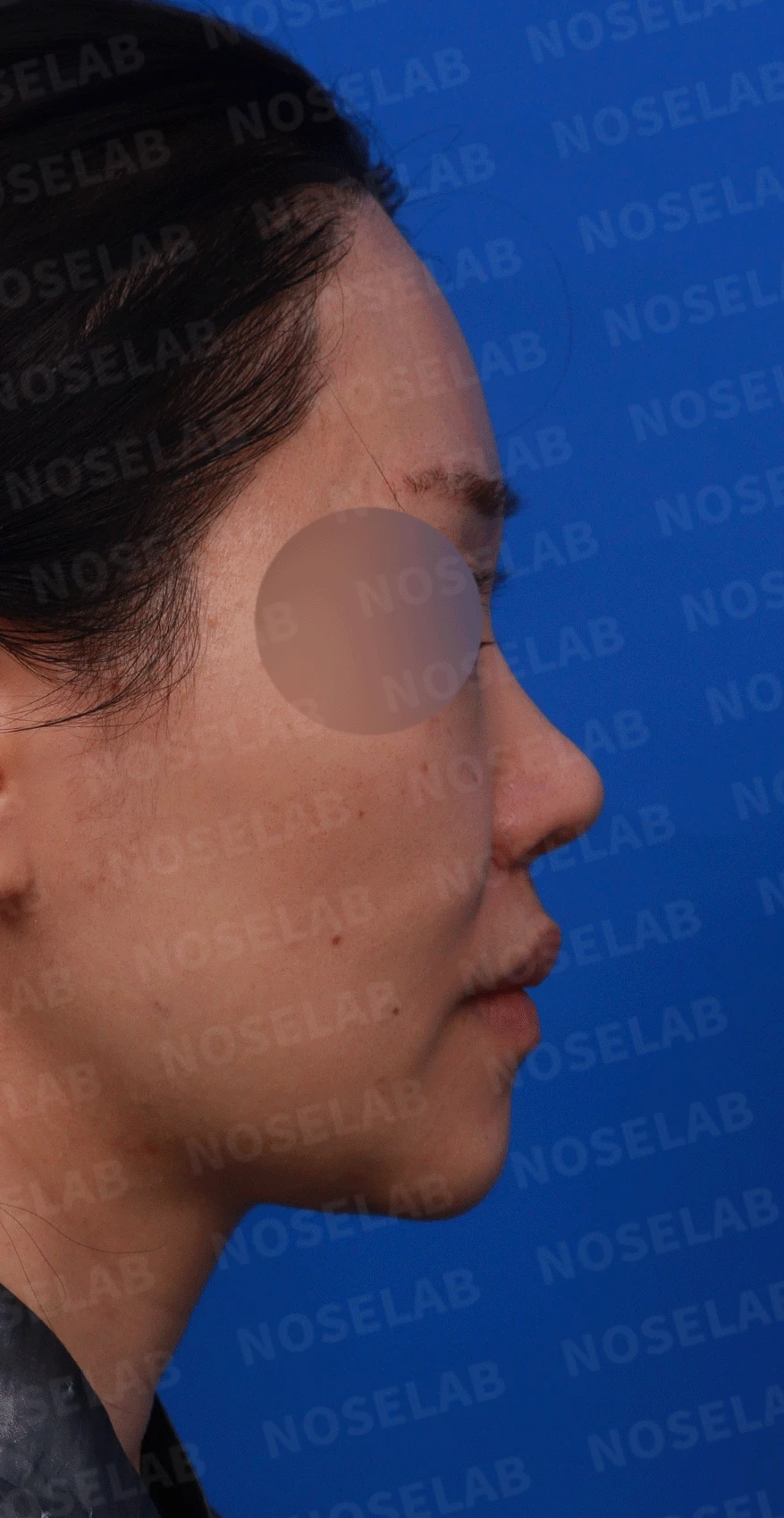
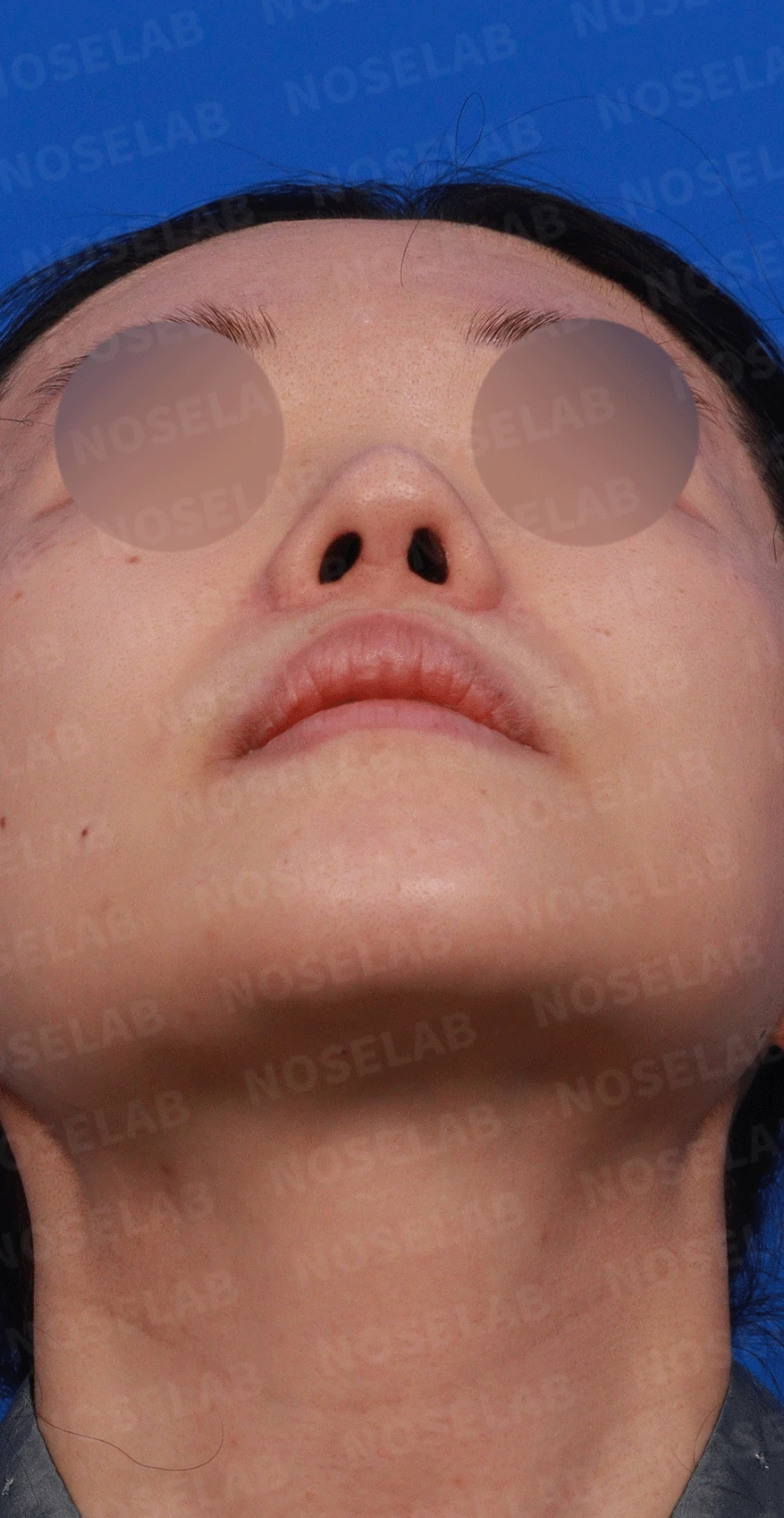
Design consultation: right oblique, profile, and basal (nostril) views.
Loss of nasal bridge height due to absorption of artificial dermis
Widening of the nasal bridge over time
Severe damage to the septal cartilage
Confirming the limitations of previous procedures
✨ Patient's requests
Desire for a natural nasal line
Improving lowered nasal bridge height
Maintaining the current nasal tip
Natural, inconspicuous results
💉 Surgical procedure details
Problem resolution
Removal of absorbed artificial dermis
Refining the widened nasal bridge line
Assessing the damaged septum
2. Structural reconstruction
Septal reconstruction using donor rib cartilage
Securing a stable support structure
Restoring nasal bridge height
3. Shape improvement
Formation of a natural bridge line
Maintaining harmony with the existing nasal tip
Adjusting overall balance
✅ Surgical results and significance
In rhinoplasty using artificial dermis, the material can be absorbed over time, leading to deformities where the nasal bridge lowers and widens. This is a primary reason why maintaining a natural nasal line over the long term can be difficult.
In this type of case:
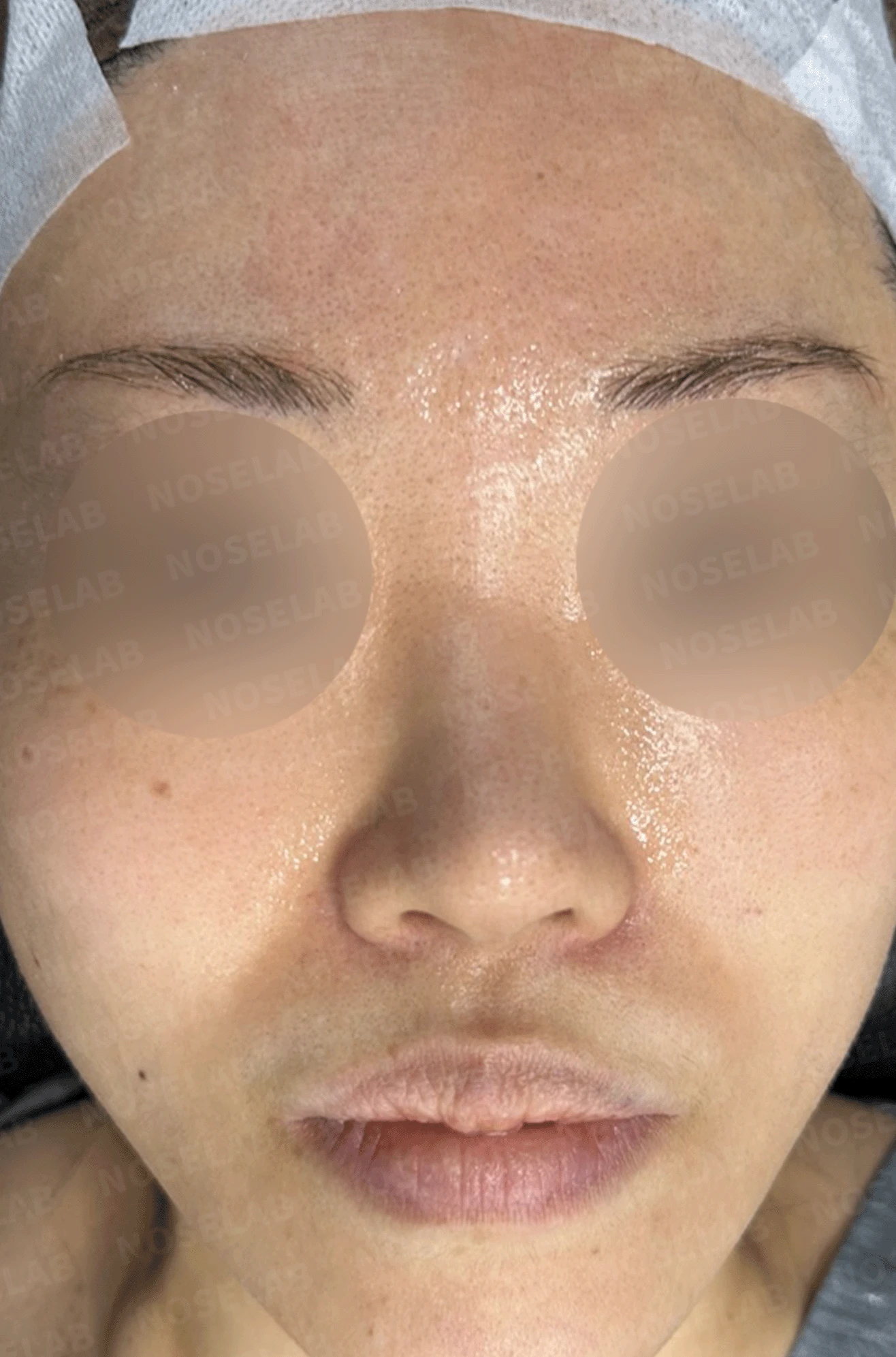
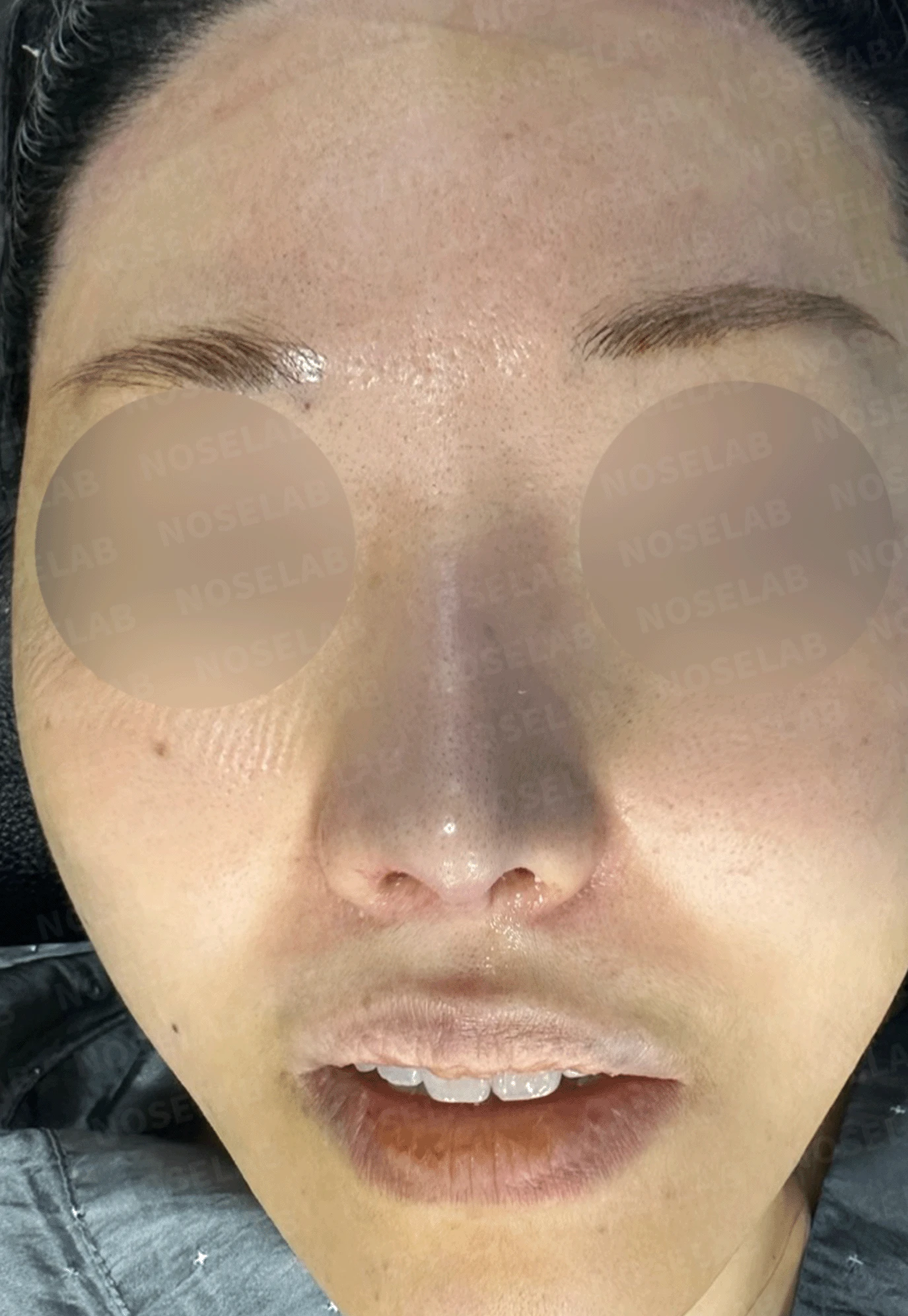
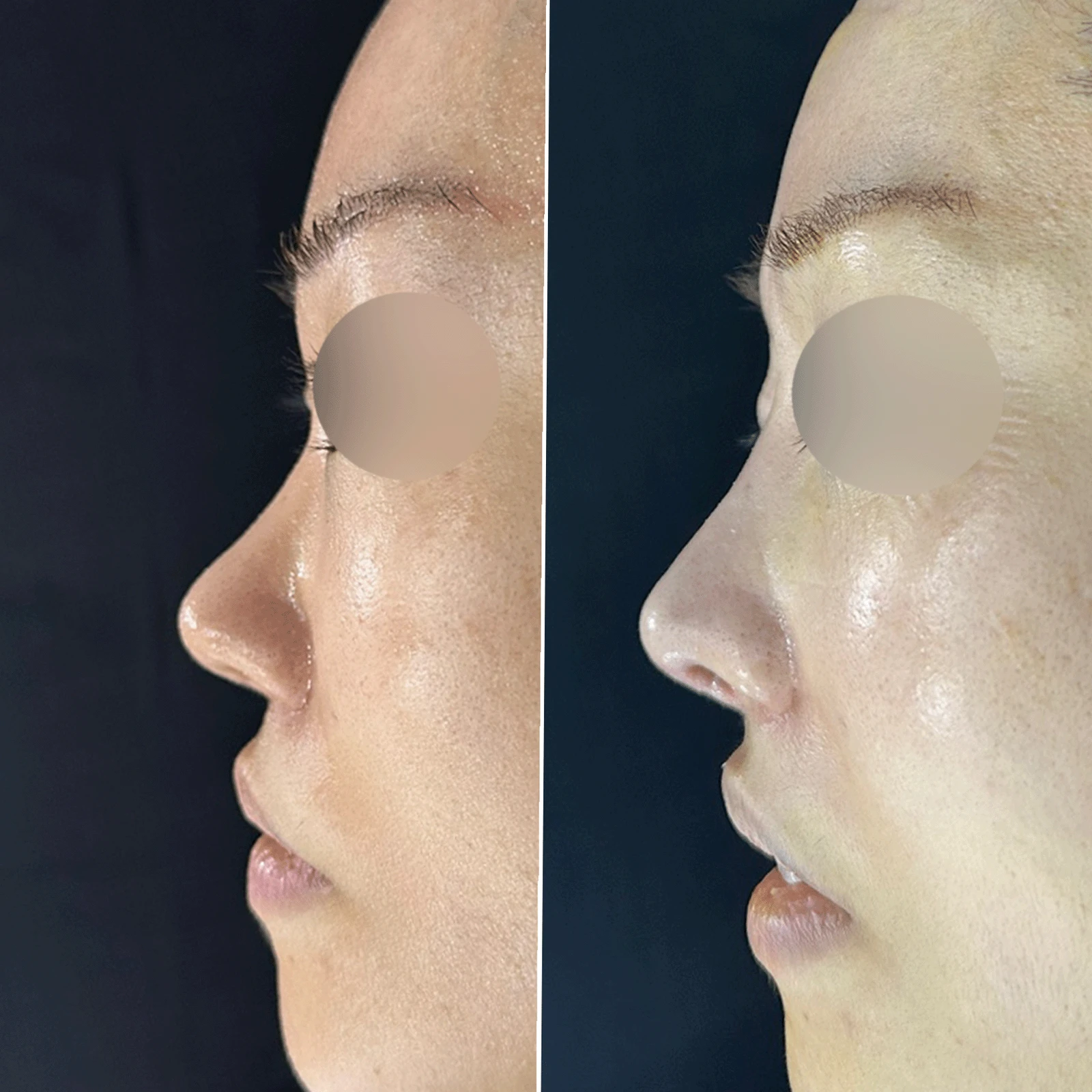
Before surgery / Day 0 immediately after surgery Photos taken immediately after surgery show swelling and may differ from the final result.
Front view
Improvement of a wide bridge
Creating a uniform line
Maintaining a natural width
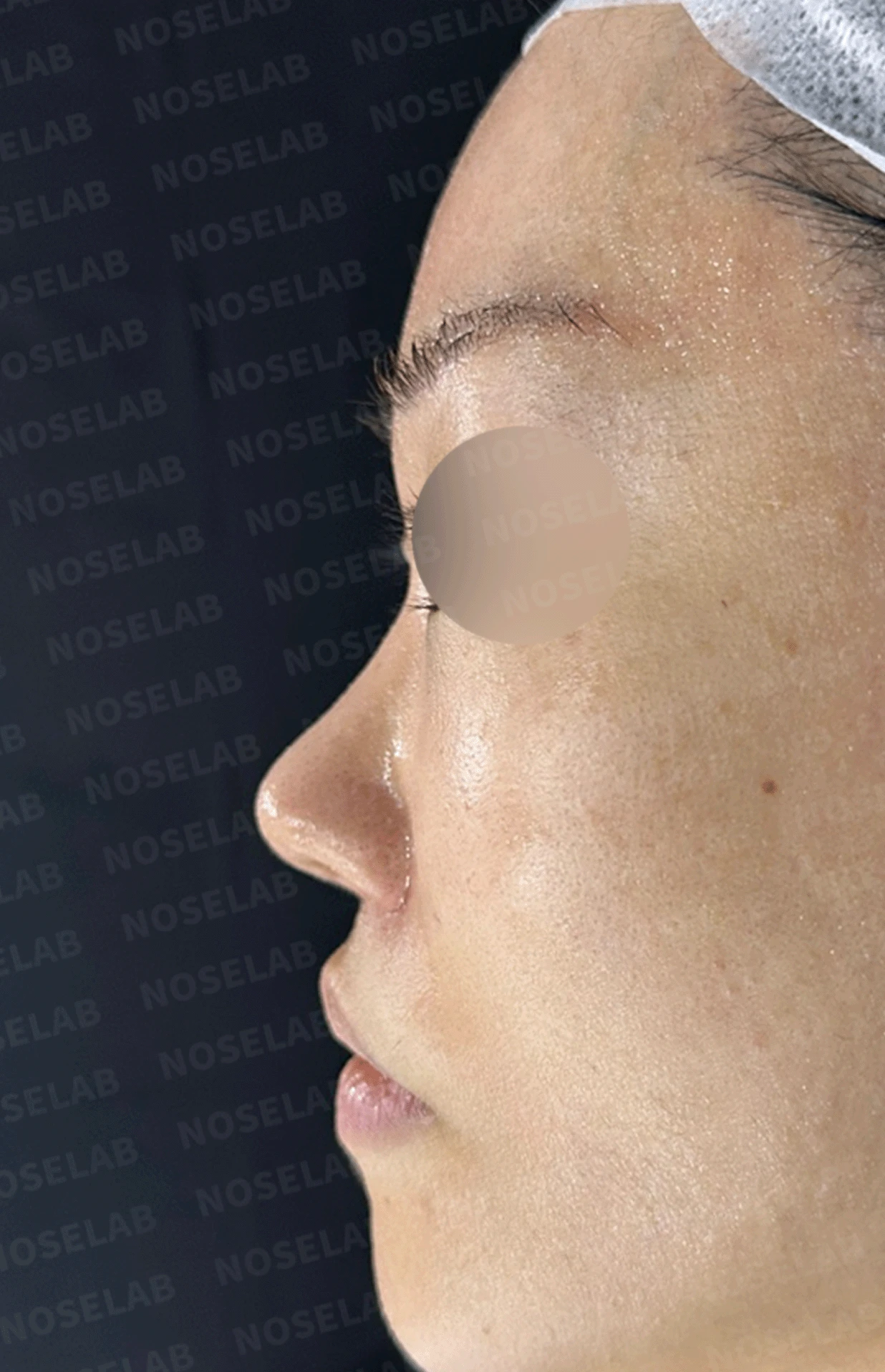
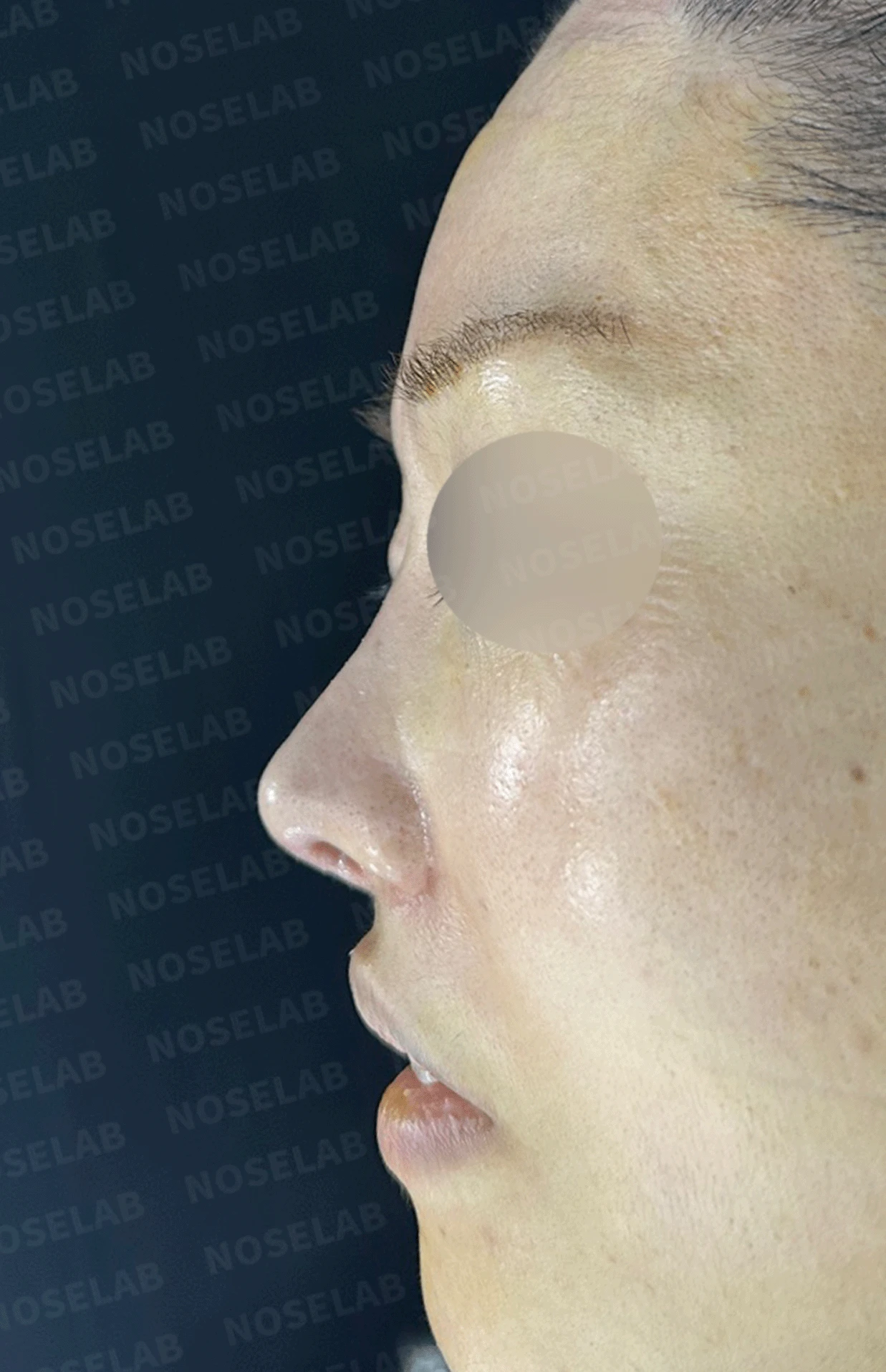
Before surgery / Day 0 immediately after surgery Photos taken immediately after surgery show swelling and may differ from the final result.
2. Profile view
Securing stable nasal bridge height
Maintaining a consistent nasal bridge line
Harmony with the existing nasal tip
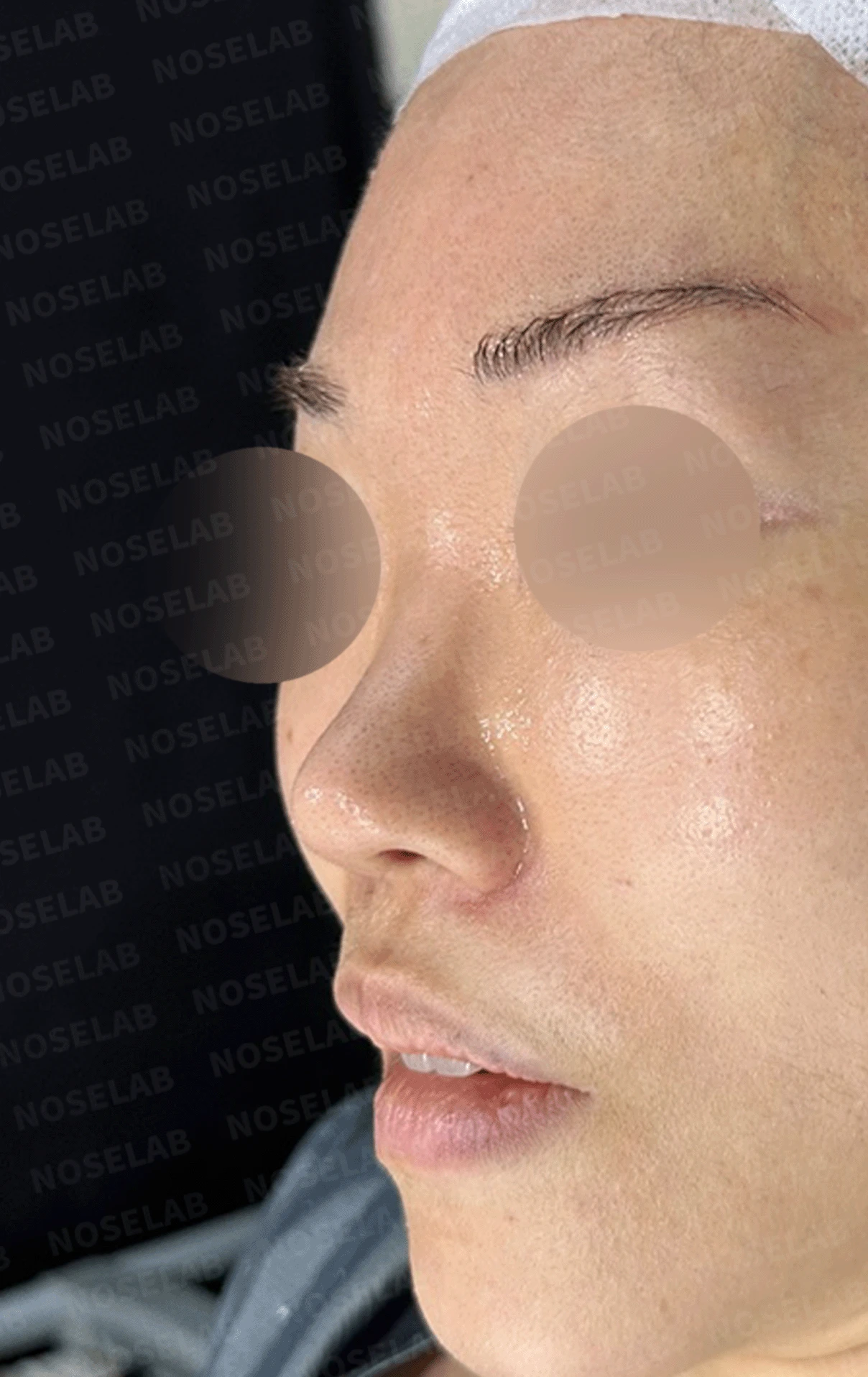
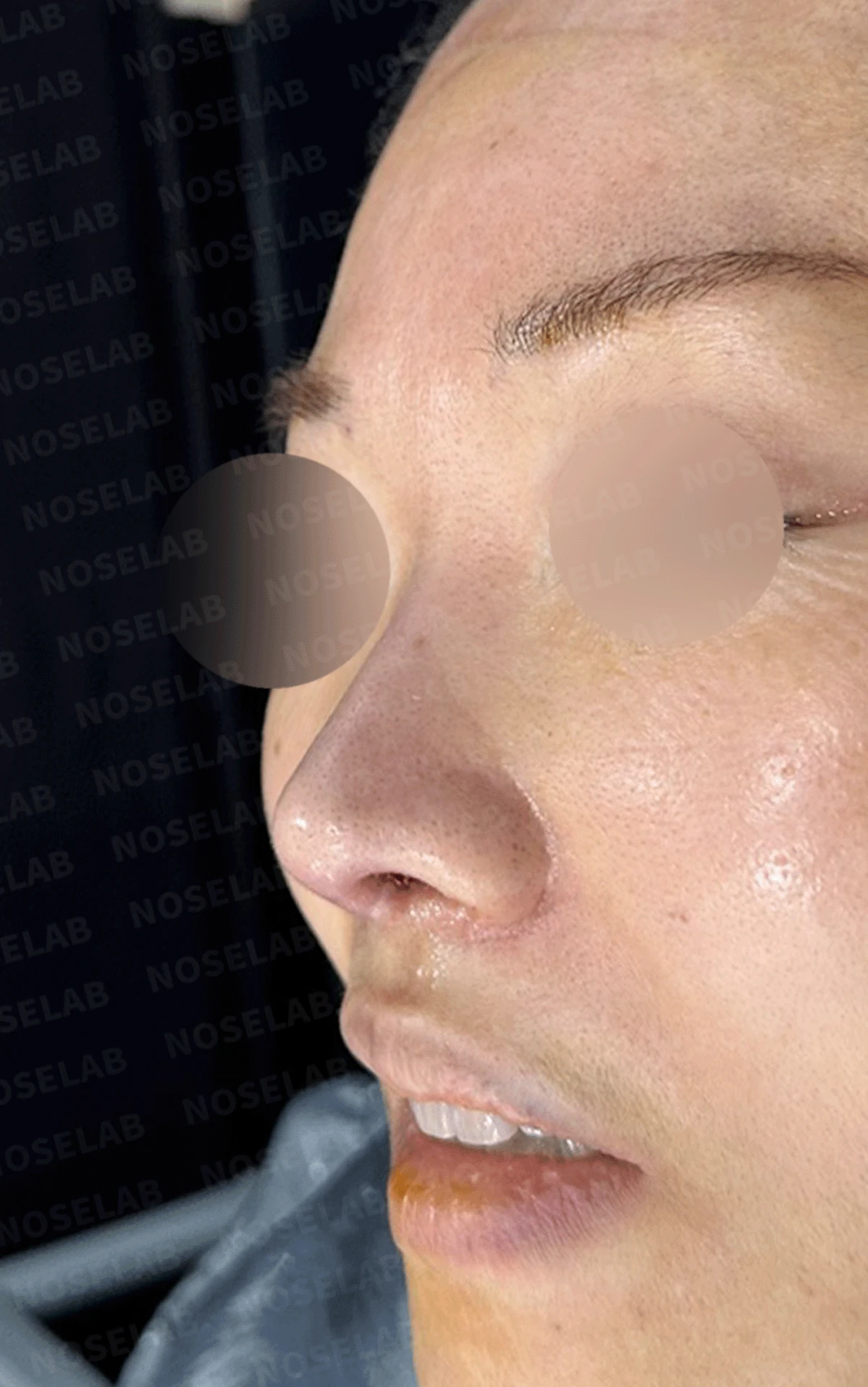
Before surgery / Day 0 immediately after surgery Photos taken immediately after surgery show swelling and may differ from the final result.
3. Oblique view
Improved three-dimensional definition
Natural line
4. Nostril aspect
Improvement of nostril asymmetry
The columella, which had been tilted to the left, became straight
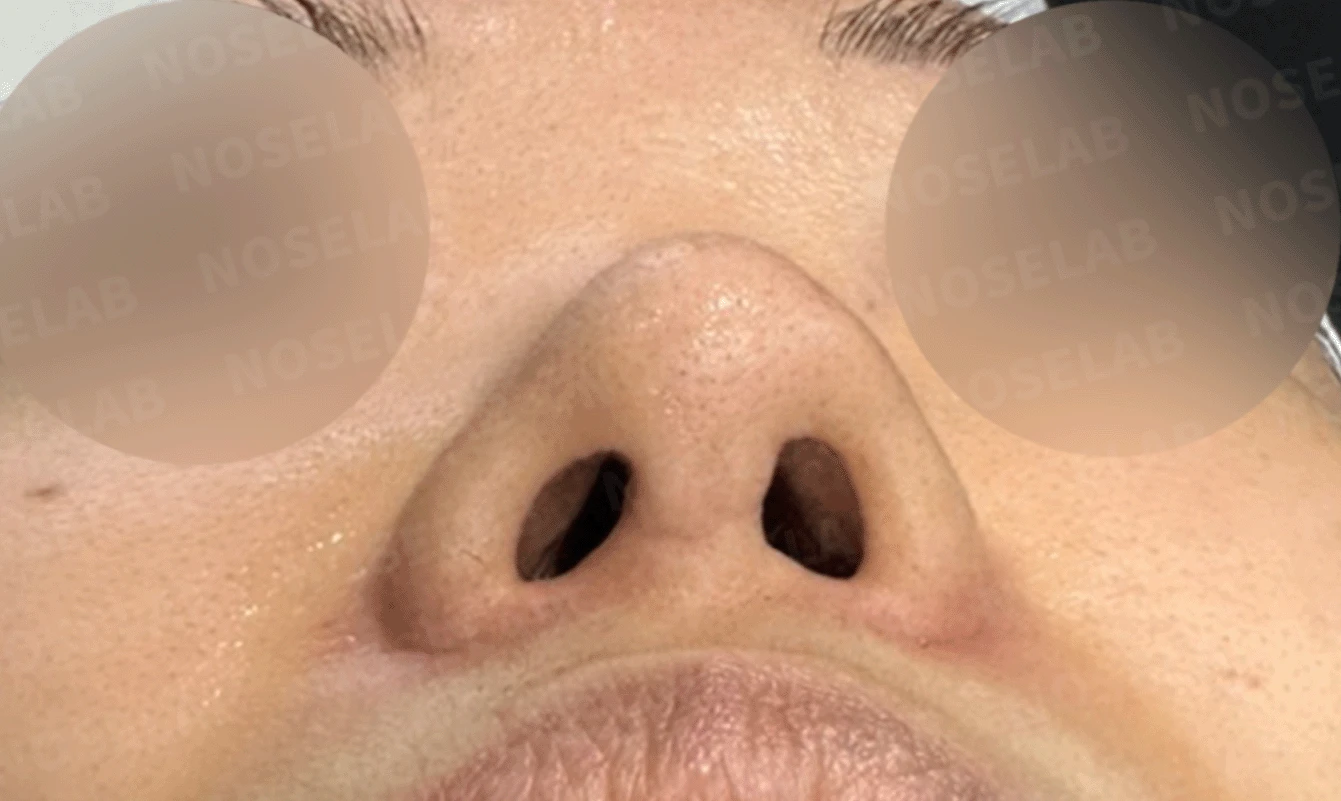
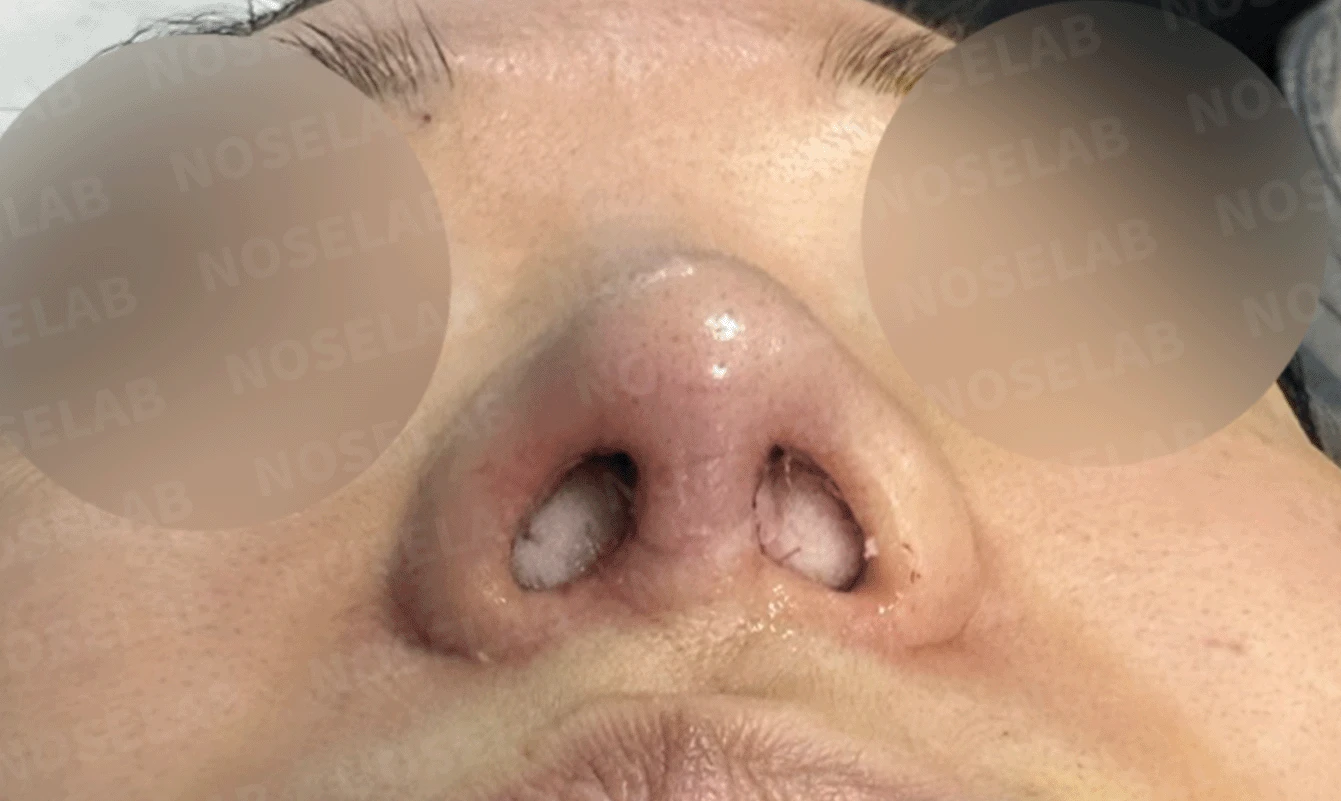
Before surgery / Day 0 immediately after surgery Photos taken immediately after surgery show swelling and may differ from the final result.
👨⚕️ Specialist's assessment
This case once again confirmed the limitations of using artificial dermis. Material absorption over time and the resulting changes in shape are major factors that reduce long-term satisfaction. Therefore, for stable, lasting results, proper material selection and surgical planning are essential.
This was Dr. Peter C. Kang. Thank you.
Thank you.
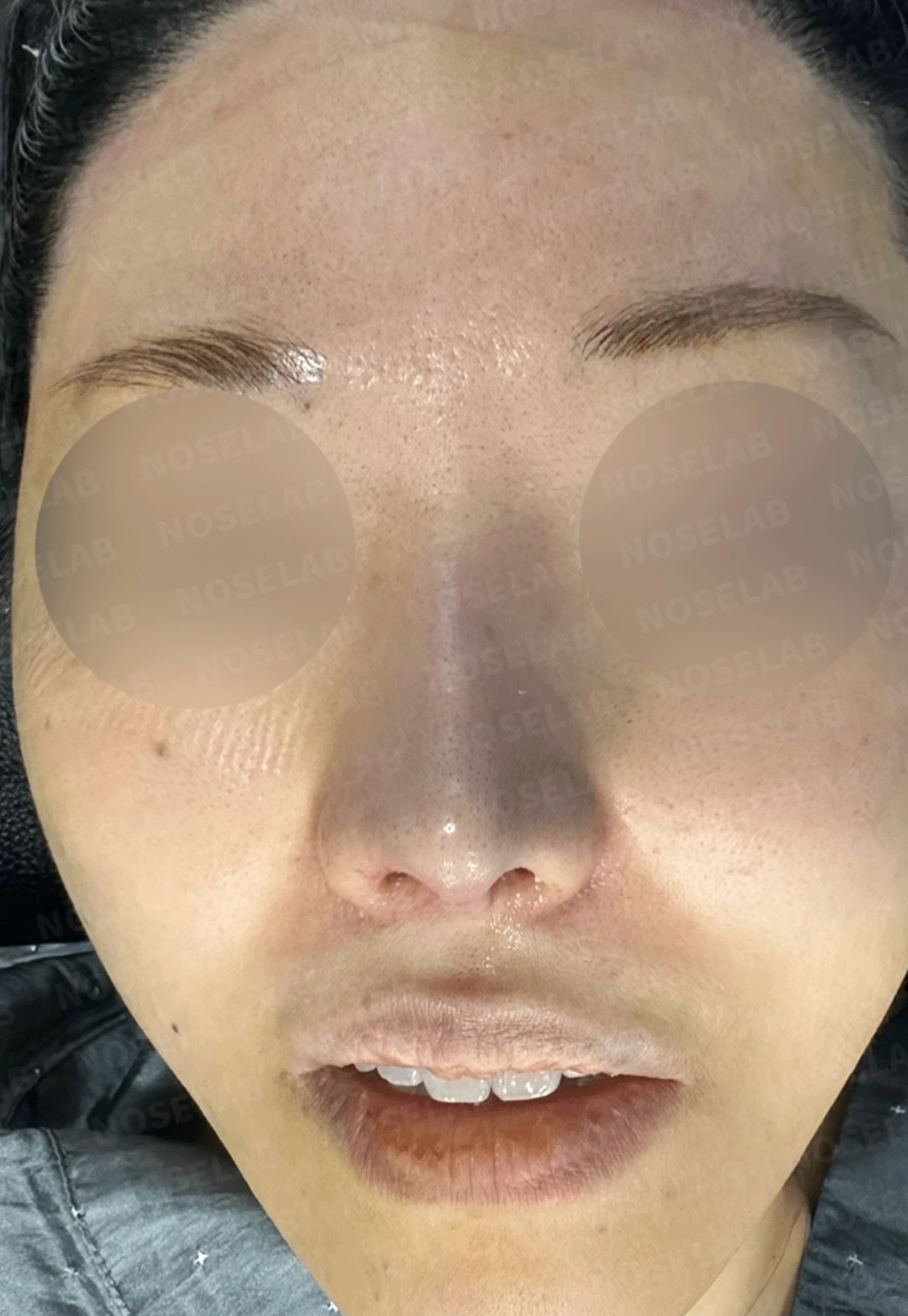
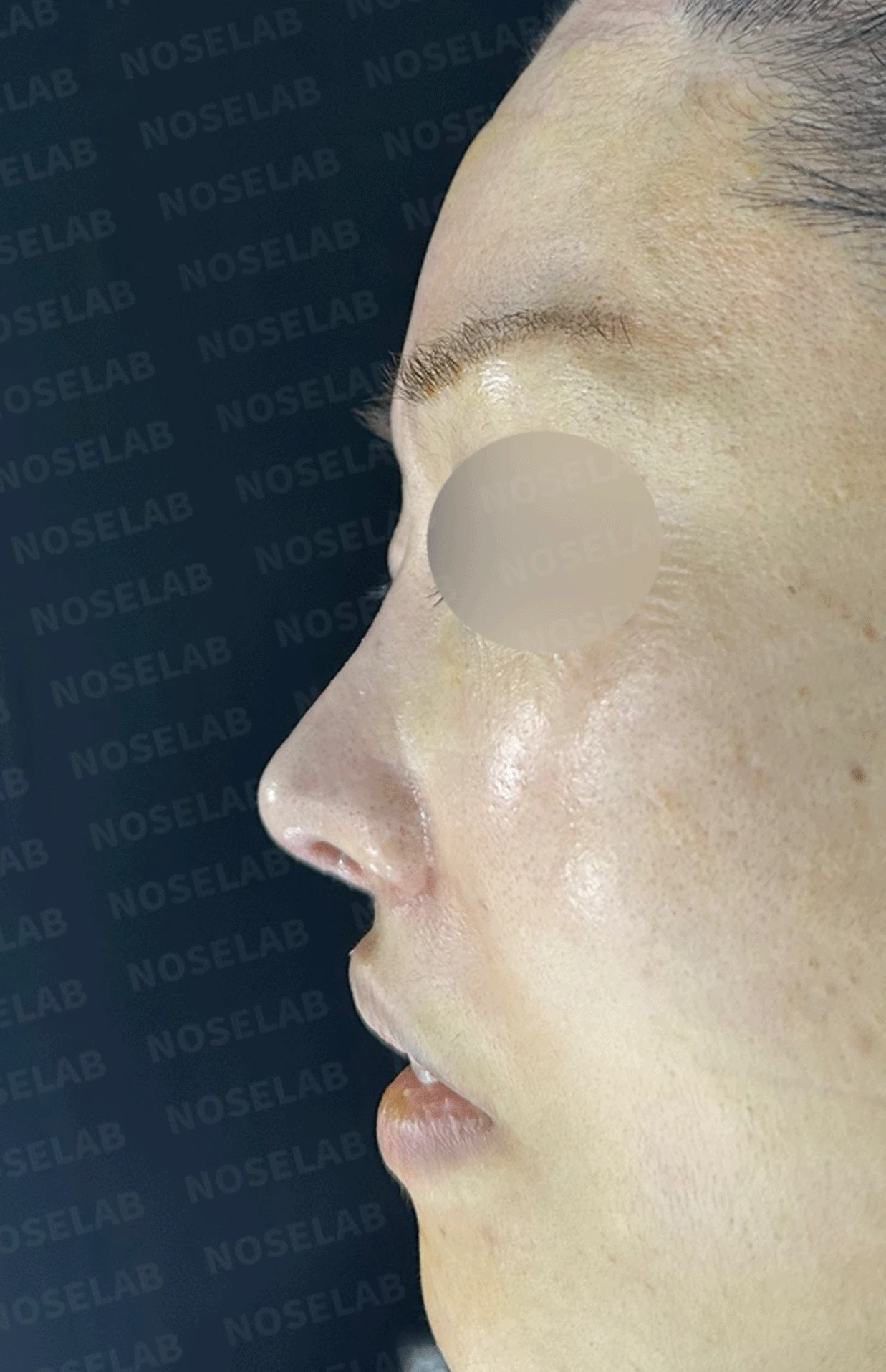
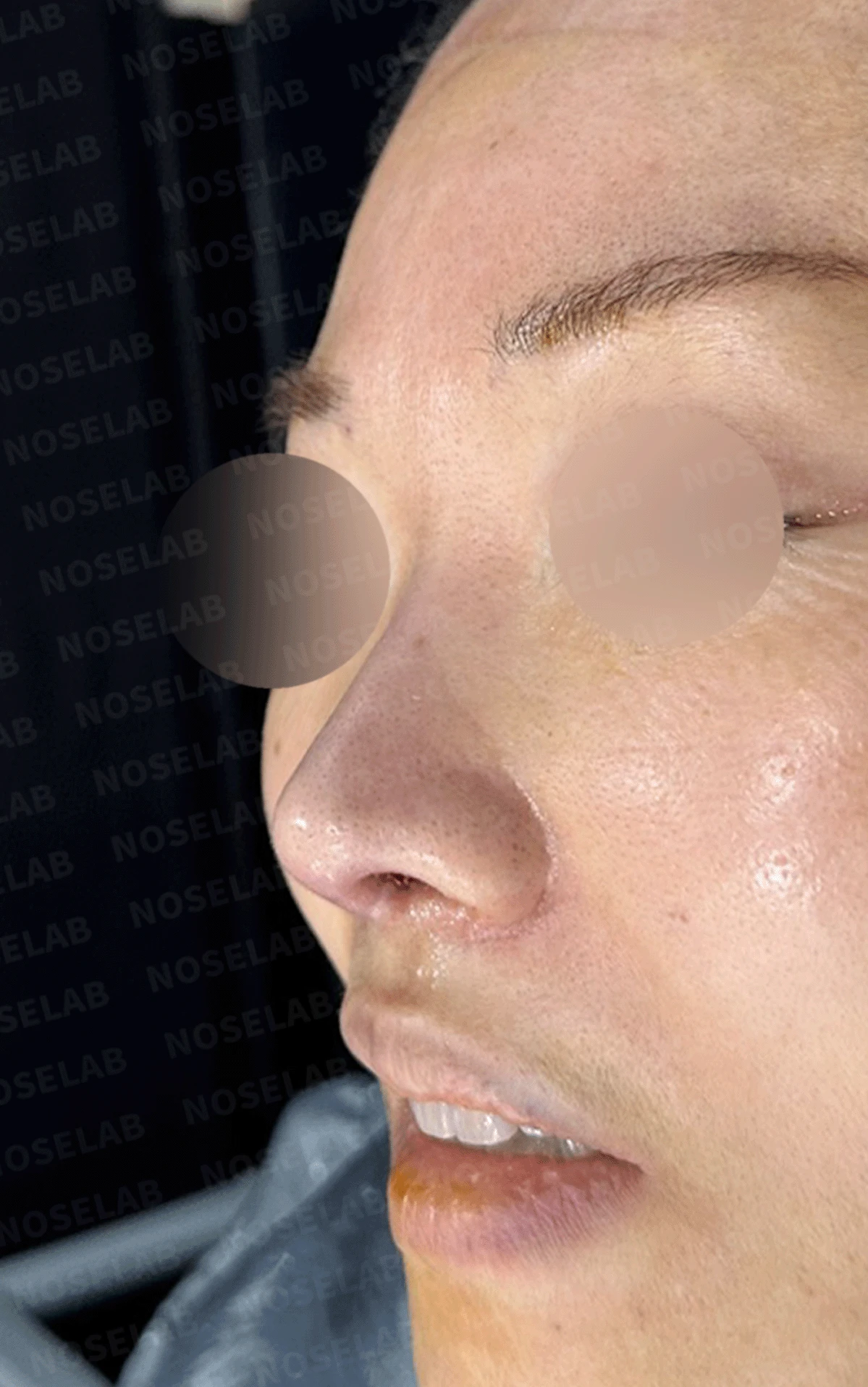
Front, profile, and oblique views taken immediately after surgery (day 0).Immediate postoperative photos show swelling and may differ from the final result.
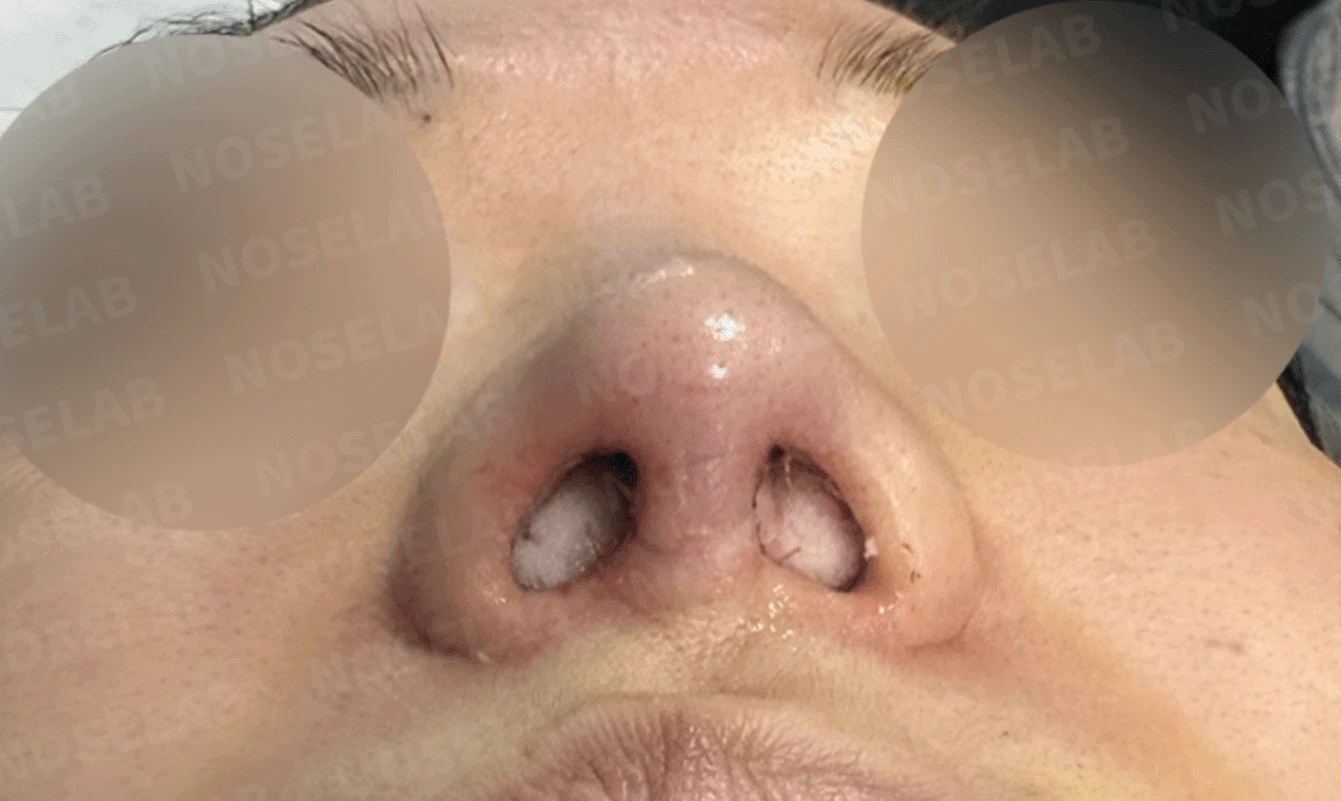
Nostril view on day 0 immediately after surgery. Photos taken immediately after surgery show swelling and may differ from the final result.
#closedrhinoplasty #revisionrhinoplasty #revisionrhinoplastyspecialist #naturalnose #customrhinoplasty

Limitations and risks
When using donor rib cartilage, long-term follow-up is necessary because the grafted cartilage may resorb or warp.
When revising after implant removal, contracture may progress again after removal, the nasal height and length may decrease, and staged surgery may be necessary depending on the skin condition.
When the septum is corrected at the same time, nasal obstruction may persist or recur, and in rare cases, septal perforation or changes in smell may occur.
Common potential risks include infection, bleeding, asymmetry, scarring, skin necrosis, and insufficient improvement; results vary depending on individual skin condition and previous surgical history.