Hello, I am Dr. Peter C. Kang.
Today, I will introduce a revision rhinoplasty case of a patient who believed their nasal bridge implant was Gore-Tex, but it was actually Silitex (silicone wrapped in Gore-Tex).
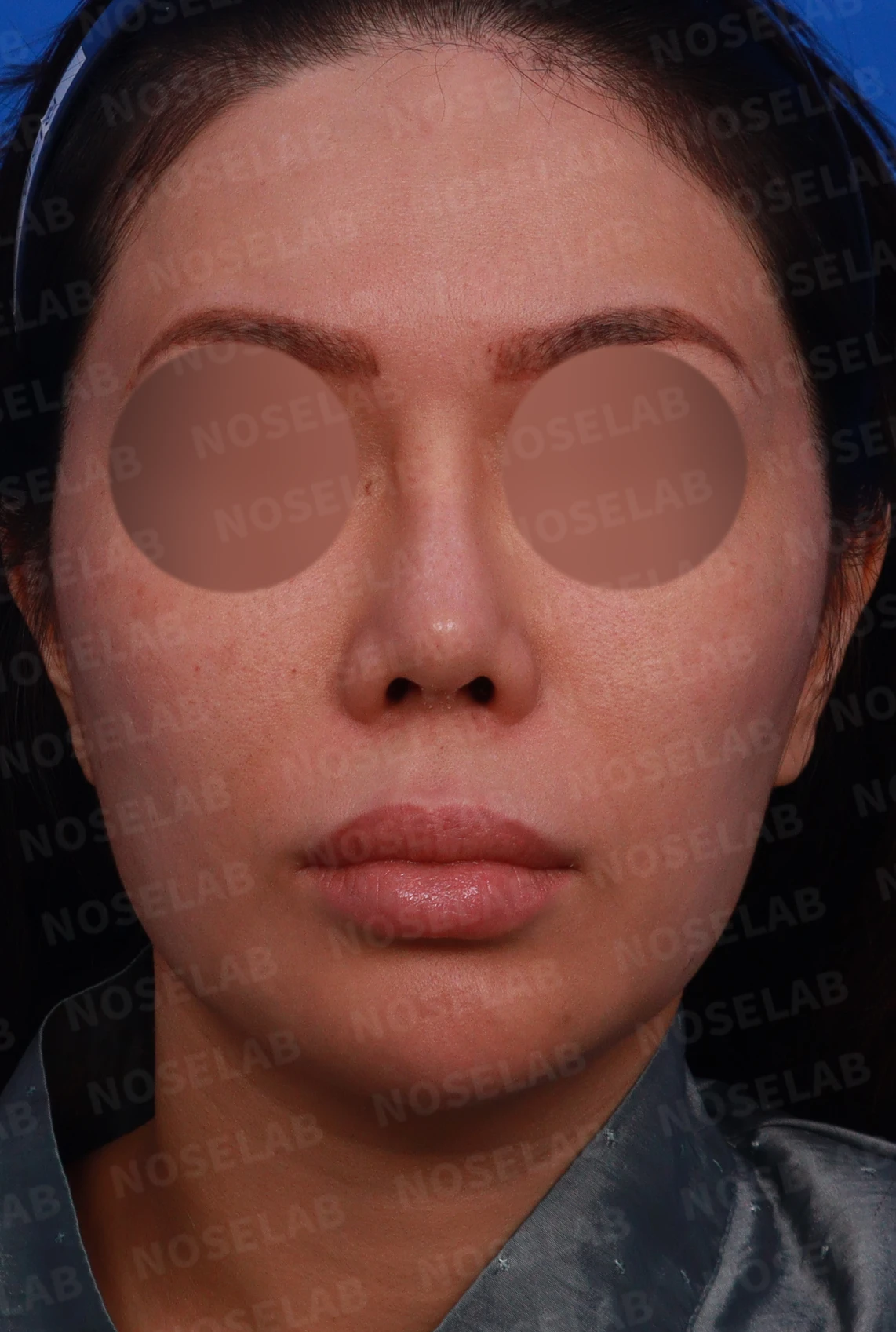
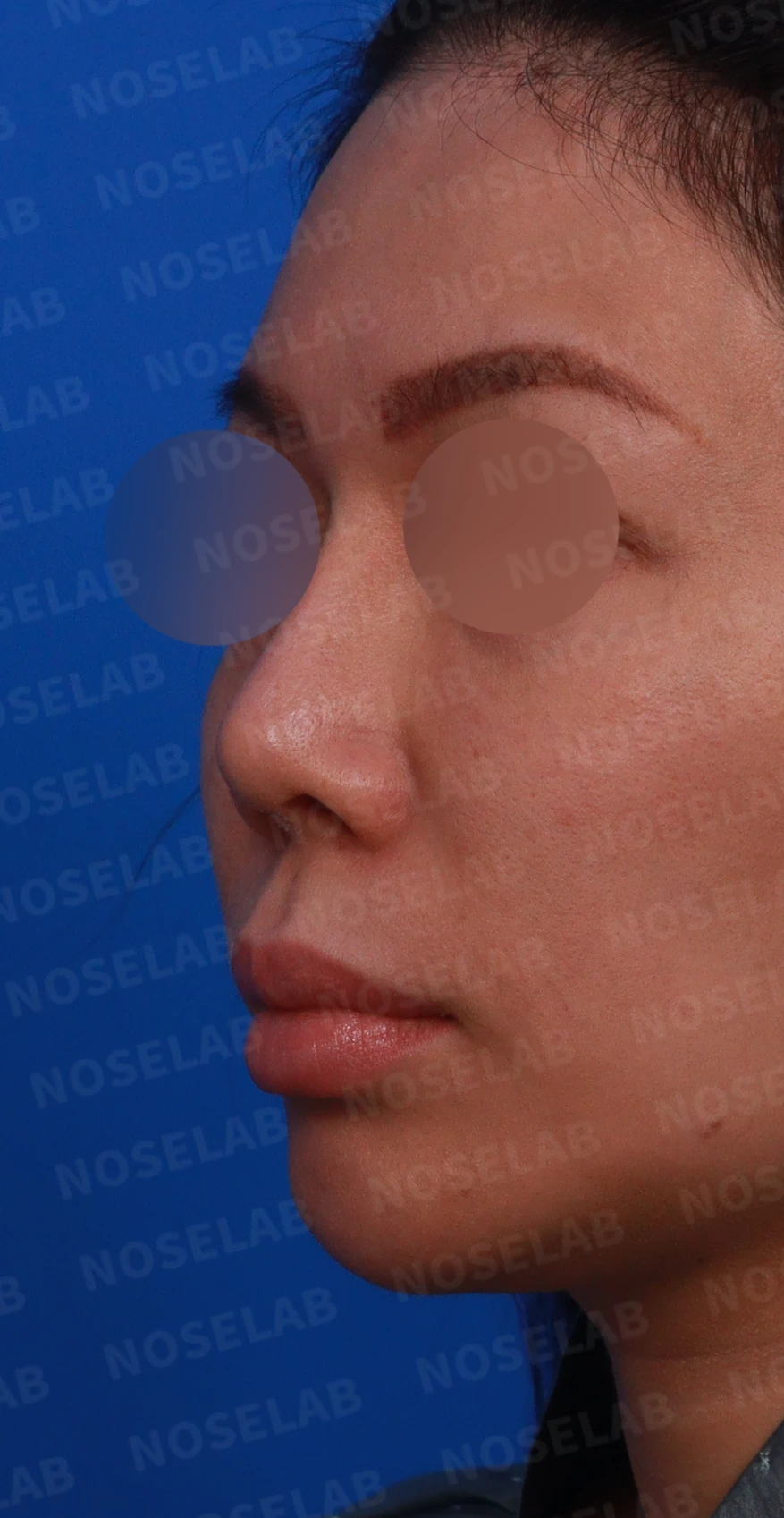
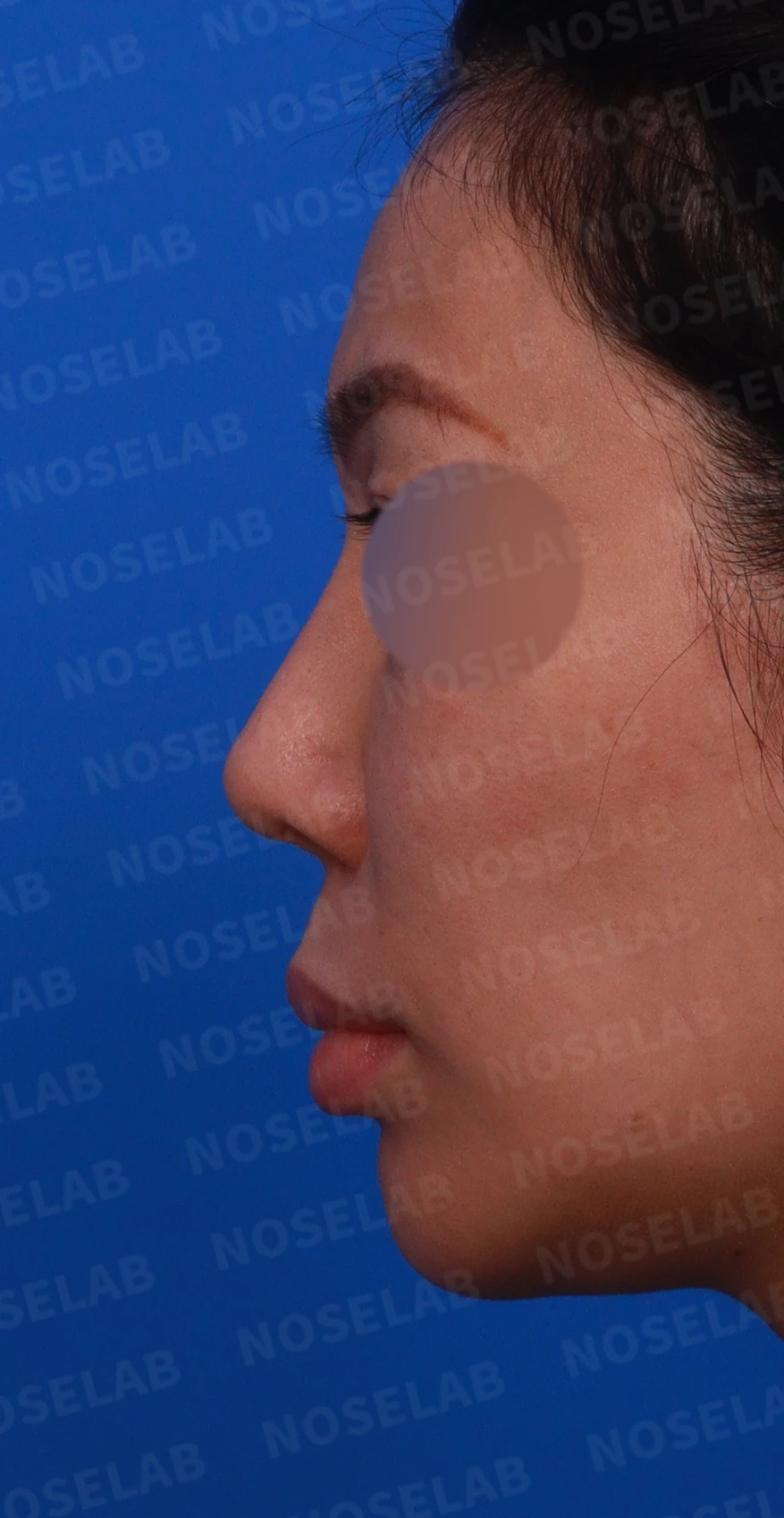
Front, left profile, and oblique views during design consultation
📍 Surgical history
2019: Surgery with Silitex (Gore-Tex + silicone)
🔎 Initial consultation findings
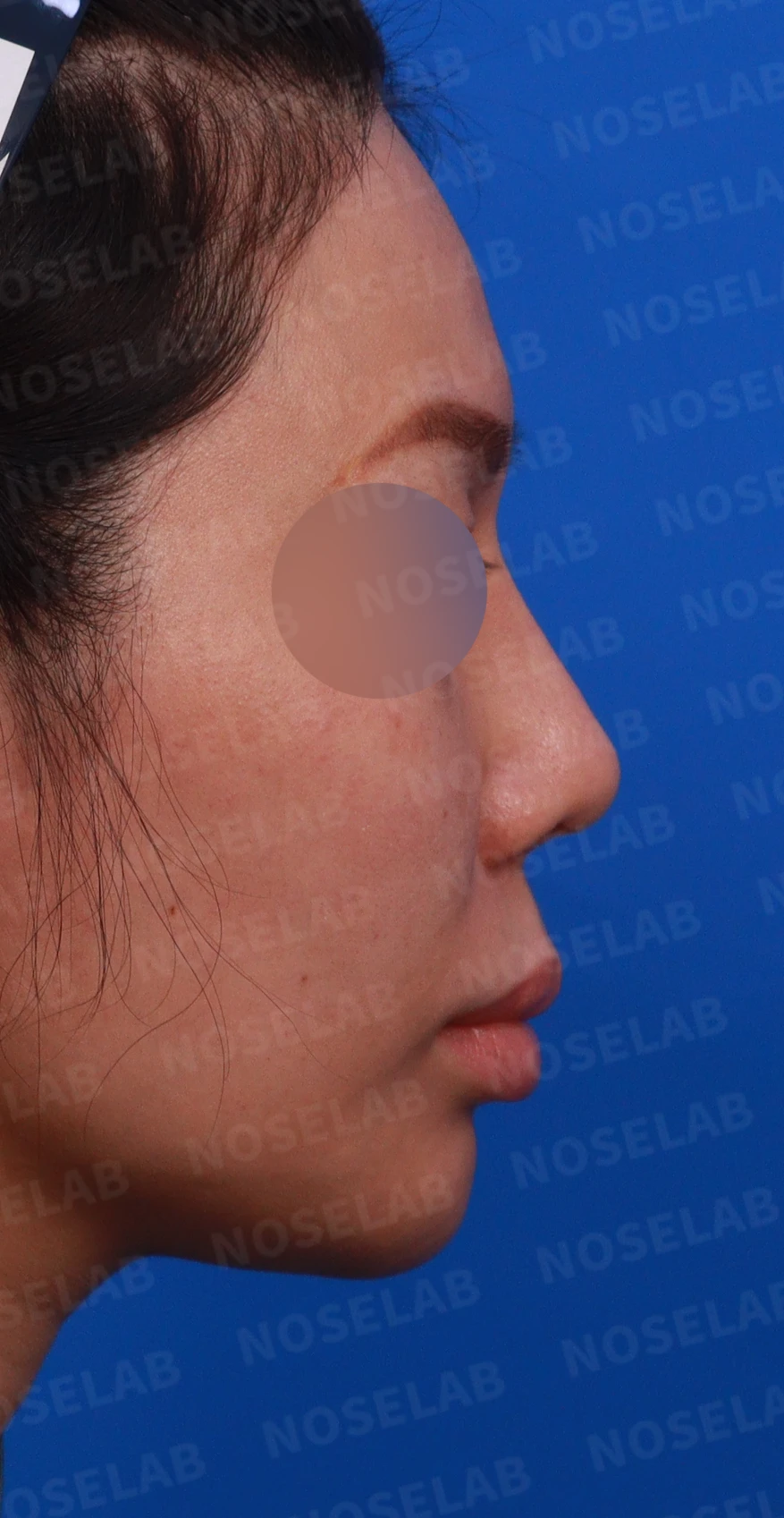
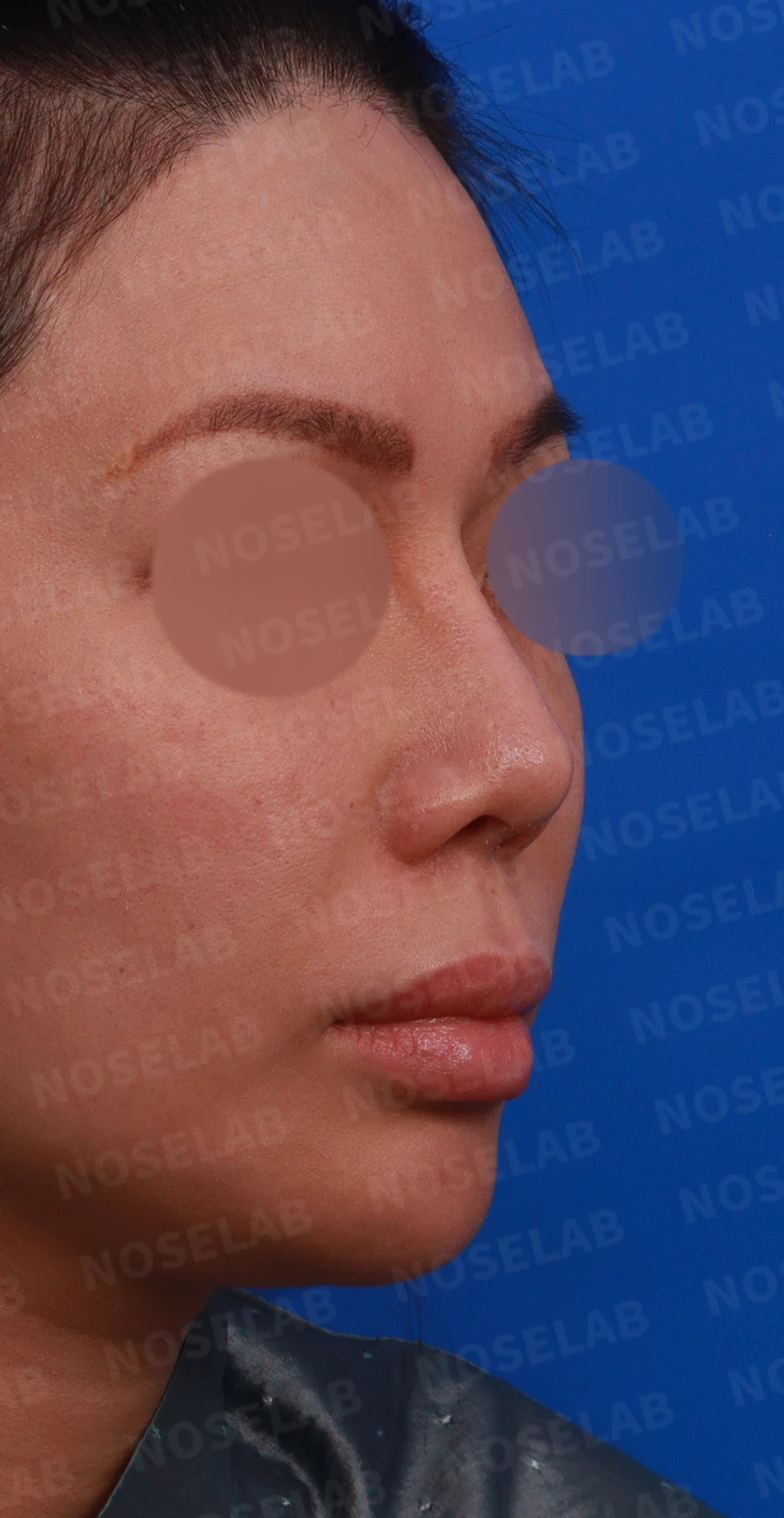
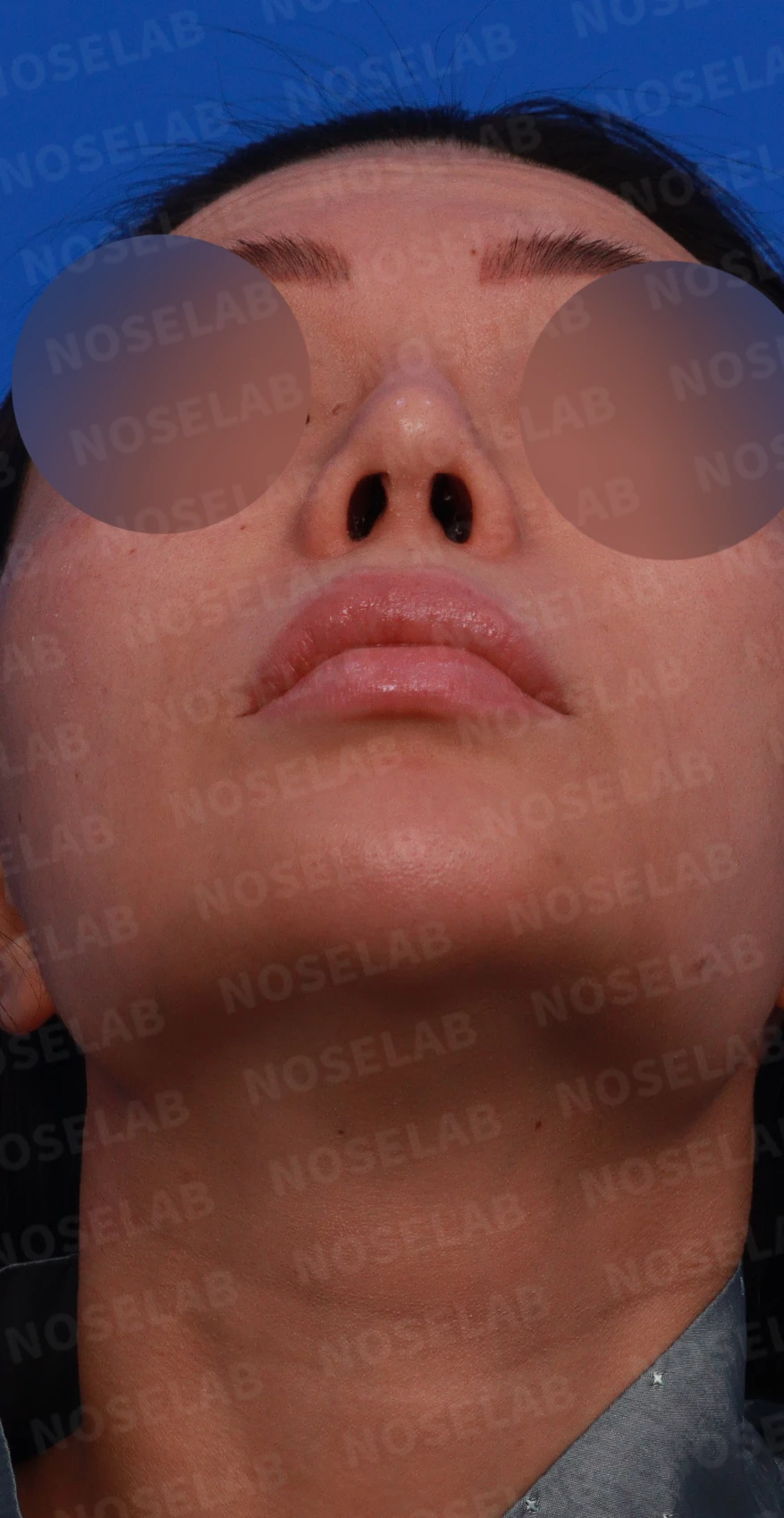
Right profile, oblique, and nostril views during design consultation.
Front view
Excessive nostril show
Implant show-through
High radix
Long philtrum
Overall artificial appearance
2. Profile view
High glabella
Short and upturned nasal tip
Retracted columella
Protruding mouth due to an acute nasolabial angle
3. Oblique view
Protruding mouth observed
Unnatural radix starting point
Retracted columella
4. Nostril view
Left-right asymmetry
Prominent scar tissue protruding on the right side of the columella
✨ Patient's requests


Reference photos provided by the patient
Improvement of protruding mouth through nasolabial angle correction
Lowering the radix
A natural radix line
A well-projected nasal tip
Reduced nostril show from the front
Lowering the columella


Reference photos provided by the patient
💉 Surgical procedure details
Foreign material removal
Safe removal of Silitex (silicone wrapped in Gore-Tex)
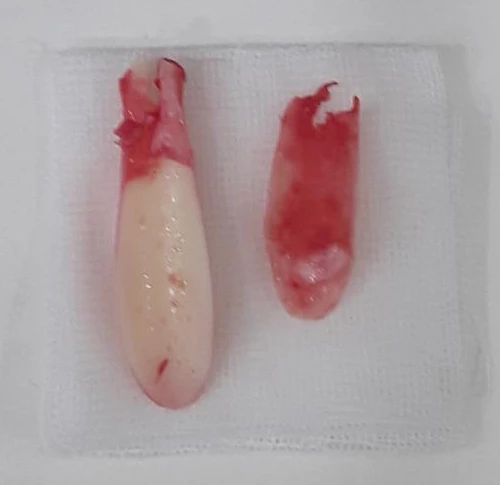
Complete removal of remnant foreign tissue
Debridement of damaged tissue
2. Structural reconstruction
Nasal tip elevation using autologous rib cartilage
Natural nasal bridge shaping using a silicone implant
Improvement of protruding mouth through nasolabial angle correction
3. Overall improvement
Concurrent autologous facial fat grafting
Natural adjustment of the radix starting point
Improvement of overall balance
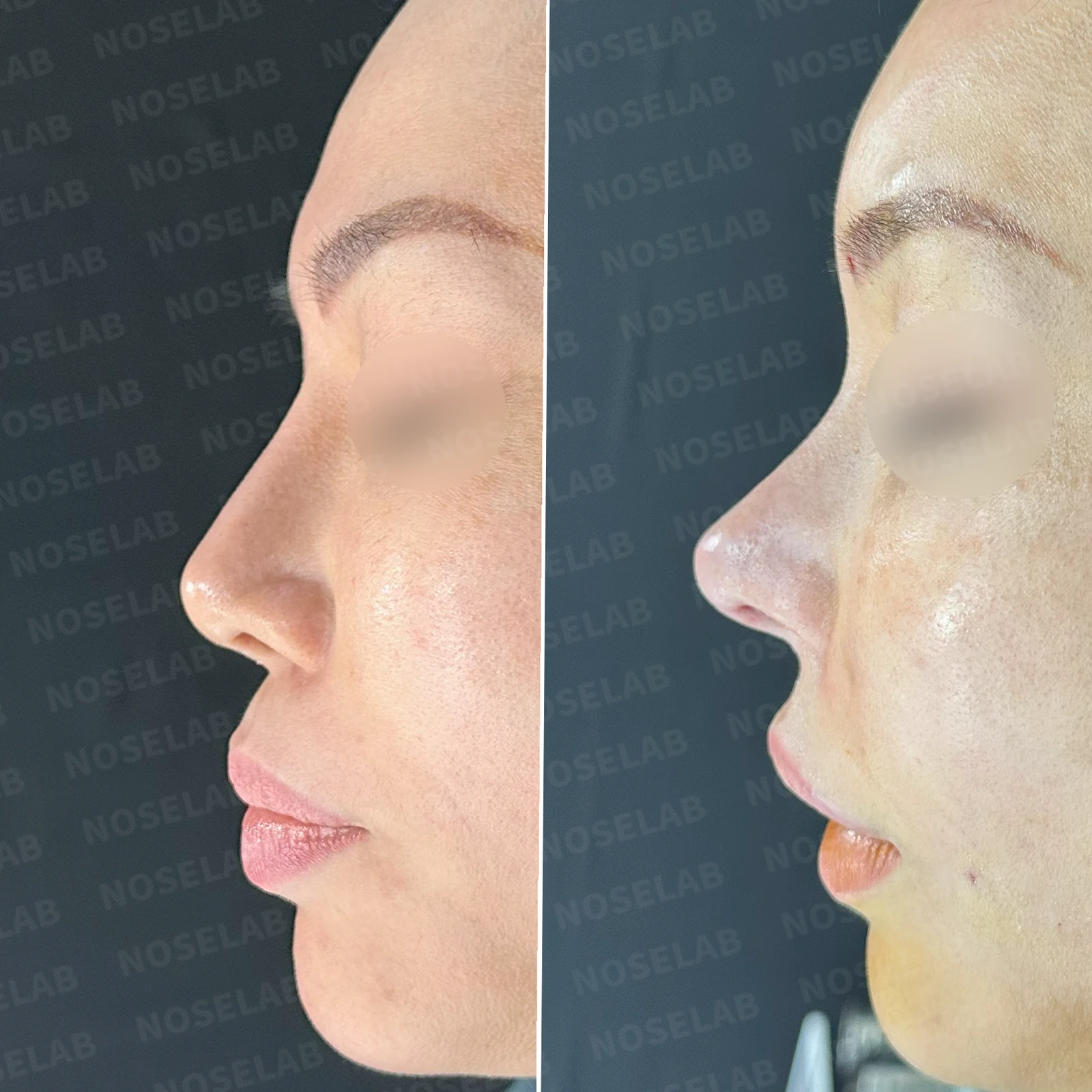
✅ Surgical results
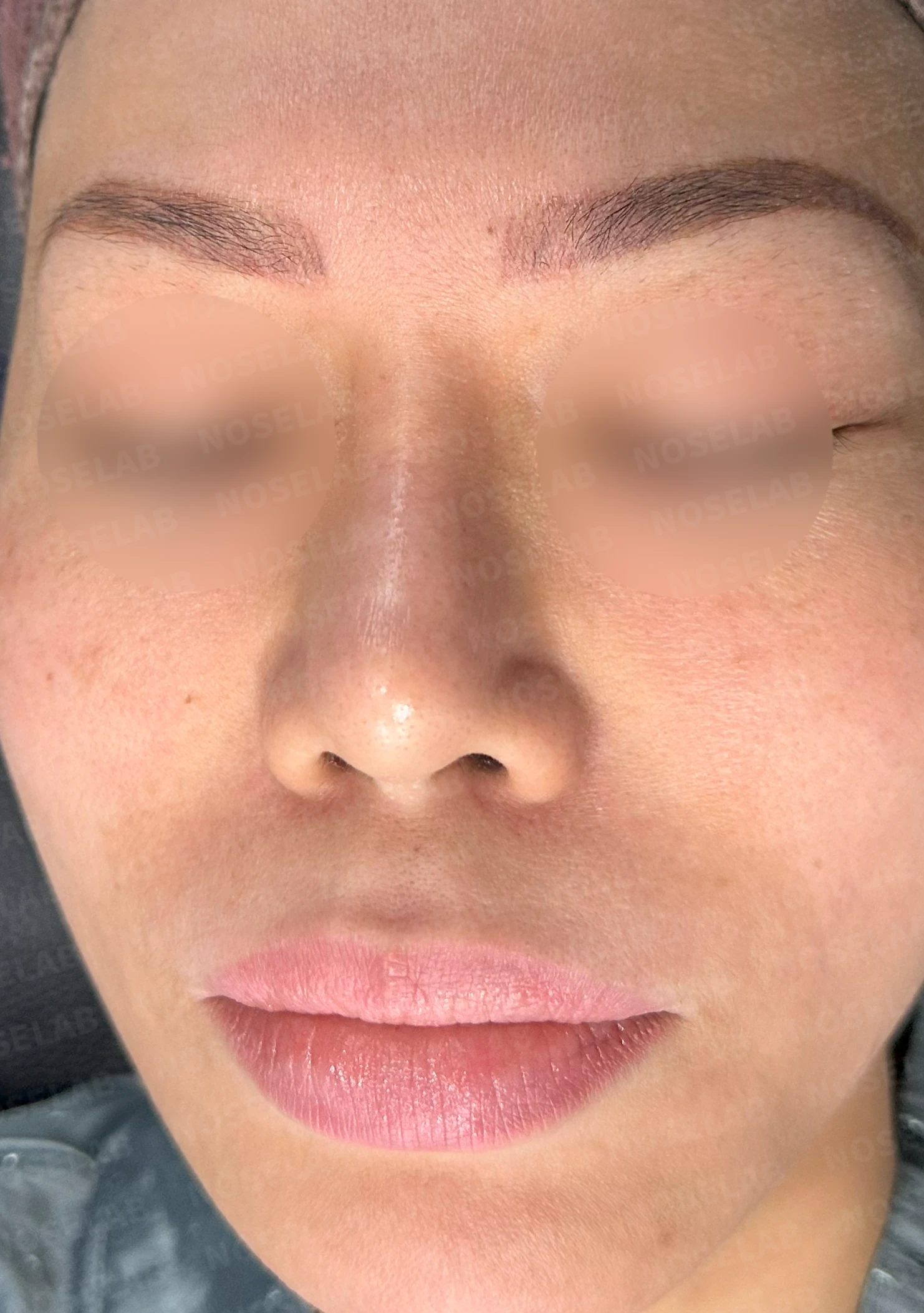
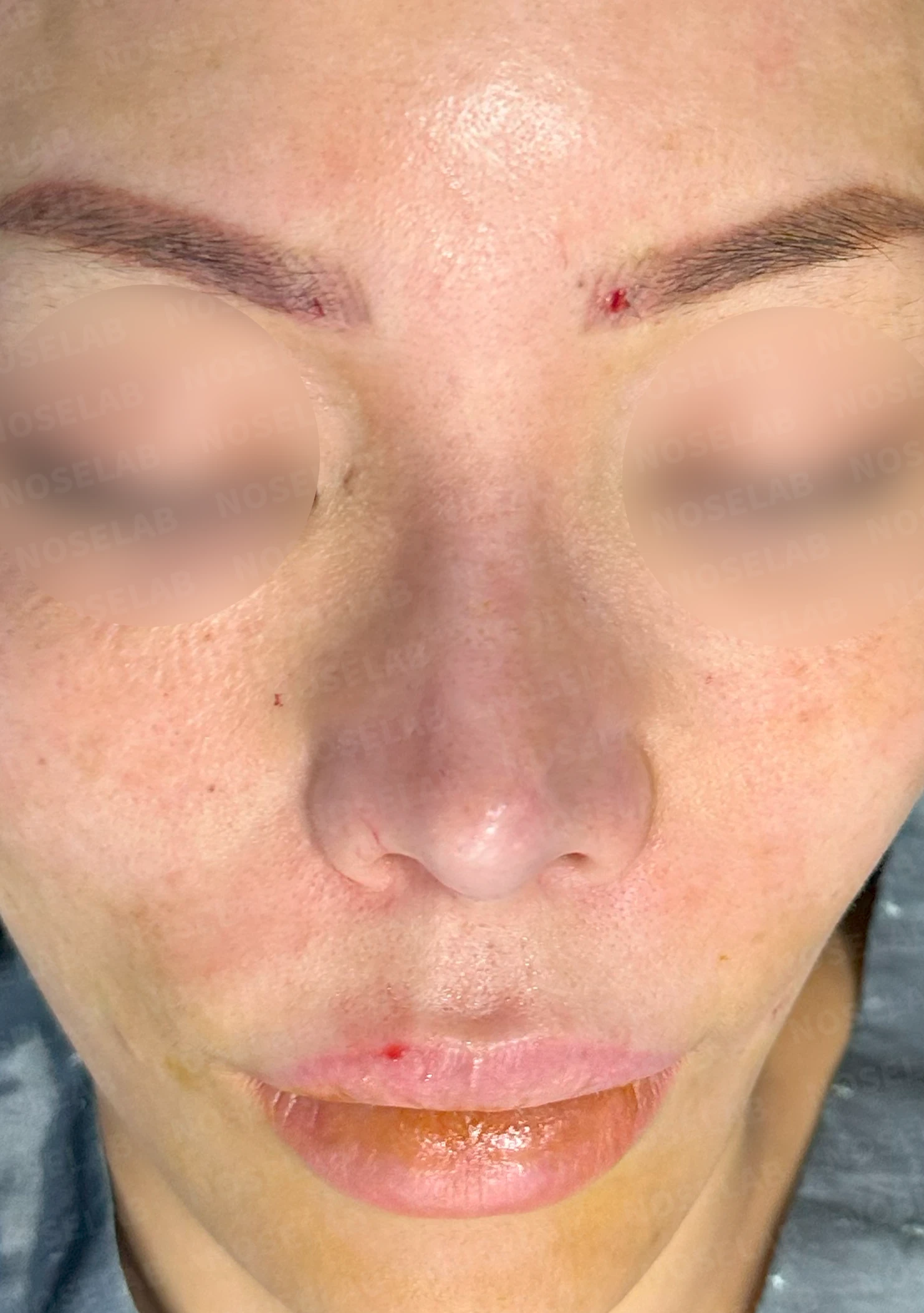
Before surgery / Day 0 immediately after surgery Photos taken immediately after surgery show swelling and may differ from the final result.
Front view
Natural nostril show
Resolution of implant show-through
Harmonious starting point
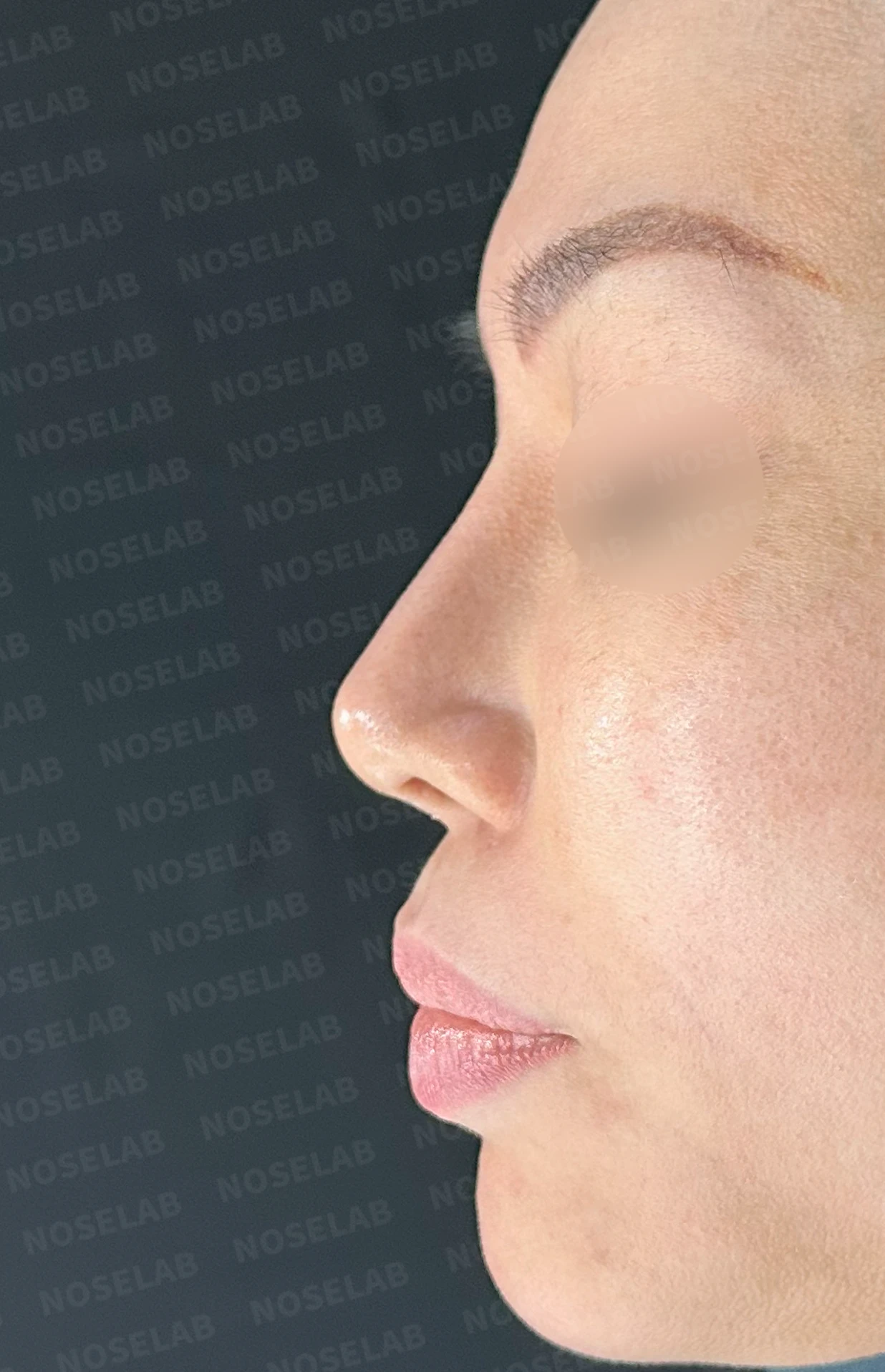
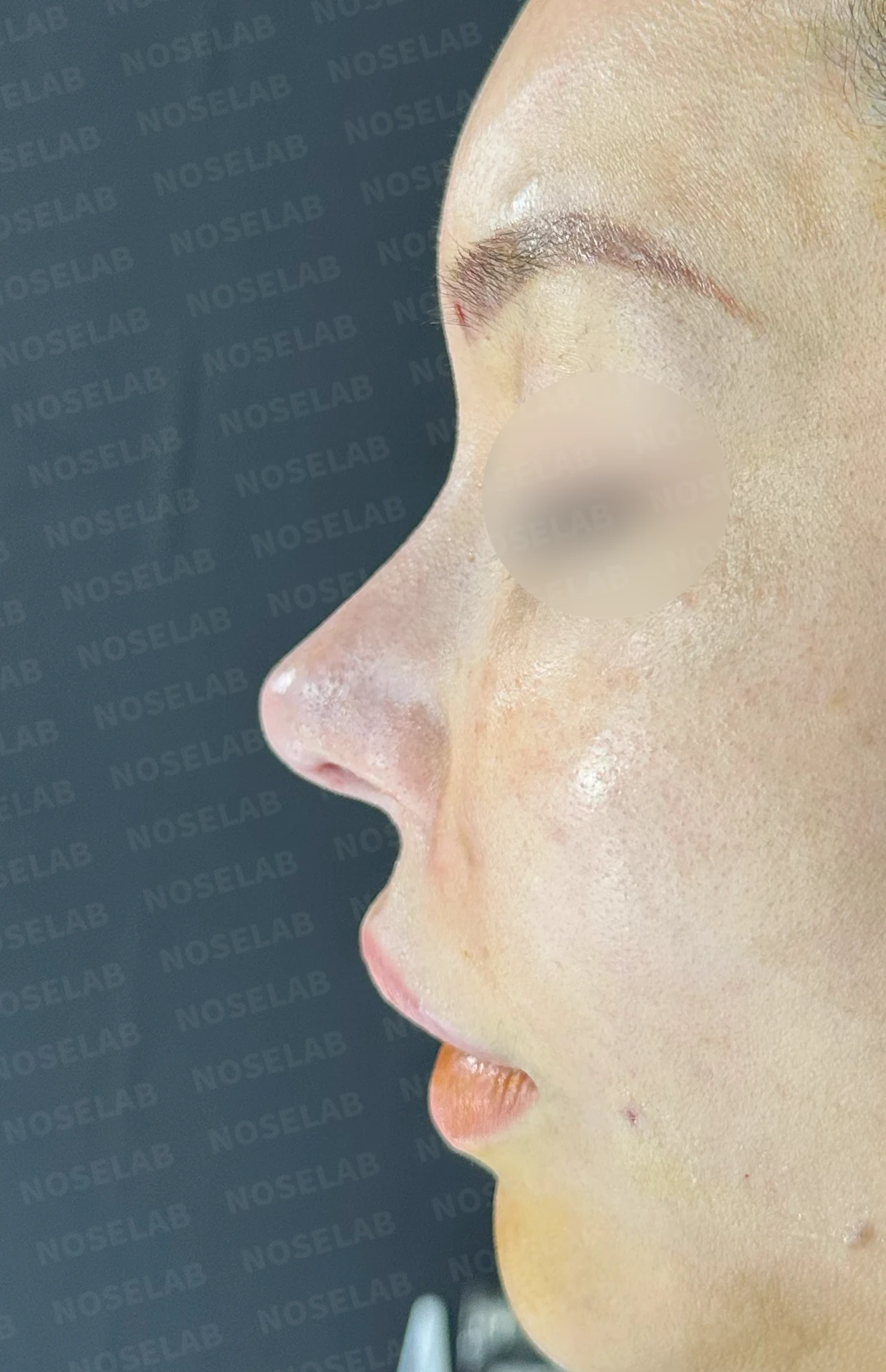
Before surgery / Day 0 immediately after surgery Photos taken immediately after surgery show swelling and may differ from the final result.
2. Profile view
Improved radix height
Stable tip position
Corrected nasolabial angle
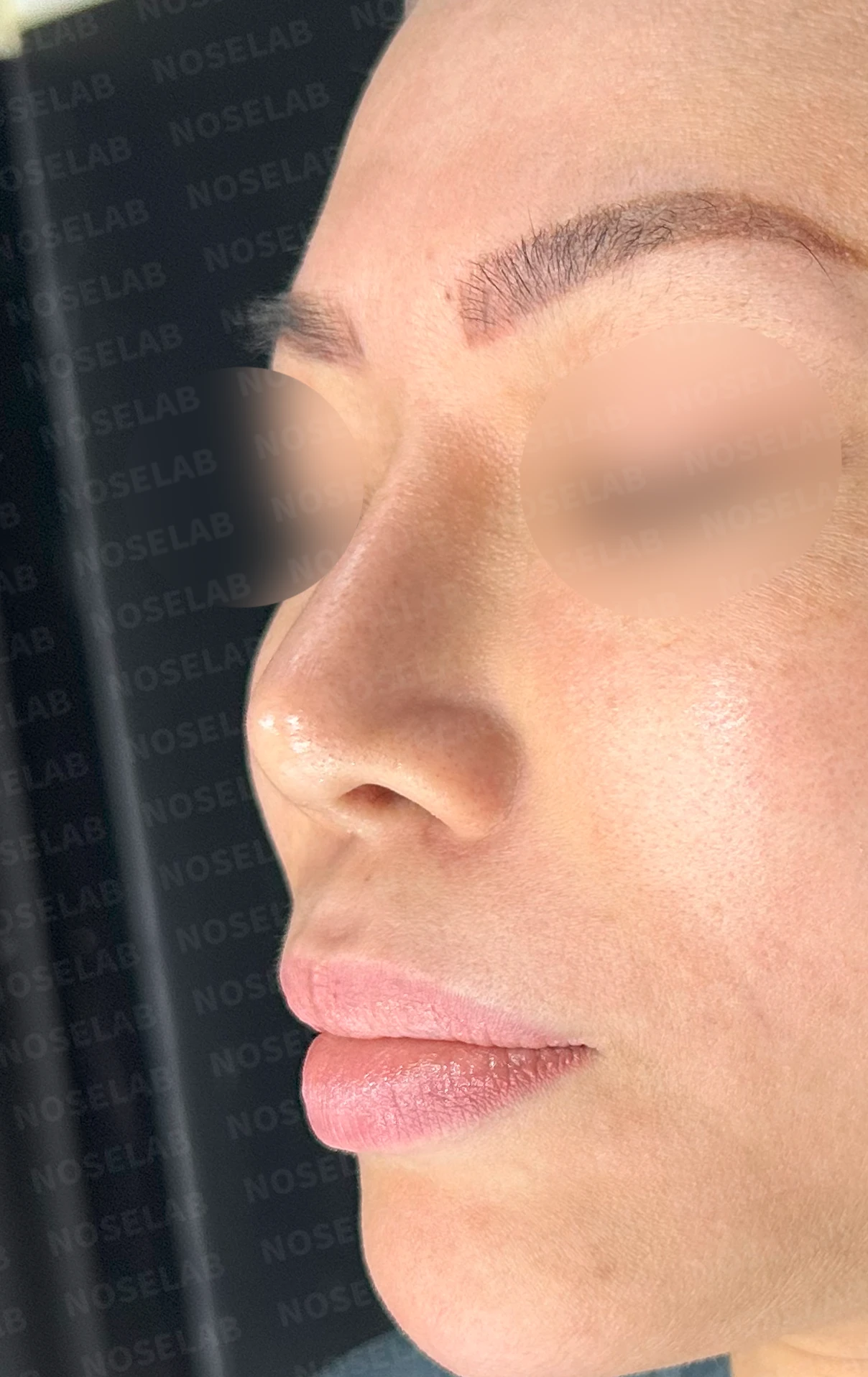
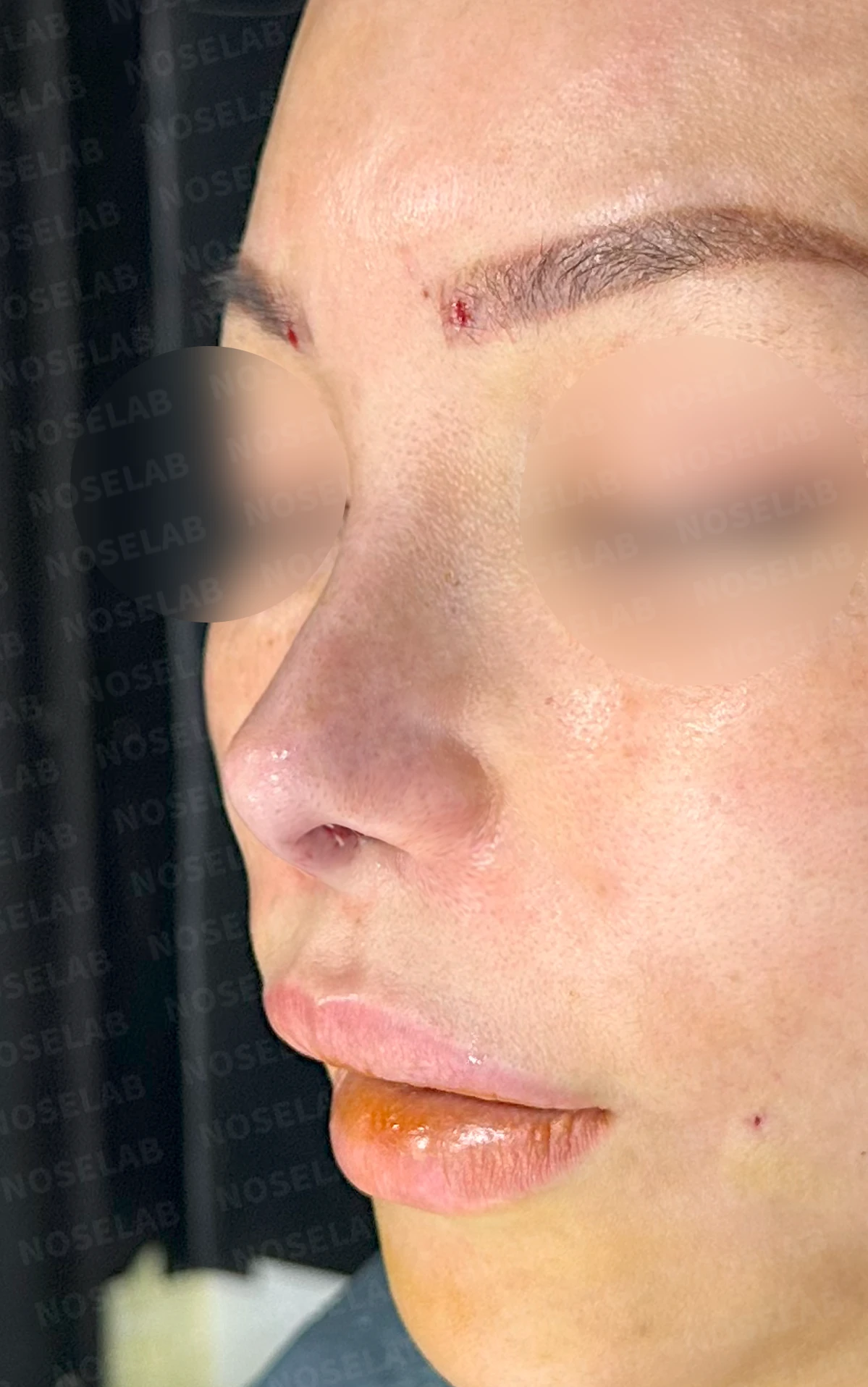
Before surgery / Day 0 immediately after surgery Photos taken immediately after surgery show swelling and may differ from the final result.
3. Oblique view
Natural three-dimensional definition
Improved protruding mouth
Harmonious line
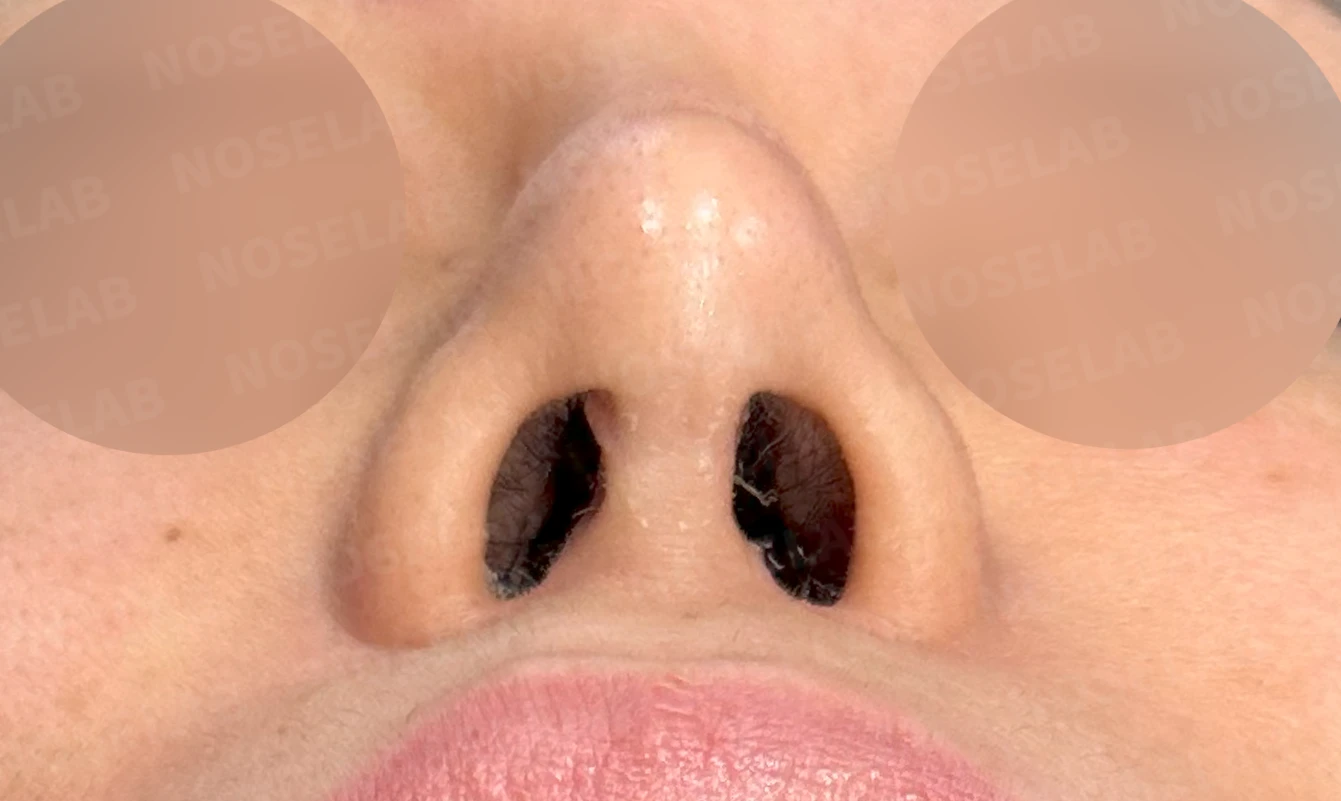
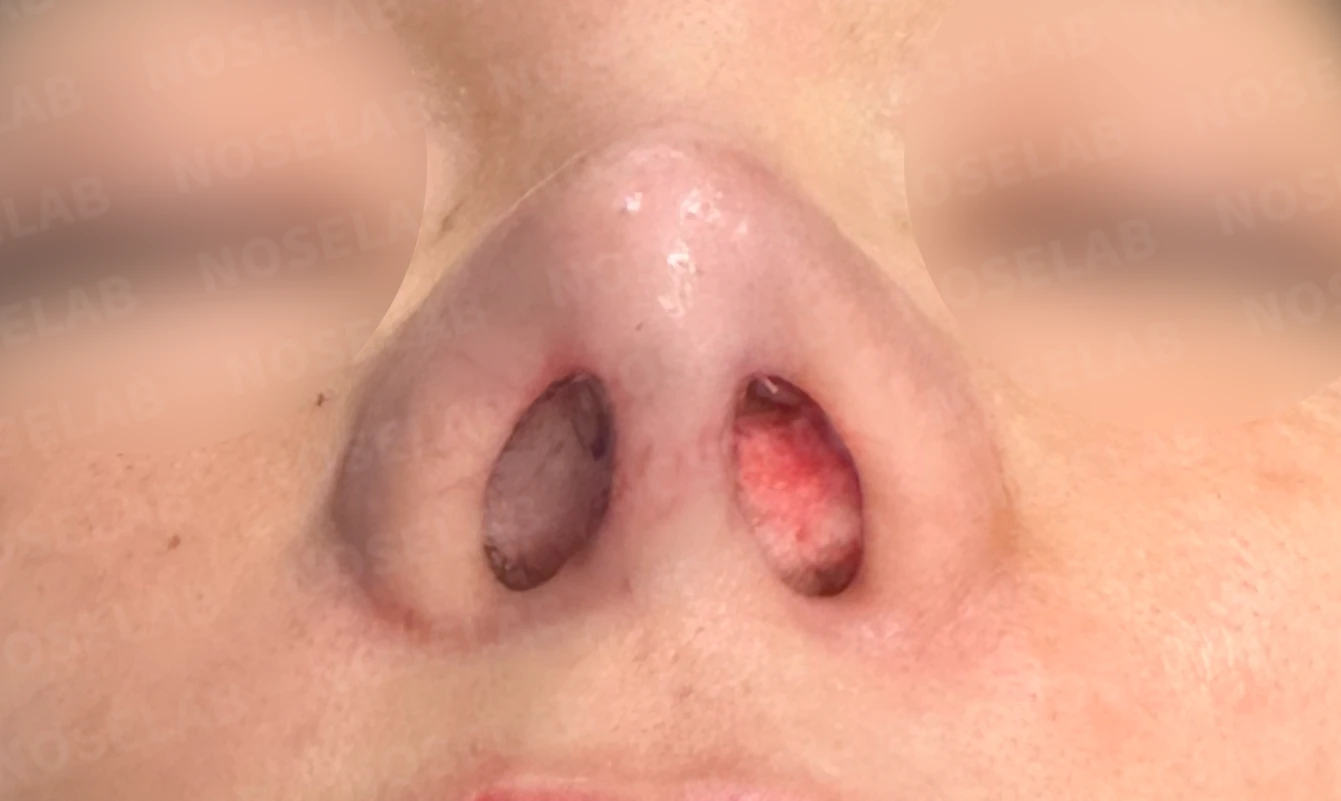
Before surgery / Day 0 immediately after surgery Photos taken immediately after surgery show swelling and may differ from the final result.
👨⚕️ Specialist's assessment
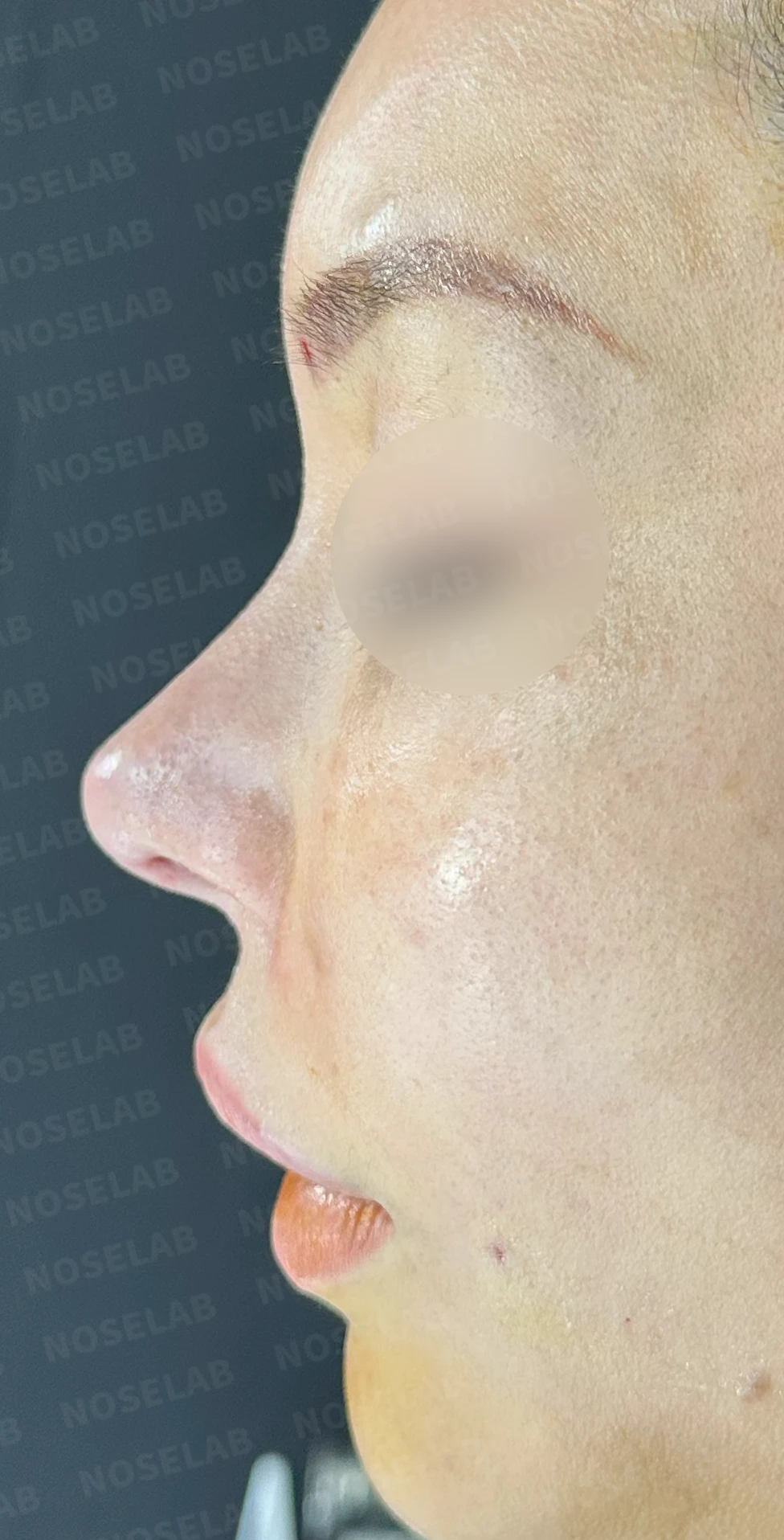
Front, oblique, and profile views on day 0 immediately after surgery. Photos taken immediately after surgery show swelling and may differ from the final result.
Basal (nostril) view taken immediately after surgery (day 0).Immediate postoperative photos show swelling and may differ from the final result.
This case clearly illustrates the characteristics of Silitex (Gore-Sil). Because Gore-Tex adheres tightly to the skin tissue, the implant can become visible, and removal requires particular care. Without sufficient surgical experience, thin fragments of Gore-Tex can remain behind, making high expertise essential for this procedure. In this surgery, the foreign material was removed with safety in mind, and autologous rib cartilage and silicone were appropriately utilized to achieve a natural result.
This was Dr. Peter C. Kang. Thank you.
Thank you.

#closedrhinoplasty #revisionrhinoplasty #foreignbodyremoval #silitexremoval #customrhinoplasty
Limitations and risks
When autologous rib cartilage is used, scarring and pain may remain at the donor site on the chest, and pneumothorax (pleural injury) can occur rarely. Over time, the grafted cartilage may warp or undergo partial resorption.
When revising after implant removal, contracture may progress again after removal, the nasal height and length may decrease, and staged surgery may be necessary depending on the skin condition.
When foreign materials such as injected fillers are removed and reconstructed, contracture may recur, nasal height and length may decrease, and staged surgery may be necessary depending on the skin condition.
Common potential risks include infection, bleeding, asymmetry, scarring, skin necrosis, and insufficient improvement; results vary depending on individual skin condition and previous surgical history.